
TalkToMeInKorean's Blog, page 7
July 29, 2020




July 6, 2020
restriction message – Long Sentence Training
 This course is available only for Premium Members.Upgrade your membership to Premium now!Join the club
About this course
You can still speak fluent Korean through short & efficient sentences, but sometimes, you want to be able to express your thoughts freely through long and flexible sentences. This course will help you learn a lot of expressions you can use to link several words and phrases. You don’t have to always talk in long sentences, but studying with big sentences can help you significantly improve your Korean reading skills.
Target level
from lower-intermediate to advanced
What can you achieve through this course?
Learn useful expressions for linking different verbs
Understand how Korean sentences can become longer
Understand how sentence endings can change the meaning of the entire sentence
Trailer
Lecturer
 Hyunwoo Sun
Course language
English, Korean
What can you find inside the course?
10 video lessons of long sentence training
Lesson notes including vocab & phrase lists
Table of Contents
카페에서 한국어 공부 (Studying Korean at a cafe)
친구의 약속 (My friend’s promise)
빨리 사야 돼! (I have to buy it quickly!)
재미있는 책 (A fun book)
저는 요리를 못해요 (I’m not good at cooking.)
친구들 볼 시간이 없어요 (I have no time to see my friends.)
한국어 재미있어요 (Korean is fun.)
제 휴대폰의 안 좋은 점 (The downside of my phone)
새로운 진공 청소기 (A new vacuum cleaner)
이사 때문에 고민이에요 (Moving is giving me a headache.)
The post restriction message – Long Sentence Training appeared first on Talk To Me In Korean.
July 1, 2020
Learn Korean with a Korean Drama – 사랑, 기억에 머물다 (Part 3)

사랑, 기억에 머물다 is a web drama about mind-reading technology and love, and features a member of the popular Korean girl group Apink (에이핑크).
You can learn very useful real-life Korean expressions through engaging episodes!
This is the part 3 of the drama course containing 11 lessons.
Check out the rest of the lessons here:
Learn Korean with a Korean Drama – 사랑, 기억에 머물다 (Part 1)
Learn Korean with a Korean Drama – 사랑, 기억에 머물다 (Part 2)
Lesson 23
The main phrase of this lesson: 하여간 진지함이라고는 1도 없어요.
하여간 anyway, anyhow, whatever
진지함 seriousness
1도 = 하나도 at all
Lesson 24
The main phrase of this lesson: 그말 그대로 반사.
그 that, the
말 language, words
그대로 as is, the way it is
반사 reflection
Lesson 25
The main phrase of this lesson: 가요. / 어딜…? / 우리 오늘 살짝 땡땡이 쳐요.
가요 Let’s go
어딜 = 어디를 = 어디에 where
우리 we
오늘 today
살짝 slightly
땡땡이 치다 play hookie, skip work or class
Lesson 26
The main phrase of this lesson: ‘아무거나’라는 메뉴는 없는데요.
아무거나 anything
-라는 that is called
메뉴 item on the menu
Lesson 27
The main phrase of this lesson: 좋아해도 됩니까?
좋아하다 to like, to have a crush
-도 되다 be okay to, be allowed to
Lesson 28
The main phrase of this lesson: 오빠, 정말로 기억 안 나?
정말로 = 정말 = really
기억 memory
기억나다 to remember
기억 안 나다 to not remember
Lesson 29
The main phrase of this lesson: 그럼 오늘은 내가 집에 데려다줄게요. 특별히.
그럼 then
오늘은 as for today
데려다주다 take someone there
특별히 as a special case, this time only
Lesson 30
The main phrase of this lesson: 아니에요. 안 그래도 배고팠는데. 가요. 가요.
안 그래도 even before you asked, I was already going to
배고프다 to be hungry
Lesson 31
The main phrase of this lesson: 아… 유하리를 괜히 보냈네.
괜히 in vain, uselessly, needlessly, fruitlessly, pointlessly, gratuitously, without reason[ground], for nothing, to no purpose
Lesson 32
The main phrase of this lesson: 이게 세상에서 단 하나뿐인 목걸이거든.
세상 world
단 only
-뿐 only
목걸이 necklace
Lesson 33
The main phrase of this lesson: 친오빠잖아. / 나 친오빠 아니야. 우리가 어디가 닮았어?
친오빠 = real older brother, biological older brother
닮다 = to look alike, to resemble
Learn Korean with a Korean Drama – 사랑, 기억에 머물다 (Part 2)
사랑, 기억에 머물다 is a web drama about mind-reading technology and love, and features a member of the popular Korean girl group Apink (에이핑크).
You can learn very useful real-life Korean expressions through engaging episodes!
This is the part 2 of the drama course containing 11 lessons.
Check out the rest of the lessons here:
Learn Korean with a Korean Drama – 사랑, 기억에 머물다 (Part 1)
Learn Korean with a Korean Drama – 사랑, 기억에 머물다 (Part 3)
Lesson 12
The main phrase of this lesson: 영업 끝났습니다. 영업 끝났다니까요.
영업 = operation of business
영업 시간 = business hours
끝나다 = to be over, to finish
-다니까요 = I said
Lesson 13
The main phrase of this lesson: 저는 그냥 평범한 대학생인데요.
저 = I
그냥 = just
평범한 = ordinary, regular, common
대학생 = university student
-인데요 emphasis
Lesson 14
The main phrase of this lesson: 뭐… 이 정도는 끄떡없죠.
뭐 = well
이 = this
정도 = degree, extent
끄떡이다 = to nod (= 끄덕이다)
끄떡하다 = to move a little bit
끄떡없다 = to be unmoved, to be intact
Lesson 15
The main phrase of this lesson: 엄마, 깜짝이야. / 피곤하게 굴지 말고, 협조 좀 하자.
엄마 = Oh my!
깜짝이야. = It scared me.
피곤하다 = to be tiring/tired
피곤하게 굴다 = to be difficult
협조 = cooperation
하자 = Let’s. / Do it.
Lesson 16
The main phrase of this lesson: 근데 넌 아까부터 왜 자꾸 반말이지…요?
근데 = but (= 그런데)
넌 = 너는
아까부터 = from earlier, continuously
왜 = why
자꾸 = repeatedly
반말 = casual language
Lesson 17
The main phrase of this lesson: 뭔가 착각을 하고 있는 모양이네.
뭔가 = something
착각 = delusion, mistake
모양 = shape
Lesson 18
The main phrase of this lesson: 어쩌다가 제가 주요 인물이 됐는지 모르겠네요. 팔자에도 없는 보디가드에… 참.
어쩌다가 how
주요 인물 key figure, main character
팔자 destiny, fortune
Lesson 19
The main phrase of this lesson: 오빠. / 뭐냐, 갑자기? 웬 오빠? 무서워.
오빠 older brother, older guy
뭐냐?= 뭐야? (more casual)
갑자기 suddenly
웬 why suddenly, how come suddenly
무섭다 to be scary/scared
Lesson 20
The main phrase of this lesson: 얘가 오늘따라 왜 이래, 새삼스럽게?
오늘 today
-따라 more than usual
왜 why
이렇다 to be like this
새삼스럽게 anew, unnecessarily, after a long time
Lesson 21
The main phrase of this lesson: 저희 오늘부터 여기에서 신세 좀 져야 될 것 같습니다.
저희 we (humble)
오늘부터 from today
여기에서 here
신세 indebtedness, owing a favor
신세지다 own someone, depend on someone
-야 되다 have to / -ㄹ 것 같다 seem like
Lesson 21
The main phrase of this lesson: 범죄잖아요. 그쪽 하는 일.
범죄 crime
그쪽 you
하다 do
일 work
Learn Korean with a Korean Drama – 사랑, 기억에 머물다 (Part 1)
사랑, 기억에 머물다 is a web drama about mind-reading technology and love, and features a member of the popular Korean girl group Apink (에이핑크).
You can learn very useful real-life Korean expressions through engaging episodes!
This is the part 1 of the drama course containing 11 lessons.
Check out the rest of the lessons here:
Learn Korean with a Korean Drama – 사랑, 기억에 머물다 (Part 2)
Learn Korean with a Korean Drama – 사랑, 기억에 머물다 (Part 3)
Lesson 1
The main phrase of this lesson: 그래. 다 그런 거지 뭐. 겉과 속이 다른 세상. 참…
그래. = Yes. / That’s right.
다 그런 거지. = Sure, it’s like that.
뭐 = adds a sense of giving up or low expectations
겉과 속이 다른 세상 = a world where people are different inside and outside
참 = sigh
Lesson 2
The main phrase of this lesson: 네가 이렇게 미안해 할 줄 알고, 내가 네 이름으로 좀 먹었다.
네가 = you
이렇게 = like this
미안해 하다 = to feel apologetic
네 이름으로 = under your name
좀 = a little bit
Lesson 3
The main phrase of this lesson: 나 여기 단골인데… 왜 몰랐지?
나 = I
여기 = here, this place
단골 = regular customer
왜 = why
모르다 = to not know
Lesson 4
The main phrase of this lesson: 지금 입맛이 별로 없어. 그리고 이게 뭐 하루 이틀이냐.
지금 = now
입맛 = appetite
별로 = not particularly
그리고 = and
하루 = one day
이틀 = two days
Lesson 5
The main phrases of this lesson: 샤워하고 나오잖아? 뽀샤시해 가지고 기가 막히게 예뻐요. 청순하고.
샤워하다 = to take a shower
뽀샤시하다 = to have perfect skin, to glow
기가 막히게 = amazingly, breathtakingly
예쁘다 = to be pretty
청순하다 = to have innocent beauty
Lesson 6
The main phrase of this lesson: 뭐야? 추운데 왜 길거리에서 저러고 있는 거야?
뭐야? = What is it?
춥다 = to be cold
왜 = why
길거리 = street
저러고 = 저렇게 하고 = like that
Lesson 7
The main phrase of this lesson: 분명 있었는데… 내가 잘못 본 건가?
분명 = definitely, certainly
있다 = to exist, to be there
있었는데 = they were there but
잘못 = incorrectly
보다 = to see
Lesson 8
The main phrase of this lesson: 이야, 여기 다녀? 우리 진짜 인연인가 보네.
이야. = Wow.
여기 = here
다니다 = to go regularly, to attend
우리 = we
진짜 = really
인연 = destiny, meant to be together, meant to meet
-인가 보네 = I guess it is, it seems to be
Lesson 9
The main phrases of this lesson: 인상착의는 기억나세요? / 그게 밤이라… 또 너무 어두워 가지고… 잘….
인상 = what someone looks like
착의 = what someone is wearing
인상착의 = appearance
기억나다 = to remember
그게 = The thing is…
밤 = night
-이라(서) = because
또 = also
너무 = very, too
어둡다 = to be dark
잘 = well, skillfully
Lesson 10
The main phrase of this lesson: 야, 나 오늘 짤리는 거 아닌가 조마조마했거든. 엄청 잘 됐지?
야 = hey
오늘 = today
짤리다 (잘리다) = to be cut, to be fired
-는 거 아닌가 = perhaps I will, maybe I will
조마조마하다 = to be nervous
엄청 = very, really
잘 되다 = to go well, to be good news
Lesson 11
The main phrase of this lesson: 아주 잘 하는 짓이다.
아주 = very
잘 = well
하다 = do
짓 = deed, doing, action
June 30, 2020
How to make Korean sentences (For absolute beginners)
Are you considering the idea of learning Korean?
First of all, you are absolutely at the right place to do.
And second of all, we have a video for you that will save you a lot of time.
The general sentence structure and order order in the Korean language can be quite different from English, because verbs generally come at the very end.
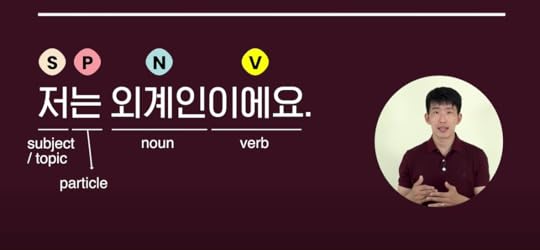
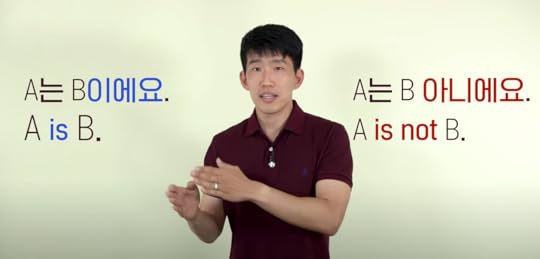
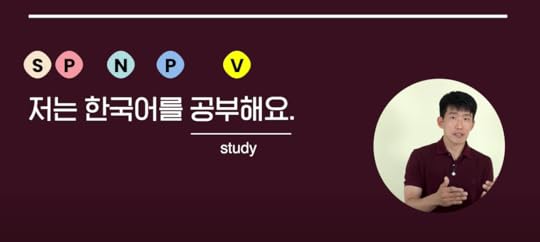
Understanding how Korean sentences are formed in general will help you navigate better through the Korean language. Once you are done with the video lesson above, you are ready to start learning more Korean! Even if you have no prior knowledge of the Korean language, we have everything you need to learn to speak Korean. You can start learning with our paper books, e-books or online courses that you can take on the go!
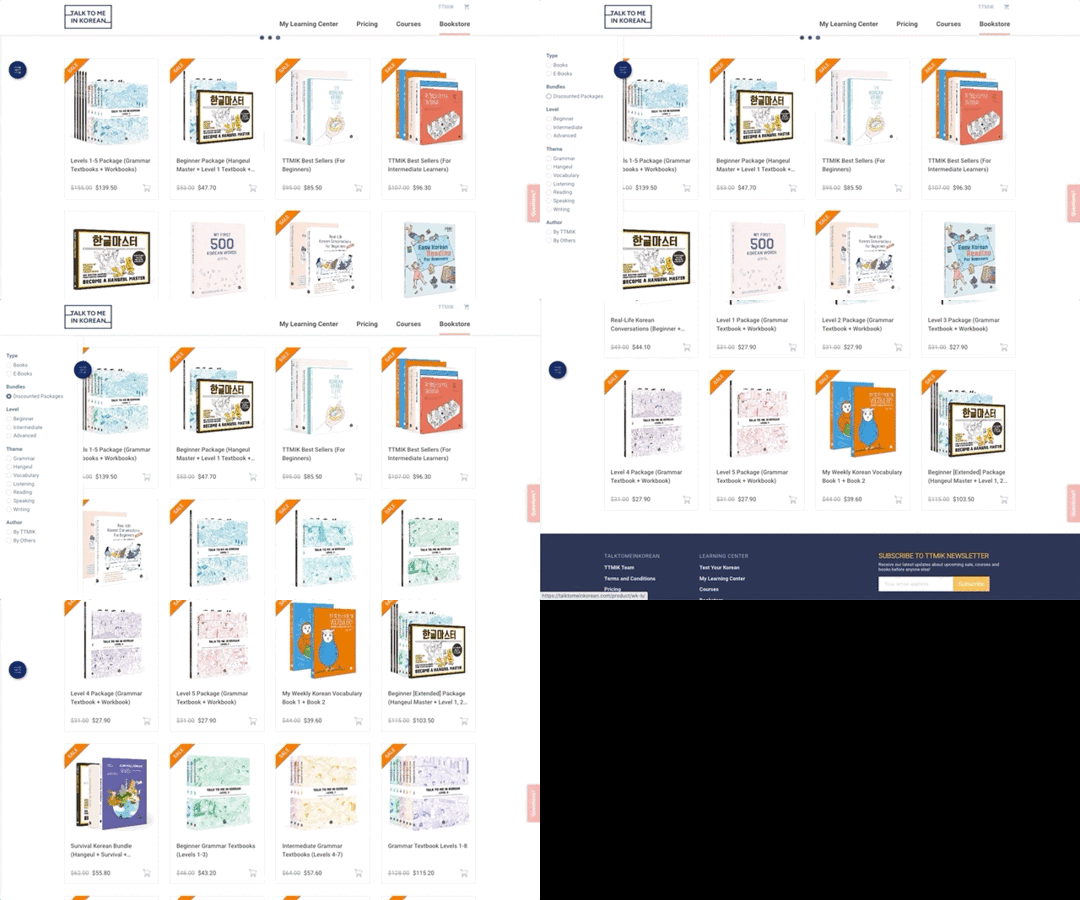
[ Browse our online bookstore here ]
All of our books are shipped globally every day through fast and secure shipping.
[image error]
The post How to make Korean sentences (For absolute beginners) appeared first on Talk To Me In Korean.
June 24, 2020
restriction message – Korean Pronunciation Guide
This course is available only for Premium Members.Upgrade your membership to Premium now!Join the clubTarget level
From upper beginners to advanced learners
What can you achieve through this course?
Learn all the official rules of Korean pronunciation
Learn the correct pronunciation of words or phrases that Korean learners often make mistakes when pronouncing
Practice along with a native speaker to improve your pronunciation
Take quizzes designed to advance your listening and help you differentiate sounds
Trailer + Sample lesson
Lecturers
 Cassie Casper
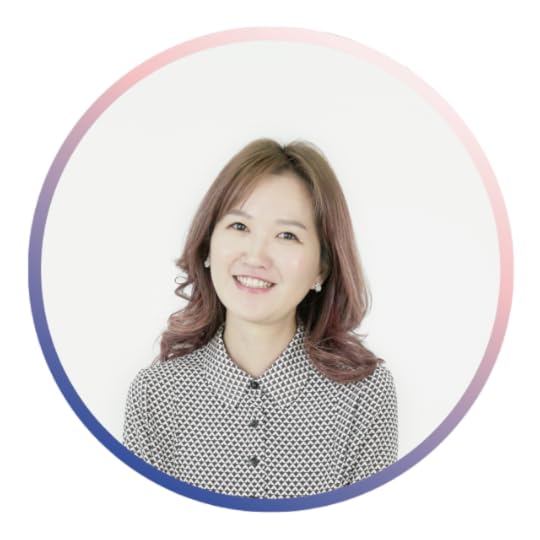 Kyung-hwa Sun
Course language
English
What can you find inside the course?
25 video lessons
A PDF file of lesson notes
Customer reviews
“Hands down the best money I spent on TTMIK products. I learned so much. (Rather I had to unlearn things to relearn them.) While I may not say everything correctly 100% of the time yet since I am still memorizing all the rules and still training myself to forget what I was taught before, I have noticed I am starting to hear the sounds (or what letter they are pronounced like) correctly more often than I was before. Plus when I forget a rule while I’m studying and the word I hear sounds different from what I said I now understand why and I know there is just a rule there that I just need more practice with. It is a much better and more reassuring situation than before where someone was telling me “this is how this one word is pronounced but that is all you’re going to get for this lesson. figure the rest out for yourself.” Thank you TTMIK.”
Carrie P.
“Love these. The videos are actually enjoyable to watch and make studying fun. Honestly! It’s like lightbulbs flashing on when I learn the mysteries of when things don’t sound like they’re written. Everyone should watch this. You’ll save yourself a LOT of confusion and stress.”
Barbara B.
Table of contents
Diphthongs: Why don’t Koreans pronounce 의 as 의?
Long/Short Vowel Sounds: Are 눈(snow) and 눈(eye) pronounced differently?
Batchim: 빋 = 빗 = 빚 = 빛 = 빝 = 빟
Compound Consonants as Batchim: Should I pronounce the ㄹ or ㄱ in 읽다?
Assimilation Part 1: 닫히다 and 다치다 are pronounced exactly the same way.
Assimilation Part 2: ㄴ always becomes ㄹ when it’s with ㄹ.
Fortition Part 1: Why is 박주연 pronounced 박쭈연?
Fortition Part 2: Why is 갈 거예요 pronounced 갈 꺼예요?
ㄴ Insertion: Why isn’t 꽃잎 pronounced 꼬칲?
ㅅ Insertion: Why isn’t 나뭇잎 pronounced 나무싶?
Ending Consonant Sounds: Ignore the romanizations.
ㄴ vs N
ㄹ vs L
ㄷ vs D
Differentiating ㅈ, ㅊ, and ㅉ
Differentiating ㄱ, ㅋ, and ㄲ
Differentiating ㅂ, ㅍ, and ㅃ
Differentiating ㅅ and ㅆ
Differentiating ㄷ, ㅌ, and ㄸ
오 vs 어
요 vs 여
으 vs 우
When Spelling and Pronunciation Are Different
English Loan Words
Korean Words English Speakers Know
The post restriction message – Korean Pronunciation Guide appeared first on Talk To Me In Korean.
April 13, 2020
Korean Word Comparison – 갈아타다 vs. 환승하다 (to transfer)
There are two words to say ‘to transfer’ in Korean (갈아타다 환승하다). 
April 8, 2020
Learn to say “Yes” and “No” in Korean
Welcome back to Talk To Me In Korean! “Yes” and “no” are essential expressions in any language you want to learn, and Korean is no exception in that regard. Listen to this free audio lesson to learn how to say and correctly pronounce “yes” and “no” in Korean!
Create a free account here on our website and you can access all of our Essential Korean Courses for free. You can find the courses in your learning center.
The very first lesson you need to listen to (“Hello” and “Thank you” in Korean)
Welcome to Talk To Me In Korean. If you are just starting out with the Korean language, first of all, you are in the right place. Second of all, this is the first lesson you need to listen to before you learn more.
In this audio lesson, you can learn how to say “Hello” and “Thank you” in Korean. Create a free account here on our website and you can access all of our Essential Korean Courses for free. You can find the courses in your learning center.
TalkToMeInKorean's Blog

- TalkToMeInKorean's profile
- 254 followers

