
TalkToMeInKorean's Blog, page 6
October 31, 2021


July 11, 2021
(Basic) 10 useful Korean words that have repeated syllables

10 words from the lesson with natural examples
10 words from the lesson with natural examples & explanation5 extra words that have repeated syllables1. 쌀쌀하다: to be chilly
– 한국은 이제 봄이에요. 그래도 아침에는 여전히 조금 쌀쌀해요. (It’s spring in Korea. It’s still chilly in the mornings, though.)
Ex.
– 밖이 쌀쌀하니까 자켓 꼭 챙기세요. (It’s chilly outside so make sure to bring your jacket.)
– 겨울이 되면서 점점 쌀쌀해지고 있어요. (It’s getting chilly as winter comes.)
쌀쌀하다 vs. 서늘하다
: Differences between 쌀쌀하다 and 서늘하다. Differences between 쌀쌀하다 and 서늘하다.Differences between 쌀쌀하다 and 서늘하다.Differences between 쌀쌀하다 and 서늘하다.Differences between 쌀쌀하다 and 서늘하다.Differences between 쌀쌀하다 and 서늘하다.Differences between 쌀쌀하다 and 서늘하다.Differences between 쌀쌀하다 and 서늘하다.Differences between 쌀쌀하다 and 서늘하다.Differences between 쌀쌀하다 and 서늘하다.
2. 넉넉하다[넝너카다]: to be enough, to be plenty
– 그 정도면 아주 넉넉할 거 같아요. (I think that’ll be quite enough.)
Ex.
– 우리 시간 넉넉해요. (We have a plenty of time.)
– 넉넉하게 주문할 걸 그랬어요. (We should have ordered enough of it.)
3. 출출하다: to be slightly hungry
– 좀 출출하다. (I’m a little hungry.)
Ex.
– 우리 시간 넉넉해요. (We have a plenty of time.)
– 넉넉하게 주문할 걸 그랬어요. (We should have ordered enough of it.)

July 5, 2021
(Premium) 10 useful Korean words that have repeated syllables
10 words from the lesson with natural examples
10 words from the lesson with natural examples & explanation
5 extra words that have repeated syllables1. 쌀쌀하다: to be chilly
– 한국은 이제 봄이에요. 그래도 아침에는 여전히 조금 쌀쌀해요. (It’s spring in Korea. It’s still chilly in the mornings, though.)
Ex.
– 밖이 쌀쌀하니까 자켓 꼭 챙기세요. (It’s chilly outside so make sure to bring your jacket.)
– 겨울이 되면서 점점 쌀쌀해지고 있어요. (It’s getting chilly as winter comes.)
* 쌀쌀하다 vs. 서늘하다
: Differences between 쌀쌀하다 and 서늘하다. Differences between 쌀쌀하다 and 서늘하다.Differences between 쌀쌀하다 and 서늘하다.Differences between 쌀쌀하다 and 서늘하다.Differences between 쌀쌀하다 and 서늘하다.Differences between 쌀쌀하다 and 서늘하다.Differences between 쌀쌀하다 and 서늘하다.Differences between 쌀쌀하다 and 서늘하다.Differences between 쌀쌀하다 and 서늘하다.Differences between 쌀쌀하다 and 서늘하다.
2. 넉넉하다[넝너카다]: to be enough, to be plenty
– 그 정도면 아주 넉넉할 거 같아요. (I think that’ll be quite enough.)
Ex.
– 우리 시간 넉넉해요. (We have a plenty of time.)
– 넉넉하게 주문할 걸 그랬어요. (We should have ordered enough of it.)
3. 출출하다: to be slightly hungry
– 좀 출출하다. (I’m a little hungry.)
Ex.
– 우리 시간 넉넉해요. (We have a plenty of time.)
– 넉넉하게 주문할 걸 그랬어요. (We should have ordered enough of it.)
4. 딱딱하다[딱따카다]: to be hard, to be solid
– 근데 조금 딱딱해요. (But they are kind of hard.)
Ex.
– 우리 시간 넉넉해요. (We have a plenty of time.)
– 넉넉하게 주문할 걸 그랬어요. (We should have ordered enough of it.)
5. 평평하다: to be flat
– 평평하다? 저 발 평평해요! (Flat? My feet are flat.)
Ex.
– 우리 시간 넉넉해요. (We have a plenty of time.)
– 넉넉하게 주문할 걸 그랬어요. (We should have ordered enough of it.)
* 평평하다 vs. 납작하다
: Differences between 평평하다 and 납작하다. Differences between 평평하다 and 납작하다.Differences between 평평하다 and 납작하다.Differences between 평평하다 and 납작하다.Differences between 평평하다 and 납작하다.Differences between 평평하다 and 납작하다.Differences between 평평하다 and 납작하다.Differences between 평평하다 and 납작하다.Differences between 평평하다 and 납작하다.Differences between 평평하다 and 납작하다.
6. 똑똑하다[똑또카다]: to be smart
– 오늘 레슨 저 다 이해하고 있어요. 똑똑하죠? (I’m understanding everything in your lesson today. I’m smart, right?)
Ex.
– 우리 시간 넉넉해요. (We have a plenty of time.)
– 넉넉하게 주문할 걸 그랬어요. (We should have ordered enough of it.)
7. 심심하다: to be bored
– 촬영 언제 끝나요? 너무 심심해요. (When are you going to finish filming? I’m so bored.)
Ex.
– 우리 시간 넉넉해요. (We have a plenty of time.)
– 넉넉하게 주문할 걸 그랬어요. (We should have ordered enough of it.)
8. 답답하다[답따파다]: to be stuffy, to be frustrated
– 근데 여기 좀 답답해요. 창문 좀 열어도 돼요? (It’s a bit stuffy in here. Can I open the window?)
Ex.
– 우리 시간 넉넉해요. (We have a plenty of time.)
– 넉넉하게 주문할 걸 그랬어요. (We should have ordered enough of it.)
* 8 different meanings of 답답하다
1) to be frustrated
2) to be stuffy
3) to be cramped
4) to be suffocated
.
.
8) to be unadaptable
9. 쨍쨍하다: (sun) to be shining, to beat down
– 와. 진짜 쨍쨍하다. (Oh. It’s really beating down.)
Ex.
– 우리 시간 넉넉해요. (We have a plenty of time.)
– 넉넉하게 주문할 걸 그랬어요. (We should have ordered enough of it.)
10. 깜깜하다: to be very dark
– 근데 왜 여기 이렇게 깜깜해요? (By the way, why is it so dark in here?)
Ex.
– 우리 시간 넉넉해요. (We have a plenty of time.)
– 넉넉하게 주문할 걸 그랬어요. (We should have ordered enough of it.)
11. 팽팽하다: to be tight
– 팽팽하게 잡아당기세요. (Pull it tight.)
Ex.
– 우리 시간 넉넉해요. (We have a plenty of time.)
– 넉넉하게 주문할 걸 그랬어요. (We should have ordered enough of it.)
12. 팽팽하다: to be tight
– 그 정도면 아주 넉넉할 거 같아요. (I think that’ll be quite enough.)
Ex.
– 우리 시간 넉넉해요. (We have a plenty of time.)
– 넉넉하게 주문할 걸 그랬어요. (We should have ordered enough of it.)
13. 팽팽하다: to be tight
– 그 정도면 아주 넉넉할 거 같아요. (I think that’ll be quite enough.)
Ex.
– 우리 시간 넉넉해요. (We have a plenty of time.)
– 넉넉하게 주문할 걸 그랬어요. (We should have ordered enough of it.)
14. 팽팽하다: to be tight
– 그 정도면 아주 넉넉할 거 같아요. (I think that’ll be quite enough.)
Ex.
– 우리 시간 넉넉해요. (We have a plenty of time.)
– 넉넉하게 주문할 걸 그랬어요. (We should have ordered enough of it.)
15. 팽팽하다: to be tight
– 그 정도면 아주 넉넉할 거 같아요. (I think that’ll be quite enough.)
Ex.
– 우리 시간 넉넉해요. (We have a plenty of time.)
– 넉넉하게 주문할 걸 그랬어요. (We should have ordered enough of it.)
10 useful Korean words that have repeated syllables
쌀쌀하다: to be chilly
한국은 이제 봄이에요. 그래도 아침에는 여전히 조금 쌀쌀해요.
It’s spring in Korea. It’s still chilly in the mornings, though.
넉넉하다[넝너카다]: to be enough, to be plenty
그 정도면 아주 넉넉할 거 같아요.
I think that’ll be quite enough.
출출하다: to be slightly hungry
좀 출출하다.
I’m a little hungry.
딱딱하다[딱따카다]: to be hard, to be solid
근데 조금 딱딱해요.
But they are kind of hard.
평평하다: to be flat
평평하다? 저 발 평평해요!
Flat? My feet are flat.
똑똑하다[똑또카다]: to be smart
오늘 레슨 저 다 이해하고 있어요. 똑똑하죠?
I’m understanding everything in your lesson today. I’m smart, right?
심심하다: to be bored
촬영 언제 끝나요? 너무 심심해요.
When are you going to finish filming? I’m so bored.
답답하다[답따파다]: to be stuffy, to be frustrated
근데 여기 좀 답답해요. 창문 좀 열어도 돼요?
It’s a bit stuffy in here. Can I open the window?
쨍쨍하다: (sun) to be shining, to beat down
와. 진짜 쨍쨍하다.
Oh. It’s really beating down.
깜깜하다: to be very dark
근데 왜 여기 이렇게 깜깜해요?
By the way, why is it so dark in here?
May 10, 2021
Protected: test page 001
This content is password protected. To view it please enter your password below:
Password:
January 31, 2021
restriction message – Essential Korean 4-Character Idioms: 사자성어 with Tyler Rasch
 This course is available only for Premium Members.Upgrade your membership to Premium now!Join the clubjQuery(".premium-info").parent().addClass("premium-info-wrapper");
About this course
Expand your Korean vocabulary with Tyler Rasch through 4-character idioms based on Hanja! This is the perfect course for intermediate learners who are looking to build a more robust Korean vocabulary. You will find yourself using these expressions right away in your Korean conversations.
Target levelFrom mid intermediate to upper advanced
What can you achieve through this course?Build a foundation in essential Hanja-based words to develop a more robust vocabularyUnderstand 사자성어 used in everyday conversationsCourse IntroductionCourse language
English
What can you find inside the course?40 lesson videos and lesson notes
October 15, 2020
Review quick and easy with our NEW Review Lessons!
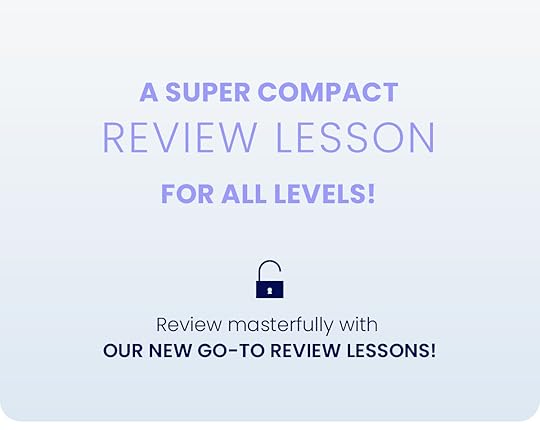
A brand new lesson dedicated solely for reviewing has finally been added to all levels of our Essential Korean Courses!
The main ideas of all 30 levels are squeezed into one compact lesson to make your run-of-the-mill review sessions more efficient and enjoyable.
One third of it is available to our Basic members, while the Premium users can befinit from it entirely.
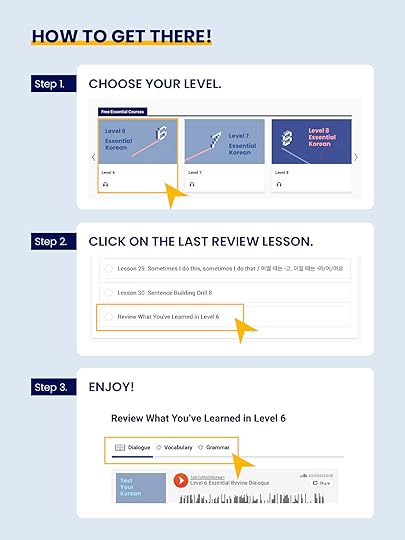

Test yourself quick and easy under the Dialogue tab! Listen to the audio conversation that covers everything you’ve learned in your particular level, and reinforce your understanding with the provided Korean script and its English translation. Study wherever, and whenever, using the complimentary MP3 and PDF files.
Available for both Basic & Premium Users.

August 12, 2020
30 Essential Irregular Korean Verbs
30 Essential Korean Irregular Verbs
You can take the practice course where you can review all the expressions above by listening and repeating along with the video lessons.
Take the course now: 30 Essential Irregular Korean Verbs for Beginners
to help 돕다
돕다 to help
도와요. I help.
도와 주세요. Help me, please.
More examples
제가 도와 드릴게요. I will help you.
불우 이웃을 도와 주세요. Please help the neighbors in need.
친구는 서로 도와야 해요. Friends should be helping each other.
to be difficult 어렵다
어렵다 to be difficult
어려워요. It’s difficult.
이 문제 너무 어려워요. This question is so difficult.
More examples
어려운 문제 difficult question
이거 안 어려워요? Isn’t it difficult?
너무 어려워서 포기했어요. I gave up because it was too difficult.
to be easy 쉽다
쉽다 to be easy
쉬워요. It’s easy.
이거 너무 쉬워요? Is it too easy?
More examples
쉬운 시험 easy exam
이거 정말 쉬워요. This is really easy.
쉬울 줄 알았어요. I thought this would be easy.
to be cold 춥다
춥다 to be cold
추워요. It’s cold.
오늘 날씨 정말 추워요. It’s so cold today.
More examples
추운 날씨 cold weather
여기는 안 추워요. It’s not cold here.
이렇게 추운 날 어디 가요? Where are you going on this cold day?
to be hot 덥다
덥다 to be hot
더워요. It’s hot.
밖에 많이 더워요? Is it very hot outside?
More examples
더운 여름 hot summer
한국 여름은 너무 더워요. Korean summers are too hot.
방이 더우니까 에어컨 켜 주세요. Please turn on the air conditioner because it’s hot in the room.
to lie down 눕다
눕다 to lie down
누워요. I lie down.
이 침대에 누우세요. Lie down on this bed.
More examples
누웠어요? Did you lie down?
아기가 자려고 막 누웠어요. The baby just lay down to sleep.
여기 누우세요. Please lie down here.
to bake, to roast 굽다
굽다 to bake, to roast
구워요. I bake.
같이 빵 구울래요? Do you want to bake the bread together?
More examples
다 구웠어요. I’ve finished baking.
빵을 구웠는데 맛이 없어요. I baked the bread but it’s not good.
이것 좀 구워 줄래요? Could you please bake this?
to be spicy 맵다
맵다 to be spicy
매워요. It’s spicy.
매워서 못 먹겠어요. I can’t eat it because it’s too spicy.
More examples
매운 음식 spicy food
매운 거 잘 먹어요? Do you eat spicy food well?
이거 너무 매워요. This is too spicy.
to be beautiful 아름답다
아름답다 to be beautiful
아름다워요. It’s beautiful.
와, 꽃이 정말 아름다워요. Wow. the flowers are so beautiful.
More examples
아름다운 풍경 beautiful scenery
이 산은 가을 정말 아름다워요. This mountain is really beautiful in the fall.
오늘따라 더 아름다워 보이네요. You look extra beautiful today.
to be cute 귀엽다
귀엽다 to be cute
귀여워요. It’s cute.
아기가 정말 귀여워요. The baby is so cute.
More examples
귀여운 강아지 cute dog
너무 작고 귀여워요. It’s so small and cute.
너무 귀여워서 갖고 싶어요. It’s so cute that I want to keep it.
to choose 고르다
고르다 to choose
골라요. I choose.
하나만 골라요. Just pick one.
More examples
이거 골라도 돼요? Can I pick this one?
뭐 골랐어요? What did you choose?
골랐어요? Did you choose?
to be different 다르다
다르다 to be different
달라요. It’s different.
그 두 사람은 정말 달라요. Those two people are really different.
More examples
제 거랑 달라요. It’s different from mine.
상황에 따라 달라요. It is different depending on the situation.
그들과 우리는 달라요. They are different from us.
to not know 모르다
모르다 to not know
몰라요. I don’t know.
누가 했는지 저는 몰라요. I don’t know who did it.
More examples
저는 정말 몰라요. I really don’t know.
이 문제는 몰라서 못 풀었어요. I couldn’t solve this problem because I didn’t know.
몰라도 괜찮아요. It’s okay not to know.
to be fast 빠르다
빠르다 to be fast
빨라요. It’s fast.
비행기가 가장 빨라요. Airplanes are the fastest.
More examples
버스가 가장 빨라요. The bus is the fastest.
누가 더 빨라요? Who’s faster?
거기는 여기보다 2시간 더 빨라요. They’re 2 hours ahead of us.
to cut 자르다
자르다 to cut
잘라요. I cut.
이거 좀 잘라 주세요. Please cut this.
More examples
이렇게 잘랐어요. I cut it like this.
이거랑 똑같이 잘라 주세요. Please cut it exactly like this.
왜 이렇게 잘랐어요? Why did you cut it like this?
to raise, to grow 기르다
기르다 to raise, to grow
길러요. I grow it.
저는 허브를 길러요. I grow herbs.
More examples
저는 집에서 강아지를 걸러요. I raise a dog in my house.
그는 턱수염을 길러요. He has a beard.
애완동물을 길러 본 적 있어요? Have you ever raised an animal?
to be lazy 게으르다
게으르다 to be lazy
게을러요. I’m lazy.
제 남동생은 너무 게을러요. My brother is very lazy.
More examples
겨울이 되면 더 게을러 져요. When it’s winter, you become lazier.
그는 너무 게을러서 하루종일 잠만 잤어요. He is so lazy that he slept the whole day.
그 사람은 게을러서 해고 당했어요. He got fired because he was lazy.
to press 누르다
누르다 to press
눌러요. I press it.
지금 눌러요? Do I press now?
More examples
이 버튼 눌러도 돼요? Can I press this button?
구독 버튼 눌러 주세요. Please hit the subscribe button.
다시 들으시려면 1번을 눌러 주세요. If you want to listen again, press 1.
to listen, to hear 듣다
듣다 to listen, to hear
들어요. I hear.
제 말 좀 들어 보세요. Please listen to me.
More examples
그 소식 들었어요? Have you heard about the news?
잘 들어 보세요. Listen carefully.
들을 준비 됐어요? Are you ready to listen?
to walk 걷다
걷다 to walk
걸어요. I walk.
저는 학교에 걸어가요. I walk to my school.
More examples
걸을까요? Shall we walk?
걸어 왔어요? Did you walk here?
여기서 걸어서 10분 정도 걸려요. It takes about 10 minutes by walking.
to ask 묻다
묻다 to ask
물어요. I ask.
무엇이든지 물어보세요. Please ask me anything.
More examples
그런 거 물어보지 마세요. Don’t ask something like that.
물어봤어요? Have you asked?
저기에서 물어보세요. Ask there.
to load 싣다
싣다 to load
실어요. I load.
짐 다 실었어요? Have you finished loading the luggage?
More examples
차에 실은 짐 the luggage that is loaded in the car
배에 화물을 실었어요. I loaded cargo on a ship.
이것 좀 트럭에 실어 주세요. Please load this into the truck.
to recover, to get well 낫다
낫다 to recover, to get well
나아요. It gets well.
푹 쉬고 얼른 나아요. Get some rest and get well
More examples
다 나았어요? Did you fully recover?
드디어 제 팔이 다 나았어요. My arm is finally okay now.
시간이 지나면 다 나을 거예요. Time will help you get well.
to join, to connect 잇다
잇다 to join, to connect
이어요. I connect
이 두 점을 이어요. Connect the two dots.
More examples
파이프를 이었어요. I connected pipes together.
이 두 점을 이을 수 있을까요? Can we connect these two dots?
다시 한 번 더 이어 보세요. Please try to connect it once again.
to build 짓다
짓다 to build
지어요. I build.
이 집은 제가 직접 지었어요. I built this house myself.
More examples
다 지었어요? Did you finish building?
내년까지 다 지어야 해요. You should build it by next year.
그 건물은 나무로 지어 졌어요. The building was built of wood.
to pour 붓다
붓다 to pour
부어요. I pour
이제 물을 한 컵 부어요. Now, pour a cup of water.
More examples
이걸 다 부었어요? Did you pour it all?
이것만 부으면 끝나요. It will done oncebe end if you pour this.
샐러드 위에 드레싱 부어 주세요. Please pour the dressing over the salad.
to draw (a line) 긋다
긋다 to draw (a line)
그어요. I draw (a line)
여기에 선을 그어 보세요. Draw a line here.
More examples
누가 여기에 선을 그었어요? Who drew this line here?
가로로 선을 그어 주세요. Draw a horizontal line.
빨간색으로 밑줄을 그으세요. Underline it in red.
to be blue 파랗다
파랗다 to be blue
파래요. It’s blue.
하늘이 정말 파래요. The sky is really blue.
More examples
파란 하늘 blue sky
추워서 입술이 파래요. My lips are blue because it’s cold.
겨울 바다는 정말 파래요. The sea in the winter is really blue.
to be black 까맣다
까맣다 to be black
까매요. It’s black.
옷 색깔이 다 까매요. The clothes are all black.
More examples
까만 콩 black bean
방이 온통 까매요. The room is totally black.
다크 초콜렛은 정말 까매요. Dark chocolate is really dark.
to be like this 이렇다
이렇다 to be like this
이래요. It’s like this.
항상 이래요. It’s always like this.
More examples
이 시계 왜 이래요? What’s wrong with this watch?
어떻게 이래요? How can this be like this?
우리만 이래요? Is it only us like this?
Please enable JavaScript
Email Marketing by Benchmark
#section_1206951166 {
padding-top: 30px;
padding-bottom: 30px;
}
August 10, 2020

August 5, 2020
How to say “How about like this?” in Korean
Here are some common ways to say “How about like this?” in Korean when you want to suggest an idea to someone.
[여기에 최종 영상 삽입]
1. 이렇게 하면 어때요? = How about we do it like this?
이렇게 = like this
하면 = if we do, if you do
어때요? = How is it?
2. 이렇게는 어때요? = How about like this?
이렇게 = like this
이렇게는 = as for like this
어때요? = How is it?
3. 이건 어때요? = How about this?
이건 = 이거는 = 이것은 = as for this one
어때요? = How is it?
4. 이렇게 하면 안 될까요? = Can we do it like this?
이렇게 = like this
하면 = if we do, if you do
안 되다 = it’s not okay, it doesn’t work
안 될까요? = will it not be okay?
More sample sentences
1. 이렇게는 어때요? 모두한테 비밀로 하는 거예요!
= How about like this? We keep it a secret from everyone!
2. 이렇게 하면 안 될까요? 전문가한테 물어 보는 거예요.
= How about we do it like this? We ask an expert.
3. 이건 어때요? 그냥 집에 있는 거예요.
= How about like this? We just stay at home.
4. 아니면 이렇게 하면 어때요?
= Or how about like this?
5. 만약 이 방법이 효과가 없으면, 이렇게 하면 어때요?
= If this method doesn’t work, how about like this?
6. 그것도 싫으면, 이건 어때요?
= If you don’t like that, either, how about this?
7. 그게 너무 비싸면, 이건 어때요?
= If that’s too expensive, how about this?
#gap-612416 {
padding-top: 30px;
}
Please enable JavaScript
Email Marketing by Benchmark
#section_1634790714 {
padding-top: 30px;
padding-bottom: 30px;
}
TalkToMeInKorean's Blog

- TalkToMeInKorean's profile
- 254 followers

