Amy Julia Becker's Blog, page 21
June 13, 2024
Humanity, Belonging, and “An Ordinary Future”
Penny’s school reached out months ago to make sure they could special order both a robe and a cap that would fit her well—an example of belonging.
How do we create belonging?
“There is something fundamentally human about disability.”
I love these words that Tom Pearson wrote in his new book, An Ordinary Future. When we understand disability, when we understand…
 that we all are limited and gifted,
 that we all are both beloved and broken,
that we all have vulnerabilities and needs,
that we all have capabilities and ways to contribute,
that we all have possibilities and ways to connect…
When we understand our humanity in terms of disability, we also understand one another and ourselves, and we come one step closer to creating a world of belonging.
(Check back tomorrow. Penny will share her own reflections on her graduation day!)
![[image description: Penny pauses on stage and looks at the camera after receiving her diploma. She is wearing a graduation cap and gown.]](https://i.gr-assets.com/images/S/compressed.photo.goodreads.com/hostedimages/1718756977i/35630863._SX540_.png)
MORE WITH AMY JULIA:
A Deformed ImaginationWhat Is Normal?Why Belonging MattersLet’s stay in touch. Subscribe to my newsletter to receive regular updates and reflections. Follow me on Facebook , Instagram , and YouTube and subscribe to my Reimagining the Good Life podcast.
The post Humanity, Belonging, and “An Ordinary Future” appeared first on Amy Julia Becker.


June 11, 2024
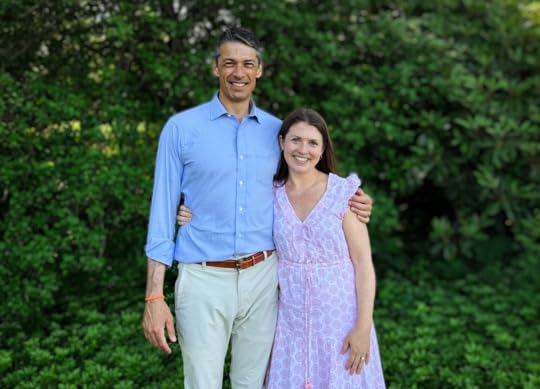
25 Years of Marriage
Twenty-five years ago today, Peter and I stood in a big white church in front of over 200 people. We vowed to have and to hold one another, to love and to cherish one another, for better, for worse, for richer, for poorer, in sickness and in health.
The internet is not the place to offer details of how that has worked itself out over the decades. It is simply a place to acknowledge that we needed all of it.
We needed the acknowledgement from the start that there would be times marked by sickness, and times we would see the worst of each other, and times where we would feel empty and helpless and impoverished.
And the acknowledgement that there is always more to the story than the worst of us. That we also get to know and celebrate the best of each other. That there are times of health and wholeness and delight. That we don’t just have each other, we hold each other. That we don’t just love each other, we cherish one another.
I am so grateful that I have been given the gift of this marriage, and this husband, in all the brokenness and beauty of this life together.
MORE WITH AMY JULIA:
The Ordinary Glory of Marriage3 Questions We Asked That Really Helped Our MarriageNew Rule: No Crying on Date NightLet’s stay in touch. Subscribe to my newsletter to receive regular updates and reflections. Follow me on Facebook , Instagram , and YouTube and subscribe to my Reimagining the Good Life podcast.
The post 25 Years of Marriage appeared first on Amy Julia Becker.
June 6, 2024
Penny’s Final Dance Recital
I never ever imagined Penny would dance for twelve years. I knew dance was a good activity for her as a little kid with Down syndrome. It rewarded repetition. It was predictable, unlike soccer or other sports where every pass might be slightly different. And the low muscle tone which often accompanies that extra chromosome meant that Penny’s body has always been incredibly flexible, so splits and high kicks came easily.
But then we reached middle school, and I thought that Penny might tire of the classes. Truth be told, I thought the studio might tell us that she had reached the end of what they could offer.
Instead, her teachers said things like,
“I don’t see any reason why Penny can’t go on en pointe unless she chooses not to.”
And, after Penny fell behind due to absence,
“I have total confidence that with focus and rehearsal we can get you on the same page as everyone else.”
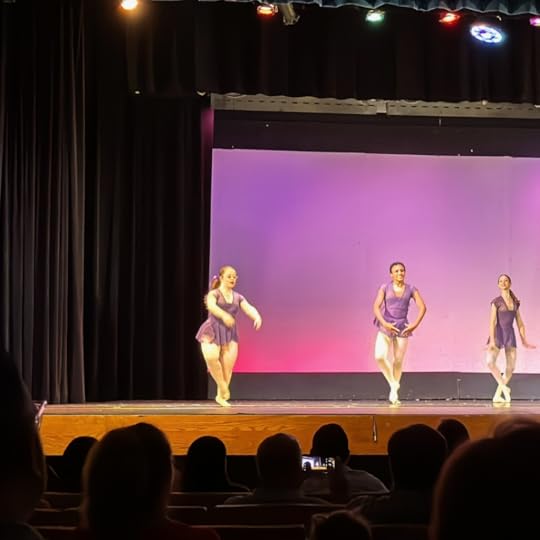
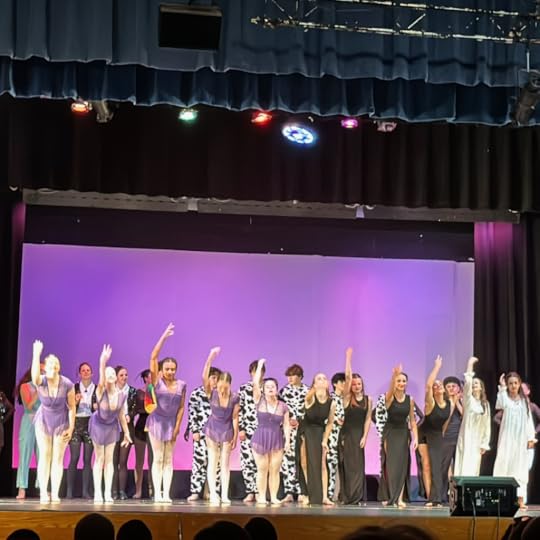
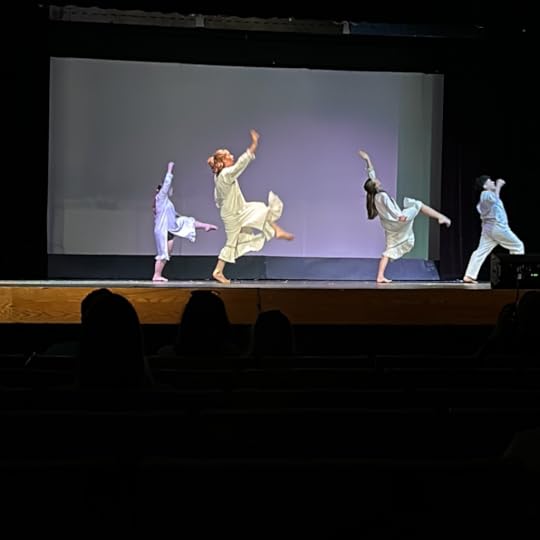
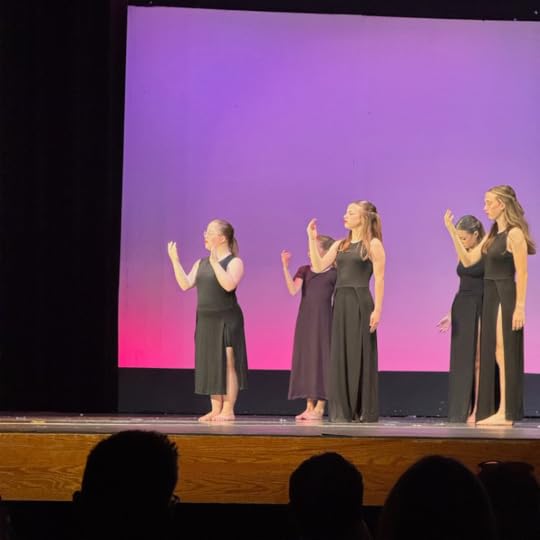
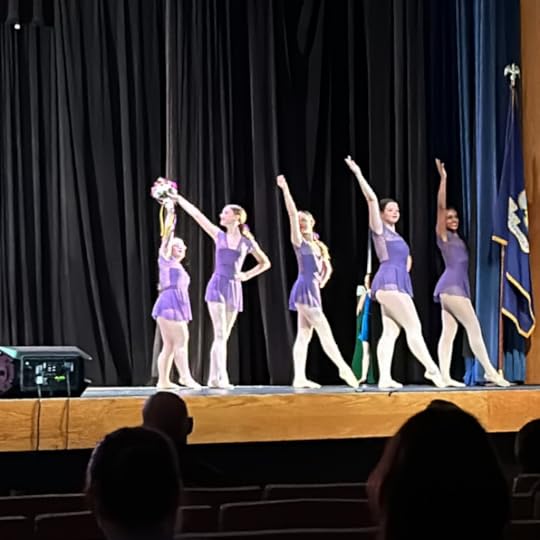
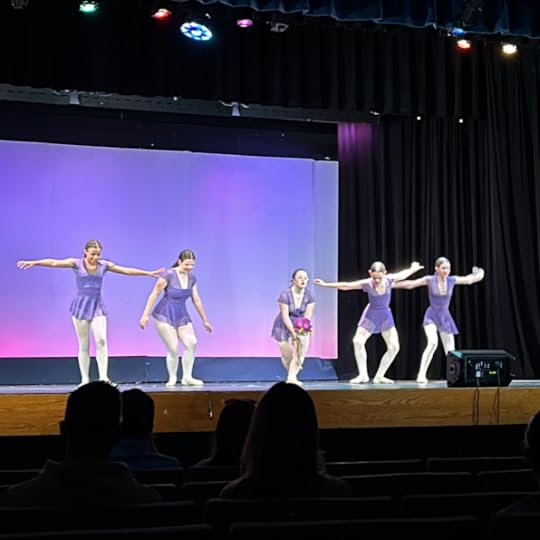
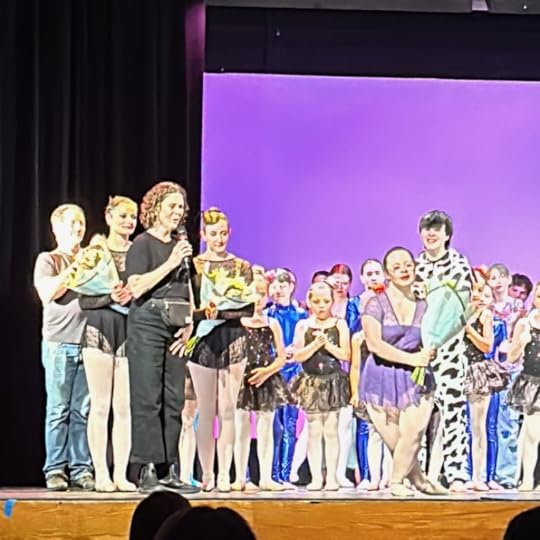
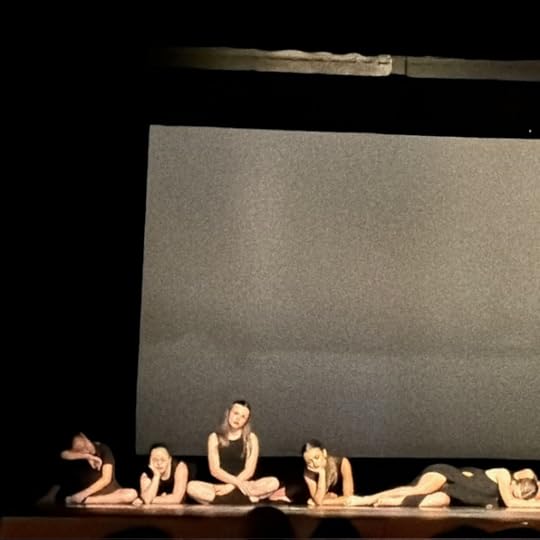
And so, last Sunday, we watched her perform jazz, contemporary, and ballet pieces. It was a beautiful reflection of twelve years of hard work, perseverance, delight, and mutual encouragement. We are so sad to move on from Fineline Theatre Arts. And so grateful for the tremendous confidence, strength, grace, beauty, and belonging they gave to our daughter. (Scroll down for video and photos)
Two-minute video with clips from Penny’s final dance recital and her teacher’s tribute at the end…
MORE WITH AMY JULIA:
Provide Opportunities, Assume PossibilityOn Pointe, Step by Determined StepPenny’s Dance FestDance Like Everybody’s Watching (and Celebrating What They See)Let’s stay in touch. Subscribe to my newsletter to receive regular updates and reflections. Follow me on Facebook , Instagram , and YouTube and subscribe to my Reimagining the Good Life podcast.
The post Penny’s Final Dance Recital appeared first on Amy Julia Becker.
June 5, 2024
A Deformed Imagination
When it comes to disability, most westerners have a deformed imagination. I am one of these westerners, although having a daughter with Down syndrome has begun to reshape my imagination in ways that has opened me up to more love and beauty and possibility than ever before.
Something similar was true for Tom Pearson, author of An Ordinary Future: Margaret Mead, the Problem of Disability, and a Child Born Different. Pearson learned his daughter Michaela had Down syndrome after she was born, and his initial reaction was to reject her. He fairly quickly fell in love with her, and instead of rejecting her, he began to reject the ideas that had shaped him into someone who didn’t have an imagination for a good life for someone like Michaela.
Pearson is an anthropologist, and his book is more than a memoir of his own transformation as a human. He tells a story from 1908 to the current day in which prominent intellectuals have advocated for the euthanasia of children with Down syndrome.
He notes the ways in which our medical system has devalued children with disabilities, whether by justifying prenatal testing as a way to “identify and eliminate fetusus with ‘defects,’” or by allowing kids with disabilities to die of preventable diseases and suggesting parents deny them corrective and life-saving surgeries.
And he chronicles the stories we have told ourselves as a society. In The Atlantic, for instance, one man wrote in 1968 about his son who had been born with Down syndrome and institutionalized:
“there are thousands of children on this earth who should never have been born. Their lives are a blank. They do not play; they do not read; they do not grow; they do not live or love.”
These systems and stories deformed Tom Pearson’s imagination, and deformed our collective imagination. Yet the lived experience of a daughter with Down syndrome opened him up to a new way of being in the world.
We can join Tom Pearson in reshaping the imagination of our culture so that kids and adults with Down syndrome are not rejected as burdens but rather, received as beloved. We can join Tom Pearson in reshaping the imagination of our culture so that kids and adults with Down syndrome are not rejected as burdens but rather, received as beloved.
MORE WITH AMY JULIA:
Book: A Good and Perfect Gift: Faith, Expectations, and a Little Girl Named Penny Free Resource: Missing Out on Beautiful: Growing Up With a Child With Down Syndrome Free Resource: 5 Things I Wish I’d Known When Our Daughter Was Diagnosed With Down SyndromeLet’s stay in touch. Subscribe to my newsletter to receive regular updates and reflections. Follow me on Facebook , Instagram , and YouTube and subscribe to my Reimagining the Good Life podcast.
The post A Deformed Imagination appeared first on Amy Julia Becker.
June 4, 2024
Why Belonging Matters
If you have a child who falls outside of the typical teenage social interactions, perhaps you know what I mean when I say that our daughter Penny is never rejected but also rarely is in the loop.
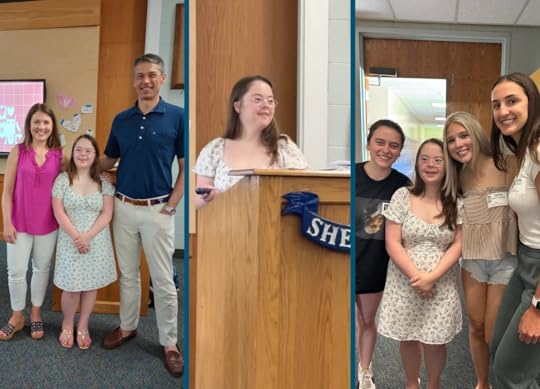
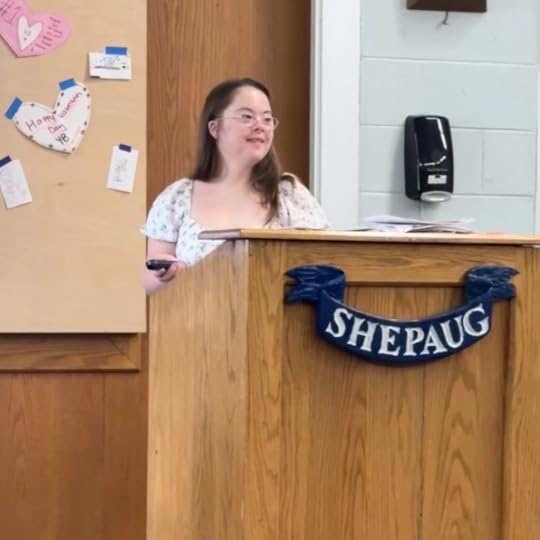
But when I walked into the classroom where Penny, who has Down syndrome, was sharing her senior project presentation, it felt different. Penny often does not seem to belong within the social world of teenagers. But this school, with its classrooms and teachers and support system and community, is a place of belonging for her. It was amazing to see.
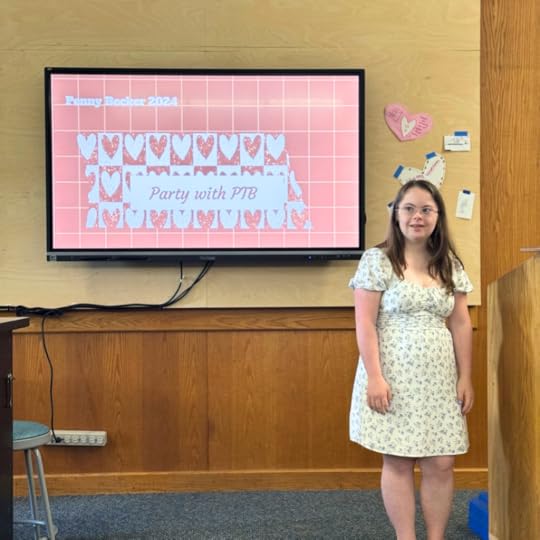
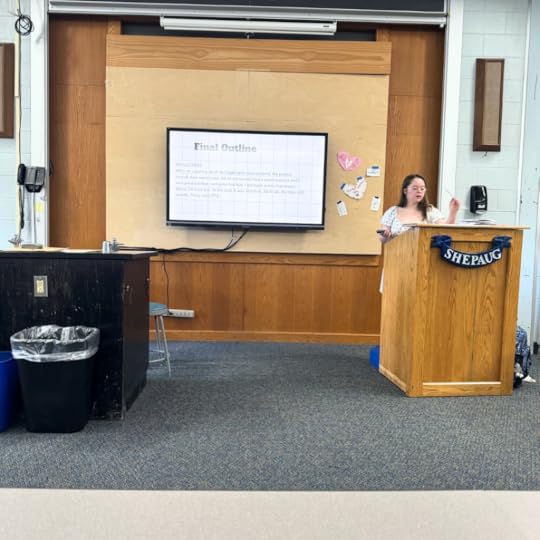
Senior project is a year-long class in which each senior picks a topic to study and works towards that goal all year long. Penny chose event planning. Last week, it was her turn to present a 30-minute narrated slideshow describing her experience.
She did a wonderful job. She spoke with poise and confidence and humor and humility. But what struck me most was that the room was full of people. Sure, some of them were kids from her school who didn’t want to go to class. But the majority were there because they wanted to support Penny.
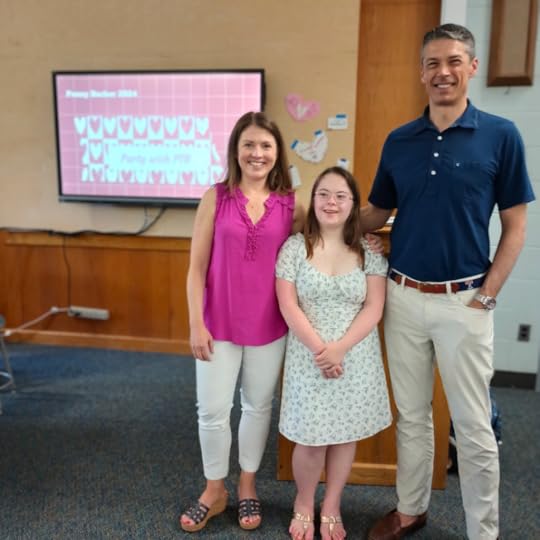
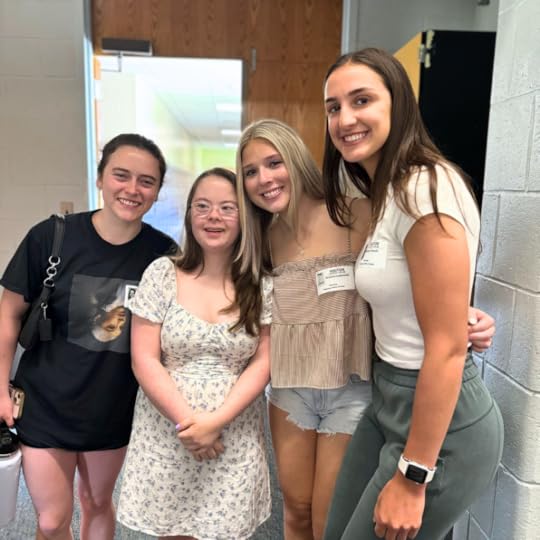
There were the other students from her cohort of kids with intellectual disabilities, and a few of her typical peers. There were the teachers from middle school, and the girl who has danced with Penny for years. Our pastor attended, per Penny’s invitation, as well as a family friend. There was even a sixth grade boy there—he knows Penny from when his mom used to babysit for us. The highlight for Penny came from the three older girls—now sophomores in college—who surprised her. One of them has been helping us out with driving lately. She told the other two because they had been on Penny’s cheerleading team.
It took a lot of support for the whole thing to happen. Teachers not only did the work of helping her—they also believed it was possible for a student with Down syndrome to work hard, make mistakes, learn, grow, and then stand up and offer a long presentation about all that work. All those people communicated a message about who belongs, who is valued, who matters.
Read my full reflection about why belonging matters for all of us by subscribing to tomorrow’s email here.
More with Amy Julia:
Changing the Game: Explaining Exclusion, Tolerance, Inclusion and Belonging to Fourth Graders (and the rest of us!)Becoming a Culture of BelongingThe Spectrum of Welcome: Moving from Exclusion to Tolerance to Inclusion to BelongingLet’s stay in touch. Subscribe to my newsletter to receive regular updates and reflections. Follow me on Facebook , Instagram , and YouTube and subscribe to my Reimagining the Good Life podcast.
The post Why Belonging Matters appeared first on Amy Julia Becker.
Penny in Her Own Words: Senior Project Presentation
Intellectual disability does not need to prevent young adults from learning. With support, encouragement, and room to make mistakes and grow from them, students like our daughter Penny, who has Down syndrome, can engage with topics that matter to them and tell others about what they’ve learned.
Last week, we showed up to a room packed with people who wanted to hear Penny present about her senior project. Here’s what she had to say:
For people who don’t know what a senior project is, can you explain it?
Senior Project is where you take one topic or more, that is an interest of yours, and compile it into a year-long project, and at the end of the year you will need to present it for 45 minutes.
What did you choose to work on, and why?
My Senior Project was all about Event Planning. I chose this because not only do I like attending events, I also love the planning process of different events.
What did you learn about event planning?
I learned that you need to be very prepared, and you need to be committed to working long hours each day.
What did you learn about yourself?
I learned that if I want to become an event planner one day, I need to work on my time management skills and creating and sticking to a budget.
Part of senior project is a serious presentation at the end. Can you describe what you needed to do for the presentation?
I needed to combine all of my research and knowledge Into one 45-minute presentation.
Who came to the presentation? Why do you think they chose to be there?
A lot of friendsSome familyAnd other friends out in the community or past Shepaug graduatesI think they chose to be there because they wanted to support me and my project and some of the audience members have been on my support team for a while now.
What were some of the challenges you faced along the way?
Some challenges I faced were:
Creating a budgetMy time management skills and not getting to my very first event
What were some of the highlights of your project?
Some highlights of my project were:
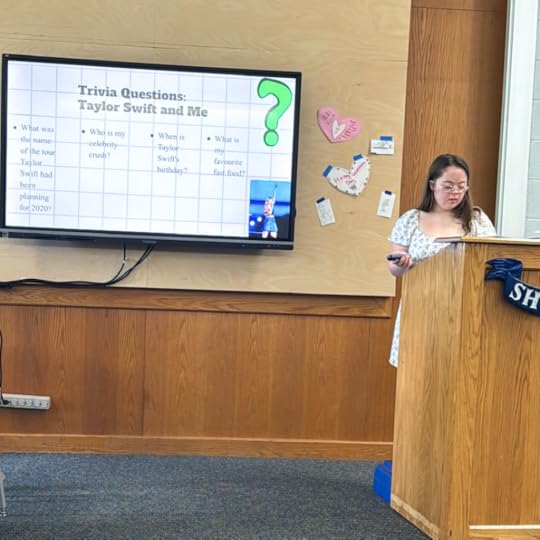
Creating the trivia gameMinute to Win It gamesEveryone enjoying themselves at each event
Shared with Penny’s permission
MORE WITH AMY JULIA:
Penny in Her Own WordsPenny in Her Own Words: Senior PromPenny in Her Own Words: What I Want You to Know About My LifePenny in Her Own Words: Senior TripLet’s stay in touch. Subscribe to my newsletter to receive regular updates and reflections. Follow me on Facebook , Instagram , and YouTube and subscribe to my Reimagining the Good Life podcast.
The post Penny in Her Own Words: Senior Project Presentation appeared first on Amy Julia Becker.
May 30, 2024
Penny in Her Own Words: Senior Prom
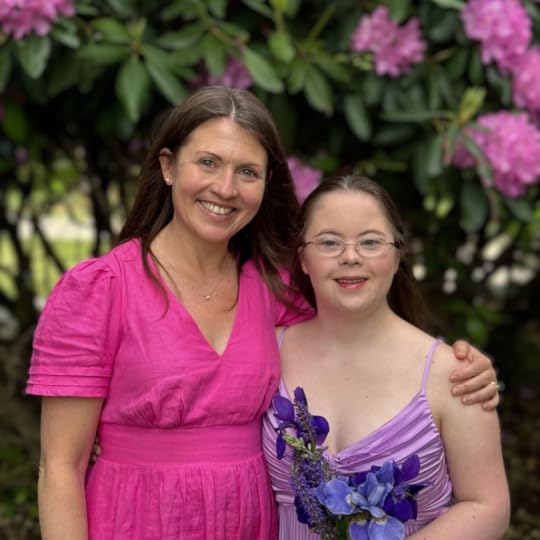
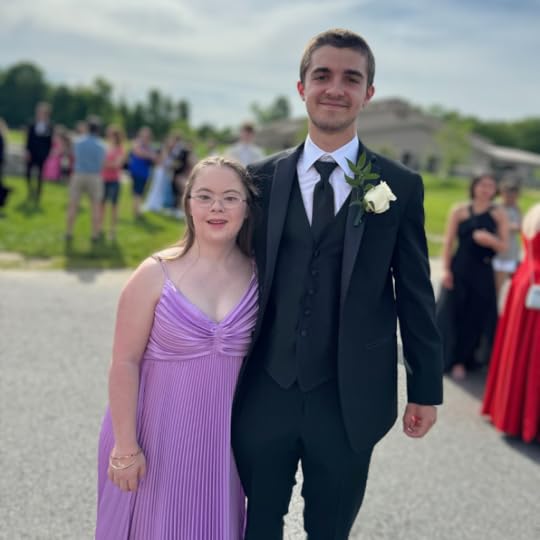
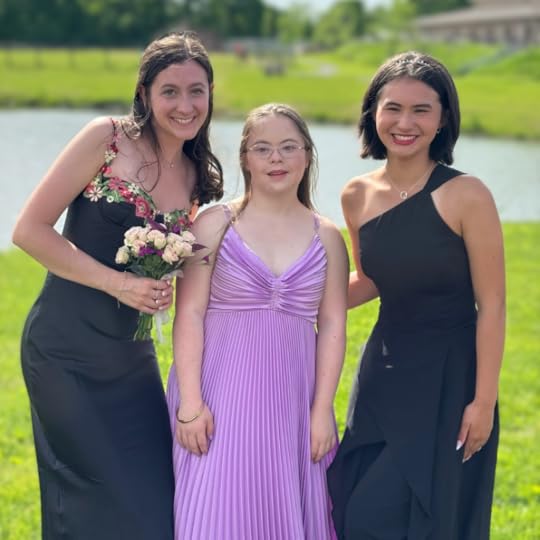
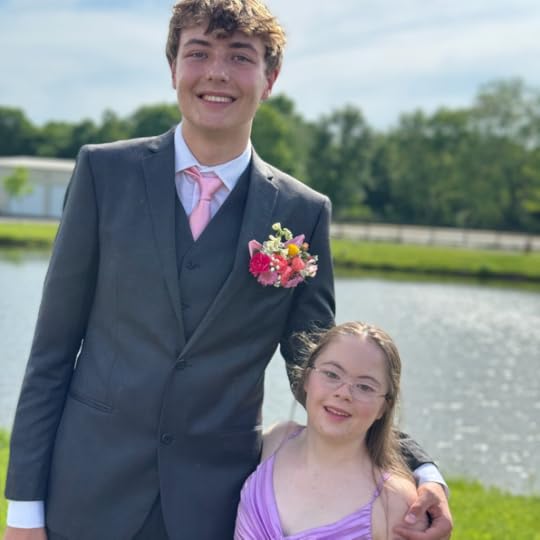
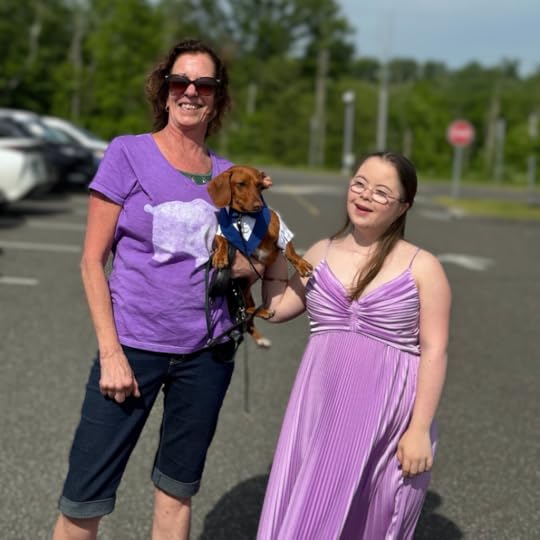
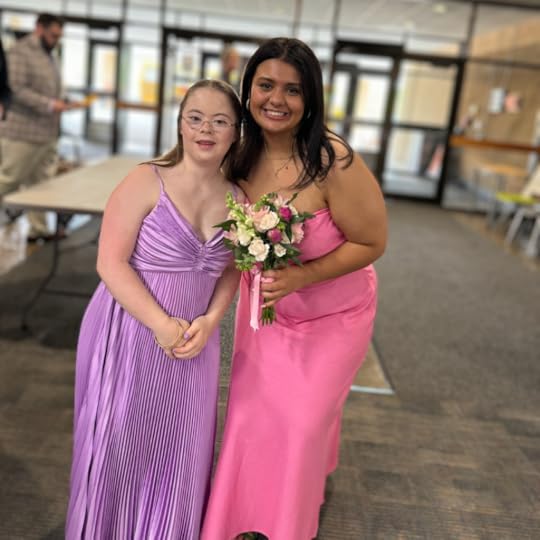
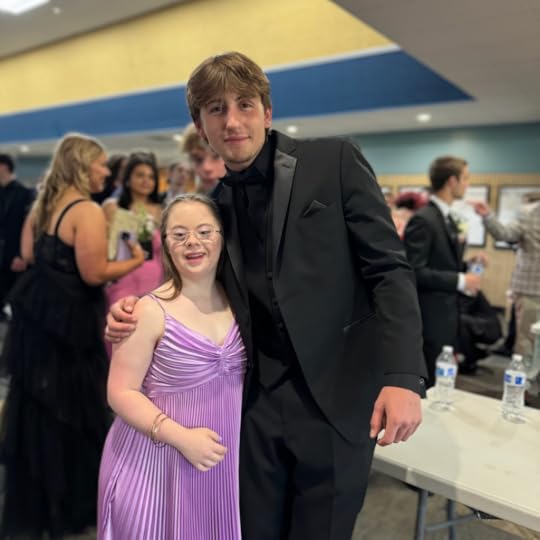
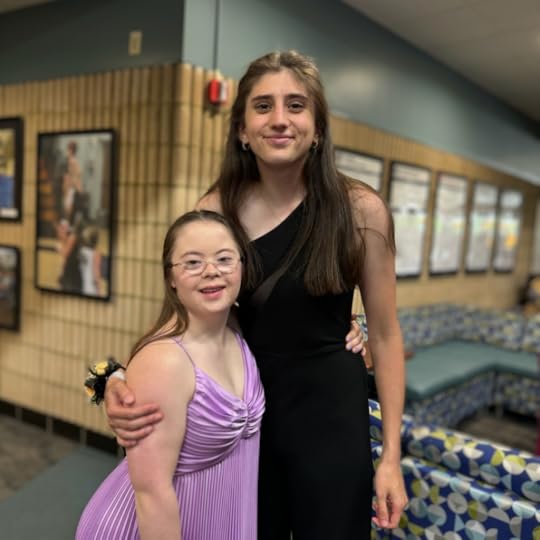
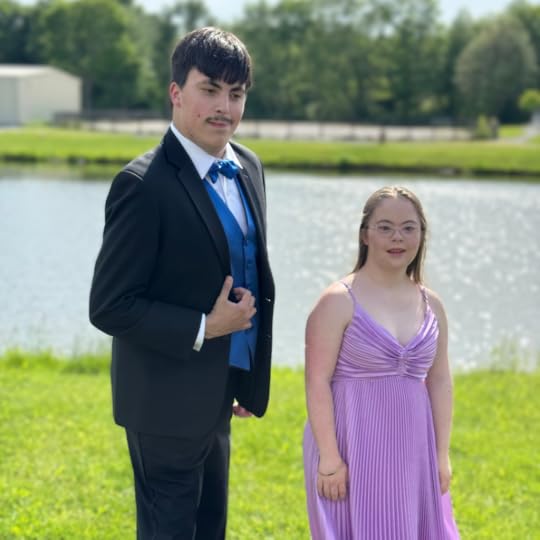
We’ve been talking about senior prom all year long, and I wasn’t sure whether the event itself would be a letdown after so much anticipation. But here’s what Penny, our 18-year-old daughter with Down syndrome, had to say about the evening:
What was one memorable moment from prom this year?
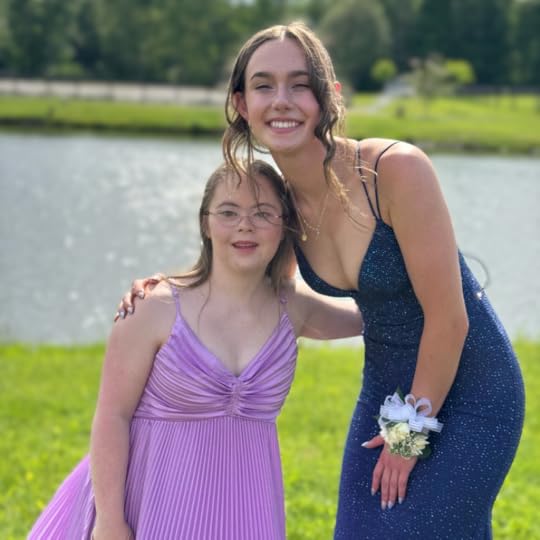
One memorable moment from prom this year was taking a picture with a particular friend.
Was there anything that felt disappointing?
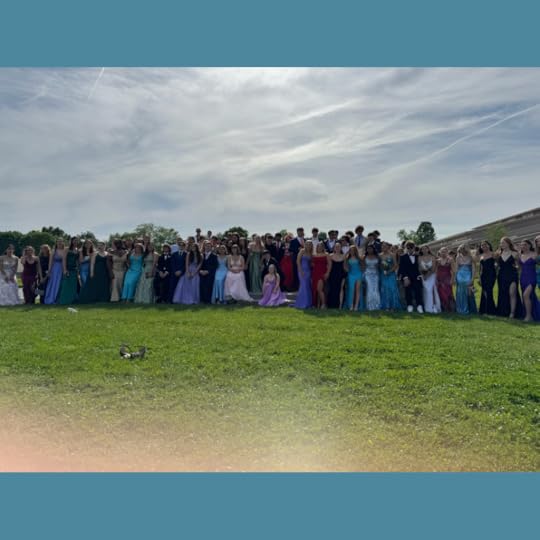
That we almost missed the whole group picture
How was the evening structured?
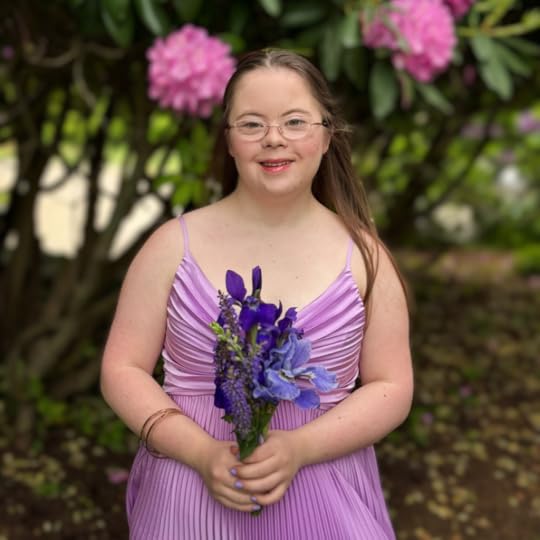
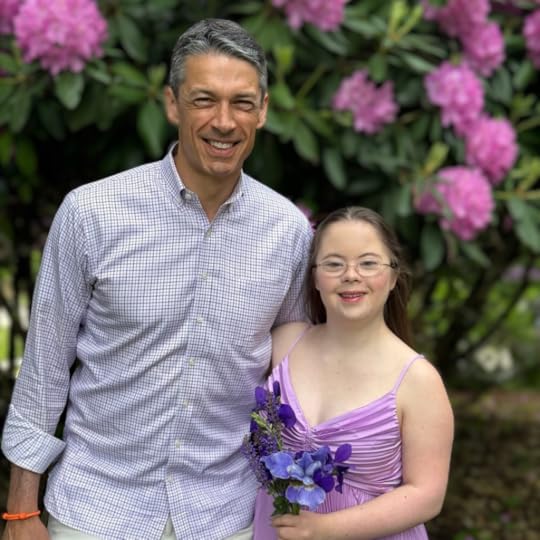
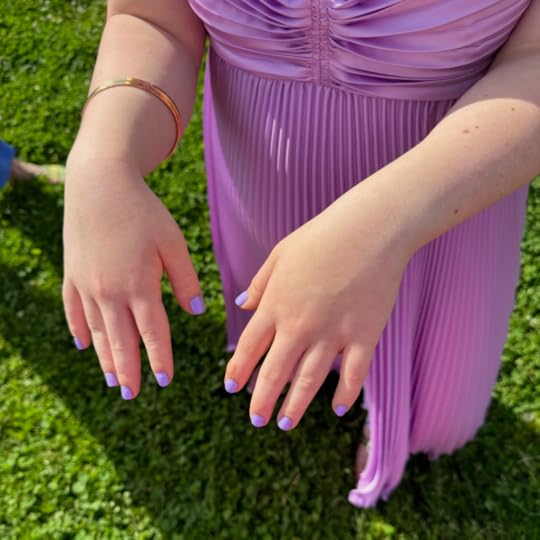
First, Mom dried my hair, and did my hair half-up half-down. Then we moved on to makeup. We used concealer, blush, highlighter, foundation, and lip gloss. Then I got changed into my dress. Dad got home in time for pictures out in the backyard. Then mom drove me to school where we took more photos with Marie, Freddie, Jake, Liam, Mikey, Julia and Lindsay, Ona, and Lily. And also a whole group shot. Then we loaded the buses by table and went to the Amber Room.
I know you’ve been thinking about event planning a lot this year—what worked well for this event? Is there anything you would have done differently?
I liked the venue. I liked how it was both available inside and outside. A buffet dinner is always a good idea for a prom. The photo booth was a hit, and also the dessert bar. I would have changed the music to songs that we all know. And, the decorations were very similar to last year, so I would have put more flowers and less rustic.
How much did you interact with friends at prom? Was it ever tricky to figure out who to sit with or who to dance with?
I would say there were some good interactions with friends but could have been more. Well, we had to sit by table, so that part was easy. Dancing was a little harder, but not as much because I knew who I wanted to dance with.
I know it was so exciting to find your shoes and dress—you looked so beautiful! How did it feel to be all dressed up for prom?
It felt amazing, considering that it was my last prom of high school. I won’t tell the whole story here, but some friends who live in Atlanta, Georgia, took me prom dress shopping, and we successfully found the dress.
Is there any advice you would give to someone younger who is getting ready for prom?
Savor every moment. You may think heels are the right idea, but, trust me, bring other shoes with you. Your feet will hurt if you wear the heels all night.

MORE WITH AMY JULIA:
Prioritize RelationshipsPenny In Her Own WordsPenny in Her Own Words: What I Want You to Know About My LifePenny in Her Own Words: Senior TripLet’s stay in touch. Subscribe to my newsletter to receive regular updates and reflections. Follow me on Facebook , Instagram , and YouTube and subscribe to my Reimagining the Good Life podcast.
The post Penny in Her Own Words: Senior Prom appeared first on Amy Julia Becker.
May 28, 2024
Biased Response to Patients with Down Syndrome
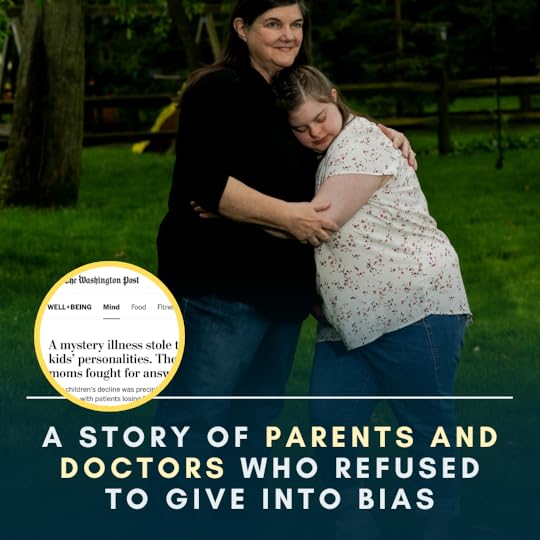
I just learned about a recently named condition: Down syndrome regression disorder (DSRD) from an article in the Washington Post. But I also learned that the reason this condition has gone unnamed and undiagnosed for so long lies in the biases that doctors have for patients with Down syndrome.
The Post profiles a number of young women and men who went from being bubbly, engaged participants in family and school life to being nearly catatonic. Most doctors were dismissive when their parents sought treatment.
But a few doctors paid attention, and finally one of them, Jonathan Santoro, wondered whether an aggressive autoimmune response was wreaking havoc in his patients. According to the Washington Post:
“Santoro, who spearheaded the 2022 paper defining DSRD, said he believes that the regression symptoms had historically been downplayed by the medical community because of a bias many doctors may have about people with Down syndrome and intellectual disability. ‘If you brought your perfectly healthy teenage son or daughter in and they were not sleeping, not eating, catatonic and hallucinating, we would admit them to the hospital and do a full workup,’ Santoro said. ‘And we weren’t doing that with individuals with Down syndrome.’”
Because Santoro and a few other doctors were able to see their patients with Down syndrome as persons deserving comprehensive care, they embarked on life-changing treatments. This is a story of institutional bias against people with Down syndrome. It is also a story of individuals—parents and doctors—who refused to give into that bias. They are the ones who are helping reimagine a good future, and I am so grateful for them.
MORE WITH AMY JULIA:
S7 E4 | Breaking Down Bias: Prenatal Diagnoses and Comprehensive Care with Stephanie Meredith What I Learned from “The Disruptors”How Language Shapes Our ImaginationLet’s stay in touch. Subscribe to my newsletter to receive regular updates and reflections. Follow me on Facebook , Instagram , and YouTube and subscribe to my Reimagining the Good Life podcast.
The post Biased Response to Patients with Down Syndrome appeared first on Amy Julia Becker.
May 23, 2024
Alumni Weekend
Peter and I have an odd story of meeting, and dating, and marriage. He was from New Orleans. I was from Connecticut. We met at 16, in boarding school.
The even stranger part is that we stayed in the boarding school world, and now we are back at the school where we met, and he is responsible for leading the school.
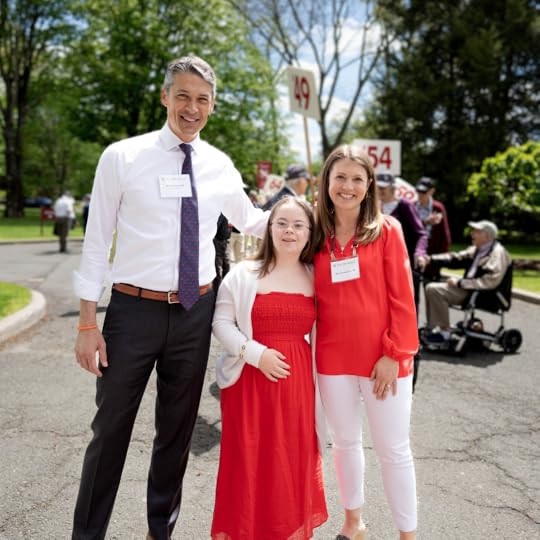
It was a beautiful moment of return when we led the Alumni parade this year, with Penny at our side. We are the same kids who fell in love 30 years ago. And we are also very different humans now, shaped not only by this school but also by all the intervening years of grace and struggle and love.
More with Amy Julia:
A Wild WeekendSeason of Waiting and ImpossibilitySaying Goodbye to their Childhood HomeLet’s stay in touch. Subscribe to my newsletter to receive regular updates and reflections. Follow me on Facebook , Instagram , and YouTube and subscribe to my Reimagining the Good Life podcast.
The post Alumni Weekend appeared first on Amy Julia Becker.
May 2024 Favorites
There’s so much good content out there these days, it’s hard to know where to start. Here are a few of my favorite books, podcast episodes, and films from the past month. I’d love to hear what you’re enjoying as well! Comment and share your favorites with me.
 1) An Ordinary Future by Tom Pearson
This memoir by anthropologist and father Tom Pearson details both his response to his daughter Michaela’s diagnosis of Down syndrome and the history of anthropology as it pertains to intellectual disability. It’s really good.
2) Tomorrow and Tomorrow and Tomorrow by Gabrielle ZevinI waited years to read this novel because I didn’t think I had any interest in a story that centers around creating video games. And yet I loved the characters and the story and even learning a lot about said games and how they are made.
3) Podcast: Dementia: Living in the Memories of God (with John Swinton)I always appreciate John Swinton’s reminder that who we are when we are held in God’s embrace matters more than anything else. Listen here.
4) Solitude (ft. Tyler Staton) | Unforced Rhythms of Grace E4So grateful for this sermon about learning to wait for God and why it is that the waiting sometimes goes on for so long. Listen here.
5) Atlanta Is Home To The South’s First Inter-Abilities Coffee ShopPenny and I had the chance to visit Mend Coffee and Goods and I love this profile of the space. I also love the idea that spaces can be places of healing.6) The Disruptors filmThis documentary gave me a much better understanding of ADHD, of the ways our school system is not set up to serve kids with learning differences, and of the ways the experience of disability and “disorders” like ADHD overlap.
7) Wildcat filmAlso, I haven’t had a chance to watch it yet, but I am very eager to see Wildcat, a new film about the life of Flannery O’Connor. Here’s why.
Get my favorites delivered to your inbox each month!
Subscribe here!
MORE WITH AMY JULIA:
Let’s stay in touch. Subscribe to my newsletter to receive regular updates and reflections. Follow me on Facebook , Instagram , and YouTube and subscribe to my Reimagining the Good Life podcast.
The post May 2024 Favorites appeared first on Amy Julia Becker.