David Gessner's Blog, page 84
June 5, 2012
Bad Advice Wednesday: Don’t Be a Snob!

.
Dave is on a trip this week and I promised him that while he was gone I would read Wallace Stegner’s Pulitzer Prize winning masterpiece, Angle of Repose. Instead I’ve been reading Most Talkative: Stories from the Front Lines of Pop Culture by Andy Cohen. There are several reasons I could feel guilty about this, the most obvious being a broken promise, or at least a delayed one. The others involve a kind of intellectual guilt – the nagging, unfinished-homework voice inside your head that believes every moment should involve edification, enlightenment, and improving the mind through High Art. “Nina,” my voice has a way of asking. “Is this really how you want to spend your time?”
Well, I’m sorry to tell you, snobby-voice-inside-my-head, but yes: sometimes that’s exactly how I want to spend my time. For one thing, Andy Cohen? Love him! He is hilarious and original and inspiring. (For those of you who are too high falutin to know, Andy Cohen is the Bravo producer behind The Real Housewives, and the host of the insanely entertaining Watch What Happens Live). For another thing? The voice I am using to write this paragraph, parenthetical included? Stolen! Directly from Andy Cohen himself.
Columnist Crawford Kilian calls it the “Kids, Don’t Try This at Home Effect.” Narrative styles are contagious. In an article for the on-line Canadian daily The Tyee, Kilian lists “The Ten Most Harmful Novels for Aspiring Writers.” With the exception of Erich Segal’s Love Story, Killian doesn’t prohibit the books based on quality, but imitability. Catcher in the Rye, For Whom the Bell Tolls, Atlas Shrugged, Blood Meridian – Kilian doesn’t think the books are harmful to readers, but to writers. “They are often well-written, but their effects have generally been disastrous: they inspired younger writers to imitate them, they created awful new genres that debased readers’ tastes, or they promoted literary or social values that we could very much do without.”
If you’ve taught Creative Writing, you’ve seen the effects of these all too imitable voices. Students who haven’t even read Cather in the Rye turn in stories narrated by Holden Caulfield sound-alikes because they’ve grown up reading Salinger’s disciples. On a more fundamental level, I see this in my nine-year-old daughter, who has been dictating stories and books to me for years. Because I’m also in tune with what she reads, I can see the direct and immediate influence of not only her subject matter, but the style in which she narrates, as well as her themes and characters. I have seen her shamelessly rip off Peter Howe’s Waggit series, down to the plotlines and sometimes even the chapter titles. Then Harry Potter was thrown into the mix, and elements of Rowling’s magic and anti-authority sentiments appeared. Lately we’ve been reading Kathryn Lasky’s beautiful Wolves of the Beyond series, and Hadley has begun borrowing the attention to language and a preoccupation with the spiritual and supernatural. It’s a fascinating evolution to watch, my own young writer, and the way she’s weaving the styles of her favorite authors into one that is becoming more and more her own.
When I was a kid, I came to classics early. In my pre and early teens I read Jane Austen and the Brontes. I read Tender is the Night. I read lots of Vonnegut and Updike, and lots of Hemingway. I also ordered Archie comics from bubblegum wrappers, and devoured Danielle Steele and V.C. Andrews. Jacqueline Briskin’s The California Generation remains one of the most important books of my life, and Crawford Kilian would be horrified to know that I read Love Story at least a hundred times. The truth is, as an adult I sometimes felt embarrassed about my continuing lapses in what many would consider quality. At home I may have been re-reading Valley of the Dolls, but if I needed a book for the waiting room I’d trot out my well-loved copy of Stones for Ibarra – the grownup version of hiding my Archie comic inside of Wuthering Heights.
It was no less a literary luminary than Donna Tartt who gave me permission to come out of the closet as an eclectic (not undiscerning) reader. In grad school, I was lucky enough to take Tartt’s class when she came to UNCW as a visiting writer. On the first day she asked us to list our favorite authors. Leafing through our anonymous cards, it wasn’t the students who’d noted Dostoyevsky or Paula Fox whom she praised, but the ones who’d written down several writers of diverse sensibility. Even though the cards were anonymous, I hadn’t been brave enough to list Erich Segal as an influence, but I had noted George Eliot and Tom Robbins. Donna Tartt waved my card in the air, noting it would be hard to find two more different writers. She is a formidable person, and I don’t dare quote her without remembering the exact words she said. But the general idea was, if you want to be a writer, read everything. The more varied the voices, themes, quality, and intent, the better.
Listen, as Andy Cohen might say. Have you read Donna Tartt’s The Little Friend? Because every sentence in that novel is a mini-masterpiece. If she offers you advice? TAKE IT.
Don’t worry. I’ m almost done with Most Talkative, after which I really will read Angle of Repose. The consecutive voices of Cohen and Stegner will find a way to reconcile and hopefully elevate my own ever-progressing narrative style.
Which books do you love that are on opposite ends of the literary spectrum? Do you notice their styles converging in your own writing? Now that I’ve come clean, you can too!




June 4, 2012
Spring Freshet
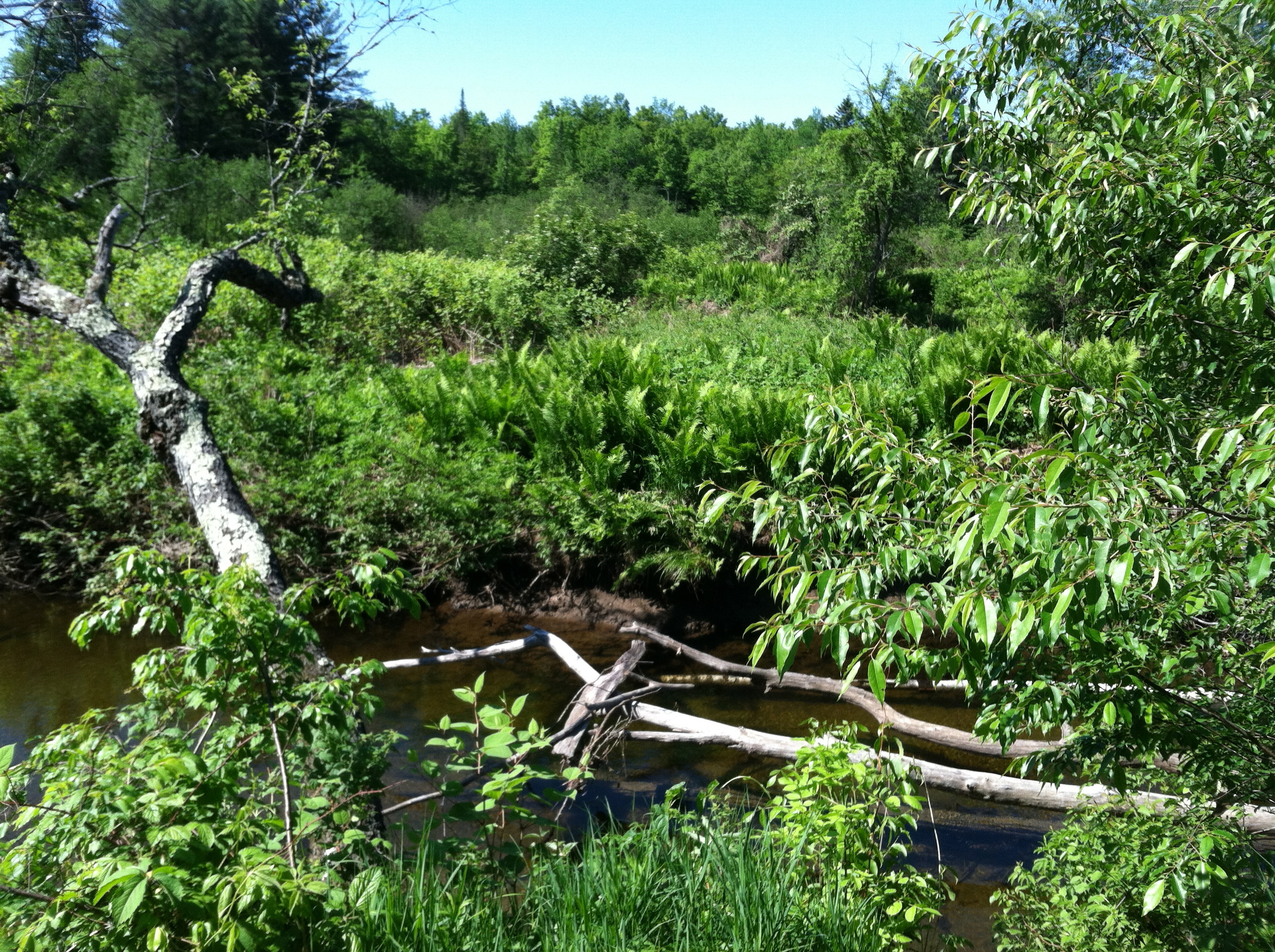
Beaver canal and ostrich ferns.
.
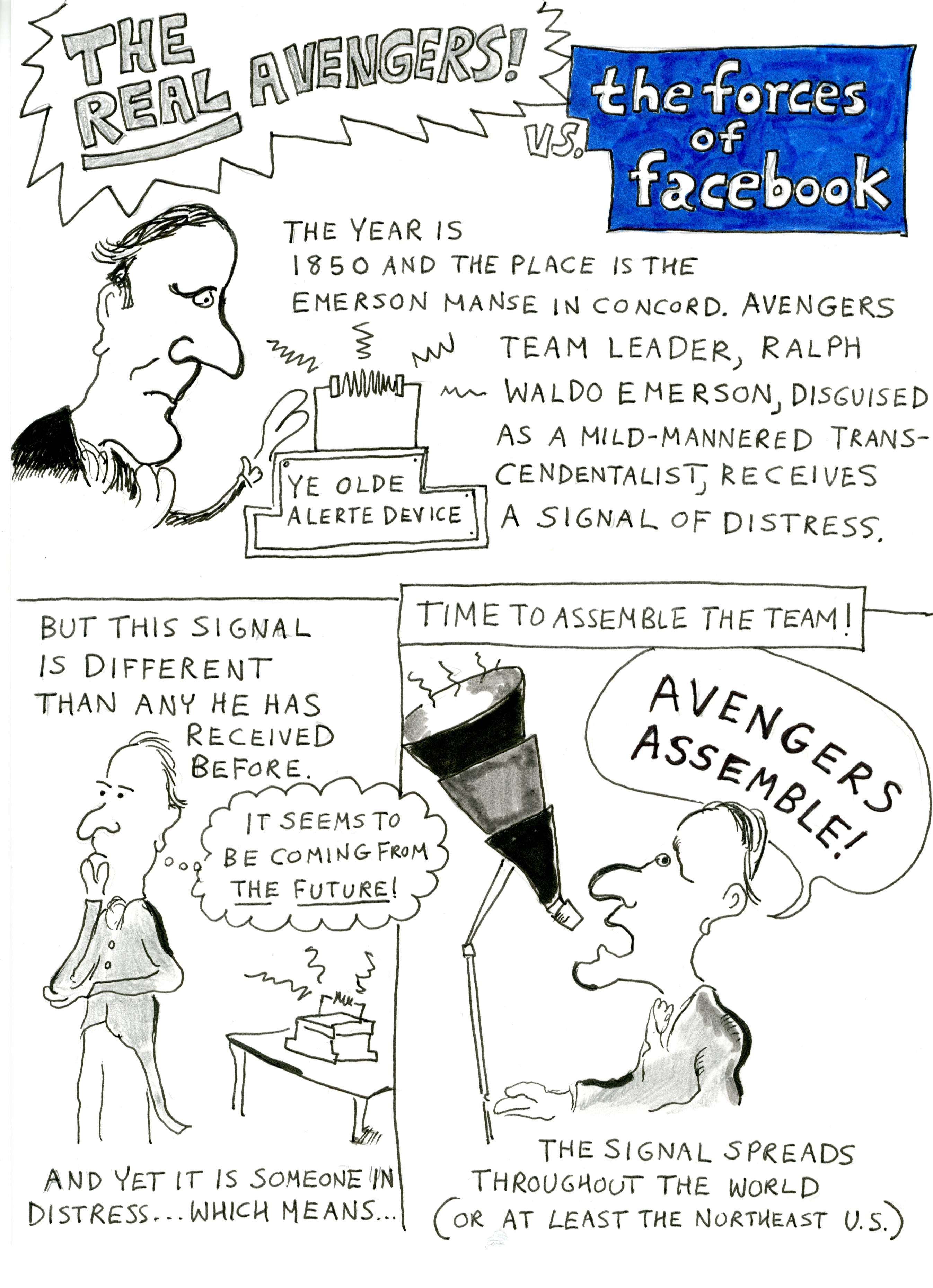
We get ‘em in Maine spring and fall, these days of hard rain and then the floods. The old timers called them freshets. A famous fall one was the pumpkin freshet of 1868, when high water took out all the Sandy River bridges (a tradition–quite a few have gone down over the years) and stripped the fields of pumpkins, which took off in the thousands and filled the ponds behind dams downstream. Consensus was to fish them out and divide them up among the farmers. I took the photo above the other day in high spirits and sunshine and low water, just a scruffy spot over a beaver canal, Temple Stream back behind and out of sight. t I took the photo below 24 hours ago after wading up to my thighs where the path used to be, Temple Stream ascendant. It has not stopped raining since. I could get a shot of even higher water, but I’d have to swim.
.

Same spot a day later, canal and stream one, ostrich ferns under water
After
before
June 2, 2012
Getting Outside Saturday: Puffins.
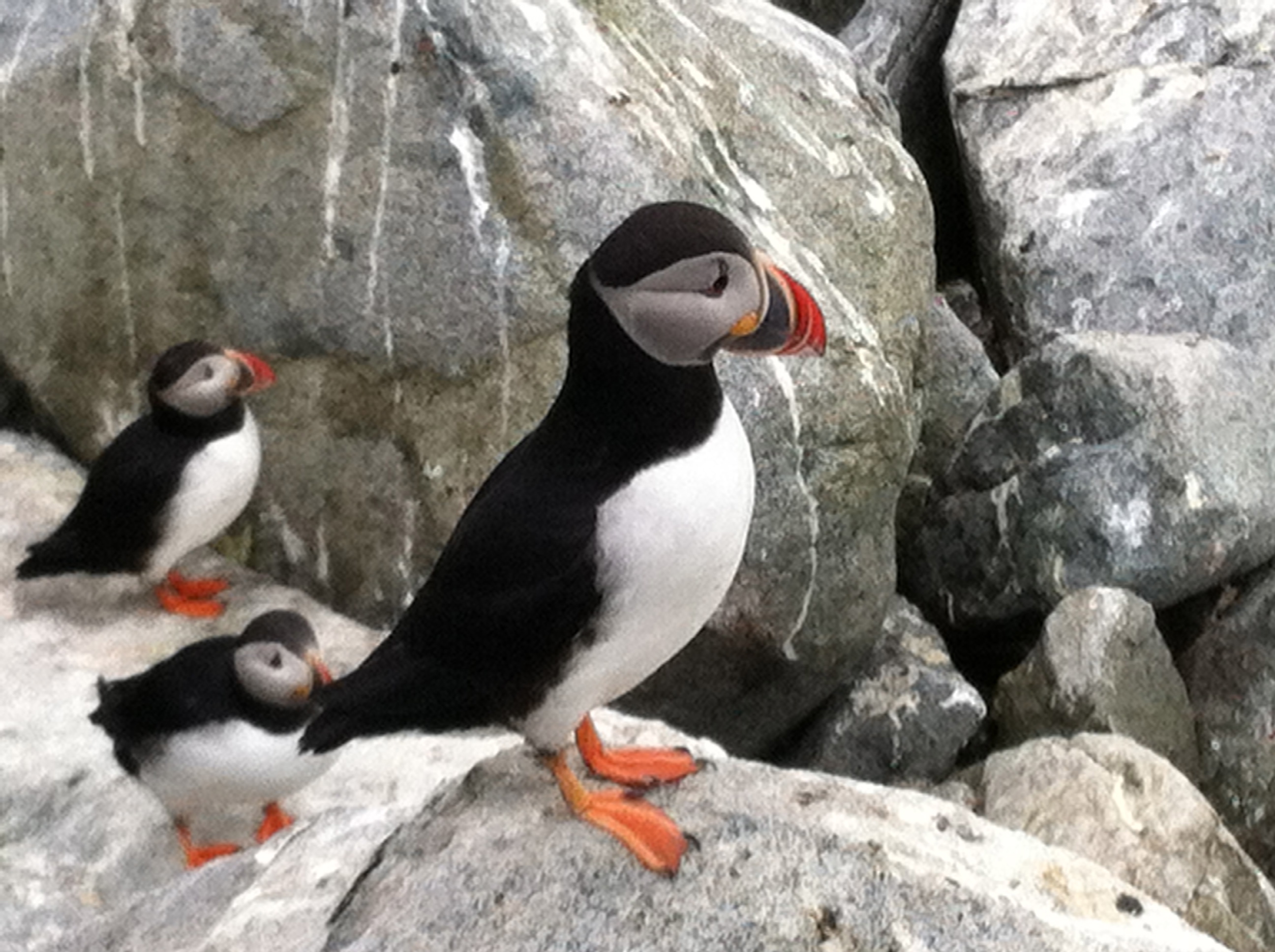
Puffin, looking worried as usual, Machias Seal Island.
Last weekend we attended the Down East Birding Festival, which took place down in Lubec, Cutler, Baring, Eastport and many others spots at the farthest east point of the good ole’ USA. Highlights were a boat ride ten miles straight south to Machias Seal Island, which both Canada and the U.S. claim. There’s a light out there and a very serious birding fellow, a pirate of a man, a Canadian who watches the rookery and the amazing migratory fall outs of warblers and just about any other kind of bird you can think of. They put you into a bird blind, just a plywood booth full of little hatch-door windows, and you get an hour within a few feet of the birds. Razorbills, Arctic Terns, Common Murres, and Atlantic Puffins, also various seagulls. The puffins are comical, busy
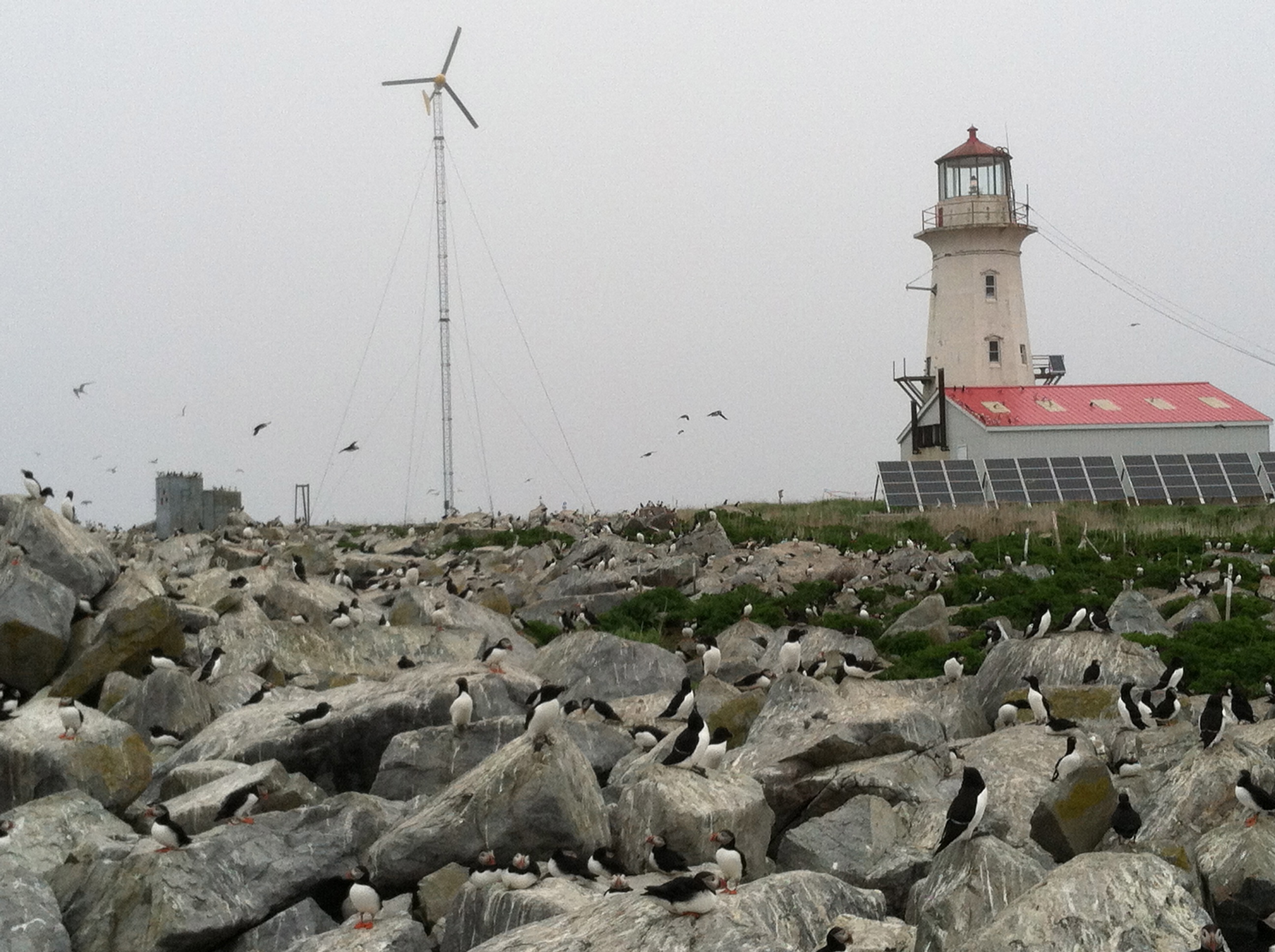
Light at Machias Seal Island, and Birds
fliers. They put their orange feet forward to land, and stumble when they hit the rocks. They look worried, something about the markings around their eyes. And they make a sound like distant chainsaws. There were thousands of them on the fog-bound day, thousands. Also other alcids–the Razorbills primarily, very handsome birds in black suits with white piping. The alcids reminded me of penguins, and they fill a similar ecological slot, ranging the polar seas and diving deep for fish. But unlike penguins, they can fly in the air, and not only the water.
We enjoyed walks and talks at the Moosehorn National Wildlife Refuge, a much better use of
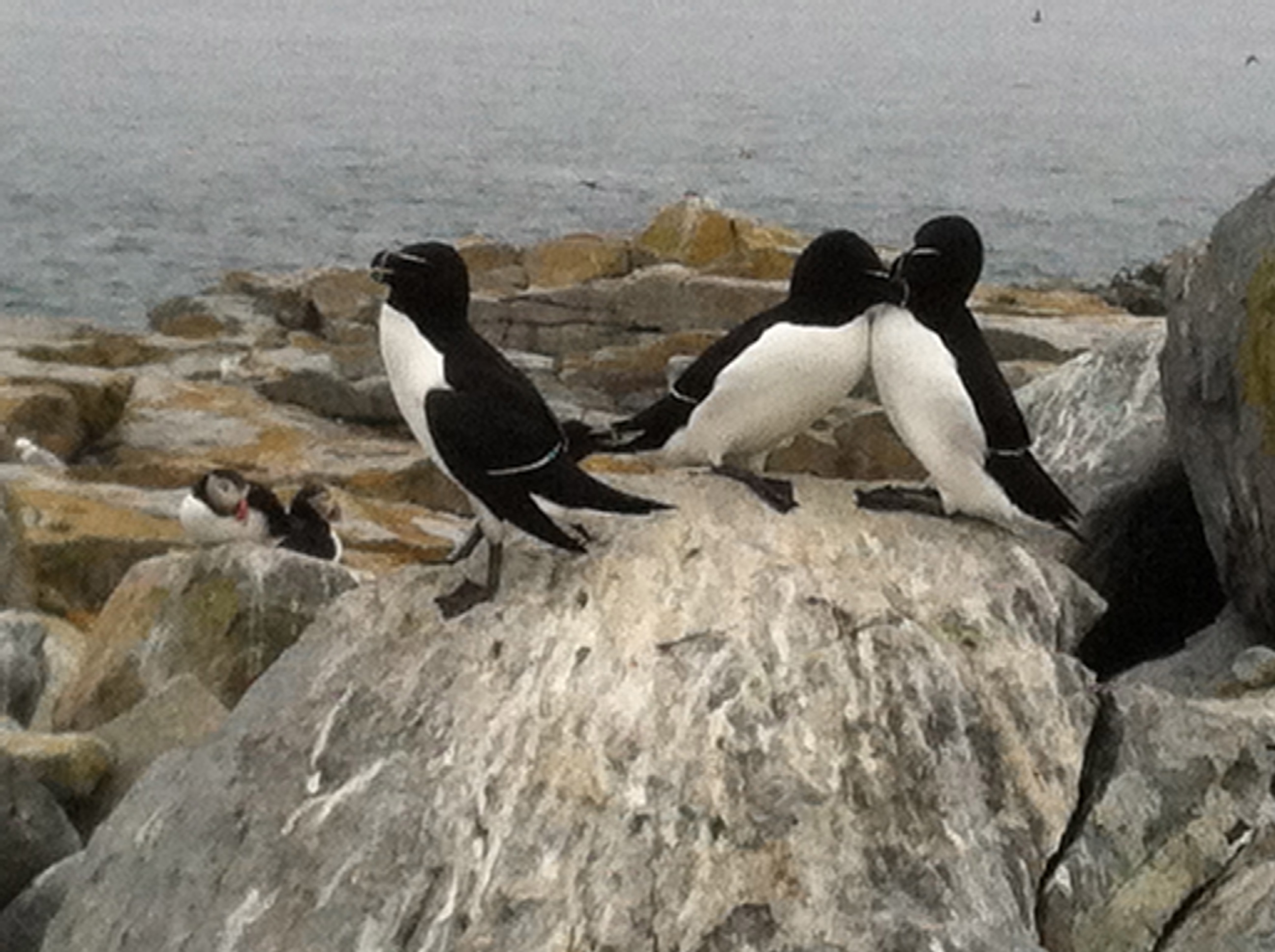
Razorbills
federal funds than black sites and waterboarding, cheaper, too. The highlight there was a walk along abandoned railroad tracks on a dike through a bog looking for Rails at sunset, warm evening, Rails the birds, I mean, with a large group of scientists. Heard some Rails, saw an Orchard Oriole, saw otters playing, the biggest beaver lodge I’ve ever seen, numerous warblers, warbling vireos, and a painted turtle. Also railroad junk, which I love. Elysia found a muskrat skull on the old tracks where an Eagle had left it.
Next morning there was a walk in the coastal spruce-fir forest at Boot Cove Preserve, Lubec, where the harsh seaside conditions mimic those of Maine mountaintops. There we saw spruce grouse, and my first Nashville Warbler and
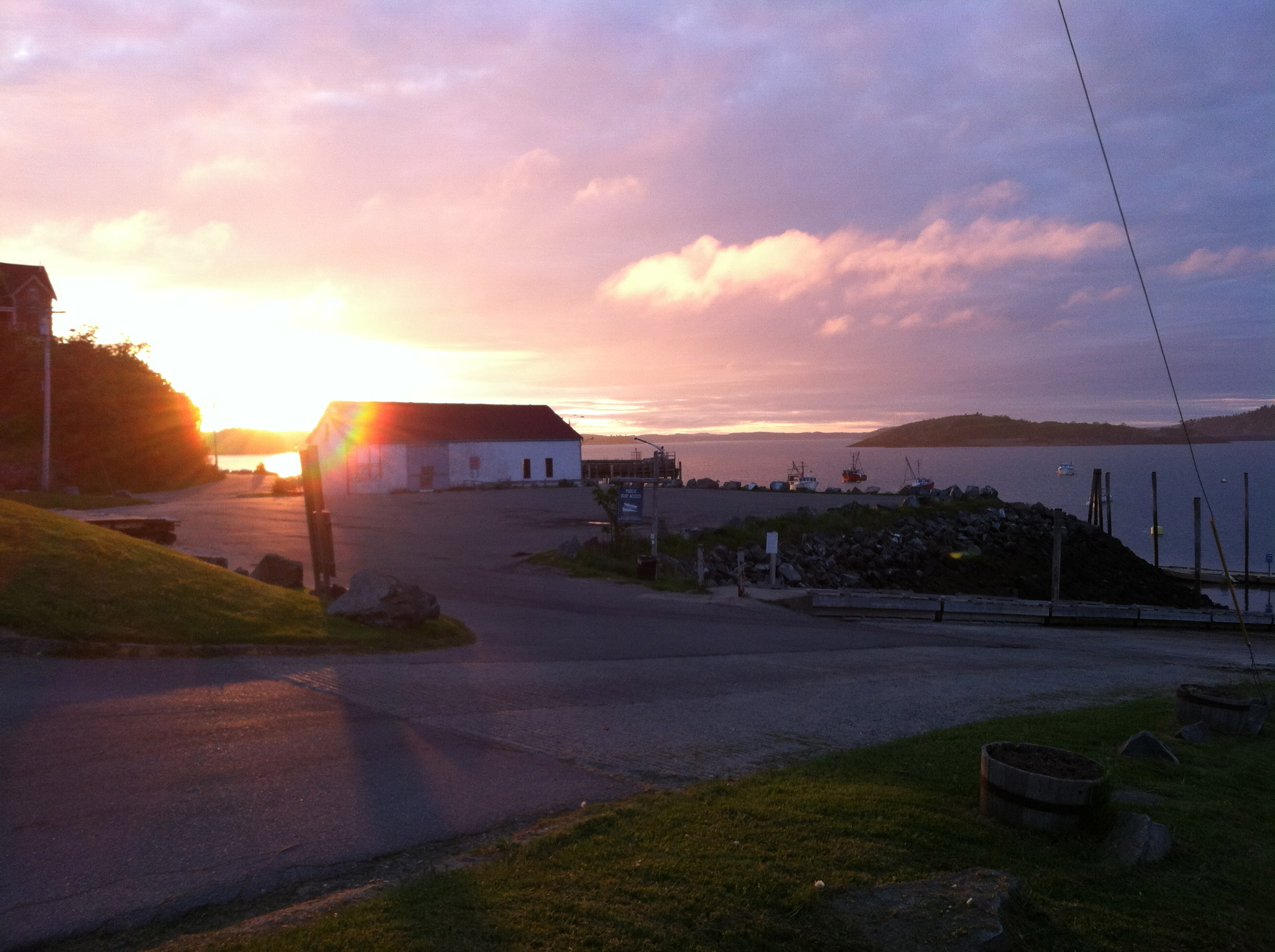
Sunset over Lubec
my second Palm Warbler, among many other species, guided by the brilliant Herb Wilson of Colby College. I used to eschew these
group activities and festivals of all kinds, but with the inquisitive kid in tow, it makes a huge difference to draw on the expertise of a leader and a group, also their social skills. Oh, and Northern Gannets out at sea for Dave. And Eagles. And Ospreys. And warblers galore. And a live owl talk from the Chewonki Foundation.
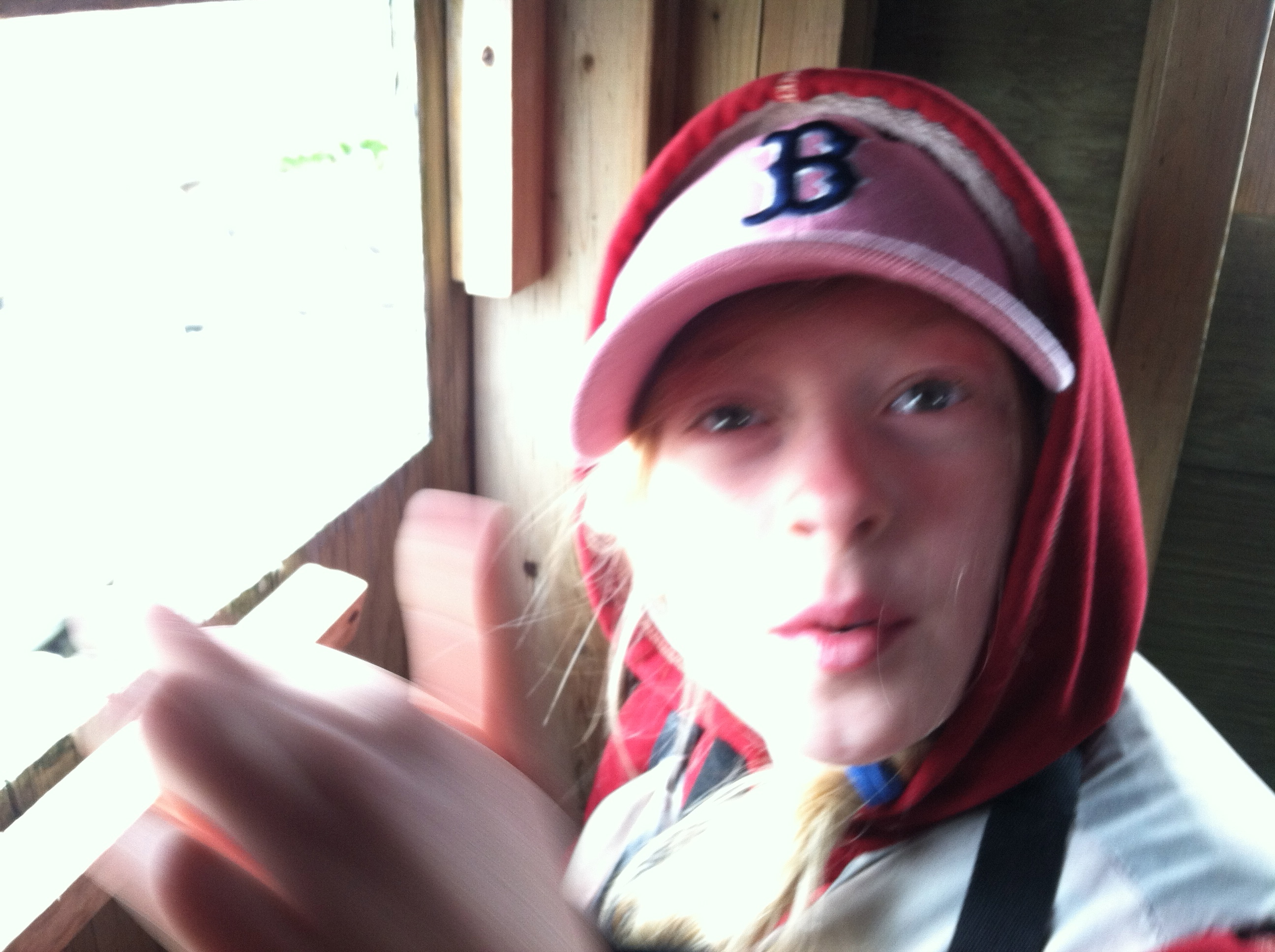
Elysia in the Blind

Boot Cove
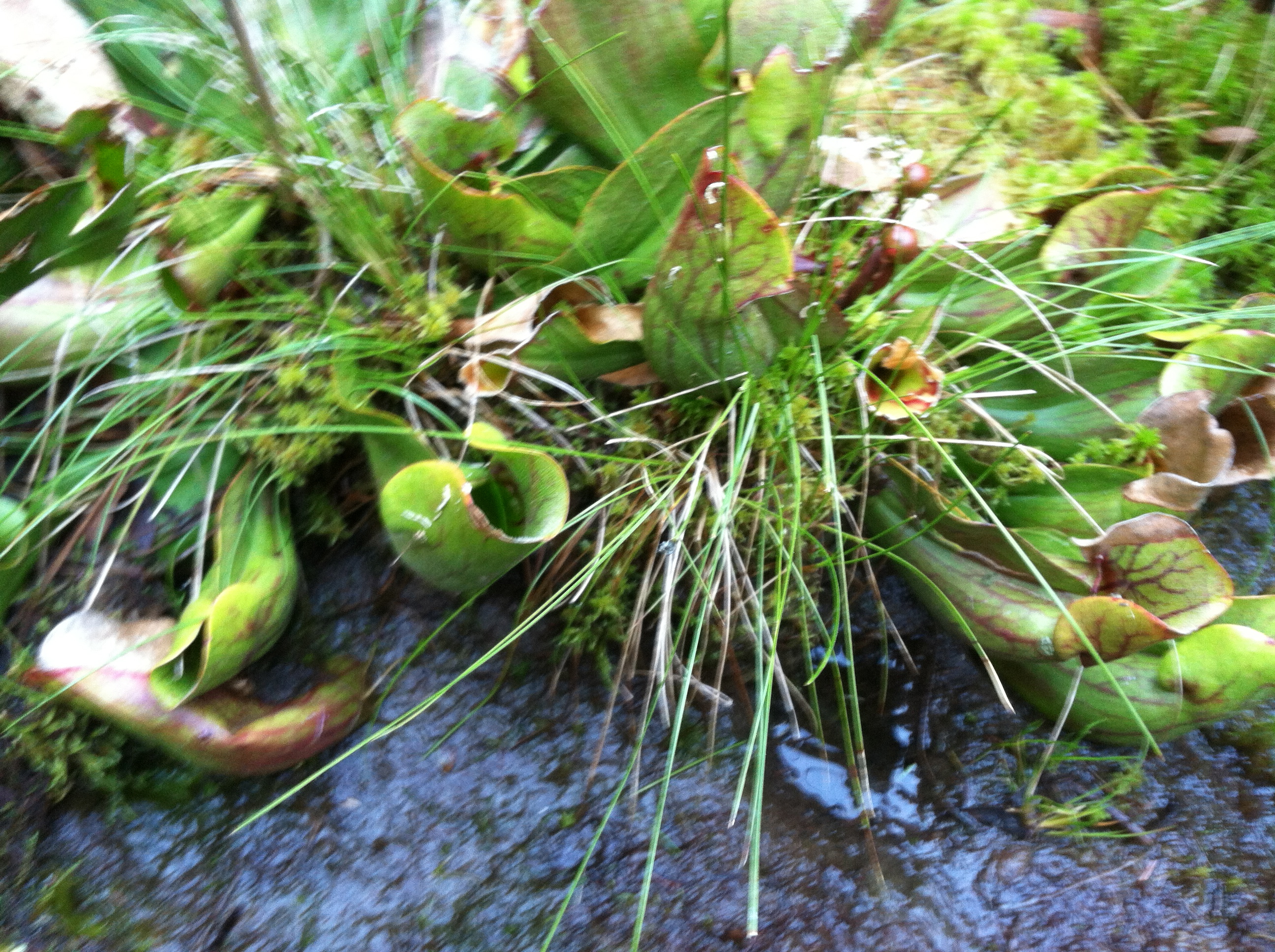
Pitcher Plant in the bog at Boot Cove Preserve. Meat eater!
May 31, 2012
Final Four Follow Up: Gessner vs. Plimpton, The Lost Footage
 Not long ago we staged a final four tournament of the best literary magazines in the country. The Paris Review and the upstart Ecotone both made the final four, but what we had forgotten was that some years ago there had already been a historic hoops battle between the two renowned magazines. Now, after many hours of work on the part of the Bill and Dave research assistants, we have uncovered and retouched this lost footage of Paris Review Founding Editor George Plimpton playing Ecotone Founding Editor David Gessner in one-on-one.
Here it is:
http://youtu.be/jNjm5puz7rA?hd=1
CAST (in order of apperance):
Clyde Edgerton as George Plimpton
David Gessner as David Gessner
George Plimpton as George Plimpton
Filmed by Carson Vaughn
Edited by Palmer Grimes
May 30, 2012
Bad Advice Wednesday: Interview Yourself, Interview your Characters
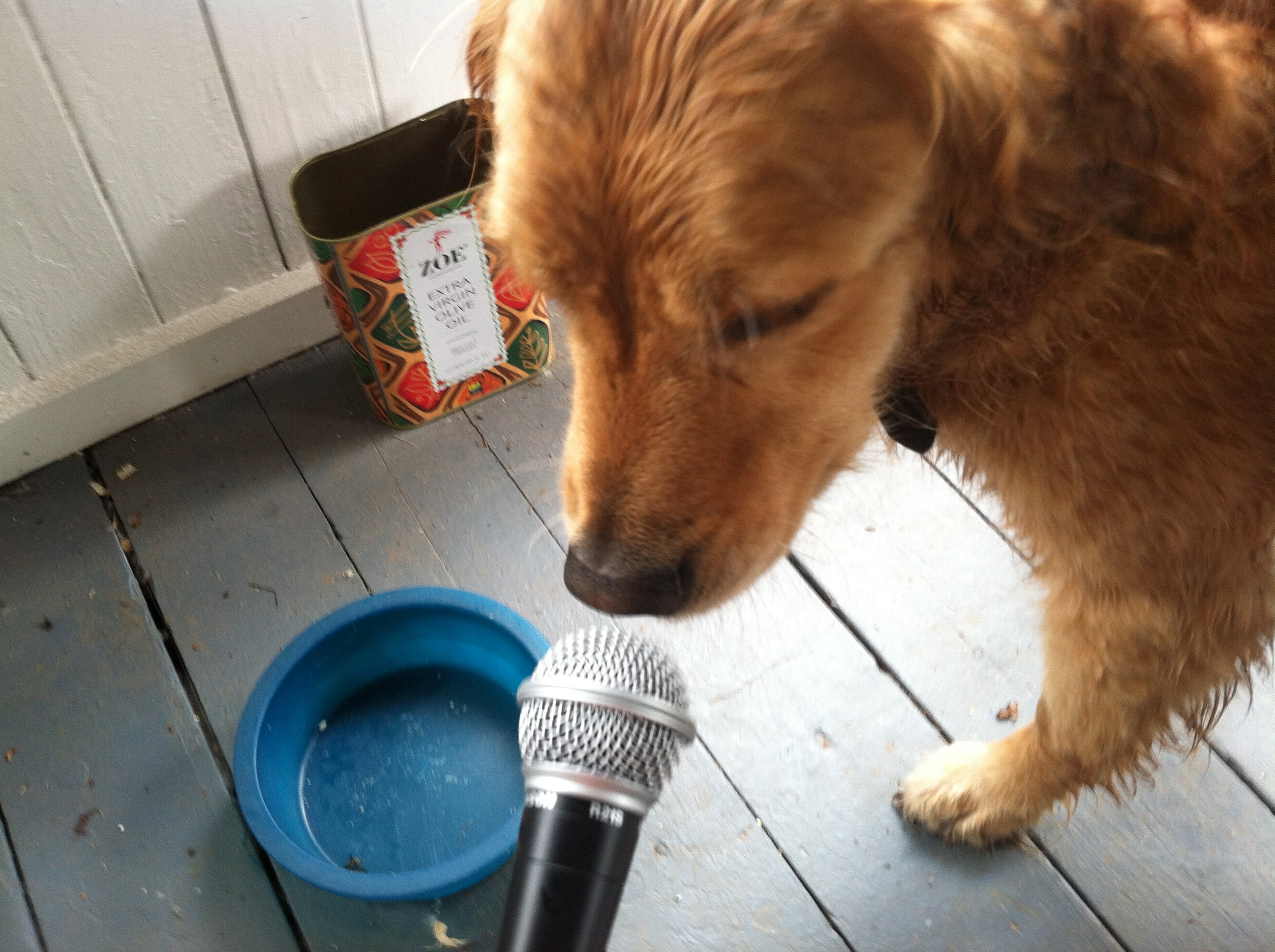
He was very, very, very good to me.
.
Much has been written in journalism texts about the art of the interview. Basically, I’ve found that interviewing for journalism is a matter of fooling your subject into revealing herself, perhaps in ways she’ll wish later she hadn’t. People love to talk, especially about themselves. Note-taking, the tape recorder, the endless questions, all are flattering, hard to resist. But for the memoirist, interviewing is a more delicate tool. Your subjects aren’t politicians, for example, who are used to public life and tough questions. Your subjects aren’t hapless and immediate victims of accident or disaster. Your subjects aren’t experts you have approached for facts and figures. Your subjects, in fact, are very often well known to you, very often relatives, sometimes even your mother. And Mom isn’t going to be flattered by any tape recorder.
Further, your story may be one no one particularly wants brought up, much less written about. In many cases, you’ll prefer not to have all the advice or censure that comes flooding in when a project becomes public property. Certain kinds of people will withdraw. Other types will try to control what’s said about them, sometimes in unpleasant ways.
Then again, and more likely, everyone may get excited about your project and want to be part of it: Uncle John calling to tell the old sunk-canoe story one more time, Dad sending over a typist, your college roommate unloading a U-Haul of photos in your driveway.
I mean, there are a million good reasons not to go to the people of your story and ask questions. But if a couple of questions will make the story better, all those reasons must be swept aside.
Interviewing even the friendliest witness takes a lot of nerve: you will be going past the small talk. But risk is what good writing’s all about, no?
Pick a person who appears in one of your drafts. Your sister, perhaps, or your best friend, someone who’s on your side, someone who’s going to be glad to be mentioned. Make it a formal interview, with prepared questions. Use a voice recorder, but take notes, too. Transcribe the interview from the notes as quickly afterward as possible; immediately is best. (E-mail interviews are probably too easily controlled by your subject: too much time to ponder answers, erect defenses.) Transcribing tapes takes forever–I generally just use them to verify whatever quotes and information I end up using.
With your notes in hand, your transcript to back them up, your tapes behind that, go to the draft and revise. How does the interview fit in? What must be changed? What parts get strengthened? How does your character grow in depth? Especially important: can you use any quotations from the conversation to give your character her own voice?
There are many people worth interviewing beyond the principals of your story. Again, pick a scene or draft of a memoir or other work-in-progress. And think: to whom could you go for more information to add depth and light and exactitude? If you are writing about your house, could you find the architect who designed it? The builder who built it? A former occupant? The landlord? If you’re writing about your time in the Navy, could you interview someone who was brass then? A historian who has written about the battle you lived through? An expert on ships?
You can use the internet to find likely interviewees, even e-mail addresses and phone numbers. Be polite and clear at first contact: this is who I am; this what I’m doing; this is what I want from you. Nervous is okay. Nervy, not so good. Never forget the interviewee is doing you a favor. Suggest a meeting: it’s easier to make a round nonfiction character from someone you’ve spent time with, and you never know who will take a place in your work. Ask if your subject knows other people who might be of interest.
If your story is about your alcoholic brother, a suicide, could you interview a counselor, an addiction researcher, an ex-alcoholic, a rescued suicide? (In The Perfect Storm, an impressive work of literary journalism about a boat lost in a terrible storm at sea, Sebastian Junger uses a brilliant device along these lines. In order to talk about what it must have felt like to drown—six men were lost at sea, could not be interviewed—Junger talked to a fisherman who had all but drowned in similar circumstances, used those insights to imagine what must have happened to his lost subjects.) If you’re writing about the pleasures of cooking—even a personal account—could you interview the chef at a favorite restaurant? The farmer who grew your acorn squash? The manufacturer of your favorite knife? People like to talk about what they do, and the more they like what they do, the more they want to talk. And people, with their opinions, their quirks, their voices, give your writing something to push against.
Make interviews a regular part of your nonfiction writing process.
And if you can’t find anyone else, interview yourself. For each of my books, publishers have asked me to write a self-interview, a question-and-answer session with an imaginary reporter, quotes and information they could use for publicity purposes. First time around I was very serious about it, softball questions, sober answers More recently I’ve taken to goofing around, like, getting in arguments with the interviewer over politics—I imagined Ann Coulter across the desk—and parrying her insults about my work. She hated all my books, especially the one in hand, which was Temple Stream, attacked it from every angle. The strategy worked in that it exorcised my self-doubt (at least to some extent), anticipated reviewer quibbles, and made the project more fun. It also generated much more lively quotes for the publicists to make use of, even if they thought I was weird.
A good exercise is to type up an interview with yourself, talk about your writing, perhaps particularly your most current project. Might be fun to do the interview twice, once with a friendly interlocutor, once with a dick. The idea is to learn a few things you don’t already know and to find unexpected ways to say what needs to get said. Imagine that the story of your trip to China is big news—Inquiring Minds Want to Know—and ask appropriate questions.
Better yet, picture yourself across from Barbara Walters in your living room. What kinds of questions is she going to ask? How will you handle the tough questions about your divorce, say, or that skeleton in your broom closet? Where will the heartwarming moments be? Where are the shockers? What will everyone be talking about tomorrow morning?
A variation of the self-interview is to have a friend interview you. You might do this reciprocally with a fellow writer, using digital voice recorders or just an old cassette deck. Give your interviewer the latest draft of your latest work, and let the interview focus on that material. When the talk’s over, transcribe your notes, or even the recording (or transcribe for your partner and exchange transcripts).
The questions your interviewer asks are important: they let you know the kinds of things your readers will be interested in, let you know what’s missing from your draft. Your answers are important too, will let you begin to articulate thinking that you haven’t yet managed to say in your pages.
Then there’s the impossible interview. Some people, you just can’t talk to: the bad guys in your life, someone dead, former lovers, unsympathetic family members. In these cases it can be helpful to make up an interview. What questions would you like to ask? Well, go ahead and ask them, and then supply the answers you think your subject would give.
Certainly, don’t start to believe the interview is real. No quotations from it, of course. But use it to examine your own projections, your own role in relationships. Use it to discover the issue at hand. Use it to develop material.
Or use it to prepare yourself for a scary interview. Ask the questions on paper first, answer them yourself. Then go to your subject. What comes off as expected? Where are the surprises? What exactly was your own role in making the interview scary?
And now that we’re moving into fictional realms, the tool for fiction writers is more obvious: interview your characters. Ask them how they got to be where they are. Don’t let ‘em off easy.
[This bit of Bad Advice was adapted from my book Writing Life Stories][follow me on Twitter: @billroorbach
May 29, 2012
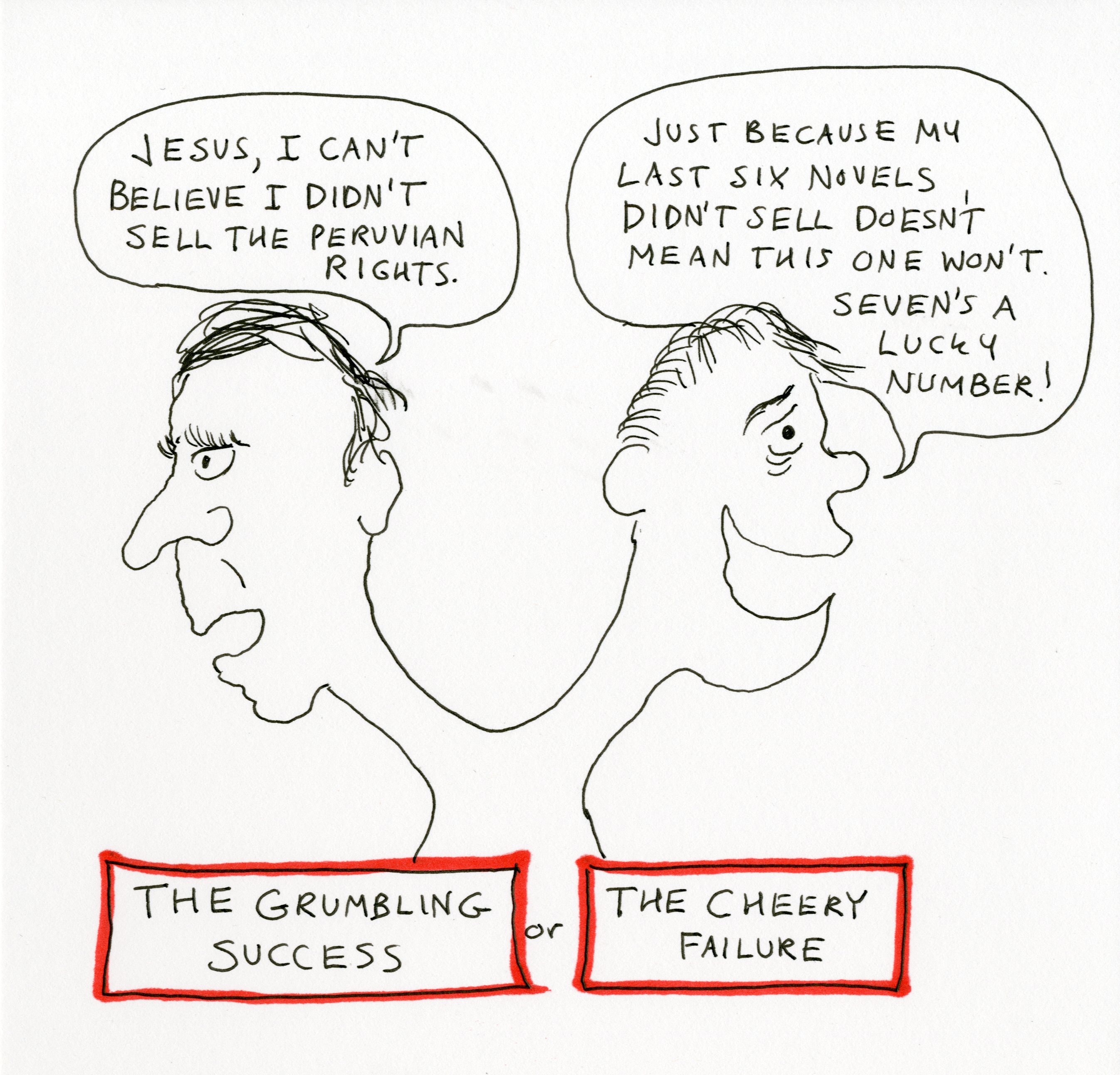
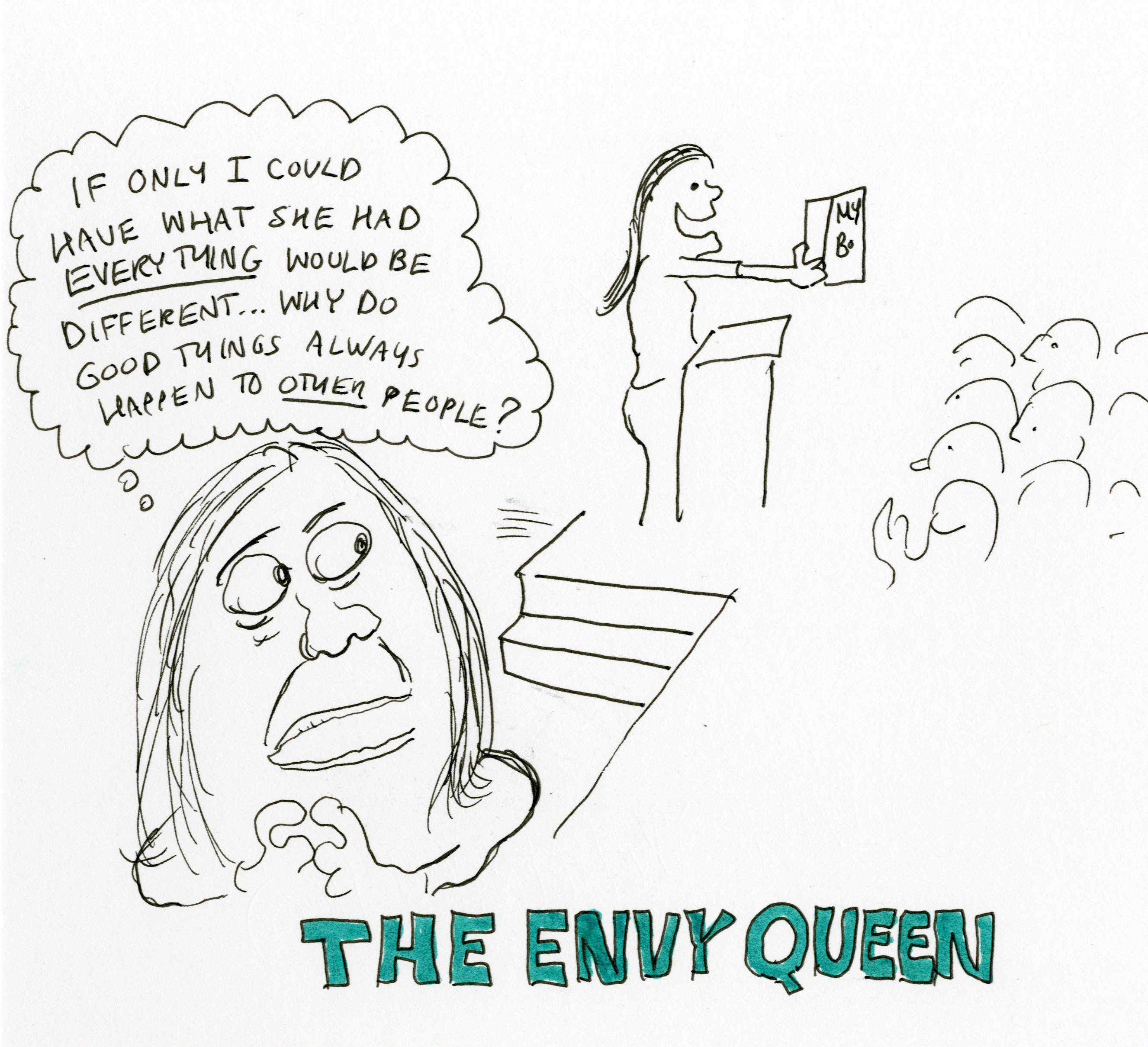
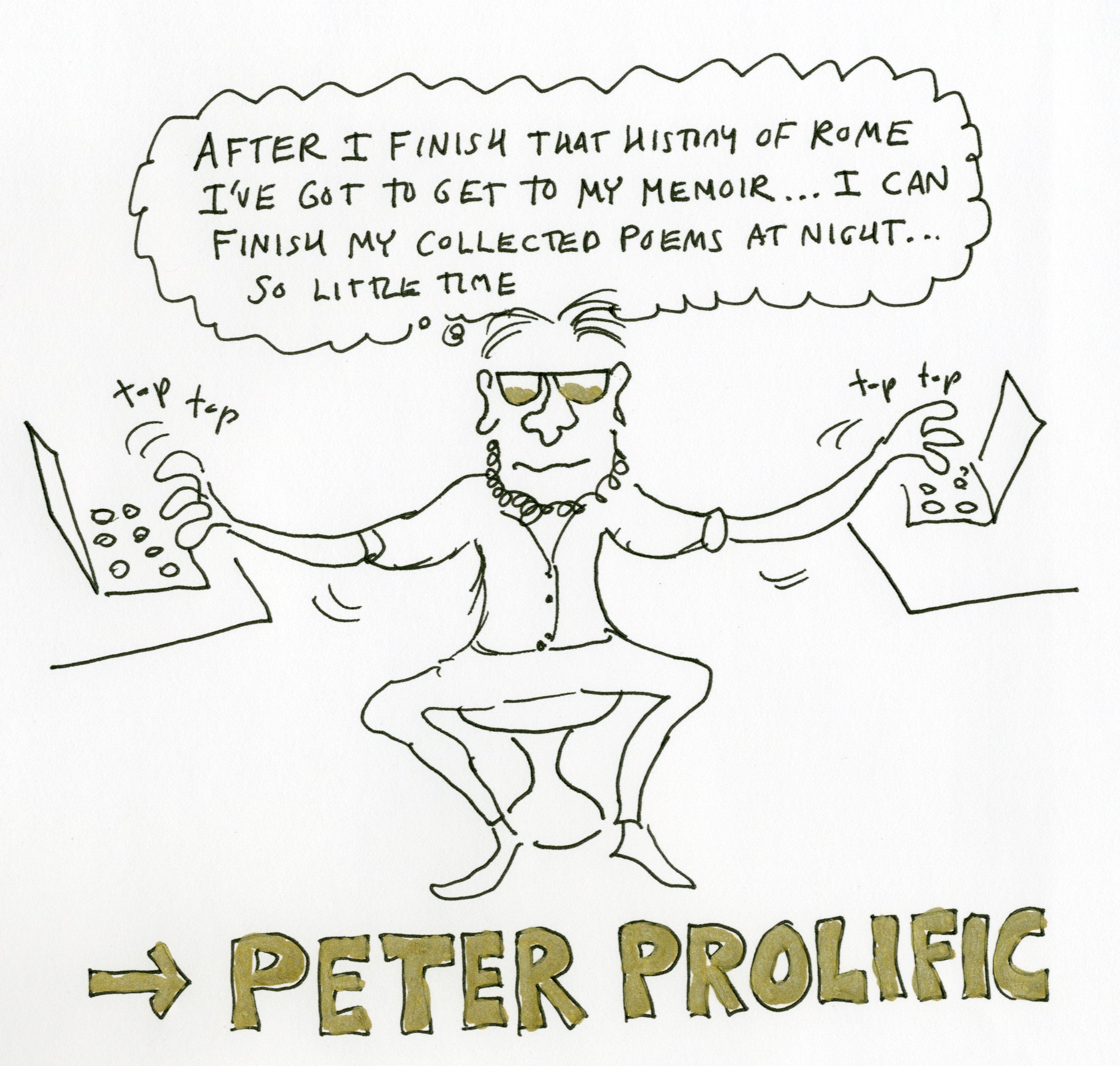
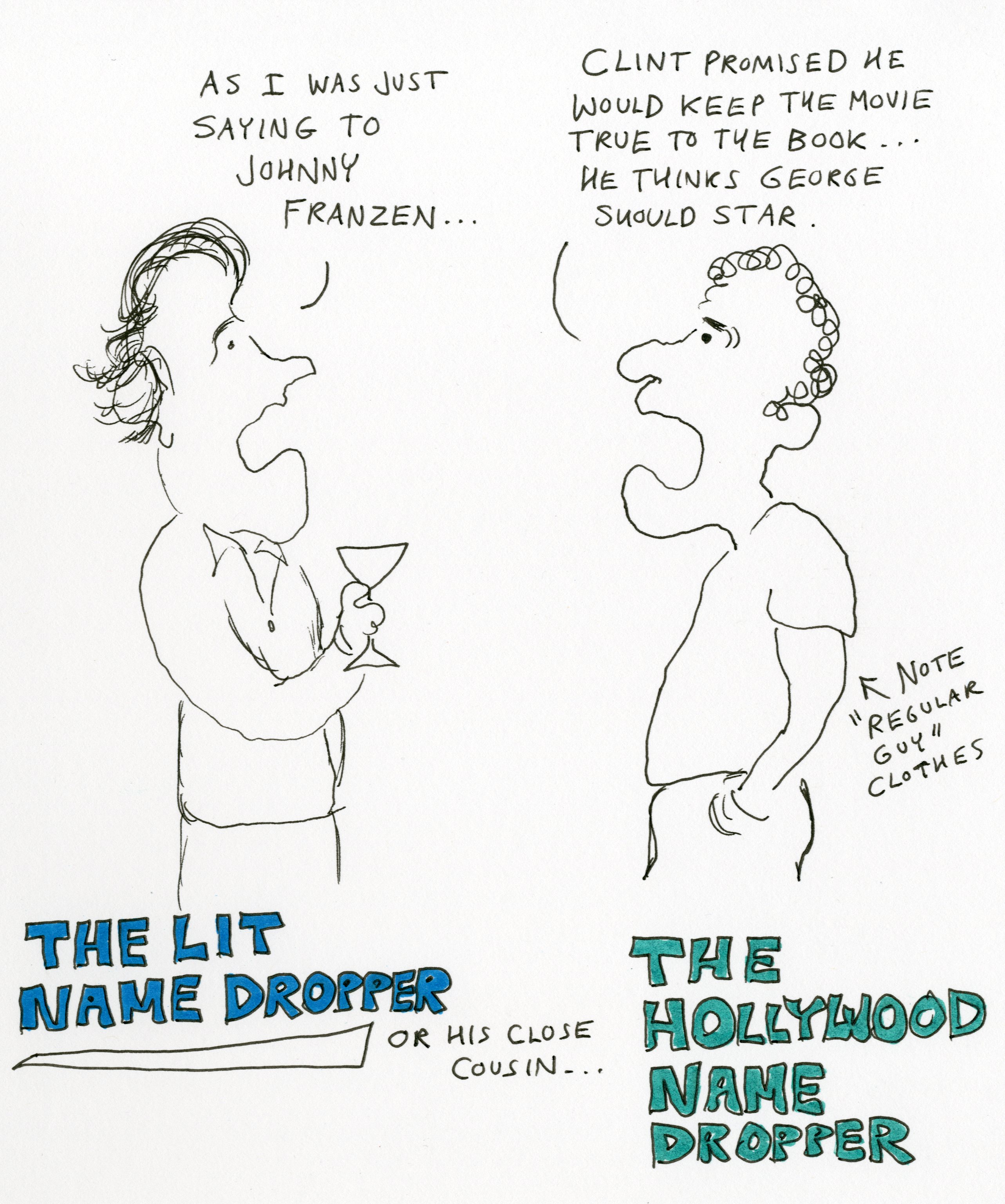
May 26, 2012
Getting Outside Saturday: A Visit to the Herring Run with John Hay
 This is adapted slightly from The Prophet of Dry Hill, my book about the great nature writer John Hay.
I hadn’t seen John in a few weeks, and when I called he seemed relieved to hear from me.
“Just to see the shore would bring me some sanity,” he said. “To get outside into the world.”
He suggested I come between two and three, but at two on the dot my phone rang.
“Dave?” he said. “I’m ready to go.”
I threw my binoculars and bird books in the car and drove over to Dry Hill. John was standing outside when I arrived. He looked terribly thin, his own binoculars hanging from his neck like a weight pulling him toward the ground.
“Thank God you’re here,” he said. “I’ve been surrounded by women.”
He said “women” in a way that made you half expect he’d follow it with “folk.” Though hardly a chauvinist, and though women–from Gemma Lockhart to Deborah Diamond to Janice Riley (who was making a film about his book, The Run)–were some of his dearest friends, he was old-fashioned enough so that the word “womenfolk” wouldn’t have seemed entirely out of place.John often did seem from another time. If there were no answering machines to pick up when you called Dry Hill, there sure as hell were no computers or cell phones. I noticed the tennis shirt he wore beneath his coat and thought of a story that the writer Jennifer Ackerman told me. Jennifer had organized an anthology of nature writing, came out she’d sent all the participants, including John, T-shirts as a thank-you. Before mailing John’s shirt she had called Dry Hill and asked John what size he would like. There was a long pause before he replied. “I don’t know exactly,” he said. “I’ve never worn a T-shirt before.making a film about his book, The Run)–were some of his dearest friends, he was old-fashioned enough so that the word “womenfolk” wouldn’t have seemed entirely out of place.
John often did seem from another time. If there were no answering machines to pick up when you called Dry Hill, there sure as hell were no computers or cell phones. I noticed the tennis shirt he wore beneath his coat and thought of a story that the writer Jennifer Ackerman told me. Jennifer had organized an anthology of nature writing, and asked John to write the preface. When the book came out she’d sent all the participants, including John, T-shirts as a thank-you. Before mailing John’s shirt she had called Dry Hill and asked John what size he would like. There was a long pause before he replied. “I don’t know exactly,” he said. “I’ve never worn a T-shirt before.”
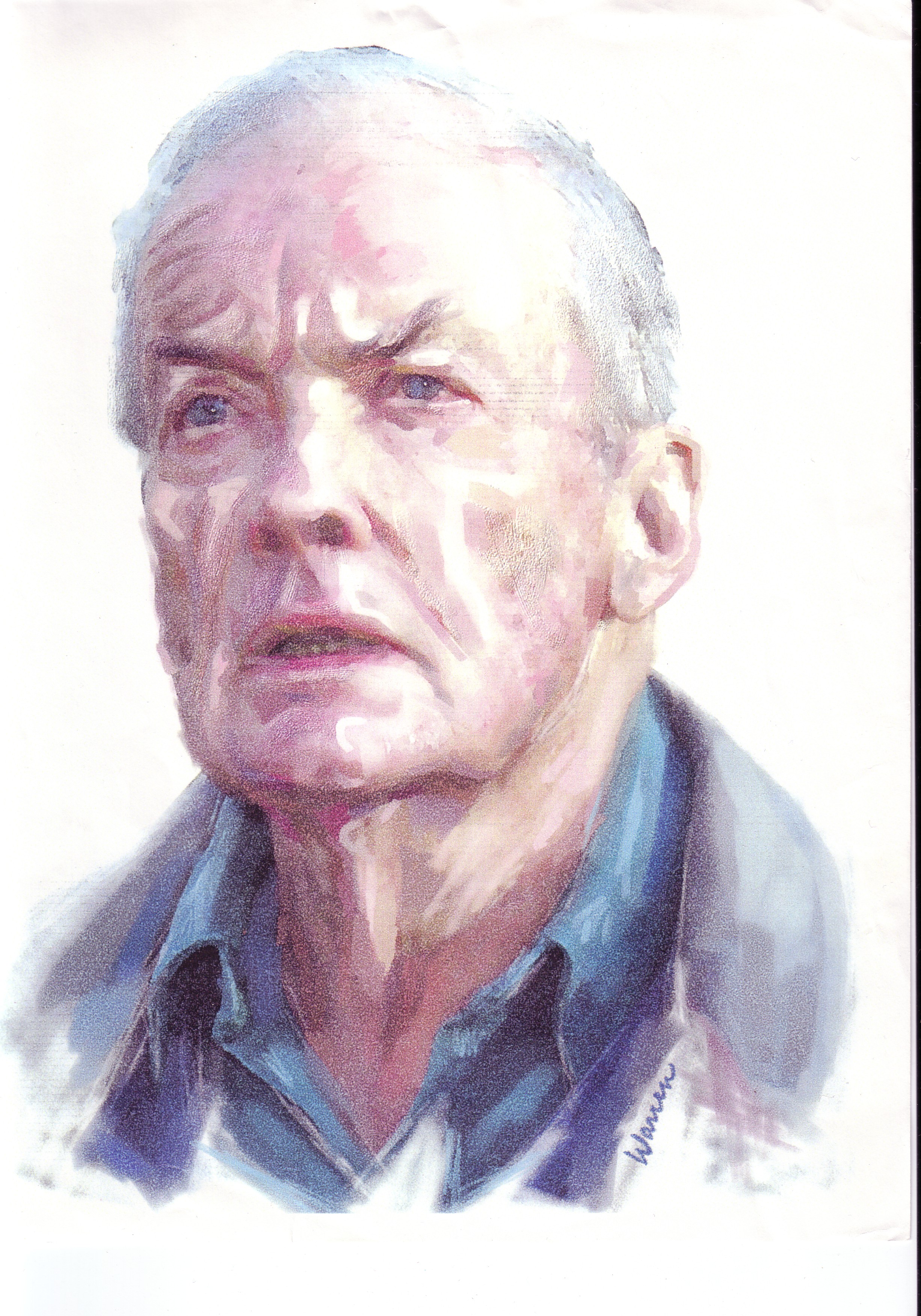 As we shook hands hello I noticed that John’s hair was even longer, flowing down his neck in thin, almost silvery white waves. He explained that before we drove off on our adventure we had some work to do: we needed to get Deuce the schnauzer back into his cage. This took a little doing, and I thought again how strange it was for the Hays to have become recent owners of a peppy little dog.
“I’m sorry Deuce,” John said as we finally coaxed and shepherded the dog into the cage. “But if we let you free you’ll crap the rug.”
Once we were back outside, John pointed at the early blooming all around the property. A cherry tree right in front of the house was exploding with deep maroon. This led to talk of the early spring, and, naturally, to the strangely warm weather. As we drove down the driveway I mentioned that I’d just read that a slice of Antarctic ice the size of Rhode Island had caved off into the sea.
“The only ones who don’t believe the world is warming are the politicians in power,” he said. “Good God. Don’t they ever walk outside? These people don’t believe in cause and effect.”
He looked ready to launch into a longer political diatribe, but then reined himself in and smiled.
“Let’s check if there are fish yet,” he said.
We got in the car and drove over to Stony Brook. The day before it had rained heavily, and the brook was pouring downstream in great silver surges. The just-budding green of the briars was highlighted with blood red, and insects rose up from the water like silver flashes at the edge of vision.
“Do you see any?” John asked me as we neared the water.
I peered into the copper-colored stream. I counted six herring in one of the larger middle pools. In the sunlight they looked violet-backed and almost transparent.
“A half dozen or so,” I said.
“Just scouts,” he said.
I mentioned the violet color.
“Another metamorphosis. You know they actually change color as they swim upstream. Let’s see a human do that!”
I asked him when the peak of the run was.
“It really gets going in mid-April,” he said. “Around tax day. Then the stream is choked with fish.”
The few herring in the brook now were circling, recovering from the last tiny waterfall they’d thrown themselves up while gathering energy for the next. In The Run John had written:
I found that they had a circling motion as they moved upstream, within the greater circle of coming in from deep water and returning after they spawned, which was characteristic of other schooling fishes, as well as flocks of birds, not to mention the circle of the seasons within the year, and by collective inference, the lives of men.
“I’m not the linear type,” John said once in an interview. “I circle like alewives and terns and herring gulls. I think it’s more interesting to be circular. You go farther. You take in more.”
There were two other clusters of people at the run and soon one of the clusters migrated toward John. This was his home turf, after all, and a member of the group came up and asked for his autograph. “He’s the most famous herring person,” someone else said. John scrawled down his name on a scrap of paper and dispensed tid-bits about the run. A few people gathered around him while I wandered off.
When I returned we walked up to the spot where the brook poured out of the pond. As we crossed the road, I noticed that John almost tripped twice, recovering both times with little hops and jogs. He was much weaker than he had been in the fall, and I wanted to reach out and grab his arm, but held myself back. After a short while we reached the last gushing waterfall, the herring’s final hurtle until they shot into the relative quiet of the pond. My wife Nina, watching the fish achieve their final goal, had said of the pond, “This is herring heaven.” However, today no fish were making the final ascent and, after studying the water for a while, we doubled back to the car.
Earlier in March Nina and I had taken a trip to Belize. As with most places I travelled, both actual and metaphoric, John Hay had been there first. In fact our friend and tour guide, Alan Poole, who brought us out to a small biological station called Wee Wee Caye, had given John a similar tour a decade before.
One afternoon we took a trip in the whaler to snorkel around a Caye farther south. As we passed a small uninhabited island, Alan explained that it was the home of the southernmost osprey nest in the continent. The bird rose up as if on cue, its shining white head much lighter than those of its northern cousins. I remembered something John had written:
“The osprey is a power of its own, sacred to a million years. More men are needed who in thinking well of an osprey do not thereby think better of themselves.”
Later that evening, back on Wee Wee Caye, I watched the frigatebirds that John had first told me about back on our Cape Cod marsh. They floated over the small island on their long bat-like wings, like kites pointed into the Caribbean wind. I had to agree with the birds’ official upgrading to “magnificent.”
At night we took our mattresses out to the dock and stared up through binoculars at a sky unpolluted by light. With the added magnification every speck of the sky was crammed with white dots, a massive spray of stars.
“When he was here John watched the stars through my binocs and you know what he said?” Alan asked me.
I shook my head.
“He said ‘They look like fish eggs.’”
May 25, 2012
What has DOBX been buying lately?
Who is DOBX? He, as some of you will remember, is the guy who gave my book, Return of the Osprey, a bad review on Amazon. He also wrote “If I want to reread On Walden Pond, I have a well-thumbed copy,” prompting me to wonder if he had confused Thoreau’s book with Henry Fonda’s movie (sorry, I know it’s bad form to repeat jokes.)
A while back I wrote my very own review–of him–that I have pasted below. And now I’ve decided to launch a new regular feature for Bill and Dave’s called “What Has DOBX” bought lately?” (Who says I’m not obsessive?)
As you no doubt remember, DOBX’s recent purchases included a windsock and dog ear cleanser. And now he has bought a neat new case for his Droid. He seems to like it just about as much as he liked Return of the Osprey. And much like with my book, the notches detract from the smooth look. Ospreys, windsocks, Droid Screen Guards. Does DOBX hate everything?

Seidio Ultimate Screen Guard – Crystal Clear – 2 Pack for the HTC Droid Incredible 2/S
Price: $14.95
Availability: In Stock
9 used & new from $4.52
0 of 3 people found the following review helpful
 I also hate the notches,August 23, 2011
Amazon Verified Purchase(What’s this?)
This review is from: Seidio Ultimate Screen Guard – Crystal Clear – 2 Pack for the HTC Droid Incredible 2/S (Wireless Phone Accessory)
The notches really detract from the smooth look I had hoped for. I never use the front facing camera, so I don’t need them. The top left corner didn’t adhere like the rest of the protector and is unsightly.
The feel of the protector is great, and my phone works as if bare glass. I don’t feel any tackiness on the protector.
I have an SGP Ultra Crystal protector on order, but I’m not getting rid of these just yet.
 Comment | Permalink
THIS IS THE OLDER POST:
I am confident that a lot of people enjoyed reading my book, Return of the Osprey. That confidence is based on letters and conversations, and some pretty good reviews.
But one person who clearly did not enjoy the experience was a man who goes by the alias of “Dobx.” In fact Dobx disliked it so much that he chose to reveal his displeasure in a review on Amazon.com.
I have been understating so far: Dobx hated the book.
Here is Dobx’s review:
A poor version of Walden Pond redux, June 3, 2010
By
Amazon Verified Purchase(What’s this?)
One of Four Stars
This review is from: Return of the Osprey: A Season of Flight and Wonder (Paperback)
We live on a sound on the Outer Banks and erected a nesting box, perhaps 50 feet from our dock, this March. We were fortunate enough to attract a nesting pair who built their nest, and we currently have three chicks in the nest.
I was hoping to get facts about ospreys from the book, but alas instead I got ruminations and regrets and etc. The author really wishes he was an osprey.
I think this is one of the worst books I have ever bought.
If you want osprey facts, simply Google osprey facts and save yourself from the author’s angst.
If I want to reread On Walden Pond, I have a well-thumbed copy.
So that’s the review.
Where to start?
How did my book get to be “one of the worst books” Dobx has ever bought?
Well, let’s break it down:
1. The book clearly didn’t supply Mr. Dobx with the thing he most wanted: facts. He compares the book, the product of years of work, unfavorably with a Google search.
And I see his point. That would certainly be a lot faster than reading. Also he’s right: there are very few ruminations and regrets and etcs in your average Google search.
2. “The author clearly wants to be an osprey.” No argument here.
3. Dobx would prefer to skim his “well-thumbed” copy of On Walden Pond.
Now I’m no Thoreau scholar, but I’m ready to guess that that book, if it exists at all, is not that well-thumbed, or if it is, it got that way without Mr. Dobx reading its title. I suggest this because he seems to have conflated the work of Henry Thoreau with that of Henry Fonda, perhaps thinking that the famous author spent his year of solitude On Golden Pond.
(Note to Dobx: the title of Thoreau’s book is Walden.)
4. I reveal a lot about myself in Return of the Osprey, and apparently that irritates Dobx. But I find myself wanting to learn a little more about Dobx. Since he has a house with a dock on the Outer Banks (in the town of Duck) I will assume he is well-off, possibly retired. A quick review of his other Amazon purchases reveals that the guy loves technology, since most of the other products that he reviews are adapters and electronic gizmos and that sort of thing, but he also wants to know about the wind (he buys wind socks and anenometers—he lives on the Outer Banks after all) and loves his labradoodle (he can’t be all bad) for whom he buys 2 packs of Zymox ear cleanser (the dog is “susceptible to nasty ears and fungi” from swimming in the ocean) and assorted swimming toys like amphibious boomerangs. (For a full account of Dobx’s purchasing habits you can go here.)
One thing you will learn if you go to that link is that the only thing Dobx hates almost as much as whiny books about ospreys are too tight aviator hats. Here’s his review:
Red Weatherproof Nylon Trooper Pilot Aviator Trapper Hat for Men and Women
Availability: Currently unavailable
1 of 1 people found the following review helpful:Got a little head?,December 28, 2009Two of Four StarsThis review is from: Red Weatherproof Nylon Trooper Pilot Aviator Trapper Hat for Men and Women (Apparel) Got a Little Head? If so, it might fit. Wore it once, got a headache, took it to Goodwill. The end.
The picture of this hat did not come through but you can see my drawing of it below or the real thing here.

Well, as you’ll obviously agree, that’s enough of Dobx. Of course I realize I got a little bit carried away. But I feel okay about it. It has always seemed a little unfair to me that these anonymous strangers get to review you, but you don’t get to talk back. This, then, is my remedy to that problem. This then is my Amazon revenge.
May 23, 2012
Eleven Bumper Stickers You Aren’t Likely to See, Election 2012

Guess My Political Views
Okay, a fair and balanced selection of bumper stickers I’d like to see this election cycle:
Voting Romney? Are You Rich or Stupid?
Medicare: Don’t Touch My Socialism
Pay Your Fucking Taxes, MobilExxon!
Mormon is Fine, Moron is Not!
Proud to be a Gay Romney Supporter!
We Want Our Country Back, Corporate Overlords!
Working People Vote Republican (and Then They’re Out of Work)!
Hey Scalia: Eat More Saturated Fat!
Vote Romney: Who Needs Birth Control, Anyway?
Romney Will Beat Obama (in the Shower After Gym)!
Mitt is a Shit!
Got any more? Let us hear them!