Scott L. Smith Jr.'s Blog, page 2
November 11, 2024
Why Incense? A New Insight on Incense, The Blood of the Tree, Fr. Boniface Hicks, OSB
It's a sad phenomenon in America. Incense fell out of favor post-Vatican II. Many young Catholics are just now learning about the beauty of thuribles and incense. Meanwhile, older Catholics are turning up their noses, literally. Maybe that would change if we better understood the meaning of incense in the Holy Sacrifice of the Mass.

The Importance of Blood in the Old and New Covenants
Why must we drink the blood of Christ to inherit eternal life? Jesus says at John 6:54, "he who eats my flesh and drinks my blood has eternal life, and I will raise him up at the last day." Why?
Because the Hebrews believed that the life of the animal is in the blood. If you want the life of Jesus in you, you must consume Jesus' blood. That's how we are "raised up at the last day." These are the actual mechanics of the Resurrection.
So what if I told you that incense is the blood of the tree? We will break this down in the article below. But does that give you a whole new insight on incense? And what about all the trees of the Bible -- the Cross, the Tree of Life?
Let's break this down ...
Fr. Boniface Hicks Told Me You Could Read More About All This in His Book on the Mass ... These insights on incense are further expanded and elaborated on in Fr. Boniface Hicks' The Hidden Power of Silence in the Mass: A Guide for Encountering Christ in the Liturgy. He told me to share it with you :)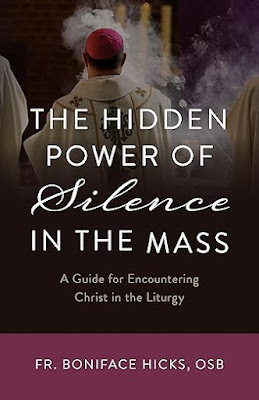
Fr. Boniface Hicks, OSB on Pints With Aquinas: Incense is the Blood of the Tree
Here is Fr. Boniface Hicks, OSB describing this connection with incense being the "blood of the tree" with Matt Fradd in Pints With Aquinas:
I have edited this a bit for flow and ease of reading:
I was tipped off by an Australian priest to a Hebrew word from the Song of Songs that I could come back to.
It led me into the world of incense, and it turns out the incense is the blood of the tree. Frankincense and myrrh at least -- I'm sure there's lots of different kinds of incense but frankincense and Murray would certainly have a central place in Catholicism -- are the blood of the tree. It's the sap. Wikipedia says through repeatedly wounding, the tree sap is brought forth. It can then congeal into pellets that are hardened, so it's a beautiful symbol in our liturgical celebrations. It's the wounds, so wounds that have been brought forth and hardened and are useless and dead and odorless then placed by the priest.
It's a Priestly action to impose incense. Placed by the priest on the coal of divine charity, it then is melted and releases a sweet fragrance that's offered in worship. So the priest is the one who takes the wounds of his people under the symbol of incense and places them as on the coal of divine charity and then is able to transform wounds into worship like Christ is the one who transforms wounds into worship.

It's what the cross is and then he extended the transformation mechanism you might say to us through the Mass, which is the perpetuation of his sacrifice continually transforming suffering into love and into prayer.
So back to the Hebrew word. Song of Songs 4:9 is "you have ravished my heart my sister my bride you have ravished my heart with one glance of your eye."
"Ravish my heart" is labab (לָבַב). That word is used in extra biblical literature to describe the stripping of bark from a tree. The bark is the hard outer layer of the tree that protects the tree. Stripping the bark makes it vulnerable, and it exposes the tender phloem layer, which is beneath the bark where the sap runs.
So the bridegroom's heart is made vulnerable by the bride. He lets down his walls, he allows the tender under layer to be exposed, he allows himself to be wounded by her beauty, by by her plight, by her own woundedness, by his desire to to rescue her and serve her, and then he also, so the the priest not only offers the the wounds of the people but his own wounds that have hopefully been brought forth by that kind of vulnerability so trees and incense, and but unlike those unlike the bridegroom our Lord who in you say kind of allows himself to be moved what about the bride who needs that bark scraped off through pain and grace.
There's a phrase in John of the Cross where he talks about the Lord loves us into letting go, and I think that's the right tone. When we are well loved, then we let down the defenses, then we allow our hearts to be stripped.


Why Incense? A New Insight on Incense, The Blood of the Tree
It's a sad phenomenon in America. Incense fell out of favor post-Vatican II. Many young Catholics are just now learning about the beauty of thuribles and incense. Meanwhile, older Catholics are turning up their noses, literally. Maybe that would change if we better understood the meaning of incense in the Holy Sacrifice of the Mass.
The Importance of Blood in the Old and New Covenants
Why must we drink the blood of Christ to inherit eternal life? Jesus says at John 6:54, "he who eats my flesh and drinks my blood has eternal life, and I will raise him up at the last day." Why?
Because the Hebrews believed that the life of the animal is in the blood. If you want the life of Jesus in you, you must consume Jesus' blood. That's how we are "raised up at the last day." These are the actual mechanics of the Resurrection.
So what if I told you that incense is the blood of the tree? We will break this down in the article below. But does that give you a whole new insight on incense? And what about all the trees of the Bible -- the Cross, the Tree of Life?
Let's break this down ...
Here is Fr. Boniface Hicks, OSB describing this connection with incense being the "blood of the tree" with Matt Fradd in Pints With Aquinas:
I have edited this a bit for flow and ease of reading:
I was tipped off by an Australian priest to a Hebrew word from the Song of Songs that I could come back to.
It led me into the world of incense, and it turns out the incense is the blood of the tree. Frankincense and myrrh at least -- I'm sure there's lots of different kinds of incense but frankincense and Murray would certainly have a central place in Catholicism -- are the blood of the tree. It's the sap. Wikipedia says through repeatedly wounding, the tree sap is brought forth. It can then congeal into pellets that are hardened, so it's a beautiful symbol in our liturgical celebrations. It's the wounds, so wounds that have been brought forth and hardened and are useless and dead and odorless then placed by the priest.
It's a Priestly action to impose incense. Placed by the priest on the coal of divine charity, it then is melted and releases a sweet fragrance that's offered in worship. So the priest is the one who takes the wounds of his people under the symbol of incense and places them as on the coal of divine charity and then is able to transform wounds into worship like Christ is the one who transforms wounds into worship.
It's what the cross is and then he extended the transformation mechanism you might say to us through the Mass, which is the perpetuation of his sacrifice continually transforming suffering into love and into prayer.
So back to the Hebrew word. Song of Songs 4:9 is "you have ravished my heart my sister my bride you have ravished my heart with one glance of your eye."
"Ravish my heart" is labab (לָבַב). That word is used in extra biblical literature to describe the stripping of bark from a tree. The bark is the hard outer layer of the tree that protects the tree. Stripping the bark makes it vulnerable, and it exposes the tender phloem layer, which is beneath the bark where the sap runs.
So the bridegroom's heart is made vulnerable by the bride. He lets down his walls, he allows the tender under layer to be exposed, he allows himself to be wounded by her beauty, by by her plight, by her own woundedness, by his desire to to rescue her and serve her, and then he also, so the the priest not only offers the the wounds of the people but his own wounds that have hopefully been brought forth by that kind of vulnerability so trees and incense, and but unlike those unlike the bridegroom our Lord who in you say kind of allows himself to be moved what about the bride who needs that bark scraped off through pain and grace.
There's a phrase in John of the Cross where he talks about the Lord loves us into letting go, and I think that's the right tone. When we are well loved, then we let down the defenses, then we allow our hearts to be stripped.
November 4, 2024
Why Christians Can't Be Freemasons (Masons) - Flyer, Infographic, Handout
I am strongly opposed to the historical, theological, and other evils of Freemasonry. I feel so strongly about this that I've actually been hesitant to create articles and content on this subject. Maybe it was a spiritual fog. I don't know. But I'm finally doing it!
Please help me disseminate this flyer! Here is a flyer that you can print off and place under windshield wipers in shopping areas -- if such is legal and/or permitted where you live.
You can also give this to Freemasons/Masons that you know. Please comment or email me with any and all creative ideas you come up with for distribution! Also, please let me know if the flyer needs to be corrected/modified or if you have another flyer idea to better inform people about Freemasonry or convert Freemasons back to Christianity.

Please help me spread word about the evils of Freemasonry. Please help me disseminate the flyer below.
I hereby issue a license to use the flyer below to any person or organization that will use said flyer to spread word about the evils of Freemasonry.

Want to read more about this? Here are the two great books that I cited in the flyer above:
The Secret Teachings of the Masonic Lodge: A Christian Perspective by John Ankerberg & John WeldonWhy Catholics Cannot Be Masons by John SalzaOctober 31, 2024
How to Celebrate the Octave of All Saints as a Family, Release Souls from Purgatory, and Build a Prayer Army of Saints for Your Family - The Prayer of St. Gertrude and Plenary Indulgences
I love killing two birds with one stone, but you know what's even better than that? Having an army of saints killing hundreds of birds for you ... with one stone. Here's that one stone ... [and no birds were harmed in the writing of this article]
My family has adopted a great prayer tradition during the Octave of All Saints. There are a lot of layers which I'll explain in greater depth (and in the included Dad Monk podcast) below, but here's the summary:
We go to Mass every day (or as many days as possible) of the Octave of All Saints to each receive a daily plenary indulgence for a soul in Purgatory;We also visit each day one of our local cemeteries; and We pray the St. Gertrude prayer to release 1,000 more souls from Purgatory during our visit.It's such a great, simple way to enrich your family's prayer life, while performing a Spiritual Work of Mercy (pray for the living and the dead) and building an army of saints who will, in turn, pray for your family in Heaven.
There's so much going on here. See what I mean about killing way more than two birds with one stone?

Here is the episode of my Dad Monk Podcast for All Saints: COMING SOON! This episode goes live on 11/1.
An "octave" is a one-week celebration of a feast day in the Church. It's called an "octave" because there are eight days in total. We have "octaves" for Christmas, Easter, and All Saints Day, as well as other feast days during the year.

The Catechism of the Catholic Church answers this question at Paragraph 1471:
An indulgence is a remission before God of the temporal punishment due to sins whose guilt has already been forgiven, which the faithful Christian who is duly disposed gains under certain prescribed conditions through the action of the Church which, as the minister of redemption, dispenses and applies with authority the treasury of the satisfactions of Christ and the saints ...
An indulgence is partial or plenary according as it removes either part or all of the temporal punishment due to sin ...
Indulgences may be applied to the living or the dead. (CCC 1471)
You can gain plenary indulgences for the souls in purgatory by visiting a cemetery any (or every) day of the Octave of All Saints and praying for the Holy Souls in purgatory.
This doesn't need to be a long prayer. My family and I just stay in the van. This can take just a few minutes. You can pray a decade of the Rosary and incorporate this into your evening prayer.
It's such a great, simple way to enrich your families prayer life, while performing a Spiritual Work of Mercy (pray for the living and the dead) and building an army of saints who will, in turn, pray for your family in Heaven.
Whatever you prayer -- maybe even just one Our Father, one Hail Mary, and one Glory Be -- it's good to add the following to the end: “Eternal rest grant unto them O Lord, and may perpetual light shine upon them. May the souls of the faithful departed through the mercy of God rest in peace. Amen.”

You can direct where your plenary indulgence goes. You can ask that your plenary indulgence go to benefit a specific person or to a general person in Purgatory by random allotment.
All these souls will be very grateful for your part in remitting their temporal punishments in Purgatory. They will start praying for YOU! You can build up an entire city of Heaven -- an army of Saints -- that prays for your family!
Can you imagine all the saints waiting to greet you and your family when you arrive in Heaven? The rejoicing will be great in Heaven!

I will offer my plenary indulgences for my dad, my grandparents, my friends -- all the people that I have loved in my life that are now gone. I might do this repeatedly. (Maybe it's my OCD kicking in.) But that works out fine. The indulgence is re-alloted to the next family member in Purgatory in need of an indulgence.
NOTE: I don't think Church teaching gets this specific and formal on the mechanics of indulgences. I picked this up from the writings of the saints and mystics.
Multipliers! How to Multiply Your Plenary Indulgences?
Marian Consecration: Since I'm consecrated to Jesus through the Blessed Mother, all merits I earn go to Mary. She takes these, multiplies and "magnifies" them, and sends them where they are most needed. In this way, I believe the Blessed Mother can multiply that plenary indulgence you earned many times over.
The St. Gertrude Prayer: See below.
Fifth, What are the Regular Conditions for Receiving a Plenary Indulgence?
You and each member of your family that is properly disposed to receive Holy Communion can gain up to one plenary indulgence a day during the Octave of All Saints (November 1-8) by visiting a cemetery or graveyard. A graveyard, by the way, is a cemetery that is attached to a church -- both are good.
BUT the plenary indulgence can only be applied to the souls in Purgatory.
The regular conditions still apply for meriting a Plenary Indulgence: In addition to visiting the cemetery and what was said above, you must do all the following for each indulgence:
Go to Confession that week (or the week prior)Receive Holy Communion once for each plenary indulgencePray for the intentions of the Holy FatherBe detached from any desire to sinSo, if you visit a cemetery once a day from November 1-8, and go to Confession once, Mass daily, pray for the Holy Father daily, and remain detached from any desire to sin, you could gain up to EIGHT plenary indulgences for the souls in Purgatory. Once released from Purgatory, these saintly souls from heaven can and will pray for you.

St. Gertrude the Great was an amazing Benedictine nun of the 13th century. Like St. Teresa of Avila, she was espoused to Jesus. Pious tradition holds that Jesus promised St. Gertrude that a thousand souls would be released from purgatory each time the following prayer is said devoutly:
Eternal Father, I offer You the Most Precious Blood of Your Divine Son, Jesus, in union with the Masses said throughout the world today, for all the Holy Souls in Purgatory, for sinners everywhere, for sinners in the universal church, those in my own home and within my family. Amen.
Jesus did not attach any particular conditions or requirements to the recitation of this prayer. The mercy shown to sinners in response to this intercessory prayer is just a direct gift from God.
Purgatory is all over the Bible, despite what Protestants might say. I have written an article on this and continue to update whenever I find a new Scriptural reference:
mbtTOC();
September 25, 2024
The Real Presence of Jesus in the Eucharist: All of Jesus' "Amen, Amen" ("Truly, Truly") Statements in the Gospel of John -- Which Are Not Literal?
I love finding myself in conversations with Protestants about Biblical proof for Transubstantiation and the Real Presence of Jesus in the Eucharist. I'm currently going back-and-forth with a Protestant in the comments of this article.
Jesus says at John 6:53-54: "Amen, Amen, I say to you, unless you eat the flesh of the Son of man and drink his blood, you have no life in you; he who eats my flesh and drinks my blood has eternal life, and I will raise him up at the last day."

Memorize that verse! It's Biblical proof for the Real Presence of Jesus in the Eucharist. It's not proof-texting, either -- the whole Bread of Life Discourse of John 6 reinforces this literal interpretation, too.
If this verse is not to be interpreted literally -- just symbolically -- it raises an interesting question. A question which Protestants find hard to answer ...Should all Jesus' "Amen, Amen" statements also be interpreted symbolically? Or, all of Jesus' "Amen, Amen" statements obviously to be interpreted literally? Let's look ...
The double "Amen" is used for OATHS throughout the Bible. Take a look at these other examples: Numbers 5:22; Deuteronomy 27:15–26; Nehemiah 5:13; 8:6; and 1 Chronicles 16:36

Now, take a look at all these "Amen, Amen" statements in the Gospel of John.
The vast majority--if not all--should be interpreted literally. So why do Protestants interpret all of these "Amen, Amen" statements literally EXCEPT the ones about the Eucharist? Interesting.
To Nicodemus in Jerusalem3:3 – Jesus answered him, "Amen, Amen, I say to you, unless one is born anew, he cannot see the kingdom of God."3:5 – Jesus answered, "Amen, Amen, I say to you, unless one is born of water and the Spirit, he cannot enter the kingdom of God."3:11 – "Amen, Amen, I say to you, we speak of what we know, and bear witness to what we have seen; but you do not receive our testimony."
To the Jews in Jerusalem after a Sabbath Healing:5:19 – Jesus said to them, "Amen, Amen, I say to you, the Son can do nothing of his own accord, but only what he sees the Father doing; for whatever he does, that the Son does likewise.5:24 – "Amen, Amen, I say to you, he who hears my word and believes him who sent me, has eternal life; he does not come into judgment, but has passed from death to life."5:25 – "Amen, Amen, I say to you, the hour is coming, and now is, when the dead will hear the voice of the Son of God, and those who hear will live."
To the Crowds in Galilee after the Multiplication of the Loaves:6:26 – Jesus answered them, "Amen, Amen, I say to you, you seek me, not because you saw signs, but because you ate your fill of the loaves."6:32 – Jesus then said to them, "Amen, Amen, I say to you, it was not Moses who gave you the bread from heaven; my Father gives you the true bread from heaven."6:47 – "Amen, Amen, I say to you, he who believes has eternal life. 48 I am the bread of life."6:53 – So Jesus said to them, "Amen, Amen, I say to you, unless you eat the flesh of the Son of man and drink his blood, you have no life in you; 54 he who eats my flesh and drinks my blood has eternal life, and I will raise him up at the last day."
To the Jews in Jerusalem at the Feast of Tabernacles:8:34 – Jesus answered them, "Amen, Amen, I say to you, every one who commits sin is a slave to sin."8:51 – "Amen, Amen, I say to you, if any one keeps my word, he will never see death."8:58 – Jesus said to them, "Amen, Amen, I say to you, before Abraham was, I am."
To the Pharisees in Jerusalem after the Healing of the Man Born Blind:10:1 – "Amen, Amen, I say to you, he who does not enter the sheepfold by the door but climbs in by another way, that man is a thief and a robber; 2 but he who enters by the door is the shepherd of the sheep."10:7 – So Jesus again said to them, "Amen, Amen, I say to you, I am the door of the sheep."
To the Disciples after the Entry into Jerusalem:12:24 – "Amen, Amen, I say to you, unless a grain of wheat falls into the earth and dies, it remains alone; but if it dies, it bears much fruit."
To the Disciples after the Washing of the Feet:13:16 – "Amen, Amen, I say to you, a servant is not greater than his master; nor is he who is sent greater than he who sent him."13:20 – "Amen, Amen, I say to you, he who receives any one whom I send receives me; and he who receives me receives him who sent me."13:21 – When Jesus had thus spoken, he was troubled in spirit, and testified, "Amen, Amen, I say to you, one of you will betray me."
To Simon Peter at the Last Supper:13:38 – "Amen, Amen, I say to you, the cock will not crow, till you have denied me three times."
To all the Disciples at the Last Supper:14:12 – "Amen, Amen, I say to you, he who believes in me will also do the works that I do; and greater works than these will he do, because I go to the Father."16:20 – "Amen, Amen, I say to you, you will weep and lament, but the world will rejoice; you will be sorrowful, but your sorrow will turn into joy."16:23 – "Amen, Amen, I say to you, if you ask anything of the Father, he will give it to you in my name."
To Simon Peter after the Resurrection:21:18 – "Amen, Amen, I say to you, when you were young, you girded yourself and walked where you would; but when you are old, you will stretch out your hands, and another will gird you and carry you where you do not wish to go."
September 24, 2024
Dad Monk: New Podcast About Using Catholic Productivity Hacks and Lifestyle Design to Create the Domestic Monastery
Hey, everybody! I'm been sitting on this one for a while. I just finally launched a new podcast called "Dad Monk"
I've written and published over 30 books in the last few years while maintaining this blog, my law practice, and helping raise six kids. I could NOT have done this without grace, my wife, and a TON of productivity tips and lifestyle design.
That's what this podcast is about adapting secular tips and best practices to Catholicism ... and building, not just the Domestic Church, but the Domestic Monastery!

Check out Dad Monk episodes below on Spotify:
This has been my project for the last decade-plus. I wanted to be able to work from home, work from anywhere, with my family. I did this by becoming an author and an attorney and developing multiple passive revenue streams.
I want to red pill dads. Help dads break out of the 8-5 wage slavery. Give ideas to restructure family life around prayer and service to the Church.
This podcast will include ideas from the Rule of St. Benedict and monasticism. How to make your home into, not just a domestic church, but a domestic monastery.
I'll will use ideas from modern, secular writers to adapt St. Benedict to our lives. Writers like:
Tim Ferris, Four Hour Workweek, here’s your Catholic Four-Hour WorkweekPareto’s 80/20 ruleCharlie Mounger, Warren Buffet’s business partnerGetting Things Done by David Allen – here’s your Catholic Getting Things DoneThe Art of Learning by Josh Waitzkin, Start with Why by Simon Sinek, I Will Teach You to be Rich by Ramit SethiThe Artist’s Way by Julia CameronOthers: Peter Diamandis, Jocko Willink, etc.Enjoy! And let me know what you think :)
August 31, 2024
The Safe List: Guide to All the Kids' Shows and Movies That Are NOT Pushing LGBTQ Characters and Content
A little while ago, I started compiling the "The No-Watch List: Guide to All the Kids' Shows and Movies That Have LGBTQ Characters and Content". This article and list has become very popular -- I'm having trouble keeping up with all the comments, adding to the list!
Many people have found the No-Watch List for Kids helpful. That's awesome!
But, they have also pointed out the need for a Safe List for Kids. That makes a lot of sense!
So here goes ... The Safe List of Kids' Shows and Movies NOT Pushing the LGBTQ Agenda.
Please help me keep this list up-to-date by commenting below. I will do my best to keep up with the new additions ... and subtractions. Let's keep our kids safe together!

The Berenstain Bears, PBS (1985, 2002-2003)Based on the book series by Stan and Jan Berenstain, it follows a family of bears learning moral lessons. The bears are even explicitly Christian, given their Christmas books and other Christian statements.


Curious George, PBS KidsWay to go, George! Based on the classic book series, it follows a curious monkey and his adventures.

Chip Chilla, Daily Wire (Ben Shapiro) Some of even called this a Bluey rip-off. I don't know. What do you think? That sounds like pro-LGBTQ sour grapes to me.
Bottomline? It's safe for your kids to watch re: LGBTQ normalization.

Fireman Sam, Children's BBCSo far, it looks like Fireman Sam goes on the safe list. BUT, some have claimed that there was a sexually suggestive scene. You can read more about that here.

Little Bear, Nick, Jr. (1995-2003)An animated series about the gentle adventures of a young bear and his animal friends.

Mister Rogers' Neighborhood, PBSPossibly the best children's show ever. This is close to becoming a golden oldie, sadly.

>> Classic Children's Shows, "The Golden Oldies" Sick of not knowing when a new show is going to surprise you with LGBTQ content? Press Rewind.
There is an inexhaustible supply of classic children shows, meaning pre-1970 or so. Mine this gold for your kids!
These shows teach classical virtues, values, and morality, normalize normal, plus they are typically much better written and acted than the new stuff.
The Andy Griffith ShowLassieLeave it to BeaverThe Little RascalsThe Adventures of Robin Hood (1955–1960)The Lone RangerZorro Rin Tin TinWoody WoodpeckerAdventures of Superman (1952-58)Looney TunesPopeye -- maybe too violent?
>> Classic Children's Movies, "The Golden Oldies" Same as above, but movies:Classic Disney movies: Sleeping Beauty, Pinocchio, Snow WhiteShirley Temple moviesThe Wind in the WillowsCharlotte's WebmbtTOC();
August 23, 2024
Most Amazing Things About the Shroud of Turin: Dating the Shroud, Jesus' Death Certificate, Proving Not a Medieval Forgery or Painting
As a child, when I wasn't a practicing Catholic or even much of a Christian, the Shroud of Turin always, always drew me in. I was a public school student all the way, but when we were asked to write research papers, I always wrote about the Shroud of Turin. I honestly didn't even think that I was doing some explicitly Christian. It's weird to look back on.
All that to say, I have been collecting details about the Shroud of Turin my whole life. It was my original research topic, dating back to 3rd grade or so. These are the highlights from my "Shroud Diary" ...
And speaking of "dating", a fascinating new study on the dating of the Shroud of Turin was just released!

Shroud of Turin Amazing Discoveries: Table of Contents
Table of Contents
Here's the problem. The Shroud of Turin was damaged by a fire in the Medieval period, and subsequently repaired with cloth from the Medieval period. The scientists dated cloth from the repaired sections!
Dr. Paolo Di Lazzaro and other scientists have subsequently demonstrated the shoddiness of the 1988 radiocarbon studies.[2]
See the Shroud of Turin Infographics below that include labels of the repaired and water-damaged areas from the fire.

Here is the photographic negative of the Shroud of Turin Infographic, including labels of the repaired and water-damaged areas from the fire.

The Shroud of Turin Dates to the First Century AD: NEW STUDYSince the spurious 1988 study, many better methods of dating have been developed that have confirmed the first century dating of the Shroud of Turin. Sadly, the idea of "medieval forgery" is what sticks in the skeptic's head.
There's a new dating technique that measures the age of cloth by the breakdown of its linen fibers, i.e. the cloth's structural degradation.[3] Wide-Angle X-ray Scattering (WAXS) is used to create a decay profile of the specimen cloth, then this is compared to other cloths of a known date. The scientists compared the Shroud of Turin to a piece of linen known to date from 55-74AD that came from the Siege of Masada in Israel. The Shroud of Turin matched the First Century cloth's degradation profile.
Here is the full abstract from the new WAXS study of the Shroud of Turin:
On a sample of the Turin Shroud (TS), we applied a new method for dating ancient linen threads by inspecting their structural degradation by means of Wide-Angle X-ray Scattering (WAXS). The X-ray dating method was applied to a sample of the TS consisting of a thread taken in proximity of the 1988/radiocarbon area (corner of the TS corresponding to the feet area of the frontal image, near the so-called Raes sample). The size of the linen sample was about 0.5 mm × 1 mm. We obtained one-dimensional integrated WAXS data profiles for the TS sample, which were fully compatible with the analogous measurements obtained on a linen sample whose dating, according to historical records, is 55–74 AD, Siege of Masada (Israel). The degree of natural aging of the cellulose that constitutes the linen of the investigated sample, obtained by X-ray analysis, showed that the TS fabric is much older than the seven centuries proposed by the 1988 radiocarbon dating. The experimental results are compatible with the hypothesis that the TS is a 2000-year-old relic, as supposed by Christian tradition, under the condition that it was kept at suitable levels of average secular temperature—20.0–22.5 °C—and correlated relative humidity—75–55%—for 13 centuries of unknown history, in addition to the seven centuries of known history in Europe. To make the present result compatible with that of the 1988 radiocarbon test, the TS should have been conserved during its hypothetical seven centuries of life at a secular room temperature very close to the maximum values registered on the earth.
Here is the link to the new De Caro-Sibillano WAXS Study:
De Caro, L., Sibillano, T., Lassandro, R., Giannini, C., & Fanti, G. (2022). X-ray Dating of a Turin Shroud's Linen Sample. Heritage, 5(2), Link to Study: https://doi.org/10.3390/heritage5020047
The Shroud of Turin Codes as a 3D Image, Unlike Any Painting"It's just a painting." This has always been the main Shroud of Turin forgery theory. Well, this next discovery demolishes any last shred of that theory. Which theory, by the way, was stupid to begin with -- why and how would a medieval forger paint a photographic negative? More on that later ...
The American military created a device for converting high-altitude (read: spy) photos of the ground into three-dimensional topographical maps. It's called the VP-8 Image Analyzer. If this machine analyzes a painting or even a normal photograph, it's just noise and confusion. However, when the VP-8 machine analyzes the Shroud of Turin, it codes as a perfect 3D image. See below:

Cool, right? Here's just the face being analyzed:

Here are some more details, if you're interested, from Shroud.com:
Designed in the 1970's for evaluating x-rays and for other imaging purposes, the VP-8 Image Analyzer is an analog device that converts image density (lights and darks) into vertical relief (shadows and highlights). When applied to normal photographs, the result was a distorted and inaccurate image. However, when it was applied to the Shroud, the result was an accurate, topographic image showing the correct, natural relief characteristics of a human form. These results are often referred to as "three-dimensional."
In 1976, a group of scientists who were using a VP-8 at Sandia Laboratories to evaluate x-rays, put a 1931 Enrie photograph of the Shroud of Turin into the device and were able to visualize the three-dimensional properties that exist in the Shroud image. This particularly intrigued two of the researchers present at the test, Dr. Eric Jumper and Dr. John Jackson. Stimulated by their startling discovery, they decided to form a research team to investigate what might have formed the image on the cloth and within a few months, the Shroud of Turin Research Project (STURP) was born. Two years later, that same team would perform the first ever, in-depth scientific examination of the Shroud of Turin.
When input to a VP-8, a normal photograph does not result in a properly formed dimensional image but in a rather distorted jumble of light and dark "shapes." That is because the lights and darks of a normal photograph result solely from the amount of light reflected by the subject onto the film. The image densities do not depend on the distance the subject was from the film. Yet the image on the Shroud of Turin yields a very accurate dimensional relief of a human form. One must conclude from this that the image density on the cloth is directly proportionate to the distance it was from the body it covered. In essence, the closer the cloth was to the body (tip of nose, cheekbone, etc.), the darker the image, and the further away (eye sockets, neck, etc.), the fainter the image. This spatial data encoded into the image actually eliminates photography and painting as the possible mechanism for its creation and allows us to conclude that the image was formed while the cloth was draped over an actual human body. So the VP-8 Image Analyzer not only revealed a very important characteristic of the Shroud image, but historically it also provided the actual motivation to form the team that would ultimately go and investigate it. Interestingly, only sixty VP-8 Image Analyzers were ever constructed and only two remain functional today.
On May 1, 1997, I was fortunate to spend some time in North Carolina with my friend Kevin Moran, retired Senior Technology Specialist from Eastman Kodak's Estek Products Division and a Shroud researcher since 1978. Kevin owns one of the two functioning original VP-8 units and was kind enough to welcome me into his home and spend the next 14 straight hours working with me to videotape "new" VP-8 images. Actually, the real thanks should go to his dear wife Anne, who put up with the two of us working until 4:00am!
To maximize the quality of the somewhat dated and temperamental imaging system, I replaced the existing camera and lens with a new high resolution CCD camera and lens and used first generation black & white prints made directly from my original 4x5" negatives as source images. I recorded the results off the VP-8's green screen monitor using a Sony BetaCam SP system. The image at the top of this page is a frame taken from the videotape we made during that "all-nighter". The Animated Gif file below shows only a brief sample of the VP-8 "Gain" control being applied to the Shroud facial area.
The Shroud of Turin Includes Jesus' Death Certificate Wrapped Around His Holy Face"Okay, so maybe the Shroud of Turin wasn't painted and is from the First Century, that still doesn't mean it's Jesus. It could be anybody. Right?"
Wrong.
Analysis of the Shroud of Turin with a microdensitometer has revealed letters imprinted on the cloth from a paper wrapped around the face of Jesus. Research has found that these letters form Jesus' death certificate. The Shroud of Turin's death certificate provides details the specifically identify Jesus BY NAME.[4]

This death certificate states the following:
In the year 16 of the reign of the Emperor Tiberius Jesus the Nazarene, taken down in the early evening after having been condemned to death by a Roman judge because he was found guilty by a Hebrew authority, is hereby sent for burial with the obligation of being consigned to his family only after one full year.
The death certificate specifically states "Jesus the Nazarene". The death certificate also specifically identifies all of the following pieces of evidence: (1) the specific date of death, (2) that deceased was executed, (3) that the deceased was condemned by a Roman authority, (4) that the deceased was first indicted by a Hebrew authority.
This is amazing documentary evidence, not just for the Shroud of Turin's authenticity, but for the Gospels and the historical Jesus, as well.
Here's additional information, if you're interested from an America Magazine article by Fr. James Martin, of all places:[4]
Dr Barbara Frale, a researcher in the Vatican secret archives, said "I think I have managed to read the burial certificate of Jesus the Nazarene, or Jesus of Nazareth." She said that she had reconstructed it from fragments of Greek, Hebrew and Latin writing imprinted on the cloth together with the image of the crucified man. ...
Like the image of the man himself the letters are in reverse and only make sense in negative photographs. Dr Frale told La Repubblica that under Jewish burial practices current at the time of Christ in a Roman colony such as Palestine, a body buried after a death sentence could only be returned to the family after a year in a common grave. A death certificate was therefore glued to the burial shroud to identify it for later retrieval, and was usually stuck to the cloth around the face. This had apparently been done in the case of Jesus even though he was buried not in a common grave but in the tomb offered by Joseph of Arimathea.
Dr Frale said that many of the letters were missing, with Jesus for example referred to as "(I)esou(s) Nnazarennos" and only the "iber" of "Tiberiou" surviving. Her reconstruction, however, suggested that the certificate read: "In the year 16 of the reign of the Emperor Tiberius Jesus the Nazarene, taken down in the early evening after having been condemned to death by a Roman judge because he was found guilty by a Hebrew authority, is hereby sent for burial with the obligation of being consigned to his family only after one full year". It ends "signed by" but the signature has not survived.
Dr Frale said that the use of three languages was consistent with the polyglot nature of a community of Greek-speaking Jews in a Roman colony. Best known for her studies of the Knights Templar, who she claims at one stage preserved the shroud, she said what she had deciphered was "the death sentence on a man called Jesus the Nazarene. If that man was also Christ the Son of God it is beyond my job to establish. I did not set out to demonstrate the truth of faith. I am a Catholic, but all my teachers have been atheists or agnostics, and the only believer among them was a Jew. I forced myself to work on this as I would have done on any other archaeological find."
The Amount of Focused Energy Needed to Create the Shroud of Turin Exceeds the Modern World's Maximum UV Radiation Production Capacity The Shroud of Turin image was formed on only the uppermost surface of the cloth's fibers. Right off, this eliminates the possibility of the image being formed by chemicals. Chemicals penetrate beyond the surface of fabric. Chemicals soak into the fibers. This just didn't happen.
So, what could have formed such an image?
Researcher John Jackson and other scientists have deduced that vacuum UV radiation is the only possible explanation for the image’s formation. There are two important reasons for this theory. First, light radiation is needed to turn linen into a perfectly photographically sensitive material. Second, this process cannot be accompanied by heat radiation, or you'll burn the cloth.
Using UV light radiation to form the Shroud’s image would take a massive amount of power. It would take several billion watts of light radiation. This completely exceeds the maximum output of any source of UV radiation known today, during the Medieval period (if it were a 13th century forgery), or certainly during the time of Christ.
Again, there can be no accompanying heat radiation. If the heat energy accompanying that many gigawatts had been present, the cloth would have vaporized in less than 1/40 billionth of a second.
This theory was validated in 2010 by Dr. Paoli DiLazzaro and his team who concluded the following:[5]
In particular, vacuum ultraviolet photons account for the very thin coloration depth, the hue of color and the presence of image in linen parts not in contact with the body. Obviously, it does not mean the image was produced by a laser. Rather, the laser is a powerful tool to test and obtain the light parameters suitable for a shroud-like coloration.
For more on this, here is an article from Fr. Spitzer and the Magis Center.
The Shroud of Turin is the First PhotographThis is one of those obvious details that is often overlooked. The Shroud of Turin is a photographic negative. A photographic negative. Long before Kodak and Eastman and even tintypes, God used a piece of linen as the first photographic film. God invented photography, thank you very much.
If the Shroud of Turin was a medieval forgery, why would it be created as a photographic negative?
Pollen Data and Additional Fascinating DetailsPollen collected from the fibers of the Shroud of Turin also demonstrate that the Shroud journeyed from the Holy Land to Turin, Italy. Read more about that here.
There are more important Shroud of Turin discoveries which I will add. There are just too many to list right now.
Here is another article and video I made of all the other times that science has confirmed the Bible. Check it out:
Footnotes: Shroud of Turin[1] Damon, P. E.; Donahue, D. J.; Gore, B. H.; Hatheway, A. L.; Jull, A. J. T.; Linick, T. W.; Sercel, P. J.; Toolin, L. J.; Bronk, C. R.; Hall, E. T.; Hedges, R. E. M.; Housley, R.; Law, I. A.; Perry, C.; Bonani, G.; Trumbore, S.; Woelfli, W.; Ambers, J. C.; Bowman, S. G. E.; Leese, M. N.; Tite, M. S. (16 February 1989). "Radiocarbon dating of the Shroud of Turin" (PDF). Nature. 337 (6208): 611–615. Bibcode:1989Natur.337..611D. doi:10.1038/337611a0. S2CID 27686437.
[2] Di Lazzaro P, Atkinson AC, Iacomussi P, Riani M, Ricci M, Wadhams P., "Statistical and Proactive Analysis of an Inter-Laboratory Comparison: The Radiocarbon Dating of the Shroud of Turin." Entropy (Basel). 2020 Aug 24;22(9):926. doi: 10.3390/e22090926. PMID: 33286695; PMCID: PMC7597180. LINK.
[3] De Caro, L., Sibillano, T., Lassandro, R., Giannini, C., & Fanti, G. (2022). X-ray Dating of a Turin Shroud's Linen Sample. Heritage, 5(2), Link to Study: https://doi.org/10.3390/heritage5020047
[4] "Vatican scholar finds text on Shroud of Turin", James Martin, S.J., November 20, 2009
[5] Paolo Di Lazzaro, Daniele Murra and Antonino Santoni, ENEA, Department of Physical Technologies and New Materials, Frascati Research Center; Giulio Fanti, Department of Mechanical Engineering, University of Padua; Enrico Nichelatti, ENEA, Department of Physical Technologies and New Materials, Casaccia Research Center; Giuseppe Baldacchini; Deep Ultraviolet Radiation Simulates the Turin Shroud Image; Journal of Imaging Science and Technology, 54(4): 040302–040302-6, 2010; Society for Imaging Science and Technology 2010; PDF download mbtTOC();
August 3, 2024
Should You Receive the Eucharist on the Tongue or by Hand? Rules for Reception of Holy Communion
There are a lot of questions floating about how you should (or should not) receive the Eucharist, whether on the hand or on the tongue. Here are a few:
Should you receive the Eucharist on the tongue or in the hand? Is one way good and one way bad? Is receiving Holy Communion on the tongue the better way? Is it legal to be prohibited from receiving Holy Communion on the tongue? Is receiving the Eucharist on your hands wrong? Is receiving the Eucharist on your hands a sacrilege or offensive to God?
What should you do? There are a lot of questions here, too.
What should you do if you have been refused communion on the tongue? How do you talk to your priest or bishop if they prohibit receiving the Eucharist on the tongue? How can you help your parish learn about this subject?

Table of Contents
Would You Rather Watch a Video about Receiving Holy Communion on the Hand vs. the Tongue?Fr. Chris Alar and the Marians of the Immaculate Conception explain all this beautifully. Here is both a short or long video on the manner of receiving the Eucharist.
Want a short, bite-size video on receiving the Eucharist on the tongue vs. the hand? Here's the 5-minute version:
Want the longer version of this? Here's the longer video:
What Does Vatican II or the Catechism of the Catholic Church Say About Receiving Holy Communion on the Hand vs. the Tongue?
The short answer? Nothing.
The long answer? Vatican II and the Catechism describe the need for reverence in receiving Holy Communion, in terms of being in a state of grace, how often you can/should receive Holy Communion, etc., but these documents do not go into the specifics on tongue or hand.

The Catechism, par. 1388-1389, quotes the Vatican II documents, specifically Sacrosanctum Concilium, as follows:
1388. "... The Second Vatican Council says: That more perfect form of participation in the Mass whereby the faithful, after the priest's communion, receive the Lord's Body from the same sacrifice, is warmly recommended." (Sacrosanctum Concilium, 55)
1389 "The Church obliges the faithful to take part in the Divine Liturgy on Sundays and feast days and, prepared by the sacrament of Reconciliation, to receive the Eucharist at least once a year, if possible during the Easter season. (OE 15; CIC, can. 920.) But the Church strongly encourages the faithful to receive the holy Eucharist on Sundays and feast days, or more often still, even daily."
1415 Anyone who desires to receive Christ in Eucharistic communion must be in the state of grace. Anyone aware of having sinned mortally must not receive communion without having received absolution in the sacrament of penance.
As you can see above, the Catechism and Vatican II documents make it clear that the Eucharist should be received reverently and in a state of grace. But neither state what this reverence requires of us. We need to dig deeper ...
But you, son of man, hear what I say to you; be not rebellious like that rebellious house; open your mouth, and eat what I give you.
Do not be rebellious! Open your mouth to receive what God gives you.
Here's another from Psalm 81, verse 10, referring to the Manna, the prefigurement of the Eucharist:
I am the Lord your God, who brought you up out of the land of Egypt. Open your mouth wide, and I will fill it.
God will fill your mouth, not you, not me. Even a priest is incapable of feeding himself, spiritually. God will feed us. We will not feed ourselves.

The Catholic Church's preferred or desired way to receive Holy Communion is on the tongue. Receiving on the tongue is the normal way of receiving the Eucharist. It has been the standard practice for almost 14 centuries.
Receiving the Eucharist on the hand is allowed as an exception--what's called an "indult"--from the normal/preferred way. In 1969, Pope Paul VI allowed bishops to permit people to receive Communion in their hands if it's done reverently. The Holy See has warned that Communion in the hand could lead to profanation, loss of reverence, or altering the true doctrine.
What are the Universal Rules of the Church from the Vatican for Receiving Holy Communion on the Tongue vs. the Hand? Here is the answer from the Vatican's Congregation of Divine Worship:
Question: Whether in dioceses, where it is valid to distribute Communion in the hands of the faithful, it is permissible for the priest or extraordinary ministers of Holy Communion to bind the communicants by an obligation, so that they receive the host only in their hands, and not on the tongue.
Response: Certainly it is clear from the very documents of the Holy See that in dioceses where the Eucharistic bread is put in the hands of the faithful, the right to receive the Eucharistic bread on the tongue still remains intact to the faithful. Therefore, those who restrict communicants to receive Holy Communion only in the hand are acting against the Norms, as are those who refuse to Christ's faithful [the right] to receive Communion in the hand in dioceses that have this indult.
This is from Notitiae, the Official Publication of the Congregation of Divine Worship, regarding the Reception of Holy Communion. See Notitiae 35 (1999): 160–161; [Footnote: 1, see additional Notitiae resources below]
What does the Vatican say? You cannot be denied Holy Communion on the tongue at any Catholic Church, anywhere. Such a denial is a violation of the Norms, the rules of the Catholic Church. You also cannot be denied Holy Communion in your hands in Dioceses where an indult is granted for such an exception.
Let's state this another way. Where can you be denied Holy Communion on the tongue by either an Extraordinary Minister, Deacon, Priest, or Bishop? No where. It is the universal law of the Church. In some dioceses, however, receiving Holy Communion by hand is allowed.

St. Catherine of Siena received Holy Communion straight from Jesus. Did Jesus place Himself in the Eucharist on the altar made by her hands? No. Jesus place the Eucharist onto the tongue of St. Catherine of Siena.
Also, the children at the apparitions of Our Lady of Fatima -- how did they receive Holy Communion from the Angel? On their tongues.
There is no evidence of any early pope allowing reception of the Eucharist in the hand.
> St. Thomas Aquinas on Receiving the Eucharist on the Tongue ALONE, from the Summa TheologicaSt. Thomas Aquinas, in his typical style, provides us with a very thorough and direct answer to whether we should reserve the Eucharist on the tongue or the hand:
I answer that, the dispensing of Christ's body belongs to the priest for three reasons, First, because, as was said above (Article 1), [the priest] consecrates as in the person of Christ. But as Christ consecrated His body at the supper, so also He gave it to others to be partaken of by them. Accordingly, as the consecration of Christ's body belongs to the priest, so likewise does the dispensing belong to him. Secondly, because the priest is the appointed intermediary between God and the people; hence as it belongs to him to offer the people's gifts to God, so it belongs to him to deliver consecrated gifts to the people. Thirdly, because out of reverence towards this sacrament, nothing touches it, but what is consecrated; hence the corporal and the chalice are consecrated, and likewise the priest's hands, for touching this sacrament. Hence it is not lawful for anyone else to touch it except from necessity, for instance, if it were to fall upon the ground, or else in some other case of urgency.
[2] Source: Summa Theologica, "The Minister of This Sacrament" (Tertia Pars, Q. 82, Article 3)
Aquinas provides a very important explanation and rule: "Nothing touches it, but what is consecrated." The priest is consecrated, i.e. set aside and made holy, specifically for this purpose. This is why the priests' chalices are consecrated at the Ordination Mass.
Pope St. John Paul said about the consecration of priests' hands at Ordination, "We especially, the priests of the Latin Church, whose ordination rite added in the course of the centuries the custom of anointing the priest's hands, should think about this."[3]
Have you ever seen old Italian men or women kiss the hands of the priest? This is why.

The Council of Trent (1545-1565) confirms this, as well: "The fact that only the priest gives Holy Communion with his consecrated hands is an Apostolic Tradition."
But wait, you might say, my tongue isn't consecrated! What's the difference between my hand or tongue if neither is consecrated? This is why the Rite of Baptism used to include a sprinkling of blessed salt on the baby's tongue -- to consecrate the child's tongue in preparation for the day the child's tongue would receive the Eucharist.
Extraordinary Ministers? This also brings up the question of the level of "urgency" required to justify Extraordinary Ministers. But that's another article ...
There is an apostolic letter on the existence of a special valid permission for this [Communion in the hand]. But I tell you that I am not in favor of this practice, nor do I recommend it.
Pope John Paul II also dealt with the matter when he wrote Dominicae Cenae, "Letter to all the Bishops of the Church on the Mystery and Worship of the Eucharist." In paragraph 11, he reflects on the subject of touching the Blessed Sacrament in the context of priestly spirituality, lay Eucharistic ministers and Communion in the hand.[3]

In Dominicae Cenae, St. Pope John Paul II also describes the exceptional nature of reception on the hands and illegality of prohibiting reception on the tongue:[3]
In some countries the practice of receiving Communion in the hand has been introduced. This practice has been requested by individual episcopal conferences and has received approval from the Apostolic See. However, cases of a deplorable lack of respect towards the eucharistic species have been reported, cases which are imputable not only to the individuals guilty of such behavior but also to the pastors of the church who have not been vigilant enough regarding the attitude of the faithful towards the Eucharist. It also happens, on occasion, that the free choice of those who prefer to continue the practice of receiving the Eucharist on the tongue is not taken into account in those places where the distribution of Communion in the hand has been authorized. It is therefore difficult in the context of this present letter not to mention the sad phenomena previously referred to. This is in no way meant to refer to those who, receiving the Lord Jesus in the hand, do so with profound reverence and devotion, in those countries where this practice has been authorized.
Dominicae Cenae also includes an oft-cited line from St. Pope John Paul II that is seemingly against Extraordinary Ministers handling the Eucharist, but the full quote is more nuanced:[3]
To touch the sacred species and to distribute them with their own hands is a privilege of the ordained, one which indicates an active participation in the ministry of the Eucharist. It is obvious that the Church can grant this faculty to those who are neither priests nor deacons, as is the case with acolytes in the exercise of their ministry, especially if they are destined for future ordination, or with other lay people who are chosen for this to meet a just need, but always after an adequate preparation
Extraordinary ministers is again allowed, albeit in a limited sense and as a last resort, and such requires "adequate preparation."'
In Inaestimabile Donum ("Inestimable Gift"), subtitled "On Some Norms Concerning the Cult of the Eucharistic Mystery"), John Paul II said the following:[5]
The Holy Eucharist is the gift of the Lord, which should be distributed to laymen through the inter-mediation of Catholic priests who are ordained especially for this work. Laymen are neither permitted to take the Sacred Host by themselves nor the Consecrated Chalice.
> Quotes from Saints, Popes, and Church Council on Receiving the Eucharist by Hand or by Tongue, Chronological
From various sources, including Get Us Out of Here by Maria Sims, Latin Catholic, A Southern Catholic:
Pope St. Sixtus I (c. 115): "The Sacred Vessels are not to be handled by others than those consecrated to the Lord."
Origen (250): Doctor of the Church, " ... be aware with all care and reverence that not the smallest particle of it fall to the ground, that nothing be dropped of the Consecrated Gift You believe, and correctly so, that you have sinned when some is dropped out of carelessness!"
Pope St. Eutychian (275-283): Forbade the faithful from taking the Sacred Host in their hand.
St. Basil the Great, Doctor of the Church (330-379): "The right to receive Holy Communion in the hand is permitted only in times of persecution." St. Basil the Great considered Communion in the hand so irregular that he did not hesitate to consider it a grave fault.
Council of Saragossa (380): Excommunicated anyone who dared continue receiving Holy Communion by hand. This was confirmed by the Synod of Toledo.
Pope St. Leo the Great (440-461): Energetically defended and required faithful obedience to the practice of administering Holy Communion on the tongue of the faithful.
Synod of Rouen (650): Condemned Communion in the hand to halt widespread abuses that occurred from this practice, and as a safeguard against sacrilege.
Third Council of Constantinople, the Sixth Ecumenical Council (680-681): Forbade the faithful to take the Sacred Host in their hand, threatening transgressors with excommunication.
(Jesus to...) Saint Bridget of Sweden (1373): "Look, my daughter, I left behind five gifts to my Priests ... and fifth, the privilege to touch My Most Holy Flesh with their hands."
St. John Fisher (1535): Cardinal, Martyr, "Times of flowering or collapse within the history of the Church were always associated with the handling of the Holy Eucharist."
Council of Trent (1545-1565): "The fact that only the priest gives Holy Communion with his consecrated hands is an Apostolic Tradition."
St. Jean-Marie Vianney, Cure of Ars (1859): A consecrated host left his fingers and flew by itself into the mouth of a First Communicant. A doubter who witnessed this converted and thereupon became a priest.
Maria Simma (1915-2004): Mystic, Author of Get Us Out of Here , visions approved by the Church: “One day, a woman who distributed Communion, urged other women to do the same, she passed away. Before the funeral, the coffin was open for family and friends to give the last salute. Then it was closed. However, a close relative arrived late and asked the priest to open it so that he could also say goodbye to the deceased. The priest lifted the cover of the coffin and looked inside. Several saw that the woman’s hands had turned black. This sign, for me, as for the rest, was God’s confirmation that unconsecrated hands cannot distribute Jesus during Communion.”Pope Paul VI (1963-1978): "This method [on the tongue] must be retained." (Memoriale Domini)
Pope St. John Paul II: "It is not permitted that the faithful should themselves pick up the consecrated bread and the sacred chalice, still less that they should hand them from one to another." (Inaestimabile Donum, April 17, 1980, sec. 9). Additional quotes in John Paul II section above.
How can one rob the faithful of their belief in the true presence? ... First, one must bring people everywhere to receive communion while standing, then one must place the Host in their hands. Prepared in this fashion, they will come to see the Eucharist as a mere symbol of a general brotherly meal and will thereby fall away.
The following can be quoted from a list of Masonic directives from 1962, as given by an American Grand Master. Of the 34 separate anti-Catholic suggestions he made in it, here is Number Six:[6]
#6 Stop Communicants from kneeling to receive the Host. Tell Nuns to stop the children from folding their hands to and from Communion.
Going back further to the 19th century, Stanislas de Guaita, a fallen-away priest, kabbalist (Jewish mysticism), and Satanist said the following: "When we have succeeded in having Catholics receive Communion in the hand, then we will have met our goal."
The following was first published by Marquis de la Franquerie in 1819 and also in Der Stille Krieg Gegen Thron und Altar (oder) das Negative der FreiMaurerei, Nach Dokumente ("The Silent War Against Throne and Altar (or) The Negative of Freemasonry, According to Documents") by G. M. Pachtler, the second edition of which was published in 1876.
Pachtler writes that the following secret instructions occurred in 1819 with its entire title being Istruzione Permanente, Codice e Quida Practica Dei Preposti All'Alta Massoneria, with original text in Civilta Cattol, 4th edition, 1875, p. 598:
The thought is the liberation of Italy, from which on a particular day the liberation of the entire world, the Brotherly Republic and the Unity of mankind, must radiate ... Our goal is after all much more than that of Voltaire and the French Revolution: therefore the entire destruction of Catholicism and the idea of Christianity itself ...
The Pope, whoever he may be, will never come to the secret Brotherhood; therefore the secret associations must undertake the first steps toward the Papacy and the Church with the intention of putting both in chains. Our assignment is not one of a day, of a month or of a year. It may take many years or perhaps a century. We do not after all intend to win the Pope over to us, to make of him a neophyte of our principles or an apostle of our ideas. That would be a laughable dream. And even when the circumstances turned out that it were to happen that a Cardinal or a Prelate was to come to us with all his heart or as a trick on the consecrated ones of our secrets, still we could not wish to elevate him onto Peter's Throne. Yes, such a selection would be our ruin. For just as he would have come to apostasy out of pure ambition, in the same manner his wish for power would also have him offer us up. What we seek and what we must strive for is, as the Jews wait for their Messiah, is a Pope according to our needs ...
And so in order to make a Pope according to our hearts, we must raise a generation out of which a man will rise who will be worthy of our rule. One must leave the old or mature men entirely aside. Instead aim straight at the youth and perhaps even at children ...
Once your good reputations have become well founded in the Colleges, High Schools, Universities and Seminaries, and once you have the trust of the professors and the youth; make sure that especially the candidates for the Priesthood seek your company ...
After a number of years this young clergy will, due to the power of circumstances, occupy all Offices. It will reign, manage, judge, form the sovereign's (Pope's) advice and be obligated to pick the next Pope ...
Throw out your nets like Simon Barjona in the inner Sacristies, the Seminaries and Convents, not at the bottom of the sea. And if you do not rush things, we promise you a catch as wonderful as that of St. Peter. The fisherman has turned into man-catcher, and you will even catch friends at the foot of the Apostolic Throne. In this way you will have a revolution in your nets of the Crown and Cape at whose tip the Cross and the large papal flag will be carried; a revolution which will need only a little help in order to spread the fire in all four directions of the world ...
I will leave the above instructions for the attack on the Catholic Church for you to read as they are, without any commentary from me.
[2] Source: Summa Theologica, "The Minister of This Sacrament" (Tertia Pars, Q. 82, Article 3). Question 82. The minister of this sacrament, full list of all the articles:Does it belong to a priest alone to consecrate this sacrament?Can several priests consecrate the same host at the same time?Does it belong to the priest alone to dispense this sacrament?Is it lawful for the priest consecrating to refrain from communicating?Can a priest in sin perform this sacrament?Is the Mass of a wicked priest of less value than that of a good one?Can those who are heretics, schismatics, or excommunicated, perform this sacrament?Can degraded priests do so?Are communicants receiving at their hands guilty of sinning?May a priest lawfully refrain altogether from celebrating?[3] Dominicae Cenae: Letter to all the Bishops of the Church on the Mystery and Worship of the Eucharist. From Paragraph 11:
Celebration of the Eucharist places before us many other requirements regarding the ministry of the eucharistic table. Some of these requirements concern only priests and deacons, others concern all who participate in the Eucharistic Liturgy. Priests and deacons must remember that the service of the table of the Bread of the Lord imposes on them special obligations which refer in the first place to Christ Himself present in the Eucharist and secondly to all who actually participate in the Eucharist or who might do so. With regard to the first, perhaps it will not be superfluous to recall the words of the Pontifical which on the day of ordination the bishop addresses to the new priest as he hands to him on the paten and in the chalice the bread and wine offered by the faithful and prepared by the deacon: "Accipe oblationem plebis sanctae Deo offerendam. Agnosce quod agis, imitare quod tractabis, et vitam tuam mysterio dominicae crucis conforma."(65) This last admonition made to him by the bishop should remain as one of the most precious norms of his eucharistic ministry.
It is from this admonition that the priest's attitude in handling the bread and wine which have become the body and blood of the Redeemer should draw its inspiration. Thus it is necessary for all of us who are ministers of the Eucharist to examine carefully our actions at the altar, in particular the way in which we handle that food and drink which are the body and blood of the Lord our God in our hands: the way in which we distribute Holy Communion; the way in which we perform the purification.
All these actions have a meaning of their own. Naturally, scrupulosity must be avoided, but God preserve us from behaving in a way that lacks respect, from undue hurry, from an impatience that causes scandal. Over and above our commitment to the evangelical mission, our greatest commitment consists in exercising this mysterious power over the body of the Redeemer, and all that is within us should be decisively ordered to this. We should also always remember that to this ministerial power we have been sacramentally consecrated, that we have been chosen from among men "for the good of men."(66) We especially, the priests of the Latin Church, whose ordination rite added in the curse of the centuries the custom of anointing the priest's hands, should think about this.
In some countries the practice of receiving Communion in the hand has been introduced. This practice has been requested by individual episcopal conferences and has received approval from the Apostolic See. However, cases of a deplorable lack of respect towards the eucharistic species have been reported, cases which are imputable not only to the individuals guilty of such behavior but also to the pastors of the church who have not been vigilant enough regarding the attitude of the faithful towards the Eucharist. It also happens, on occasion, that the free choice of those who prefer to continue the practice of receiving the Eucharist on the tongue is not taken into account in those places where the distribution of Communion in the hand has been authorized. It is therefore difficult in the context of this present letter not to mention the sad phenomena previously referred to. This is in no way meant to refer to those who, receiving the Lord Jesus in the hand, do so with profound reverence and devotion, in those countries where this practice has been authorized.
But one must not forget the primary office of priests, who have been consecrated by their ordination to represent Christ the Priest: for this reason their hands, like their words and their will, have become the direct instruments of Christ. Through this fact, that is, as ministers of the Holy Eucharist, they have a primary responsibility for the sacred species, because it is a total responsibility: they offer the bread and wine, they consecrate it, and then distribute the sacred species to the participants in the assembly who wish to receive them. Deacons can only bring to the altar the offerings of the faithful and, once they have been consecrated by the priest, distribute them. How eloquent therefore, even if not of ancient custom, is the rite of the anointing of the hands in our Latin ordination, as though precisely for these hands a special grace and power of the Holy Spirit is necessary!
To touch the sacred species and to distribute them with their own hands is a privilege of the ordained, one which indicates an active participation in the ministry of the Eucharist. It is obvious that the Church can grant this faculty to those who are neither priests nor deacons, as is the case with acolytes in the exercise of their ministry, especially if they are destined for future ordination, or with other lay people who are chosen for this to meet a just need, but always after an adequate preparation.
[4] Also translated as the following:"But I say that I cannot be for it [Holy Communion in the hand], and also cannot recommend it ... [The Priest has] as servant of the Holy Eucharist and all Holy forms, a primary responsibility — primary, because it is complete."“I cannot be in favour of the Communion in the hand and I cannot recommend it. The priest has a primordial responsibility as a ‘servant of the Holy Eucharist and of all the Holy Forms’, primordial because it is complete."Sources for quote: New Liturgical Movement, LINK 2, LINK 3Pope John Paul II provided the quote while "responding to a reporter from Stimme des Glaubens magazine, during his visit to Fulda, Germany in November 1980." Quote not found in this official list of speeches and homilies given by John Paul II in 1980 in the Federal Republic of Germany provided on the Vatican website.
[5] Inaestimabile Donum, subtitled "On Some Norms Concerning the Cult of the Eucharistic Mystery", Address to the Holy Congregation for the Sacraments and Divine Worship, April 3, 1980 (Holy Thursday)
[6] From Get Us Out of Here by Catholic Mystic, Maria Simms, Addendum; Chapter 10, Note 15.
[+] Additional Resources:National Catholic Register, "Why Communion on the Tongue is More Suitable Than in the Hand", LINKCatholic Answers, "How Ancient is Communion in the Hand", LINKmbtTOC();
July 22, 2024
Ranking the Popes: Top 25 Popes Ranked by the Number of Saints Canonized, Encyclicals Written, and Other Odd Statistics
Do you ever think about what you might do when you reach Heaven? You know, besides be annihilated by the joy and happiness of beholding God, the Beatific Vision?
I do!
I hope to see some statistics when I get to Heaven. What percentage was I right/wrong? How many people I actually helped lead to Christ (versus how many I failed)? I imagine these statistics will be very humbling ... but still.
I hope you all will benefit from my strange desire for statistics with the following lists I have compiled about the popes.
And no! This is not an attempt to say a certain Supreme Pontiff is the worst in history. I'm just a Catholic Nerd, what can I say?

Ranking the Popes: Table of Contents
Table of Contents
Pope Francis actually tops this list, as do many of the most recent popes. Why? For one, they are canonizing large groups of martyrs. Pope Francis canonized the 813 Martyrs of Otranto.
On August 14, 1480, a massacre of Christians occurred on a hill just outside the city of Otranto, in southern Italy. Over 800 of the city’s male inhabitants were taken to a place called the Hill of the Minerva. One by one, they were beheaded in full view of their fellow prisoners. The spot forever after became known as the "Hill of the Martyrs".
Here is the list of the Top 25 popes ranked by the number of saints they canonized:
Pope Francis (2013-present) - 909 saintsPope John Paul II (1978-2005) - 482 saintsPope Paul VI (1963-1978) - 84 saintsPope Pius IX (1846-1878) - 52 saintsPope Benedict XVI (2005-2013) - 45 saintsPope Pius XI (1922-1939) - 34 saintsPope Pius XII (1939-1958) - 33 saintsPope Leo XIII (1878-1903) - 18 saintsPope Clement XI (1700-1721) - 12 saints TIEPope Benedict XIII (1724-1730) - 12 saints TIEPope Clement XII (1730-1740) - 8 saints TIEPope Urban VIII (1623-1644) - 8 saints TIEPope Gregory XVI (1831-1846) - 6 saintsPope Pius VII (1800-1823) - 5 saints TIEPope Innocent XI (1676-1689) - 5 saints TIEPope Alexander VII (1655-1667) - 4 saints TIEPope John Paul I (1978) - 4 saints TIEPope Paul V (1605-1621) - 4 saints TIEPope Sixtus V (1585-1590) - 4 saints TIEPope Innocent XII (1691-1700) - 4 saints TIEPope Benedict XIV (1740-1758) - 3 saintsPope Innocent X (1644-1655) - 2 saints TIEPope Clement VIII (1592-1605) - 2 saints TIEPope Clement VIII (1592-1605) - 2 saints TIEThis list ends at #24, because #25 begins the tie for only one saint canonized.How about Pope John Paul I making the list, despite being a pope for only 34 days? Wow!
Top 10 Popes Ranked by the Number of Encyclicals Written Wow, Pope Leo XIII was incredibly prolific!
Here are the Top 10 Popes ranked by their number of encyclicals: Pope Leo XIII (1878-1903) - 85 encyclicalsPope Pius XII (1939-1958) - 41 encyclicalsPope Pius IX (1846-1878) - 38 encyclicalsPope Pius XI (1922-1939) - 31 encyclicalsPope Pius X (1903-1914) - 16 encyclicalsPope John Paul II (1978-2005) - 14 encyclicalsPope Benedict XV (1914-1922) - 12 encyclicalsPope Benedict XIV (1740-1758) - 9 encyclicalsPope Paul VI (1963-1978) - 7 encyclicalsPope John XXIII (1958-1963) - 8 encyclicals
Top 25 Popes Ranked by Longest Papal Reign It's amazing that the reign of Pope St. John Paul II was so historically long. The second longest in history! This makes the length of reign of his immediate predecessor, John Paul I, all the more ironic. John Paul I only served for 34 days! Note: Some popes listed have reigns that are shorter or longer, depending on the historical context and how the reign periods are calculated. The below list attempts to capture the top 25 popes based on general historical records.Pope Pius IX (1846-1878) - 31 years, 7 months, 23 daysPope John Paul II (1978-2005) - 26 years, 5 months, 17 daysPope Leo XIII (1878-1903) - 25 years, 5 monthsPope Pius VI (1775-1799) - 24 years, 6 months, 15 daysPope Adrian I (772-795) - 23 years, 10 monthsPope Pius VII (1800-1823) - 23 years, 5 months, 7 daysPope Alexander III (1159-1181) - 21 years, 11 months, 23 daysPope St. Sylvester I (314-335) - 21 years, 11 months, 1 dayPope Leo I (440-461) - 21 years, 1 month, 13 daysPope Urban VIII (1623-1644) - 20 years, 11 months, 24 daysPope Clement XI (1700-1721) - 20 years, 9 months, 16 daysPope Pius XII (1939-1958) - 19 years, 7 months, 7 daysPope Innocent III (1198-1216) - 18 years, 7 months, 9 daysPope Benedict XV (1914-1922) - 18 years, 3 months, 24 daysPope Pius XI (1922-1939) - 17 years, 10 months, 23 daysPope Benedict XIV (1740-1758) - 17 years, 9 monthsPope Nicholas I (858-867) - 15 years, 1 month, 11 daysPope Paul VI (1963-1978) - 15 yearsPope Clement XIV (1769-1774) - 14 years, 10 months, 18 daysPope Gregory VII (1073-1085) - 12 years, 3 months, 20 daysPope Innocent IV (1243-1254) - 11 years, 11 months, 1 dayPope Clement VII (1523-1534) - 11 years, 9 months, 27 daysPope Pius X (1903-1914) - 11 years, 1 month, 9 daysPope Boniface VIII (1294-1303) - 8 years, 9 months, 6 daysPope John XXIII (1958-1963) - 4 years, 7 months, 6 days
#1 goes to Pope Pius IX. Here is an article I wrote about his incredible life:

Top 25 Popes Ranked by Shortest Papal Reign Here is the list of the top 25 popes ranked from the shortest reign to the longest reign, including the years they reigned:Pope Stephen II (752) - 4 days (Note: often excluded from lists as he died after he was elected pope, but before his consecration as pope)Pope Urban VII (1590) - 13 daysPope Boniface VI (896) - 16 daysPope Celestine IV (1241) - 17 daysPope Theodore II (897) - 20 daysPope Sisinnius (708) - 21 daysPope Marcellus II (1555) - 22 daysPope Damasus II (1048) - 24 daysPope Pius III (1503) - 27 daysPope Leo XI (1605) - 27 daysPope Benedict V (964) - 33 daysPope John Paul I (1978) - 33 daysPope Romanus (897) - 3 monthsPope Martin IV (1281-1285) - 4 months, 28 daysAnti-Pope John XXIII (1410-1415) - 5 months Pope Conon (686-687) - 11 months, 1 dayPope John XVIII (1003-1009) - 6 monthsPope Benedict VI (973-974) - 1 year, 2 monthsPope John VII (705-707) - 1 year, 2 monthsPope Lando (913-914) - 1 year, 1 month, 10 daysPope Celestine V (1294) - 5 months, 8 daysPope Stephen VI (896-897) - 1 year, 1 monthPope John IX (898-900) - 1 year, 8 monthsPope Sergius IV (1009-1012) - 2 years, 3 monthsAnti-Pope John XVI (997-998) - 2 years, 3 months Pope Urban V (1362-1370) - 8 years, 3 months, 4 days
This list ranks the popes from the shortest reign to the longest reign, including the years they reigned.
Top 25 Countries by the Number of Popes From That Country Here is the ranking of the Top 25 countries by the number of popes produced by that country (some examples are in parentheses/brackets):
Italy - 208 popes [Pope Pius XII (1939-1958), Pope John XXIII (1958-1963), Pope Paul VI (1963-1978)]France - 16 popes [Pope Urban II (1088-1099), Pope Clement V (1305-1314), Pope John XXII (1316-1334)]Greece - 13 popes [Pope John V (685-686), Pope Zachary (741-752), Pope Constantine (708-715)]Syria - 8 popes [Pope Gregory III (731-741), Pope Sisinnius (708), Pope Sergius I (687-701)]Germany - 8 popes [Pope Benedict XVI (2005-2013), Pope Clement II (1046-1047), Pope Gregory V (996-999)]Spain - 6 popes [Pope Callixtus III (1455-1458), Pope Alexander VI (1492-1503), Pope Damasus I (366-384)]Africa (Roman Province) - 5 popes [Pope Victor I (189-199), Pope Gelasius I (492-496), Pope Miltiades (311-314)]Portugal - 2 popes [Pope John XXI (1276-1277)]Austria - 1 pope [Pope Gregory IX (1227-1241)]Netherlands - 1 pope [Pope Adrian VI (1522-1523)]Palestine - 1 pope [Pope Theodore I (642-649)]England - 1 pope [Pope Adrian IV (1154-1159)]Israel - 1 pope [Pope Peter (30-64/68 AD)]Libya - 1 pope [Pope Victor I (189-199)]Turkey - 1 pope [Pope John VI (701-705)Croatia (Roman province of Dalmatia) - 1 pope [Pope Caius (283-296)]North Macedonia - 1 pope [Pope John IV (640-642)]Tunisia - 1 pope [Pope Agapetus I (535-536)]Switzerland - 1 pope [Pope Lucius II (1144-1145)]Algeria - 1 pope [Pope Gelasius II (492-496)]Hungary - 1 pope [Pope Innocent XI (1676-1689)]Poland - 1 pope [Pope John Paul II (1978-2005)]Czech Republic - 1 pope [Pope Gregory V (996-999)]Portugal - 1 pope [Pope Damasus I (366-384)]Bulgaria - 1 pope [Pope John IV (640-642)]Argentina - 1 pope [Pope Francis (2013-current)]Here is another formulation of this ranking, based on some reconfigurations of modern versus historical country of origin. There have been 266 popes:
Italy - 217 France - 16 (Pope Sylvester II, Pope Stephen IX, Pope Nicholas II, Pope Urban II, Pope Callistus II, Pope Urban IV, Pope Clement IV, Pope Innocent V, Pope Martin IV, Pope Clement V, Pope John XXII, Pope Benedict XII, Pope Clement VI, Pope Innocent VI, Pope Urban V, and Pope Gregory XI)Germany - 6 (Pope Gregory V, Pope Clement II, Pope Damasus II, Pope Leo IX, Pope Victor II, and Pope Benedict XVI)Byzantine Empire (modern-day Syria) - 5 (Pope Anicetus, Pope John V, Pope Sisinnius, Pope Constantine, and Pope Gregory III)Greece - 4 (Pope Anacletus, Pope Hyginus, Pope Eleutherius, and Pope Sixtus II)Holy Land in modern-day Israel - 3 (Pope Peter, Pope Evaristus, and Pope Theodore I)Africa Proconsularis - 3 (Pope Victor I, Pope Miltiades, Pope Gelasius I)Dalmatia in modern-day Croatia - 2 (Pope Caius and Pope John IV)Valencia in modern-day Spain - 2 (Pope Callixtus III and Pope Alexander VI)Portugal - 2 (Pope Damasus I and Pope John XXI)Anatolia in modern-day Turkey - 2 (Pope Conon and Pope John VI)England - 1 (Pope Adrian IV)Netherlands - 1 (Pope Adrian VI)Poland - 1 (Pope John Paul II)Argentina - 1 (Pope Francis)
Top 25 Popes Based on the Oldest Age Attained While PopeHere is the list of the top 25 popes based on the oldest age attained while in office, including the years they reigned and the age they reached:
Pope Agatho (678-681) - 104 years (disputed)Pope Leo XIII (1878-1903) - 93 years, 4 months, 18 daysPope Celestine III (1191-1198) - 92 years, 4 monthsPope John XXII (1316-1334) - 90 years, 6 months, 11 daysPope Stephen II (752-757) - 90 years, 4 months, 8 daysPope Clement XII (1730-1740) - 87 years, 9 months, 16 daysPope Clement X (1670-1676) - 86 years, 10 months, 9 daysPope Benedict XV (1914-1922) - 86 years, 8 months, 19 daysPope Benedict XVI (2005-2013) - 85 years, 10 months, and 24 days old (95 years, 3 months, 5 days as of his July 2024 death)Pope John VI (701-705) - 85 years, 6 months, 19 daysPope Innocent XII (1691-1700) - 85 years, 2 months, 13 daysPope Pius IX (1846-1878) - 85 years, 1 month, 15 daysPope John Paul II (1978-2005) - 84 years, 10 months, 15 daysPope Gregory IX (1227-1241) - 84 years, 10 months, 10 daysPope John XIX (1024-1032) - 84 years, 7 months, 9 daysPope Paul IV (1555-1559) - 83 years, 9 monthsPope John XXIII (1958-1963) - 81 years, 7 months, 2 daysPope Pius XI (1922-1939) - 81 years, 3 months, 7 daysPope Alexander VIII (1689-1691) - 81 years, 1 month, 21 daysPope Honorius III (1216-1227) - 80 years, 9 monthsPope Paul VI (1963-1978) - 80 years, 1 month, 3 daysPope Adeodatus I (615-618) - 80 yearsPope Stephen IX (1057-1058) - 77 years, 3 months, 7 daysPope Sylvester I (314-335) - 70 years, 9 months, 2 daysPope Nicholas IV (1288-1292) - 70 years, 6 months
This list highlights the oldest popes while they were in office, along with the years they reigned and their attained age.