
Lynn C. Tolson's Blog: Beyond the Tears: A True Survivor's Story by Lynn C. Tolson, blog, page 9
December 24, 2013
Tolson 4 TEARS on Christmas in a Psych Ward
The following is a paragraph in
Beyond the Tears: A True Survivor's Story
. I was 24 and had admitted myself to a psychiatric unit because I could no longer bear to live with the suicidal thoughts/activities. I had taken it upon myself to finish the job rape started, obliterating my soul with lies of worthlessness. Something somewhere somehow was trying to help me save my self from myself.
***"I closed my door to the forced cheer of the volunteer Christmas carolers as they made their duty-bound rounds. Christmas in the psychiatric unit was far from festive. While I sat rocking on the bed, a Neil Diamond song played on the tape recorder. “I am . . . I said, to no one there, and no one heard at all not even the chair.” My interpretation of the lyrics evolved into: I am a chair! I am an object! A memory formed as corporeal as that contained under the influence of truth serum: Could that really have been my big brother using me as an inanimate sex object? I am a chair! I am an object! I shoved the ambiguous memory down just as quickly as it had floated up. As I sat on the bed in the psych ward, I picked up a plastic potted poinsettia and hurled it into the closed door of the room.
Two night nurses who I hardly recognized rushed in: “Calm down, calm down! We’re on the skeleton crew. If you do not calm down, we will have to restrain you. You don’t want that, do you?”
One nurse consulted with the other, “What’s the doctor’s orders for when she’s out of control?”
“Haldol,” she replied.
Haldol? He ordered Haldol? An anti-psychotic? No way! Dr. Weingart had diagnosed anxiety/depression. I was not schizophrenic or manic-depressive. He told me he would not resort to psychotropic drugs.
After the nurse injected my buttock, she yanked up the bed rails; they made a clanging sound that put me in my place. Actually, it was a relief to go under the relaxing effect of the medication. As I lay on my back, it appeared as though leafy, thorny live plants with long stems were hanging from the ceiling and reaching down to wrap around my neck. Even when I closed my eyes, the vision of strangling stems remained. That was unreal! The drug used as an anti-psychotic was causing psychotic hallucinations. Suddenly, my neck went into a spasm and my head flopped to my left shoulder. I could not get my neck straight. What if it stayed this way? I would be a freak eating out of the side of my head. My face slumped and saliva slipped out from the corners of my mouth. I tried to call for a nurse but I could only groan. After what felt like hours, a nurse injected my upper arm with something to counteract the Haldol. The visions and spasm subsided. The reaction to the medication scared me more than any outburst of anger. Still, I knew no methods to control the rage that seethed under my skin." *** (copyright Lynn C. Tolson)
However, it would take another 20 years before I could admit to my SELF that my brother had sexually assaulted me, threatened me with my life, and tried to eliminate my spirit with deadly silence. To hear my voice, nourish my spirit, and claim my identity, I wrote the truth in Beyond the Tears: A True Survivor's Story .
Long after that hospital stay, I feel another level of outrage at the way I was mistreated by psychiatry. The level of control exhibited by the
Not only could these nurses invade my personal space, they were also strangers! These women had the power to inject my body with psychotropic drugs. These drugs made me an invalid, literally in valid; I had no value as a human being, but as a subject to be restrained. As such, I was objectified, which was the very reason I was hurting to begin with. I had thrown a harmless potted plastic poinsettia at a closed door. Who was I hurting?
I was having a reasonable outburst of pent-up rage, much like an immature temper-tantrum, yet I was chemically restrained because any expression of emotion is not appropriate in a psych ward! Rather than teach me the tools necessary to manage my feelings, I was drugged so that I was numbed to feelings. A patient is supposed to make nice in the day room, mindlessly watching comedies without laughter and dramas with no tears.
In retrospect, I see the pattern of power and control that is used by perpetrators of personal violence AND the abuse of power and use of control by the psychiatric circles. My brother held me hostage in his room; the Haldol held me hostage in the psych ward. My brother invaded my body with his ... alien acts; the psych aides injected my body with foreign substances: Both served to immobilize me physically, emotionally, and psychologically. I was held (restrained)! onto a bed in the psych ward, just as my brother (and my father before him) had forced me onto a bed! My brother told me, "You will remember... nothing." The psychiatric treatment made certain I'd remember nothing: As a memory of rape was forming, and I was reacting to it's ugliness, I was bombarded with a mind-altering anti-psychotic that further submerged the very memory I needed to deal with to heal from. No chance of that in a psych ward! What if? What if I had been asked, with kindness, respect, and compassion "What are you thinking/feeling/remembering? How can I help?" What if it hadn't taken another 20 years to reveal the memory I'd been bound and gagged to forget? What if? Perhaps I would not have taken 300 pills in a suicide attempt 3 weeks after this experience in the psych ward.
 Watercolor by Lynn C. Tolson
ETSY4AbundantArts
***"I closed my door to the forced cheer of the volunteer Christmas carolers as they made their duty-bound rounds. Christmas in the psychiatric unit was far from festive. While I sat rocking on the bed, a Neil Diamond song played on the tape recorder. “I am . . . I said, to no one there, and no one heard at all not even the chair.” My interpretation of the lyrics evolved into: I am a chair! I am an object! A memory formed as corporeal as that contained under the influence of truth serum: Could that really have been my big brother using me as an inanimate sex object? I am a chair! I am an object! I shoved the ambiguous memory down just as quickly as it had floated up. As I sat on the bed in the psych ward, I picked up a plastic potted poinsettia and hurled it into the closed door of the room.
Two night nurses who I hardly recognized rushed in: “Calm down, calm down! We’re on the skeleton crew. If you do not calm down, we will have to restrain you. You don’t want that, do you?”
One nurse consulted with the other, “What’s the doctor’s orders for when she’s out of control?”
“Haldol,” she replied.
Haldol? He ordered Haldol? An anti-psychotic? No way! Dr. Weingart had diagnosed anxiety/depression. I was not schizophrenic or manic-depressive. He told me he would not resort to psychotropic drugs.
After the nurse injected my buttock, she yanked up the bed rails; they made a clanging sound that put me in my place. Actually, it was a relief to go under the relaxing effect of the medication. As I lay on my back, it appeared as though leafy, thorny live plants with long stems were hanging from the ceiling and reaching down to wrap around my neck. Even when I closed my eyes, the vision of strangling stems remained. That was unreal! The drug used as an anti-psychotic was causing psychotic hallucinations. Suddenly, my neck went into a spasm and my head flopped to my left shoulder. I could not get my neck straight. What if it stayed this way? I would be a freak eating out of the side of my head. My face slumped and saliva slipped out from the corners of my mouth. I tried to call for a nurse but I could only groan. After what felt like hours, a nurse injected my upper arm with something to counteract the Haldol. The visions and spasm subsided. The reaction to the medication scared me more than any outburst of anger. Still, I knew no methods to control the rage that seethed under my skin." *** (copyright Lynn C. Tolson)
However, it would take another 20 years before I could admit to my SELF that my brother had sexually assaulted me, threatened me with my life, and tried to eliminate my spirit with deadly silence. To hear my voice, nourish my spirit, and claim my identity, I wrote the truth in Beyond the Tears: A True Survivor's Story .
Long after that hospital stay, I feel another level of outrage at the way I was mistreated by psychiatry. The level of control exhibited by the
Not only could these nurses invade my personal space, they were also strangers! These women had the power to inject my body with psychotropic drugs. These drugs made me an invalid, literally in valid; I had no value as a human being, but as a subject to be restrained. As such, I was objectified, which was the very reason I was hurting to begin with. I had thrown a harmless potted plastic poinsettia at a closed door. Who was I hurting?
I was having a reasonable outburst of pent-up rage, much like an immature temper-tantrum, yet I was chemically restrained because any expression of emotion is not appropriate in a psych ward! Rather than teach me the tools necessary to manage my feelings, I was drugged so that I was numbed to feelings. A patient is supposed to make nice in the day room, mindlessly watching comedies without laughter and dramas with no tears.
In retrospect, I see the pattern of power and control that is used by perpetrators of personal violence AND the abuse of power and use of control by the psychiatric circles. My brother held me hostage in his room; the Haldol held me hostage in the psych ward. My brother invaded my body with his ... alien acts; the psych aides injected my body with foreign substances: Both served to immobilize me physically, emotionally, and psychologically. I was held (restrained)! onto a bed in the psych ward, just as my brother (and my father before him) had forced me onto a bed! My brother told me, "You will remember... nothing." The psychiatric treatment made certain I'd remember nothing: As a memory of rape was forming, and I was reacting to it's ugliness, I was bombarded with a mind-altering anti-psychotic that further submerged the very memory I needed to deal with to heal from. No chance of that in a psych ward! What if? What if I had been asked, with kindness, respect, and compassion "What are you thinking/feeling/remembering? How can I help?" What if it hadn't taken another 20 years to reveal the memory I'd been bound and gagged to forget? What if? Perhaps I would not have taken 300 pills in a suicide attempt 3 weeks after this experience in the psych ward.
 Watercolor by Lynn C. Tolson
ETSY4AbundantArts


December 17, 2013
Tolson 4 TEARS Reviews "Panic Child"
Panic Child: A Harrowing True Story of Sexual Abuse and Neglect by Carol D. Levine is a memoir about a childhood lost to abandonment, mistreatment, and confusion. As a child, Carol was not offered protection or guidance or even nourishment. She was denied basic human rights within her own home, leaving her burdened and vulnerable before first grade.It takes courage to write a true story about child abuse when the author is also the victim. Yet Carol D. Levine gathered her strength to tell her story of abuse so that she can help bring awareness to the crime of child abuse. Her story shares vividly what child abuse and sexual assault feels like. The reader cannot help but feel empathy for the little girl who is lost, lonely, and isolated. Carol also brings attention to the symptoms of her fears and frightening experiences: She suffered from “panic attacks” which made her think she was “going crazy.” Victims of childhood abuse often use drugs and/or alcohol to alleviate the pain. Carol writes about how her use of alcohol escalated in plain sight of a cold and distant mother and a distracted step-father.
As Carol matures in the narrative, she makes every effort to move through the trauma she experienced. She shares with the reader how her faith, and one friend at a time, helped her to develop a life free from the cycle of abuse. She is now a strong survivor who is an articulate advocate that brings inspiration to those who need healing. Bravo to Carol for having a conviction to tell the truth!
(Carol Levine is co-host with Bill Murray on the Blog Talk Radio program SCAN: Stop Child Abuse Now)

Review completed by Lynn C. Tolson, author of Beyond the Tears: A True Survivor's Story
Tolson 4 TEARS: Telling Everyone About Rape & Suicide, so no shed tear is wasted

December 5, 2013
Tolson 4 TEARS Cheers Video "Boys and Men Healing"
Big Voice Pictures has developed a documentary about male victims of childhood sexual abuse. Produced by Simon Weinberg and Kathy Barbini, Big Voice Pictures serves to bring awareness to social issues. The documentary portrays "boys and men healing from sexual abuse. The film is a "powerful tool for training, awareness, prevention & supporting male survivors." "A showing of Big Voice Pictures' Boys and Men Healing an emotionally powerful, inspiring and hopeful film that intimately portrays three men’s dynamic recoveries from traumatic childhood sexual experiences, followed by an interactive discussion of challenges male survivors face."
Boys and Men Healing is a "documentary about the impact male child sexual abuse has on both the individual and society, and the importance of male survivors healing and speaking out for the well being of individuals, families, and communities. Featuring non-offending men, this film digs deep into the effects of boyhood sexual abuse-- shame, intimacy problems, sexual identity confusion, post-traumatic stress, substance abuse or rage that led to violence plagued their lives--yet each man ultimately chose the arduous task of healing. Through counseling and support groups and taking action toward the prevention of other boys, each man is a testimony of hope and the ability for survivors to thrive. The film bursts forth with beauty and celebration of men’s emotions and voices—too long veiled under masculinity stereotypes and silence."
You can hear Simon Weinberg talk about the producing of films with a social conscience by visiting Butterfly Dreams Abuse Recovery Radio, hosted by Patricia A. McKnight.
Twitter @bigvoice and Facebook Page

Tolson4TEARS: Telling Everyone About Rape & Suicide, so no shed tear is wasted
Boys and Men Healing is a "documentary about the impact male child sexual abuse has on both the individual and society, and the importance of male survivors healing and speaking out for the well being of individuals, families, and communities. Featuring non-offending men, this film digs deep into the effects of boyhood sexual abuse-- shame, intimacy problems, sexual identity confusion, post-traumatic stress, substance abuse or rage that led to violence plagued their lives--yet each man ultimately chose the arduous task of healing. Through counseling and support groups and taking action toward the prevention of other boys, each man is a testimony of hope and the ability for survivors to thrive. The film bursts forth with beauty and celebration of men’s emotions and voices—too long veiled under masculinity stereotypes and silence."
You can hear Simon Weinberg talk about the producing of films with a social conscience by visiting Butterfly Dreams Abuse Recovery Radio, hosted by Patricia A. McKnight.
Twitter @bigvoice and Facebook Page

Tolson4TEARS: Telling Everyone About Rape & Suicide, so no shed tear is wasted
December 4, 2013
Tolson 4 TEARS Cheers Male Abuse Awareness Projects
Male Abuse Awareness is an International Program hosted by the P. Luna Foundation"Male Abuse Awareness Week as a campaign held every year from Dec 1st through 8th. The website is the extension of that program, which is dedicated to the special needs of young boys and men who have been abused. (via PLF).
You can be aware by finding statistics of boys who are abused, which is under reported at 1 in 6. How do you find understanding for the lost souls who are victims of rape, incest, and sexual assault? Perhaps a poem by male survivor Michael J. Kullick will guide you in finding compassion for victims devastated by crimes so heinous, there are no words.
There are no words todescribe my painexplain how I feelTell you I'm hurting.
There are no feelings left in my bodythey all leftThe day you hurt me.
There are no tears to be shedbecause there areNo words inside me.
No words only numbnessFeelings severed from my bodyRipped from my Soul By Your Bare Hands.
 Michael Kullick"This poem appears in an anthology for a collection of poems written by adult male survivors of childhood sexual abuse. This anthology provides the reader with a deeper and more personal understanding of the devastating impact of sexual abuse on men."

In addition to sharing his poetry, Michael J. Kullick has also shared his story on Butterfly Dreams Abuse Recovery Radio, hosted by Patricia A. Mcknight.
Check Out Self Help Podcasts at Blog Talk Radio with Butterfly Dreams Abuse Recovery on BlogTalkRadio

Tolson 4 TEARS Cheers Male Abuse Awareness Week
Male Abuse Awareness is an International Program hosted by the P. Luna Foundation"Male Abuse Awareness Week is an awareness campaign held every year from Dec 1st through 8th and the website is the extension of that program. It is a program dedicated to the special needs of young boys and men who have been abused, in an attempt to stop these young males from growing up to abuse others and repeat the cycle of abuse." (via PLF).
You can be aware by finding statistics of the numbers of boys who are abused. How do you find understanding for the lost souls who are victims of rape, incest, and sexual assault? Perhaps a poem by a male survivor will guide you in finding compassion for victims devastated by crimes so heinous, there are no words.
There are no words todescribe my painexplain how I feelTell you I'm hurting.
There are no feelings left in my bodythey all leftThe day you hurt me.
There are no tears to be shedbecause there areNo words inside me.
No words only numbnessFeelings severed from my bodyRipped from my Soul By Your Bare Hands.
By Michael Joseph Kullik

November 14, 2013
Tolson 4 TEARS: Signs A Child Being Molested
In my memoir
Beyond the Tears: A True Survivor's Story
, I wrote about being a victim of child abuse and incest. As I wrote, I discovered there are identifiable signs that a child has been (is being)
molested
. Nearly all of these symptoms are discussed in my book, illustrating to the reader how initial signs like a change in eating habits can escalate to full-blown eating disorders if the child is not appropriately treated in the aftermath of abuse.
Perhaps those around me noticed the signs, yet my family was oblivious to the harm inflicted upon me. All they were capable of doing was asking me, "What is wrong with you?" It is not about what is wrong with the child; it is about what evil heinous acts of abuse were done to an innocent kid. The signs are telling what children cannot put into words. You can do better than my parents. You can do your part to prevent obtuse questions that burden the child (like "What is wrong with you?") by being aware of the signs that a child is abused. Perhaps your knowledge will lead to insightful, informative communication with a child that has been wronged.
The following may indicate that a child has been molested. However, children do not always demonstrate obvious signs, but may do or say something that hints at the molestation. These signs are not all-inclusive and may have other explanations. Contact a health care provider, therapist, or counselor. Some information is from Center for Missing & Exploited Children
BEHAVIOR CHANGESExcessive cryingExtreme mood swingsFearfulness and/or bravadoWithdrawal and/or rebellionA fear of certain places, people or activitiesSLEEP DISTURBANCESNightmaresBed-wettingFear of going to bedInability to stay asleepDesire to sleep during the dayEATING HABITSOver or under eatingRefusing foods once enjoyedSEXUAL ACTIVITYActing out with inappropriate sexual actionsShowing an unusual interest in sexual mattersBODY APPEARANCEBruises, rashes, cuts, limpingMultiple or poorly explained injuriesPain, itching, bleeding, fluid or rawness in the private areasDAILY PERFORMANCESudden change in gradesChanges in toilet-training habitsSudden change in relationship to school/play matesTELLINGIf a child tells, believe him/her. Children do not have a frame of reference to make it up.
Prepared by Lynn C. Tolson, advocate/author
Tolson4TEARS: Telling Everyone About Rape & Suicide, so no shed tear is wasted


Perhaps those around me noticed the signs, yet my family was oblivious to the harm inflicted upon me. All they were capable of doing was asking me, "What is wrong with you?" It is not about what is wrong with the child; it is about what evil heinous acts of abuse were done to an innocent kid. The signs are telling what children cannot put into words. You can do better than my parents. You can do your part to prevent obtuse questions that burden the child (like "What is wrong with you?") by being aware of the signs that a child is abused. Perhaps your knowledge will lead to insightful, informative communication with a child that has been wronged.
The following may indicate that a child has been molested. However, children do not always demonstrate obvious signs, but may do or say something that hints at the molestation. These signs are not all-inclusive and may have other explanations. Contact a health care provider, therapist, or counselor. Some information is from Center for Missing & Exploited Children
BEHAVIOR CHANGESExcessive cryingExtreme mood swingsFearfulness and/or bravadoWithdrawal and/or rebellionA fear of certain places, people or activitiesSLEEP DISTURBANCESNightmaresBed-wettingFear of going to bedInability to stay asleepDesire to sleep during the dayEATING HABITSOver or under eatingRefusing foods once enjoyedSEXUAL ACTIVITYActing out with inappropriate sexual actionsShowing an unusual interest in sexual mattersBODY APPEARANCEBruises, rashes, cuts, limpingMultiple or poorly explained injuriesPain, itching, bleeding, fluid or rawness in the private areasDAILY PERFORMANCESudden change in gradesChanges in toilet-training habitsSudden change in relationship to school/play matesTELLINGIf a child tells, believe him/her. Children do not have a frame of reference to make it up.
Prepared by Lynn C. Tolson, advocate/author
Tolson4TEARS: Telling Everyone About Rape & Suicide, so no shed tear is wasted

November 8, 2013
Beyond the Tears Receives 5 Star Review
Insights and Reflections
My first encounter with Lynn C Tolson was actually on Facebook. As I became involved in groups and pages about childhood sexual abuse, Lynn's name kept popping up everywhere. Who was this woman? My research revealed she was an author, herself once a victim of sexual abuse, and currently a social worker and speaker who gives a great deal of her time and self to helping other victims, both on and offline. I got the impression she was well-known and I felt dwarfed by her achievements. But at that point, she was still just a name with a nice Facebook photo.
Now, having read Lynn's book, if it were possible, the one thing I'd love to do is meet her in person. I want to meet this woman who at the opening of her book was on her way to commit suicide. She'd had it! She couldn't take any more. She hauled into a motel, swallowed all the pills she could find and waited for death to come. But life wasn't done with her yet because she had a mission to fulfill: to heal from her own devastating and lonely past; to conquer her drug-addicted lifestyle; to rid herself of an older husband who was using her low self-esteem to victimize her further, and ultimately to share her path to recovery with the thousands of other victims out there who might also think that taking their own lives is the only solution. Thank heaven Lynn's attempt to end it all failed or Beyond the Tears wouldn't have been written.
The one thing that stood out for me as I got further and further into Lynn's story of sexual abuse by both her schizophrenic biological father, and later, by her older brother, was her extreme isolation, even as a young child, in a family of several members. Like all victims of sexual abuse, she couldn't bring herself to tell her own mother of the abuse. Why? Because her mother was too delicate, too fragile. So to save her mother from heartache, she let her own heart ache with her ugly secret. Intimidated by her step-father, confused by her own father, ignored by her mother and scorned and berated by her abusive brother, Lynn wandered through her teens dulling her pain on street drugs. She watched a soul-mate die from an overdose and still couldn't help herself. After compounding the mess of her life by marrying a mentally and verbally abusive husband, suicide seemed the only out till fate stepped in. Lynn met Karen and with love, caring and wise counsel, Karen got Lynn to open up and tell all.
As all abuse victims come to realiize sooner or later, healing begins in finally telling someone, but it is journalling, writing, that ultimately closes the wounds. Karen encouraged Lynn to do that. Lynn took another 20 years before putting pen to paper and further heal, but it is her readers, especially those who are victims of childhood sexual abuse who benefit from her writing. Lynn not only shares her life with us in an easy to read, semi-fictional style, but she peppers her story with insights and reflections on the personalities of her family and how they contributed to her isolation, an isolation I sense she still feels today but is able to live with. Every so often, she throws in some touching poetry that is short and poignant. And by sharing Karen's words of counsel and wisdom with us, Lynn offers the reader concepts that truly help one heal.
If there's one thing I love about the internet and social networking sites like Facebook, it's that it clarifies perceptions we form of people when we only meet them in print, as in their blogs, poems or books. Read their words and you form a picture of them. Look at their photos and we see what the words don't show. Listen to their voices, as I did recently in a blog talk show with Lynn and the image sharpens. Watch a video (Lynn has one on her own blog site at http://beyondthetears.blogspot.ca, and you suddenly know a lot more about this person who till now was just a name on a book.
Getting to know Lynn C Tolson begins with reading Beyond the Tears, but don't stop there! Visit her blog, read her posts, check out her other reviews and videos at Goodreads, and come to know this strong woman who was once a victim of child sexual abuse but is today a survivor and thriver. As Karen told her: "When you lose your identity as a victim, you gain an identity as a survivor". Beyond the Tears is a guide to doing just that.
Review completed by Viga Boland, author of No Tears for my Father: A True Story of Incest

October 27, 2013
Tolson 4 TEARS on Characteristics of Victim + Offender
By looking at this picture, no one would ever know that I was in a marriage fraught with
domestic violence
I was so familiar with abusive relationships that I did not know what a healthy relationship was like. In therapy sessions during my twenties, I learned that "People often seek a life partner who serves to resolve issues of the past.” The implication was that I had done so by marrying a man who preyed on my vulnerabilities, repeating what I had experienced as a child. I responded to my therapist's comment by saying that I was not looking for a mate who abused me! My therapist said, “No, not consciously. We sometimes operate on an unconscious level, which may lead to repetition of unhealthy patterns." She encouraged me to become more aware of patterns that pertained to my husband and family. "It’s not unusual to do things as we saw them done.”
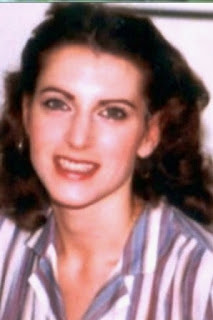
Lynn C. Tolson
When we examine our motives, we make better choices. This illustrates why it is important to understand the dynamics of dysfunction: "If I know why I did what I did, I might do it better next time.” Realizing the characteristics of victims and offenders helps in determining whether it's an unhealthy relationship. You can't see the physical evidence of me as victim in this picture, but you can sense the traits that led me to perpetuate the roles.
(victims and offenders may have some and/or not have all of these characteristics)
VICTIM
Loyal
Socially isolated
Low self esteem
Believes traditional stereotypes
Often compliant with trivial demands
Suffers from guilt, denies terror and anger
Convinced she is responsible for the abuse
Believes all the myths about domestic violence
May have witnessed or experienced abuse as a child
Attempts to manipulate the environment to maintain safety
OFFENDER
Emotionally dependent
Abused as children (typically)
Loses temper frequently and early
Displays unusual amount of jealousy
Has weapons & threatens to use them
Contradictory, unpredictable personality
Has limited capacity for delayed gratification
Drinks alcohol excessively (and/or other substance)
Commits acts of violence against people, pets, and objects
Tolson4TEARS = Telling Everyone About Rape & Suicide, so no shed tear is wasted
compiled by Lynn C. Tolson, author of Beyond the Tears: A True Survivor's Story
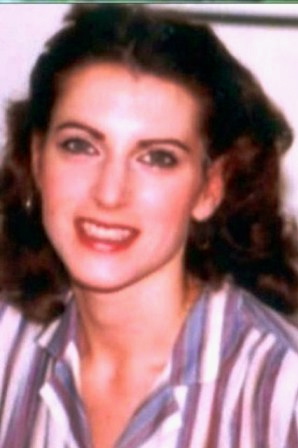
Lynn C. Tolson
When we examine our motives, we make better choices. This illustrates why it is important to understand the dynamics of dysfunction: "If I know why I did what I did, I might do it better next time.” Realizing the characteristics of victims and offenders helps in determining whether it's an unhealthy relationship. You can't see the physical evidence of me as victim in this picture, but you can sense the traits that led me to perpetuate the roles.
(victims and offenders may have some and/or not have all of these characteristics)
VICTIM
Loyal
Socially isolated
Low self esteem
Believes traditional stereotypes
Often compliant with trivial demands
Suffers from guilt, denies terror and anger
Convinced she is responsible for the abuse
Believes all the myths about domestic violence
May have witnessed or experienced abuse as a child
Attempts to manipulate the environment to maintain safety
OFFENDER
Emotionally dependent
Abused as children (typically)
Loses temper frequently and early
Displays unusual amount of jealousy
Has weapons & threatens to use them
Contradictory, unpredictable personality
Has limited capacity for delayed gratification
Drinks alcohol excessively (and/or other substance)
Commits acts of violence against people, pets, and objects
Tolson4TEARS = Telling Everyone About Rape & Suicide, so no shed tear is wasted
compiled by Lynn C. Tolson, author of Beyond the Tears: A True Survivor's Story
October 24, 2013
Tolson 4 TEARS Reviews DVD "Healing Neen"
Healing Neen is a documentary produced by In the Hollow Films. It features the true story of Tonier “Neen” Cain. As a victim of child abuse and neglect, Neen endured the trauma as well as the consequences of abuse, such as addictions, homelessness, and mental health issues. She was repeatedly told that she was worthless and would never amount to anything.
Neen had been beaten by her alcoholic mother, who lost custody of Neen and her siblings. Neen was placed in foster care until a cousin provided a safe home. But the traumatic childhood experiences were too much to bear. She married as a minor and subsequently had five children. For nineteen years, Neen lived under a bridge, in a jail cell, and on crack cocaine. Tonier Cain had 83 arrests, with charges ranging from prostitution to possession, and she was convicted 66 times. She was unable to care for her four older children.
As an inmate, Neen felt helpless and hopeless, and resigned herself to a life time in a jail cell. Neen says she was humiliated, medicated, raped and beaten, but felt safer than on the streets. The documentary explains how prison exacerbates trauma.
Woven between the lines of Neen’s story is the urgent call to action: that providing trauma informed treatment can reduce the cycle of destruction and increase the potential of people who have been abused. A therapist told Neen what she needed to hear to plan for a fulfilling future. Neen’s behavior was not an indictment of her worthlessness but was a reaction to what had been done to her as a child. The film references the ACE (Adverse Childhood Experience) study and the National Center for Trauma Informed Care.
Tonier Cain uses her considerable speaking skills to present her inspiring story. She tells others that if she can break free from the cycle of self-destruction, anyone can. Neen says, “As long as there is breath there is hope.” Rather than being homeless, she is a homeowner, a public speaker, an advocate for victims, and is raising her daughter with love and dignity.
Review completed by Lynn C. Tolson, author of Beyond the Tears: A True Survivor’s Story
Tolson4TEARS: Telling Everyone About Rape & Suicide, so no shed tear is wasted.
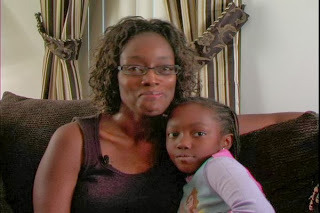

Neen had been beaten by her alcoholic mother, who lost custody of Neen and her siblings. Neen was placed in foster care until a cousin provided a safe home. But the traumatic childhood experiences were too much to bear. She married as a minor and subsequently had five children. For nineteen years, Neen lived under a bridge, in a jail cell, and on crack cocaine. Tonier Cain had 83 arrests, with charges ranging from prostitution to possession, and she was convicted 66 times. She was unable to care for her four older children.
As an inmate, Neen felt helpless and hopeless, and resigned herself to a life time in a jail cell. Neen says she was humiliated, medicated, raped and beaten, but felt safer than on the streets. The documentary explains how prison exacerbates trauma.
Woven between the lines of Neen’s story is the urgent call to action: that providing trauma informed treatment can reduce the cycle of destruction and increase the potential of people who have been abused. A therapist told Neen what she needed to hear to plan for a fulfilling future. Neen’s behavior was not an indictment of her worthlessness but was a reaction to what had been done to her as a child. The film references the ACE (Adverse Childhood Experience) study and the National Center for Trauma Informed Care.
Tonier Cain uses her considerable speaking skills to present her inspiring story. She tells others that if she can break free from the cycle of self-destruction, anyone can. Neen says, “As long as there is breath there is hope.” Rather than being homeless, she is a homeowner, a public speaker, an advocate for victims, and is raising her daughter with love and dignity.
Review completed by Lynn C. Tolson, author of Beyond the Tears: A True Survivor’s Story
Tolson4TEARS: Telling Everyone About Rape & Suicide, so no shed tear is wasted.

October 17, 2013
Tolson 4 TEARS Review of "I Closed My Eyes" Domestic Violence
I Closed My Eyes: Revelations of A Battered Woman
(Rebuilding Life After Domestic Violence) by Michele Weldon
The author writes in the preface, “I can pray someday I will understand why he did what he did.” A decade after the publication of her book, Weldon may know that she may never make sense of the insanity that caused her husband to nearly kill her.
Michele Weldon is an award-winning journalist, and her skills as a writer are demonstrated in this true-story about domestic violence. The book is divided into three parts. With each part, Michele inserts private notes and cards her husband wrote to her, each “love letter” meant to be endearing, carefully crafted with all the right words, but somehow lacking in sincerity.
Part One: Getting There, explores an enviable childhood and optimistic young adulthood. In her childhood, she takes the reader to an ice-cream shop. Michele falls in love, and with few warning signs of an abusive personality, she is married to a man who is enraged and disengaged. In a subsequent chapter, she takes the reader to a pawn shop. The reader gets the disconnect, and how denial serves for survival.
Part Two: Getting Out, explains how scary it is to stay in an abusive marriage, and how scary it is to leave. Although Michele has multiple support systems, it appears that these do not make the emotional aspects of divorcing a sabotaging tyrant any easier. He continues to batter her psychologically, often using their children as a weapon. Throughout part two, Michele writes about crying on a continuum; crying is a measure of healing and hope. The thread of tears is worth reading again.
Part Three: Getting Better, offers gem-filled vignettes, such as an exploration of color, hands, growth, grief, sorrow, joy, celebrations. Michele writes about healing, how it feels and how it sounds “I was no longer spending my nights dreading his key turning in the lock.”
This isn’t only a story about domestic violence. It is also a book about an empowered woman, separate from a man who possessed her, as she reclaimed her true self.
Michele Weldon is the author of Everyman News: The Changing American Front Page and Writing to Save Your Life: How to Honor Your Story Through Journaling
Review completed by Lynn C. Tolson, author of Beyond the Tears: A True Survivor’s Story
Tolson4TEARS: Telling Everyone About Rape & Suicide, so no shed tear is wasted
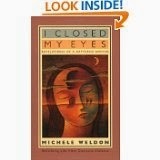

The author writes in the preface, “I can pray someday I will understand why he did what he did.” A decade after the publication of her book, Weldon may know that she may never make sense of the insanity that caused her husband to nearly kill her.
Michele Weldon is an award-winning journalist, and her skills as a writer are demonstrated in this true-story about domestic violence. The book is divided into three parts. With each part, Michele inserts private notes and cards her husband wrote to her, each “love letter” meant to be endearing, carefully crafted with all the right words, but somehow lacking in sincerity.
Part One: Getting There, explores an enviable childhood and optimistic young adulthood. In her childhood, she takes the reader to an ice-cream shop. Michele falls in love, and with few warning signs of an abusive personality, she is married to a man who is enraged and disengaged. In a subsequent chapter, she takes the reader to a pawn shop. The reader gets the disconnect, and how denial serves for survival.
Part Two: Getting Out, explains how scary it is to stay in an abusive marriage, and how scary it is to leave. Although Michele has multiple support systems, it appears that these do not make the emotional aspects of divorcing a sabotaging tyrant any easier. He continues to batter her psychologically, often using their children as a weapon. Throughout part two, Michele writes about crying on a continuum; crying is a measure of healing and hope. The thread of tears is worth reading again.
Part Three: Getting Better, offers gem-filled vignettes, such as an exploration of color, hands, growth, grief, sorrow, joy, celebrations. Michele writes about healing, how it feels and how it sounds “I was no longer spending my nights dreading his key turning in the lock.”
This isn’t only a story about domestic violence. It is also a book about an empowered woman, separate from a man who possessed her, as she reclaimed her true self.
Michele Weldon is the author of Everyman News: The Changing American Front Page and Writing to Save Your Life: How to Honor Your Story Through Journaling
Review completed by Lynn C. Tolson, author of Beyond the Tears: A True Survivor’s Story
Tolson4TEARS: Telling Everyone About Rape & Suicide, so no shed tear is wasted

Beyond the Tears: A True Survivor's Story by Lynn C. Tolson, blog

This is the blog at goodreads for the author Lynn C. Tolson. The blog will keep readers up-to-date on her memoir Beyond the Tears: A True Survivor's Story. The blog has links to interviews, videos, po
...more
- Lynn C. Tolson's profile
- 33 followers
Lynn C. Tolson isn't a Goodreads Author
(yet),
but they
do have a blog,
so here are some recent posts imported from
their feed.

