
Lynn C. Tolson's Blog: Beyond the Tears: A True Survivor's Story by Lynn C. Tolson, blog, page 13
October 12, 2012
Tolson 4 TEARS Video Reads Beyond the Tears
In this video, I am reading chapter one of
Beyond the Tears: A True Survivor's Story
, titled "Pills and Prayer"
Sexual assault, addiction, and suicide are unsolved social problems that carry stigmas. The stigmas cast a code of silence that do not solve problems. The result from not speaking about the crime of sexual assault is too often tragic. Thus, there is a need for real stories of recovery. By bringing my dark secrets to light, it is my hope that others who have had similar events will know that they are not alone. Readers may explore their own emotions to open lines of communication, eliminate shame, and experience healing. I also hope that my book promotes understanding of the issues that cause individual suffering and plague our society.
If you or someone you know is having thoughts about suicide, please call!
1-800-SUICIDE (1-800-784-2433)
1-800-273-TALK (1-800-273-8255)


Sexual assault, addiction, and suicide are unsolved social problems that carry stigmas. The stigmas cast a code of silence that do not solve problems. The result from not speaking about the crime of sexual assault is too often tragic. Thus, there is a need for real stories of recovery. By bringing my dark secrets to light, it is my hope that others who have had similar events will know that they are not alone. Readers may explore their own emotions to open lines of communication, eliminate shame, and experience healing. I also hope that my book promotes understanding of the issues that cause individual suffering and plague our society.
If you or someone you know is having thoughts about suicide, please call!
1-800-SUICIDE (1-800-784-2433)
1-800-273-TALK (1-800-273-8255)


October 11, 2012
Tolson 4 TEARS on Characteristics of Victim + Offender
By looking at this picture, no one would ever know that I was in a marriage fraught with
domestic violence
I was so familiar with abusive relationships that I did not know what a healthy relationship was like. In therapy sessions during my twenties, I learned that "People often seek a life partner who serves to resolve issues of the past.” The implication was that I had done so by marrying a man who preyed on my vulnerabilities, repeating what I had experienced as a child. I responded to my therapist's comment by saying that I was not looking for a mate who abused me! My therapist said, “No, not consciously. We sometimes operate on an unconscious level, which may lead to repetition of unhealthy patterns." She encouraged me to become more aware of patterns that pertained to my husband and family. "It’s not unusual to do things as we saw them done.”
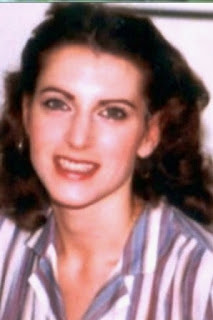
When we examine our motives, we make better choices. This illustrates why it is important to understand the dynamics of dysfunction: "If I know why I did what I did, I might do it better next time.” Realizing the characteristics of victims and offenders helps in determining whether it's an unhealthy relationship. You can't see the physical evidence of me as victim in this picture, but you can sense the traits that led me to perpetuate the roles.
(victims and offenders may have some and/or not have all of these characteristics)
VICTIM
Loyal
Socially isolated
Low self esteem
Believes traditional stereotypes
Often compliant with trivial demands
Suffers from guilt, denies terror and anger
Convinced she is responsible for the abuse
Believes all the myths about domestic violence
May have witnessed or experienced abuse as a child
Attempts to manipulate the environment to maintain safety
OFFENDER
Emotionally dependent
Abused as children (typically)
Loses temper frequently and early
Displays unusual amount of jealousy
Has weapons & threatens to use them
Contradictory, unpredictable personality
Has limited capacity for delayed gratification
Drinks alcohol excessively (and/or other substance)
Commits acts of violence against people, pets, and objects
compiled by Lynn C. Tolson, author of Beyond the Tears: A True Survivor's Story

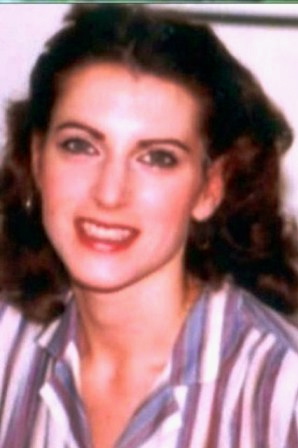
When we examine our motives, we make better choices. This illustrates why it is important to understand the dynamics of dysfunction: "If I know why I did what I did, I might do it better next time.” Realizing the characteristics of victims and offenders helps in determining whether it's an unhealthy relationship. You can't see the physical evidence of me as victim in this picture, but you can sense the traits that led me to perpetuate the roles.
(victims and offenders may have some and/or not have all of these characteristics)
VICTIM
Loyal
Socially isolated
Low self esteem
Believes traditional stereotypes
Often compliant with trivial demands
Suffers from guilt, denies terror and anger
Convinced she is responsible for the abuse
Believes all the myths about domestic violence
May have witnessed or experienced abuse as a child
Attempts to manipulate the environment to maintain safety
OFFENDER
Emotionally dependent
Abused as children (typically)
Loses temper frequently and early
Displays unusual amount of jealousy
Has weapons & threatens to use them
Contradictory, unpredictable personality
Has limited capacity for delayed gratification
Drinks alcohol excessively (and/or other substance)
Commits acts of violence against people, pets, and objects
compiled by Lynn C. Tolson, author of Beyond the Tears: A True Survivor's Story


October 9, 2012
Tolson 4 TEARS on Domestic Violence, Emotional Abuse
We typically think of the results of domestic violence as a woman with bruises and black and blue eyes. This essay examines the aspects of insidious forms of domestic abuse.
What is emotional abuse, and how does it pertain to domestic violence?
Emotional or mental abuse occurs when one partner attempts to make the other feel bad about herself. Emotional/mental abuse often crosses lines with psychological abuse. These forms of abuse are destructive to self-esteem and self-confidence. Here is part of my story to illustrate emotional abuse, excerpt from Beyond the Tears: A True Survivor's Story:
When I was nineteen, I was involved with a man eighteen years older than me. Todd and I had nothing in common, except that he reminded me of my deceased father. I did not have the wherewithal to tell him to get lost. I tried to escape him by moving to a different town, but he found me, and he moved into the same apartment complex. (This occurred in the 1970s. These days his behavior would qualify as stalking).
I was friends with a married couple my age, Cathy and Scott. When I tried to release myself from Todd’s grip to spend time with my friends, he demanded that I give him equal time. Todd became possessive because, he said, he loved me. He slammed my door and his door to demonstrate. The stucco landing of the apartments shook like an earthquake in California. There had to be a rational explanation for Todd’s conduct.
“He’s just jealous,” Scott said.
“Yeah, he must love you a lot,” Cathy said.
I ached to be loved. So I mistook the outbursts for love.
When Scott and Cathy invited me to have Thanksgiving dinner with them, they said that I could bring Todd if I wanted, but I wanted my friends to myself.
The day before Thanksgiving, Todd degraded my friends. He called Cathy a “pain-in-the-ass broad” and said Scott just “wants a piece.” Todd insisted that I eat at a holiday buffet alone with him. I was afraid of another door-slamming scene, so I declined Cathy’s offer.
As Todd and I walked past their apartment to the car, Cathy cheerfully waved, “Happy Thanksgiving.” Scott commented to me, “You look like a model in that dress. The green matches your eyes.”
Todd gritted his teeth: “I told you so! He just wants to get in your pants.”
Then Todd grabbed my elbow to steer me toward the inside of the sidewalk. “Never walk on the outside. That means you’re for sale.”
Was he a pimp? Was I a prostitute? It seemed like I had sold out something, in some way, but I did not know exactly what it was.
It was impossible to say “no” to Todd. When I tried to be assertive with him, he’d shoot my words back like an errant boomerang until what I thought I said did not sound like what he said I said.
There were several interwoven yet invisible abusive occurrences. The abuse is about what he did and said and how it made me feel:
He used intimidation tactics by making demands and slamming doors, which made me feel fearful. Not only is this immature, it is also an indicator of an abusive personality and of someone who does not have communication skills and/or coping abilities.
He used emotional abuse by disrespecting my desire to be with friends, which made me feel embarrassed. If he has to have the final say, and it is a unilateral decision rather than a mutual agreement, then he is in control.
He used isolation tactics by controlling where I went, which made me feel lonely. He deliberately sabotaged my social relationships. He also made me doubt my choice of friends by disparaging them.
He used psychological abuse by maneuvering my body to the other side of the walkway, which made me feel diminished. He confused me by twisting my words around, playing mind-games with me. If you could see the face of an abuser who does this, he either has a smirk because he knows he’s “one-up” as if he’s winning a competition of words, or he has a look of pity because he thinks, “oh, poor dear, you just can’t understand.”
There is no physical abuse in these scenes of domestic abuse, yet women are scarred for life from emotional/mental/psychological damage. Let this article about invisible forms of domestic abuse inform you of how women are emotionally wounded. If you discover a friend in this position, let her know you care, tell her it’s not her fault, listen without judgment, and encourage her to get help. If you recognize yourself, don’t stop believing that you deserve to be treated with respect.


Emotional or mental abuse occurs when one partner attempts to make the other feel bad about herself. Emotional/mental abuse often crosses lines with psychological abuse. These forms of abuse are destructive to self-esteem and self-confidence. Here is part of my story to illustrate emotional abuse, excerpt from Beyond the Tears: A True Survivor's Story:
When I was nineteen, I was involved with a man eighteen years older than me. Todd and I had nothing in common, except that he reminded me of my deceased father. I did not have the wherewithal to tell him to get lost. I tried to escape him by moving to a different town, but he found me, and he moved into the same apartment complex. (This occurred in the 1970s. These days his behavior would qualify as stalking).
I was friends with a married couple my age, Cathy and Scott. When I tried to release myself from Todd’s grip to spend time with my friends, he demanded that I give him equal time. Todd became possessive because, he said, he loved me. He slammed my door and his door to demonstrate. The stucco landing of the apartments shook like an earthquake in California. There had to be a rational explanation for Todd’s conduct.
“He’s just jealous,” Scott said.
“Yeah, he must love you a lot,” Cathy said.
I ached to be loved. So I mistook the outbursts for love.
When Scott and Cathy invited me to have Thanksgiving dinner with them, they said that I could bring Todd if I wanted, but I wanted my friends to myself.
The day before Thanksgiving, Todd degraded my friends. He called Cathy a “pain-in-the-ass broad” and said Scott just “wants a piece.” Todd insisted that I eat at a holiday buffet alone with him. I was afraid of another door-slamming scene, so I declined Cathy’s offer.
As Todd and I walked past their apartment to the car, Cathy cheerfully waved, “Happy Thanksgiving.” Scott commented to me, “You look like a model in that dress. The green matches your eyes.”
Todd gritted his teeth: “I told you so! He just wants to get in your pants.”
Then Todd grabbed my elbow to steer me toward the inside of the sidewalk. “Never walk on the outside. That means you’re for sale.”
Was he a pimp? Was I a prostitute? It seemed like I had sold out something, in some way, but I did not know exactly what it was.
It was impossible to say “no” to Todd. When I tried to be assertive with him, he’d shoot my words back like an errant boomerang until what I thought I said did not sound like what he said I said.
There were several interwoven yet invisible abusive occurrences. The abuse is about what he did and said and how it made me feel:
He used intimidation tactics by making demands and slamming doors, which made me feel fearful. Not only is this immature, it is also an indicator of an abusive personality and of someone who does not have communication skills and/or coping abilities.
He used emotional abuse by disrespecting my desire to be with friends, which made me feel embarrassed. If he has to have the final say, and it is a unilateral decision rather than a mutual agreement, then he is in control.
He used isolation tactics by controlling where I went, which made me feel lonely. He deliberately sabotaged my social relationships. He also made me doubt my choice of friends by disparaging them.
He used psychological abuse by maneuvering my body to the other side of the walkway, which made me feel diminished. He confused me by twisting my words around, playing mind-games with me. If you could see the face of an abuser who does this, he either has a smirk because he knows he’s “one-up” as if he’s winning a competition of words, or he has a look of pity because he thinks, “oh, poor dear, you just can’t understand.”
There is no physical abuse in these scenes of domestic abuse, yet women are scarred for life from emotional/mental/psychological damage. Let this article about invisible forms of domestic abuse inform you of how women are emotionally wounded. If you discover a friend in this position, let her know you care, tell her it’s not her fault, listen without judgment, and encourage her to get help. If you recognize yourself, don’t stop believing that you deserve to be treated with respect.


October 8, 2012
Tolson 4 TEARS on Domestic Violence, Isolation
Domestic Abuse and Isolation in Relationships
Those that know the story from my memoir Beyond the Tears: A True Survivor’s Story, have read that I was vulnerable, easily manipulated, trained to be without opinion, and living in the shadow of my father’s violence and subsequent suicide. When I was 18, I met a man 18 years older than me who had threatened to kill himself if I refused to marry him.
Not long after the marriage ceremony to my new husband, Todd, he wanted to buy land in Chandler, Arizona. He said we could get rich quick on the land while living cheap in a trailer. I was only twenty-one, and I objected to moving out of Tempe, away from my Arizona State University campus friends. Todd threw fits, until it seemed easier to comply with his wishes than to confront his temper. So we moved deep into the desert, past the dairy farm and the rodeo arena, where the alfalfa fields were newly zoned for mobile homes.
It was too far to commute to classes, so I withdrew. My best friends from campus, Scott and Cathy, telephoned to say they wanted to visit. I made excuses: “It’s not a good day. Todd worked later than usual last night. He’s still sleeping.” “It’s not a good time. I have to go to the doctor.” “It’s not a good year. I am very, very busy.” I was not avoiding seeing them; I was avoiding them seeing me.
A year went by. I did not return to college. I had not seen my friends. One afternoon Cathy called and insisted on visiting. Despite my excuses, they were not about to let a desert monsoon keep them away. Scott and Cathy pulled up while a dust storm was developing. As I stood outside, hollering “hello” above the noise of the rattling aluminum awning, a gust of wind literally blew me down.
“Lynn, you’re as thin as a reed!” The wind flipped my shorts like a sail, revealing the bruises on my thigh.
Scott asked, “Are you all right?”
“I’m all right,” I lied.
We made small talk while watching dust devils that looked like tiny tornadoes flitting across the terra firma. Cathy and Scott were saying goodbye. “We’re moving to Utah. We’ll write.” As Cathy moved toward me, I stepped back, resisting her outstretched arms because my body experienced pain with an embrace. Todd had swatted me often enough that my body no longer recognized the difference between a hard hit and a warm hug. I had lost contact with my friends; I could not confide in them. There was nothing left to say.
“Lynn, you take care of yourself, okay?”
“Yeah, sure.” I was sure that another friendship bit the dust.
I’d already been isolated from support systems when I married him, and that made it easier for him to marry me. The point of this article is isolation by the abuser in a relationship or as the relationship is developing so he can assert and sustain control. You might consider this theme as you are dating again in mid-life, or when your children are dating.
The isolation may seem benign at first: He may make snide remarks about her family, but say he was only joking. In second, third marriages, when a potential abuser wants to possess her, he may deride her children from a previous marriage. The isolation escalates when he suggests or insists that she work from home, or not at all. She loses contact with her co-workers. He may initiate arguments with her choice of religion; no faith pleases him, and he refuses to let her worship at church without him. She becomes completely dependent on him for a world view. His perspective infiltrates her perspective until her opinion of herself is diminished to reflect only his opinion; his reality becomes her reality. He lets her know she is useless, helpless, worthless, and nothing without him. She loses her self to him, her insight, intuition, and instinct. He owns her. Soon, the victim is asking, “Who am I? How did this happen?”
If you are dating again, or if you have a daughter, niece or friend on the dating scene, these are just a few of the signs of isolation to be wary of:
She rarely goes out without her partner
He unilaterally controls every aspect of a date
She is restricted from seeing family and friends
He controls who they see, when, where, and for how long
Showing support for someone you suspect might be manipulated into isolation by an abuser may even save a life. Use your knowledge as power, and you don’t want anyone to take your power from you! No amount of false romance is worth losing your authentic self. Maintain your support systems in church, with friends, groups, and activities. They may save your life!
[image error]


Those that know the story from my memoir Beyond the Tears: A True Survivor’s Story, have read that I was vulnerable, easily manipulated, trained to be without opinion, and living in the shadow of my father’s violence and subsequent suicide. When I was 18, I met a man 18 years older than me who had threatened to kill himself if I refused to marry him.
Not long after the marriage ceremony to my new husband, Todd, he wanted to buy land in Chandler, Arizona. He said we could get rich quick on the land while living cheap in a trailer. I was only twenty-one, and I objected to moving out of Tempe, away from my Arizona State University campus friends. Todd threw fits, until it seemed easier to comply with his wishes than to confront his temper. So we moved deep into the desert, past the dairy farm and the rodeo arena, where the alfalfa fields were newly zoned for mobile homes.
It was too far to commute to classes, so I withdrew. My best friends from campus, Scott and Cathy, telephoned to say they wanted to visit. I made excuses: “It’s not a good day. Todd worked later than usual last night. He’s still sleeping.” “It’s not a good time. I have to go to the doctor.” “It’s not a good year. I am very, very busy.” I was not avoiding seeing them; I was avoiding them seeing me.
A year went by. I did not return to college. I had not seen my friends. One afternoon Cathy called and insisted on visiting. Despite my excuses, they were not about to let a desert monsoon keep them away. Scott and Cathy pulled up while a dust storm was developing. As I stood outside, hollering “hello” above the noise of the rattling aluminum awning, a gust of wind literally blew me down.
“Lynn, you’re as thin as a reed!” The wind flipped my shorts like a sail, revealing the bruises on my thigh.
Scott asked, “Are you all right?”
“I’m all right,” I lied.
We made small talk while watching dust devils that looked like tiny tornadoes flitting across the terra firma. Cathy and Scott were saying goodbye. “We’re moving to Utah. We’ll write.” As Cathy moved toward me, I stepped back, resisting her outstretched arms because my body experienced pain with an embrace. Todd had swatted me often enough that my body no longer recognized the difference between a hard hit and a warm hug. I had lost contact with my friends; I could not confide in them. There was nothing left to say.
“Lynn, you take care of yourself, okay?”
“Yeah, sure.” I was sure that another friendship bit the dust.
I’d already been isolated from support systems when I married him, and that made it easier for him to marry me. The point of this article is isolation by the abuser in a relationship or as the relationship is developing so he can assert and sustain control. You might consider this theme as you are dating again in mid-life, or when your children are dating.
The isolation may seem benign at first: He may make snide remarks about her family, but say he was only joking. In second, third marriages, when a potential abuser wants to possess her, he may deride her children from a previous marriage. The isolation escalates when he suggests or insists that she work from home, or not at all. She loses contact with her co-workers. He may initiate arguments with her choice of religion; no faith pleases him, and he refuses to let her worship at church without him. She becomes completely dependent on him for a world view. His perspective infiltrates her perspective until her opinion of herself is diminished to reflect only his opinion; his reality becomes her reality. He lets her know she is useless, helpless, worthless, and nothing without him. She loses her self to him, her insight, intuition, and instinct. He owns her. Soon, the victim is asking, “Who am I? How did this happen?”
If you are dating again, or if you have a daughter, niece or friend on the dating scene, these are just a few of the signs of isolation to be wary of:
She rarely goes out without her partner
He unilaterally controls every aspect of a date
She is restricted from seeing family and friends
He controls who they see, when, where, and for how long
Showing support for someone you suspect might be manipulated into isolation by an abuser may even save a life. Use your knowledge as power, and you don’t want anyone to take your power from you! No amount of false romance is worth losing your authentic self. Maintain your support systems in church, with friends, groups, and activities. They may save your life!
[image error]


October 7, 2012
Tolson 4 TEARS on Why Beyond the Tears
The most frequently asked question of me, as an author, is WHY I wrote
Beyond the Tears: A True Survivor's Story.
Why write such a personal and revealing story?
First I lived it. Then I was numb to it. Then I suppressed it. Then I remembered it. Then I regurgitated it in counseling. Then I examined and felt it. Then I wrote about it.
We are accustomed to keeping our secrets, hiding our flaws, and stuffing our feelings. After all, what will people think of us? The truth is, it took me twenty years to write my story. When I was in my twenties, my therapist told me I had a story to tell that would help others to find hope. However, it was not until my forties, when another therapist offered the same suggestion, that I took it seriously. I wrote what has become Beyond the Tears: A True Survivor's Story, which chronicles my personal counseling sessions. I was motivated to publish because that the problems I discussed in therapy are universal. My desire to encourage others to seek healing became greater than my need to remain private.
Why I Wrote TEARS
Why did you decide to write a book? Was it difficult writing about such a personal story?
The book [ Beyond the Tears: A True Survivor's Story ] began by putting pen to paper in journal writing sessions. Themes emerged regarding the ramifications of sexual abuse, like drug addiction and suicide attempts. Eventually, a story of transformation to wholeness evolved. Journal writing was a cathartic experience. However, writing the book was difficult because I had to find the courage to face my fears: What would others think? What would my family think? But my conviction to tell the truth became greater than the difficulty of writing a personal story. I realized that I was writing about personal yet universal issues. My desire to share a message of healing from trauma became too strong to ignore; the book became my mission despite the difficulty. Sexual assault, addiction, and suicide are unsolved social problems that carry stigmas. The stigmas cast a code of silence that do not solve problems. The result from not speaking about the crime of sexual assault is too often tragic. Thus, there is a need for real stories of recovery. By bringing my dark secrets to light, it is my hope that others who have had similar events will know that they are not alone.


First I lived it. Then I was numb to it. Then I suppressed it. Then I remembered it. Then I regurgitated it in counseling. Then I examined and felt it. Then I wrote about it.
We are accustomed to keeping our secrets, hiding our flaws, and stuffing our feelings. After all, what will people think of us? The truth is, it took me twenty years to write my story. When I was in my twenties, my therapist told me I had a story to tell that would help others to find hope. However, it was not until my forties, when another therapist offered the same suggestion, that I took it seriously. I wrote what has become Beyond the Tears: A True Survivor's Story, which chronicles my personal counseling sessions. I was motivated to publish because that the problems I discussed in therapy are universal. My desire to encourage others to seek healing became greater than my need to remain private.
Why I Wrote TEARS
Why did you decide to write a book? Was it difficult writing about such a personal story?
The book [ Beyond the Tears: A True Survivor's Story ] began by putting pen to paper in journal writing sessions. Themes emerged regarding the ramifications of sexual abuse, like drug addiction and suicide attempts. Eventually, a story of transformation to wholeness evolved. Journal writing was a cathartic experience. However, writing the book was difficult because I had to find the courage to face my fears: What would others think? What would my family think? But my conviction to tell the truth became greater than the difficulty of writing a personal story. I realized that I was writing about personal yet universal issues. My desire to share a message of healing from trauma became too strong to ignore; the book became my mission despite the difficulty. Sexual assault, addiction, and suicide are unsolved social problems that carry stigmas. The stigmas cast a code of silence that do not solve problems. The result from not speaking about the crime of sexual assault is too often tragic. Thus, there is a need for real stories of recovery. By bringing my dark secrets to light, it is my hope that others who have had similar events will know that they are not alone.


October 6, 2012
Tolson 4 TEARS on Domestic Violence TV Interview
Domestic abuse is an unsolved social problem that carry stigmas. The stigmas cast a code of silence that do not solve problems. The result from not speaking about the crime of sexual assault is too often tragic. Statistics inform the public, but individuals experiencing domestic violence respond to true stories of hope and healing.
This is an interview done several years ago to promote activities for Domestic Violence Awareness Month. It's a sad state that the need to speak out about domestic violence and write memoirs about recovery is as strong today as it was five years ago. If you are in need of assistance and support, contact the National Coalition Against Domestic Violence.


October 5, 2012
Tolson 4 TEARS on the Beatles + Your Vote
Most of us have Presidential election fatigue, what with contradictory ads, confusing debates, and conflicting positions. I anxiously await the outcome on election day 2012, November 6. Are you registered to vote? Please don't think your vote does not matter because every vote counts.
I wasn't always eager to vote because I was brought up to believe my opinion did not matter. My stepfather trained me to deny my interests early on by repeating: "Children should be seen and not heard." He disparaged my fondness for reading, art, and the Beatles. When I was 8 years old, Beatlemania swept the country. The girls at school swooned over John, Paul, George, and Ringo. We traded Beatles’ cards the way boys traded baseball cards. I waited with anticipation to see The Fab Four on The Ed Sullivan Show. However, my stepfather forbade me to watch the show; he said, "The whole world has gone bloody hysterical over a group of mop-haired, no-talent freaks. Those hooligans are out to ruin American youth and embarrass Great Britain. You call that music? I call it crap!" I learned that my voice had no power and my values were insignificant.
When I was 18, I got my voter's registration only so that I had an ID for bars. Why should I vote? What difference would my vote make? Who cares what I think? How can I make a decision without my parents telling me what to think and how to feel (or not feel)? These questions are not unique to me; they are common amongst people who have been abused, devalued, and disregarded.
Fast forward: My therapist told me that my inner messages were stifled by the opinions of others. Through her I learned that my interests and opinions do indeed matter. At least, they matter to me now. And I have a responsibility to acknowledge them and take action.
Go ahead, form an opinion and exercise your rights! You matter! Your opinion is important! Your vote is essential! If you need inspiration to get out there and vote, watch the movie Iron Jawed Angels. The story illustrates all that women pioneers had to go through to ensure that we have the right to make our voices heard!


I wasn't always eager to vote because I was brought up to believe my opinion did not matter. My stepfather trained me to deny my interests early on by repeating: "Children should be seen and not heard." He disparaged my fondness for reading, art, and the Beatles. When I was 8 years old, Beatlemania swept the country. The girls at school swooned over John, Paul, George, and Ringo. We traded Beatles’ cards the way boys traded baseball cards. I waited with anticipation to see The Fab Four on The Ed Sullivan Show. However, my stepfather forbade me to watch the show; he said, "The whole world has gone bloody hysterical over a group of mop-haired, no-talent freaks. Those hooligans are out to ruin American youth and embarrass Great Britain. You call that music? I call it crap!" I learned that my voice had no power and my values were insignificant.
When I was 18, I got my voter's registration only so that I had an ID for bars. Why should I vote? What difference would my vote make? Who cares what I think? How can I make a decision without my parents telling me what to think and how to feel (or not feel)? These questions are not unique to me; they are common amongst people who have been abused, devalued, and disregarded.
Fast forward: My therapist told me that my inner messages were stifled by the opinions of others. Through her I learned that my interests and opinions do indeed matter. At least, they matter to me now. And I have a responsibility to acknowledge them and take action.
Go ahead, form an opinion and exercise your rights! You matter! Your opinion is important! Your vote is essential! If you need inspiration to get out there and vote, watch the movie Iron Jawed Angels. The story illustrates all that women pioneers had to go through to ensure that we have the right to make our voices heard!


October 4, 2012
Tolson 4 TEARS on Domestic Violence, Definitions
What is Domestic Violence? This is a GENERAL DEFINITION OF DOMESTIC VIOLENCE and does not indicate the entire and complete service of of legal definitions; if further notes are needed, consult an attorney. This is to offer information as needed while hearing about domestic violence especially during October, Domestic Violence Awareness Month
DOMESTIC VIOLENCE OCCURS WHEN ONE PERSON USES INAPPROPRIATE POWER and CONTROL OVER AN INTIMATE PARTNER.
DOMESTIC VIOLENCE IS A PATTERN OF ABUSIVE BEHAVIORS.
THESE ABUSIVE BEHAVIORS MAY INCLUDE
VERBAL
SEXUAL
PHYSICAL
ECONOMIC
EMOTIONAL
LEGAL DEFINITION OF DOMESTIC VIOLENCE 18-6-800.3
DOMESTIC VIOLENCE MEANS AN ACT OR THREATENED ACT OF VIOLENCE UPON A PERSON WITH WHOM THE ACTOR IS OR HAS BEEN INVOLVED IN AN INTIMATE RELATIONSHIP. DOMESTIC VIOLENCE ALSO INCLUDES ANY OTHER CRIME AGAINST A PERSON OR AGAINST PROPERTY OR ANY MUNICIPAL ORDINANCE VIOLATION AGAINST A PERSON OR AGAINST PROPERTY, WHEN USED AS A METHOD OF COERCION, CONTROL, PUNISHMENT, INTIMIDATION OR REVENGE DIRECTED AGAINST A PERSON WITH WHOM THE ACTOR IS OR HAS BEEN INVOLVED IN AN INTIMATE RELATIONSHIP.
INTIMATE RELATIONSHIP MEANS A RELATIONSHIP BETWEEN SPOUSES, FORMER SPOUSES, PAST OR PRESENT UNMARRIED COUPLES, OR PERSONS WHO ARE BOTH THE PARENTS OF THE SAME CHILD REGARDLESS OF WHETHER THE PERSONS HAVE BEEN MARRIED OR HAVE LIVED TOGETHER AT ANY TIME.
Prepared by Lynn C. Tolson, author of Beyond the Tears: A True Survivor’s Story, for informational purposes only.
If you need help, resources, and information visit the
National Coalition Against Domestic Violence
[image error]


DOMESTIC VIOLENCE OCCURS WHEN ONE PERSON USES INAPPROPRIATE POWER and CONTROL OVER AN INTIMATE PARTNER.
DOMESTIC VIOLENCE IS A PATTERN OF ABUSIVE BEHAVIORS.
THESE ABUSIVE BEHAVIORS MAY INCLUDE
VERBAL
SEXUAL
PHYSICAL
ECONOMIC
EMOTIONAL
LEGAL DEFINITION OF DOMESTIC VIOLENCE 18-6-800.3
DOMESTIC VIOLENCE MEANS AN ACT OR THREATENED ACT OF VIOLENCE UPON A PERSON WITH WHOM THE ACTOR IS OR HAS BEEN INVOLVED IN AN INTIMATE RELATIONSHIP. DOMESTIC VIOLENCE ALSO INCLUDES ANY OTHER CRIME AGAINST A PERSON OR AGAINST PROPERTY OR ANY MUNICIPAL ORDINANCE VIOLATION AGAINST A PERSON OR AGAINST PROPERTY, WHEN USED AS A METHOD OF COERCION, CONTROL, PUNISHMENT, INTIMIDATION OR REVENGE DIRECTED AGAINST A PERSON WITH WHOM THE ACTOR IS OR HAS BEEN INVOLVED IN AN INTIMATE RELATIONSHIP.
INTIMATE RELATIONSHIP MEANS A RELATIONSHIP BETWEEN SPOUSES, FORMER SPOUSES, PAST OR PRESENT UNMARRIED COUPLES, OR PERSONS WHO ARE BOTH THE PARENTS OF THE SAME CHILD REGARDLESS OF WHETHER THE PERSONS HAVE BEEN MARRIED OR HAVE LIVED TOGETHER AT ANY TIME.
Prepared by Lynn C. Tolson, author of Beyond the Tears: A True Survivor’s Story, for informational purposes only.
If you need help, resources, and information visit the
National Coalition Against Domestic Violence
[image error]


September 26, 2012
Tolson 4 TEARS Cheers Lamplighters + R.E.P.A.I.R
Marjorie McKinnon is an advocate and author of the series titled R.E.P.A.I.R. This stands for Recognition, Entry, Process, Awareness, Insight, Rhythm
These books are designed for victims/survivors of abuse who want to:
Uncover and acknowledge feelings by discovering emotion
Build self-esteem and optimism
Discern healthy and unhealthy messages
Learn special games to rebuild courage and optimism
Reveal inner states with picture drawing
Break free from the confines of false shame
Cultivate self-care skills and practices
Learn about boundaries and bodies
Return to the natural rhythm and flow of life
[image error] [image error] [image error]
[image error] [image error]
Marjorie McKinnon is the founder of the Lamplighter Movement. The organization has 93 CHAPTERS IN 13 COUNTRIES! The goal is to "provide a “home away from home” for other survivors, a safe place where they can tell their story. and provide ideas and thoughts on how to recover from any kind of sexual abuse, incest, child sexual abuse, rape, domestic violence and sexual assault. As we heal we reach out to others. You are not only in a safe place, you are building up support with like-minded people. Most of us have been sexually abused so we know where you’ve been, what you are feeling and how desperately you want to repair the damage. Some of us are working the REPAIR Your Life program and need clarification or just plain validation that we are making progress as we go across the Bridge of Recovery. Whatever your reason, we need you. Please join us!


September 24, 2012
Tolson 4 TEARS Reviews Agnes's Jacket 4 Mental Health
Review of Agnes's Jacket: A Psychologist's Search For the Meaning of Madness by Dr. Gail Hornstein
Dr. Hornstein is a psychology professor at Mount Holyoke College. She states: “For as long as I can remember, madness has fascinated me… I had an intuitive sense that it must be possible to enter someone else’s experience and make sense of actions that from the outside might look inexplicable.” This empathic approach shows in the stories she weaves into Agnes’s Jacket. Agnes Richter was a hospitalized German woman who stitched messages on her jacket to express herself. Dr. Hornstein uses the jacket as a focal point representation of the trap of mental illness that found a narrative escape.
Dr. Hornstein sees value in the writings of patients who provide insight into the nature of “madness." A main theme of Agnes’s Jacket supposes that recovery from “madness” can be achieved through mutual support and self-help. Dr. Hornstein states that the patients themselves are “experts by experience” who can help their peers. This peer-support approach opposes the medical model espoused by the National Alliance for the Mentally Ill which states that “mental illnesses are biologically based brain disorders.” Dr. Hornstein writes: “In the United States, psychiatry is controlled by doctors, who have a different economic interest in siding with the drug companies and preventing patients from treating themselves.”
Dr. Hornstein travelled Europe in search of the meanings of madness, attending lectures, visiting groups, and exploring theories. She shares her immense research in a writerly way that makes the book read more like a mystery than a study in psychology. She uses true stories from patients’ experiences with mental health agencies.
According to Dr. Hornstein, in Britain, Germany, and the Netherlands, social psychiatry proposes that: “Emotional distress is assumed to result from family crisis, racism, poverty, sexual abuse, war, or terrorism.” However, in the United States, psychiatrists fail to connect "madness" with previous life experiences.
Counselors and their clients may develop a greater understanding of mental illness by Dr. Rothstein’s interesting look into trauma and treatment. Patients are more than their apparent symptoms and resulting diagnosis; they are individuals with stories to tell. Society might listen to the stories to open lines of communication that will ultimately serve to enhance the mental health of its citizens.
[image error]
Review completed by Lynn C. Tolson, author of Beyond the Tears: A True Survivor's Story


Beyond the Tears: A True Survivor's Story by Lynn C. Tolson, blog

This is the blog at goodreads for the author Lynn C. Tolson. The blog will keep readers up-to-date on her memoir Beyond the Tears: A True Survivor's Story. The blog has links to interviews, videos, po
...more
- Lynn C. Tolson's profile
- 33 followers
Lynn C. Tolson isn't a Goodreads Author
(yet),
but they
do have a blog,
so here are some recent posts imported from
their feed.


![[image error]](http://1.bp.blogspot.com/-RLa2mMYZV3o/Tpc4Iw-ujEI/AAAAAAAAAfo/pbmL4aRq4fU/s1600/Desert+Trailer.jpg)
![[image error]](http://3.bp.blogspot.com/-3vV87gB__Gw/Tons--1uR0I/AAAAAAAAAfU/9PQULfn7bY0/s1600/images.jpeg)
![[image error]](http://3.bp.blogspot.com/-8uK9WAOsYjQ/UGNrtxom_QI/AAAAAAAAAyc/218088Kc2Ic/s1600/618uZgsYTML._SL160_PIsitb-sticker-arrow-dp,TopRight,12,-18_SH30_OU01_AA160_.jpg)
![[image error]](http://3.bp.blogspot.com/-E7yiVriAWSw/UGNpyyJjCQI/AAAAAAAAAx8/kbd8IGWiqrE/s1600/614+oqwZu9L._SL160_PIsitb-sticker-arrow-dp,TopRight,12,-18_SH30_OU01_AA160_.jpg)
![[image error]](http://3.bp.blogspot.com/-eYFq_T-WQ-A/UGNp5leUopI/AAAAAAAAAyE/P_vu2jb0Du8/s1600/512xpH-l9uL._SL160_PIsitb-sticker-arrow-dp,TopRight,12,-18_SH30_OU01_AA160_.jpg)
![[image error]](http://1.bp.blogspot.com/-GpmNQd0Y0cc/UGNrkXFv5YI/AAAAAAAAAyU/LdlHr9BUHNY/s1600/51No5k-+XvL._SL160_PIsitb-sticker-arrow-dp,TopRight,12,-18_SH30_OU01_AA160_.jpg)
![[image error]](http://4.bp.blogspot.com/-BJM5OXkKbdU/UGNqEsNb18I/AAAAAAAAAyM/jYFRWag4zcg/s1600/51No5k-+XvL._SL160_PIsitb-sticker-arrow-dp,TopRight,12,-18_SH30_OU01_AA160_.jpg)
![[image error]](http://3.bp.blogspot.com/--Qlg_of7H4o/UGC7zUP-bhI/AAAAAAAAAxg/hrxW9NB--hE/s1600/51yz81khr3L._SL160_PIsitb-sticker-arrow-dp,TopRight,12,-18_SH30_OU01_AA160_.jpg)