
Dmitry Orlov's Blog, page 32
July 21, 2011
Share your Recipe for Superpower Collapse Soup
 New Society Publishers is hosting a forum on which people can ask questions for me to answer. I don't do a particularly good job of responding to questions that sometimes appear in the comments, but here is your chance. If there is something you want to ask me, click over to their site and ask away. Nothing is off-limits... except "Where's my t-shirt?"


July 13, 2011
A Black Hole of Debt
The latest installment of consciousness-raising audio from KMO featuring Richard Heinberg, whose soon-to-be-released book, The End of Growth, offers a most necessary flossing between the ears for the growth-addled, and me. Stay conscious!

July 3, 2011
Despotyzm obrazu
[Thank you, Marcin, for the Polish translation of The Despotism of the Image. Original is available here.]
Niewiele ludzi dostrzega, że współczesna kultura nurtu głównego, podporządkowana agresywnej konsumpcji i niepohamowanemu wzrostowi, jest toksyczna na każdym poziomie – fizycznym, emocjonalnym, kulturalnym – i przyspiesza na drodze ku nieuchronnej kolizji z wyczerpaniem zasobów, zaburzeniami klimatycznymi oraz dewastacją środowiska naturalnego. Przynależąc do małej społeczności, która pragnie zmienić tę dominującą kulturę, chcemy w porę wyskoczyć lub ze względu na możliwy brak niezbędnej odwagi liczymy, że szczęśliwie zostaniemy wyrzuceni na bezpieczny grunt.
Rzeczywiste znaczenie tej postawy jest mgliste, a najlepsze, co większość z nas jest w stanie zrobić to skromna demonstracja osobistej cnoty – utylizacja plastikowych opakowań, jazda rowerem zamiast autem, podróżowanie pociągiem zamiast samolotem, niepozorna hodowla własnej żywności, zdrowe odżywianie, inwestowanie w energię odnawialną itd. Są to wizytówki, dzięki którym się rozpoznajemy. W jaki sposób te osobiste cnoty są definiowane pozostaje kwestią indywidualnego gustu: niektórzy uważają, że prowadzenie auta z silnikiem hybrydowym w zupełności wystarczy, natomiast inni eliminują samochody ze swojego życia całkowicie. Przedsięwzięcie niektórych najwyraźniej niezbędnych kroków, takich jak radzenie sobie bez produkowanych z ropy plastików oraz innych materiałów syntetycznych, zdaje się wykraczać poza możliwości nas wszystkich.
Taka postawa zdaje się uchodzić za dogmat wiary: jeżeli zrobimy dostatecznie dużo podobnych rzeczy, bez względu na ich charakter, wówczas problem, bez względu na to jakim akurat jest i jakkolwiek go sobie zdefiniujemy, będzie w stosownym czasie rozwiązany, a cywilizowane życie potoczy się tak, jak dotychczas. Nie dalej jak wczoraj towarzyska pogawędka poobiednia zahaczyła z lekka o temat energii – o to jak Brytyjczykom fartownie udało się znaleźć węgiel, kiedy zaczęło wyczerpywać się drewno, a potem szczęśliwie odkryli ropę i gaz zanim wyczerpał się węgiel. A teraz, kiedy praktycznie zużyli już złoża ropy i gazu naturalnego, "będzie mnóstwo złóż odnawialnych, by zasilić wszystko!" Dla tych z nas, którzy mają niezbędną wiedzę techniczną i rozumieją o jakich fizycznych ilościach energii mówimy, podobne twierdzenie jest niedorzeczne, ale wiedziałem, że wyrażenie sprzeciwu byłoby nieroztropne.
Zaniechałem komentarza, bo zdaję sobie sprawę, że wymogiem kultury jest prezentowanie image'u / wizerunku bezgranicznego optymizmu i niezachwianej wiary w naszą technologiczną potęgę. Okazanie postawy mniej entuzjastycznej automatycznie otrzymuje etykietę defetystycznej, fatalistycznej i pozbawionej wyobraźni. Nadmienię, że słowo to nie oznacza aktywnej pracy intelektu, tylko pasywną, dobrowolną akceptację zestawu powszechnych wyobrażeń lub obrazów. Najważniejszymi obrazami składającymi się na tę sztuczną rzeczywistość, znajdującymi się w sercu tej sfery wymuszonej fikcji, są te, które przynajmniej na swej powierzchni odnoszą się do osobistej godności i fizycznego komfortu.
Od czasu do czasu mam okazję obserwować zderzenie dwóch konkurujących obrazów: osobistej cnoty (jazda na rowerze) oraz osobistej godności i komfortu (jazda samochodem). Jestem całorocznym rowerzystą w mieście położonym na północy, gdzie temperatury okazjonalnie spadają poniżej zera i gdzie często prószy śnieg. To liberalne miasto, co oznacza, że wielu ludzi podziela poczucie osobistej cnoty, które łączy się z oznakami eko-przyjaznego zachowania, jak chociażby idea dojeżdżania do miejsca pracy rowerem – oczywiście sami wzięliby pod uwagę podobne rozwiązanie pod warunkiem, że dystans byłby krótki, a pogoda idealna. Jednakże całkiem spora ich liczba pragnie doświadczyć tej cnoty w sposób pośredni i widząc mnie przyodzianego w odpowiedni strój, z kaskiem na głowie, zagaja w windzie, w drodze do pracy, zwłaszcza, kiedy jest upalnie lub zimno, kiedy pada lub prószy. Często zapytują jak chronię stopy przed odmrożeniem (zakładam bawełniane skarpety) lub jak unikam poślizgu na lodzie (używam opon z kolcami) albo jak pokonuję strome wzniesienia (mocno naciskam na pedały).
Moje odpowiedzi, chociaż udzielam ich ochoczo, spotykają się niezmiennie z cichym rozczarowaniem – zapytanie dlaczego tak się dzieje jest intrygujące. Być może ma to związek z tym, że jazda rowerem nie jest w moim przypadku kwestią osobistej cnoty, ale sposobem na przemieszczanie się z miejsca na miejsce z maksymalną przyjemnością i minimalnym zamieszaniem i rozdrażnieniem. Robię to z pełną osobistą godnością i fizycznym komfortem, ponieważ to w jaki sposób ich doświadczam opiera się na mojej dyspozycji emocjonalnej (która zazwyczaj jest pogodna) i fizycznej wygodzie (która w moim przypadku oznacza zdrową dozę bólu i przynosi skutek w postaci dobrego zdrowia i samopoczucia). Podejrzewam, że godność i komfort moich uzależnionych od samochodów rozmówców z windy nie mają swojego podłoża w osobistym doświadczeniu, ale są powiązane z innymi atawistycznymi impulsami, które znajdują swój pełny wyraz w obrazie automobilu. Są zażenowani, iż został pokonany przez prymitywne, bezsilnikowe, dwukołowe ustrojstwo.
Możliwe jest wzniesienie całej góry racjonalnych, logicznych, policzalnych argumentów przeciwko samochodom, na korzyść rowerów. Najbardziej pocieszna linia analizy wymaga obliczenia ich względnych, efektywnych prędkości. Najpierw obliczamy całkowity koszt posiadania auta zawierający cenę zakupu, koszty spłaty, koszty utrzymania, rejestracji, opłat drogowych, mandatów itd. Następnie włączamy wszystkie koszty zewnętrzne: budowę i naprawy dróg, szkody zdrowotne w skutek zanieczyszczenia wody i powietrza, utratę produktywności z powodu śmierci i kalectwa spowodowanych wypadkami, koszty sądowe i budżet armii pozwalający wyposażyć walczące o paliwo wojsko.
Teraz weźmy przeciętny dochód kierowcy, przepracowane godziny i ustalmy ile godzin pracy potrzeba, by pokryć te wszystkie koszty. Dodajmy do tego czas poświęcony na jazdę. Następnie weźmy liczbę przejechanych kilometrów i podzielmy ją przez całkowitą liczbę godzin poświęconych na jazdę i zarabianie pieniędzy na utrzymanie auta. Zamiast podać wynik zachęcam do samodzielnego odrobienia pracy domowej, ale mogę powiedzieć, że rezultat tego ćwiczenia jest zawsze taki sam: rower jest szybszy od samochodu i w zależności od osobistych założeń jazda samochodem jest wolniejsza od chodzenia.
Następna pocieszna linia analizy dotyczy tematu bezpieczeństwa publicznego. Istnieją ogólne, praktyczne ograniczenia określające jak długo może potrwać nasza codzienna podróż; zazwyczaj nie przekracza godziny w każdą stronę, bez względu na przejechany dystans, czy zastosowany środek transportu. Dlatego właściwa statystyka bezpieczeństwa wciąż dotyczy wypadków śmiertelnych i wymagających hospitalizacji, ale przypadających raczej na jednostkę czasową, nie zaś na jednostkę odległości. I tutaj, jak się okazuje, rowery są bezpieczniejsze od samochodów, nawet na zatłoczonych miejskich obszarach pozbawionych ścieżek i pasów rowerowych. I chociaż zdrowie każdego z nas odczuwa skutki wdychania zanieczyszczanego spalinami powietrza, codzienne ćwiczenie pedałowania w pewnym stopniu je łagodzi, i tym samym bardziej pogłębia przepaść pomiędzy rowerem i autem.
Zatem z punktu widzenia bezpieczeństwa publicznego także wygrywają rowery. Podobne typy analizy mogą być zastosowane wobec pociągów, ryksz, czy motolotni z podobnym rezultatem. Krótko mówiąc pozbawionym sensu jest szukanie racjonalnego wyjaśnienia dlaczego ludzie wolą samochody, bezsensowne jest nawet myślenie o samochodach jako pojazdach wypełniających potrzebę transportową. Ich komfort i wygoda są niczym innym jak kulturowo skonstruowanym mirażem. Najwyższa pora, byśmy zaakceptowali fakt, że ich podstawową funkcją jest zaspokojenie bardzo silnych pierwotnych popędów.
Pod względem anatomicznym automobil wyraźnie przypomina swojego praprzodka – pewnego czworonożnego przeżuwacza z rodziny koni, skrzyżowanego z wózkiem. Po drodze pozyskał pewne drapieżne geny, co nadało mu raczej zawzięte usposobienie i wyrazowi jego „twarzy" często złośliwy aspekt (światła plus kratka ochronna). Ma parę oczu (światła przednie), cztery "kończyny" (koła). Lubi poruszać się w stadach, ale opiera się nadmiernym ograniczeniom zarówno pod względem kierunku, jak i prędkości. Odpowiada na sygnały nożne przesyłane ostrogami (pedał gazu) i ręczne, przekazywane za pośrednictwem cugli (kierownica).
Występuje wielka różnorodność jego ras; większość z nich jest ceniona za umiejętność szybkiego poruszania się, chociaż wykorzystuje ją sporadycznie. Ich główną funkcją jest użyczenie pewnego poczucia szlachetnego dowartościowania swoim posiadaczom, poprzez nadanie kierowcy wyglądu 'dżentelmena na wierzchowcu', a pasażerowi prezencji 'damy w karecie'. Tak jak w przypadku koni ich często przemożna potrzeba uwolnienia wzdęć nawet w najmniejszym stopniu nie degraduje owego poczucia uszlachetnienia.
Drugorzędna funkcja samochodu pozwala właścicielowi mieć władzę nad życiem i śmiercią. Gdyby auto było rozpatrywane wyłącznie z perspektywy bezpieczeństwa publicznego, jego prywatne posiadanie zostałoby zabronione dawno temu. Tym, co faktycznie czyni samochód tak ponętnym, a jego wizerunek w wyobraźni opinii publicznej tak sugestywnym, jest to, że stanowi "naturalnie niebezpieczny instrument", jak to ujął pewien prawnik. W odróżnieniu od konia, który ma parę oczu oraz mózg i pozostawiony samemu sobie ominie przeszkody, samochód z radością się zderzy; wymaga nieustannej czujności.
Ten trywialny, ale aktywny nadzór, który w celu uniknięcia śmierci lub poważnych obrażeń musi być utrzymany w każdym momencie, jest jednocześnie intensywnie nudny i ekscytujący. Iggy Pop kiedyś uchwycił ducha tej sprzeczności: "W samochodzie śmierci czujemy, że żyjemy!" W społeczeństwie uzależnionym od samochodów, miliony ludzi w każdym momencie są aktywnie zaangażowane w akt unikania natychmiastowej śmierci. W odpowiednim czasie auta i rzeź jaką powodują będą uważane za żywioł naturalny.
Okresowo słyszy się o planach stworzenia "inteligentnych autostrad" i patrząc poza oczywistą sugestię, że obecnie autostrady są w rzeczy samej "głupie", oczywistym staje się i to, że poruszające się po nich samochody także są "głupie". Automobil przeprojektowany wyłącznie z myślą o transporcie wyglądałby inaczej.
Trzy koła wystarczą w zupełności, cztery to już nadmiar, czego dowodzą liczne przykłady, od aut wyścigowych napędzanych bateriami słonecznymi począwszy, a na pojeździe Demaxian Buckminstera Fullera skończywszy. Koło prowadzące, przednie i środkowe, służyłoby do kierowania, a poza tym byłoby zaprojektowane, by poruszać się w koleinie eliminując potrzebę kierowania za wyjątkiem manewrowania. Zaczepy z przodu i z tyłu pozwoliłyby autom połączyć się w pociąg, by poprawić wydajność. Kiedy auto nie byłoby podczepione z przodu prosty czujnik podczerwieni regulowałby prędkość, ażeby zachować odpowiednią przerwę na wyhamowanie. Minimalna i maksymalna prędkość byłaby oznaczona kodem kreskowym na chodniku i samochód dostosowywałby się do ograniczeń automatycznie. Przyczepny silnik obniżałby się na przednie koło przy wykorzystaniu podnośnika windowego i 'wskakiwałby' na miejsce za pomocą odpowiedniej klamry – ułatwiłoby to jego przegląd i wymianę. Dno samochodu byłoby wodoodporne, koło prowadzące miałoby z boków wiosła pozwalające na przeprawę wodną. W celu optymalnego przechowywania auto obracałoby się wzdłuż osi i stało pionowo, spoczywając na krótkiej stopce.
Jednakże takie ćwiczenia projektowe są daremne: są racjonalnym podejściem do irracjonalnego zestawu wymagań. Głupie samochody oraz ludzie dla których i przez których są projektowane pozostaną z nami przez jakiś czas. Ich obraz jest trwale odciskany w wyobraźni społecznej, ilekroć mali chłopcy przesuwają po podłodze bawialni swoje małe zabawki pomrukując: "Wruuum! Wruuum!"
Przyczyną upadku naszych obecnych systemów komunikacji publicznej jest to, że są zaprojektowane wyłącznie z myślą o transporcie i bezpieczeństwie publicznym i nie są w stanie zaspokoić pierwotnych popędów swoich użytkowników. Stosując się do wizerunku bezpiecznej i niezawodnej służby publicznej nie potrafią zapewnić dreszczyku zwycięstwa i agonii porażki, a nieusatysfakcjonowany pasażer musi godzić się z niecierpliwością, niepewnością i nudą.
„Odpowiednio" zaprojektowany tramwaj byłby całkowicie pozbawiony drzwi lub wyposażony w takie, które zamykają się zdecydowanie, z dużym impetem po nieodwołalnym ostrzeżeniu. Nie zatrzymywałby się na przystankach tylko zwalniał na tyle, by pozwolić pasażerom na wskok i wyskok. Byłby wyposażony w pokłady biegowe i zewnętrzne poręcze; pozwalałyby one pasażerom-gapowiczom demonstrować akrobatyczne umiejętności podczas jazdy na zewnątrz, dzięki której zaoszczędziliby na koszcie zakupu biletu jednorazowego.
Aby wyeliminować ingerencję prawników wymogiem koniecznym byłoby podpisane przez wszystkich pasażerów zrzeczenia od roszczeń, zwalniającego przewoźnika od wszelkiej odpowiedzialności; do zasad ruchu drogowego wprowadzonoby poprawki, aby dać tramwajom prawo absolutnego pierwszeństwa bez względu na okoliczności, a pozostałym uczestnikom ruchu automatycznie przypisać winę za ewentualną kolizję. Przody tramwajowe mogłyby zostać przyozdobione pługami, by umożliwić posłanie na stronę każdego blokującego tory obiektu, redukując tym samym liczbę powypadkowych opóźnień. Nieunikniona rzeź zapewniłaby nieprzerwany potok lekcji bezpieczeństwa publicznego udzielanych przez tabloidy.
Taki system nie tylko byłby tani i skuteczny w obsłudze, ale w odpowiednim czasie wychowałby niebywale zwinną i czujną brać pasażerską, której codzienne popisy odwagi i odporności fizycznej wytworzyłoby prawdziwy duch koleżeństwa, którego próżno szukać pośród dzisiejszych, wyczerpanych i rozpieszczonych użytkowników transportu publicznego. Oczywiście taka forma usługi byłaby niemożliwa, ponieważ pozostawałaby w sprzeczności z wizerunkiem, który komunikacja publiczna winna odzwierciedlać: wizerunkiem publicznej uczynności służącej młodym, starym, biednym i schorowanym; w skrócie – czymś powołanym do istnienia na pożytek kilkorga nieboraków, którzy nie potrafią prowadzić auta.
Wzrasta liczba miejsc, w których transport publiczny staje się zbędny z uwagi na przypadłość znaną jako "rozrost przedmieścia"; sprzyja ono przede wszystkim uzależnianiu od samochodu. Powodem owego rozrostu jest domek na przedmieściach; podobnie jak błędem byłoby postrzeganie auta jako formy transportu – błędem jest postrzeganie domu na przedmieściach wyłącznie jako formy zakwaterowania. I chociaż zapewnia on zestaw nowoczesnych wygód, musi być zgodny z określonym wizerunkiem i podobnie jak w przypadku samochodu przekonamy się, że to wizerunek najlepiej wyjaśnia jego typową lokalizację i formę.
Powszechnym nieporozumieniem jest przekonanie, że główną funkcją domu na przedmieściach jest zapewnienie schronienia, tymczasem w dość oczywisty sposób chodzi tu o zapewnienie miejsca do parkowania. W społeczeństwie zależnym od samochodu dostęp kontrolowany jest przez ograniczanie i nadzór zdolności do parkowania. Parkowanie publiczne jest zawsze ograniczone i często niedostępne, a parkowanie na poły publiczne – w domach towarowych, galeriach, biurowcach i innych prywatnych instytucjach – dozwolone jest wyłącznie tym, którzy chcą wydać pieniądze lub mają do sfinalizowania jakąś transakcję. Chociaż samochód postuluje wolność ruchu, jest to wolność przemieszczania się publicznymi drogami pomiędzy miejscami, w których kierowca nie jest wolny, lecz musi wypełnić konkretną społeczną funkcję: pracowanie, robienie zakupów lub wykonanie innej usankcjonowanej społecznie czynności. Nawet jeżeli pragniesz na chwilę uciec od despotycznych ograniczeń społeczeństwa i spędzić trochę czasu na łonie natury, odkryjesz, że w społeczeństwie zależnym od samochodu nawet w obrębie obszaru dzikiej przyrody obowiązują godziny otwarcia, a parkingi zamykają tuż przed zmrokiem.
Krótko mówiąc jedyną wolnością, jaką oferuje samochód jest wolność jazdy tam i z powrotem pomiędzy miejscami, gdzie nie jest się wolnym, a jedynym wyjątkiem od tej zasady jest własny podjazd. Żaden porządny dom na przedmieściach nie może się bez niego obejść: to twoja prywatna autostrada, która prowadzi do twojego prywatnego domu. Ten obraz dyktuje, by odcinek ten został kosztownie i niepotrzebnie utwardzony, nie jakimiś tam płytami – przypominałby wówczas chodnik – ale asfaltem. Podjazdy na przedmieściach nie są utwardzane na pożytek aut, które radzą sobie na drogach piaszczystych, i z pewnością nie z myślą o pojazdach terenowych, lecz po to, by zaspokoić pewien przyrodzony napęd w kierowcach: przemożne pragnienie posiadania kawałka drogi.
W swojej symbolicznej funkcji dom na przedmieściach służy jako ostateczne miejsce odpoczynku u kresu długiej jazdy do domu. Spokój i cisza uznawane są za jego najbardziej zasadnicze cechy; chociaż ostentacyjną jest troska o bezpieczeństwo, jej źródłem jest irracjonalna potrzeba spokoju absolutnego. Gdyby rezydent przedmieścia miał zamienić samochód i dom na mieszkanie w obrębie miasta, zwiększone ryzyko padnięcia ofiarą brutalnego przestępstwa byłoby więcej niż zrównoważone przez zmniejszone ryzyko poniesienia śmierci w wypadku samochodowym; zatem wybór z punktu widzenia bezpieczeństwa nie jest racjonalny.
Prawdziwa troska nie dotyczy bezpieczeństwa tylko ucieleśnienia abstrakcyjnego obrazu spokoju. Przepisy strefowe i zarządzenia ograniczają hałaśliwe hobby i odchylenia od standardów społeczności, bowiem profanacją jest zakłócenie uświęconej drzemki człowieka przedmieścia. Idealne przedmieście znaczy niezmącony ciąg trawników przyciętych z precyzją manicure, nakrapianych neoklasycznymi rzeźbami; każda nieco odmienna, lecz zasadniczo taka sama. Jest to nieodzowna dekoracja cmentarna: dom jest de facto kryptą rodzinną. Nic dziwnego: ostatnim miejscem docelowym na trasie samochodu-śmierci jest dom-śmierci.
Wszystkie pozostałe funkcje domu-śmierci, poza jedną, są zbędne skoro ludzie mogą jeść, spać i uprawiać seks w swoich autach. W miarę jak samochody rozrastają się gabarytowo, a dojazdy stają się dłuższe, coraz więcej bytowania odbywa się wewnątrz auta, a grobowy kwaterunek używany jest tylko do rozpakowania fast-foodowej przekąski, schłodzenia piwa i zaśnięcia przed ekranem telewizora. Jednakże dom-śmierci ma jedno pomieszczenie, które ma znaczenie zasadnicze, bowiem zapewnia serwis pozostający poza możliwościami samochodu. Jest to łazienka – zawiera prysznic i oczywiście toaletę. I to nie byle jaką toaletę: nocnik lub wiadro wiórów po prostu nie wystarczyłoby. Nie, nie – musi to być najbardziej wymyślne urządzenie, które pozwala użytkownikowi: wypróżnić się bezpośrednio do baseniku wody pitnej (który wedle gustu może zostać zdezynfekowany), a następnie spuścić zawartość kolejną hojną porcją wody pitnej. Jakże osobliwe jest to, że pozostałe mięsożerne zwierzęta instynktownie zakopują swoje odchody, ażeby zapobiec rozprzestrzenianiu chorób – zwierzę homo sapiens uparcie miesza swoje fekalia z tym, co pije! Przeróżne kosztowne zabiegi, żaden z nich nie jest w pełni skuteczny, są niezbędne do utrzymania wody pitnej i ścieków osobno.
Jeżeli przemożna potrzeba wypróżniania się do pitnej wody zdaje się być irracjonalna, to czym jest podstawowy jej cel, czyli wyparcie się faktu, że ciało wydziela nieprzyjemną woń? Toaleta ze spłuczką jest narzędziem służącym do wypierania się tego, że ciało cuchnie wewnątrz; prysznic, z pomocą wymuszonych dziennych ablucji i chemicznych dezodorantów, pełni tę samą rolę wobec powłoki zewnętrznej. Potrzeba wypierania się, że ludzie pachną tak, jak ludzie jest bardzo dziwna, ponieważ ci sami ludzie chętnie tolerują zapachy swoich kotów i psów, które kąpią się z rzadka i pachną dokładnie tak, jak powinny. Prawda wygląda tak, że ludzie wydzielają zapach, nie gorszy niż koty, czy psy, a okazy zdrowsze zazwyczaj pachną dobrze, chociaż dieta oparta na pożywieniu typu "śmieci" czyni woń wyjątkowo nieprzyjemną. Oczywiste rodzi się podejrzenie, że ludzie, którzy prowadzą swoje samochody-śmierci i mieszkają w domach-śmierci, zażywają codziennej kąpieli, ponieważ czują przymus prezentowania pozbawionej odorów fasady ze względu na strach, że może z nich emanować podświadomy fetor śmierci, od którego spowijającej obecności nie potrafią się uwolnić.
Współczesna kultura zdominowana przez nad-konsumpcję i nieposkromiony wzrost, którą tak bardzo chcielibyśmy zmienić, żeby ocalić siebie, naszą planetę lub cząstkę obojga, nie jest i nigdy nie była racjonalną propozycją. Jest to realizacja mrocznych, nieracjonalnych, autodestrukcyjnych popędów, które zostały w nas zaprogramowane na skutek pewnego ewolucyjnego wypadku, a które znalazły swój pełny wyraz dzięki dostępowi do taniej i obfitej energii.
Apele o odwołanie się do racjonalności lub tzw. zdrowego rozsądku są daremne, ponieważ siłą motywującą jest zestaw niezatartych, niezmiennych obrazów, które są odciskane na prostych umysłach w okresie dzieciństwa. Łatwo jest te obrazy ośmieszyć i chociaż drwina może być sugestywna skuteczność jej oddziaływania ogranicza się do tych, którzy posiadają zdolność jej zrozumienia. Voltaire dokonał dość gruntownej analizy kościoła katolickiego, a mimo to księża wciąż są dzisiaj z nami – mogą błogosławić co popadnie i molestować ministrantów, ponieważ przeciętnemu wierzącemu Voltaire nigdy do niczego nie był potrzebny.
O wiele bardziej obiecującym podejściem jest tworzenie nowych obrazów o wielkiej uwodzicielskiej sile, dostatecznie prostych, by zrobić wrażenie na prostym umyśle. Jest to jednak obszar niebezpiecznej polityki i rewolucyjnej zmiany: ścieżka najeżona niezamierzonymi konsekwencjami, której należy unikać. Jedynym co pozostaje jest możliwość podjęcia osobistego wysiłku, by uwolnić się od despotyzmu obrazu / wizerunku.
Jeżeli chodzi o resztę konsumentów kupionych obrazami śmierci, godności i komfortu, możemy być pewni, że tzw. wolny rynek sprosta ich potrzebom. Ci z głębokimi kieszeniami otrzymają prawdziwie luksusową śmierć, w której znajdzie się miejsce na osobiste muzeum transportu oraz bibliotekę pośród zaaranżowanej zieleni francuskiego ogrodu, natomiast tych po stronie przeciwnej będzie stać jedynie na śmierć w brązowym kartonie; czyż nie jest to kwintesencja konsumenckiego wyboru? Miejmy nadzieję, że ich kultura śmierci umrze razem z nimi i że dojdzie do tego na długo zanim staniemy się zagrożonym gatunkiem.

Niewiele ludzi dostrzega, że współczesna kultura nurtu głównego, podporządkowana agresywnej konsumpcji i niepohamowanemu wzrostowi, jest toksyczna na każdym poziomie – fizycznym, emocjonalnym, kulturalnym – i przyspiesza na drodze ku nieuchronnej kolizji z wyczerpaniem zasobów, zaburzeniami klimatycznymi oraz dewastacją środowiska naturalnego. Przynależąc do małej społeczności, która pragnie zmienić tę dominującą kulturę, chcemy w porę wyskoczyć lub ze względu na możliwy brak niezbędnej odwagi liczymy, że szczęśliwie zostaniemy wyrzuceni na bezpieczny grunt.
Rzeczywiste znaczenie tej postawy jest mgliste, a najlepsze, co większość z nas jest w stanie zrobić to skromna demonstracja osobistej cnoty – utylizacja plastikowych opakowań, jazda rowerem zamiast autem, podróżowanie pociągiem zamiast samolotem, niepozorna hodowla własnej żywności, zdrowe odżywianie, inwestowanie w energię odnawialną itd. Są to wizytówki, dzięki którym się rozpoznajemy. W jaki sposób te osobiste cnoty są definiowane pozostaje kwestią indywidualnego gustu: niektórzy uważają, że prowadzenie auta z silnikiem hybrydowym w zupełności wystarczy, natomiast inni eliminują samochody ze swojego życia całkowicie. Przedsięwzięcie niektórych najwyraźniej niezbędnych kroków, takich jak radzenie sobie bez produkowanych z ropy plastików oraz innych materiałów syntetycznych, zdaje się wykraczać poza możliwości nas wszystkich.
Taka postawa zdaje się uchodzić za dogmat wiary: jeżeli zrobimy dostatecznie dużo podobnych rzeczy, bez względu na ich charakter, wówczas problem, bez względu na to jakim akurat jest i jakkolwiek go sobie zdefiniujemy, będzie w stosownym czasie rozwiązany, a cywilizowane życie potoczy się tak, jak dotychczas. Nie dalej jak wczoraj towarzyska pogawędka poobiednia zahaczyła z lekka o temat energii – o to jak Brytyjczykom fartownie udało się znaleźć węgiel, kiedy zaczęło wyczerpywać się drewno, a potem szczęśliwie odkryli ropę i gaz zanim wyczerpał się węgiel. A teraz, kiedy praktycznie zużyli już złoża ropy i gazu naturalnego, "będzie mnóstwo złóż odnawialnych, by zasilić wszystko!" Dla tych z nas, którzy mają niezbędną wiedzę techniczną i rozumieją o jakich fizycznych ilościach energii mówimy, podobne twierdzenie jest niedorzeczne, ale wiedziałem, że wyrażenie sprzeciwu byłoby nieroztropne.
Zaniechałem komentarza, bo zdaję sobie sprawę, że wymogiem kultury jest prezentowanie image'u / wizerunku bezgranicznego optymizmu i niezachwianej wiary w naszą technologiczną potęgę. Okazanie postawy mniej entuzjastycznej automatycznie otrzymuje etykietę defetystycznej, fatalistycznej i pozbawionej wyobraźni. Nadmienię, że słowo to nie oznacza aktywnej pracy intelektu, tylko pasywną, dobrowolną akceptację zestawu powszechnych wyobrażeń lub obrazów. Najważniejszymi obrazami składającymi się na tę sztuczną rzeczywistość, znajdującymi się w sercu tej sfery wymuszonej fikcji, są te, które przynajmniej na swej powierzchni odnoszą się do osobistej godności i fizycznego komfortu.
Od czasu do czasu mam okazję obserwować zderzenie dwóch konkurujących obrazów: osobistej cnoty (jazda na rowerze) oraz osobistej godności i komfortu (jazda samochodem). Jestem całorocznym rowerzystą w mieście położonym na północy, gdzie temperatury okazjonalnie spadają poniżej zera i gdzie często prószy śnieg. To liberalne miasto, co oznacza, że wielu ludzi podziela poczucie osobistej cnoty, które łączy się z oznakami eko-przyjaznego zachowania, jak chociażby idea dojeżdżania do miejsca pracy rowerem – oczywiście sami wzięliby pod uwagę podobne rozwiązanie pod warunkiem, że dystans byłby krótki, a pogoda idealna. Jednakże całkiem spora ich liczba pragnie doświadczyć tej cnoty w sposób pośredni i widząc mnie przyodzianego w odpowiedni strój, z kaskiem na głowie, zagaja w windzie, w drodze do pracy, zwłaszcza, kiedy jest upalnie lub zimno, kiedy pada lub prószy. Często zapytują jak chronię stopy przed odmrożeniem (zakładam bawełniane skarpety) lub jak unikam poślizgu na lodzie (używam opon z kolcami) albo jak pokonuję strome wzniesienia (mocno naciskam na pedały).
Moje odpowiedzi, chociaż udzielam ich ochoczo, spotykają się niezmiennie z cichym rozczarowaniem – zapytanie dlaczego tak się dzieje jest intrygujące. Być może ma to związek z tym, że jazda rowerem nie jest w moim przypadku kwestią osobistej cnoty, ale sposobem na przemieszczanie się z miejsca na miejsce z maksymalną przyjemnością i minimalnym zamieszaniem i rozdrażnieniem. Robię to z pełną osobistą godnością i fizycznym komfortem, ponieważ to w jaki sposób ich doświadczam opiera się na mojej dyspozycji emocjonalnej (która zazwyczaj jest pogodna) i fizycznej wygodzie (która w moim przypadku oznacza zdrową dozę bólu i przynosi skutek w postaci dobrego zdrowia i samopoczucia). Podejrzewam, że godność i komfort moich uzależnionych od samochodów rozmówców z windy nie mają swojego podłoża w osobistym doświadczeniu, ale są powiązane z innymi atawistycznymi impulsami, które znajdują swój pełny wyraz w obrazie automobilu. Są zażenowani, iż został pokonany przez prymitywne, bezsilnikowe, dwukołowe ustrojstwo.
Możliwe jest wzniesienie całej góry racjonalnych, logicznych, policzalnych argumentów przeciwko samochodom, na korzyść rowerów. Najbardziej pocieszna linia analizy wymaga obliczenia ich względnych, efektywnych prędkości. Najpierw obliczamy całkowity koszt posiadania auta zawierający cenę zakupu, koszty spłaty, koszty utrzymania, rejestracji, opłat drogowych, mandatów itd. Następnie włączamy wszystkie koszty zewnętrzne: budowę i naprawy dróg, szkody zdrowotne w skutek zanieczyszczenia wody i powietrza, utratę produktywności z powodu śmierci i kalectwa spowodowanych wypadkami, koszty sądowe i budżet armii pozwalający wyposażyć walczące o paliwo wojsko.
Teraz weźmy przeciętny dochód kierowcy, przepracowane godziny i ustalmy ile godzin pracy potrzeba, by pokryć te wszystkie koszty. Dodajmy do tego czas poświęcony na jazdę. Następnie weźmy liczbę przejechanych kilometrów i podzielmy ją przez całkowitą liczbę godzin poświęconych na jazdę i zarabianie pieniędzy na utrzymanie auta. Zamiast podać wynik zachęcam do samodzielnego odrobienia pracy domowej, ale mogę powiedzieć, że rezultat tego ćwiczenia jest zawsze taki sam: rower jest szybszy od samochodu i w zależności od osobistych założeń jazda samochodem jest wolniejsza od chodzenia.
Następna pocieszna linia analizy dotyczy tematu bezpieczeństwa publicznego. Istnieją ogólne, praktyczne ograniczenia określające jak długo może potrwać nasza codzienna podróż; zazwyczaj nie przekracza godziny w każdą stronę, bez względu na przejechany dystans, czy zastosowany środek transportu. Dlatego właściwa statystyka bezpieczeństwa wciąż dotyczy wypadków śmiertelnych i wymagających hospitalizacji, ale przypadających raczej na jednostkę czasową, nie zaś na jednostkę odległości. I tutaj, jak się okazuje, rowery są bezpieczniejsze od samochodów, nawet na zatłoczonych miejskich obszarach pozbawionych ścieżek i pasów rowerowych. I chociaż zdrowie każdego z nas odczuwa skutki wdychania zanieczyszczanego spalinami powietrza, codzienne ćwiczenie pedałowania w pewnym stopniu je łagodzi, i tym samym bardziej pogłębia przepaść pomiędzy rowerem i autem.
Zatem z punktu widzenia bezpieczeństwa publicznego także wygrywają rowery. Podobne typy analizy mogą być zastosowane wobec pociągów, ryksz, czy motolotni z podobnym rezultatem. Krótko mówiąc pozbawionym sensu jest szukanie racjonalnego wyjaśnienia dlaczego ludzie wolą samochody, bezsensowne jest nawet myślenie o samochodach jako pojazdach wypełniających potrzebę transportową. Ich komfort i wygoda są niczym innym jak kulturowo skonstruowanym mirażem. Najwyższa pora, byśmy zaakceptowali fakt, że ich podstawową funkcją jest zaspokojenie bardzo silnych pierwotnych popędów.
Pod względem anatomicznym automobil wyraźnie przypomina swojego praprzodka – pewnego czworonożnego przeżuwacza z rodziny koni, skrzyżowanego z wózkiem. Po drodze pozyskał pewne drapieżne geny, co nadało mu raczej zawzięte usposobienie i wyrazowi jego „twarzy" często złośliwy aspekt (światła plus kratka ochronna). Ma parę oczu (światła przednie), cztery "kończyny" (koła). Lubi poruszać się w stadach, ale opiera się nadmiernym ograniczeniom zarówno pod względem kierunku, jak i prędkości. Odpowiada na sygnały nożne przesyłane ostrogami (pedał gazu) i ręczne, przekazywane za pośrednictwem cugli (kierownica).
Występuje wielka różnorodność jego ras; większość z nich jest ceniona za umiejętność szybkiego poruszania się, chociaż wykorzystuje ją sporadycznie. Ich główną funkcją jest użyczenie pewnego poczucia szlachetnego dowartościowania swoim posiadaczom, poprzez nadanie kierowcy wyglądu 'dżentelmena na wierzchowcu', a pasażerowi prezencji 'damy w karecie'. Tak jak w przypadku koni ich często przemożna potrzeba uwolnienia wzdęć nawet w najmniejszym stopniu nie degraduje owego poczucia uszlachetnienia.
Drugorzędna funkcja samochodu pozwala właścicielowi mieć władzę nad życiem i śmiercią. Gdyby auto było rozpatrywane wyłącznie z perspektywy bezpieczeństwa publicznego, jego prywatne posiadanie zostałoby zabronione dawno temu. Tym, co faktycznie czyni samochód tak ponętnym, a jego wizerunek w wyobraźni opinii publicznej tak sugestywnym, jest to, że stanowi "naturalnie niebezpieczny instrument", jak to ujął pewien prawnik. W odróżnieniu od konia, który ma parę oczu oraz mózg i pozostawiony samemu sobie ominie przeszkody, samochód z radością się zderzy; wymaga nieustannej czujności.
Ten trywialny, ale aktywny nadzór, który w celu uniknięcia śmierci lub poważnych obrażeń musi być utrzymany w każdym momencie, jest jednocześnie intensywnie nudny i ekscytujący. Iggy Pop kiedyś uchwycił ducha tej sprzeczności: "W samochodzie śmierci czujemy, że żyjemy!" W społeczeństwie uzależnionym od samochodów, miliony ludzi w każdym momencie są aktywnie zaangażowane w akt unikania natychmiastowej śmierci. W odpowiednim czasie auta i rzeź jaką powodują będą uważane za żywioł naturalny.
Okresowo słyszy się o planach stworzenia "inteligentnych autostrad" i patrząc poza oczywistą sugestię, że obecnie autostrady są w rzeczy samej "głupie", oczywistym staje się i to, że poruszające się po nich samochody także są "głupie". Automobil przeprojektowany wyłącznie z myślą o transporcie wyglądałby inaczej.
Trzy koła wystarczą w zupełności, cztery to już nadmiar, czego dowodzą liczne przykłady, od aut wyścigowych napędzanych bateriami słonecznymi począwszy, a na pojeździe Demaxian Buckminstera Fullera skończywszy. Koło prowadzące, przednie i środkowe, służyłoby do kierowania, a poza tym byłoby zaprojektowane, by poruszać się w koleinie eliminując potrzebę kierowania za wyjątkiem manewrowania. Zaczepy z przodu i z tyłu pozwoliłyby autom połączyć się w pociąg, by poprawić wydajność. Kiedy auto nie byłoby podczepione z przodu prosty czujnik podczerwieni regulowałby prędkość, ażeby zachować odpowiednią przerwę na wyhamowanie. Minimalna i maksymalna prędkość byłaby oznaczona kodem kreskowym na chodniku i samochód dostosowywałby się do ograniczeń automatycznie. Przyczepny silnik obniżałby się na przednie koło przy wykorzystaniu podnośnika windowego i 'wskakiwałby' na miejsce za pomocą odpowiedniej klamry – ułatwiłoby to jego przegląd i wymianę. Dno samochodu byłoby wodoodporne, koło prowadzące miałoby z boków wiosła pozwalające na przeprawę wodną. W celu optymalnego przechowywania auto obracałoby się wzdłuż osi i stało pionowo, spoczywając na krótkiej stopce.
Jednakże takie ćwiczenia projektowe są daremne: są racjonalnym podejściem do irracjonalnego zestawu wymagań. Głupie samochody oraz ludzie dla których i przez których są projektowane pozostaną z nami przez jakiś czas. Ich obraz jest trwale odciskany w wyobraźni społecznej, ilekroć mali chłopcy przesuwają po podłodze bawialni swoje małe zabawki pomrukując: "Wruuum! Wruuum!"
Przyczyną upadku naszych obecnych systemów komunikacji publicznej jest to, że są zaprojektowane wyłącznie z myślą o transporcie i bezpieczeństwie publicznym i nie są w stanie zaspokoić pierwotnych popędów swoich użytkowników. Stosując się do wizerunku bezpiecznej i niezawodnej służby publicznej nie potrafią zapewnić dreszczyku zwycięstwa i agonii porażki, a nieusatysfakcjonowany pasażer musi godzić się z niecierpliwością, niepewnością i nudą.
„Odpowiednio" zaprojektowany tramwaj byłby całkowicie pozbawiony drzwi lub wyposażony w takie, które zamykają się zdecydowanie, z dużym impetem po nieodwołalnym ostrzeżeniu. Nie zatrzymywałby się na przystankach tylko zwalniał na tyle, by pozwolić pasażerom na wskok i wyskok. Byłby wyposażony w pokłady biegowe i zewnętrzne poręcze; pozwalałyby one pasażerom-gapowiczom demonstrować akrobatyczne umiejętności podczas jazdy na zewnątrz, dzięki której zaoszczędziliby na koszcie zakupu biletu jednorazowego.
Aby wyeliminować ingerencję prawników wymogiem koniecznym byłoby podpisane przez wszystkich pasażerów zrzeczenia od roszczeń, zwalniającego przewoźnika od wszelkiej odpowiedzialności; do zasad ruchu drogowego wprowadzonoby poprawki, aby dać tramwajom prawo absolutnego pierwszeństwa bez względu na okoliczności, a pozostałym uczestnikom ruchu automatycznie przypisać winę za ewentualną kolizję. Przody tramwajowe mogłyby zostać przyozdobione pługami, by umożliwić posłanie na stronę każdego blokującego tory obiektu, redukując tym samym liczbę powypadkowych opóźnień. Nieunikniona rzeź zapewniłaby nieprzerwany potok lekcji bezpieczeństwa publicznego udzielanych przez tabloidy.
Taki system nie tylko byłby tani i skuteczny w obsłudze, ale w odpowiednim czasie wychowałby niebywale zwinną i czujną brać pasażerską, której codzienne popisy odwagi i odporności fizycznej wytworzyłoby prawdziwy duch koleżeństwa, którego próżno szukać pośród dzisiejszych, wyczerpanych i rozpieszczonych użytkowników transportu publicznego. Oczywiście taka forma usługi byłaby niemożliwa, ponieważ pozostawałaby w sprzeczności z wizerunkiem, który komunikacja publiczna winna odzwierciedlać: wizerunkiem publicznej uczynności służącej młodym, starym, biednym i schorowanym; w skrócie – czymś powołanym do istnienia na pożytek kilkorga nieboraków, którzy nie potrafią prowadzić auta.
Wzrasta liczba miejsc, w których transport publiczny staje się zbędny z uwagi na przypadłość znaną jako "rozrost przedmieścia"; sprzyja ono przede wszystkim uzależnianiu od samochodu. Powodem owego rozrostu jest domek na przedmieściach; podobnie jak błędem byłoby postrzeganie auta jako formy transportu – błędem jest postrzeganie domu na przedmieściach wyłącznie jako formy zakwaterowania. I chociaż zapewnia on zestaw nowoczesnych wygód, musi być zgodny z określonym wizerunkiem i podobnie jak w przypadku samochodu przekonamy się, że to wizerunek najlepiej wyjaśnia jego typową lokalizację i formę.
Powszechnym nieporozumieniem jest przekonanie, że główną funkcją domu na przedmieściach jest zapewnienie schronienia, tymczasem w dość oczywisty sposób chodzi tu o zapewnienie miejsca do parkowania. W społeczeństwie zależnym od samochodu dostęp kontrolowany jest przez ograniczanie i nadzór zdolności do parkowania. Parkowanie publiczne jest zawsze ograniczone i często niedostępne, a parkowanie na poły publiczne – w domach towarowych, galeriach, biurowcach i innych prywatnych instytucjach – dozwolone jest wyłącznie tym, którzy chcą wydać pieniądze lub mają do sfinalizowania jakąś transakcję. Chociaż samochód postuluje wolność ruchu, jest to wolność przemieszczania się publicznymi drogami pomiędzy miejscami, w których kierowca nie jest wolny, lecz musi wypełnić konkretną społeczną funkcję: pracowanie, robienie zakupów lub wykonanie innej usankcjonowanej społecznie czynności. Nawet jeżeli pragniesz na chwilę uciec od despotycznych ograniczeń społeczeństwa i spędzić trochę czasu na łonie natury, odkryjesz, że w społeczeństwie zależnym od samochodu nawet w obrębie obszaru dzikiej przyrody obowiązują godziny otwarcia, a parkingi zamykają tuż przed zmrokiem.
Krótko mówiąc jedyną wolnością, jaką oferuje samochód jest wolność jazdy tam i z powrotem pomiędzy miejscami, gdzie nie jest się wolnym, a jedynym wyjątkiem od tej zasady jest własny podjazd. Żaden porządny dom na przedmieściach nie może się bez niego obejść: to twoja prywatna autostrada, która prowadzi do twojego prywatnego domu. Ten obraz dyktuje, by odcinek ten został kosztownie i niepotrzebnie utwardzony, nie jakimiś tam płytami – przypominałby wówczas chodnik – ale asfaltem. Podjazdy na przedmieściach nie są utwardzane na pożytek aut, które radzą sobie na drogach piaszczystych, i z pewnością nie z myślą o pojazdach terenowych, lecz po to, by zaspokoić pewien przyrodzony napęd w kierowcach: przemożne pragnienie posiadania kawałka drogi.
W swojej symbolicznej funkcji dom na przedmieściach służy jako ostateczne miejsce odpoczynku u kresu długiej jazdy do domu. Spokój i cisza uznawane są za jego najbardziej zasadnicze cechy; chociaż ostentacyjną jest troska o bezpieczeństwo, jej źródłem jest irracjonalna potrzeba spokoju absolutnego. Gdyby rezydent przedmieścia miał zamienić samochód i dom na mieszkanie w obrębie miasta, zwiększone ryzyko padnięcia ofiarą brutalnego przestępstwa byłoby więcej niż zrównoważone przez zmniejszone ryzyko poniesienia śmierci w wypadku samochodowym; zatem wybór z punktu widzenia bezpieczeństwa nie jest racjonalny.
Prawdziwa troska nie dotyczy bezpieczeństwa tylko ucieleśnienia abstrakcyjnego obrazu spokoju. Przepisy strefowe i zarządzenia ograniczają hałaśliwe hobby i odchylenia od standardów społeczności, bowiem profanacją jest zakłócenie uświęconej drzemki człowieka przedmieścia. Idealne przedmieście znaczy niezmącony ciąg trawników przyciętych z precyzją manicure, nakrapianych neoklasycznymi rzeźbami; każda nieco odmienna, lecz zasadniczo taka sama. Jest to nieodzowna dekoracja cmentarna: dom jest de facto kryptą rodzinną. Nic dziwnego: ostatnim miejscem docelowym na trasie samochodu-śmierci jest dom-śmierci.
Wszystkie pozostałe funkcje domu-śmierci, poza jedną, są zbędne skoro ludzie mogą jeść, spać i uprawiać seks w swoich autach. W miarę jak samochody rozrastają się gabarytowo, a dojazdy stają się dłuższe, coraz więcej bytowania odbywa się wewnątrz auta, a grobowy kwaterunek używany jest tylko do rozpakowania fast-foodowej przekąski, schłodzenia piwa i zaśnięcia przed ekranem telewizora. Jednakże dom-śmierci ma jedno pomieszczenie, które ma znaczenie zasadnicze, bowiem zapewnia serwis pozostający poza możliwościami samochodu. Jest to łazienka – zawiera prysznic i oczywiście toaletę. I to nie byle jaką toaletę: nocnik lub wiadro wiórów po prostu nie wystarczyłoby. Nie, nie – musi to być najbardziej wymyślne urządzenie, które pozwala użytkownikowi: wypróżnić się bezpośrednio do baseniku wody pitnej (który wedle gustu może zostać zdezynfekowany), a następnie spuścić zawartość kolejną hojną porcją wody pitnej. Jakże osobliwe jest to, że pozostałe mięsożerne zwierzęta instynktownie zakopują swoje odchody, ażeby zapobiec rozprzestrzenianiu chorób – zwierzę homo sapiens uparcie miesza swoje fekalia z tym, co pije! Przeróżne kosztowne zabiegi, żaden z nich nie jest w pełni skuteczny, są niezbędne do utrzymania wody pitnej i ścieków osobno.
Jeżeli przemożna potrzeba wypróżniania się do pitnej wody zdaje się być irracjonalna, to czym jest podstawowy jej cel, czyli wyparcie się faktu, że ciało wydziela nieprzyjemną woń? Toaleta ze spłuczką jest narzędziem służącym do wypierania się tego, że ciało cuchnie wewnątrz; prysznic, z pomocą wymuszonych dziennych ablucji i chemicznych dezodorantów, pełni tę samą rolę wobec powłoki zewnętrznej. Potrzeba wypierania się, że ludzie pachną tak, jak ludzie jest bardzo dziwna, ponieważ ci sami ludzie chętnie tolerują zapachy swoich kotów i psów, które kąpią się z rzadka i pachną dokładnie tak, jak powinny. Prawda wygląda tak, że ludzie wydzielają zapach, nie gorszy niż koty, czy psy, a okazy zdrowsze zazwyczaj pachną dobrze, chociaż dieta oparta na pożywieniu typu "śmieci" czyni woń wyjątkowo nieprzyjemną. Oczywiste rodzi się podejrzenie, że ludzie, którzy prowadzą swoje samochody-śmierci i mieszkają w domach-śmierci, zażywają codziennej kąpieli, ponieważ czują przymus prezentowania pozbawionej odorów fasady ze względu na strach, że może z nich emanować podświadomy fetor śmierci, od którego spowijającej obecności nie potrafią się uwolnić.
Współczesna kultura zdominowana przez nad-konsumpcję i nieposkromiony wzrost, którą tak bardzo chcielibyśmy zmienić, żeby ocalić siebie, naszą planetę lub cząstkę obojga, nie jest i nigdy nie była racjonalną propozycją. Jest to realizacja mrocznych, nieracjonalnych, autodestrukcyjnych popędów, które zostały w nas zaprogramowane na skutek pewnego ewolucyjnego wypadku, a które znalazły swój pełny wyraz dzięki dostępowi do taniej i obfitej energii.
Apele o odwołanie się do racjonalności lub tzw. zdrowego rozsądku są daremne, ponieważ siłą motywującą jest zestaw niezatartych, niezmiennych obrazów, które są odciskane na prostych umysłach w okresie dzieciństwa. Łatwo jest te obrazy ośmieszyć i chociaż drwina może być sugestywna skuteczność jej oddziaływania ogranicza się do tych, którzy posiadają zdolność jej zrozumienia. Voltaire dokonał dość gruntownej analizy kościoła katolickiego, a mimo to księża wciąż są dzisiaj z nami – mogą błogosławić co popadnie i molestować ministrantów, ponieważ przeciętnemu wierzącemu Voltaire nigdy do niczego nie był potrzebny.
O wiele bardziej obiecującym podejściem jest tworzenie nowych obrazów o wielkiej uwodzicielskiej sile, dostatecznie prostych, by zrobić wrażenie na prostym umyśle. Jest to jednak obszar niebezpiecznej polityki i rewolucyjnej zmiany: ścieżka najeżona niezamierzonymi konsekwencjami, której należy unikać. Jedynym co pozostaje jest możliwość podjęcia osobistego wysiłku, by uwolnić się od despotyzmu obrazu / wizerunku.
Jeżeli chodzi o resztę konsumentów kupionych obrazami śmierci, godności i komfortu, możemy być pewni, że tzw. wolny rynek sprosta ich potrzebom. Ci z głębokimi kieszeniami otrzymają prawdziwie luksusową śmierć, w której znajdzie się miejsce na osobiste muzeum transportu oraz bibliotekę pośród zaaranżowanej zieleni francuskiego ogrodu, natomiast tych po stronie przeciwnej będzie stać jedynie na śmierć w brązowym kartonie; czyż nie jest to kwintesencja konsumenckiego wyboru? Miejmy nadzieję, że ich kultura śmierci umrze razem z nimi i że dojdzie do tego na długo zanim staniemy się zagrożonym gatunkiem.
June 30, 2011
Collapse Fashionably—Urgent Update
 Update: The t-shirts have arrived. Boxes of them are piled high in the corner of the marina office (since there is no room for them on the boat). The number of requests I have received to date is less than 10% of the total. However, thanks to several generous donations they have been paid for already, so I am happy to be able to offer the remainder to anyone who'll give me at least $3 (to pay for the bubble mailer and the postage stamp, and, of course, the PayPal fee). Think about it: not only will you collapse fashionably, but for less than the cost of laundry! No PayPal account? No problem! Just email me your address and your size, I don't care. The boxes can't stay in the marina office forever, and if we don't send them out promptly their next destination after that will be the Salvation Army and the goodwill store. Please indicate size: S/M/L/XL. No XXL, but if you want I can stretch an XL on a sail-bag for you.
Please note: Please indicate shirt size after your name in the address. Thank you.
I am happy to be able to offer you a curious memento of our rapidly passing age: the Reinventing Collapse t-shirt. The shirts are being printed and I will start sending them out in a couple of weeks. If you would like to reserve one, click the "Donate" button above. Also, please let us know your size (S, M, L, XL). It will take at least US$20 to defray the costs (a bit more for international shipping, please).
I would like to thank EJ at New Society Publishing and Nina who did the design for bringing this monumental effort to fruition.

June 21, 2011
The Road Ahead for Community Action
I just attended a workshop in Falmouth, Massachusetts organized by Community Action associations of Southern New England titled "The Road Head for Community Action: Helping People in Turbulent Times." (Clearly, trying to integrate poor people into a global economy that is collapsing before our eyes is not such a good idea, so I stressed relocalization and community self-sufficiency.) I reused the slides from last year, when I presented at CAP's annual convention in Boston, because they still work; if anything, they work better as time goes on.

June 18, 2011
Book Review by Frank Kaminski
Neither an economist nor a formally trained scholar, Dmitry Orlov is perhaps best described in his own words, as "more of an eyewitness" to the phenomenon on which he writes. He's a Russian émigré who saw the Soviet Union fall firsthand and has been drawing on this experience in warning of the coming U.S. collapse. He came to fame five years ago with a smash-hit Internet article that won him a loyal following and a subsequent book deal. The book, Reinventing Collapse, is now in its second edition—and regardless of how well it holds up to scholarly scrutiny, it's admirable in its wit and prodigious street smarts.
The book's central contention is that the U.S. economy is collapsing, and for the same basic reasons as caused the Soviet collapse: dwindling domestic oil production, a worsening foreign trade deficit, out-of-control military spending and mushrooming foreign debt. (With his usual comic panache, Orlov refers to these factors as ingredients in a "superpower collapse soup"; and he promises that "this soup will be served, and it will not be tasty!") He further argues that America is less prepared for collapse than the U.S.S.R. was, largely because of its obsession with the automobile as a symbol of, and prerequisite for, middle-class membership. And he calls for adaptation rather than reform, the latter being as futile as "you or me wiggling our toes at a tsunami."
A Leningrad-born software engineer, Orlov came to the States in the mid '70s when he was 12. During extended visits back home in the late '80s to mid '90s, he watched his home country disintegrate in time-lapse fashion. He later became convinced that America was fated for a similar crash, but remained a closeted doomer for more than a decade. When he finally came out with his message, he found an eager audience among the fledgling peak oil community. Energy Bulletin published his "Closing the 'Collapse Gap': The USSR was better prepared for collapse than the US" in December 2006, and it quickly became one of the site's most popular articles ever.
Orlov knew that many would reject his comparison of America with the U.S.S.R., but he insists that it's valid and telling. Starting with obvious similarities, he cites the two nations' respective advances in space exploration and weaponry, as well as their competition for the title of world's biggest debtor nation. He also notes their rivalry in the "jails race," "hated evil empire race" and "squandering of natural resources race." And he imagines that one day their two collapses may be relegated to a single textbook chapter, and that children "will like learning about the superpowers just like they like learning about dinosaurs: big, scary monsters–but extinct, and therefore not so frightening."
Besides their lower level of car dependence, the Soviets' edge in collapse preparedness lay in the fact that the state provided for people's needs. No matter how bad the economy was, people never had to worry about homelessness or losing access to medical treatment. Americans enjoy no such security.
Reinventing Collapse is intended to give readers a concrete sense of how they can change their lives to better face the reality ahead. Everyone's starting point, argues Orlov, should be eliminating his or her need for money. He's certain that America will choose to inflate away its debt à la the Soviet Union, making the dollar effectively worthless. Those who divest themselves of exposure to dollar depreciation will be poised not just to survive but to flourish in these trying times. For example, someone with the foresight to stockpile basic supplies like razor blades, medications and soap will be well-positioned to barter for other things.
America's future economy, believes Orlov, will depend on access to physical resources and assets, as well as healthy relationships with others who have resources and assets. He illustrates how this worked in practice during the Soviet collapse, largely at the hands of itinerant merchants known as chelnoki. The chelnoki would travel abroad frequently and bring things back in their luggage. Though they had to bribe officials and were often robbed, they were the Soviets' only source of consumer products for a while. Orlov suggests that post-collapse America may evolve its own version of the chelnoki, with customers hauling away their purchases in pilfered shopping carts (already a common sight across the urban landscape, he notes).
And he predicts that nomadic life will have much to recommend it. Nomads will be extremely valuable for their news of the outside world, assorted spare parts, occasional luxury items, elixirs and technical know-how. They'll also have greater survival savvy because of their highly developed situational awareness and their ability to wring the most out of resources.
Orlov advises staying as far as possible from the U.S. justice system, since it "offers a fine luxury model, but its budget model is manifestly unsafe." Already grossly tipped in favor of the rich, it may drop any pretense of serving justice and become simply a tool for social control. Orlov provides some Soviet examples of this, including the Gulag policy of political imprisonment, and describes America's use of secret jails, torture and indefinite detention as steps in the same direction.
Yet Orlov also foresees a melding of the official economy and the criminal one that would compel increasing numbers of people to engage in criminal activity and thus become targets of persecution by the authorities. He describes how during every economic collapse there emerges another, informal economy based around recycling remnants of the waning one—and many of its occupations involve defacing property (i.e., "asset stripping"), administering violence (aka "private security consulting") and trafficking drugs and alcohol.
The author is deeply worried about nuclear waste, the fate of the prison population and the repatriating of overseas military personnel. Nuclear waste poses the gravest threat since it remains radioactive for so incredibly long. Orlov warns that future generations will be unable to deal with it and that its radiation will spread across horrifyingly vast stretches. As for the prison population, he fears that hordes of dangerous criminals will go free in a general amnesty once we lack the resources to keep prisons running. Lastly, with regard to military personnel, Orlov thinks it likely that many of the nation's roughly 1,000 overseas bases will be simply abandoned to their fates once we can no longer maintain them.
The updates in this edition are mostly energy-related. For example, when the first edition came out in 2008, experts still couldn't say the exact year of peak conventional oil production. But they now have enough of a rear view to tell that it happened in 2005, and Orlov notes this in the new book. The past couple of years have also seen an accelerating trend called the land export effect, which is the tendency of oil exporters that are past their peak production rates to cut exports rather than supplies to their domestic populations. Orlov addresses this development as well in the new book, interpreting it as a sign that oil supply shortfalls will be far worse than even the pessimists expect.
One valid criticism that has been leveled against Orlov is that he makes unsupported, unprovable assertions about human behavior. And indeed, his discussions in this book contain some overly facile explanations for why people have mental depression, why revolving doors exist between industry and government and the motives behind news censorship, among other things. Nor does it help that the book lacks notes or references with which to substantiate such statements. If one overlooks these flaws, however, Reinventing Collapse is an eminently practical guide written with welcome comic relief by someone who's been around the block.
[Original available here.]
The book's central contention is that the U.S. economy is collapsing, and for the same basic reasons as caused the Soviet collapse: dwindling domestic oil production, a worsening foreign trade deficit, out-of-control military spending and mushrooming foreign debt. (With his usual comic panache, Orlov refers to these factors as ingredients in a "superpower collapse soup"; and he promises that "this soup will be served, and it will not be tasty!") He further argues that America is less prepared for collapse than the U.S.S.R. was, largely because of its obsession with the automobile as a symbol of, and prerequisite for, middle-class membership. And he calls for adaptation rather than reform, the latter being as futile as "you or me wiggling our toes at a tsunami."
A Leningrad-born software engineer, Orlov came to the States in the mid '70s when he was 12. During extended visits back home in the late '80s to mid '90s, he watched his home country disintegrate in time-lapse fashion. He later became convinced that America was fated for a similar crash, but remained a closeted doomer for more than a decade. When he finally came out with his message, he found an eager audience among the fledgling peak oil community. Energy Bulletin published his "Closing the 'Collapse Gap': The USSR was better prepared for collapse than the US" in December 2006, and it quickly became one of the site's most popular articles ever.
Orlov knew that many would reject his comparison of America with the U.S.S.R., but he insists that it's valid and telling. Starting with obvious similarities, he cites the two nations' respective advances in space exploration and weaponry, as well as their competition for the title of world's biggest debtor nation. He also notes their rivalry in the "jails race," "hated evil empire race" and "squandering of natural resources race." And he imagines that one day their two collapses may be relegated to a single textbook chapter, and that children "will like learning about the superpowers just like they like learning about dinosaurs: big, scary monsters–but extinct, and therefore not so frightening."
Besides their lower level of car dependence, the Soviets' edge in collapse preparedness lay in the fact that the state provided for people's needs. No matter how bad the economy was, people never had to worry about homelessness or losing access to medical treatment. Americans enjoy no such security.
Reinventing Collapse is intended to give readers a concrete sense of how they can change their lives to better face the reality ahead. Everyone's starting point, argues Orlov, should be eliminating his or her need for money. He's certain that America will choose to inflate away its debt à la the Soviet Union, making the dollar effectively worthless. Those who divest themselves of exposure to dollar depreciation will be poised not just to survive but to flourish in these trying times. For example, someone with the foresight to stockpile basic supplies like razor blades, medications and soap will be well-positioned to barter for other things.
America's future economy, believes Orlov, will depend on access to physical resources and assets, as well as healthy relationships with others who have resources and assets. He illustrates how this worked in practice during the Soviet collapse, largely at the hands of itinerant merchants known as chelnoki. The chelnoki would travel abroad frequently and bring things back in their luggage. Though they had to bribe officials and were often robbed, they were the Soviets' only source of consumer products for a while. Orlov suggests that post-collapse America may evolve its own version of the chelnoki, with customers hauling away their purchases in pilfered shopping carts (already a common sight across the urban landscape, he notes).
And he predicts that nomadic life will have much to recommend it. Nomads will be extremely valuable for their news of the outside world, assorted spare parts, occasional luxury items, elixirs and technical know-how. They'll also have greater survival savvy because of their highly developed situational awareness and their ability to wring the most out of resources.
Orlov advises staying as far as possible from the U.S. justice system, since it "offers a fine luxury model, but its budget model is manifestly unsafe." Already grossly tipped in favor of the rich, it may drop any pretense of serving justice and become simply a tool for social control. Orlov provides some Soviet examples of this, including the Gulag policy of political imprisonment, and describes America's use of secret jails, torture and indefinite detention as steps in the same direction.
Yet Orlov also foresees a melding of the official economy and the criminal one that would compel increasing numbers of people to engage in criminal activity and thus become targets of persecution by the authorities. He describes how during every economic collapse there emerges another, informal economy based around recycling remnants of the waning one—and many of its occupations involve defacing property (i.e., "asset stripping"), administering violence (aka "private security consulting") and trafficking drugs and alcohol.
The author is deeply worried about nuclear waste, the fate of the prison population and the repatriating of overseas military personnel. Nuclear waste poses the gravest threat since it remains radioactive for so incredibly long. Orlov warns that future generations will be unable to deal with it and that its radiation will spread across horrifyingly vast stretches. As for the prison population, he fears that hordes of dangerous criminals will go free in a general amnesty once we lack the resources to keep prisons running. Lastly, with regard to military personnel, Orlov thinks it likely that many of the nation's roughly 1,000 overseas bases will be simply abandoned to their fates once we can no longer maintain them.
The updates in this edition are mostly energy-related. For example, when the first edition came out in 2008, experts still couldn't say the exact year of peak conventional oil production. But they now have enough of a rear view to tell that it happened in 2005, and Orlov notes this in the new book. The past couple of years have also seen an accelerating trend called the land export effect, which is the tendency of oil exporters that are past their peak production rates to cut exports rather than supplies to their domestic populations. Orlov addresses this development as well in the new book, interpreting it as a sign that oil supply shortfalls will be far worse than even the pessimists expect.
One valid criticism that has been leveled against Orlov is that he makes unsupported, unprovable assertions about human behavior. And indeed, his discussions in this book contain some overly facile explanations for why people have mental depression, why revolving doors exist between industry and government and the motives behind news censorship, among other things. Nor does it help that the book lacks notes or references with which to substantiate such statements. If one overlooks these flaws, however, Reinventing Collapse is an eminently practical guide written with welcome comic relief by someone who's been around the block.
[Original available here.]
Twilight of the Antipodes Video
Thanks to Darren and the rest of the Collapsenet team for putting this together.
Green Life Eco Fest - May 22, 2011 from Dmitry Orlov on Vimeo.
Green Life Eco Fest - May 22, 2011 from Dmitry Orlov on Vimeo.
June 14, 2011
The Sermon to the Sharks
p { margin-bottom: 0.08in; }
 The publisher was kind enough to provide me with a review copy of John Michael "The Archdruid" Greer's recently published book
The Wealth of Nature: Economics as if Survival Mattered
. It took me a couple of days to get through the book, which I did although much of the material is not new to me, for the sake of his exposition: John Michael is an erudite and patient writer, good at explaining away the various fallacies around money, energy and the pursuit of everything that bedevil our increasingly morbid industrial civilization. I read and I nodded, and it was not until I arrived at the last chapter, "The Road Ahead" that I started shaking my head, because a paraphrase of the title sneaked into my brain, one that I couldn't shake: Preaching to Sharks: Economics as if the Survival of Economists Mattered. What made it hard to shake was that it was accompanied by this stunning image from Herman Melville's Moby Dick. I relate it here verbatim, for your benefit, because Melville makes better reading than either Greer or I. Enjoy!
The publisher was kind enough to provide me with a review copy of John Michael "The Archdruid" Greer's recently published book
The Wealth of Nature: Economics as if Survival Mattered
. It took me a couple of days to get through the book, which I did although much of the material is not new to me, for the sake of his exposition: John Michael is an erudite and patient writer, good at explaining away the various fallacies around money, energy and the pursuit of everything that bedevil our increasingly morbid industrial civilization. I read and I nodded, and it was not until I arrived at the last chapter, "The Road Ahead" that I started shaking my head, because a paraphrase of the title sneaked into my brain, one that I couldn't shake: Preaching to Sharks: Economics as if the Survival of Economists Mattered. What made it hard to shake was that it was accompanied by this stunning image from Herman Melville's Moby Dick. I relate it here verbatim, for your benefit, because Melville makes better reading than either Greer or I. Enjoy!
Elsewhere in the same novel Queequeg, the cannibal harpooner and the narrator's best friend, hops down on the whale-corpse tied alongside their whaling ship and, for exercise, spends a while dispatching the frenzied sharks by stabbing them with a sharp spade around where their brains are presumably located, which, he finds, is the only effective method for shutting them down.
Greer's book comes out a time when the sharks are indeed ravenous: throughout the world zombie financial institutions, bloated with loans which have gone bad due to a dwindling resource base and a shrinking physical economy, are gorging themselves on free government money, while the governments cannot stop throwing bags of money into their gaping maws for fear of being eaten alive. They seem rather beyond redemption, and Greer acknowledges as much: "When the power of money faces off against the power of violence, money comes out a distant second." [p. 213]
Books that attempt to look honestly at our contemporary condition often run amok when they attempt to show "the way forward." What we ought to do is form political coalitions that lock out veto groups, curb the power of corporations, revise the tax code, bring back financial regulations from the 1950s and... so on. This would require reform. However, any reform of a complex system, such as our existing one, involves further investment in social complexity through a wide variety of costly initiatives. And here's the problem: there is no longer either the money or the energy for such initiatives. The default is to just let it collapse, but such an outlook, perfectly reasonable though it is, is generally not regarded as optimistic enough by the people who publish books (New Society Publishers is an exception). Some time ago (during the sustainability movement of the 1970s, which were Greer's formative time) optimistic, reform-minded expositions seemed useful; now they are starting to seem like compulsive anxiety coping behaviors: knock three times on wood, throw a pinch of salt over the left shoulder, mention sustainability and renewables.
One needs better reasons to read Greer than to show concern for the welfare of Western economists, because in all of the preceding chapters he does a through demolition job on their profession—so thorough that it may be more useful to start with fresh kindergartners than to try to reeducate existing economists. The way he does it is engaging enough to make the message palatable even to people who are not particularly concerned with energy or technology or finance, but he can also help dispel the fog for the technically minded people in favor of this or that "green" technology which happens to be, more likely than not, a net waste of energy. To explain such notions as "a net waste of energy," which are counterintuitive for people whose thinking has been conditioned by the availability of cheap and plentiful fossil fuels, Greer delves into thermodynamics and the quality of energy, and explains why using renewable energy sources such as wind and solar to feed the electric grid is a bad idea, no matter how "smart" that grid happens to be, because energy conversion incurs losses that an energy-poor society simply cannot afford. Thanks to his patient and thorough explanations, the reader does not have to be a scientist or an engineer to come to appreciate what an incredible waste of resources it is to squander high-quality (i.e, high-temperature) energy sources such as electricity and natural gas, which are concentrated enough to cut and weld steel, on low-energy tasks such as heating bathwater, or keeping a bed warm—something that can be done with a diffuse, low-energy energy source such as sunlight, or a few furry animals.
Greer's book also serves as a good introduction to the marvels of low-tech, along with an explanation of just how wasteful high technology is, and just how low its productivity is when analyzed in terms of overall resource use rather than in terms of just human labor (a particular blind-spot for the threatened subspecies of economist under discussion in much of the book). Greer knows a lot about technology that is appropriate to a deindustrializing, energy-strapped world: labor-saving devices that do not take exorbitant amounts of energy, fragile international supply chains or dwindling fossil fuel inputs. It turns out that three centuries ago, before industrialization, people were in fact quite clever. The techniques they used were appropriate ones, and limited not so much by lack of better technology as by the scarcity and the intermittent and diffuse nature of the energy sources with which they had to work, and with which we will have to work now that the fossil fuel extravaganza is at its end. Survival certainly does matter; whether economics will still matter is for economists to work out. They should consider themselves helped.
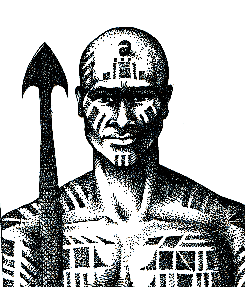 The publisher was kind enough to provide me with a review copy of John Michael "The Archdruid" Greer's recently published book
The Wealth of Nature: Economics as if Survival Mattered
. It took me a couple of days to get through the book, which I did although much of the material is not new to me, for the sake of his exposition: John Michael is an erudite and patient writer, good at explaining away the various fallacies around money, energy and the pursuit of everything that bedevil our increasingly morbid industrial civilization. I read and I nodded, and it was not until I arrived at the last chapter, "The Road Ahead" that I started shaking my head, because a paraphrase of the title sneaked into my brain, one that I couldn't shake: Preaching to Sharks: Economics as if the Survival of Economists Mattered. What made it hard to shake was that it was accompanied by this stunning image from Herman Melville's Moby Dick. I relate it here verbatim, for your benefit, because Melville makes better reading than either Greer or I. Enjoy!
The publisher was kind enough to provide me with a review copy of John Michael "The Archdruid" Greer's recently published book
The Wealth of Nature: Economics as if Survival Mattered
. It took me a couple of days to get through the book, which I did although much of the material is not new to me, for the sake of his exposition: John Michael is an erudite and patient writer, good at explaining away the various fallacies around money, energy and the pursuit of everything that bedevil our increasingly morbid industrial civilization. I read and I nodded, and it was not until I arrived at the last chapter, "The Road Ahead" that I started shaking my head, because a paraphrase of the title sneaked into my brain, one that I couldn't shake: Preaching to Sharks: Economics as if the Survival of Economists Mattered. What made it hard to shake was that it was accompanied by this stunning image from Herman Melville's Moby Dick. I relate it here verbatim, for your benefit, because Melville makes better reading than either Greer or I. Enjoy! Warning: This is a text dating from 1851 and it does not adhere to contemporary standards of propriety. In particular, it contains coarse ethnic humor. Persons of delicate sensibility... blah blah blah.
From chapter 64, "Stubb's Supper":
... though one or two other like instances might be set down, touching the set terms, places, and occasions, when sharks do most socially congregate, and most hilariously feast; yet is there no conceivable time or occasion when you will find them in such countless numbers, and in gayer or more jovial spirits, than around a dead sperm whale, moored by night to a whaleship at sea. If you have never seen that sight, then suspend your decision about the propriety of devil-worship, and the expediency of conciliating the devil.
... Stubb heeded not the mumblings of the banquet that was going on so nigh him, no more than the sharks heeded the smacking of his own epicurean lips.
"Cook, cook!—where's that old Fleece?" he cried at length, widening his legs still further, as if to form a more secure base for his supper; and, at the same time darting his fork into the dish, as if stabbing with his lance; "cook, you cook!— sail this way, cook!"
The old black, not in any very high glee at having been previously routed from his warm hammock at a most unseasonable hour, came shambling along from his galley, for, like many old blacks, there was something the matter with his knee-pans, which he did not keep well scoured like his other pans; this old Fleece, as they called him, came shuffling and limping along, assisting his step with his tongs, which, after a clumsy fashion, were made of straightened iron hoops; this old Ebony floundered along, and in obedience to the word of command, came to a dead stop on the opposite side of Stubb's sideboard; when, with both hands folded before him, and resting on his two-legged cane, he bowed his arched back still further over, at the same time sideways inclining his head, so as to bring his best ear into play.
"Cook," said Stubb, rapidly lifting a rather reddish morsel to his mouth, "don't you think this steak is rather overdone? You've been beating this steak too much, cook; it's too tender. Don't I always say that to be good, a whale-steak must be tough? There are those sharks now over the side, don't you see they prefer it tough and rare? What a shindy they are kicking up! Cook, go and talk to 'em; tell 'em they are welcome to help themselves civilly, and in moderation, but they must keep quiet. Blast me, if I can hear my own voice. Away, cook, and deliver my message. Here, take this lantern," snatching one from his sideboard; "now then, go and preach to them!"
Sullenly taking the offered lantern, old Fleece limped across the deck to the bulwarks; and then, with one hand drooping his light low over the sea, so as to get a good view of his congregation, with the other hand he solemnly flourished his tongs, and leaning far over the side in a mumbling voice began addressing the sharks, while Stubb, softly crawling behind, overheard all that was said.
"Fellow-critters: I'se ordered here to say dat you must stop dat dam noise dare. You hear? Stop dat dam smackin' ob de lips! Massa Stubb say dat you can fill your dam bellies up to de hatchings, but by Gor! you must stop dat dam racket!"
"Cook," here interposed Stubb, accompanying the word with a sudden slap on the shoulder,—"Cook! why, damn your eyes, you mustn't swear that way when you're preaching. That's no way to convert sinners, Cook!"
"Who dat? Den preach to him yourself," sullenly turning to go.
"No, Cook; go on, go on."
"Well, den, Belubed fellow-critters:"—
"Right!" exclaimed Stubb, approvingly, "coax 'em to it, try that," and Fleece continued.
"Do you is all sharks, and by natur wery woracious, yet I zay to you, fellow-critters, dat dat woraciousness—'top dat dam slappin' ob de tail! How you tink to hear, 'spose you keep up such a dam slapping and bitin' dare?"
"Cook," cried Stubb, collaring him, "I won't have that swearing. Talk to 'em gentlemanly."
Once more the sermon proceeded.
"Your woraciousness, fellow-critters. I don't blame ye so much for; dat is natur, and can't be helped; but to gobern dat wicked natur, dat is de pint. You is sharks, sartin; but if you gobern de shark in you, why den you be angel; for all angel is not'ing more dan de shark well goberned. Now, look here, bred'ren, just try wonst to be cibil, a helping yourselbs from dat whale. Don't be tearin' de blubber out your neighbour's mout, I say. Is not one shark dood right as toder to dat whale? And, by Gor, none on you has de right to dat whale; dat whale belong to some one else. I know some o' you has berry brig mout, brigger dan oders; but den de brig mouts sometimes has de small bellies; so dat de brigness of de mout is not to swallar wid, but to bit off de blubber for de small fry ob sharks, dat can't get into de scrouge to help demselves."
"Well done, old Fleece!" cried Stubb, "that's Christianity; go on."
"No use goin' on; de dam willains will keep a scrougin' and slappin' each oder, Massa Stubb; dey don't hear one word; no use a-preaching to such dam g'uttons as you call 'em, till dare bellies is full, and dare bellies is bottomless; and when dey do get 'em full, dey wont hear you den; for den dey sink in de sea, go fast to sleep on de coral, and can't hear noting at all, no more, for eber and eber."
"Upon my soul, I am about of the same opinion; so give the benediction, Fleece, and I'll away to my supper."
Upon this, Fleece, holding both hands over the fishy mob, raised his shrill voice, and cried—
"Cussed fellow-critters! Kick up de damndest row as ever you can; fill your dam bellies 'till dey bust—and den die!"
Elsewhere in the same novel Queequeg, the cannibal harpooner and the narrator's best friend, hops down on the whale-corpse tied alongside their whaling ship and, for exercise, spends a while dispatching the frenzied sharks by stabbing them with a sharp spade around where their brains are presumably located, which, he finds, is the only effective method for shutting them down.
Greer's book comes out a time when the sharks are indeed ravenous: throughout the world zombie financial institutions, bloated with loans which have gone bad due to a dwindling resource base and a shrinking physical economy, are gorging themselves on free government money, while the governments cannot stop throwing bags of money into their gaping maws for fear of being eaten alive. They seem rather beyond redemption, and Greer acknowledges as much: "When the power of money faces off against the power of violence, money comes out a distant second." [p. 213]
Books that attempt to look honestly at our contemporary condition often run amok when they attempt to show "the way forward." What we ought to do is form political coalitions that lock out veto groups, curb the power of corporations, revise the tax code, bring back financial regulations from the 1950s and... so on. This would require reform. However, any reform of a complex system, such as our existing one, involves further investment in social complexity through a wide variety of costly initiatives. And here's the problem: there is no longer either the money or the energy for such initiatives. The default is to just let it collapse, but such an outlook, perfectly reasonable though it is, is generally not regarded as optimistic enough by the people who publish books (New Society Publishers is an exception). Some time ago (during the sustainability movement of the 1970s, which were Greer's formative time) optimistic, reform-minded expositions seemed useful; now they are starting to seem like compulsive anxiety coping behaviors: knock three times on wood, throw a pinch of salt over the left shoulder, mention sustainability and renewables.
One needs better reasons to read Greer than to show concern for the welfare of Western economists, because in all of the preceding chapters he does a through demolition job on their profession—so thorough that it may be more useful to start with fresh kindergartners than to try to reeducate existing economists. The way he does it is engaging enough to make the message palatable even to people who are not particularly concerned with energy or technology or finance, but he can also help dispel the fog for the technically minded people in favor of this or that "green" technology which happens to be, more likely than not, a net waste of energy. To explain such notions as "a net waste of energy," which are counterintuitive for people whose thinking has been conditioned by the availability of cheap and plentiful fossil fuels, Greer delves into thermodynamics and the quality of energy, and explains why using renewable energy sources such as wind and solar to feed the electric grid is a bad idea, no matter how "smart" that grid happens to be, because energy conversion incurs losses that an energy-poor society simply cannot afford. Thanks to his patient and thorough explanations, the reader does not have to be a scientist or an engineer to come to appreciate what an incredible waste of resources it is to squander high-quality (i.e, high-temperature) energy sources such as electricity and natural gas, which are concentrated enough to cut and weld steel, on low-energy tasks such as heating bathwater, or keeping a bed warm—something that can be done with a diffuse, low-energy energy source such as sunlight, or a few furry animals.
Greer's book also serves as a good introduction to the marvels of low-tech, along with an explanation of just how wasteful high technology is, and just how low its productivity is when analyzed in terms of overall resource use rather than in terms of just human labor (a particular blind-spot for the threatened subspecies of economist under discussion in much of the book). Greer knows a lot about technology that is appropriate to a deindustrializing, energy-strapped world: labor-saving devices that do not take exorbitant amounts of energy, fragile international supply chains or dwindling fossil fuel inputs. It turns out that three centuries ago, before industrialization, people were in fact quite clever. The techniques they used were appropriate ones, and limited not so much by lack of better technology as by the scarcity and the intermittent and diffuse nature of the energy sources with which they had to work, and with which we will have to work now that the fossil fuel extravaganza is at its end. Survival certainly does matter; whether economics will still matter is for economists to work out. They should consider themselves helped.
June 10, 2011
Collapse Fashionably
I am happy to be able to offer you a curious memento of our rapidly passing age: the Reinventing Collapse t-shirt. The shirts are being printed and I will start sending them out in a couple of weeks. If you would like to reserve one, click the "Donate" button above and be sure to include your size (S, M, L, XL) and, of course, your shipping address. It will take at least US$20 to defray the costs (a bit more for international shipping, please).I would like to thank EJ at New Society Publishing and Nina who did the design for bringing this monumental effort to fruition.
May 31, 2011
The US and the Five Stages of Collapse
[image error]
Interview on WMNF FM, Tampa, Florida
Some excerpts:

Interview on WMNF FM, Tampa, Florida
Some excerpts:
First you have financial collapse, which is basically the volume of debt that has to be taken on in order for the economy to continue functioning, cannot continue. We're seeing that right now in Greece, we're probably going to see that in Japan, we're definitely at a point now in the United States where even if you raised the income tax to 100 percent, there's absolutely no way of covering the liabilities of the U.S. federal government. So, we're at that point now but the workout of the financial collapse is not all quite there. We don't quite have a worthless currency but that's in the works.
That, of course, is followed by commercial collapse especially in a country like the United States that imports two thirds of its oil. A lot of that is on credit and if a little bit of that oil goes missing then the economy starts to fall apart because nothing moves unless you burn oil in the United States and, of course, a lot of goods that are sold everywhere are imported again, on credit. And then commercial collapse is generally followed by political collapse because the Congress no longer has the ability to spend money in the fashion to which they have become accustomed. Governments at every level start failing. We're seeing the beginnings of that where fire and police departments around the country are being cut. Right now there's a big fight over the retirement of retired municipal workers. Retirements are, basically, being looted in order to paper over these giant gaping holes in the finance scheme.
Then the last two stages are I think generally avoidable in most places which is social and cultural collapse. Unfortunately to my thinking these two stages have largely run their course in many places in the United States where people really don't know their neighbors and also they don't really do very much for themselves. They expect to be fed at fast food establishments, they don't know how to cook from scratch, and things like that. So, those are the five stages and a lot of people have found this sort of way of thinking useful in terms of understanding what's happening.
What do you see the United States looking like for Americans in the next 5 to 10 to 20 years?
I think the country will be unrecognizable in 10 years, I don't know about 5, but I don't think it will look like a country in 10 years. I think it will be largely dismembered by it's creditors.Do you think that we're going to be going quickly or slowly into these different stages of collapse?
I think certain stages like the onset of fuel, transportation, fuel shortages will be very sudden. American society tends to be very fragile. People tend to bring shotguns and baseball bats to gas stations and then every thing goes down hill from there. I expect certain parts of the country to go through this cataclysm where suddenly everything that they depend on, which is basically their car, no longer works and everybody's stranded and very angry. It would be a lot of mayhem. We've already seen that, for instance, during Hurricane Katrina and afterward because of all the refinery problems the '..' pipeline that goes up from the Gulf, I think it ends up in New Jersey somewhere, it couldn't be filled so gas stations in places like North Carolina ran dry and I've heard from people in that area that basically civilization ceased to exist. And then, when gasoline supplies were restored civilizaton sort of came back. That should be the pattern in a lot of places in this country.There's been some limited coverage of peak oil in the press recently, do you think it's enough to raise the level of awareness for people in this country about the things that you predict are going to happen?
Unfortunately a lot of people simply cannot be reached because they refuse to hear what we have to say. It's not that they can't understand it, it's that they refuse to listen. The media, in general, in the United States makes it very easy because there is this fictional reality that they perpetuate and foist on people that contradicts what we're saying. We're saying that 'this will not continue for very much longer, people'. And then the media says that 'everything is fine, everything is normal', and even the President is now in the game where he says completely nonsensical things like drilling in Alaska for oil will actually make a difference. He recently said that. It contradicts what his own government says about the amount of oil left there. Some of these just fictional feel good messages just saturating the media and so the reality based people really don't stand a chance.
Dmitry Orlov's Blog

- Dmitry Orlov's profile
- 48 followers
Dmitry Orlov isn't a Goodreads Author
(yet),
but they
do have a blog,
so here are some recent posts imported from
their feed.


![[image error]](http://www.wmnf.org/images/home_banner.jpg)