
Discover new books on Goodreads
See if your friends have read any of Володимир Шабля's books
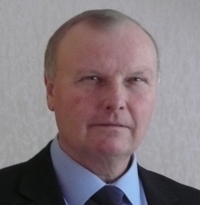
more photos (2)

Володимир’s 2025 Year in Books
Take a look at Володимир’s Year in Books, including some fun facts about their reading.
Володимир Шабля’s Followers (2)


Володимир hasn't connected with his friends on Goodreads, yet.
Володимир Шабля
Goodreads Author
Born
in Dnipro, Ukraine
Website
Twitter
Genre
Member Since
May 2023
URL
https://www.goodreads.com/shablia
To ask
Володимир Шабля
questions,
please sign up.
Popular Answered Questions

More books by Володимир Шабля…


Why I Began Writing Stone: Preserving Family Stories
Some stories never make it into history books.
They belong to families — stories told by parents and grandparents, remembered at the kitchen table, passed from one generation to another.
But memories can disappear surprisingly quickly.
My own novel *Stone* grew from stories about my father, grandparents, relatives, and other people whose lives I came to know. Some stories were connected to war, repre Read more of this blog post »
They belong to families — stories told by parents and grandparents, remembered at the kitchen table, passed from one generation to another.
But memories can disappear surprisingly quickly.
My own novel *Stone* grew from stories about my father, grandparents, relatives, and other people whose lives I came to know. Some stories were connected to war, repre Read more of this blog post »


Володимир’s Recent Updates
|
Володимир Шабля
wrote a new blog post
|
|
|
Володимир Шабля
made a comment in the group
Goodreads Authors/Readers
—
Welcome Historical Fiction Authors and Readers!
topic
"
Stone — a historical novel about ordinary people caught in extraordinary times
Hello everyone, I’m Volodymyr Shablia Володимир Шабля, an independent Ukr ...more " |
|
|
Володимир Шабля
rated a book it was amazing

|
|
|
Володимир Шабля
rated a book it was amazing

|
|
|
Володимир Шабля
made a comment on
History Is Personal — Not Just Statistics
"
When I started writing Stone, I didn’t expect how personal historical research would become.
"
|
|
|
Володимир Шабля
shared
a
quote

“Nothing in life happens without purpose — even if that purpose remains hidden from us.
— Volodymyr Shablia” Володимир Шабля |
|
|
Володимир Шабля
wants to read
|
|
|
Володимир Шабля
liked
a
quote

“Totalitarianism is not only hell, but all the dream of paradise-- the age-old dream of a world where everybody would live in harmony, united by a single common will and faith, without secrets from one another. Andre Breton, too, dreamed of this paradise when he talked about the glass house in which he longed to live. If totalitarianism did not exploit these archetypes, which are deep inside us all and rooted deep in all religions, it could never attract so many people, especially during the early phases of its existence. Once the dream of paradise starts to turn into reality, however, here and there people begin to crop up who stand in its way, and so the rulers of paradise must build a little gulag on the side of Eden. In the course of time this gulag grows ever bigger and more perfect, while the adjoining paradise gets even smaller and poorer.”
Milan Kundera |
|


|
|
|
Jan 16, 2026 12:06AM
|
|
“Silence!” the NKVD captain snapped, raising his voice sharply before dropping it to a barely audible, growling bass.
“We cannot allow enemies of the people to be captured by the Germans — they are far too valuable material for enemy sabotage units.”
The State Security officer’s hard stare turned icy.
“Therefore, I order this: without delay, together with my men — select the healthy prisoners capable of continuing the march.
All the wounded and the sick — shoot them.”
— Volodymyr Shablia, Stone. Book One
Context note:
During a prisoner transport in Stalin’s USSR at the outbreak of World War II, Soviet security officers order the execution of wounded and sick prisoners to prevent their capture by German forces. The quote reflects the brutal logic of Stalinist repression, where human life was treated as expendable in the name of state security.”
― Камінь. Біографічний роман. Книга перша. Перші кроки до світла та назад: Дитинство та занурення в ГУЛАГ.
“We cannot allow enemies of the people to be captured by the Germans — they are far too valuable material for enemy sabotage units.”
The State Security officer’s hard stare turned icy.
“Therefore, I order this: without delay, together with my men — select the healthy prisoners capable of continuing the march.
All the wounded and the sick — shoot them.”
— Volodymyr Shablia, Stone. Book One
Context note:
During a prisoner transport in Stalin’s USSR at the outbreak of World War II, Soviet security officers order the execution of wounded and sick prisoners to prevent their capture by German forces. The quote reflects the brutal logic of Stalinist repression, where human life was treated as expendable in the name of state security.”
― Камінь. Біографічний роман. Книга перша. Перші кроки до світла та назад: Дитинство та занурення в ГУЛАГ.
“A volley thundered — and the prisoner kneeling beside Peter collapsed lifelessly into the dirt. Three more men fell elsewhere along the line.
“Reload!” the State Security lieutenant kept commanding. “Aim!”
Peter turned his gaze toward the NKVD squad. A rifle was pointed straight at his chest, the bayonet gleaming. He looked into the barrel.
“Can a crude piece of lead really destroy my unique soul forever? No — that is absurd!”
In a state of shock, he felt himself tearing away from reality, rising above the turmoil into a silvery, radiant height. Below, his body knelt on the ground. But his essence — his soul — watched what was happening with bitter irony from above. His gaze turned toward the beautiful light descending from the heavens.
Peter shuddered. The rifle was still aimed at his chest. Yet he felt no fear. Now he knew: his soul could not die — it was impossible. His essence, his spirit — and therefore he himself — were immortal.
“Stand down!” the NKVD lieutenant said with relief. “This time you are spared. But if there is any further sabotage, there will be no mercy.”
— Volodymyr Shablia, Stone. Book One
Context note: During a prisoner transport in Stalin’s USSR, Peter witnesses an execution and is moments away from being shot himself. Facing death, fear gives way to a profound inner realization about the immortality of the human spirit.”
― Камень. Биографический роман: Часть первая. Первые шаги к свету и обратно
“Reload!” the State Security lieutenant kept commanding. “Aim!”
Peter turned his gaze toward the NKVD squad. A rifle was pointed straight at his chest, the bayonet gleaming. He looked into the barrel.
“Can a crude piece of lead really destroy my unique soul forever? No — that is absurd!”
In a state of shock, he felt himself tearing away from reality, rising above the turmoil into a silvery, radiant height. Below, his body knelt on the ground. But his essence — his soul — watched what was happening with bitter irony from above. His gaze turned toward the beautiful light descending from the heavens.
Peter shuddered. The rifle was still aimed at his chest. Yet he felt no fear. Now he knew: his soul could not die — it was impossible. His essence, his spirit — and therefore he himself — were immortal.
“Stand down!” the NKVD lieutenant said with relief. “This time you are spared. But if there is any further sabotage, there will be no mercy.”
— Volodymyr Shablia, Stone. Book One
Context note: During a prisoner transport in Stalin’s USSR, Peter witnesses an execution and is moments away from being shot himself. Facing death, fear gives way to a profound inner realization about the immortality of the human spirit.”
― Камень. Биографический роман: Часть первая. Первые шаги к свету и обратно
“The doctor delivered a devastating diagnosis: a severe stroke with paralysis of the right side of her body, brought on by prolonged starvation.
In the days that followed, Irina’s condition steadily deteriorated. The family took turns caring for her, carefully following every medical instruction, yet the decline was obvious. Within days, her left leg failed as well. She could no longer speak—only stare ahead in silent resignation. Whenever one of her loved ones approached her bedside, tears streamed soundlessly down her face.
Now, sitting beside his grandmother’s pillow, Peter watched the boundless sorrow in her eyes as she looked at him.
“Grandma, everything will be all right. You’ll recover,” the boy lied with all the gentleness he was capable of. “I love you.”
He pressed his face to her chest and kissed her. Heavy tears rolled down Irina’s cheeks. A lump rose in Peter’s throat. He could not drive away the terrible thought: How could it be that only yesterday someone so alive, loving, and active—though ill—could so suddenly become a helpless ruin? It felt unnatural. It felt unjust.
With each passing day, life faded from Irina. A week after the stroke, she died quietly in her sleep.
At his grandmother’s funeral, Peter wept as he never had before—and never would again. He did not hide his tears. He kept kissing her cold lips, cheeks, and forehead. But each kiss only made the grief heavier.
— Volodymyr Shablia, Stone. Book Three
Context note:
Set during the Holodomor of 1933 in Ukraine, this scene portrays one of the famine’s most tragic realities: the rapid decline and death of the elderly and the sick often among the first victims of starvation. Malnutrition weakened the body’s ability to survive illness, and strokes, infections, and organ failure became fatal in a society stripped of food and medical resources. Behind the statistics of millions dead were intimate family tragedies like this one.”
― Камінь. Біографічний роман. Книга третя. Несправджені сподівання.: Все буде Голодомор.
In the days that followed, Irina’s condition steadily deteriorated. The family took turns caring for her, carefully following every medical instruction, yet the decline was obvious. Within days, her left leg failed as well. She could no longer speak—only stare ahead in silent resignation. Whenever one of her loved ones approached her bedside, tears streamed soundlessly down her face.
Now, sitting beside his grandmother’s pillow, Peter watched the boundless sorrow in her eyes as she looked at him.
“Grandma, everything will be all right. You’ll recover,” the boy lied with all the gentleness he was capable of. “I love you.”
He pressed his face to her chest and kissed her. Heavy tears rolled down Irina’s cheeks. A lump rose in Peter’s throat. He could not drive away the terrible thought: How could it be that only yesterday someone so alive, loving, and active—though ill—could so suddenly become a helpless ruin? It felt unnatural. It felt unjust.
With each passing day, life faded from Irina. A week after the stroke, she died quietly in her sleep.
At his grandmother’s funeral, Peter wept as he never had before—and never would again. He did not hide his tears. He kept kissing her cold lips, cheeks, and forehead. But each kiss only made the grief heavier.
— Volodymyr Shablia, Stone. Book Three
Context note:
Set during the Holodomor of 1933 in Ukraine, this scene portrays one of the famine’s most tragic realities: the rapid decline and death of the elderly and the sick often among the first victims of starvation. Malnutrition weakened the body’s ability to survive illness, and strokes, infections, and organ failure became fatal in a society stripped of food and medical resources. Behind the statistics of millions dead were intimate family tragedies like this one.”
― Камінь. Біографічний роман. Книга третя. Несправджені сподівання.: Все буде Голодомор.
Topics Mentioning This Author
| topics | posts | views | last activity | |
|---|---|---|---|---|
| Goodreads Authors...: * Welcome Historical Fiction Authors and Readers! | 1165 | 4017 | Sep 26, 2026 06:07AM |
“Nothing in life happens without purpose — even if that purpose remains hidden from us.
— Volodymyr Shablia”
―
— Volodymyr Shablia”
―
“1920… Chaos.
A chaos brewed from fear, lawlessness, constant changes of power, civil war, and disease.
The Red Commissars with their grain requisitions.
The White Guards with arrogant imperial plunder.
Makhno’s forces with anarchist expropriations and the division of everything and everyone.
The gangs of Hryhoriev, Marusia, and countless others…
Each with its own rules.
Yet all of them take and kill, rape and rob.
In Tomakivka, only one institution functioned reliably – the hospital.
It was needed by every warring authority, every general and ataman:
the wounded had to be treated, the sick healed,
and the able-bodied fed and given shelter.
— Volodymyr Shablia, Stone. Book One
Context note: Set in Ukraine during the Civil War (1917–1921), at the time of the Ukrainian People’s Republic, when multiple armed forces – Red, White, anarchist, and local warlord groups — fought for control, leaving civilians trapped in a landscape of violence, lawlessness, and disease.”
―
A chaos brewed from fear, lawlessness, constant changes of power, civil war, and disease.
The Red Commissars with their grain requisitions.
The White Guards with arrogant imperial plunder.
Makhno’s forces with anarchist expropriations and the division of everything and everyone.
The gangs of Hryhoriev, Marusia, and countless others…
Each with its own rules.
Yet all of them take and kill, rape and rob.
In Tomakivka, only one institution functioned reliably – the hospital.
It was needed by every warring authority, every general and ataman:
the wounded had to be treated, the sick healed,
and the able-bodied fed and given shelter.
— Volodymyr Shablia, Stone. Book One
Context note: Set in Ukraine during the Civil War (1917–1921), at the time of the Ukrainian People’s Republic, when multiple armed forces – Red, White, anarchist, and local warlord groups — fought for control, leaving civilians trapped in a landscape of violence, lawlessness, and disease.”
―
“That’s how we’ve ended up,” Ivan said with a bitter smile. “We work, as in the proverb: Enough trading, father — there’s no change left to give.
‘Why did they suddenly increase the grain procurement plan?’ Vasyl protested.
‘Everything seems the same — but it isn’t,’ Danylo explained. ‘The status of our land has changed, and so has the status of the collective farmers. What grew last year is now taxed differently. Even the poor peasants who joined the collective are no longer considered poor — and the taxes rise accordingly.’
‘Clever,’ Ivan muttered angrily. ‘They’ve laid out their accounting traps well.’
— Volodymyr Shablia, Stone. Book Two
Context note: In Soviet collective farms, taxes and grain quotas were often increased not because of real agricultural growth, but due to bureaucratic reclassification. Accounting became a tool of pressure that made normal farming impossible.”
― Камінь. Біографічний роман. Книга друга. Непрості дороги до пекла: Виживання в умовах насильства.
‘Why did they suddenly increase the grain procurement plan?’ Vasyl protested.
‘Everything seems the same — but it isn’t,’ Danylo explained. ‘The status of our land has changed, and so has the status of the collective farmers. What grew last year is now taxed differently. Even the poor peasants who joined the collective are no longer considered poor — and the taxes rise accordingly.’
‘Clever,’ Ivan muttered angrily. ‘They’ve laid out their accounting traps well.’
— Volodymyr Shablia, Stone. Book Two
Context note: In Soviet collective farms, taxes and grain quotas were often increased not because of real agricultural growth, but due to bureaucratic reclassification. Accounting became a tool of pressure that made normal farming impossible.”
― Камінь. Біографічний роман. Книга друга. Непрості дороги до пекла: Виживання в умовах насильства.
“On that winter afternoon, the two boys hurried outside right after lunch, pulling enormous sleds that seemed almost larger than themselves.
As they climbed the hill, they kept dodging sleds rushing past, packed with people of all ages. Most were children and teenagers, but there were also young adults and even respectable grown villagers.
Sometimes grandparents came too, ‘to remember the old days.’ They rode together with their children or grandchildren, letting the younger ones steer. And after reaching the bottom – or tumbling halfway down – the ‘veterans’ laughed, shouted, and squealed with joy no less than the children.
— Volodymyr Shablia, Stone. Book Two
Context note: A happy moment of childhood joy and community life in a rural Ukrainian village – a reminder that even under repression, warmth and memory endured.”
― Камень. Биографический роман. Книга вторая. Непростые дороги в ад: Выживание в условиях насилия
As they climbed the hill, they kept dodging sleds rushing past, packed with people of all ages. Most were children and teenagers, but there were also young adults and even respectable grown villagers.
Sometimes grandparents came too, ‘to remember the old days.’ They rode together with their children or grandchildren, letting the younger ones steer. And after reaching the bottom – or tumbling halfway down – the ‘veterans’ laughed, shouted, and squealed with joy no less than the children.
— Volodymyr Shablia, Stone. Book Two
Context note: A happy moment of childhood joy and community life in a rural Ukrainian village – a reminder that even under repression, warmth and memory endured.”
― Камень. Биографический роман. Книга вторая. Непростые дороги в ад: Выживание в условиях насилия
“Peter had only just graduated with honors from the Zaporizhzhia Pedagogical Institute and was supposed to leave for his first teaching job the very next day. Instead, he was arrested.
For what sins was a student obsessed with honesty punished — a young man who had risen from the very bottom of society and sincerely believed in the socialist ideal? His parents did not know. Peter himself did not know either. He believed what had happened was a terrible mistake and hoped it would soon be corrected.
— Volodymyr Shablia, Stone. Book Two
Context note: In the Stalinist USSR, arrests often struck young, loyal, and idealistic citizens. Many believed their detention was a bureaucratic error — until the machinery of repression proved otherwise.”
― Камінь. Біографічний роман. Книга друга. Непрості дороги до пекла: Виживання в умовах насильства.
For what sins was a student obsessed with honesty punished — a young man who had risen from the very bottom of society and sincerely believed in the socialist ideal? His parents did not know. Peter himself did not know either. He believed what had happened was a terrible mistake and hoped it would soon be corrected.
— Volodymyr Shablia, Stone. Book Two
Context note: In the Stalinist USSR, arrests often struck young, loyal, and idealistic citizens. Many believed their detention was a bureaucratic error — until the machinery of repression proved otherwise.”
― Камінь. Біографічний роман. Книга друга. Непрості дороги до пекла: Виживання в умовах насильства.
 Goodreads Authors/Readers
— 57759 members
— last activity 2 hours, 50 min ago
Goodreads Authors/Readers
— 57759 members
— last activity 2 hours, 50 min ago
This group is dedicated to connecting readers with Goodreads authors. It is divided by genres, and includes folders for writing resources, book websit ...more
 Ukrainian literature
— 1242 members
— last activity Jul 20, 2026 12:12PM
Ukrainian literature
— 1242 members
— last activity Jul 20, 2026 12:12PM
[EN] Ukrainian literature encompasses literature written in Ukrainian language. Unfortunately, even in the beginning of the 21st century, Ukrainian l ...more

 Modern Ukrainian Literature
— 398 members
— last activity Dec 31, 2025 12:05AM
Modern Ukrainian Literature
— 398 members
— last activity Dec 31, 2025 12:05AM
Ukrainian bestsellers discussion
 The History Book Club
— 26542 members
— last activity Oct 03, 2026 01:44AM
The History Book Club
— 26542 members
— last activity Oct 03, 2026 01:44AM
"Interested in history - then you have found the right group". The History Book Club is the largest history and nonfiction group on Goodread ...more
 Discovering Russian Literature
— 3076 members
— last activity 17 hours, 43 min ago
Discovering Russian Literature
— 3076 members
— last activity 17 hours, 43 min ago
Whether you are a newbie or an expert or simply love Russian literature... Welcome! This is a friendly group where you can share your thoughts an ...more