Attachment Theory


Attached: The New Science of Adult Attachment and How It Can Help You Find—and Keep—Love
Wired for Love: How Understanding Your Partner's Brain and Attachment Style Can Help You Defuse Conflict and Build a Secure Relationship
Attachment Theory: A Guide to Strengthening the Relationships in Your Life
Attachment Theory in Practice: Emotionally Focused Therapy (EFT) with Individuals, Couples, and Families
The Power of Attachment: How to Create Deep and Lasting Intimate Relationships
Hold Me Tight
Attachment in Psychotherapy
Insecure in Love: How Anxious Attachment Can Make You Feel Jealous, Needy, and Worried and What You Can Do About It
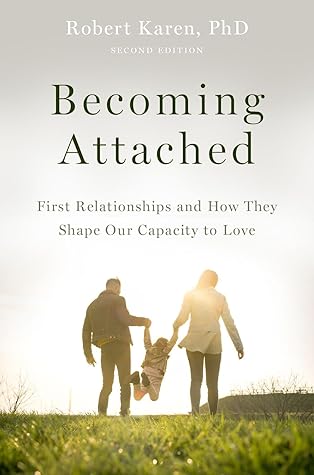
Becoming Attached: First Relationships and How They Shape Our Capacity to Love
Attachment in Adulthood: Structure, Dynamics, and Change
Polysecure: Attachment, Trauma and Consensual Nonmonogamy
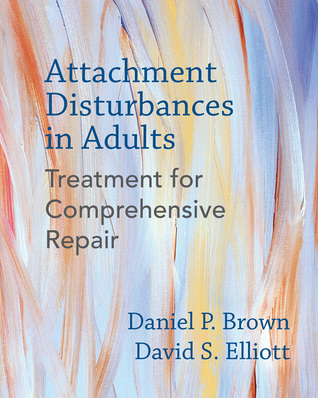
Attachment Disturbances in Adults: Treatment for Comprehensive Repair
Attachment
A Secure Base: Parent-Child Attachment and Healthy Human Development
Secure Love: Create a Relationship That Lasts a Lifetime
Annie Tanasugarn, PhD
“ In romantic relationships, people-pleasing tendencies tend to walk hand in hand with trying too hard to please your partner, with an overemphasis on proving your value and worth. ”
― Annie Tanasugarn, PhD

Annie Tanasugarn, PhD
“ An abusive relationship typically includes choices in partners who have histories of destructive and narcissistic behavior, and who commonly struggle with their own mental health or addictions, leaving you at risk for continuing a caregiver role. Abusive and trauma-bonded relationships are characterized by intense highs and lows, severe enmeshment, loss of identity, coercive control, and cycles of abuse and manipulation, followed by intermittent calm. ”
― Annie Tanasugarn, PhD, The Anxious-Avoidant Trap: Overcome the Push and Pull of Different Attachment Styles in Your Relationship and Build Lasting Connection

More quotes...