
Blair Bancroft's Blog, page 52
May 3, 2014
MORE ON EDITING
 The result of a storm in Tennessee. I call it "Retribution." Posted to Facebook by Judy Gwinn.
Over the last couple of weeks I've run across a book that made me gnash my teeth and one that totally surprised me. I've also been horrified when I went to edit a certain chapter in one of my own books and discovered that Grace, who preaches the how-to's of Writing and Editing, totally messed up.
First, the teeth-gnashing. I try to avoid specifics when using other people's books as examples because I have no wish to hurt anyone's feelings, but I finally had to send a Medieval to the trash heap only partly read when the heroine kept saying things like, "Yike!" and "Cripes!" and I encountered phrases such as "the percs of the job." The use of modern language was so egregious, in fact, that I decided it was deliberate. The author had decided to write the book her own way and to @#$% with the anyone who might consider her choice of language odd. The problem is, the author has talent, including an ability to write sensual scenes with consummate skill. So why would she shoot herself in the foot by using words not in use until more than a thousand years in the future of her selected time period? Particularly when she has the potential to develop into a best-selling author? No, we don't want so much authenticity our work becomes unintelligible (say written in Chaucer-spelling), but I do NOT recommend emulating this particular author's approach to historical writing.
On the bright side, I encountered a book I simply loved—City of Jasmine by Deanna Raybourn. It was intelligent, well-researched, with excellent characters, narration, dialogue, and action. What totally shocked me came at the end when I discovered it was a Harlequin imprint! Harlequin Mira, to be exact. Although Harlequin is a romance giant worldwide, they rarely publish books of the type I personally enjoy. I now stand corrected. And I'm happy to add that the book was flawless in its presentation. No writing or editing errors allowed.
As for my own mistake, stupidity, bad day—whatever you want to call it—when I went to edit Chapter 7 of my new Regency Gothic, Mists of Moorhead Manor, I could only wrinkle my nose and go, "Huh?"
I edit from hardcopy, using a pencil for minor corrections and revisions, and a legal pad and pen to write lengthier inserts. In the case of Chapter 7, I ended up revising almost the entire chapter (by hand), with one insert filling three legal pad pages. Below you will find a small portion of the original, with the revision of that section following. I believe you will find the improvement self-evident.
Original draft excerpt from Chapter 7, The Mists of Moorhead Manor - unfortunately, a sample of "telling, not showing" and just plain rushing through the scene without enough attention to active dialogue or to detail:
Dinner was a solemn affair, with little more than an occasional clink of silverware on porcelain plates to disturb the stillness. Huntley had stopped by on his way back to the cliffs to inform us that low tide had revealed Nell Ridgeway’s body crumpled on the rocks. The Ridgeways, father and son, and two of their farmworkers were on their way with a wagon, but the climb down the cliff by lantern light would be devilish, the ascent back up with the body rising to nightmare proportions.
And, oddly, in that instant I knew who would be leading the dangerous climb. As difficult as it was to picture that frivolous flirt, Exmere, doing anything even remotely heroic, he was the heir, his father’s representative. And down he would go, hopefully calling on well-remembered childhood exploits on those very cliffs to keep him safe.
Lady Vanessa had not joined us the previous night since she was without David Tremaine’s services to carry her downstairs. Nor had she joined us tonight, due to his late return from the search for Nell. Her problems, therefore, were far from my mind when a footman burst into the dining room to relay a message from Miss Scruggs. David Tremaine, it seems, had expressed his desire to join the recovery efforts on the cliffs and Lady Vanessa had gone into one of her hysterical fits. Tremaine had gone anyway, and Miss Scruggs was begging my immediate aid. Pushing back my chair so fast it nearly toppled over, I rushed upstairs.
Oh dear God, I could hear her screams and sobs from the first floor landing. They fair stood my hair on end. I had no idea . . .
Was she quite sane? Or was this display to be expected from an overindulged invalid frustrated by the vision of endless days tied to her chair?
Revised version of the same section (which will undoubtedly be further revised in the future - only two sentences were salvaged from the original):
Although Mr. Carewe joined us for dinner, our meal was even more strained than the night before. We all felt it—the scythe of the grim reaper hanging over our heads. The turmoil in my stomach intensified as I heard the tramp of boots coming toward the dining room. I ceased pushing food around on my plate and stared as Huntley entered the room—damp, dishelved, and struggling to keep the expected stiff upper lip.
“They’ve found her,” he said. “The tide went out and there she was . . .” He shuddered, visibly gathered himself before continuing. “They’re bringing her up now—a stiff climb down and far worse coming back up. I went for Ridgeway and Tom . . . they’re bringing a wagon . . .” He gulped and added distractedly, “I must go back now to help.” With that he plunged back out the door and was gone.
A whimper of sound forced my stunned gaze to Lady Emmaline, noting a steady stream of tears running down her pale cheeks. I excused myself, coaxed her up from her chair, and escorted her to her bedchamber, where I left her in the competent care of her maid. Ignoring my duty to look in on Lady Vanessa, I settled onto the window-seat in my room and stared out toward the sea, which I could hear but barely see.
The climb down the cliff by lantern light would be devilish, the ascent back up with the body rising to nightmare proportions. And I knew who would be leading the dangerous trek. As difficult as it was to picture that frivolous flirt, Exmere, doing anything even remotely heroic, he was the heir, his father’s representative. And down he would go, hopefully calling on well-remembered childhood exploits on those very cliffs to keep him safe.
My mind formed such a vivid picture of the struggle back up the cliff with the battered body of Nell Ridgeway that for several minutes my prayers were shockingly selfish. Keep him safe, dear Lord, keep him safe. Then, thoroughly ashamed, I whispered aloud, “Forgive me, Lord,” and amended my prayers to include the other rescuers and, most importantly, Nell and her grieving family. My guilt was so great, my prayers so fervent, I didn’t hear the pounding on my door until it reached a thunderous pitch.
“Come quickly,” Maud Scruggs gasped. “My lady has worked herself up to one of her hysterical fits.” She grabbed me by the hand, tugging me across the corridor. The screams and sobs from Lady Vanessa’s bedchamber were so loud I could only wonder I had not heard them earlier. Once again, shame struck me like a blow. My thoughts had been with Rob—with the tragedy on the cliffs when my duty lay but a few feet away.
“She was furious when David left her again—dashing off the moment he heard the gentlemen were off to search the cliffs," Maud declared, bristling with righteous indignation. "Threw her fork at me when I tried to get her to eat and been working herself up ever since.”
By this time we’d passed through the sitting room into Vanessa’s bedchamber, where she sat before her dressing table, pounding her fists against the arms of her chair. Pieces of her looking glass lay shattered on the table and carpet, her carved and gilded hairbrush lying, a likely culprit, among the debris. Her screams continued, unabated, except for an occasional hiccup to catch her breath. How she could keep up the effort without collapsing from exhaustion was a mystery.
“Oh, my lady,” Maud cried, staring at the broken glass. “For shame!”
I heartily agreed. Hastily, I found a small towel to protect my hands and began picking up the shards before Vanessa could get any worse notions into her head. Miss Scruggs evidently had the same idea as she quickly moved Vanessa’s chair to the far side of the room. I could not help but wonder as I dropped potentially lethal bits of glass into a wicker basket, if Lady Vanessa was quite sane. Perhaps this display was to be expected from an overindulged invalid frustrated by the vision of endless days tied to her chair, but I was shaken, wondering if I would ever be able to do any good in such an unpromising situation.
~ * ~
Grace Note: And, yes, the rest of the chapter required almost as much revision as the excerpt above. And I continued to revise it, even as I posted it here. The moral of this story: Anyone who clings to the original version of an idea, with no thought that it could be improved, is indulging in a particularly blind form of egotism. Pride gone amuck. I will edit this section again at the end of Chapter 10, and again when I go through the entire book from beginning to end. With final tweaks even as I format it for upload. Words may be golden, but seldom are they the first ones out of our mouth or the first on screen.
Thanks for stopping by.
Grace
For Grace's website, listing all books as Blair Bancroft, click here.
For a brochure for Grace's editing service, Best Foot Forward, click here.


April 26, 2014
THE THREE BEARS - Florida Style
 At the end of the fence on the left, down by the lake, is where the Mama Black Bear was sitting later that day when we were ready to go home.
  You have to look really closely - it was almost 10:00 p.m. when this photo was taken - but there are are two black bear cubs up in the tree eating fruit.
Background to our Easter Bear Tale:
The greater Orlando area, particularly to the north, has been experiencing a bear problem. At first, nothing new, just increased sightings, more garbage cans raided, etc. Then twice over the last few months women were attacked. Just last week, a bear took a woman's head in its mouth and was dragging her toward the woods before she managed to get away. Her skull required 30 staples and 10 stitches! Plus gashes on her face and arms, etc. Florida Fish and Wildlife put a 24-hour guard on her house and shot seven bears in less than 48 hours, alleging none of them showed any fear of humans. It is suspected that someone in the area was feeding them. So a bear in the yard is now considered far more hazardous than it was in the past. Also, the news media made sure we all knew bears could run up to 30 mph!
Bears in the land of Disney and long sandy beaches? Believe me, those are just the views the tourists see. The interior of Florida has vast tracts of woods and lakes, where humans have only intruded in the last decade or two. And there's no doubt we are the intruders, but "progress" seems inevitable. Sigh.
When we arrived in Altamonte Springs on Sunday, where a relative was hosting the annual family Easter dinner, she told us about the bears that had been coming to the condo complex for the past year or so, sometimes making her late for work when they spread out near both front and back doors. But, she told us, this was at 6:30 in the morning, so we were unlikely to see any. (Much to the disappointment of the grandgirls, ages 7, 9, and 11.)
We had an Easter egg hunt on the lawn that stretches in front of the first-floor condo all the way down to the lake. (See photo above.) Followed by a grand dinner for fourteen, combined with a birthday celebration for the son of the family. All in all, a delightful family event. But just as we began to pack up the Easter baskets and presents the girls received, a phone call came from the neighbor upstairs. Bears! Out front.
Naturally, we all rushed for the door, but were promptly ordered back inside by my son-in-law, who, with his cousin, ventured out to see what was going on. The neighbors, safe on their second floor balcony, pointed out two bear cubs in a large fruit tree. And then came word that there was a bear out back. Since the men were barring us from looking out front, we all charged to the back and, sure enough, there at the lakeside end of the fence (see top photo) was Mama Bear, just sitting on the ground. (When our male guardians deserted the front door for the back door, my daughter sneaked up the outside staircase and took the cubs' photo from the second floor balcony.)
But as for going home, we were trapped! Like our relative who had been late to work three times, we had baby bears in front and Mama Bear in back. And as everyone knows, there's no more dangerous animal than a Mama Bear protecting her cubs. Our car, in a parking lot at the top of a small hill, seemed very far away. By this time my son-in-law and his cousin had joined the crowd at the back door. Since Mama Bear was way down by the lake and not moving, I suggested my son-in-law bring the SUV to the back door, which would be much closer than all of us attempting the run for the parking lot. (This, of course, presumed that the baby bears would stick to their fruit, having sense enough not to be interested in a full-grown human male as a food source.)
My son-in-law made it to the SUV, retrieved his Glock 9, and returned to pick us up, standing guard while Mommy, the three little girls, and I, traveled the 10-12 feet from back porch to road at a fast pace! As we drove back along the side of the condo complex, we paused to watch the branches of the fruit tree sway as the cubs gorged themselves. There was no breeze, and the contrast with the completely still branches of the fruit tree next to it was apparent. So although only Mommy got to see the cubs, we all had an opportunity to see that they were truly there, only feet from that second-floor balcony. And the black hulk of Mama Bear calmly sitting at the bottom of the lawn will be with me for some time. It's definitely as close as I ever want to come to a bear.
~ * ~
Thanks for stopping by.
Grace
For Grace's website, listing all books as Blair Bancroft, click here.
For a brochure for Grace's editing service, Best Foot Forward, click here.
April 19, 2014
USING CAPITAL LETTERS, Part 2
 A Family Triumph - one First & two Seconds in the Girl Scout Derby
 Rockin' Riley, Winner, Brownie Division
 Hailey's Comet - Second, Junior Division
 SeeSaw - Second, Brownie Division (Cassidy's car)
And a big "muchas gracias" to Daddy who oversaw design, cutting, sanding, painting, balancing, et al!
USING CAPITAL LETTERS, Part 2
I was reminded by an author friend on Florida's Gulf Coast about the little matter of those vital words, north, south, east, and west. So let's tackle that first, quickly adding the caveat that different publishers have different style sheets, and this one can vary. But in general . . .
Directions. Ask yourself: Am I describing movement, giving driving directions? If so, then it's lower case. But if you're writing about a particular part of the country, then you use an initial cap.
There's a gas station just east of here. You can't miss it.
The ladies in the movie Steel Magnolias are examples of the strength of women from the South.
Canada is the country north of the United States.
I was born in the Mid-West but have lived most of my life in the East.
Here in Florida we see a lot of Snowbirds from Up North.
Titles of Works Books, Magazines & Newspapers. These items have initial caps and are italicized.
Her Royal Spyness by Rhys Bowen, Arabella by Georgette Heyer
I used to subscribe to Vogue. My son prefers to read Time magazine.
I read the Orlando Sentinel every day. BUT
The Harry Potter series by J. K. Rowling
She reads only fashion magazines. Ed prefers getting the news from television rather than reading it in the newspaper.
Musical Compositions. The names of musical compositions require initial caps for all words but minor articles and prepostions. If a long composition has a specific name attached, it is also italicized. Short pieces, however, such as a single song, are set off by quotation marks, no italics. If, however, you are simply referring to a piece of music, such as a sonata or symphony by its number or key, only initial caps are used. (A bit tricky, I admit.)
Madame Butterfly, Jesus Christ Superstar
Beethoven's Sonata op. 8 is more commonly known as the Pathétique.
She belted out the high note in "O Holy Night."
Sonata in D Minor BUT
I attended the opera last night.
The quartet played some sonata I never heard of.
I could have done without the soprano's last song.
Note: The Chicago Manual of Style uses lower case for both number and opus - no. & op.
Plays, Movies, Television Programs. These titles also use initial caps and italics.
A Long Day's Journey Into Night, As You Like It, The Rocky Horror Picture Show
Avatar, The Princess Diaries,The Silence of the Lambs
NCIS, Scandal, Person of Interest
Note: The characters in these dramas, however, must settle for initial caps only, both for their stage names and for the characters they are portraying.
Paintings & Sculpture. These too have initial caps, but only the name of the work is italicized.
Leonardo da Vinci's Mona Lisa is the world's most famous painting, while Michelangelo's David is likely the most famous statue. A close second might be Rodin's The Thinker.
BUT
He gazed at the painting for a long time but couldn't figure out how anyone would pay a million dollars for it.
I couldn't believe how many sculptures there were in Lord Elgin's collection of "marbles" on display in the British Museum.
There are, of course, many other places where capital letters are used, but hopefully those in the two parts of "Using Capital Letters" cover most of information needed for authors of Fiction.
If you think of other uses of capital letters that are essential to fiction-writing, please use Comments (below) to let me know. (I keep promising myself I'm going to organize all these Writing & Editing blogs into a book someday.)
~ * ~
SPECIAL NOTE: My naughty novellas, Cecilia (with Belle) will be available as a "twofer" on Kindle Countdown, beginning Thursday, April 24. For link to Amazon, click here.
Thanks for stopping by.
Grace
For Grace's website, listing all books as Blair Bancroft, click here.
For a brochure for Grace's editing service, Best Foot Forward, click here.
April 12, 2014
USING CAPITAL LETTERS
 Sandhill Cranes - parents & "preteens" - photographed at The Villages, Central Florida
The Sometimes Peculiar Use of Capital Letters
I never thought I'd see the day when I would sit down and actually remind my readers that the pronoun "I" is capitalized or that each sentence starts with a capital letter. But e-mails, and most particularly texting, seem determined to reduce our language to a mere semblance of its former self. For the purpose of this blog—aimed, as always, at authors writing fiction—let's pass over the most well-known uses of capital letters as quickly as possible and get down to the ones so many find tricky.
Use initial caps for:
1. Names. (People, Places, Businesses, and Organizations) John Doe, Omaha, Nebraska, New York City, East Oshkosh, Brazil, Africa, the Pacific, Lake Baikal, General Motors, the Girl Scouts of America, the Blue Angels, etc.
2. Titles. President, Chairman, Duke, Duchess . . . BUT only when they are combined with a person's name. Otherwise, they are lower case.
Example: the President of the United States, President Obama BUT
The president sat at his desk.
The duke rode his horse each morning.
Grace note: Just to complicate things, the publishers' "bible", The Chicago Manual of Style, disagrees with the general publisher usage of English titles. It states: "the duke of Marlborough" is correct when most publishers go with "the Duke of Marlborough." I personally recommend capitalizing the title (duke, earl, viscount, etc.) when it is directly associated with the proper name of the title (William, Duke of Cambridge).
3. Personification. In writing Fiction, we sometimes give people names derived from their appearance. In one of my recent novellas, for example, I referred to two ladies of the evening as Shocking Pink and Scarlet. Basically, any time you take an ordinary word and personify it, use initial caps.
4. Initials & Acronyms. I often refer to myself as GAK. We hire a DJ to play at a party. But if you need a Medical Examiner, for some reason periods are usually inserted (M.E.) - probably because it comes out as ME and looks more than a little egotistical. You can, of course, earn a PhD, and many of us couldn't do without a CPA to help with our taxes or our businesses. And then there are all those government and military alphabet soups, the FBI, CIA, DOD, DHS. In Florida we have the FDLE (Florida Department of Law Enforcement). And OCLS (Orange County Library System). Acronyms have become a way of life. And Heaven help any poor e-mailer or texter who can't read them.
5. Emphasis. Authors of Non-fiction or Literary Fiction (note the initial caps) will likely cringe at this one, but it's a legitimate use of caps for most Fiction authors. In a manner similar to the use of Shocking Pink and Scarlet mentioned above, a character might be described as "Hot" or a "Hottie." (Italics, of course, can also be used for emphasis, but somehow the effect is not quite the same.) This kind of capitalization should be used sparingly, but it is permissible in most Fiction, particularly Romance.
Elaboration on the above:
1. Titles used in place of names in Direct Address.
Aye, aye, Captain, I'll do that right away.
Of course, Your Grace.
Would you repeat that, Sergeant?
BUT for some reason modern publishing makes an exception for:
Are you sure you know where you're going, miss?
I'm so sorry, sir.
Grace note: No matter what approach you take, you'll probably run into a publisher with a different style sheet!
2. Religious Titles work the same way as noble and military titles.
Pope John Paul II
The pope delivered an Easter blessing.
3. Epithets & Honorifics.
the Iron Duke
His Eminence, Cardinal Richelieu
Your Honor, Judge Perry BUT
The cardinal disagreed, to the bishop's dismay.
The judge, looking down from the high bench, frowned.
4. Nationalities, Tribes. In a manner similar to that cited in #2 above, Scotland is capitalized, but scotch whiskey is not. Kentucky is capitalized but bourbon is not (unless you're referring to a specific named bourbon or it's part of a name on a label!)
Basically, if you're talking about a specific name, it's capitalized. If you're using the word generically, it is not.
5. Historical Periods. the Middle Ages, the Georgian Era, the Jazz Age, etc.
6. Events. Festival of Trees, Reign of Terror, the Kentucky Derby, The Florida State Fair
7. Holidays. Christmas, Easter, Hanukkah, Yom Kippur, Ramadan, etc.
8. Deities. God, Yahweh, Allah, Holy Ghost, the Trinity, Prince of Peace, etc. Also ancient gods, such as Apollo, Venus, Zeus, etc.
9. Religious Services. Holy Communion, the Lord's Supper, High Mass (with generic exceptions). There will be a high mass at one o'clock. The cathedral offers four masses daily, six on Sunday.
Other exceptions: generic terms such as morning prayer, bar mitzvah, sun dance, vespers, etc. Also ark, mandala, rosary, shofar, stations of the cross, etc.
10. Military. The names of military forces are capitalized; for example, Army Corps of Engineers, Joint Chiefs of Staff, Royal Air Force. Again, the exceptions are generic: Wellington's army besieged Badajoz. A navy task force sailed for the South Pacific.
Battles, Campaigns, and Theaters of War are also capitalized, as are the names of medals.
Examples: the Civil War, Battle of the Bulge, World War I, Purple Heart, Silver Star, etc.
11. Transportation. The names of ships, trains, aircraft & spacecraft are capitalized. (They are also italicized.) Victory, Arizona, Enterprise, Challenger, etc. The different models are merely capitalized: Nike, Camry, Concorde, Silver Meteor, etc.
12. Astronomical Terms are capitalized: the Big Dipper, Andromeda, the North Star, Southern Cross, etc.
13. Radiation. Although I'm a great believer in using a capital X in X-ray, The Chicago Manual of Style says it can be written with a lower case x as well (x-ray). Other rays, however, are all lower case, whether, beta, gamma, cosmic, or ultraviolet.
~ * ~
The next section, Titles of Works, is such a biggie, I'm going to leave it for next week. Don't forget to come back for Part 2 of "Using Capital Letters."
Grace note: A huge thank you to The Chicago Manual of Style, 14th Edition, for providing the solid backup for this list. (I did my best, however, not to steal their examples!)
Thanks for stopping by.
Grace
For Grace's website, listing all books as Blair Bancroft, click here.
For a brochure for Grace's editing service, Best Foot Forward, click here.
March 29, 2014
BLAIR'S REGENCY BOOKS, Part 2
Blair's Not-so-traditional Regencies
Grace Note: Please take the time to scroll down to Cecilia, Book 2 of The Aphrodite Academy series, which can be found at the bottom of this list. Cecilia is currently being offered as a Limited Edition Special with Belle. This "twofer" novella package will go on Kindle's Countdown pricing on April 24, 2014.

Above is the newest incarnation of my very first book, which appeared as an e-book in December 1999 and has had a second e-edition, plus two different print editions. Though not consciously intended as "feminist" literature, it could easily qualify, as a young widow attempts to save her husband's property in the midst of a growing Luddite-style rebellion. But just as she thinks she's found a new love, her husband returns home from the Peninsular War - with a fiancée at his side. Book 1 of The Regency Warrior series
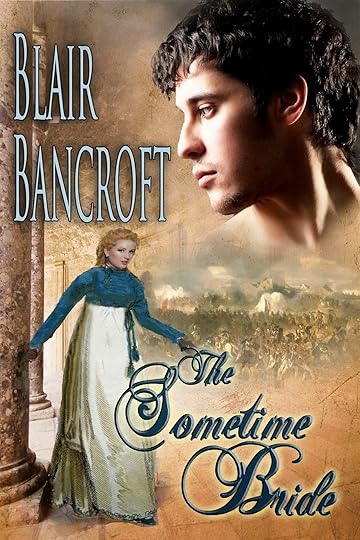
A seven-year saga in which a very young lady marries to save her father, the family home, the family business, and protect Britain's spy network on the Iberian Peninsula. Unfortunately, no one gives herthe key to the mystery man she marries, which leads to a war on the homefront almost as dramatic as the war with France. Book 2 of The Regency Warrior series
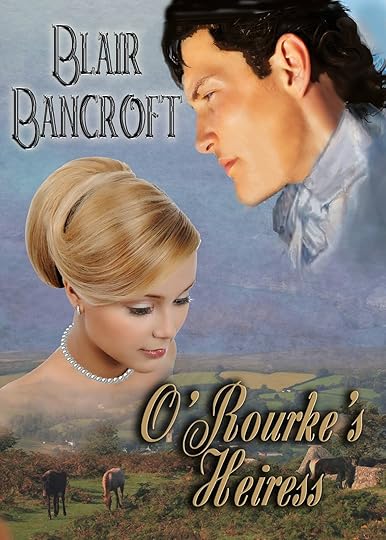
The mysterious Deus ex machina from Tarleton's Wife loses his life-long love to her father's overweening ambition to acquire a title for his daughter. It takes a good deal of high drama in Louisiana, Dartmoor, and London before his life finally comes right again.Book 3 of The Regency Warrior series

The also-ran "other man" in Tarleton's Wife and O'Rourke's Heiress finally meets his match in a Canadian heiress in fear for her life.
(I wrote Tarleton's Wife quite a few years before it was finally
published, so you could say it took nearly twenty years to
find a girl for Jack. Believe me, this was a book I felt I had to write!)Book 4 of The Regency Warrior series
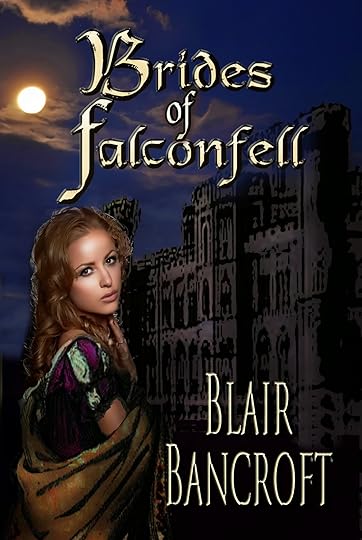 Brides of Falconfell is a Regency Gothic - with all the elements
of the Victorian Gothics so many of us enjoyed reading in the past.
A gloomy mansion, odd characters, unexplained deaths, a small
child, a wife who fears her husband may be murderer.
Fun to write, it seems to be attracting a surprising number of readers.
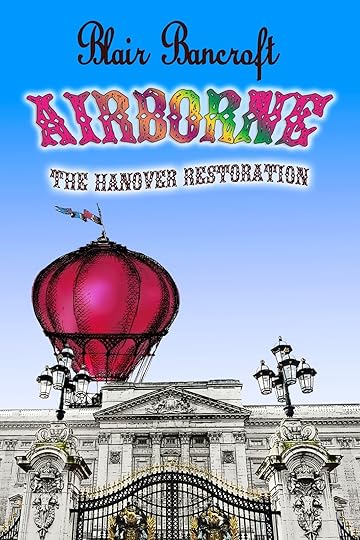
Though set in 1840 and not technically a "Regency," if you take
away all the strange and wonderful machines, Airborne reads like
a Regency, and is almost as squeaky clean as a trad.
A young woman makes a marriage of convenience, only to find
herself caught up in an effort to restore a Hanover -
namely, Princess Victoria - to England's throne.
Blair's Regency Darkside Books
In 2013 I inaugurated a new Regency series, The Aphrodite Academy, because I wanted to explore the problems of the young women of that era who were not as fortunate as the young ladies we read about in traditional Regency novels, and even worse off than the young women in most Regency Historicals. Basically, I wanted to explore the "dark side" of the Regency, taking a look at what might have happened to the young women whose plights are usually ignored in Romance literature.
I have enjoyed this change of pace but admit to making a big mistake when, in an effort to spare my faithful readers' blushes, I created a new pseudonym so they would know this was a real departure from my usual work. I quickly discovered, as J. K. Rowling did before me, that a second pseudonym can backfire, cutting you off from faithful readers. So Rayne Lord got the axe. Below please find a sneak peek at Belle's new cover. But you won't see it online right away as Belle is currently repackaged with Cecilia, Book 2 of The Aphrodite Academy series, and Amazon only allows ONE cover even though there are two books in the Cecilia download. Sorry about that.
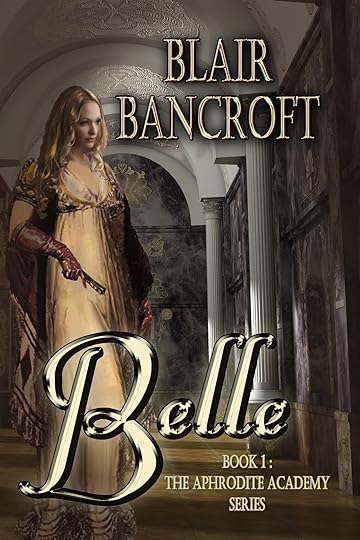 After continuing abuse at the hands of her father and his cronies, a young lady takes refuge at The Aphrodite Academy, a school where a wealthy baroness trains her students with all the skills necessary to become a courtesan of the first stare. Belle's problem - the one man she still admires, the one who helped her escape, is the high bidder for her services.
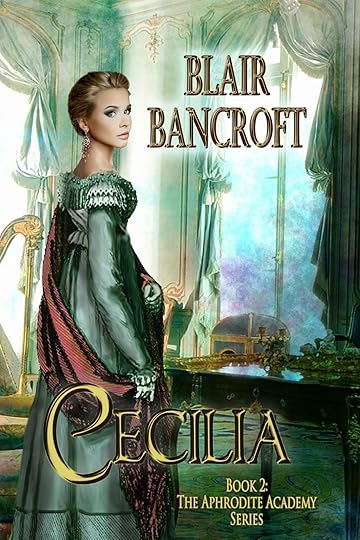 When Cecilia, Belle's headstrong classmate, discovers she has made
a poor choice of protector, she is rescued, broken in body and spirit,
by the notorious and powerful Nick Black, who is still working
on rising above his reputation in London's Underworld.
Grace note:
Hopefully, Holly and Juliana will have their own books over the course of the next eighteen months.
~ * ~
Thanks for stopping by,
Grace
For Grace's website, listing all books as Blair Bancroft, click here.
For a brochure for Grace's editing service, Best Foot Forward, click here.
Grace Note: Please take the time to scroll down to Cecilia, Book 2 of The Aphrodite Academy series, which can be found at the bottom of this list. Cecilia is currently being offered as a Limited Edition Special with Belle. This "twofer" novella package will go on Kindle's Countdown pricing on April 24, 2014.

Above is the newest incarnation of my very first book, which appeared as an e-book in December 1999 and has had a second e-edition, plus two different print editions. Though not consciously intended as "feminist" literature, it could easily qualify, as a young widow attempts to save her husband's property in the midst of a growing Luddite-style rebellion. But just as she thinks she's found a new love, her husband returns home from the Peninsular War - with a fiancée at his side. Book 1 of The Regency Warrior series

A seven-year saga in which a very young lady marries to save her father, the family home, the family business, and protect Britain's spy network on the Iberian Peninsula. Unfortunately, no one gives herthe key to the mystery man she marries, which leads to a war on the homefront almost as dramatic as the war with France. Book 2 of The Regency Warrior series

The mysterious Deus ex machina from Tarleton's Wife loses his life-long love to her father's overweening ambition to acquire a title for his daughter. It takes a good deal of high drama in Louisiana, Dartmoor, and London before his life finally comes right again.Book 3 of The Regency Warrior series

The also-ran "other man" in Tarleton's Wife and O'Rourke's Heiress finally meets his match in a Canadian heiress in fear for her life.
(I wrote Tarleton's Wife quite a few years before it was finally
published, so you could say it took nearly twenty years to
find a girl for Jack. Believe me, this was a book I felt I had to write!)Book 4 of The Regency Warrior series
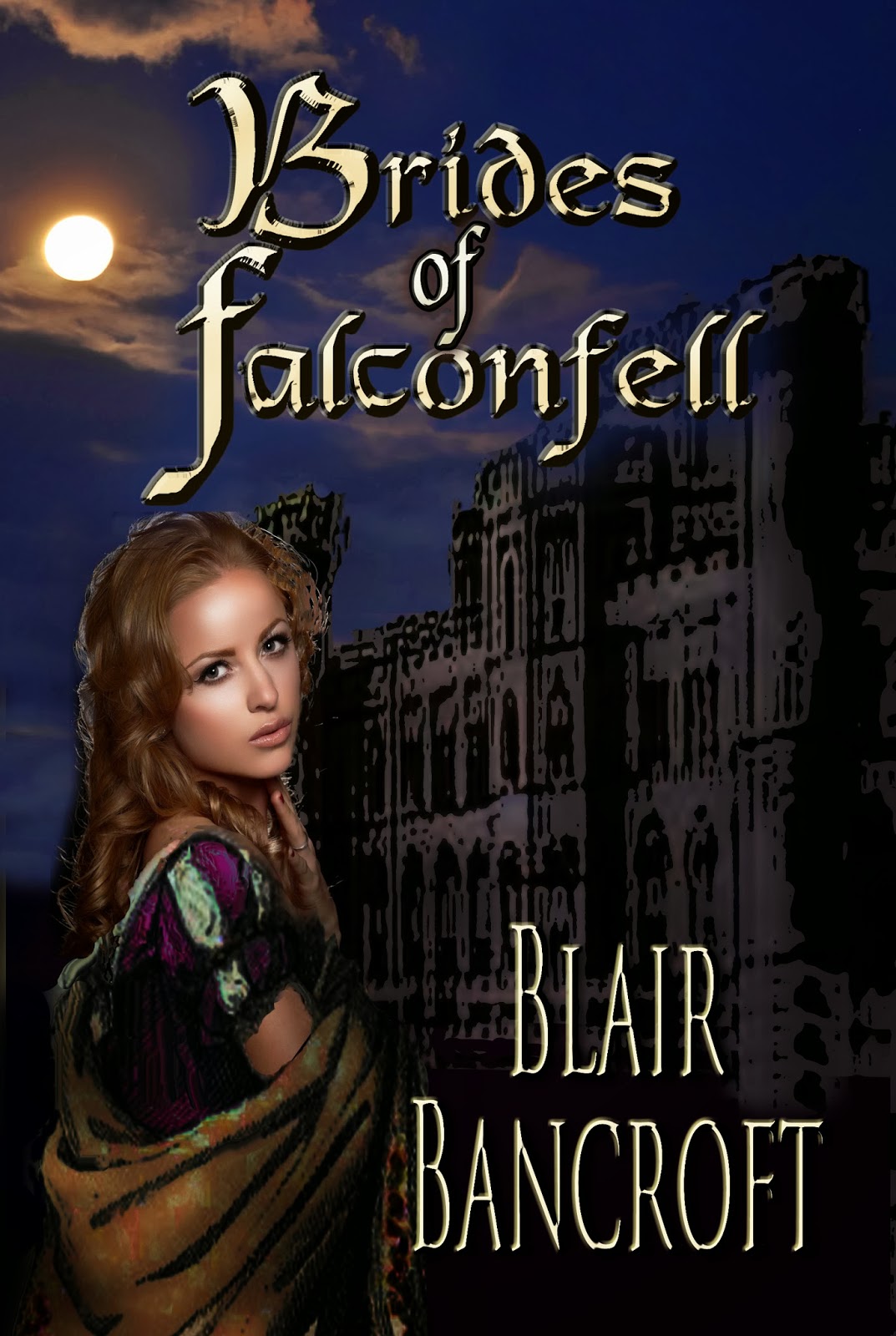 Brides of Falconfell is a Regency Gothic - with all the elements
of the Victorian Gothics so many of us enjoyed reading in the past.
A gloomy mansion, odd characters, unexplained deaths, a small
child, a wife who fears her husband may be murderer.
Fun to write, it seems to be attracting a surprising number of readers.

Though set in 1840 and not technically a "Regency," if you take
away all the strange and wonderful machines, Airborne reads like
a Regency, and is almost as squeaky clean as a trad.
A young woman makes a marriage of convenience, only to find
herself caught up in an effort to restore a Hanover -
namely, Princess Victoria - to England's throne.
Blair's Regency Darkside Books
In 2013 I inaugurated a new Regency series, The Aphrodite Academy, because I wanted to explore the problems of the young women of that era who were not as fortunate as the young ladies we read about in traditional Regency novels, and even worse off than the young women in most Regency Historicals. Basically, I wanted to explore the "dark side" of the Regency, taking a look at what might have happened to the young women whose plights are usually ignored in Romance literature.
I have enjoyed this change of pace but admit to making a big mistake when, in an effort to spare my faithful readers' blushes, I created a new pseudonym so they would know this was a real departure from my usual work. I quickly discovered, as J. K. Rowling did before me, that a second pseudonym can backfire, cutting you off from faithful readers. So Rayne Lord got the axe. Below please find a sneak peek at Belle's new cover. But you won't see it online right away as Belle is currently repackaged with Cecilia, Book 2 of The Aphrodite Academy series, and Amazon only allows ONE cover even though there are two books in the Cecilia download. Sorry about that.
 After continuing abuse at the hands of her father and his cronies, a young lady takes refuge at The Aphrodite Academy, a school where a wealthy baroness trains her students with all the skills necessary to become a courtesan of the first stare. Belle's problem - the one man she still admires, the one who helped her escape, is the high bidder for her services.
 When Cecilia, Belle's headstrong classmate, discovers she has made
 a poor choice of protector, she is rescued, broken in body and spirit,
by the notorious and powerful Nick Black, who is still working
on rising above his reputation in London's Underworld.
Grace note:
Hopefully, Holly and Juliana will have their own books over the course of the next eighteen months.
~ * ~
Thanks for stopping by,
Grace
For Grace's website, listing all books as Blair Bancroft, click here.
For a brochure for Grace's editing service, Best Foot Forward, click here.
March 22, 2014
Independence - Childhood's Great Loss
 Shared on Facebook, source unknown - hopefully it adds a bit of humor to a serious post
Grace Note: The following post is the result of a conversation my daughter and I had as we returned from an outstanding lecture on Communication (interaction with others) by a Brown professor.
Needed: Room to Roam
A great sickness has come upon the land. One never conceived of when the dream of Suburbia became reality after World War II. (And, yes, even though the words "suburb" and "suburbia" have been around since the fourteenth century, they took on new meaning with the great sprawl of tract housing in the 1950s.) I keep telling myself there must still be small towns somewhere where life hasn't changed much. And I suspect children growing up in the inner city have likely been hedged about by restrictions for centuries, but . . .
Most of us live somewhere in the middle, in small towns grown large or in vast suburban tracts, usually divided into enclaves surrounded by walls and, in many instances, barricaded by gates and/or guardhouses.
A few years ago when I spent a whole day at the FBI's training facility in Quantico, one of the lecturers we were privileged to hear told us that the FBI was having difficulty recruiting agents with "street smarts." I.e., men and women who were accustomed to interacting with the world around them. They attributed this failing to the Computer Age. I suggest that it's more complex than that. That the FBI was beginning to see the result of the first generation of "helicopter" parenting. Of parents who found themselves in a world more inimical than the one they grew up in. Or at least it certainly seems so. But whether this problem is due to better communication, the anonymity of urban sprawl, the increasing lack of moral teaching, or a too liberal justice system is beyond my capacity to judge. It simply is, and we must learn to cope with it without binding our children so tightly to our apron strings that they cannot function on their own.
There is also the problem of parents who have become terrifyingly ambitious, thinking to control every aspect of their children's lives, not only to protect them but to see that they do only the "right" things so they can have the "right" friends, get into the "right" schools, etc. Plus the parents who wallow in the litigious age, ready to take umbrage over anything and everything. Or the ultra liberal parents who think every child should make the sports team, be able to hit the ball, catch the ball, make a home run, or whatever.
For heaven's sake, people, be real! Stop trying to live your children's lives for them and let them learn to do it themselves.
Being careful of your child's welfare is one thing. Pushing this concept to extremes, another thing altogether. A few examples:
I write books. How did I get started? I created my first stories to entertain myself while walking home a mile-plus after school each day when I was seven. I was also allowed out of the house to play in the neighborhood all by myself. That was considered normal. Yes, this freedom can backfire. Reliable weather reports were nonexistent in those days. One day I started home from school, only to discover I was in the midst of a blizzard, with the snow already 8-10" deep. Fortunately, I had to pass the high school where my father was principal and one of the high school boys rescued me, carrying me to my father's office. But no fuss was made about it. This was life. Children learned to be independent, even if meant running into trouble occasionally.
When my own children were growing up, we lived on Long Island Sound. Did I worry they were going to run into water and drown? I did not. They learned about water from the moment they were born, took swim classes at the Y, and there never was a bit of trouble. (And no, they did not swim unsupervised.) Did I panic about them climbing on the rocks above the water? I did not. That too was part of the adventure of growing up. We lived at the edge of a seaside community, with a woods and large salt marsh between us and the next community. My children and the other children in the neighborhood ran free in this area, crossing the salt marsh to a candy store on the far side of the marsh, placing pennies to be flattened by freight trains bringing trap rock to barges at a dock less than a mile from our home. We were near the Amtrak tracks as well. And again there was the potential for disaster, one I would have spared my daughter if I could. But the only way to do that would have been to tell her she could never leave the yard without me. One day she and a friend were out for a walk with our St. Bernard. They jumped off the Amtrak tracks when they heard a train coming. Our St. Bernard decided she had to defend the girls from this roaring enemy and stood her ground. After thirty-some years It's still a topic we try to avoid, and yet if I had it to do over, I can't imagine denying my children the freedom to roam. And to experience life, even when it turned on them.
But the present generation is being stifled. And, truth to tell, I wish I knew how to change it. How many children do you know who actually walk to and/or from from school? Yet who can blame parents for picking up their children when the news media bombards us with statistics on sexual predators in our neighborhoods? But do we have to carry the school pickup to extremes? For example, every school in Florida has covered outdoor waiting areas to protect children from our hot sun and our frequent rains. And yet, with two steps from shelter to car, a monitor is there with an umbrella for fear the child might experience a drop or two in transit. Worse yet, if there's so much as a distant thunder rumble, children are kept inside until parents come in and sign a release form before taking their child to the car. And if there is active thunder and lightning, the school goes on lockdown while the parents sit in their cars and seethe. Is this what our litigious age has wrought? Or is it simply the ultra-anxiety of outspoken "helicopter" parents, who seem to feed on imagining the worst and think they are "protecting" their children by controlling every aspect of their lives?
Grace note: if you aren't familiar with the term, "helicopter moms" refers to mothers who hover over their children, scheduling every hour of their days, leaving little room for independence, creativity, making mistakes, etc.
School is just the tip of the iceberg. That has always been organized - or so we hope. But what about "home" time? Many children are now in "extended day," the after-school activities that look after children in the hours between the close of school and their parents getting out of work. This is a wonderful service, but, still, it's "organized."
If not in "extended day," children's lives are carefully controlled by arranged "playdates," organized sports activities, dance classes, karate classes organized club meetings, elaborately orchestrated birthday parties, etcetera. By now the message should be pretty clear. Today's children are suffering from:
1. Loss of Independence
2. Loss of Initiative
3. Loss of Creativity
4. Lack of "Street Smarts" - interaction with outsiders & new situations
5. Loss of the Opportunity to Fail
6. Loss of the Opportunity to Think Their Way Out of Failure or a "Tight" Situation
I suggest the possible results of the above losses could be:
1. Lack of a common sense approach to coping with the unexpected or with adversity
2. A tendency to "follow" instead of "lead"
or perhaps the opposite . . .
3. Overreacting to constant control by rebellion of the worst kind
Below is a link my daughter found on the Internet which beautifully illustrates what today's children are missing. Please take a look.
Click here for the problem in a nutshell
What is the solution? Don't I wish I knew! Acknowledging the problem is a start.
If we can consciously try to find ways to let children have less structure, more time to be themselves, more time to be creative . . .
If we can do this with minimal risks to safety, instead of citing the most remote dire possibility as an excuse for bringing on the Black Hawks to hover over our children 24/7 . . .
Our goal should be to teach our children how to live in this world, good or bad, not protect them so stringently from life that they have no idea how to get by on their own. We need to give our children the tools to cope with life, not hedge them around so tightly they live in a solitary bubble, turning ever more inward for fulfillment, or busting out of confinement into the underbelly of the world we thought we were "protecting" them from.
Do not rely on schools to build strong minds. Their job is academics. It's your job to teach your child how to cope with the rest of the world. And that's a big challenge. One many of us are failing at the moment. We must not live our children's lives for them! (Shades of bad sportsmanship by parents at Little League games, or the father in the Orlando area who jumped in and finished his son's fight against a 16-year-old!) We must give our children the freedom to find their own way, develop their own thoughts, stand on their own two feet, and be able to face what comes their way.
Parents should not be helicopters - or even umbrellas. Hopefully, we're the founts of wisdom, good moral examples, reliable back-up when absolutely needed, and providers of a nurturing environment. BUT - repeat - it is not our job to function as some giant plastic bubble that shuts out the world, making sure our children have absolutely no opportunity to discover that the world consists of bad as well as good.
Please, find a way to give your child Room to Roam!
~ * ~
Thanks for stopping by. I would really appreciate it if you would pass this post along to every parent and grandparent you know with the request for suggestions on how to solve this modern-day problem.
Grace
Next week: Blair's Not-so-Traditional Regency novels
For Grace's website, listing all books as Blair Bancroft, click here.
For a brochure for Grace's editing service, Best Foot Forward, click here.
March 15, 2014
BLAIR'S "REGENCY" BOOKS, Part 1
Blair's Traditional RegenciesSuitable for all ages
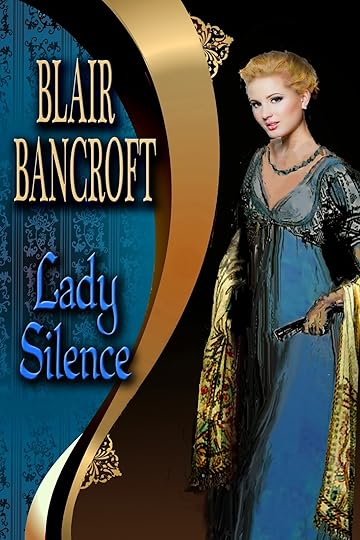
A very young lady must go to extremes to finda safe haven. Years later, it takes a soap operaending to bring her saga to a happy conclusion. Lady Silence was my last Regency before Signet ended the line - and, interestingly, became my most popular e-book. Perhaps readers are
intrigued by the idea of a woman
who can keep her mouth shut!

Two romances for the price of
one. A Peninsular widow makes
a marriage of convenience with
a duke, while her brother
falls in love with the duke's
estranged daughter, who arrives
on her father's doorstep with
a surprising petit paquet.

An engineer and Peninsular War
veteran just wants to build
things, but a series of
disasters force him to become
a "temporary" earl. And to
make matters worse, he has
to deal with the uppity
daughter of a duke.
Signet title:
The Major Meets His Match
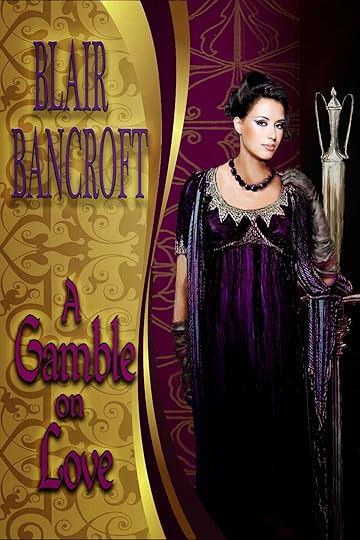
A beleaguered young lady is
forced to hire a solicitor to
find her a husband, with
results she never anticipated, including becoming a
"campaign" wife.
Signet title: The Lady and the Cit

A very proper New England
school mistress is shocked
to discover her grandmother
was a famous courtesan -
and has left her a series
of commissions to carry out before she can inherit
a country cottage in England.
Signet title: The Indifferent Earl
(Marketing thought "courtesan" wouldn't
play well in the Heartland!)
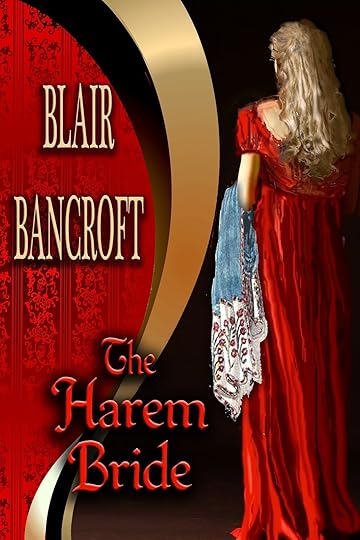
A young nobleman offers marriage to save a new acquaintance from the harem of the Topkapi Palace, only to be warned off his bride by those who "know better." Fast forward ten years, and the problem has festered until Happily Ever After seems nothing more than an irretrievable myth.

A young couple experiences
the hazards of a marriage
of convenience when
neither is experienced
enough to make the
necessary adjustments.
A big thank-you to Ellora's Cave
for taking up the slack when
Signet and Zebra canceled
theirtraditional Regency lines.

A heart-warming Christmas
novella about two emotionally
damaged people brought together
by a "mistletoe moment."

A young woman almost allows a
series of disasters to ruin her life
and the lives of her sisters,
until the Christmas holidays
help her find her way back
to life and love.
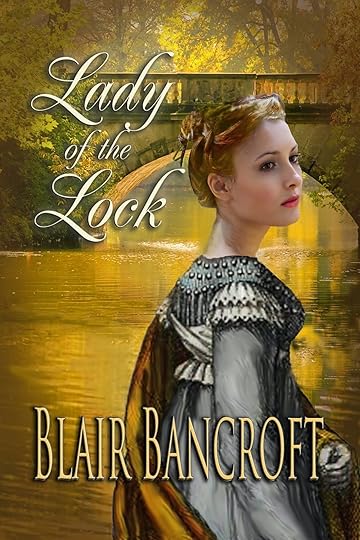
The daughter of a canal engineer and a young marquess establish a life-long friendship at an early age, only to be torn apart by the realities of the Regency world. (Includes authentic details on the building of the Kennet & Avon Canal.)
~ * ~
Grace note: All the above books are in the Jane Austen tradition, suitable for reading by anyone who enjoys emphasis on a wide variety of characters, plus tales of star-crossed romance. Age 14 and up.
Thanks for stopping by.
Grace
Next week: I planned on continuing my inventory of books by listing "Blair's Not-so-traditional Regencies," but I named this blog Mosaic Moments so I could be flexible, and an issue came up this week that takes precedence. So next week's blog topic will be something along the lines of : How Can Children Learn Independence in the Era of Helicopter Parenthood?
For Grace's website, listing all books as Blair Bancroft & Rayne Lord, click here.
For a brochure for Grace's editing service, Best Foot Forward, click here.
A very young lady must go to extremes to finda safe haven. Years later, it takes a soap operaending to bring her saga to a happy conclusion. Lady Silence was my last Regency before Signet ended the line - and, interestingly, became my most popular e-book. Perhaps readers are
intrigued by the idea of a woman
who can keep her mouth shut!

Two romances for the price of
one. A Peninsular widow makes
a marriage of convenience with
a duke, while her brother
falls in love with the duke's
estranged daughter, who arrives
on her father's doorstep with
a surprising petit paquet.

An engineer and Peninsular War
veteran just wants to build
things, but a series of
disasters force him to become
a "temporary" earl. And to
make matters worse, he has
to deal with the uppity
daughter of a duke.
Signet title:
The Major Meets His Match

A beleaguered young lady is
forced to hire a solicitor to
find her a husband, with
results she never anticipated, including becoming a
"campaign" wife.
Signet title: The Lady and the Cit

A very proper New England
school mistress is shocked
to discover her grandmother
was a famous courtesan -
and has left her a series
of commissions to carry out before she can inherit
a country cottage in England.
Signet title: The Indifferent Earl
(Marketing thought "courtesan" wouldn't
play well in the Heartland!)

A young nobleman offers marriage to save a new acquaintance from the harem of the Topkapi Palace, only to be warned off his bride by those who "know better." Fast forward ten years, and the problem has festered until Happily Ever After seems nothing more than an irretrievable myth.

A young couple experiences
the hazards of a marriage
of convenience when
neither is experienced
enough to make the
necessary adjustments.
A big thank-you to Ellora's Cave
for taking up the slack when
Signet and Zebra canceled
theirtraditional Regency lines.

A heart-warming Christmas
novella about two emotionally
damaged people brought together
by a "mistletoe moment."

A young woman almost allows a
series of disasters to ruin her life
and the lives of her sisters,
until the Christmas holidays
help her find her way back
to life and love.

The daughter of a canal engineer and a young marquess establish a life-long friendship at an early age, only to be torn apart by the realities of the Regency world. (Includes authentic details on the building of the Kennet & Avon Canal.)
~ * ~
Grace note: All the above books are in the Jane Austen tradition, suitable for reading by anyone who enjoys emphasis on a wide variety of characters, plus tales of star-crossed romance. Age 14 and up.
Thanks for stopping by.
Grace
Next week: I planned on continuing my inventory of books by listing "Blair's Not-so-traditional Regencies," but I named this blog Mosaic Moments so I could be flexible, and an issue came up this week that takes precedence. So next week's blog topic will be something along the lines of : How Can Children Learn Independence in the Era of Helicopter Parenthood?
For Grace's website, listing all books as Blair Bancroft & Rayne Lord, click here.
For a brochure for Grace's editing service, Best Foot Forward, click here.
March 8, 2014
SOME FAVORITE RECIPES
 Shared on Facebook by "God-des & She" -
Eau Gallie is on Florida's Atlantic coast,
SE of Orlando
SOME FAVORITE RECIPES
World's Easiest Dessert
I have no idea where this recipe originated, but it was posted to Facebook by an old friend of mine from my days in real estate, Judy Gwinn. It's become a favorite of the grandgirls, who beg to make it, as it's not only delicious, it's incredibly easy. As long as you follow the directions exactly. Try it, you'll love it.
1 21-oz. can of fruit pie filling (apple, cherry, etc.)
1 package of Angel Food Cake mix*
* This must be the kind of mix that only requires adding water. Duncan Hines works best for us. BUT . . .
WARNING: DO NOT ADD WATER as the directions on the box indicate. REPEAT: ADD NO WATER TO THIS RECIPE.
Mix the two ingredients together until thoroughly moistened. Pour into a greased 9 x 13 pan. Bake 20 minutes at 350° or until cake puffs up and is golden brown on top.
We eat it "straight," but the original directions indicate that it's great with ice cream on top.
World's Best Artichoke Recipe
No, I didn't name it, but I have to agree. The nicest part, you can play with the ingredients a bit, and it's still good. It was designed for serving the artichokes cold but works fine warm, as long as you make the sauce at least an hour ahead so the flavors mix.
4-6 medium artichokes (about 4 lbs.)*6 qts cold water¼ cup olive oil2 TBspn lemon juice (half a lemon)2 cloves crushed garlic (1 will do, if preferred)1½ tspn salt or Mrs. Dash
*If artichokes are large, you may have to cook them 2-3 at a time.
Trim bottom of artichokes to stand flat. Rinse thoroughly with cold water. Trim spikes with scissors, if desired. (I never bother.) Choose a deep pan that will just fit around artichokes. Crowding will make them keep their shape.** But wait! Before putting them in the pan, pour in 6 quarts of water; add olive oil, lemon juice, garlic and salt. Bring to a boil. Plunge artichokes, flower side down, into boiling water. (If they don't stay that way, don't panic - it never seems to matter.) Reduce heat and simmer, covered, 30-40 minutes or until base is tender. Drain upside down in colander. Serve warm or cold with Rosemary Sauce (for dipping) below.
Rosemary Sauce1/3 cup olive oil2 TBspn cider vinegar1 tspn chopped onion (dry minced is fine)1 tspn chopped parsley1 tspn chopped pimiento (optional)½ tspn dried crushed rosemary***
In a small bowl, combine all ingredients. Refrigerate at least 1 hour before serving. Makes about ½ cup.
*** I use 2-3 sprigs of fresh rosemary, snipped
EATING AN ARTICHOKE: A New Englander for most of my life, I was taught how to eat an artichoke by California neighbors who were at Yale for the year. And, boy, did they think it was funny they had to teach my husband and me how to eat our 'chokes! I still grind my teeth when I think of it. So for those not born in California - you attack an artichoke from the outside in - dipping the fat end of the leaf into the sauce and "skinning" the soft part off with your teeth. You are then supposed to build a nice neat little stack of used leaves on your plate next to the artichoke. (I have never succeeded in having a neat stack - mine always end in a decidedly haphazard display.) WARNING: When you finally get to the center "choke," it has to be cut out with a knife. Do not attempt to eat it! After that, the soft base can be eaten in its entirety, but you'll need a fork to dip the pieces into the sauce.
Asparagus and Grape Salad
A truly delightful salad for family or company. Found in one of the earliest Cooking Light cookbooks (more than a decade ago):
1 lb. asparagus, trimmed
2 cups seedless green grapes, cut in half
½ cup chopped red onion
2 TBspn chopped fresh tarragon (c. 1 tspn dried, if you absolutely must)*
2 TBspn balsamic vinaigrette
1 TBspn olive oil
Blanch asparagus in a large skillet of boiling water 1 minute. Drain; rinse in cold water; drain again.
Arrange asparagus on a serving plate. Mix the remaining ingredients and spoon over the asparagus.
*I haven't tried it, but I imagine other garden herbs could be substituted - mint or even thyme, for example.
Sunday Morning Decadence
I used to make this frequently during the years I was cooking for a growing family. Original recipe title: David Eyre's Pancakes, discovered in the New York Times magazine, many years ago (as the far-from "light" ingredients attest). But does it ever taste good!
2 eggs, lightly beaten
½ cup flour
½ cup milk
Pinch of nutmeg
8 TBspns butter (one stick)
2 TBspns confectioners' sugar
Juice of half a lemon (1TBspn)
Preheat oven to 425°. In a mixing bowl combine flour, milk, eggs and nutmeg. Beat lightly. Leave the batter a little lumpy. Melt butter in a 12" skillet with heatproof handle. When very hot, pour in batter. Bake 15-20 minutes or until golden brown.
Sprinkle with sugar and return briefly to oven. Sprinkle with lemon juice, serve with jelly, jam, or marmalade. Serves 4-6.
~ * ~
Thanks for stopping by,
Grace
Next week: Blair's Traditional Regencies, followed by Blair's Not-so-traditional Regencies
For Grace's website, listing all books as Blair Bancroft & Rayne Lord, click here.
For a brochure for Grace's editing service, Best Foot Forward, click here.
March 1, 2014
BLAIR'S "OTHER" BOOKS
Every once in a while I have to stop and take inventory of the books I currently have available on line. Since I seem to be "branded" as a Regency author - though not without protest - I thought I'd list my "other" books first.
Blair Bancroft's "Other" Books

The Captive Heiress -
a 12th c. Medieval
suitable for all ages, my all-time best seller in the UK.
(And one of my favorite covers.)

Romantic Suspense set in Central Florida - featuring a government agent,
a would-be PI, and a
back-to-nature rollercoaster.

A clever costume designer, a cop, scams, PTSD, and a boat chase on the Intracoastal Waterway play a part in this Gulf Coast mystery.

A damaged Russian ex-pat and an FBI agent on loan to
Homeland Security chase old Russian nukes and each other over settings that range from
the U.S. to Siberia, Iran, and the Caribbean islands.

Exotic weddings & vacations, the Russian
Mafia, Interpol, and a glamorous
troubleshooter add up to a little more
excitement than the residents of Florida's
Gulf Coast would like.

This Romantic Suspense features a
lawyer turned tournament fighter, as
she attempts to recover from abuse in
a story set against an authentic
backdrop of a very active
medieval re-enactment society.

Two people with a lot of baggage—one from New York society, the other a tough product of Florida's outback—are caught in the machinations of a serial killer. Book 1 in the Paradise series.

The ugliness of human trafficking rears its
ugly head in paradise, as an estranged
husband and wife are forced to move from
researching the problem to actually
saving victims in their own back yard. Book 2 of the Paradise series.

A short contemporary romance that is an old favorite, because it's my very first print book (He Said, She Said),and it's set
on Cape Cod. Two mortal enemies, a
homicide detective and a defense attorney,
find that love truly is possible, no
matter how steep the odds against it.
Coming soon:

A princess from a peace-loving planet, who has very special paranormal powers,accidentally instigates a Quadrant-wide rebellion against a powerful empire.(The Sorcerer's Bride & Royal Rebellion to follow.)

While recuperating in Florida, a wounded and grieving FBI agent stumbles into a series of murders at a museum, staged as "art."
~ * ~
Grace Note: My books are available from most online vendors, including Amazon, B&N, Nook, Smashwords, et al.
Thanks for stopping by.
Grace
Coming next: Some favorite Recipes, followed by a list of my many different Regency stories, from trad to "tell it like it is"
February 22, 2014
USING ITALICS 2
 "Cover" of video shared on Facebook by Bradley Haines
Does the picture above look innocuous? Just a snow drift in someone's yard? Click on the link below and see what happens next. Scary! (Origin not given, but believed to be a lake in Minnesota or Wisconsin. I'm told the phenomenon is the result of ice thawing a bit and being blown by the wind. And that it's not uncommon. Yikes!)
https://www.facebook.com/photo.php?v=450597265040568
~ * ~
THE USE OF ITALICS, Part 2
From last week - see Mosaic Moments, February 15, 2013.
1. Forget the underline.
Use italics for:
2. Emphasis
3. Foreign Words
4. References
New this week:
5. The names of a very specific number of things: The titles of books and magazines. Of theatrical works (a play, opera, ballet). A long musical work or long poem. [An individual song, however, is enclosed in quotes, with no italics. Example: She sang the "The Star Spangled Banner."] Also set in italics: the titles of movies, television and radio programs, even famous speeches.
Example: the good ship Lollypop
Example: The New York Times But . . . the Orlando Sentinel*
Example: I saw that dress in Vogue.
Example: the Fauré Requiem
Example: Avatar is much more dramatic in 3-D.
*Italicize "the" in a newspaper title only if it is part of the newspaper's actual name, as is true with The New York Times.
Note: Oddly enough, no italics are used for long sacred works, such as the Bible, the Koran. Also, the names of businesses, schools, sports teams, etc., are not italicized.
6. Date and Location lines. Many authors, particularly authors of historical novels, use a Date & Location line above the body copy in various chapters of their books. Such lines should be Flush Left and italicized. However, as with so many traditional publishing conventions, some e-publishers, and indies, are ignoring the Flush Left, indenting the Date and Location line just like a regular paragraph. The work involved to fix the auto indent for these lines is so minimal I find the concept absurd. My advice: keep with tradition by zapping the auto indent and resetting to zero for that line. [Highlight - Format Paragraph - Indent zero instead of .3 (or.5)]
Another wiggle from tradition: some indie authors are putting the Date and Location line in Bold instead of Italics. Bold stands out well on e-readers, and this is a change from tradition I find more acceptable than failing to adjust the auto indent.
Example:
London, 1817
Note: In Numbers 7 - 12 below, traditional rules and modern practice become murkier. Please keep in mind that I am referring solely to the way things are done in contemporary fiction.
7. Sounds. Most publishers and authors, including myself, put sounds in italics.
Example:**
“You will never again say No to me.” Whack! Another fist to the ribs sent her crashing off the bed onto the floor.
“I pay, you obey.” The marquess rounded the high bed and kicked her in the ribs. Thud!
9. Dream Sequences. It's a common fictional device to put dream sequences in italics. This becomes annoying when it's a long dream, as italics are harder to read. And of course if you want to fool your readers into thinking it isn't a dream, you might want to skip the italics.
So, basically, use italics for dream scenes only if you want your readers to be aware it's a dream and you haven't said so in any other way. Also, when the dreamer is aware it's a dream, italics don't seem to be necessary. For example, the recurring nightmares in the J. D. Robb mysteries are never italicized.)
10. Quotations. The general rule as I learned it many years ago: If the quotation is shorter than three lines, run it into the text and use quotation marks around it. If it is longer than that, indent the margin and use standard type. No italics. (I was even taught to indent both sides of a block quote.) BUT in general usage in this new century, nearly all quotes longer than a line or two are put in italics, block indentation unnecessary. Which places Quotations in the same category as "Referencing" (#4 above). Basically, most long quotes in novels are from letters, and although a few publishers still indent long letters, it appears many do not.
Just remember that you must use either quotation marks, italics, or block indentation to distinguish a letter, poem, or whatever is being quoted, from the body of the manuscript. In the following example, I chose to use italics even for a short quote so it would clearly be a reference and not look like dialogue.
Example:**
Scrawled orders came in a note on Cecy’s breakfast tray, delivered at five minutes short of noon: Carriage wear. Warm, inconspicuous. Boots. Be ready by one. NB
To which she promptly replied: Mr. Black. I must decline your gracious invitation. I own nothing inconspicuous. CL.
11. Thoughts. This is the trickiest one of all—even the mass-market publishers sometimes disagree on how to indicate a character's thoughts. I will attempt to convey the most common, and generally accepted, approach.
Note: Introspection is when a character is thinking, his/her thoughts most frequently recorded in third person (he/she). Introspection also occurs in books told in first-person (I, we).
If all thoughts required italics, then every first-person book would be chock full of them. Which they're not.
Think of the last third-person book you read. Did it have italics every time the hero or heroine thought about something? No, it did not. Because Introspection is not italcized.
If, however, you are writing in third person (he/she instead of I) and your character suddenly thinks in first person: I can't believe I said that!, that's the time for italics. However, that same thought could be expressed without italics in third person: She couldn't believe she'd said that!
In a first-person book, italics would be reserved for something like a sudden direct thought, such as, Yikes! What have I done?
For all those who write in third person, a good rule of thumb is: if it's a first- or second-person thought, use italics. But use them sparingly. Often third-person works as well, if not better. (And never use quotation marks, thus making your main characters talk to themselves. That is a true sign of "amateur hour." Heroes and heroines do not talk to themselves!)
Example:**
Cecy winced. Oh dear God, and here I thought a bit of bright paint and colorful fabric might help. Yet not even the whole of Nick Black’s fortune . . .
Example:**
No, of course not. Not in such a hideous cloak and bonnet. So, merciful heavens, what must the matron be thinking?
That you are what you are, a sinner in search of redemption.
Repeat: If the thought is not "direct"; i.e., simply a statement of what a character is thinking, that is Introspection and is not italicized. For example, I debated using italics for "merciful heavens" but decided it felt more like part of the longer thought rather than a sudden direct exclamation. See also the example below.
Example: A party, Amelia thought, was a perfectly splendid idea.
12. Epithets. If a character thinks an epithet, rather than saying it out loud, many publishers and authors, including me, consider that direct thought rather than introspection and use italics.
Example:**
Hell’s hounds! Why shouldn’t he use her? She worked for him, did she not? Cecilia Lilly was just another tool in his vast arsenal of useful people and clever tricks.
**Quotes are from Cecilia, a Regency Darkside novella, currently in progress.
~ * ~
I have been adding to this list of italics for several weeks now and hope I have caught most of the instances that need italics. If you have more to add, please don't hesitate to comment. I'd like to feel this is a truly comprehensive list.
Thanks for stopping by,
Grace
For Grace's website, listing all books as Blair Bancroft & Rayne Lord, click here.
For a brochure for Grace's editing service, Best Foot Forward, click here.


