Jason SurfrApp's Blog, page 26
January 25, 2015
The theory of the 3 whys
Recently my grandfather told me something that his father told him. I had already heard this exact story, but as a theory of Albert Einstein’s. It turns out, it was actually a theory created by Sakichi Toyoda* in the early 1900s called the 5 Whys.
(*Yes, the car manufacturer Toyota. Why isn’t it Toyoda today? No clue!)
Mr. Toyoda’s original theory is great, but for the sake of progress, let’s assume by asking better questions you can reduce 5 Whys to 3 Whys.
The 3 Whys is precisely what you think it is–asking the question “why?” three times to get to the real root of a question or problem.
Let’s look at an example of The 3 Whys in action:
John Smith (JS) talking to his boss: “I think I need to quit, I really don’t like my job.”
John’s Boss: “Why don’t you like your job?”
JS: “The atmosphere isn’t what it used to be when I started. It feels toxic and I never used to hate showing up for work, but now I do.”
Boss: “Why do you hate showing up for work?”
JS: “The culture that existed when I started working here has changed. It’s just not the same.”
Boss: “Why do think the culture has changed?”
JS: “Well, it’s that new guy, Tom. He’s so negative. He has a comment for everything. He’s frustrating to be around and really hurts our team’s dynamic.”
BOOM! In this fictitious, but incredibly realistic scenario, you can see how asking the question “why?” three times revealed a much deeper and more specific issue. If John Smith’s Boss had just accepted John’s distain for his job without asking why, he could have lost an important employee. Instead, by digging to the core of the issue, he found that John didn’t hate his job at all, he actually had an issue with another employee.
This theory doesn’t just work in fictitious scenarios. I use it fairly often to vet my projects and new business ideas. Here’s an example from when I was co-creating the online learning platform Teachery:
Me: “I want to create an easy-to-use online learning platform.”
My Brain: “Why do you want to create that?”
Me: “Because I’ve looked at other platforms and they all seem too complex and overpriced.”
My Brain: “Why do think other platforms are overpriced and complex?”
Me: “Because they’re not doing things simply enough.”
My Brain: “Why aren’t they doing things simply enough?”
Me: “Because doing things simply is difficult!”
From this little back-and-forth with myself I discovered the crux of how I wanted to build Teachery (simplicity for the end user!).
I’m 100% sure that other online learning platforms have said they wanted to create a simple online learning tool, but I know for a fact most of them (maybe with exception to Fedora) got lost along the way. Maybe lost isn’t the right word. They got distracted along the way with new features and requests.
A few months ago, I read the book Insanely Simple: The Obsession That Drives Apple’s Success. This was well-timed, as I was just starting to build Teachery with my co-founder Gerlando. If keeping things simple is at the core of one of the most successful (and profitable) companies in the world (Apple), then I think it can be a guiding principle for us or anyone creating a product or service.
It’s not a coincidence that “why?” is a very simple question. It’s an important realization that we all need to go a few layers deeper before doing important things. Whether it’s creating a new business, adding a new feature to a product, hiring a new employee, buying something expensive, having a tough conversation with a loved one, etc.
(Disclaimer: please don’t act like a parrot and just say “why, why, why” when having a conversation with someone else, especially a loved one! I don’t want to get in trouble for that. Also, if you want to follow Mr. Toyoda’s original theory, feel free to ask 5 Whys or however many more it takes.)
Try The 3 Whys the next time you’re thinking of making a big decision. Dive a little deeper and see if you should continue moving forward or if you need to start from scratch. It may save you a heck of a lot of time, money, and headaches in the future.
The post The theory of the 3 whys appeared first on Jason Does Stuff.


January 20, 2015
Saying goodbye to the final piece of IWearYourShirt
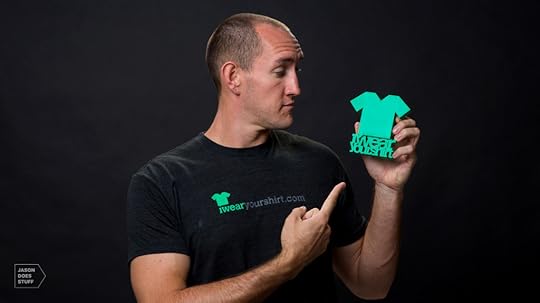
On May 6, 2013, IWearYourShirt stopped actively promoting companies, but I told myself I wouldn’t let it die. IWearYourShirt was my baby and I had poured thousands of hours into it since 2008. Even though I hadn’t worn t-shirts for a living since 2013, I kept telling myself that I could try to help the countless people who email me and ask if they can create their own IWearYourShirt (or get paid to wear t-shirts).
Over the course of nearly two years, an average of 1,500+ people organically signed up for the IWearYourShirt email list every month. In the email marketing world, this is a dream. But for me, this dream was more of a stress-filled roller coaster. As the IWearYourShirt email list continued to grow, and the emails kept pouring in from people, the less I wanted to let go of IWearYourShirt.
Related post from 2013: Letting Go is Hard
By September of 2014, the IWearYourShirt email list had grown to more than 20,000 subscribers. But unfortunately, I was serving an audience that I wasn’t passionate about serving. I tried multiple things in 2013 and 2014 to teach people how to start their own IWearYourShirt—their own sponsored projects. I took on investor meetings and spent months (and lots of money) trying to turn IWYS into a scalable advertising network. I even thought trimming down the list to the most passionate subscribers would help, so I actively deleted 10,000 subscribers.
None of my efforts over the past two years with IWearYourShirt made me happy. Some of those efforts even made other people unhappy, which then made me loathe the company I had once sprung out of bed for. These types of feelings aren’t ones I want to have, and I’m tired of telling myself it will change.
Recently I’ve been trying to drink my own Kool-Aid. I tell other people that you have to build the right list of email subscribers. You have to focus on serving the people you are passionate about serving. I wasn’t doing what I was telling other people to do. I was continuing to spend time, mental effort, and money on a business and list (IWearYourShirt) that I wasn’t fully invested in.
It’s time for me to let go.
It’s time to actually hang up my final t-shirt.
It’s time for me to stop thinking I’m going to reinvent IWearYourShirt and create opportunities for people around the world to make money wearing t-shirts. That’s not what I’m passionate about anymore and I need to pull the plug.
To the outside world it may have seemed like IWearYourShirt was already closed down. If that’s the case, then I did a good job of almost letting go and moving to other projects. But for those of you who were on the IWearYourShirt email list and looked forward to the weekly thoughts and inspiration, I encourage you to join an email list I am extremely passionate about: The Action Army.
I want to thank those of you who have been dedicated followers, friends, and fans. Your support of me and IWearYourShirt has not gone unnoticed or unappreciated. Many of you on this list have been around since the beginning and I greatly cherish your dedication.
Maybe you’re holding on to something that isn’t serving you or bringing you value. Maybe there’s some aspect of your life that you need to sever the final ties. I know from personal experience it’s hard to let go, but it’s worth it.
I’m excited to move on and take all the energy I was spending on something I wasn’t passionate about and apply it to new projects and ideas.
Onward and upward my friends.
The post Saying goodbye to the final piece of IWearYourShirt appeared first on Jason Does Stuff.
January 18, 2015
Significance
Recently, I’ve been reading Tony Robbins’ new book MONEY Master The Game. Tony talks a ton about money (which is queued up for an upcoming article) but he also talks about the six needs of human beings: certainty, variety, significance, connection/love, growth, and contribution. I’ll let you explore the other five, but today I want to focus on significance.
From the time we were tiny-little-baby humans, we have craved significance. It’s an innate trait of human beings. We yearn for the feeling of acceptance and importance.
(Note: I’m fairly certain it’s a trait of all living things, but I can’t speak for the platypuses and narwhals of the world.)
What happens when we post something on Facebook? We watch the likes and comments add up, and with each one we feel more significant. Share something interesting or witty on Twitter? We secretly hope for RTs and favorites galore. If you get tons of email every day, you must be significant! It seems nearly 100% of the Internet was built around encouraging our need to feel valued and validated.
Tony Robbins asks a great question on this:
What’s the root of each our different cravings for significance?
I’ll start with myself. I was often the new kid in school and never felt like I fit in. When I started IWearYourShirt it was—at its core—a way for me to fill that void of acceptance. If IWYS got popular, then I would be popular, and therefore significant!
The only problem? I wasn’t addressing the main issue of my lack of feeling accepted.
Even though I was able to grow a following, gain notoriety in the media, and make money, that original void still existed. If anything, obtaining success just put a glossy new finish over the top of a rusty old problem. Without actually addressing my desire to feel like I fit in, no amount of followers, likes, or money would ever make me feel significant.
So how did overcome my own issue of significance? I wrote a book about it.
It may sound weird, but through the process of writing my book I was able to tackle some core personal issues (with the help of my authoring coach Lizzie and my girlfriend Caroline). There were stories from my childhood I was holding onto. There were feelings of failure I hadn’t shared before. Writing and becoming more vulnerable (read: not trying to always show my perfect self) helped me understand that I didn’t need any outside influences to prove to myself that I was significant. I just had to have an honest conversation with myself, and let go of things from my past.
I don’t know about you, but I hate being introspective. It’s never easy and I often have to swallow my pride. But truthfully, writing about my personal issues was incredibly cathartic. There are plenty of things I didn’t include in my final manuscript, but just writing them down and analyzing them helped me.
I’m sure many of you can relate to feeling like there’s much more to life than your current state of affairs (your job, your relationships, your friendships, your finances). I felt the exact same way. I still do.
You could quit your job, but you’d probably just get another one that would leave you equally unfilled. You could end a relationship, but you’d probably rebound into another unsuccessful one. You could change so many aspects of your life, but if you don’t get to the root of the issue, you’ll never truly make progress.
Listen, I know this topic is more touchy-feely than I normally share. But you know what? I’m a better action-taker in all aspects of my life right now because I worked through these personal issues. I have more clarity of mind and I put way less pressure on myself.
I encourage you to sit down and really think about your life. Do you feel important? Do you feel valued? If not, then dive into your past and see what’s holding you back from feeling significant.
You matter. You are important. But if you don’t believe it for yourself, no amount of compliments or digital pats on the back will help you.
Take some time for yourself today. Be honest with yourself. Peel back a couple protective layers and work through your tough issues. What better time than right now?
You are significant and so am I.
The post Significance appeared first on Jason Does Stuff.
January 13, 2015
I’m going a different direction in 2015
Today marks a step in a slightly different direction for me. For the past few years I’ve been the “sponsorship guy.” My shirts, my last name, my book, a road trip, a fitness challenge, the list goes on and on.
While those projects were great, they are incredibly difficult to replicate and even more challenging to build into a sustainable income. In 2015, I’m focusing heavily on shifting from sponsored projects (trading my time for money) to building products that people can use to grow their businesses, and hopefully fill their bank accounts. Not that money is the most important thing, but let’s be honest—we all have bills to pay!
My first project for 2015 is associated with one you may already have heard of: Invisible Office Hours.
Invisible Office Hours—or IOH—is a podcast with my good buddy Paul Jarvis. You may m be thinking: “Jason, podcasts aren’t new. Why do I give a crap about this?”
That’s a great question and let me tell you why…
Podcasting is a phenomenal platform and I think right now is a critical time in the growth of podcasts. But podcasts are hard to monetize. And most people monetize it by doing what? Yep, you guessed it: sponsorships!
I’ve heard of popular podcasts getting $250 – $1,000 sponsorships per episode. That’s not money to scoff at, but acquiring sponsorships takes lots of time and effort. It also means that you have accountability (at some level) to someone else. Instead of focusing purely on the content of your podcast, you now have to think about creatively tying a sponsor into your show and enticing your listeners to check out their website or use some promo code.
But if a listener of your podcast is tuning in to hear from YOU, shouldn’t you offer them something that gives them more of YOU?
For the first season of IOH we had a sponsor. We made decent money (a few thousand bucks). But we felt like we were selling ourselves short and leaving a lot of money on the table. We also knew that our listeners weren’t just random strangers, they were people already on our email lists, reading our blogs, and buying our products/services. Hey that’s you!
*Light bulb moment!*
Instead of schlepping someone else’s stuff, why don’t we focus the time we would allocate for a sponsor and use it to sell our own products in a unique way? I know that’s not a groundbreaking thought, but here’s where it gets fun…
For Season Two of IOH we’re offering “The Bundle of Awesome.”
So what the heck is The Bundle of Awesome?
The Bundle of Awesome is exactly that: a bundle of awesome (digital) things. We decided that if we were going to promote anything on our show, we wanted it to be stuff we created, products/services we love, and things that will help our listeners grow their businesses. We hand-picked all the items in this bundle and included our courses, books, and products, as well. The total value of the bundle is more than $2,500!
But we’re not selling all these courses, books, awesome discount codes, etc. for $2,500+. Instead, we’re selling it in a way you might recognize…
The Bundle of Awesome just went on sale and the starting price is $1. Once someone buys it at $1, the price will increase to $2. Does this sound familiar?
Yep, we’re using the increasing pricing structure I created for IWearYourShirt to sell The Bundle of Awesome!
You should know that The Bundle of Awesome will only be on sale during Season Two of our podcast. So when the last episode airs in a few weeks, the bundle will disappear forever … never to see the light of day again.
If you’re excited and want to know what’s included in the bundle, click here to see everything that comes with it: http://invisibleofficehours.com/awesome
We’re looking to create a new way to monetize our podcast. Even if you’re the 200th person to buy the bundle, you’ll only be spending $200 to get $2,500+ worth of stuff (my sponsorship course alone is $497!). We’re shifting our thinking from the standard sponsor-an-episode model and hopefully generating way more revenue and way more value for our listeners.
Maybe you don’t have a podcast, but I encourage you to challenge the norm in whatever industry you’re in. I’m sure we could have secured another sponsor or two for our podcast, but even at $500 per episode, we’d only be making $6,000 for our 12-week season. If we sell 200 bundles of awesome we can generate $20,000.
I wasn’t great at math in college, but I do know $20,000 > $6,000.
BUT WAIT… There’s more…
(in my best infomercial voice)
How would you like to be able to add the increasing pricing structure to your own products? Maybe you have an online course, a product you sell, or services you offer that could be a good fit?
Meet Bumpsale, the friendly increasing pricing structure product that can be used by anyone!
Bumpsale isn’t quite ready for the public, but if you sign up for the pre-launch email list at Bumpsale.co you’ll be the first to know when it goes live. The goal with Bumpsale is to make it easy for anyone to utilize an increasing/incremental pricing for ANY product or service. Hopefully even my grandmother could use it! (That is, if she sold stuff online…).
This is definitely the first time I’ve announced two big projects in one week. I have big plans for 2015 and I want you to benefit from them. Whether that means getting $2,500+ worth of stuff at a huge discount, or being inspired and shifting your thinking for your own projects/goals/dreams.
Let’s make this year awesome together!
The post I’m going a different direction in 2015 appeared first on Jason Does Stuff.
January 1, 2015
Jason Zook
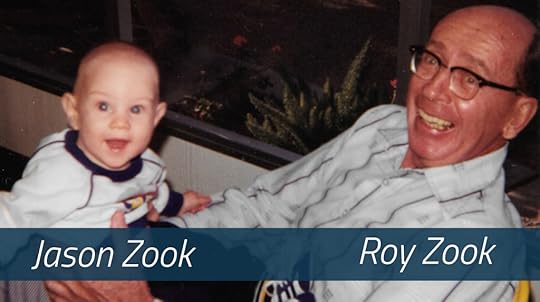
After what seems like years of searching and confusion, I’ve finally found a name that carries meaning. Interestingly enough (to me at least), the journey to get to this new last name is not unlike that of any other entrepreneurial venture: Ups and downs, lots of changes, expenses and an eventual tipping point.
To be courteous to folks who might not care about all the details, my new AND FINAL last name is: Zook. (Pronounced like “look.”)
For the rest of you, let’s dive a little deeper and talk about how I arrived at becoming Jason Zook.
I am no longer Jason Sadler
I want it to be crystal clear, I am no longer Jason Sadler. In fact, since December of 2012 I haven’t been Jason Sadler.
I completely understand that most normal people don’t change their names ever (or maybe once for most women). So it might be difficult for people to sympathize with why I don’t want to be known as Jason Sadler anymore.
Are you going to offend me if you call me Jason Sadler? Yeah, you are, you jerk! Okay, maybe not. But I would ask that if you do know me you could respect the fact that I’d prefer to use my new (and final) name.
A name needs meaning
When challenged with the decision to pick a last name I actually wanted to keep forever, I knew I wanted to pick something that I would be extremely proud of.
Listen, I’m not saying I’m not proud of Headsetsdotcom or SurfrApp – I’m actually more proud of those last names that the ones I carried through my childhood (Stein, Hantzsche and Sadler). Growing up, I didn’t have a stable father figure. Unfortunately, though, I did have to endure their last names. And when one would leave my life through circumstances outside of my amazing mother’s control, I was left with HIS name. A name that carried memories (most often ones I didn’t have interest in carrying.)
So the more I thought about picking a last name, the more I realized that I wanted something that carried great memories. The more I wanted something that made me feel good to share.
Enter, my Great Grandfather: Roy Zook
Who was Roy Zook?
If you talked to my childhood self, I would have told you he was the older guy who sat in his recliner in a home in the retirement community of Sun City, Arizona. He was a tall, slender man who wore glasses and enjoyed crossword puzzles and Triscuit crackers. He had an interesting cough (which our family called “The Zook Throat”). It’s amazing the things you remember as a kid.
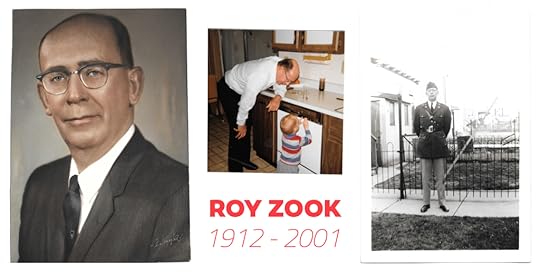
But Roy Zook was, obviously, much more than a Great Grandfather who ate Triscuits and coughed. He was actually quite a brilliant man. How brilliant? Well apparently he was honored with the Nikola Tesla Award in 1973 (presented to individuals who have made significant contributions to the electric utility industry). He was Manager of Cooperative Power Association in Minneapolis, MN, at the time. Yeah, not too shabby huh?
On a recent visit with my grandparents I asked them some questions about my Great Grandfather. I’d let them know I wanted to carry on his last name, but that I also wanted to learn more about him and his life.
Roy Zook, born in Camden, NJ, in 1912. He grew up during WWI and the Great Depression. He married my Great Grandmother, Junice Stromme, in 1942, and they were happily married for 58 years. He served in WWII as a Major, USA Signal Corps, in the CBI (China, Burma, India) Theater. When he returned from overseas, he returned to his job with the Department of Agriculture, Rural Electrification Administration, as an electrical engineer. He remained there until 1963 when he left to become Manager of Cooperative Power Association. He grew that organization from three people to over 100 when he retired in 1973.
Now I certainly don’t have aspirations to work in the power industry, but I have great admiration for what he was able to accomplish throughout his career. My grandmother (his daughter) tells me that he was a very driven man, a very smart man and a hard worker. I’d like to think some version of those traits were passed directly through the bloodlines.
When Roy Zook passed away in 2001, the Zook name ended with him. The more I learned about him and the more I thought of a last name I could be proud of, the more I wanted to become Jason Zook.
A name that almost was: Jason Moorman
I mentioned my grandparents earlier and you may be wondering why I didn’t take their name. Well, as much as I love and appreciate them, they’re fortunate to have another side of the family (my grandfather’s) that will carry the Moorman name forward. Honestly, it’s that simple.
I know my grandparents will read this and I hope they know how much I love them and how grateful I am for their overwhelming support. They get all the credit for the facts about my Great Grandfather! (I only brought the thing about crosswords and Triscuits to the table…)
It feels good to be done with names
I have absolutely zero regrets when it comes to selling my last name twice. It afforded me the luxury of continuing to build my business(es) while also introducing me to new people and new things. Being able to help a couple non-profit organizations along the way wasn’t too bad either.
Some of you might be wondering, “Jason, why didn’t you just take the name ‘Zook’ a couple years ago?”
And to you folks I posit the answer that it wasn’t even on my radar. I was in a different mental state in 2012 than I’m in now. I definitely have a greater appreciation for my past and wouldn’t have had that if I didn’t go on the BuyMyLastName journey. For me, Headsetsdotcom and SurfrApp were stepping stones across the river of my life. Without them I absolutely doubt I would have thought about becoming Jason Zook.
It feels good to be done with names (especially the yearly visits to the courthouse). It feels good to have a name that I’m extremely delighted to carry forward in my life and through the lives of my [eventual] children. I can’t imagine a name I’d be prouder to have.
And in case my myriad of last names is simply too much for you to remember, you can just call me Jason.
The post Jason Zook appeared first on Jason Does Stuff.
December 31, 2014
This year, think reinvention — not resolutions
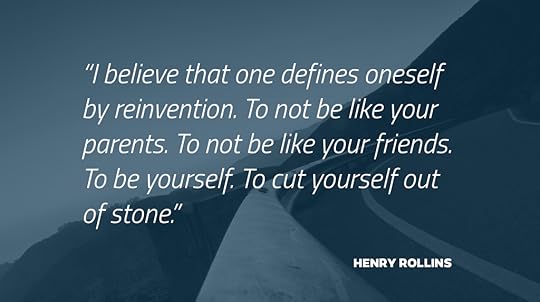
It’s that time of year again. We all do it. We write a list of resolutions and 99.9% of us fail miserably at sticking to them. Trust me, I’m as guilty as the next person. But it’s time to shift our thinking.
Instead of resolutions this year, let’s think about reinvention.
Resolutions are short-term fixes. And, unfortunately, they go uncompleted year after year. This cycle of incompletion dilutes the power of making resolutions, and leaves us buying into a broken system.
Reinvention, on the other hand, is a shift in thinking. For most of us, we’ve never actively pursued reinvention. If we’ve gone through reinvention, it probably fell into our laps or was forced upon us. What if this year we chose reinvention?
Starting a new year is powerful. It brings energy. It brings curiosity. It has the ability to feel like a reset button for life.
While I was writing my book in early 2014, my girlfriend told me she was proud of me. At first I thought she was proud of me because I was writing a book. But then she told me that she had watched me go through a reinvention. For an entire year (before I started writing my book), it seemed that I was on a permanent vacation in Strugglesville, U.S.A. (Not a town you want to stay in too long, by the way.) She watched, and along the way helped me realign my finances, create new opportunities to make money, and address some personal issues that were holding back our relationship. There’s no doubt in my mind that I reinvented myself in 2014.
Now, does that mean I’m Jason 2.0 with a fancy new operating system and shiny new buttons? No. I’m the same t-shirt wearing, stubborn-as-hell, creativity-loving, Calvin and Hobbes-reading, entrepreneurial person. I simply reinvented myself by investing in myself (and by asking for help).
Listen, you aren’t going to reinvent yourself on your own. It’s not going to happen. And unfortunately, you’re not going to lose 20 pounds and eat healthier on your own, either. You need help to become a better, newer, version of yourself.
So what does that mean? Do you have to hire a business coach? A psychiatrist? A personal trainer?
Sit down and get real with yourself:
Write down the big things you want to change about your life (personally and professionally).
Next to each big item you write down, write three smaller tasks that can assist in making the bigger items happen.
Next to each smaller task, write the names of one or two people who could help you with each specific item. Some of the names you write down might be authors, trainers, friends, family, etc. They might be people who have written about the things you want to change. Buy their books or courses, and actually invest in yourself!
Reach out to the people you listed and ask for their help with your personal reinvention. You might only hear from one out of 10 people, but that one person could help change your life.
Being healthier, happier, having better relationships, and making more money doesn’t happen overnight and in isolation. You have to be willing to step out of your cave, past yourself, and enlist the valuable insight of other people.
You didn’t get out of shape in 30 days, and you certainly won’t get back in shape in 30 days.
Your business didn’t fail overnight, and you won’t have astounding success overnight.
You didn’t rack up a bunch of credit card debt out of nowhere, so it will take diligence and effort to get rid of debt. (Impending post about this topic!)
Make 2015 a year of reinvention, not idle resolutions. If you need a complete overhaul, then sit down today and make a plan to drastically alter your life. If you need a boost or a shift in thinking, reinvent a small piece of your life.
No matter which direction you need to go with reinvention, make sure you break it down into bite-size changes. Small, actionable tasks can lead to huge, victorious successes.
The post This year, think reinvention — not resolutions appeared first on Jason Does Stuff.
December 2, 2014
The Best Books for Entrepreneurs and Creative Thinkers
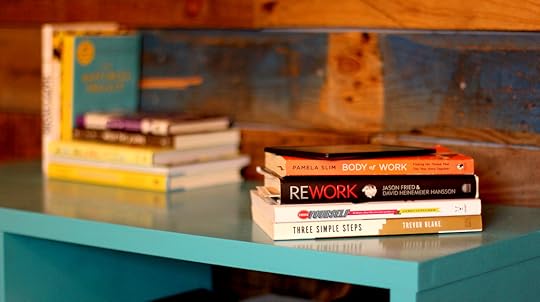
I want to preface this list of the best books for entrepreneurs and creative professionals by saying I despised reading books up until 2013. There was something about sitting down and reading a book that felt like I was wasting time. It felt like I could be doing so many other worthwhile things. Then I realized something: No one was forcing me to finish reading a book if I didn’t like it.
It may sound silly, but I’m willing to bet we all carry some baggage of being forced to read crappy books in our younger years (and the subsequent book reports that followed them, ugh). I finally ditched that baggage.
Below is a list of my favorite books for entrepreneurs and creative thinkers. I’ll continue to update this list as I continue to read books. I purposely didn’t number this list because my ranking scale changes depending on what I’m doing in my entrepreneurial life. I did however separate the books into three categories: Inspiration, Knowledge and Getting Unstuck.
*I’ve included my affiliate link and a normal link to purchase any of these books on Amazon. I probably make $0.35 if you use my link and it doesn’t cost you anything extra. No hard feelings if you don’t want to use my affiliate link.
Rework
by Jason Fried & David Heinemeier Hansson (My Amazon Link / Just Amazon)
A business book with pictures! The talented Mike Rohde penned images that went along with Jason Fried’s book about rethinking the way business is done. I’ve read Rework twice now and I think typing this mini-review will actually get me to read it for a third time. ‘Nuff said.
Steal Like an Artist
by Austin Kleon (My Amazon Link / Just Amazon)
I can’t remember exactly how I found Austin Kleon’s work, but I’ll assume it was through my girlfriend and give her the credit. Austin does these really cool blackout poems and reading those led me to his first book Steal Like an Artist. If I could pick a style of book to read every single day, it would be the way Austin does his books. Lots of huge hand-drawn images, quotes and photos. Poignant writing that resonates with my inner creative. This book was also the inspiration to do a “French Flap” on the first edition of my paperback book as well. Show Your Work is another awesome book from Austin Kleon and I’d highly recommend buying the paperback versions of his books (it’s worth it!).
The Circle
by Dave Eggers (My Amazon Link / Just Amazon)
I can’t take credit for finding what is my favorite fiction book I’ve ever read. Yes, you read that correctly: favorite. My good buddy DJ Waldow recommended this book to me and it was unbelievably good. If there was a 5-star rating scale, it would get 36 stars. This is one of the only books I’ve ever read that I simply couldn’t put down. Want to question everything you know about your digital life? Dig into this book!
The Purple Cow
by Seth Godin (My Amazon Link / Just Amazon)
I’d be remiss if I didn’t include a Seth Godin book in this list. I’ve read almost of all of Seth’s books, but The Purple Cow is the book that had the most impact on me. It really showed me it was okay (and necessary) to stand out from the crowd. You certainly won’t read a bad book by Seth, but this one is my absolute favorite. And fun fact, Seth got denied by over 900 publishers before getting his first book deal.
The Lean Startup
by Eric Reis (My Amazon Link / Just Amazon)
This is the only book on my list that I openly admit is boring. I’d be lying if I said I crushed through this book. However… I think The Lean Startup is one of the absolute best business books of our time (digital age). The lean methods discussed in the book have changed everything I know and implement with my businesses. The word “iteration” has become a staple in my vocabulary because of this book. Buy and read this book if you care about your current or next business.
The 22 Immutable Laws of Marketing
by Al Ries and Jack Trout (My Amazon Link / Just Amazon)
Everyone wants to know the next great marketing trend, tip, trick or tactic, but the best marketing advice you’ll ever learn can be read in this book. Like other marketers, I’ve probably read this book four or five times. Every time I read it a small light bulb goes off for me. It might be a simple customer service thing I’m not doing or a new idea comes to light. This book is a must read if you do any marketing of any kind (and we all do!).
Everything I Know
by Paul Jarvis (My Amazon Link / Just Amazon)
You may notice that I do a bunch of stuff with Paul Jarvis nowadays. Well, that wasn’t the case when I read his book Everything I Know. In fact, I took a free course he made called My Damn Book and his final email after taking the course offered his book as further reading. I knew I was in his sales funnel, but couldn’t do anything about it. Reading Paul’s book was like talking to a friend about my entrepreneurial life. It’s a great read, especially if you’re a freelancer or creative professional.
Creativity, Inc.
by Ed Catmull (My Amazon Link / Just Amazon)
Funny enough, I’d seen the cover of this book tons of times while putting my own book (Creativity For Sale) on Amazon. Every time I search for my book or needed to update something, this book popped up. For some reason, even though I’m a huge Pixar fan, I never thought to buy the book and read it. Then my good friend Drew Himel said he read it and I should too. I’ll admit, I didn’t tear through this book, but it was extremely interesting. I loved seeing behind the curtain of Pixar, its origins, the huge acquisition by Disney and some great behind-the-scenes looks at Steve Jobs.
Body of Work
by Pamela Slim (My Amazon Link / Just Amazon)
This book helped me find the courage to write my own book. I’m fortunate to know Pam and after reading her book had the pleasure of speaking with her. She showed me how to deal with the failures of my past and to embrace the successes that came along with them. If you’re feeling lost (or know someone who is), I can’t recommend this book enough. To be clear, it’s also a great book even if you don’t feel lost and has nothing to do with book writing.
Choose Yourself
by James Altucher (My Amazon Link / Just Amazon)
During my “feeling lost” months in 2013 someone introduced me to James Altucher’s Facebook page. He pours his heart out through his writing and I can really relate to that. He also seems to be an entrepreneur with an insasiable appetite and I can relate to that too. My good friend Clay Hebert was nice enough to send James a copy of my book and after reading it he asked me to be a guest on his podcast. Since I knew he’d read my book, I decided to pick up his book I’d seen everywhere. If you’re a fan of James, you’ll absolutely love Choose Yourself. He writes just like he talks (and thinks), so be prepared for a lot of tangents and random thoughts.
Three Simple Steps
by Trevor Blake (My Amazon Link / Just Amazon)
It seems some of the best books I read come recommended from friends. Three Simple Steps is one of those books and I can thank my buddy James Robert Lay enough for this one. This book does a great job of walking you through actual steps that can help you find your “thing.” Trevor’s story is inspiring, but comes with lots of practical advice. I will admit I didn’t crush through this book in one sitting, but books in the “Getting Unstuck” category typically are hard to read because they bring up a lot of difficult thoughts and feelings.
# # # #
I hope this list helps you or the creative entrepreneur in your life. If you want to suggest books, feel free to email me, but know I won’t suggest something unless I actually read it and enjoy it.
The post The Best Books for Entrepreneurs and Creative Thinkers appeared first on Jason Does Stuff.
November 17, 2014
I failed P90X, but here’s what I learned
A few years ago I spent about $150 on the entire P90X DVD set. This included all the DVDs, nutrition guide, the official protein powder and a set of workout resistance bands. The late night informercials finally convinced me that I was going to look like Tony Horton and all the successful “beach body” people in just 90 days.
Once my package of death (I mean, P90X package) arrived I had all the tools at my fingertips to get in amazing shape and become a much healthier person.
Spoiler alert: I only made it to P33X.
For those of you who might not be familiar with P90X, it’s a set of workout videos and a nutrition plan all guided by this ridiculously in-shape personal trainer named Tony Horton. You may notice the “90″ in the name, and that’s because it’s supposed to get you ripped and in “beach body shape,” in just 90 days.
When I popped the first DVD in, I expected to start at P1X; Day one. Something really simple and really doable. Instead, I was met with a full-blown 52 minute chest and back workout, that included a 6 minute warmup. By the end of the warmup I was drenched in sweat and I felt like my heart was going to explode (not a good sign). I knew I was out of shape, but this made me feel like I was fighting a painfully impossible up-hill battle.
While Tony Horton and all the other incredibly beautiful people in his workout videos were in great shape, I was not.
I will give credit to Tony Horton. Throughout every single workout video, he tells you to “do your best and forget the rest.” He shows you exercises you can do if you can’t do pull-ups, push-ups, whatever. It seems like he tries to talk to people who are incredibly out of shape and give them hope and inspiration.
So I stuck with Tony. For 33 grueling days, I shoved DVD after DVD into the black box on my TV stand, and I did my “best” and tried my hardest to “forgot the rest.”
Only, my best never got to be good enough. And during every single punishing minute of every workout all I could think about was the rest.
I spent 33 days trying my hardest to keep up with Tony and the other people in his workout videos, only to feel like I wasn’t good enough every single day. After that 33rd day, I finally gave up. It was after the stupid “Ab Ripper X” workout. I remember it like it was yesterday. I stopped mid “Crunchy Frog,” turned off my TV, tossed my remote aside in disgust, collapsed on the floor and threw in my sweaty towel on P90X.
For many of us, this is the same experience we have with things associated with our businesses. Maybe you’re just getting started and you feel completely overwhelmed or you’re an existing business and you feel like you’re stuck climbing never-ending uphill battles.
We all need to work at our own pace.
One thing that always killed me with P90X was that I felt like I was constantly behind. I was never doing enough reps of an exercise. I had to take frequent breaks while Tony and his crew moved on to another exercise I could barely do. Eventually I skipped large portions of the workouts because I felt so defeated. I don’t think the pause button on my remote ever got so much use.
In business you can feel the same way. Maybe you’ve laid out a specific launch plan or marketing strategy? As soon as you dive in (P1X) you find yourself overwhelmed, intimidated and hating the experience. All you want to do is quit.
If you’re trying to model your business after a successful business in your space, it can feel impossible. If you’re just trying to keep your current business afloat with new approaches or strategies, it often feels like nothing is working.
This is the problem with trying to work at someone else’s pace, using someone else’s tips, tactics and whatnot. You need to understand who you are and in what environment you work the best. Just because something worked for another business doesn’t mean it will work for you.
Does it have the chance to? Sure. But if you’re not comfortable with the pace of whatever it is you’re working on, you’re never going to stick with it.
Just because another business or person can do something the P90X way, doesn’t mean that’s the only way it can be done. Take the bits and pieces you like, if any, and apply them to your own work. You definitely don’t want to get discouraged and give up.
As I mentioned, I only ended up doing P33X of P90X. I realized I could do much easier (and less time consuming) workouts and still see results. The process of starting P90X, while not my favorite experience ever, did lead me to successfully getting back in shape in my own way and at my own pace.
You won’t always hit a home run.
I’m not even a baseball fan, but I completely understand the sport, and I know players won’t always hit home runs (maybe if they did, I’d actually like it?).
Sometimes they only hit triples. Sometimes they only hit doubles. Sometimes they only hit singles. Heck, sometimes they even bunt the ball. Triples, doubles, singles, and bunts are perfectly acceptable outcomes when a batter stands at home plate. The only thing they need to avoid is striking out.
When I watched the P90X videos, and I certainly did a lot of watching while catching what seemed like my last dying breath, it felt like I was watching a bunch of home run hitters. No one struggled like me. I simply couldn’t relate to the people on screen that were supposed to inspire me.
What you don’t want to do with your business, the promotion of your next product or service, or your next marketing strategy is strike out. Yes, you might swing and miss on a few things here and there, but you should be able to learn from your mistakes without moving so quickly in the process that you’re bound to repeat them.
Timelines will change and that’s okay.
I completely understand the structure of P90X and how it works. The problem is that not everyone is wired like Tony Horton and his band of merry fitness freaks (er… merry men and women).
Because I felt so discouraged in the beginning and still felt discouraged on Day 33, I didn’t think 90 days would be realistic for me and I gave up. In business, it’s easy to set goals and milestones, but it’s nearly impossible to hit them perfectly. There will ALWAYS be things that come up and delay the process. Knowing this ahead of time and not handcuffing yourself to these things will keep you sane and able to deal with adversity when (not if) it comes.
I also never felt like I was celebrating the small victories in P90X. I only ever felt behind. With your business, you should appreciate and enjoy the small successes that come your way. You should embrace the journey to reach your bigger goals and not loathe every single sweaty moment of the process.
Taking some action is better than taking no action.
Doing P90X led me to creating my own workout and nutrition plan that worked for me. Had I not made the commitment to at least try P90X, I never would have given up at it and tried something else. I guess I do have to thank Tony Horton’s abs for that.
We all have fears and feelings of resistance when it comes to our businesses. The key is trying to mitigate those thoughts and feelings. To understand that they exist in our minds and to push past them and at least do something.
Whether you’re just getting started or have a huge plan of attack, the best thing to do is start. From there you can analyze and adjust as you go. You will make mistakes, hit bumps in the road and eventually start to see success.
The post I failed P90X, but here’s what I learned appeared first on Jason Does Stuff.
November 12, 2014
Announcement: I’m Moving to San Diego!
I’ve got some pretty huge news…
I’m moving to San Diego in January 2015!
Say whaaaaaaat??? Yep! For those of you that know me or know my story, you know Jacksonville, FL has been the place I’ve lived the longest (I’ve been here for 14 years!).
I started my entrepreneurial journey in Jacksonville. I met the special lady in my life in Jacksonville. I’ve made some amazing connections in Jacksonville. This place has been very good to me.
But, it’s a big world out there and it’s time to continue to explore it.
After a 3-week cross country road trip earlier this year, my girlfriend Caroline and I decided that we wanted to spread our wings and live somewhere else. It’s the perfect time for us to make this type of change because we don’t have kids (just our awesome pup Plaxico) and we both work for ourselves.
There were a few cities on our list, but we simply couldn’t stop thinking about how beautiful and well located San Diego was. Florida is beautiful as well, but let’s be honest, 100 degrees and 97% humidity during the summer months is rough.
There are a few things I want to share with you that helped me make this huge life decision:
Change is hard, but good.
I’m a firm believer in challenging myself and getting outside my comfort zone. I travel fairly often and in every city I visit I meet new people, find new inspirations/motivations and love the energy a new place brings.
I know we’ll have a ton of adjustments to make, but I’m also certain we’ll meet some amazing new friends and have some incredible new experiences.
I don’t want to lose my curiosity.
In some ways, I think being comfortable is debilitating. It relaxes you. It can make you complacent. It can deter you from being curious and trying new things.
I can’t wait to explore an entirely new city. Heck, I can’t wait to explore the entire West Coast! I have no clue what we’re going to find, but I’m excited to drive up the PCH, spend time in the Northwest and just soak it all in.
Nothing is permanent.
Most people are scared to move because it feels so permanent. We have a 12-month plan for this move. We want to feel it out and reassess after a year. If it sucks, we’ll move somewhere else (or back to Florida). If it’s awesome, we’ll stay.
We have complete control of our future and that’s something we don’t want to take for granted because we know we won’t always have that control.
And last, but certainly not least…
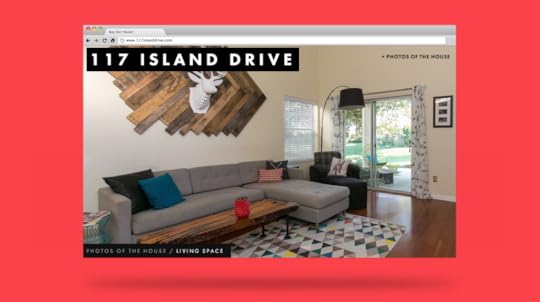
We have a house to sell! In true entrepreneurial fashion we’re going to sell our home ourselves and in our own unique way. If you know anyone who might want a simple home in a beautiful beach town, please send them to 117IslandDrive.com.
The post Announcement: I’m Moving to San Diego! appeared first on Jason Does Stuff.
November 10, 2014
What I learned from a 30-day social media detox
Most people won’t admit how much social media means, or has meant, to them. For me, social media has been my life since 2008. I’ve built multiple businesses using Facebook, Twitter, YouTube and other platforms to garner attention, build community and generate revenue.
After six years of heavy social media use (read: nearly every waking hour of every single day) it was time for a break. I was fed up with losing control of my feeds. I was upset with my diminishing social reach due to networks bursting at the seams with users. I also started to become cynical and jealous of people. So for 30 days, I quit social media cold turkey and implemented a self-imposed detox.
The following is a daily journal I kept on the notes app on my iPhone during the 30-day social media detox. If you want to skip the journal, click here to read my final thoughts.
Day One:
*As a heads up, this first journal entry is longer than others.
My morning ritual had changed in previous months from waking up and checking all social networks and email, to only checking Instagram. But on this day, I didn’t even touch my phone and went straight to making coffee. Normally I’d stand in the kitchen, scrolling through feeds and clicking notifications, but on this day I thumbed through The Essential Calvin and Hobbes (my form of meditation). I felt the boyish smile on my own face as I flipped the pages of one of my favorite books. From there, it was time to go to my upstairs office and pull the plug.
As I sat down to on my giant blue yoga ball and flipped open my Macbook, I placed my coffee on my desk and grabbed my iPhone. I swiped it open, stared at the social media icons littered across the Home screen and pressed my finger on one of them. The icons started to shake and the little “x” bubbles appeared. With a confident ferocity I removed Twitter, Facebook, YouTube, Vine, Pinterest, Google+ (although never used) and finally Instagram from my iPhone. None of the apps were opened before deleting, they were simply removed (thus also removing any lingering push notifications I’d get on my phone). This would be the first time since 2008 that I wouldn’t have the Twitter and FB apps on my iPhone.
From there, I closed my phone and moved to my laptop. I moved my mouse to my Bookmark Bar in Google Chrome and deleted the shortcuts to FB and Twitter (the only social sites in my toolbar). I typed my Facebook URL into the address bar and quickly navigated to my Settings, while opening another tab to Google “How to turn off all Facebook notifications.” Ten seconds later I had turned off email notifications. I closed those tabs and moved to Twitter. One click to Settings and another click later, email notifications were turned off for Twitter as well.
All notifications were turned off. All apps were removed. And I felt an immediate feeling of freedom.
It was as though I’d lifted a 900-pound silverback gorilla from my back. I could feel myself wanting to go to Facebook, Twitter and Instagram, especially on this day because I had just relaunched my personal website the day before (the timing was not only impeccable, it was planned).
After what felt like a few grueling hours, I had spent 30 minutes answering emails. One of my first realizations was just how much time can be wasted browsing social networks without knowing it. I could feel myself wanting to sneak a peek at Facebook, so I decided to get up from my desk and run an errand.
You’d think getting in a car would be an escape from social media and technology, but most of us don’t even realize how much we’re checking things while driving. I probably glanced down at my phone 20 times during the course of an eight minute drive. Then I hit a stoplight. Like a drug addict reaching for his/her fix, I scooped my phone up from the cupholder and swiped it open. It wasn’t until I was staring at a barren Home screen, devoid of red notification icons, that I realized what I was doing. I closed the phone and put it back in the cupholder. As I moved my gaze from the center console to the front windshield I took notice of how beautiful of a day it was. Not a single cloud in the sky and the trees on the sides of the road slowing swaying back and forth in a cool Florida breeze. I rolled down the windows and took the moment of beauty in, completely understanding how often I take for granted amazing weather and a moment of stillness.
Making my way back home I decided to swing through Starbucks to grab a cup of coffee. After placing my order in the drive-thru lane, I happened to look in the sideview mirror and take notice of the lady behind me. From the time I pulled forward from the drive thru speaker, I barely saw her eyes come up from her phone one time. Not while she placed her order. Not while she pulled around a tight corner. Not even while waiting in line. It was at that moment I decided to pay for her drink. Selfishly it wasn’t even because I wanted to make her day better, but I did it in hopes that she’d look up from her phone and acknowledge the gesture (or heck, just something else in the world). I paid for the drinks, pulled up, watched her take her [free] drink and was shocked. Not once did her demeanor change or her laser-vision locked on her phone. I shrugged my shoulders and drove home.
The remainder of the day was filled with answering emails, writing a few articles and little fixes with my new website. Typically I close my email inbox at multiple times throughout the day to focus. On this day I caught myself checking email on my phone more often than normal.
The first day of my detox ended with a feeling of relief and freedom. I was relieved that I hadn’t caved and secretly checked one of my social accounts. And I had a sense of freedom from the shackles of notifications and rabbit holes of links, photos and feeds.
Fun note: My iPhone battery was at 52% at the end of the day. Prior to that day, I hadn’t come close to going even half a day without needing to plug my phone in and charge it.
Day Two:
I woke up in the morning and reached for my phone. Again, my ritual had been to scroll through my Instagram feed upon waking up. I swiped my phone open only to remember Instagram was no longer there. I don’t recall how long it was, but I stared at my home screen in bewilderment for quite awhile. What else can I do on my phone? I thought to myself. I checked ESPN.com on Safari and snuck a quick peek at my emails. I felt dirty for looking at my emails.
I got up and started my day like the previous one; making coffee and reading Calvin and Hobbes. When my coffee was done I headed to my desk and opened up my email (now with less guilt). I had quite a few emails from people who were interested in my social media detox. Funny enough, multiple people sent me the “Can We Auto-Correct Humanity?” YouTube video:
I was about 20 seconds in before realizing I had gone to YouTube, a site I was going to stay off for the month. Crap! I felt dirty again.
This brought up a conversation with my girlfriend about YouTube being part of the detox. I decided I would finish watching that video because it was outstanding. But after that, I would abstain from YouTube, mostly due to the time-suck of it.
Throughout the day it felt like things had slowed down considerably. It just seemed like I had much more time than normal. This would become a recurring theme of the 30 days.
Day Three:
This day brought about the first big takeaway from my detox:
So often in my social media life I kid myself into thinking I don’t care how much response something I post gets. Often times I’ll write and rewrite a status update or tweet many times, hoping that my cleverness, insightfulness or humor will get more attention.
We all do it. We’ll take a photo of something, look at it, not like it and take another (or 10 others). We want to capture the perfect moment or share the wittiest update. All because we want the most positive response possible. It’s simply human nature and what social media has done to amplify the feelings of acceptance. I could already feel the freedom from worrying about posting something and hoping it would get Likes or Retweets.
Today was the first day I was acutely aware of just how many email notifications I get from social media. One of my email inboxes, which usually has 50-100 messages in it per day was dead quiet. Not a single email came to that inbox. It was shocking when I realized how much of my attention and mental energy probably got sucked away every day just because of that inbox.
I was also noticeably happier today too. Not that I’m normally unhappy, but I often feel stressed or strained. I could sense myself feeling happier (if that makes sense).
Day Four:
This day was a Saturday, one I spent the majority of cleaning and organizing my house. On most Saturdays I try to stay off the Internet, but it rarely happens. This day I was fairly busy, so my phone and laptop were mostly left untouched.
There was a moment later in the day when I finally made the decision to get rid of my entire DVD collection (over 350 DVDs). I took a before and after photo of my DVD shelf. I wanted to share my big decision to let go, only to think to myself: Who cares? I mean, I guess I could inspire someone else who’s holding onto to something that doesn’t have much value anymore. But instead, I kept the photos for my own memories and moved on.
As a quick aside, 350 DVDs being sold to MovieStop are only worth $490 in store credit or $225 in cash. I chose the cash. Also, the process of selling this many DVDs took about four hours, which was about three hours and 58 minutes longer than I wanted to be standing in a MovieStop store without anything to distract me on my phone.
This was the first day my iPhone felt more like a brick in my pocket than a time-wasting device. I honestly couldn’t even think of anything else to do on my phone but keep refreshing my email. It’s kind of silly in retrospect since I had the entire Internet at my fingertips, but all I could think about was wasting time on social media sites.
Day Five:
Sundays are the days I sit on the couch for 90% of the day. I’m a huge NFL fan, especially NFL RedZone. Normally I’d tweet something to show my support for the ailing Jacksonville Jaguars, but on this day I simply kept it to myself.
I did get an email from a longtime IWearYourShirt community member named Joby. He’s a Pittsburgh native and emailed me a tweet he posted talking trash to me (since the Steelers were playing the Jaguars). I loved his commitment to talking trash and emailed him back some emojis or something silly.
I miss Instagram. It’s the only social media site that I keep wishing I could check. I think that’s because there’s almost zero negativity, complaining or criticism in my photo feed. Instead, it’s just beautiful landscapes, cars, people doing cool stuff and random food and art I love. I will definitely be back on Instagram immediately after this detox is over.
Day Six:
A Monday, typically my most active day on social media, was interesting.
I crafted my weekly newsletter to my email list (an explanation of my 30-day social media detox). Normally my email gets posted on my blog and I share it via Twitter and Facebook. On this day, my email was published on my blog and that was it.
I usually receive 5-10 replies to my weekly emails. This email received 72 replies. Many people had no clue I was doing a 30-day social media detox. Even though I’d posted it on all my social accounts the previous week, this goes to show the limited reach of a single update on Twitter or Facebook.
I spent quite a bit of time replying to emails, almost all of them encouraging. Multiple people said they were going to start a detox of their own (though only one person was willing to commit to 30 days).
One thing I did notice myself doing way more than normal on this day was checking my website’s traffic and my MailChimp analytics. Truthfully, I rarely ever checked either of those things. I could feel these becoming the new vanity metrics, replacing likes, comments, favorites, etc. I did my best to catch myself refreshing these accounts and moving my attention elsewhere.
Most Mondays end with the feeling of hoping for more. Hoping more people would have enjoyed my weekly newsletter. Hoping more people would have liked it on Facebook. Hoping more people would have tweeted at me about the content. I was actually perfectly happy with the response and enjoyed not worrying (as much) about what people thought.
Day Seven:
One week into my detox, an experience on this day would lead to one of my biggest takeaways about my current disdain with social media.
While driving to get coffee, my girlfriend checked her Instagram account and asked me if I knew the name of someone who had followed. The name wasn’t familiar, but upon further investigation it was some Internet Marketer that had reached out to me in the past. While looking at this person’s Instagram profile we noticed he followed over 6,000 people but only had 800 followers. I completely realize that’s a stupid thing to be upset about, but it really irks me when people do that on social media.
It didn’t stop there though; the bio this person wrote was awful. He was a self-proclaimed “social media maven, chief defier of gravity…” and some other nonsense. I felt myself getting angry reading his bio and seeing his overly self-promotional and braggadocios photo updates.
Then it hit me: Before the advent of social media, people like this couldn’t weasel their way into our personal space and lives.
Social media has allowed people to push their agendas and put their messages in front of us, with barely any way to avoid it.
This was, without a doubt, one of my biggest problems with social media. I may not create projects or ideas that everyone agrees with, but I certainly do my best to not spam other people with them or to be overly pushy. The people who do spam, who do brag, who are sleazy, can get their messages in front of us, whether we like it or not.
Day Eight:
I woke up with a massive headache. I don’t ever get headaches, and fun fact, have never once had a fever in my life. I don’t know if this has anything to do with the detox, but the timing was certainly noteworthy.
There was a task on my to-do list that’s been bumped for months (writing an e-book). I just kept dreading doing it. Today I sat down and was able to knock 2/3’s of the task out without taking a break. There wasn’t a moment I felt I needed to stop to check FB or Twitter. I was able to focus completely on that task and get the majority of it done in one sitting (which took about two hours of writing).
Proud of myself for making progress on that task, I decided not to overdue it and shut my laptop. One of my goals during this 30-day detox was to read two books a week. I cracked open my first book since the detox started and began reading Steven Pressfield’s The War of Art.
Interestingly enough, I realized I had purchased The War of Art a year prior and hadn’t once looked at it. I read about 100 pages, enjoying Mr. Pressfield’s commentary on resistance. It felt fitting and timely with what I was doing. And I felt great that I had overcome my resistance to taking a break from social media. So meta!
Random thought of the day: Could I sell my Facebook account? Would it be worth something? Is that stupid? Answer: Yes, stupid idea.
Day Nine:
No more headache. Phew.
Each week I write an article for Inc.com. This was the first week I think I’ve ever looked at the amount of shares the article received. Normally I write the article, share it on social and go about my day. Without social sharing and the conversation that ensued, I felt a little void. I guess I tried to fill that void by seeing how many shares the article received throughout the day.
Today was another day I looked at my website analytics more times than I’d like to admit.
With six Skype calls on my calendar, this day flew by fairly quickly. It was fun to get asked over and over again about the detox and how I was “surviving without social media.” Kind of funny to think that was a serious question from more than one person.
On one call I did have someone say, “I don’t think I could give up Facebook for even a week.” My immediate thought was: “Then you need to give up Facebook more than you know!” I didn’t actually say that, although I wanted to.
Day Ten:
Normally I write my weekly newsletter for my list on Sunday or Monday. Instead, I found myself motivated to write it on this day (Friday). I was also able to write the first draft of the article distraction-free, meaning I didn’t stop writing to check any website, email or even my phone.
Just ten days in to my detox I started to feel like my attention span increasing and the length of time I could focus on one task was greatly improving.
Random aside: Jacksonville got its first Trader Joe’s and I took a trip to check it out. Normally I would have shared a photo on Instagram or Facebook holding some random vegetable or something. I didn’t even think about taking a photo, even when a UPS guy came through the door with multiple large Amazon.com boxes (odd??).
Day Eleven:
Spent most of the day dealing with Craigslist buyers. So while I was on my phone a bunch, it was almost exclusively to answer questions about the random crap I was selling.
Toward the end of the day I reflected on my social media break. At first I felt grateful that I could create the opportunity to do this, but then I wondered a few things:
Why the heck do I need to be grateful for taking a break from social networks??
Is it stupid to make such a big deal of this?
Will other people care?
I thought about those questions a lot before realizing that social media had taken some control from me. Not just in algorithm changes, although those suck, but in that I felt like I was a slave to them and the conversation or feedback that ensued. I want to be in control of how I feel using something or doing something, not the other way around.
This day ended in a swirl of thoughts and questions, if you couldn’t tell.
Day Twelve:
Another Sunday. Another day for lounging on the couch watching football. GO JAGS!
I mentioned it on Day Three, but I am absolutely much happier and less stressed. I didn’t land any big business or launch a successful project. I simply removed stuff from my daily routine that negatively affected my thoughts and feelings.
Day Thirteen:
Monday email newsletter went out and I immediately checked the MailChimp report. I probably checked it 3-4 more times throughout the day, again, way more than normal (most times I don’t check it at all).
A random LinkedIn invite email wound up in my inbox. I laughed to myself, realizing LinkedIn wasn’t even on my radar as something to take a break from (due to never, ever, ever using it).
I did miss an opportunity to share an overheard comment (OH): “He’s dressed like a lesbian from the waist down.”
Day Fourteen:
This day was probably one of the most productive days I’ve had in an incredibly long time. The things I accomplished:
Edited two 30 minute videos (about 90 minutes spent on each)
Edited four 5 minute videos (about 15 minutes spent on each)
Troubleshooted issues for a SaaS product I’m building (including 10 or so in-depth responses)
Finished writing the e-book I mentioned on Day Eight
Wrote the first draft of my weekly Inc.com article (a day earlier than normal)
Opened my email inbox only three times throughout the day (it’s normally 10-15)
Outlined an idea for a new project (500 word doc)
Played in a YMCA league basketball game
Cooked dinner with my girlfriend and watched The Voice (yeah, #TeamAdam)
It’s safe to say I had more will power and motivation on this day than any I can remember in a very long time. Not once throughout the day did I feel stressed or like I had too many things to do. Everything just kind of clicked into place and got done.
Day Fifteen:
I’d noticed it a few times before, but on this day I realized that because I deleted the FB app from my phone and it was connected to my Contacts, it removed a ton of contacts from my list. Some of which were in my phone before the FB app was ever installed (like my Mom, my GF, and some other friends I text message with often). Not only did this suck because it seemed like a weird security flaw, but I also had to say “sorry, this # isn’t in my phone, who dis?” on a few occasions. (I later found out this was an iOS 8 setting in Contacts Group settings).
Also today I went to someone’s personal website and they had not one, not two, not three, but four separate pop up boxes on their website to try to get me to sign up for their email list. Seriously, I get it, email marketing is important, but if you need to ask 4 times (abrasively), I’m not interested in whatever emails you’re going to spam me with. Ugh, sorry, had to rant about this somewhere.
That brings up an interesting thought about not really having an outlet to rant or share frustrations when not using social media. Maybe I should start a diary? Or just keep writing things in my notes app on my iPhone?
Day Sixteen:
It was bound to happen: I had to login to FB today.
But wait! It was for business reasons, not my own desires…
I needed to give someone access to my FB Ads account and didn’t feel comfortable just giving them my login info. With the stealth of a leopard stalking it’s prey in the jungle, I logged into FB via the ads URL. In a matter of seconds and just a few clicks, my task was done. Unfortunately, the red notification numbers caught my eye. I didn’t click them, but I felt like I had cheated myself.
Also, I wanted to upvote something on Product Hunt and realized I couldn’t do it without being logged into Twitter (or having the Twitter app installed on my phone). Having already felt like a “cheater” today, I decided not to login and the upvote wouldn’t happen on this day.
From my Monday email, one of the replies was someone who started doing their own 30-day social media detox. I enjoyed this line from their email:
“The biggest benefit has been the removal of negativity and unnecessary information. Some people who were, how do I say this in a nice way…annoying, were still occupying my mind long after I logged off of social media. One thing I know I’ll need to do once I’m back is filter my newsfeed and timeline.”
I’d made this realization about social media and negativity about a year ago and wrote this article and this article about it.
It made me happy to see someone else being positively impacted by taking a break from social media. Then I thought about how happy I was that they were happy. So much happiness!
Day Seventeen:
Attention span increasing noticeably and not feeling like I need to check other things while working. I actually didn’t remember to add an entry about this day in my notes until the morning after Day Seventeen. That’s how focused I was on getting work done and being present in other things I was doing.
Day Eighteen & Nineteen:
Lots of football and relaxing over the weekend. Jaguars finally got a win!!! Peyton Manning broke the TD record in the NFL. Both things I would have shared on social media, but instead, I just enjoyed them happening and went on with my life.
Wrote an update post about this social media detox for my newsletter and blog.
Also, I downloaded the Angry Birds Transformers app. That was a bad idea as it was super addictive, hah. After a few hours of non-stop play I deleted the app.
Day Twenty:
Decided to have a relaxing Monday. So often Monday’s are packed with work and are exhausting. Finished up my weekly email, posted it as a blog post, answered a handful of emails and spent the other parts of the day reading The Circle by Dave Eggers (a book that was sent to me by my buddy DJ).
Actually started reading The Circle over the weekend, but read almost 200 pages on Monday. Amazingly well-timed read, but that’s also because DJ knew I was on this detox. I really really enjoyed it and couldn’t stop reading; which never ever happens for me.
Fun fact: This is the first fiction book I’ve read since James and the Giant Peach when I was a little kid (not kidding).
Day Twenty One:
Recorded an interview with Dave Delaney for his podcast (part one and part two if you’re interested). We talked about my book, but more timely, my social media detox. One big question that popped up, and one that’s been asked by many people via email: What will I do on social media after the detox is up?
I don’t want to get sucked back into social expectations and notification addiction.
Yesterday’s email update talked about my big problem with social media (which I mentioned in my Day Seven update). The first clear thought I had about what to do was a weekly update on FB. Maybe it’s Friday morning and references my week and anything I want to highlight or share? This won’t work for twitter, so I still am on the fence there. I will, however, use Instagram again (as mentioned a few times).
As of right now, I’m 98% certain I won’t put the FB or Twitter apps back on my phone again. I don’t want to feel tied to them or get back into old habits.
Fun aside: Got a new Kindle in the mail today. While I love reading paperback books, I’m also trying to be more of a minimalist. My first Kindle book? Creativity, Inc by Ed Catmull.
Day Twenty Two:
Had an idea strike!
I was thinking about the second season of the podcast I co-host and how we could generate more revenue from it. The go-to (and we did this with our first season) is to get episode sponsors. While this is all well and good, it’s not great or passive income. In a matter of a few hours I outlined the idea I had in a Google Doc, mocked it up in Photoshop and shared it with my co-host Paul Jarvis. We’re both really excited about the idea.
Didn’t even really think about social media at all. Was focused on working and my big idea.
Amazing to think it took only 21 days to rid myself of something I couldn’t imagine living without. I felt an entirely new perspective on my digital life.
I think James Clear would be proud of me. This thought and realization came after reading his weekly email he sends (typically about forming habits).
Day Twenty Three:
Thought about this a few times before, but it became more clear today: I was (and many of us are) addicted to social media in the same ways people are addicted to alcohol, drugs, and other vices.
It may sound silly to compare social media abuse to drug or alcohol abuse, but I firmly believe it’s very similar at this point. Some recent emails and conversations I’ve had with people about them doing their own social media detox often had things said like this:
I could take a break from social media whenever I want to, I just don’t need a break
I only use social media to waste time
I’m not addicted to social media because I only check it a few times per day
I get all my work done, so I don’t need a break from social media
It’s not hurting me to be on Facebook all day
Those are real responses from multiple people I’d emailed with or talked to during the month. It’s kind of scary how much those same statements reflect the telltale signs of people who have addiction to other things (that we’ve had years of experience dealing with).
Addiction is a scary thing. It’s definitely not something any of us want to admit to. Taking this break from social media has more than proven to myself that I was addicted to Facebook and Twitter. Was it an unhealthy addiction? I feel happier, of clearer thought and less stressed out. So yeah, I’d say it was unhealthy.
Day Twenty Four:
Had coffee with a friend. Facetimed with my brother-from-another-mother Ben. Spent the evening eating dinner with friends.
I felt really grateful for all of these interactions. They felt more meaningful to me. None of them needed to be shared on a social network or documented outside of these notes. These were just moments in life I really enjoyed.
Day Twenty Five & Twenty Six:
I finished the book The Circle. Wow. What a great book. And for me to finish a 500-page book in less than a week? That’s almost a miracle.
I have a ton of thoughts about Dave Eggers’ book. I don’t think they necessarily fit here, but it does bring up the discussion of privacy and are we too connected in life? For me, I’m not too concerned about my digital privacy. But I’m not sure I want to get any more connected than I already am.
Was excited that I’d be able to use Instagram again in less than a week.
Day Twenty Seven:
Sent out my weekly newsletter. Finished up some odds and ends.
Realized it had been two full days since plugging my iPhone in to charge it. That’s unheard for me. I can’t ever remember going one full day without plugging my phone in for a charge.
Tomorrow starts a two week vacation with my girlfriend and my dog Plaxico.
Day Twenty Eight:
Drove to the Smoky Mountains in North Carolina. It couldn’t have been more perfect weather for the trip. The trees along the highway were beautiful shades of yellow, orange, red and green. I can’t remember an 8+ hour drive feeling so short.
Had a conversation with my girlfriend that was important. I don’t want to make people feel like I’m judging them for using social media. I also don’t want people to think I think social media is all bad.
Like anything else, I think social media is great in moderation. It’s helped me do some amazing things and meet some awesome people. But, I do hope people reflect on their usage of social media and think about taking a break, if nothing else just to see how it makes them feel.
We arrived at our beautiful cabin in the woods right at sunset. I wrote these notes realizing I hadn’t taken a single picture of the journey or the place were staying. Previously I would have probably taken 20 or more.
Day Twenty Nine:
Spent most of the day writing, reading Creativity, Inc and thinking about what my decision would be about returning to social media and my usage schedule. The more I think about returning to social media the less I want to think about it. Does that make sense? I have no idea.
Wrote over 5,000 words on this day. These were spread across my weekly Inc article, my next newsletter and a random paid article. Not once did I feel distracted or wanting to stop writing to check emails, my phone, etc.
I also made some white bean chili in a slow cooker. I tried to make it “healthy” by not adding too many ingredients to it. It tasted like dog food. You’re welcome for that bonus info.
Day Thirty:
It’s amazing how much clearer I’m thinking. Along with a bunch of writing and emails, I outlined an entirely new business idea and sent it off to a developer friend for feedback.
It’s been awhile since I’ve had so much clarity and focus in my thoughts. The only thing I can equate it to would be “getting in the zone” in sports.
Whenever I sit down to write, I can do it without the feeling of distraction or procrastination. Whenever I answer emails I can tear through them without breaks. Even during Skype and phone calls I don’t have any urges to do other things (even during less than exciting calls).
Again I’m thinking about what I’ll do when the detox is over. I don’t want to regress back to into old addictive habits.
Day Thirty One (last day):
Still on vacation, I started to work on this very post. The more I thought about writing it, the more I thought about the response it would get on social media. How would that affect me? Would I be able to fight the urge to constantly check responses, likes, comments, etc?
I decided to stop writing this post for a week. I didn’t want to force myself to write it and share it just because that’s what I thought everyone would want. Instead, I worked on it here and there, finishing it at my own pace.
I really value taking control of my time.
Final Thoughts:
I’m not going to completely quit using social media, but I’m going to take control of my use of social media. Not being on social media for a month really opened my eyes to the feelings and motivations I have using Twitter, Facebook, etc. Immediately I felt a sense of freedom. To me, that’s a huge takeaway. It literally felt like ripping shackles off my mind and body.
Before social media, there wasn’t an opportunity for someone I had no interest in to invade my personal space. Even with filtering and segmenting on social media, you can’t avoid the modern day telemarketer. If you have a profile on any network you’re incredibly likely to have people push their messages in your face. I know I want less of those situations to happen in my life.
We all care what people think of us. We all want to feel accepted. We all want to feel liked. Social media multiplies those thoughts and feelings without us even realizing it. It’s not healthy to always be under the knife of criticism. In a digital world we need a break from having our lives judged and commented on (often times by complete strangers who we don’t align with).
My productivity, attention span and clarity of thought all increased greatly. I felt like I broke bad habits (refreshing feeds and checking notifications) in a very short period of time. If all of that can be done in just 30 days? It’s well worth at least trying.
I won’t be completely quitting social media and I’m not suggesting anyone do that. But I do hope if you’re reading this you’ll think about taking a break from social media to see how you feel. Start with a weekend or a week, but aim for 30 days. Give yourself a chance to feel how I felt after just one month.
The post What I learned from a 30-day social media detox appeared first on Jason Does Stuff.