Allan Hudson's Blog, page 50
August 27, 2016
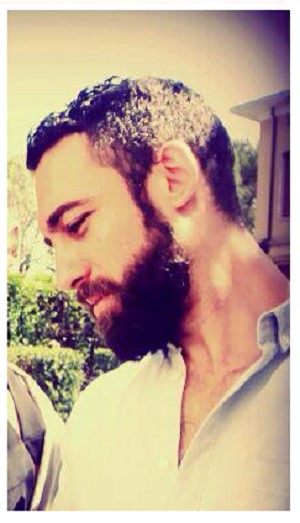
Gian Andrea was once born Italian, before he moved to th...
 Gian Andrea was once born Italian, before he moved to the United Kingdom. Writer, painter, he holds a Bachelor degree in Literature and History with honours, and a Master degree in Philosophy with honours.Wanderer and passionate about languages and cultures, he often travels across Europe, visiting their major cities and their artistic heritage.
 Back to the time when he was better known for his physique, rather than his brain, Gian was a kid that grew up in a small town of central Italy, lying next to a lazy lake.
Spending most of his time alone, drawing, painting or reading anything that had some words printed on it, his family got quite concerned that the kid would became a skinny outcast.
So they pushed him to play some kind of sport.
Jumping from one sport to another, he first got interested on Swimming. (But the lake was too dirty, -he said, and the pool too small).
So he became really keen on Athletics, Running, mostly (but after a while, he realized that he had been running for hours every day, without actually going anywhere). Next, he started playing Basketball (but hey, we're in Italy, -he said, here everybody's supposed to like Football; and I'm not even that tall, after all, -he said). Feeling like he had yet to find the right sport that'd suit him well, he began practising Karate.
(That will do, -he said! but when he realized he could not beat people up for real, once again, he decided to quit). In the meantime, he joined the gym, and that seemed to be fine for a while.
He had the perfect excuse to:
-eating seven times a day like a pig,
-going around with extra-extra-large clothes although he wasn't a rapper,
-working out in a place full of pretty girls.
Eventually, in his early twenties, he was sure he'd became somehow a pro in that industry.
(Hell yeah, I'm big! I'm strong! -he said. Then, during a preparation for a powerlifting competition, he got injured, and he had to quit again). In the meantime, University got started, and right after the first couple of classes of Philosophy and Literature, his mind was finally clear.
(Why would I even work out in the first place? -he said).
The rest as they say, is a work in progress.

Excerpt from the interview
WHY DID YOU DECIDE TO START WRITING?
As a passionate reader first, and philosopher as well, I always found writing an excellent way to investigate the world around you and the human nature, as well as your own.
There's nothing quite like writing, putting your thoughts on paper, to help you trying to figure out the meaning of this existence, or at least, to live it properly.
I believe it's a sort of necessity, - as writing, like painting and any other form of art - deeply affects our life and daily choices, more than we may suspect.
Most of my favourites books, can be read as a work of physiology, digging inside our mind, - cause after all, writing is passing a life's lesson.
WHAT'S YOUR WRITING PROCESS?
Truth be told I don't quite have a writing-schedule, nor a specific method, mostly because of work reason.
But also because I don't think I entirely fit inside the plotter category: for instance, my first novel took me years of work, and by the time it was finished - it was something utterly different from what initially meant to be.
I generally have a blurred idea of what I'm going to write, usually let it settle for a while, and then I begin to put it on paper whenever I feel like.
At this stage, I might already have changed my mind about how the story is going to proceede, which particular direction it's going to take - but that's all part of the game!
It worked out well for my second, semi-biographical, work - that started as a fiction book and ended up to be a sort of memoir.
Reading and re-reading over and over, I also think it's primarily important.
I often leave the book's draft over the desk for while, days or weeks before re-reading it, - and do this until I think it's ready to be read by someone else.
I write everything down on my laptop - but when it comes to editing, I need to have those words printed off on real paper, in order to make any necessary adjustment by pen. Then, type it again on my laptop - and so on and so forth till you're satisfied with what you get.
HOW DO YOU INTERACT WITH YOUR CHARACTERS?
Even at the cost of sounding cliche, I simply put myself on their shoes.
 I mean, what else can you do? Whether you're writing in first person (which I personally often use), you're mostly likely writing about characters based or inspired by people that you know, or that you made research on. Even when you write the most fictional character, you have got to someone/something in mind, - where everything get a start, let's say,- it's the way imagination works.
 So, simply, try to think what they would say, how they would act, and let them be themselves.
To answer even more precisely, I don't talk or listen to them, I just observe them in my mind - as they're alive, right in front of me.
WHAT SUGGESTION WOULD YOU GIVE TO OTHERS WRITER?
The one I take for myself: write about what you know, what it truly matters for you, and write it simple and clear and don't spare anything.
There is no such a thing as a good subject or a bad subject for a book:
if you manage to convey your passion, as well as your message, it's half of the job done.
HOW DID YOU GET PUBLISHED?
I always knew what I wanted to do, I just had to decide how.
So, - after avoiding vanity publishers - I tried both way, collaborated with a couple of editors and publishers - and eventually had better results with self-publishing (even in terms of sales.)
Though I think it may be, just because I haven't found a good one, yet.
But I did like the idea of being in control of every single aspect, from marketing, cover design, title to lines spacing, layout and any little details.
It was time consuming, and I was working frenetically around my laptop pretty much all day long - but the feeling I had when I published the first edition of my first novel was just incredible!
The worst part though is, - you're in control of literally everything:
which means at a certain point you'll have to relay on someone else to help you out: a good graphic designer, editor, promoter etc.
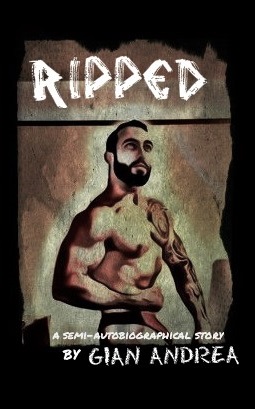
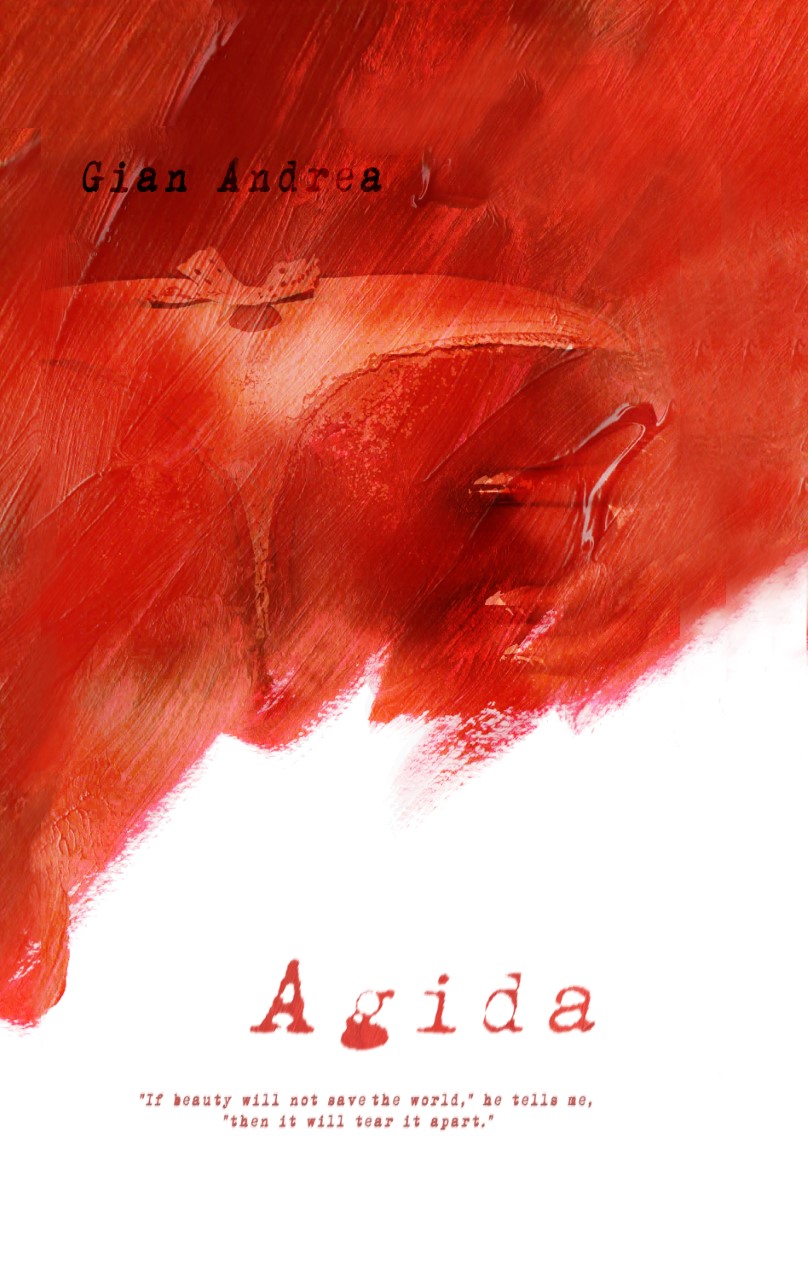
Thank you Gian for being our guest this week on the Scribbler. To discover more about Gian's books and writing, visit these links. link AUTHOR PAGE amazon.com/author/agida link AGIDA https://www.amazon.com/Agida-Gian-And... link RIPPED https://www.amazon.com/Ripped-cause-any-addiction-good-ebook/dp/B018TBALQO?ie=UTF8&ref_=asap_bc link TWITTER https://twitter.com/GianAndreauthor link PINTEREST https://uk.pinterest.com/GianAndreauthor/ link GOODREADS https://www.goodreads.com/author/show... Please feel free to leave a comment below. Just click on the "Post a Comment" link in red and you can be the first. Thank you for visiting.


August 20, 2016
4Q Interview with Author Chuck Bowie of Fredericton, New Brunswick.
 Chuck Bowie is the welcome guest this week for the 4Q Interview on the Scribbler. This is Chuck’s third visit. Previously he shared excerpts from his international thriller novels featuring the dashing and clever sleuth Sean Donovan. Chuck lives in Fredericton, New Brunswick with his wife Lois. His love for music, fine wines and delicious food are passions he brings to his novels. Terrific plots, great dialogue and plain good storytelling will keep you turning the pages of his books. If you missed his previous visit, please go here.
 http://allanhudson.blogspot.ca/2015/11/4q-interview-with-author-chuck-bowie.html
4Q: Thanks for taking the time to share your thoughts Chuck. Was becoming an author something you dreamed about when you were younger or did it just happen one day?
 CB: I’ve always considered myself a writer, and began writing to entertain others when I was in grade school. After several years of selling tourism articles, short stories and then essays as a young adult, I tried to write a romance novel. I was about eighty pages in when I discovered I didn’t really have the heart—no pun intended—to write in that particular genre. I then wrote a wonderful (to me!) speculative fiction manuscript about the near-future. I’ll re-write it, one day, as the idea still ‘has legs’, as they say in the movie business.
 4Q: We all know that Sean Donovan is the central figure in your thriller series. How did he materialize? Did he come first or did the story come first?
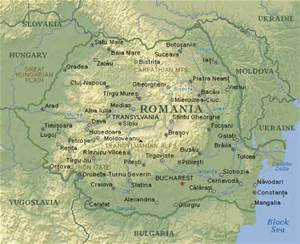 CB: Donovan magically appeared to me one night while I was sleeping, but in fact, it was the story that came first. I was in Romania on business and the concept of a thief for hire came to me. The notion of a fellow—and a Canadian guy at that—with the skill set to separate people from their possessions, was an interesting idea. An incident at that time caused me to develop a character I’d dreamed of; a guy who wasn’t too big, wasn’t too young or old, and who carried around his own version of right and wrong. I put the character with the plot and the first novel began to write itself. He’s a complex guy, so I still find him interesting in the fourth novel.
 4Q: Please share a childhood anecdote or memory.
CB: As a teenager in a small New Brunswick hamlet, I was a bit of a loner. One fall afternoon just before dusk I went hunting for partridge. I headed across a long field where the farmer had missed the second cut of hay, and was quite a ways from home when I noticed my cat had been following me through the tall, yellow grass. So I let him come along.
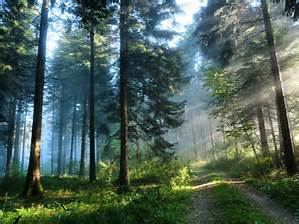
I sought out an opening in the forest and followed a road that had grown over, until I came to an ancient house that had caved in upon itself. I was almost there when I spied a ruffed grouse in the apple tree growing beside the ruin. I dropped it with one shot from my .22, but it took flight. It had got four feet from the ground when I saw a grey flash leap into the air, taking it down. Then I had to have a chat with my cat to determine whose, exactly, it was. But my mom was waiting for supper meat, so I asserted myself and we brought it home to eat. My cat never forgave me for that.
4Q: Now tell us about your latest work. What is Donovan up to?
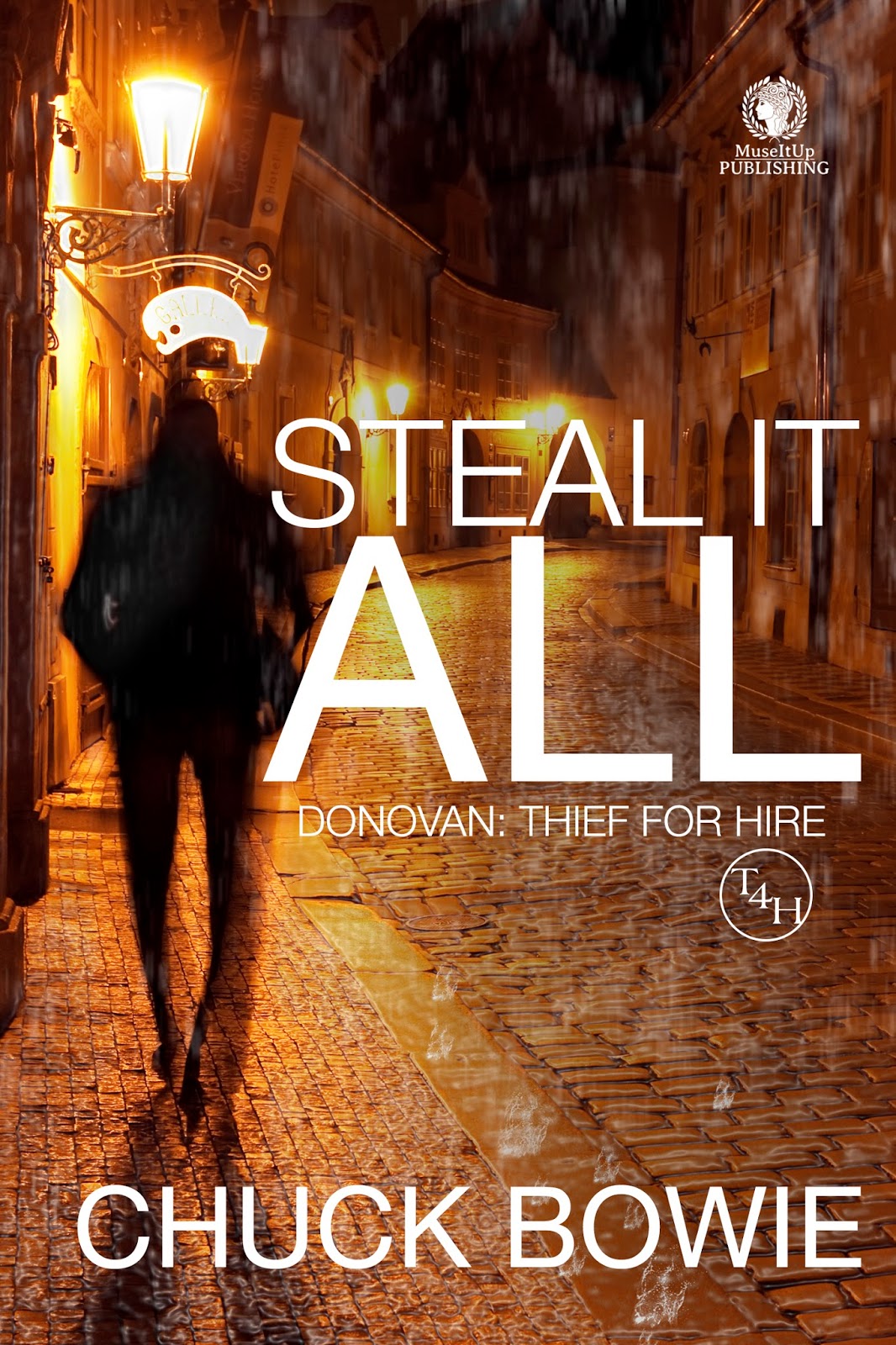 CB: My third novel in the series is called Steal It All, so you can perhaps guess what happens. It occurs to me that readers can often guess who my bad guy is, long before the climax, but I pride myself on pleasing the reader with all kinds of hooks, tricks and twists as the book pulls the narrative arcs together.
 Steal It All takes place for the most part in the rougher neighbourhoods of Manchester, England, although there are scenes in Niagara, New York City, London, Bucharest, Constanta and The Lake District. So I indulge in my usual jet-setting travels! The book opens with a murder in the Canadian Embassy in London, and from there we follow a thief, an RCMP detective and a Scotland Yard inspector as they try to solve a murder. But things get complicated, and Donovan is a tough fellow to keep focused. There are many twists and turns, and we come to care deeply what happens to each of the characters in the book. I think the ending is a barn-burner! I hope the reader will as well.
Steal It All is available now as an eBook. It will be available in paperback early this fall. You can order it, as well as Three Wrongs and AMACAT, from Chapters-Indigo, Amazon, and from my publisher: MuseItUp Publications.
Amazon: https://www.amazon.ca/Steal-All-Donovan-Thief-Hire-ebook/dp/B01A4QF0N6/ref=sr_1_1?s=books&ie=UTF8&qid=1470849947&sr=1-1&keywords=Chuck+Bowie
Kobo: https://store.kobobooks.com/search?Query=Steal%20It%20All%20(Chuck%20Bowie)&ac=1&acp=Chuck%20Bowie
My Publisher: https://museituppublishing.com/bookstore/index.php/new-releases/series/steal-it-all-detail

Thank you Chuck for being our guest today. Having read the first two stories of your series, I’m looking forward to catching up with Donovan’s antics in Steal It All.
Find out more about Chuck and his books here. http://www.chuckbowie.ca/ I am so thankful for the many readers that visit the Scribbler. If you look below and see the small red print that says "Post a comment", I'm sure that the guest this week would love to hear from you. Tell us what you think!
August 13, 2016
A Work-In-Progress by Allan Hudson
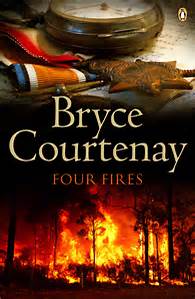 Historical fiction has always appealed to me when looking for a new book to read. I think that Bryce Courtenay does it the best as well as James Michener or Edward Rutherford, all great story tellers. These terrific authors are an inspiration and I hope to emulate their style of writing.
The main character in my first two novels is Drake Alexander. He lives in New Brunswick Canada and his grandfather on the Alexander side comes from the United Kingdom. His grandmother is an Acadian from a small village on the east coast of Canada.
My third novel tells the story of the Alexander family, beginning in 1911 in Govan, Scotland and spanning the next 24 years. It is an unedited work-in-progress.
I would like to share the beginning and get some feedback. Any comments would be appreciated.
1
Autumn Govan, Scotland.
Lucretia Alexander is about abandon her middle child, Dominic. Where she is going, she cannot bring him. She is poised on the wide front stoop of her brother-in-law’s house, draped in sorrow. Her father waits in the cairt which he has pulled to the side of the street. Her hand is raised to rap on the faded wooden door but she lingers. Looking at her eleven year old son Dominic, at her side, almost as tall as her, she sees the uncertainty in his eyes. Like her heart, her will is almost broken. She yearns to hold him, to cling to him, to carry him away from the sadness they both feel. Biting her lower lip, the need for him to survive strengthens her resolve. She knocks firmly upon the door.
 The sun is setting over the roofs along the street, detail is lost to silhouettes. A cool breeze whispers around the corners, it carries the scent of iron and oil from the shipyards Govan is famous for. The two horses pulling the cairt prance, unfamiliar with city sounds and the odd automobile on Govan Road where they turned on to Waterville Row. The street dead ends a short distance from River Clyde. The river is deep and hosts an abundance of shipyards. It separates the municipality from its bigger brother Glasgow. Ibrox is to the east and the borough of Renfrew is to the west.
 Robert Alexander, Duff to his buddies, is leaning one-handed against the back of the house, staring bleary eyed at the vomit on his new shoes, Florsheims that he paid 2 pounds sterling for yesterday. He has to work a whole day for these. The pansies at his feet are covered with the frothy remains of a once damn-tasty haggis. It failed the taste test miserably coming back up.
He wobbles but stiffens when he hears a rapping at the front door. Straightening up he guesses its Jacky Boy and Tubs, come to see if he has anything to drink. Pulling a wrinkled, stained hanky from left front pocket of his trousers, he swipes the spittle from his bearded chin, flips the fabric over and honks his nose. He bellows with a raspy slurry voice.“Hold yur peckers you dumb lads. I’ll be along in a shake.”
Lucretia stops rapping, a frown scrunches up her narrow face. Placing a hand on her hip she turns to Dominic.“The bugger is drunk.”Dominic is snickering, he only heard “pecker”. His brother Tommy told him what a pecker is last summer. Tommy didn’t know why they call it that but is certain his big brother wouldn’t tell him a fib. Lucretia pokes her son on the shoulder with her free arm.“Behave! “Tugging on the fabric of his coarse shirt, she starts towards the walkway.“Come along, I think we should forget this and…”
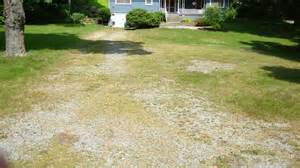 Her directive is interrupted by Duff staggering along the dirt driveway, coming from behind the house. He’s trying to tuck his loose shirt in but can’t get the edge around his ridiculously red suspenders. He stops two tentative steps towards the front walk of fieldstone sunken in the neatly clipped lawn. Forgetting the shirt he closes one eye to focus on the two bodies on his stoop. They’re about twenty-five feet away. Expecting a rotund Jacky Boy and taller Tubs he is surprised when the image clears. The porch is in shadow with the sun behind the houses across the street. He only sees the outlines. Both are thin, one is wearing a dress. The other is a step or two behind the dress. The dress has one hand on a hip. Why does he feel like he’s going to be scolded?
 “Robert Alexander! You should be ashamed of yourself. I know you’re a man of an odd drink, but as long as I’ve been related to you, I’ve never seen you this drunk. Look at you. You can hardly stand up.”
Duff perks up, the lilt of his favorite sister-in–law is warmly recognized. He opens his eye, spreads his burly arms open.“Lucretia, my dear, did you finally leave that no good brother of mine. Duff is here to rescue you…”
Motioning for Dominic to remain, Lucretia walks down the two steps to the walkway watching Duff shuffle along the flat stones. When he is halfway he stumbles on the edge of a larger stone that frost has lifted and yet to be fixed. The unbalance causes his arms to cartwheel, like one of those lawn ornaments of a man in a boat. His forward drunken momentum, powered by enthusiasm propels him, head down, directly at Lucretia’s feet. His temple and right ear are the first to connect with the stone in front of her. He is unconscious upon impact. The thud of his bulky body causes the horses to stir. Old man Watson, tugs on their reins and whistles a melancholy tune he made up for them. The familiar trill calms the pair. Lucretia, steps back one pace in shock, both hands on her face and exclaims with a high, alarmed voice.“Oh goodness, he can’t be dead too?”
Lucretia bends over the inert form of her brother-in-law that is lying on his side, arms outstretched. She gently pushes him onto his back and places a hand on his chest. Finding the even rise and fall of his lungs she sighs. Looking up at her son, she points at the front door.“Check and see if it’s open.”
 Dominic turns to twist the knob and the door swings inward on silent hinges. “Aye, ‘tis.”“Get yourself down here then and give me a hand with this sorry sight.”Dominic joins his mother on the pathway and when he slides his hands under the shoulders of his uncle’s supine form, Duff stirs and bats his hands away. Momentarily disoriented Duff sits up rubbing his scalp where flesh met stone. Lucretia backs off a little and Dominic stands beside her facing the stunned man, their backs to the house. A welt grows on his forehead. His hand comes away with a drop of blood on the index finger. “Damn, me head hurts. What did you hit me with Lucretia?”Clasping her hands in front of her, chin up as if insulted, she regards him with distaste.“I didn’t do a thing you silly fool. You slipped on that cobblestone and landed on your face. You scared the life from me man. Can you get up?”Eyeing the boy in front of him he scratches his head.“Who’s this lad? Can that be wee Dom?”“He’s not wee anymore Duff. Now c’mon, let’s get you into the house and I’ll tend to that scratch on your head.”
 Waving to Dominic, the two get their hands under Duff’s arms and wrestle him to his feet. He wobbles like an infant that’s just learned to stand up. Dom holds him under one arm, a smirk on his face, knowing better than to laugh. Straightening out his loose shirt, Lucretia helps him tuck the errant edges in when she catches a whiff of Duff’s liquor laden breath. She scrunches her nose. Turning him towards the front door she comments on it.“You’ll be wanting to gargle with something sweet and I’ll be getting some tea in ya.”The two steps up to the porch and entering the house requires Duff’s full attention. Shrugging off his assistants, he uses the wall of the hallway that leads to the kitchen in back.
 “Why would I be needing tea? S’better to have another tot of that whiskey inside.” Following him closely, she urges Dominic along with a wave to get behind his uncle in case he loses his balance. Pausing while her middle child, the quietest and most obedient of her seven children, helps the man into a two armed wooden chair at the table, she dreads what she must do. Trying not to cry, she clears her throat.“You’ll want to be sober when you hear what I have to ask you?”
 Thank you for dropping by the Scribbler today. As I mentioned above, any comments would be welcome.
Next week, we are happy to have returning author Chuck Bowie of Fredericton, New Brunswick for the 4Q Interview. A world traveller, an interesting gentleman and a talented author.

August 6, 2016
Guest Author Marcia Weber Martins of Germany.
 Marcia Cristina Martins Weber was born in Petropolis, Brazil in 1964. She graduated in physiotherapy by Catholic Universityof Petropolis. In 1983 participated in the Anthology "Our Poets II" with the poem "If I could" and in 1986 in the anthology"Brazilian Poets" with the poem “On any given day.” In 2005she moved to Germany and wrote her first novel, "Perfect Match". Her links are listed below.

Following is an excerpt from her novel.
Copyright is held by the author. Used by permission
Chapter 7
Mary regained consciousness and opened her eyes, but the blindfold kept her in the dark. Her parched mouth made impossible to swallow and the gag hurt the side of her mouth. Every muscle of her body protesting from being in the same position for a long time, she moved to a more comfortable position, which proved to be difficult, with her hands tied behind her back and her ankles tied together.
Dizziness clouded her mind. She didn’t remember what had happened to her. Her heart started beating fast and loud against her ribs and her breath became irregular.
Mary Walker, you are in big trouble but it isn’t time to panic! Breathe, Mary, deep and slowly, she ordered herself. Again, breathe.
She took several long and deep breaths, in an attempt to calm down her heart. She was quite sure that if it continued to pound in that crazy rhythm it would break her ribs. It slowed down and she concentrated on the recent events. Where I was and what happened? A noise startled her and her heart started to gallop again. She listened carefully in an effort to identify it. A door was open. She would say it was very close to her, and heavy footsteps came in her direction. Her body stiffened and cold sweat rolled down her face.
She shivered as strong hands grabbed her arm to help her sit, and took off the gag. He, she supposed it was a man, gave her water. The cold liquid was a relief for her dry mouth. The relief didn’t last long, the gag covered her mouth again and she was left alone in the darkness.
Bit by bit she put together what she had done the day or hours before, she didn’t know.
 I was at the library. I was late but have to stop to buy dinner. Yes, a man asked for directions and the other man had a gun. And then it went dark. Questions started to pop up. How long I was unconscious? Where am I? And she realized that whoever had done it might know that she hated to be in the dark, that not having anything to do was enough to drive her crazy.
 She supposed it was hours later, she heard the door open and footsteps coming in her direction again. It wasn’t the same person, this one had light footsteps. It was incredible how sharp she could hear with her vision blocked.
He took off the gag and the blindfold, and the rope from around her wrists and ankles. The room was poorly lit; the light came from a single lamp dropping from the ceiling. Still Mary blinked several times for her eyes to get used to it.
She slowly flexed her muscles. Every inch of her body ached. He let her go to the toilet and gave her something to eat and to drink. Her annoyance increased.
 If he uses a hood to hide his face why do I have to be blindfolded all the time? she thought. She didn’t dare to ask anything, his hoarse voice and aggressive tone told her not to. She did what she was told. While she ate, she looked at where she was. It was a small room, with one window painted black not letting the day light in. She couldn’t know if it was day or night. The place had seen better days. It was dirty; a dick layer of dust covered the floor and the walls, except one that was made of wood and was new. The place was stuffy and smelled moldy. Mary felt bad, the smell was nauseating and the tiny room was claustrophobic.
There were two doors, one that led to the lavatory and one that meant her freedom. She stared at them. You don’t have any chance to escape from here even if you weren’t tied up, she concluded sadly.
This ritual was repeated three times a day by two different men. The rest of the time she was alone with her thoughts. She forced herself to believe that soon she would be out of the dark and claustrophobic room. To keep her strength she had to believe that soon she would be with her family again. Sometimes the fear and the agony were stronger and negative thoughts assaulted her mind, but she made herself ban them away. She forced herself to eat although she wasn’t hungry and the food’s taste was dubious. She needed to keep strong.
She had lost track of the time completely, but she supposed it was the third day she was there. The man with the hoarse voice came with a telephone and a sheet of paper. He dialed a number and waited. Mary was sure that he had called her family. Her pulse went crazy; a mix of emotions invaded her heart. Determined to make her family believe that despite everything she was alright, she held back tears. After a few rings someone answered. The man held the sheet of paper in front of her and ordered her to say exactly what was written, not a word more.
It was enough to hear Mark’s voice for her fragile control to slip. Tears streamed down her face blinding her.
“Read,” he demanded impatiently.
 She brushed the tears with the back of her hand and looked at the words. But the words that came out of her mouth were not the words that were written. Furious, the man slapped her face twice.
 Mark heard her low cry and his pulse began to pulse erratically.
“Mary, what is going on? Are you hurt?” Mark shouted desperately.
After three long days of agony and uncertainty it was a relief for Mark, for George and for her parents, to hear Mary’s voice. She was shaken but alive. But her low cry and the abrupt end of the call brought the fear back and gnawed at their confidence. What had happened to her? The question hung in the air. Afraid to say out loud what they feared, they preferred to keep their thoughts and worries to themselves. No one wanted to talk about Mary.
He came in and watched her in her sleep for a while. He kneeled beside her and pulled her to a sitting position. She woke up frightened and didn’t scream because she was gagged.
Amused by her scared face, he brushed his fingertips over her face and smoothed her disheveled hair, straightening it a little.A jolt of panic ran through Mary. She turned her head from side to side in an attempt to avoid the hand that was touching her. He put one hand behind her neck, immobilizing her. Immediately her stomach tightened anticipating the outcome. He kissed her cheek, and with his free hand pulled the gag and kissed her lips gently.
I know this scent, this way to kiss and touch. It’s the way it used to be. No, please God, don’t let be him, she begged in silence as recognition and shock raced through her. She would like to forget every minute she had spent with him, butthe memories were there, the good and the bad ones.

Thank you Marcia for sharing a portion of your exciting novel. I definitely want to read more.
Find out more about Marcia and her writing by visiting the links below.
https://marciacweber.wordpress.com/https://www.facebook.com/Marcia-Weber-Martins-203728799793274/
twitter @marcia_w_ m
Feel free to leave a comment below. Would love to know what's on your mind.
July 30, 2016
Guest Author Jennifer Withers of Pretoria, South Africa
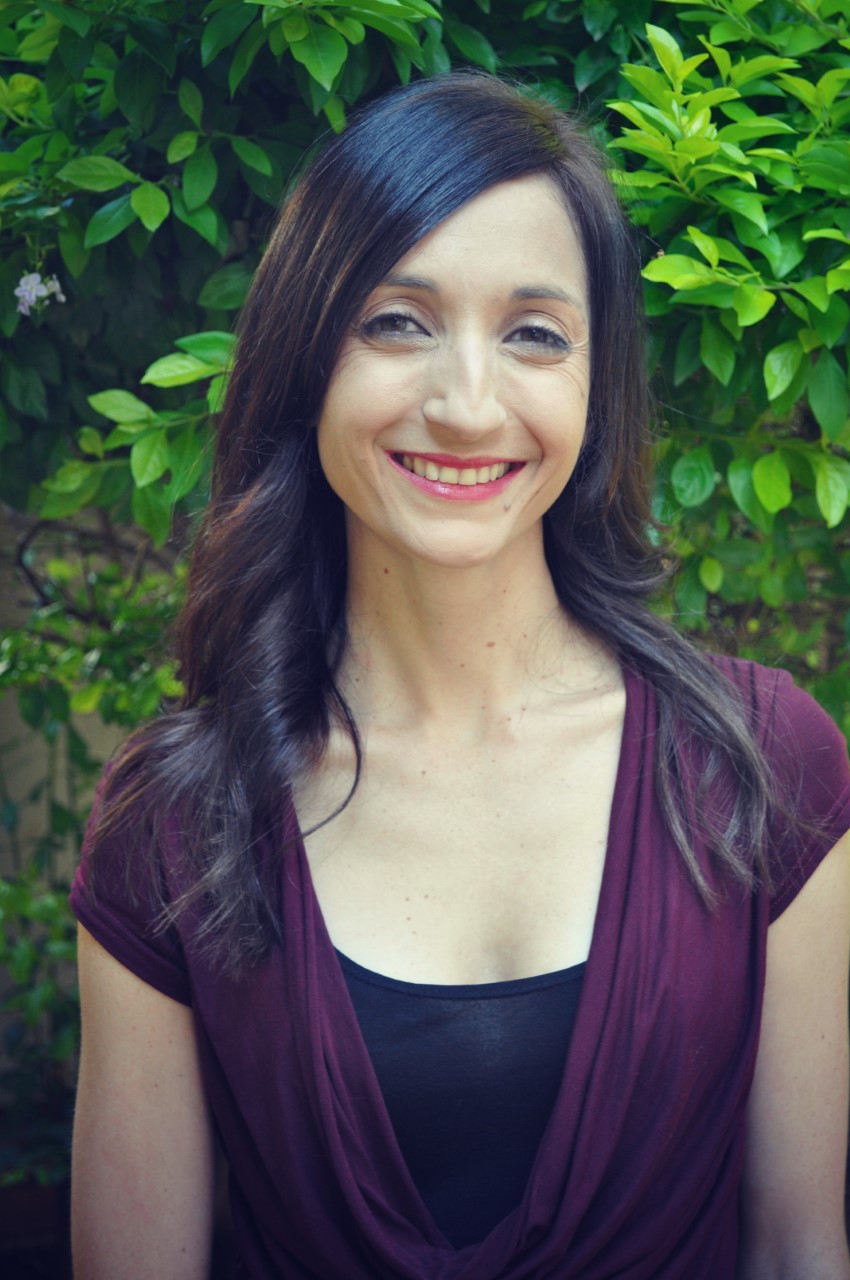 Jennifer Withers has been writing since she was seven years old, banging out stories about dragons and damsels in distress on an ancient typewriter. She went on to earn a BA in English Studies at the University of Pretoria. Since then, she has taken writing courses through Writer’s Write, and Allaboutwriting. Jennifer lives in Pretoria, with her husband, two dogs, and an ageing cat. The War Between is her first novel.
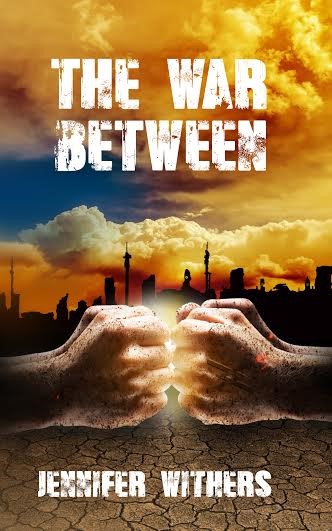 Following is an excerpt. Copyright is held by the author. Used by permission. Raven raised her hands. The marking on the back of her left hand glowed and waned in a rhythmic wave. Light pulsed from both her palms. I felt the heat of it from where I stood. Raven pushed the light away from her, striking Emery in the chest, knocking her to the dirt floor of the ring. Emery sprang to her feet immediately, her expression twisting into a mask of fury. She threw herself at Raven, who stepped aside. Emery flew right out of the ring, barely saving herself from landing on her face. She let out a scream of frustration, her face scarlet as titters of barely suppressed laughter filled the room.Raven crossed to Emery and helped her up. ‘If you let your rage get the better of you, if you lose your focus, you’ll never win. You can beat me, but only if you keep it together.’She pulled Emery back into the centre. ‘Let’s do it again. Concentrate this time. Don’t lose your cool.’Raven raised her hands again. Before she could do anything else, a spark shot from Emery’s right hand, slamming into Raven’s shoulder and unbalancing her. She fell to the floor in an ungraceful heap, laughing. ‘Good! That’s what I’m talking about.’ Emery’s face shone with pride, her grin so wide it threatened to spill off her face.I turned to Draiken. ‘She’s improving.’He slung an arm across my shoulders and pushed me to the smaller ring where several teenagers stood waiting.‘Yes she is. But Emery’s not who I wanted you to see.’He motioned to Trey, a lanky boy who was the one and only Converted of our kind. His presence still unnerved me, even though there had been no signs of instability in his behaviour. The conversion seemed to suit him, but I worried all the same.‘Trey. Demonstrate for Syra.’
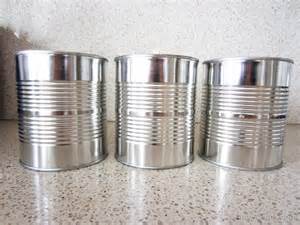 Trey stepped forward silently. His brow furrowed, and his gaze centred on a line of tin cans propped on a table several metres away. One of the tins wobbled, threatening to tip off the edge. Then it rose, as if pulled up by an invisible string. It jerked towards Trey in fitful starts, occasionally pausing and hovering, then resuming its journey through thin air until finally, it landed neatly in Trey’s palm. His smile of triumph was directed at me. I smiled in return. It felt strained.‘Isn’t it remarkable?’ Draiken asked. Without waiting for a reply he turned back to Trey. ‘Watch again. He’s a Physical too.’I felt my alarm levels spike. ‘He’s a Dual?’Draiken nodded, his excitement palpable. ‘Trey. Show Syra.’Trey took off towards the opposite wall, moving so fast my eyes could barely track him. Halfway across the room he leaped, his feet leaving the floor in a blur of speed. He landed gracefully against the wall and seemed to hover there, his hands and feet flat against the brick. Despite myself, I was entranced. He remained facing the wall, his hands and feet braced against it, for another moment or two before sliding to the floor again.Draiken grinned at me. ‘I think he’s nearly as fast as you.’‘Amazing,’ Ray murmured. ‘And he’s a Convert. Imagine the possibilities.’Draiken shot me a triumphant look. ‘Exactly.’Trey sauntered back to us, arrogance creasing his face, his eyes burning with excitement. He looked at me expectantly, and suddenly all I wanted was to wipe that overconfidence from his face.‘Very impressive,’ I said flatly. Disappointment flashed briefly over his face before he managed to arrange his features into a neutral expression.I could feel the heat of Draiken’s questioning stare searing into my temple.I avoided his gaze. ‘We need to talk.’
 I turned around and made my way down the stairs, heading to the small room off to the right side of the front door. Draiken followed me and shut the door behind him, but not before I caught a glimpse of Ray talking animatedly with Trey, his face lit with excitement.‘What was that all about?’I shrugged. ‘You know the boy gives me the creeps. I told you from the beginning I wasn’t comfortable with a conversion. And you went and trained him anyway. We’re supposed to be making these kind of decisions together.’Draiken snorted. ‘I knew you wouldn’t agree. I was hoping to win you over with his demonstrations. We’re Converts, Sy. And look at us. We’re perfectly normal. We’re not hacking anyone to death with a dinner knife. Besides, the boy came to us. He risked his life to cross The Waste, on the off-chance we’d allow him to become one of us. We need more like him.’The smile in his voice irritated me. ‘The Creator converted us. He had more of a clue than we do. Do you think President Crane will be pleased if he hears we’re doing conversions on humans?’ I paced the tight corners of the room. ‘You shouldn’t be so flippant about this. You normally take my feelings seriously. Especially when they involve people.’‘This isn’t one of your sixth sense feelings, Sy. This is you not taking to Trey, which isn’t unusual for you. You’re not exactly the warm and cuddly type. As for Crane – what does it matter? He’ll never find out. At least not until it’s too late.’ He smirked. ‘Anyway the boy could be from any of the human cities. No one knows for sure if Toria is the only one left.’I shot him a look. ‘This is absolutely not personal. He’s a Convert, and a Dual. What if he becomes unstable?’‘Then we kill him. The only thing we’ll have lost is time. I’ve had a look at the numbers and we need a drastic increase if we’re going to manage the takeover. You already know this.’I folded my arms. ‘What does this have to do with Trey?’‘Converts are the way to get those numbers.’‘Draiken! You haven’t discussed this with me.’He held up a hand. ‘I’m discussing it with you now.’ He motioned to a nearby chair. ‘Sit, will you? You’re making me edgy.’I glared at him but dropped into the chair anyway.‘We agreed that we would try something other than populating the natural way. There have been increasing reports of more and more couples having trouble conceiving. And when they do, some of the children have been born – ‘‘Deformed. I know.’‘Exactly. If more families have deformed kids then we may as well welcome humans into Jozenburg. Those kids are exactly like them. No skills. At least no useful ones.‘Those that are healthy grow quickly, yes, but it still isn’t fast enough. Not if we’re going to mobilise against the humans soon. I’ve already spoken to the Elders –‘I half rose out of my chair. ‘Without consulting me? You had a gathering without me there? What the hell, Drake! You said we would lead together.’ His face remained impassive, except for one raised eyebrow, admonishing me without a word. I sank back down, feeling his condescension in every pore of my skin.‘We agreed that I would oversee the training, didn’t we? That’s what I’m doing. We’ve got to play to our strengths. If you want to change the arrangement then say so, otherwise stop being a prophet of doom and let me get on with things.’‘Why did the Elders allow you to meet them without me?’‘They asked me the same thing. I told them I wanted to run it by them first, because you would need some convincing. They agree with me. We can’t convince the humans we need another city, without the numbers to justify it.’‘I doubt we’ll convince President Crane anyway… Wait. What numbers?’
 ‘Don’t act stupid, Sy. You know the humans have no knowledge of our problems with procreation.’‘So the Elders agreed to this ridiculous plan of yours? To convert humans? What about the loss of life?’Draiken grimaced and shook his head. ‘Honestly Sy. Why do you even think human life is worth preserving? Look what they did to this country – this world - with their greed.’‘Regardless, the Elders said a hostile take-over was out of the question. We do it peacefully, or not at all.’Draiken rolled his eyes. ‘Yes – the Elders are quite the idealists. I told them that converting would benefit us all. We won’t take any humans forcibly. We’ll offer them the choice.’I rose, preparing to leave before my temper made a fool of me. Draiken’s voice pulled me back. ‘I need your blessing on this. The Elders don’t want to force you into it. You know how they are – freedom of choice and all that sentimental crap.’‘Will they go ahead and do it if I refuse to be a part of this?’ Draiken gave me a look. ‘Yes. But if the Elders decide we can no longer work together then both our positions are in danger.’‘I can’t agree to this. I think it’s a terrible mistake. We don’t know the exact science of conversion. We don’t know what will happen if one of the humans reacts badly to the change. You could be putting all of us in danger.’Draiken reached for my hands and squeezed them. ‘I need you on my team. Please. Trust me. I know I can make this work. And if I can’t, if anything goes wrong, I’ll stop. The Elders will never allow bloodshed among our own kind. I need your help with the conversions. Your gifts are too great not to pass on.’
 My sixth sense screamed at me not to agree. The warning heat of going against my feeling flooded my cheeks, pulsed like a living thing behind my eyes, throbbed in the hastened beat of my blood. I couldn’t refuse him. I had never been able to, even when we were kids. I owed him too much. Without him, I wouldn’t be here at all. The memories of that night rushed through me, reeking of fear and blood. The screams echoing in the cavernous space of the laboratory. I clamped down hard on them. They went silent. Still I felt them, hovering in the darkest places of my mind, waiting to take flight again.‘Fine.’ I ignored the drop of my stomach, the sudden film of sweat on my palms. ‘But from now on I want to know everything that’s going on, and I want to be present at all the conversions.’Draiken hugged me tightly, his excitement enveloping me like an ominous cloud.‘Thanks Sy. I promise you won’t regret it.’I nodded and extricated myself from his grasp. I left the room, dread clotting my throat and filling my mouth with the bitter snap of regret. Thank you Jennifer for sharing an excerpt from your tantalizing novel.
 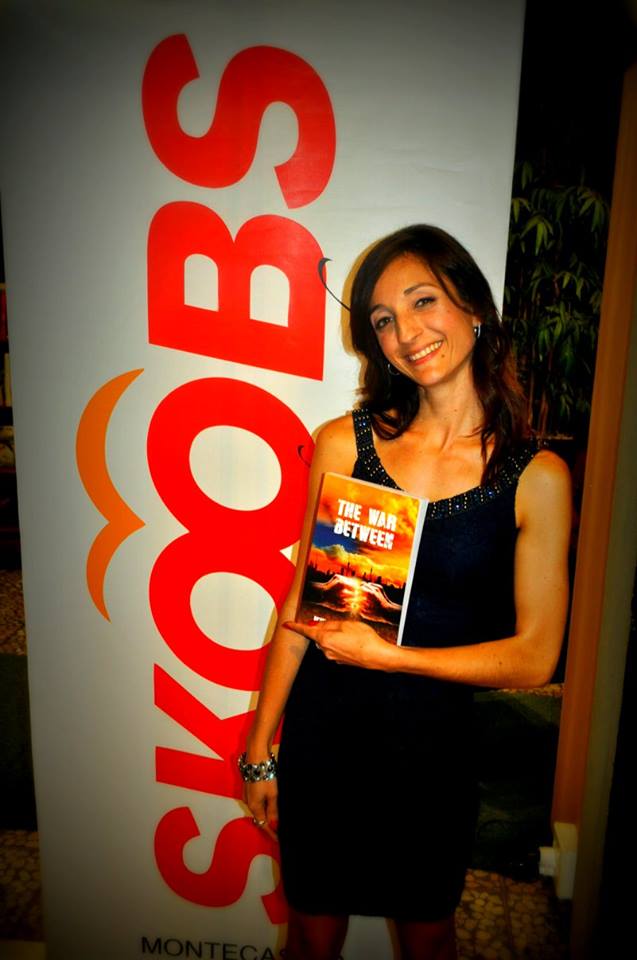 Discover more about Jennifer by visiting her website. www.jenniferwithers.com
 July 23, 2016
Guest Author Joshua Harding of Illinois.
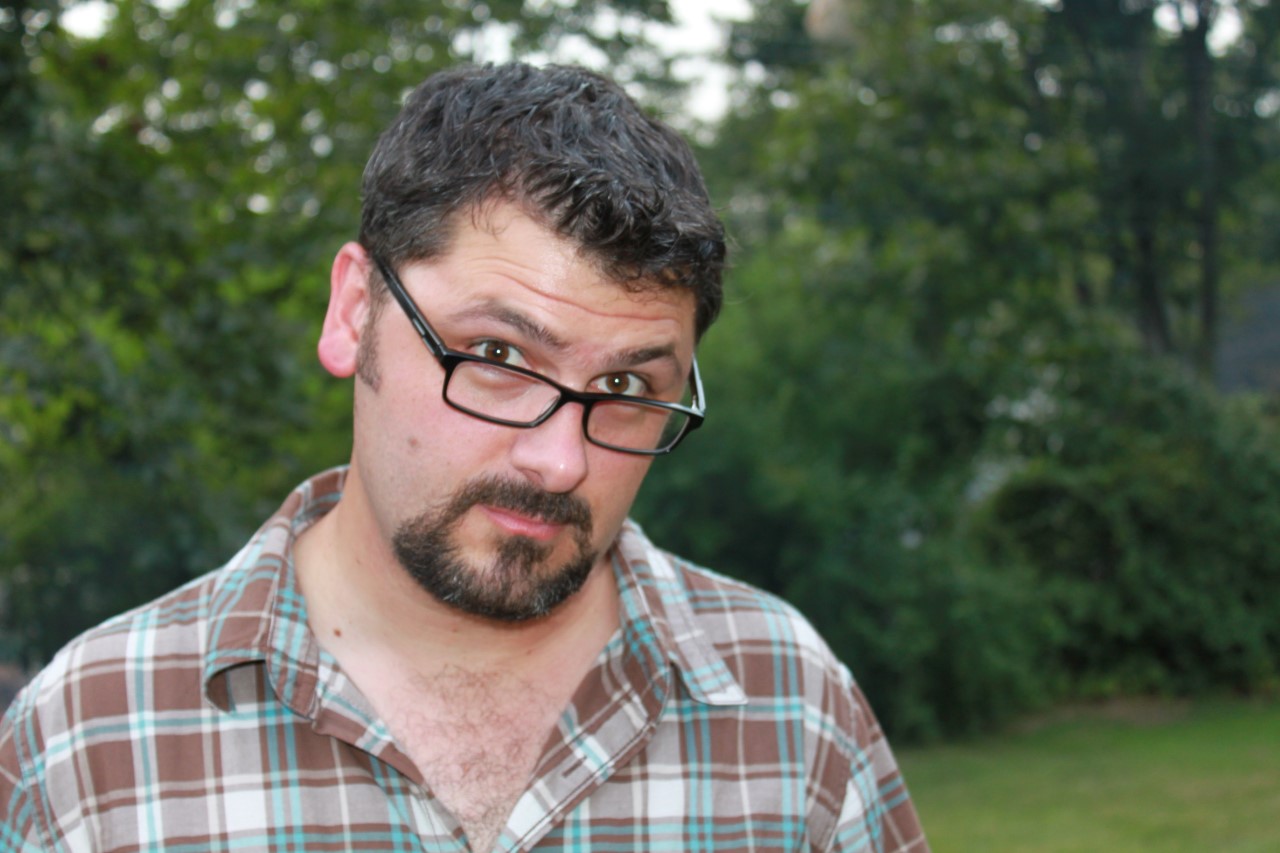 Joshua Harding is a novelist and award-winning short story writer and poet. His work is currently featured on Acidic Fiction, The Loose Leaf Press, and QuarterReads. He’s been a nuclear missile mechanic and a suspected member of Sinn Féin. Before that he was an environmental lobbyist, a cemetery restorer, freelance artist, puppet master, set designer, actor, carpenter, mortuary officer, scrimshander, garbage man, you name it. The only thing he’s done longer than any of them is write. He lives in a four-person artists’ colony in the woods north of Chicago. You can check out Joshua’s website: http://jharding71.wix.com/joshuajharding or follow him on Twitter: @jharding71. His short story I Dated Mother Nature is available in the anthology Acidic Fiction #2: Toxic Tales on Amazon. His debut science fiction novel, Red Lakes is also available on Amazon: https://www.amazon.com/author/joshuaharding
 Below is an excerpt from his short story Invoking Ganesh, which won first place in the Writer’s Digest Popular Fiction Awards for the Horror category. Copyright is held by the author. Used by permission. Sandeep was cleaning the Slushie machine when his first customer committed suicide. The gunshot popped like a Diwali firework and shattered the rear windshield of the girl’s Camry. At first Sandeep thought she’d had a backfire until he saw the spider web of cracks in the glass and the spray of blood.It was 2:34 am.The young woman had just bought a pack of cigarettes—”Merits in a box,” she’d said—and proceeded to light one up right in front of the register.“You can’t do that here,” Sandeep said. He knew it was going to be a long night.
 The girl responded to his scolding by blowing a cloud of blue, mentholated smoke toward the hotdog rollers. She was in her early twenties. Brunette with blue eyes and an aquiline nose through which she deftly French-inhaled her smoke. She was wearing a scoop front, leopard print tank top, distressed jeans, and high heels. Her makeup and jewelry looked as if she’d just left a nightclub, though the nearest venue was over four hours away in Albuquerque. “You gonna stop me, Hajji?” she asked.“Miss, I don’t want any trouble.”“You think I’m trouble?” She trailed her fingers along the Hostess display, knocking several fruit pies to the floor. She let out a high, barking laugh that rang loudly in the empty store. “That’s awesome! I’m trouble….troublesome…double-trouble. The girl your mother warned you about!”“Please leave. Now,” Sandeep said.“All right, there, Gandhi, don’t get your diaper in a twist.” She turned on her heel and pushed through the door.Sandeep emerged from behind the counter and peered around the O-P-E-N sign to watch her cross the parking lot to her Toyota. The scent of her cigarette and perfume lingered. He stooped and restored the fruit pies to their rack and threw out five hotdogs.The young woman climbed into her car but remained parked beside the pump. A tiny, blue cloud escaped through her window.“You can’t smoke near the pumps,” Sandeep said to himself. He shook his head and bent to retrieve a rag out of a red bucket below the beverage station. He began wiping the Slushie nozzles when the shot fired.“9-1-1. What is your emergency?”“A girl just shot herself in the parking lot!”“Ok. Just stay on the line with me, sir. Where are you located?”“On Route 70 east of Roswell. At the Kum & Go!”“We’re sending someone now. Are you with the girl?”“No! I’m calling you!”“Where is she now?”“She’s still in her car.”“What is her condition?”“Good God, woman! The back of her head is gone! She’s dead!”“Please remain calm, sir. We’re sending someone out right now. Stay where you are.”“All right.” The line disconnected and Sandeep thumbed the number for his manager, Dick Bliefnick. The call went immediately to voicemail.“Boss, there’s been a shot, man! A woman shot herself! In the parking lot! I called 9-1-1 but you really need to get out here, man!”Just then the door chimed and swung open. A large, hairy man dressed all in denim stepped inside. Sandeep hung up the phone and stared dumbfounded at the new customer and wondered if he’d seen the dead girl. “Busy night, huh?” the man said.“Yeah…” said Sandeep, “…busy night.”The man strolled up and down the aisles, idly taking his time with his selections. He had a full beard and an earring and black rigger’s boots. He had a blue bandana tied around his head, buccaneer style and whistled as he shopped—Three Dog Night’s Shambala, if Sandeep guessed right.
 Sandeep glanced outside and saw a Kenworth parked on the far side of the parking lot. No trailer was attached to the rig and it looked like it was still running. The trucker would’ve walked right past the dead girl’s car to enter the store. It was a miracle he hadn’t noticed her—or had he?When he’d made his selections, the trucker approached Sandeep and meticulously laid a package of Good ‘n’ Plenty, some Twizzlers, Corn Nuts, and a Red Bull before him.He leaned on the counter with his arms slightly akimbo. The front of his denim jacket opened and Sandeep saw a 9mm in a leather holster under the man’s left arm.“Will that be all?” Sandeep asked.“And this,” he said. He plucked a pink, stuffed elephant from a rack. “He’s gonna look out for roadblocks and obstacles for me. Sit him right on the dashboard for good luck.”Sandeep rang up his purchase while the trucker cradled the elephant to his cheek. His salt and pepper beard crinkled against the tag which read: “Webkins.” The elephant looked at Sandeep from the man’s shoulder with an accusatory stare.“Wait. Give me a Mega Millions,” said the trucker. He laid a rumpled single on the counter. “I want these numbers: 33 84 22 10 37 71 and 9.”“All right,” Sandeep replied. He took the bill and pulled up the numbers while the trucker cuddled the elephant some more. Sandeep reached subtly below the counter and fingered the knob of a cricket bat he kept there just for reassurance while he handed over the lottery ticket.“Can I get the keys to your john?”Sandeep reached above the cigarettes and retrieved a brass key chained to a broken broom handle. The trucker gathered his purchase in both arms, strode to the door, and pushed it open with his backside.3:02am.
 Sandeep went out the empty the trash by the pumps. (He needed to keep busy, but figured the can nearest the dead girl’s car could wait until they came for her.) The wind gusted from the southeast like a dusty hairdryer. The Milky Way stretched from the north horizon over the roof of the store. The neon sign that said, “Lotto” winked seductively on and off. A meteor traced a white line to the west and was gone.A Mercedes had pulled up ten minutes before and still sat outside the carwash. The driver’s silhouette moved slightly in the sodium lights. As Sandeep was hauling a bag of paper towels and greasy Karl’s Jr. wrappers to the dumpster when he noticed the blood trickling out from under the restroom door.He dropped the trash and banged on the door. “Hello?!” he cried. “Sir?! Are you all right in there?” He shook the handle. “Hello?!” Sandeep stood back and tried to avoid stepping in the puddle. Helplessly he took in the tableau: the dilapidated outbuilding, the grimy, locked door, the sublime darkness of the desert, and the blood. “God damn, Dick! I told you we needed another key!”Red and blue lights cut through the darkness on the horizon. Sandeep turned and could see the cruiser still about two miles away across the flat skillet of the plain. “About time!” he said.The cop broke down the restroom door first.Inside, the trucker had eaten all of the Good ‘n’ Plenty, Twizzlers, half the Corn Nuts, and finished the Red Bull before he’d smashed the mirror and slit his wrists with a shard of glass.“Good God, man!” whispered Sandeep. The cop rummaged through some papers on the floor in front of the dead trucker. He plucked up correspondence from a divorce lawyer and something from Teamsters Local 74 detailing severance benefits.The cop whistled as he read the documents. “Christ, my union would give me so much more payout if I were to get the axe.” The lottery ticket fluttered from the cop’s hand to the edge of the sink. He picked it up, considered it, and turned to Sandeep. “Here,” he said and tucked the ticket into Sandeep’s shirt pocket right below the embroidered Kum & Go logo. He peered at Sandeep’s nametag. “You keep that, Sand…Deep. Maybe you’ll have better luck than he did.”They searched the girl’s car next. The cop took in her outfit: the tight jeans, the high heels, the makeup. He made a show of peering down the front of her tank top to where one of her small breasts lay partially exposed. “She’s dressed to kill, ain’t she?” he asked Sandeep with a leer. The backseat was drenched in blood and the head restraint had been blasted apart by the gunshot. It looked like a boll of cotton or a cloud of powder thrown in a Holi festival.
 The cop turned the key in the ignition. The speakers came alive and Katy Perry blasted out mid-roar. The cop snapped off the radio. “I hate that song,” he said. The young woman’s cell phone, which had been charging in the power jack, blinked on.The cop retrieved it and scrolled through a recent series of texts. “Where u at fatty?” he read aloud.“Still crying? LOL!”“Why don u just die? Everyone hates u!”“Ur clothes suck! Wherd u get them walmart?”“Dumb slut.”“Fat bitch!” He tossed the phone back on the passenger seat. “Guess we know who she dressed to kill, huh?”“How awful…” said Sandeep.The cop straightened. “All right. Let me call the coroner and I’ll meet you inside.” The cop flicked a piece of headrest foam from his sleeve as he sauntered over to his cruiser. The carwash started up and the Mercedes rolled slowly inside. Steam rose and floated away on the wind eastward towards Clovis and the Texas Panhandle.Back inside the store, the cop made himself a cup of coffee. He shook three packets of Dixie Crystals into it then topped it off with the powdered bone dry creamer. He didn’t offer to pay for it. Thank you Josh for sharing an excerpt from your entertaining story. Check out Josh's links above to learn more about him and his writing.

July 16, 2016
Article from The Golden Ratio-Moncton's hottest magazine!
 The Golden Ratio is a captivating magazine on newsstands in Moncton, NB and is garnishing many favorite reviews. Arts, culture and science. Great articles and a terrific layout. Editor/Publisher Melanie Chiasson has graciously accepted my article for the latest edition. She has granted permission to post it here.
 Copyright is held by the author.
Visual Pollution by Allan Hudson
 4.5 trillion – 4,500,000,000 – cigarette butts are thrown away every year. Cigarettes have the distinction of being the most littered item in the world. “Hey, the thing is only one inch long, no bigger than a two year old’s little finger. If I toss it on the highway, what’s the big deal?”
 It takes a minimum of five years – 1825 days – for a butt to decompose, most likely longer. Styrofoam tossed in a ditch will take centuries. However, there is good news in the world of litter. Eco-scientists, chemical know-it-alls and other smart people are developing an unprotected polyethylene that will breakdown in sunlight in less than a month. Littering, unfortunately, will not stop.
I don’t understand. Our country is one of the most beautiful on any continent. Coastlines east, west and north are carved by oceans that can oft be temperamental and furious. Vast shoulders of ice grind the shores each season shaping the edges of our land. Forests, measured in hundreds of thousands of hectares, are filled with life, an unbelievable number of plants and wildlife. They bestow upon us the precious gift of oxygen.
 The Pacific Cordillera cuts through Canada beginning with the sharp coastal mountains that stretch throughout British Columbia. It forms the range of the Rockies that cleaves the awesome girth of our vast nation. Mountains so lofty they share the continental divide. To the east , the Appalachians rise from the fertile earth to our farthest eastern seaboard in Newfoundland, shaping several provinces with gentle tree covered bumps or sheer walls of unforgiving stone.
  Our prairies loom longingly for miles. The rich ground bears acres upon acres of grains and fodder to nourish the inhabitants of home and distant needy lands. A flatlander’s view of the sky is unobstructed, colored by the moody onset of dusk or dawn’s unpredictable awakening or blue and bright like a happy day. How much better can it all get?
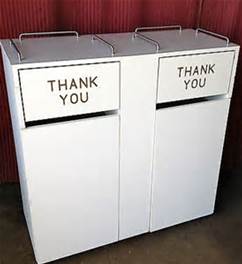
I don’t get it. Everywhere I go is a waste receptacle of some kind. At the mall, the arena, the hospital, entryways to most establishments, the bar and the sidewalks all had some last time I looked. Oh yeah, and home too. Personally I’d sooner see a messy backseat than a moron that chucks stuff from his/her car. I’d sooner see an overstuffed waste bin than one that is lonely from attention. I’m happy to see people that care about their surroundings, respect for their neighbours and appreciate the land where we live.
Earlier this spring I was taking my grandchildren for a sugar treat at a local doughnut shop before taking them home. I let their parents enjoy the extra energy they have later. The parking lot is almost bare from the disappearing mounds of snow but the edges have brownish heaps yet to melt. Pimpled in the rotting ice is disfigured coffee cups, torn bar wrappers, crinkled chip bags, a broken beer bottle, shards of cardboard from a few happy meals and an army of butts. The plows had cleared the lots and pushed everything to the rim of the property.
The two boys were yakking about a plastic dragon and not paying attention but the granddaughter was staring at the mess with round questioning eyes. Her voice was little girl soft when she said,
 “Why do people throw so much stuff away Grampy?”
 I didn’t know what to say. I’ve asked myself the same question countless times. I’ve never figured out the answer. I was trying to formulate something intelligent in my mind, how to respond to an eight year old that she might understand people being basically lazy when she said,
“Oh, look!”
Two teenagers were jumping out of a half-ton with a plastic bag that had the red and green of one of the local grocery stores on it. Scooting along the edge by the cement pylons, the duo scooped up dusty debris until the bag was full. The shortest of the pair twisted the top shut tying the plastic in a knot, trotted over to the gray waste station and stuffed it down the gaping throat. Uplifting! I was a little proud when she asked if we could do that too.
I know, I’m ramblin’, sounding self-righteous and ask your forbearance. I just like seeing clean roadways, walkways and properties and I try to do my part. Wouldn’t it be nice if my granddaughter’s granddaughter never had to ask that same question?
Thanks for dropping by the Scribbler today. I invite you to pick up a copy of The Golden Ratio. Available at Read's Book Store.
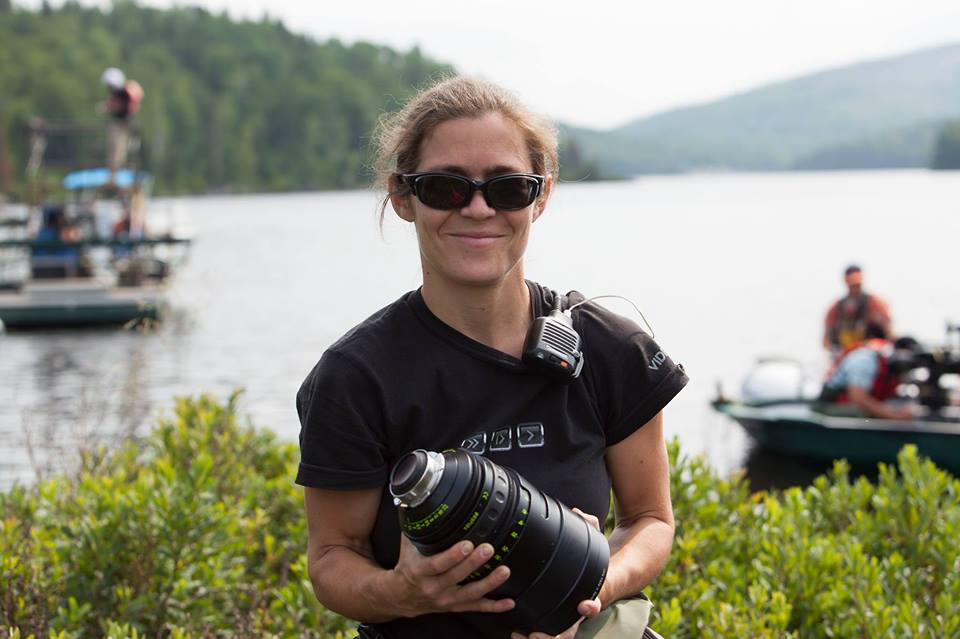 Publisher Melanie Chiasson will be the next 4Q Interview on the Scribbler scheduled for August 5th. Watch for it. Oh yeah, please put your garbage in a wastebasket - Thank you. Next week you can meet Josh Harding of Lindenhurst, Illinois when he will be the guest Author.
July 9, 2016
Guest Author Paul Hollis of St. Louis, Missouri.
 Paul Hollis always had wanderlust, living in twelve states and eventually working in all fifty, luring him with the idea of touring the world at someone else’s expense. He has lived and worked in forty-eight countries across five continents while teaching companies about growing global implications.
  Paul’s travel experiences inspire the novels in “The Hollow Man” series, bringing the streets and villages of Europe to life and offering a unique viewpoint to his mesmerizing thrillers.This is Paul's second visit to the Scribbler. The first visit was to highlight his Hollow Man novel and if you missed it go here: Hollow Man His links are below.
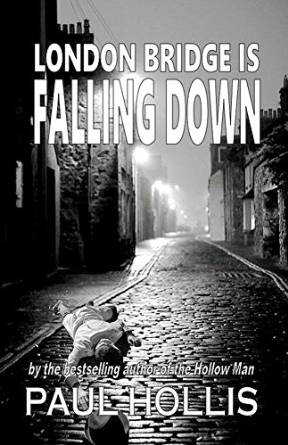 This week we can read an excerpt from his newest novel London Bridge is Falling Down.
Copyright is owned by the author. Used by permission.
Chapter 1
Five men lay against the rise of a hill on the outskirts of Clones, barely a stone’s throw south of the border dividing Ireland. They were hidden beyond the tree line where thorn bushes grew out of rock and dead leaves. The men hunkered low, waiting for the night to begin.
The temperature dropped ten degrees in the last hour. It was near midnight and the half-moon had climbed high into a clouding sky, deepening the darkness and dissolving the black-clad raiders into the heavy shadows of the underbrush. The wind rustled the budding trees of late winter and when the breeze caught the new grass exactly right, the soft whistle of an old Gaelic lament could be heard in the distance.
One light remained in the Pierson cottage and occasionally, a shadow passed behind the curtained window. It was the girl. Once, she pulled the linen back to gaze out across the backyard. They froze though there was little chance she could have seen them. Jack the Ripper with his bloody knife might have been standing under the lone blackthorn tree at the garden’s edge and the night would not have given him up. The curtain reluctantly swung back into place.
In contrast, the mobile home thirty yards across the property to the east was lit up like Heuston Station in Dublin. There was no movement in the trailer but they knew the eldest Pierson boy was inside watching television. An announcer’s shrill voice periodically pierced the tin walls and canned laughter rattled the windows.
 One of the team peeked through a side window earlier and saw cigarette smoke curling up from the boy’s fingers as he lounged on the couch. Robert Pierson wasn’t asleep though he might as well have been. A long ash dropped onto the thin carpet leaving yet another inch long black mark. The cigarette burns under his drooping arm oddly resembled the Chinese characters for approaching storm.
 None of the men hiding in the woods spoke but they were all restless. The leader of this hand-picked local band of Provos, Kenneth Bunney, stared down the slope behind them. Where the hell was the IRA team from Belfast? When the Northman met with him the prior week, there was urgency in the discussion. The raid had to be done tonight.
He listened. Closing his eyes helped him focus his hearing back through the dense night. But he heard nothing except the soft lull of the wind that crept up under his jacket with a chilled hand. Bunney felt cold fingers walking up his spine.
“Kenneth, where are they?” whispered his brother. He replied with two quick shakes of his head and turned away, signaling the end of the conversation. He didn’t want his brother to see the concern in his face. Bunney felt anxious in the darkness. The Northman was almost an hour late. Another ten minutes and his team would be gone.
The wind faded and the air fell dead in the forest. A long way off, Bunney thought he heard something faintly sluice through the trees then quickly recede. Was it imagination? A dry leaf crunched, a winter twig snapped from rotten bark. No, he was sure. Someone was coming.
Within seconds the night lost its quiet to the low thumping of feet. How many men had the Northman brought? It sounded like a whole brigade, for the love of God. Why did he need our help? Bunney counted eight as the group split in two and settled on both sides of his volunteers.
No one said a word as the newcomers surveyed the houses.
“They’re inside then?” Someone finally asked. It was the man who approached him a week ago. Bunney nodded.
“The lad’s there,” he said, pointing to the mobile home. “And the rest of the lot are in the house.”
“Where’s the girl?”
“Upstairs,” Bunney said.
“The telephone line’s cut?”
“Yeah.”
“Then we’re settled.”
 The Northman motioned to his associate. The man pulled a backpack from a shoulder and emptied it on the ground between the Provos. They stared at five handguns.
 “Twomey, we agreed there’d be no shooting,” Bunney said.
“Relax,” Twomey replied. “What’s there to shoot at?” He watched Bunney uncertainly then added, “Take ‘em. They’re just for the muscle.”
“I told ya, I’m not having guns.”
“You’ve done time for robbing. What’s the big deal?”
“Yeah I done my share but I never stole nothing with a gun. Robbery is one thing and killing’s ‘nuther.”
“You fecking Brits know it all, don’t you?” Twomey sighed. “Look, I told you. We have solid proof the Piersons are Ulster sympathizers and they’re holding a cache of weapons for operations down south here. The same guns used in the Cooney bombing November last.”
Bunney remembered. He and his brother were staying with their cousins, the McGillens, though staying was a fairly vague term. They took refuge in Ireland whenever the British coppers applied too much grief about their latest crimes.
Two cars came across the border carrying half dozen men, slowing to a stop down from the McGillen house. Armed men surrounded the Cooneys, intending to burn their property. But something went wrong. The raiders stormed the house to find the Cooneys were throwing a party that night. Houseguests assumed it was part of the entertainment. No one took them seriously. Instead of following orders, the drunken partygoers continued to roll to their own tune, scattering like a jar of dropped marbles. After a frustrating thirty minutes, the intruders were able to herd most of the crowd into the yard.
In the chaos, one of the guests broke free, running to his car to retrieve a camera. Shots were fired after the fleeing man but he kept running. The UVF men panicked and fled before igniting the fire. Bunney heard the commotion and ran outside in time to see the last of the retreating cars.
“We’re only interested in the guns.” Twomey broke into Bunney’s thoughts. “We get ‘em, and we leave.”
The Provos hesitated until Bunney reluctantly grabbed a firearm. He considered it a long time before shoving it in a pocket. The others accepted their weapons and quickly secured them inside their coats.
The Northmen pulled Templar caps down over their faces. Only the whites of their eyes could be seen against the black night. The locals followed suit and the group moved up over the rise.
Twomey sent six of the Northmen to set up a perimeter along the property line facing the road. They crouched behind the brickwork fence and waited. He held up three fingers and chopped an arm toward Pierson’s mobile home. The rest of them headed toward the cottage.
One of the Provos planted a booted foot near the flimsy door handle, kicking so hard the thin metal buckled as it gave way. The noise brought Robert Pierson fully awake. The new cigarette fell from his hand as he struggled to rise. It was already too late. Three armed men stood in front of the twenty-four year old and he was driven back onto the couch. He tried to stand again as a shotgun butt flattened his nose.
Two gunmen pulled him off the couch by his hair and a handful of shirt. Pierson landed hard on his face and blood splattered across the threadbare carpet. A twenty gauge double barrel pinned the back of his neck while his hands were ripped from his face and tied behind his back. He struggled to breathe, twisting his head from side to side.
“Where are the guns?” shouted the Northman commanding the raiders.
“What guns? I don’t have any guns?” He blew his nose to clear it.
“We know you’re supplying Loyalist activities in this area and we want your arsenal.”
“Look around. Do you see any place to hide a store of guns? There isn’t room in this bloody hellhole for anything but me and my beer.”
“Take him up to the house before I smash the rest of his head,” ordered the Northman.
Pierson was yanked up by his bindings and slammed against the wall face first. He yelped in pain. His breath came quick but shallow. A forearm crushed the back of his head, giving his nose little relief.
 “If you’re lying, I will find out.” The voice near his ear sprang from the devil himself and smelled of raw onions and sour sweat.
 Pierson was forced through the door. He stumbled and landed hard on the packed clay at the trailer’s entrance. The earth spun. He thought he was going to vomit. One of his captors hauled him to his feet by an arm. He staggered, disoriented.
The collision with the ground dislocated a shoulder. His left arm was riding low on his neck. A fierce pain marbled down his arm. An unbearable spasm drove him to his knees but he was promptly jerked back to his feet. A pistol tap to the back of his head drove him toward the main cottage.
Twomey and the others waited for the small team at the cottage entrance. He rapped on the door with the butt of his pistol then again when an immediate answer didn’t come. A harsh, smoker’s cough echoed above indistinct noises coming from far back in the house. Twomey kicked the door.
“Who’s there?” A sleepy voice came from inside. Another coughing fit.
Twomey turned around and the man closest to Robert placed a gun at his temple.
“It’s Robert, dad.” His voice croaked.
“Son, are you hurt? I told ya those friends of yours were nothing but trouble.”
The old man spoke as the bolt released and the heavy barrier swung inward…
Thank you Paul for sharing this captivating first chapter of your newest work. Discover more about Paul and his novels here. Website: http://thehollowmanseries.com/ Next week on the Scribbler I will be posting an article I wrote for The Golden Ratio, a local magazine that features arts, culture and science with input from artists and writers all over the world. I am honored and deeply indebted to publisher/editor Melanie Chiasson for including me.

July 2, 2016
Returning Guest Author Susan M. Toy
 Susan M. Toy is an author and publisher who splits her time between Bequia, a tiny island in the Caribbean, and an Ontario trailer park near the shore of Lake Huron. She has published a novel and novella and is preparing to release a second novel, One Woman's Island, in the Bequia Perspectives series. This is Susan’s fourth visit to the Scribbler. Please drop by these links to check out her 4Q Interview. 4Q You may read more about Susan, her own writing and the other authors she's published at https://islandeditions.wordpress.com/about-susan-m-toy/and https://islandeditions.wordpress.com/islandcateditions/.
 Today Susan is sharing one of her favorite short stories. Andrea’s Journey Her fingernails were filthy; several were broken and chipped from dragging her body across the uneven, scrubby ground, strewn with jagged stones and rocks. That had made the going rough, more than it looked like it would be from a distance. Rather than rush, exhausting herself, Andrea took more time, stopping to rest after each arm’s stretch, a limp, lower body following uselessly behind as she pulled herself forward. Getting to the edge had been difficult, and taken longer, than she’d calculated. Too much energy was expended covering just that last fifty feet. A short distance, but there was little strength in her upper body as it was—now even less after that exertion.
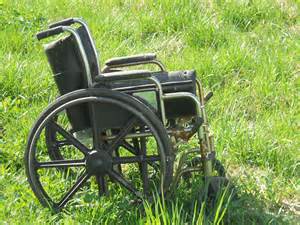 She looked back at the abandoned wheelchair, a now-empty prison cell from which she’d escaped. Draped over seat and armrest, the blue blanket’s corner flapped loose in a sudden refreshing current, waving her on. Andrea gulped, the air’s strong scent of salty sea helping to brace her as she pushed to a sitting position, almost upright, or as best as she could, propped on arms with hands rooting her to the ground. She gazed out at the sea, which was calm for that time of year. The family constantly discussed the weather—most people have nothing better to talk about—saying the storms this year were long overdue. Maybe, though, this would be the year of no storms at all. She’d heard it had happened before. Continuing to stare at the western horizon helped her resist looking over the edge, afraid of losing her balance. Although she’d come this far, she wasn’t ready yet. The sixty or so feet of sheer cliff met the sea at an abrupt bottom. She remembered, from walking the area years before—when she could walk. There was no beach, no boulders washed by the surf, only waves crashing incessantly against the shore’s steep wall. The perfect place to disappear. The wind was increasing, whipping Andrea’s face with brown, stringy hair, as though already covering it with seaweed. But she couldn’t chance removing one hand from the ground long enough to push it back. Instead, she shook her head and, leaning into the wind, managed to clear her face.
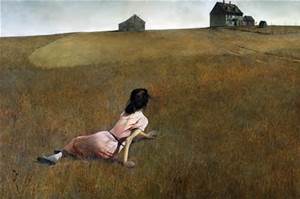 While inching from her chair, she must have looked like the woman in that famous painting—Christina’s World? That was it; she was sure, but she couldn’t remember the artist, never having been good with names. Andrea smiled. She liked the painting’s colours; they were soothing, very Prairie, offering memories of a pleasant childhood. But she had never been able to relate to the subject. At least, not until now—things were different. While Christina in the painting crawled within her limited life, Andrea was making every attempt to escape the trap hers had become since the accident. Looking back again at the stretch of ground she’d covered—not far, but further than she’d travelled alone in some time—she whispered, “Andrea’s World,” almost silent, as if worried someone might hear. But the wind whipped the words out of her mouth before she’d finished. The sudden sound of her own voice made her laugh, happily surprised by a long-forgotten friend. As with the lower half of her body, the voice had been unused for too long; but unlike her limbs, she’d been silent by choice. For what? Almost two years now? She considered how long it had been better—no, easier—to let them think all her faculties were paralyzed, just like her legs. Now this sudden return of voice frightened her. She tightened her lips, keeping any further words to herself. But time was passing; the sun would soon set. She’d have to decide, now that she was actually faced with the ultimate choice and no longer simply fantasizing, planning her final “leap of faith”—even though she’d held little to no faith throughout the living time of her life. She shifted her hands, easing the weight. The right one, propped to the side and slightly behind, bore the greatest load. And, unused to any kind of movement at all, let alone strenuous movement, what muscles remaining in her arms were already stiffening. She couldn’t put it off much longer.
 The orange orb of sun began descending into the sea, the cloudless horizon promising a spectacular finish to the day. Without having planned ahead this far, she could now perfectly time it, slipping over the edge at the same moment the sun disappeared. That possibility hadn’t occurred to Andrea while she was thinking this through. But reaching her final perch—first by wheelchair and then, after getting stuck, by sheer force of will—had made her late, allowing her to vanish dramatically with the sun. A pity no one would witness such a finale. Unfortunately, the wheelchair marked the spot for anyone searching. Nothing could be done about that. Likely they’d find her body sooner, but it would still be too late. She squinted at the blinding brightness of the sun as it dipped below the uninterrupted sea-line. A tear coursed down her cheek, splashing on one hand. “An-dre-aaaa! There she is, Jim!” Andrea glanced around, fearful. She panicked, her only window of opportunity now lost. Before being able to move stiffened arms, or even having time to think, two silhouettes crossed the open ground. The man, reaching Andrea first, fell to his knees; the woman lumbered up a few seconds later. Jim grabbed Andrea by the shoulders, wrenching her to safety—away from the cliff’s edge, and the only decision she’d made for herself in years. Martha shouted, “Thank God we found her!” Then looking down into Andrea’s vacant eyes, she screamed, “How the hell did you manage to do this?” Perpetually loud, Martha had no trouble making her voice heard over the wind. Jim shushed, “Quiet, Martha. She’s frightened.” He held Andrea so tight she felt the strong, steady beat of her husband’s heart. “She’s nothing,” Martha grumbled, “like usual. The elevator doesn’t go to the top floor.” Turning, she walked away towards the wheelchair. Jim didn’t loosen his grip, hanging on to his wife as though he were afraid she would attempt to jump. Andrea, slumping into Jim’s chest, glared over his shoulder, watching her sister-in-law fuss with the chair. After making a brief inspection, Martha yelled, “This is how she managed. Some idiot didn’t set the brake. She must have got her hand stuck on the controls, motored all the way from the house. Heaven only knows how she got from the chair to there. The battery’s run down, too. You’re going to have to push her back.” Continuing to mutter, she folded the blanket, crushing it against her chest, tightly creasing it into a compact square, then draped it over the chair’s arm, patting it back into place. Jim’s grip began easing. Holding Andrea away from his body, but still not letting go, he asked, “Is that what happened? Was this an accident?” Andrea gazed blankly off to the side. After much practice, she knew that particular look was convincing. Martha came up, wheeling the chair. “Of course it was an accident. And you know talking is no use. You won’t get anything out of her. She can’t hear.” Impatiently, she tucked loose strands of greasy, bottle-blonde hair behind an ear. Without looking at his sister, Jim set his jaw. “Why weren’t you looking after her?” “Oh, you can’t blame this on me. No way! I’m just helping out. I’m not her nursemaid.” Gripping Andrea closer, Jim shouted, “You’re supposed to be a companion. That’s why I’m paying you. Now hold the chair.” He let go of Andrea, stood up, and leaned over again to scoop her from the ground, whispering into her ear, “Let’s go home.” After placing his wife in the wheelchair, Jim pulled back and searched her face. For a split second, Andrea’s eyes locked onto his. He blinked in surprise, but, in a moment, the changed expression passed just as quickly, her eyes drifting back to the side. He shook his head once and tried meeting her look, saying, “Andrea, are you in there?” But she had already glazed over, not allowing him to tempt her again. Jim stood up and, moving to the back of the chair, gripped its handles. Martha began walking away across the meadow, calling back, “We’ll have to restrain her. I can’t be expected to watch her every minute.” She stopped and yelled, “You know what I think?” Andrea heard Jim exhale sharply. “No,” he said, “I don’t know what you think, and I don’t care.”
 Still facing the sea, Andrea caught one last glimpse of the fiery streaks of cloud criss-crossing the sky, leftover from the sunset. Martha shouted, “Red sky at night, sailors’ delight.” Andrea shivered with anger, seriously considering breaking her silence. Jim reached down and picked up the blanket. “You’re cold,” he whispered. Shaking it out, he covered Andrea’s knees, gently tucking her in, making her look like a total invalid. The colour in the sky quickly faded as Jim turned the chair around and began wheeling her back towards home.
 Thank you Susan for sharing Andrea's Journey.
 Here’s an advance review of Susan’s new novel due out in August. https://islandeditions.wordpress.com/2016/06/26/better-than-winning-a-contest/ Please drop by the Scribbler next week and meet Paul Hollis of St Louis, Missouri who also has been featured on the Scribbler before.
June 25, 2016
What makes Peru unique?
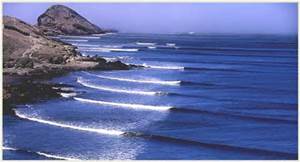 Peru, South America. Would you eat a guinea pig?
In many parts of South America, especially Peru, they are considered a delicacy. I’m not sure if I’d eat a rodent, especially since my son had one for a pet when he was a boy. Docile, nervous little creatures, they’re kind of cute. They are called cuyesin Peru. They can be deep fried or grilled, usually split down the middle like a lobster tail, cooked whole. But if you don’t find that appealing, there are other unique foods from Peru.

You could try Anticuchos– Quechan for cut stew meat – marinated in vinegar and spices is a common food amongst street vendors skewered over a grill, mostly made from beef heart.
Or Ceviche – a popular seafood dish. Raw fish cured in citrus juice, usually lemon or lime, and spiced with aji or chili peppers.
Or Pachamanca – from Quechan pacha “earth” manca “pot” – a traditional dish made by baking meats marinated in spices.
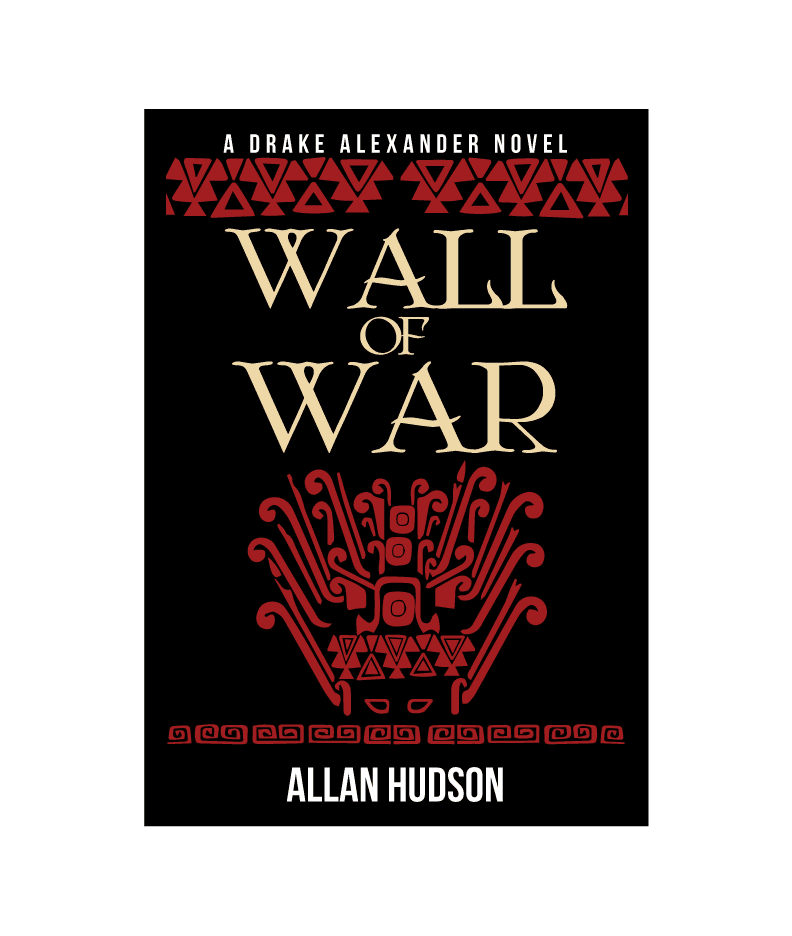
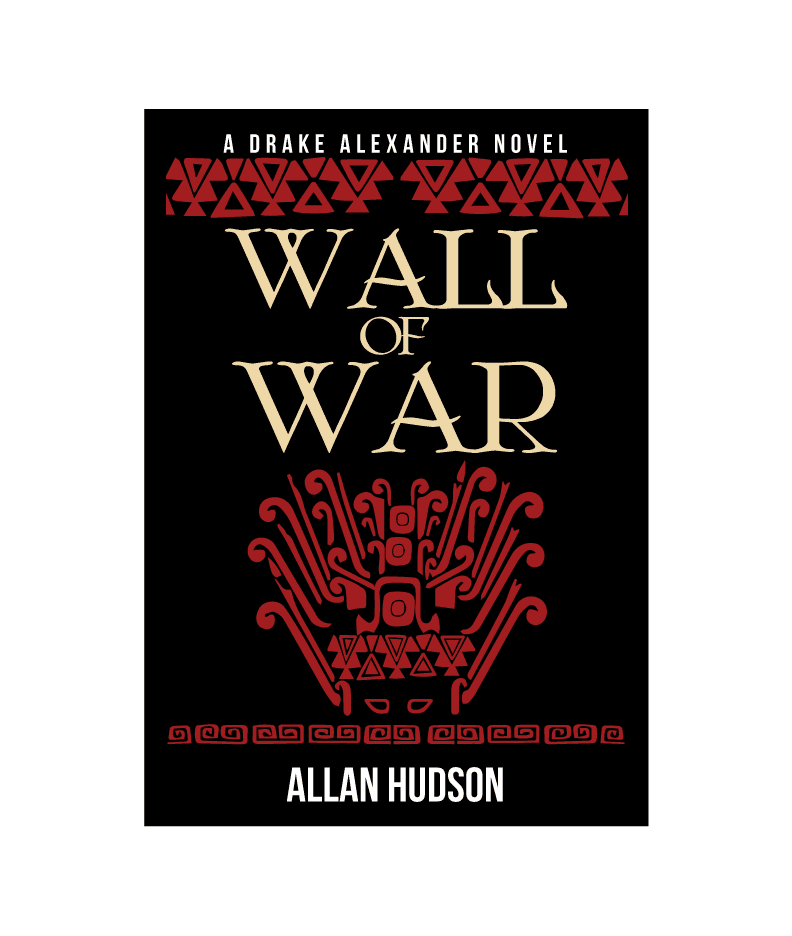 There’s more to Peru than odd dishes. It is the setting for my newest novel – Wall of War – which will be published in late 2016. Why Peru? I have always been fascinated by the Incan civilization. When I read about Machu Picchu (which is a whole other topic that could be discussed in depth) it led me to discover more of this unique country. In my previous Drake Alexander novel – Dark Side of a Promise – there is a Peruvian family that is an important detail to the novel. This same family is involved in Wall of War and one member is in serious trouble as a result of lost Incan gold. In Pre Columbian Peru, the earliest complex civilization in South America and quite possibly the world, was the Norte Chico Civilization which prospered along the Pacific Ocean between 3000 and 1800 BC. The Incan Empire was the largest state in South America until it was destroyed by the Spanish in the early 1500’s.
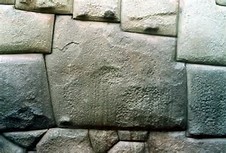 Peru has many ruins and incredible displays of Incan masonry with rocks fitting so perfect using only sand and water. This example of the famous twelve sided stone shows the incredible workmanship.
  The Amazon River originates in the Andes and is one of the world’s most fascinating bodies of water. The world's largest drainage basin which accounts for 20% of the Earth's total river flow discharging as much as 6591 cubic kilometers per annum.
 Lake Titicaca in southern Peru is the highest navigable lake in the world and is the largest in South America.
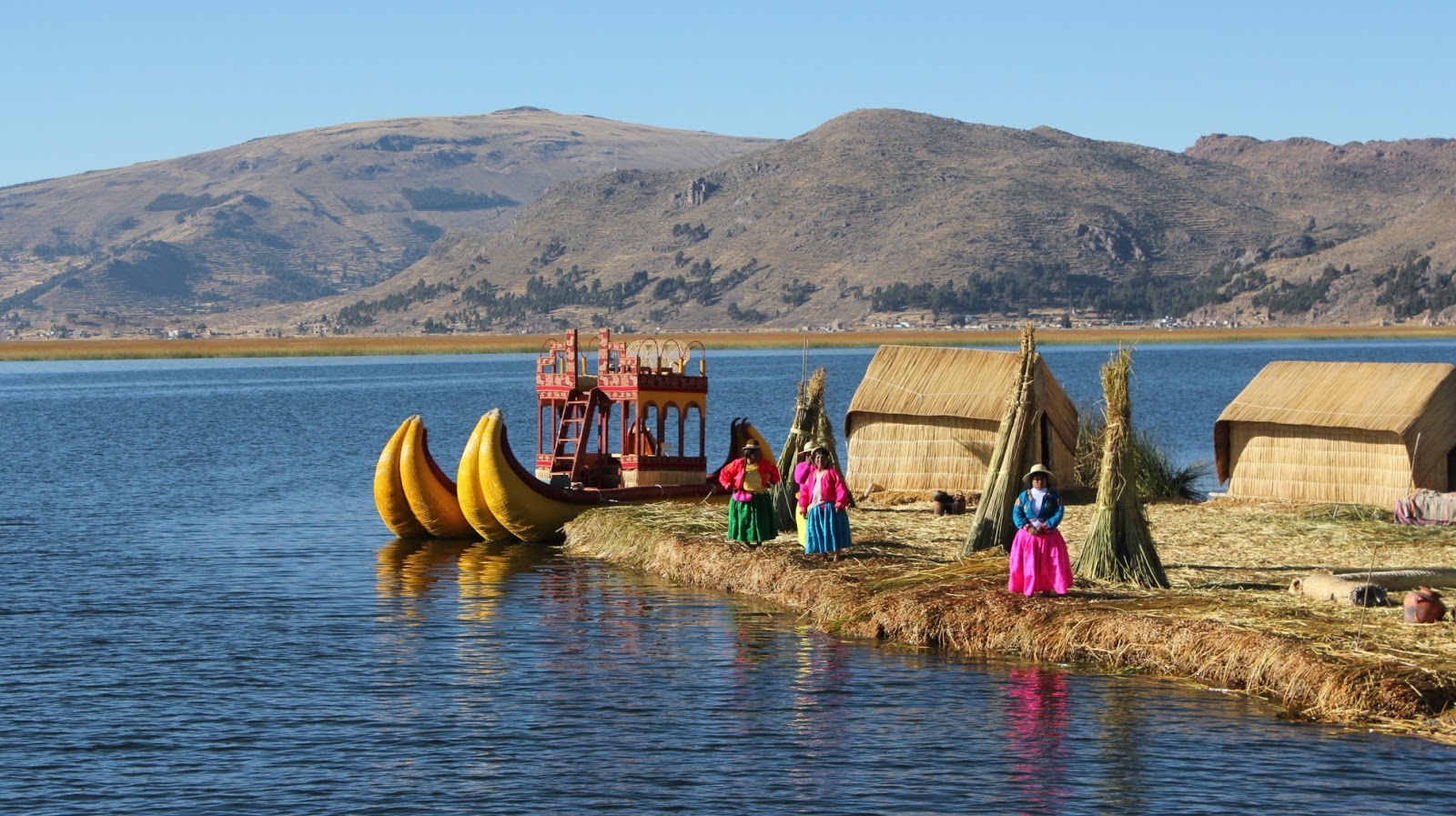
Peru is the 6th largest producer of gold in the world
 Peru has one of the largest population of shamans, second only to India.
 The potato originated in Peru and the country has over 50 varieties.
 Pima and Tanguis cotton are Peruvian and said to be the finest in the world.
 The National University of San Marcos is the oldest in South America and was founded in May of 1522.
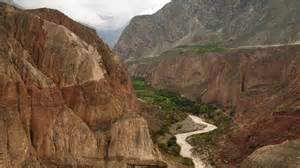 Cotahuasi Canyon is 11,597 feet deep, twice as much as the Grand Canyon and is the deepest in the world.
 The Inca citadel, Machu Picchu was lost in the Amazon jungle for centuries until it was discovered in the early 20thcentury by American explored Hiram Bingham.

Peru has 1625 varieties of orchids of which 425 can be found growing naturally close to Machu Picchu.
Peru is home to 90 different micro climates and is the most diverse in the world from arid deserts to lush rainforests.
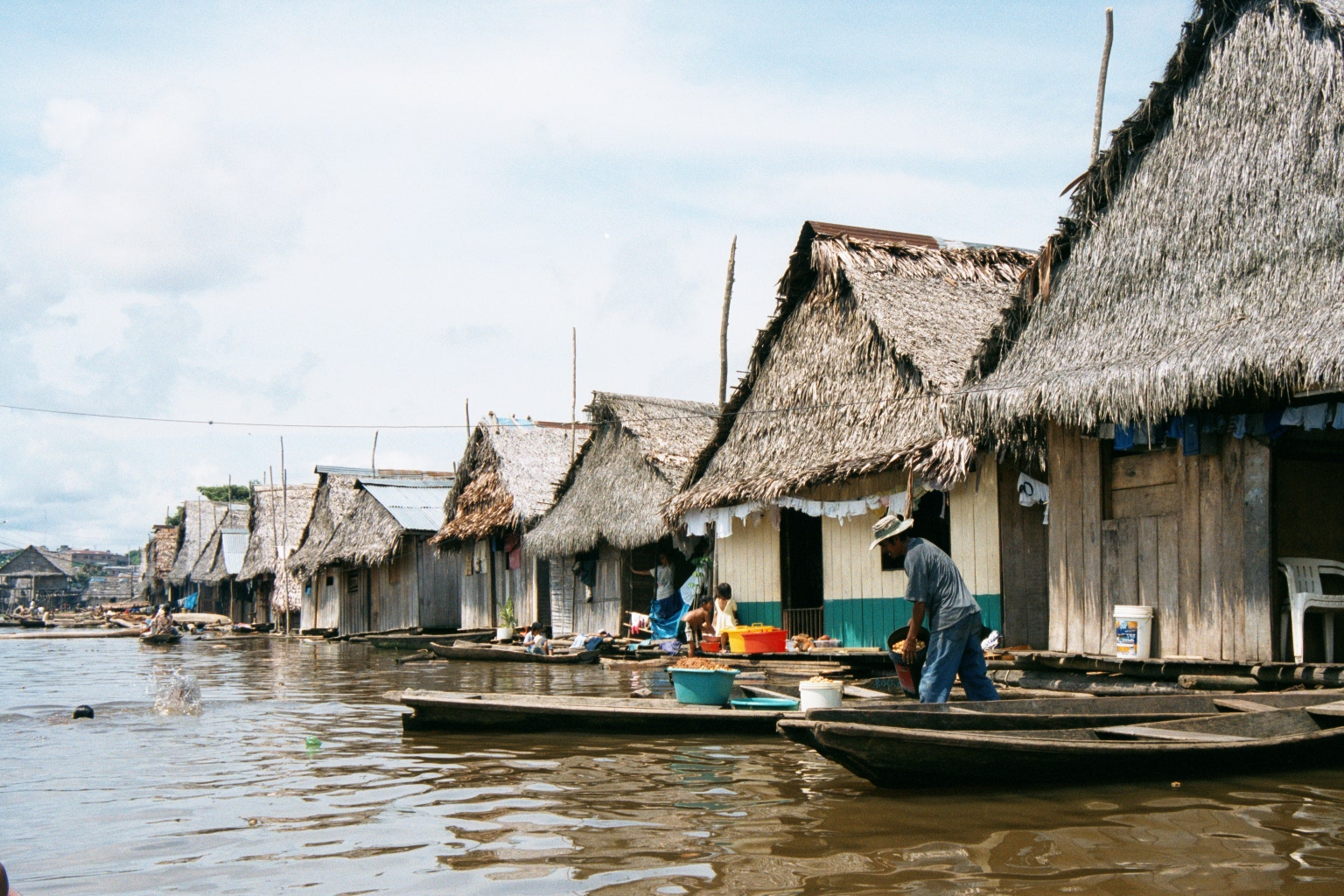 The city of Iquitos is the largest city inaccessible by road. To visit the city you must either fly in or arrive by boat. IT experienced a unprecedented growth in the population between 1880 and 1914 due to the "rubber boom". Gustav Eiffel - designer of the Eiffel Tower - designed the Casa de Fierro (Iron House). Built in the 19th century, it still stands.
It has the highest sand dune as well as the longest left hand wave in the world.

How about the geoglyphs or Nazca lines in the desert of southern Peru. Images of animals, birds and insects, some as much as 600 feet across. Scholars believe the lines were etched in the desert between 500 BC to 500 AD. They still exist and are visible from the surrounding foothills.
.
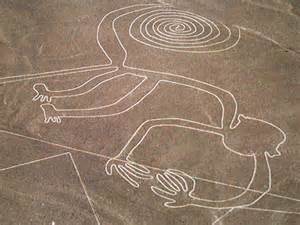
This amazing country has many unique features and ancient history. While doing research for my novel, it has been a pleasure to learn about Peru.
Watch here for more updates on the Wall of War.
 Please drop by next week for an excerpt from Susan Toy's newest novel. It will be Susan's fourth visit to the Scribbler.
 The winners of the two copies of Dark Side of a Promise are;Carole Lirette of Moncton, NBHailie Anderson of Halifax NS.Thank you to all who participated.