Allan Hudson's Blog, page 48
January 7, 2017
Guest Author Beth Powning of Markhamville, NB
Good news!
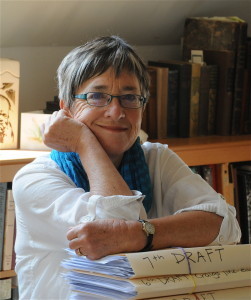
One of my favored authors is the guest this week on the Scribbler. So excited to have Beth Powning answer questions for the 4Q Interview.
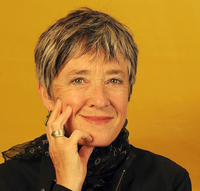
Beth was born in 1949. She graduated from Sarah Lawrence College, New York, where she majored in creative writing, studying with novelist E.L.Doctorow. She immigrated to Canada in 1972 with her artist husband, Peter Powning. Since then, she and Peter have lived on a farm in Markhamville, New Brunswick, where they grow much of their own food in organic gardens. They have one son, Jake Powning, who lives nearby with his wife, Sara, and two granddaughters. Beth Powning photographed two gardening books before publishing her own first book in 1995, Seeds of
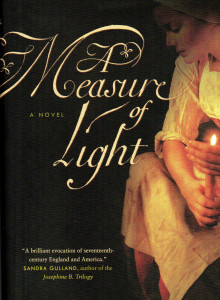
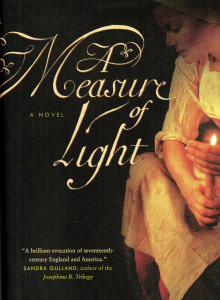
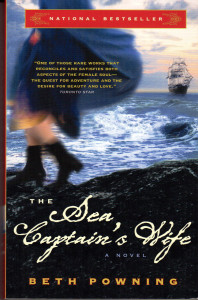
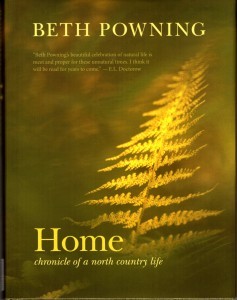 Another Summer (Penguin) published in the US as Home – Chronicle of a North Country Life (writing and photograpy), recently re-released by Goose Lane Editions. She went on to write Shadow Child (Penguin Canada - subsequently re-issued by Knopf Canada, short-listed for the Edna Staebler Award for Literary Non-fiction); The Hatbox Letters (Knopf Canada, a best-seller and long-listed for the Dublin IMPAC Award); Edge Seasons (Knopf, a Globe and Mail Best Book) and The Sea Captain’s Wife (best-selling novel, long-listed for the Dublin IMPAC Literary Award and short-listed for the Thomas Head Raddall Atlantic Fiction Award). This novel was published in French in 2014 by Editions Perce Neige. Her latest novel, A Measure of Light, Knopf Canada, March 2015, was a
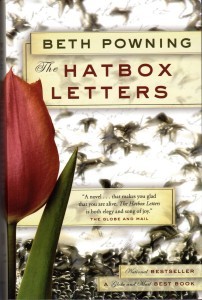 Globe and Mail Best Book, was long-listed for the Dublin International Literary Award and won the N.B. Award for Fiction. Her work has been widely published in magazines and anthologies, and she has made many appearances across Canada and in the U.S., Ireland and Great Britain. She was the recipient of New Brunswick’s 2010 Lieutenant Governor’s Award for English Literary Arts, and in 2014 received an honorary Doctorate of Letters degree from the University of New Brunswick. She is active in her community, serving on boards and committees. Her newsletters and photography can be seen at
www.powning.com/beth
.
Globe and Mail Best Book, was long-listed for the Dublin International Literary Award and won the N.B. Award for Fiction. Her work has been widely published in magazines and anthologies, and she has made many appearances across Canada and in the U.S., Ireland and Great Britain. She was the recipient of New Brunswick’s 2010 Lieutenant Governor’s Award for English Literary Arts, and in 2014 received an honorary Doctorate of Letters degree from the University of New Brunswick. She is active in her community, serving on boards and committees. Her newsletters and photography can be seen at
www.powning.com/beth
.
 4Q: I’m a big fan of your novels and it is a real treat to have you as a guest Beth. Your attention to detail and place is a true art. When an idea for a story comes along, what are your writing habits? Do you outline or just sit and write?
Usually I explore and discard two or three ideas before finally finding the one that is going to work. Sometimes I will write 40-50 pages of something and then know that it’s not going anywhere. I go back to dreaming, scribbling ideas in my journal, keeping my mind open, waiting for that unmistakable prickle of excitement. The idea that finally becomes a book is usually something that I have written many pages about in my journal, describing the project to myself. My next step will be to study— in the case of my last two novels, at least a full year. When I am ready to write, I know it because I am thoroughly sick of the research and long to enter the story. I simply begin. The novelist E. L. Doctorow, my beloved teacher and mentor, said to his writing students— “You don’t need to begin at the beginning. Start anywhere.” The place I begin writing seldom becomes the actual first sentence of the book. I know that the first draft will be subject to many revisions, so I dive in, flailing about. I don’t know how the book is going to develop; I never have a plot line. If I wrote from an outline, I would not feel as if I were on a quest, a journey. I need to be surprised by what happens. A novel to me is like a question to which I don’t know the answer. I write to find out the answer, I write to take the journey, I write to live in the world that I’m creating.
4Q: There’s been a lot of attention and praise for your latest novel, A Measure of Light and I truly enjoyed the book but my favorite is The Sea Captain’s Wife, both of which are historical. Is this a favorite genre for you?
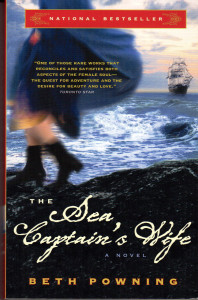 I was asked this question by someone else, recently, and it made me realize the extent to which I was influenced by E. L. Doctorow. All of his novels are fictions built around actual historical events. I grew with houses built in the 18th and 19th centuries, my own childhood house as well as the houses of my grandparents. They were filled with rope-strung beds, creaky floorboards, musty linens. I was surrounded by tangible evidence of the past, so it’s not surprising that history crept into my first novel, hatboxes filled with letters that land in Kate’s living room, whose unexpected stories help her to move forward after her husband’s death. The next two novels were complete surprises to me, and came after stumbling on facts that astonished me and made me aware of my own ignorance and desire to learn. I didn’t know that women went to sea with their captain husbands. I had never heard of Mary Dyer nor knew that people had been coldly hanged for their religious beliefs in New England. These facts inhabited compelling stories, stories that I felt needed to be told. Doctorow was one of the first novelists to blur the line between historical fiction and literary fiction. These days, many novels blend history and fiction. I love history, I love learning about history by reading novels. I consider my novels to be literary fiction.
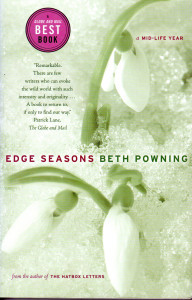
4Q: Some of your earlier works have been inspired by memories. I especially enjoyed Edge Seasons – A Mid-Life year. Please share a childhood memory or anecdote.
My memories are vivid and visceral. I remember the iridescent blur of wasps’ wings, sluggish on the sundrenched windowsills of my childhood home. And the sound of the six o-clock bedtime train—the improbable clackety-clack of its wheels as it snaked, hidden, through the dense valley trees. In 1958, when I was nine, most of my friends had televisions, but my parents refused to buy one. I created places to read, like the alternate worlds that I now inhabit when I write. One was a place of many blankets, chair-draped, with a table lamp and pillows, created over the hot-air register, in winter. Another was a tree-house, built by me and my brother (we had several), a platform of boards wedged across branches. One was on what we called “The Indian Rock,” a massive boulder in our horse pasture with a smooth and mysterious oval bowl which we thought had been made by hand-grinding corn. One unfortunate one was built on the ground behind the vegetable garden out of hay bales, where I left a pile of library books in a rainstorm. And under the oak tree that I wrote about in Home was a shipping crate in which my grandparents had sent home all their belongings when they sold their home in Bermuda; its drafty plywood walls enclosed me and my beloved books and the worlds inside them. I carried on a third-person dialogue inside my head, a constant internal monologue that described me to me. “It was getting late, so she started home across the fields.” Only after I spent a two-week vacation with a friend did I lose this habit, and then I mourned it.
4Q: What’s next for Beth Powning the author?
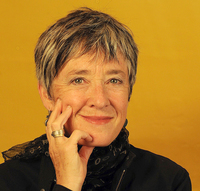 I’ve just finished the first draft of a new novel. It takes place in New Brunswick, time-present, with (of course!) a historical thread wound through it. I am just now working through it, editing, so that it reads smoothly enough for me to show to my agent, Jackie Kaiser. Jackie is always my first reader. I usually don’t offer the manuscript to my publishers until I have written three drafts, all of which she reads and comments on. I’m very, very fortunate to have her. Gerard Collins and I have formed a literary committee for our new arts and culture centre here in Sussex. I’ll be doing a lot of work on that in the next year.
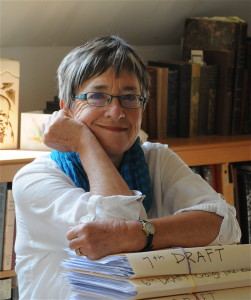
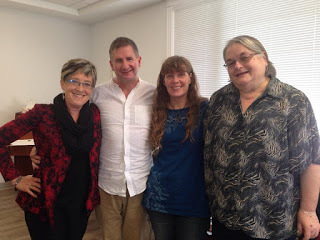 Posing with Beth are authors Gerard Collins, Janie Simpson and Jane Tims.
 Thank you Beth for taking the time to be ourguest. Please drop by Beth's web site to discover more about her. I highly recommend her stories.
www.powning.com/beth
. Read The Globe and Mail review of The Sea Captain's Wife here . All comments welcome.
Thank you Beth for taking the time to be ourguest. Please drop by Beth's web site to discover more about her. I highly recommend her stories.
www.powning.com/beth
. Read The Globe and Mail review of The Sea Captain's Wife here . All comments welcome.
One of my favored authors is the guest this week on the Scribbler. So excited to have Beth Powning answer questions for the 4Q Interview.
Beth was born in 1949. She graduated from Sarah Lawrence College, New York, where she majored in creative writing, studying with novelist E.L.Doctorow. She immigrated to Canada in 1972 with her artist husband, Peter Powning. Since then, she and Peter have lived on a farm in Markhamville, New Brunswick, where they grow much of their own food in organic gardens. They have one son, Jake Powning, who lives nearby with his wife, Sara, and two granddaughters. Beth Powning photographed two gardening books before publishing her own first book in 1995, Seeds of
 Another Summer (Penguin) published in the US as Home – Chronicle of a North Country Life (writing and photograpy), recently re-released by Goose Lane Editions. She went on to write Shadow Child (Penguin Canada - subsequently re-issued by Knopf Canada, short-listed for the Edna Staebler Award for Literary Non-fiction); The Hatbox Letters (Knopf Canada, a best-seller and long-listed for the Dublin IMPAC Award); Edge Seasons (Knopf, a Globe and Mail Best Book) and The Sea Captain’s Wife (best-selling novel, long-listed for the Dublin IMPAC Literary Award and short-listed for the Thomas Head Raddall Atlantic Fiction Award). This novel was published in French in 2014 by Editions Perce Neige. Her latest novel, A Measure of Light, Knopf Canada, March 2015, was a
  Globe and Mail Best Book, was long-listed for the Dublin International Literary Award and won the N.B. Award for Fiction. Her work has been widely published in magazines and anthologies, and she has made many appearances across Canada and in the U.S., Ireland and Great Britain. She was the recipient of New Brunswick’s 2010 Lieutenant Governor’s Award for English Literary Arts, and in 2014 received an honorary Doctorate of Letters degree from the University of New Brunswick. She is active in her community, serving on boards and committees. Her newsletters and photography can be seen at
www.powning.com/beth
.
Globe and Mail Best Book, was long-listed for the Dublin International Literary Award and won the N.B. Award for Fiction. Her work has been widely published in magazines and anthologies, and she has made many appearances across Canada and in the U.S., Ireland and Great Britain. She was the recipient of New Brunswick’s 2010 Lieutenant Governor’s Award for English Literary Arts, and in 2014 received an honorary Doctorate of Letters degree from the University of New Brunswick. She is active in her community, serving on boards and committees. Her newsletters and photography can be seen at
www.powning.com/beth
. 4Q: I’m a big fan of your novels and it is a real treat to have you as a guest Beth. Your attention to detail and place is a true art. When an idea for a story comes along, what are your writing habits? Do you outline or just sit and write?
 Usually I explore and discard two or three ideas before finally finding the one that is going to work. Sometimes I will write 40-50 pages of something and then know that it’s not going anywhere. I go back to dreaming, scribbling ideas in my journal, keeping my mind open, waiting for that unmistakable prickle of excitement. The idea that finally becomes a book is usually something that I have written many pages about in my journal, describing the project to myself. My next step will be to study— in the case of my last two novels, at least a full year. When I am ready to write, I know it because I am thoroughly sick of the research and long to enter the story. I simply begin. The novelist E. L. Doctorow, my beloved teacher and mentor, said to his writing students— “You don’t need to begin at the beginning. Start anywhere.” The place I begin writing seldom becomes the actual first sentence of the book. I know that the first draft will be subject to many revisions, so I dive in, flailing about. I don’t know how the book is going to develop; I never have a plot line. If I wrote from an outline, I would not feel as if I were on a quest, a journey. I need to be surprised by what happens. A novel to me is like a question to which I don’t know the answer. I write to find out the answer, I write to take the journey, I write to live in the world that I’m creating.
4Q: There’s been a lot of attention and praise for your latest novel, A Measure of Light and I truly enjoyed the book but my favorite is The Sea Captain’s Wife, both of which are historical. Is this a favorite genre for you?
 I was asked this question by someone else, recently, and it made me realize the extent to which I was influenced by E. L. Doctorow. All of his novels are fictions built around actual historical events. I grew with houses built in the 18th and 19th centuries, my own childhood house as well as the houses of my grandparents. They were filled with rope-strung beds, creaky floorboards, musty linens. I was surrounded by tangible evidence of the past, so it’s not surprising that history crept into my first novel, hatboxes filled with letters that land in Kate’s living room, whose unexpected stories help her to move forward after her husband’s death. The next two novels were complete surprises to me, and came after stumbling on facts that astonished me and made me aware of my own ignorance and desire to learn. I didn’t know that women went to sea with their captain husbands. I had never heard of Mary Dyer nor knew that people had been coldly hanged for their religious beliefs in New England. These facts inhabited compelling stories, stories that I felt needed to be told. Doctorow was one of the first novelists to blur the line between historical fiction and literary fiction. These days, many novels blend history and fiction. I love history, I love learning about history by reading novels. I consider my novels to be literary fiction.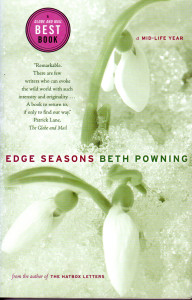
4Q: Some of your earlier works have been inspired by memories. I especially enjoyed Edge Seasons – A Mid-Life year. Please share a childhood memory or anecdote.
My memories are vivid and visceral. I remember the iridescent blur of wasps’ wings, sluggish on the sundrenched windowsills of my childhood home. And the sound of the six o-clock bedtime train—the improbable clackety-clack of its wheels as it snaked, hidden, through the dense valley trees. In 1958, when I was nine, most of my friends had televisions, but my parents refused to buy one. I created places to read, like the alternate worlds that I now inhabit when I write. One was a place of many blankets, chair-draped, with a table lamp and pillows, created over the hot-air register, in winter. Another was a tree-house, built by me and my brother (we had several), a platform of boards wedged across branches. One was on what we called “The Indian Rock,” a massive boulder in our horse pasture with a smooth and mysterious oval bowl which we thought had been made by hand-grinding corn. One unfortunate one was built on the ground behind the vegetable garden out of hay bales, where I left a pile of library books in a rainstorm. And under the oak tree that I wrote about in Home was a shipping crate in which my grandparents had sent home all their belongings when they sold their home in Bermuda; its drafty plywood walls enclosed me and my beloved books and the worlds inside them. I carried on a third-person dialogue inside my head, a constant internal monologue that described me to me. “It was getting late, so she started home across the fields.” Only after I spent a two-week vacation with a friend did I lose this habit, and then I mourned it.
4Q: What’s next for Beth Powning the author?
 I’ve just finished the first draft of a new novel. It takes place in New Brunswick, time-present, with (of course!) a historical thread wound through it. I am just now working through it, editing, so that it reads smoothly enough for me to show to my agent, Jackie Kaiser. Jackie is always my first reader. I usually don’t offer the manuscript to my publishers until I have written three drafts, all of which she reads and comments on. I’m very, very fortunate to have her. Gerard Collins and I have formed a literary committee for our new arts and culture centre here in Sussex. I’ll be doing a lot of work on that in the next year.
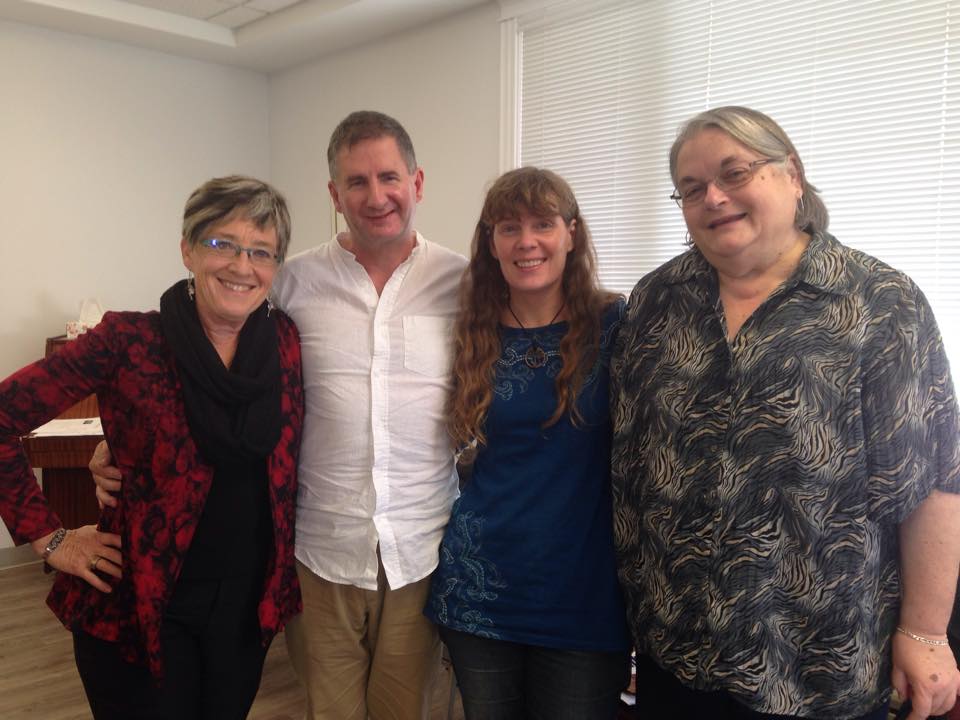 Posing with Beth are authors Gerard Collins, Janie Simpson and Jane Tims.
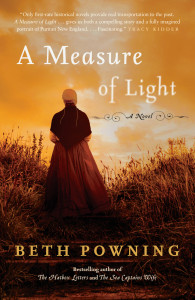 Thank you Beth for taking the time to be ourguest. Please drop by Beth's web site to discover more about her. I highly recommend her stories.
www.powning.com/beth
. Read The Globe and Mail review of The Sea Captain's Wife here . All comments welcome.
Thank you Beth for taking the time to be ourguest. Please drop by Beth's web site to discover more about her. I highly recommend her stories.
www.powning.com/beth
. Read The Globe and Mail review of The Sea Captain's Wife here . All comments welcome.


January 1, 2017
Goodbye to another friend. Lockie Young 1959 - 2016
Life is pleasant. Death is peaceful. It's the transition that's troublesome.”
― Isaac Asimov
 The Scribbler lost another friend last week. Lockard F. Young passed away on December 27th with his wife Trish and two sons Jason and Ryan at his bedside. Locks was one of our favorite guests, a terrific author and a man we truly liked.
 This week's post is a tribute to Lockie. Below you will find a link to some of the pages where he was the guest and some of his talented writing.
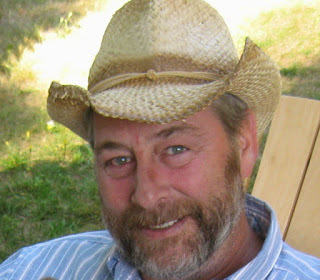 August 23, 2015 His short story - Are You Sure.
Here
May 23, 2014 The Lone Shepard
Here
Jan. 30th, 2015 4Q Interview
Here
Feb. 21, 2014 Kenny-isms
Here
 September 27, 2013 (My favorite) - Not Waxing Poetic.
Here
This story was plagiarized by someone and went viral on the internet with out any credit given to Lockie. Naturally, he was upset but I was impressed at how many people loved and laughed at this story, at his talented writing.
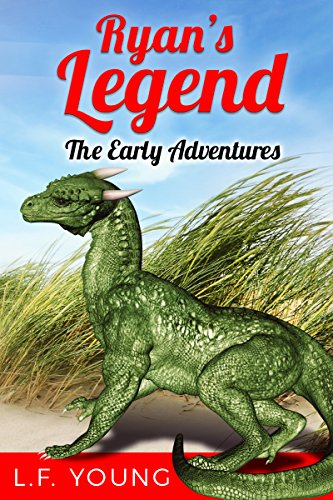
In December, 2016, Lockie's two published stories, Ryan's Legend and The Legend Returns has been published as a paperback called Ryan's Legend. The Early Adventures and is available here
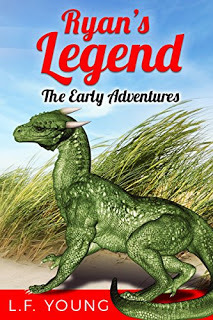
His website - https://lockardyoung.wordpress.com/
Farewell my friend, it has been a true pleasure knowing you.
― Isaac Asimov
 The Scribbler lost another friend last week. Lockard F. Young passed away on December 27th with his wife Trish and two sons Jason and Ryan at his bedside. Locks was one of our favorite guests, a terrific author and a man we truly liked.
  This week's post is a tribute to Lockie. Below you will find a link to some of the pages where he was the guest and some of his talented writing.
 August 23, 2015 His short story - Are You Sure.
Here
May 23, 2014 The Lone Shepard
Here
Jan. 30th, 2015 4Q Interview
Here
Feb. 21, 2014 Kenny-isms
Here
 September 27, 2013 (My favorite) - Not Waxing Poetic.
 Here
This story was plagiarized by someone and went viral on the internet with out any credit given to Lockie. Naturally, he was upset but I was impressed at how many people loved and laughed at this story, at his talented writing.
In December, 2016, Lockie's two published stories, Ryan's Legend and The Legend Returns has been published as a paperback called Ryan's Legend. The Early Adventures and is available here
His website - https://lockardyoung.wordpress.com/
Farewell my friend, it has been a true pleasure knowing you.
December 24, 2016
What Happened and What's Next?
Christmas Eve Post!

Wishing you that merriest Christmas, the happiest holidays ever.
What a year it has been.
 I would like to thank everyone that has visited the Scribbler over the last twelve months. whether it was for a few minutes or for many minutes, stopping by to meet my guests.
Readers from US, Canada, Russia, India, China, Ukraine, France, United Kingdom, Bangladesh, Germany, Belgium, Brazil, Australia and others.
 Thank you to the tremendous authors and artists that have been kind enough to share their thoughts and work.
Authors from as far away as South Africa, Australia, Great Britain, Germany, Tennessee, Florida, Illinois, New York, Ontario, British Columbia, Nova Scotia and good ole New Brunswick.
2016 has been an incredible year for the Scribbler and myself personally.
What is truly exciting is what is coming this year. The Scribbler has a tremendous line-up of authors and artists as guests.
 Beth Powning of Sussex, New Brunswick, author of The Sea Captain's Wife and A Measure of Light.

Seumas Gallacher of Abu Dhabi, author of the Jack Calder series.
 Chuck Bowie, New Brunswick, author of the Sean Donovan - Thief for Hire - series
Sally Cronin of Great Britian
Tina Frisco of USA
Jane Simpson of New Brunswick
Renee Gauthier of Ontario
Diana Stevan of British Columbia
Victoria Hanlon of England.
And the list continues to grow...
Milestones:
 Two consecutive weeks of over 1000 page views.
Over 20,000 visitors.
Good news!
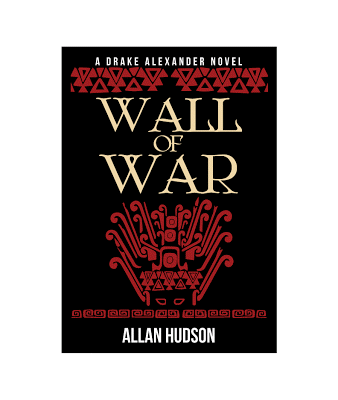
My second novel - Wall of War is finally going to the editors in the New year and keeping my fingers crossed for publication in the late spring.
 I've started working on my third novel which remains untitled at this time. It is an historical novel that begins in Scotland in 1911. Fate will bring Dominic Alexander to Canada and the shores of the East Coast where he will make his home.
The plan is for a trilogy of the Alexander family beginning with Dominic and ending with my main character Drake Alexander, Dominic's grandson, almost a hundred years later.
 *I've resurrected one of my favorite characters, detective Jo Naylor and will feature a serial based on one of my earlier short stories. (you can find it above on the Page bar). Should be fun. It is going to be a story that will continue over time and I'm hoping that there will be some reader feedback as you help me.
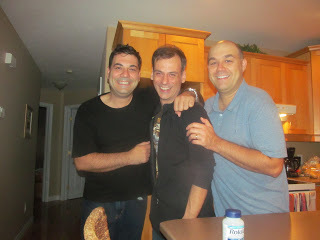
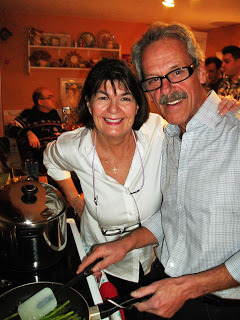 Finally I want to thank my family for their support, encouragement and love. I am a very lucky man. My beautiful wife Gloria, my son Adam, my stepsons Chris & Mark, their wives Mireille and Natalie and my precious grandchildren Matthieu, Natasha and Damian.

Wishing you that merriest Christmas, the happiest holidays ever.
What a year it has been.
 I would like to thank everyone that has visited the Scribbler over the last twelve months. whether it was for a few minutes or for many minutes, stopping by to meet my guests.
 Readers from US, Canada, Russia, India, China, Ukraine, France, United Kingdom, Bangladesh, Germany, Belgium, Brazil, Australia and others.
 Thank you to the tremendous authors and artists that have been kind enough to share their thoughts and work.
Authors from as far away as South Africa, Australia, Great Britain, Germany, Tennessee, Florida, Illinois, New York, Ontario, British Columbia, Nova Scotia and good ole New Brunswick.
2016 has been an incredible year for the Scribbler and myself personally.
What is truly exciting is what is coming this year. The Scribbler has a tremendous line-up of authors and artists as guests.
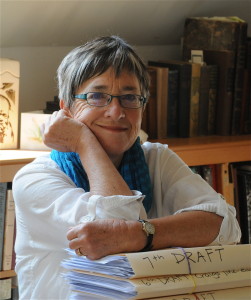 Beth Powning of Sussex, New Brunswick, author of The Sea Captain's Wife and A Measure of Light.
Seumas Gallacher of Abu Dhabi, author of the Jack Calder series.
 Chuck Bowie, New Brunswick, author of the Sean Donovan - Thief for Hire - series
 Sally Cronin of Great Britian
Tina Frisco of USA
Jane Simpson of New Brunswick
Renee Gauthier of Ontario
Diana Stevan of British Columbia
Victoria Hanlon of England.
And the list continues to grow...
Milestones:
 Two consecutive weeks of over 1000 page views.
Over 20,000 visitors.
Good news!
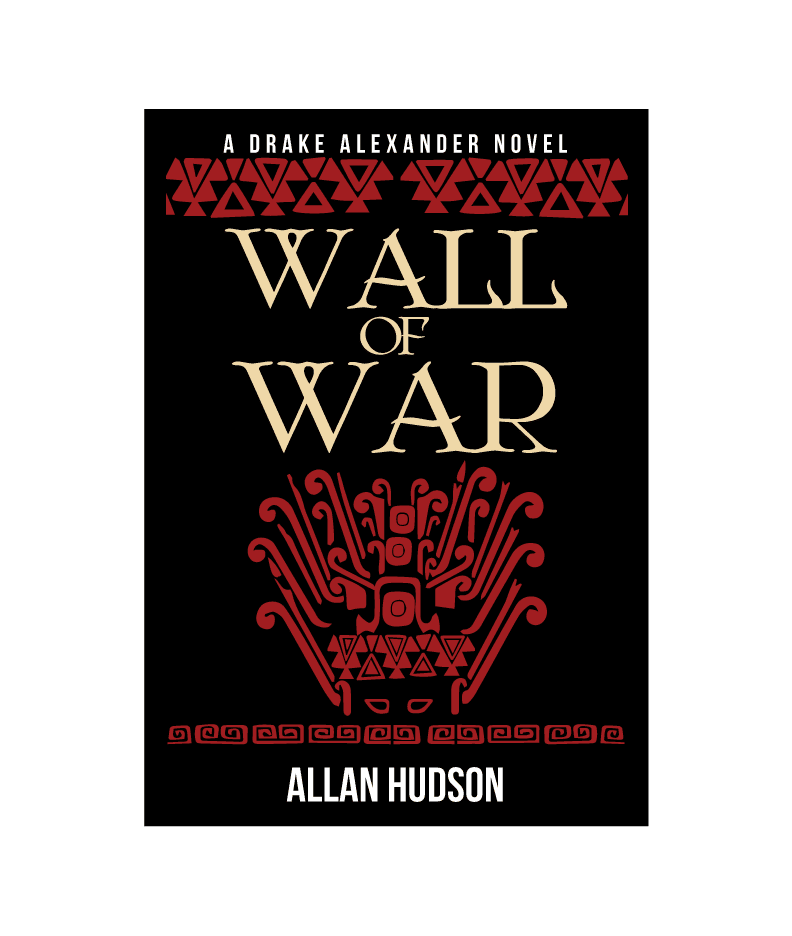
My second novel - Wall of War is finally going to the editors in the New year and keeping my fingers crossed for publication in the late spring.
 I've started working on my third novel which remains untitled at this time. It is an historical novel that begins in Scotland in 1911. Fate will bring Dominic Alexander to Canada and the shores of the East Coast where he will make his home.
 The plan is for a trilogy of the Alexander family beginning with Dominic and ending with my main character Drake Alexander, Dominic's grandson, almost a hundred years later.
 *I've resurrected one of my favorite characters, detective Jo Naylor and will feature a serial based on one of my earlier short stories. (you can find it above on the Page bar). Should be fun. It is going to be a story that will continue over time and I'm hoping that there will be some reader feedback as you help me.
 Finally I want to thank my family for their support, encouragement and love. I am a very lucky man. My beautiful wife Gloria, my son Adam, my stepsons Chris & Mark, their wives Mireille and Natalie and my precious grandchildren Matthieu, Natasha and Damian.
December 17, 2016
Guest Author Valerie Sherrard of Miramichi, NB.
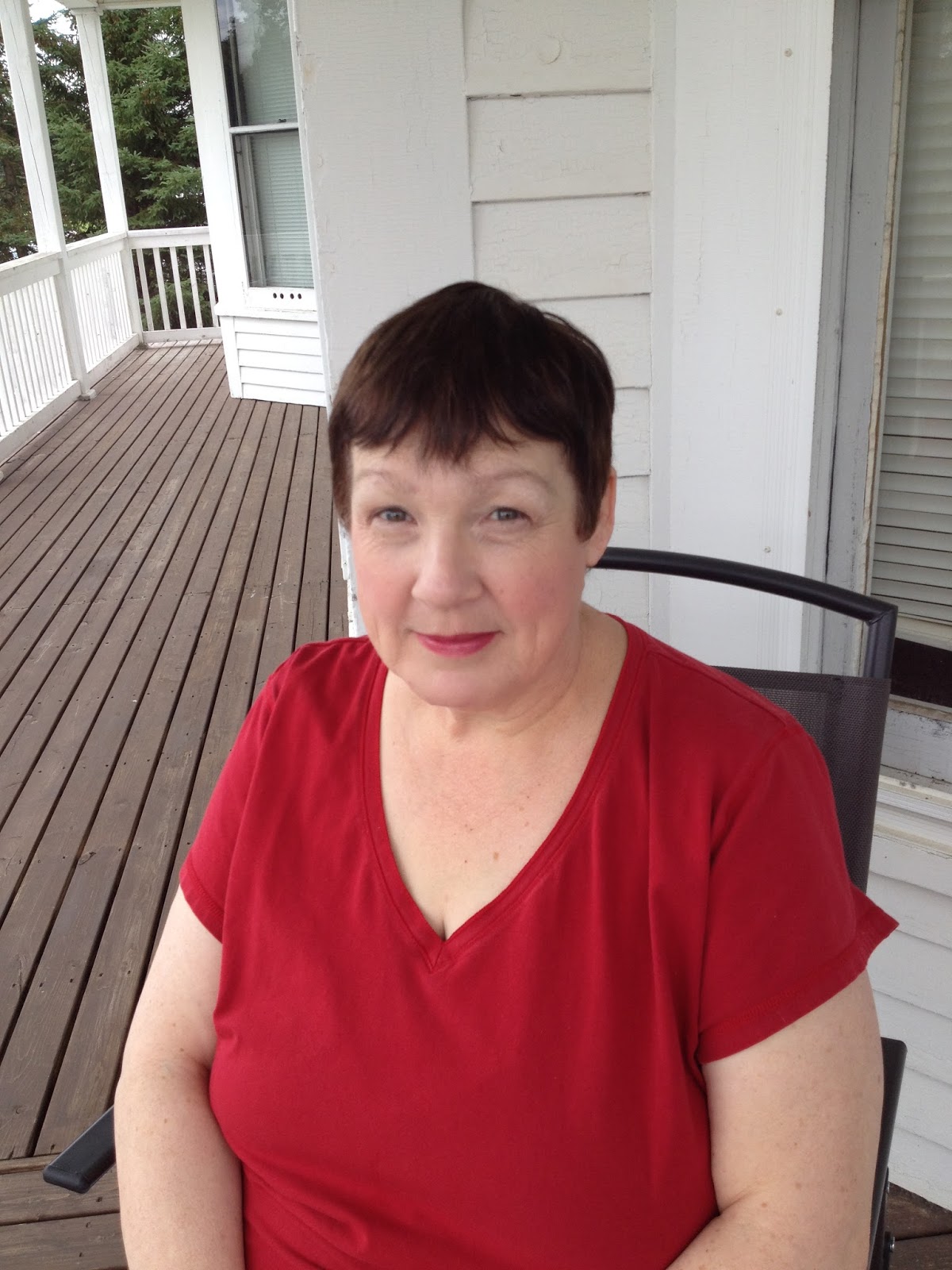 Valerie Sherrard was born in 1957 in Moose Jaw, Saskatchewan, and grew up in various parts of Canada. Her father was in the Air Force so the family moved often, and was sent to live in Lahr, West Germany, when Valerie was in grades 6 and 7. It was there that a teacher encouraged her toward writing, although nearly three decades would pass before she began to pursue it seriously.
Valerie has made her home in New Brunswick since 1980. In 1985, her second child, Rebecca, died at the age of 19 months. This led her to a decision to foster children in need of homes and over the years she fostered approximately 70 adolescents for various lengths of time. Valerie also worked as the Director of a group home for teens for more than a decade. It was quite natural, in light of those experiences, that when she began to write in earnest, she wrote for young adults.
 Valerie eventually gave up fostering and left her job at the group home and is now a full-time writer. She soon expanded her work to include picture books and middle novels as well, enjoying the challenges of writing for those age groups. To date, 25 of her books have been published.
 This author’s work has been recognized on national and international levels and has been translated into several languages. As well, she has won or been shortlisted for numerous awards, including the Governor General, the TD Children’s Literature, the Geoffrey Bilson, the Ann Connor Brimer, and many others.
Her bibliography and link are listed below.
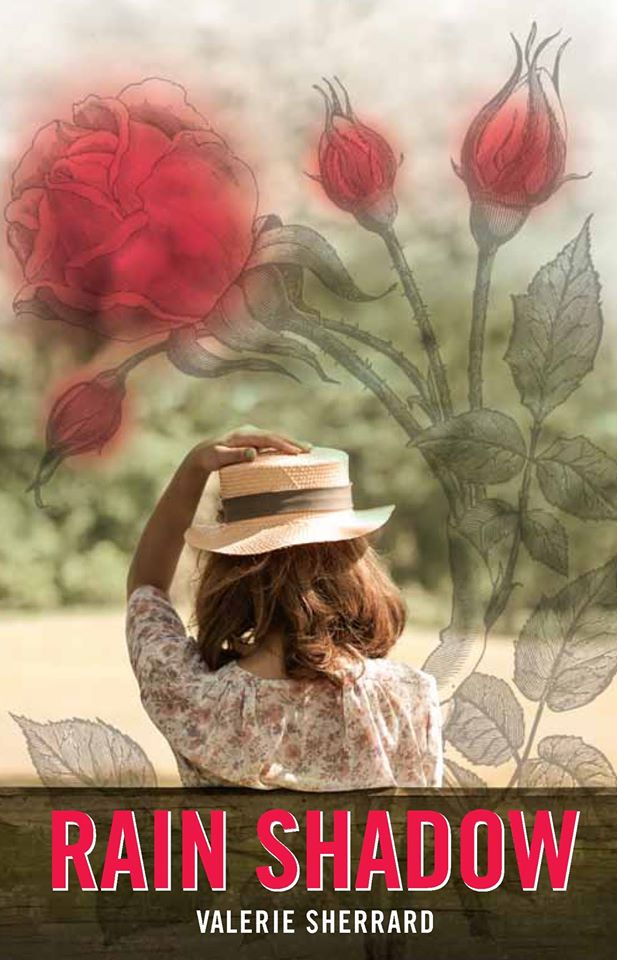
Valerie Sherrard: Excerpt from Rain Shadow Copyright is held by the author. Used with permission.
Before the Beginning
My sister Mira is the sun and I am the moon. That is what she said to me one day. She meant it for mean, like when she tells me she is a jewel and I am a stone or she is a rose and I am a cabbage.
When she says things like that I make a sad face. If I do that she laughs and tells me not to be gloomy because I cannot help being the way I am. Then she goes away and stops buzzing in my ear like an angry bee. The truth is, I do not mind the idea of being a stone or a cabbage.
Jewels are nice with their colour and shine. But I think stones are more interesting. Holding a stone can make you feel peaceful and calm. Some stones are mysterious, with lines and drawings in them. It is a mistake to ever think a stone is not worth looking at.
Or cabbages. Have you seen a cabbage grow from the first tiny leaves all the way to a perfect round ball of green? They are beautiful, and also delicious when Mother cooks them into a boiled dinner, or cabbage rolls or sauerkraut to go with the sausages the butcher makes.
 But the moon! Of all the things Mira says I am like that is my favourite one. She is welcome to be the sun if she likes. That is fine with me. The sun has one face for every day. Even on days when the sky is full of clouds, the sun is there behind them, round and orange. It does not change.
 The moon is never the same. Sometimes, the moon is a soft white ball, like a curled up kitten. Or it can be yellow or gray as if there is a very pale curtain hanging in front of it. Other times, it is a tiny sliver of light. Daddy says that is like a farmer’s scythe, sent to gather a basket of stars. Clouds and trees and other things look mysterious when the moon is behind them. But the best thing of all is the moon’s faces. It can smile or frown or look sleepy.
I have even heard the man who tells the weather on the radio talk about the different faces of the moon. Mother told me I was mistaken and that was not what the man said, but I heard him with my own ears. I don’t know what Mother’s ears heard, or how it could be different from what my ears heard. I asked her, but she told me to go and play and not be under her feet.
Mother never tells my sister to go and play when she asks a question. Mira says that is because she is fourteen years old and almost a grown up woman. Mira says that Mother cannot waste her time explaining things to me because there is no point.
Sometimes Mira says nice things to make me feel better when Mother is angry with me. But other times she makes her voice very, very quiet, so that only I can hear it, and she calls me the thing I do not like to be called, which is Retard.
I am what is called slow. That is why I am in a littler grade at school than other kids who are twelve years old.
Daddy says that I just learn things different from how other people learn.
He says, “Bethany, I think you might surprise a few folks some day.”
And he says, “There’s no call for one living soul to think they’re better than you.”
They do think it though – that they’re better than me. They think it and sometimes they say it. Only not in those exact words. There are different ways to say things. Sometimes you have to look to see what is hiding behind the words.
What I hate the most is when someone talks about me and looks right at me at the same time. It makes me feel like I am a dead bug in a glass case like we saw one time on a class field trip.
I don’t talk much myself. It doesn’t seem that I have a whole lot to say, usually, but that gives me plenty of chance to listen.
 I listen very good. I think it might be my talent. Daddy says every last living person has got at least one special talent. It took me a long time to figure out mine because listening good is not a special talent that is easy to spot.
 Another thing about me is that I walk with a limp. I don’t know if that matters to you or not. It does not matter to me because I am used to it. One of my legs is a little shorter than the other, and that is the reason of the limp.
I think that might be enough to tell you about myself. Mother says it is bad manners to talk about yourself too much. She says that will make people think you are full of yourself. That is one of those things that people say which has another meaning hiding behind it. Of course you are full of yourself. What else would you be full of? What Mother means by this is that people will think you are full of pride.
A girl like me has no cause to be prideful.
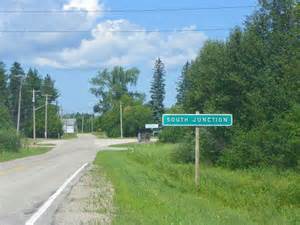 I live in Junction, Manitoba. You might have heard of Junction before. Two years ago, in 1947, there was a lot of talk about this place. It went on for a long time. Folks kept saying the same things over and over about what happened.
 I did not know much about the girl who was the cause of all the talk. Her name was Gracie and she was in the same grade as my sister Mira. Gracie talked about her hair a good deal but that is not the thing I mostly remember about her. The thing I mostly remember about Gracie is that I took something that belonged to her one day.
It happened during recess. Gracie and some of the other girls were rolling marbles at a plumper on the scuffed place near the side of the school. That is the best place because the grass is gone and the ground is smooth.
When Gracie took her turn, her marble rolled right straight into the plumper. That made her happy. She jumped up and down and clapped her hands. That was when I saw something fly out of the pocket of her skirt. It was shiny, and for a second I thought it was another marble. I looked for it and picked it up only it was not a marble at all. It was a penny, or actually, half of a penny, which is shaped just like half of a moon.
I was checking it over when I heard a voice ask, “What have you got there, Bethany?”
The person who said this was Mira. She was coming toward me with her hand out. Her face was steady and stubborn and I knew she would take the half penny from me. Sometimes Mira takes things she knows I want even if she does not want them herself. I knew she would laugh and say I was touched in the head. She would grab it from me and look it over and hold it up high so I could not reach it. After that she would toss it off in a field, most likely. It would all happen before I could explain that it belonged to the new girl, Gracie, and then it would be too late.
I am not a person to steal. I hope you can take my word for that. One time Mira told all her friends that I took something of hers, which was a lie. It was a silver necklace with three blue beads. It was true that I liked to hold it, but I did not take it. She lost it, probably, and then blamed me. That was the day she threw everything out of my drawers looking for it.
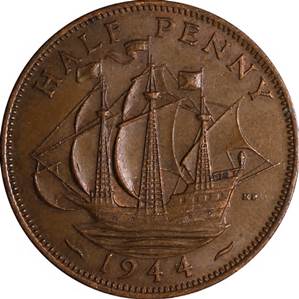 The time I took the half penny was different, because I really did take it. Only, I did not mean to keep it. I would have walked right up to Gracie and passed it back to her if Mira had left me alone. It was her fault that I ran and stumbled and fell and dropped the penny in the grass. I looked for it every recess for the rest of the week but I did not find it and after a while I gave up.
 I thought that was the end of that half penny until one day, a long, long time later, I was making a daisy chain. There were lots of daisies in the grassy field next to the playground. That is where I was gathering them when I saw something twinkling on the ground. I squatted down and looked at it and I could hardly believe what I was seeing. It was Gracie’s half penny.
I would have given it back to her if I could have, but Gracie was gone then. So, I kept it. That is how I came to take something that belonged to someone else but you should know that was the only time I ever did such a thing. Thank you Valerie for sharing your story and being a guest on the Scribbler.
 Please visit Valerie's website to discover more about her work.
www.valeriesherrard.blogspot.com Valerie's Bibliography:
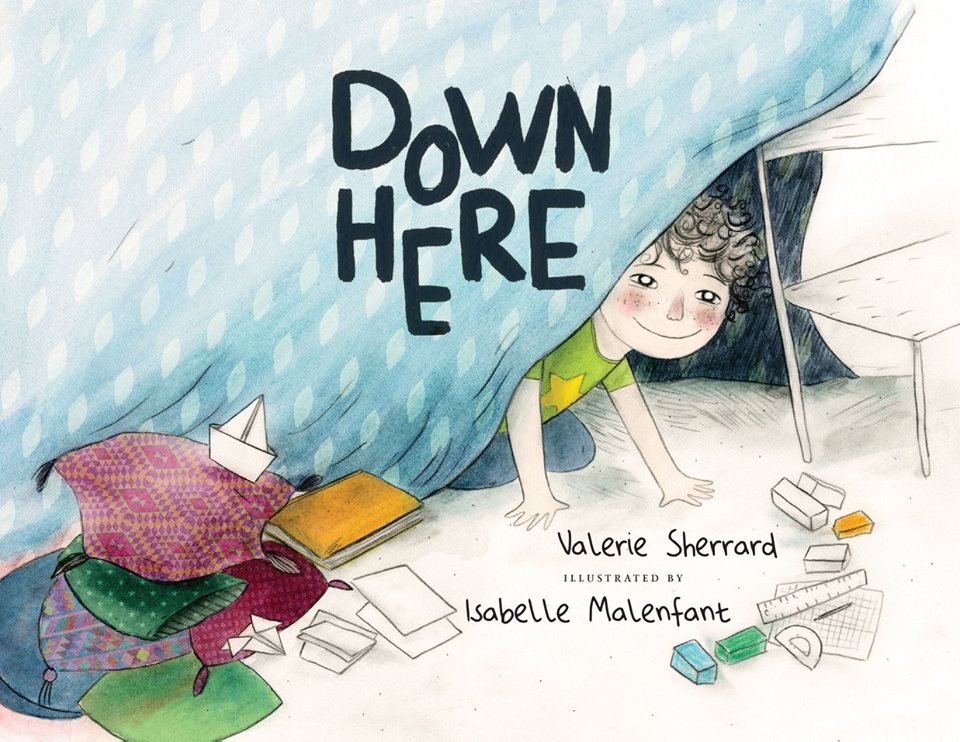
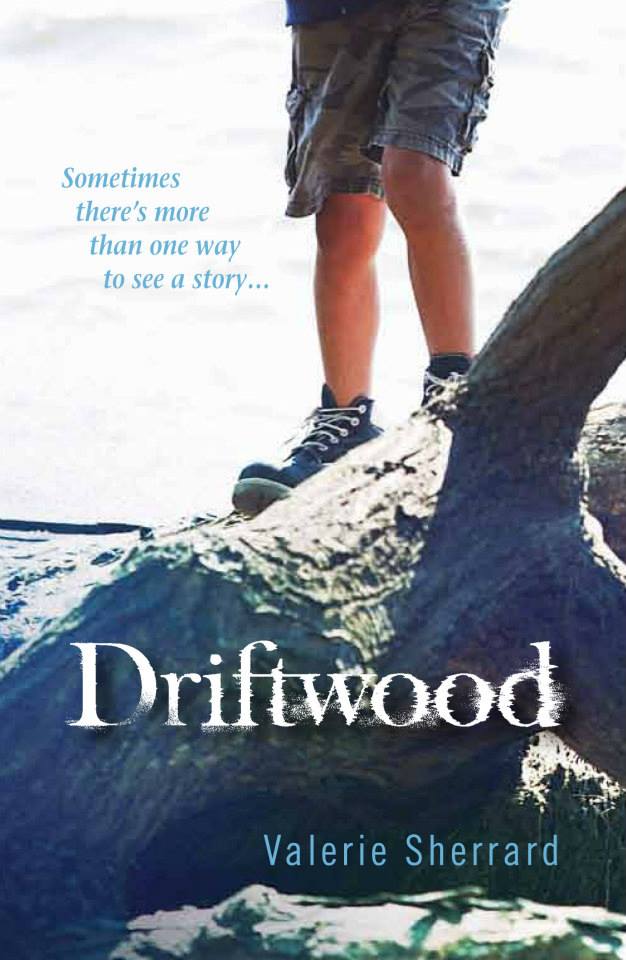
Down Here: 2015 (Fitzhenry & Whiteside)Random Acts: 2015 (PenguinRandomHouse Canada)Rain Shadow: 2014 (Fitzhenry & Whiteside)Driftwood: 2013 (Fitzhenry & Whiteside)Counting Back from Nine: 2012 (Fitzhenry & Whiteside)Miss Wondergem’s Dreadfully Dreadful Pie: 2011 (Tuckamore/Creative)Testify: 2011 (Dundurn)Accomplice: 2011 (Dundurn)The Glory Wind 2010 (Fitzhenry & Whiteside)There’s A GOLDFISH In My Shoe 2009 (Tuckamore/Creative)Tumbleweed Skies 2009 (Fitzhenry & Whiteside)Superstars: Vanessa Hudgens (biography) 2009 (Crabtree)Watcher 2009 (Dundurn)There’s A COW Under My Bed 2008 (Tuckamore/Creative)Searching for Yesterday, A Shelby Belgarden Mystery 2008 (Dundurn)Three Million Acres of Flame 2007 (Dundurn) Speechless 2007 (Dundurn)
Eyes of a Stalker, A Shelby Belgarden Mystery 2006 (Dundurn)
Sarah’s Legacy 2006 (Dundurn)
Hiding in Plain Sight, A Shelby Belgarden Mystery 2005 (Dundurn)
Sam’s Light. 2004 (Dundurn)
Chasing Shadows, A Shelby Belgarden Mystery 2004 (Dundurn)
KATE, 2003 (Dundurn)
In Too Deep, A Shelby Belgarden Mystery 2003 (Dundurn)
Out of the Ashes, A Shelby Belgarden Mystery 2002 (Dundurn)
The Scribbler would love to hear from you. Please leave a comment before you go and THANK YOU for visiting.

December 10, 2016
RIP Christian Brun.
 On December 5th, 2016, Christian Brun passed away at the age of 46. There is now a void on Earth that can never be filled. Christian touched many lives throughout his life. His positive attitude and infectious personality will be sadly missed.
For those that choose to, you may read his obituary here .
Two years ago I posted a 4Q Interview with Christian and would like to share it with you once more out of respect for the man I admired.
May 30, 2014.
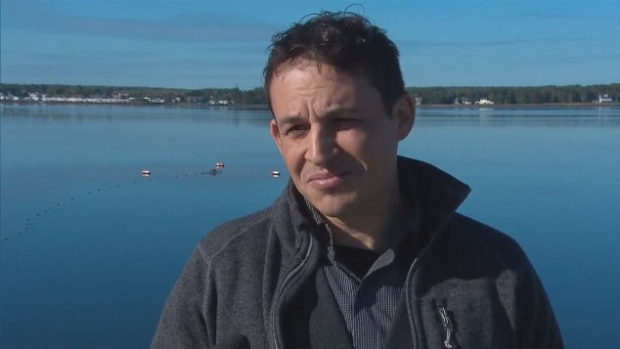
Christian Brun is the Executive Director of the Maritime Fisherman’s Union. He has travelled extensively throughout the world, lived in Mozambique, Africa. He lives in Shediac, NB. He is an exceptional artist and author of several books of poetry. A man of many talents (pardon the cliché but it fits). His website is below.
4Q: Before we talk about your writing and painting, tell us about your desire to travel as much as you have and how did you end up in Africa?
CB: Travels fuel my great curiosity. I have a never ending almost obsessive need to generate new information through observation. I can only go so far with a book and with local travel and have discovered the great wealth of geographical displacement. The movement and grace of difference through people, contact, communication, architecture, food, weather and nature have provided an energy that is hard to describe. While the pizzazz might have somewhat phased with age, I yet feel like an adolescent going through puberty when I leave the country. When I am in a foreign area, I prefer walking, so I can slowly grasp the nuances and the beauty. In 1994, in France, I walked from Spain (San Sebastian) to Biarritz for example. My own little “Randonnée de compostelle” of sorts. After that experience, I understood how travels were not only exploration of sight, touch, sound and smell, but were also experienced from within: all of these new found observations were having a profound effect on my thoughts and perceptions of life. A relatively short travel experience had changed who I was almost immediately; imagine if this was to happen for a longer period…
A few years later, I was confused about what I wanted to do with my life, quite frankly. I was completing my articling with a small Law Firm in Ottawa and was disappointed as to the realities of the practice. Pushing paper was not very fulfilling. Just as I was to pass my bar exams, I was offered a job. I had applied with many Canadian NGOs a year previous as I had a great interest in more long-term travels – so I could get immersed into culture and language.
 Mozambique was a perfect opportunity: 1- the project was about civil disarmament and turning weapons into art, 2- Maputo, the Capital where I would be working, was a coastal town, 3- Portuguese was the language spoken, a Latin language, therefore accessible through French basics, another cousin Latin language, and finally, 4- the field of international development seemed much more real and substance oriented than what I had survived in the urban legal world. I took a week to think about it, confirmed and was off a month later in November of 1997.
 4Q: You have three books of poetry published at present. What is it about poetry that that you enjoy and what inspires you.
 CB: I like to say things in a snapshot. I like to also play with words. Mostly, I am in love with the metaphor, always have been. The metaphor lets you be true to yourself and not always reveal absolutely all of who you are. I have learned earlier in life that one must protect oneself to be free. Life is not all roses and blue skies and there are some people and circumstances that can hurt and damage. I have always been myself, I believe, with others, but often, I only share what I feel I should. I have created an invisible filter coming in and going out. That is why poetry is so powerful. It enables you to divulge who you are, but not completely.
I am inspired by nothing and everything. I have written about the most mundane act of human stupidity (the fact that one needs to go to the washroom once in a while, hopefully throughout his/her whole life - lol). I have also written of the most typically exciting and cliché moments of love, despair and drama. I have found that some of the blandest past photography can become incredibly strong 30 years later – have a look at Dennis Hopper’s photos as an example. Therefore, the mundane of today could very well enlighten the future. I was also amazed in my twenties at how French poets like Rimbaud, Prévert, Apolinaire and Éluard could speak of everyday events and make them so interesting… or how Verlaine, Beaudelaire and Neruda could make the cheese disappear when thinking of love, death and depression.

What finally really clicked the switch was when I began reading our own Acadian literature, how real it was and how it was part of our conflicted collective soul. In some ways, our Acadian identity was somewhat like I was: for many years, it could not, and preferred not to reveal all of what it was. Poetry in l’Acadie, is a code and an extremely important one at that.
I am getting off subject aren’t I? Back to your next question.
4Q: Please share a childhood memory or anecdote.
CB: Well… hmmm… I will share one that has shaped who I am. I had built a very badly strewn tree house near our home in Cormier-Village with leftover wood, planks, tar paper and rusted nails. I remember sitting there in the doorway looking at the water flowing in a nearby brook and the nature that surrounded me. It was the first time I really had a different perspective of the world, I guess, from a different height in something I had built with my bare two hands. Moral of the story is that my creation had enabled a new perspective of the same things I looked at everyday… I realized much later that the creative process was synonymous to youth and renewal.
4Q: You have many fine paintings to your credit. How did you get into painting and where can your work be seen other than your website?
 CB: The visual arts came naturally as a complement to writing… I am mostly visual in my concepts, but more literary in my communication… so I decided to use both as a survival guide to procrastination! When I find one creative process less motivating, I refer to the other… and they both meet rather often. For example, I am attempting to write a text for every painting I have produced (good or bad – lol). I’m hoping this will be a lifelong project.
 I have one exhibition per year at Galerie 12 in the Aberdeen Cultural Centre in downtown Moncton. This keeps my blood flowing...
Thank you Christian for sharing your thoughts with us. We look forward to more of your creativity in the future. Christian’s website is www.christianbrun.webs.com.
Rest in Peace Christian.
Thank you for visiting the Scribbler today. Please leave a comment before you go.

December 3, 2016
Guest Author Ethan Adams. Guest Blog - Between Writing "The End" and Finding a Publisher.
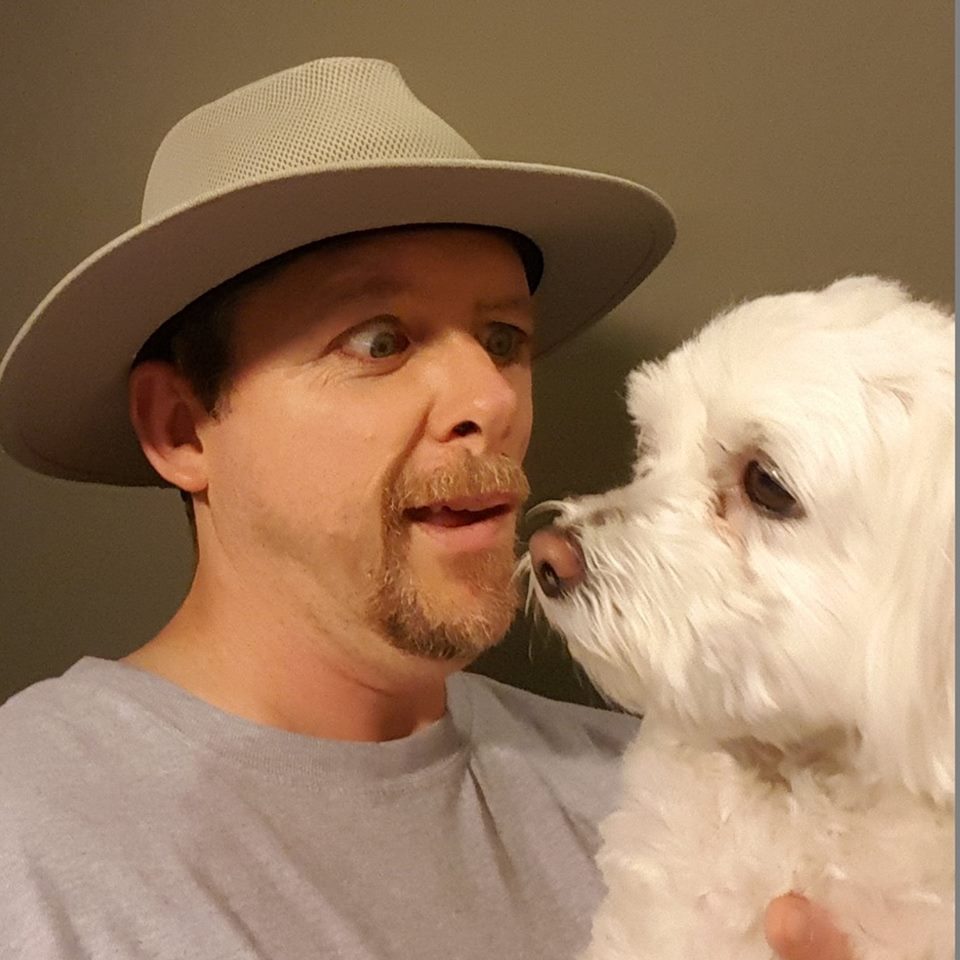 The Scribbler is pleased to host Ethan Adams this week. He is a speculative fiction writer living in the small town of Fredericton, New Brunswick. He’s the father of a tween and two fur babies, has an affinity for pasta, and escapes the modern world weekly with fantastic authors in his writers group. Ethan has begun writing a series called DiAngelo whose first novel is due to be published by Torguere Press late February 2017.
 Between writing ‘The End’ and finding a Publisher
Thank you, Allan, for hosting this post. You remind me of the story about the boy and the starfish. There are many authors on the beach and even though it may be impossible to help them all, the things you do matter to the few.
My name is Ethan Adams. On February 22, 2017, my first novel titled DiAngelo: Revelations will be published electronically. I created a web site for the occasion, ekadams.com, so visitors can connect with me easier. At ekadams you can also find blog posts about writing a book. Here, as Allan’s guest, I am sharing something I haven’t posted before - my experience of what happened between the time I wrote The End on my first draft to when I found a publisher.
The End.
Those two solemn words carried more weight than I had ever imagined. The end of what?
The End of writing my first story, of course!
I threw a party because I ran the proverbial gauntlet and came out the other side a changed person, albeit a paler one after having spent so much time indoors. Alcohol isn’t my thing so I poured a strong glass of ice water and drenched myself in that substance people call ‘sunshine’.
The End of the incessant fear of failure
I laid to rest the doubt that I could finish writing a novel. No more guilt over spending time with my family when I could have been writing, or missing my friends when I sat staring at a monitor until the wee hours of the morning.
The End of being a Writer.
The moment the period adorned “The End.” I become something else, a mix of re-writer, fledgling editor, and beggar. On the inside; I pleaded. On the outside, I played the part of cool and collected. “Would you be interested in reading a book I wrote?” I begged. Many people agreed. Only a small portion actually did.
Some of the people who didn’t read my book are: my best friends, brother, and father. It wasn’t that they tried to and couldn’t. They had a copy and simply didn’t. It sucked, but swallowing my pride at this point helped teach me a lesson; you can’t force some people to read outside of their genre, or to read at all, regardless of who they are to you. My feelings aren’t on the line when I ask for critiques now; I think this is a good place to be.
With feedback came re-writing and editing. The work I had undertaken to improve my 110,000-word novel felt like a mountain on my shoulders again. Doubts about why I worked so hard on this project resurfaced.

Editing required four stages.
1. I checked to make sure I said what I meant to say – more gibberish made it into my draft than I expected.
2. I made the story more immersive by exposing the characters’ experiences in as much of the five senses as possible. 3. I addressed storytelling and plot, or more accurately, plotholes by asking myself questions like ‘Did I close all of the plot lines?’ and ‘Did my characters really need to have breakfast if it didn’t advance the plot?’.4. I fixed grammar, selected the right words for the tone of the paragraph, page, and character.
These edits took two years’ worth of spare time hours. I began querying agents after the second edit.
Yes, agents, not publishers. Agents know where your book will do best and know how to approach the publishers they have in mind. Agents generate revenue for me while I am writing my next book and they are my best bet for a fair contract with a publisher. Did I mention agents also sell audio, video, and international rights for you too? People think of their price as fifteen percent of the author’s profits. I see it the other way around, that I get 85% of the financial results of their efforts using my work.
So who’s my agent, you might ask? I didn’t get one. Yah. It worked out that way.
 The majority of agents I’ve reached out to set the expectation of a response between six weeks and three months if they choose to work with you. If they don’t, they don’t reply. Hoping and dreaming for something that never comes is hard. Really hard.
 Let’s talk querying. In my experience, the query game goes like this.
Stage 1. Starting out.
Research the agents who’ll accept your genre. Order them top down from most to least favorite. Start querying agents from the bottom of the list and work your way up because you don’t want queries that may be rough around the edges to scare away your good prospects. Also, many agents don’t mind if you send to multiple agents simultaneously, but some do. Be aware and respectful of that.
Send about six queries out to those bottom agents. If you get no response from those six, investigate why your query might not be effective, make some changes and resend six more.
Stage 2. You get requests for pages now but none for your manuscript (MS).
Your query’s good, your book’s pages aren’t. Consider buying “The First Five Pages” by Noah Lukeman. He didn’t endorse me to say that. There’s a million reasons why the pages are unappealing. Follow that book and there’ll be a lot less. Send six queries again. No MS request again? More editing and more resending.
Stage 3. You’re getting an MS request or two. Awesome!
Apply the fixes you put on the early pages to the entire book. Page by page, paragraph by paragraph, word by word. It’s a full novel edit but there’s light at the end of the tunnel. Send your queries now to the agents at the top end of that list you made.
On average, people would send 27 queries in 9 batches over 1.5 years to get a request – if they ever get a request.
I travelled this path until two years ago, when I discovered Twitter events.
 Or rather Chuck Bowie, a good friend of mine, exposed me to them. I didn’t have a Twitter account at the time. How could 140 characters even work in a contest? A quick visit to a pitch contest web site motivated me to give it an earnest go.
 The rules. · Post limit is once every four hours· Add genre tags, like #ya and #sf· Don’t favorite anyone’s tweet unless you’re an agent or publisher· If favorited, visit the agent or publisher’s twitter page for instructions· You must have a polished manuscript, not just a draft
The contest is really an event where professionals cherry-pick their favorite plotlines. It works when an organizer prompts writers to tweet their synopsis in under 140 characters using a specific event’s hashtag on a specific day. Publishers and editors peruse that hashtag. The event and its rules are publicized online.
If a professional ‘favorites’ your tweet, they like you! Check out that professional’s twitter page and follow the instructions on what to do if you’re tagged. You just skipped ahead in line to Stage 2 – sending pages.
Freak out but don’t go too crazy. It’s still your responsibility to research that agent or publisher. Find online interviews and get a feel for their personality because you want a good working relationship with your future business partner. Keep in mind too that these events can be poached by anyone, even people pretending to be agents, so protect your work and do your homework. You’ve been warned.
That first contest I entered had 35,000 tweets in one day. Mine might not have even been seen, let alone considered and immediately rejected. In March, 2016, I entered my third contest, a year-and-a-half after the first one and close to the end of my fourth round of editing, I caught a favorite. Many other writers’ tweets went by that day. Some made me laugh out loud, others brought me to near tears. My own tweet had been retweeted by others in an expression of admiration. This is the tweet my publisher favorited “The Demon Greed brought his fury. The psychics brought hope. Roan brought his sister's memory and his last thread of sanity
 A publisher liked my tweet! I’d have preferred an agent, true, but beggars can’t be choosers. The publisher direct messaged me on Twitter then on Facebook. We chatted for nearly an hour because we were both having fun, the connection took me off guard. Publishers are friendly? Whaaat? By the end of our light-hearted conversation she requested my MS. Another person at the publisher’s house vetted it and some weeks later a contract was offered. I’m still amazed at the whole surreal experience.
 It’s my sincerest hope that this post resonates with you and helps in some way. Please leave questions and comments to your heart’s content and remember to thank Allan because if not for his kindness, this post wouldn’t be here.
Thank you Ethan for this very informative blog and for being a guest this week.
Don't forget to check out Ethan's website.
And let us know what you think in the comment section below.
Thank you for visiting the Scribbler.

November 26, 2016
4Q Interview with Author Riel Nason of New Brunswick, Canada.
Riel Nason is a Canadian novelist and textile artist (quilter).
 Her acclaimed debut novel The Town That Drownedwon the 2012 Commonwealth Book Prize for Canada and Europe, and the 2012 Margaret and John Savage First Book Award. It was also shortlisted for several other literary awards as well as longlisted for the 2013 International IMPAC Dublin Literary Award.
 Her second novel All The Things We Leave Behind was published in September, 2016. Of the novel, internationally bestselling author Karma Brown said “All the Things We Leave Behind is full of sensory detail and evocative prose, and like its author, Riel Nason, is a gift to Canadian literature. From the cheerful Purple Barn antique shop, to the mystical boneyard deep in the woods, to a missing brother named Bliss, main character Violet carries us effortlessly through this lovely coming-of-age story not afraid to show its haunting side.”
Riel Nason grew up in Hawkshaw, New Brunswick and now lives in Quispamsis, NB with her husband, son, daughter and cats.

4Q: Thank you for being our featured guest this week Riel. I’ve recently read your story – The Town That Drowned – which is an award winning novel and I enjoyed it tremendously. Please tell our readers a bit about it and where the inspiration came from.
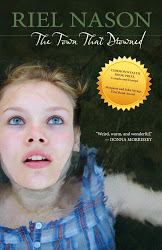 RN:
The Town That Drowned is a coming-of-age story set against the background of the permanent flooding of the St. John River Valley in 1965-67 when the Mactaquac Dam was built. It is set in the fictional town of Haventon and follows 14-year-old Ruby Carson and her 9-year-old brother Percy. I wanted to write a book set in the area where I grew up, and a fictionalized take on the flooding that happened before I was born seemed the perfect inspiration for a story.
RN:
The Town That Drowned is a coming-of-age story set against the background of the permanent flooding of the St. John River Valley in 1965-67 when the Mactaquac Dam was built. It is set in the fictional town of Haventon and follows 14-year-old Ruby Carson and her 9-year-old brother Percy. I wanted to write a book set in the area where I grew up, and a fictionalized take on the flooding that happened before I was born seemed the perfect inspiration for a story. 4Q: Your newest book – All the Things We Leave Behind – is garnishing great reviews. Can you share what this story is about?
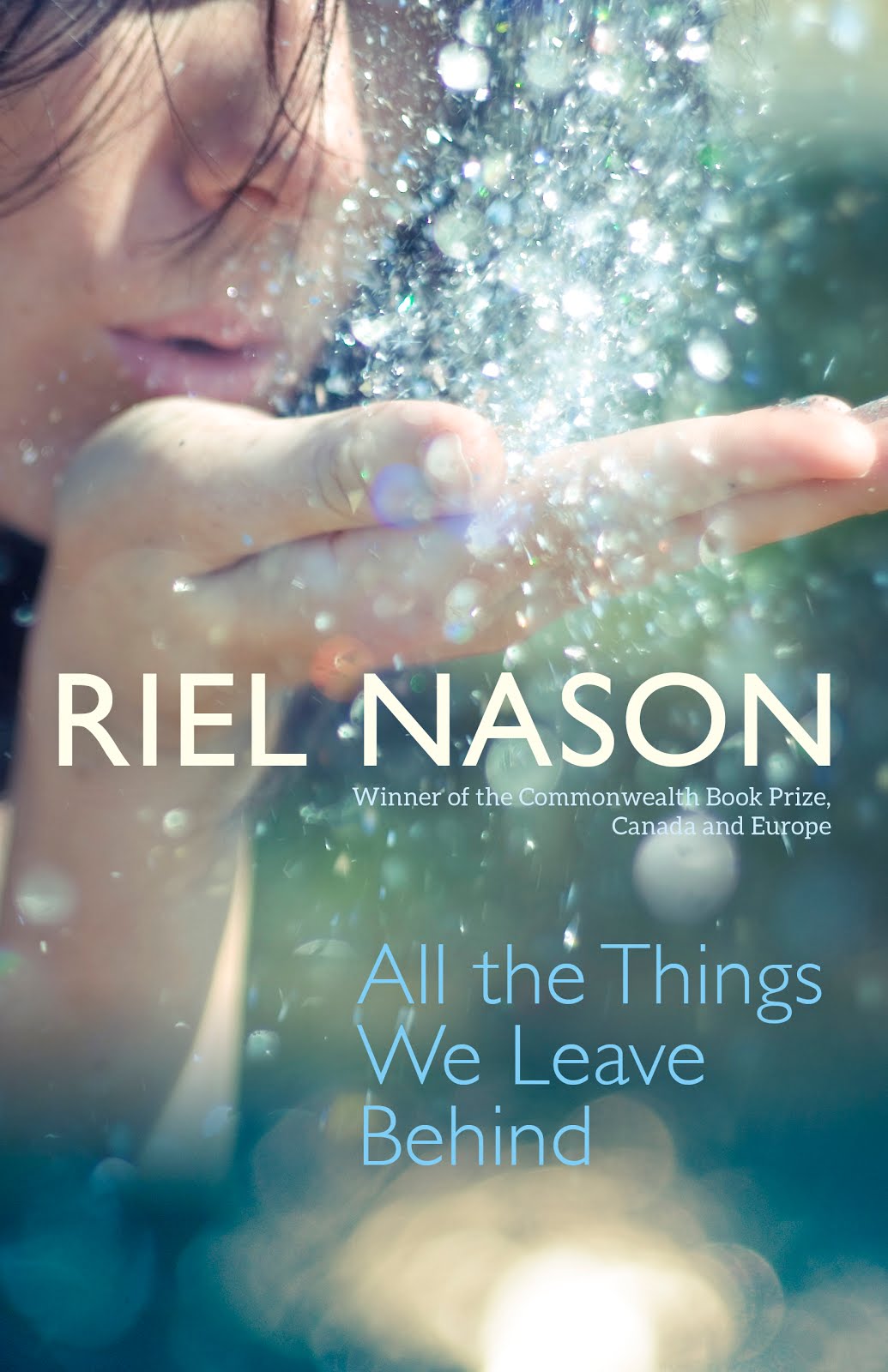 RN:
In this book I return to the same area as The Town That Drowned is set, although this time it is 1977. Seventeen-year-old Violet has been left in charge of her family’s antique store for the summer while her parents go searching for her missing older brother Bliss. She is haunted by his absence – and also by a white deer that it seems only she can see.
RN:
In this book I return to the same area as The Town That Drowned is set, although this time it is 1977. Seventeen-year-old Violet has been left in charge of her family’s antique store for the summer while her parents go searching for her missing older brother Bliss. She is haunted by his absence – and also by a white deer that it seems only she can see. 4Q: Please share a childhood memory or anecdote.
 RN:
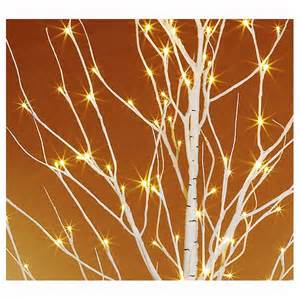
Since it is getting near Christmas, I’ll share the fact that we always had a birch Christmas tree when I was a child, rather than an evergreen. My mother was very allergic to evergreen trees and we really didn’t want an artificial one. We had an endless forest behind our house so we would just go out there and cut our own birch tree each year. We put on lights and all the usual decorations the same as if it was an evergreen. We put it in a big pot filled with rocks. It sometimes fell over (I think often helped by our cats). It was lovely, especially at night when the lights seemed to float between the branches. Since I’ve had my own children, we’ve also decorated a birch tree a few times.
RN:
Since it is getting near Christmas, I’ll share the fact that we always had a birch Christmas tree when I was a child, rather than an evergreen. My mother was very allergic to evergreen trees and we really didn’t want an artificial one. We had an endless forest behind our house so we would just go out there and cut our own birch tree each year. We put on lights and all the usual decorations the same as if it was an evergreen. We put it in a big pot filled with rocks. It sometimes fell over (I think often helped by our cats). It was lovely, especially at night when the lights seemed to float between the branches. Since I’ve had my own children, we’ve also decorated a birch tree a few times. 4Q: So what’s next for Riel Nason?
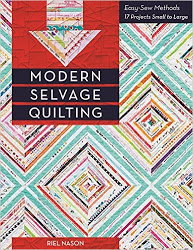
RN: More writing. I have just started a new fiction work that I am very excited about. I am also a quilter and have a quilting project book coming out next June.
Thanks so much for having me here Allan!
Thank you Riel for sharing your thoughts with us this week on the Scribbler.
Please drop by Riel’s website – www.rielnason.com – for more information about her and her books. Thank you for visiting the scribbler. Don't be shy, leave us a comment.

November 19, 2016
Three men acting like boys? "Pioneers in a Hurry" A short story.
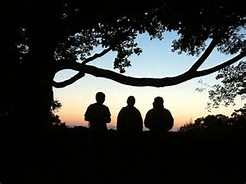 Imagine three grown men off on their first adventure together. They packed everything they needed except "common sense". A boat, water and wind, too much booze and something to smoke.....what could go wrong?
This is one of my favorite short stories. It didn't happen this way, but it could've.
The story was originally shared on the Scribbler a few years ago. It has been published in my second collection of short stories titled SHORTS Vol.2.

This is Part 1.
Pioneers in a Hurry
It feels lonely where I’m standing even though more than a hundred people are about me, divided and aligned by wooden pews. The church is cavernous absorbing the low buzz of sympathy and disbelief that whispers from the crowd of mourners. I can’t take my eyes from the decorative urn that holds only ashes. The burnished wood gleams; the hockey player etched upon the front reminds me of Robbie, the man that was my friend. The tiny tomb blurs in my vision, memories burst in my head like someone threw a deck of them in the air and you try desperately to see them all. I search for the one that sparkles, of the time him and me and our brother-in-law became boys again, pretending we were pioneers of a sort. It was a defining moment in our lives.
We were all crowding fifty. Robert was the oldest, we called him Robbie and he knew everything, man was a walking newspaper. He was average height, average build but there was nothing average about the confidence his blue eyes expressed. He and I were friends before but by the time the weekend was over we became greatfriends. Our mutual buddy Nicholas, a slender and kindly man, was also our brother-in-law as we all married sisters; he centered the veneer of our friendship. He was the youngest, certainly one of the smartest. He usually always has the best pot east of Vancouver. He’s the type of guy you always want to hang with, the ones that keep you laughing. We called him Nick. My name is Randolph. I prefer Randy.
 We were loading the boat at the marina; it was about 7:30 am on a Saturday, the first week of November. The sun was hidden behind low eastern clouds. The rest of the sky was empty, topaz blue. We joked about our good fortune with the sun about to burst out on our first camping trip together; we had vowed to go rain or shine. I was walking back from parking my truck listening to Nick tell Robby about the time he and I had went winter camping. Every time Nick told it the weather was much worse and quite a bit colder. The three of us were soon in the boat, Robby and I sharing the middle seat of an eighteen foot dory. Facing the stern of the boat we could watch Nick as he guided us out of the bay towards the nearest shore of the long slender Island about a kilometer away, our adventure destination. Sailing under an aging wooden bridge, Nick steered it through the rippling waters following the starboard shore. Giving the throttle a slight turn lifting us and the bow, he reached into his jacket pocket, withdrawing two similar packets of twisted aluminum foil the size of a twelve year olds fist. He gestured for us to each take one. He shouted out over the engine noise.
“It’s not too early to get high.”
Robby and I eyeballed each other, grins splitting our faces. We didn’t need to be detectives to know what was wrapped in the silver skin. He had rolled each of us twelve joints. Robby, upon opening the flap exposing the twisted ends, look at him with a grin.
“Shit man, we’re only gone two days.”
Nick looked at him quite serious, his face scrunched in concern.
“You don’t think it’s enough?”
Robby and I burst out laughing at the man’s generous naiveté. He soon joined in not too sure what we were laughing at but true to the stoner’s creed, it was probably funny. I opened up enough thin slivers of foil to remove a fat doobie. It looked like a shrub. To understand what happened next, a person would need to know that all three of us smoked tobacco, Nick only smokes tobacco in his joints, Robby and I smoke cigarettes, therefore when Nick rolled ours, he didn’t put any tobacco in. The pot was very young, sticky, and potent but the damn stuff wouldn’t burn. Robby and I had to light the uncooperative missile over and over. After three or four attempts made worse by the breeze off the moving boat, we were cursing and frustrated. Giving up we looked up at Nick who was smoking away, his joint half filled with tobacco, burning like a good cigar. We glared at the red tip as it jutted from the corner of his mouth almost falling out as he tried not to laugh. His both hands were busy with the engine and the rudder. He was flipping switches as the boat began to sputter and lose power. Suddenly it quit.
He addressed the engine in anger calling it un-pretty names. Robby of course knew what was wrong telling Nick what he should do. I watched the two, I didn’t know anything about engines; they were as foreign and mysterious to me as Islam. Being Acadians they were speaking French, it’s their mother tongue; I had no idea what they were saying. It was the language they grew up with, I’m too dumb to learn and they always talk English when I’m around. Soon the engine hiccupped and revved up. The boat took off suddenly giving Robby no warning. He was half out of his seat almost losing his balance. I grabbed him by the jacket before he crashed into Nick, yanking him back. He was about to give Nick a blast to be careful when our driver cut the boat a sharp left heading across the open water towards the island rocketing him back into his seat next to me.
 Right then the wind from the Northumberland Strait livened making the water choppy and churlish. The prow of the boat sliced and split the bulging waves making the tips mist in the stiff breeze spraying Robby and I as regular as a lawn sprinkler. Nick yelled out over the groaning of the engine.
 “I can’t slow down, the wind is picking up; we need to get to the island as soon as we can.”
This was said with much gravity but the eyes were laughing at us. Still, we were inexperienced seaman so whatever our pilot told us made us grip our seats a bit tighter. Ten minutes later we idled to the shore on the leeward side of the island, Robby soaked on his left, shirt, pants, face and hair; me the same condition but on my right, he and I both slightly tiffed that the trip was getting off to such a cheerful beginning. The boat soon scratched on to a hidden sandbar coming quickly to a stop in about a foot of water, the beach forty feet away. Robby looked at me and we both looked down at our feet at the same time. He wiggled the toes of his sneakers.
“Oh, shit!”
I didn’t say anything, I was wearing hiking boots; they might keep out a little water. We then looked at Nick’s rubber boots, both sorry we’d made fun of him earlier. Nick stared back at us with red veined eyeballs and started to laugh, uproariously. Robby turned to me.
“Bugger thinks it’s funny, he’s not wet.”
Only half of Robby’s hair was damp, plastered to his skull, his skin was pale and I couldn’t help it, I started heehawing too. The sun joined us just then, its crescent exposed by the departing clouds. Robby broke into a handsome grin, began to chuckle.
“What does it matter, right guys?”
We all agreed we were there to have fun. Robby and I unstrung our foot gear, balled our socks into their throats before tying them to our backpacks as Nick stowed the engine and chucked out the anchor. We arrived at the base of a twenty foot cliff made up of roots, huge sandstone rocks, fallen and broken sod. We eventually found a route not far away where water runoff had created a shallow path that would bring us to the top of the escarpment we landed at. It took two trips for the stuff we had brought, tent, cooler, sleeping bags, packs and our cache of “booze”. We were very gentle carrying that. We joked about Nick’s sailing skills or lack thereof, with him reminding us that it was hisboat and we should treat him with more respect or it would be an even wetter day for us tomorrow if we had to swim home.
By noon we had secured a fine site just above the same cliff where we came ashore. Our tent was pitched under the branches of three robust spruce trees whose trunks spoke of old age. We had cleared the dead limbs from their base; they would be the first of our firewood. We could see the water but were too high and too far back from the lip of the drop-off to see our boat. The ground was peppered with red and yellow fallen leaves. We lined a pit with stray stones for the fire we would make later. It was in a natural indent about five feet from a fallen tree on which we had cleared the withered limbs creating a wooden sofa for three.
 I can still see the tall skinny maple trees that edged our chosen spot creating a porous canopy with their naked limbs shattering the sunshine into dozens of friendly yellowish beams. The crows were noisy and making a fuss as if we’d disturbed their peaceful habitat, the gulls were complaining too. I remember watching Robby stop from digging through his pack standing up with his nose raised slightly in the air; he closed his eyes to take a deep breath and I mimicked him. Sap from thick spruces and decaying plant smell seasoned with the salt of the water was not unpleasant. I remember his tight lipped smile and how happy he seemed to be.
 Nick was digging in his bag looking for the lunch he had packed, Robby brought the salmon and I the veggies for later. We each brought our own breakfast for tomorrow.
All morning we talked about each other’s families; our kid’s accomplishments and woes; about our neighbours, critical as ever and our wives with the latest trouble we were in or had just been in or that was coming with me buying my uncle’s half ton without telling my wife. Nick had set up a makeshift table with my now empty pack and a cheap plastic tray he had carted along. He was positioning three thick roast beef sandwiches on paper plates.
“It was so cheap and I’ve wanted a truck for some time, so why would she be upset?” I said.
Robby usually had an answer for most inquiries but this one thumped them both, they knew she would still be provoked. We all agreed that women were puzzling.
“I don’t know, you gotta love them anyway, I mean we’re not perfect either.” Nick said.
Robby who was cutting up the dead limbs into fire size chunks didn’t agree.
“Speak for yourself, my friend. I think I’m a very good husband!”
Nick raised his eyebrows at that statement.
“Your woman’s so cool she’d make any man look good.” To be continued.......please come back on Wednesday, November 23rd, to read the rest.
 Comments anyone?

November 12, 2016
Guest Author Roger Kenworthy of Ontario, Canada.
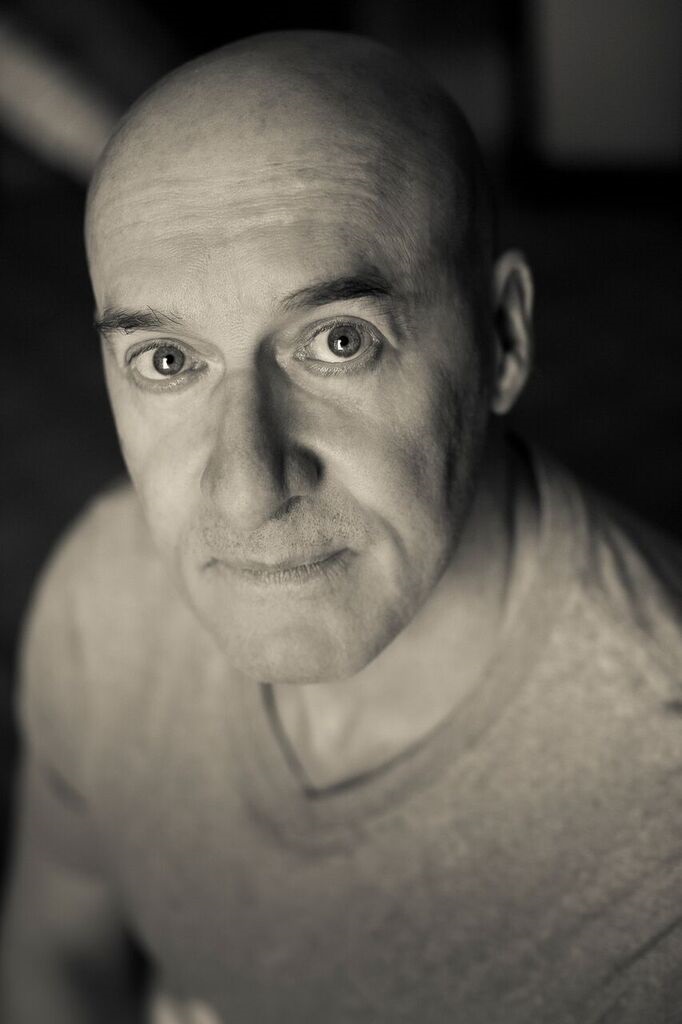 I was born in a small town in southern Ontario, Canada, and always yearned to travel the world to experience new adventures within a variety of foreign lands. I remember as a young boy of five our family drove to Manitoba (over 1,600 kilometers), and as my siblings slept most of the time I was wide-eyed to the new world whizzing past us at 100 kilometers per hour.
 Fulfilling my wanderlust provides a rich and diversified quilt of experiences for my books. The many characters I write about are forged from the love of adventure manifested over decades of travel and research. I have been writing since 2007 and have eighteen books on Kindle/Amazon in two genres; adventure and motivational/spiritual/self-help. My personal pathway to success began many years ago after attending a Bob Proctor seminar in Toronto, Canada. Those exciting sessions opened the doorway to the many icons of the New Thought Movement who wrote about the divinity and possibility that resides within each of us.
Life changed by the words of Phineas Quimby, Thomas Troward, James Allen, William Walker Atkinson, Wallace Wattles and a host of others. And now, I feel it’s my responsibility to give back and share his experiences to help others achieve what they want to in their life. Appearing in your blog is timely; I just released a new book on Oct. 6th, The Way: Universal Truths from The Lost Text. Find it here
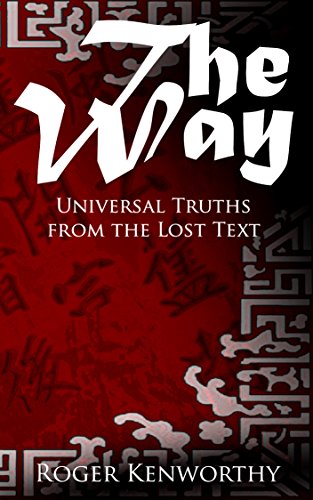
The Way: Universal Truths from The Lost Text
PROLOGUE
It is August 1207 of the Common Era, a new day dawns upon Loyang, a sleepy village of several hundred souls in northern China. But it is not an ordinary day; you see, the Mongol hordes have swooped down upon the innocent and wait impatiently for the conquest to begin.
Philosopher Ling Tzu feels great anxiety in his heart as the other citizens prepare for the conflict that is about to bring total destruction down upon them. The battle begins and with the wrath of the enemy unmercifully set upon Loyang’s citizens, the wise sage buries his life’s work in an earthen jar far from the eyes and hands of the cruel invaders.
A gravelly voice makes demands, “Sage, give us your gold, and we may spare your life.”
“Mongol warrior, I am Ling Tzu, a philosopher and scribe of the highest court of Loyang. I do not possess such evil. This lifeless, soulless master blinds citizens to the truth, causes brothers to kill brothers, and takes away joy in this life and every other life you shall experience. As you fight for more, more blood is spilled, as more blood is spilled more tears are shed, and as more tears are shed more dreams are lost.
“What valuables I possess are thoughts, words, and manuscripts that preserve the Universal Truths for all of humanity to live a joyous and fulfilled life. My golden treasures shall last forever…can you say the same for your gold trinkets.”
The swarthy warrior was perplexed, yet unmoved by such fanciful words and ideas.
“No gold…feel my cold blade run through you, enjoy your worthless treasures Sage!
*******
The rediscovery of philosopher Ling Tzu’s (1159-1207) seminal work, The Way, has given the modern world a spiritual guide that contains one-hundred and thirty-five Universal Truths for living a life of purpose and direction.
While over eight centuries have passed since these messages were written, it appears that time has stood still, motionless after many millennia. The Universal Truths are as relevant today as they were when the ancient scribe guided his pen in ink and assigned his wisdom upon a silk clothe. After all, true wisdom cannot be erased, diminished, or altered by time.
73
The Way is not place. The Way is state. This is The Way.
 The Way is not on a mountaintop. The Way is the confidence you feel on a mountaintop. The Way is not in a meadow. The Way is the love you feel in a meadow.
 The Way is not in the sea. The Way is the serenity you feel in the sea. The Way is not in a lagoon. The Way is the security you feel in a lagoon.
The Way is not in the forest. The Way is the gratitude you feel in the forest. The Way is not in a valley. The Way is the awareness you feel in a valley.
The Way is not an island. The Way is the truth you feel on an island. The Way is not in a canyon. The Way is the reality you feel in a canyon.
The Way is not in the wind. The Way is the compassion you feel in the wind. The Way is not in the rain. The Way is the acceptance you feel in the rain.
The Way is not in the sunlight. The Way is the trust you feel in the sunlight. The Way is not in the moonlight. The Way is the expectation you feel in the moonlight.
The Way is not on a beach. The Way is the joy you feel on a beach. The Way is not in a marsh. The Way is the poise you feel in a marsh.
The Way is not in the heavens. The Way is the enlightenment you feel in the heavens. The Way is not in the stars. The Way is the consciousness you feel in the stars.
 84
84 Love is not words. Words are not love. This is The Way.
Love is a tear on a lover’s cheek. Love is a new born baby’s cry. Love is the echo of a pounding heart. Love is a sweaty palm.
Love is a dry throat. Love is a gentle hug. Love is a furtive look across a crowded room.
We must love our Self to be whole. We must not love another to be whole. To love another to be whole is an illusion. To love your Self to be whole is reality.
A home full of Self-love is an enlightened home. A home devoid of Self-love is an unenlightened home. A home of Self-love is a home surrounded by love from and of the Source.
Self-love originates from The Way…it ends with The Way.
Each of us desire the whole of love, but most feel the distain of the whole without Self-love. They shall never achieve the whole of love.
You have free will to love your Self. You have free will to distain your Self. This is The Way.
When you receive the love of The Way, you achieve the love of the Self. When you do not receive the love of The Way, you do not achieve the love of the Self.
The Way is the whole of love. The love of the whole is The Way. The giver of love is The Way. The holder of love is The Way.
95
There is the old. There is the young. This is The Way.
The young are naïve and malleable, the old are learned and brittle. Brittleness is for trees not for people, malleability is for people not trees.
To live well take the malleability of youth and pass it to the old, to live well pass the learned of old age and pass it to the young.
The young see everything as new, sparkling, and shiny. The old see everything as old, dark, and dull.
The young hear everything as new, sparkling, and shiny. The old hear everything as old, dark, and dull.
The young speak everything as new, sparkling, and shiny. The old speak everything as old, dark, and dull.
The young write everything as new, sparkling, and shiny. The old write everything as old, dark, and dull.
The young see everything as an event to live a new experience. The old see everything as an accident to not experience again.
The young hear everything as an event to live a new experience. The old hear everything as an accident to not experience again.
The young speak everything as an event to live a new experience. The old speak everything as an accident to not experience again.
The young read everything as an event to live a new experience. The old read everything as an accident to not experience again.
The old must see everything as new, sparkling, and shiny. The old must hear everything as new, sparkling, and shiny.
The old must speak everything as new, sparkling, and shiny. The old must write everything as new, sparkling, and shiny.
If you see everything as new, sparkling, and shiny you shall never age. If you hear everything as new, sparkling, and shiny you shall never age
If you speak everything as new, sparkling, and shiny you shall never age. If you write everything as new, sparkling, and shiny you shall never age.
If you see everything as old, dark, and dull you shall age. If you hear everything as old, dark, and dull you shall age.
If you speak everything as old, dark, and dull you shall age. If you write everything as old, dark, and dull you shall age.
Thank you Roger for sharing your latest work. Other books by this talented author.
 For you readers, please drop by Roger's website to discover more about him and his books. www.rogerkenworthy.com
Comments?
November 5, 2016
Guest Author David Buchanan of Texas, USA
 John David Buchanan was born into a military family stationed in the territory of Alaska in 1953; his children tease him that he is older than the State of Alaska (it didn't join the union until 1959) His Dad was transferred to San Antonio, Texas and he grew up there playing sports, watching science fiction on TV, and playing the drums. After high school he attended Southwest Texas State University where he received a Master's Degree in Biology and subsequently started his career as an environmental specialist.
While working for the State of Texas and two consulting companies John started his own business, Buchanan Environmental Associates, which he operated for 18 years. Along the way he took up guitar, hoping to learn the blues, and ultimately co-founded a Pink Floyd cover band where he played lead guitar.
His desire to start writing a book was fueled when he and his young daughter read J.K Rowling's entire series of Harry Potter books together. That urge resulted in a two-year creative journey culminating in his first book, Jump Starting the Universe. Although he admits he jumped ahead and wrote an ending to the book when he was only half way through the story, it went unused. In his words, "The characters just didn't want to go in that direction." He says it was hard for a man of science to make that admission but he is getting more and more comfortable in his creative skin and with the idea that he is now writing a science fiction series: the second book, The Edge of Nothing and Everything was released in May 2016 and work has started on the third book whose working title is World Eaters.
If you would like information about John's books, blogs or short stories please visit www.jumpstartingtheuniverse.com If you have comments or questions you can email him at jdbjsu@gmail.com or send a tweet to @JDBuchanan1.
JUMP STARTING THE UNIVERSE
CHAPTER ONE
BUDGING
Now and again the edges of parallel planes of existence tend to budge up against each other. Of course the frequency of “now and again” isn’t exactly specific is it? And the locations of such occurrences are difficult if not impossible to predict, so be on your guard. Why this budging up occurs, I don’t know. It’s not like there isn’t enough space out there in space. I’ve been led to believe it isn’t too important, but I’m not comforted. Budging really isn’t the problem anyway is it; it’s the blending that causes all the uproar. That’s when the edges of parallel planes of existence cross over, like the diagrams you’ve seen where one circle is blue and the other circle is yellow and the overlapping part is green. Well, it’s that greenish part that’s the problem isn’t it. Or like when you see two people occupying the same seat on the bus. It feels a little problematic; unless of course you’re one of the two people – and happy.
 Mark didn’t care about budging. That’s how I got crammed into the back of Wayne’s 57 Chevy Nomad station wagon behind a set of Majestic drums. Off we were to a gig; not to be deterred by man, beast or cosmic idiosyncrasies as Wayne may have said. “We are going to get paid, how cool is that?” said Mark.
 Wayne was not sure he would have said how cool IS that; “It’s only cool after it actually happens,” he thought. Since I was in the back of the wagon, behind a set of drums, two amplifiers, and assorted other equipment, and was light headed because of the exhaust fumes wafting in the open rear hatch window (the Nomad wasn’t air conditioned) I couldn’t hear a word of what they were saying or offer a retort. That was fine since the advancing level of my carbon monoxide poisoning made me dizzy, and I worried about what might happen if I voluntarily opened my mouth. The thought made me convulse slightly.
“Where are we meeting Buster?” asked Wayne. Buster was the lead singer who lived 35 miles northwest of town and booked a convenient gig blocks from his own house.
“The parking lot behind the bar,” remarked Mark, who wondered if Buster had forgotten to tell the owner that Blackie was slightly under the legal drinking age. It wouldn’t have mattered to Wayne, he could have fooled the owner; he was tall, with a swarthy complexion and he acted like he knew stuff. You know the type; Wayne just seemed to always get on with it. He exuded confidence like dry ice gives off gas. Mark possibly could have passed the scrutiny of a suspecting bar manager if he needed to; he had been working out to get ready for basketball season, and he was left handed. People perceive left-handers differently. Mark knew this and scrupulously took full advantage. Blackie had no chance of fooling the manager or anyone else, especially if he asphyxiated before he arrived. Blackie was a year younger than Mark and Wayne and no matter how he tried to puff himself up, sit with his shoulders back and down, or put on a scowl, he didn’t look quite old enough yet to be in a bar.
 The sky was partly cloudy with big puffy white clouds that seemed to be climbing to heaven, and it was hot. The temperature was 36 degrees Celsius and heat waves could be seen rising from the pavement creating mirages like smooth, shallow lakes in the distance. It was the kind of heat that made you want to find a cool place under a tree and have a nap. Of course if you had an excessive amount of adrenaline pulsing through your veins in anticipation of a paid gig a nap was simply not in the cards. They were all swept up in that idea as they blistered down the highway looking for The Getaway Bar and Grill. That’s when it happened. Not the budging, the white tailed deer. It ran straight into the side or Wayne’s station wagon. Wayne yelled, Mark let out a high ahhh sound and Blackie was silent, having seen nothing through the mountain of equipment and not having felt anything because his senses were impaired by severe oxygen deprivation. Wayne pulled to the side of the road in a maelstrom of words selected specifically to condemn the poor beast in the most vicious means, then he turned off the car.
 “It’s ruddy three in the afternoon! What’s an antelope doing out at this time of day?” swore Wayne, who wasn’t the group’s most practiced biologist to say the least. There stood the deer about 10 meters away from the car seemingly unharmed. It stared at us like it wondered why we were driving down the road at three in the afternoon. A few more unpleasant words showered the air. The deer didn’t move.
“I’ve never seen a deer quite like that” said Mark, as if he were an authority on the indigenous deer populations.
“Now that you mention it, neither have I,” replied Wayne, who seemed at that moment to struggle with constructing a sentence that didn’t include choice expletives for the offending deer. The side of the Nomad was completely unharmed.
“Real steel in this one” said Wayne as he patted the car, “not that mamby pamby stuff they use now.” He pulled a small tuft of hair from under the side molding and tossed it to the ground.
 Blackie, who had slumped to the bottom of the rear deck, popped up above the hatch opening to inhale and see what was going on. The fresh air must have revived him, and he looked out wondering why Mark and Wayne were goggling at a deer standing on the shoulder of the road. The deer gazed at the back of the Nomad as if thinking, “Dang, there’s another one.”
 “You stupid antelope, you are going to get killed,” yelled Wayne, “let’s go.”
“Suits me” offered Mark as they made their way back to the front seat of the car. That is not a regular white tailed deer thought Blackie, gazing at the deer, and just as Wayne started the car Blackie was sure the deer winked at him – twice.
Wayne pulled back onto Otis-hell Highway headed north at an alarming rate of speed. Mark started musing about the set list, Wayne was humming, and Blackie started to get dizzy and didn’t notice the speed or the humming. Unnoticed by the band, which isn’t saying much really, and any other passersby, the tuft of deer hair was caught up in the draft of a big truck that rushed by, swept up high into the air and having developed the slightest of greenish tint, vanished. It completely and utterly vanished. No one noticed.
Sometime later this event was described during development of the Theory on Interspecies Dependency, which was presented to the Volareie Commission on Deltaloy 18 in the Byzintian System - year 53566.2. However, since there were purportedly no witnesses to the events of that fateful day (Terra Bulga not having an interplanetary travel treaty would have precluded that) no one is sure where the description came from. It wasn’t me. Maybe that antelope wasn’t just a deer after all.
Thank you David for sharing the first chapter of your novel. I can't wait to see what happens to the boys.
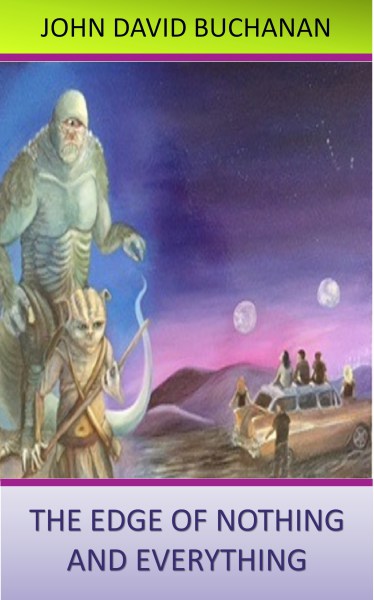
Feel free to leave a comment dear readers.