Allan Hudson's Blog, page 47
March 11, 2017
Reaching the Pinnacle by Allan Hudson - Part 1.
Someone asked me recently which of my short stories I enjoyed writing the most. It would have to be this one.

Reaching the Pinnacle was inspired by a real life situation when a young lady reached out to her grandfather and asked him something very special. It has been published in SHORTS Vol. 2

Here's Part 1 (watch March 14th for Part 2)
Copyright is held by the author.
Reaching The Pinnacle

Jeb Davis is almost out of breath. The last half a kilometer of hiking up the mountain has been at a 25-degree angle. And it’s starting to get steeper. Mount Carleton in northern New Brunswick is not for cream puffs. He stops where the trail evens out for a meter or so near the exposed root of an enormous birch tree that has to be as old as his great grandparents if they were still alive. The bark on top of the root is rubbed away from countless soles. With one hand on the trunk, he stoops over to catch his breath. He adjusts his backpack with his other hand, hefting it a bit higher, and looks up the trail to check on his granddaughter. Thirty meters farther up, she is going full steam. He chuckles. It has always been so. Mindy Kane does everything at full throttle.
She doesn’t know he’s not behind her and she’s still talking. He can’t discern what she’s saying, but her voice comes back to him like vapor through the trees, a rhythm that’s part of the forest. A chorus of black-capped chickadees with their two note song provides a natural harmony. Breathing deeply he inhales the scent of damp, dying leaves that only autumn can bring. He watches her as she hikes under yet another huge birch tree with a canopy of mighty limbs. Yellow and lime-colored leaves cling to more than half the outstretched arms. The stream of early morning light passes through the half-naked limbs, dappling her lithesome body and bulky pack. She must’ve asked a question and realized something wasn’t right when silence ensued. She stops and looks back. Jeb can see the teasing twinkle in her eyes even from this far. She yells out, “Whatsa matter, old-timer? Can’t hack it anymore?”
He’s smiling when he scolds her.
“Watch your mouth young lady. Respect your elders. Listen, Mindy, you said breaks every thirty minutes. We’ve been chugging up this ruddy hill for almost…”
Standing upright, he checks his watch.
“…forty five minutes. Now get down here and give your Gramps a break.”
He looks around to see another root growing out from the other side of the tree. It forms a knuckle about a meter and a half across, perfect for two regular sized bums. The ground is littered with fallen leaves – creating yellow and orange flooring. The sun shatters when it hits the tree, creating an inviting tumult of rays and shadows. He has to climb a small embankment about hip high, made of hard-packed dirt and smaller roots. When he finally plops on the exposed wood he wiggles out of his pack. Mindy drops hers, pulls a chrome water bottle out of a side pocket and jogs back down the hill. Scooting up the lip in a skip and a jump, she rounds the tree and, spying the makeshift seat, she says, “Shuffle over there a bit, Grampy.”
Before he can reply she offers him the water.
“Ah thanks, Mindy, my mouth is as dry as the bark on one of these trees.”
Sitting, their sides touching, she leans into him as he takes a long swig.
“I’m glad you decided to do this, Gramps.”
Wiping dripping water from his chin with his forearm, he switches the bottle from his right to his left hand and gives his granddaughter a sideways hug.
“I’m so pleased you asked. It’s been a long time since just the two of us have been on an overnighter. What…maybe 7 or 8 years? You were at university.”
Jeb drops his arm to sit forward. He sets the water bottle on the ground, leaning against the root. Mindy huddles forward, placing her elbows on her knees. Her head is in a narrow ray of sun and she appears golden.
 “Wow, I can’t believe it’s been that long. That was when we went to Gros Morne National Park in Newfoundland. That was an awesome trip.”
 With her chin in her hand, she turns her head toward Jeb, her wide smile defines happiness. Jeb is sitting similarly, elbows on his knees. They’re about the same height so they’re eye to eye. Jeb melts under her stare; she’s looked at him that way since she was a baby. He knows her. Fine lines crinkle his temple when he scrunches his brow.
“You’re up to something, aren’t you, Mindy?”
She frowns back.
“Of course! But you have to wait until I’m ready to tell you.”
Jeb is ready to offer a guess when she cuts him off. “Don’t even try to guess or I won’t tell you at all.”
He stares at the ground, defeated.
“Okay”
Changing the subject as he offers her the water, he says, “So, what do you think? Another hour to the top, right around noon? We’ve been at this for almost three hours now and it usually takes an old duff like me about four or five, but you… you’re almost running uphill.”
They both laugh at his worn out joke. He can see she’s raring to go. He’s amazed at her stamina – always has been – but as a police officer, she has to remain fit. He deems himself in damn fine condition for his 71 years, but he’s no fool and knows he can’t keep up.
“You take off, Mindy. Do the home stretch like you enjoy. I’ll meet you at the campsite. After we’re set up and eat, we can do the last half a kilo to the top. I think the old forest ranger’s station is still there.”
She jumps up, brushes a couple of vagrant leaves from her behind.
“Okay. You sure you don’t mind?”
“I haven’t minded before. I’m good. I might stop once in a while to admire the splendor and beauty of our natural surroundings.”
She nods at his formal delivery knowing she’s just been told that he’ll be taking his good old time. Ever since he’d seen The Lord of the Rings, he was always quoting Gandalf about how he “means to arrive when he should.” She, on the other hand, thrives on pushing herself. The solitude of the forested hillside absorbs her stress and she forgets about upholding the law. Truthfully, she doesn’t like putting the tent up with Jeb; he’s too slow. She can have it up in ten minutes on her own, whereas with him “helping” it usually takes a half hour.
“Yeah, you do that, Gramps. Watch out for killer squirrels!”
“Oh! And I have something to tell you, too! But…!” He wags his finger at her, reminding her she knows the rest.
“You crafty old dog!”
“Don’t call me an old dog. Now get outta here.”
He turns back to the leaf-covered vista before him, where he sees the downward slope of the terrain through the thinly scattered trees. The brush is kept trimmed four meters on each side of a narrow brook that flows three meters on the other side of the trail. The path follows the rill for another fifty meters before it twists northeast on its way to the pinnacle. He pushes his pack out of the way, rises and turns on his seat so he can watch her go uphill. She is already halfway to the large tree where she left her pack, at a serious strut. The way she carries herself reminds Jeb of her father; she has the same physique. Of course, that vision is from when he was younger; they haven’t seen him for twenty-five years. The lovely oval face and cinnamon-colored eyes that can be so intense are from her mother, Heather – Jeb’s daughter. The determination and grit are her own. Watching her shoulder her pack and latch the loose nylon straps, he can only think how proud he is of her.
Jeb’s mind drifts as he stands to shoulder his own pack. Thoughts of Mindy’s father trouble him even with the passing of time. He wonders where he is. The family hasn’t heard from him for such a long time. Couldn’t stay off the bottle; probably drank himself to death. As Jeb climbs down the short bank to head up the trail, he can still remember the last time he saw him.
Norton Kane was a self-employed carpenter, living in a rooming house down in the east end of Moncton. He’d work for seven or eight days and go on a bender for two or three. A highly skilled craftsman when he was sober, he was always in demand. All he owned was an old Ford truck, his tools and enough clothes to fill a medium-sized suitcase. A year earlier Jeb’s daughter had had enough. Caring for two boys, aged six and five, and Mindy, only two, she threw him out for good.

Norton had stopped at Jeb’s place early one morning, a Saturday that was grey with an overcast sky. The first day of spring didn’t bode well. Norton’s knock on the door woke Jeb up. Opening the back door to admit his son-in-law, he had to step back from the reek of cheap booze. His hair and clothing were disheveled, his manner pleading and his swollen eyes filled with despair. He needed $200.00. He was starting a new project on Monday, a set of stairs in a new house by the golf course, he’d pay Jeb back next week. Jeb knew he’d never see the money again, but he didn’t dislike Norton, who had started out an honorable young man. He gave him $100.00 and wished him an abrupt goodbye. Norton didn’t even say thanks.
Two days later, Heather got a call from an angry homeowner demanding to know where his carpenter was. The gentleman had arrived at his house late afternoon to find the work site as if work is still in progress. Norton’s truck was parked in the driveway, rear hatch and driver’s door open. Tools were set up in the garage, with the wide doors rolled up. Sawdust and building materials were lying about. The door to the house was open but Norton was nowhere to be found.
No one ever saw him again. To be continued..............................................

Thank you so much for visiting. Please return on March 14th for the rest of the story. Would love to hear from you. Please leave a comment below.


March 4, 2017
Guest Author Jane Tims of New Brunswick.
An artist at work.............
 Jane Spavold Tims is a botanist, writer and artist living in rural New Brunswick. Jane’s interests are diverse but usually include a connection to natural themes. Her manuscript of poetry “mnemonic”, about wild bird calls, won the Alfred G. Bailey Prize in the 2016 New Brunswick Writers’ Federation Writing Competition. Previously she won Honorable Mention in this same category for her poetry manuscripts “growing and gathering” and “waterfall”. She has published one book of poetry, within easy reach (Chapel Street Editions, 2016), about gathering edible wild plants. Her next book of poetry will be published in 2018, about plants and animals living in the shelter of New Brunswick’s covered bridges. She has also contributed to a chapbook “butter and eggs” by the Fredericton-based writing group Fictional Friends. Jane illustrates her books with her pencil drawings and paintings, and shows her work regularly at Isaac’s Way Restaurant in Fredericton in their charity art auctions.
Diversity in Writing
 People frame the approach to their life work very differently. Some focus on one project and work at it with commitment and dedication. Others juggle multiple projects, always keeping a dozen balls in the air at a time. I am of the second type. At any one time, I could list a dozen projects I am pursuing. Some of this is part of my personality: the tests tell me I am an INFP (Myers Briggs Type Indicator®, see http://www.teamtechnology.co.uk/ ) and my prayer for life is, “I will finish what I sta… “. But I do occasionally finish things. And I thrive when I have lots to deliver. Some of this approach was reinforced during my career – managing many projects at the same time was a part of the job. My approach to managing diversity is to tackle each project in turn, keep everything in balance and work towards specific goals. When I retired from 37 years of work as an environmental planner, I could hardly wait to start my new work as ‘writer’. I had built up to this part of my life with deliberate actions: writing at every opportunity, taking courses and building a list of literary publications. The day I retired, I was already a busy writer, working on the manuscript that was to become my first published poetry book -- within easy reach (Chapel Street Editions, 2016). By the time within easy reach was launched, I had undertaken two other poetry manuscripts with the help of Creations Grants from artsnb. Now, almost five years later, I feel like a fraud listing my occupation as “retired”: I have never worked harder or struggled more with achieving balance in my work life.
 Diversity in the Business of Writing
 Consider the romantic notion of a writer at a tidy desk, in a cozy corner before a fire, looking out on a tranquil scene. This version of the writer’s life is probably a long way from truth for most writers. My day is a busy complication of submissions, email communications, editing, arranging future readings, research, reading and, yes, sometimes actual writing. I have always known the occupation of writing has three aspects: 1. the creative phase of putting words on paper or screen, and editing those words, 2. the administrative phase of submitting, more editing, publication and marketing, and
3. the ongoing process of training: reading, communicating with other writers, attending reading events, participating in writers’ groups and taking writing courses.
In my experience, the administrative side can be the most time-consuming of the three. Publishing my first book meant immersion in administration, working with the publisher to edit and publish my book and to market it in various ways. I am fortunate to have an attentive and knowledgeable publisher in Chapel Street Editions (Woodstock, New Brunswick http://www.chapelstreeteditions.com/index.html ). Publisher Keith Helmuth is interested in themes associated with the natural history of the lower valley of the Saint John River and so easy to work with. Chapel Street’s designer, Brendan Helmuth, is responsible for the beautiful layout of my book and the balanced presentation of poetry and drawings.
Diversity in Writing Projects and Themes
 My writing tends to organise itself in themes. Since I am a biologist and botanist, I draw from that training and experience in every bit of my writing. From this have come my poetry manuscripts about the use of plants as natural dyes, wild bird songs, and gathering edible wild plants (the beginning of my book within easy reach). I also have a degree in history, so often I include the exploration of regional, community and family history in my writing. This has resulted in poems about plants and animals living in and around the covered bridges in southern New Brunswick and a recent interest in discovering the history of our vanishing one-room schools.In addition to my poetry, I am also working on a trio of novels about life in a rural community of New Brunswick, focussing on efforts to save an abandoned church (“Open to the Skies”), a damaged covered bridge (“Crossing at a Walk”) and a discontinued river ferry (“Shore to Shore”).With my next book in line for traditional publication in 2018 (“in the shelter of the covered bridge”), I have decided to try my hand next at independent publication. In part this is about curiosity and in part it is because writing in the science-fiction genre is so new for me. I have always loved reading science-fiction. My sci-fi story will be contained in a series of five short books, each presented as a long poem and illustrated with my drawings. I will publish under my first name Alexandra Tims, in part to keep my work in the sci-fi genre separate from my other poetry. The first book, Meniscus: Crossing the Churn tells the story of a young woman on an alien planet and her search for freedom from servitude.
Balancing ActOf course, I don’t work on all these projects at once. Instead I will say that all are in various stages of completion. At any one time, I have a writing focus, a single project in the creative phase. And a couple of projects in the administrative phase.The difficulty with independent publication? The creative and administrative phases are accomplished without the help of a publisher -- the author has to undertake both phases alone. But not alone. There are editors out there to help with manuscript review. My editor for Meniscus: Crossing the Churn is Lee Thompson (Lee Thompson Editing + https://leethompsonediting.com/ ). This is my third project with Lee and I have confidence in his approach to manuscript evaluation and substantive editing. There are also other writers who have independent publishing experience and are willing to help. For this, I have turned to my friend Roger Moore, writer and poet, who has undertaken the process of putting his numerous books into CreateSpace ( https://rogermoorepoet.com/). Roger has helped me to understand the process and mechanics of independent publication. And there are those who have listened and helped me hone my ideas and writing. I am fortunate to belong to two writing groups: Wolf Tree Writers who have met monthly for over twenty-five years, and Fictional Friends who have been together almost ten years. For me, these groups have provided the support and friendship of other writers, and a chance to hear the work of others and to get feedback on my writing. My fellow writers in both groups have listened and offered comment as I embark into this new genre of writing. I think they would agree they have found my interest in this project to be a bit bewildering!
***
So, I am certain I have proven to you that I am interested in working at the same time on multiple projects. I know completing projects one at a time would probably send them more efficiently off the end of the production line. But I was made to manage diversity. And in the end, whether or not I get the truck loaded with all my completed boxes of books is not really the point. The point is that I had lots of ideas, wrote about them and loved the whole process. Managing the diversity is part of the pain and the fun.
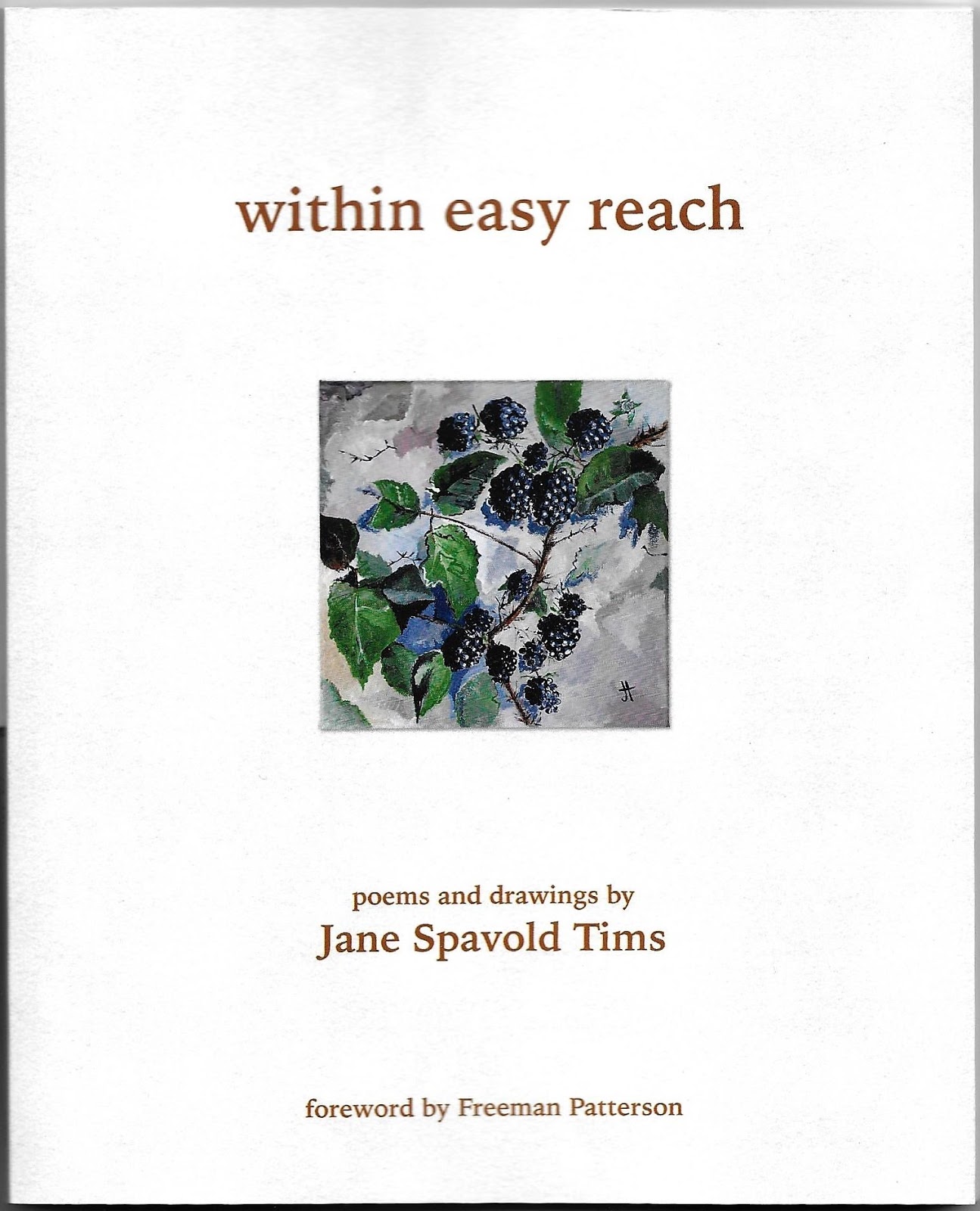
by Jane Spavold Tims: within easy reach , Chapel Street Editions, Woodstock, 2016by Alexandra Tims: Meniscus: Crossing The Churn , Amazon, available March 2017with Fictional Friends: butter and eggs , Fredericton, 2015
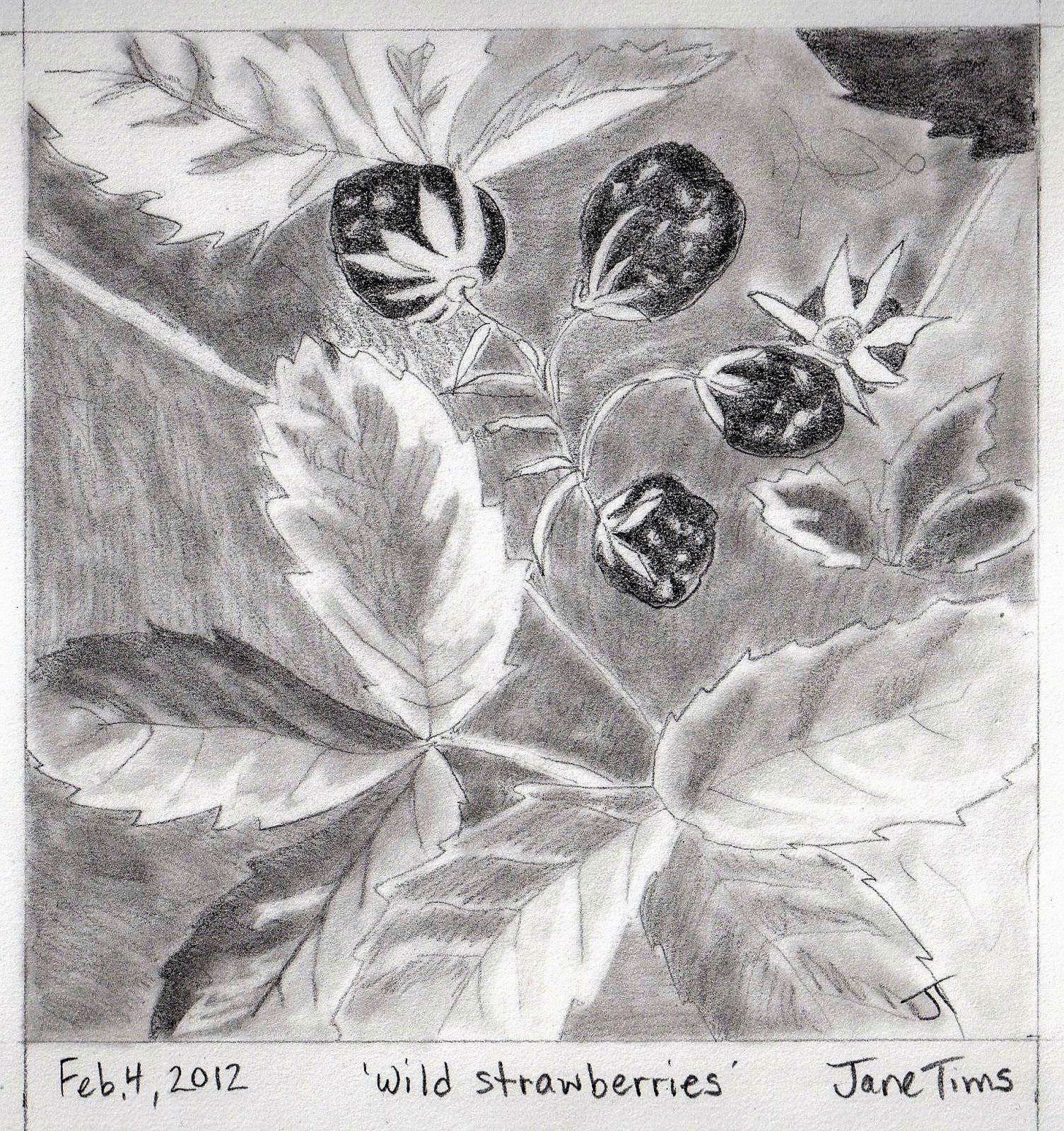 ‘... summer's blood was in it ...’
Seamus Heaney, Blackberry-picking
1. on the mowed roadabove the lakewe are astonished blackberries precocious sinister delicious 2.
for three Saturdayswe pick berries first, unpreparedwe heap theminto hats eat handfulspulp, seeds and cordial pressed between palate and tonguethe next we stay all morning reach deep into the bushesthorns impale the easy pull of berries into pailall week we concoct blackberry jam blackberry buckle blackberry muffinsset blackberry brandy to steep
the last day
we are uneasy (indigo bear droppings still steaming)the picking hardberries and foreheads sun-shrivelledbloody scratches on arms
3.blackberrybramblesgrapple my coatmore than a firm tug neededto struggle free
from within easy reach , Chapel Street Editions, 2016
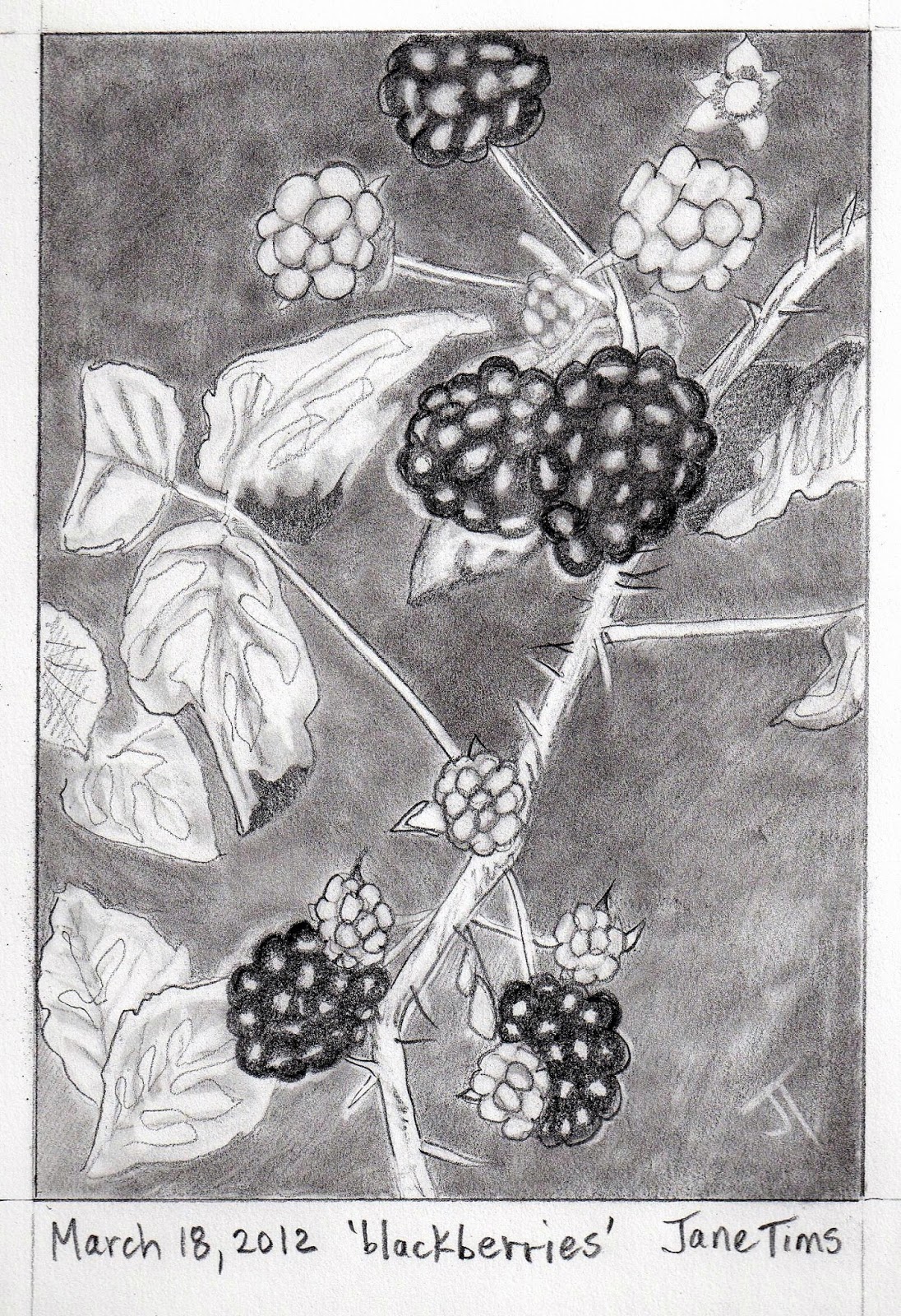
Blackberries (various species of Rubus) are brambles growing in barrens and waste areas, in meadows and along roadsides. Plants range from tall and arching to low-growing. Some have numerous prickles and bristles, and some are barely prickly. The black fruit are raspberry-like, eaten raw, or used to make jam, jelly and beverages.
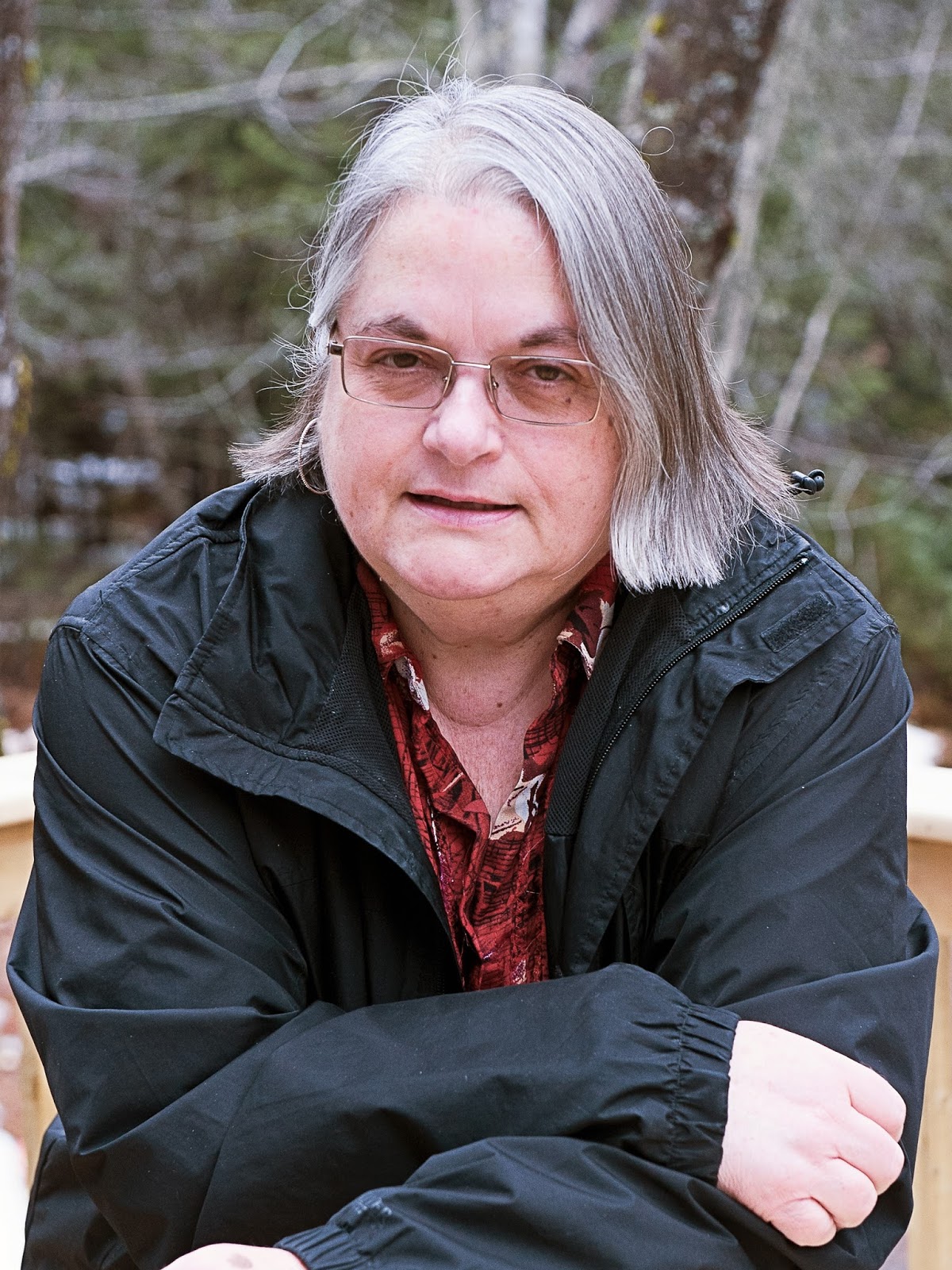
Thank you Jane for being our guest this week on the Scribbler.
 And a huge thank you to you Dear Reader for visiting. Please fell free to leave a comment below.
February 25, 2017
Guest Author Victoria Hanlen of New England, USA
Romance...beautiful, wonderful romance.
The Scribbler is fortunate to have an author of historical romance as our guest this week.
 Thank you for having me on your blog, Allan!
 To introduce myself, I’m Victoria Hanlen and I write Historical Romance.
In 2016 I published two novels with HarperCollins:
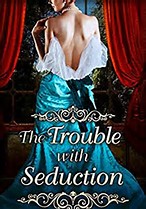
The Trouble With Misbehaving and The Trouble With Seduction.
I was fortunate to have a father with a flair for storytelling and a mother who was a schoolteacher. Dad would entertain us with witty stories about the farm he grew up on and the places he'd traveled. Mom made sure we learned our three R's and encouraged the love of reading. As a kid, I enjoyed the Nancy Drew Mysteries and fairytales with happily ever afters. In junior high we were assigned to read Wuthering Heights,and I’ve been a big fan of historical romance ever since.
I've written all my life and later worked in jobs that required strong writing skills. Along the way, I sang in professional opera and performed in Shakespeare and regional theater.
Eventually, I started writing short stories and then novel length. The cross training in theater applied well to character motivation and scene development. I especially love improvisation and the concept of saying 'yes' to a crazy idea and building a scene on the spot. I also find it thrilling when my characters come alive and say or do something outrageous.
I’m a member of Romance Writers of America, RNA, The Beau Monde RWA, and Connecticut Romance Writers. I live with my husband and a host of wildlife in rural New England, U.S.A.
VICTORIA HANLEN Guest Post
A question I’m often asked is how I came up with the idea for my stories.
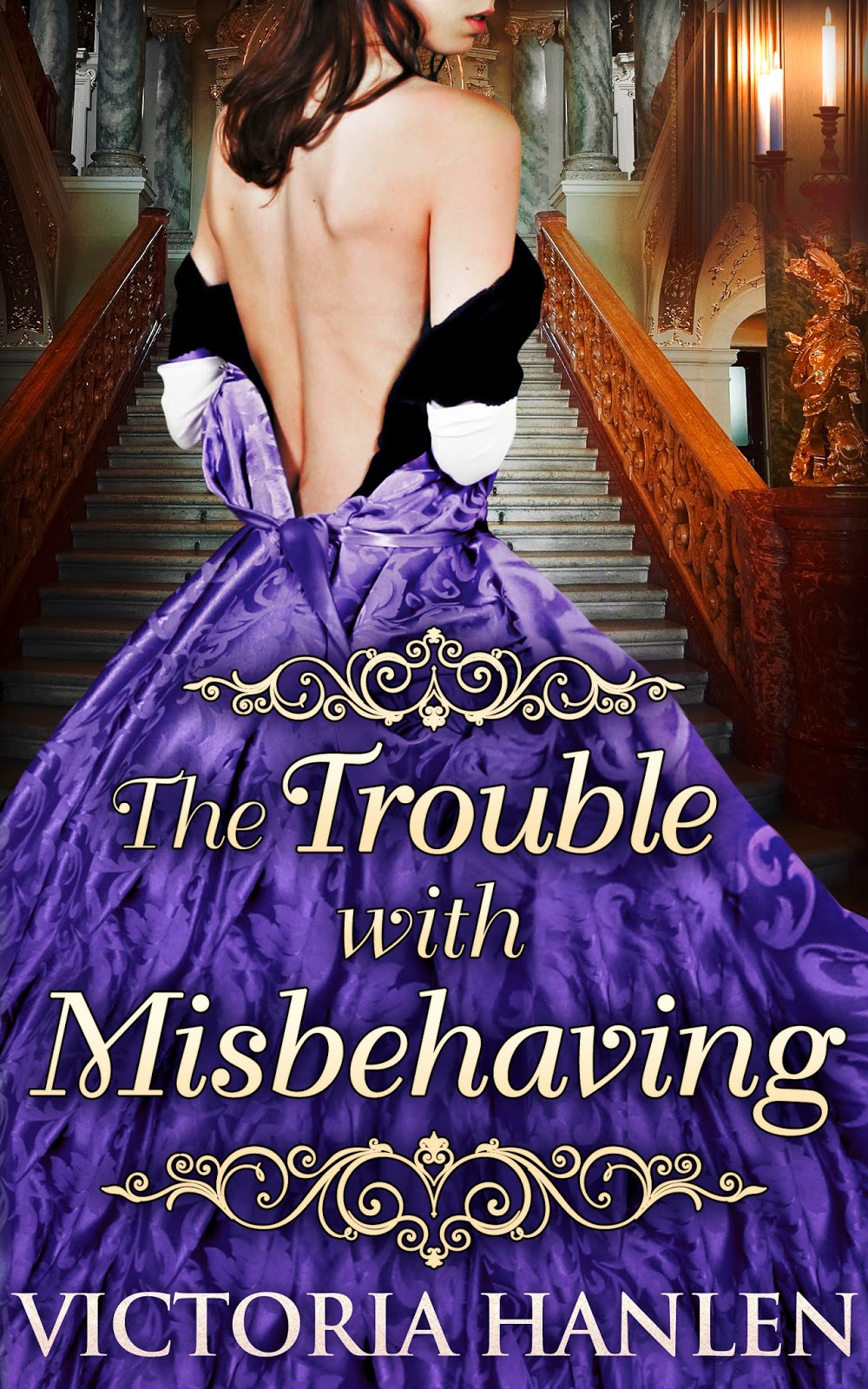 Let me tell you about my novel The Trouble With Misbehaving.
 I can’t say the story came from any one big idea. Rather, it evolved through research, family history, travel, and from previous stories I’d written. Out of that research, I realized there were a lot of stories about the American Civil War from the American prospective, but we rarely see one written from an outside viewpoint.
This started me thinking. What if Misbehaving is approached from a UK point of view, since both North and South were buying their guns, munitions, ships, etc. from the UK? Sometimes the purchasing agents for both the North and the South sat side by side in a UK company’s outer office, waiting to place their orders! Additionally, many of the blockade-runners were formerly in the British Royal Navy.
I also had a very persistent character running around in my head. C.C., the heroine in Misbehaving, was a villain in one of my earlier books. She’s such a dynamic, interesting character and kept insisting she was misunderstood, demanding I tell her side of the story!
When I toured Marble House in Newport Rhode Island, U.S.A., pieces of the story started to fit together.
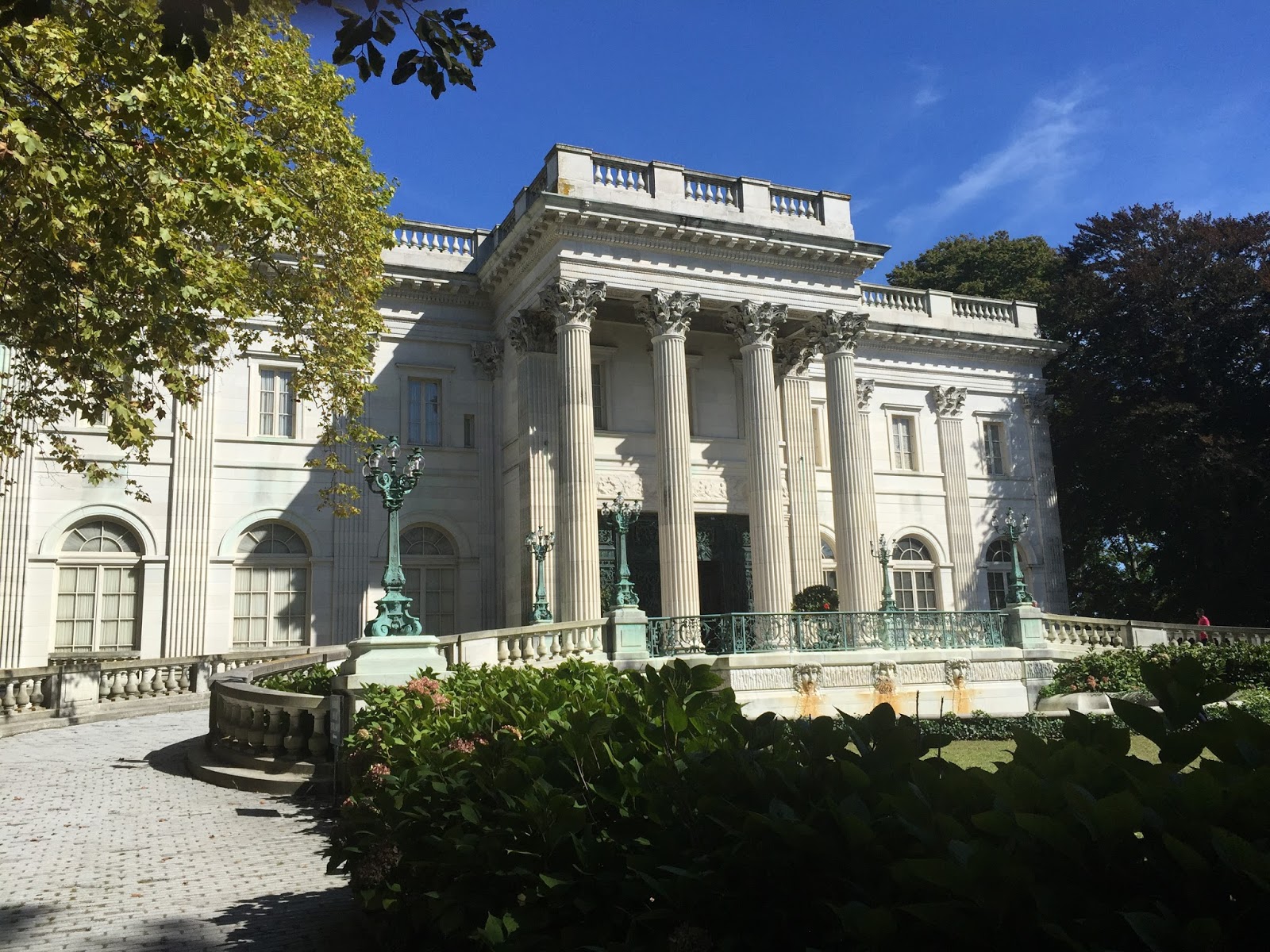
Alva Vanderbilt, the woman who had Marble House built, was born in the South (Alabama) to a family that suffered untimely deaths and unstable fortune. She was determined to marry well. And so she did. She married William Vanderbilt, one of the wealthiest men in the United States at the time.
She also had lofty social ambitions and intended to be one of New York society’s leading lights. Initially, however, as new money, she was snubbed by the older factions of New York City’s High Society.
Bullheaded, intelligent, and courageous, she challenged convention and used her husband’s vast wealth to maneuver the society leaders into doing her bidding.
She had Marble House built (they called the gilt-lined jewel box a ‘summer cottage’) on property right next to the ‘summer cottage’ of the queen of New York High Society. And Alva spared no expense in making it the grandest around.
Later, Alva’s divorce from William Vanderbilt (in an age when divorce was rare) rendered her an outcast. She regained her social position by marrying off her beautiful daughter, Consuelo, to Charles Spencer-Churchill, 9th Duke of Marlborough.
C.C. and her mother, Delia, have similarities to both Alva and Consuelo.
The story is set at the end of the American Civil War (1864-1865), a period of enormous struggle and strife. It was also a time when captains could demonstrate their brazen nerve, technical skill, and shameless audacity.
A quick recap of the story: Following a horrid scandal in New York City, C.C. is sent to London to live with her father’s relatives. She is told to find and marry a titled lord so she and her family will be accepted back into NYC high society. Untimely deaths make C.C. the sole heir to her father’s fortune and with it she decides to forge her own path.
 The American Civil war begins and then drags on until the South is in desperate straights. When she receives a letter from her mother begging her help, C.C. must find a captain who will take her to North Carolina to save her family.
 With the dangerous tightening of the blockade, C.C. knows she must hire the best captain available. Notorious Captain Beauford Tollier is such a man and one of the most successful blockade-runners to sail the seas. He also happens to be her cousin’s brother-in-law, and the third son of the Earl of Grancliffe. The only problem is, Captain Beau has just been released from a Union prison and is beset by battle demons. He’s vowed to quit blockade running.
C.C. must convince him otherwise. He’s wily, commanding, and stubborn, and he will not be cajoled. He presents more of a challenge than C.C. bargained on.
Captain Beau has aspects of a real captain, Augustus Charles Hobart-Hampden (later, Hobart Pasha) the third son of the 6thEarl of Buckinghamshire who was a very successful blockade-running captain during the American Civil War.
The story takes place in England, The Bahamas and North Carolina, U.S.A.
My husband and I took trips to research details about the history, setting, and language people used. The trips themselves were a great experience.
We spent three weeks in England touring the country at the time of year when certain parts of the story take place.
We took a cruise from New York to the Bahamas in December, the time of year C.C. and Beau would have sailed. I wanted to know what it would have been like for Beau and C.C. to sail on a blockade-runner from the Bahamas to Wilmington, NC—the only Confederate port still open at the time the story takes place.
 The Royal Victoria Hotel where C.C. and Beau stayed in the story was a real hotel in Nassau, the Bahamas (a famous blockade-runner hotel), built in 1861 and closed in 1971. http://www.oldbahamas.com/id11.html
 It was a short walk from Nassau’s wharf. I have a picture of it’s famous gardens and a memorial plaque on my website. victoriahanlen.com
On visits to family in North Carolina, we took side trips to Goldsboro and Wilmington, NC to explore the towns, historical homes, plantations, forts and railroad museums.
It’s been over 150 years since the American Civil War, but the language people use to refer to it in the North vs. the South still continues to be distinct.
The Trouble With Misbehaving was a finalist in eight Romance Writers of America contests. When I entered it in Harlequin’s ‘So You Think You Can Write Contest’ I didn’t win the big prize, but I was given a two-book contract!
Thank you so much for having me on your blog, Allan! It’s been great! J Thank you Victoria for being our guest this week.
 For all you readers, Victoria would love to hear from you by visiting these links. Website: victoriahanlen.comFaceBook: https://www.facebook.com/VictoriaHanlenTwitter: https://www.twitter.com/VictoriaHanlenGoodreads: http://bit.ly/2jPkFoyNewsletter: http://bit.ly/2ktxaYVAmazon: http://amzn.to/2l5eLVi
A special Thanks to you Awesome Visitors for stopping by the Scribbler. Please leave a comment before you go.
February 18, 2017
Guest Author Ian McKinley of Sackville, New Brunswick
You're in for a treat!
Our guest has a book signing happening today.
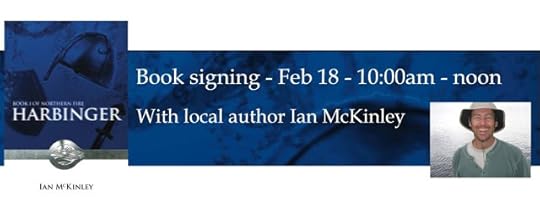
 Ian McKinley is a Canadian diplomat currently on leave to follow his wife of 23 years, Josée Lanctôt, to beautiful New Brunswick. He writes what he calls “fantastic realism,” a genre that seeks to escape the traditional tropes of fantasy,wherein pure good confronts ultimate evil for global domination. Rather, Ian’s narratives are driven by alignments and/or collisions of human interests and values.
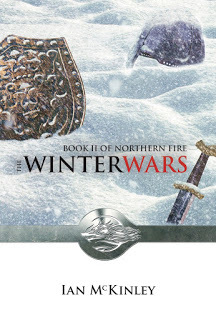
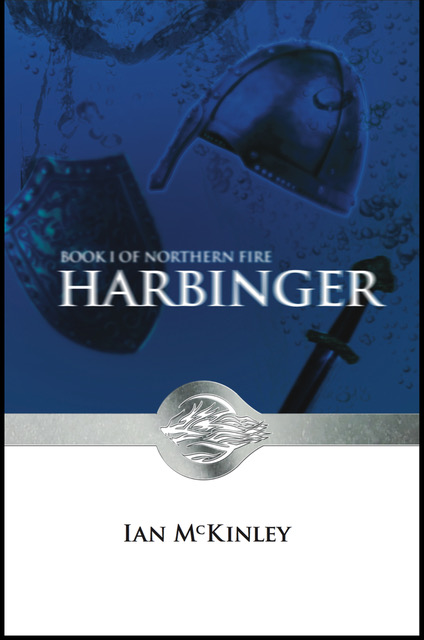
 His first novel, The Gallows Gem of Prallyn was released to positive reviews in November, 2014. It throws together an explosive mixture of zealotry, class oppression, and nationalism, the results of which take the reader on a gripping adventure. Ian unveiled his second novel, Harbinger, Book One of Northern Fire, at the 2016 Frye Festival, in which he participated as a “Prélude Emerging Writer.” In Harbinger, Ian explores questions around culture and the type of societies particular cultures construct, the various tools of societal control that societies develop, as well as the question of whether an individual can change the fate of an entire nation. Ian is working on edits to The Winter Wars, Book Two of the Northern Fire duo-logy. If things go to plan, it should be available by November, 2017.

Ian was born in Calgary, Alberta, and grew up in Northern Ireland and on the Canadian prairies. He graduated from the University of Lethbridge and joined the foreign service shortly thereafter. He has served Canada abroad in Colombia, Kenya, Zimbabwe and at the Permanent Mission of Canada to the United Nations in New York. Ian has seen his non-fiction published in Bout de papier and Au courant. Ian is a member of the Writers Federation of New Brunswick as well as the Sunburst Award Society for Excellence in Canadian Literature of the Fantastic. He speaks English, French and Spanish.
And now an excerpt from Harbinger.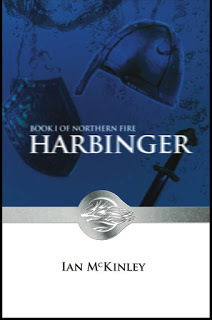 They sailed from Cape Terror on the dawn. The mainland off Rignil’s port rail rose in sheer cliffs and the first of the Demon’s Teeth neared off the starboard beam. As if on cue, the winds found them; between mainland cliff and sea-bound tooth, the gusts buffeted the longship from changing directions. Then the rain began. At first it was but a mist, hard to differentiate from the spray thrown at them by the swirling winds from the wash rising off the prow or from waves surging against their sides. It turned into a steady drizzle, and, just before midday, to rain. Lars muttered. “Can this get any worse?” Before Thay or Cairn could reply, Krüllig laughed and said, “Of course it could, lad! Be glad this is a summer crossing. In winter, you could be treading freezing cold water and watching our stern slip beneath the waves! But I wouldn’t worry too much about that; Kindron’s been through the Teeth two-score times. He’ll see us through.” As if to underline their captain’s skill, Kindron delivered them a small blessing. He leaned against the rudder and turned them into a channel that ran between two jutting islands. He brought Rignil close to the southern island’s cliff face and ordered oars raised. The crew all leaned forward on their oars, panting in the pouring rain, but laughing as well as they saw that Kindron had found a current that pushed them along faster than any wind could. Then only he had to work as he controlled the rudder, pushing it or heaving against it as need be. But he grinned as he did so and that grin gave them all a fire in their bellies to combat the cold rain. Thunderer and Northern Fire hove-to and heard their fellow Sea Wolves bellow approval from the other boats.
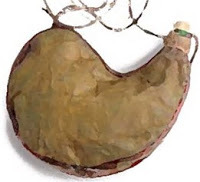 Their respite lasted long enough for them to gobble down a damp meal. Kindron even threw them a skin full of wine to pass around. However, the captain’s face darkened at a low drumming of thunder that suddenly rumbled across the waves. Before it echoed off the cliffs, the men were back on the oars. By the time the boats shot out the other end of the channel, lightning arced between the Teeth. The clouds turned jet and sank lower to the water. The seas, too, surged and dipped,currents collidingand waves comingat them from every direction, once combining to heave the stern aloft and throw men backwards onto the oars of their crewmates. Thay looked about him. Lora, huddling near the stern, looked as worried as he felt. Beside him, terror was carved on Cairn’s burly features: the big youth looked horrible, with his dark hair lank, wet, and clinging to his ashen face, his brown eyes red-rimmed and wide, and his head twisting from side to side as he shot panicked looks at the sheer cliffs bursting from the swirling sea on either side of their longboat. Thay felt Cairn strain against the oar, quickening the rhythm but for the countering control that Thay exerted; it would not impress the captain if they broke the unison of the crew. It occurred to Thay that though Cairn, the son of herders, had never sailed in a storm. “Calm down,” Thay grunted between oar strokes. “This crew knows what they’re about.” “The cliffs close in on us!” “That’s just the boat shifting in the swirls,” Thay responded, but he glanced at the mountains involuntarily as he did so. At first glance, it did indeed look like the great wall to starboard loomed closer and the cliff to port filled more and more of the roiling grey-black sky.
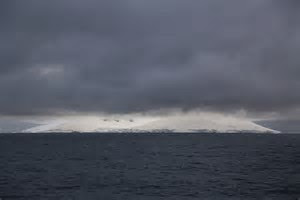 Suddenly thunder boomed overhead, drowning the drumming of Asgear and wiping the grin off Kindron’s face. Thay quickly realized how much he had drawn confidence from the captain. Kindron studied the low, swift-flying clouds and then ordered the sail unfurled and trimmed. Rignil listed away from the wind and held to a course Thay hoped would steer them clear of the fangs of rock that rose from the waves. Salt spray carried on the wind from the bow showered him and mingled with his sweat. Behind Rignil, Thay could see that first Toftig on Thunderer, and then Albig on Northern Fire, followed Kindron’s example, unfurling and setting their own sails. He could see less to starboard as the boat leaned in the water, but he saw frothing whirlpools and white foam splashing off the ever-approaching cliffs to port. He gave a start when he heard the crash of a wave against a jutting point of rock an oar’s length from the gunnel. They passed a headland to the south and heard Kindron yell from the stern, “Hang on!” As Thay hooked his legs around the prop of the bench in front of him, he saw terror on Lora’s face. Then the instant was gone as a wall of water hit them from starboard. As he rose into the air, he reached for the gunnel. He saw Cairn pitch sideways and flail at the bench. Then Thay flew. When he broke the surface, he gasped from the shock of the cold water and fought to keep his head above the waves. Against the backdrop of the Tooth to the north of them, he saw the flotsam of the boat all around him; men, oars, cloaks, planking, sea-chests and rope bobbed on the water. Six men had gotten their bearings after having been thrown even further and they began swimming towards him. Thay twisted his head around and saw Rignil floating low in the water only an oar’s length from him. Improbably, the only person still in the boat was Cairn. “Thay!” Cairn yelled. “Grab the oar!” The big lad stood unsteadily and ran out an oar. As Thay swam he called out, “Sit down, you ass! And lean to the other side of the boat!” Cairn did so, scrambling to a bench and then straining with his great strength to haul Thay to the gunnel. Thay scrambled over and Cairn ran out his oar to the six men swimming closer. Thay sloshed over to the rudder as Rignil bobbed on the waves. The wave that had tossed them overboard had also left the sail flapping in the wind, but pulling on the rudder only brought the water-logged boat around slowly. Thay looked then to the sea and saw another massive wave bearing down on them. He knew the rudder would not turn the boat around quick enough to point the prow into the wave, there were no crew at the oars. Quick as he could, he pulled on the rope lashing the anchor to the stern, expecting the slip knot to give and release the heavy stone in its wooden cradle. The rope, however, was thick and sodden, and some misfortune had pulled the ends of the knot too tight to allow the loop to slip. He fixed his legs and gave the lashing a great heave. Still the knot would not give. He whipped out his dagger, pried its point into the knot and used the blade as leverage, hoping to loosen it. He glanced over and saw that it was not another man at all that had clambered into the boat, but Lora. He did not breathe a sigh of relief. Rather, he glanced at the approaching wave, suddenly much nearer, and put his entire strength behind a last heave of the rope. It gave way in a sudden rush and he fell back onto the deck, the anchor thumping onto the deck at the stern. “Lora!” he yelled, “Trim the sail!” She did not reply but scrambled over to the loose ropes that set the sail.
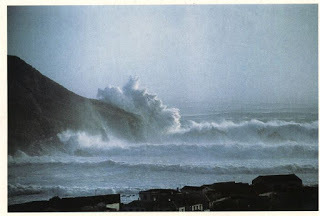 Thay lifted the anchor from the deck and heaved it astern, towards the rock face of the nearby Tooth rearing up from the frothing sea. He could not heave it far, but he hoped it would be enough as it trailed its rope behind it, just as he hoped the water would be shallow enough for his gambit to work. As the anchor’s rope unwound with a whir, the prow crept to starboard, towards the wave that approached with alarming speed. But then suddenly the rope stopped unwinding. He knew he had to change dramatically the angle of the prow to the wave and that pulling on the rope from the stern would have no effect. So, with the black wall of water looming above them, Thay grabbed hold of the slack coils of rope attached to the anchor and ran, bounding from bench to bench above the water in the boat, to the prow yelling, “Hang on.” He looped the rope once over the prow, forming a noose for the wolf that was the figurehead, and he hung on for dear life. They were not going to make it, Thay suddenly realized in the moments before the wave hit. They did not have enough forward momentum to swing the boat around. That was the moment that Lora got the sail properly trimmed. Being the daughter of a fisherman and so bold as to insist on accompanying her father out to sea to learn the handling of boats, she knew how to catch the wind in a sail. In the near-gale now blowing, she pulled the sail into position, it caught the wind and the boat lumbered forward and it came about. As the sea welled up and the wave towered over Rignil, Lora kept the sail in the wind and they turned. Thay pulled on the anchor rope with all his might, tugging the prow southwards. The wave crashed against their starboard side at an angle, but the prow had come about enough to cut into the onslaught. The boat lurched but did not capsize or toss them overboard, and then the wave was past them. Only one other such wave hit them, but by then Kindron had relieved Thay at the rudder and had pointed the prow into the swell. The men hauled out of the sea had also bailed a great deal of water out of the boat and Rignil rode the waves with greater ease. Northern Fire drew up beside Rignil after having scooped up Lars and Krüllig. Thunderer returned another five crewmen to them - sodden and shivering, but all grinning. Kindron did a head count, and then repeated it with Asgear, before dousing the momentary elation. “Hossig’s gone.” He strode from prow to stern, looking into the dark water, the other two captains looking around them, but they saw nothing. “We’ll mourn on the other side of the Teeth,” Kindron declared and then set about putting his boat in order.
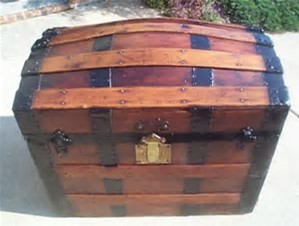 The wind and seas calmed and Kindron passed around his wineskin again. Then he had them finish the bailing, return the sea-chests to their owners and re-stow them, secure the rigging and order the sail. He took his own woollen blanket from beneath the deck and, though it was sodden, just like everything else, he draped it over Lora’s shoulders, patting her on the back. He gave Thay and Cairn each a serious nod. All three knew they had just received Kindron’s deepest thanks. Thank you Ian for being our guest this week. Looking forward to reading more of Harbinger. Drop by Ian's website to discover more about him and his novels and watch for his next novel.http://northernfire.net/
 And a huge thank you to our Faithful readers for visiting this week. Please leave a comment below before you go.

Our guest has a book signing happening today.

 Ian McKinley is a Canadian diplomat currently on leave to follow his wife of 23 years, Josée Lanctôt, to beautiful New Brunswick. He writes what he calls “fantastic realism,” a genre that seeks to escape the traditional tropes of fantasy,wherein pure good confronts ultimate evil for global domination. Rather, Ian’s narratives are driven by alignments and/or collisions of human interests and values.
 His first novel, The Gallows Gem of Prallyn was released to positive reviews in November, 2014. It throws together an explosive mixture of zealotry, class oppression, and nationalism, the results of which take the reader on a gripping adventure. Ian unveiled his second novel, Harbinger, Book One of Northern Fire, at the 2016 Frye Festival, in which he participated as a “Prélude Emerging Writer.” In Harbinger, Ian explores questions around culture and the type of societies particular cultures construct, the various tools of societal control that societies develop, as well as the question of whether an individual can change the fate of an entire nation. Ian is working on edits to The Winter Wars, Book Two of the Northern Fire duo-logy. If things go to plan, it should be available by November, 2017.
Ian was born in Calgary, Alberta, and grew up in Northern Ireland and on the Canadian prairies. He graduated from the University of Lethbridge and joined the foreign service shortly thereafter. He has served Canada abroad in Colombia, Kenya, Zimbabwe and at the Permanent Mission of Canada to the United Nations in New York. Ian has seen his non-fiction published in Bout de papier and Au courant. Ian is a member of the Writers Federation of New Brunswick as well as the Sunburst Award Society for Excellence in Canadian Literature of the Fantastic. He speaks English, French and Spanish.
And now an excerpt from Harbinger.
 They sailed from Cape Terror on the dawn. The mainland off Rignil’s port rail rose in sheer cliffs and the first of the Demon’s Teeth neared off the starboard beam. As if on cue, the winds found them; between mainland cliff and sea-bound tooth, the gusts buffeted the longship from changing directions. Then the rain began. At first it was but a mist, hard to differentiate from the spray thrown at them by the swirling winds from the wash rising off the prow or from waves surging against their sides. It turned into a steady drizzle, and, just before midday, to rain. Lars muttered. “Can this get any worse?” Before Thay or Cairn could reply, Krüllig laughed and said, “Of course it could, lad! Be glad this is a summer crossing. In winter, you could be treading freezing cold water and watching our stern slip beneath the waves! But I wouldn’t worry too much about that; Kindron’s been through the Teeth two-score times. He’ll see us through.” As if to underline their captain’s skill, Kindron delivered them a small blessing. He leaned against the rudder and turned them into a channel that ran between two jutting islands. He brought Rignil close to the southern island’s cliff face and ordered oars raised. The crew all leaned forward on their oars, panting in the pouring rain, but laughing as well as they saw that Kindron had found a current that pushed them along faster than any wind could. Then only he had to work as he controlled the rudder, pushing it or heaving against it as need be. But he grinned as he did so and that grin gave them all a fire in their bellies to combat the cold rain. Thunderer and Northern Fire hove-to and heard their fellow Sea Wolves bellow approval from the other boats.
 Their respite lasted long enough for them to gobble down a damp meal. Kindron even threw them a skin full of wine to pass around. However, the captain’s face darkened at a low drumming of thunder that suddenly rumbled across the waves. Before it echoed off the cliffs, the men were back on the oars. By the time the boats shot out the other end of the channel, lightning arced between the Teeth. The clouds turned jet and sank lower to the water. The seas, too, surged and dipped,currents collidingand waves comingat them from every direction, once combining to heave the stern aloft and throw men backwards onto the oars of their crewmates. Thay looked about him. Lora, huddling near the stern, looked as worried as he felt. Beside him, terror was carved on Cairn’s burly features: the big youth looked horrible, with his dark hair lank, wet, and clinging to his ashen face, his brown eyes red-rimmed and wide, and his head twisting from side to side as he shot panicked looks at the sheer cliffs bursting from the swirling sea on either side of their longboat. Thay felt Cairn strain against the oar, quickening the rhythm but for the countering control that Thay exerted; it would not impress the captain if they broke the unison of the crew. It occurred to Thay that though Cairn, the son of herders, had never sailed in a storm. “Calm down,” Thay grunted between oar strokes. “This crew knows what they’re about.” “The cliffs close in on us!” “That’s just the boat shifting in the swirls,” Thay responded, but he glanced at the mountains involuntarily as he did so. At first glance, it did indeed look like the great wall to starboard loomed closer and the cliff to port filled more and more of the roiling grey-black sky.
 Suddenly thunder boomed overhead, drowning the drumming of Asgear and wiping the grin off Kindron’s face. Thay quickly realized how much he had drawn confidence from the captain. Kindron studied the low, swift-flying clouds and then ordered the sail unfurled and trimmed. Rignil listed away from the wind and held to a course Thay hoped would steer them clear of the fangs of rock that rose from the waves. Salt spray carried on the wind from the bow showered him and mingled with his sweat. Behind Rignil, Thay could see that first Toftig on Thunderer, and then Albig on Northern Fire, followed Kindron’s example, unfurling and setting their own sails. He could see less to starboard as the boat leaned in the water, but he saw frothing whirlpools and white foam splashing off the ever-approaching cliffs to port. He gave a start when he heard the crash of a wave against a jutting point of rock an oar’s length from the gunnel. They passed a headland to the south and heard Kindron yell from the stern, “Hang on!” As Thay hooked his legs around the prop of the bench in front of him, he saw terror on Lora’s face. Then the instant was gone as a wall of water hit them from starboard. As he rose into the air, he reached for the gunnel. He saw Cairn pitch sideways and flail at the bench. Then Thay flew. When he broke the surface, he gasped from the shock of the cold water and fought to keep his head above the waves. Against the backdrop of the Tooth to the north of them, he saw the flotsam of the boat all around him; men, oars, cloaks, planking, sea-chests and rope bobbed on the water. Six men had gotten their bearings after having been thrown even further and they began swimming towards him. Thay twisted his head around and saw Rignil floating low in the water only an oar’s length from him. Improbably, the only person still in the boat was Cairn. “Thay!” Cairn yelled. “Grab the oar!” The big lad stood unsteadily and ran out an oar. As Thay swam he called out, “Sit down, you ass! And lean to the other side of the boat!” Cairn did so, scrambling to a bench and then straining with his great strength to haul Thay to the gunnel. Thay scrambled over and Cairn ran out his oar to the six men swimming closer. Thay sloshed over to the rudder as Rignil bobbed on the waves. The wave that had tossed them overboard had also left the sail flapping in the wind, but pulling on the rudder only brought the water-logged boat around slowly. Thay looked then to the sea and saw another massive wave bearing down on them. He knew the rudder would not turn the boat around quick enough to point the prow into the wave, there were no crew at the oars. Quick as he could, he pulled on the rope lashing the anchor to the stern, expecting the slip knot to give and release the heavy stone in its wooden cradle. The rope, however, was thick and sodden, and some misfortune had pulled the ends of the knot too tight to allow the loop to slip. He fixed his legs and gave the lashing a great heave. Still the knot would not give. He whipped out his dagger, pried its point into the knot and used the blade as leverage, hoping to loosen it. He glanced over and saw that it was not another man at all that had clambered into the boat, but Lora. He did not breathe a sigh of relief. Rather, he glanced at the approaching wave, suddenly much nearer, and put his entire strength behind a last heave of the rope. It gave way in a sudden rush and he fell back onto the deck, the anchor thumping onto the deck at the stern. “Lora!” he yelled, “Trim the sail!” She did not reply but scrambled over to the loose ropes that set the sail.
 Thay lifted the anchor from the deck and heaved it astern, towards the rock face of the nearby Tooth rearing up from the frothing sea. He could not heave it far, but he hoped it would be enough as it trailed its rope behind it, just as he hoped the water would be shallow enough for his gambit to work. As the anchor’s rope unwound with a whir, the prow crept to starboard, towards the wave that approached with alarming speed. But then suddenly the rope stopped unwinding. He knew he had to change dramatically the angle of the prow to the wave and that pulling on the rope from the stern would have no effect. So, with the black wall of water looming above them, Thay grabbed hold of the slack coils of rope attached to the anchor and ran, bounding from bench to bench above the water in the boat, to the prow yelling, “Hang on.” He looped the rope once over the prow, forming a noose for the wolf that was the figurehead, and he hung on for dear life. They were not going to make it, Thay suddenly realized in the moments before the wave hit. They did not have enough forward momentum to swing the boat around. That was the moment that Lora got the sail properly trimmed. Being the daughter of a fisherman and so bold as to insist on accompanying her father out to sea to learn the handling of boats, she knew how to catch the wind in a sail. In the near-gale now blowing, she pulled the sail into position, it caught the wind and the boat lumbered forward and it came about. As the sea welled up and the wave towered over Rignil, Lora kept the sail in the wind and they turned. Thay pulled on the anchor rope with all his might, tugging the prow southwards. The wave crashed against their starboard side at an angle, but the prow had come about enough to cut into the onslaught. The boat lurched but did not capsize or toss them overboard, and then the wave was past them. Only one other such wave hit them, but by then Kindron had relieved Thay at the rudder and had pointed the prow into the swell. The men hauled out of the sea had also bailed a great deal of water out of the boat and Rignil rode the waves with greater ease. Northern Fire drew up beside Rignil after having scooped up Lars and Krüllig. Thunderer returned another five crewmen to them - sodden and shivering, but all grinning. Kindron did a head count, and then repeated it with Asgear, before dousing the momentary elation. “Hossig’s gone.” He strode from prow to stern, looking into the dark water, the other two captains looking around them, but they saw nothing. “We’ll mourn on the other side of the Teeth,” Kindron declared and then set about putting his boat in order.
 The wind and seas calmed and Kindron passed around his wineskin again. Then he had them finish the bailing, return the sea-chests to their owners and re-stow them, secure the rigging and order the sail. He took his own woollen blanket from beneath the deck and, though it was sodden, just like everything else, he draped it over Lora’s shoulders, patting her on the back. He gave Thay and Cairn each a serious nod. All three knew they had just received Kindron’s deepest thanks. Thank you Ian for being our guest this week. Looking forward to reading more of Harbinger. Drop by Ian's website to discover more about him and his novels and watch for his next novel.http://northernfire.net/
 And a huge thank you to our Faithful readers for visiting this week. Please leave a comment below before you go.
February 11, 2017
Back-to-Back Special Guest Chuck Bowie of Fredericton. NB
He's Back...!
 Another back-to-back feature on the Scribbler last week and this one. We are fortunate to have Author Chuck Bowie from Fredericton, New Brunswick, who joined us last week with an essay on the topic of his writing. (if you scroll down to the end of this post, you'll find it there) He's back this week for an interview with a different format than the regular 4Q you are familiar with.
The Scribbler is ever grateful to have Chuck as a frequent guest. His stories are entertaining, witty and a treat to read. You will find his links below.

Today, we’ll put Chuck on the hot seat, asking him a few questions about his favourite writing: Genre Fiction.
Genre Fiction (Or, As I Like To Call It, Fiction)
Question: Do all writers of fiction novels write genre fiction?
Answer: Certainly, there are a number of kinds of fiction writers, some being literary fiction writers, some genre writers. Literary Fiction is anything that does not fit into a genre. If you’ve written The Great Canadian Novel, in which man’s inhumanity to man is explored, it can be amazing writing, but somewhat more challenging to classify. Oftentimes, this type of novel would not be classified as genre writing.
Today, though, I’d like to chat about genre fiction. As a species, we humans like our lists, our boxes…our shelves. If, for example, you write a thriller and classify it as such, it is lumped in with millions of others. If you refine this identification—as I do by identifying my series as an international suspense-thriller series—it’s far easier, in this way, for the reader to anticipate that they’ve found the kind of thriller they were seeking.
Q: So, what is genre writing?
 A: Fiction can be classified by content and theme. Here is where we find our common genres: adventure stories, science fiction/fantasy, mystery, horror, romance, realistic fiction, and historical fiction. One thing to keep in mind while reading different texts: genre categories aren’t always clear-cut. You can have a crime/mystery story set in the future (science fiction) or in the past (historical fiction). Some readers quite enjoy ‘mashing up’ genres to suit their reading desires. SteamPunk, for example, is an entertaining mashup of history and science fiction.
Q: And you prefer to write genre fiction?
A: Absolutely. Regardless of the genre (or sub-genre), this kind of storytelling encourages the writer to create a world according to their design, populate it with the characters they feel are necessary to tell a specific story, and begin that story exactly where the author tells them to! That, I feel, gives my imagination free rein to manage all of the components of the story. I like that.
Q: Tell me more about the specific genre of writing you engage in.
 A: As I mentioned, I am writing an international suspense-thriller series called
Donovan: Thief For Hire
, and I’ve just finished Book 4, entitled
The Body On The Underwater Road
. Thrillers usually begin—in the first few pages—with a dramatic act. Tension rises, and remains quite taut throughout the entire novel. The climax is very near the end of the book. As a thief for hire, my man Donovan travels all over the world, taking things that don’t belong to him in exchange for large sums of money. One of the pleasures of writing thrillers is I have the opportunity to experience, vicariously, what it is like to do things I would never consider doing in real life. One of the perquisites of the job!
A: As I mentioned, I am writing an international suspense-thriller series called
Donovan: Thief For Hire
, and I’ve just finished Book 4, entitled
The Body On The Underwater Road
. Thrillers usually begin—in the first few pages—with a dramatic act. Tension rises, and remains quite taut throughout the entire novel. The climax is very near the end of the book. As a thief for hire, my man Donovan travels all over the world, taking things that don’t belong to him in exchange for large sums of money. One of the pleasures of writing thrillers is I have the opportunity to experience, vicariously, what it is like to do things I would never consider doing in real life. One of the perquisites of the job!
Q: You’re beginning another novel now. Is it a continuation of the thriller series, or have you embarked on a new project?
A: Ah. It’s a new series, and I’m switching genres. It will still be a mystery series, but not a thriller. The genre for this one is a cozy mystery, set in a fictional town in New Brunswick, in fact.
Q: What’s a cozy mystery?
A: This genre is a very popular form of the murder mystery (although there doesn’t always have to be a murder, there usually is). Specific constraints include restrictions on graphic sex, violence and language. Charm, warmth and wit are considered attributes of the cozy. In my novel, the small town itself will in a sense become one of the central characters the reader will love. We’ll see.
Q: Can you give us a summary of the plot?
A: I’m sorry; no. For many writers, it’s bad luck to say too much about their story while it’s still being written. Suffice it to say, there will be a murder or two, the town will be charming, and we’ll all be rooting for the protagonist.
Q: I wish you good luck on this foray into a new genre. Will you come back to talk with us when your fourth Donovan novel is published?
 A: I’d love to! In the meantime, here’s something to ponder:
Stephen King once posed the theory, based on the notion that all stories are love stories of one form or another, that there are essentially three kinds of stories. There is finding love (sometimes known as power), losing love, and losing and then finding love. The advantage of this sort of generalization is it’s easy to sort this type of categorization. I would argue this applies to genre and literary fiction (as well as flash fiction!) Perhaps we need to ask ourselves: ‘Why the compunction to classify at all?’ But perhaps a blog on Chaos Theory is for another day.
Thank you Chuck for being our guest again this week. Always a pleasure having you on board!
Chuck’s novels can be found on Amazon
https://www.amazon.ca/s/ref=nb_sb_noss_2?url=search-alias%3Dstripbooks&field-keywords=Chuck+Bowie
Barnes and Noble, his publisher’s site: https://museituppublishing.com/bookstore/index.php/our-authors/51-our-authors/authors-b/189-chuck-bowie
and at Chapters-Indigo.
You can read more about Chuck and his works at his website: http://www.chuckbowie.ca A tremendous Thanks to you Dear Reader for visiting the Scribbler. It's all about you - We hope you enjoyed your stay and would love to hear from you. Please share a thought below.
 Another back-to-back feature on the Scribbler last week and this one. We are fortunate to have Author Chuck Bowie from Fredericton, New Brunswick, who joined us last week with an essay on the topic of his writing. (if you scroll down to the end of this post, you'll find it there) He's back this week for an interview with a different format than the regular 4Q you are familiar with.
The Scribbler is ever grateful to have Chuck as a frequent guest. His stories are entertaining, witty and a treat to read. You will find his links below.

Today, we’ll put Chuck on the hot seat, asking him a few questions about his favourite writing: Genre Fiction.
Genre Fiction (Or, As I Like To Call It, Fiction)
Question: Do all writers of fiction novels write genre fiction?
Answer: Certainly, there are a number of kinds of fiction writers, some being literary fiction writers, some genre writers. Literary Fiction is anything that does not fit into a genre. If you’ve written The Great Canadian Novel, in which man’s inhumanity to man is explored, it can be amazing writing, but somewhat more challenging to classify. Oftentimes, this type of novel would not be classified as genre writing.
Today, though, I’d like to chat about genre fiction. As a species, we humans like our lists, our boxes…our shelves. If, for example, you write a thriller and classify it as such, it is lumped in with millions of others. If you refine this identification—as I do by identifying my series as an international suspense-thriller series—it’s far easier, in this way, for the reader to anticipate that they’ve found the kind of thriller they were seeking.
Q: So, what is genre writing?
 A: Fiction can be classified by content and theme. Here is where we find our common genres: adventure stories, science fiction/fantasy, mystery, horror, romance, realistic fiction, and historical fiction. One thing to keep in mind while reading different texts: genre categories aren’t always clear-cut. You can have a crime/mystery story set in the future (science fiction) or in the past (historical fiction). Some readers quite enjoy ‘mashing up’ genres to suit their reading desires. SteamPunk, for example, is an entertaining mashup of history and science fiction.
 Q: And you prefer to write genre fiction?
A: Absolutely. Regardless of the genre (or sub-genre), this kind of storytelling encourages the writer to create a world according to their design, populate it with the characters they feel are necessary to tell a specific story, and begin that story exactly where the author tells them to! That, I feel, gives my imagination free rein to manage all of the components of the story. I like that.
Q: Tell me more about the specific genre of writing you engage in.
 A: As I mentioned, I am writing an international suspense-thriller series called
Donovan: Thief For Hire
, and I’ve just finished Book 4, entitled
The Body On The Underwater Road
. Thrillers usually begin—in the first few pages—with a dramatic act. Tension rises, and remains quite taut throughout the entire novel. The climax is very near the end of the book. As a thief for hire, my man Donovan travels all over the world, taking things that don’t belong to him in exchange for large sums of money. One of the pleasures of writing thrillers is I have the opportunity to experience, vicariously, what it is like to do things I would never consider doing in real life. One of the perquisites of the job!
A: As I mentioned, I am writing an international suspense-thriller series called
Donovan: Thief For Hire
, and I’ve just finished Book 4, entitled
The Body On The Underwater Road
. Thrillers usually begin—in the first few pages—with a dramatic act. Tension rises, and remains quite taut throughout the entire novel. The climax is very near the end of the book. As a thief for hire, my man Donovan travels all over the world, taking things that don’t belong to him in exchange for large sums of money. One of the pleasures of writing thrillers is I have the opportunity to experience, vicariously, what it is like to do things I would never consider doing in real life. One of the perquisites of the job! Q: You’re beginning another novel now. Is it a continuation of the thriller series, or have you embarked on a new project?
A: Ah. It’s a new series, and I’m switching genres. It will still be a mystery series, but not a thriller. The genre for this one is a cozy mystery, set in a fictional town in New Brunswick, in fact.
Q: What’s a cozy mystery?
A: This genre is a very popular form of the murder mystery (although there doesn’t always have to be a murder, there usually is). Specific constraints include restrictions on graphic sex, violence and language. Charm, warmth and wit are considered attributes of the cozy. In my novel, the small town itself will in a sense become one of the central characters the reader will love. We’ll see.
Q: Can you give us a summary of the plot?
A: I’m sorry; no. For many writers, it’s bad luck to say too much about their story while it’s still being written. Suffice it to say, there will be a murder or two, the town will be charming, and we’ll all be rooting for the protagonist.
Q: I wish you good luck on this foray into a new genre. Will you come back to talk with us when your fourth Donovan novel is published?
 A: I’d love to! In the meantime, here’s something to ponder:
 Stephen King once posed the theory, based on the notion that all stories are love stories of one form or another, that there are essentially three kinds of stories. There is finding love (sometimes known as power), losing love, and losing and then finding love. The advantage of this sort of generalization is it’s easy to sort this type of categorization. I would argue this applies to genre and literary fiction (as well as flash fiction!) Perhaps we need to ask ourselves: ‘Why the compunction to classify at all?’ But perhaps a blog on Chaos Theory is for another day.
Thank you Chuck for being our guest again this week. Always a pleasure having you on board!
Chuck’s novels can be found on Amazon
https://www.amazon.ca/s/ref=nb_sb_noss_2?url=search-alias%3Dstripbooks&field-keywords=Chuck+Bowie
Barnes and Noble, his publisher’s site: https://museituppublishing.com/bookstore/index.php/our-authors/51-our-authors/authors-b/189-chuck-bowie
and at Chapters-Indigo.
You can read more about Chuck and his works at his website: http://www.chuckbowie.ca
 A tremendous Thanks to you Dear Reader for visiting the Scribbler. It's all about you - We hope you enjoyed your stay and would love to hear from you. Please share a thought below.
February 4, 2017
Returning Guest Author Chuck Bowie.
Hey Lucky Us!
 Another back-to-back feature on the Scribbler this week and next. We are fortunate to have Author Chuck Bowie from Fredericton, New Brunswick, participate with an essay this week on the topic of his writing. He'll be back next week for an interview with a different format than the regular 4Q you are familiar with.
Chuck has been a favored guest on the Scribbler before. I've had the pleasure of reading the Sean Donavan - Thief for Hire series and if you like action novels, great dialogue and clever plots then these are for you.
We are posting links to his previous visit below. Please take a few moments to discover more about Chuck and his stories.
Are All Writers ‘One-Trick Ponies’?
 Okay, who is the better writer; Fredericton’s Roger Moore, or Britain’s JK Rowling? (Harry Potter fans aren’t allowed to vote!) Some would argue Ms. Rowling, because of the vast number of book sales she’s enjoyed. Others would argue—compellingly—Mr. Moore, because of the diversity of writing he’s excelled at. Ms. Rowling has written a brilliant fantasy series, as well as a fairly average murder mystery. Mr. Moore has written literary analysis, reams of poetry, fiction (flash and otherwise), essays, academia, non-fiction and much more.
Where am I going with this? Two things occur to me as I perform this ridiculous compare-&-contrast between these two fine writers. My first thought is it’s madness to compare two very different writers and think you’ll arrive at a valid conclusion. My second thought is one of wonder. Writing a book is hard work. Writing a series is really hard work! Writing a series in a certain subject matter, and then switching to a different genre or subject matter is, well, taking the challenge up another notch. I admire those who attempt it, and until now, I’ve wished them well as I plodded along on my one-track series.
 But then, I finished Book 4. My suspense-thriller series about a thief for hire began as a one-off, with the publication of Three Wrongs. But I wanted to know how, or if, Donovan, my Thief, would find redemption. So I wrote a second novel: AMACAT, which for a time I called a sequel. But a great plot visited me in the night, and with the publication of Steal It All, I had a trilogy. But I dislike loose ends, and so a fourth novel: The Body On The Underwater Road is now being edited and will hopefully be out late this year.
So, it’s a series.
I confess I have the rough idea of a fifth novel, but I’ve put it on hold, for the moment. For some time now, I’ve been dreaming. I’ve been dreaming of a new non-Donovan character, and she doesn’t occupy the world of the thriller. She’s warm, she lives in a small town, and nobody swears. At least, they don’t swear much, and then, only in their mind.
That’s not a suspense-thriller. That’s a cozy mystery. Add a dead body, a nervous heroine and a suspicious policeman, and you have a different sub-genre. Am I now writing a new series? I guess so. And have I moved to a different subject matter? I guess so. Part of me—the devil on my left shoulder—is telling me I have a lot of nerve, writing a non-thriller when all I’ve ever had published are thrillers. The angel on my right shoulder is telling me I have to try. Sadly, the angel did NOT promise me it would be easy, and she did not slip me a plotline or three to get me started.
How am I doing, so far? I began by reading up on cozy mysteries. And early on I decided which town to modelled my fictional town after. I also determined that, to meet my personal goal, this fictional New Brunswick town would be imbued with so much personality, it would have to be considered a character in- and of itself.
 The format of a cozy is not the same as other mysteries. Timing, level of violence, (language, sexuality) are all different. But there are similarities. If I don’t make the town worth visiting, if I don’t make the plot the very best I can, if the reader doesn’t fall in love with my characters, I will fail, no matter what the genre.
So I thought about it. And I dove in. Then, Christmas season, together with a Christmas cold came and went, and with it my momentum flagged. But I dreamed. And my partner let me talk at her and, to my joy, she had great ideas I could use. This is how the trauma of letting go of a previous writing project gets mitigated. And this is how the wonder of beginning a new, foreign writing project is embraced.
Will I be a ‘one-trick pony’? Or will I be able to transition from one sub-genre to another? Time will tell, but if I haveto write—and I do—I might as well write what I really want. And this year, I want to write a cozy. And to paraphrase Honoré de Balzac, really, it’s all done. Now, all I have to do is write it.

Chuck’s novels can be found on Amazon
https://www.amazon.ca/s/ref=nb_sb_noss_2?url=search-alias%3Dstripbooks&field-keywords=Chuck+Bowie
Barnes and Noble, his publisher’s site: https://museituppublishing.com/bookstore/index.php/our-authors/51-our-authors/authors-b/189-chuck-bowie
and at Chapters-Indigo.
You can read more about Chuck and his works at his website: http://www.chuckbowie.ca
August 2016 4Q Interview with Chuck
November 2015 featuring Chuck.
Thank you Chuck for being our guest this week. We look forward to your coming interview.
So Dear Readers, make sure to drop by again and thank you for visiting the Scribbler. We would love to hear what you have to say. Please leave a comment before you go.
 Another back-to-back feature on the Scribbler this week and next. We are fortunate to have Author Chuck Bowie from Fredericton, New Brunswick, participate with an essay this week on the topic of his writing. He'll be back next week for an interview with a different format than the regular 4Q you are familiar with.
Chuck has been a favored guest on the Scribbler before. I've had the pleasure of reading the Sean Donavan - Thief for Hire series and if you like action novels, great dialogue and clever plots then these are for you.
We are posting links to his previous visit below. Please take a few moments to discover more about Chuck and his stories.
Are All Writers ‘One-Trick Ponies’?
 Okay, who is the better writer; Fredericton’s Roger Moore, or Britain’s JK Rowling? (Harry Potter fans aren’t allowed to vote!) Some would argue Ms. Rowling, because of the vast number of book sales she’s enjoyed. Others would argue—compellingly—Mr. Moore, because of the diversity of writing he’s excelled at. Ms. Rowling has written a brilliant fantasy series, as well as a fairly average murder mystery. Mr. Moore has written literary analysis, reams of poetry, fiction (flash and otherwise), essays, academia, non-fiction and much more.
 Where am I going with this? Two things occur to me as I perform this ridiculous compare-&-contrast between these two fine writers. My first thought is it’s madness to compare two very different writers and think you’ll arrive at a valid conclusion. My second thought is one of wonder. Writing a book is hard work. Writing a series is really hard work! Writing a series in a certain subject matter, and then switching to a different genre or subject matter is, well, taking the challenge up another notch. I admire those who attempt it, and until now, I’ve wished them well as I plodded along on my one-track series.
 But then, I finished Book 4. My suspense-thriller series about a thief for hire began as a one-off, with the publication of Three Wrongs. But I wanted to know how, or if, Donovan, my Thief, would find redemption. So I wrote a second novel: AMACAT, which for a time I called a sequel. But a great plot visited me in the night, and with the publication of Steal It All, I had a trilogy. But I dislike loose ends, and so a fourth novel: The Body On The Underwater Road is now being edited and will hopefully be out late this year.
 So, it’s a series.
I confess I have the rough idea of a fifth novel, but I’ve put it on hold, for the moment. For some time now, I’ve been dreaming. I’ve been dreaming of a new non-Donovan character, and she doesn’t occupy the world of the thriller. She’s warm, she lives in a small town, and nobody swears. At least, they don’t swear much, and then, only in their mind.
That’s not a suspense-thriller. That’s a cozy mystery. Add a dead body, a nervous heroine and a suspicious policeman, and you have a different sub-genre. Am I now writing a new series? I guess so. And have I moved to a different subject matter? I guess so. Part of me—the devil on my left shoulder—is telling me I have a lot of nerve, writing a non-thriller when all I’ve ever had published are thrillers. The angel on my right shoulder is telling me I have to try. Sadly, the angel did NOT promise me it would be easy, and she did not slip me a plotline or three to get me started.
How am I doing, so far? I began by reading up on cozy mysteries. And early on I decided which town to modelled my fictional town after. I also determined that, to meet my personal goal, this fictional New Brunswick town would be imbued with so much personality, it would have to be considered a character in- and of itself.
 The format of a cozy is not the same as other mysteries. Timing, level of violence, (language, sexuality) are all different. But there are similarities. If I don’t make the town worth visiting, if I don’t make the plot the very best I can, if the reader doesn’t fall in love with my characters, I will fail, no matter what the genre.
 So I thought about it. And I dove in. Then, Christmas season, together with a Christmas cold came and went, and with it my momentum flagged. But I dreamed. And my partner let me talk at her and, to my joy, she had great ideas I could use. This is how the trauma of letting go of a previous writing project gets mitigated. And this is how the wonder of beginning a new, foreign writing project is embraced.
Will I be a ‘one-trick pony’? Or will I be able to transition from one sub-genre to another? Time will tell, but if I haveto write—and I do—I might as well write what I really want. And this year, I want to write a cozy. And to paraphrase Honoré de Balzac, really, it’s all done. Now, all I have to do is write it.

Chuck’s novels can be found on Amazon
https://www.amazon.ca/s/ref=nb_sb_noss_2?url=search-alias%3Dstripbooks&field-keywords=Chuck+Bowie
Barnes and Noble, his publisher’s site: https://museituppublishing.com/bookstore/index.php/our-authors/51-our-authors/authors-b/189-chuck-bowie
and at Chapters-Indigo.
You can read more about Chuck and his works at his website: http://www.chuckbowie.ca
August 2016 4Q Interview with Chuck
November 2015 featuring Chuck.
Thank you Chuck for being our guest this week. We look forward to your coming interview.
So Dear Readers, make sure to drop by again and thank you for visiting the Scribbler. We would love to hear what you have to say. Please leave a comment before you go.
January 28, 2017
Guest Author Michael Marcondes of New England, USA
 I’ve always enjoyed writing but you may be amazed to learn, I’m not so much of a reader. I used to skip parts of high school reading assignments because reading would put me to sleep. I started writing when I was a teenager on a sci-fi time story but couldn’t finish because of my lack in knowledge about government affairs in cold war time. Once I stopped I got busy with jobs I held and life in general until 2006/7 when I wrote a totally new sci-fi book of science fiction and real time science mix together in a time traveler adventure story, The Traveler the beginning, which is out now.
 My writing schedule is sporadic. Unfortunately, with my almost always weekly changing work schedule I have no structured writing schedule so I can go weeks and months without doing a single thing and then I get a weekend or week of down time and, wham, I may write entire chapters all at once.
Publication has been a long, sometimes tedious and unfulfilling road with a lot of disappointment -much of it was caused by my former publisher. Looking back, after I spent around a year of researching what I needed to know about Indie publication vs. publishers vs. using agents I still didn’t know nearly enough. While I was searching for a publisher and found a Christian based place whom I called. We made a deal and arrangements for the books but over time I started to see a trend at the publisher who really wasn’t helping much since the books went public. A year and a half into it I fought to market myself and do mostly everything including foot huge multi-thousand dollar bills to get known while trying to balance life, several family tragedies and an ever-changing monthly career schedule. It’s taught me a lot, which I believe as a Charismatic Christian and author I probably needed as part of a great future that is still being written! Because of the hard road I was forced to take I believe I will be able to offer my reading fans someone awesome surprises in the future – which I am currently in progress of now. Hint, hint!
I have two other books in progress right now – a Christian fiction and another sci-fi. With God’s help I plan to complete these very soon. I’ve already done the leg work to lower my EBook prices from where the publisher had them and I am dedicated to the readers to make them more easily attainable by everyone worldwide. There’s also a new website coming February 2017!
My future plan is to commit to writing full time and get myself out of the eighteen-year computer and networking career that I am currently working in.
 One favorite thing I enjoy is doing the book autograph signing events. It’s that excitement of seeing the person’s face after we’ve talked some about their lives, the book and about me. Second, I think once I’ve finally written the book as well and completely as I can before it goes to someone to edit and I see how the entire story has run its course - that makes the time and effort worthwhile.
 When I’m not working or writing, I like to watch the Sci-Fi channel, documentaries or science shows on T.V. and attending family get-togethers like cookouts and birthday parties and other events.
There are two books currently out in EBook format. I am pleased to include a brief few paragraphs from them both here thanks to my interview host. My inspired non-fiction Christian book “Life Explained a Journey to Selfless Love”;

I was a little unsure where to begin and how to open this book in a way that would grab the reader’s attention, so as I wrote this sentence, I just placed it into the hands of the Lord, that He would write it for me and through me. I wanted to allow him to be in control without taking a chance that my limited human knowledge and abilities would ruin the content of the subject matter of these very important chapters.
Health and longevity of life ties to quality of life, and that’s something we all need and many of us feel we are deserving of. The Bible references long life and quality of life as being tied together and tied to keeping of the Old Testament and New Testament scripture readings. Some of you are saying, “This is absolutely true and for real,” and you have seen firsthand accounts of it and the results of keeping up with it consistently. Now there’s the other half of you who are partially or even totally against it. Keep reading on. I personally have seen the results, speaking as a person who was raised Catholic and a churchgoer but who would waver or fall away, as they say, because I would allow life, work schedules, and my laziness to interfere and draw me away. Many fall prey to that because we are submerged in a lifestyle of desiring things that are pulling us in multiple directions daily.
“Enter through the narrow gate; for the gate is wide and the way is broad the leads to destruction, and there are many who enter through it. For the gate is small and the way is narrow that leads to life, and there are few that find it.” (Matt. 7:13–15, nasb)
The path is selfless love and commitment to the God, who is love itself.
By the time I reached my late forties, life had taken a toll on me, as it does to us all, causing us to harden ourselves to survive; even if we remain good people, after decades on this planet, we lose our true selves. We lose part of the humanity the Lord designed for us to have. I took time to help people, tried not to break the law, and obeyed my parents, for the most part, and all those things that supposedly make us nice people. Like many of you, I worked hard and remained vigilant to my beliefs and responsibilities to myself, family, friends, job, and other life-related things. One night as I was going to bed, I knelt beside the bed and cried out to the Lord, “I give up! I can’t do this anymore. It’s too hard. Like a broken record, life problems and struggles keep coming back over and over again. I need help. Lord, I need your help. I will put you first above everyone and everything— over work, family, friends, everything—and never stop!” …

And for “The Traveler the Beginning” the sci-fi time traveler adventure story;
I sit alone in my home, shielded from the outside world, abandoned by many of my people and hounded by many others. I can hear the sounds of militant forces encroaching into my personal living space. They are in need of answers to questions they are not yet prepared to deal with. I am an outlaw in their eyes, cut off by my own actions. The innocent actions that began a journey of wonder and enlightenment have now forced me into my seclusion. The sounds of helicopters fade in and out as they swoop in, checking the perimeter of my yard, my confines, in hopes of my capture. In the far distance, across my long yard, television and radio crews line the street beyond the boundaries of my property line in either direction. The once-tranquil neighborhood where I live has turned into a form of a battle zone, a mockery of my achievements and significant contributions to mankind’s continuation. It’s still here, an almost deafening silence resounding through the back of my mind while I sit and watch their unrelenting advancements. Outside troops mass on the lawn. Jeeps, men, and tanks tear up my gardens. Bullhorns and walkie-talkies echo orders from commanding officers to penetrate my home and bring me out by force. I am not a criminal and thus will fight to the end for my freedom. The shields are impenetrable to their efforts to reach me, shy of digging deep into my grass and tunneling under the protective barricade I have erected around my home. Over and over they call for me to come out. It’s been going on now for several hours. The year is 2052.
I believe I need take you to the start of my adventures to give you a better perspective of why this is.
The pages you are about to read are taken from my memoirs. An extraordinary event has unfolded itself onto me as part of my own undertaking, an event that captured the minds and hearts of a tiny planet located in a solar system just as small in proportion. I have been time traveling now for a total of 1,500 years, though I am now only sixty-five years old. Much of this time was spent in various centuries living new lives and learning new cultures. I speak over forty languages and fifteen different dialects from this planet alone. In my adventures of time traveling, I have been to the future and to the past. I have been through many dangerous and terrible times, seen so much beauty and glory—more than my words can begin to describe— and beings the like of which my imagination couldn’t begin to fathom…
 Thank you Michael for being our guest this week. Please check the links below to discover more about Michael and his writing. http://thetravelerthebeginning.tateauthor.com/https://www.amazon.com/Traveler-Beginning-Michael-Marcondes/dp/1681429330https://www.goodreads.com/author/show/5284142.Michael_Marcondeshttps://twitter.com/authormrmike059

Thank you Dear Reader for visiting the Scribbler. As always, you're the reason for our blog. I hope you enjoyed your visit. We would love to hear from you. Please leave a comment below.

January 21, 2017
Returning Guest Author Tina Frisco.
 The Scribbler is happy to have Tina Frisco return as a guest this week. She lives in California and is a very generous participant, not only in sharing her thoughts about her own writing as well as advice on being an author. She is a relentless promoter of other authors as well.
 This is Tina's second visit to SBS. She talks about her latest work and shares an excerpt from her novel, Vampyrie. Her first visit can be seen here.
Her links are below.
 First let me say that Vampyrie is not your typical vampire novel. It’s based in science and brings the myth of the vampire into the realm of possibility. Although Vampyrie is not part of a series, two primary characters from my first novel, Plateau, play major roles. In this excerpt, Phoebe, the protagonist in Vampyrie, has just met one of these characters in the catacombs. W’Hyani has told Phoebe that she’s there looking for her mate who didn’t return home to their village after his vision quest. Phoebe is in the catacombs searching for two of her friends who went missing. She’s sure they were abducted and brought to this infernal domain. Coming from two different cultures, Phoebe and W’Hyani had a bit of an awkward introduction; but the gifts they exchanged and their common goal quickly united them.
 Abyss of Doom
Phoebe and W’Hyani walked stealthily side by side, each keeping close to the tunnel wall and holding her torch in her outer hand. It seemed they’d been walking forever with no end in sight.
“It can’t be much farther,” Phoebe whispered.
“Look; a forked tongue.” W’Hyani pointed up ahead. “We have been walking in a circle.”
“Are you sure?”
 “I am certain. Follow me and I will show you.” They hadn’t walked five yards when she extended her torch to the right. “Do you see? It is the other side of the passage.”
 Hoping W’Hyani was wrong, Phoebe walked a few more yards and stepped into the same large open area from where she’d started. “Damn it!” She clamped her hand over her mouth. Cursing doesn’t lend itself to whispering.
“We have taken the wrong path. We must now walk into the wind.”
Feeling a cool breeze blowing from the west arm of the main tunnel, Phoebe assumed it was the direction to which W’Hyani referred. It also was the direction she should have taken instead of diverting to the smaller passage.
W’Hyani laid her torch on the ground and turned toward Phoebe.
“Give to me the feather. You must wear it. It will give you much strength.”

She took a piece of sinew from her pouch, secured it around the feather’s calamus, and tied it to several strands of Phoebe’s hair above her left ear. She placed her hands on Phoebe’s shoulders and touched her forehead to her own. Then she drew an arrow from her quiver and readied her bow. Phoebe noticed the arrowheads were carved from raw silver instead of stone.
“Now we are ready.” W’Hyani kicked her torch to the wall. “I cannot carry the lalaque when I shoot the arrow. The fire from yours will give us light.” She put her hand on Phoebe’s shoulder and looked her in the eye. “When you kick and punch, aim for the heart. That is where they are weak.”
“How do you know this?” Although inclined to trust her new friend, Phoebe had to be sure W’Hyani knew what she was talking about.
“The kind woman who spoke of the underground told to me, ‘If he is in the tunnels, beware. The beings that live there are evil and difficult to fight. You must aim for the heart.’ I do not know who she was or for what reason she said this, but I know it is a truth.”
Maybe it was the confidence in W’Hyani’s voice. Maybe it was the fact they had nothing to lose by making a plan – any plan – of attack. Whatever it was, Phoebe trusted W’Hyani’s words.
“Okay; what else?”
“If they have not yet feasted, a blow to the heart will knock them down. Then you jump on the chest with both feet and pierce the heart with the ribs. I do not know if this will kill them, but it will stop them and I will have a target that does not move. And you must remember: They are very fast.”
 Phoebe understood. They’d work as a team. She’d knock the rogues down and W’Hyani would shoot an arrow through their heart. As she wondered how this would work if a lot of rogues attacked at once, W’Hyani answered the question.
 “If they attack in a clan, you dodge and weave and fly low between their legs. Quickly turn on your back and kick with two legs together. Move your body round and round and keep kicking. I will shoot as fast as I can. But we must keep apart, one from the other. This way, we confuse them. We give them two targets to fight.”
Phoebe nodded in acknowledgement. Then she and W’Hyani crept forward, hugging the wall opposite one another. They advanced no more than a few yards when the torch was snatched from Phoebe’s hand and both young women were yanked backward. A strong hand covered each of their mouths; a strong arm forced each of them to keep still.
Thanks Tina for being our guest this week, it's always a treat to have you participate.

Learn more about Tina and her writing by following these links.
Website ~ http://tinafrisco.com
Amazon ~ http://hyperurl.co/3vme2a
Facebook ~ https://www.facebook.com/TinaFrisco.Author
Twitter ~ http://bit.ly/14VXY49
LinkedIn ~ http://linkd.in/1aAGwXl
Goodreads ~ http://bit.ly/165vmVp
Google+ ~ http://bit.ly/1Fc1Uzn
About Me ~ https://about.me/tina_frisco

Dear reader, thank you so much for visiting. Take a minute and leave a comment, we'd love to hear from you.

Retuirning Guest Author Tina Frisco.
The Scribbler is happy to have Tina Frisco return as a guest this week. She lives in California and is a very generous participant, not only in sharing her thoughts about her own writing as well as advice on being an author. She is a relentless promoter of other authors as well. This is Tina's second visit to SBS. She talks about her latest work and shares an excerpt from her novel, Vampyrie. Her first visit can be seen here.
Her links are below.
First let me say that Vampyrie is not your typical vampire novel. It’s based in science and brings the myth of the vampire into the realm of possibility. Although Vampyrie is not part of a series, two primary characters from my first novel, Plateau, play major roles. In this excerpt, Phoebe, the protagonist in Vampyrie, has just met one of these characters in the catacombs. W’Hyani has told Phoebe that she’s there looking for her mate who didn’t return home to their village after his vision quest. Phoebe is in the catacombs searching for two of her friends who went missing. She’s sure they were abducted and brought to this infernal domain. Coming from two different cultures, Phoebe and W’Hyani had a bit of an awkward introduction; but the gifts they exchanged and their common goal quickly united them. Abyss of Doom
Phoebe and W’Hyani walked stealthily side by side, each keeping close to the tunnel wall and holding her torch in her outer hand. It seemed they’d been walking forever with no end in sight.
“It can’t be much farther,” Phoebe whispered.
“Look; a forked tongue.” W’Hyani pointed up ahead. “We have been walking in a circle.”
“Are you sure?”
“I am certain. Follow me and I will show you.” They hadn’t walked five yards when she extended her torch to the right. “Do you see? It is the other side of the passage.” Hoping W’Hyani was wrong, Phoebe walked a few more yards and stepped into the same large open area from where she’d started. “Damn it!” She clamped her hand over her mouth. Cursing doesn’t lend itself to whispering.
“We have taken the wrong path. We must now walk into the wind.”
Feeling a cool breeze blowing from the west arm of the main tunnel, Phoebe assumed it was the direction to which W’Hyani referred. It also was the direction she should have taken instead of diverting to the smaller passage.
W’Hyani laid her torch on the ground and turned toward Phoebe.
“Give to me the feather. You must wear it. It will give you much strength.”
She took a piece of sinew from her pouch, secured it around the feather’s calamus, and tied it to several strands of Phoebe’s hair above her left ear. She placed her hands on Phoebe’s shoulders and touched her forehead to her own. Then she drew an arrow from her quiver and readied her bow. Phoebe noticed the arrowheads were carved from raw silver instead of stone.
“Now we are ready.” W’Hyani kicked her torch to the wall. “I cannot carry the lalaque when I shoot the arrow. The fire from yours will give us light.” She put her hand on Phoebe’s shoulder and looked her in the eye. “When you kick and punch, aim for the heart. That is where they are weak.”
“How do you know this?” Although inclined to trust her new friend, Phoebe had to be sure W’Hyani knew what she was talking about.
“The kind woman who spoke of the underground told to me, ‘If he is in the tunnels, beware. The beings that live there are evil and difficult to fight. You must aim for the heart.’ I do not know who she was or for what reason she said this, but I know it is a truth.”
Maybe it was the confidence in W’Hyani’s voice. Maybe it was the fact they had nothing to lose by making a plan – any plan – of attack. Whatever it was, Phoebe trusted W’Hyani’s words.
“Okay; what else?”
“If they have not yet feasted, a blow to the heart will knock them down. Then you jump on the chest with both feet and pierce the heart with the ribs. I do not know if this will kill them, but it will stop them and I will have a target that does not move. And you must remember: They are very fast.”
Phoebe understood. They’d work as a team. She’d knock the rogues down and W’Hyani would shoot an arrow through their heart. As she wondered how this would work if a lot of rogues attacked at once, W’Hyani answered the question. “If they attack in a clan, you dodge and weave and fly low between their legs. Quickly turn on your back and kick with two legs together. Move your body round and round and keep kicking. I will shoot as fast as I can. But we must keep apart, one from the other. This way, we confuse them. We give them two targets to fight.”
Phoebe nodded in acknowledgement. Then she and W’Hyani crept forward, hugging the wall opposite one another. They advanced no more than a few yards when the torch was snatched from Phoebe’s hand and both young women were yanked backward. A strong hand covered each of their mouths; a strong arm forced each of them to keep still.
Thanks Tina for being our guest this week, it's always a treat to have you participate.
Learn more about Tina and her writing by following these links.
Website ~ http://tinafrisco.com
Amazon ~ http://hyperurl.co/3vme2a
Facebook ~ https://www.facebook.com/TinaFrisco.Author
Twitter ~ http://bit.ly/14VXY49
LinkedIn ~ http://linkd.in/1aAGwXl
Goodreads ~ http://bit.ly/165vmVp
Google+ ~ http://bit.ly/1Fc1Uzn
About Me ~ https://about.me/tina_frisco
Dear reader, thank you so much for visiting. Take a minute and leave a comment, we'd love to hear from you.
January 14, 2017
Guest Author Seumas Gallacher of Abu Dhabi
 SEUMAS GALLACHER escaped from the world of finance seven years ago, after a career spanning three continents and five decades.
 As the self-professed 'oldest computer Jurassic on the planet’, his headlong immersion into the dizzy world of eBook publishing opened his eyes, mind, and pleasure to the joys of self-publishing. As a former businessman, he rapidly understood the concept of a writer's need to 'build the platform', and from a standing start began to develop a social networking outreach, which now tops 30,000 direct contacts.
His 'Jack Calder' crime thriller series, THE VIOLIN MAN'S LEGACY, VENGEANCE WEARS BLACK, SAVAGE PAYBACK and KILLER CITY have blown his mind with more than 90,000 e-link downloads to date. His fifth, DEADLY IMPASSE was launched in late 2016.
He started a humorous, informative, self-publishers blog three years ago, never having heard of a 'blog' prior to that, was voted 'Blogger of the Year 2013' and now has a loyal blog following on his networks. He says the novels contain his 'Author's Voice', while the blog carries his 'Author's Brand'. And he's LUVVIN IT!
 Links are listed below.
…the loneliness of the long-distance scribbler…
 …even the shyest of people need company from time to time… hermits,
real
hermits, measure less than 0.00000648 percent of the WURLD’s population… cloistered monks and sisters of the cloth in their monkeries and sisteries at least have the presence of their own ilk round them on a constant basis… the brooding G. Garbo and H. Hughes had lots of M. Money around them to alleviate their solitary exclusion of the rest of the planet… which makes it apparent to me, Mabel, it
is
abnormal to
‘want to be alone’
… yet, hundreds of thousands of quill-scraper Lads and Lassies of Blog Land choose just such a devoted pathway… yes, yeez can point to the Web, and all its SOSYAL NETWURKIN trappings… where at the click of yer mouse, yeez can be in touch with twenty-five trillion people simultaneously…
but
, and it’s a big
‘but’
... it’s not the same as being with people in the flesh… the myriad virtual candlelit garrets wherein the scribing successes of the future literary generation reside hold their own special importance… being a writer
is
lonely… no-one else can sculpt the characters, plots, nuances of yer own story-telling… it’s unique to each and every one of yeez… I know I bang on occasionally here about the real WURK starting
after
yeez’ve finished yer masterpiece, in getting it accepted in the Big Bad WURLD out there… that doesn’t detract from the beauty and the adrenaline rush of actually typing
‘THE END’
… yeez can try to share that feeling with others … but it’s impossible for them to feel what yeez feel yerself at that precise moment of conclusion… and all the heartache, all the pain, all the angst, all the suffered loneliness of the long-distance Author,
all the alls
… are worth every nano-second of this peculiar labour of love… and then, fools that yeez are (me included), what do yeez do then?… yeez start another one!… here’s a wee bit of this ol’ Scots Jurassic’s journey on that solitary trail… eight years ago in Abu
…even the shyest of people need company from time to time… hermits,
real
hermits, measure less than 0.00000648 percent of the WURLD’s population… cloistered monks and sisters of the cloth in their monkeries and sisteries at least have the presence of their own ilk round them on a constant basis… the brooding G. Garbo and H. Hughes had lots of M. Money around them to alleviate their solitary exclusion of the rest of the planet… which makes it apparent to me, Mabel, it
is
abnormal to
‘want to be alone’
… yet, hundreds of thousands of quill-scraper Lads and Lassies of Blog Land choose just such a devoted pathway… yes, yeez can point to the Web, and all its SOSYAL NETWURKIN trappings… where at the click of yer mouse, yeez can be in touch with twenty-five trillion people simultaneously…
but
, and it’s a big
‘but’
... it’s not the same as being with people in the flesh… the myriad virtual candlelit garrets wherein the scribing successes of the future literary generation reside hold their own special importance… being a writer
is
lonely… no-one else can sculpt the characters, plots, nuances of yer own story-telling… it’s unique to each and every one of yeez… I know I bang on occasionally here about the real WURK starting
after
yeez’ve finished yer masterpiece, in getting it accepted in the Big Bad WURLD out there… that doesn’t detract from the beauty and the adrenaline rush of actually typing
‘THE END’
… yeez can try to share that feeling with others … but it’s impossible for them to feel what yeez feel yerself at that precise moment of conclusion… and all the heartache, all the pain, all the angst, all the suffered loneliness of the long-distance Author,
all the alls
… are worth every nano-second of this peculiar labour of love… and then, fools that yeez are (me included), what do yeez do then?… yeez start another one!… here’s a wee bit of this ol’ Scots Jurassic’s journey on that solitary trail… eight years ago in Abu  Dhabi, where I was living and working, it struck me that it was just
‘time for that book we all have in us’
to emerge from what’s left of my wee grey cells… and of course I had a full story and narrative ready to leap onto virgin pages, right?… wrong!... not a hint of it!... I decided to go walking for an hour and a half, ten evenings in succession, along the water’s edge of the Corniche in that excellent city, thinking of what kinda masterpiece I should produce… after the first couple of nights, an ending crystallized… it gave me a target toward which to write… and that’s how I’ve done all of my books since… the expected route to that ending changed several times as, first, a main plot theme, and then a secondary, and a tertiary began to interweave and push themselves into the frame… being the oldest self-confessed computer Jurassic on the planet, I purchased my first ever laptop at the age of sixty (my age, not the laptop’s), and perfected the one-finger-from-each-hand typing technique… it hardly encourages smoke trails from the keyboard at that speed, but hey, it does give me time to mull what I’m typing as I go along… positivity in everything, Mabel!... in a few months, THE VIOLIN MAN’S LEGACY was ready to breach birth into the heady universe of publishing… in due expectation of a million-dollar contract by return post, I packed off forty solicitations to agents in the UK, and sat back, envisioning the Ferrari salesmen, and Caribbean vacations that this soon-to-be iconic author would have to indulge…
Dhabi, where I was living and working, it struck me that it was just
‘time for that book we all have in us’
to emerge from what’s left of my wee grey cells… and of course I had a full story and narrative ready to leap onto virgin pages, right?… wrong!... not a hint of it!... I decided to go walking for an hour and a half, ten evenings in succession, along the water’s edge of the Corniche in that excellent city, thinking of what kinda masterpiece I should produce… after the first couple of nights, an ending crystallized… it gave me a target toward which to write… and that’s how I’ve done all of my books since… the expected route to that ending changed several times as, first, a main plot theme, and then a secondary, and a tertiary began to interweave and push themselves into the frame… being the oldest self-confessed computer Jurassic on the planet, I purchased my first ever laptop at the age of sixty (my age, not the laptop’s), and perfected the one-finger-from-each-hand typing technique… it hardly encourages smoke trails from the keyboard at that speed, but hey, it does give me time to mull what I’m typing as I go along… positivity in everything, Mabel!... in a few months, THE VIOLIN MAN’S LEGACY was ready to breach birth into the heady universe of publishing… in due expectation of a million-dollar contract by return post, I packed off forty solicitations to agents in the UK, and sat back, envisioning the Ferrari salesmen, and Caribbean vacations that this soon-to-be iconic author would have to indulge… 
...however, with that twisted sense of humour and perfect balance that the Literary Gods seem to possess, back came precisely forty rejection slips… it mattered not a jot to my ego… because by that time, the second book, VENGEANCE WEARS BLACKwas marching its way across the laptop… around the same time, a friend suggested as a self-publishing option, I should consider the Amazon Kindle channel… I instantly responded, ‘Great… but, what’s Kindle?’ … I hadn’t a clue… but learned very quickly the how and what of becoming an indie author… and for emb’dy reading this who’s just starting on this wunnerful mystery tour, let me tell yeez, if this ol’ fella can do it, emb’dy can… go for it… as it happened, by the time the second novel was ready to launch, the first baby already had attracted 8,000 downloads… and that just blew my mind… now, how did that happen?... by the best coincidence, I was following then nouveau indie authoress Rachel
 Abbott’s blog in which she advised to treat the writing as a
‘business’
… recognizing the scribbling as the comparatively easy part… the rest of the
‘business’
entailed marketing and promotion, budgeting time and whatever money yeez wanted to invest in it, cover art, proofreading, editing, and the whole nine yards… as a businessman, all of that made superb sense to me, and I embraced the philosophy with both hands… I began to
‘build the platform’
of relationships to support the
‘business’
… being present on the SOSYAL NETWURKS is mandatory for modern authors in my not-so-‘umble opinion… but harvesting such as
Twitter, Facebook, LinkedIn, Google+ ‘followers ‘ and ‘friends’
who relate to the writing, reading and related publishing fields… and not just acquiring these links for the sake of numbers… my links totalled a mere 400 when I started to develop that
‘platform’
… they now exceed 30,000… the next epiphany was the value of having a blog… I write a regular blog which was basically the mumbled sharings of a new writer, bumbling and stumbling his way into the industry… it branched out to cover other light-hearted elements… I’ve found that the blog posts of others which I enjoy are those which entertain, educate, enlighten and often empathize with me… I loosely modelled my own blog after those… and here’s the real beauty of that… all of my blog posts are automatically linked to every one of my SOSYAL NETWURKS, meaning that each post is sent out to more than 30,000 potential readers… the blog is also a marvelous way of inviting
Guest Blog Posts
from others, be they writers, or otherwise… and an absolute tenet is to help other authors wherever I can… giving back some of the unbelievable support and love that has been unconditionally shown to me… so, in that sense, mingling, even in the Webosphere, offsets the solitary trudge of most of we penspeople… however the
creative
Muse operates best for me in that isolated environment of my own virtual candlelit garret… pass me my candelabrum, Mabel, I’ve my next masterpiece to write … see yeez later… LUV YEEZ!
Abbott’s blog in which she advised to treat the writing as a
‘business’
… recognizing the scribbling as the comparatively easy part… the rest of the
‘business’
entailed marketing and promotion, budgeting time and whatever money yeez wanted to invest in it, cover art, proofreading, editing, and the whole nine yards… as a businessman, all of that made superb sense to me, and I embraced the philosophy with both hands… I began to
‘build the platform’
of relationships to support the
‘business’
… being present on the SOSYAL NETWURKS is mandatory for modern authors in my not-so-‘umble opinion… but harvesting such as
Twitter, Facebook, LinkedIn, Google+ ‘followers ‘ and ‘friends’
who relate to the writing, reading and related publishing fields… and not just acquiring these links for the sake of numbers… my links totalled a mere 400 when I started to develop that
‘platform’
… they now exceed 30,000… the next epiphany was the value of having a blog… I write a regular blog which was basically the mumbled sharings of a new writer, bumbling and stumbling his way into the industry… it branched out to cover other light-hearted elements… I’ve found that the blog posts of others which I enjoy are those which entertain, educate, enlighten and often empathize with me… I loosely modelled my own blog after those… and here’s the real beauty of that… all of my blog posts are automatically linked to every one of my SOSYAL NETWURKS, meaning that each post is sent out to more than 30,000 potential readers… the blog is also a marvelous way of inviting
Guest Blog Posts
from others, be they writers, or otherwise… and an absolute tenet is to help other authors wherever I can… giving back some of the unbelievable support and love that has been unconditionally shown to me… so, in that sense, mingling, even in the Webosphere, offsets the solitary trudge of most of we penspeople… however the
creative
Muse operates best for me in that isolated environment of my own virtual candlelit garret… pass me my candelabrum, Mabel, I’ve my next masterpiece to write … see yeez later… LUV YEEZ!
Please drop by Seumas' website here
The links where you can purchase Seumas' novels;
THE VIOLIN MANS LEGACYmyBook.to/theviolinmanslegacy VENGEANCE WEARS BLACKmyBook.to/vengeancewearsblack SAVAGE PAYBACK

Thank you Seumas for being our guest this week.
Dear Readers, please leave a comment below, love to hear from you!