Allan Hudson's Blog, page 49
November 5, 2016
Guest Author David Buchanen of Texas, USA
 John David Buchanan was born into a military family stationed in the territory of Alaska in 1953; his children tease him he is older than the State of Alaska (it didn't join the union until 1959). His Dad was transferred to San Antonio, Texas and he grew up there playing sports, watching science fiction on TV, and playing the drums. After high school he attended Southwest Texas State University where he received a Master’s Degree in Biology and subsequently started his career as an environmental specialist.
 While working for the State of Texas and two consulting companies John started his own business, Buchanan Environmental Associates, which he operated for 18 years. Along the way he took up guitar, hoping to learn the blues, and ultimately co-founded a Pink Floyd cover band where he played lead guitar.
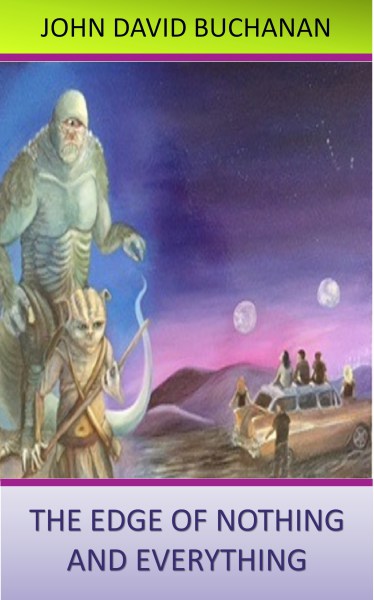
His desire to start writing a book was fueled when he and his young daughter read J. K. Rowling's entire series of Harry Potter books together. That urge resulted in a two-year creative journey culminating in his first book, Jump Starting the Universe. Although he admits he jumped ahead and wrote an ending to the book when he was only half way through the story, it went unused. In his words, "The characters just didn't want to go that direction." He says it was hard for a man of science to make that admission, but he is getting more and more comfortable in his new creative skin and with the idea that he is now writing a science fiction series: the second book, The Edge of Nothing and Everything, was released in May 2016 and work has started on the third book whose working title is World Eaters.
If you would like information about John’s books, blogs, or short stories please visit www.jumpstartingtheuniverse.com If you have comments or questions about John’s books you can email him at jdbjsu@gmail.com or send a tweet to @JDBuchanan1
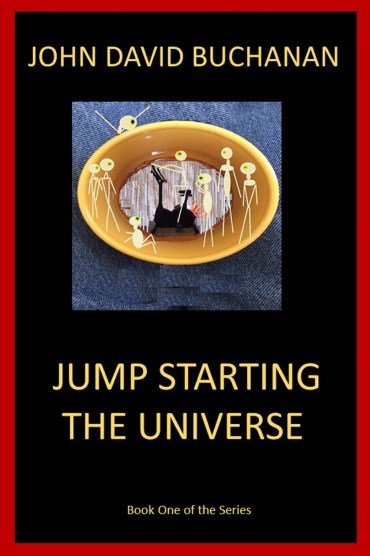
JUMP STARTING THE UNIVERSE
CHAPTER ONE
BUDGING
Now and again the edges of parallel planes of existence tend to budge up against each other. Of course the frequency of “now and again” isn’t exactly specific is it? And the locations of such occurrences are difficult if not impossible to predict, so be on your guard. Why this budging up occurs, I don’t know. It’s not like there isn’t enough space out there in space. I’ve been led to believe it isn’t too important, but I’m not comforted. Budging really isn’t the problem anyway is it; it’s the blending that causes all the uproar. That’s when the edges of parallel planes of existence cross over, like the diagrams you’ve seen where one circle is blue and the other circle is yellow and the overlapping part is green. Well, it’s that greenish part that’s the problem isn’t it. Or like when you see two people occupying the same seat on the bus. It feels a little problematic; unless of course you’re one of the two people – and happy.
 Mark didn’t care about budging. That’s how I got crammed into the back of Wayne’s 57 Chevy Nomad station wagon behind a set of Majestic drums. Off we were to a gig; not to be deterred by man, beast or cosmic idiosyncrasies as Wayne may have said. “We are going to get paid, how cool is that?” said Mark.
 Wayne was not sure he would have said how cool IS that; “It’s only cool after it actually happens,” he thought. Since I was in the back of the wagon, behind a set of drums, two amplifiers, and assorted other equipment, and was light headed because of the exhaust fumes wafting in the open rear hatch window (the Nomad wasn’t air conditioned) I couldn’t hear a word of what they were saying or offer a retort. That was fine since the advancing level of my carbon monoxide poisoning made me dizzy, and I worried about what might happen if I voluntarily opened my mouth. The thought made me convulse slightly.
“Where are we meeting Buster?” asked Wayne. Buster was the lead singer who lived 35 miles northwest of town and booked a convenient gig blocks from his own house.
“The parking lot behind the bar,” remarked Mark, who wondered if Buster had forgotten to tell the owner that Blackie was slightly under the legal drinking age. It wouldn’t have mattered to Wayne, he could have fooled the owner; he was tall, with a swarthy complexion and he acted like he knew stuff. You know the type; Wayne just seemed to always get on with it. He exuded confidence like dry ice gives off gas. Mark possibly could have passed the scrutiny of a suspecting bar manager if he needed to; he had been working out to get ready for basketball season, and he was left handed. People perceive left-handers differently. Mark knew this and scrupulously took full advantage. Blackie had no chance of fooling the manager or anyone else, especially if he asphyxiated before he arrived. Blackie was a year younger than Mark and Wayne and no matter how he tried to puff himself up, sit with his shoulders back and down, or put on a scowl, he didn’t look quite old enough yet to be in a bar.
 The sky was partly cloudy with big puffy white clouds that seemed to be climbing to heaven, and it was hot. The temperature was 36 degrees Celsius and heat waves could be seen rising from the pavement creating mirages like smooth, shallow lakes in the distance. It was the kind of heat that made you want to find a cool place under a tree and have a nap. Of course if you had an excessive amount of adrenaline pulsing through your veins in anticipation of a paid gig a nap was simply not in the cards. They were all swept up in that idea as they blistered down the highway looking for The Getaway Bar and Grill. That’s when it happened. Not the budging, the white tailed deer. It ran straight into the side or Wayne’s station wagon. Wayne yelled, Mark let out a high ahhh sound and Blackie was silent, having seen nothing through the mountain of equipment and not having felt anything because his senses were impaired by severe oxygen deprivation. Wayne pulled to the side of the road in a maelstrom of words selected specifically to condemn the poor beast in the most vicious means, then he turned off the car.
 “It’s ruddy three in the afternoon! What’s an antelope doing out at this time of day?” swore Wayne, who wasn’t the group’s most practiced biologist to say the least. There stood the deer about 10 meters away from the car seemingly unharmed. It stared at us like it wondered why we were driving down the road at three in the afternoon. A few more unpleasant words showered the air. The deer didn’t move.
“I’ve never seen a deer quite like that” said Mark, as if he were an authority on the indigenous deer populations.
“Now that you mention it, neither have I,” replied Wayne, who seemed at that moment to struggle with constructing a sentence that didn’t include choice expletives for the offending deer. The side of the Nomad was completely unharmed.
“Real steel in this one” said Wayne as he patted the car, “not that mamby pamby stuff they use now.” He pulled a small tuft of hair from under the side molding and tossed it to the ground.
 Blackie, who had slumped to the bottom of the rear deck, popped up above the hatch opening to inhale and see what was going on. The fresh air must have revived him, and he looked out wondering why Mark and Wayne were goggling at a deer standing on the shoulder of the road. The deer gazed at the back of the Nomad as if thinking, “Dang, there’s another one.”
 “You stupid antelope, you are going to get killed,” yelled Wayne, “let’s go.”
“Suits me” offered Mark as they made their way back to the front seat of the car. That is not a regular white tailed deer thought Blackie, gazing at the deer, and just as Wayne started the car Blackie was sure the deer winked at him – twice.
Wayne pulled back onto Otis-hell Highway headed north at an alarming rate of speed. Mark started musing about the set list, Wayne was humming, and Blackie started to get dizzy and didn’t notice the speed or the humming. Unnoticed by the band, which isn’t saying much really, and any other passersby, the tuft of deer hair was caught up in the draft of a big truck that rushed by, swept up high into the air and having developed the slightest of greenish tint, vanished. It completely and utterly vanished. No one noticed.
Sometime later this event was described during development of the Theory on Interspecies Dependency, which was presented to the Volareie Commission on Deltaloy 18 in the Byzintian System - year 53566.2. However, since there were purportedly no witnesses to the events of that fateful day (Terra Bulga not having an interplanetary travel treaty would have precluded that) no one is sure where the description came from. It wasn’t me. Maybe that antelope wasn’t just a deer after all.
Thank you David for sharing the first chapter of your novel. I can't wait to see what happens to the boys.
Feel free to leave a comment dear readers.



October 29, 2016
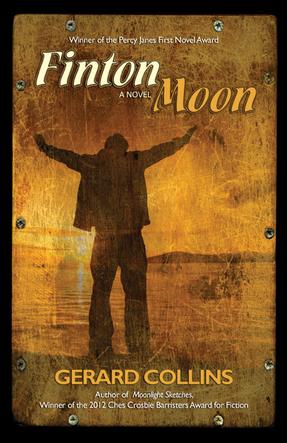
Returning Author Gerard Collins. An Excerpt from Finton Moon.
 This is a first for the Scribbler.
 Gerard Collins was the guest last week for a 4Q Interview and we are featuring an excerpt from his delightful tale of Finton Moon. The first back-to-back guest appearance of a selected author and there is none more deserving than Gerard.
I've had the pleasure of reading this novel and I can tell you it touches on every emotion. You're right there in a small town in Newfoundland and can feel what the young man is going through. I recommend this novel to anyone looking for a "good book".
 Please scroll down to the end of this post to meet Gerard and to read last week's 4Q Interview.
Gerard sets the scene for the excerpt you are about to read.
"This is one of my favourite scenes - and some other people have told me it's theirs, as well. It doesn't have the drama of some other scenes, but it's such a typical Finton moment in which he feels overwhelmed by the problems of his life. He's on the cusp of adolescence, which includes problems with girls and at school, and his responsibilities and worries (including his father being accused of murder) are mounting. At the beginning of an October snowstorm (not unheard of in rural Newfoundland in any given year), he goes for a walk in the woods, half-thinking he might never return home. It's a peaceful scene - based on a walk I once took myself, though mostly with the knowledge I'd eventually return home - but his mind is troubled. Near the end of the scene, there's an appearance from a girl named Alicia, who likes him very much, though he's never shown much interest in her."
An excerpt from Finton Moon.
Copyright is held by the author. Used by permission.
 Lost
Lost On the afternoon of the last day of October, snow plummeted from the sky and blanketed the countryside. He’d stayed home from school, saying he didn’t feel well. But everyone had scattered yet again, and, especially with his father taking Nanny Moon to the grocery store, he saw an opportunity to leave unnoticed. Through an opening he’d cleared on the sweaty windowpane, Finton watched in silent wonder and realized—it has to be now.
Now and then, he would glance outside to ensure that the snow was still falling. Then he pulled on his clothes and double-wrapped his long, red scarf around his neck so that it hung like vestments. He soon shut the door behind him, trundled out into the meadow and up the hill towards the woods.
The world was shockingly white, a land without edges or sharp distinctions. On the snow-laden ground, patches of brown grass and brambles poked up through the white carpet, reaching skyward against the rushing, white flakes.
In awe of how quickly the world had changed, Finton trudged the ghostly path. Where once the landscape was brown and drab, all had now turned bright. It was as if he’d breached the forbidden border and emerged into a land enshrouded by snow, where everything blended with everything else. Oblivious to the flakes on his cheeks and bare head, he forged a path into the waiting woods. Twenty minutes later, he stopped on the home side of the cold, dark river, peering into the thicket. Clouds billowed from his mouth. Over there would be darker, colder. The babbling brook seemed to call: “Step over. Hurry up. Don’t waste time.”
At the edge of the stream, he bent down and slid flat onto his belly. He leaned forward, leveraging himself with his arms, and drank from the river. Every time he thought he was done, he thrust his lips and nose back into the cool water, and gulped until he’d had his fill. Satisfied, he stood upright and sniffed the wind that smelled of spruce, pine, and birch, and the rot of half-frozen bog and damp peat moss.
 For a long time now, he’d had the feeling of being watched, and he’d expected to see his observer when he’d lifted his head.
 With the back of his hand, he wiped his mouth, tugged both ends of his snow-stippled scarf, then launched himself across the brook, landing with a thud on the other side. The river’s song was unexpectedly different—deeper, resonant—reverberating in his heart. Hundreds of times he had crossed that river and never noticed the variance. But the thought was fleeting as the sun skittered behind a cloud, and he plodded towards the ominous thicket.
Except for the shimmering, white flakes that continued to fall, the woods were dark. A brown-coated rabbit hopped across the phantom path, paused to face the traveler, then quickly disappeared into the underbrush. Finton paused to notice the imprints of feathery paws and a furry belly that formed a divergent trail. He expected something magical to happen like in Alice in Wonderland, for someone to speak to him, tell him to go back home—or perhaps welcome him back to this place where he once belonged. He hoped not to be scolded, but that wouldn’t have surprised him.
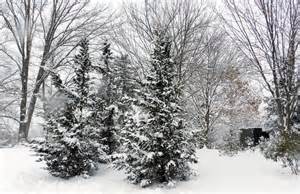 He stared at the branches of a snow-laden pine and thought how majestic it was. He marveled at the moment’s silent perfection, frozen in time. Then, all at once, the branch bowed down, flicked upwards and dropped its load. The accompanying sound was like a gas stove igniting, jolting and abrupt. As a fine white mist sprayed the air around the tree, he gazed in wonder, blinked, and trudged onward.
 At last, he came to the foxhole, where he sat on the rim, dangling his feet, and caught his breath. The snow was falling thicker now, as if it might go on forever. If he lay on his back, they’d probably never find him here—at least not until the spring, and then it would be too late.
He climbed into the hole and lay back, closed his eyes and listened to his own breathing rising and falling. Then he heard a sound—a light, quick intake of breath. His eyes snapped open, alert for an oncoming bear or a circling wolf. He swallowed hard and scanned the woods.
But he heard the sound only once and, after a while, his breathing slowed, and his senses attuned themselves to the woodland scene. The north wind whistled through the tops of the snow-covered evergreens, and a lonesome chill enveloped him. Already, the damp cold had seeped through his corduroy pants, and he wished he’d worn his snowsuit. He wondered how long he’d had his eyes closed, and whether he’d dozed. He kept his eyes shut, despite the cold and the truculent snowflakes that slowly buried him.
He knew how it should end. Jesus had to die for the sins of mankind. The world wouldn’t take him back once he’d gone so far and shown them all how badly they’d behaved. Galilee was no place for such an enlightened soul.
All Finton had to do was to lie there and he’d be dead within hours. He was just exhausted. So much much.
No one was looking for him—they were all too busy. No rescue party was coming, at least not until it was too late. But it was some cold. Starting to shiver, he was tempted to wipe the snow from his cheeks and eyelids. But the snow felt so right. The foxhole was welcoming.
“Finton?”
Go away.
“What are you doing?”
“God? Is that you? I’m not answering until you explain some things.”
“It’s not God.”
He felt like that fisherman in The Old Man and the Sea. How much had he hated that book? Skeet actually threw his copy into the garbage can outside school and set it on fire. A few other guys threw theirs in too. But it stayed in Finton’s mind how the old man used to have these conversations with the big fish and the teacher said he was really talking to God. Bunch of baloney, he’d thought. He wanted to open his eyes, but couldn’t. Something not quite like sleep had overtaken him and resisted his attempts to animate himself. His lips were frozen, but he managed to ask, “Who’s talking?”
“It’s me, b’y. What the hell are you doin’?” she asked, and he knew her now. “You can’t stay here.”
“Why not?”
“Snap out of it, b’y. Get yerself up or you’ll freeze to death.”
 Warm hands caressed his face; soft lips pressed themselves to his frozen mouth. He considered resisting. But it was too late. No one could save him. He felt two fingers pinch his nose and cut off his breath. Sputtering and coughing, he bolted upright. “Jesus, girl—tryin’ to kill me.”
 She squat in the snow across from him, her hands red, her discarded mittens lying in the snow beside her. A mischievous grin adorned her face. Thank you Gerard for sharing a part of your story.
 For you readers that would like to know more about Gerard and his writing please drop by his website: www.gerardcollins.ca
 Please leave a comment. Always happy to hear from YOU!
October 22, 2016
4Q Interview with Gerard Collins of New Brunswick.
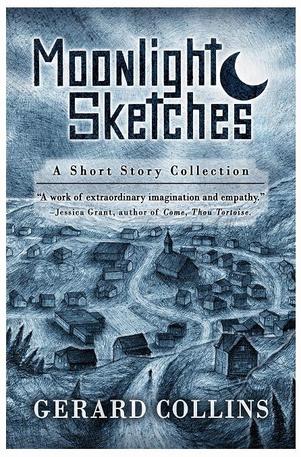
 Gerard Collins is a Newfoundland writer, now living in New Brunswick, where he has recently received a generous grant from ArtsNB to write a novel manuscript entitled Black Coyote and the Magic Café. His first novel, Finton Moon, won the Percy Janes First Novel Award, was longlisted for the 2014 Dublin IMPAC International Literary Award, and was also shortlisted for both the 2014 NL Heritage and History Awards and the 2013 Sunburst Award for Excellence in Canadian Literature of the Fantastic. Before that, his debut short story collection, Moonlight Sketches, which features a number of individual prize-winning stories, garnered the 2012 Newfoundland and Labrador Book Award.Gerard’s short stories have won literary prizes, been adapted for a university radio play, and been featured in anthologies, journals, television, newspapers and on CBC radio. He has also published creative nonfiction, newspaper articles, journalistic pieces and academic book chapters. University courses have featured his short fiction, while the NL Department of Education has purchased Finton Moon for all high school learning resources centres across the province. He has a Ph.D. in American Gothic literature and has taught at Memorial University and University of New Brunswick.
 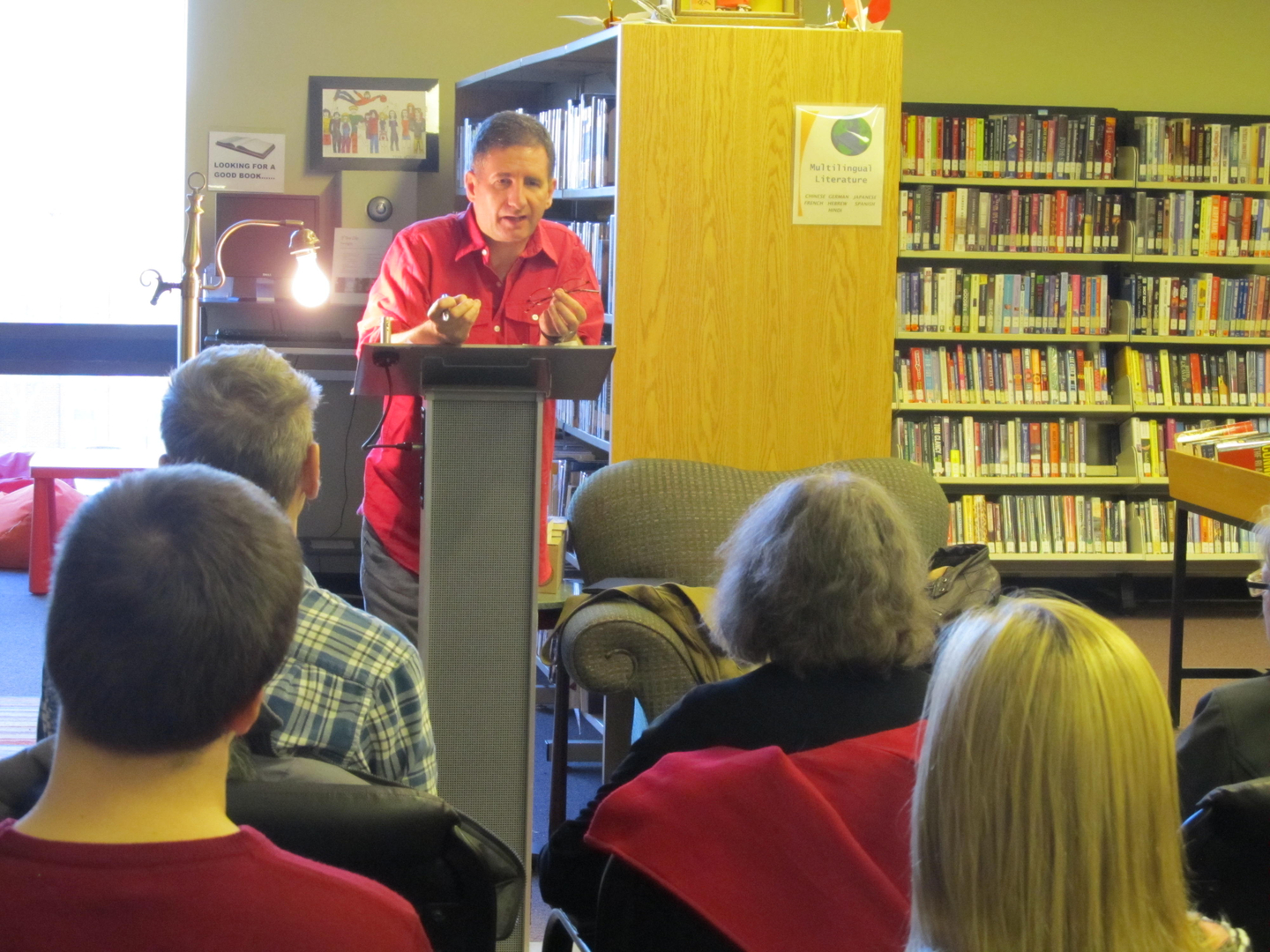 Gerard regularly presents workshops throughout Atlantic Canada and recently hosted a writing retreat in Saint John. In April 2017, he is offering a retreat in Ireland that includes a five-night stay in a Dublin castle, an extensive tour of Yeats country in the West, and two nights in London, England. He has served as faculty at the prestigious Piper’s Frith writers’ retreat and as a mentor at the Write Stuff program for high school students in Saint John, and the New Brunswick Writers in Schools Program (WiSP). Besides private mentoring, he also has mentored for both the WFNB and WANL mentorship programs. He often edits manuscripts and serves on arts grants and awards juries. You can contact him at www.gerardcollins.ca or on Facebook.
 4Q: Thank you Gerard for being our guest on the 4Q. Before we discuss your writing, it is well known that you have assisted many authors through mentoring and workshops. Please tell us about the upcoming workshops you are working on and the benefits to writers.
 GC: Thanks for inviting me, Allan. I’m planning a couple of workshops in the Maritimes, but I’m most excited about the creative writing retreat in Ireland next spring, April 20 to May 1.
After the Saint John retreat last winter, which was a major success, a local travel company asked me if I’d be interested in taking the retreats overseas, and I immediately said yes. Last March, we sat down and designed what I think is the “perfect writers’ retreat”. Because this one is in Ireland, my first thought was that we should stay in a castle. So, for the first five nights, we’re staying at the Clontarf Castle hotel, which has a history that goes back to the thirteenth century. After five nights there, we’re heading over to Ennis, on the west side of the island, to stay at the 12thcentury Old Grounds hotel, and there’ll be visits to Galway, the Cliffs of Moher, a boat tour that includes a jaunt to the gravesite of Ireland’s most famous poet, W.B. Yeats, and a lot more. The tour company has managed to put all of this together – including lots of great meals and a two night stay in London, plus a panoramic tour of that city – for a great price that includes an extensive writing component.

On the retreat, I’ll be giving three creative writing workshops, providing written feedback on a ten-page writing submission, and consulting with each participant one-on-one. I’m most proud of that part because not many retreats do that – provide quality time with, and direct feedback from, the writer-in-residence. There’ll be plenty of time for writers to do walkabout tours, especially in Dublin, and to have long pockets of free time to do some writing on their own. I think that’s essential, as lots of writing actually occurs in the afternoons and evenings, after the workshops. The idea is that, in addition to the writing workshops and feedback, the surroundings – the culture and history of Ireland and of London – will inspire some creative thinking and research for years to come. It’s the kind of writing retreat that can influence a person’s whole approach to writing for a long time.
At the “A Winter’s Tale” retreat in Saint John this past February, we had a packed house for the weekend, and it was about the coziest, most inspiring atmosphere you can imagine. Many of the participants are still in touch with each other, as well as with me, and several have asked if we can do it again some time. At least one, and likely more, of those people are coming to Ireland with us, in fact. Mostly, it’s the individual attention to their writing and the uninterrupted time for writing that people enjoy, but the workshops and even the reading on the last night were pretty special, I’ve been told. One writer said on the feedback form, “This retreat has changed my life.” Pretty big compliment, but I can see how it’s possible. If you’re devoted to becoming a good writer, there’s nothing more valuable than having someone with experience tell you what’s missing from your writing, and what you’re doing well.
I do private mentorships as well, and it’s pretty much the same. I love teaching, and I guess it shows. It’s really gratifying when someone tells me I’ve had a positive influence on their writing.
4Q: I am presently reading your novel Finton Moon and am enjoying it tremendously. Can you give our readers a brief synopsis and tell us what inspired this story.
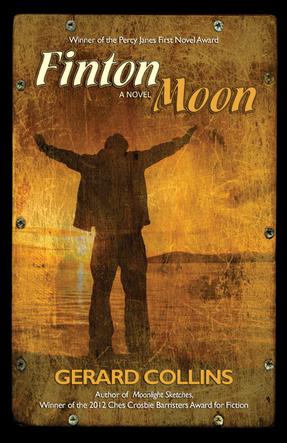 GC: Finton Moon is the coming-of-age story of a young boy raised in a strict Catholic family in small-town Newfoundland, and people come to believe he can heal with his hands. It’s a funny book, in some ways, and it’s also dark in places. There’s are a couple of mysteries at the heart of the novel, with quite a few interesting characters – my favourite probably being the witchy neighbour Bridie Battenhatch, whose daughter Morgan is a bit of a wild child. He has a best friend named Skeet, and there’s a girl named Mary he is in love with, and another girl named Alicia, from a very poor family, who loves Finton from afar. She even stalks him a little, but she’s a good and kind person. There’s a murder in the town, and Finton’s father gets accused of being involved, and this traumatic event affects Finton’s faith – and social life – quite a bit. It’s a pretty complex, but lighthearted novel. Every day, someone writes or says how much they love Finton.
 The inspiration for Finton Moon is my own upbringing in small-town Newfoundland, to some degree, although it’s not autobiographical. I think anyone who reads it will see that there’s a balance between reality and fiction – drawing on what you know in order to create something magical and new. Finton’s ability to heal was inspired, in large part, by some time I spent in the Fraser Valley in B.C. where I was first introduced to spiritual activities like reiki and touch healing that are partly matters of faith and partly quite real. I’m not a great believer in many things, but there’s no denying the physical effects of touching, hugging, therapeutic massage and that sort of thing – for Finton, he doesn’t know if it’s real or not, or where it comes from. He just knows that it seems to work, and that ability makes him an outsider. I know a little bit about that, and I’m sure lots of people can relate. On some level, we’re all outsiders, I think, or at least have known times when we felt like strangers in certain surroundings, among certain people.
 4Q: Please share a childhood anecdote or memory.
 GC: Most of my best memories are stories I was told about myself, and I’ve told them so often, they seem like memories, even though I actually have no true recollection. I once called out my grandmother because I was displeased with something she had done. I was only four, but, according to family legend, I stood on her front door, in quite the huff, and told her: “You bastard, Nanny!” It must have looked pretty funny to her, although appalling, too, I’m sure. I also, apparently, got chased all the way home by a huge moose, after I’d wandered into the woods near our family home. One of my favourite memories is of skipping Sunday mass to go out on the bay in “Uncle” Rich Power’s dory with him. He said, “Your mother won’t mind, b’y.” He was an old man, who taught me a great many lessons, like how to make a whistle from a dogwood tree, and I believed every word he said. But, apparently, my mother did mind.
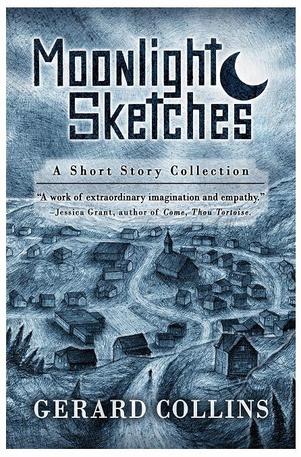 4Q: In addition to your novel, you have a collection of short stories called Moonlight Sketches, both of which are available at Chapters. What are you working on now and what’s in the future for you Gerard?
 GC: Primarily, I’m working on a novel called Black Coyote and The Magic Café, set in modern-day Sussex. I’m enjoying writing that one. ArtsNB has helped me out with a generous grant for writing it, thankfully. As a full-time writer, that financial boon helps a lot, especially because it’s so competitive and so many writers are worthy. I’m also working on a short story collection called Dying of Exposure, and I recently finished a new novel called My Sister’s Walls, which, although I’m still tinkering with it, I’m hoping will see publication in the near future.
As for the future, I’ve made a shift away from university teaching and towards full-time writing. I’m also doing some mentoring – although I’m pretty selective, being careful of my writing time – and I’m finding that I enjoy giving workshops and, especially, writing retreats. The future looks pretty bright, I must say. The ideas are flowing, and the writing gods have been kind. The time off from teaching right now should yield a pretty good crop of new publications over the next few years. Writing plus travelling makes for a pretty good life.
Thanks again, Allan. I’ve enjoyed this series you’re running on local authors, and I’m proud to be a part of it.
It is our pleasure to have such a distinguished guest on the Scribbler and the thanks are all ours Gerard.
**And the good news is that Gerard will be back next week with an excerpt from his novel Finton Moon. This will be the first back-to-back guest appearance on the Scribbler.
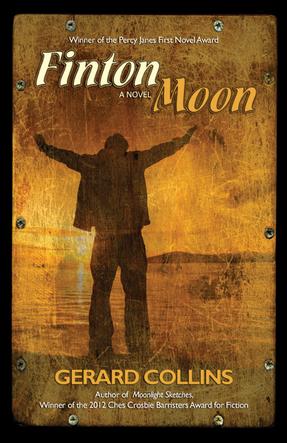 Please leave a comment below, we would love to hear from you.

October 8, 2016
Work In Progress by Allan
 On the 13th of August I posted the opening section of my WIP, The Alexanders. An historical fiction that begins in 1911 in Govan Scotland.
 This week I'd like to share a little more of the story. You can check here - The Alexanders - if you'd like to read the beginning.

Section 3
Danny Alexander is buried on a hilltop not far from the Firth of Clyde, near the community of Saltcoats. He died three weeks previous by drowning. He and two drinking buddies in a stolen dory, none of them could swim. Reckless fun turned deadly peril when the boat was swept asunder by a rogue wave. All three perished. He left behind a defeated wife, seven children, a legacy for drink and the cards, and no money. The rent was four months behind, unable to find work, not enough food for her children, his wife Lucretia relented to the inevitable and moves to Kilwinning to live with her widowed father and accepts charity.
 The ancient farm provides a meagre existence. Old man Brodie has two draught horses, Clydesdales named Charlie and Belle. The horses plow fields, haul fodder, yard logs and whatever he can do with them to earn a living. His parcel of land is only big enough for a small garden, a woodshed and his two bedroom house. Living alone for the last nine years, he welcomes his daughter to stifle the loneliness but is adamant that there is not enough room nor food for eight more mouths.
 The two youngest bairns, Paul and baby Sheila, could stay but the rest of her lot would have to find other lodgings. The two oldest boys, William and Thomas went to live with Lucretia’s brother and his wife in Newtongrange where they would earn their keep by toiling in the coalfields at the Lady Victoria Colliery where he worked. Her brother Robert was childless and the boys were most welcome.
Mary, the eldest girl, went to live with Molly MacDougall, her deceased husband’s sister, in New Lanark. Molly’s husband, Geoffrey is the floor manager at the cotton mills and was more than willing to have Mary as a domestic to earn her keep until she is old enough to be employed at the mills. The second youngest girl, Lily, went to live with Lucretia’s sister, Victoria, in Dumgoyne. Victoria and her husband, Willard have a daughter the same age and both work at the Glengoyne distillery.
 Every time Lucretia left one of her children with a relative, she did so with a heavy heart. Her determination was a thin string holding a dead weight when she turned her back to leave on each occasion. Fortifying herself with the thought that each one would have a better life. She loves all her children but especially Dominic and this will be the most difficult. She kept him until the last and decided that he would be better off with his uncle Duff.
 4
Duff tries to focus on the pair that sits across from him at the table. The boy is looking around the kitchen, eyes wandering back and forth to the fishing rod leaning against the icebox. Lucretia is glaring and tsk-tsking at the empty crock on the cupboard, brown sauce drying on the top. Several errant beans are poised along the rim like sure footed bugs. She turns to stare at him directly. She says, almost a whisper,
“Your brother Danny is dead.”
Duff sits straighter, a bit more stable. Shock causes him to blubber loudly. Dominic stares at him with wide eyes, surprised by the outburst. He sits back in his chair.
“What! Little Danny! How? When? Why wasn’t I told...?”
Lucretia has both elbows on the table when she leans forward and points a finger at him. It’s no nonsense and freckled like her brow.
“You wouldn’t have come anyway. You didn’t even like him.”
Accused he relaxes back into the seat. One hand rubs worried fingers unconsciously through his beard.
“Well, I didn’t hate him.”
“You haven’t spoken to him since your Da died. It must be what…almost four years now?”
Duff answers affirmatively by shaking his head. He’s looking at the boy. He’s not totally sober yet. The body glow is still active but the head cleared a bit. The lad doesn’t look troubled, makes him curious. From the corner of the table he picks up his mug, the tea Lucretia made still steams. Settling both elbows on the armrests, he cradles the cup in both hands.
“Tell me what happened.”
“Him and his two mates…”
Lucretia relates the past 20 days of her life. There are tears, there is anger. Her voice raises in emphasis at points. Flat when in denial. Faint when she speaks of sorrow and loss of which Lucretia has plenty. Dominic watches intently, fascinated by his mother’s admissions. Alcoholics and cards, other women, hard worker when sober, always fed his kids, a wild man under the sheets. Dominic blushes, hangs his head. Both hands under his bum on the hard chair, he wiggles to get comfortable as he thinks about that, staring at the knee of his wool pants.
 She tells Duff about the funeral, the dreaded landlord, her dire straits, the parting of her children. It goes on for forty-five minutes. He’s had Dominic fetch two more teas in the telling. He’s as sober as he’s going be. Watching the woman in front of him, he pities her but lets her speak. She pauses frequently, something personal arresting her thoughts. He follows her hazel eyes as they change from dark to light, perhaps a memory sweet. She finishes with the parting of her kin and the people who’ve helped her.
 “…and they’ll always be my angels.”
Duff is sitting up, elbows on the table, hands clasped about the empty tea mug. He knows what’s coming. Tilting his head at his nephew, he sees his brother’s eyes looking back at him. Same brownish center and green outer ring, same depth. Beginning to think of his lost freedom, Lucretia interrupts his thoughts.
“I need ya to help raise my Dom.”
There’s quiet now as everyone settles on the statement. Lucretia pulls her shawl tighter while fighting back her tears. Staring at the table, she only sees the blurry surface, wanting Duff to say no…and wanting him to say yes. Dominic is shy of his uncle’s direct stare, the bushy eyebrows look stern. He glances back at the fishing rod in the corner. Duff notices where Dom’s eyes travel.
“Do ya like fishing?”
The head bobs up and down in quick answer and he speaks to the rod, still shy.
“Aye, though I’ve never done it. I know I would though.”
He chances a glance at his uncle whose brow is unknotted. A slight grin makes the cheeks pudgier. He returns a weak smile watching Duff push the teacup aside. One hand begins grooming the beard trying to grasp what raising a boy entails. Lucretia knows she must remain silent while Duff considers her request. She understands how disruptive a child can be. She brought Dom here because the boy usually does as he’s told. A bachelor can be set in his ways.
Dominic has already shed tears over the parting, mostly on the wagon ride, but is warming to the idea of maybe his own bed, probably lots of food and hopefully a new pair of boots. His gaze returns to hands clasped in his lap, red behind his ears because his uncle is still staring at him.
The ticks of the big clock in the entryway grow louder in the silence. Duff is wondering what Adairia and his buddies will think? He resents being forced into this situation. Breaking his gaze away from the boy, he looks back at the rod. He put it there last spring, promising himself he’d get out. He sees the dust bunny swirled about the end of the handle resting on the floor. It convinces him that a change might be needed. Sitting up abruptly, he claps his big hands, startling both of his visitors. Dominic jumps in his seat, Lucretia gasps and Duff waves a hand at Dominic.
“How old are ya lad?”
“I’m…I’m eleven.”
“Have ya had any schoolin’?”
Dominic squirms in his seat, the flushed cheeks, embarrassed at his lack of education. Lucretia attempts to speak for him.
“He’s good with….”
Shaking his head at her, Duff keeps his eyes on his nephew.
“Let the boy answer.”
Dominic may be pliant, an eager to please fellow but he’s never been known to back down from a challenge. He looks directly at Duff.
“I know my numbers and letters but have a hard time putting them all together. I…I don’t know what to do with them.”
Looking at his mother, the same Watson half smile as her as if they’ve had this discussion before. That moment Duff sees another facet of Dominic.
 “Please don’t ask me about fractions, or tell me I’m gonna like girls.”
 Duff chortles, slaps his thigh and breaks into a laugh. Relaxes back in the chair. Lucretia, about to scold Dominic, is softened by the innocence in his eyes. She too begins chuckling, a rare occurrence of late. Dominic becomes shy and drops his gaze.
The revelry is short and quiet returns. Momentarily, Duff sits up in his chair, brushes his beard, and straightens out his suspenders. Looking at Dominic, his face is stern.
“You’ll have to earn your keep. You’ll have to learn how to arrange those numbers and letters properly and you’ll do as I tell you. Is that understood?”
Dominic has warmed to his uncle. He likes the bushy beard and bristly eyebrows and eyes that looked like his Da’s. Trying to make himself look bigger, he straightens out from his slouch.
“I’m a good worker, uncle. You can ask Mr. McLaughlin, I worked on his farm for two summers. Isn’t that right Ma?”
“It’s true Duff, lad may be skinny but he’s tough enough, good as any man. Gets that from you Alexander’s. ”
Lucretia feels a warmth descend upon, knowing Duff has agreed to take Dominic. It is soon replaced by melancholy that she must leave one more child in the hands of a relative. Her emotions are a mixture of pain and comfort.
“You’ll not be sorry Duff, he’s a good boy,” she says.
Pushing her chair away from the table, she stands and waves to Dominic.
“Come along then Dom and get your bag from the cairt.”

Thanks for dropping by the Scribbler today. I hope you're enjoying the Alexander story. I would appreciate any comments and you can find a spot below to leave some.
Next two weeks on the Scribbler will bring you guests
 *John David Buchanan of Texas, USA
 *4Q Interview with Gerard Collins of New Brunswick, Canada.
September 30, 2016
Guest Author Dori Ann Dupre of North Carolina.
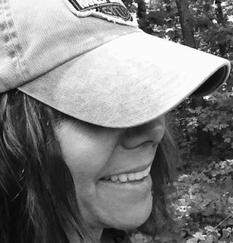 Dori Ann Dupré was born and raised in New Jersey. She graduated magna cum laude with a Bachelor of Science in History and is a veteran of the United States Army. Dori currently works in the legal field in North Carolina, where she resides with her family.
Scout’s Honor is her first novel. Copyright is held by the author. Used with permission.
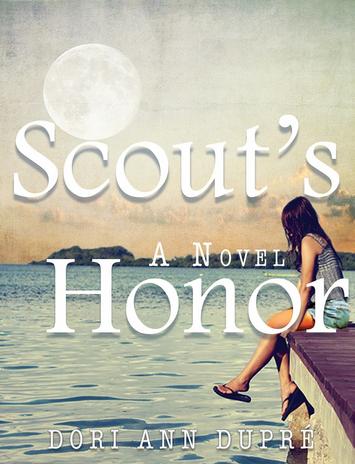
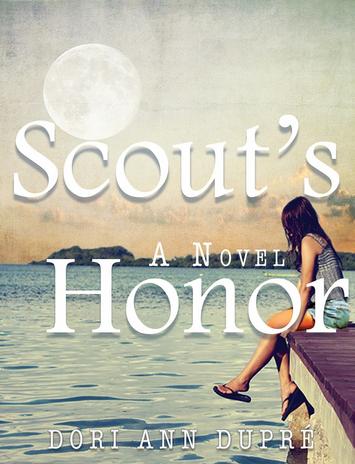 Scout’s Honor – a novel
My debut novel, Scout’s Honor, is an epic tale about a young girl named Scout Webb, who suffers a profound emotional trauma at the hands of an older man in a position of trust and then how that experience affected her life as she went away to university as a young woman and then later in her life as she faced middle age.
Scout’s Honor is written in first person by multiple narrators, who fill each chapter individually. While the story is Scout’s story and she is the protagonist, it is told with several perspectives, including her best and closest lifetime friend, Charlie Porter, showing that life isn’t necessarily always how we perceive it. People come into our lives, some stay and some go, and each one affects it for better or for worse. While we might think that we know what others were thinking or feeling, the truth is, we most often do not.
Scout’s Honor is both a coming-of-age and self discovery tale, dealing with many human relational issues such as self acceptance, self identity, faith, forgiveness, trust, family, secrets, betrayal, and love. But it is mostly about love. Scout’s Honor fits best in the contemporary fiction and southern fiction genres; however, it is for everyone and anyone who enjoys a good story.
Lastly, and most importantly, Scout’s Honor’s book launch occurred as I sat in the chemotherapy infusion center at the University of North Carolina Lineberger Cancer Hospital in Chapel Hill, where my husband is being treated for Stage 4 Colon Cancer. I wrote a blog post on my Launch Day experience, located at Finding Dori. He was diagnosed with this most devastating disease in February, the day before his 47th birthday. To say in words just how much this tragic diagnosis has destroyed our lives would take many books. Anyone who has been a similar experience knows what I mean.
There are not enough descriptions to convey the pain, suffering, fear and horror that is a terminal cancer diagnosis at any age, but certainly when you are still in the prime of your life. Because of what has happened to my husband and my family, and because I refuse to accept that he is just going to die, part of the profits I receive from the sales of my book and any royalties I earn from my publisher, will go toward my Scout’s Honor 2016 fundraiser which directly funds Colon Cancer Research at UNC Lineberger.

People can donate to the fund directly and do not have to buy my book at all. There has been so much progress in cancer research lately, and the only hope that I have left is that there just might be a breakthrough in time to save him. If there is not, I know that the funds raised through my book’s launch will be used to save someone else.
In addition, I use my book events to educate people on the need for a younger screening age for colon cancer. My husband is under 50 so he was never screened. Ten percent of new colon cancer cases are in people under 50, and because there are no symptoms, the cancer is usually found in a more advanced stage. Stage 3 colon cancer is a seventy percent survival rate after five years. Stage 4 is a death sentence. Ten percent of good, hardworking, younger people diagnosed with this cancer are apparently acceptable collateral damage in our broken healthcare system. And that is wrong.
Enjoy this excerpt from Part 3 of Scout’s Honor:
SCOUT
It’s always weird when I go back home to Haddleboro. Every time I go to my parents’ house, I feel like I’m fourteen years old again, just a little girl with a daughter of her own. A child with a child. I sat on the bed in my old bedroom with my white dresser still in the corner. Jemma’s duffle bag sat on the floor with a black dress lying over my old desk chair. The room was still the same pale pink color that it had been when Jemma and I moved out for good back in 1994 and into our first little above-the-garage apartment just a few miles away. Jemma was outside with my brother Jonny who brought over his new dog, Leo. She hadn’t seen her uncle since Christmas and, since he was moving to Atlanta next month, she was trying to make up for the time ahead that would no longer be. Tomorrow was Ms. Porter’s funeral. She would be buried at the First Baptist Church’s cemetery, and Pastor Dan, the new young pastor who took over for Pastor Rhodes when he retired last year, would officiate. Charlie’s been staying at his mom’s house this week, trying to deal with some of her paperwork and the many details of an untimely death, when someone you love dies from an errant blood clot. The day after I had been blindsided with the discovery of what exactly my “friendship” actually meant to Thom Robinson, I was at Paw’s trying to get a fecal sample from Mr. Moody’s German shepherd named Venus. My cell phone rang and, seeing that it was my daddy’s number, I let it go to voicemail because I was holding a Popsicle stick smeared with dog poop at that particular moment. Several minutes later, when I listened to Charlie’s very deliberate voice tell me about what was going on with Ms. Porter, I finished Venus’ exam as fast as I could and told Paw that I had a family emergency and needed to get to Harper Hospital down in Fayetteville as soon as possible.
When I got there almost an hour later, my parents were both with Charlie and I had never in my life seen him in such a state. His face was ghostly white, like life itself had disappeared from his body, and when he saw me, he grabbed onto me like he was a little boy again. Sandy-haired little Charlie with the big toy dump truck that we’d push around in the sun yellow kiddie pool.
 Eventually, I got him to sit with me on one of the hard plastic chairs in the waiting room and my daddy told me that he and my mom were going to head up to Raleigh to let Boo out and go to Jemma’s game. They would get her some supper and take her home afterward and would even stay the night if I needed them to, so I could tend to Charlie.
In my emotionally frazzled head, from both the bizarre drama the night before with Thom and his daughter and now this horrible tragedy with Charlie’s mom, I hadn’t even thought about the fact that Jem had a game today and that my parents were planning to come up for it.
Eventually, I got him to sit with me on one of the hard plastic chairs in the waiting room and my daddy told me that he and my mom were going to head up to Raleigh to let Boo out and go to Jemma’s game. They would get her some supper and take her home afterward and would even stay the night if I needed them to, so I could tend to Charlie.
In my emotionally frazzled head, from both the bizarre drama the night before with Thom and his daughter and now this horrible tragedy with Charlie’s mom, I hadn’t even thought about the fact that Jem had a game today and that my parents were planning to come up for it. “Will you call Stephanie?” my mom asked me. “We don’t have her number and Charlie forgot his cell phone in Raleigh.” “Yes, of course,” I said, my hands tight on Charlie’s shoulders as he sat in the chair, frozen, paralyzed, by the horrible shock of his loss.
Charlie has dealt with a ceaseless amount of crime scenes and victims over the past several years — all kinds of deaths, murders, rapes, shootings, suicides, stabbings, and some of the ugliest things that human beings do to each other or do to themselves. His mother died of natural causes on an average sunny spring day while working at the hardware store and, instead of the thoughtful and stoic SBI agent, he just turned into that sad little boy again, the one with no father, the one who had come up to me at the church Easter egg hunt when we were five years old and asked me if he could have one of my eggs.
I remembered it like it was yesterday. I found ten plastic eggs during the hunt and each one was supposed to have jellybeans in it. A towheaded boy in desperate need of a haircut with a red and white striped shirt, blue shorts, and bare feet, walked up to me as I sat by myself under an azalea bush near the steps of the church’s entrance. My mom had given me a plastic pastel-colored basket she bought for a nickel from a yard sale and I used it for this egg hunt, my very first one.
Eyeballing this scrawny boy who I had never seen before, and who had ketchup smeared on the sides of his mouth, I asked him who he was.
“Charlie Porter,” he answered.
“Where’s your mom and dad?” I asked him, with the authority of an adult.
He turned and pointed at a young blond woman in a peach colored sundress, sitting at one of the picnic tables by herself. “That’s my mom.” Then he said, turning back at me, “I don’t have a dad.”
I considered that for a second, realizing that I had never heard of someone not having a dad before. So I handed this Charlie Porter boy one of my eggs. It was purple. He opened it and out dropped three jellybeans and a slip of paper.
“That’s the special egg,” I said to him, excited that I was the one who found it.
“What’s a special egg?” he asked me.
“It’s the egg with the paper in it. It means you get an extra prize,” I said, recalling Pastor Rhodes’ instructions before the egg hunt began. “Take it over to Pastor Rhodes and he will give you the prize.”
 Charlie held the jellybeans in one hand and the purple egg and piece of paper in the other. Then he handed the piece of paper back to me. “Here, you should have the prize. You found the special egg, not me.”
 He was right. I did find it. But there was something interesting about this strange little boy who was shorter than me and who made me feel like we had been friends before, once upon a time and in a land far, far away.
Not long ago, when I was in a drug store, I read something on a greeting card that said, “Souls recognize each other by vibes, not by appearances.” That was the best description I ever came across about what transpired between me and Charlie Porter on that warm spring day so long ago.
Taking the piece of paper from him, I grabbed his hand and put it between our hands and held them together. I picked up my basket and walked with him hand-in-hand, leading him over to Pastor Rhodes who was standing next to the grill with the sizzling hotdogs.
“Pastor?” I said, getting his attention. Pastor Rhodes looked down at me.
“Yes, Miss Scout,” he said smiling, holding a pair of tongs in his hand.
“Charlie and I have found the special egg,” I said, unclasping our hands and giving him the piece of paper.
Three minutes later, we were sitting under a large dogwood tree, sharing the biggest chocolate bunny I’ve ever seen. And now, twenty-nine years later, almost to the day that we shared that chocolate bunny and became the best of friends, I held him in Harper Hospital as he wept the kind of weeping that has no tears or noise, the kind of weeping that a grown man does when he loses his mom forever.
“Charlie, we should go. There’s nothing we can do here. The folks here have everything under control. I’ll take you to your mom’s house and stay with you ‘til Stephanie can get there,” I said, facing him on my knees, holding his hands as he held his head down in sorrow. “If you’re not okay to drive, I’ll drive you. We can just leave your car here and get it another time.”
Charlie looked at me, his eyes glassy and full of despair. Then he looked down again and said, “It’s alright. I can drive.”
“Okay,” I said, standing up. “I’ll follow you to Haddleboro
 .”
.” Thank you Dori Ann for sharing an excerpt from your entertaining novel.
Please visit Dori Ann's website to discover more about this talented author.
www.dorianndupres.com
Sure, you can leave a comment if you like. Would love to hear from you.

So long until next week, hope this leaves you laughing.
September 24, 2016
4Q Interview with Guest Author Angella Cormier of New Brunswick, Canada
 Angella Cormier grew up in Saint Antoine, a small town in south east New Brunswick, Canada. This is where her love of reading and writing was born. Her curious nature about everything mysterious and paranormal helped carve the inspiration for her current passion of writing horror and mystery stories. She is also a published poet, balancing out her writing to express herself in these two very opposing genres. Angella is a mother of two boys as well as an established freelancer in graphic design.
Previous titles include "Dark Tales for Dark Nights" published in 2013 (written under Angella Jacob) as well as "A Maiden's Perspective: A collection of thoughts, reflections and poetry" published in 2015.
For more information, please visit: www.MysteriousInk.ca

4Q: Your latest book is a novel in collaboration with author Pierre Arsenault and it has just recently been launched. Tell us about the novel.
AC: Oakwood Island is our first novel which ironically wasn’t supposed to be a novel at all. It began as a series of short stories written by Angella and eventually Pierre came on board. Together they merged those original stories and added much more to complete a full novel. Those three short stories are now part of one bigger novel about strange occurrences on the small Oakwood Island. It is a horror book with some supernatural elements. Here is a synopsis of the book:

There are many mysterious and evil things lurking on Oakwood Island. Things so strange that the locals are left wondering if their small coastal community will ever be the same. The police are concerned when Maggie, the local waitress, shows up at their doorstep cold, weak and frail, after having escaped a kidnapper that she describes as a monster. Her strange symptoms of a mysterious illness that seems to be growing stronger baffles her nurses and doctor. What happened to her?
A few local residents hold some of the answers, but will they be able to save their neighbours, and better yet, do they want to? What is watching them as they try to hide? The residents are all part of a much bigger mystery than they realize.
The island holds many secrets, but will they come out in time to save them all? Caught between the past and the present, good and evil both find their place on the island, but which will prevail and at what cost?
What started as a few short stories grew into the much larger story of Oakwood Island. It is a multi-layered tale with several twists and turns, mystery and intrigue. The authors invite you to join them on the island, for a trip you will never forget. Just one important tip:
Don’t forget to check the schedule for the ferry back to the Mainland.
You wouldn’t want to get stuck on Oakwood Island for too long…
4Q: I always wondered how two people work on the same book. How did your partnership in writing with Pierre begin?
 AC: When we first met, our passion for stories is what made us click as friends. The idea of us possibly collaborating together came up soon after our initial meeting. Once we figured out what our strengths and weaknesses were as writers, we decided to try writing one short story together to see how it would go. It was really not hard at all to collaborate with Pierre. Our appreciation for stories and our common goals to create characters and plots was all it took to make it fun and rewarding. We shared many cups of coffee and time spent discussing our characters and how they would react or where they came from. It didn’t feel like work at all and to share in the accomplishment with a great friend is very rewarding.
 As for Oakwood Island, I wrote the first three short stories solo (it didn’t start out as a novel) and shared them with Pierre, and other readers. Pierre and I had already started to work on other short stories together, and he kept asking me about my plans for Oakwood Island. He was enthralled and needed to know more. This led to me trusting him with my Oakwood Island series and its cast of characters. Pierre started to help grow said cast and aided in the development of the short stories into one larger tale. There isn’t one specific reason why it happened the way it did, it just fell into place that way, naturally. In 2013, we published our first collaborative book, which was a collection of short stories. Oakwood Island is our second publication that we collaborated on together, but hopefully won’t be the last.
4Q: Please share a childhood anecdote or story with us.
AC: For a writer like myself, that creates monsters out of thin air and settings that would make a reader cringe, my childhood was, for the most part, pretty tame! So, for lack of coming up with an interesting anecdote, I will share with you why I believe I became a horror writer instead of so many other genres I had to choose from. I believe that what we choose as our genre, is almost entirely based on a few things: our life experiences while growing up and what we choose to read or watch on the screen. For me, it was a gradual process that eventually made me the writer I am today. You know, the one that enjoys hearing that I grossed you out or that you couldn’t get that one scene out of your head and it haunted you for a while. Yes, that’s me. J
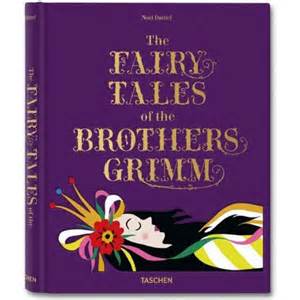 The first book I can remember reading as a young child started it all. There was a large hard cover copy of
The Grimm Brothers Fairytales
at the St. Antoine Public Library. It had a light blue cover with a very detailed front cover illustration. Each page was illustrated so well and in so much detail, I would look over the illustrations just as long as I would spend reading the stories. I remember getting lost in that book, time and time again. I must have sat at the same back table there dozens of times reading out of that book, taking in every word, my mind aflutter with visions of old witches, big bad wolves and morphing ravens. I wonder if they still have it on the shelves. J Of course, that was only the first one.
The first book I can remember reading as a young child started it all. There was a large hard cover copy of
The Grimm Brothers Fairytales
at the St. Antoine Public Library. It had a light blue cover with a very detailed front cover illustration. Each page was illustrated so well and in so much detail, I would look over the illustrations just as long as I would spend reading the stories. I remember getting lost in that book, time and time again. I must have sat at the same back table there dozens of times reading out of that book, taking in every word, my mind aflutter with visions of old witches, big bad wolves and morphing ravens. I wonder if they still have it on the shelves. J Of course, that was only the first one. I remember reading The Adventures of Tintin and I would be enthralled by the mysteries he faced and that he had to solve. Nancy Drew Mysteries was another big one. I also loved TV shows like Unsolved Mysteries , The Edison Twins (who remembers THAT besides me?) and also the popular shows Are You Afraid of the Dark and The Twilight Zone. Movies like IT, Christine and Pet Sematary.
Combine those along with an overactive imagination and lots of free time and you have the beginning pieces in place for a future horror lover. I also believe that certain life experiences, such as the passing of my best friend at 21, as well as having dealt with anxiety and depression through the years has helped me find my most authentic writing voice in the genre that chose me. These events affected my writing style, especially when it comes to character and the emotional charges that I can personally relate to by having experienced them firsthand.
I enjoy reading and writing mystery and horror stories that have some supernatural or paranormal elements, but I don’t limit myself to any one genre or subgenre for that matter. I especially enjoy reading and writing those that show how the characters will react and deal with being pushed to their most extreme limits and how that will change them after the fact, be it good or bad.
4Q: Tell us about your other work and what’s in the future for Author Angella Cormier.
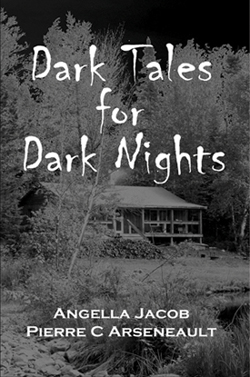
AC: Previous titles include "Dark Tales for Dark Nights" published in 2013 (written under Angella Jacob and in collaboration with Pierre C. Arseneault) as well as "A Maiden's Perspective: A collection of thoughts, reflections and poetry" published in 2015.
In 2013, I created and managed an indie magazine (Codiac Chronicles) which unfortunately I had to put on hold indefinitely. It was a huge undertaking, and one that I did on my own. It was fun while it lasted, as I was able to meet several local artists, writers and photographers during that year it was published. It may be revived one day, but for the time being, it is dormant. Maybe in hibernation. If it ever reawakens remains to be seen. J
I am currently working on a collection of short stories (solo) that I hope to publish in the future as well as a new blog that I am putting together. That should be set to go live by the end of October, if all goes as planned.
My other love is graphic design. I have been doing this for over 18 years and enjoy it very much. Over the past few years, I have been targeting my work to help other writers and publishers. I find it very rewarding as it’s the industry I have the most passion for and I know how important it is for writers to have not only the words crafted just right, but also the presentation of the covers and overall feel of the book’s design. I do everything from creating book trailers, bookmarks, posters, business cards, setting up static webpages, as well as consulting self-published authors through the manysteps from idea to end product.
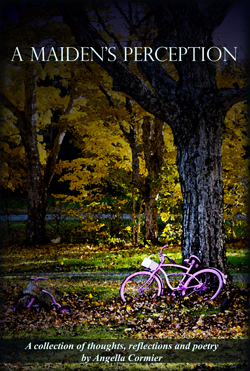
Thank you Angella for sharing your thoughts on the Scribbler's 4Q.
For you readers, please check out the links below to discover more about Angella and where you can buy her novels.
Website: www.mysteriousink.ca
Amazon Author Page: https://www.amazon.com/author/acormier
Facebook: https://www.facebook.com/Mysterious-Ink-Pierre-C-Arseneault-Angella-Cormier-167392516657647/
Twitter: https://twitter.com/AngellaCormier
Goodreads Author Page: https://www.goodreads.com/author/show/6943245.Angella_Jacob
Email: Angella@mysteriousink.ca
Don't forget to leave a comment ! ! ! !

September 17, 2016
Guest Author Daniel Cubias of California.
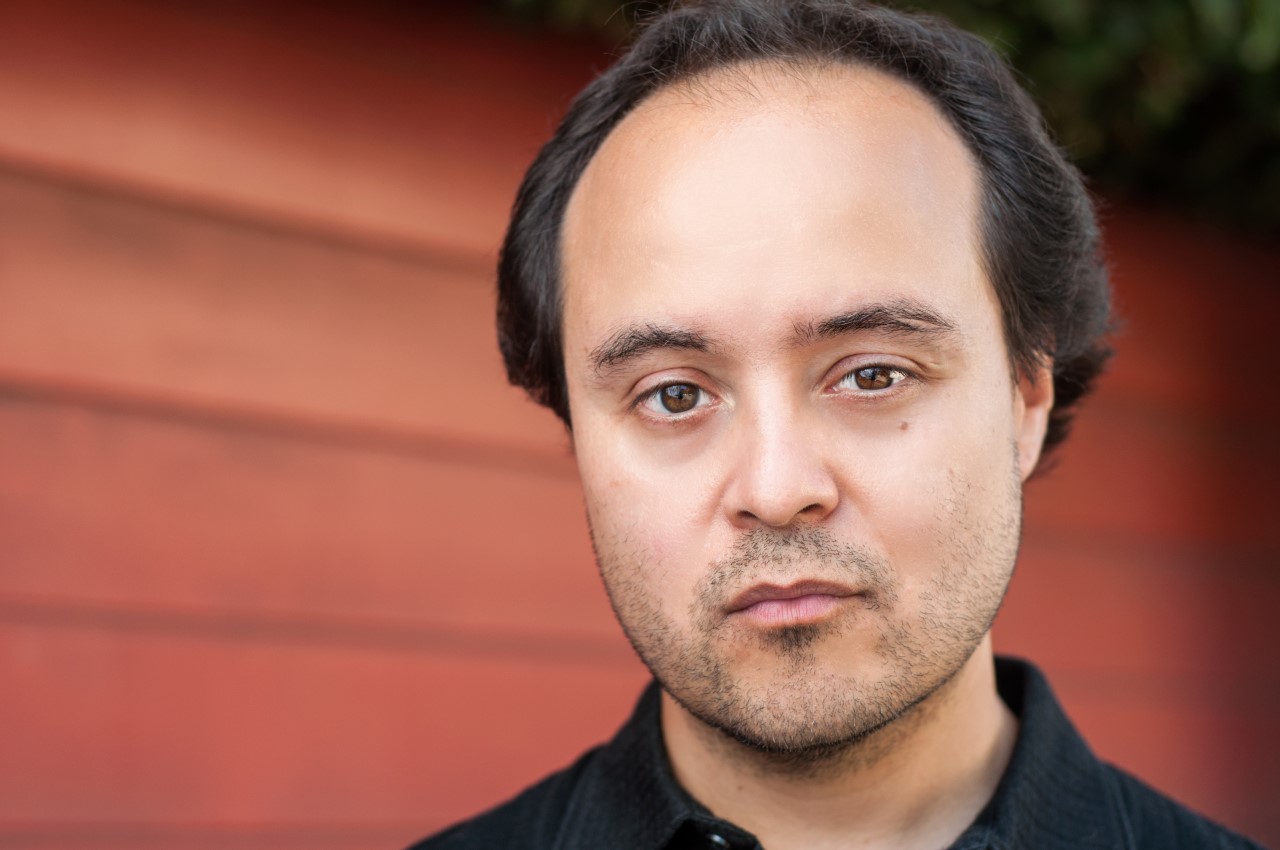 Daniel Cubias has been a professional writer/editor for more than a decade, specializing in Hispanic culture. His articles for the Huffington Post and Being Latino magazine have provoked thousands of reader comments over the years. Furthermore, he is the creator of the website the Hispanic Fanatic. His fiction has been published in numerous literary journals and won several awards. In addition, he has ghostwritten a book for a Hollywood costume designer, worked on the desk of the Hollywood Reporter, and edited over 100 books.
 His first novel, Barrio Imbroglio, is autobiographical in the sense that the lead character, Abraxas Hernandez, is a Latino who grew up in the Midwest and labors in the white-collar world. It is not autobiographical in the sense that Abraxas pursues killers in his spare time and gets shot at a lot. (Read an excerpt below)
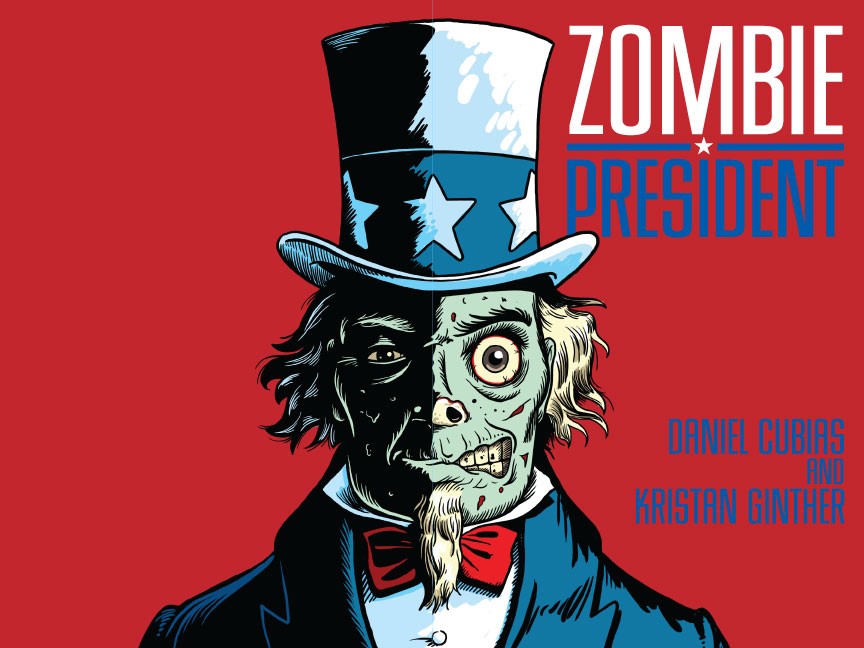 His new novel, Zombie President, is being serialized online. It is about a defeated presidential candidate who comes back from the dead to take the White House by force and to win the country’s heart in the process. The book is a horror/black comedy about getting the kind of leaders we deserve.
Links for Daniel are listed below.
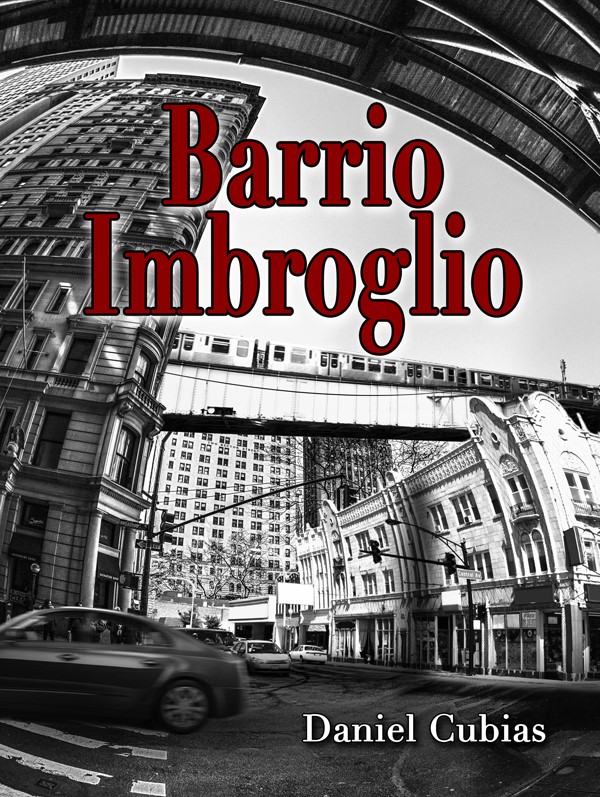
Barrio Imbroglio (excerpt) Copyright is held by the author. Used with permission
Chapter 1
I felt bushwhacked and bitch-slapped.
Up until that point in the evening, I had been perfect. My eye contact was steady but not creepy. I exuded confidence without any bitter overtones of arrogance. And I even got her to smile once or twice.
Then my damn phone went off. She looked at me, confused, and I ignored it. The thing rang again a moment later, and I fumbled to silence it. That failed miserably, because a stream of trills indicated that text messages were flowing quickly toward me. And then it rang eighty-eight times in five minutes.
“Excuse me,” I said. “Someone’s fucking with me.”
 I answered my phone and didn’t get the first syllable of “Hello” out before the familiar, wince-inducing voice of that ditz rammed into my ear. I hung up on her when she wouldn’t stop caterwauling, and I sighed.
 It was the Moment. By that, I mean the instant that changes your life. For most people, it’s meeting your future spouse, or seeing your first kid get born, or getting that acceptance letter from college, or stepping off the plane into your new country. It’s supposed to be something majestic like that.
For me, however, it was the high-pitched shriek of a lunatic redhead whom I hated, screaming at me over the phone that he was dead, he was dead, he was dead.
I put the phone back into my pocket and turned to the woman seated across from me. Sasha was stunning, a blind date gone right for once.Like a lot of Hispanic men, I went for the fair-skinned beauties. Specifically, blondes in black jeans — like Sasha — had always been a serious problem for me. Then again, I wasn’t exactly looking for a solution.
My phone rang again, and I said, “I have to leave.”
“But we just ordered dinner,” Sasha said. “Expensive shit too.”
“Yeah, but apparently, someone has just been murdered, and I need to drive across town to check it out.”
“You’re a detective?” my date said, a flash of excitement crossing her face.
“What? No, I’m in computers. I told you that over the appetizers.”
“Oh, yeah. An IT guy,” she said, her enthusiasm morphing into disappointment. “I really wasn’t paying attention when you said that.”
“Good to know. I’ll pick up the bill.”
A moment later, I walked out the door while mumbling vague apologies to Sasha. She ignored me and dialed her phone, making impromptu plans with an ex-boyfriend named Jimmy or Johnny.
“This asshole just called off our date,” she said into her cell. “I’ve got nothing better to do, so I might as well come over and jump into that sex swing in your living room. You know, for old times’ sake.”
I said goodnight to Sasha, but she was already deep into dirty talk with Jimmy or Johnny. So I turned and hurried toward the parking garage.
Delta’s phone call had unnerved me, of course. And my distracted state, combined with my haste to get to Hugo’s place, meant my perception was not as sharp as it should have been. Perhaps that’s why I didn’t immediately register what had happened to my car. Or maybe I was busy visualizing my date clambering into Jimmy or Johnny’s sex swing.
Regardless, it was only after I opened the driver’s door that I paused, stepped back, and looked at my car. That’s when I saw it.
Someone had spray-painted the words “Fuck Police” on the vehicle’s side.
“Hijo de puta,” I muttered.
I wondered if the taggers had meant “fuck the police” or “fuck da police” but were so time-pressed that they dropped the article and ruined their gangsta homage. Or perhaps they meant it as a literal statement, in which case they were most likely police officers themselves and were advising citizens to take on a cop lover. Or maybe the dripping words were the tag of a local gang, the fierce and dreaded Fuck Police, and members were just marking their territory. Regardless of the origin or significance of the spray-painted display, however, I could not figure out why they had earmarked my piece-of-shit Hyundai with 180,000 miles on it to make their bold statement.
 And I couldn’t even get my parking stub validated. So I left the parking garage and drove all over town with the words “Fuck Police” in bold red paint staining the entire side of my car. A few pedestrians read the manifesto while I waited at stoplights, their eyes flitting to me for explanation, but I just shrugged at their baffled looks. Nobody offered me an interpretation. It would remain a mystery.
 In any case, it was a long drive to Hugo’s restaurant, which was where Delta had originated her frazzled phone call to me (at least I thought she had said that before I hung up on her). As the blocks whipped by, the neighborhoods went from upscale sophistication to strip-mall blandness to struggling bohemian enclave to abject shithole. Then it started a fresh cycle. I had lived in this city, East Phister, my entire life. I knew it was a vast amalgamation of freaks, nutjobs, and social deviants — spiced up with the addition of the shrill, the hyper-religious, and the criminally insane — all jammed into a hundred godforsaken square miles in the American Midwest. But hey, it was home.
I turned onto Seconth Avenue, so pronounced because the city had labeled the street signs “2th Ave,” either in a fit of dyslexia or avant-garde civic boosterism (it was never determined which). That wasn’t as bad as a few blocks over, which was labeled “5rd Ave.”
I drove past a psychic’s shop that Vic had once dragged me into for kicks. We wound up not being amused at the psychic’s earnest declaration that Vic and I were doomed to lives of unbearable torment and raging inferiority. We didn’t tip her. I noticed that the place was boarded up now, with a sign outside that read, “Psychic shop closed due to unforeseen and unpredictable circumstances.”

Up the block, the fledgling restaurant row kicked into gear. It was mostly Mexican establishments, with a few Central and South American diners interspersed, and a couple of ancient Irish taverns still hanging on. The city was proud of this oasis of multicultural entrepreneurialism, and the mayor had christened the area El Barrio, possibly the least imaginative appellation for a Latino neighborhood ever. Beyond the press releases and self-congratulation, however, the fact remained that upscale East Phisters were still terrified to come to this part of town. The stretch included pawnshops, tattoo parlors, and a dilapidated gas station/convenience store called the Pump N’ Munch. None of it screamed, “Date night for suburbanites.”
When I got to Hugo’s place, I double-parked, hoping that the city would be merciful and tow the damn car out of my life. I rushed toward the swirl of police lights and the jabbering, jostling crowd in front of the Ferrocarril restaurant.
Until that moment, I had assumed that Delta was exaggerating in her endless quest for drama. Surely, no one had been murdered. I had only hurried down here just in case something mildly bad was transpiring to her or Hugo. But the police presence and the excited throng of onlookers convinced me that some serious shit had indeed gone down inside. It took a lot to get this many people worked up in El Barrio.
After all, this was a neighborhood populated with immigrants from Latin American hellholes. They were used to death and devastation smashing into their homes, taking a seat on the couch, and never leaving.
And their kids — the first-generation Americans — maintained badass demeanors despite the fact that the neighborhood was no longer quite so thuggish. Hell, the place was getting more and more gentrified every day. I couldn’t imagine even the most fearsome cholo preserving his street cred when he walked into the newest neighborhood addition (a Starbucks) to order a no-foam, half-caff double latte.
Still, my old neighborhood instilled a certain detachment in its residents, as if they had seen it all and would merely scoff if drug-runners from Guadalajara opened fire on the streets with AK-47s. But urban cool was not on display tonight. This was a real-life, genuine, first-degree crime scene, and its exoticness captivated the residents.
I couldn’t get in the front door with all the cops milling about, so I stepped into the alley off 99thStreet. The backdoor was unlocked, as usual, and I walked into the kitchen.
Perhaps this wasn’t the best move. Clearly, the panicky young guy who stood there waving a gun at me didn’t think so.
No, he didn’t approve of my arrival at all.
Thank you Daniel for this enticing excerpt. A story I look forward to reading. Check out Daniel's links to discover more about him and his books. Barrio Imbrogliohttp://amzn.to/1HdcmuA
Zombie Presidenthttps://www.wattpad.com/myworks/70477472-zombie-president
Websitehttp://danielcubias.com
Twitter @DanCubias
Dear reader, please take a minute and leave a comment.

Guest Author Daniel Cubias of New York.
Daniel Cubias has been a professional writer/editor for more than a decade, specializing in Hispanic culture. His articles for the Huffington Post and Being Latino magazine have provoked thousands of reader comments over the years. Furthermore, he is the creator of the website the Hispanic Fanatic. His fiction has been published in numerous literary journals and won several awards. In addition, he has ghostwritten a book for a Hollywood costume designer, worked on the desk of the Hollywood Reporter, and edited over 100 books. His first novel, Barrio Imbroglio, is autobiographical in the sense that the lead character, Abraxas Hernandez, is a Latino who grew up in the Midwest and labors in the white-collar world. It is not autobiographical in the sense that Abraxas pursues killers in his spare time and gets shot at a lot. (Read an excerpt below)
His new novel, Zombie President, is being serialized online. It is about a defeated presidential candidate who comes back from the dead to take the White House by force and to win the country’s heart in the process. The book is a horror/black comedy about getting the kind of leaders we deserve. Links for Daniel are listed below.
Barrio Imbroglio (excerpt) Copyright is held by the author. Used with permission
Chapter 1
I felt bushwhacked and bitch-slapped.
Up until that point in the evening, I had been perfect. My eye contact was steady but not creepy. I exuded confidence without any bitter overtones of arrogance. And I even got her to smile once or twice.
Then my damn phone went off. She looked at me, confused, and I ignored it. The thing rang again a moment later, and I fumbled to silence it. That failed miserably, because a stream of trills indicated that text messages were flowing quickly toward me. And then it rang eighty-eight times in five minutes.
“Excuse me,” I said. “Someone’s fucking with me.”
I answered my phone and didn’t get the first syllable of “Hello” out before the familiar, wince-inducing voice of that ditz rammed into my ear. I hung up on her when she wouldn’t stop caterwauling, and I sighed. It was the Moment. By that, I mean the instant that changes your life. For most people, it’s meeting your future spouse, or seeing your first kid get born, or getting that acceptance letter from college, or stepping off the plane into your new country. It’s supposed to be something majestic like that.
For me, however, it was the high-pitched shriek of a lunatic redhead whom I hated, screaming at me over the phone that he was dead, he was dead, he was dead.
I put the phone back into my pocket and turned to the woman seated across from me. Sasha was stunning, a blind date gone right for once.Like a lot of Hispanic men, I went for the fair-skinned beauties. Specifically, blondes in black jeans — like Sasha — had always been a serious problem for me. Then again, I wasn’t exactly looking for a solution.
My phone rang again, and I said, “I have to leave.”
“But we just ordered dinner,” Sasha said. “Expensive shit too.”
“Yeah, but apparently, someone has just been murdered, and I need to drive across town to check it out.”
“You’re a detective?” my date said, a flash of excitement crossing her face.
“What? No, I’m in computers. I told you that over the appetizers.”
“Oh, yeah. An IT guy,” she said, her enthusiasm morphing into disappointment. “I really wasn’t paying attention when you said that.”
“Good to know. I’ll pick up the bill.”
A moment later, I walked out the door while mumbling vague apologies to Sasha. She ignored me and dialed her phone, making impromptu plans with an ex-boyfriend named Jimmy or Johnny.
“This asshole just called off our date,” she said into her cell. “I’ve got nothing better to do, so I might as well come over and jump into that sex swing in your living room. You know, for old times’ sake.”
I said goodnight to Sasha, but she was already deep into dirty talk with Jimmy or Johnny. So I turned and hurried toward the parking garage.
Delta’s phone call had unnerved me, of course. And my distracted state, combined with my haste to get to Hugo’s place, meant my perception was not as sharp as it should have been. Perhaps that’s why I didn’t immediately register what had happened to my car. Or maybe I was busy visualizing my date clambering into Jimmy or Johnny’s sex swing.
Regardless, it was only after I opened the driver’s door that I paused, stepped back, and looked at my car. That’s when I saw it.
Someone had spray-painted the words “Fuck Police” on the vehicle’s side.
“Hijo de puta,” I muttered.
I wondered if the taggers had meant “fuck the police” or “fuck da police” but were so time-pressed that they dropped the article and ruined their gangsta homage. Or perhaps they meant it as a literal statement, in which case they were most likely police officers themselves and were advising citizens to take on a cop lover. Or maybe the dripping words were the tag of a local gang, the fierce and dreaded Fuck Police, and members were just marking their territory. Regardless of the origin or significance of the spray-painted display, however, I could not figure out why they had earmarked my piece-of-shit Hyundai with 180,000 miles on it to make their bold statement.
And I couldn’t even get my parking stub validated. So I left the parking garage and drove all over town with the words “Fuck Police” in bold red paint staining the entire side of my car. A few pedestrians read the manifesto while I waited at stoplights, their eyes flitting to me for explanation, but I just shrugged at their baffled looks. Nobody offered me an interpretation. It would remain a mystery. In any case, it was a long drive to Hugo’s restaurant, which was where Delta had originated her frazzled phone call to me (at least I thought she had said that before I hung up on her). As the blocks whipped by, the neighborhoods went from upscale sophistication to strip-mall blandness to struggling bohemian enclave to abject shithole. Then it started a fresh cycle. I had lived in this city, East Phister, my entire life. I knew it was a vast amalgamation of freaks, nutjobs, and social deviants — spiced up with the addition of the shrill, the hyper-religious, and the criminally insane — all jammed into a hundred godforsaken square miles in the American Midwest. But hey, it was home.
I turned onto Seconth Avenue, so pronounced because the city had labeled the street signs “2th Ave,” either in a fit of dyslexia or avant-garde civic boosterism (it was never determined which). That wasn’t as bad as a few blocks over, which was labeled “5rd Ave.”
I drove past a psychic’s shop that Vic had once dragged me into for kicks. We wound up not being amused at the psychic’s earnest declaration that Vic and I were doomed to lives of unbearable torment and raging inferiority. We didn’t tip her. I noticed that the place was boarded up now, with a sign outside that read, “Psychic shop closed due to unforeseen and unpredictable circumstances.”
Up the block, the fledgling restaurant row kicked into gear. It was mostly Mexican establishments, with a few Central and South American diners interspersed, and a couple of ancient Irish taverns still hanging on. The city was proud of this oasis of multicultural entrepreneurialism, and the mayor had christened the area El Barrio, possibly the least imaginative appellation for a Latino neighborhood ever. Beyond the press releases and self-congratulation, however, the fact remained that upscale East Phisters were still terrified to come to this part of town. The stretch included pawnshops, tattoo parlors, and a dilapidated gas station/convenience store called the Pump N’ Munch. None of it screamed, “Date night for suburbanites.”
When I got to Hugo’s place, I double-parked, hoping that the city would be merciful and tow the damn car out of my life. I rushed toward the swirl of police lights and the jabbering, jostling crowd in front of the Ferrocarril restaurant.
Until that moment, I had assumed that Delta was exaggerating in her endless quest for drama. Surely, no one had been murdered. I had only hurried down here just in case something mildly bad was transpiring to her or Hugo. But the police presence and the excited throng of onlookers convinced me that some serious shit had indeed gone down inside. It took a lot to get this many people worked up in El Barrio.
After all, this was a neighborhood populated with immigrants from Latin American hellholes. They were used to death and devastation smashing into their homes, taking a seat on the couch, and never leaving.
And their kids — the first-generation Americans — maintained badass demeanors despite the fact that the neighborhood was no longer quite so thuggish. Hell, the place was getting more and more gentrified every day. I couldn’t imagine even the most fearsome cholo preserving his street cred when he walked into the newest neighborhood addition (a Starbucks) to order a no-foam, half-caff double latte.
Still, my old neighborhood instilled a certain detachment in its residents, as if they had seen it all and would merely scoff if drug-runners from Guadalajara opened fire on the streets with AK-47s. But urban cool was not on display tonight. This was a real-life, genuine, first-degree crime scene, and its exoticness captivated the residents.
I couldn’t get in the front door with all the cops milling about, so I stepped into the alley off 99thStreet. The backdoor was unlocked, as usual, and I walked into the kitchen.
Perhaps this wasn’t the best move. Clearly, the panicky young guy who stood there waving a gun at me didn’t think so.
No, he didn’t approve of my arrival at all.
Thank you Daniel for this enticing excerpt. A story I look forward to reading. Check out Daniel's links to discover more about him and his books. Barrio Imbrogliohttp://amzn.to/1HdcmuA
Zombie Presidenthttps://www.wattpad.com/myworks/70477472-zombie-president
Websitehttp://danielcubias.com
Twitter @DanCubias
Dear reader, please take a minute and leave a comment.
September 11, 2016
Guest Author Lockie Young of New Brunswick, Canada.
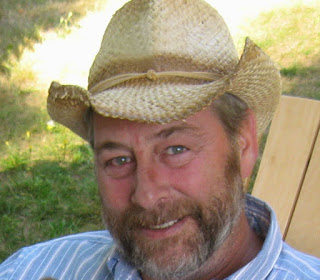 Lockie Young is the only author I know personally whose work has been stolen. Yes, someone stole one of his short stories and posted it on their blog. It went viral and was shared thousands of times and commented on that is one of the funniest stories ever. He was rightfully "pissed off". Just shows how good this guy really is even though he never got paid for the entertainment.
Locks is a regular guest on the Scribbler. He lives in Albert County with his wife Trish. A published author with a Young Adult series of novels as well as many short stories. A clever story teller and a poet.
This week on the Scribbler he has agreed to share both and tell us a bit about each one.
Copyright is held by the author. Used with permission.

Grandson (Tiny Angel)
L.F.Young
Tiny fist pressed tight against mouth so small.
What gift is this?
Small drool trail catching sunlight’s glint
And crooked smile…leads us to think
Of the wonder of it all.
Tiny angel in my palms.
My hands wrinkled with age and wisdom, hold you strong.
My thoughts travel through time as I look in your eyes
Reminding me of times
When I held your parent, just as fragile.
Same face, same smile, same eyes.
Oh my how time flies.
I wrote this poem around the time of the birth of my first grandchild. I think the things I thought and expressed at the time are shared with every grandparent who holds their grandson or granddaughter for the first time.
 Baby No More
 L.F.Young
Little baby boy
Of not so long ago
Miles in between, sights have been seen
Flashes of smiles missed.
Flashes of cries kissed.
You look at me
A boy I see.
No baby here.
In your big voice crashing
Running hell bent for greatness
In your dragon quest
Or dog tails best
As you pull for all you’re worth.
Little baby boy
Of not so long ago
Fly away home, lands left to roam
Flashes of golden clouds
Flashes of cries aloud
You look at me
And a man you’ll be.
Now my eyes cloudy with age
Wrinkled hand on crown
Little boy now grown.
This poem, also about my grandson was inspired by this picture taken by his dad. When they visited in the summertime, the little guy loved to pet the dogs and gently pull their tails, and I can still hear his child’s voice shouting as he ran from one end of the house to the other, so full of energy and play. They grow up so fast.
Diary of an Orphan
L.F.Young
Sun dried dirt on sun browned feet
Dust clouds rise in the village street.
Walking from here to over there.
Walking from here to everywhere.
African sun beats down on my head
No food in my tummy, no soft place for bed.
Yesterday, today, tomorrow, the same
Tho hungry and dirty I have no shame.
I want to live on, to love and to laugh
I want to belong, forgetting my past
So much death, so much sorrow
Will I see some hope tomorrow?
Sun dried dirt on sun browned feet
Food in my tummy and off of the street
This is my home now with people to love
This is my hope now, sent from above.
In 2008 I had an opportunity to visit South Africa with my family. While we were there we were going to visit an orphanage in a neighboring country called Swazi Land. Swazi Land is a landlocked kingdom, and is a very poor country with some alarming statistics. At that time the average life expectancy was 35 years of age and due to education has recently rose to 5o years of age as of 2013. In 2002 the World Health Organization reported that 64% of all deaths in Swazi Land were caused by Aids or Aids related diseases.
My Mother in law was over there as part of an educational contingency to educate the Swazi people about the dangers of unprotected sex, among other things such as hygiene and proper nutrition. According to her, and not a widely publicized opinion there, the King did not believe his people were poor, and therefore there was no need of any orphanages or any support for them. The consequence of this was very bad, because clearly over half of the population was dead or dying, and as a result, there was no middle aged population. This meant that grandparents were left to rear children, as in many cases both parents and even older siblings were dead because of this terrible epidemic. As a result I wrote Diary of an Orphan after my visit to one of the many non-publicly funded orphanages in that country. It is written from my imagining what a young girl or boy would experience when there was no one left to care for them.
L.F.Young

Diary of an Orphan
L.F.Young
The water leaked from my eyes and made snake trails down my dusty face, just to fall from my cheek onto the mud floor of my house, in silence.
Grandmother is dead.
She passed from here to there sometime last night. She wasn’t sick like the others. She was just old. She was just tired.
My mother, father and brother, the others… are all dead. They had the sickness and they left me a long time ago. I hope I don’t get the sickness.
Grandmother has looked after me for so long now, but she has left me too.
Now I am all alone. My belly is sore again. When I eat my belly feels good and is not so sore, but now it is sore again, and I am so afraid.
Like the water from my eyes fading into the dirt of the floor, they have all disappeared.
*
Today a nice lady arrived at my house to talk to me. She said that I could go with her to the mission and get some food for my sore belly. I don’t know what a mission is, but I like food for my belly and I said I would go with her.
She is a nice lady and she smells like clean sweet grass growing in the fields.
 We left the village and took the dirt road that leads to nowhere. It was a very long trip, and when we came over the last hill I saw a place in the distance. It was all wavy from the heat of the road but it became clear as we got closer.
 There was a big building in the center of this village. It had two sticks on the very top of the roof, and they were white. The nice lady who brought me here said she was teacher, and the big building was called church. She said a man named God lived there, and that someday I would meet Him. It was a fine house.
Teacher brought me to another building where there were lots of boys and girls my size. The floor was different then my home. It was made of wood. And there was food for my belly, and my belly told me it was going to stop the pain. That night I slept in peace, and did not dare to dream.
*
I awoke in a strange place, and was very scared. I could see the sunlight just peeking under the door, and then I remembered everything. I was safe. I was near God’s house and today I would meet Him, and see Teacher, and the other children who were here with me also greeting this new day.
After some good food, which made my belly quiet, I went to the house called school, where Teacher was to be. I liked this place and I had a warm feeling in my heart. It felt like when I hurt my toe on a sharp rock, and I went to Grandmother, and she held me and talked softly to me and said I would be safe. This was safe, and warm, and even if Teacher was not Grandmother, it felt the same and I was happy to be in this place.
Today I went to God’s house. He was not there but his friend who looked after God’s house was there, and he said welcome. He said that God was always in His house, even if we could not see him. He said God would always love me no matter what. I thought of Grandmother. I could not see her but I knew she was there, and that she would always love me too. I think God and Grandmother are a lot alike, and that makes me feel warm inside. Thanks again Lockie for being our featured guest. Find more of Lockie's work here. The Legend Returns:
 http://morningrainpublishing.com/project/the-legend-returns-by- l-f-young/ Ryan's Legend:
 http://morningrainpublishing.com/project/ryans-legend/ Website:http://poems-and-other-ramblings.webnode.com/
Blog:http://lockardyoung.wordpress.com/
 Get your thoughts in gear, drop down a bit and leave us a comment. Would love to hear from you.
September 3, 2016
Guest Author Carol Cooper of London, England.
 Carol Cooper is a British doctor, journalist and novelist.She practises medicine in London and writes for The Sun, the UK’s best-selling newspaper. After a string of parenting books and an award winning medical textbook, she turned to writing novels about thirty-somethings looking for love.Like her fictional characters, Carol lives in leafy Hampstead, North London. Unlike them, she got married again in 2013. She loves a happy ending.
 Blog: pillsandpillowtalk.comTwitter: @DrCarolCooper
About Hampstead Fever:
The intertwined lives and loves of six North Londoners gets complicated as a heat wave brings emotions to a boiling point. The mother panics about her child, the journalist struggles to pay her bills, the new chef cooks up trouble, and even the sensible doctor loses his head when the mercury soars.
Following is an excerpt from Dr. Cooper’s “just published” novel. Copyright is held by the author. Used with permission.
"Comment vas-tu, chérie?" shrieked Tante Lina before she and her sister had even got through Laure’s front door. "And how is your darling little boy?" Tante Victorine's voice would have been useful had telephones not existed. An opening round of kissing. An avalanche of lipstick. A haze of Diorissimo, as always. Despite being tired, Laure had made an effort for Tante Lina and Tante Victorine. One had to, after all. That meant tinted moisturizer, a slick of lip gloss, a little mascara, and a whole lot of blusher.

 Laure put the kettle on. To Laure, Earl Grey tea was like drinking cologne, but her aunts loved it. They were from the Lebanese side of the family and they worshipped everything British, especially The Times newspaper, Harrogate toffee, Marmite, the Houses of Parliament (though they understood little of its workings), and cricket (which they understood even less). They were eager to see Jack, for whom they had brought a present, a pale blue all-in-one thing from Harrods, no less. "Une barboteuse, chérie," explained Tante Lina. Laure thanked them profusely, although a dry-clean-only garment in merino wool was a bit impractical, especially this August. "Now let me see him!" Laure led the way to Jack's cot. "He cries a lot. He's a terror at night." The two widowed aunts elbowed each other out of the way to admire him.
 Lying in his cot clutching a corner of his favourite blanket, Jack didn't look much of a terror. His lashes rested on his golden skin and his fair hair had curled in the sweat of his slumber. Then, just as Laure thought he might stay quiet all afternoon, he stirred and started up with a whimper that changed to ‘Uh, uh, uh’ before threatening to develop into a full-blown cry. After a quick sip of tea, Laure picked him up and jiggled him up and down. Jack remained tetchy. "He's a real challenge today," said Laure. When he cried, it wasn't just exhausting. It was worrying. If she couldn't console him right away, wasn't there always the chance that he might be ill? "Let me take him," said Tante Victorine, gold bracelets jangling. "I'll hold him," said Lina. "I hardly had him at all last time." "Vraiment chérie, your memory is getting very poor. You played with him all afternoon and I didn't get a chance. I don't know what I've done to annoy you, I'm sure." "Well, OK. But if your arms get tired..." Laure handed him to Tante Victorine. Jack was heavy, but Victorine showed no signs of dropping him. She clasped him to her chest and held him close. "Gimp," went Jack. Laure thought his language skills were average for his age, but the aunts looked at each other as if Jack was a genius. Neither had raised a child. Victorine's baby died an hour after birth, the same year Laure was born. Miraculously, Jack fell asleep again, loosening his grip on the blanket. His hand now hung on the side of Victorine's dress. Laure smiled at her aunt and noticed her eyes were glistening. "Well," Laure said. "Anyone for another cup of tea?" "S'il te plaît, ya ma chère," replied Victorine as she stroked the nape of Jack's neck and smiled. "He is very beautiful. Helou awi." So beautiful was he that Victorine had to break into a uniquely Lebanese mix of French and Arabic. Being Christian Lebanese, they mostly spoke French, but, when in the presence of great beauty like a pretty child or perfectly stuffed vine leaves, only Arabic would do. Victorine was right, thought Laure as she boiled the kettle. Jack was gorgeous, only not at three in the morning when you'd just managed to get him to doze off. Lina took her cup. "Merci, chérie." "Yiy," said Victorine as soon as Jack surfaced again. "His eyes are exactly like yours." She had said exactly the same thing last time, right down to the very Arab expression yiy. "True," Laure agreed. "Dan's eyes are completely different." "And he has your hair, not Dan's," Victorine pointed out. That was true too. Laure knew Dan had gone bald in his twenties. The half dozen hairs left on his head got shaved on a regular basis. It suited him. Lina gave a sideways glance. "How is Dan?" “He’s well,” said Laure. She told them about his recent radio interview. "La radio!" said Victorine. "Wonderful!"
 Lina appeared to reflect as she drank her tea, her little finger crooked. "Quand est-ce que vous allez vous marier?" She gazed over the rim of the cup, waiting for a reply. She hadn't asked Laure about getting married for a long while now, maybe almost a week. In the aunts' opinion, cohabiting was for lesser people, like the kind on Big Brother. Clearly their niece ought to aspire to better, especially at the age of forty. Laure shrugged. That was the same answer she always gave people who talked about marriage. Jack bonded them together for life and there was no reason to get hitched, unless you worried about inheritance tax. The aunts were assessing her response. Laure finally got off the hook with, "Maybe one day. We'll see." Jack finally became too much for Tante Victorine, who handed him over to Tante Lina's waiting arms. "Ism’ Allah," said Lina when she took his full weight. Laure congratulated herself for having persevered with breastfeeding. Over a year now. Her friends said she should have stopped long ago, but what did they know of all its benefits, or the satisfaction it gave her? Tante Lina made Jack comfortable on her lap. He was quietly awake now. Laure half-hoped Jack would give just a sampler of his howls, but he seemed content in his great-aunt's arms.
"He's such a good baby," remarked Tante Lina. "Smells beautiful too," she added, inhaling the top of his head. It was a wonder Lina could smell anything when she had drowned herself in Diorissimo. "Yes, he's very good," Victorine agreed. Laure refrained from inviting them to pop round in the small hours of the morning. The aunts took the customary pictures on their phones, with each of them holding Jack in turn, while saying repeatedly how stupid they were with technology, and how all the photos would be nothing more than close-ups of their thumbs. "I have no idea how it came out so well, Laure chérie, but I have a nice one of you here," said Victorine. It wasn't bad at all, thought Laure. Her aunts were a lot more capable than they pretended. Lina grabbed the phone and studied it carefully. "Chérie, you look really lovely. And what a figure you've kept!" Victorine chimed in approvingly. "It's good to look after your looks. Men stray when you let yourself go. Not that your Dan would do such a thing, of course," she added. "But, you know." Laure didn’t bother chiding her. The aunts had such dated views of the sexes. Lina and Victorine left some time later, bound for Oxford Street to check out some boring middle-aged fashions. Laure then remembered that she could already be classed as middle-aged herself, though she didn’t feel it.
Thank you so much Carol for sharing an excerpt from your delightful tale. Dr. Cooper's books can be purchased here: https://www.amazon.ca/Hampstead-Fever-Carol-Cooper-ebook/dp/B01GEKTG8G/ref=sr_1_1?ie=UTF8&qid=1472900701&sr=8-1&keywords=Hampstead+Feverhttps://www.amazon.ca/Hampstead-Fever-Carol-Cooper-2016-07-01/dp/B01K95B6LW/ref=sr_1_2?ie=UTF8&qid=1472900737&sr=8-2&keywords=Hampstead+Fever
 Hey, don't be shy!