
Lucy V. Hay's Blog, page 21
September 1, 2017
CRIMINALLY GOOD: interview with author Marilyn Messik
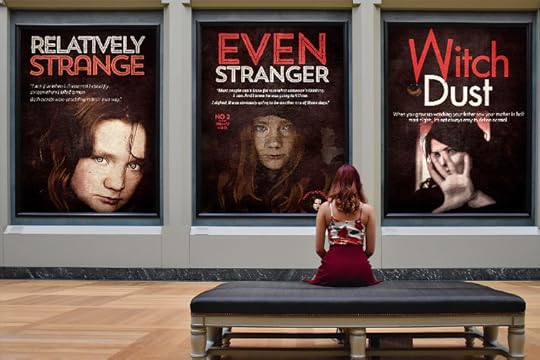
1) So, who are you & what have you written?
Hi, I’m Marilyn Messik and I’ve written Relatively Strange, Even Stranger and Witch Dust. Connect with me online, here:
Website: http://www.marilynmessik.co.uk
Twitter: @marilyn_messik
Facebook: marilyn.messik.
Linkedin: createcommunication
2) Why do you write crime fiction?
I’m fascinated by the fantasy of how wrong-doing could be dealt with if we were blessed (cursed?) with ways to handle it differently!
3) What informs your crime writing?
I’m incredibly nosy about what does and doesn’t make people tick and their interactions with each other. Throw in a ‘series of unfortunate events’ and there’s great fun in seeing how it all pans out.
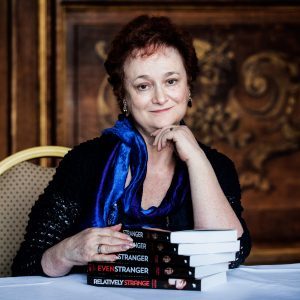 4) What’s your usual writing routine?
I work at the kitchen table – both an advantage and disadvantage when it comes to coffee, chocolate and a lamentable lack of will-power.
When I’m firmly into a book, I try and keep up a daily input, even if that just consists of gazing blankly at a blank screen and letting ideas drift in and out in the hopes that something useful will pass through. I’m afraid I’m a true seat-of-the-pants writer and try as I might, can’t seem to plan ahead because the characters take over and drive the plot in the direction that seems to most suited to them.
5) Which crime book do you wish YOU’D written, and why?
I love Elly Griffith’s work and am a huge fan of Ruth and her gang, they live and breathe, which all characters should and I think it’s great that now there’s even a ‘cast list’ in the newer books, with bios for each of the characters.


August 22, 2017
Top 5 Brilliant Books Set In Brighton
My crime debut, The Other Twin, is set in Brighton, UK. I grew up in a seaside town myself, plus Brighton is perhaps best known for its LGBT community (a key theme in the book), so I wanted to bring this place to life in my writing … So I looked to how others had done it!
The below is a list of novels set in Brighton I read while writing – or editing! – The Other Twin. Which ones have YOU read? Enjoy!
This article first appeared on Shotsmag. See it HERE.
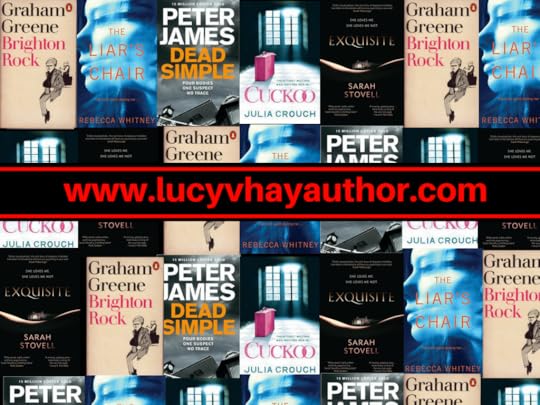
1) EXQUISITE by Sarah Stovell
EXQUISITE is one of those rare books where you ‘think’ you have a handle on what’s going on, but it RIPS the carpet from under you! Always one step ahead, this intriguing tale of obsession, stalking and violence never lets up from the get-go; there’s dark characters, sublime plotting, with a brutal sting in the tale. Set primarily in the Lake District, Alice’s character neverthless starts her journey toi the dark side in Brighton, where Stovell paints a realistic picture of an aimless Millenial lifestyle, where drugs and drink are more readily available than work or adequate housing. A terrifyingly plausible tale, this is WELL worth the read.
2) BRIGHTON ROCK by Graham Greene
“Hale knew, before he had been in Brighton three hours, that they meant to kill him” has to be one of the most famous starting lines EVER – and rightly so. This classic crime tome marked a change in direction for the genre: the notion the detective did not have to be front and centre, but the villain himself! In this case, it’s Pinky, a 17 year old killer … In 1937, this must have been REALLY shocking, not least the fact there is no happy ending. To this day, it’s cemented itself in popular culture and more than deserves its spot in this top 5.
3) THE LIAR’S CHAIR by Rebecca Whitney
Domestic noir at its finest, THE LIAR’S CHAIR grabs us via Rachel who mows down a homeless tramp in the country backroads near Brighton. Female leads are frequently under greater scrutiny than male ones, or even – God forbid – supposed to be ‘likeable’, but Whitney sidesteps this expectation effortlessly. Rachel’s mix of selfishness, guilt, self-destruction and grief are painted in a myriad of colours, taking us into a troubled mind who’s caught in the midst of a terrible dilemma.
4) CUCKOO by Julia Crouch
OMG, don’t female characters know by now NEVER let attractive women stay in their home? Well, no one told protagonist Rose anyway and despite the fact she ‘has it all’ – the gorgeous children, the husband, the beautiful home – she lets best friend Polly come to stay. UH OH! Cue Rose’s cosy world starting to fall apart at the seams – her baby falls dangerously ill, her husband is ‘distracted’ … I was reminded of various movies like THE HAND THAT ROCKS THE CRADLE or even that episode of THE SIMPSONS when Marge yells ‘USURPER!’ at Otto’s girlfriend Becky who tries to oust her. A melting pot of middle class woe set in the affluent side of Brighton, this book is great fun.
5) DEAD SIMPLE by Peter James
Obviously no ‘Best of Brighton’ list is complete without a Roy Grace novel! I think of Grace as a modern day Sherlock Holmes and DEAD SIMPLE is a total classic: time is running out for our hapless stag, buried underground in a coffin, when all his mates die in a car crash! But of course it’s not quite as SIMPLE (arf) as that for Roy Grace, who must track down not only the stag, but the secrets and lies surrounding him too!
Which of these have YOU read? Over to you …
August 15, 2017
BEST OF 3: My Inspiring Secret Library
When someone asks you which books have influenced you, it’s very easy to fall into the ‘expected’ answers … Often because they’re true! It’s no secret how much I loved Gillian Flynn’s Gone Girl, especially as it prompted me to give crime writing a whirl myself.
So when Cafe Thinking asked me to name 3 obscure books that influenced me, I decided to put my own thinking cap on and really trace back to when I was a kid for my FIRST literary awakening! I was surprised to find the results out, myself! You can read original post, HERE. Enjoy!
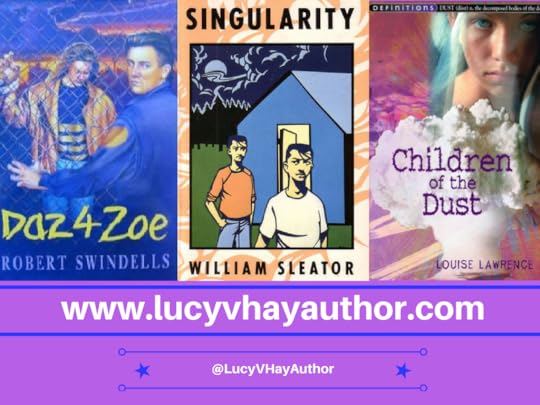
Many psychologists believe realisations you make around the ages of 10-12 go on to help ‘inform’ your adult personality and behaviour. This stuck in my head because I totally agree: I recall many of the books I read around this time and what they taught me vividly (even though I may have forgotten a book I just read a couple of weeks ago!).
So, here are the books that left a lasting impression and why, as part of my SECRET LIBRARY – enjoy!
1) Singularity by William Sleator
This is the book that started my lifelong obsession with twins, but also the nature of consequence and how single decisions can have devastating impact. Barry and Harry Krasner are identical twins, but that’s where the resemblance stops. Barry’s more athletic, more aggressive – and he’s the one who suggests that they house-sit their great-uncle’s farm. Harry hopes that it will bring the two of them closer. And it does – because there’s something chilling about the farmhouse, something that makes the locals stay far away …
I loved this book because it’s a ‘contained thriller’ for the most part. A story of sibling rivalry in the first third, the other two thirds deal principally with Harry on his own. When Harry decides to lock himself in the shed with THE THING for a night, he learns some important life lessons about himself. I read this book when I was about 11 and it made a HUGE impact on me, especially regarding people’s place in the world and how others see them. It made me re-examine my own relationships and consider perception versus reality. Amazing!
2) Children of the Dust by Louise Lawrence
Children of the Dust is a post-apocalyptic, dystopian novel and started my other lifelong obsession – dystopian YA!!! Like many modern dystopian YA books like The Hunger Games, The Maze Runner, etc this novel offers some hope that humanity could survive the horrors of war (as an allegory for the current age) to form a new world.
The book contains three sections, one for each generation. The book details three generations of a family during the aftermath of a nuclear war. The survivors of the blast suffer through radiation, nuclear winter, feuds between rival groups and radiation-induced mutations, eventually evolving into a new species, Homo superior. The new species has adapted to the loss of the ozone layer and the abundant radiation, and will become the dominant species on the planet.
What I loved about this novel was its themes of duty and sacrifice. It made an impact on me because the Cold War was just coming to an end when I read it and though I was still a young kid of about 11, I could appreciate there was a potential threat, even if I wasn’t sure what it was/had been. Books like Children of the Dust soothed my anxiety about this tumultuous time. I like to think my own kids will find comfort in fiction too, now such other terrible things are happening in the world.
3) Daz 4 Zoe by Robert Swindells
This is another dystopian YA book, this time by Robert Swindells. Swindells was one of my favourite authors as a child, though this book is quite a departure for him (he wrote a lot of war and/or horror in his other books). DAZ 4 ZOE is a kind of futuristic ‘Romeo and Juliet’ and I even ended up teaching it as part of English Literature when it was on the curriculum for a short period in the early 00s.
Daz 4 Zoe follows the story of a ‘subbie’ (from the suburbs of Silverdale) named Zoe and a ‘chippy’ (from the city of Rawhampton) named Daz. The two characters from the title narrate what happens. Daz’s spelling is phonetic with very bad grammar, to show Daz’s low quality of education. In comparison, Zoe’s sections are more formal and has a wider vocabulary. I remember thinking this was an effective device to show the difference between the ‘haves’ and the ‘have nots’.
I was about 12 when I read DAZ 4 ZOE (the first time) and it really struck me how there is a massive line drawn between the rich and the poor in the world. I’d realised this before – you didn’t grow up in the 80s without knowing about Ethiopian famine, Live Aid etc – but this was the first time I realised extreme poverty was a thing, RIGHT HERE, in the UK. This was a powerful lesson and fueled my interest in activism from an early age.
Which books did you read when you were young that left a lasting impression? Over to you …
August 11, 2017
‘Toxic YA’ Twitter Controversy Is Actually 2 Difficult Debates
What’s Going On?
As someone who enjoys YA books and (mostly) enjoys being Twitter, I watched with interest when Vulture article The Toxic Drama On YA Twitter dropped three or four days ago.
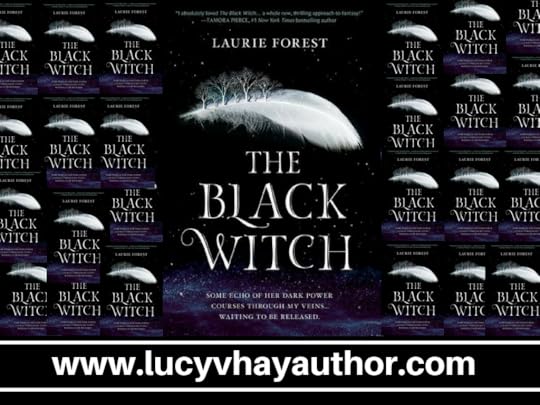
I do not read fantasy books as a general rule, but as both an author and reviewer on Goodreads, I was already aware of the controversy surrounding The Black Witch by Laurie Forest. For the uninitiated however, this is a YA fantasy title that’s supposed to be anti-prejudice and anti-racist, but has been blasted as such by a number of prominent Twitterati.
As someone who regularly writes about the actual writing of diverse characters and stories, this debate has obviously been of great interest to me, so I thought I would have a look at it here on my book blog.
Before We Begin
To be clear, I’ve not read The Black Witch myself. I did think about it, but it’s 600 pages long and that represents too much time I could be reading a book in a genre I actually do enjoy reading.
It should also be noted this article is neither an endorsement of these Twitteratis’ feelings on the book, nor a defence of The Black Witch (which remember I have not read).
This article is instead a collection of observations and reflections I’ve made as a result of seeing the furore play out on my TLs in the past couple of days.
The Hows & Whys
However, not having read The Black Witch either has apparently has not stopped a large number of people decrying the book as ‘the most offensive, dangerous book (she) has ever read’ based on one person’s review of an ARC. Allegedly prompted by this review, there have apparently been a large number of one star reviews on both Goodreads and Amazon in protest.
In addition, there has been a veritable tweetstorm about the harm The Black Witch has allegedly caused to marginalised people, especially the BAME community. Amongst a number of other responses, this has lead to talk of ‘censorship’ from many writers and some readers for what they see as an attempt to wreck Forest’s burgeoning career and get the book pulled.
This has been contrasted with the book’s critics who claim the real problem is ‘shitty writing’ in that The Black Witch ‘reinforces racist norms and structures’, rather than breaks them down.
Intentions, intentions
If this kind of controversy surrounding books, movie and TV shows seems familiar to many, it’s because it is. There have been multiple condemnations and draggings of creatives and their work online, not just on Twitter but across the whole of social media (though it is particularly prevalent on Twitter).
Joss Whedon, JoJo Moyes and EL James are just a few who have had their work under the Twitter microscope and been found to be wanting. Their work has been accused of misogyny, ableism, even contributing to rape culture. They may also be told they are literally aiding and abetting the killing of marginalised people worldwide.
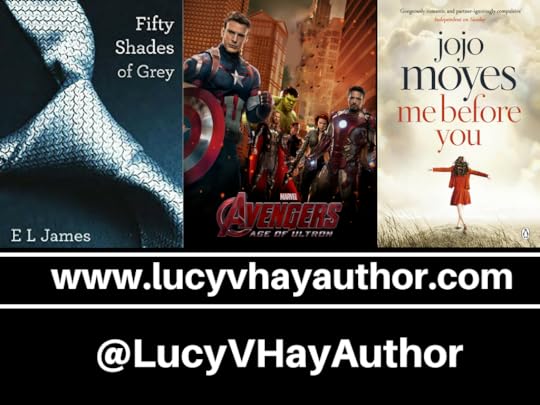
However justified someone feels about their feelings on how terrible a book, movie or TV show is, I always find it interesting how a writer’s intention is never considered *any* kind of defence. A writer will have spent thousands of hours on that project, but apparently what they wanted it to be does not count. As Roland Barthes said, it would appear in the age of the internet, the author really is dead.
So critics will claim it’s how a message or theme of a work is broken down and perceived by people other than the author. To support their interpretation of said message or theme, they will cite the fact they’re an author or screenwriter themselves; a librarian; a PHD in literature; or that they have read and reviewed thousands of books or movies and so on.
By these claims, it’s implied they ‘out rank’ the author of the piece … But do they? Perhaps they do individually; it is literally their response. There is no reason anyone should have to like a creative work or think it’s good!
But do they out rank the author en masse automatically, especially when that critic’s followers have not read the book? That is more troublesome to pin down. It is also where most actual writers seem to be falling in this discussion: they appear to think it is unfair to drag and condemn work when it is based on hearsay, as individual responses to that work will differ.
Diversity and Inclusion
It’s clear from this debate and others like it, that writers get defensive when they’re pulled up on not being a ‘good ally’. This is not unsurprising. It’s hard when you try your best for hundreds of hours and someone says it is not good enough. Also, from my own work with hundreds of writers over the years, I would venture that most writers are left-leaning and so want to bring more empathy and understanding to the world through their work.
BUT writers are subject to the same harmful and stereotypical messages, myths and norms as everyone else in society. Sometimes they DO bring forth harmful, stigmatising and downright cheesy tropes in their work; I spend a lot of my time as a script editor challenging them, which can be wearing … So it must be even more so for those who have to live with such crap daily!
And that’s where many of the critics appear to be sitting on this debate. Some have brought forth the notion of ‘the default reader’ to the discussion, saying The Black Witch is primarily for white readers; that it might be all well and good trying to teach white kids not to be racist, but those black characters on the page get dehumanised, which doesn’t help black kids in the real world.
In other words, it’s the ‘same old, same old’ for them and this particular book does little to advance both diversity and inclusion.
Concluding
It seems to me there are two difficult debates coming from two different place at the heart of this current discussion:
1) Writers are becoming afraid of getting mobbed on social media for ‘getting it wrong’, especially when ‘getting it wrong’ may vary wildly when it comes to characters, storylines, messages and/or themes. They may be tempted to ‘play it safe’ as a result, which seems an own goal when diversity is so key to great storytelling, especially in 2017.
2) Critics online of said writers are tired of a lack of diversity, inclusion and adherence to the ‘default reader’ (who is not marginalised). As a result, they may be tempted to drag works and writers that ‘get it wrong’.
The irony here is obvious. We all seem to want the same things. Whilst there is no easy answer – and works that ‘get it wrong’ are really annoying at best – it would appear dragging writers is counterintuitive.
As I’ve said before on my other site Bang2write, I wonder if the ‘answer’ is flooding the market with as many diverse characters and stories as possible? Whilst some will undoubtedly be terrible, there will be some good ones — and hopefully it will all balance out eventually!
What do you think?
August 10, 2017
CRIMINALLY GOOD: interview with author Ausma Zenahat Khan
 1) So, who are you and what have you written?
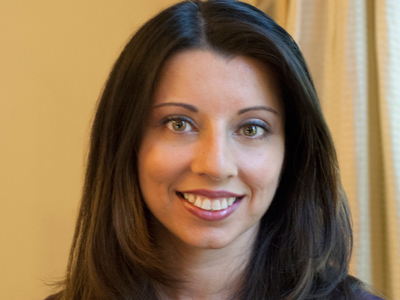
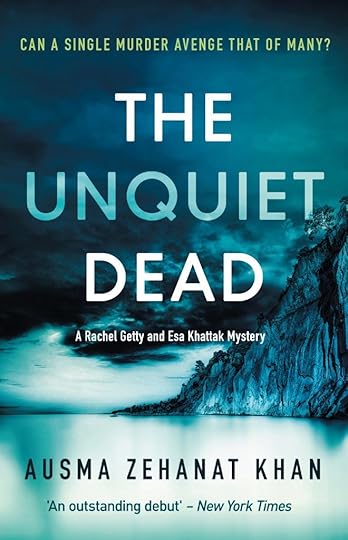
I’m a Canadian writer who lives and works in the United States. I was born in England and have been reading British detective fiction since I was a kid – beginning with Enid Blyton’s Famous Five and Secret Seven. This must have informed my passion for writing mysteries of my own. I write the Esa Khattak/Rachel Getty detective series which is set in Toronto, Canada and which features a Canadian Muslim detective and his partner, who’s looking to make her mark in law enforcement. My books include The Unquiet Dead, The Language of Secrets and Among the Ruins. The fourth book in the series is forthcoming and is called A Dangerous Crossing. I’m also working on a fantasy series. The Bloodprint is my fantasy debut with Harper Voyager and comes out in October 2017.
2) Why do you write crime fiction?
One, I have a lifelong love of crime fiction – particularly anything that involves Scotland Yard. Two, I like the challenge of constructing the plot, but more than that I’m fascinated by the reasons we have for doing the things we do. Mysteries are essentially puzzles, and to me, there is no greater puzzle than the human heart.
 3) What informs your crime writing?
I have a background in international human rights law, so I try to write about issues that I see in the world around me—the Bosnian genocide, terrorism, the plight of political prisoners, the refugee crisis. Usually, I begin with a case that closely parallels something I’ve seen in real life, and then I extrapolate to broader themes. I’m interested in shedding light on subjects that don’t often see the light of day, and in providing a counter-narrative to stories we think we already know. Ultimately, my books are about the quest for justice: I explore the notion of what might constitute real justice in each book
4) What is your usual writing routine?
I wake up early and spend the first few hours of the morning dealing with the business side of writing: answering email, updating my social media, responding to all kinds of requests. Then from 10 am to 5 pm, I spend the rest of the day writing and revising the previous day’s writing. When I’m done a draft, I’ll let it sit for a week or so before I return to look at it with fresh eyes. And all my books entail extensive periods of research.
5) Which crime book do you wish you’d written and why?
Reginald Hill’s Dialogues of the Dead. It is incredibly rich in characterization and atmosphere, and its plot construction is simply brilliant. I’ve always loved Fat Andy and his dynamic with Pascoe, Wield, Novello and Hat—these are some of my favourite characters in fiction. Dialogues of the Dead is Reginald Hill’s masterpiece. And then for a crime novel that reads as pure literary fiction, I love Peter May’s The Blackhouse. The Blackhouse is astonishing—it’s set in the Hebrides, it’s essentially about family and betrayal, and it broke my heart with its beauty. The entire trilogy—The Blackhouse, The Lewis Man, The Chessmen—is magnificent. Writing of that calibre is something to aspire to in my own work.
August 8, 2017
CRIMINALLY GOOD: interview with author Mike Thomas
 1) So, who are you & what have you written?
In short: a fortysomething, six feet six, seventeen stone ex-cop turned author and writer-for-hire. I live with my family in the recently-burned-down middle of Portugal, having moved here four of years ago. I was a police officer in South Wales for more than two decades, working the Valleys and the capital city, Cardiff.
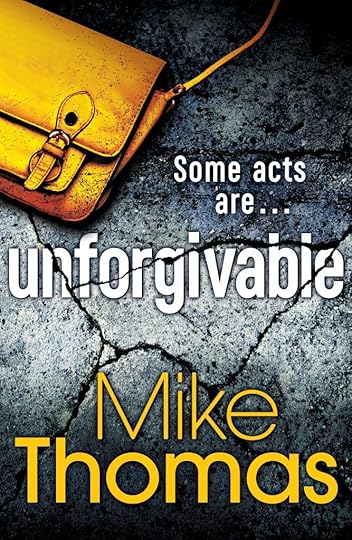
My first two novels – Pocket Notebook and Ugly Bus – were published by William Heinemann and longlisted for various awards, and I was a Waterstones New Voice in 2010. I’m now with Bonnier Zaffre, who are releasing the MacReady crime novels. The first, Ash and Bones, was published last year while the follow-up, Unforgivable, was out last week. If you do the Twitter and fancy abusing an ex-plod in real time but without the risk of being struck with a baton in reply, I’m @ItDaFiveOh. Come say hello.
2) Why do you write crime fiction?
I always wanted to write crime fiction. My protagonist, DC Will MacReady, has already featured in three novels written between 2004 and 2007, and which will never see the light of day as they are unimaginably awful. But they were my very steep learning curve; I’ve always written and thought – misguidedly – that as I was also a cop then writing a crime novel would be an absolute doddle. So I put MacReady away and got side-tracked doing a couple of ‘literary’ novels and it was after those that I thought I had the tools to bring him out, dust him down and do a proper job. So far nobody has stopped me. Maybe they’re scared due to my size.
 3) What informs your crime writing?
Human beings are endlessly fascinating. I’m a real people watcher, and while in the police I used to spend a lot of time trying to work out why we treat each other the way we do because sometimes we really are cruel to one another. In the end I just realised as a species we are brilliant but not a little bit stupid. I dealt with a lot of awful things in the job, too, so writing is a little bit cathartic. My first novel just poured out of me in a rage – I hated being a cop by that point, it had turned me into a person I didn’t really like very much. And you never achieve anything, or make the world a better place or any of that guff. It’s just a conveyor belt of misery. So the bile just ended up on the page and immediately upon typing ‘The End’ I felt calmer than I had done in years. And then slept for twelve hours, yay!
4) What’s your usual writing routine?
I spent so long as a copper being told where to go, at what time, and what to do when I got there that I have a loathing of routine that you couldn’t possibly imagine. I have done my time keeping time. This, of course, gives me carte blanche to lie in bed until very, very late each day, eat terribly unhealthy foodstuffs, sit at my desk while ‘thinking’ and occasionally typing a few hundred words before pacing the house wishing I still smoked and it was time to open the vino tinto. I’m joking, of course. I’m self-employed so routine is everything or my family doesn’t eat. I’m up, do the school run nonsense, spend the morning doing my other ‘writing job’ where I produce articles for websites, then after lunch its four or five straight hours on the new novel. Those four or five hours can often bleed into the evening or early hours of the morning if it’s going well. Then: wash, rinse, repeat each day. Even weekends. Gotta pay them bills, yo.
5) Which crime book do you wish YOU’D written, and why?
Ooo, tough question. There are so many tremendous crime novels out there. If I have to choose just one it is probably A Simple Plan by Scott Smith. It’s more of a psychological thriller but it’s so lean and mean and the plot is outstanding, hold-your-breath stuff. What would happen if you and your brother and your brother’s friend found 4.4 million dollars in used $100 bills in the wreckage of a crashed plane? We find out, and it’s a painful and brilliant and compulsive tale of hope turning to greed and then murder. I burned through it on a holiday back in the day and immediately started reading it all over again. Sam Raimi’s film adaptation is almost as good – Billy Bob Thornton and the late – sob! – great Bill Paxton play the brothers whose lives turn hellish after finding the moolah. Money is the root of all evil, see? That’s why I don’t have any.
August 4, 2017
My Life In Books – The Stories That Inspired Me
Many thanks to the awesome Anne Cater for asking me to it down and think about the books that inspired me and left a lasting impression in my life! I was really surprised to discover what came to mind first … have you read any of these? What would YOUR life in books look like?
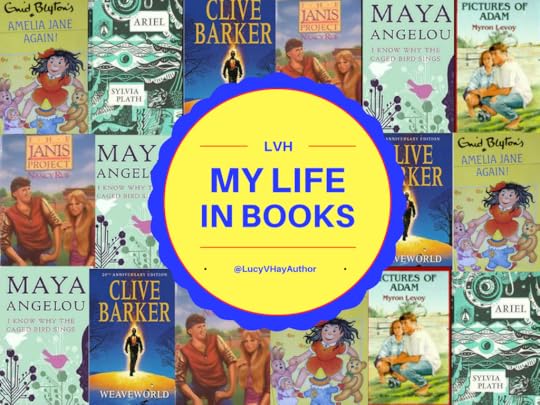
1) Amelia Jane Again by Enid Blyton
One of the first books I remember reading was Amelia Jane Again by Enid Blyton. Presumably this means I read the first one in this series too, though this sequel sticks out for some reason. It was a yellow hardback book, with the cartoon of a ragdoll kicking down some green blocks (she had stripey red and white stockings!). It’s weird how detailed it is in my mind.
I loved these tales of bad ragdoll Amelia Jane, who’s so naughty and always getting into trouble all the time. I’m sure this started my lifelong obsession with ‘bad girls’ in general! I also became a die-hard Enid Blyton fan, I think I reads her entire back catalogue.
2) Pictures of Adam by Myron Levoy
So, I read lots of books in-between, but the next one that leaves a strong impression is Pictures of Adam by Myron Levoy. I was about ten and had lots of romantic thoughts about boys but I didn’t really know any, apart from my brother and next door neighbor (I went to a girls-only school).
I read Pictures of Adam and he seemed so dreamy and understanding, the perfect boyfriend really (even if he did think he came to earth in a space capsule! We all have flaws!). To be honest I thought Lisa was a bit mean to Adam in the book, I felt sure I would be a MUCH better girlfriend.
3) The Janice Project by Nancy Rue
The next book that sticks out is The Janice Project by Nancy Rue. I could relate to Janice because she is an outsider, plus my Mum’s name is Janis, so when I saw this for 10p at a jumble sale I had to buy it. Another romance, I was so in love with being in love – but I was at secondary school by now, with actual icky boys … I couldn’t ever believe these beasts were the same!!! I much preferred my book boyfriends, even if poor Eddy nearly dies in this one. YIKES SPOILERS! (C’mon, someone always ‘nearly dies’ in YA romance!!).
4) Weaveworld by Clive Barker
Then came Weaveworld by Clive Barker. This one haunted me for a long time before I actually read it! It was on the bookshelf for ages but had a scary cover of a shadowy man on fire, so my whole childhood I’d rushed past on the way to the bathroom just in case he jumped out and set me on fire. Even though we moved several times, this book followed … so by the time I was about 14 I decided to face my fear and read the damn book!
I’m not much of a fantasy fan – I’m still not – but this book is AWESOME! It’s freaky and weird, but also has a great human element to it. Susanna is one of the protagonists and she has magical power called menstruum – you don’t need to be a genius to figure out the reference there. I love how Barker makes being female POWERFUL, he does this in other books too like Imajica and as a girl growing up I thought his heroines were the coolest.
5) Ariel by Sylvia Plath
Ariel by Sylvia Plath is another book that left ripples through my life – though this is of course a poetry collection. Lady Lazarus is my absolute favourite, especially the line ‘I eat men like air’. I used to draw pictures around this quote and started getting interested in folklore about female beasts who killed or ate men, like Sirens and Succubuses.
Because of this collection, I read The Bell Jar, but got frustrated and angry and upset. I wanted to reach into the pages and talk Plath out of it, but of course she had died long before I was born. I re-read The Bell Jar recently and my reaction is not as extreme; I am more mature now and understand the pain of suicidal thoughts a lot more.
6) I Know Why The Caged Bird Sings by Maya Angelou
The next book that made a big impression on me is I Know Why The Caged Bird Sings by Maya Angelou. It was assigned as part of my A Level English Literature course, so I must have been about 17. As a very pale Devonian girl, I’d never heard of Maya Angelou and knew zilch about American or Black history. But I opened it up when I fetched it from the library and I just couldn’t stop reading! It’s amazing. I was so impressed with the detail and how Angelou relates various events in her life to the lessons she learned because of them; most of all however I was struck by her humility and grace, never shying to talk about the mistakes she had made too.
I went and checked out the rest in the series … I read all seven in a very short time! Maya Angelou became a source of inspiration to me, especially since I was a young teen Mum too who wanted to be a writer. Obviously our life paths were very different, but we both had to face adversity. Every time I thought, ‘I’m never going to make it’, I thought about Maya Angelou and how she had persevered, so I would too.
I still think of her and her awesome spirit. I like to think she’s still around somehow in the wind or trees or some other natural phenomenon – there’s no way a powerful spirit like hers can just disappear into the ether.
August 1, 2017
Top 5 Twisted Sister Stories To Creep You Out
This post originally appeared at Book Review Café. Read the original post, HERE.
I read a LOT of books involving sisters for my research for my crime debut, The Other Twin and to get into ‘the zone’! They seem to be everywhere at the moment … This is one trend that shows no sign of slowing down!
So, to celebrate The Other Twin being recently released, I thought I would reflect on five of my favourite recent ‘Sister’ stories – how many of these have you read, too? Don’t worry if you haven’t read them yet though, there’s NO SPOILERS:
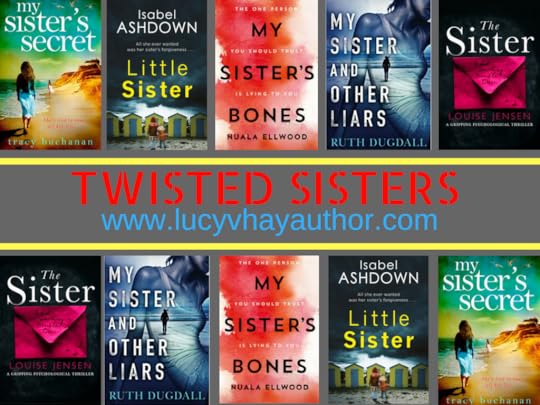
1) My Sister’s Bones by Nualla Ellwood
I wasn’t sure what to expect with this one … and it plays with your assumptions throughout! It’s a clever tale, with thought-provoking commentary, but it’s still easy to digest. I devoured it very quickly, mainly thanks to the three-dimensional characters and the situation they find themselves in. Protagonist Kate is a war reporter, so the scenes in Syria are hard-going, yet it’s the ones in her backwards little hometown that are the creepiest!
2) My Sister’s Secret by Tracy Buchanan
I have three sisters myself and they can be secretive beasts, so reading this was a no-brainer for me! I enjoyed this tale of intrigue, set in a seaside town and focusing on a family bereavement. The diving sequences in the submerged forests were especially creepy and claustrophobic, plus the characters of the three sisters in this story were appealing. Recommended.
3) Little Sister by Isabel Ashdown
This book is set on the Isle of Wight, a place I know particularly well, so the storyworld really added something for me. But even if I hadn’t known the island, the author really ratchets up the tension here in this child abduction thriller: it’s a twisty tale with a relentless, fast pace. There have been LOTS of missing child thrillers in recent years, but this one really stands out for me because it’s always one step ahead – I am pretty good at figuring out twists, but this one really GOT me!
4) The Sister by Louise Jensen
This one is *slightly* different to the rest on this list in that it doesn’t involve the protagonist’s own sister, but her deceased best friend’s! I really liked the intrigue here – when Grace finds a note, written a long time before best friend Charlie’s death, it reads: “I did something terrible Grace. I hope you can forgive me …” I was BESIDE MYSELF with wanting to know what this *terrible something* was! Great job.
5) My Sister And Other Liars by Ruth Dugdall
My personal favourite on this list, this is a devastatingly authentic read. Dugdall never shies away from grabbing the dark and taboo with both hands and she excels here, confronting issues of self-harm, anorexia and domestic abuse. Told via the POV of Sam, a girl intent on starving herself to death, she must confront her memories and work out who could have attacked her big sister Jena – and why. As you might expect from this author, the ‘showdown’ is quite something in that it may take you somewhere VERY uncomfortable!
BONUS!
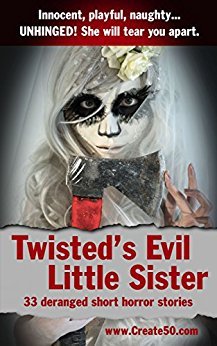 6) Twisted’s Evil Little Sister, Volume 1
Twisted50 is a crowd-sourced collection of fifty horror stories – I took part last year and was thrilled when my story, The Retribution of Elsie Buckle was picked for the anthology. However, there were SO MANY great entries that the people at Create50 – the initiative behind Twisted50 – created another anthology, Twisted’s Evil Little Sister, Vol 1 AS WELL! So obviously no round up of ‘sister’ books would be complete without this evil tome … There are some real sick minds behind this volume, it creeped me out to the max: you have been warned!
July 27, 2017
CRIMINALLY GOOD: interview with author Michelle Pretorius

1) So, who are you & what have you written?
My name is Michelle Pretorius and The Monster’s Daughter, which won a FAW literature award, is my debut novel. The paperback of the novel will be released in July by Melville House and it is also available as an audiobook on Audible.
I was born and raised in apartheid-era South Africa but left after completing my honors degree in theater. I lived in the UK for a few years, before eventually settling in the United States where I tried my hand at a number of things before taking my first writing class. I realized that this was what I’ve always wanted to do and I completed a Master of Fine Arts program in fiction writing. I am currently a PhD candidate in Creative Writing. You can find more information on me and my work at www.michellepretorius.com which also has links to all my social media accounts.
I recently received a fellowship and will use it to spend the next year writing my second novel, Where the Devil Turns. I currently live in Columbus, Ohio, with my two cats, Butch and Mayhem.
2) Why do you write crime fiction?
Crime fiction has interested me since I was a child reading Sherlock Holmes and Nancy Drew novels long past my bedtime. I’ve always been fascinated by the intricacies of plot, and how the pieces fit together and I love figuring that out in my own work. I like how the genre has changed to reflect social realities over the years and how it has been used, not only for social commentary, but also to introduce its audience to new ideas and forgotten truths.
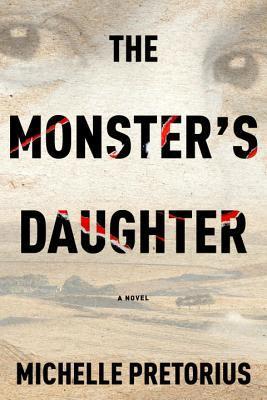 Crime fiction is malleable and has been blurring the genre and literature lines for a long time. That aspect is something I play with a lot in my writing, and The Monster’s Daughter, while being mainly a work of crime fiction, also incorporates historical and speculative fiction aspects to tell the story.
Lately I’ve also taken an academic interest in crime fiction, especially the increase in the production and consumption of crime fiction in oppressed communities and postcolonial societies. Crime disrupts the world order, but justice is always found within the covers of a crime novel, which has a cathartic effect when we don’t always see justice in the world around us.
3) What informs your crime writing?
I tend to start with a social issue that I feel strongly about and then I build my story around that. More than anything, I think, my work has been driven by research. The Monster’s Daughter started with research into the Boer War which spiraled out of control once I realized how that history couldn’t be isolated, but rippled through to modern-day South African society. Place is also a big factor and research, plot, and characters only started coming together for me once I visited friends on their isolated farm in the Western Cape. Interestingly, it was the relative absence of major crime in this area, as compared to the rest of the country, that sparked the nascent stages of the novel.
4) What’s your usual writing routine?
It varies, depending on the classes I take and when I teach, but I found that afternoons work best for me. I like to get chores and appointments out of the way so that I only have to focus on the page in front of me for as long as possible. I set a minimum word count of 1000 words a day. It keeps the momentum of the work going on off days even if I scrap some of it later. I’m not very sentimental about my writing and rarely try to hold on to something when I realize it’s not serving the story.
5) Which crime book do you wish YOU’D written, and why?
Mystic River by Dennis Lehane, most definitely. It is crime fiction, but also a great work of literature. The three main characters and their relationship tensions are beautifully depicted and everything is pulled together by a tight plot revolving around the murder of one of the main characters’ daughter, while also connecting their shared history to a traumatic event. It is a comment about place and society, and how victims of sexual offenders carry that event through their lives. Powerful stuff. I’m also a huge fan of Tana French and, of course, Patricia Highsmith.

I have a hardback copy of The Monster’s Daughter to give away to one lucky reader! Simply CLICK HERE and comment for your chance to win. Giveaway ends Sunday, July 30th, 5pm (GMT). International entries welcome. Good luck!
July 25, 2017
Top 5 Perfect Pens

Weird Writing Habits
The quirks of writers are no stranger to the cannons of lore that constitute calling down the muse in the creative quest to get words on the page. Or more simply, when it’s time to turn up at your desk and get some shit done!
From Hemingway, who wrote standing up to Truman Capote who dubbed himself a completely “horizontal author,” claiming he couldn’t think or write unless he was lying down and also had to avoid the number 13 at all costs.
Then there was Victor Hugo who preferred to write in the nude, penning Les Miserables and The Hunchback of Notre Dame in his birthday suit. And let’s not forget Friedrich Schiller who required the smell of rotting apples coming from his desk in order to write. The list goes on and is extremely fascinating.
For more such ruminations on the strange habits of writers, check out Odd Type Writers: From Joyce and Dickens to Wharton and Welty, the Obsessive Habits and Quirky Techniques of Great Authors by Celia Blue Johnson.
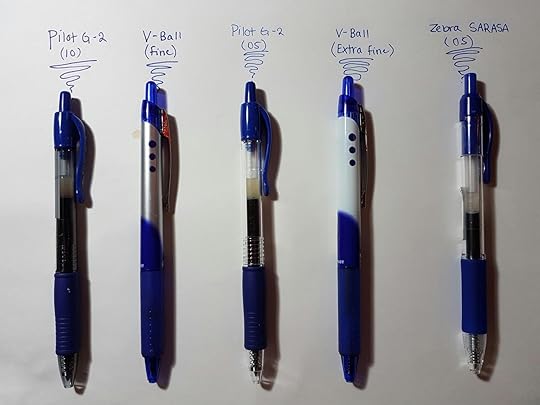
In pursuit of the perfect pen
My own writerly weirdness is confined to the grip and scroll of the absolutely perfect pen. Never mind that I do indeed do most of my writing with my laptop perched on my lap, often with a furry creature nearby attempting to wrap herself around some part of my body.
But when I do get stuck, as most certainly happens, I am apt to pull out my yellow legal pad, or maybe my large black, bound artists’ sketchbook I use as a journal, and write longhand in order to break the grip of writer’s block. It is then that the perfect pen really has to be within reach.
To that end, so that any other writers with similar quirks might succeed in finding their pen-mate for life, here are a few pens to consider in your search, ending with my personal favourite. Enjoy!
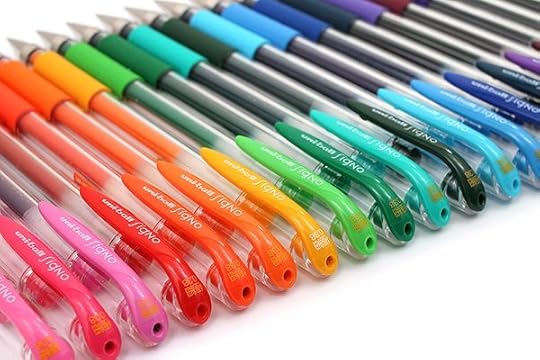
Top 5 Perfect Pens
Pilot Precision Grip (US) aka Pilot V7 (UK) This pen feels nice and weighty in your hand, with a solid rubbery grip between your forefingers, though the line is a little too thin for my taste. However, it’s smoked titanium casing will make you look like a writer who is kicking ass and taking names in Starbucks.
Uniball Vision Micro (US) aka UB 150 Eye Micro (UK): This is a thinner pen to hold but has a slightly thicker line, which I prefer. In the US, it comes in an alluring hue of brushed charcoal, effortlessly making its user look like a “serious” writer.
Uniball Vision Elite (US) aka Vision Elite UB200 (UK): This pen has a heavier line than the previous two — it’s starting to speak my language. A cloud white casing fades into heavenly silver, finished off by a transparent casing at the finger grip. Refillable. Sexy.
Pilot G-2 Retractable: This is the jazzy sports car, the black sheep of the bunch, outshining the others with its utilitarian exterior masking a formidable line of just the right rollerball thickness. A close runner up to my all time favorite…
Uniball Impact 207 (US) aka UM-153S Gel Impact (UK): This bold driven line delivers for me every time. I am transported with each stroke and line as it slides across the page. OK, I’m laying it on a little thick. But really, this is my favorite pen I’ve been using for years. Plus, it’s refillable, so I literally wear out the casings until they are completely spent. But they last a very long time.
 Happy writing!
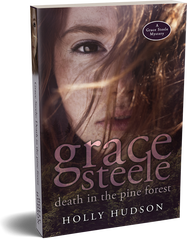
BIO: Holly Hudson is an author, screenwriter, and filmmaker who lives in Ohio and London. Her books Grace Steele: Death in the Pine Forest, Tess Bloom, and The Badass Single Mom’s Survival Guide are available on Amazon.
Lucy V. Hay's Blog

- Lucy V. Hay's profile
- 174 followers

