L.Z. Marie's Blog, page 18
June 24, 2013
Tree of Life
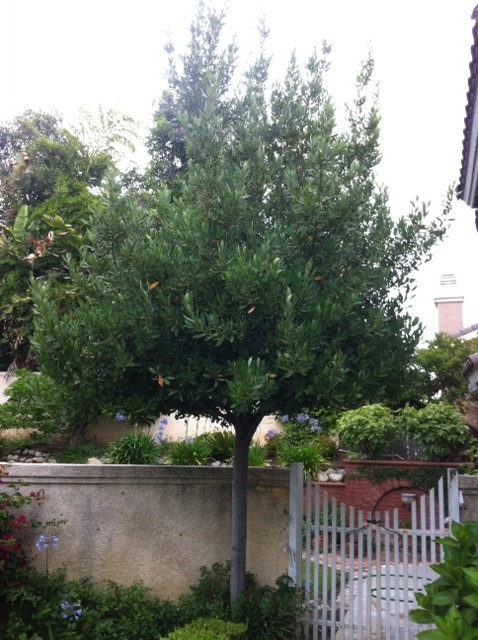 Will the real Tree of Life please wave your branches! Did you know that almost every culture has its own Tree of Life.
Trees are symbolic. They provide food for eating and wood for making life’s necessities ( shelter, weapons, bowls etc) So it’s no wonder trees have deep roots in humankind’s collective conscience.
Below is a brief look into some of our most symbolic trees.
Acacia: Its sacred wood was used to build the Ark of the Covenant. A few of its parts are used for incense.
Almond: A Tree of Heaven in Persia, this tree represents divine grace and esoteric truth.
Banyan: This tree houses demons and naughty spirits in the Philippines, but graces Indonesia ‘s coat of arms. To Hindus, its wide canopy is symbolic of eternity, whereas the equally wide-spreading roots are linked to the spirit world.
Baobob: In many African cultures this is the Tree of Life because of its height, resilience, and long life.
Cherry: This tree is emblematic of the transitory nature of youth. Bossoming today and 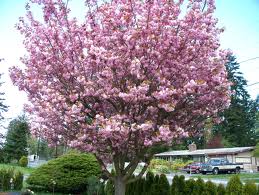 gone tomorrow.
Cyprus: In western cultures, it’s symbolic of death and grief, and also associated with the gods of the underworld. In the east it is a phallic symbol, representative of virility and immortality.
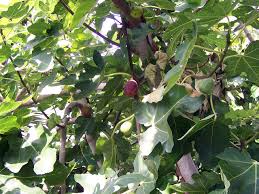 Fig: Lots of symbolism for this tree! As a bearer of fruit, it’s symbolic of abundance and prosperity. It is linked to moral instruction in Buddhism. The fig leaf covers up all the manly parts in many a chaste painting and sculpture. In Egypt or thereabouts, the tree was deemed the Tree of Life.
Holly: Symbolic of hope and and joy, the tree is linked to Holle, a german goddess. The red berries are representative of the blood required to bestow everlasting life.
Ginkgo: Used by the Chinese for medicinal purposes, this tree is symbolic of love and hope.
Linden: Emblematic of happiness, beauty, and friendship, Europeans saw this supposed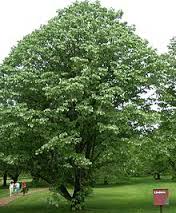 lightning proof tree as a symbolic guardian.
Laurel: Victory and peace. The first crowns were made of laurel.
Mulberry: This tree wards off evil according to the Chinese, and because silkworms consume its leaves, the tree is associated with wealth and sensuality.
Oak: Symbolic of manliness and bravery, this tree is revered by the Celts and used for divining purposes.
Olive: Representative of glory, immortality, and peace, this tree is sacred in Judeo-Christian religions. Remember, It was an olive branch in the beak of a dove ( a symbolic bird–but that’s the next blog) that signified the end of Noah’ s cruise.
Palm: Associated with fertility and victory, this tree was also dubbed the Tree of Life in Arab and Egyptian lands.
Peach: Believe to be a demon repellent, this tree is also is one of the 3 Blessed Fruits in Buddhism.
Pine: Evergreens are associated with immortality, and this tree is no exception. Add virility and strength of character, and you have a tree favored by Bacchus ( Roman party god).
Plum: It’s representative of happiness and good fortune by the Japanese, but a symbol of virginity and beauty for the Chinese.
Tamarisk: The Tree of Life in the Middle East, this has a sweet resin that some believe is the “manna” from the bible. It is symbolic of divine grace in the Jewish religion.
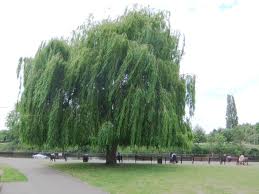 Willow: In western cultures, the weeping willow is associated with mourning and the devil. Eastern cultures associate the tree with feminine grace and spring.
Yew: Immortality and magic! Celts crafted their wands and bows from its wood.
Note: I teach literary analysis ( must pay the bills) and remind my students to look closely at the symbolism in a novel. Why did the author include that fruit? Or name the character Neil? Why is the protagonist sitting under a pear tree? Why is her dress blue? Before jumping to any symbolic conclusions however, we look at the symbol in context of setting, history, and culture.
For more information on literary analysis click On Writing/For Teachers/ to see Elements of a novel. The Art of Fiction, and How to Read Like a Literature Professor.
Or click Blog Archive/Sassy Scholar
Related Links: Bugs; Fruit of the Gods;


June 21, 2013
Fruit of the Gods
 Sweet. Delicious. Symbolic? You know it. Whether you’re enjoying a “fun” novel or slogging through a classic, it sure helps to know the symbolism behind the produce!
Fruit is laden with sin, sexuality and sensuality. Just look at that fruit salad! Damn! Put it away before the kids see it! Don’t believe me? Here’s a fruit primer.
Apple: A symbol of love, fertility, and youth. Purported to be the forbidden fruit of the Tree 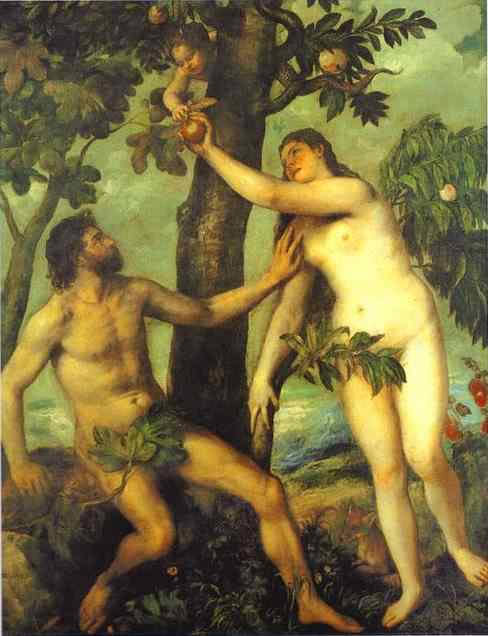 of Knowledge ( no proof though), it is the quintessence of temptation. In China, this fruit symbolizes peace.
Date: The Arab Tree of Life, it is associated with endurance ( life is harsh in the desert). In ancient Egypt it symbolises fertility.The date is linked to male fertility.
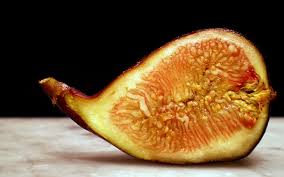 Fig: Yowza! A symbol of fertility: The leaf suggesting the male: the fruit, the female. See pic! Also, it is the fruit of the Tree of Life. Hebrew traditions believe the fig represents peace and abundance, and Buddha found enlightenment under a fig tree.
Gourd: A multi-purpose hard-surfaced fruit. Used as a ceremonial mask, beverage container, music maker, and manly parts cover, it is linked to fertility. In some cultures, it has healing properties and supernatural powers.
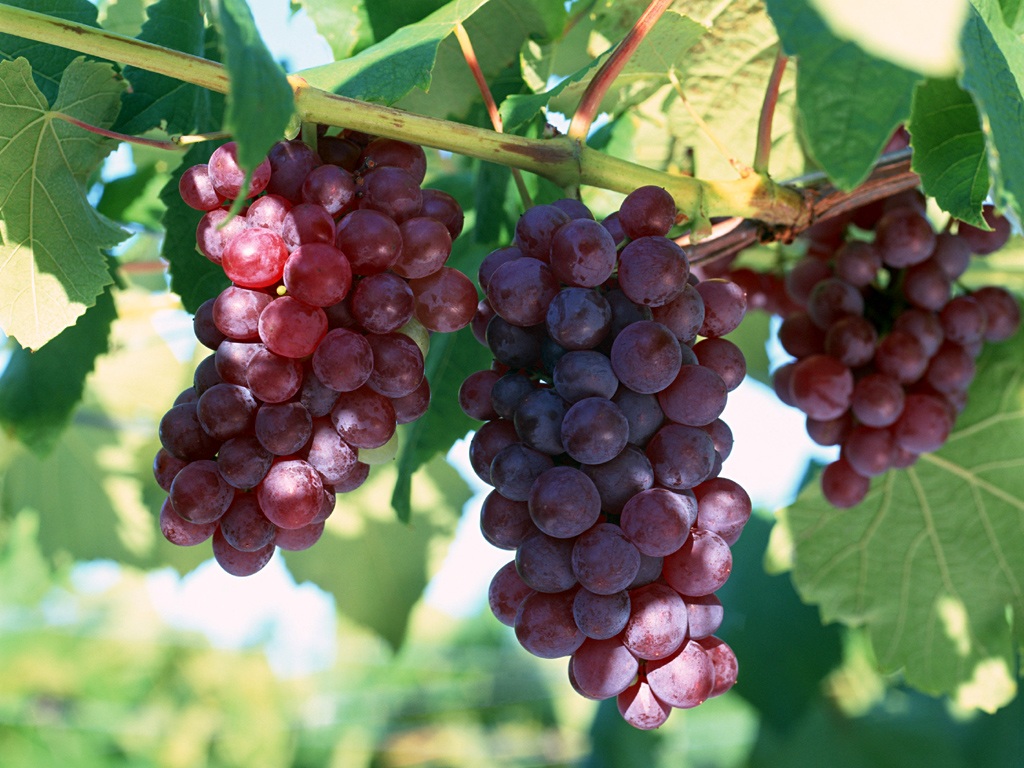
Grape: The fruit of the vine is the favorite of Bacchus ( Roman god) known for fornication,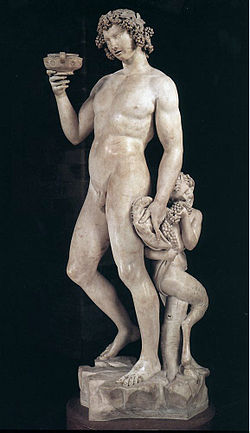 parties, drunkenness, and all around fun times! It has quite the opposite meaning for Christians, where wine symbolizes the blood of Christ and Jesus’s first miracle. Grapes are usually associated with agriculture and the fall harvest.
Lemon: Symbolic of bitterness and disappointment. Christians linked the fruit to fidelity. Because it was imported to some countries–and expensive–it became a symbol of wealth.
Mango: Food of the Gods! It is symbolic of love and fertility for Hindus, and is seen as a symbol of attainment when being held by Lord Ganesha.
Melon: Linked to gluttony, luxury, wealth, and creativity. Their sweet flavor and moisture are associated with sensuality.
Orange: A symbol of virginity and fertility. During the Chinese New Year, it is eaten on the 2nd day for good fortune.
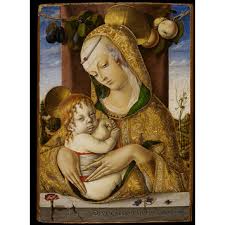 Peach: Symbolic of virginity, this fuzzy fruit was sacred to Hymen, the Roman God of marriage ceremonies ( don’t laugh) Classical art often depicts the peach with the Virgin Mary and child, thus symbolizing salvation.
Pear: The swollen shape of the fruit is suggestive of sensuality. (Remember that when someone calls you pear-shaped). Ancient Greeks believed Athena was the mother of pear trees. In China, it is symbolic of a long life.
Persimmon: Another Fruit of the Gods. In China this fruit is used to regulate one’s ch’i (personal energy) and is symbolic of joy. To Japanese, it is a symbol of triumph.
Pineapple: Symbolizing hospitality in the US, the fruit also has opposing meanings in the West Indies of either restraint or welcome. Take your pick.
Pomegranate: Slice it open and you have lots of shiny, wet seeds, and –yup that can only mean one thing–the fruit is suggestive of the womb. Ancient Greeks believed the fruit had restorative properties.
Tomato: Dubbed the “love apple” in early European times, this fruit was deemed an aphrodisiac because of its numerous seeds. It was also the perfect Aztec side dish for a cannibalistic meat course.
Fruit tip of the day: Fruit contain seeds, thus equating it with fertility and the sensual, decadent, licentious, lusty acts that go with the act of fertilization.
Veggies just ain’t as sexy as fruit!
Look for more symbolism on Monday!
Note: I teach literary analysis ( must pay the bills) and remind my students to look closely at the symbolism in a novel. Why did the author include that fruit? Or name the character Neil? Why is the protagonist sitting under a pear tree? Why is her dress blue? Before jumping to any symbolic conclusions however, we look at the symbol in context of setting, history, and culture.
For more information on literary analysis click On Writing/For Teachers/ to see Elements of a novel. The Art of Fiction, and How to Read Like a Literature Professor.
Or click Blog Archive/Sassy Scholar
Related Links: Bugs; The Archangels; The Archangels 2; Angel Hierarchy; Angel Lore; Angel Lore 2; Angel Lore 3
June 19, 2013
Bugs, Insects, & Crawlies
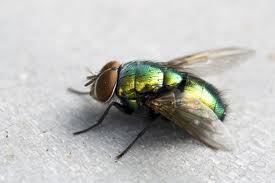 I don’t want them in my house, on the dog, or anywhere near me. Flying, crawling or hopping, I was never much of an amateur Entomologist. However, as one who teaches literary analysis to pay the rent, I do have my students look into the symbolism of any creepy crawly found in any literary or expository text.
Bugs are symbolic! Yup, that’s right! But you already knew that, right? I mean you don’t call someone a worm without reason! You referr to the person as a worm because a worm symbolizes a low creature who slithers through the dirt and feasts on decaying flesh.
Here are a few of my favorite bugs and just a wee bit of what they symbolize. For blog’s sake, I did not include a deeper understanding of the symbolism and myths surrounding these insects. I’m just providing a small symbolic glimpse!
Ant:
Like ant behavior, the ant symbolises hard work, diligence, and orderly ( almost military behavior, ie; ants “march.”)
Bee:
Order, diligence, immortality, cooperation, teamwork–yup a no brainer.
The little stinger, its honey, and beeswax are prevalent symbols found in Christianity.
Also associated with royalty (especially the queen bee) and gods
The hive represents a church or immortality.
Kama, a Hindu god of love is portrayed with honey bees–aka the sweetness of love
Pope Urban VIII (1623-1644) had 3 gold bees on his coat of arms.
Beetle:
Ancient Egyptians believed the scarab beetle was sacred because it represents
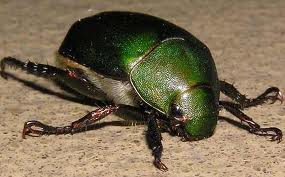 regeneration, immortality, and divine wisdom. The bug is also associated with the God of the Rising Sun.
Butterfly:
Yep–the insect of spectacular metamorphosis is connected to the soul–specifically to its transformation and resurrection.
It also is symbolic of happiness and beauty.
The winged creature is the symbol of the geisha in Japan, but 2 butterflies signify a joyful marriage.
Mmmm..ties in nicely to the symbolism of releasing butterflies at a wedding.

Dragonfly:
The flitting darting critter is connected to illusion and magic.
Western cultures believe it evil.
In China, its erratic flight pattern represents unpredictability.
In Japan, it is symbolic of joy, strength, and courage.
Fly:
A symbol of corruption and evil ( remember that when you swat it –”Take that Evil!”)
Bringer of plague and disease.
Lord of the Flies ( Beezlebub is the Hebrew word ) is another name for Satan.
Remember reading the novel Lord of the Flies…remember all the religious symbolism?
For Native Americans, Dontso, the Big Fly, is a messenger spirit who is associated with healing.
Grasshopper:
Ancient Greeks decided the grasshopper’s fecundity ( abundance) made it the perfect critter to symbolize fertility.
Greek nobles wore golden grasshopper hair ornaments.
In China, the green hopper is symbolic of good luck.
In Asia, the song of the grasshopper represents chanting Buddhist monks.
Ladybug:
Once linked to the Virgin Mary ( fertility and motherhood ), the black-spotted bug is a sign of good luck.
Locust:
Destruction, devastation, punishment– Old Testament wrath of God symbolism.
In medieval times, they symbolize the torment and ruin of the soul.
Praying Mantis:
Divine & magical OR diabolic & devouring…take your symbolic pick!
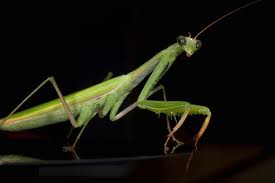
Mantis originates from the Greek “prophet.”
In Japan, Samurai use it to denote bravery and cunning.
Moth:
A creature of the night ( scary), the winged ugly’s being drawn to the light symbolizes the soul’s search for God.
Throw in some insanity symbolism and the belief that witches morphed into moths and you can understand how the Mothman myth got started.
Scorpion:
The astrological sign of Pluto ( Lord of the Underworld ), the lil’ stinger is associated with death and treachery.

Snail: **Slow but reliable,the slimy trailer represents the lunar cycle and the feminine. **Its shell is equated with infinity and the labyrinth.
Spider:
The eensy, teensy spider is the weaver of destiny.
But it also symbolizes a predator.
Symbolism varies from culture to culture.
For example, to see a spider hanging from a thread is a sign of good luck in China.
Termite:
Diligent and collaborative, the critter is symbolic of fertility and persistence.
Their mounds represent a door to the underworld in India.
Wasp:
Unlike the highly regarded bee, the wasp is considered evil.
Worm:
Earth, death, decay, mortality–fun stuff!
Hope you enjoyed learning a bit about the Symbolism of Bugs! Now, I have to shower…my skin is beginning to itch!
Related Posts: Below are just a few Sassy Scholar blogs ( click Blog Archive for more)
History behind common sayings #2 3/5/13
Stupid sayings #1 3/2/13
History behind common sayings #1
Vatican vocab #2 2/23/13
Vatican vocab #1 2/22/13
June 17, 2013
Attack of the Clutter
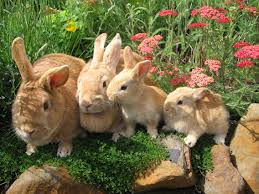 Stuff–knick knacks, doodads, duplicates, gadgets, equipment, gear, junk–multiplies like rabbits! Before you know it–BAM–you’ve got clutter!
One day you look around the casa and think, Yikes! Working and writing have left no time to manage the clutter that accumulates in our house. Unchecked, the clutter begins to nest in bookcases, crawl over tables, and breed in baskets!
Stuff-terminator to the rescue! Mom! Seems Mom has a low threshold for clutter these days! Mom’s got more important things to do than rearrange stuff! Plus, Mom’s brain can’t breathe with the accumulation!
The clutter straw that broke the mama camel’s back happened the other day.
I watched our neighbors move out of their house. It took them days and days and  truckloads and u-hauls…and a garage sale. People drove up to the house all morning long rifling through the piles and piles of STUFF in the driveway and garage. They had a lot of stuff. A 3-car garage with no room for a car–that’s how much stuff!
If you’ve ever moved you know how much stuff we accumulate over the years. And as you’re packing all that stuff, you might have wondered, do I really need this? Do I like this vase? How many potholders do I need? Why the hell do I have a dancing stuffed turtle? Why am I keeping this hideous pot? How did I end up with so many mismatched sets of sheets?
Sometimes it takes watching someone move out of their home to realize the time has come to de-clutter your own house! I vow to be ruthless!
The task will be daunting! There’s no way it can be done in a day! I go from room to room, peer into closets, open drawers, stare into the depths of the cupboards. Where did all this SHIT come from?
“What are you doing?” asks Hubby.
“I need to get rid of all the clutter. I don’t want to move all this shit!”
“Are we moving? Are YOU moving?” He looks a bit concerned.
“Did you see how much crap the neighbors have?” I point in the general direction.
“Oh, yeah. Makes you realize you much useless stuff you buy.” He blocks the door with his body. “My office is fine. Don’t come in here!”
I smile sweetly–he has to leave sometime–but I don’t remind him of this fact,
After a thorough assessment of the house, I decide to maybe…maybe tackle one room at a time. And one closet in particular may take days. One thing for certain, this task is best done in stealth mode. No teens begging me to keep a dust-covered stuffed animal in the back of their closet. No Hubby trying to second-guess my give-away/trash choices.
I vow to rid the house of anything
I deem ugly ( vases, decor, knickknacks)
haven’t used in years
unusable, unwearable, unfixable
no longer my style
Zen! I want my house to be a bastion of Zen! Wish me luck!
Related Posts:Spring Cleaning; :Closet Craziness; Spring Cleaning #2
June 14, 2013
Edith Hamilton
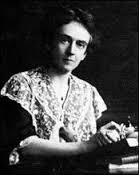 This week’s spotlight on Fab Female Friday is a scholar and one of the foremost woman Classicists. (That’s one who has studied the Greek/Roman Greats like Sophocles, Euripides, Aeschylus, Ovid, and Homer.) (And you think your thoughts are deep?!)
Her book, Mythology, is never far from my side. (Actually, I have more than 10 copies–the large print font being the preferred edition) I rifled through my well-worn, marked-up pages while writing the Merkabah Series, as well as referring to it for my current historical fiction project.
Edith Hamilton was born August 12, 1867 in Germany to a wealthy and educated family. She grew up in Fort Wayne, Indiana where Dad homeschooled his 3 daughters in Latin, Greek, French, and German.
As befit her status, Dad sent her to Miss Porter’s Finishing School, where the  headmistress believed young ladies should NOT go on to college. Not thwarted by inferior college preparation, Edith took a year to study before taking the rigorous Bryn Mawr entrance exams.
After earning her B.A and M.A. she attended the University of Leipzig. Here, she was told she could listen to the lectures but NOT participate in any discussions! University of Munich was not much better, and Edith never earned her doctoral degree.
In 1896, she returned to the states, securing a position as head mistress at Bryn Mawr’s school for Girls in Baltimore, notable because it was the first college prep school for girls in the US.
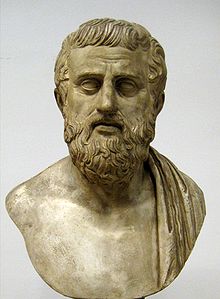 Edith was known for eloquence in speech and writing. Her persuasive and scholarly understanding demystified the Greek’s view of tragedy and fate for many.
The Greek Way was published in 1930 when she was 62 yrs. old.
Mythology, the quintessential guide to ancient classic lore ( a favorite of colleges and high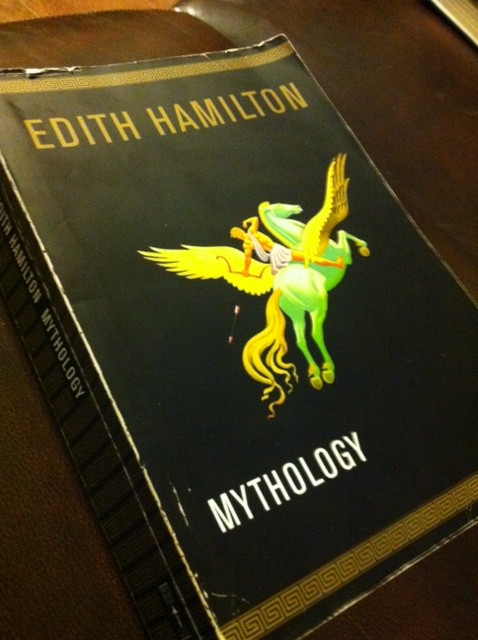 school) was published in 1942.
According to Doris Fielding Reid, her lifelong partner, Edith enjoyed reading murder mysteries for pleasure!
In 1957, King Paul of Greece named her an honorary citizen of Athens!
Edith died on May 31, 1963 in Washington DC.
Edith Hamilton: Scholar. Head mistress. Author. Classicist.
Forget TV: Pick up a copy of Mythology and delight in the misadventures of the most immortal heroes of our time!
Related Posts: For more Fab Females click Blog Archives. Below is a small sampling.
Gandy Nanny
Marie Laveau
Boudicca
Cheng I Sao
Masdigga
June 9, 2013
Rainforest Facts
 Going…going…
Long ago, rainforests covered about 14% of the earth. Now? Only 6% remains
20% of the world’s oxygen is produced in the Amazon Rainforest
More than half of the world’s estimated 10 million species of plants, animals and insects live amid the rainforests
1/5th of the world’s fresh water is found in the Amazon Basin
Just 2 and 1/2 acres of rainforest have 750 types of trees and 1500 species of plant life
More than half of the world’s estimated 10 million species of plants, animals and insects inhabit rainforests. That’s more than half of the worlds species
The Destructor! Greed and Politics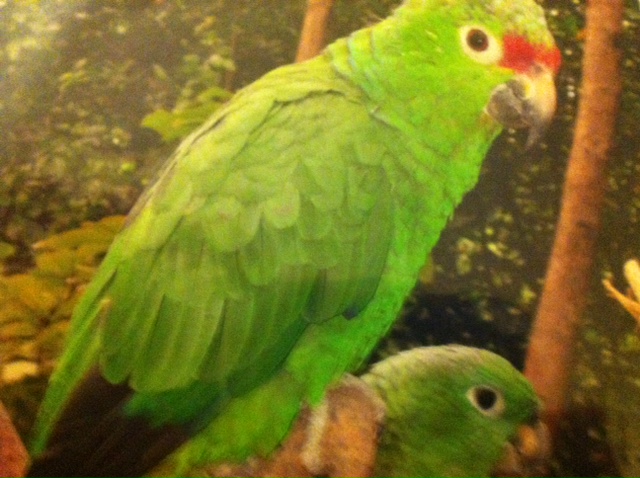
Experts believe the rainforest will be gone in less than 40 years.
Deforestation occurs because of man’s need for lumber and to clear land for grazing cattle ( which is evidently more profitable)
Every single day 137 plant, animal, and insect species are destroyed
For the math minded that’s 50,000 species a year
Mother Nature Provides: Man Destroys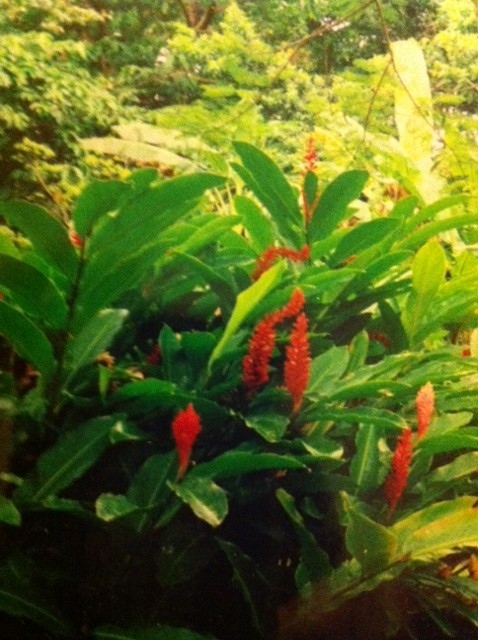
As the rainforests are destroyed, so too are the cures for countless diseases
At this time, 121 prescription drugs come from plants
This might blow your mind: Pharmaceutical companies get about 25% of their ingredients from the rainforest AND YET ONLY 1% of the total of rainforest life has been tested!!
 People of the Rainforest
500 years ago there were approximately 10 million indigenous peoples living in the Amazonian Rainforest.
Today, their population has plummeted to less than 200,000.
The knowledge of their shamans, who know the medicinal value and properties of the plants and creatures, will also be lost forever
The average age of a rainforest shaman? 70
Love fruit? The rainforest has 3000 kinds of fruits. The western world uses about 200. Rainforest indians use over 2,000.
Got Cures?
2100 cancer-fighting rainforest plants have been identified by the US National Cancer Institute
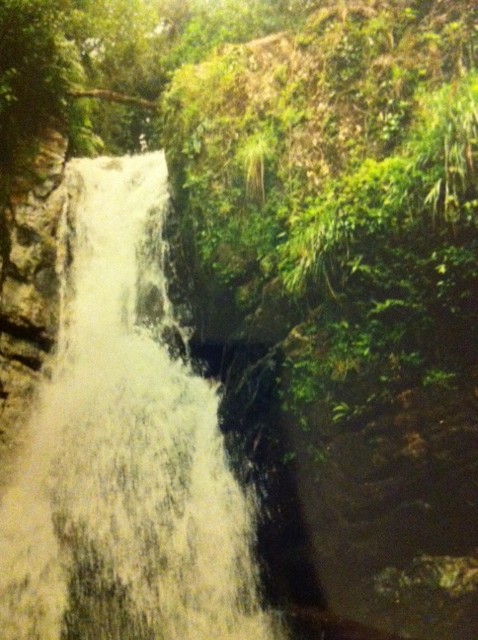
25% of the active ingredients found in cancer-fighting drugs come from rainforest organisms
Vincristine, found in Periwinkle, a most powerful anticancer drug, is used to combat childhood leukemia
Just 30 years ago, US drug companies were no where to be found in the rainforest. Today, all the biggies –and even the US government–are researching the medicinal properties found in plants
Intrigued? Both this week’s and last week’s blog posts explore issues found in The Merkabah Deception.
Myth, history, and science collide when an empathic professor is recruited by a paranormal organization.
Distraught by the frequent psychotic episodes and convulsions spreading through the student body, the owner of a prestigious prep school in Ecuador seeks help from an occult society. Summoned by a mystical society known as The Watchers, Daphne Sites must determine if the mass hysteria has unearthly origins. She’s a bit anxious—this is only her second assignment.
Daphne soon discovers she’s in way over her head after a terrifying encounter with one of the affected students. And attacks by thugs and nonhuman enemies don’t bolster her courage or confidence either!
The search for answers sends Daphne and Serik to the Amazon jungle, Ecuador’s majestic cathedrals, a creepy hacienda, and a ghoul-infested catacomb. Discerning the truth from the lies is critical if Daphne hopes to stop the evil from its release into the world.
For an 8-chapter sneak peak of THE MERKABAH RECRUIT, the 1st in the series click HERE .
To purchase on Amazon: click HERE .
For a sneak peak of THE MERKABAH DECEPTION, the 2nd in the series, click HERE.

Related Posts: Mass Psychogenic Illness; Ecuador’s Mythological Creatures; Huaorani: Amazonian Tribe
June 7, 2013
Huaorani: Amazonian Tribe
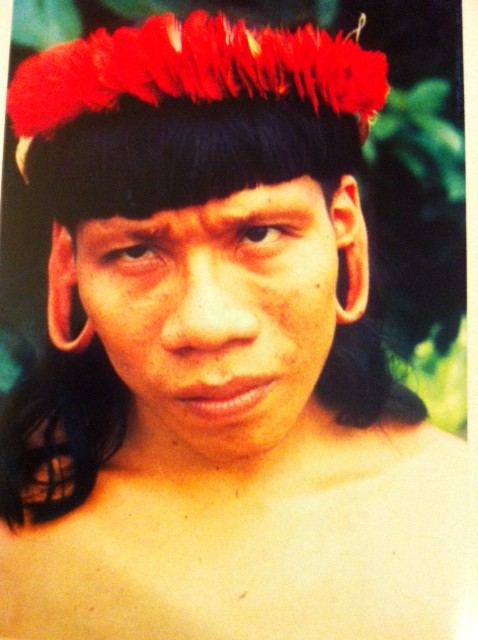 Their name means “the people” and they are a remote tribe of about 3000, their population spread over 28 communities deep in the Ecuadorian jungles.
As deforestation continues encroaching upon their home, polluting the rivers and destroying their way of life, the Huaorani face almost certain extinction. In addition, the shaman’s knowledge of medicinal plants will be destroyed, the healing substances of the rain forest forever lost to corporate greed and political power.
The indigenous peoples play a role in THE MERKABAH DECEPTION--the 2nd in the Merkabah Series, the continued adventures of the empathic professor who solves paranormal crimes for a mystical organization.
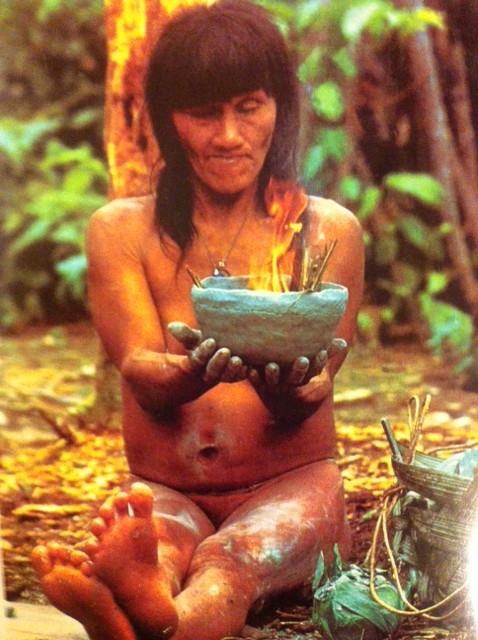 I thought it appropriate to provide a few facts about this remote South American tribe.
Quick facts
Anyone not Huaorani is considered to be non-human
Tribes revere the jaguar, a guardian of the Napo River
They have a highly developed sense of hearing
They believe they are last free men of the Ecuadoran jungle
An egalitarian society, there is no single leader, but rather one is appointed should a situation necessitate such a designation
Men may take several wives and vise versa should the male-female ratio not provide a mate for every gender
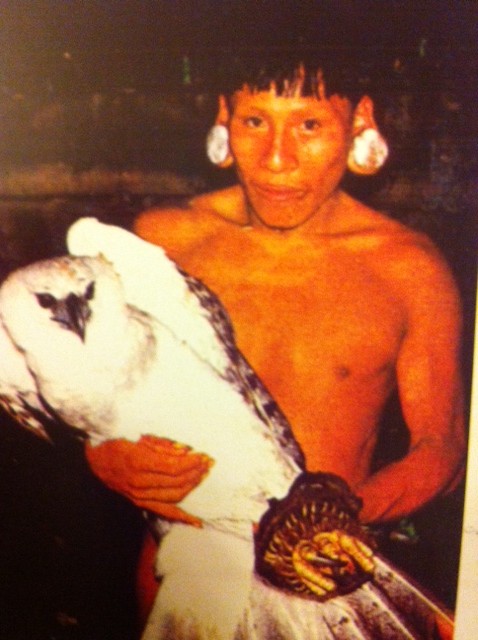
The harpia or hawk is sacred and each tribe cares for one
Palm tree fronds are the building materials for their spacious multi-family homes

Individuals sleep on hammocks strung from poles in the dwelling or sleep on mats
Shamon’s brew ayahuasco, aka, the Spirit Vine/Vine of the Soul/Vine of the Dead
Fish are caught using the barbasco plant, a shrub whose substance stuns nearby fish, causing them to float to the surface
Pictures and info are from Hijos de la Selva Ecuatoriana by Erwin Patzelt. Translation of text is courtesy of the Hubby.
Intrigued?
Myth, history, and science collide when an empathic professor is recruited by a paranormal organization.
Distraught by the frequent psychotic episodes and convulsions spreading through the student body, the owner of a prestigious prep school in Ecuador seeks help from an occult society. Summoned by a mystical society known as The Watchers, Daphne Sites must determine if the mass hysteria has unearthly origins. She’s a bit anxious—this is only her second assignment.
Daphne soon discovers she’s in way over her head after a terrifying encounter with one of the affected students. And attacks by thugs and nonhuman enemies don’t bolster her courage or confidence either!
 The search for answers sends Daphne and Serik to the Amazon jungle, Ecuador’s majestic cathedrals, a creepy hacienda, and a ghoul-infested catacomb. Discerning the truth from the lies is critical if Daphne hopes to stop the evil from its release into the world.
For an 8-chapter sneak peak of THE MERKABAH RECRUIT, the 1st in the series click HERE .
To purchase on Amazon: click HERE .
For a sneak peak of THE MERKABAH DECEPTION, the 2nd in the series, click HERE.
Related Posts: Mass Psychogenic Illness; Ecuador’s Mythological Creatures
June 5, 2013
Ecuador’s Mythological Creatures
Spooks, goblins, and demons! Every culture has them! Creepy and suspicious how the myths of so many counties and cultures are so very similar.
Creatures from the Shadow World, Sacred Avatars, Nature Spirits, Hybrid Monsters…they’re out there.
Since THE MERKABAH DECEPTION-—the 2nd in the Merkabah Series, the continued adventures of the empathic professor who solves paranormal crimes for a mystical organization— takes place in Ecuador, I thought it fitting to provide a small sampling of South American mythological creatures.
Azeman: (South American vampire)
A female who dons an animal skin at night and sucks blood from the big toes of its victims ( creepy foot fetish, don’t you think?)
The creature is responsible for spreading disease.
Similar to other vampire myths, the Azeman turns to ash if caught outside when the sun rises.
To keep the she-demon away from your house, lay a broom across the doorway–she will become so engrossed with counting the bristles that little notice will be taken of the deadly rising sun.
Bakru: (evil fairy or evil familiar)
A tiny creature created from wood pulp and flesh and controlled by witches.
Their appearance resembles that of children.
They always work in pairs, enjoy loud music and shiny things.
They are familiars– demonic supernatural entities used to serve the evil witches who created them
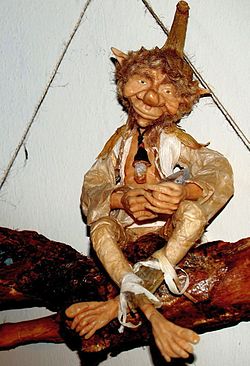 El duende: (goblin or brownie)
These mischievous little gnomes inhabit the walls of human homes. The naughty goblins like to dash about, scaring folks half to death, and playing mean-jokes
Parents tell their naughty children to behave or el duende will steal their soul.
Encantado
One of the most feared sexual predators in the land, they lure unsuspecting humans to their death with their beauty, voice, and sexual skills.
But before killing them, they drive their victim insane, enchanting them with their seductive ways.
They live in a secret place in the Amazon, morphing from the Amazon river dolphin into a human to do evil.
Pishtaco ( Bogey man)
A legend from the High Andes, this scary pale monster-man hybrid stalks folks walking late at night on deserted roads ( isn’t that always the way).
He commits unspeakable acts of horror upon his victims, devours them, and harvests their fat.
He sells the fat to people as fried chicharrones
El Mono ( Bigfoot )
Aka marimondas or maribundas, or el Mono Grande
The hirsute beast attacks and eats humans, but likes to carry off the bonita senoritas (pretty ladies) to his secret lair for some monkey time.
Sightings have been reported in Columbia, Venezuela, Ecuador, Peru and Brazil.
Chuzalongo
This dwarfish creature live in the craggy rocks of the Andes.
Folks swear the creature possesess human facial features, pale skin, and blue eyes.
Their feet are backwards ( forget about following them)
They attack women
Not surprisingly, the lil’ creature appeared about the same time as the Spanish conquistadors–perhaps as a way for the native woman to explain a light-haired, blue-eyed, fair skinned child from a lusty conquistador.
A few others:
Werejaguar: Obvious, right..and ever so much sexier than a werewolf
Lajabless: A demonic being who appears as an attractive and volumptous women, but has talons as feet
Yurupari: A race of Ogres
<
Intrigued?
Myth, history, and science collide when an empathic professor is recruited by a paranormal organization.
Distraught by the frequent psychotic episodes and convulsions spreading through the student body, the owner of a prestigious prep school in Ecuador seeks help from an occult society. Summoned by a mystical society known as The Watchers, Daphne Sites must determine if the mass hysteria has unearthly origins. She’s a bit anxious—this is only her second assignment.
Daphne soon discovers she’s in way over her head after a terrifying encounter with one of the affected students. And attacks by thugs and nonhuman enemies don’t bolster her courage or confidence either!
The search for answers sends Daphne and Serik to the Amazon jungle, Ecuador’s majestic cathedrals, a creepy hacienda, and a ghoul-infested catacomb. Discerning the truth from the lies is critical if Daphne hopes to stop the evil from its release into the world.
For an 8-chapter sneak peak of THE MERKABAH RECRUIT, the 1st in the series click HERE .
To purchase on Amazon: click HERE .
For a sneak peak of THE MERKABAH DECEPTION, the 2nd in the series, click HERE.
Related Posts:The Supernatural; Sacred geometry; Signs You’re an Empath; Angel Lore 3 ; Sexy Fiends
June 3, 2013
Mass Psychogenic Illness
AKA, MASS HYSTERIA!
What is MPI?
It’s a mysterious– and still unknown-- psychological illness that mysteriously manifests in a group of people! And it spreads quickly!
The most recent case was in 2012 and involved a group of teens at a high school in upstate New York. Symptoms included twitching movements and verbal outbursts similar to that of Tourette’s syndrome.
Incidents of mass hysteria have been chronicled for hundreds of years.
It’s the subject of THE MERKABAH DECEPTION, the 2nd in the Merkabah Series, the continued adventures of the empathic professor who solves paranormal crimes for a mystical organization.
The most famous example of mass Hysteria might be the Dancing Plague of 1518. One lady began some impromptu dancing in the streets of Strasbourg,France. Still dancing, and about a week later, 30 folks had joined her. By months end, 400 people were dancing feverishly, often dancing until they died from dehydration, stroke, heart attack, and/or exhaustion.
Eyewitness accounts of the time claim the people were not dancing because they wanted to but because something possessed them. Creepy!
In 2001 in New Delhi, people claimed a monkey-like creature with red eyes attacked them in the night. A few people even jumped to their deaths when they thought the monkey-man was chasing them.
A laughing epidemic was reported in Kashasha, Tanzania, in 1962 when students who began laughing at a joke could not stop. The laughing spread throughout the area, affecting thousands of residents. The laughing-mania did not cease for 18 months. In addition to laughing, the suffers reported respiratory problems, crying, pain, rashes, and and fainting.
In 1962, the US Public Health Department attributed Mass Hysteria as the reason why 62 textile workers fell so ill they required hospitalization. Symptoms included vomiting, nausea, numbness, and dizziness.
In 1944, a woman suffering from cervical cancer in Riverside, California was taken to the hospital, and shortly thereafter anyone who came in contact with her grew ill and fainted. The panic stemmed from both the patient’s odd garlic and fruit body odor and the unidentifiable flecks in in her blood.
In 2006 in Portugal, over 300 students in 14 different schools reported breathing difficulties, dizziness, and explainable rashes after watching a popular TV soap opera.
Quick facts about MPI:
no identifiable organic basis
occurs in segregated groups
intense anxiety is always one of the symptoms
one can catch the illness after hearing or witnessing an affected group/individual
females are most susceptible.
Intrigued?
Myth, history, and science collide when an empathic professor is recruited by a paranormal organization.
Distraught by the frequent psychotic episodes and convulsions spreading through the student body, the owner of a prestigious prep school in Ecuador seeks help from an occult society. Summoned by a mystical society known as The Watchers, Daphne Sites must determine if the mass hysteria has unearthly origins. She’s a bit anxious—this is only her second assignment.
Daphne soon discovers she’s in way over her head after a terrifying encounter with one of the affected students. And attacks by thugs and nonhuman enemies don’t bolster her courage or confidence either!
The search for answers sends Daphne and Serik to the Amazon jungle, Ecuador’s majestic cathedrals, a creepy hacienda, and a ghoul-infested catacomb. Discerning the truth from the lies is critical if Daphne hopes to stop the evil from its release into the world.
For an 8-chapter sneak peak of THE MERKABAH RECRUIT, the 1st in the series click HERE .
To purchase on Amazon: click HERE .
For a sneak peak of THE MERKABAH DECEPTION, the 2nd in the series, click HERE.
Related Posts:The Supernatural; Sacred geometry; Signs You’re an Empath; Angel Lore 3 ;
May 31, 2013
Masdigga
Humans are a psychotic bunch! Many of us are stressed and frantic. Oh, lucky and blessed are the rare individuals who possess a Zen-like demeanor and state of being.
Have humans always been stressed-out?
You know it! Even THOUSANDS of years ago!
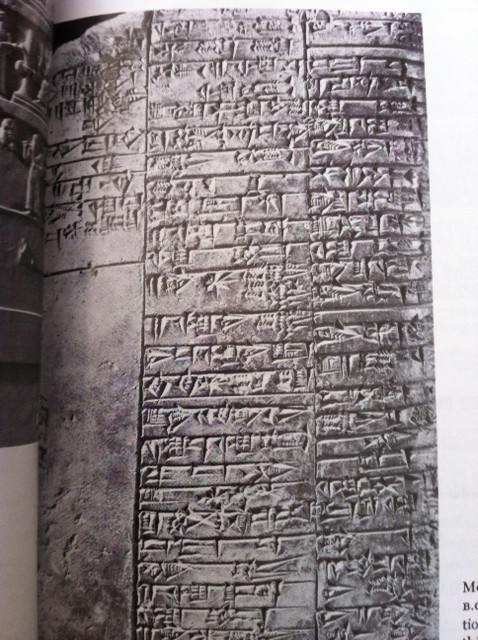 Yup! There’s clay tablet proof! And you know, if it was written in stone is has to be true.
Seems back in 1300 BC, those wacky Hittites ( residents of what is now modern day Turkey) even had the ancient equivalent of a profession we call on during times of emotional trouble– psychologists.
The Hittite translation was not nearly so scientific: Old Woman.
Masdigga was an early psychologist in Kizzuwatna (turn right at the ziggurat and go 200 miles until you get to the coast–you can’t miss it).
Straight from 70 clay tablets, here’s a couple of the problems Masdigga dealt with and her remedies.
Anger Issues/Marriage bickering ( strange how those two are linked): Burn a tongue-shaped package of mutton fat and wool over a fire while counseling the individual/couple on methods for releasing their anger. ( I should have tried this with my Ex)
Enemy worries: A 3-day seminar, complete with a keynote speeches by angels who advised on using mind control techniques ( mind games) to conquer their enemies.
Ancient Psychology involved more than just talk, Masdigga often used props like: butchered animals, trees, 3 different colors of wool, 6 different kinds of metal, baked and unbaked bread, pine cones, cord/string, wine, bowstrings, mice, and a few other local animals.
The BIG drawback to being an Old Woman in those days–besides, perhaps the title– was that Hittites believed natural disasters and plagues were the result of the Gods wrath! This required her to appeal directly to the Gods–and oh boy, are they picky!
Masdigga also did some moonlighting–as a Notary! That’s right, her profession included authorizing the legitimacy of documents. ( Yup, even back then we needed these folks.)
What was the average salary of an Old Woman/psychologist? Sadly, not much–coin was scarce, and so she was paid in goods and services.
Masdigga: Ancient Psychologist. Family Therapist. Plague Minimizer. God Appeaser. Stress Reliever. Notary. Military Adviser.
Any you thought you were busy!
Related Posts:
Gandy Nanny
Marie Laveau
Boudicca
Cheng I Sao
Nicole-Barbe Clicquot
Julia Domne
Locusta
Goddess of Beer
Pancho Barnes