L.Z. Marie's Blog, page 17
July 19, 2013
Skyway to Heaven
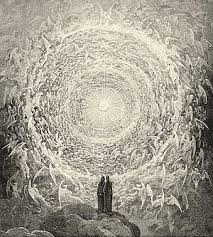 Two days ago, we made a really quick trip to fire and brimstone Hades.
Today, our jaunt is ever so much more pleasant. Destination: Heaven. Aka Arcadia, Elysium, Utopia, Zion, Pearly gates, Paradise, Canaan, happy hunting ground,and a few other divine euphemisms.
Note: Heaven is a vast subject–and my blog references mostly judeo-christian beliefs.
For expediency’s sake, we will zoom past Limbo–where the souls of the righteous missed the Jesus boat—-fly over the Island of the Dead–where legends & demi-gods enjoy their Atlantis vacation—-glide past Purgatory–where the righteous are purified before entering Heaven—-and crash through those heavenly gates!
The word paradise comes from the Old Persian pairidaeza, meaning encosure, or park.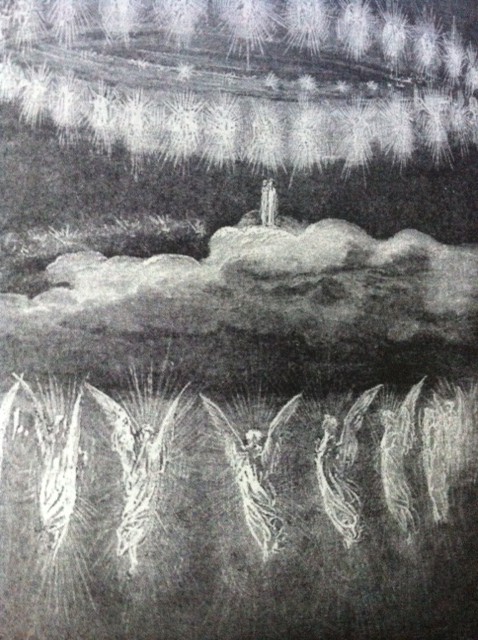
You must pass Peter before you can be enfolded into the Bosom of Abraham.
The gates are made of pearls and the walls made from precious stones. The foundations are made of jasper, sapphire, chalcedony, emerald, topaz, amethyst and a bunch of other stones I never heard of.
The city is made of gold.
Main Attractions: Tree of Life, Fountain of Grace, Mystic Lamb
There’s a few rivers ( some say 4) and about a gazillion angels.
Empyrean is the highest level of Heaven. ( It means flames in Greek). It’s infinite,  motionless, and blazes with God’s light.
Jewish mysticism/Kabbalah gives Heaven 7 levels.
From lowest to highest, they are:
1. Shamayin: Closest to earth. Governed by Archangel Gabriel.
2. Raqia: A realm governed by Raphael and location where Moses met the angelic host.
3. Shehagim: Home to the Garden of Eden and the Tree of Life. Manna comes from this realm, and, oh, yeah, Hell is just to the north.
4. Ma’on: Home of heavenly Jerusalem and ruled by Archangel Michael.
5. Makhon: Ruled by Samael–a dark servant of God.
6. Zebul: Ruled by Sachiel.
7. Araboth: The most holy of the 7 heavens and governed by Cassiel. Houses the Throne of God. Residence of:
Seraphim: Highest order of angel. They repeat “holy, holy, holy” foreever and all eternity. They have 4 faces, 6 wings and have been likened to fiery serpents ( Numbers 21:6).
Cherubum: Huge winged creatures with 4 faces and 4 wings. Best known for guarding the Tree of Life with a flaming sword.
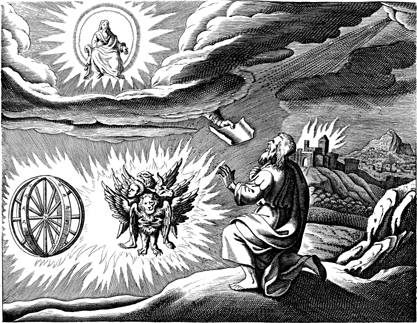 Hayyoth: Heavenly beasts and class of Merkabah angles with 4 wings, 4 faces, 2,000 thrones.
God dwells in the highest level. ( location,location, location). Under the throne resides all the unborn human souls.
Well, it’s time to return to Earth. Hope you enjoyed your trip to paradise.
The Archangels; The Archangels 2; Angel Hierarchy; Angel Lore; Angel Lore 2; Angel Lore 3; Sexy Fiends; Highway to Hell


July 17, 2013
Highway to Hell
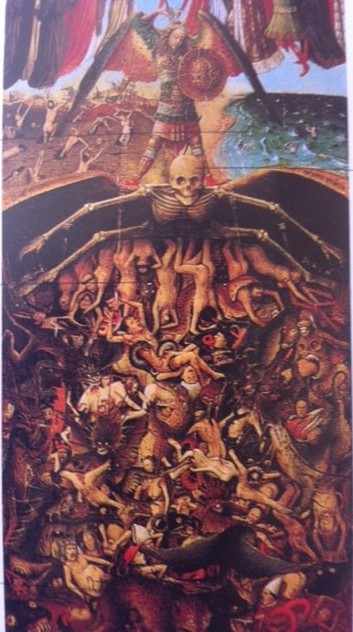 Yeah, yeah…you’re not going there...well…maybe some of you are! As many of you know, I spend lots of time researching for my mystery/supernatural MERKABAH series. (The work-in-progress historical fiction also requires slavish research–but, hey, I’m a nerd)
And it’s summer in Southern California and hot as hell!
Here’s a snippet of the information I learned during one of my research days.
Aw Hell! Most religions have some version of Hell. Our “modern” Christian view is no less colorful than ancient Babylonian and Assyrian versions. Most of our knowledge of Hell comes from apocrypha–that is, sources of doubtful origins.
Hell is referenced in the Bible–anywhere from 65 to 31 times depending on the translation. Why the discrepancy? Hell has lots of synonyms–and they don’t all mean the exact same thing: Sheol (Hebrew), grave, pit, Hades, hellfire, Gehenna, tartaroos, Abyss—to name a few. (Your first marriage to that man doesn’t qualify)
Anyway, here’s a brief tour of Hell ( according to classic art, Dante, and other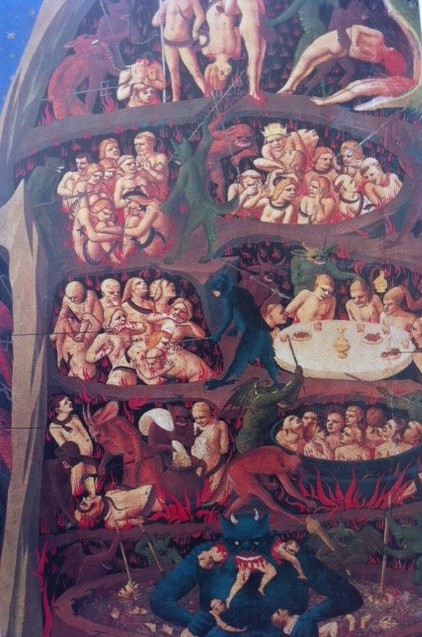 apocryphal texts) See ya on the other side!
Hell: Location: Bowels of the earth. Residence of Satan. A downward spiral with distinctive levels. Guarded by Satan’s gruesome minions.
Gates of the Netherworld: Art depicts the entrance as the mouth of a ferocious beast who devours folks’ souls as they enter. Jesus even referenced the gates when he says to Peter, ”Upon this rock I will build my church, and the gates of the Netherworld shall not prevail against it.” Kind of like the roach motel-you can check in, but you can’t check out. Luckily, an angel holds the key that locks the gates.
The City of Dis: The city of the damned is fortified with iron walls that burn with fire, guarded by demons, and surrounded by the Stygian swamp. ( No, it wasn’t the last house your real estate agent showed you) The city also boasts several burning red towers. Once inside, you’ll find the usual suspects–heretics, swindlers, and sadists– being eternally tormented.
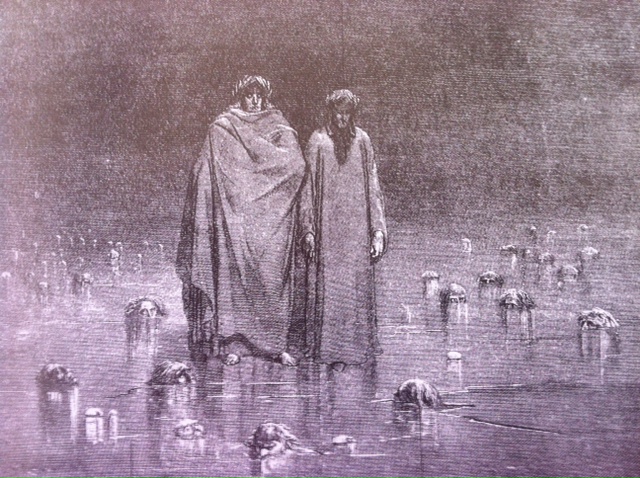 Acheron, Styx, Phlegethon, Cocytus Rivers: No jet-skiing in these infernal rivers! Charon’s boat ( a myth with Babylonian origins) ferries the damned across the Acheron river. Further downriver, it becomes the Styx ( named for an underworld deity) where it circles Hades 9 times. It becomes the fiery volcano-feeding Phlegethon, where those who kill their fathers are punished. The river then surges into the Cocytus, where the tears of the damned form an ice lake at Hell’s ground zero. Chained traitors writhe in the ice with only the tops of their heads breaking through the frozen surface. Whether a traitor’s head is down or up is determined by the type of betrayal. By the way, traitors were considered the worst sinner of all, thus their torments in the deepest depths of hell.
Other hot facts:
The 9 circles of Hell correspond to the 9 angelic choirs.
Hellfire is mentioned in the gospels of Matthew, Mark, and Luke. Even Jesus referred to an unquenchable fire that will torment the doers of evil.
Gehenna–another name for Hell–was actually Jerusalem’s city dump. It was located in a ravine outside of the city–and it was always on fire.
Well, we made it out of Hell! Look for a tour of Heaven on Friday!
Related Links:The Archangels; The Archangels 2; Angel Hierarchy; Angel Lore; Angel Lore 2; Angel Lore 3; Sexy Fiends
July 15, 2013
Fiends from Hell
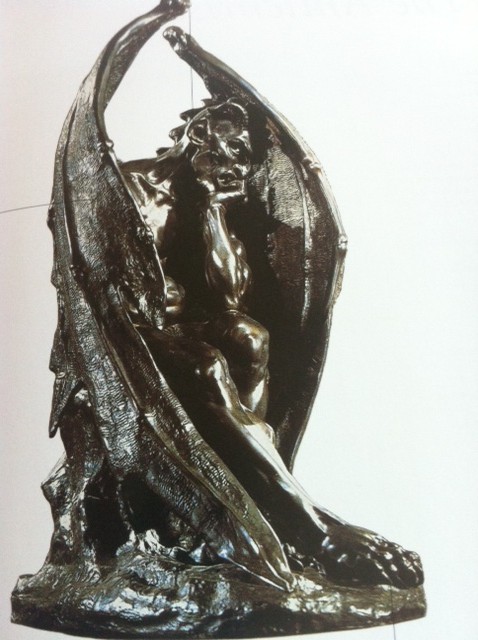 a summer of symbolism continues…
Evil as pure thought–not so scary. Evil made flesh—YIKES!
Demons come in all shapes and sizes, offering a multitude of guises, but they all represent the darker side of man We have a plethora of names for Evil from arch fiend to hellion to vampire–every culture has their own set of evil minions and Evil Lords.
Here’s a tiny sample of Evil Incarnate:
Note: Tomes have been written about each demon, this is a VERY simplified (blog-sized) version.
Ahriman: One of, if not the first religion to espouse the dualistic doctrine of Good vs Evil comes from Zoroastrianism ( ancient Persia). Ahriman symbolized “The Lie” that was avarice, anger, and jealousy.
Asuras: A power-hungry cabal in Hindu mythology who were always warring with the gods. They started out Good, but eventually changed. They’re not so much devils who symbolize Evil as much as they represent drought, flood, and plague–tragic occurrences that bring out the evil in men.
Galla: A 7-demon collective with Mesopotamian origins who kidnap people at night and drag them into the underworld. The “offspring of Hell” symbolize death and terror.
Mara’s daughters: Symbolic of temptation in Buddhism, Daddy Mara sent his gorgeous daughters to distract Buddha from his meditations. Didn’t work! Mara symbolizes unholy impulses, distracting man from pursuing a wholesome and spiritual life. Can you say Tempter?
Rahu: If you try to drink from the Cup of Immortality (amrita), heads will roll! Yours! That was Rahu’s fate, a beheaded asura whose head became immortal! His job is to create chaos and wickedness. He is also symbolic of rapid success without wisdom and a desire for material possessions.
Seth/Set: The nasty Egyptian god of darkness, chaos, storms, and foreign invaders. To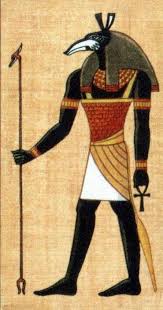 become supreme ruler he chopped his brother Osiris into pieces (so he couldn’t be resurrected).
Ravana: Hailing from Sri Lanka, this god of 10 heads is symbolic of man’s ego. Lots of strong arms help Ravana indulge his greed. He causes people to scream in anguish, and his belly holds the nectar of immortality.
Tikoloshe/Tokoloshe: South African mini-demons who like to attack at night, these mischievous trouble makers (OK, that’s redundant) have been known to bring about illness and cause death. Call in the local witch doctor if one is following you!
Symbols of Satan from Christianity:
…of horns and tridents: Early Christians demonized many pagan symbols.
Poseidon/Neptune–God of the Seas– used the trident as a weapon to form water, generate earthquakes, and cause tidal waves. Early Christians demonized the trident by making it a symbol of Satan. (Hindu God Shiva also carries a 3-pronged spear)
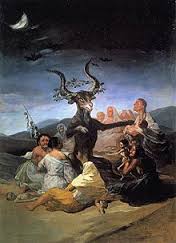 Horns weren’t always a symbol of the devil. Cerunnos is a mysterious Celtic god who possessed a nice set of horns on his head. He lacked a good publicist though because little is written about him. Some believe he is the god of nature and fertility. He is identified by the neck rings or torcs around his horns/antlers.
Bacchus/Dionysus the wine, sex, fertility god enjoyed morphing into a bull. Romans outlawed the wine-induced frenzy and fornicating rituals of his followers. Some believe our image of Satan comes from the demonization of Bacchus.
The Grimoire of Honorius: Need an evil incantation? This is the go-to guide for all evil doers. Published in the 17th century, the book contained spells, chants, and instructions for all your demon-summoning needs.
Black Mass: Lovers of Satan turn the cross upside-down (also known as Peter’s Cross) and reverse the service. For example, blood instead of wine is drunk from the cup.
Note: I teach literary analysis ( must pay the bills) and remind my students to look closely at the symbolism in a novel. Why did the author include that fruit? Or name the character Neil? Why is the protagonist sitting under a pear tree? Why is her dress blue? Before jumping to any symbolic conclusions however, we look at the symbol in context of setting, history, and culture.
For more information on literary analysis click On Writing/For Teachers/ to see Elements of a novel. The Art of Fiction, and How to Read Like a Literature Professor.
Or click Blog Archive/Sassy Scholar
Related Links: Bugs; Fruit of the Gods; Tree of Life; Sacred Spices;
Related Links:The Archangels; The Archangels 2; Angel Hierarchy; Angel Lore; Angel Lore 2; Angel Lore #3
July 12, 2013
Gems & Jewels #2
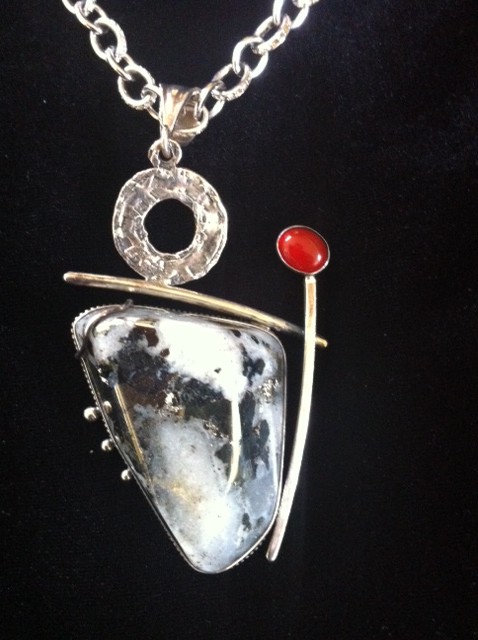 More gems….more jewels…intriguing women and men since the beginning of time.
Did you know there are 23 different stones mentioned in the Bible?
The enchantment lay NOT in the bling and flash, but in the elemental, spiritual, protective, and divine power of the stone.
So before matching those baubles to your outfit, figure out which extra power you need for an interview, date, meeting etc, and wear the corresponding gem. Forget power dressing—-try power gem-ing!
Note: Anyone can attest to the power of interesting jewelry. It’s a great conversation starter. Case in point: I don’t “work” writing conventions very well, but found that if I wear an interesting necklace (art festivals treasures) people stop to talk to me! (Now , if only there was an agent-attracting gem.)
Gems from K to Z
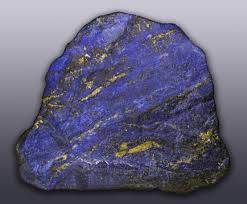 Lapis lazuli: A divine stone associated with wisdom and spiritual strength, it enhances psychic power. This is the Philosopher’s Stone of yore. It’s connected to the higher mind thinking of the brow chakra.
Moonstone: Aptly named for its color and luminescence, the stone is connected to the moon, moon cyles, and love.
Opal: Ancient Romans thought they fell from heaven during a lightning storm ( if that was the case, all woman would be lightning chasers). The opal is associated with religious commitment and faithfulness.
Peridot: Fame: Strength: Courage: All those traits we admire. The semiprecious gem boosts personal identity and increases self-confidence. It’s the gem of the heart chakra.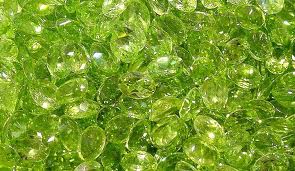
Ruby: L-O-V-E and passion. The gem is also symbolic of bravery and personal energy. The precious stone is connected to the root chakra and is attributed to increasing one’s life force.
Sapphire: The celestial sparkler of Peace, Truth, and Harmony. It’s connected to self-control and has been known to ward away evil.
Topaz: Known as the empathetic gem, the topaz rids the body of nervous energy and improves appetite. It symbolizes beneficence, friendship, and forgiveness. A stone of the solar plexus chakra, it’s associated with innate understanding of life’s complex problems.
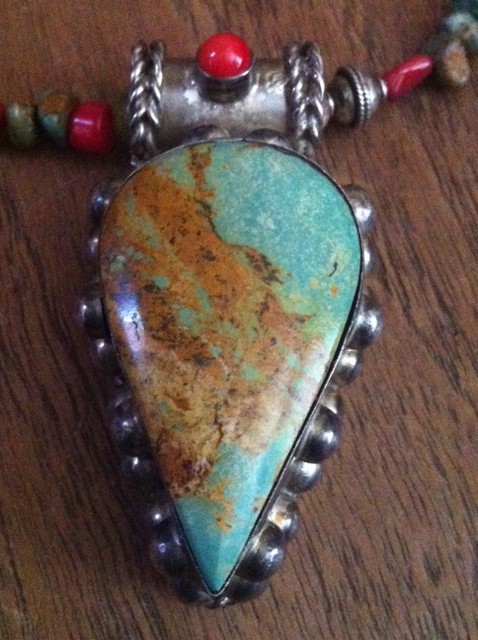 Turquoise: To Tibetans, this ancient and powerful stone is considered holy. It wards off Evil, boosts self-confidence, and encourages success. Connected to the throat chakra, this stone increases creativity and makes the wearer want to tell the truth. (mmm…a great gift idea for a teenage daughter)
Note: I teach literary analysis ( must pay the bills) and remind my students to look closely at the symbolism in a novel. Why did the author include that fruit? Or name the character Neil? Why is the protagonist sitting under a pear tree? Why is her dress blue? Before jumping to any symbolic conclusions however, we look at the symbol in context of setting, history, and culture.
For more information on literary analysis click On Writing/For Teachers/ to see Elements of a novel. The Art of Fiction, and How to Read Like a Literature Professor.
Or click Blog Archive/Sassy Scholar
Related Links: Bugs; Fruit of the Gods; Tree of Life; Sacred Spices; Foods of Life; Birds of a Feather #1; Birds of a Feather #2; Lucky Charms; Gems & Jewels
July 10, 2013
Gems & Jewels
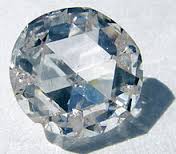 Gals love jewels. Sparkly. Glittery. Shiny. Flashy indicators of wealth. Of marital status. Of culture. Of group affiliation.
And laden with symbolism!
So before you rush out and plunk down hard-earned cash for some gems, make sure you know their symbolic meanings. I’ve tried telling Hubby that my need for more jewelry isn’t about flash but about healing! ( I think I almost have him convinced)
From A to J
Agate: Deemed the stone of invisibility in many ancient cultures (wonder how that worked out for them), this stone is symbolic of prosperity, long life, and a bountiful harvest.
Amethyst: Worn my Catholic bishops, the gem is linked to spiritual protection, clarity, and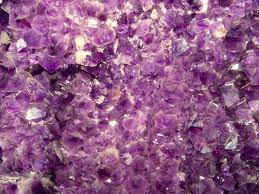 peace of mind. It is associated with the crown chakra.
Bloodstone: It’s the warrior stone because it imparts courage in the face of obstacles. The stone was used to reduce bleeding and heal those with blood disorders. Believed to possess a great magnetic field, it is associated with the root chakra.
Carnelian: The stone is linked to to healing, creativity, and spirituality. It’s the stone of the sacral chakra and promotes well-being.
Cat’s Eye: The stone offers protection from evil and inspires clear thinking and insight.
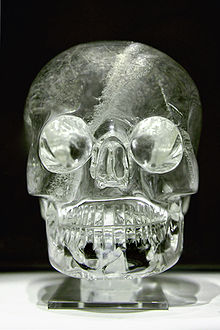 Crystal Quartz: Crystal balls. Crystal skulls. You know this gem is special! This is the magic stone. Their power to amass and transfer energy is the stuff of legends. Clear quartz is a powerful tool for meditation and healing. It’s a sacral chakra stone.
Diamond: Truth. Purity. Faithfulness. Commitment. Divine love. No wonder its the ice of choice for engagement rings. Some believe the stone cleanses a person’s soul by absorbing emotions. A diamond is the stone of the heart chakra.
Emerald: The bright green stone is symbolic of springtime, fertility, and youth. Egyptians buried their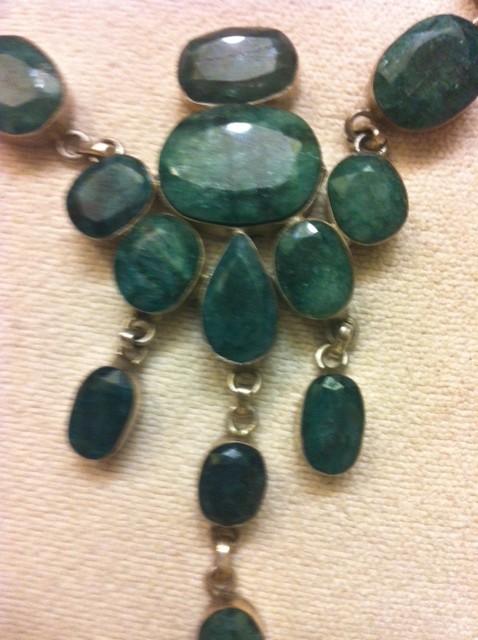 dead with the stone. It is considered a healing stone.
Garnet: This deep red stone fights off our.negative energy and boosts courage. It’s linked to the root chakra.
Jade: In China, its the stone of heaven, of purity, and emblematic of yang. It also symbolizes moral purity and justice. The stone of luck.
Next blog: K thru Z
Note: I teach literary analysis ( must pay the bills) and remind my students to look closely at the symbolism in a novel. Why did the author include that fruit? Or name the character Neil? Why is the protagonist sitting under a pear tree? Why is her dress blue? Before jumping to any symbolic conclusions however, we look at the symbol in context of setting, history, and culture.
For more information on literary analysis click On Writing/For Teachers/ to see Elements of a novel. The Art of Fiction, and How to Read Like a Literature Professor.
Or click Blog Archive/Sassy Scholar
Related Links: Bugs; Fruit of the Gods; Tree of Life; Sacred Spices; Foods of Life; Birds of a Feather #1; Birds of a Feather #2; Lucky Charms
July 8, 2013
Lucky Charms
 summer of symbolism continues…
Need a little protective power? Rabbit’s foot no longer workin’ for you?
Good thing there’s a whole bunch of other symbolic accessories to fill the void.
Amulets have been used to ward off evil and invoke fortune since Eve and Adam were kicked out of Eden ( that’s a really, really long time). Many talismans protect against the dreaded–the terrible--EVIL EYE!!!!!
So what is the Evil Eye–besides the look you give your significant other when they **** up?
When someone looks at you with an evil intent--say with hatred, wicked envy, or with malicious wishes–it is so fraught with negative energy it was dubbed the Evil Eye. The greatest injury is to those who do not know the Evil Eye was aimed at them–thereby allowing the negative energy to permeate their bodies and souls. To counter this, people wore amulets to deflect these cursed stares.
Here’s a few of my favorite and a quick synopsis of their symbolic power.
Ankh: An ancient Egyptian amulet which symbolizes the sun and life eternal. It was also placed on tombs because it restored one’s breath for the Afterlife.
Azabache: Given to infants in South America, this clenched fist charm of red or black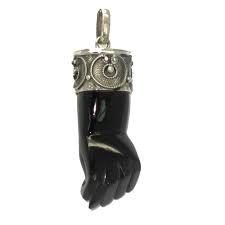 coral helps prevent the Evil Eye.
Buddha talisman: The wearer is demonstrating his devotion to Buddha. The postures of the Buddha have additional meanings.
Crucifix: The cross protects its wearer from evil and is a symbol of Christ’s crucifixion.
The Eye: This eye protects against the other eye–the Evil Eye. Evidently, the eye works by deflecting the cursed looks of another.
Eye of Horus: Don’t get your eyes confused! The right eye symbolizes the sun. The left eye symbolizes the moon. The wearer is granted the powers of healing and it protects them from evil.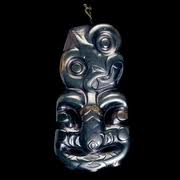 Hei Tiki: A Maori human-shaped charm that gives woman an extra fertility boost.
Knight’s amulet: Need some extra power and health before doing battle? Medieval knights sure did!
Lockets: They didn’t always contain miniature paintings of loved ones! They were originally deigned to hold the herbs that protect against disease.
Merkabah: Pronounced with equal emphasis on each syllable: Mer-kah-bah. An ancient geometry that’s been around for 3,000 years,this hexagon star is is believed to have mystical powers, allowing one to enter enlightenment, zen, or achieve a spiritual and or physical ascension or cosmic travel. Resembling a 3D star of David but also portrayed with one or two circles enclosing it, the word and shape have Egyptian origins. Find out more when history, mythology & science collide in the novel, The Merkabah Recruit.
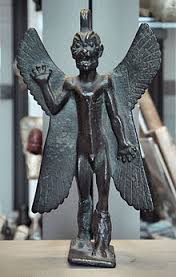 Pazuzu: Pregnant Assyrian woman made sure to string this little devil–yes–a demon–around their neck. Seems Pazuzu prevented miscarriage and stillbirths.
Pomander: These little lockets filled with spices and fragrance were thought to ward off infectious disease in the Middle Ages.
Rabbit’s foot: It’s been a western symbol of good luck ( not for the rabbit–haha) for long time. It also promotes fertility ( OK, that’s a no-brainer).
Red Bracelet: Kabbalists wear a red wool string as protection from the Evil Eye. It is worn on the left wrist to block evil from entering the body. (Energy enters on the left and leaves on the right).
Scarab Beetle: Scarabs protect the heart and symbolize the Egyptian sun god.
St. Christopher: We see plenty of these hanging from a car’s rear-view mirror. It was worn to protect believers from the Black Plague. Now, it denotes safety and protection, especially while traveling.
Tiger Tooth: Usually an amulet of an animal part symbolized the best qualities of the beast. A tiger tooth denoted strength and courage.
Note: I teach literary analysis ( must pay the bills) and remind my students to look closely at the symbolism in a novel. Why did the author include that fruit? Or name the character Neil? Why is the protagonist sitting under a pear tree? Why is her dress blue? Before jumping to any symbolic conclusions however, we look at the symbol in context of setting, history, and culture.
For more information on literary analysis click On Writing/For Teachers/ to see Elements of a novel. The Art of Fiction, and How to Read Like a Literature Professor.
Or click Blog Archive/Sassy Scholar
Related Links: Bugs; Fruit of the Gods; Tree of Life; Sacred Spices; Foods of Life; Birds of a Feather #1; Birds of a Feather #2
July 3, 2013
Birds of a Feather 2
a summer of symbolism continues…
A little bird told me.
I wanna fly like an eagle.
The falcon cannot hear the falconer.
He’s a chicken.
He dresses like peacock.
They’re acting like vultures!
Twitter & tweets!!
Our language is rife with bird proverbs and metaphors.
Without further ado, here’s a continuation of Birds of a Feather: O thru W
 Ostrich: To Babylonians this bird was considered evil incarnate. Zoroastrians deemed it divine. Its feather symbolized truth to Ancients Egyptians.
Owl: This night-flying bird of prey is associated with wisdom, witchcraft, and death.
Parrot: Polly wanna symbol? This tropical bird represents mimicry and love. Natives believes the bird carries prayers and delivers omens.
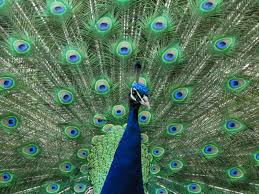
Peacock: The plumage of the male bird inspired an eyeful of symbolism. The strutting bird suggests beauty, love, vanity, and royalty.
.
Pelican: Myths contend that its young suckle blood from mama pelican’s breast–making the bird a symbol of charity and love.
Raven: Quoth the raven, “Nevermore.” Symbolic of dark and evil omens, the bird ( 2 of them, actually) hung out with Odin, the hunky Nordic god of war. Native Americans see this bird as a trickster.
Robin: Like most birds with red plumage, the robin is a symbol of the blood that flowed from Christ’s thorny crown.
Rooster: It’s too obvious, the fighting cock is symbolic of masculinity, dominance, and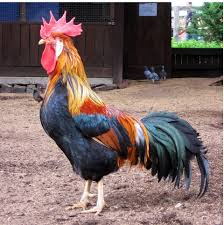 courage. Its image is ubiquitous on Shinto prayer drums. The rooster was a sacred bird to both Greeks and Romans.
Quail: A bird of many symbols, a caged quail symbolizes a trapped soul. It is the bird of eroticism, and the courageous fighting bird of the Romans.
Sparrow: The bird of St. Francis, the sparrow represents one’s lowly station in life.
Stork: This is the sacred bird of the Greek goddess of childbirth, Hera. It’s no surprise then where the old “stork brought the baby” story got its start.
Swallow: It is the bird of death and resurrection, the bird that heralds springtime, the bird of departure and return (It’s a migratory thing).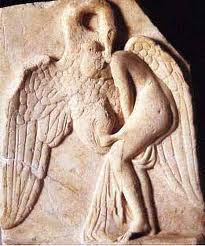 Swan: Yes, the ancient relief is disturbing, but we all know the Greek myth. Zeus morphs into a swan and ravages the lovely Leda. Have no idea then why the swan symbolizes beauty and purity. The one-mate-for-life swan also symbolizes fidelity.
Vulture: A bird that feasts on carrion should symbolize death–and it does. But the scavenger also represents purification. Those in Tibet viewed the birds as transporters of the dead’s souls.
Wren: This wee tiny bird is symbolic of spirit, and known ironically as The King of Birds.
Note: I teach literary analysis ( must pay the bills) and remind my students to look closely at the symbolism in a novel. Why did the author include that fruit? Or name the character Neil? Why is the protagonist sitting under a pear tree? Why is her dress blue? Before jumping to any symbolic conclusions however, we look at the symbol in context of setting, history, and culture.
For more information on literary analysis click On Writing/For Teachers/ to see Elements of a novel. The Art of Fiction, and How to Read Like a Literature Professor.
Or click Blog Archive/Sassy Scholar
Related Links: Bugs; Fruit of the Gods; Tree of Life; Sacred Spices; Foods of Life; Birds of a Feather #1
July 1, 2013
Birds of a Feather
a summer of symbolism continues…
 Birds are messengers of the gods. Why? What other earthly creature soars in the heavens? Here’s a quick glimpse of just some of the symbolism associated with our feathered friends. Part 1: A thru N
Albatross: This great seabird is symbolic of lengthy ocean journeys. In western cultures, it is unlucky to kill on. The albatross is also considered to possess a dead sailor’s soul.
Blackbird: For some reason this bird represents sexual temptation in Christian religions.
Crane: A multi-symbolic bird! In Asian cultures, the bird is symbolic of diplomacy. Egyptian myths believe it heralds wealth.
Dodo: Missing in action since the 17th century, this extinct bird represents the obsolete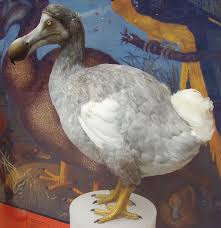 and dead.
Dove: All cultures are in agreement! The biblical bird found in Noah’s story symbolizes the Holy Spirit, peace, the soul, God’s forgiveness, baptism, and love
.
Crow: Lots of different symbolism for the bird most believe represents bad luck and all things nasty. American Indians, however, see the bird as representing the creative.
Cuckoo: This bird lays its eggs in another bird’s nest ( which is where we get the word cuckold from), so it’s no surprise the bird is symbolic of infidelity and selfishness.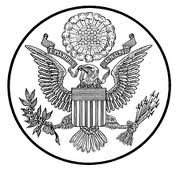 Eagle: A bird of power, authority, victory, high status, and prowess. A divine messenger. A double-headed eagle graced a Roman Emperor’s coat of arms to signify the sovereignty of both its eastern and western empires.
Falcon: This swift flyer is symbolic of masculinity and spiritual freedom. In Egypt it was a symbol of kings. The falcon is a messenger employed by the ancestors of Native Americans.
Flamingo: A symbol of illusion and shape-shifting, the flamingo was revered as the personification of Ra, the Egyptian sun god.
Goldfinch: With its red face and penchant for hanging out in the thorns, the little bird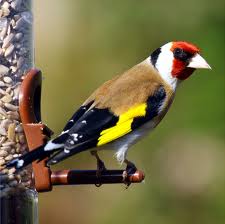 came to symbolize the passion of Christ. It also represented protection from the plague.
Goose: Geese are associated with family, loyalty, and gossip. Their migration is symbolic of personal freedom.
Hawk: A bird linked to prophesy and divination, the hawk symbolizes, power, royalty, and wisdom.
Hen: A thousand years have passed and the iconic image of the overly protective mother is still going strong. The hen is also symbolic of divine intervention.
Heron: Ancient Egyptians believed the bird was a symbol of regeneration.
Ibis: An avatar of Thoth, the god of writing & scribes, the bird was considered symbolic of wisdom.
Jay: This nest-stealing, mischievous loud mouth is connected to trickery and bad luck. On the good side, it is viewed as an enemy-warning guardian to Native Americans.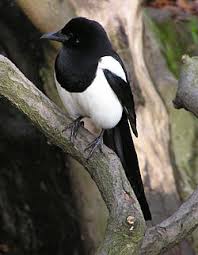 Magpie:In Europe, If you see only one magpie, bad luck is coming. If you live in China, the bird denotes love and good fortune.
Nightingale: The melodic song of this bird has made it a symbol of yearning, love, and death.
Note: I teach literary analysis ( must pay the bills) and remind my students to look closely at the symbolism in a novel. Why did the author include that fruit? Or name the character Neil? Why is the protagonist sitting under a pear tree? Why is her dress blue? Before jumping to any symbolic conclusions however, we look at the symbol in context of setting, history, and culture.
For more information on literary analysis click On Writing/For Teachers/ to see Elements of a novel. The Art of Fiction, and How to Read Like a Literature Professor.
Or click Blog Archive/Sassy Scholar
Related Links: Bugs; Fruit of the Gods; Tree of Life; Sacred Spices; Foods of Life
June 28, 2013
Foods of Life
the Summer of Symbolism continues…
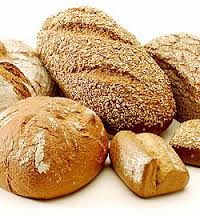 Food is comforting, nourishing, and healing. Food often replaces currency and continues to be used in many religious rituals. But you already know that!
Even the ancient tradition of “breaking bread” with guests indicated friendship and/or truce. Because if you were breaking bread, you weren’t breaking heads! However, I’ll save the symbolism of mealtimes for another post.
Bread: In Christianity it represents the body of Christ. In Jewish traditions, unleavened bread is symbolic of sacrifice and humility.
Chocolate: Consumed as a drink during Mayan wedding ceremonies, chocolate was deemed sacred to both Mayans and Aztecs. It was considered an aphrodisiac–thus chocolates on Valentine’s Day.
Coffee: A symbol of hospitality and hanging out with your friends. Things haven’t change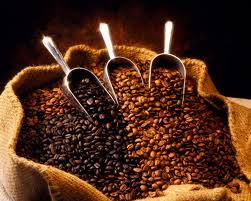 d much.
Corn: Used in many Native American rituals, maize is a symbol of life, fertility, and abundance.
Egg: Every culture is in agreement. Egg= fertility. The cosmic egg is prevalent in many creation myths, and Buddhists contend that one must break through the eggshell of ignorance before one can achieve enlightenment.
Honey: The nectar of the gods, honey was considered both an aphrodisiac and symbol of fertility.
Leek: During Rosh Hashanah, leeks are eaten to “cut off” one’s enemies. Leeks are emblematic of victory to the Welsh and soldiers wore them in battle.
Milk: A symbol of compassion, kindness, and spiritual nourishment, milk was used in many rites of initiation. And because of its source, milk is associated with fertility, nourishment, and motherhood.
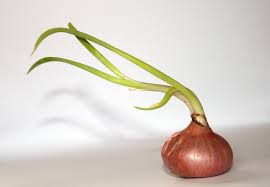 Onion: The layers of an onion are symbolic of revelation; each peeled layer allows one to get closer to the authentic or the “truth.”
Rice: A staple in many countries, rice is symbolic of both long life and prosperity. It is also linked to spiritual health, attainment of knowledge, and purity.
Salt: Amazing, most of us are salt-freaks, and yet historically, salt was very precious. Salt got its start as a meat preservative and was linked to spiritual purity ( not sure I see the connection there). In Christianity, salt is a symbol of divine wisdom. Somehow, folks decided throwing salt over your shoulder kept bad luck away.
Tea: In Eastern cultures, tea is linked to family, hospitality, and tranquility. In Japan, the tea ceremony is a high art, symbolizing peace, self discipline, and respect.
Wheat: Ancient Egyptians associated wheat with immortality. In other parts of the world, wheat was associated with the harvest, abundance, and summer.
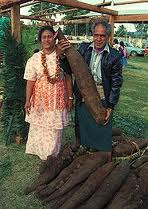 Yam: In parts of Africa, yams is a staple food. The yam represents abundance, wealth, and manliness.
If you have been following my symbolism posts, you might have noticed a common thread. Seems most symbolism is linked to fertility, bravery, and immortality.
Imagine that! Thousands of years have passed and humans haven’t changed at all. Except now we use lab-created drugs to live longer, love longer, and prevent anxiety.
Note: I teach literary analysis ( must pay the bills) and remind my students to look closely at the symbolism in a novel. Why did the author include that fruit? Or name the character Neil? Why is the protagonist sitting under a pear tree? Why is her dress blue? Before jumping to any symbolic conclusions however, we look at the symbol in context of setting, history, and culture.
For more information on literary analysis click On Writing/For Teachers/ to see Elements of a novel. The Art of Fiction, and How to Read Like a Literature Professor.
Or click Blog Archive/Sassy Scholar
Related Links: Bugs; Fruit of the Gods; Tree of Life; Sacred Spices
June 26, 2013
Sacred Spices

A Summer of Symbolism continues…
It’s so sad!
Long ago, herbs and spices were sacred. They were used in religious ceremonies and for healing. Now, they have been relegated to the tedious task of seasoning our food and beverages. Their mysterious, spiritual, and supernatural power has been all but lost.
Just to keep you on your symbolic toes, I’ve noted a few of our more mystical herbs and spices.
Basil: A multi-herb! Great as a charm against evil, used during funerals rites, and Greek antidote to the deadly venom of the dragon-reptile hybrid known as the basilisk. ( Doesn’t sound all that scary.)
Betel nut: Associated with hospitality, this chew—besides giving you stained teeth— makes your heart beat faster, your skin super sensitive, and generally gives you a “high.” Now that’s hospitality! It also inhibits hunger pangs and is considered an aphrodisiac.
Cinnamon: Myth contends that the Phoenix lights itself on fire atop a cinnamon-laden pyre. The spice is also used in purification rituals and is considered an aphrodisiac in China. You’re a renewed sex magnet! Think about that after sprinkling cinnamon on your coffee!
Cloves: In the old days, a clove tree was planted to mark the occasion of a child’s birth. If the tree failed to thrive, it was a bad sign. It’s also associated with love and protection.
Fennel: Symbolic of courage, Roman gladiators ate the seeds before entering the Colosseum. It’s also used in purification rituals.
 Garlic: Yup–it keeps away the vamps, even a thousand years ago! It’s also symbolic of strength. In China, garlic is associated with fertility—which seems odd knowing how bad one’s breath is after eating it.
Ginger: A symbol of royalty in Hawaii, ginger has been associated with passion, success, wealth, and power. Ginger is also really great for your digestion–when you have a tummy ache, drink some ginger tea.
Ginseng: Ancient medicine men used this root for promoting long life, masculinity, and all around macho-stud-ness. In fact, it means man-root. ( I will refrain from about the 20 nasty one-liners I’m thinking of.)
Mint: Used in mysterious rituals like prophesying and exorcism.Yikes—Scary when you think about all the mint toothpaste, mouthwash, and candy we consume. Also considered an aphrodisiac in some cultures.
Myrrh: In Arabic, it means bitter, and it was used in religious rituals. It is symbolic of purity and praying. Egyptians used it during mummification.
Nutmeg: It’s used as an aphrodisiac (Sprinkled Nutmeg + Pina Colada = X-rated ). Long ago in Europe, the expensive spice was a status symbol.
Parsley: Ancient Greeks believed it was a hellish herb that denoted death. Jewish tradition associates parsley with Passover. Most of us think mmm…delicious tabbouleh.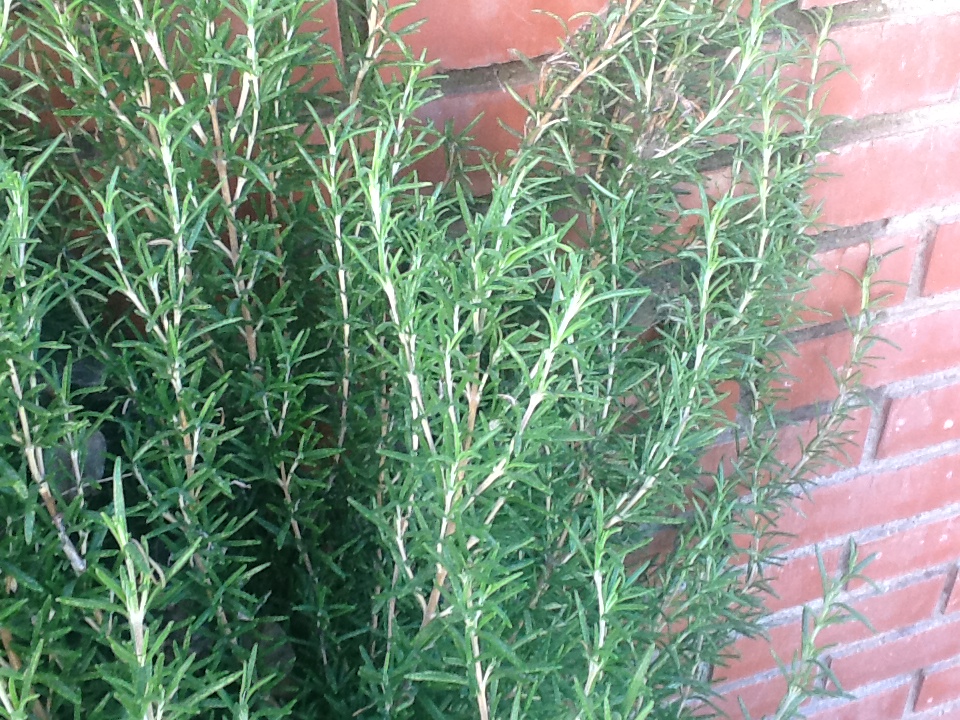
Rosemary: This herb used to be planted on graves, signifying immortality. It is also associated with faithfulness and included in the bride’s bouquet. Romans thought it promoted a keen mind while studying. No need for NoDoze.

Sage: A healing herb. The word salvare means to save in Latin. It’s linked to wisdom and immortality. Sage is used as a ritual smoke in many Native American ceremonies. It is also used to smudge or cleanse a house of toxic or evil spirits/ghosts. Don’t laugh. It works!
Saffron: It’s a costly herb now, but is symbolic of magic and humility. Buddhists monks use it to dye their robes.
Thyme: An multi-purpose herb. Romans soldiers sprinkled thyme in their bath water because it boosted bravery. It’s also used for healing, to promote sleep, to purify, and to encourage love and psychic abilities.
If you have been following my symbolism posts, you might have noticed a common thread. Seems most symbolism is linked to fertility, bravery, and immortality.
Imagine that! Thousands of years have passed and humans haven’t changed at all. Except now we use lab-created drugs to live longer, love longer, and prevent anxiety.
Note: I teach literary analysis ( must pay the bills) and remind my students to look closely at the symbolism in a novel. Why did the author include that fruit? Or name the character Neil? Why is the protagonist sitting under a pear tree? Why is her dress blue? Before jumping to any symbolic conclusions however, we look at the symbol in context of setting, history, and culture.
For more information on literary analysis click On Writing/For Teachers/ to see Elements of a novel. The Art of Fiction, and How to Read Like a Literature Professor.
Or click Blog Archive/Sassy Scholar
Related Links: Bugs; Fruit of the Gods; Tree of Life