
Marina Gorbis's Blog, page 1301
April 10, 2015
It’s the Weekend! Why Are You Working?

If you are like us, you often find yourself working on weekends and are criticized by somebody (your spouse, a friend, a colleague) who thinks there is something inherently wrong in spending some time over the weekend on work-related activities. Do they have a point? We thought there might be some truth to their criticism. And since we are scientists, we’ve looked for empirical data that would help us understand this phenomenon (and ourselves). What we’ve found is that many of us work on weekends for a very simple reason: We enjoy it. Think of it as a productivity high. But research shows that we often overdo it and that it may be more costly than we realize. Let’s dig a little deeper into the data.
One reason so many of us work on the weekend is that we receive pleasure from feeling productive. In a recent study, one of us (Francesca) asked a group of over 500 employed individuals to think about and describe one of four experiences: a time when they felt productive at work, very busy, unproductive, or not busy at all. When people wrote about a time when they felt productive, they reported feeling at their best and happy with life — more so than in any other condition. It is by feeling productive, these data suggest, that we believe we are making some sort of a difference in the world.
But research also suggests another answer to the question of why we work when we’re supposed to be taking it easy: We tend to forego leisure in favor of working and earning beyond our needs. In a series of laboratory studies, Christopher K. Hsee of the University of Chicago and his collaborators showed this was true even when they eliminated possible reasons participants could use for over-earning, such as uncertainty about the future and a desire to pass on money to others.
In one study, participants received a piece of chocolate for listening to a piercing noise a certain number of times. They could continue to listen to the noise and acquire chocolate as often as they liked within a period of five minutes, with a catch: They could eat as much as they liked within the next five minutes, but they would have to give back any chocolate they didn’t eat.
The participants were divided into two groups: high earners and low earners. High earners earned chocolate for listening to the noise for fewer times; low earners had to listen to the noise more often to earn a piece of candy. The results? The high earners, on average, earned nearly three times more chocolate than they could actually eat within five minutes. Additionally, high earners chose to earn more chocolates than they estimated they would be able to eat within five minutes. In other words, they voluntarily subjected themselves to pain to earn more candy than they believed they would eat and, as a result, would have to give back.
There were no differences in the number of times high earners and low earners listened to the piercing noise; so only the high earners ended up overearning. Low earners acquired less chocolate than they estimated they could consume. What these results suggest, the authors conclude, is that people will try to earn as much as they can, regardless of their pay rate. Their desire to earn is not based on how much they want or need, but on how much work they can perform or withstand.
Now, you may be thinking that for many people, work isn’t painful. It is certainly true for us (at least on most days). As long as you love what you do, what’s the problem with working on the weekend?
Turning again to research for an answer, we find that our cognitive resources are a scarce resource that gets depleted and has to be refilled over time. Cognitive resources are important, allowing us to control our behaviors, desires, and emotions.
One of us (Brad) conducted research in collaboration with Hengchen Dai and Katherine Milkman (both of the Wharton School of Business) and Dave Hoffman (of the University of North Carolina) to examine the potential drawbacks of draining our cognitive resources by working too much. Using three years of data from 4,157 caregivers in 35 U.S. hospitals, the team found that hand-washing compliance rates dropped by an average of 8.7% from the beginning to the end of a typical 12-hour shift. The decline in compliance was magnified on days when a caregiver’s work was more intense (e.g., when he or she saw more patients). Just as the repeated exercise of muscles leads to physical fatigue, repeated use of cognitive resources produces a decline in an individual’s self-regulatory capacity. More time off between shifts appeared to restore workers’ executive resources: They followed hand-washing protocol more carefully after longer breaks.
Demanding jobs have the potential to energize and motivate employees, but the pressure employees face may make them focus more on maintaining performance on their primary tasks (e.g., patient assessment, medication distribution) and less on other tasks, particularly when they are fatigued. For hospital caregivers, hand-washing may be viewed as a low-priority task, leading them to diverge from hand-hygiene guidelines as the workday progresses.
In fact, depleting our cognitive resources can make it more difficult for us to follow our moral compass. In a series of studies one of us (Francesca) conducted, when participants’ cognitive resources had been depleted, they were more likely to cheat and behave dishonestly on a variety of tasks as compared to those in a control condition.
Our passion for our work and the pleasure we gain from feeling productive may explain why we so often work on the weekend, but we still need to be sure to make time to recharge. Tony Schwartz, CEO of the Energy Project and author of the book The Way We’re Working Isn’t Working, offers some good advice on this point: Applying “fierce intentionality” to all that we do can benefit both our work and personal lives. When you’re working, make sure you’re really working; and when you’re renewing, make sure you’re really renewing.


Why You Should Watch Out for Your 5-Year Job Anniversary

Most of us begin a new position with energy and a desire to impress. Our effort is high. Our passion is infectious. Our enthusiasm helps us to excel quickly.
But for some, work becomes mundane and repetitive. They lose some of their passion, and their work can begin to feel like a chore. Eventually some of those executives who had initially loved their careers enter the dimension we call the “day prison.” As they enter their workspace, they feel the metaphorical bars close around them in a zone where they are unmotivated, dissatisfied, and much less productive than they could be.
To better understand this phenomenon we examined data from 970 such people in a single organization. They were between 35 and 44 years old (the typical range for the onset of a mid-career crisis), and they all rated their engagement at work in the bottom 10%.
How did these “day prisoners” compare with the rest of the organization?
Compared to the makeup of the overall organization, there were slightly fewer males (-3.7%) and more females (+2.4%).
There also were fewer high school graduates (-5.9%) and more graduate (+2.5%) and post graduate degrees (+2.2%).
Thirty percent had been at the company from five to 10 years; 36% had been there between 10 to 20 years, but the age sample spanned all levels and positions in the organization, including executives, and we found people in day prison in all tenure categories. In fact, we found three executives who were in day prison along with their staffs.
What was troubling them? When we performed a factor analysis on the items on their employee feedback surveys that drew the most significantly negative responses, we identified eight critical issues. Here they are, in order of importance:
Lack of pride and satisfaction with the organization. The most discontent stemmed from employees’ identifying a situation where the organization mistreated customers in some way that shook their confidence and caused them to feel a loss of pride in their company. These employees were much less likely to recommend the organization to a friend and described themselves as much more likely to leave the organization.
Minimal appreciation or recognition. This was not only a sense people had that they had tried their best and not gotten recognition but was particularly strong among those who felt the organization failed to recognize anyone.
Absence of challenge and meaning in work. Some jobs are challenging at first, but after the 10,000th iteration have become monotonous and boring. These people felt unable to make use of their skills and abilities in their current roles. They felt that most days they had not achieved anything worthwhile. In these roles, they felt they were no longer on a path to career advancement.
Unwillingness to go beyond basic requirements. Every day people make judgments about their discretionary effort. Will they do just the minimal amount of work required to keep their jobs, a bit more than that, or are they willing to give a 100% effort? We were not surprise to see that these unengaged individuals resisted putting forth extra effort. For some, the rational was this: “I get very little from this organization and therefore I choose to give them only my minimal effort.” Simply put, their built-up resentment resulted in a refusal to accomplish more work.
Conclusion that they were not treated fairly. Stuck in monotonous jobs, it’s not surprising that these people now believed they were continually getting the short end of the stick while others received benefits they didn’t deserve. They had become bitter — and sometimes even belligerent.
Feeling of powerlessness. Not only did they feel they were treated unfairly but that any effort to point out their concerns would not be heard or addressed. They felt helpless, with no advocates and no influence. The way they saw it, they simply did not matter.
The company failed to value and practice values such as teamwork, trust, and fostering diversity. As they observed the organization, what stood out for these people were failures of the organization to “walk the talk.”
Minimal opportunities for growth and development opportunities. This disengaged group felt like a pair of hands that were used and abused. Others in the organization had been given opportunities to develop new skills, but they rarely were.
It did not surprise us that many of these factors mirror those we found in earlier research in which we examined 360 feedback from more than 320,000 employees in a variety of organizations and found that the most unhappy people were mid-level employees and managers who’d been at the their companies between five and 10 years.
You and Your Team
Mid-Career Crisis
When you’re feeling stuck.
In both cases, people felt their contributions were not being fairly recognized and appreciated. In both cases, they reported feelings of helplessness and powerlessness. But in our previous research, most of the grievances focused on feelings of overwork, and problems with an immediate boss, whereas here we see a more generalized discontent with the shortcomings of the company as a whole, and the nature of their work and career opportunities. Far from suffering from overwork, these people are protesting that their talents are being underutilized. They’re complaining of soul-sucking boredom.
While we would make no claims to any universality to data stemming from only one company, these findings suggest some fairly simple steps that would certainly do no individual or organization any harm and might offer the possibility of forestalling a possibly avoidable mid-life crisis.
To the organization we would say this: Over the years, we’ve asked executives to reflect on their own curve of excitement and creativity in all the jobs they’ve done. At what point does the downturn occur? The consistent answer we receive is five years. Asking people to do the same job for years is cruel and unusual punishment. So at the very least, we would suggest that managers be on the lookout at the five-year point for signs of boredom in their staffs, and nip it the bud by giving some thought to assignments that will require new skills and capabilities. Don’t let these people languish just because they are continuing to do a good job for you.
We recognize that managers love to hang on to good people too long. But even the simplest organizational intervention – the requirement that all job assignments be posted – can be remarkably effective. For example, one of the large global consulting firms we counsel was having a turnover problem when project managers resisted supporting their employees in their efforts to take on new assignments because the managers feared losing the assistance they needed for current projects. To solve this, the firm designed a process in which internal assignments were posted and every employee could apply for jobs that interested them. This seemingly obvious, low-cost step gave employees the impetus to take new assignments and while also giving the company a better ability to keep the best talent in the firm.
And to individuals we would say this: If this list of grievances resonates with you, we would direct your attention to point #4 — the impulse to withhold discretionary effort. However justified and natural, working to rule will just feed into your feelings of uselessness, powerlessness, and boredom, not to mention justifying the organization’s view that your contributions don’t deserve special recognition. Before you throw in the towel, consider whether you can escape this prison on your own.
You can try to pull yourself out of the career ditch by shifting the burden from blaming the organization to raising the bar on your own efforts. If the organization won’t help you do it, use your own initiative. Taking on new and important challenges can change the dynamics of the game. Work may not have to be about feeling underutilized and disconnected from the organization. It can be about putting your best efforts to good use and making a discernable difference. That effort may not get the recognition it deserves. But it could bring the satisfaction back of doing important work, and doing it well. At the very least it will set you up for a better position at a wiser organization.

Fixing Health Care Will Require More than a New Payment System

Many have argued that healthcare systems need to move away from the fee-for-service model. What these arguments often overlook is the challenge of actually managing that change. Even if a new payment system is put in place, there is no guarantee that healthcare providers will change their behavior with patients.
This is the healthcare delivery challenge we at Possible have been facing in rural Nepal. We employ 120 full-time team members to treat over 60,000 patients a year. We run a hospital, several health clinics, and a community health worker network within the existing government infrastructure. The district we deliver care in is a 36-hour drive from the capital of Kathmandu, Nepal’s epicenter of health, economic, and political power.
Almost all of our healthcare workers – 98 percent— are Nepali. They are accustomed to dealing with Nepal’s unregulated private fee-for-service medical system and its under-resourced public sector. And as in many other healthcare systems, providers are conditioned to treat patients with authoritarianism, focus on acute systems rather than chronic or preventive care, and to use inept vitamins and antibiotics to treat almost all conditions.
As in other fee-for-service models, compensation is based on charging fees for everything they do, rather according to patient outcomes. The most dramatic example of this is cesarean sections, which encompass 60% of all deliveries in some of Nepal’s urban hospitals (compared with the 5-20% rate one would normally anticipate).
Over the past seven years, we have focused on combating these challenges and building a workplace culture optimized for two things: worker behavior change and the delivery of high-quality care. Managerial discipline – something often lacking in healthcare management systems — has been essential to both.
We ensure all employees have a manager, and that no manager has more than five direct reports. Managers meet weekly with their direct reports in structured one-on-ones, which guarantee real-time learning and feedback. We invest substantial time in crafting and refactoring areas of responsibility to avoid conflicts that arise from lack of role clarity. For example, each employee has quantifiable quarterly objectives and key results (a system we adapted from Google) that are transparent to the team. These individual objectives are also aligned with larger organizational goals to ensure team members are prioritizing effectively.
These are good practices that would work in any industry. We have also done four specific things that have been particularly useful in healthcare:
Let doctors be doctors – not managers. The status quo in many healthcare institutions is to put the doctors in charge of running the operation. Yet much of what healthcare institutions need to do—facilities management, procurement, accounting, human resources—has little to do with the skills developed during medical training. We’ve removed those managerial functions from our medical team, which allows them to focus on clinical matters. Instead, we develop and recruit specialists to fill those core operations functions.
Develop standard protocols for care. Healthcare workers are particularly known for valuing individual style and intuition over protocols, even when protocols have been shown to work well. Indeed, central to the pathology of the fee-for-service revenue model is that it incentivizes “customized” care, often to the detriment of the patient. Unfortunately, this lack of standardization typically leads to erratic, costly, and ineffective care. In most cases, there is a suite of interventions that are effective for every given interaction, and anything outside of those add to cost, waste, and burden on patients. For example, we have worked to decrease excess use of antibiotics, vitamins, and steroids in chronic disease patients by developing standard protocols for prescribing these medicines.
Hold people accountable for the little things. An endemic problem in many healthcare institutions is the unfinished task. Who is accountable for stocking the amoxicillin? For making sure the bathrooms are clean? For fixing patient beds? For paying vendors? These small tasks make a big difference to the experiences—and survival—of patients. We use simple tools like pareto analysis of drug use and reports of patient-centered outcomes to hold providers and their managers accountable to the care they deliver. For example, B vitamins are widely used the fee-for-service sector in Nepal, with limited evidence except for targeted applications. It became immediately clear after first instituting monthly pareto analysis of medication utilization that our providers, schooled in that medical culture, were grossly over-prescribing vitamin B. Thus, we developed a new protocol to reduce its prescribing.
Invest in technologies that promote efficiency and transparency. We chose to invest in Asana as our project management platform—a lean system that allows anyone in the organization to see who will do what by when. While many skeptics say that computer-based project management systems are not appropriate and cost-effective technologies for rural healthcare deliveries, our experience has been that not investing in technology-based platforms is far more costly. We are already seeing ROI in terms of less waste of time, energy, and resources, which directly connects to effective care delivery. In addition to Asana, we have implemented an electronic medical record and an electronic stocking system. In 21st century healthcare, these are basic tools for effective care delivery, yet are frequently missing, even in less impoverished settings than rural Nepal.
To change employee behavior and improve care, we’ve designed our management systems to eliminate the dangerous habits created by fee-for-service medicine. We hope that by proving what is possible in one of the world’s most remote and impoverished places, others will see how important it is to change health provider behaviors as well as payment models.

Working Long Hours Makes Us Drink More
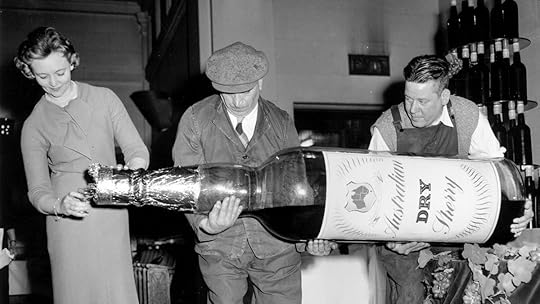
After a busy day at work, perhaps you head down to the pub to have a pint with your flatmates. Or maybe it’s an evening of sake and karaoke with the boss. Or pitchers of margaritas at your office park’s fast-casual restaurant. Work and alcohol: wherever we are, they seem to go together like start-ups and beer carts.
In moderation, there’s nothing wrong with that. But what about when it becomes a problem? Marianna Virtanen of the Finnish Institute of Occupational Health and colleagues found that people who log long hours are about 12% more likely to become heavy drinkers.
It’s just the latest in a series of studies she’s conducted on the negative health effects of overwork. “We have shown associations with impaired sleep and depressive symptoms,” she writes, via email. Another study showed an association between long hours and Type 2 diabetes in low income workers. And other research has found a dramatic correlation between overwork and heart disease.
In the study on excessive drinking, she and her colleagues took data from 61 different studies to create a dataset of over 330,000 workers across 14 countries. “We found that working more than 48 hours a week was associated with increased risky alcohol use,” explains Virtanen. “We defined risky alcohol use as more than 14 drinks per week for women and more than 21 drinks per week for men.”
Specifically, they found that people who worked long hours were, in general, 11% more likely to be heavier drinkers than those who worked normal hours. But just based on that association, they couldn’t be sure that long hours had actually caused the increased drinking. So they identified a cohort of their dataset that was logging long days, but had normal amounts of drinking, at the beginning of their dataset’s time period, and then tracked how those people were doing six years later. They found they were 12% more likely to have started drinking excessively. However, Virtanen notes, “this is an observational study, so we cannot completely make causal assumptions of the relationship between long working hours and alcohol use.”
A cultural aside: as an American, I found their definition of “risky” drinking to be rather generous. After all, the CDC says anything more than 8 weekly drinks a week for a woman or 14 for a man, is too much. This is just one of those things about which Europeans are a little more relaxed. For instance, Britain’s NHS advises women to stick to 2-3 units per day and men to 3-4 units per day — which would translate to 14-21 per week for women, and 21-28 for men. (Cheers, mate!)
But note that despite different countries’ different attitudes toward alcohol, and the fact that Virtanen’s data came from over a dozen countries, she did not see any differences between North America, Europe, Australia, or Asia: people everywhere were similarly likely to start drinking more as a result of pulling long hours.
The research team also found no differences between women and men, Virtanen explains: “Although women were less often risky drinkers than men (which has previously been shown in many other studies as well), the association was similar: if a woman worked long hours, her risk to develop unhealthy alcohol use habit was increased compared to a woman who worked standard hours.”
But maybe, to you, that sounds like a modest risk — nothing to write home about, or rather, head home over. If so, consider some of the other findings Virtanen has uncovered.
A previous paper she published found that working long hours is bad for the heart. Really bad: white-collar workers who worked 10 hours a day were 60% more likely to have heart-related health problems than white-collar workers who worked seven hours a day. A follow-up study found that people who worked long hours were 40% more likely to suffer from coronary heart disease than those who worked standard hours.
Is this dramatic change just because of increased stress? Or is there something else going on? Virtanen told me the mechanisms themselves haven’t been studied, so they can’t be entirely certain about which factors are involved. “We think stress might be one of them; poor recovery, poor sleep and symptoms of distress which can all contribute to heart diseases. Then there are lifestyle factors such as sedentary work and leisure time, unhealthy diet, alcohol use, and smoking. People who work long hours may in general have a lifestyle which involves poor self-care; for example they may be reluctant (or don’t have time) to see a doctor.”
Eventually, this physical wear and tear takes a toll on the brain. In yet another piece of research, Virtanen and team found that overwork hurts your brain in the long term. “We examined the association between long working hours and cognitive function and found a small decrease in a reasoning score [after] 5 years among those who worked long hours,” says Virtanen. “This finding may relate to cardiovascular health since it is known that cardiovascular health affects cognitive function.”
Looking for a loophole, I asked Virtanen if there was any difference, health-wise, in pulling late nights at the office and working from home. Does it still count as “overwork” if it’s just another hour or two of email after dinner? She’s not sure. “At the moment, we only have this large picture of the topic. Unanswered questions are: how long does one need to work overtime until there are harmful health effects? Is it harmful if you only have busy peaks of overwork every now and then? What if you enjoy your work and it’s highly rewarding? We hope we will get answers to these questions in our future studies.”
In the meantime, the best advice is the advice too many of us ignore: leave work at 5, and get thee to a gym.

The Apple Watch’s Big Pricing Problem

Apple begins taking pre-orders for its new Watch today. This stylish watch includes the ability to track your heart-rate, use ApplePay, view text/email messages and take calls Dick Tracy-style by speaking into your wrist (so long as the Watch is linked to a nearby iPhone). This product launch is unusual for Apple because it is offering a wide range of styles via a combination of options: two types of Watch case sizes (38mm, 42mm), three different Watch cases (stainless steel, aluminum, 18 karat gold), and a variety of Watch bands.
That wide range of options results in a wide range of prices. The Watch will cost from $349 (aluminum case, rubber band) to $17,000 (18 karat gold case, leather band with brass buckle).
I’m not a tech reviewer, so I haven’t actually worn or tried out a demo version of the Watch, as some early tech reviewers have. But based on what I’ve read so far, I’d grade the Watch an A for ambition and a D for pricing strategy.
First, the positives: The Watch continues Apple’s tradition of technology excellence, but brings the company into a new market realm — fashion. Apple realizes that watches, far more than smartphones, are an expression of the owner. New York fashionistas, Midwest executives, Hollywood celebrities – they all have unique tastes and therefore wear different watches. Apple rolled big on this release by trying to serve the wide and varied consumer market instead of producing a utilitarian smartphone accessory targeted towards technology wonks. That’s a level of ambition I admire.
Its pricing strategy, in contrast, will create major hurdles to long-term success.
The first problem is the issue of upgrades. Apple has long been criticized for the way its frequent updates result in planned obsolescence. It’s expected that Apple will release improved Watches in the near future, just as it does for its smartphones. (A new iPhone version is typically released every September). So forget about the top-of-the-line $17,000 version – why spend even $3,000 today for an everyday wearable that will look outdated and be functionally inferior in a year or so? It doesn’t make sense. In contrast to the advertising tagline for Patek Phillipe (“You never really own a Patek Phillipe, you merely look after it for the next generation”), consumers who buy a Watch are choosing a very expensive disposable timepiece.
Second, in contrast with smartphones, cell phone carriers aren’t subsidizing or providing monthly payment plans to make owning the latest technology financially accessible. If consumers had to pay the unsubsidized cost of an iPhone 6 ($649 to $849, depending on storage), most would be very slow to upgrade. The lack of subsidies on the Watch will make — or at least should make — consumers even more anxious about the cost of upgrades.
Third, the price range is extremely wide — in fact, it’s too wide, and that’s a big mistake. It’s rare for one brand to serve such a wide spectrum of customers – in the Watch’s case, $349 (somewhat accessible) to $17,000 (garishly expensive). Timex, for instance, targets the lower price range in the watch market while Rolex serves the high end.
The downside of this wide price range, from a brand perspective, is further complicated by the technology component of the Watch. When consumers see prices ranging up to $17,000, they tend to psychologically believe they’ll have to spend somewhere around the midpoint (say, $8,000) to get a “good one” (from a technology standpoint). The reality is the Watch’s technical performance is the same no matter what the price — the price differential is based on the various metals and adornments – -but this truth is obfuscated by the wide price range.
So what should Apple have done?
First, I would have narrowed the price range to, say, $249 to $2,000. Sure, that will knock out the profitable high-end, but what Apple needs now is mass adoption. This narrow price range acknowledges the 1–2 year disposability of the Watch, provides a spectrum of choices, and doesn’t psychologically scare customers away. I’d also offer a monthly payment plan (perhaps phrased as 24 easy payments of $11 per month) to make the watch more accessible to everyone.
Next, Apple needs to boldly address the white elephant: Watch technology will be much better in the near future. Perhaps for its higher-priced watches, this reality can be handled with a trade-in program (a guaranteed credit when an owner buys a new version). This will help customers overcome the obsolescence obstacle.
Finally, Apple should consider also bundling the Watch with its iPhone. The bulk of iPhone 6 sales, for instance, have been made and a value bundle makes sense to sell more units by providing enhanced value. It would have been genius to offer this bundle to combat the other big technology release today of Samsung’s highly anticipated Galaxy 6.
Creatively employing these pricing tactics would have helped Apple overcome key obstacles to help ensure this first generation Watch is the foundation of another big product category.
Make no mistake: There will be a weekend of frenzied sales fueled by diehard and deep-pocketed Apple fans. But with $183 billion in annual revenues, Apple needs sustained sales to prove the Watch has big product potential. Due to its sub-optimal pricing strategy, it’s not clear this will happen.

April 9, 2015
Design a Work-Life Improvement Pilot Project

Imagine you’re standing in front of a heaping buffet, featuring all of your favorite foods. What’s your plan of attack? Do you squeeze one tiny bite of everything onto your plate? Eat so much you make yourself sick? Become overwhelmed by the options and come away dissatisfied, no matter what you choose?
Opportunities – both at work and in the rest of life – are like that overloaded sideboard. Everything looks delicious, but we can’t eat it all (though we might try). We have to be more intentional and deliberate.
Just as food fuels your body, having a life outside of work fuels on-the-job performance. But while performance goals are always top of mind for managers, many overlook the role of employee work-life balance in driving that performance.
Let’s be honest. Historically, companies have not treated work-life balance as a strategic imperative. They haven’t acknowledged the stress and overwhelm caused by increased workloads and the disappearance of the traditional boundaries between work and life. They’ve allowed the “You’re just lucky to have a job” post-recession mindset to linger and hamper innovation, and they’ve continued to marginalize anything related to flexibility as a “mother’s issue.” And many employees don’t know where to begin in terms of managing the competing demands on their time and energy – whether because their managers aren’t supporting them, or because they’ve never learned to be strategic about managing the modern all-you-can-eat reality of work and life.
My organization recently spent six weeks with 40 employees at Quest Diagnostics, a leader in diagnostic information services, including lab-based employee wellness services. Our goal was to provide the group with the skills to identify what matters the most, on and off then job, and then make those priorities happen in a way that sustained both well being and high performance. As a result of this pilot initiative, we found that:
100% of participants reported that their productivity at work either increased (46%) or stayed the same.
92% feel they’re now better able to prioritize all their responsibilities and goals.
88% said the more actively managed their work and life.
81% said they’re more likely to collaborate and coordinate with others.
72% said they’re more aware of and had more respect for the differences in people’s work and life realities.
This supports research that shows managing the fit between work and off-the-job activities improves performance. Here’s the process we followed, that you can implement, personally and within your workplace:
First, we asked the group to think of their countless work, career, and personal possibilities as part of that big, beautiful buffet – with sections allocated to job performance, health/renewal, finances, professional development, friends, family, community, caregiving, and life maintenance.
Then, we taught them how to follow a simple process to determine how much extra room they have on their plate for additional servings in the next week. That extra capacity depended upon their ever-changing work and personal realities. Some weeks they’ll have a lot of empty space, but other weeks their plates will be almost full, limiting what they can add.
Next, we helped them prioritize the dishes on the buffet from which to fill the clean space on their plate. Each individual serving represented a small, meaningful, but doable action or priority they wanted to make happen. This might include going to the gym three times, baking your best friend a birthday cake, playing a game with your son, having coffee with a direct report, or taking a webinar to learn a new job skill.
Finally, for each serving/goal, we showed the group how to record it into a combined calendar system, and think through how and where they will get it done, and with whom they’d have to coordinate and communicate.
Each week the participants started the process again. But before they could go back up to the buffet, they had to stop and celebrate success. Because “stuff happens,” perfection can’t be the bar against which we gauge performance and well being. Some weeks you’ll clean your plate, but other weeks, servings you thought you’d consume remain untouched. Give yourself credit for what you did get done, because over time, each trip back up to the buffet digs the roots of personal and professional success a little bit deeper.
In addition, to help reinforce participation and accountability to the process, each week participants recorded their experience with practice in a brief survey and shared at least one accomplishment, including:
“At work I finished the remaining 3Q reviews for my employees that I kept postponing. I took the time to talk to each of the employees whose review was pending, set expectations of when we were going to meet, told them what I wanted to see in their summary of accomplishments, etc. This was big for me. On the personal note, I actually went to my kick boxing class three times, and slept eight hours every day. I got a ton done!”
“I added a third “movement” day to my week (went to the gym three times this week). I also signed up for the health coach at work.”
“I reached out to a local organization that has a residential program for children who have been abused, neglected or have mental health issues. This is an organization I have been hoping to get involved with volunteering and donating wish list items to. After I reached out to their community relations coordinator, my family has two holiday wish lists to fulfill and a place we are able to volunteer at on a regular basis. My husband and I both have been hoping to find the right place where we can spend time at as well as teach our kids the value of service work.”
Quest is now exploring ways to share and scale the training with employees more broadly, while keeping it fully aligned with business priorities, including building a high performance culture and a culture of health.
To design a work and life management strategy that improves performance and well being, personally or within your workplace, take these three steps:
Recognize the strategic relevance of workload and how work fits into the other priorities in your life and the lives of your employees. For change to happen, either personally or within the workplace, the potential ROI must clearly justify the effort. The 2014 Towers Watson Global Workforce study ranks work-life balance third among the top drivers of sustainable engagement. Strategies to help individuals optimize their work and life aren’t just “nice-to-have optional perks,” they are critical to performance.
Find an alternate term to work-life “balance” to describe the desired outcome. Organizationally, when senior leaders hear the phrase “work-life balance,” they automatically assume “work less” and fail to make the direct link to performance. Even on a personal level, we know “balance” is a unicorn we will never truly find. In today’s competitive, always on, do-more-with-less reality, few will support “balance” or see its relevance. However, if the goal is “high performance and well being,” “work life sustainability” or other language that describes more productive, less stressed, more creative, healthier, and more engaged person, the imperative is clear.
Plan a pilot and then measure its impact. Like Quest, plan a pilot initiative in your workplace or for yourself. Go beyond just learning a new set of work-life skills –- experiment with those skills for a period of time. Then measure the impact on outcomes that matter most to you. For Quest, those metrics were productivity, ability to gauge capacity, prioritization, execution, collaboration and communication. For each person, that definition of success will vary but still needs to be defined upfront. If the goal is specific like “exercise more,” you could determine how many steps you wanted to fit into your work and life each day and track with a FitBit. You can even measure a less concrete ambition like “feel more in control.” Describe what that increased sense of control would look like/feel like at the end of the pilot. Then revisit that description to determine if you’ve achieved your objective.
For cultures to shift and behaviors to change, we have to give people the skills and tools to improve their performance, on and off the job. Executives can also clarify the “rules of engagement” related to technology and boundary setting to limit “always-on” burnout. And at the managerial level, we have to provide more and better training to help managers assign work fairly and deliberately, give consistent feedback, and set clear goals and objectives.

Business Can Help End Child Labor

I have always been fascinated by the question: How can for-profit corporations innovate to solve the world’s toughest challenges? My passion for this topic was formed at a very early age. Growing up in India, I realized that the country has too few resources to confront its many challenges; the only way India can hope to solve its problems is through innovation. I therefore committed my professional career to research how to make innovations happen. For instance, I challenged businesses to design a $300 house for the poor.
Recently another seemingly intractable problem — but one that businesses could eradicate — came to my attention. This past winter, I had the distinct honor of meeting activist Kailash Satyarthi, the co-winner of the 2014 Nobel Peace Prize. The occasion was the Tuck Global Leadership 2030 executive education program, which took place in Chennai, India, and Satyarthi was the distinguished guest. He gave a 45-minute heartfelt speech about his decades of work freeing child and adult slave laborers from bondage in Indian mines and factories. Recently, Fortune named Satyarthi one of The World’s 50 Greatest Leaders, highlighting his conviction that child labor is as much an economic issue as a human rights one. I couldn’t agree more with this belief. But I would go even further, and humbly suggest that the exploitation of children and adults as slave laborers is a business issue — where suppliers and consumers have and should use their power to apply pressure to violators.
Looking at human rights violations through a business lens opens up a range of solutions one otherwise would not associate with human rights, and causes us to ask an important question: If laws alone can’t protect our children, who or what can? The fact is, when governmental regulations don’t go far enough to keep kids safe, corporations and consumers can single-handedly or cooperatively refuse to do business with suppliers that employ children.
When we think of protecting human rights, we tend to think of governments and laws, and the earnest work of the not-for-profit sector. For example, India has one of the most entrenched and insidious networks of child slavery and labor in the world, resulting in untold suffering for millions of minors. To combat this legacy of human rights violations, the Indian Parliament in February introduced an amendment to its Child Labor Act that would ban the employment of kids under the age of 14 for safe work, and under the age of 18 for hazardous work. I applaud this effort and hope it succeeds, but it fails to include the larger business community in the solution to the problem.
One need look no further than tobacco farms in the United States, where laborers as young as 12 are suffering from acute nicotine poisoning, to see that even the most advanced democracies can’t combat child labor by themselves. But the tobacco industry worldwide, in fact, has pledged to do just that. In an historic announcement at the end of last year, a network of some of the world’s biggest tobacco companies jointly agreed to follow international labor law, which prohibits hazardous work by children under 18, and sets a minimum age of 15 for employment. The pledge came from Eliminating Child Labor in Tobacco Growing Foundation, an industry-supported initiative based in Geneva with members such as Phillip Morris, Altria, and British American Tobacco, among many others. Together, they represent a significant percentage of the world’s tobacco supply chain. The pledge has a serious hole — it defers to national regulations on the definition of “hazardous work” — but it is a huge step in the right direction, and one that could only be taken by corporations themselves.
In another stunning example of suppliers and consumers wielding their market power to stop human rights violations, the rug industry has made enormous progress in eradicating child labor from its supply chain, through the GoodWeave Child-Free-Labor Certification. Goodweave, a nonprofit organization founded by Satyarthi in 1994, grants licenses to rug importers and exporters who have signed a contract agreeing to abide by a specific no-child-labor standard. The businesses also agree to allow GoodWeave to randomly inspect manufacturing sites and pay a licensing fee that supports GoodWeave’s monitoring and inspection.
When GoodWeave began its child labor advocacy, 1 million children in South Asia were working in the rug industry, where they were subject to malnutrition, deformity from sitting for long hours in sheds, respiratory diseases from inhaling wool particles, and injuries from using sharp tools. Since then, GoodWeave has certified more than 11 million rugs, and the number of child workers has dropped to 250,000. There is still a long way to go, but GoodWeave continues its mission and is expanding its model to other sectors of the economy.
GoodWeave could never have done this without the support of private enterprises that saw the value of a humane supply chain, and consumers who voted with their dollars for a more just economy. The power of these two groups is arguably greater than that of all nations combined. Make no mistake, governments must continue their work to pass and enforce effective laws that send a clear message that child labor is wrong and will not be tolerated. But at the same time, corporations and consumers must speak loudly by developing a culture of social responsibility — and they can take heart in knowing that it makes a difference.

How to Negotiate Nicely Without Being a Pushover

We all want it both ways: to get what we want from a tough negotiation and to walk away with our relationship intact. The good news is that kind of outcome is possible. But how exactly do you drive a hard bargain while also employing soft skills? How do you advocate for what you want without burning important bridges?
What the Experts Say
A negotiation is “a courtship, a dance,” says Michael Wheeler, a professor at Harvard Business School and author of The Art of Negotiation: How to Improvise Agreement in a Chaotic World. “But you don’t have to compromise and settle for less in order to maintain good relations.” Jeff Weiss, a partner at Vantage Partners, a Boston-based consultancy specializing in corporate negotiations and relationship management, and author of the HBR Guide to Negotiating, agrees. People think they either have to be nice in order to spare hard feelings, or overly tough in order to win, he says. But that’s “a false dichotomy and an incredibly dangerous one.” Here’s how to negotiate to produce a lasting relationship and an outcome that works for you.
Make small talk
“Don’t rush to the substance,” says Weiss. “Introduce yourself, and take a little time to get to know people, how they operate, and how they act.” This chitchat can often provide crucial information about the other side’s interests that might help you later. It also helps establish a rapport, and sometimes even trust: In a Stanford University study, students who were required to make small talk before a negotiation were significantly more likely to come to agreement than those students who weren’t. The conversation needn’t be personal, either. It could be about process — like how long the talks should take, and how the other side tries to involve stakeholders — which still gives you context that might prove useful. Making smart small talk “is where the great negotiators really shine,” says Wheeler.
Don’t try to buy love
When an important business relationship is on the line, there’s a tendency to cave to the other side’s demands in order to avoid tension or confrontation. But “money does not necessarily buy you love,” says Wheeler. Conceding on price or substance because you don’t want to upset the other party is a losing scenario, even if you think you’ve temporarily saved the relationship. “In reality, you haven’t gained anything, you didn’t build trust, and you’ve taught the other side to negotiate that way,” says Weiss. Pushing back in a professional way needn’t be seen as combative. You can “challenge people respectfully,” says Weiss.
Further Reading
How to Negotiate with Someone More Powerful than You
Negotiations Article
Carolyn O’Hara
Buck up and get results.
Why the Gettysburg Address Is Still a Great Case Study in Persuasion

Today marks the 150th anniversary of the end of the American Civil War, a war that began on April 12, 1861. It was just a month after the inauguration of President Abraham Lincoln. He had not won a majority vote – far from it. He’d only won about 40% of the popular vote, and some states didn’t even put him on the ballot. He only scraped a victory thanks to a very close four-way race. But despite this unlikely beginning during turbulent times, Lincoln went on to become one of the country’s most revered presidents, and one of its best orators. His best-known speech is, of course, the Gettysburg Address. It’s often studied for its rhetoric, and deservedly so – there are gems of psychological persuasion hidden throughout.
But there’s good advice for all communicators in just the first sentence. In that opening line alone, Lincoln delivers four distinct psychological strategies designed to persuade and influence his audience:
Four score and seven years ago our fathers brought forth on this continent, a new nation, conceived in Liberty, and dedicated to the proposition that all men are created equal.
Tell a story. Research has shown that stories can be powerfully persuasive. In this case, Lincoln’s now iconic opening is a little more specific than the standard “once upon a time,” but regardless of his exact wording, these first words signal to the audience that there’s a narrative coming.
There are many studies that attest to the power of story. For example, Deborah Small at the University of Pennsylvania created two different versions of a marketing pamphlet designed to raise money for a charity. One version was laden with statistical data about the problems facing children in Africa, and the other featured a story about Rokia, an impoverished girl in the area. Participants were given just one of the two pamphlets to evaluate and they were also given five one-dollar bills to donate as much or as little as they would like to a charity that promised to help those children in Africa. Those who had received the statistics-laden pamphlet donated an average of $1.43, but those who had received the story pamphlet donated nearly double, an average of $2.38.
The bottom line: if you need to be more persuasive in the boardroom, in the classroom, or from the podium, a simple story will greatly increase your chances of moving your listeners to action.
Begin from a place of agreement. Although he had to go back eighty-seven years, Lincoln eventually found something that his entire audience could agree on. Words like “liberty” and phrases like “all men are created equal” are pulled directly from a document that Americans – then and now — revere like no other, the Declaration of Independence. To nod your head in agreement at those words is a near compulsion.
It is crucial to get people to say “yes” to little things if you want them to say “yes” to bigger things later. So start by acknowledging your agreements.
“Our.” Lincoln used first person, plural personal pronouns like “we” and “our” throughout his two-minute speech. They help develop rapport and create a sense of “togetherness”. But there’s also some surprising research that suggests these types of pronouns also increased Lincoln’s status in the minds of his audience.
James Pennebaker studies how people use words. More specifically, how they use function words (such as pronouns and articles). His findings are startling and nearly universal. In his book, The Secret Life of Pronouns he writes, “In any interaction between two people, the person with the higher status uses fewer I-words. [They also] use first person plural pronouns (we, us, our) at much higher rates than those lower in status.”
Is it possible that by using “our” early on and peppering the rest of his speech with even more “we” words, Lincoln effectively gained positioning, status, and perceived confidence within his audience’s minds? Did this technique, combined with the authority that comes with the U.S. Presidency make the rest of his words much more credible and compelling? Or were these words simply the evidence of his title and position? Whether intuitive or intentional, it’s clear that Lincoln stayed away from I-words and leaned heavily towards we-words, captivating his audience on a subconscious level.
If you want to improve your status and positioning, try removing as many I-words as you can from your emails and face to face interactions and replace them with we-words.
Articulate a compelling reason. In the 1970s Harvard psychologist, Ellen Langer discovered that saying the word “because” when asking for something increases your persuasive power from 60% to 93% – even if you don’t have an actual reason. Unfortunately, that only really works for tiny decisions of relative little importance, such as whether or not you want to allow someone to cut in line ahead of you. Lincoln was dealing with a line being cut across a country. It couldn’t possibly work with something of any real significance, could it?
Lincoln used something I discuss in my book called “Advanced Because Techniques,” or “ABT”. Although he doesn’t state the word “because” directly, the entire sentence (the entire speech, even) could be summed up in the word “because”. After all, it answers the question “Why?”
Why? “The proposition that all men are created equal.”
Why? “To see whether that nation, or any nation so conceived can long endure.”
Why? “For those who here gave their lives that that nation might live.”
Why? “For us the living, rather, to be dedicated here to the unfinished work which they who fought here have thus far so nobly advanced.”
Why? “[So] that these dead shall not have died in vain — that this nation, under God, shall have a new birth of freedom — and that government of the people, by the people, for the people, shall not perish from the earth.”
People need reasons to do things, and Lincoln gave them more than one. His compelling list of hidden “becauses” etched the moment not just in the memories of those gathered, but right into the very fabric of America.
Figure out what motivates your employees, and when they need a pick-me-up, remind them of those reasons. Stop pointing to the company mission statement. The only reasons that consistently work are people’s own internal reasons. If your goal is to have motivated employees (or children, or students, etc.), then it’s your responsibility to find out what those reasons are.
Lincoln became a great public speaker not only because he knew the right words to say, but because he had a deep knowledge of precisely how it was going to affect his audience and compel them to action. He understood his audience’s perspective. In order to become great communicators in business and in life, we too must be able to step beyond our own thoughts, feelings, and desires and master the art of words from other people’s perspective.

The Most Common Mistake People Make In Calculating ROI

Your company is ready to make a big purchase — a fleet of cars, a piece of manufacturing equipment, a new computer system. But before anyone writes a check, you need to calculate the return on investment (ROI) by comparing the expected benefits with the costs. Analyzing ROI isn’t always as simple as it sounds and there’s one mistake that many managers make: confusing cash and profit.
This is an important distinction because if you mistake profit for cash in your ROI calculations, you’re likely to show a far better return that you can expect in reality. So keep in mind: Profit is not the same thing as cash.
Sure, you may know this already, but people who haven’t studied finance often find this statement confusing. If a company earns a $500,000 profit in a calendar year, shouldn’t it have $500,000 more in the bank on December 31 than it did on January 1 of that year?
Excerpted from
HBR TOOLS: Return on Investment
Finance & Accounting Tool
Joe Knight
29.95
Add to Cart
Save
Share
The answer is no, not necessarily. Profit and cash are really two different animals. Profit appears on a company’s income statement. It indicates what is left after all costs and expenses are subtracted from the company’s revenue. But it isn’t directly related to cash.
For example, “revenue” isn’t a cash-based number: A company can record revenue whenever it ships a good or delivers a service to a customer, whether or not the customer has paid the bill. Some of those costs and expenses aren’t cash-based, either. Income statements almost always include an allowance for depreciation of capital assets.
Cash transactions, meanwhile, show up on the cash flow statement. That statement records cash generated by a company’s operations and cash spent on those operations; cash spent on capital assets (and cash generated by the sale of capital assets); and cash received from, or paid to, lenders and shareholders.
A common mistake in ROI analysis is comparing the initial investment, which is always in cash, with returns as measured by profit or (in some cases) revenue. The correct approach is always to use cash flow — the actual amount of cash moving in and out of a business over a period of time.
Let’s look at an example: A midsize manufacturing company wants to know whether to invest in a new $10 million facility. The plant would generate an additional $10 million in revenue and $3 million in profit per year. At first glance the return looks great: 30% every year. But profit is not cash flow. Once the plant starts operating, for instance, you might need to spend an additional $2 million on inventory. You might also find that your accounts receivable (A/R) — what customers owe you for services rendered or products delivered — rises by $1 million. These two variables alone would consume the entire $3 million in profit, so your incremental cash flow in the first year would actually be $0.
Investments in inventory and A/R are shown on a company’s balance sheet (a “snapshot” of a company’s financial position at a point in time) and are included in working capital — funds used in the operation of a business, often defined as current assets minus current liabilities. Working capital requirements are typically built into an Excel model you’ll use to calculate ROI, so you don’t need to worry about them. But you do need to understand the importance of comparing cash returns with cash outlays. Apples to apples, and all that.
Occasionally companies analyze investments in terms of their effect on revenue. That’s because many young companies focus on hitting certain revenue targets to satisfy their investors. But revenue figures say nothing about profitability, let alone cash flow. True ROI analysis has to convert revenue to profit, and profit to cash.
Once you grasp the cash vs. profit distinction you can better understand the four basic steps of ROI analysis.
Determine the initial cash outlay. Usually this is the simplest part of the analysis. You just add up all the costs of the investment. This includes items such as equipment costs, shipping costs, installation costs, start-up costs, training for the people involved, and so on. Everything that goes into getting the project up and running has to be part of your initial cash outlays.
If you’re just buying a new machine, it’s pretty easy to estimate all the costs. A project or initiative that is likely to take several months will be harder.
Forecast the cash flows from the investment. This step is the toughest part. You need to estimate the net cash the investment will generate, allowing for variables such as increased working capital, changes in taxes, adjustments for noncash expenses, and so on. Putting the cash flows on a calendar will allow you to estimate returns year by year or even month by month. Most of your time will be spent on this step. It’s where your company’s finance department will ask the toughest questions and scrutinize your estimates and assumptions most carefully.
Determine the minimum return required by your company. The minimum rate of return is often called a hurdle rate, and it is determined by your company’s finance department. Companies may have more than one hurdle rate depending on the risk involved in proposed investments. The finance people determine hurdle rates by looking at the company’s cost of capital, at the risk involved in a given project, and at the opportunity cost of forgoing other investments.
Evaluate the investment. This is the final step. You can use one or more of four ROI calculation methods: payback, net present value, internal rate of return, and profitability index. The results will tell you whether the proposed investment offers a return more or less than the company’s hurdle rate. Some of the calculations will also help you compare this investment with alternative investment possibilities.
While these are the basic steps, there is a lot more to getting it right. You have to account for the time value of money. You have to estimate returns based on cash flow rather than on profit. You must know your company’s hurdle rates, and you must determine which method of calculating ROI is the best one for your project.
For more on calculating ROI, see HBR TOOLS: Return on Investment (ROI) .

Marina Gorbis's Blog

- Marina Gorbis's profile
- 3 followers

