John A. Heldt's Blog, page 14
August 16, 2018
Becoming a grandfather
Like many Baby Boomers, I have always thought of grandparents as older people. Women who sit in rocking chairs and knit sweaters. Men who tell fishing stories on creaking porches. Folks who start life with a two-generation head start on the rest of us. Someone else.
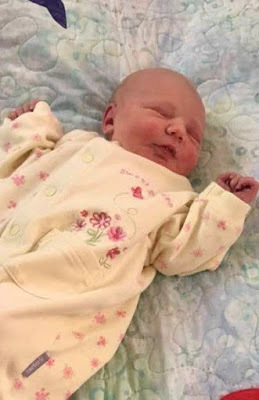 I don't think that way anymore. Today I think of grandparents as the woman I married thirty-two years ago and the man I see in the mirror several times a day. Time, as they say, catches up with everyone. And at nine forty-one on the Ides of August, it caught up with me.
Thanks to the joyous arrival of a little girl late last night, I became a grandfather for the first time. Like many others who followed texts and emails closely after my oldest daughter, Heidi, went into labor, I had to wait several hours to learn the particulars. But the wait was more than worth it.
Stella Irene Knipe, like her exhausted parents, is doing well. At seven pounds, two ounces, and twenty inches long, with a pleasantly mellow disposition, she looks like a kid who is ready for prime time.
I plan to see my granddaughter in person for the first time next month, when Cheryl and I can get away from Las Vegas, make the long trip to rural northern Idaho, and complete this life change. I can't wait.
Until then, I am content to know that Stella is happy and healthy; that her parents, Heidi and Will, are as pleased as punch; and that sometimes life's milestones are all they are supposed to be.
 I don't think that way anymore. Today I think of grandparents as the woman I married thirty-two years ago and the man I see in the mirror several times a day. Time, as they say, catches up with everyone. And at nine forty-one on the Ides of August, it caught up with me.
Thanks to the joyous arrival of a little girl late last night, I became a grandfather for the first time. Like many others who followed texts and emails closely after my oldest daughter, Heidi, went into labor, I had to wait several hours to learn the particulars. But the wait was more than worth it.
Stella Irene Knipe, like her exhausted parents, is doing well. At seven pounds, two ounces, and twenty inches long, with a pleasantly mellow disposition, she looks like a kid who is ready for prime time.
I plan to see my granddaughter in person for the first time next month, when Cheryl and I can get away from Las Vegas, make the long trip to rural northern Idaho, and complete this life change. I can't wait.
Until then, I am content to know that Stella is happy and healthy; that her parents, Heidi and Will, are as pleased as punch; and that sometimes life's milestones are all they are supposed to be.


July 4, 2018
Taking a summertime break
According to Alan Cohen, author of more than twenty inspirational books and CDs, "There is virtue in work and there is virtue in rest." "Use both," he advises, "and overlook neither."
This month I plan to pay more than lip service to rest. For the first time in more than a year, I will take a "break" from writing and marketing -- about three to four weeks -- and focus on other things.
 This is a good time to take a breather. I am about halfway through the third Carson Chronicles book and at a point where more research and reflection might be beneficial. I still hope to publish the novel, set mostly in Phoenix, Arizona, in 1943 and 1944, by December.
 While I am recharging my writing batteries, I will monitor the progress of my twelfth and longest audiobook. Chaz Allen, narrator of
The Fire
,
September Sky
,
Mercer Street
,
Indiana Belle
, and
River Rising
, is more than twenty chapters into
The Memory Tree
and should finish the second Carson book sometime in August or September.
While I am recharging my writing batteries, I will monitor the progress of my twelfth and longest audiobook. Chaz Allen, narrator of
The Fire
,
September Sky
,
Mercer Street
,
Indiana Belle
, and
River Rising
, is more than twenty chapters into
The Memory Tree
and should finish the second Carson book sometime in August or September.
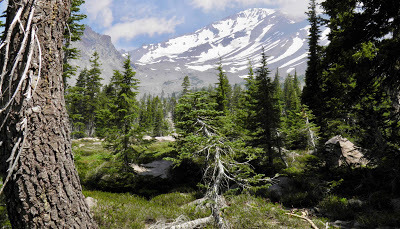
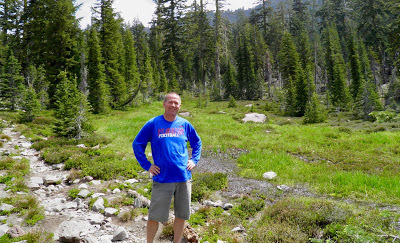
I also plan to do some traveling and see at least a few more settings from previous works. Early this morning, I had the opportunity to visit Mount Shasta, a significant setting in River Rising and The Memory Tree and one of Northern California's natural wonders.
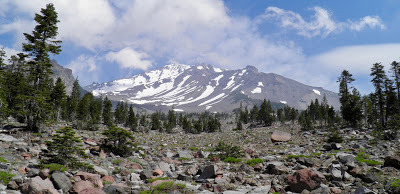 And though I did not see the time portal used by Tim and Caroline Carson, I did see stunning alpine scenery at Panther Meadows (photos). I encourage any visitors to the upper reaches of the Golden State to pay the area a visit. In July, anyway, it is beyond compare.
Best wishes to my readers and others on America's 242nd birthday. Have a happy and safe Fourth of July!
This month I plan to pay more than lip service to rest. For the first time in more than a year, I will take a "break" from writing and marketing -- about three to four weeks -- and focus on other things.
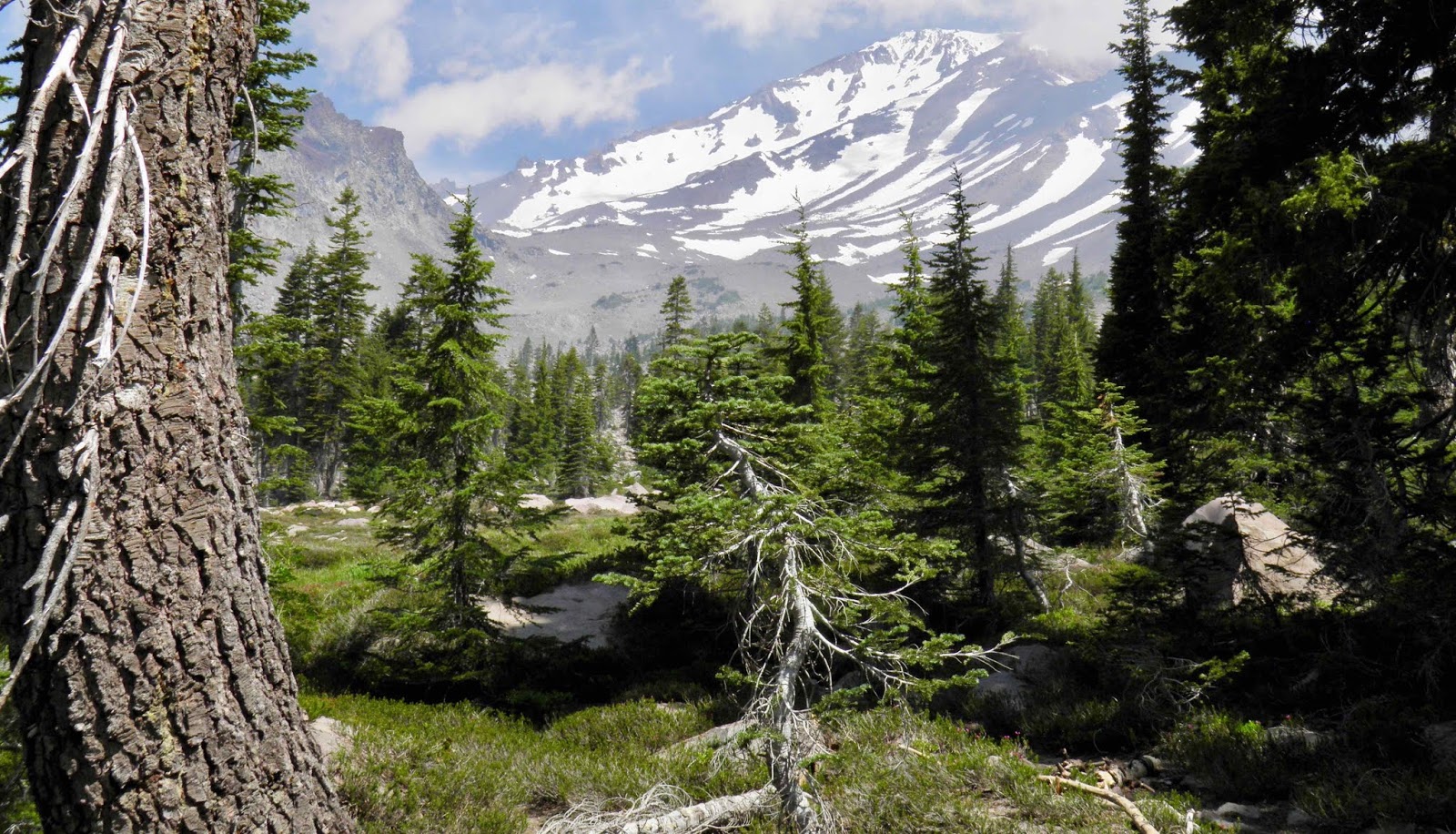 This is a good time to take a breather. I am about halfway through the third Carson Chronicles book and at a point where more research and reflection might be beneficial. I still hope to publish the novel, set mostly in Phoenix, Arizona, in 1943 and 1944, by December.
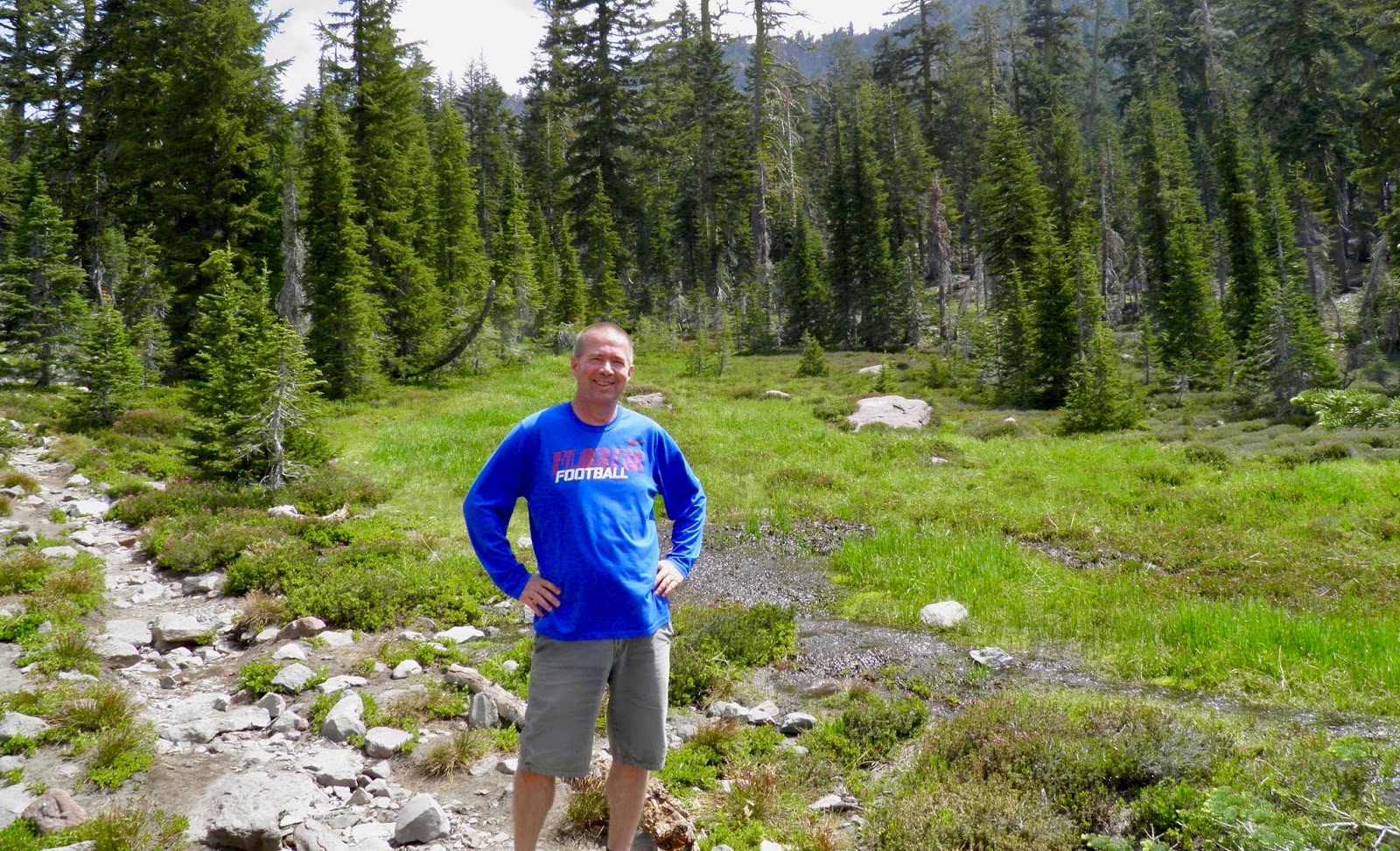 While I am recharging my writing batteries, I will monitor the progress of my twelfth and longest audiobook. Chaz Allen, narrator of
The Fire
,
September Sky
,
Mercer Street
,
Indiana Belle
, and
River Rising
, is more than twenty chapters into
The Memory Tree
and should finish the second Carson book sometime in August or September.
While I am recharging my writing batteries, I will monitor the progress of my twelfth and longest audiobook. Chaz Allen, narrator of
The Fire
,
September Sky
,
Mercer Street
,
Indiana Belle
, and
River Rising
, is more than twenty chapters into
The Memory Tree
and should finish the second Carson book sometime in August or September.I also plan to do some traveling and see at least a few more settings from previous works. Early this morning, I had the opportunity to visit Mount Shasta, a significant setting in River Rising and The Memory Tree and one of Northern California's natural wonders.
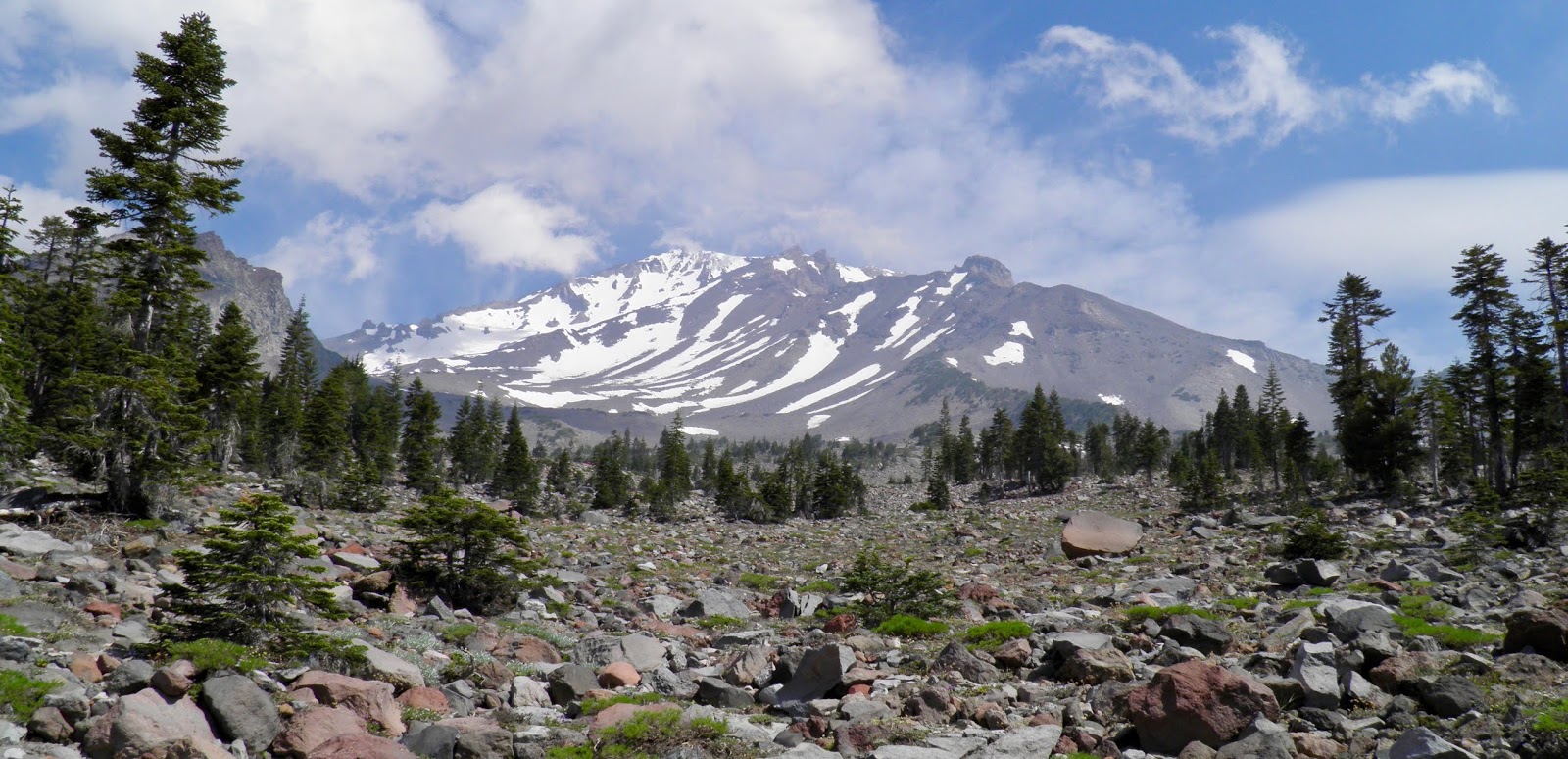 And though I did not see the time portal used by Tim and Caroline Carson, I did see stunning alpine scenery at Panther Meadows (photos). I encourage any visitors to the upper reaches of the Golden State to pay the area a visit. In July, anyway, it is beyond compare.
Best wishes to my readers and others on America's 242nd birthday. Have a happy and safe Fourth of July!
June 13, 2018
Getting an on-site inspection
There is nothing like visiting the scene of a scene to stir the senses and get a genuine feel for a time and place. I should know. I have done it several times, most notably on June 21, 2013, when I walked across the intersection of Sixth and Bank in Wallace, Idaho, at exactly the same time as protagonist Kevin Johnson in
The Fire
.
I intend to do something similar next month when I visit Upper Panther Meadow on the south slope of Mount Shasta in California. Readers of the Carson Chronicles may remember that the meadow is the location of one of three time-travel portals mentioned in the series. All three portals appear only on solstices and equinoxes.
 The other portals, prominently featured in
River Rising
and
The Memory Tree
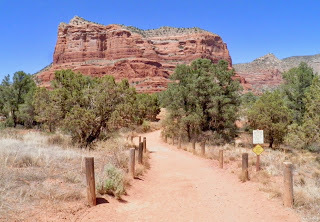
, are located near Sedona, Arizona, and New Paris, Pennsylvania. I visited the Sedona "portal" on Tuesday because I had the opportunity and because I wanted to see what members of the Carson family saw in two — soon to be three — works of fiction.
The other portals, prominently featured in
River Rising
and
The Memory Tree
, are located near Sedona, Arizona, and New Paris, Pennsylvania. I visited the Sedona "portal" on Tuesday because I had the opportunity and because I wanted to see what members of the Carson family saw in two — soon to be three — works of fiction.
The general setting, south of Bell Rock and Courthouse Butte in Yavapai County, Arizona, was as I expected it to be: stark, stunning, and beautiful. With its abundant vegetation and inspiring landscapes, it was much more appealing than even the tourist photos and satellite images I used in creating several chapters in the books.
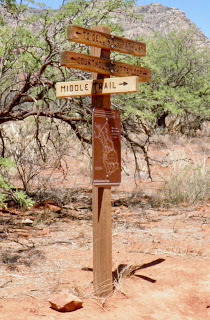 Because of the near-100-degree heat and my limited time schedule, I had hoped to get in, take my pictures, and get out. But like the Carsons, I found that trips to Red Rock Country can get problematic in a hurry. I took a wrong turn at a fork in a trail and ended up in a no man's land of rocks, juniper, sagebrush, and prickly pear — with no water, no map, and a bike that was not built for off-trail travel. Central Arizona, I quickly learned, was a land filled with surprises.
I needed a half hour to extract myself from the thicket, much to the surprise of my wife, Cheryl, who remained with our traveling cat in our air-conditioned pickup. Like the vendor at the trailhead who advised me to load up on water, she assumed I knew what I was doing.
In the end, though, the payoff was worth it. The final stop, southeast of Courthouse Butte on the Loop Trail, was as spectactular up close as it was in pictures. I made a mental note to come back soon.
I should note that I did not see the sofa-sized boulder described in River Rising and The Memory Tree . Nor did I see many open spaces or a time portal that floated in the air like a translucent sheet. Then again, I didn't expect to. The solstice was still nine days away.
I intend to do something similar next month when I visit Upper Panther Meadow on the south slope of Mount Shasta in California. Readers of the Carson Chronicles may remember that the meadow is the location of one of three time-travel portals mentioned in the series. All three portals appear only on solstices and equinoxes.
 The other portals, prominently featured in
River Rising
and
The Memory Tree
, are located near Sedona, Arizona, and New Paris, Pennsylvania. I visited the Sedona "portal" on Tuesday because I had the opportunity and because I wanted to see what members of the Carson family saw in two — soon to be three — works of fiction.
The other portals, prominently featured in
River Rising
and
The Memory Tree
, are located near Sedona, Arizona, and New Paris, Pennsylvania. I visited the Sedona "portal" on Tuesday because I had the opportunity and because I wanted to see what members of the Carson family saw in two — soon to be three — works of fiction.The general setting, south of Bell Rock and Courthouse Butte in Yavapai County, Arizona, was as I expected it to be: stark, stunning, and beautiful. With its abundant vegetation and inspiring landscapes, it was much more appealing than even the tourist photos and satellite images I used in creating several chapters in the books.
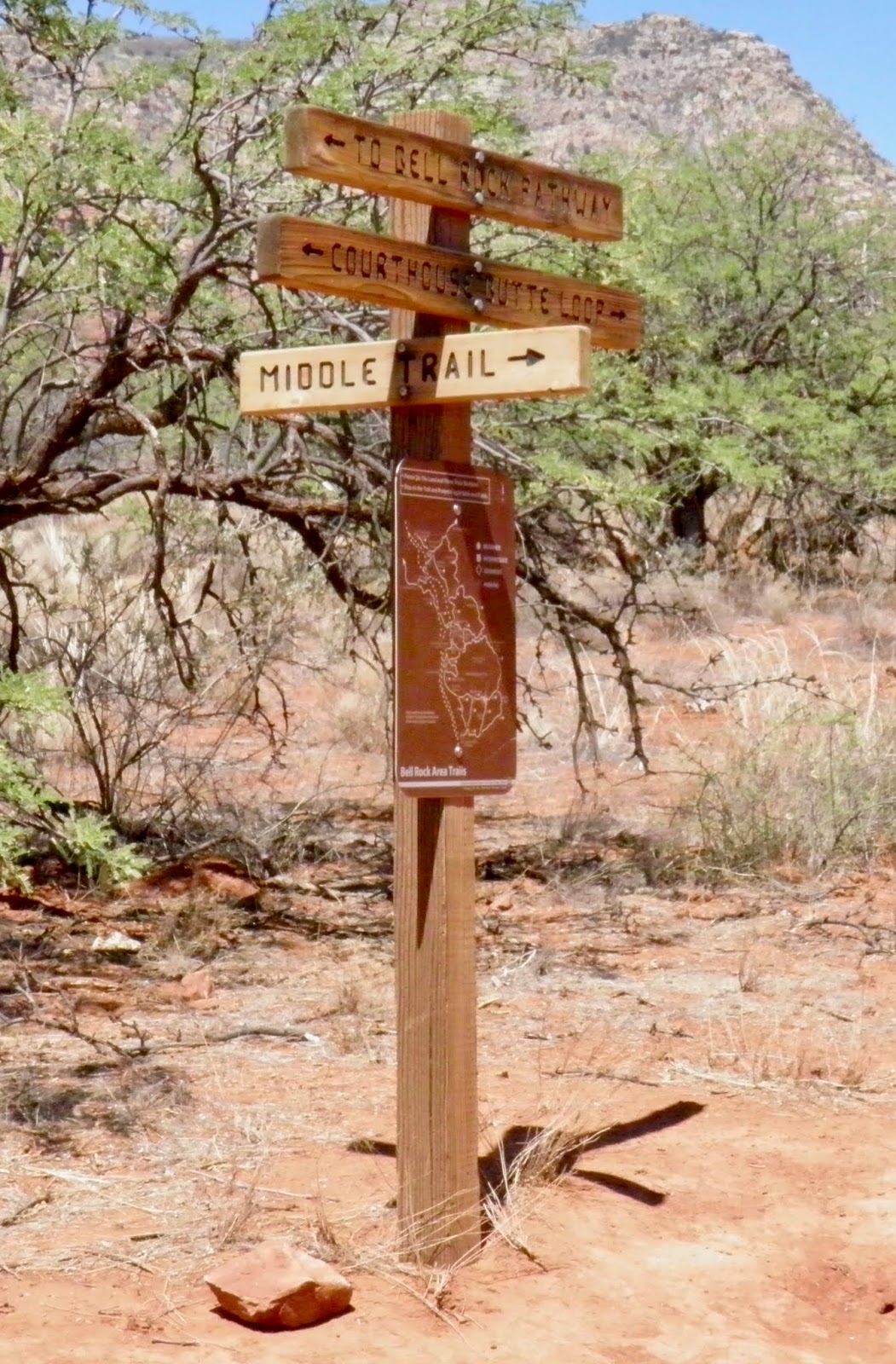 Because of the near-100-degree heat and my limited time schedule, I had hoped to get in, take my pictures, and get out. But like the Carsons, I found that trips to Red Rock Country can get problematic in a hurry. I took a wrong turn at a fork in a trail and ended up in a no man's land of rocks, juniper, sagebrush, and prickly pear — with no water, no map, and a bike that was not built for off-trail travel. Central Arizona, I quickly learned, was a land filled with surprises.
I needed a half hour to extract myself from the thicket, much to the surprise of my wife, Cheryl, who remained with our traveling cat in our air-conditioned pickup. Like the vendor at the trailhead who advised me to load up on water, she assumed I knew what I was doing.
In the end, though, the payoff was worth it. The final stop, southeast of Courthouse Butte on the Loop Trail, was as spectactular up close as it was in pictures. I made a mental note to come back soon.
I should note that I did not see the sofa-sized boulder described in River Rising and The Memory Tree . Nor did I see many open spaces or a time portal that floated in the air like a translucent sheet. Then again, I didn't expect to. The solstice was still nine days away.
May 2, 2018
A 'Tree' that bloomed early
I had originally planned this one for August. That was back in the tentative days of October, when I thought I would need ten months to plan, write, and edit a novel as long and expansive as
River Rising
.
Then something surprising happened. A book came together quickly. Inspiration came, ideas gelled, and words that so often escape me came knocking on my door. By the middle of February, the first draft of my twelfth novel, my most ambitious to date, was a reality.
 Today, that work,
The Memory Tree
, goes live. Set in North America and Europe in 1918, the second book in the Carson Chronicles series literally continues where
River Rising
left off. It is a story that follows Tim and Caroline Carson and their time-traveling children through numerous trials as they try to reunite in the tense final months of World War I.
Today, that work,
The Memory Tree
, goes live. Set in North America and Europe in 1918, the second book in the Carson Chronicles series literally continues where
River Rising
left off. It is a story that follows Tim and Caroline Carson and their time-traveling children through numerous trials as they try to reunite in the tense final months of World War I.
Like the parents they hope to find, the siblings search for answers in different places. While Adam and his pregnant wife, Bridget, settle in Tim's native northern Minnesota, unaware of a wildfire that will kill hundreds, Greg seeks clues in Caroline's ancestral home of Baja California. In the raw, bustling town of Tijuana, he finds love, adventure, and a slew of potential enemies. At the same time, Natalie, the ambitious journalist, follows a trail to wartime France, and teen twins Cody and Caitlin renew a friendship with a Gilded Age friend. Like their older sister, they are haunted by the losses and missed opportunities of 1889 and Johnstown, Pennsylvania, the setting of their first time-travel experience.
Though family is an important theme in all of my books, it takes center stage here. In The Memory Tree , readers see the Carsons grow as individuals, experience their highs and lows, and meet distant relatives who come to life. They meet the war heroes, the eccentric heiress, the shrewd businessmen, the beloved matriarchs, and the devoted nurse. They meet them in the times and places that made them family legends and the objects of frequently told stories.
Settings also share the spotlight. Mount Shasta, Redding, Flagstaff, Sedona, and New Paris, Pennsylvania — important locales in River Rising — make encore appearances in The Memory Tree . Duluth, Minneapolis, Gettysburg, El Paso, and Coronado, California, are new. So are the international venues. In the second book, readers will see the Carsons travel to great lengths and push boundaries, both literal and figurative, in an attempt to bring their family together.
It is my hope that others will enjoy reading The Memory Tree as much as I enjoyed researching it and writing it. The novel, the second of five planned for the Carson Chronicles series, is available as a Kindle book on Amazon.com and its twelve international sites.
Then something surprising happened. A book came together quickly. Inspiration came, ideas gelled, and words that so often escape me came knocking on my door. By the middle of February, the first draft of my twelfth novel, my most ambitious to date, was a reality.
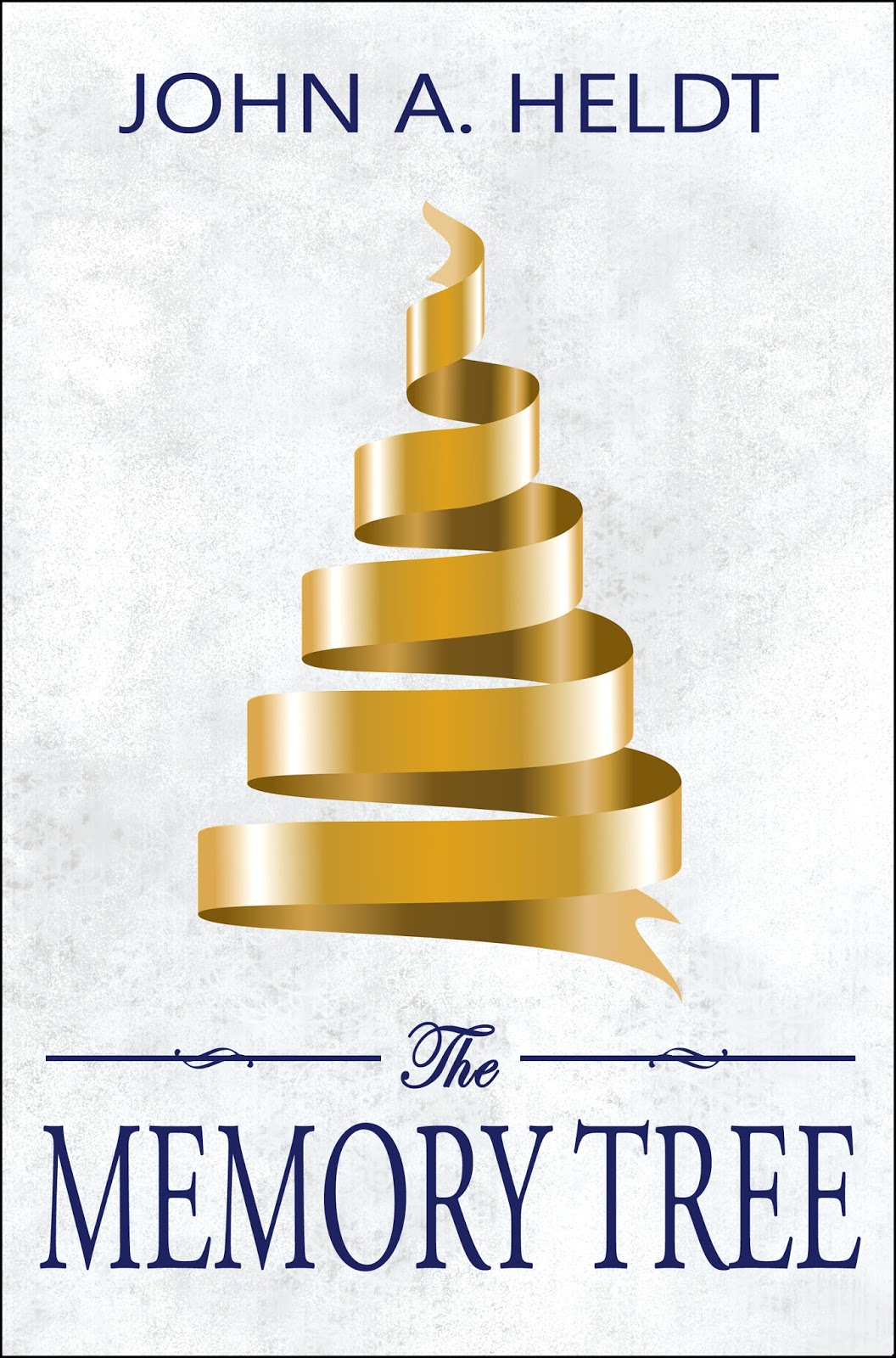 Today, that work,
The Memory Tree
, goes live. Set in North America and Europe in 1918, the second book in the Carson Chronicles series literally continues where
River Rising
left off. It is a story that follows Tim and Caroline Carson and their time-traveling children through numerous trials as they try to reunite in the tense final months of World War I.
Today, that work,
The Memory Tree
, goes live. Set in North America and Europe in 1918, the second book in the Carson Chronicles series literally continues where
River Rising
left off. It is a story that follows Tim and Caroline Carson and their time-traveling children through numerous trials as they try to reunite in the tense final months of World War I.Like the parents they hope to find, the siblings search for answers in different places. While Adam and his pregnant wife, Bridget, settle in Tim's native northern Minnesota, unaware of a wildfire that will kill hundreds, Greg seeks clues in Caroline's ancestral home of Baja California. In the raw, bustling town of Tijuana, he finds love, adventure, and a slew of potential enemies. At the same time, Natalie, the ambitious journalist, follows a trail to wartime France, and teen twins Cody and Caitlin renew a friendship with a Gilded Age friend. Like their older sister, they are haunted by the losses and missed opportunities of 1889 and Johnstown, Pennsylvania, the setting of their first time-travel experience.
Though family is an important theme in all of my books, it takes center stage here. In The Memory Tree , readers see the Carsons grow as individuals, experience their highs and lows, and meet distant relatives who come to life. They meet the war heroes, the eccentric heiress, the shrewd businessmen, the beloved matriarchs, and the devoted nurse. They meet them in the times and places that made them family legends and the objects of frequently told stories.
Settings also share the spotlight. Mount Shasta, Redding, Flagstaff, Sedona, and New Paris, Pennsylvania — important locales in River Rising — make encore appearances in The Memory Tree . Duluth, Minneapolis, Gettysburg, El Paso, and Coronado, California, are new. So are the international venues. In the second book, readers will see the Carsons travel to great lengths and push boundaries, both literal and figurative, in an attempt to bring their family together.
It is my hope that others will enjoy reading The Memory Tree as much as I enjoyed researching it and writing it. The novel, the second of five planned for the Carson Chronicles series, is available as a Kindle book on Amazon.com and its twelve international sites.
April 6, 2018
Review: Hotel on the Corner . . .
It remains one of the most troubling chapters in U.S. history. In the spring of 1942, more than 110,000 Americans of Japanese ancestry, most from the West Coast, were forcibly removed from their homes and relocated to internment camps in the interior of the country.
Though many books have explored the injustice, few, in my opinion, are as compelling as Hotel on the Corner of Bitter and Sweet . Told from the perspective of a Chinese-American, in two stages of life, Jamie Ford's debut novel is a refreshing take on the subject.
In the 2009 work, set primarily in Seattle, Washington, in 1942 and 1986, Henry Lee develops and later reflects on his deep friendship with Keiko Okabe, a Japanese-American girl and schoolmate caught up in turmoil of World War II. Much of the story centers around the Panama Hotel, a dilapidated building that houses the belongings and the memories of the people who were forced to flee.
Though Ford's novel is uneven in places, it is a captivating, beautifully told account of a turbulent time. Those who are familiar with the history, culture, and geography of the Emerald City, as I am, will love the author's lavish descriptions of daily life in Seattle's Chinese and Japanese communities. Those who simply like a good story will like Ford's portrayal of a poignant and timeless friendship.
I intend to read more on this period of history and see the movie, based on the book, when it comes out later this year. Rating: 5/5.
Though many books have explored the injustice, few, in my opinion, are as compelling as Hotel on the Corner of Bitter and Sweet . Told from the perspective of a Chinese-American, in two stages of life, Jamie Ford's debut novel is a refreshing take on the subject.
In the 2009 work, set primarily in Seattle, Washington, in 1942 and 1986, Henry Lee develops and later reflects on his deep friendship with Keiko Okabe, a Japanese-American girl and schoolmate caught up in turmoil of World War II. Much of the story centers around the Panama Hotel, a dilapidated building that houses the belongings and the memories of the people who were forced to flee.
Though Ford's novel is uneven in places, it is a captivating, beautifully told account of a turbulent time. Those who are familiar with the history, culture, and geography of the Emerald City, as I am, will love the author's lavish descriptions of daily life in Seattle's Chinese and Japanese communities. Those who simply like a good story will like Ford's portrayal of a poignant and timeless friendship.
I intend to read more on this period of history and see the movie, based on the book, when it comes out later this year. Rating: 5/5.
March 19, 2018
Finding family roots in fiction
Like my brother-in-law, who can trace his lineage to the
Mayflower
, and millions of others, I am a fan of genealogy. For many years, I taught genealogy classes in a public library, demonstrated useful databases, and helped countless patrons find their roots.
This was long before Ancestry.com, a leader in family research, began touting its AncestryDNA service in creative television advertisements or before new sites and tools made it easier than ever to discover one's ancestors. Some of these resources can be found on Cyndi's List, a directory of genealogy web sites. It adds about 1,500 links a month to its collection of more than 300,000 links.
So when I had the opportunity to incorporate an activity I enjoy and appreciate into one of my books, I jumped on it. In The Memory Tree, the second novel in the Carson Chronicles series, the time-traveling Carson siblings use a variety of tools and resources to find their roots in places like Baja California, Minnesota, Pennsylvania, and France.
To keep track of all the names, dates, and relationships, I found it necessary to create genealogy or family-tree charts that went back seven generations. In The Memory Tree, Cody and Caitlin, the 18-year-old twins, spend quality time in 1918 with their great-great-great-grandfather, a Union Army captain and a Civil War hero. They find their distant relative by doing some old-fashioned research.
When I sent materials to my first few beta readers this month, I included the genealogy charts of the Carson family. I know firsthand how difficult it can be to keep track of names, dates, and events once you go beyond two or three generations. I intend to keep the charts and use them as I work my way through the five-book series.
The Memory Tree itself is now undergoing a third revision. I intend to publish the novel by the second week of May.
This was long before Ancestry.com, a leader in family research, began touting its AncestryDNA service in creative television advertisements or before new sites and tools made it easier than ever to discover one's ancestors. Some of these resources can be found on Cyndi's List, a directory of genealogy web sites. It adds about 1,500 links a month to its collection of more than 300,000 links.
So when I had the opportunity to incorporate an activity I enjoy and appreciate into one of my books, I jumped on it. In The Memory Tree, the second novel in the Carson Chronicles series, the time-traveling Carson siblings use a variety of tools and resources to find their roots in places like Baja California, Minnesota, Pennsylvania, and France.
To keep track of all the names, dates, and relationships, I found it necessary to create genealogy or family-tree charts that went back seven generations. In The Memory Tree, Cody and Caitlin, the 18-year-old twins, spend quality time in 1918 with their great-great-great-grandfather, a Union Army captain and a Civil War hero. They find their distant relative by doing some old-fashioned research.
When I sent materials to my first few beta readers this month, I included the genealogy charts of the Carson family. I know firsthand how difficult it can be to keep track of names, dates, and events once you go beyond two or three generations. I intend to keep the charts and use them as I work my way through the five-book series.
The Memory Tree itself is now undergoing a third revision. I intend to publish the novel by the second week of May.
February 17, 2018
Finishing a draft and more
I exceeded Stephen King's ninety-day limit on drafts and departed from my "plotter" outline on more than one occasion, but in the end I did what I set out out to achieve. I completed the first draft of The Memory Tree several weeks ahead of schedule.
The novel, the sequel to River Rising and its twin in length, tone, and subject matter, now undergoes a revision process that will take about three months. I hope to publish the book, the second of five planned for the Carson Chronicles series, by the third week of May.
A cover reveal on this blog is set for later this month.
Earlier this month, Publisher's Weekly announced that it had selected Hannah's Moon for a BookLife review within the next several weeks. I will offer more information on that as it becomes available.
Work continues on the Hannah's Moon audiobook. Allyson Voller, who narrated The Mirror , is currently completing the project. River Rising , narrated by Chaz Allen, was released on Audible on January 5. All other published books are currently available in audio.
Readers will have an opportunity to download The Mirror Kindle book for free between February 24 and 28. The novel, the last in the Northwest Passage series, makes its first appearance on the prestigious BookBub promotion site on February 25.
The novel, the sequel to River Rising and its twin in length, tone, and subject matter, now undergoes a revision process that will take about three months. I hope to publish the book, the second of five planned for the Carson Chronicles series, by the third week of May.
A cover reveal on this blog is set for later this month.
Earlier this month, Publisher's Weekly announced that it had selected Hannah's Moon for a BookLife review within the next several weeks. I will offer more information on that as it becomes available.
Work continues on the Hannah's Moon audiobook. Allyson Voller, who narrated The Mirror , is currently completing the project. River Rising , narrated by Chaz Allen, was released on Audible on January 5. All other published books are currently available in audio.
Readers will have an opportunity to download The Mirror Kindle book for free between February 24 and 28. The novel, the last in the Northwest Passage series, makes its first appearance on the prestigious BookBub promotion site on February 25.
January 16, 2018
Using the cumbersome comma
For me, the comma has always been the most problematic of punctuation marks. As a newspaper reporter in the 1980s and 1990s, I was taught to leave out the Oxford comma because it represented an extra keystroke. And the
Associated Press Stylebook
, the Bible for journalists since 1953, considered extra keystrokes mindless waste.
Later, as a graduate student, I was taught to put the Oxford back in. Formal writing demanded a more formal presentation. That meant putting a comma after the penultimate item in a list of three or more items because to do otherwise was to invite confusion.
Some of the most heinous uses of the comma — or its non-use — are documented on the web site Mental Floss. My favorite — "This book is dedicated to my parents, Ayn Rand and God" — is particularly enlightening. Others examples are no less so.
For that reason, I use the comma in Oxford situations. But in other situations, I shy away from it. I don't like using commas after the first word in a sentence, before the last word in a sentence, or before a dependent clause. Grammatically correct or not, it looks funny.
I have a better grasp of other punctuation marks, but I use them less often because they are discouraged in fiction writing. Novelist Elmore Leonard, in his rules for writers, insists that no more than two or three exclamation marks should be used every 100,000 words. Many others believe the colon and semicolon should not be used at all.
Greats like James Joyce, Cormac McCarthy, and William Faulkner have taken a minimalist approach to all punctuation. I don't go that far. I view punctuation marks much like the words they regulate. They are tools. And like all tools, they should be used wisely.
Later, as a graduate student, I was taught to put the Oxford back in. Formal writing demanded a more formal presentation. That meant putting a comma after the penultimate item in a list of three or more items because to do otherwise was to invite confusion.
Some of the most heinous uses of the comma — or its non-use — are documented on the web site Mental Floss. My favorite — "This book is dedicated to my parents, Ayn Rand and God" — is particularly enlightening. Others examples are no less so.
For that reason, I use the comma in Oxford situations. But in other situations, I shy away from it. I don't like using commas after the first word in a sentence, before the last word in a sentence, or before a dependent clause. Grammatically correct or not, it looks funny.
I have a better grasp of other punctuation marks, but I use them less often because they are discouraged in fiction writing. Novelist Elmore Leonard, in his rules for writers, insists that no more than two or three exclamation marks should be used every 100,000 words. Many others believe the colon and semicolon should not be used at all.
Greats like James Joyce, Cormac McCarthy, and William Faulkner have taken a minimalist approach to all punctuation. I don't go that far. I view punctuation marks much like the words they regulate. They are tools. And like all tools, they should be used wisely.
December 23, 2017
An end-of-year progress report
"Progress," Victor Hugo wrote in Les Misérables, "is not accomplished in one stage." I consider that a good thing. Given the projected length of my next work, the second book in the five-book Carson Chronicles series, I might need ten to twelve stages.
Thanks to unexpected quiet time in November and early December, I have managed to write a third of the sequel to River Rising and hope to finish the rest of the first draft by the end of March. Like the original, the sequel presents the past from the perspective of the five Carson siblings and their parents. Unlike the original, it will be set partly in other countries — Mexico and France — and devote more space to Greg, the middle and most adventurous brother.
I hope to settle on a title and a cover in January when I resume writing in earnest. I am currently going back and forth between two possibilities. Both relate to a symbolic pine tree in Gettysburg, Pennsylvania, and a secondary character from the first book who will play a much larger role in the second. A few storylines will also make a comeback in Book 2, including one from the end of Book 1.
The River Rising audiobook is also one step closer to completion, thanks to the timely efforts of narrator Chaz Allen. The title is now in the final stages of review and should be available on Audible.com, Amazon.com, and Apple iTunes by the first week of January.
I will update readers on both works as needed. In the meantime, I want to thank you for your support and encouragement and wish everyone a Merry Christmas and a happy and productive 2018!
Thanks to unexpected quiet time in November and early December, I have managed to write a third of the sequel to River Rising and hope to finish the rest of the first draft by the end of March. Like the original, the sequel presents the past from the perspective of the five Carson siblings and their parents. Unlike the original, it will be set partly in other countries — Mexico and France — and devote more space to Greg, the middle and most adventurous brother.
I hope to settle on a title and a cover in January when I resume writing in earnest. I am currently going back and forth between two possibilities. Both relate to a symbolic pine tree in Gettysburg, Pennsylvania, and a secondary character from the first book who will play a much larger role in the second. A few storylines will also make a comeback in Book 2, including one from the end of Book 1.
The River Rising audiobook is also one step closer to completion, thanks to the timely efforts of narrator Chaz Allen. The title is now in the final stages of review and should be available on Audible.com, Amazon.com, and Apple iTunes by the first week of January.
I will update readers on both works as needed. In the meantime, I want to thank you for your support and encouragement and wish everyone a Merry Christmas and a happy and productive 2018!
December 12, 2017
All the world's a baseball field
I like sports. I played them as I kid. I tried to play them as an adult. I watch them now. I like everything from the competition on the field to the spectacles in the stands. Sports events, whether Little League games or Super Bowls, are among the world's greatest stages.
For that reason, I have used them as settings in my books. Those who have read The Mine may remember that Chapter 34 is set at a minor-league baseball game in Seattle in 1941. In this chapter, the longest and arguably the most entertaining in the Northwest Passage series, protagonist Joel Smith tries to win over a reluctant Grace Vandenberg with humor and bravado and eventually succeeds.
Baseball, in fact, is a recurring theme in my works. In Mercer Street , three time-traveling women, long-suffering Chicago Cubs fans from 2016, watch the Cubs play in a rare World Series game in 1938. Later in the novel, they go to Yankee Stadium on July 4, 1939, and listen to Lou Gehrig declare that he is "the luckiest man on the face of the earth." In Chapter 64 of Hannah's Moon , history teachers David Baker and Margaret Doyle discover a mutual love of the national pastime at a minor-league game in Chattanooga in 1945.
Two books feature chapters set at college football games. In The Mine , Joel Smith tries to start a "wave" forty years before it becomes a stadium staple. In Mercer Street , Amanda Peterson makes a new friend at the Yale-Princeton clash on November 12, 1938.
In other novels, characters make social inroads at a bowling event ( The Journey ), a tennis match ( Class of '59 ), and the Indianapolis 500 ( Indiana Belle ). Other characters in other books sail ( The Mirror ), roller-skate ( River Rising ), ride horses ( The Fire , River Rising ), or pedal a bicycle-built-for-two ( September Sky ). Only in The Show do the main characters refrain from sports events and recreational activities. And even then, Joel and Grace dream of going snow skiing.
Will I do more sports settings? Without a doubt. When people go to Pamplona, they run with the bulls. When they travel to Chicago, they check out Wrigley Field. Few devices in fiction writing lend themselves more to humor AND drama than sports and recreation.
College football will make another appearance in the second Carson Chronicles book, set for a summer 2018 release. After that, I will have to conjure more possibilities. Perhaps bobsledding. Stay tuned.
For that reason, I have used them as settings in my books. Those who have read The Mine may remember that Chapter 34 is set at a minor-league baseball game in Seattle in 1941. In this chapter, the longest and arguably the most entertaining in the Northwest Passage series, protagonist Joel Smith tries to win over a reluctant Grace Vandenberg with humor and bravado and eventually succeeds.
Baseball, in fact, is a recurring theme in my works. In Mercer Street , three time-traveling women, long-suffering Chicago Cubs fans from 2016, watch the Cubs play in a rare World Series game in 1938. Later in the novel, they go to Yankee Stadium on July 4, 1939, and listen to Lou Gehrig declare that he is "the luckiest man on the face of the earth." In Chapter 64 of Hannah's Moon , history teachers David Baker and Margaret Doyle discover a mutual love of the national pastime at a minor-league game in Chattanooga in 1945.
Two books feature chapters set at college football games. In The Mine , Joel Smith tries to start a "wave" forty years before it becomes a stadium staple. In Mercer Street , Amanda Peterson makes a new friend at the Yale-Princeton clash on November 12, 1938.
In other novels, characters make social inroads at a bowling event ( The Journey ), a tennis match ( Class of '59 ), and the Indianapolis 500 ( Indiana Belle ). Other characters in other books sail ( The Mirror ), roller-skate ( River Rising ), ride horses ( The Fire , River Rising ), or pedal a bicycle-built-for-two ( September Sky ). Only in The Show do the main characters refrain from sports events and recreational activities. And even then, Joel and Grace dream of going snow skiing.
Will I do more sports settings? Without a doubt. When people go to Pamplona, they run with the bulls. When they travel to Chicago, they check out Wrigley Field. Few devices in fiction writing lend themselves more to humor AND drama than sports and recreation.
College football will make another appearance in the second Carson Chronicles book, set for a summer 2018 release. After that, I will have to conjure more possibilities. Perhaps bobsledding. Stay tuned.