
Matador Network's Blog, page 2119
April 11, 2015
This picture nearly got him killed

Photo: Atif Saeed
IN THE AGE OF TELEPHOTO LENSES and lion-proof cars, a picture like the one above is awesome, but isn’t super impressive: you’d imagine it was taken with relatively little risk to the life and limb of the photographer. Not so in this case. Atif Saeed, a Pakistani nature photographer, was at a safari park near Lahore in Pakistan when he saw this lion and decided to get out of his Jeep to photograph it. The lion was attracted by the sound of the camera and approached Saeed, getting within 10 feet of the photographer.

Photo: Atif Saeed
“I was sitting in front of him just near my car and the door of my car was open,” Saeed told the Daily Mail, “I was sat on ground few feet away, so he was treating me like his prey… I was laughing at that time, but now when I think back about the incident I don’t think I would be able to do it again. It was a pretty close encounter.”
For more of Saeed’s work — which he will hopefully continue to produce for the entirety of a long, happy, lion-free life — check out his Flickr page. 
Source: Bored Panda


12 ways Portsmouth, NH is awesome
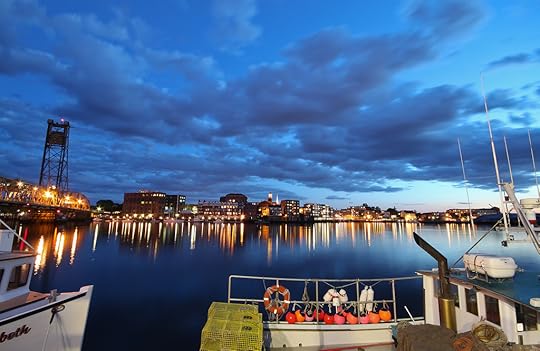
Photo: dropscu
1. We get to see world-class musicians in our park.
There are few other places on the East Coast where you can put your bare feet in the grass while listening to live performances by artists like Ani DiFranco, Ingrid Michaelson, and Justin Townes Earl. Since it’s a public park, the shows are donation-based. And since it’s a small town with mid-week performances, you won’t be standing in line to get in. Just spread out your picnic blanket and enjoy the tunes.
2. We have the New Hampshire Film Festival and Telluride by the Sea.
Replete with gnarled metal oak trees, brightly lit frescoes, and dark velvet curtains, the Portsmouth Music Hall is more like a Victorian funhouse than a theatre. It makes an incredible movie theatre, showcase for famous musicians, and stage for local events. But follow the curving bannister to your antique movie seat and you can catch academy-award winning independent films and all the hits from Telluride right after their debut in Colorado.
3. ‘Artist’ is a real job here.
With dozens of art galleries and a huge tourist trade, artists in Portsmouth are able to actually make money off of their passions. Portsmouth has been called one of the best places for artistic people by New Hampshire Magazine and listed in the top 25 arts destinations by American Style magazine. As New Hampshire’s seacoast has gentrified, artists have survived here by collaborating and repurposing old relics of the industrial era. Check out the lofty studios at the brick-clad Button Factory, or visit the dingy warehouse disguising our beautiful 3S Artspace.
4. ‘Fisherman’ is a real job here too.
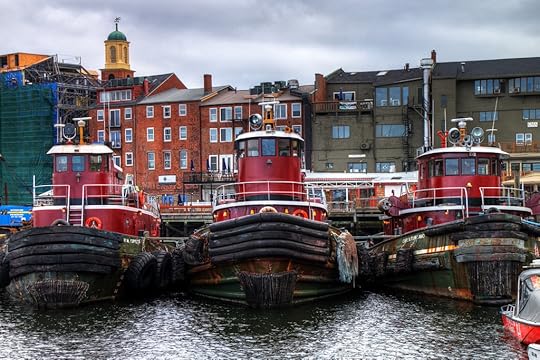
Photo: Mr.TinDC
Built on a tidal estuary, Portsmouth is an active port. Bridges extend from it like spokes from a wheel to offer peaceful morning walks over the water. Enjoying your coffee from one of the many coffee roasters in town, you can watch as colorful lobstermen head out onto the Piscataqua River, which has one of the ten strongest currents in the world. Or you can have a drink on the decks – a series of connected waterfront restaurants — and watch as twelve-story ocean liners bring imports to the town.
5. We have the best Halloween in the States.
If you thought Salem, MA was the place to be for Halloween, then you’ve never been to Portsmouth. Something eerie happens around October; under the harvest moon the town transforms. Victorian house owners take months to prepare, setting up life-like haunted house displays that rival any horror movie. The local farms convert to haunted hayrides. Our resident Halloween musician, Dan Blakeslee, plays his creepy hits all over town. Nosferatu plays with the accompaniment of a live ambient orchestra in the Music Hall. It all culminates in a day of festivities including the Zombie race, Choreographed Thriller dance, and massive Halloween parade where hundreds of locals dress as ghouls or stilt-walking monsters to haul house-sized floats through the narrow streets. Seriously, you don’t want to miss it.
6. We can hike, kayak, surf, and climb — all in one weekend.

Photo: Wendy Nelson Photography.
Portsmouth is a mere fifteen-minute drive to New Hampshire’s most popular surfing beaches (yes, we do have surfing in NH and if you don’t have a full wetsuit, don’t bother!). You can put in your kayak within city limits and row out to sea. Or go for a bike ride around the six-mile loop leading from the downtown across a cluster of islands known as Newcastle. Or drive less than two hours to hike in the epic White Mountains. Did I mention that Rumney Rocks — Described by the Mountain Project and Outside Magazine as the best sport climbing spot on the East Coast — is only two hours away? In Portsmouth, you’ll run out of energy long before you run out of adventures.
7. We have a little something called Ecogastronomy.
What? Ecogastronomy is about bringing farms to the dinner table, and Portsmouth is a hotbed for this ideology. The nearby University of New Hampshire was a pioneer in organic farming and offered an Ecogastronomy major before any other school in the US. And whether you’re looking at the local company that collects compost from Portsmouth residents and businesses, the sustainable butcher across the bridge in Kittery, or the dozens of organic farms that surround the area, Portsmouth is fully committed to farm-to-table food. Don’t expect to come here in the summertime without hitting up the farmer’s market at town hall.
8. Did I mention we have really good food?

Photo: Selbe
Our biggest culinary ‘claim to fame’ is not, actually, our widespread ecogastronomy practices but rather the fact that we have more restaurant seats than people. In other words, if the entire population of Portsmouth went out to dinner, they could all be seated with room to spare. How do we sustain this? By offering such famously amazing food that half of Boston shows up for dinner. There is a return to artisanal cooking and baking in Portsmouth, so don’t expect any part of your meal to have been packaged or machine-made. From the fine dining at Black Trumpet to the multi-cultural street vendor food at Street, the meals in Portsmouth are made by hand, with love.
8. Our beer is even better though.
If you are a true beer enthusiast then you’ve probably heard of Kate the Great, the award-winning Russian Imperial Stout named one of the best beers in the world by the beer community. For its unveiling, thousands of people from all over the world waited hours and paid exorbitant prices for the chance to win a single bottle. With local competition like this, the breweries have to live up to a high standard. Fortunately, they do. Within 10 miles of the town you can visit 7 fantastic micro and nano-breweries. Don’t worry about visiting them all — at most of the bars downtown you can find locally-brewed Smuttynose, Redhook, and Throwback beer on tap or on cask.
9. We can ski or snowshoe to the bar.
Blizzards don’t keep a true New Hampshirite inside. When the roads get really bad, the locals strap on skis and snowshoes for their nightly activities. Want some added incentive? Many of the bars in town offer beer deals when it snows.
10. Historical re-enactors roam our streets.
Strawbery Banke is a historic town within a historic town. In Strawbery Banke, though, every little thing is historically accurate — including the people. In this preserved village right by downtown Portsmouth you can take a summer tour guided by two boisterous actors in full period costume where you will hear the interesting history of the NH seacoast and observe re-enactors weaving, woodworking, and deftly shaping pottery. In the winter you can catch a horse and buggy through the candle-lit town while enjoying mulled cider and roasted chestnuts.
11. The local historic village turns its common into an ice skating rink in the winter.
That’s right. Puddle Dock Pond offers ice skating rentals and is a must-visit for the novice skater on their town tour. Not a big skater? Watch your friends from the White Apron Café next door while you drink a hot chocolate.
12. We’re an hour from Boston, but we still have that small town feel.
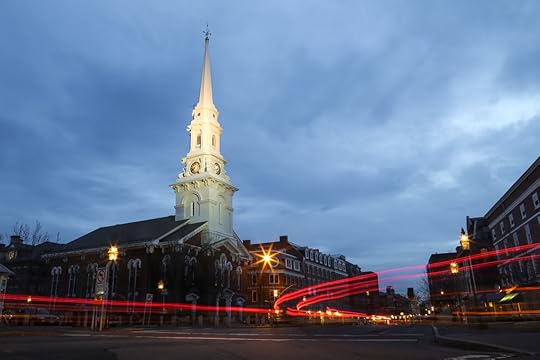
Photo: happyfunpaul
It’s hard to believe that with so much going on, Portsmouth isn’t really a city. Our population hovers between 20 and 30 thousand people, blowing up to giant proportions in the summer and relaxing back into local faces in the winter, when even the frosty bricks seem to sigh with relief.
But the sense of community in Portsmouth is strong. We know each other’s names and jobs, we have daily routines that interconnect, and we help each other out. When Riverrun Bookstore had to change locations, hundreds of townspeople formed a human chain to move their inventory book by book. The town is vocal about the direction of politics and small businesses still dominate the downtown.
This is a town where people recognize you in the grocery store, where you see your friends’ name in the papers, where the bartender knows your drink, and where novelists, musicians, and artists come to hide from the limelight among sailors, software developers, and bakers.
Portsmouth is more than a town. It is a living organism that absorbs you. It is a home where you feel big even when you are small. It is a community. 
One woman’s fight to preserve her native language

THERE ARE UP TO 7,000 LANGUAGES spoken around the world, but one quarter of them are only spoken by fewer than a 1,000 people and 46 languages have just one single speaker.
Marie Wilcox is one of them. The language of her people rest on her shoulders. The Wukchumni language, a Native American dialect, was to go extinct after her death, but she did not let this happen. Instead, she raced against time and took on the project to compile an English-Wukchumni dictionary.
Although she had not spoken the Wukchumni language since her grandparents had passed away, Marie’s sister inspired her to use it again. She started by writing down the words she remembered on pieces of paper and then decided to type them, slowly, but surely, using a computer. “I’m just a pecker, one word at a time, and I was slow”, Marie explains.
Marie worked day and night for seven years to reach her goal. Now, with the help her grandson, she is recording the finished dictionary to make sure the pronunciation will never be lost.
After having taught the Wukchumni language to her daughter and grandson, Marie now teaches weekly classes to members of her tribe. It’s impressive to see what one can do when they put their heart into it.

April 10, 2015
7 reasons to explore your ancestry
Photo: happyfunpaul
1. You travel in the footsteps of your ancestors.
French philosopher Rene Descartes wrote, “Traveling is almost like talking with those of other centuries.”
When you travel overseas to walk the same ground as your ancestors, you recreate their experiences in your mind, tuning in to the faint echoes of the past that surround you. Retracing their footsteps, you see where they lived and worked and how they made ends meet. You imagine the conversations of their daily lives. You begin to understand something significant about their homeland and culture and how you are rooted.
2. You connect with history and family.
You discover connections with historical figures and events that put your ancestors’ lives in context. You connect with relatives back in time. You see your grandfather as a young man on a World War I record. You see your grandmother as a young girl on an immigration ship roster sailing two years after the Titanic. You find your grandparents as a young couple on a census record with young children, some of whom you know never lived to the next census.
3. You find some missing pieces to your family’s puzzle.
Even for the professional sleuth, hunting for your forebears can be a frustrating, yet rewarding experience. Your research might lead you to conclude no one in your family did anything noteworthy. At some point you begin to wonder if your ancestors were in a witness protection program. Hopefully, the critical link in your family tree is not named Smith, or as in my case, your ancestors knew only two names and used them over and over again. Slugging through online databases for Tom and John Casey made me cross-eyed until the heavens opened and the angels sang when I found the rights birth records.
You know you’ve gone too far when (1) You’d rather go to a cemetery than a movie theater; (2) You have more photos of dead relatives than living ones; (3) You know every librarian in your state by name; and (4) You pack a tape recorder with extra batteries for the family reunion.
Without doubt, finding those pesky skeletons in your family’s closet is the most exciting part of the hunt. We’re not all from noble birth, but you can bet each family will have its share of ladies of the evening or thieves. Who cares if your great grandmother was a descendant of King Henry VIII? I’d rather hear the backstory about your ancestor’s lineage to Mary Boleyn, his mistress and sister to Queen Anne.
4. You discover continuities in experiences and relationships.
Assembling pieces of your family’s puzzle can lead to insights that link your ancestors together. You discover similarities between family member traits and characteristics that persevere through time. Or you may find common relationships that parallel your own life. Generations of priests on my father’s side, including the Cardinal, Archbishop of New York, helped explain my family’s inordinate obsession with the Catholic Church. Maybe you’ll find some fun facts, like four generations on your mom’s side all named their dogs “Buddy” just like you did. Or six generations on your Dad’s side had an affinity for playing the piano just like you. It’s all part of piecing your family’s story together.
5. You connect with new relatives.
Even if your family tree needs pruning, you may be pleasantly surprised to connect with living relatives you never knew you had. As writer Joyce Carol Oates wrote, “We are linked by blood, and blood is memory without language.” It’s that feeling of awe and wonder as you look into the eyes of a stranger and intuitively know he or she is your kin. Sometimes when you look for your own answers to the family tree, you discover someone has been searching for you.
6. You honor your ancestors by preserving traditions and knowledge of where you are from.
You honor your ancestors who came before you when you pass on admiration of your family’s history to your children. You gather newspaper stories about your family and old letters from family members. You listen to old stories told by your elders and write these down. You find birth, marriage, church, military and census records of your ancestors and share these with your children. You add your own story to the family tree and leave behind a little something of yourself.
7. You are inspired to make something great of your life.
As part of learning about your relatives, you reflect on their personal relationships and experiences, and on their lives and their deaths. You see how far they traveled for a better life. You explore histories of relationships defined through blood and roots. With an appreciation for the fleeting of time, you value your relationships and don’t take anything for granted. You are motivated from their struggles and achievements to live your best life and be the best you can be. 
12 views Kiwis don't want you to see
NEW ZEALAND is comprised of two main Islands, North Island (Te Ika-a-Maui) and South Island (Te Waipounamu), and various small islands peppered across the Tasman Sea. One of the last places on Earth to have been settled by humans, its remote and dramatic nature remains largely undeveloped, and the country’s mountain peaks and volcanic landscapes have attracted countless outdoor lovers in search of unspoiled nature.
Here are 12 views that New Zealanders would rather keep to themselves.
1. Milford wild sunset

Milford Wild Sunset by Soniel Dalumpines on 500px
Milford Sound is a fiord located in the beautiful Fiordland region in the southwest of South Island.
2. Moeraki Boulders

Moeraki Boulders by Yan Zhang on 500px
Between Moeraki and Hampden, the Moeraki Boulders are unusually large and spherical rocks lying along a stretch of Koekohe Beach on South Island’s Otago coast.
3. Lake Matheson

Mirror Lake by Patrick Marson Ong on 500px
One of the main tourist destinations at Fox Glacier is Lake Matheson — famous for its reflections of Aoraki/Mt Cook and Mount Tasman.
4. Mount Cook
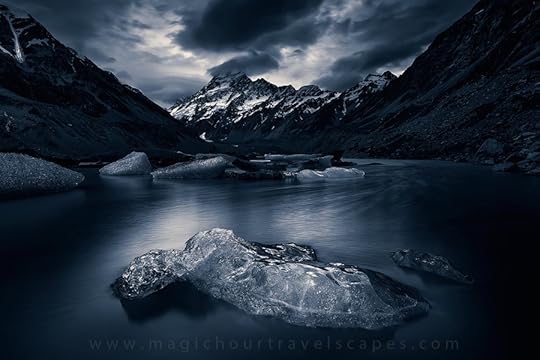
Desperate Measures by Kah Kit Yoong on 500px
5. Fields of lupins
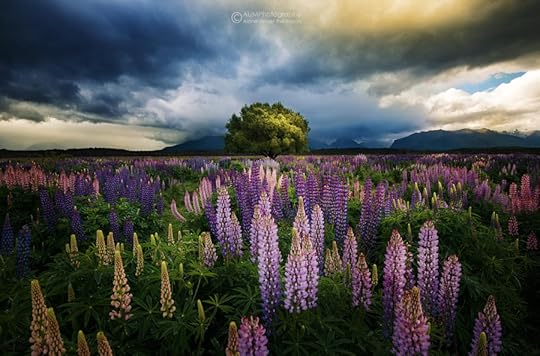
Lupin Flower by Kongkrit Sukying on 500px
6. Mount Taranaki

A prelude by Dylan Toh & Marianne Lim on 500px
7. Lake Tasman, Mount Cook

Lost In Blue Velvet. by Darren J Bennett on 500px
8. Mount Ollivier

From Here To Eternity by Dylan Gehlken on 500px
9. Lake Coleridge
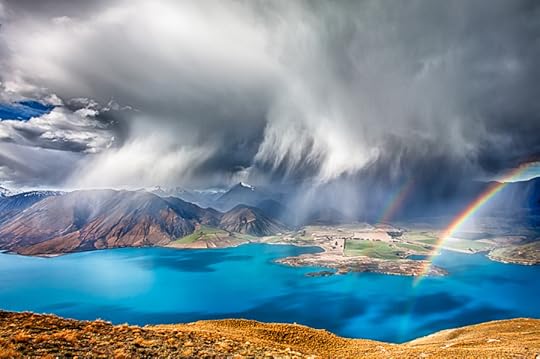
Behind the Storm by Joel Bensing on 500px
Rainbows appear after a storm at Lake Coleridge on South Island.
10. Sunset over the Tasman Sea, Greymouth
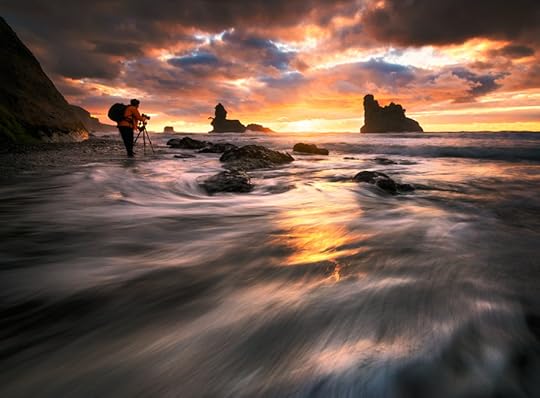
Sunset over Tasman Sea by AtomicZen : ) on 500px
11. Deep south
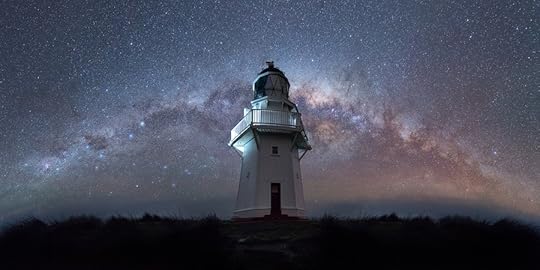
Imagine by David Diehm on 500px
12. Sibbald Ranges
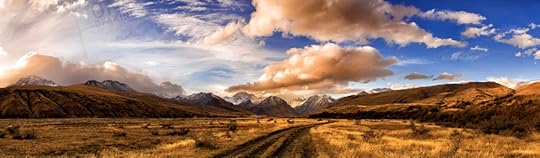
In The Clear by Timothy Poulton on 500px

Signs you've been away from England

Photo: Yana Yalutkina
1. Your basic English food basket of Dairy Milk, Baked Beans, Sausages, Tea Bags, Butter, Crumpets and a Chicken Tikka Masala Meal, have turned into luxury items for which you would pay a fortune to have right here, right now.
2. You watch English films and think that England is really like the place you see in the movies.
3. You listen to BBC radio just to hear the dulcet tones of English spoken by your fellow countrymen and women.
4. If you hear someone speaking in an English accent, you rush to talk to them. Finally someone who understands what you are saying!
5. …But you realise that you’ve forgotten how to speak and spell British English.
6. If you live somewhere hot, you quite enjoy the quaintness of getting all wrapped up in your hat, gloves and coat when you go home.
7. But, your memories of England generally omit the fact that it is mainly grey and rainy. The England in your head is bright and rain-free all the time.
8. You have stopped converting things back to pounds but when you do, everything seems sooo cheap.
This story was produced through the travel journalism programs at MatadorU. Learn More
9. You would do anything for a Saturday late-night curry…
10. And a Sunday roast by the fire at a good ol’ English pub.
11. And some Sunday nights you get an insatiable urge to be sitting in front of the box and watch some good old English telly, eating chocolate hobnobs. 
13 incredible photos of Chile
CHILE occupies a narrow strip of land between the Andes to the east and the Pacific Ocean to the west. And it’s one diverse place. It’s home to the driest desert in the world, the Atacama Desert — composed of stony terrain, salt lakes, epic sand dunes, and felsic lava. Southern Chilean Patagonia is known for Torres del Paine’s granite monoliths, and Santiago has woken from a sluggish stretch and it’s now challenging Buenos Aires and São Paulo when it comes to nightlife, fashion, eating out, and city activities. Outdoor sport enthusiasts can hit the powder in the morning, take a short drive, then go surfing at sunset.
Here’s a collection of some stunning images of Chile that will make you wonder why you’ve never visited.
1. Cordón Caulle eruption

CAULLE VOLCANO ERUPTION by Francisco Negroni on 500px
2. San Pedro de Atacama
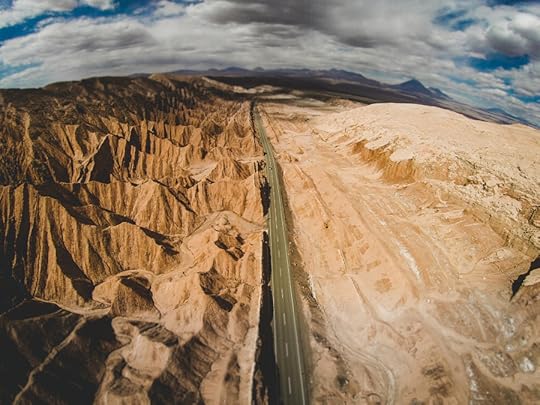
San Pedro de Atacama by Victor Burgos on 500px
3. Lama guanicoes, Cuernos del Paine
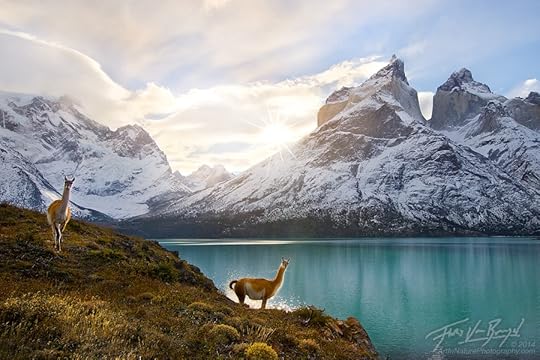
Guanacoland by Floris van Breugel on 500px
4. Torres del Paine

That magic light, Patagonia by Carlos Guevara V. on 500px
5. Death Valley, San Pedro de Atacama
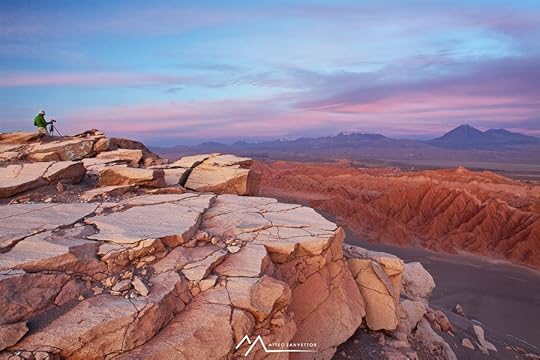
Never Stop Taking Pictures by Matteo Zanvettor on 500px
6. Horses at Torres Del Paine
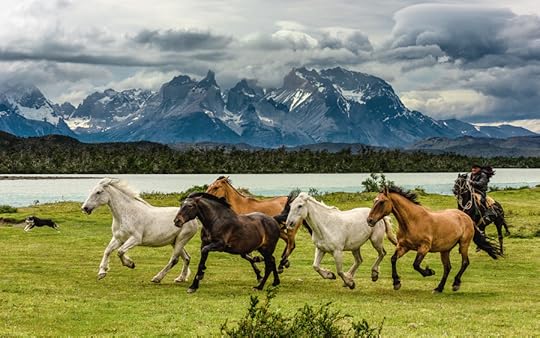
Show Must Go On by Evgeny Tchebotarev on 500px
7. Flamingos of San Pedro de Atacama
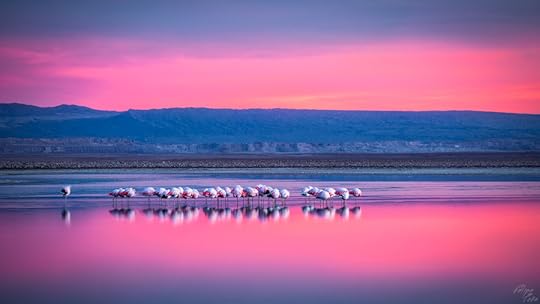
Amanecer en Laguna Chaxa by Luis Felipe Peña Sandoval on 500px
8. Lake Pehoe
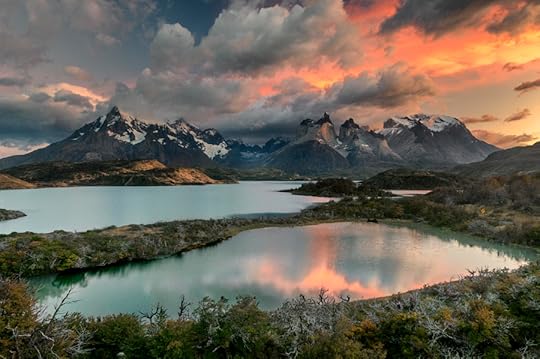
Encore ! by usha peddamatham on 500px
9. Milky Way, Valparaiso
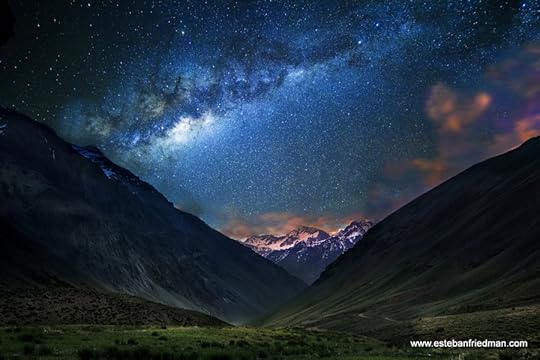
juncal milkyway by esteban friedman on 500px
10. Moai Statues, Easter Island
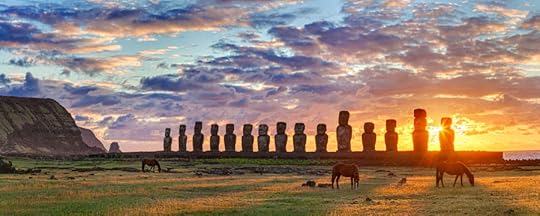
Moai Statues, Easter Island, Chile by AirPano on 500px
11. West coast waves

Illume Surf by Chris Burkard on 500px
12. The Chilean Andes
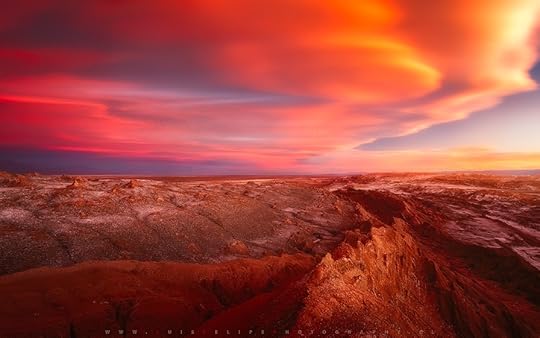
A paso lento by Luis Felipe Peña Sandoval on 500px
13. Lauca National Park
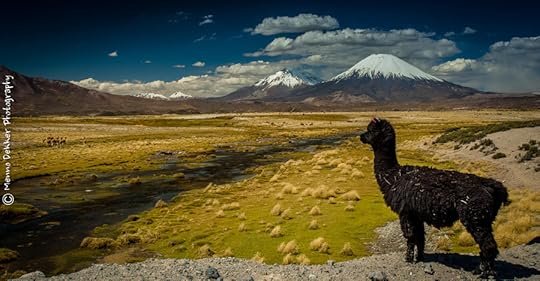
Once upon a time in the Andes by Menno Dekker on 500px

16 things Ohioans have to explain

Photo: Valerie Hinojosa
1. Akron is not Cleveland.
I just made the entire city of Akron applaud with this headline alone. Because of LeBron James coming from Akron and playing for Cleveland, everyone thinks Akron is basically a borough of Cleveland. To the contrary, it is indeed its own city.
2. O-H! is a greeting.
It’s very common for Ohioans, no matter where in the world they are, to greet each other using “O-H!” and responding “I-O!” Bonus points for spelling it out with your arms, like the YMCA dance.
3. The Wright Brothers are ours, ALL ours.
The Wright Brothers are a product of the Dayton area. Yes, their first flight was in North Carolina. But they only selected NC for its weather conditions on the specific day they wanted to try to fly. For anyone else to claim the Wright Brothers as their own would be like Utah trying to claim Michael Jordan because he had one of his best games there in 1998. Plus the preeminent museum for all things aviation is in Dayton. Lay off, North Carolina. The Wright Brothers are wright where they belong. (Nailed it.)
4. Basic geography.
Cincinnati is the city in the south on the Ohio River. Cleveland is the one on Lake Erie. Columbus is in the middle. It really isn’t that hard, folks.
5. Appalachian Ohio.
Southeast Ohio in many ways resembles traditional images of West Virginia with its beautiful rolling hills and southern twang. It is, however, still very much Ohio.
6. Our love affair with ice cream.
Ohio is a state of ice creams. More local joints are popping up in each of the three big Cs, but in general we love our Jeni’s and Graeter’s.
7. Superman flew here first.
Superman is a creation of two Clevelanders. He’s our baby and nobody can take that away from us.
8. Cincitucky
Politically-left Cleveland — you might remember us for handing President Obama his second win in 2012 — wants nothing to do with what’s playfully-termed Cincitucky, a slice of southwest Ohio that politically belongs with Kentucky. Maybe even 1950s Kentucky. To be fair, it’s more the area around the city of Cincinnati than the city itself.
9. We don’t give a damn for the whole state of Michigan.
Those are actual lyrics to an actual fight song. Suffice it to say, Ohio State football is a religion here.
10. Get your Budweiser outta here.
Craft breweries have been popping up across the state for the past decade with Cleveland’s Great Lakes Brewing tossing their hat in the ring before it was even cool. Now you can find a good beer from Cleveland to Cincinnati and from Dayton to Zanesville. In other words, we have no need for your water beer.
11. We. Are. Everywhere.
Ohio expands far beyond the manmade political boundaries. Like Kevin Bacon, you’re probably only seven degrees away from an Ohioan at all times.
12. We are a state divided.
On one hand, we are one of the most urban states in the country with incredible history and architecture. On the other hand, we’re a giant suburb where no highway is too expensive to get around the city.
13. Blast Off!
Neil Armstrong and John Glenn ring a bell? Ohio leads the nation in number of astronauts. Houston? All clear.
14. Columbus is a suburb.
Now that cities are becoming cool again, a bit of a urban rivalry has sprouted between the three Cs. Historically, Columbus has absorbed many of the suburbs around it, so be weary if someone from Cbus tells you they live in the city. If they have to drive everywhere and jump on the highway to get to work, then you wouldn’t be blamed for doubting their city-living claims.
15. We are Amish Country.
Bet you didn’t know Ohio leads the nation in Amish, eh? At least it makes for an interesting class field trip when you’re six.
16. Hail to the Chief.
Ohio has also given the United States a handful of presidents — though this has turned into more of a curse than a blessing with the entire country descending onto Ohio once every four years, filling our airwaves with political ads. We hate it. Go away. 

9 US habits I lost in Costa Rica
Photo: Piitchwise
1. Thinking that just because I’m from the US, I’m American.
We Americans from the United States have forgotten that the word “American” actually encompasses North, Central, and South America. Somos todos americanos. If you dare introduce yourself as an americano to a Tico, you might understandably get an odd look.
“That’s swell, so am I,” a Tico might think. Here, you’re an estadounidense. Get used to it.
2. Flushing toilet paper.
The only time I had ever even heard of the concept of not flushing toilet paper was when I stumbled across the concept in Dharamsala, India. But I was also at a monastery, so I assumed it had something to do with some spiritual thing far beyond my understanding. Only now do I realize how incredibly stupid that was. Costa Rica is actually in bigger company when it comes to where you put your, let’s just say ‘used’, toilet paper. There is usually a trash bin next to the toilet. It’s there for a reason.

More like this: 30 photos that will make you wish you were in Costa Rica right now
3. Calling myself an “expat.”
Most North Americans and Europeans living in Costa Rica refer to themselves as expats. Seems harmless enough. The word is short for expatriate, which literally means one living outside their home country. But then you see how the word is used and you quickly realize it’s basically reserved for ‘white people with money’. Nicaraguans, for instance, are not considered part of the ‘expat’ community.
In the worst of circumstances, it’s also used to separate people who are ultimately guests in this country from Ticos. Many of the expat groups are filled with people uninterested in learning Spanish or mixing with their respective local communities. Suddenly the word has an ugly tinge to it that I want to run away from as quickly as possible.
4. Assuming everyone owns a car.
US Americans, save for maybe those in big cities, assume everyone has a car and maybe even a car for their car’s car. Think about any professional or social interaction in the States. “Do you need to validate?” After dinner, “Where did you park?” Getting directions, “And you can park in their lot.” God forbid you do go somewhere without a car. “But, how are you going to get home!?” As if we didn’t think about it beforehand and just wander around aimlessly until someone takes us home.
Costa Ricans, at least comparatively, have a much lower car ownership percentage than US Americans. Far more Ticos get around by bus than by car.
5. Thinking buses are scary.
Speaking of the bus, it isn’t some scary thing for poor people here. The only scary part is when some drivers are busy texting while driving. Otherwise, bus travel is really the best and most affordable way to get around the country. Ticos will say they have “mal servicio,” but compared to the United States of Automobiles, service is actually quite impressive.
You can get to virtually any corner of the country by bus. Sure, it can be incredibly confusing with a privatized system that has resulted in God knows how many bus companies spread across San José without any kind of online system for purchasing tickets in advance. But at least it exists. Just try getting to any number of small US towns by bus, and prepare for the shocked gasps if you dare take Greyhound.
6. Wearing shorts in hot weather.
I’ll be the first to admit that I occasionally play into the stereotype of a sloppily-dressed US American. On many occasions I would wear just a t-shirt and athletic shorts to go from my apartment in downtown Cleveland and over to CVS to pick up a few things. That’s a rarity down here. Even when it’s scalding hot out, most men are wearing jeans and shoes.
7. Questioning the idea of rice and beans for breakfast.
Gallo pinto is the traditional breakfast dish of Costa Rica, and it includes a nice helping of rice and beans. This is nothing to turn your nose up at or question in the slightest. When in Costa Rica, you eat rice and beans pretty much throughout the day, so why not start at breakfast?
8. Assuming that the taxi meter is running.
The worldwide battle between passenger and taxi driver continues in Costa Rica. Here, especially if you look like a tourist, the taxi driver might ‘forget’ to put the meter on. You learn very quickly to ask the driver to, “Ponga la maria, por favor!” But when living here, you might develop a relationship with a pirata, basically a taxi driver who isn’t really supposed to be a taxi driver. There’s no meter in this case, and negotiating the price before getting in the car is a pretty damn good idea.
More like this: 10 signs you were born and raised in Costa Rica
9. Being precise with directions.
Uncle Sam land is all about proper directions and addresses. At least what we think of as proper directions and addresses. Home addresses don’t exist in Costa Rica like they do in the United States. Like time here, location is more of a concept. So instead of hearing, “1432 Avenida 3” for directions, you’re more likely to hear, “Dos cuadras oeste de la Super Mora en la casa verde.” That is, two blocks west of the supermarket in the greenhouse. Ticos rely on this system so stringently that it’s not rare for the direction to outlast the point-of-interest used to base the directions around. 
Matador Network's Blog

- Matador Network's profile
- 6 followers

