
Matador Network's Blog, page 2073
August 14, 2015
16 things only tall ship sailors understand
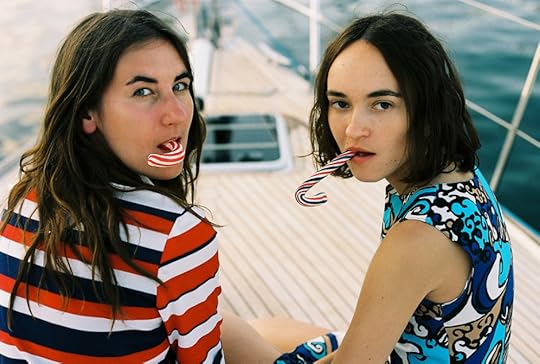
1. You don’t make friends, you make family — and they drive you crazy.
Seriously, do you see your friends at home and at work? At every meal? First thing in the morning and in the middle of the blackest night? At your best and at your very worst? Well, on a ship, you do. And, just like your real family members, they can be so obnoxious that sometimes you’ll want to chuck them overboard to a ravenous school of piranhas.
2. You don’t make friends, you make family — and they keep you sane.
On the other hand, when you’re feeling depressed, useless, seasick or just plain miserable, there’s always somebody around to buoy your mood with an off-color joke or to just to listen to you vent.
3. You’re not a stranger anywhere.
For the veteran solo traveler, this may be the greatest gift of all, because no matter where in the world you anchor, you’ll always have built-in friends to hang out and drink with. Plus, in every port of call, people are fascinated that you just arrived on the morning tide onboard an honest-to-god pirate ship.“You’re a girl? Who got on a pirate ship? Alone? For how long?”
Trust me: It never gets old.
4. Coffee is precious.
Onboard, money might as well be toilet paper, but when we ran out of coffee on the last leg of a voyage, the entire ship went into mourning. Epic shanties were written and sung, and when the cook discovered an extra few pounds in the back of the pantry, enough to last us for the rest of the trip, it was like the heavens had opened up and shined upon us. No exaggeration.
5. Fresh food is even more precious.
After the twentieth straight day of living on canned beans, granola bars, and vinegar-soaked pineapples, it’s scary to think what you’d do for a salad. When we arrived on Ascension Island after a month at sea, my roommate and I burst into the general store, grabbing apples and oranges as if in preparation for the coming apocalypse.
6. Sailing is not the hard part.
Anybody can follow orders — haul this, knot that, steer there. But when you’re missing out on jokes when you’re one of three people onboard that doesn’t speak the ship’s native tongue, or comforting your weepy roommate who won’t tell you what’s wrong, you encounter the real test of life at sea. Worse still is trying to puzzle out the infuriating hot guy who flirts with you one minute then goes cold and distant the next. And you have to be okay with that, because what’s the alternative? They don’t send in a rescue helicopter for hurt feelings.
7. You have to stay on the high side.
Climbing to the top of the mast, with the vast, shimmering ocean spread out before you, the way the great explorers once did, is something so few people will ever experience. By now you know to stay on the windward side. No one wants to get slammed against the ropes and left dangling like a worm on a hook…
8. Everything (seriously, everything) hurts.
When the ship is in motion, you get slammed against every hard surface around — doors, masts, deck boxes, bathroom sinks. Some people, like me, are thinner-skinned than others and end up wearing bruises like a purple roadmap of pain. And just when they start to fade, the wind will pick up again and you’ll find yourself with a whole new crop. Wear them proudly.
9. Compasses are basically useless.
It’s all lies. Like the captain explained to me, because of the earth’s gravitational field, north is always changing. Instead you just look toward the horizon, pick a star, and steer by it. And you always remember to watch for when the sail starts fluttering — you know if you’re not the first person on deck to notice it, there’ll be hell to pay.
10. You’ll never have so much free time again.
The image of people running around madly on deck all day and night, trimming sails, jibing and tacking and helms-a-leeing, is a myth. For as long as a favorable wind lasts, you can easily find enough time to finish a Thomas Pynchon book and move onto Gore Vidal… or be shaken awake in the middle of the night only to huddle in the wheelhouse for hours, doing nothing but guzzling coffee and struggling to keep your eyelids open.
11. You go where others don’t.
Most travelers don’t think of Tierra del Fuego, the Falkland Islands, Ascension Island, Tristan da Cunha, Pitcairn Island, or the Azores as typical destinations, if they’ve heard of them at all. As tall sailors, our world map looks a little different.
12. When it comes to partying, spring breakers have nothing on sailors.
“Work hard, play hard” takes on a whole new meaning when your workday is three weeks long and the weekend is only one night. You could not be more ready to unleash all your pent-up stress on the unsuspecting natives in whichever little watering hole you spot first from the harbor.
13. Being a woman is a curse.
You will constantly be looked at, so bring makeup and a comb. You’re shorter than everyone else, which means an elbow in the face whenever you haul a line. Sexist sailors boss you around unfairly, and make crude jokes when they think you aren’t listening.
14. Being a woman is a blessing.
You always get to eat dessert first. You get to lay out on deck in a bikini and sarong while guys walk by and say you look like a mermaid.
And I mean, any female traveler can have have a drunken hook-up with a handsome stranger in a foreign land. But only a tall ship sailor can spend late nights in the saloon, stone cold sober, with a guy who, when he looks at you, makes you feel like you’re the most beautiful thing he’s seen in months — because you probably are.
15. No one is ever a passenger.
This isn’t a cruise, even though you probably paid money to be here. Whether it’s sewing a ripped sail back together, washing dishes, polishing brass railings, or swabbing the decks, you’ll do it happily and (usually) without complaint. When you notice someone working, you’ll probably even ask if you can pitch in, because it’s all part of being in this thing together.
16. There’s always more to learn.
In fact, the captain will probably be the first person to confess how little he knows. You’ll quickly learn how to belay a rope, tie a stopper knot, read a compass, or identify a constellation… and just when you think you’ve got it all down, someone throws a new skill at you to mess up. But it’s all good, because the only thing sailors love more than sailing is teaching somebody else how to sail. 


The 10 most underrated cities for millennials
by Amanda Machado
#wedge-0 { background-image: url('http://cdn1.matadornetwork.com/blogs/...') }@media(min-width:560px){ #wedge-0 { background-image: url('http://cdn1.matadornetwork.com/blogs/...') } }@media(min-width:1200px){ #wedge-0 { background-image: url('http://cdn1.matadornetwork.com/blogs/...') } }
This list is for the rest of us. The ones who didn’t score that hip Manhattan job after graduation. The ones who didn’t snag a rent-controlled apartment when they had the chance or move to a big city right before it “exploded”. The ones who want what every other twentysomething wants, but worry they can’t afford to live where it happens.
Here are a few cities that argue maybe you can. (And millennial rich kids, if you’re reading this: please stay where you are. Don’t ruin the rent for the rest of us).
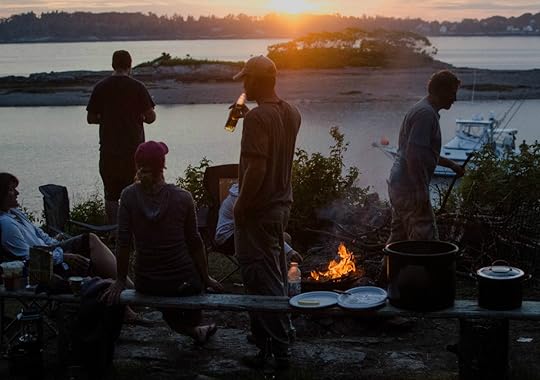
Portland, Maine
This Portland may not get nearly as much love as the one on the west, but it needs to. It has a great beer scene, plenty of events catering to the young professional crowd, and an average rent that could make Bostonians begin rethinking their life choices. And, unlike that other Portland, this one comes with an ocean view and all the lobsters you can dream of.
Eats: Hugo’s is a popular foodie stop. But for more budget, cultural cuisine, try Empire for authentic Chinese with a music venue upstairs, Pai Men for a great noodle house, or Tu Casa for Salvadorian food and BYOB. The pulled-pork johnnycakes off of East Ender’s brunch menu are also legendary.
Drinks: Bissell Brothers or Rising Tide are great for craft beer. If you’re looking for nightlife with a little more “bro”, try 90’s Night every Thursday at Bull Feeney’s , or equally ridiculous ’80’s Night every Friday at Bubba’s Sulky Lounge Bubba’s Sulky Lounge.
Hang: During winter, check out any of the indie coffee shops along Munjoy Hill (like Hilltop Coffee Shop Hilltop Coffee Shop) or visit the museums of downtown’s Arts District. At night, go to North Star Music Cafe for fair-trade tea, and music, comedy, and poetry performances seven days a week. The city also hosts a First Friday Art Walk, with open galleries and free wine year-round. In the summertime, locals love swimming at East End beach or tubing down the Presumpscot River.
Millennial plus: Running with Scissors Art Studios recently bought a building downtown for an artist studio collective that serves over 50 artists by helping them “share equipment, space, community, ideas, support, and tools.”
Special Thanks: Emma Thieme

Read More: '11 Things You'll Miss About Portland Maine'
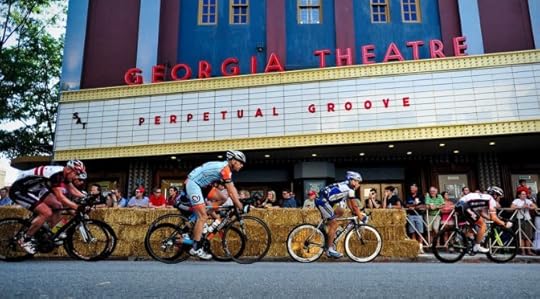
Athens, Georgia
The center for the University of Georgia, Athens has always had college-town energy. But lately, Athens has attracted a growing population of chefs, musicians, and young professionals from big cities around the world to call this slower paced, southern town their home. That’s probably because with Athens, you get small town atmosphere with big city perks. The population is just over 100,000 and yet the city provides nature, sports culture, affordability and a live music scene that’s one of the best in the country. And for South, an area that usually loves its spread-out cities and wide open spaces, Athens is fantastically dense (as writer Scott Smith mentioned “It is pretty easy to live your entire life in a three mile radius”), making the city both bike-friendly and easy to live in without a car. And if you need the big city, Atlanta is only an hour away.
Eats: Stop at Jittery Joe’s for coffee in a building that was once a 1940’s Quonset hut. The Grit is a great go-to breakfast spot, or try Mama’s Boy for a southern brunch. For fine dining, try 5&10, founded by Canadian celebrity chef Hugh Acheson. Try Cali-N-Titos for Cuban food, DePalmas for Italian, or Last Resort Grille for southern food with a wine bar.
Drinks: There is a crowd of bars around the two square miles of downtown, all rarely charging cover, most offering free live music and drinks that won’t break the bank. Some favorites: Terrapin Breweries, Globe Athens, Walker’s Pub, Copper Creek, or Trappeze Pub. Creature Comforts Brewery, started by two UGA alumni, won a Bronze Medal at the 2014 Great American Beer Festival and was named one of the “Best new Breweries in the U.S.” by The Daily Meal.
Hang: Watch art-house films at Ciné (come early to first peruse their gallery for local artists), or go to a concert at Georgia Theatre. Take a day trip to a nearby lake for watersports or up to the mountains for great hiking.
Millennial plus: Mic called it one of the seven cities where “millennials can still live the American Dream.”

Albuquerque, New Mexico
In the Albuquerque outdoors, choose your own adventure: you can ski in mountains just 20 minutes away, kayak the Rio Grande running through town, or rent a bike through the city’s bike-share program. The weather helps: an average of 280 sunny days a year (the city’s Facebook page argues you have an 85% chance of sunshine in the wintertime). But the city’s also great to explore inside: the city’s diversity (the University of New Mexico has one of the largest number of Hispanic and Native American students and faculty in the country) and gorgeous old-school southwest architecture provides plenty of cultural history for days without the sun.
Eats: Try Nob Hill for modern classics or Los Ranchos for classic New Mexican. For foodie flavor with a southwest twist, try the Pueblo Harvest Cafe Restaurant & Bakery, which “incorporates Native flavors into contemporary cuisine.” Church Street Cafe offers vegetarian and vegan breakfast and brunch and The Grove cafe and market is great for seasonal, locally sourced food.
Drinks: Marble Brewing Co. has award-winning, locally brewed craft beer in an outdoor setting. Or you can try the other breweries in town: La Cumbre Brewing Company, Tractor Brewing Co. , or Bosque Brewing. If wine and foodie snacks is more your thing, go to St. Claire Wine and Bistro.
Hang: Hike the Sandia Mountains (La Luz Trail is popular). The 16-mile Paseo del Bosque Trail was recently named one of the 20 Best Bike Paths in the West by Sunset Magazine. The city also has some of the most fun skate spots anywhere. If you want to stay indoors, explore the rich cultural history of the area at the National Hispanic Cultural Center or the Indian Pueblo center.
Millennial plus: In the Citylab article “In Laid Back Albuquerque, Millennials See A Chance to Live Well”, the number one word Albuquerque Millennials used to describe their city: “livable.”
Special thanks: Nick Pachelli
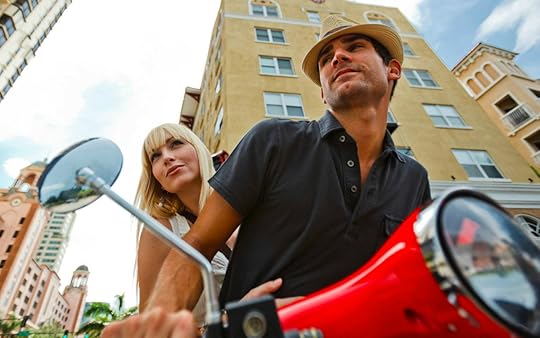
St. Petersburg, Florida
This is the Bay Area practically no one ever talks about (and full disclosure: my hometown), but it deserves it’s own conversation. It’s been ranked (based on number of jobs, salaries, rent and millennial population) the best city in Florida for millennials with its millennial population increasing 6% since 2010. Just like the San Francisco Bay, St. Petersburg sits next to other dynamic cities and towns — Tampa, Clearwater, Tarpon Springs, Sarasota, to name a few — that together bring a wealth of diverse attractions and people. Pick a vibe and one part of the Bay will certainly bring it to you.
Eats: Red Mesa Cantina serves Latino fusion with weekend brunch specials, two full bars and live music. If you’re looking for Florida Keys-esque tiki bar kind of night, visit the The Getaway.
Drinks: Take your pick at craft breweries: Green Bench Brewery (has an on-site tasting room and beer garden), Cigar City Brewing in Tampa, 7venth Sun Brewing in nearby Dunedin, Peg’s Cantina/Cycle Brewing (which serves craft beer close to the beach) and more. Or if you’re looking for a rowdier night, head over to MacDintons.
Hang: The Dali Museum has the world’s largest collection of the artist’s work outside of Spain. Catch an outdoor concert at Jannus Live annus live. Check out the Saturday Morning Market from October to May (or the smaller summer market at Williams park). And of course, enjoy the fact that it’s 70’s degrees in January and stay outside: bike the 38-mile Pinnelas Bike Trail, go jet-skiing in the bay, or swim/snorkel/kayak/paddleboard at any one of the nearby award-winning beaches (Caladesi Island, Sarasota, Pass-A-Grille, take your pick).
Millennial plus: Their craft beer scene made Matador call the area one of the best places in the country for beer. And the year-round outdoor weather is just aching to be enjoyed by someone other than the retirees.
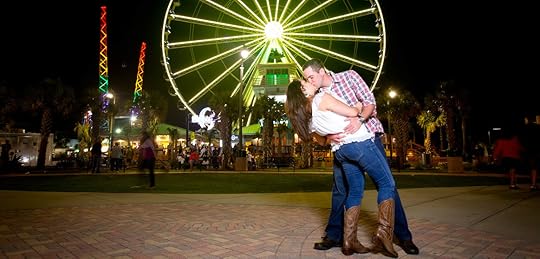
San Antonio, Texas
When we say “millennial” in the United States, around 20% of who we’re talking about are young, professional Latinos. So a city with a 60% Latino population, a growing population of twenty-somethings, and a great quality of life for an affordable price had to make the list. From 2010-2013, San Antonio had a 9.2% growth in residents ages 20-29. Almost a third of residents are now between the ages of 18-34, making the city young, diverse and yet still close-knit. As a friend and resident told me “There is this familia feel here that is palpable in every experience.” And unlike nearby Austin, this town doesn’t have crowds of techies, hipsters, and newcomers bringing higher rent.
Eats: Bakery Lorraine was once named one of the 23 Bakeries Around the World You Must Eat at Before You Die. Have brunch at The Guenther House, a restored home, museum, and restaurant known for their traditional breakfasts (including southern style biscuits). Have dinner at The Monterey where the owner’s philosophy is their food should be “delicious, inexpensive, and a hell of a lot of fun to eat.” Paloma Blanca has been the city’s most highly Zagat rated Mexican restaurant for three years in a row, but truly you can take your pick at any of the Mexican spots in town.
Drinks: The Friendly Spot is an outdoor “Texas Ice House” with over 250 bottled brews and 76 on draft, along with sangria and a mimosa Sunday Sunday brunch. Each week, they show movies and games on a big screen. The SoHo Wine & Martini Bar provides a cozy lounge, with live jazz and house music and every-flavor martinis (including carrot cake, spicy cucumber, and crème brûlée). Or go to Tucker’s, the San Antonio stop for soul and funk music dance parties on the weekend, and Gospel brunches on Sundays.
Hang: The historical Pearl area is an area of shops, apartments, cafes, and restaurants next to what used to be a 19th century brewery. They have a Farmers Market twice a week and have store sales and live music every first Thursday of the month. Visit the Guadalupe Cultural Arts Center, one of the largest “community-based, multidisciplinary organizations” in the United States. At night, Hi-Tones is a candle-lit, vintage vibe kind of place with live acts ranging from “rockabilly” and electronic to punk and Latin fusion.
Millennial plus: Esquire Tavern – a bar opened in 1933 to celebrate the end of Prohibition — has been named one of the 25 best bars in America.
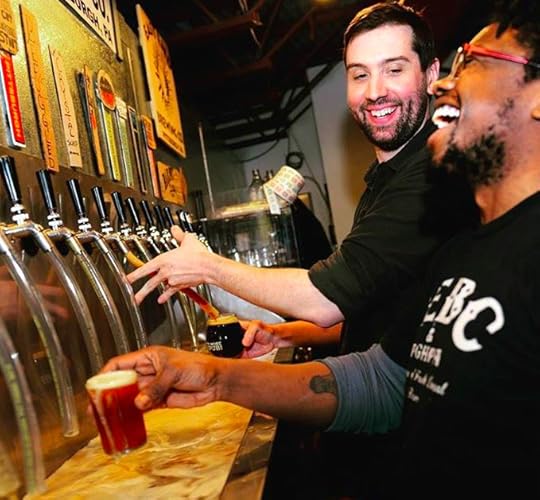
Pittsburgh, Pennsylvania
The industrial Pittsburgh of the past is practically gone, and in it’s place is a young, thriving city that still manages to keep a small-town friendliness. Tech is getting on the scene, but so is a wide range of small, locally owned businesses and art spots. It’s also a sports fanatic’s dream town.
Eats: Waffles INCaffeinated is perfect for a funky breakfast. Gaucho is great for straight-up Argentinian meat, served on a wood slab. For nice seafood, try Monterey Bay Fish Grotto. And for the more adventurous, do a crawl through the Strip District trying the area’s Italian, Russian, Korean, Greek, Halal, and more (there’s even an exotic meats store where you can find camel). Eat, drink and people-watch on the sidewalk and you’ll be sure to spot some characters.
Drinks: East End Brewing serves beer in a derelict warehouse. For something stronger, stop by Wigle Whiskey (Sometimes, they host “labeling events”: label bottles by hand and they’ll give you as much booze as you can handle).
Hang: The city has three rivers to play in, and parks for incognito beer-drinking when the weather warms up. In the summertime, Schenley Park hosts Cinema in the Park next to the Phipps botanical gardens on the lawn. The 335 mile Great Allegheny Passage starts at Point State Park in town and goes straight down to Washington D.C. for runners and bikers to explore. The city’s 65 colleges and universities also means there are arts and cultural events to fill up every weekend: a professional ballet company called the Pittsburgh Ballet Theatre, the Pittsburgh Symphony Orchestra, and more.
Millennial plus: In the recent article in The Atlantic What Millennials Love About Pittsburgh, residents raved “If you have a passion you want to pursue, it’s easy to do it here.”
Read More: '15 Reasons Pittsburgh is Completely Underrated'
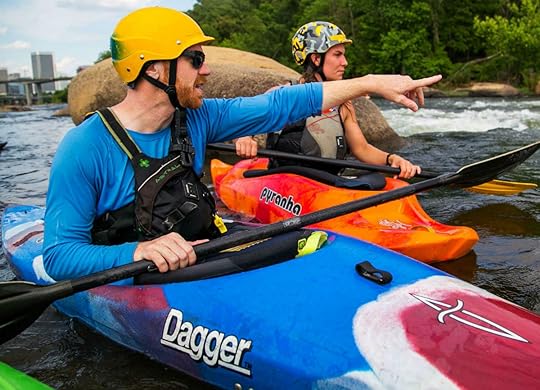
Richmond, Virginia
Richmond gives you the cobblestone streets, gas lanterns, and general old-city-historic-vibe that people pay big bucks for in Boston, but here it’s half the price. The city’s also only two hours from D.C., but it’s got more than enough of its own American history to keep you satisfied. And though most would never think to head to Virginia to get their foodie fix, Richmond has the culinary awards to brag along with top contenders.
Eats: Perly’s Restaurant & Delicatessen — a Richmond institution for more than 50 years —- serves traditional Jewish deli food (potato and duck pierogi, latkes, etc.) on wooden benches. Croaker’s Spot is the place for traditional Southern food. And for the foodies, take your pick: Have breakfast poutine at The Roosevelt, whose chef is a James Beard semifinalist (their Mezcal cocktails are popular too). Sally Bell’s Kitchen won the James Beard Foundation America’s Classics Award this year. Pasture is the place for farm-to-table. Visit Lemaire to eat from chef Walter Bundy who comes from the famous restaurant The French Laundry. The Sunday supper clubs at The Dog and Pig Show also offer special menus on the last sunday of the month.
Drinks: Legend Brewing is Virginia’s oldest brewery pub but check out Capital Ale House for the largest collection of craft beer.
Hang: Richmond is the only U.S. city where you can experience Class IV whitewater rafting in an urban setting. It’s also a great training ground for paddling and stand up paddleboarding. Check with RVA paddlesports for instruction. For a lazier day, organize a picnic at Maymount, a 100-acre former estate of a wealthy businessman that has now been transformed into a nature park and museum. Visit the Poe Museum for the world’s finest collection manuscripts, letters, and memorabilia from the famous writer. Catch a concert at the historic venue The National in downtown or check out a comedy show or take an improv class at Coalition Theatre
Millennial plus: The Virginia Museum of Fine Arts has free admission, drinks on Friday nights, and has been hailed by the Wall Street Journal and others for collections comparable to those of cities like New York or D.C.
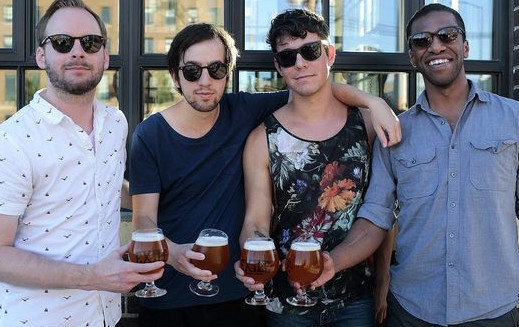
Des Moines, Iowa
This place is “Dead Moines” no longer. Almost a third of the population is now under the age of 35, and the 25-34 age range is Des Moines’ fastest –growing population. The newly renovated East Village has also brought its own version of Iowa hipness. Meanwhile, the city’s so cheap Today called it the best city in American “where regular folks can live the rich life”: the city’s cost of living is also almost 10% below the country average, and the median home price is still just over $150,000.
Eats: Try the “Dead Moines” at Zombie Burger. Go to RoCA for craft cocktails and small plates. Flying Mango has award winning BBQ and Fong’s Pizza has unique Asian-inspired dishes like Crab Rangoon pizza.
Drinks: Kill your whole night at Up-Down, the vintage video game bar with classic arcade games. Try the Daytrotter Pale Ale at Exile Brewery. Or, Court Avenue Brewery is housed in the historic Saddlery Building in the Court Avenue district in downtown. Della Vita offers forty wines in three sizes. The city’s oldest gay bar is the Blazing Saddle.
Hang: Stroll through the Saturday Downtown Farmers’ Market, which hosts more than 20k people, and nearly 300 entrepreneurs from across the state. Shop at Raygun for a subversive t-shirt or check out the vinyl selection at Porch Light Antiques. Catch a movie with a beer at the Flix Brewhouse and theatre, or see live music at The House of Bricks. Visit the Des Moines Social Club, an arts and entertainment non-profitvenue located in a renovated, art deco Firehouse in downtown. They offer theatre shows, art galleries, circus classes, live music, and courses for kids, all “for the purpose to use the arts as a catalyst to create unprecedented community engagement.” The city’s growing music scene also includes first class festivals like 80/35 and Hinterland.
Millennial plus: StartupCity Des Moines and other local organizations have begun creating a startup culture that’s attracting young workers with their co-working spaces, funding and other opportunities.
Special thanks: Jacqueline Kahoe
Read More: 'To Iowa: I'm Sorry'

Boise, Idaho
Sure, there’s hardly any skyline or other towering presence to make the city noticeable from a distance, but millennials would be foolish to dismiss Boise. Others are already on board: Men’s Health named it the best city for men (and Women’s Health named it the fourth best place for women), Outside Magazine named it the best town in the Western U.S., and Conde Nast recently called it “ the west’s best kept secret.” Forbes named Boise one of of the best cities for young professionals: only 5% unemployment, a median salary of just under $50,000, and a third of the population holding a bachelor’s degree. Its location at the foot of the Rockies, on the convergence of three rivers, make it the perfect place for the outdoorsy: you can hike, ski, raft, and mountain bike incredibly close to town. The area North of Boise is the largest designated wilderness area in the country outside of Hawaii and Alaska). And the winters are a whole lot milder than you might imagine, with moderate snowfall from time to time and temperatures hovering around the 30’s with plenty of sun.
Eats: Bleubird is the happening spot for lunch sandwiches. Cafe Vicino is great for Italian. Go to Boise Fry Company for their dozens of fry varieties and dipping sauces (the company also shops local for all its ingredients).
Drinks: The Modern Hotel and Bar not only has delicious, stylish drinks (with artsy names like the “Hemingway Daiquiri”), but also hosts every evening performances by musicians, poets, playwrights, and writers in their courtyard. The Press & Pony is great classic cocktail bar where you can even experience a drink served alongside a flaming pine cone. Cloud 9 Brewery, 10 Barrell Brewery, Boise Brewery, and Payette Brewing (one of the most widely distributed craft beers in the northwest) give a good tour of the craft beer scene. The nearby Snake River Valley also has a growing wine scene (try wines from Cinder, a winery just outside the city). You can also visit Bodovino for a wine bar in town.
Hang: Spend a snowy day reading at Hyde Park Books. See a free or low cost concert at The Record Exchange and Neurolux, featuring emerging northwest artists. In the summer, explore one of the many trails near town or the 30-mile path that runs along the Boise River through the city. Each year, residents can also see Shakespeare under the stars in a beautiful outdoor amphitheatre during the Idaho Shakespeare Festival.
Millennial plus: Stop by the Freak Alley Gallery for the largest art mural gallery in the northwest.
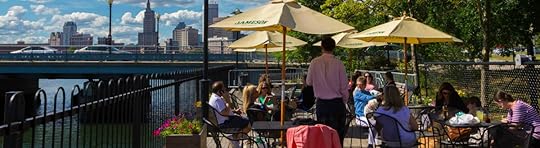
Providence, Rhode Island
As a friend and long-time resident Sam Siedel told me “Whatever you do, DON’T move to Providence. Unless you want to live in a place that is big enough to be a real city, but small enough to be truly bikeable and to always run into someone you know. Or unless you want to live in a racially, ethnically, and socioeconomically diverse place. Or unless you want to live somewhere where you can afford to be an artist or start a business (without having a trust fund). Or unless you want to live within a few hours of New York, Boston, and beaches, without paying New York, Boston, or beach prices. But otherwise, definitely don’t move here.”
Eats: Johnson and Wales University’s culinary program is famous for training some of the best chefs in the country, including alumni like Tyler Florence and Emeril Lagasse. Many of the school’s alumni have stayed in Providence to run the city’s best restaurants: Birch’s, Gracie’s, and Nick’s on Broadway to name a few.
For ethnic food from around the world: try Peruvian food at Los Andes Restaurant, or any of the Italian restuarants, and bakeries on Federal Hill. For finer Italian organic dining with a view of the river, head to trendy Bacaro Restaurant. For baked goods and bread, visit Seven Stars Bakery. Make sure to try the colossal cookies from Meeting Street Cafe.
Drinks: Go to The Avery for your classic speakeasy complete with craft cocktails. Or, for a different vibe, go to Ogie’s Trailer Park. Trinity Brewhouse has a collection of craft beers on tap. For something a bit more quiry, The Duck and Bunny is a cafe/bar and self-proclaimed “snuggery”.
Hang: Visit the city’s gallery night the first Thursday of each month between March and November, or check out exhibits at the RISD Museum anytime of year. Catch a show Trinity Reperatory Company, a concert at Lupos Heartbreak Hotel, or an independent film sitting on the comfy couches of Cable Car Cinema.
Millennial plus: See spoken word and other artistic performances at AS220, an artists’ collective and non-profit organization that owns several historic buildings in town to provide a space where the city’s residents can learn and develop their art.

I’m a black woman who wanted to move to Spain for years. Here’s why I lasted only a few months.

In my mind, I imagined moving to Spain to be my own rendition of Eat, Pray, Love a journey which would enliven me, shake me up and leave me changed forever.
It did. Just not in the ways I expected.
Though I thought I had considered every possible scenario I could encounter on my journey moving to a foreign country, what I never considered what it would mean for me — as a Black and African woman.
During my first few weeks, when I ordered food at a counter, a woman at the cashier smiled warmly and said, “Hola morena.” I smiled back and fumbled through my order. This was the first time of many I’d be called morena by random strangers on the street, or africana or negra, the latter of which I took offense to because it’s close to another ill-fated n-word I’d been told my name sounded like my entire life. Though I found out ultimately that morena and negra are considered terms of endearment for Black women, I knew from then that my experience in Spain would be different than what I had imagined.
I expected race issues in Spain to be less lonely and less tenuous. I expected to be able to easily find people who looked like me but actually discovered I’d willingly signed myself up to often be the only one in a sea of sameness. I was different. I didn’t fit in.
Race manifested itself in both overt and insidious ways. People often stared at me wherever I went. I was followed several times while I shopped. The waiters often took long to provide service when I went out to dine, or completely forgot about me altogether. I lost a teaching job without being given any substantiated reason and feared race was the unspoken reason. People laughed when I explained I was Nigerian. A student once jeered at me when I wore a head wrap to class.
Other Nigerians and Africans were also treated differently in the streets. Many shared their stories of discrimination with me: being followed by police, asked repeatedly for their papers to prove they were legally allowed to reside there.
This felt exhausting. It was draining. It was depleting. The weight of being different, the weight of constantly having to explain “No, I am not latina and yes, I am africana and yes, I am also American” became too heavy for me each day. The constant and unrelenting questions made me feel that I was not free to be myself without having to constantly make others understand my existence. Though I intended to stay there for years, I left Madrid after only nine months, simply because I was so tired.
In my experience, being Black often comes with great misunderstanding, othering, and mistreatment.
After my experiences in Spain, I now have a firm, unshakeable sense of who I am. I have unrelenting pride. Navigating Blackness in Madrid cemented that. I have seen firsthand how intersections of race and gender genuinely impact what travel means for a person. And I have learned that glossing over its impact is short-sighted, a bit naive and in some cases irresponsible. I wish before I had embarked on my journey to Madrid someone had told me that a whimsical, easy breezy experience a la Elizabeth Gilbert in Eat, Pray, Love wasn’t entirely what I should expect. And now that it’s over, I hope more people continue honestly talking about the realities of traveling while Black with more vulnerability.

15 reasons BC is the best place on the planet in 15-second clips
BORN and raised in BC’s lower mainland and now living in what I consider to be one of the most beautiful places on the planet (the Kootenays) yeah, I’m biased. But I’ve done my fair share of exploring and I can honestly say that not a day goes by when I don’t look around and feel entirely blessed, grateful, and privileged to call this place home, above anywhere else that I’ve been on Earth.
To celebrate this gorgeous piece of paradise, Destination BC is running an Instagram contest called Project Wild. To submit your own entry go here and register, then start uploading and tagging your Instagram videos of BC with #15secondsofBC. You can win an assortment of prizes as well as have your vid featured by Destination BC.
Below are some of my favourites so far that showcase the ruggedness, wildness, and rawness that is British Columbia. See them all here.
Wildlife
Tanner Whidden – My British Columbia. #15secondsofbc @hellobc
A video posted by Tanner Whidden (@gtotaxidermy) on Aug 13, 2015 at 6:40am PDT
A video posted by Pauline (@karlen_t) on Aug 8, 2015 at 11:06am PDT
Wild people
I'm pretty and I travel alone.
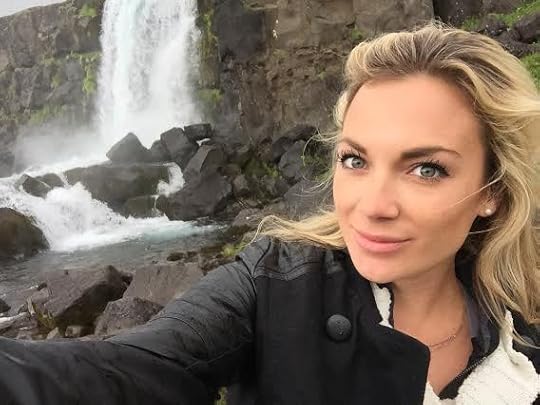
All images by the author
JUDGEMENT. It’s the number one thing I struggle with as a “pretty” girl traveling solo, and it makes me feel like no matter what I do or say, there’s always going to be someone judging me, even for doing something I work hard for, and love. How many people do you think are judging me right now for writing the word “pretty”?
Let’s get that elephant cleared out of the room and back to its natural habitat first; I do not look at myself in the mirror and say, “Omg, I’m like sooo pretty, I should be on The Kardashians.” No. I am the opposite of that kind of girl. But although society preaches to “be happy and proud of who you are,” I’m smart enough to know that the general public frowns upon it.
I use the term “pretty”, because writing “a female with a small figure, boobs, and blonde hair that causes attention from the male species” just isn’t that great of a blog title. But recently I learned that there are a crap load of women who feel the same way as I do when they travel solo, so I’m going to go ahead and preach on about judgements, and how it affects my experience traveling solo, even if it causes more of them.
So let’s get down to the actual point; what’s not fun about being a “female with a small figure, boobs, and blonde hair” who chooses to travel solo. Because the struggle IS real.
1. Unwanted attention from men
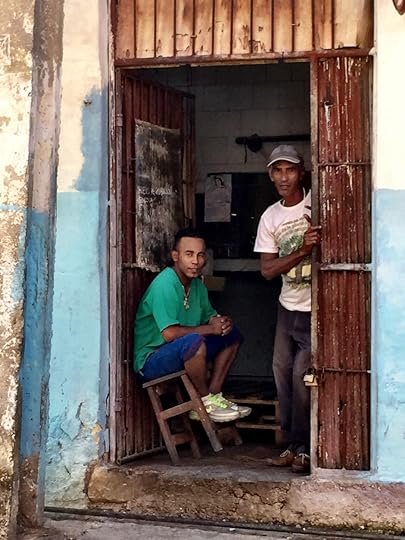
Feeling the oogling eyes of creepy men devour every square inch of your body is by far one of the most repulsive and violating feelings ever. To make matters worse, there’s a good chance it’ll be accompanied by some sort of provocative slur or even an aggressive attempt at further solicitation, which can be extremely offensive and also dangerous.
Some men see a “pretty”, seemingly single girl walking around alone, and automatically assume she’s looking for a guy. And there’s typically no way to avoid it unless you hire a rent-a-husband or maybe wear a burqa.
I’ve had men follow me and approach me, but luckily I’m really good at giving a death stare that usually scares them off, but some women haven’t been as lucky. I’ve been hearing stories from women all over the world about how they’ve been grabbed, touched, and even attempted to be traded because a man made the wrong impression of them traveling alone.
2. Dirty looks from other women
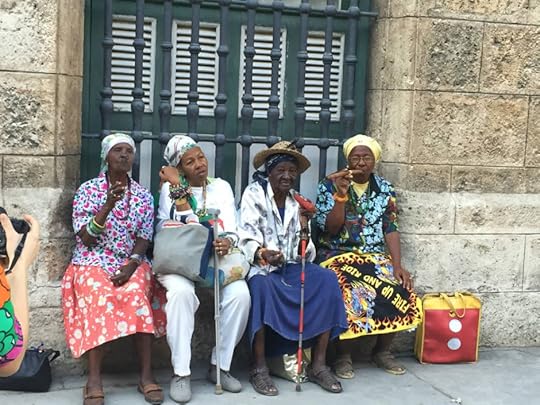
Whether it’s because they assume you’re a hooker because you’re walking around alone, or because the outfit you’re wearing is just so completely and utterly unacceptable (sarcasm), one thing any girl will have to deal with when traveling solo is the dirty looks you’ll get from other women.
It might be generational or cultural differences, or it may be jealousy, but it is a known fact that a girl, especially a pretty girl, traveling alone is bound to get the stink eye from fellow females. The good news is that if you were to actually go engage in a conversation with them about why you’re traveling solo, they’ll probably end up applauding you and wishing they could have traveled solo too!
3. “Who’s taking the picture?” comments
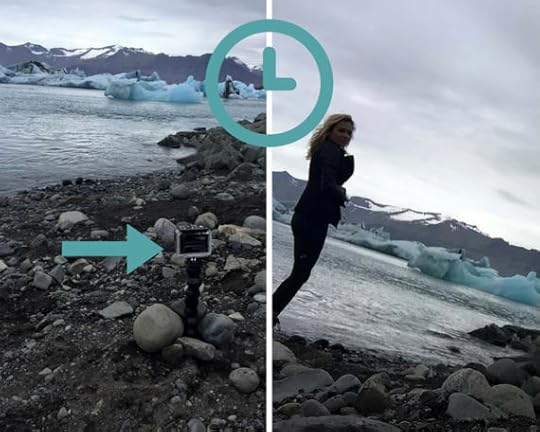
It seems as if some people are almost trying to “catch” you with someone if you’re an attractive girl “claiming” to be traveling solo. I think most people just don’t believe that a young woman would be able to or want to travel solo, but perhaps some people just really don’t know how to use a camera timer, or how the idea of, I don’t know, asking someone, works.
This struggle also applies to the ever-irritating “tag your sponsor” comments by immature guys who try to call out girls when they take pictures alone in exotic locations. Yes, I get it, it’s so crazy that some girls would rather pay for themselves to go on epic adventures than go on a free trip and be used as decoration or sex objects. But get over it, and while you’re at it, maybe try worrying more about yourself than other people.
4. “Ugh, you use a selfie stick and take selfies, you’re a narcissist” comments
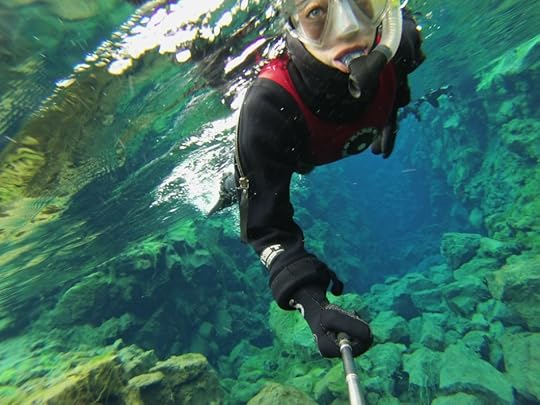
I’m sorry, but if you spent all of your money to get to freaking Africa, would you not want to be in the picture? I’ll admit. I hate actually taking selfies because it looks awkward and I think I look weird in the majority of them, but if there’s a glacier or lion or anything else awesome behind me, you better believe I’m putting my face at the forefront of that, regardless of if I remembered to wear makeup or not.
Yet of course, if you happen to be attractive and take a picture of yourself because you’re traveling by yourself, that automatically means you’re a self-absorbed narcissist. At least according to the miserable judgemental people who leave negative comments any time they see a selfie. (i.e. “Well I was a fan of your writing until I saw that you use a selfie stick.” …I’m sorry, would you like to come take the picture for me?!)
Plus, if you weren’t in the picture, people would probably just accuse you of screenshotting a Google image. You can’t win here. Either you get in the picture and do what you want despite some haters, or you give in to the haters and don’t get your epic, memorable shot to reminisce about when you’re old and wrinkly.
5. Assumptions that you don’t work and you use your looks to get free stuff

I will be the first person to proudly admit that not only did I grow up dirt poor, but I am still in fact…technically pretty poor. I actually prefer the term, “starving artist,” but if you took a look at my income after bills and travel expenses, you’d probably understand why the hell I’m so skinny. Just kidding.
My point is that my job is unconventional. No one expects a writer to actually make money, even less so a blogger. In fact, when I first started blogging, I was ashamed to even say I was a “travel blogger”, because the typical reaction was people looking at me like a delusional misfit, and like it was more of a hobby that I could maintain because “someone” was paying for me to live and travel.
I’ve also heard tons of assumptions that I get things for free because of the way I look, which is so weird to me because I could have sworn I graduated with a Bachelor of Science degree in Biology and work endless hours behind a computer screen where no one can see me.
This is the “struggle” that irritates me the most. I’ve dealt with people looking at me and judging me, talking shit about me, using me, doubting me, and hating on me my whole life, which is why I make it a point to work my ass off for what I have. So for people to assume that I can only be doing what I’m doing because of the way I look… really just grinds my gears. The struggle is real. 
Climbing is the best kids' activity
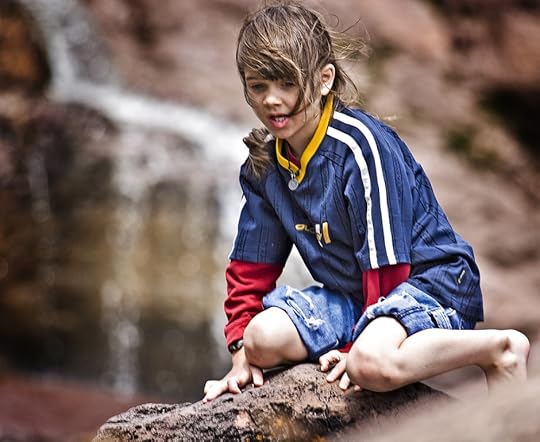
Photo: chefranden

This post was produced by Matador for our friends at REI, where it appeared in its original form.
1. Climbing teaches critical problem-solving and decision-making skills.
Ascending a climbing route is a lot like piecing together a puzzle. Each move requires a constant, iterative decision-making process—where to go and how best to get there. Over and over again. Learning to solve problems, thinking for yourself (the answer in most definitely not in the back of the book), and making smart decisions are taught skill sets desperately lacking in today’s educational environment, where the focus is on memorizing and reciting for testing purposes.
Out on the crag, it’s a constant real-life, real-time lesson in thinking for yourself, reacting quickly, and learning immediately what the consequences are of your decisions. Climbing is life accelerated, where instant feedback is given for every decision or indecision you make on the wall.
2. It imparts bravery and the ability to adapt and overcome difficult circumstances.
Overcoming fear is a life skill integral to success. Whether it’s fear of the unknown, fear of getting started, or fear of failure, all successful adults learn as kids that you must be courageous, bold, and daring to make something of yourself in this world. (Well, those of us without a trust fund, anyway.)
Encouraging your kids to leave their comfort zones and confront their fears will ingrain character and bravery. Bravery is the reward for taking a chance, overcoming nerves, and escaping the dreaded comfort zone.
3. It promotes healthy life choices.
Ever seen an obese rock climber? Ever encountered a two-pack-a-day smoker at the climbing wall? Okay, well, maybe “back in the day,” but no longer. Rock climbing loves agility, flexibility, muscular strength, and muscular endurance. It hates obesity, laziness, and weakness.
Climbers are typically very healthy eaters and cross-train in all sorts of other activities—from cycling to yoga to dancing to surfing. To be a successful climber, you’ve got to eat well, drink water, and build a long, lean muscular body. Being fit and strong goes a long way to enabling success on the crag. Getting your kids climbing will give them a reason to trade the Doritos for apples, the Xbox for a bicycle, all in preparation to flash that 5.10 this weekend.
4. Rock climbing is an adventure sport that can be learned at relative low risk in highly controlled environments.
For better or worse, climbing has a reputation as an extreme sport. While that’s certainly true of the sport’s elite professionals, most climbing is actually rather pedestrian. Beginner climbers learn on a top rope (the rope is run through an anchor above the route of ascent). Falling on a top rope has basically zero consequences; the length of the fall is roughly equal to the dynamic give of the rope and the climber’s weight—or, practically speaking, a few millimeters. Biking, kayaking, skiing, surfing, etc. are all far more dangerous than rock climbing.
In my younger years, I guided and instructed all those activities, and climbing was always the easiest to control and make safe. This makes climbing truly unique in the adventure sports world—you can learn the ropes (pun intended) without risking major injury.
5. It teaches discipline and focus.
Look, I’m no Great Santini. I’m no drill sergeant. In fact, I’m pretty easy going. However, I’ve been around the block enough to know that self-discipline and focus are traits inherent in the world’s greatest achievers. Climbing is an excellent way to impart the basics of discipline because it requires focus and discipline to succeed. There’s no multitasking or messing around when you’re climbing a vertical rock face. Your kids will quickly learn that climbing narrows the world into a single rock line. No matter what’s going on around them, astute focus on the task at hand and the discipline to see it through is thrust on the climber from the very moment they plant their first foothold.
6. And it teaches lifelong outdoor skills: knot tying, route finding, anchor building, rappelling, etc.
Sailing, paddling, backpacking…rock climbing’s hard skills are applicable across the spectrum of outdoor sports.Knot tying, along with map and compass skills and campcraft, lays the foundation of an outdoor education. Learning to read vertical rock makes basic route finding all the easier. Anchor building and rappelling are critical rescue skills. Your kids may gravitate to kayaking, skiing, or sailing in the later years, but their skill sets begins with rock climbing and remains with them for a lifetime.
7. It’s affordable.
A family of four can start sport climbing outdoors for relatively little: Four harnesses at $50 each, one rope for $100, a belay device for $25, four sets of (used) rock shoes at $50, and a set of quickdraws for $100 gets the family out on a crag for $625. Considering there are no recurring participation fees, and much of that gear will last a decade, climbing is one of the most affordable outdoor activities available.
You’ll be hard pressed to find even one used mountain bike for what it costs to start the whole family climbing. Of course, the sky’s the limit when it comes to gearing up, but getting started needn’t be a major financial investment. Along with the perceived danger involved, the idea that climbing costs a lot to get started is probably the sport’s next biggest misconception.
8. It’s noncommercial.
Anyone else tired of professional athletes who earn the equivalent of a small nation’s GDP? Anyone else tired of injecting militarism, patriotism, and corporate profiteering into athletics? Yeah, me too. Climbing has virtually none of that. The sport’s most elite practitioners do their work in (relative) obscurity. The focus of climbing is—wait for it—climbing.
Not brand building, not performance-enhancing drugs, not selling advertising…climbing is all about going up a vertical slab of rock. The problem with organized team sports is that, well, they suck.
They’re run by for-profit organizations, sponsored by for-profit corporations hell bent on making your kids consumers of their products, managed by overbearing adults living vicariously through children, and focused solely on the performance aspects of the sport—and that’s why Americans are abandoning them in droves. Climbing, thank goodness, remains pure…for now.
9. Climbing provides a healthy dose of humility.
I’m as guilty as anyone: I shower my son with love, attention, and positive reinforcement. However, it’s critical to his character development that he fall on his ass and occasionally fail in life. So much of climbing is falling, failing, and learning to persevere. It’s important to show your kids how powerful Ma Nature is—that summiting even a short 40-foot pitch can take every ounce of mental and physical ability they have—and that at some point in life we’ll all be humbled before Her power. But learning to persevere in the face of failure is a life lesson that will pay for itself over and over again, long past the day your kids start having kids.
10. The bottom line: Climbing is “super fun.”
To wrap it up, I conducted exhaustive research straight from the source: my 10-year-old son, an avid climber, skier, mountain biker, skateboarder, hip-hop dancer, and backpacker. Over dinner the other day, I asked him why he likes climbing. He thought for a solid nanosecond before blurting, “It’s super fun, dad! Duh.”
So there you have it. You may not care about the healthy lifestyle climbing promotes or all the intangibles your kids will glean from it, but you can’t deny that being a kid ought to be fun, and climbing is super fun. For my money, having a helluva good time with my boy (while he’s still young enough to want to have fun with me) is more than enough reason to convince me that climbing is the perfect activity for kids.
Duh.
This post was produced by Matador for our friends at REI, where it appeared in its original form.

August 13, 2015
11 signs you're from Mumbai
Wherever you are you’ll crave a vada pav. The city is packed with food carts and delectable street food that gets pared with spices, chutneys, and relishes. But the king of foods, often grossly referred to as “the Indian Burger,” is the vada pav: a fried potato patty with spices plus bread and spicy chutney. If it’s one of your favorite things to eat, you’re definitely a local. And anyone from Mumbai is immune street food bugs. You’ve grown up eating from food carts, been warned several times that it’s probably unhygienic, not to mention unhealthy. But it’s never stopped you. Plus, you’ve never felt sick from it — take that mom!
2. You’re used to traveling in a packed local train.
The local trains could make a can of sardines look comfy. And you’re used to battling with local fisherwomen for a spot to stand in. While the world tries to imagine the scenario, for you it’s just another Tuesday morning on the train on your way to work. Yes, there’s an entirely separate compartment for the fisherwomen and their straw baskets full of stinky fish, but they refuse to sit there and take great pleasure squatting by the doors, making life extremely inconvenient in the women’s compartment. And it doesn’t help that the train is always full and has no air conditioning…
3. You don’t get starstruck.
You’re so used to spotting Bollywood celebrities in certain restaurants and bars that it no longer phases you, whereas anyone from out of town would probably die of excitement.
4. The local train is a great source for random shopping.
There’s always someone trying to sell you things on the local train, especially odd items like nail polish, hairclips, a new toothbrush, or fruits. It’s also a very common sight to see women sitting and chopping their vegetables on the train so that they don’t have to do it when they get home. Ah, Mumbai life.
5. Traveling within the city is not your thing.
While it’s perfectly normal for most people to travel from one part of town to another, if you live in Mumbai you’d seriously rather travel to Pune, a city approximately four hours away, than go to Andheri or Malad — suburbs within the city that take forever to get to because of crazy traffic.
6. Crowds don’t bother you.
In a city of over a million people, it’s difficult to avoid crowded areas. Nothing’s more crowded than a local train or walking down basically any street in the city. It’s adorable when people from other countries get flustered by the crowds, because to you, it’s perfectly normal, and anyway, their idea of a “crowd” is closer to your idea of sparsity.
7. You speak Hindi unlike that in any other city in India.
We have our own colloquial terms and words that the rest of India fondly refers to as ‘’Bombay Hindi’. The word bhai might mean brother for everyone else, but for you it’s how you’d address a drug lord. Supari doesn’t really mean the nut found in paan, but something a whole lot deadlier…like a hitman.
8. You’re used to going to the beach and not seeing a single person in beachwear.
Nowhere else in the world does someone go to a public beach and not spot a single woman in a bathing suit of any kind. Juhu beach and Chowpatty get flooded with people, but it’s all about eating chaat and seeing hordes of sari-clad ladies walk on the beach and try to get into the water while fully-clothed. No one swims, and you definitely won’t see anyone in a bikini.
9. You have no concept of what real winter is.
Let’s be honest: this city has no winter season. You think 20 degrees is a blizzard. The lowest it reaches is about 18-odd degrees, and even that’s rare. When the temperature does get that low, everyone pulls out their sweaters and shawls and marvels at how refreshing the weather is. The rest of the time it’s awful heat or similarly terrible monsoon rains.
10. You just don’t like Delhi.
At some point in your life as a Mumbaikar, you’ve indulged in the pointless debate of Mumbai v Delhi. You’ve probably gone there to visit someone or to attend school, had a blast eating at some of the best culinary spots in the country, and lived it up at one of the city’s many fancy bars or clubs, but at the heart of it you just do not like anyone from Delhi. And you have no problem being vocal about it.
11. Sachin Tendulkar is your god and the day he retired was the most miserable day of your life.
While cricket is almost a religion in India, and the greatest batsman ever is Sachin Tendulkar (at least, that’s what you’ll hear from his million fans), to a local, Sachin Tendulkar is even more than that. He’s the epitome of sporting heros, and no one, seriously, no one, is more important.
Photo: babasteve

Dealing with strikes while traveling
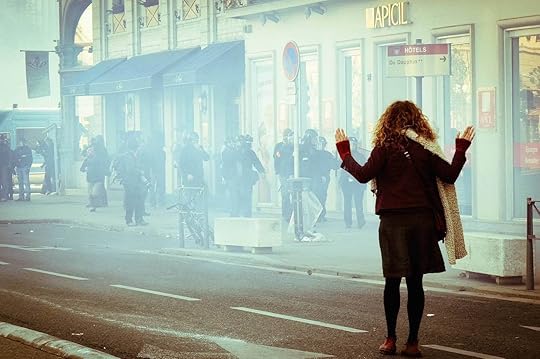
Photo: Sylvain SZEWCZYK
When I moved to France to teach English, the organization’s cultural coordinator warned me that if I only learned two words of French those words should be manifestation and grève: the French words for protest and strike. “Strikes,” he warned, “are France’s national sport, second only to soccer.”
His words were a precursor to a truth I’d eventually learn about traveling: if you travel enough, strikes become an inevitable — and sometimes exhilarating — part of the process. Over the course of my time in Bordeaux, I experienced strikes everywhere: bus strikes, tram strikes, train strikes…even my students went on strike.
Some countries tend to go on strike more than others. France, Greece, Argentina, and Italy have all earned reputations as nations where the default form of communication between workers and government is to stop work and take to the streets. In Italy, train strikes are frequent enough that Trenitalia, the country’s main train operator, tracks local and national strikes on its website.
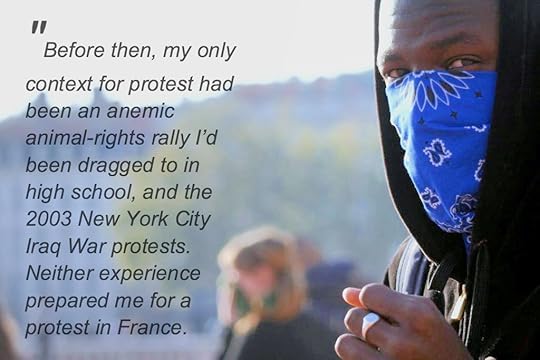
Photo: Sylvain SZEWCZYK
That said, however, strikes can happen almost anywhere. For example, in 2009 engineers on Via Rail, Canada’s railway went on strike, shutting down service for three days. In Toronto, garbage workers went on strike for more than 36 days during the height of the summer tourist season. This year almost 40-percent of Iceland’s workers — 70,000 people — threatened a nationwide strike that would have affected everything from healthcare to transportation to food supplies.
While I lived in France, I went to a protest in opposition of the Contrat première embauche, or first worker’s contract, a law that would have made it easier for employers to fire workers who were younger than 26. Earlier in the day I’d arrived at the school I worked in only to find it barricaded by desks, chairs, and whatever the students could get hold of. In the administration building, I found that the teachers had thrown lesson plans aside, and had covered the long conference-room tables with poster board and markers. They too were protesting.
Before then, my only context for protest had been an anemic animal-rights rally I’d been dragged to in high school, and the 2003 New York City Iraq War protests. Neither experience prepared me for a protest in France.
It isn’t always easy to tell from the outside whether a given protest is inconvenient or life threatening. Last year’s protests in Bangkok, for example, lead to a downturn in tourism. Just a few months before my students went on strike, Paris had burned: more than ten days of rioting had followed the electrocution deaths of two Afro-Muslim teenagers — Bouna Traore and Ziad Benna. By the end, there were hundreds of arrests, more than 2,100 cars had burned, and the fever had spread to Lyon, Strasbourg, Rouen, and even the suburbs.
For this protest, I decided to come along. Camera firmly in hand and passport photocopy tucked in my pocket, and apprehension on full display, I went because going felt as much a part of the French cultural experience as macarons, canelés and baguettes.
How to approach strikes while traveling

Photo: Gideon
Strikes are navigable. The key is a bit of targeted pre-trip preparation. Strikes rarely just happen — there’s almost always some news chatter in the days leading up to a big strike. Your first line of defense is the State Department’s website, but I also like to set up Google Alerts a week or two before I travel to keep me alerted to any impending strikes.
When I setup Google Alerts, I don’t just use the country or the city name — I set up alerts for both. For example, if I had an upcoming vacation for a trip to Madrid, Spain I might set up the following Google alerts:
Spain strike
Espagne huelga
Madrid Strike
Madrid huelga
I do this because sometimes strikes are nationwide, while other times they’re local. And setting an alert in the local language also helps because not all international strikes get reported in English. If an alert pops up in a foreign language, I can always toss it into Google Translate for a rough translation. The beauty of a Google alert is that you’ll only be emailed if Google finds something. No alert? No email. If there is an alert, you’ll have time to create alternative plans so the strike doesn’t disrupt your travel. If, for example, as happened in Paris in 2013, you learn that the workers in your hotel are going on strike, a week’s notice gives you enough time to find suitable alternative accommodations rather than undergoing a last-minute scramble.
And, nothing beats asking a local. They’ll know which strikes pose a real threat, which are likely to totally unravel your travel plans, and which are merely a bit of local culture that post-travel will reside in your memory, nestled between museums and meals. 
Forgotten swear words we need back

Photo: David Goehring
SWEARING IS ONE OF MANKIND’S FAVORITE pasttimes. It has never gone out of style, even if some words have come and gone. People’s favorite swear and curse words change over time, and this sadly means that some truly great curse words have been lost to history. While some old-timey swears sound downright tame when compared to today’s spectacularly imaginative uses of the foulest words (think about “fuckface” for a second. What could that possibly mean?), there are some that would fit right back into our modern life. Here are some that we absolutely need to get back into our lexicon.
1. Beardsplitter
A Victorian word for Penis.
2. Bedswerver
A British slang word for “cheater,” invented by William Shakespeare himself.
3. Gadzooks!
A variant of “God’s hooks,” this old curse dates back as far as the 17th century, even though it sounds like it was invented for a 1940’s Batman comic.
4. Gadsbudlikins!
A way of saying, “God’s body.” Another way of saying it is “Odd’s Bodikins!”
5. Arfarfan’arf
A Victorian term for a drunkard.
6. Rantallion
A weirdly specific Victorian word meaning “One whose scrotum is longer than his penis.”
7. Zooterkins!
A 17th century variant of “zounds!”, which was an expression of surprise or indignation.
8. Zounderkite
A Victorian word for “idiot.”
9. Bescumber
A word from the early 20th century meaning “to spray poo upon.”
10. Gamahuche
A Victorian word for Oral sex.
11. Cacafuego
This word, which means “braggart,” is Spanish in origin, literally translating as “shitfire.” It was the nickname of a ship captured by the Pirate Sir Francis Drake, who is presumably the braggart referenced by the word.
12. Thunderation!
A variant on “What in tarnation?” which itself was a lightening-up of the word “damnation,” “thunderation” was popular in the United States back in the 1830’s and 40’s. It’s time for it to come back.
13. Fopdoodle
A dumbass.
14. Fustilarian
A time-waster, and another invention of Shakespeare’s.
15. Scobberlotcher.
One who never works hard.
16. Smellfungus
This word, invented by Tristram Shandy writer Laurence Sterne, was made to refer to a man he met who complained about all of the wonderful places he had traveled to. The word later went on to mean any sort of buzzkill, but I think it should come back for it’s original meaning: whiny travelers.
17. Mumblecrust
A medieval word referring to a toothless beggar from a medieval theater comedy.
18. Mosquito-buggerer
It’s Medieval, and it’s exactly what it sounds like.
19. Rakefire
One who overstays their welcome. The term itself comes from the person who stays late and keeps the fire going, even though their host wants them to leave.
20. Bejabbers!
An Irish word imported to America which was used as a substitute for “By Jesus!”
21. Muckspout
Finally: one who swears too much.
h/t: Mental Floss, The Chive, Bustle, Sloth Jockey, Buzzfeed,

A Mexican city’s plan to stop littering was so extreme it got ruled unconstitutional
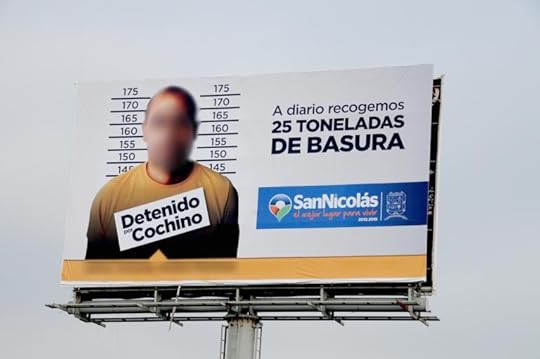
This man, whose face and name we’ve obscured, was “arrested for being a pig.”
Photo: Couretsy of San Nicolas council/GlobalPost
In a Mexican city near the Texas border, there’s one type of outlaw you just can’t escape.
They often work alone, leaving their hideous markings everywhere.
We’re talking about serial litterers. They dump trash over and over again, and the affluent city of San Nicolas de la Garza is fed up with them.
So much so, the municipal council voted to name and shame anyone caught littering three times, by arresting them and then slapping their mug shots and full names on billboards for all to see.
The billboards say: “Detenido por cochino.” That literally means “Arrested for being a pig,” although in Spanish slang “cochino” also means “filthy.”
“The truth is we have to do something to change what’s happening,” Mayor Pedro Salgado said. “We provide the best home garbage collection in the country and, even so, we’re picking up 25 tons of trash daily from the streets and parks.”
But apparently, giant-size mug shots blazoned with first and last names is going a little too far. At the end of July, Nuevo Leon state’s human rights commission ruled it unconstitutional.
“Nobody should be subject to arbitrary or abusive harm to their private life, of their family, at home, or illegal assaults on their honor or reputation,” said commission head Minerva Martinez Garza.
That prompted San Nicolas de la Garza to cover up the billboards with this message:

It reads: “We disagree, but in compliance with the human rights resolution we are covering up the face of someone who dirties our city.” “Every day, we pick up 25 tons of trash.”
Photo: Courtesy of San Nicolas council/GlobalPost
It reads: “We disagree, but in compliance with the human rights resolution we are covering up the face of someone who dirties our city.” “Every day, we pick up 25 tons of trash.”
GlobalPost was unable to track down the man on the billboard to see whether he’s more or less likely to litter again.
By Simeon Tegel, GlobalPost
This article is syndicated from GlobalPost.

Matador Network's Blog

- Matador Network's profile
- 6 followers

