
Matador Network's Blog, page 2074
August 12, 2015


How to piss off a Torontonian
No you don’t. You’re jealous. You had to move to one of the softer cities because Toronto smells bad / the people are fake and boring / the Leafs suck / or any other excuse you tell yourself to help you sleep at night.
Because the truth is: You just couldn’t hack it here.
Toronto is a big city, especially when compared to the majority of other Canadian towns. It can be impersonal, competitive, and there are absolutely people ready to step on you to get ahead. This is a symptom of living in a place where there are boundless opportunities; we are passionate about what we do and every day are witness to what we can make of ourselves with hard work and tenacity.
Endless opportunities also mean you make your own fun. Seek and you shall find. If you’re into LARPing, would like to play pickup dodgeball, or want to discuss shamanic practice, there’s a group, club, or community for you. If something truly is lacking, start it yourself. I’m sure you’ll find someone else who is interested in competitive toe wrestling.
Sit right next to me on the TTC when there are plenty of empty seats.
We don’t like things out of the ordinary, and it’s not normal to invade a Torontonian’s personal space without need or invite. We don’t like close face-talkers. And we definitely don’t like when there’s an empty bus, subway, or streetcar and someone we don’t know chooses to sit right next to us. There’s no desire for that on public transportation.
Blame it on the fact that we already have close-knit friend groups, or that we fear becoming a statistic, but we stay away from strangers. Making eye contact or chatting with a stranger in Toronto is seen as a sign of mental instability, so even if we are friendly, it’s just so that you don’t follow me home to eat my liver with some fava beans and a nice Chianti.
Believe that Drake is the best thing out of Toronto ever.
He sells a lot of albums and we are all happy for him. But Aubrey Graham will always be Jimmy from Degrassi to me, and no amount of tattoos and dating Rihanna will change that. Besides, knowing that the average home in Forest Hill where he grew up goes for $4.32 million kind of ruins that whole “Started from the Bottom” thing.
Walk slowly.
Get out of my way. I really do have somewhere to be. Before my stint in the Caribbean, I could send an email from my Blackberry with gloved hands while drinking coffee and still overtake people on the sidewalk. We get it: You want to take in the sights and sounds of the city. Great. But do it in the slow lane, not the middle of the sidewalk. Baby, it’s cold outside and I’ve got happy hour drinking to do.
Oh yeah, and give a girl a warning if you’re stopping. That’s a 10-latte pileup waiting to happen.
Tell people you’re from Toronto when you’re not.
I remember when the boroughs of Toronto were amalgamated into the Greater Toronto Area. I heard it on the radio while cruising with my mom in the car. If you are from Pickering, Mississauga, or Brampton, then you are from the GTA. You come in from your boring boroughs, do the “wild and crazy weekend” thing and give us, the classy urbanites, a bad name. Not to mention, we probably wouldn’t be seen at that club you went to, and at the very least we wouldn’t have had to spend $400 on bottle service for the privilege.
East Gwillimbury is part of the GTA — would you consider residents of this town Torontonians? No. So neither are you.
Ask me if I voted for Rob Ford.
I did not. No one I know admits to having voted for Rob Ford. I laugh at his antics and occasionally respect him for doing what he wants and not being influenced by popular opinion. But of course, that is his downfall. Put that in your crack pipe and smoke it.
Ignore how awesome it is here.
People often say that Toronto is like New York, but without all the famous stuff. Or that it’s a wannabe New York. First of all, oh, no you didn’t! Secondly, that is shallow. Comments like that say you haven’t spent enough time in Toronto, in New York, or both.
Toronto does have famous stuff, but that’s beside the point. Toronto is the people, who come from every corner of the world and bring their music, celebrations, and cuisine. Toronto is celebrity sightings but no crazy paparazzi. Toronto is the worst metropolitan transit system in world, but home to the longest surface route line in North America (501 Queen Streetcar). Toronto is cultural and historical neighbourhoods, museums, theatres, beautiful parks, and unique annual festivals.
If you can’t see that, then we don’t want you anyway.


Breastfeeding is beautiful, truly
ANYWHERE, ANYTIME — this is the “right” time for a woman to breastfeed her child or children. Many societies and cultures these days have taken offense to displays of breastfeeding, as something that is unnecessary to do in public. Meanwhile, breastfeeding remains an ancient, beautiful, natural, and yes, necessary and life-giving act for humankind, and it takes place every minute of every day all around the world. It is universal. It should be celebrated, and not shamed. I hope this photo essay does just that.
1. In a field, in Arizona, USA
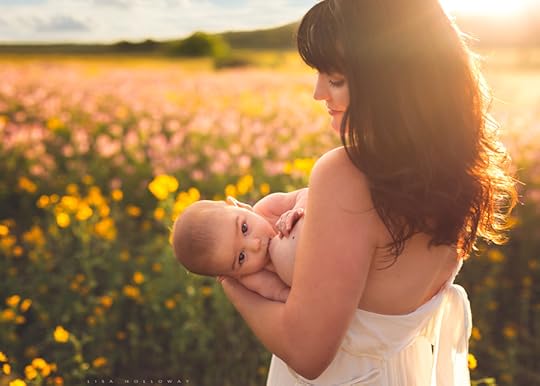
The Perfect Bond by Lisa Holloway on 500px
2. In bed, in the Ukraine
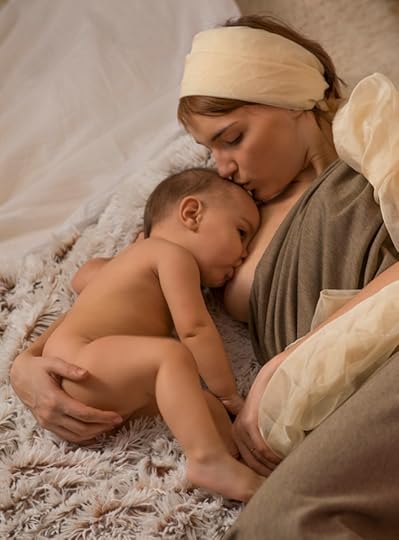
maternal care by Vit-Art on 500px
3. Inside a hut, Tibet
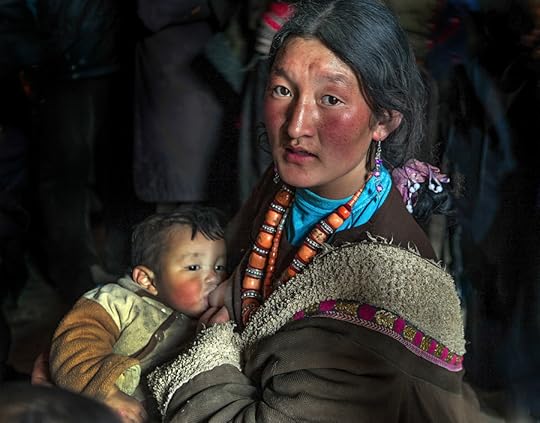
A Tibetan Woman Breastfeeding Baby by Jungshik Lee on 500px
4. In the maternity ward, in Manila, Philippines
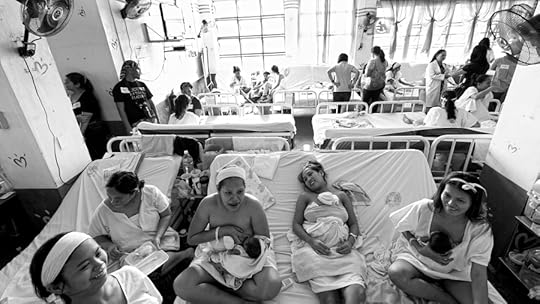
Mater by Lawrence del Mundo on 500px
5. On the bed, in Sao Paolo, Brazil
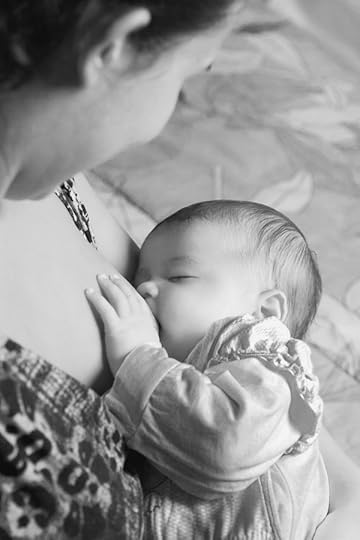
Pequena Isabela by Gabriel Santana on 500px
6. Underwater, in Los Angeles, USA
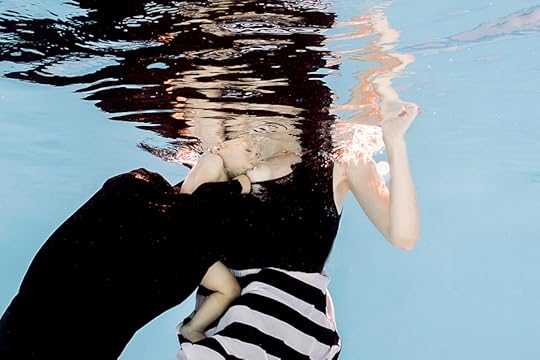
Water Baby by Eva Creel on 500px

More like this: Breastfeeding is the universal way we nurture. Here's how formula companies are breaking that apart.
7. On a farm, in Russia
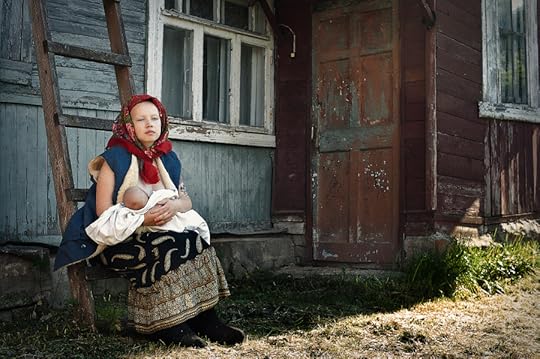
desperation by Nataly Dauer on 500px
8. Two at a time, Chicago, USA
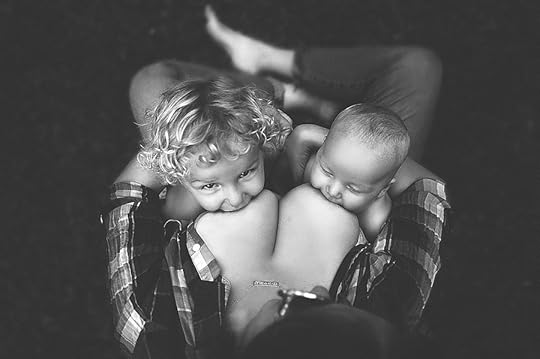
Nurslers. by Ivette Ivens on 500px
9. In a living room, after surviving breast cancer, Tel Aviv, Israel
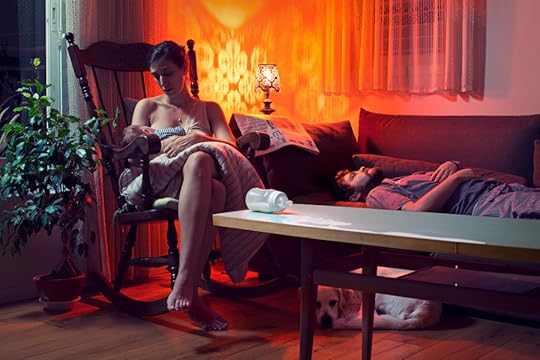
The world has changed by Ronen Goldman by Ronen Goldman on 500px
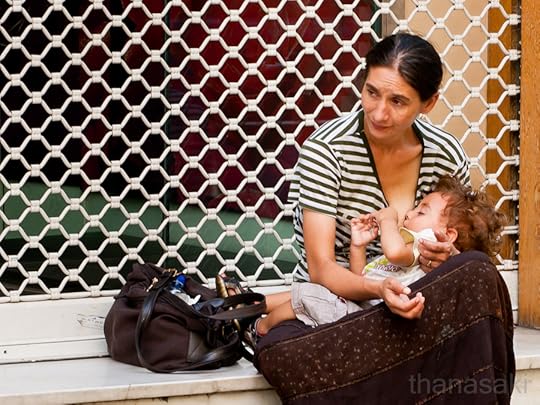
10. In the street, Athens, Greece
11. Outside a hut, Himba Village, Namibia
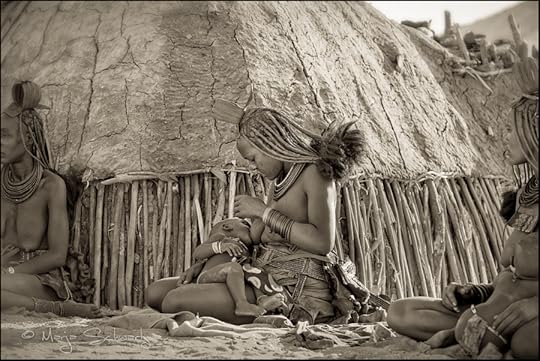
Mother's Milk Monochrome by MARJA SCHWARTZ on 500px
12. In the street, Bali, Indonesia
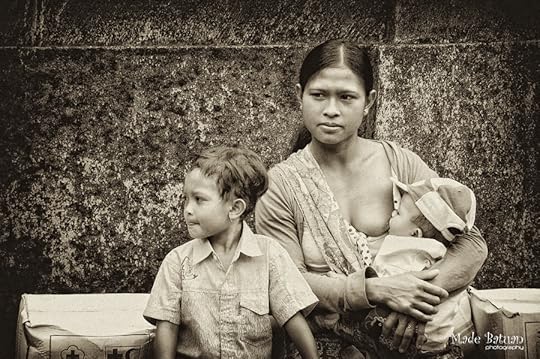
Breastfeeding by Made Batuan on 500px
13. In the woods, in Ciudad Valles, Mexico
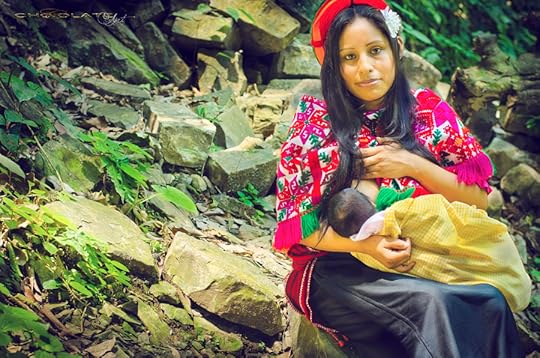
Huasteca Lactancy by Lex Miranda on 500px
14. In a mall, in Oshawa, Canada
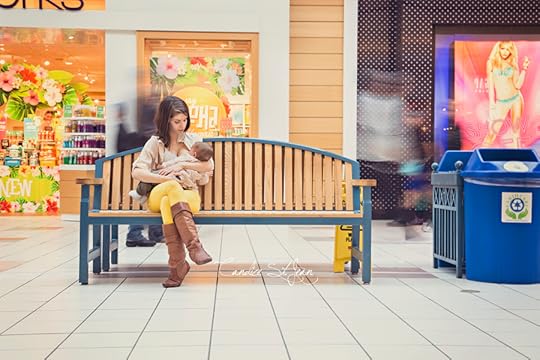
public nursing by Candice St. Jean on 500px
15. In a field, Mursi Tribe, Ethiopia
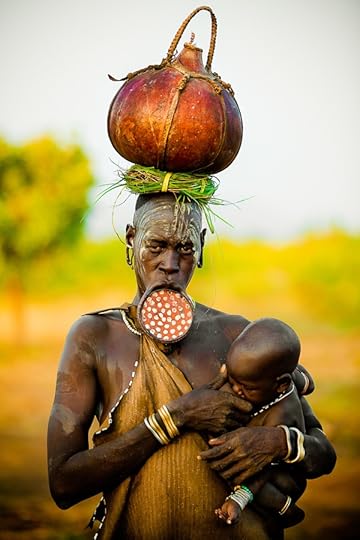
Mursi with Child by Dmitri Markine on 500px
16. At her own wedding, in Tuscany, Italy
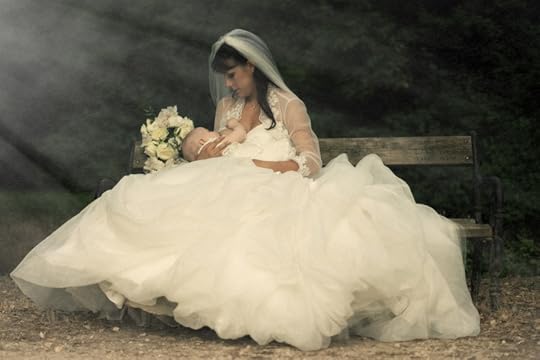
Mother by DaniSol Photography on 500px
17. In the Mediterranean sea, Israel
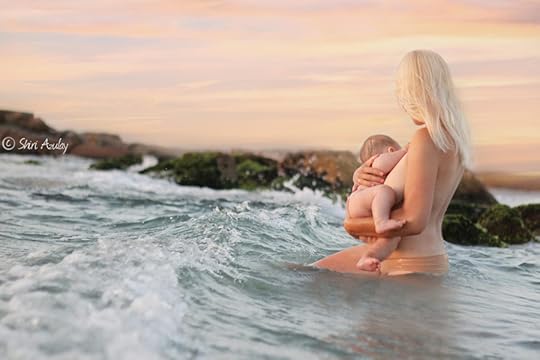
Shiri Azulay Beastfeeding Photograpy by Shiri Azulay Albilya on 500px
18. In the morning time, in Ifikara, Tanzania
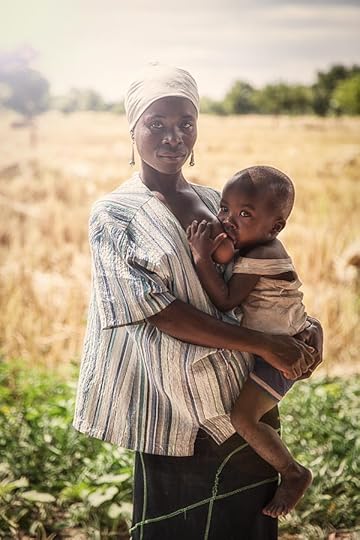
Breastfeeding by James Stone on 500px
19. In a river, in Georgia, USA
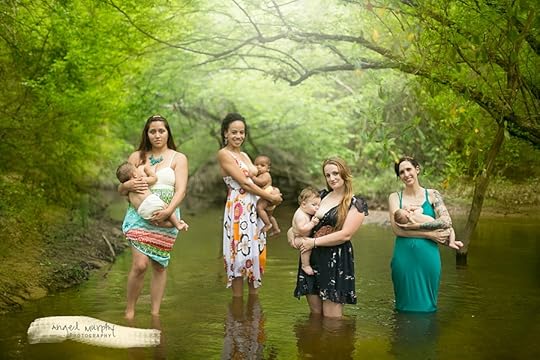
Motherhood by Angel Murphy on 500px
20. All together now, in Nicosia, Cyprus
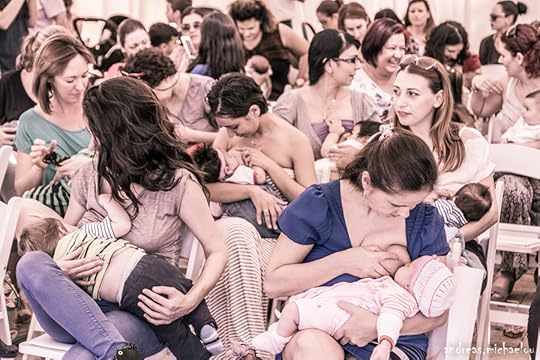
Simultaneous breastfeeding by Andreas Michaelou on 500px

13 Pittsburgh dive bars
Everything is $2 at Nadine’s, a real yinzer bar that stands out in the crowd of the South Side’s novelty saloons and tap houses. Tucked in a side street near the Works, Nadine’s is a much needed respite from the constant rumble of drunk college students hurling themselves down East Carson Street and then just hurling on East Carson Street.
2. Dee’s — South Side
#bdayboy #pittsburgh #deescafe
A photo posted by @marylizytown on Jul 25, 2015 at 6:55pm PDT
Walk into Dee’s and you will feel like you might bump into Nicolas Cage’s character from Valley Girl. Usually populated with the South Side’s resident punk-and-hipster crew, Dee’s is a fun bar to go to for people watching and pool.
3. Belvedere’s Ultra Dive — Lawrenceville
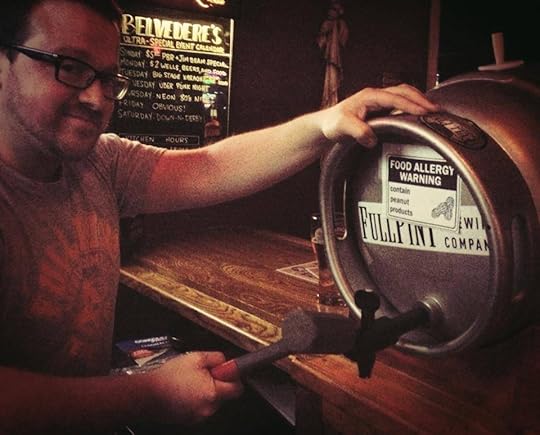
Photo: Belvedere’s Ultra Dive
Currently closed after fire damage, but reopening sometime in the next 100 years, Belv’s has a front bar, back bar, big dance floor and pool tables. You can be yourself at Belvedere’s. In one night you might run into punks, bros, and a 40-year-old woman’s birthday entourage. Thursday is 80s night and is the most fun place to dance and drink $1 PBRs. Sometimes you can roller skate there. Not a good bar if you’re the kind of person who needs windows or clean air.
4. Gooski’s — Polish Hill
I love Gooski’s because they serve Baltika and have one of the greatest juke boxes anywhere. Don’t go up to the bar unless you know what you want and have your money ready. Gooski’s really doesn’t care about getting your business if you’re a jag. Big with the alt/punk scene, it’s a great place to go deaf during a show.
5. The Rock Room — Polish Hill
Pittsburgh, we out chere … #antisocialitemedia #ASC #circularsignals #pittsburgh #therockroom
A photo posted by Rob Geddis (@latebloomer201) on Feb 28, 2015 at 5:32pm PST
For a small bar, The Rock Room has a long list of incredibly well-priced craft beer bottles and cheap food — you can live like a king on $20. Specials include 15-cent pierogi night, $2 burgers (with fries!), and 50-cent pizza boats. Another bar popular with the punk/alt crowd and home to very loud shows and very few windows.
6. Nico’s Recovery Room — Bloomfield
Nico’s Recovery Room is THE place to go for karaoke in the East End. The beer specials are never that great, and it can be smokey as all hell, but the karaoke regulars are incredibly entertaining. The crowd is friendly and supportive whether you’re singing Sinatra, Journey or The Beets “Killer Tofu.”
7. Scarpaci’s Place — Mount Washington
Only the locals come to Scarpaci’s, hidden at the end of Shiloh Street on Mt. Wash. It is such a friendly bar — every time I’ve been there the bartender has given us a free pitcher or shots. Once, someone gave us 20 songs to pick out on the juke box.
8. Sonny’s Tavern — Bloomfield
A photo posted by Anthony Jamison (@talltree25) on Jul 3, 2015 at 6:28pm PDT
Sonny’s is a one-room masterpiece decorated with Christmas lights and a poster of a German Shepard that has “My day was ruff I’ll have a double,” written on it in sharpie marker. They offer cheap drafts, shot specials, and pretty good bar food (with vegetarian options). Sonny’s is the original home of what many people consider to be the greatest trivia team ever, Yuengling Rx. And by many people, I mean several. And by several, I mean exactly four. And by four, I mean me and my three teammates.
9. Kelly’s Bar and Lounge — East Liberty
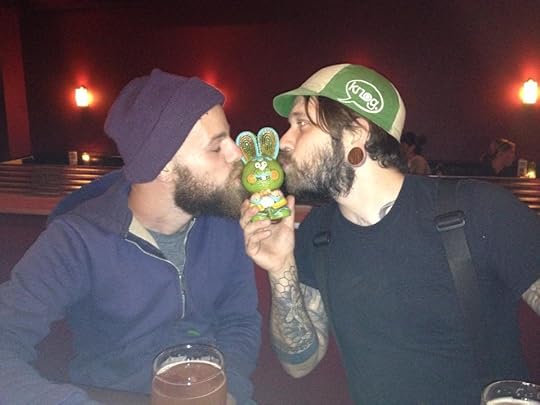
Photo: Kelly’s Bar and Lounge
If you’ve ever been to the Hell With the Lid Off Barleywine Festival at Kelly’s you probably don’t remember it, so let me remind you. Their 1950s-style décor and small outdoor area provide a charming place to celebrate your happiest hour. Kelly’s has a rotating draft list and delicious cocktails. They offer an array of good food and are famous for their mac and cheese. Personally, I’m sweet on the sweet potato fries.
10. Gene’s Place — South Oakland
Gene’s is the quintessential university bar located in densely student-populated South Oakland. The beer prices at Gene’s are so low that they should be playing limbo. There is also a goldfish. Gene himself is behind the bar regularly and it’s a real neighborhood-kinda place. On second thought, I don’t recommend going out in the dirty south unless you are a college student, tis a silly place.
This story was produced through the travel journalism programs at MatadorU. Learn More
11. Le Mardi Gras — Shadyside
A photo posted by Francart & Francart Pictures (@francartsquared) on Aug 25, 2014 at 12:02pm PDT
Mardi Gras throws out the old adage that you shouldn’t have carpet and also drapes in a smoking bar. Besides a great juke box selection, Mardi Gras bartenders will freshly squeeze juice for your cocktail. The drinks are strong and if you order a whiskey you will get a double, or a triple, or half a glass.
12. Howler’s — Bloomfield
#HowlersPGH is PACKED for #LadyFest !!!! #TheFuckies on now! #PGH #pghMusic #ladiesladiesladies
A photo posted by audexploits (@audexploits) on Jul 17, 2015 at 8:50pm PDT
Besides having a cool name that reminds me of werewolves, Howler’s makes a great drink, offers a cheap beer, and is often stocked with old motorcycle dudes who are really a lot of fun. Home to local shows, Howler’s often has live music and plenty of room to dance.
13. Take a Break — Lawrenceville
A real local joint, Take a Break is where you go to take a break from life and be transported back to the 1940s. Beer is served in huge giant mugs and you can get alcoholic cherries. Once, we played pool there with a guy who had words in Elvish tattooed around his wrists. He was definitely taking a break from reality. He was a total pool shark and Elrond would have never put up with his sassy ass attitude. 
Idioms only the French understand
Translates literally as, “Do I ask you if your grandma bikes?” This is a rather funny (though not for the person receiving the insult) and sarcastic way to tell someone to get lost.
Example:
A: Is your divorce procedure with Ginny coming along, John?
B: Est-ce que je te demande si ta grand-mère fait du vélo?
2. Avoir un poil dans la main | To be lazy
In France, those suffering from chronic motivational deficit are said “to have a hair growing in the palm of their hand.” If it’s reached the thickness of a ponytail and you can braid it, you probably need a good coup de pied au cul (kick in the ass).
Example:
A: Can’t Teresa do it?
B: Forget it, she’s got a poil dans la main the length of a cooked spaghetti noodle.
3. Chier une pendule | To make a big fuss
Be warned! It’s a pretty rude way to tell someone to calm the freak down, but you ought to admit that “pooping out a clock” is a rather creative and effective way to describe an overblown situation.
Example:
A: Oh my God! What happened? What did you do?!
B: Jeez, you’re not going to chier une pendule just because I totaled the car, are you?
4. Se faire poser un lapin | To be stood up
Yeah, if you’ve been waiting at the café for an hour and the guy you met at the club last night still hasn’t shown up, you were probably “given a rabbit.” Move on. He must be a dink.
Example:
A: Aren’t you going to meet the blond you were grinding with last night on the dance floor?
B: Nah, man, I’m too busy pumping iron at the gym. I’ll probably lui poser un lapin.
5. Avoir une araignée au plafond | To be not quite right in the head
In France, we like to think if you’re one sandwich short of a picnic, you “have a spider hanging from the roof of your skull.” How delightfully childish of us to explain insanity by describing someone’s head to be as empty and dirty as an old attic!
Example:
A: You know the girl from Safeway, the cashier? She told me I looked like Ryan Gosling!
B: Yeah, she’s got une araignée au plafond. Didn’t you know? Sounds like it got worse over the past week, though.
6. Ne pas attacher son chien avec des saucisses | To be cheap
In France, if you “don’t tie your dog with a sausage line,” you’re cheap. We’ve got high standards for our canine friends.
7. Se faire rouler dans la farine | To be cheated
The French have trouble stepping away from food for too long, so even when we’re being cheated, we’re being “rolled in flour” like a wholesome loaf of bread in the making.
Example:
A: I slept with Rocco last night, you know, the pizza chef from La Cucina Ristorante.
B: Nice! Are you guys dating?
A: No, he hasn’t called back even though he said he would. I think I just got roulée dans la farine.
B: Quite literally…
8. Être une bonne poire | To be naïve
If you really think Rocco, the womanizing pizza maker, ever meant to call you back after last night’s events, there’s no doubt, you’re “a ripe pear.”
9. Aller faire téter les puces | To go to bed
Here’s something that’ll make you want to stay in a hostel in France! “To go let the fleas feed on you” is one of the many ways French people explain they’re going to hit the sack. You may want to check out the sheets before crashing.
10. Courir sur le haricot de quelqu’un | To piss someone off
This is one of my personal favorites. My mom uses it all the time when she wants me to stop nagging her (now, what does that say about our relationship, I wonder?)
I always picture a little person, breathless, “running on a long green bean” (a yardlong one, I’m guessing).
Joke aside, back in the day, un haricot was a slang term for a toe. Now it all makes sense — if you’re running on someone’s toe, they’re likely to get annoyed, indeed.
Example:
Enough already! All these crazy French idioms are starting to me courir sur le haricot. 
17 easy steps to become Serbian
2. Add BRE to your sentences! BRE is universal, frequently used, Serbian word. It doesn’t mean anything but it gives certain emotional/intimate note. “Go away you idiot BRE!”
3. Create a special folder on your computer with the biggest hits of turbo-folk.
4. Greet people by kissing them three times on their cheeks.
5. Buy a big church calendar and hang it in your kitchen.
6. Eat burek with yogurt at least once a week.
7. Order RAKIJA for breakfast! Along with Turkish coffee of course! It’s a ritual that has been transmitted from generation to generation.
8. Raise first three fingers in the air when you feel patriotic.
9. Start eating bread with everything — soup, meat, potato, pasta, vegetables. White flour bread is highly recommended.
10. Name your dog Žuća.
11. You need to be informed about when Novak Djokovic is playing — at what time, channel, which city, name of the championship, who is he playing with etc! EVERYTHING!
12. Start going to the gym! You gonna need those muscles while you stand on one foot, holding a pole at 8.30AM in a public bus.
13. When someone opens a window in a bus, start yelling to close it!! Draught is a deadly disease here.
14. Get used to cigarette smoke.
15. Raise your hands in the air and shout ‘Joooooooooooj’ (YOY) when your favorite song is playing. It doesn’t matter if it’s on the radio, your favorite bar or on your phone while you’re showering.
16. Start talking really loud on the phone to your relatives that live in other countries.
17. Start talking to that grandma that is standing in the line in front of you; you never know what kind of news you will hear from her.
This post was originally published on May 26, 2015

August 11, 2015
This photographer takes nude photos of “ordinary” women around the world. The effect? Self-love.
When Matt Blum began photographing women nude, he didn’t intend to start a movement. He just wanted to make good photography. But over the last ten years, Matt and his wife Kat Kessler have built something that has become both an artistic, captivating collection of photography and a project making bold statements about body-positivity and self-love.
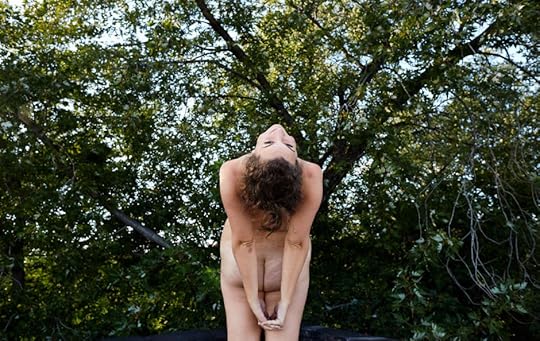
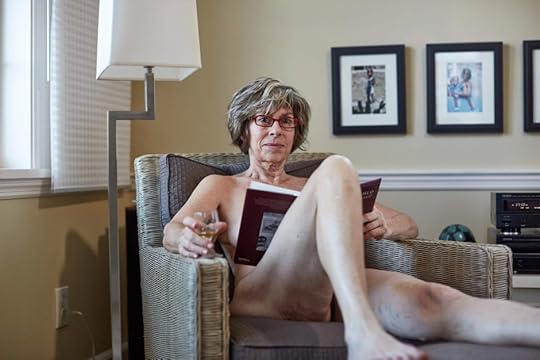
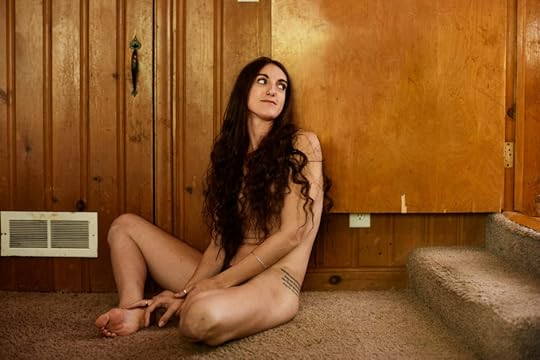
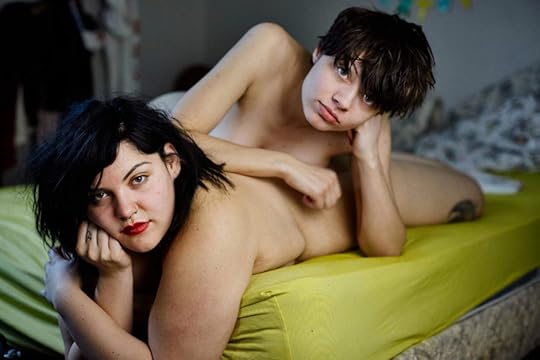
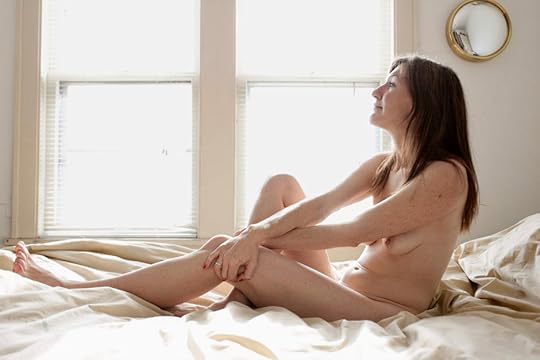
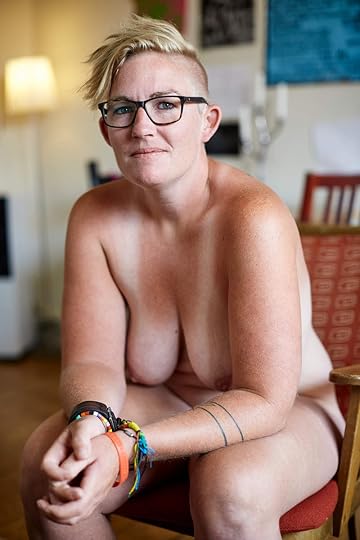
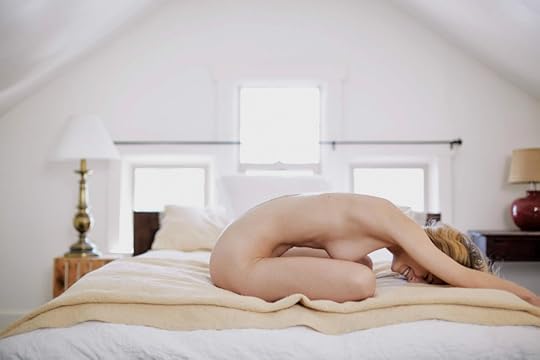
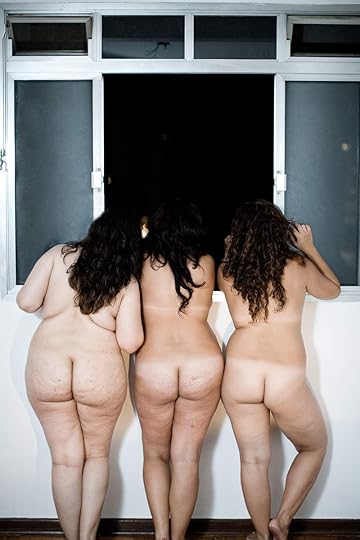
The Nu Project is an online archive of nude photos of ordinary women around the world. The entire project is volunteer based: women invite the photographer into their home for the shoot, and agree to have the photos included on the project’s online gallery free of charge. Viewing the images is free and the online galleries reach 2.8 million visitors a year, half of the traffic coming from audiences outside the states. In 2013, the Nu Project published a book collection of their favorite images over the past seven years (available on Amazon). They’re publishing a second collection this Fall.
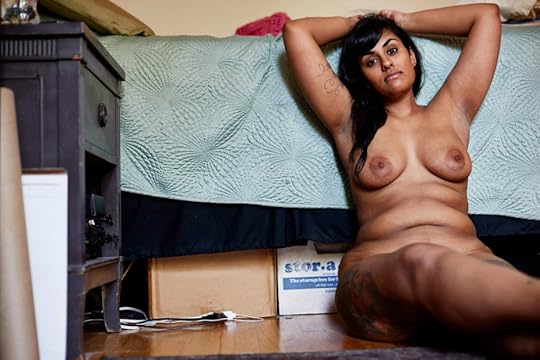
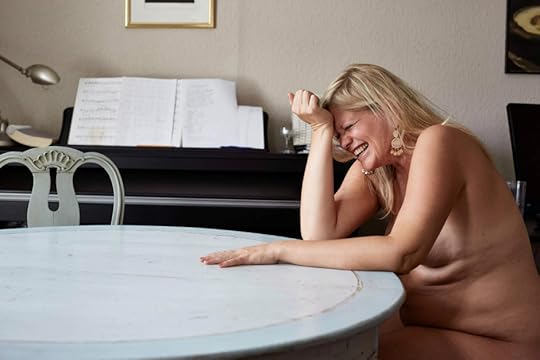
What’s most remarkable about the Nu Project photos are their powerful depiction of the ordinary. None of the women photographed are professional models, and the photo “set” is often their unkempt apartment, complete with unmade beds, sprawled magazines, and dirty dishes still sitting in the sink. Women happily pose baring their cellulite, their tan lines, their belly creases as they laugh. Women pose washing dishes, reading magazines, watering the plants, cuddling their lover, or playing with their toddler.
And through these simple depictions, the project makes viewers reconsider what deserves to be captured in a photo, what deserves to be displayed and proudly shared for the world to see. Doing so, it has created an empowering resource for woman seeking proof that what constitutes a “beautiful body” is far more diverse than media suggests.
To make the photos geographically diverse, photographer Matt Blum and editor Katy Kessler have traveled all throughout South America and Europe coordinating shoots with local women to include on the website. According to Matt Blum, the photographer behind the project, women volunteer for a variety of a reasons: anything from a history of body issues, to simple curiosity of trying something new. The only commonality between all participants is that they have the openness and trust to welcome Matt into their home to do his art.
“We never had any governing principles that have stayed consistent, other than the fact that we wouldn’t exclude anyone.”
Many other artists have begun using the internet to combat negative and inaccurate depictions of the female body and begin confronting the insecurities it creates with projects like We Women and The Body Is Not An Apology, or Let Me Love Me, a Facebook Page dedicated not to women, but to people of color.
Through working on the project, Matt has noticed differences in perspectives from women in different areas of the world. But he also believes some ideas are common everywhere:
“In Latin America people are far more conservative about nudity whereas in Europe, people are far more liberal about taking their clothes off. And yet, the idea of the media focusing on similar body types, that’s universal. Europeans still don’t see real bodies in the media. In 2015, across the globe, people react to and respond to this idea.”
Matt hopes to continue exploring the themes of confidence and vulnerability in his future work. He is now currently working on an a project expanding the idea of nudity to include photographs people baring any aspect of their lives they don’t often allow others to see. To see more photos, visit www.thenuproject.com.
1
Nu Project
“When people see The Nu Project I hope that the very last thing they notice is that no one is wearing clothes.” -Matt Blum, Photographer.

2
Nu Project
“Anyone who has gone skinny dipping can understand how something about nudity brings people closer together. It makes you a little more vulnerable and so allows you to connect with others a little bit quicker.” - Matt Blum, Photographer
3
Nu Project
“When a volunteer thinks ‘well I can’t get any more naked, and I’m in my own home, so might as well just be myself’, that’s when the shoot works.” -Matt Blum, Photographer
Intermission
221
The 20 coolest towns in the US
by Matador Team
1
5 Reasons It’s Impossible to Defend the Death Penalty in the US
by Amanda Machado
1
13 images that prove Oregon is undoubtedly the place to be this June
by Kate Siobhan Mulligan
4
Nu Project
5
Nu Project
6
Nu Project
“My work with this project is to get out of the way of the image and let the story be told." -Matt Blum, Photographer
7
Nu Project
"In Brazil, I’d hear a lot of women say 'in our country, our bodies are the property of men.'” -Matt Blum, Photographer
8
Nu Project
9
Nu Project
"In Germany, we’d hear alot of women say “I’m just tired of photoshop, I want to be a part of a project where the people look like my mom and my friends and that’s valid and that’s beautiful.” -Matt Blum, Photographer
10
Nu Project
11
Nu Project
"Photographers are hired to capture super pretty things...But to show something that we typically don’t allow people to see; that’s always what is most interesting to me.” -Matt Blum, Photographer

What travel has taught me about beauty
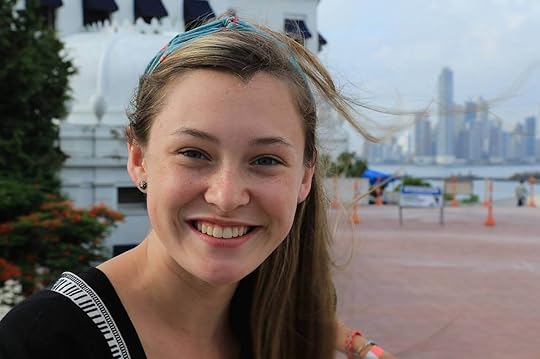
Photo: AFS-USA Intercultural Programs
I’m 5’4 with fair skin that burns easily, long medium-brown hair, largish blue-grey eyes and teeth that aren’t too tidy by US standards, but that have never needed any work. My body’s not exactly thin, but not fat either. Most importantly, I’m in good health and I exercise often. I feel confident wearing makeup most of the time, but I don’t fret if caught running errands without.
What I’m describing sounds fairly average, because it is. In much of the Western world, I’m what could be considered averagely attractive. And I’m OK with that.
Growing up in far northern New Zealand, right by the beach, my fair skin was considered the height of unattractiveness. For white New Zealanders, a tan is considered a sign of health and activity. Cringeworthy as it now seems, to say that a white girl was as brown as a Māori was a huge compliment, and one that I never received. I experimented with fake-tan remedies, but it was the 1990s and formulae hadn’t yet been perfected. In the summer, when the school uniform required girls to wear knee-length cotton skirts, the boys would make a fuss of pretending to be blinded when I walked past. This continued for years. In retrospect, I’m sure at least two of them had a crush on me and that’s why they teased me so mercilessly, but that was little consolation at the time. I honestly thought I was hideously unattractive, and no man could ever love me.
After university, I moved to Saitama City, on the far northern outskirts of Tokyo, for a year and a half to teach English. I didn’t expect it, but I became the prettiest girl at the ball. I had blonde highlights in my hair at the time, and although I was taller and fatter than the average Japanese woman (purchasing L-size clothing for the only time in my life), my fair skin and large, blue eyes made up for my less-than-ideal body type. I mesmerized my suburban Japanese students. Although American pop-culture has permeated to some extent, the average Japanese person — especially if they live away from popular tourist spots — rarely interacts with people who don’t have the typical East Asian features.
At the adult English conversation school at which I taught, men and women alike requested me as their teacher. It wasn’t that I was a particularly good teacher (I wasn’t), but that they liked the look of me. At the junior high and elementary schools, it soon became obvious that I wasn’t expected to actually teach anything. I was just there to look good and exude an aura of English. One seven-year-old child gazed into my eyes and asked, in awe, “But why are they blue?”
From Japanese fashion and pop culture, it’s easy to see why I was considered some sort of ideal beauty. Anime characters have impossibly large, light-coloured eyes, and the use of whitening skin creams is de rigeur. Japanese women cover up as much as they can in the sunshine to prevent their skin darkening, even if this means some heavy-duty sweating in 40ºC temperatures. Older women commonly wear head-to-toe coverings that resemble beekeepers outfits, with a visor covering the face and elbow-length gloves. Even younger, more fashionable women commonly cover their legs with stockings, wear full-length cardigans, hats of improbable and impractical proportions or carry parasols (an item I had thought belonged to the 19th century) to prevent a sun-kissed look. Freckles are considered to be as disfiguring as acne.
I quickly discovered, though, that whether or not men act lasciviously bears little relation to how women dress. As a feminist, I had to believe that. Nevertheless, when traveling in India, erring on the side of modesty pays off.
In Japan I played the part of a beautiful person, but my patience with the performance quickly wore out. I was used to getting by on my brains and my competence, not my looks. I felt like a fraud when foreign teachers who were clearly better at their job than me received negative feedback and I didn’t, just because I was considered kawaii, that catch-all Japanese word for cute, pretty and desirable, all at once. This particularly bothered me when African American and Caribbean colleagues had a hard time, when Japanese people even questioned their qualifications or called them names that would be unconscionable in other parts of the world, simply because they didn’t like their appearance. I looked forward to returning to a place where I would be considered average again, where people would actually care whether I was good at my job. In Japan, I got a better understanding of the freedom but also the burden that comes with being considered beautiful ‘back home’: tall, blonde, slim, tanned. For the first time in my life, I was glad I wasn’t.
That was probably just as well, because from Japan, I moved to Australia, a country of scorching desert heat, superlative beaches and outdoorsy lifestyles. Plus one of the highest rates of skin cancer in the world. I was average again, but average with a newfound confidence. I didn’t care if my white legs ‘blinded’ anyone when I wore short shorts, or that my height, hair colour or physique weren’t ideal. I knew that there were places in the world I could go to be considered stunningly beautiful, but I didn’t really want that.
While living in Australia, I frequently travelled to India for research. On my first trip there, I tried to look as unattractive as possible, buying too much into the negative hype about its lascivious men. I wore only baggy t-shirts, loose pants and no makeup. I quickly discovered, though, that whether or not men act lasciviously bears little relation to how women dress. As a feminist, I had to believe that. Nevertheless, when traveling in India, erring on the side of modesty pays off. Staring isn’t considered as rude as it is in the West, and men—as well as women—are far more likely to stare at a white woman showing her legs or chest than at one who isn’t. Besides, when it’s hot, humid and dusty, covering up in Indian dress is far more comfortable.
I discarded my unflattering t-shirts and harem pants and replaced them with elegant, tailored cotton or silk kurtis, salwars and dupattas, in a rainbow of vibrant colours. Beaded, mirrored, tie-died, embroidered; nothing was too over-the-top for my Indian wardrobe. I revived my mascara wand and lipstick, too, and collected chunky silver jewelry. My magpie tendencies were given free-reign in India, and I enjoyed the performance of dressing up and becoming a different version of myself. Younger, urban Indians — uniformed in jeans and t-shirts — generally rolled their eyes at what they considered a daggy form of cultural appropriation. But my dress was often appreciated by older or rural Indians, who admired my effort, although they expressed their sorrow at my lack of 18-carat gold bling, a sign that I didn’t come from a wealthy family, or hadn’t married well.
Japan, then India, didn’t exactly teach me to love myself, flaws and all. They didn’t teach me to appreciate my strengths, or any such supposedly-empowering platitudes. What they did teach me was that you can’t please everyone, and that standards of beauty are entirely fickle. That there are more important things in life than the fleshiness of one’s bottom.
Would I prefer more tanned skin or less oily hair? Sure. Am I going to give these things as much consideration as my current research project or Friday writing deadlines? Hell no. 
August 9, 2015
Heli-skiing isn't all it's meant to
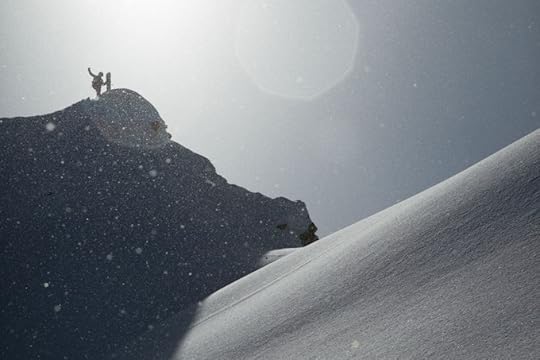
Photo courtesy of KT Miller
WHEN I WAS 21, I packed up my life, put my car on a ferry, and landed in Haines, Alaska, to work for a heli-skiing operation. At the time I was seeking adventure, I was looking for something to shake up my life, and shake it up it did.
As a rookie you get very little time in the bird and lots of time sitting on the tarmac, fueling the choppers for stoked clients who just had the best ski run of their life. I figured I had to put in my time, just like everyone else, so I sat in the van and fueled the whirly birds day after day. Down days were spent bushwhacking through thick alders to ski the dense powder above, with occasional forays at the snow cat hill. I even got up high a few times and gawked at the sea of stunning mountains.
While there, I started to become more aware of my surroundings and my life in general. My parents hadn’t taught me about climate change, they taught me to love life and chase my dreams, but we ate at McDonalds and participated in what some would call redneck activities. No one can deny that it’s a riot to rally around on a dirt bike or a snowmobile, and shooting guns in the woods is a hootin’ good time. That was my childhood and I whole-heartedly embraced every minute of it.
The fall after my first season in Haines, I went to Churchill, Manitoba, on a whim. A mentor of mine ran an organization called Polar Bears International and invited to me to come up and volunteer. I didn’t have anything better to do at the time and figured it would be really cool to see polar bears and try something new. What I didn’t know is that my time in Churchill would change my life in a big way, transforming me from simply a nature lover to a full-on environmentalist.
HARD LESSONS
I learned a lot about climate change that fall. I learned that unlike some endangered things, you can’t put a fence around it — climate change knows no borders or boundaries, and it affects everything, everywhere.
This made me think twice about returning to Haines to work in the heli-ski industry, but I went anyway. I’d groveled so much the previous year, dispatching from the tarmac, fueling helicopters, and doing any and all grunt work I could find. I hadn’t made a dollar, and I wanted to reap the rewards of my groveling. I wanted to go back and actually get paid. I wanted to ski in the magnificent Chilkat Mountains, and part of me wanted to do it for the ladies because at the time there were no female heli-ski guides in Haines.
So I returned, but it didn’t feel right.
I was fueling the helis one day and asked the pilot how much fuel they consumed. “Oh, roughly 45 gallons of Jet A per hour.” Wide-eyed, I replied “Oh, that’s a lot,” and put my head down. It seemed ridiculous to waste that much fuel and contribute that much carbon pollution to the environment for skiing, for pure recreation with no real purpose. It could be called frivolous at best.
Despite diving back into the grunt routing, I’d barely skied since I arrived that season. Then my cabin burned down and a friend and fellow guide died in a terrible accident. “The universe is telling me something,” I thought. After a long eight weeks, I packed my car and left. I haven’t touched a helicopter since.
WALKING THE WALK
I may be tainted from the accident, or perhaps just jaded in general, but using helicopters to ski doesn’t seem worth it to me. I get it. I’ve been there. Jeremy Jones was there, too. He saw the mountains changing, he saw winter disappearing and he decided to do something about it. He stopped snowboarding via helicopters and started doing all his projects via his own two feet, human powered. A handful of other athletes have done the same, myself included, and it’s cool to see.
But there’s still a strong contingent of professional snow athletes and film companies who emit huge amounts of carbon pollution every year by using helicopters to get photos and footage, negatively impacting the sport that is their livelihood and is vanishing before our eyes.
Spring 2014 felt especially poignant to me. It was a rough snow year in the Lower 48 and athletes and film companies were hurting for shots and the turns they had been lacking for much of the season. April rolled around and it seemed like everyone was up in AK. Instagram and Facebook were flooded with heli-skiing images.
Day after day, post after post, the flood of Alaska pow shots went on, and I couldn’t help but think, “Don’t these guys get it? We are having the worst winter we may have ever seen, and they’re dumping carbon pollution into the air like it’s their job?” Oh wait, it is.
It was especially ironic on April 22, 2014…Earth Day. A handful of fairly big players in the ski industry posted Instagrams about how much they loved the mountains and the earth…but the photos they posted came from helicopters. On top of which, some of those who posted heli-ski photos on Earth Day have also advocated for Protect Our Winter’s #ActOnClimate project and Climate Reality Project’s I am Pro Snow campaign.
What I want to know now is when will we as a culture be willing to sacrifice our frivolous joys for the sake of the future? It’s great that the ski industry is talking the talk, but when will everyone, companies and athletes included, choose to walk the walk? And what’s the line? Is heli-skiing okay if you only do it a few time a year, but the rest of the year you act as an environmentally aware citizen? Is it okay if you offset the carbon burned? If you use the images you gather to warn others about the effects of climate change?
I don’t think so.
Getting out in nature is more important than it’s ever been, and so it skiing. But blatant disregard for the impact of climate change throughout the environment is unacceptable, and people of influence should live by the values they preach. I’m trying to do that in my life, even when it isn’t easy, and I encourage others to do so, too.
This article was originally published on Adventure Journal, and has been re-posted here with permission.

17 images that show why Canada’s Indigenous Culture Festival needs to be added to your festival list
The Aboriginal Cultural Festival is a three-day summer event honoring and celebrating the rich First Nations culture and people in Canada. It is held on the grounds of the Royal BC Museum in Victoria’s Inner Harbor on the traditional territories of the Songhees and Esquimalt First Nations. It’s a weekend of tradition, unity, sharing and storytelling through dancing, drumming, singing, food and art and coincides with National Aboriginal Day in June.
The First Nations people are tremendously proud to share their culture and traditional ways. The Tzinquaw Dancers from Cowichan First Nation treated us to a song we wouldn’t otherwise hear, a song so sacred they asked that no one record or photograph it.
Performers brought animals to life through dance and intricately carved masks. There was colorful regalia as diverse as the Nations represented, there was the heartbeat of Mother Earth echoing around the Inner Harbor heard through skillful drumming, and people from all walks of life smiling enthusiastically as they joined a friendship dance.
All photos by the author.
1
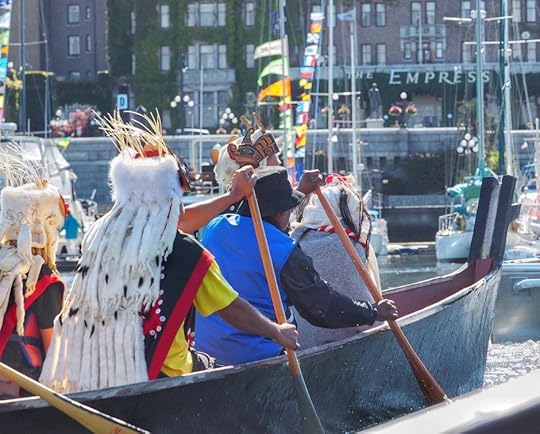
Three canoes with Aboriginal and non-Aboriginal people, including local mayors, business leaders and myself arrive in Victoria’s Inner Harbor to the shared traditional territory of the Songhees and Esquimalt Nations to ask for permission to come ashore, a time-honored protocol. The welcoming of canoes ceremony marked the opening of the 3-day Aboriginal Cultural Festival and was an historic moment, as it had never been done before in the history of Victoria.
2
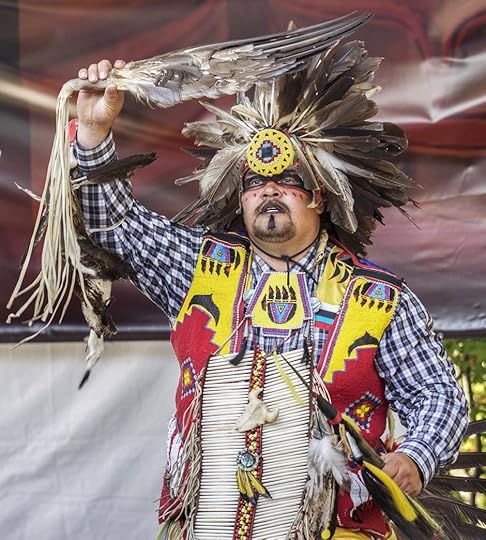
Daniel Wells of Lil’wat First Nation performs a men’s traditional dance, mimicking the motions of a hunter and telling the story of the warrior through his dance. The eagle feather shields the warrior from the sun.
3
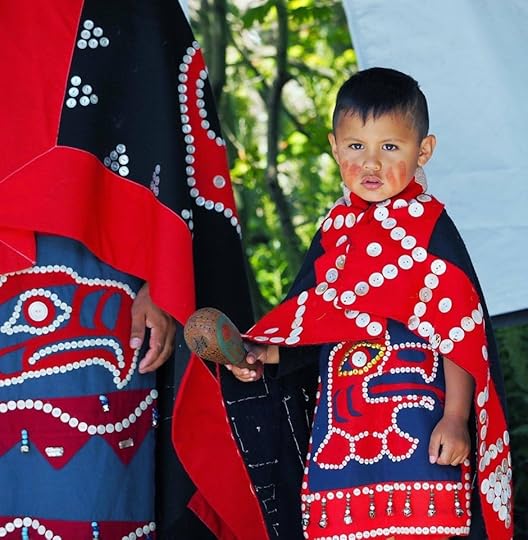
Lason Taylor performs alongside his father, Jason. Lason is a 3rd generation member of the Le-La-La Dancers First Nations dance company. The Le-La-La dancers are from the Kwakwaka'wakh First Nation in Northern Vancouver Island. The passing of stories from generation to generation is how their rich culture has survived.
Intermission
221
The 20 coolest towns in the US
by Matador Team
Insider’s Guide to Whistler: The Village
by Sarah Menzies
Camping in Argentina’s remote wilderness is unbelievable. These photos explain.
by Karin-Marijke Vis
4
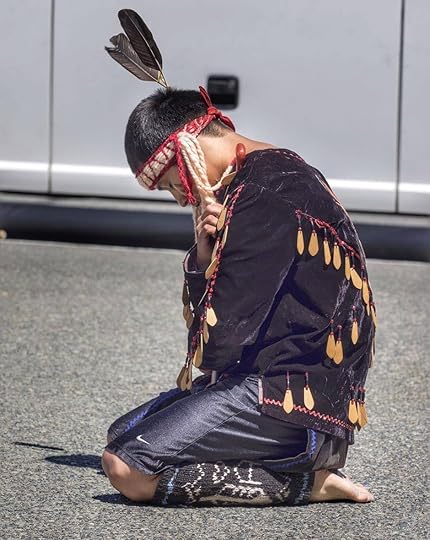
A passionate dancer from the Esquimalt First Nations dance group performs.
5
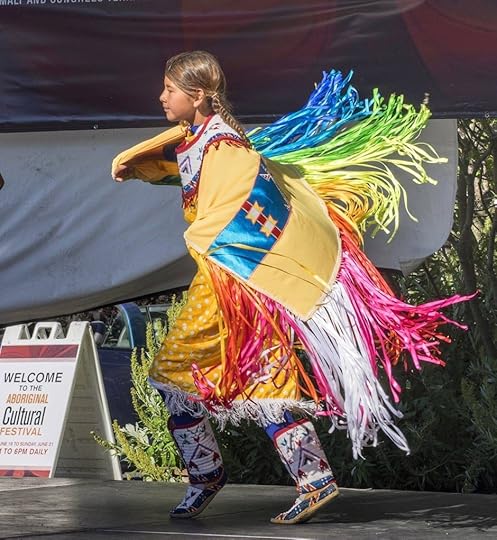
Amber Wells of the Lil’wat First Nation performs the Fancy Shawl Dance, which requires fast-paced footwork. She returned to the stage to present a hoop dance. Amber’s father, Alex Wells is a 3-time world champion hoop dancer.
6
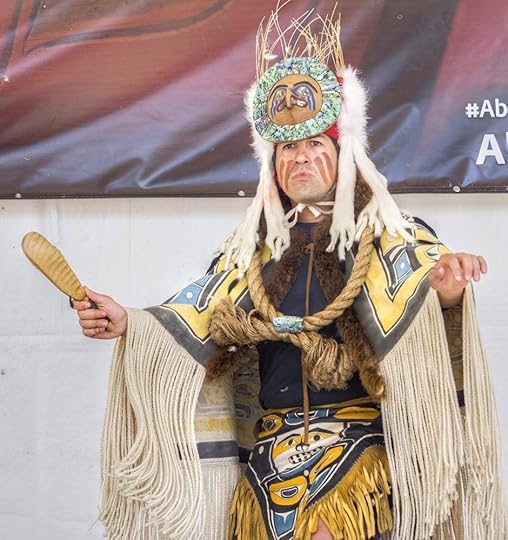
Andy Everson, artist and dancer sprinkles eagle down as he presents the ‘peace dance’ with the Le-La-La Dancers from Kwakwaka’wakw First Nation.
7
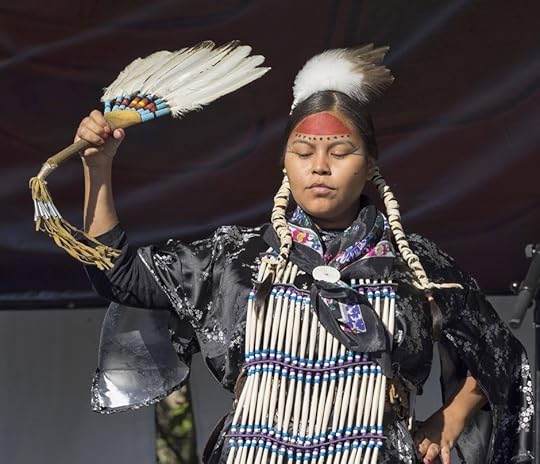
A dancer and singer with Native Thunder Productions performs the graceful women’s traditional dance. She raises the eagle feather fan to an honor beat (loud beats during a song) to show respect and honor for the drum and traditionally, for the men as they went off to battle. She dances in time with the drumbeat.
8
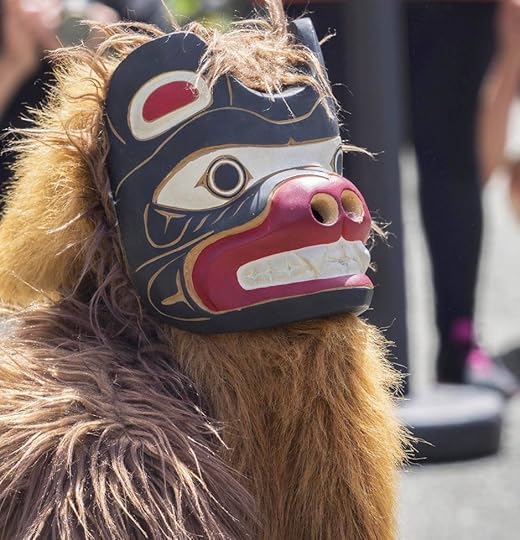
The Nan (grizzly bear) dance is performed by the Le-La-Dancers of Kwakwaka’wakw First Nation from northern Vancouver Island. They have a passion for all animals and it comes through as they perform several dances with a variety of masks that represent animals such as the raven, bear and orca whale. They also perform a Sapa dance, meaning echo, a transformation dance that starts with a human face then changes to a bear, raven and eagle. The bear is the strength and power of the woods. George Taylor, director of the group said, “We must protect all animals, we do not ever want to see our animals extinct.”
9
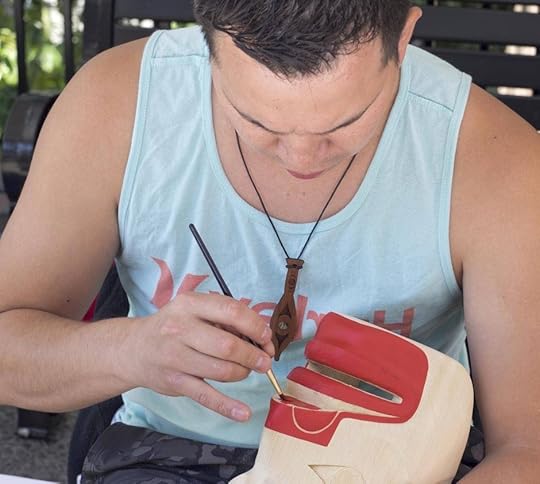
Kelly Robinson of Nuu-chah-nulth and Nuxalk First Nations paints a whale hunter mask. The Nuu-chah-nulth people are from the west coast of Vancouver Island and were one of the few Nations that hunted whales. Kelly comes from a family of carvers as his uncles and grandfathers also work with this art.
Intermission
377
What bartenders actually think of your drink order
by Lisa Millar-Jones
10
What to try in Canada if you’re in your 20s
by Candice Walsh
166
How to piss off someone from Colorado
by Brian Lewis
10
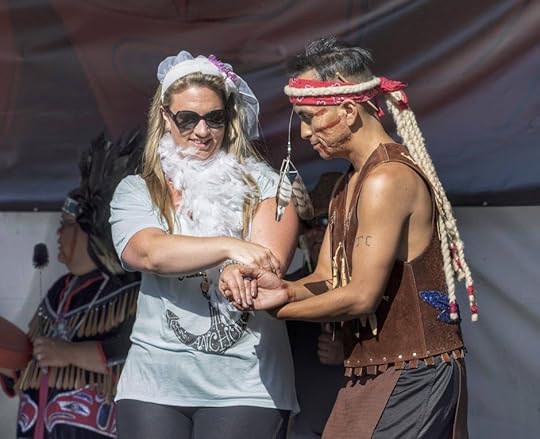
A woman celebrating her upcoming nuptials joins a member of the Tzinquaw Dancers group from the Cowichan First Nation during a friendship dance. This group presented songs and dances that were taught to them by their elders and have been passed down from generation to generation.
11
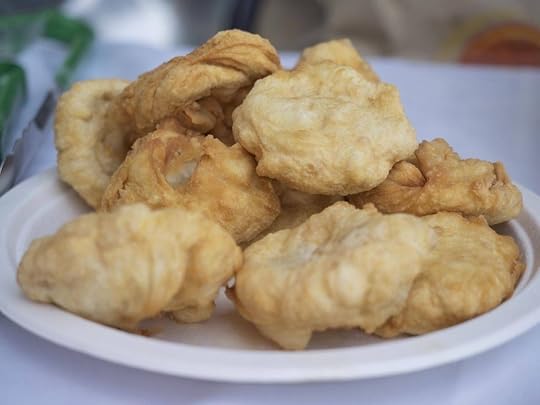
A plate of mini-fry bread also known as bannock is one of the items available on the menu of traditional food prepared by Annette Dick and a team of cooks from the Songhees First Nation.
12
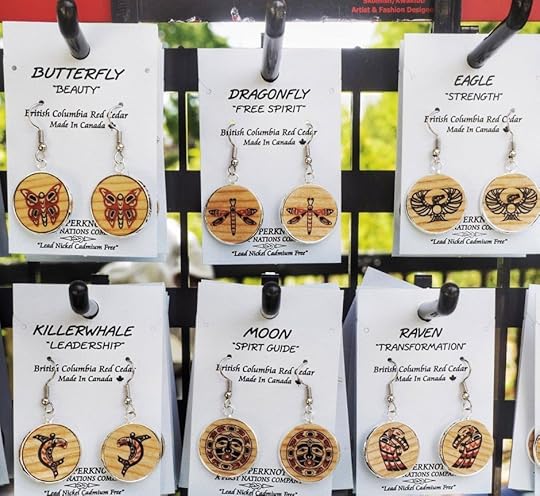
The Aboriginal Cultural Festival showcases the work of artists from Vancouver Island and mainland British Columbia. These British Columbia red cedar earrings are the work of Pam Baker Himikalas of Kwaguilth and Squamish First Nations. Much of her work includes animals and symbols important to First Nations people.
13
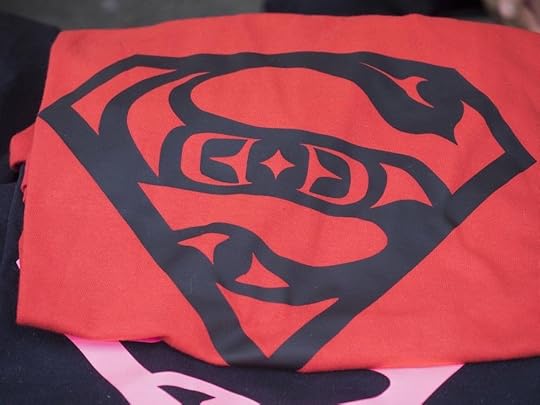
This t-shirt is the work of Craig Stephens of Wolf Pack Apparel from the Nisga’a First Nation. Currently, he offers custom First Nations styled clothing and has created 120 designs. He sells his creations online and at Aboriginal events in British Columbia, Alberta and Saskatchewan.
14
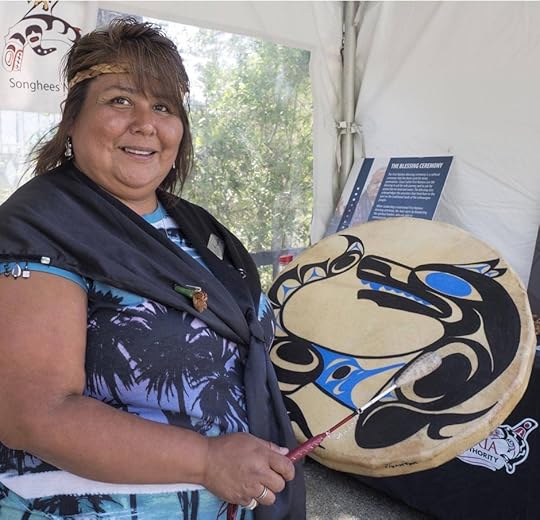
Florence Dick of the Songhees First Nation shows off a drum bearing a wolf, the clan symbol of the Songhees people. The festival took place on the shared traditional territory of the Esquimalt and Songhees Nations traditionally known as Lekwungen. Drum making demonstrations were available at this booth.
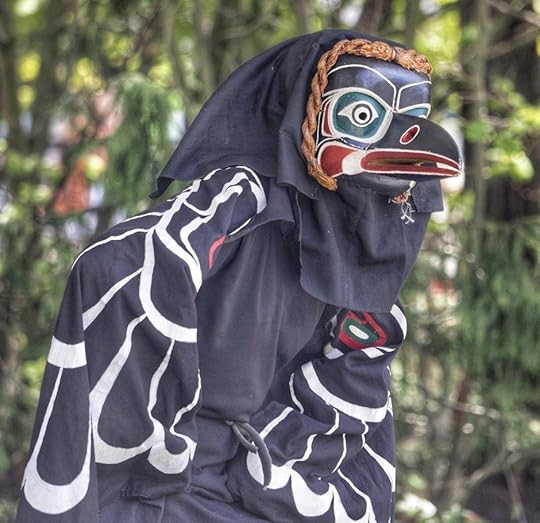
15
A Le-La-La dancer performs as a raven. The Le-La-La Dancers have been performing and sharing their culture locally and around the world for 27 years under the direction of George Me’las Taylor.
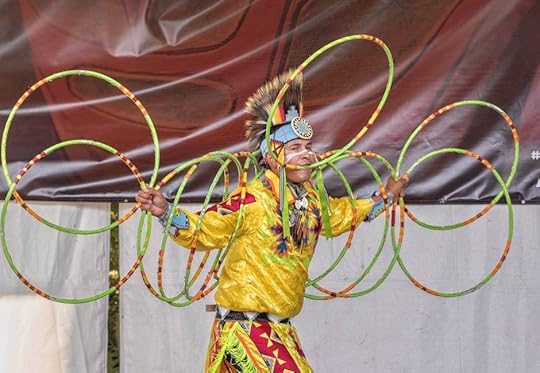
16
Three-time world champion hoop dancer, Alex Wells of Lil’wat Nation, shares a story through a performance of the hoop dance. He transforms into animals and shapes made with the hoops.
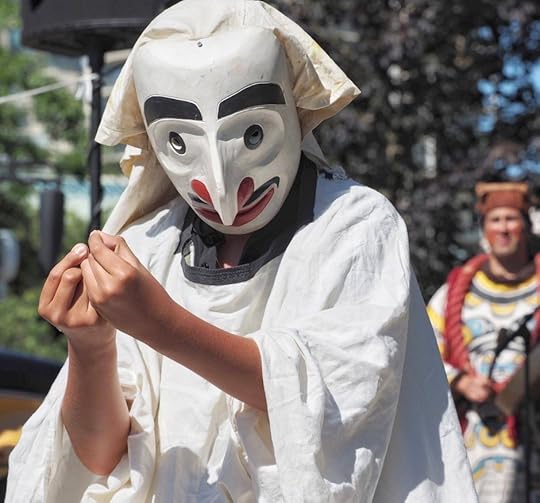
17
Humor was regularly displayed throughout the 3-day festival. The Sacred Snot Dance, performed by members of the Le-La-La Dancers illustrated that perfectly.

Matador Network's Blog

- Matador Network's profile
- 6 followers

