
Matador Network's Blog, page 1415
January 30, 2018
10 local Colorado ski mountains
Colorado is home to some of the top ski mountains in North America, if not the world. You know their names: Vail, Aspen Snowmass, Breckenridge…the list goes on, and each resort is worthy of its own dedicated winter trip. But in a state with so many peaks and cool little mountain towns, you don’t have to stick to the world-famous. And when you get off the beaten track, what you’re likely to find are shorter lift lines, lower ticket prices, and a higher percentage of locals with you on the slopes.
Hidden just behind a mountain pass or sitting right at the edge of town, these 10 awesome ski mountains are practically invite-only. Cross these off your list, and you’ll be an honorary Coloradan in no time.
Cooper
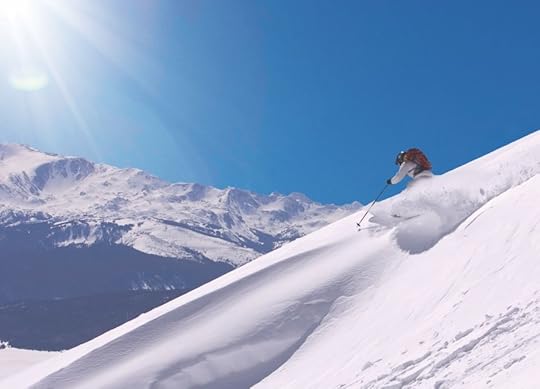
Photo: Colorado Ski Country USA
Often overlooked in favor of the nearby and much larger Copper Mountain (or simply a victim of Google’s auto-correct?), Cooper might just be the best place to ski on a fresh powder day in Colorado. Beginner and intermediate terrain make up the majority of the mountain’s 400 lift-served acres and 39 trails, while experts can get extreme with a snowcat tour of Chicago Ridge, opening up an additional 2,600 acres of smooth bowls and gnarly drops.
Located just north of Leadville (the highest incorporated town in the US), Cooper was established in 1942 as a training ground for the snow troopers of the US Army’s 10th Mountain Division. This history defines the rugged, unpretentious atmosphere at the resort, and stories of Colorado’s mountaineering legends still float around the lodge bar. In addition to being one of the oldest ski areas in Colorado, it’s also one of the most affordable ($54 full-day adult, $34 full-day child), so don’t leave the family at home for this one.
Monarch Mountain
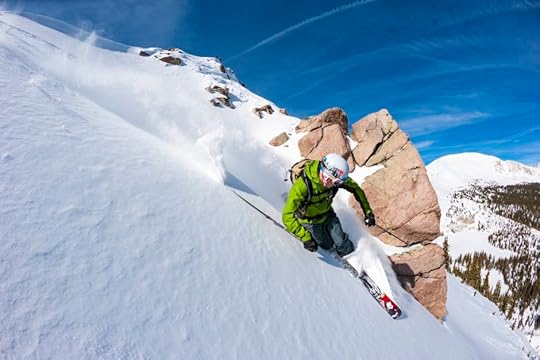
Photo: Alex OBrien for Monarch Mountain
When it comes to Colorado ski destinations, Monarch Mountain is the perfect in-between. A mile or so north of Monarch Pass on US-50, in the center of the state, it sees practically none of the I-70 crowds. That means less competition for the mountain’s super-diverse terrain, everything from powder-packed groomers and terrain parks to backcountry bowls and epic glade runs. There are 64 trails in total, covering 670 acres of lift-accessible powder. But one of the coolest aspects of Monarch is the whopping 1,600+ acres of backcountry that opens up on a cat-ski tour. Whatever you’re looking for, you can find it here.
There’s a tiny old mining village just five minutes down the highway from the slopes, with a lodge and houses for rent, but farther down-valley is Salida, where you’ll get warmer temperatures and the chance to check out one of Colorado’s hottest mountain towns.
Echo Mountain
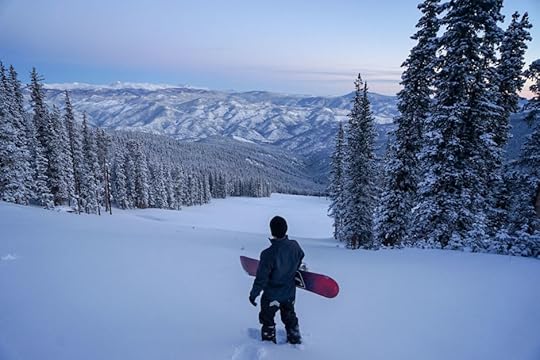
Photo: Echo Mountain
The closest ski hill to Denver (35 miles due west of downtown), Echo Mountain covers roughly 60 acres and sits above 10,000 feet. It’s all about your traditional skiing and snowboarding here, with the main lift, the Milk Run Special, clocking in at four minutes and 39 seconds bottom to top. However, there are two not-so-basic upsides you might not be expecting: The entire mountain is wired for music, and there’s some pretty great night skiing.
Echo Mountain has undergone numerous changes and developments in recent years, at one time focusing solely on terrain parks. New ownership has taken the mountain in a family-friendly direction without compromising on cheap lift tickets ($54 single-day adult), standard lodge amenities, or the handful of great tree lines for those willing to venture off the groomers.
Granby Ranch
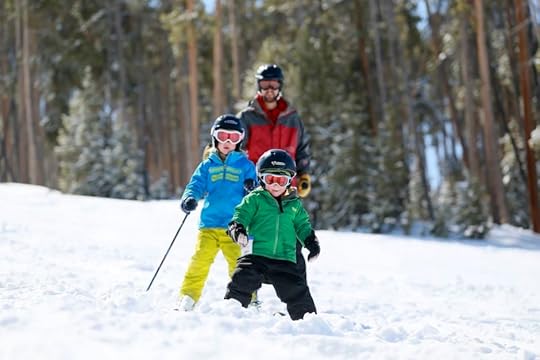
Photo: Granby Ranch Colorado
The ultimate family ski adventure is found at Granby Ranch, roughly 90 miles northwest of Denver and not far from the western entrance to Rocky Mountain National Park. The terrain here is as forgiving as it is uncrowded, and the expert staff is familiar with showing skiers and riders of all levels how to have the best time possible on the mountain. There are runs from beginner to advanced, but you might want to check out the night skiing and snowshoeing opportunities, too.
As an added perk, the nearby town of Granby is a true “Mountain West” experience sure to show the kiddos a boot-kickin’ good time. For the adults, the saloons and barbecue shouldn’t be overlooked, either.
Silverton Mountain
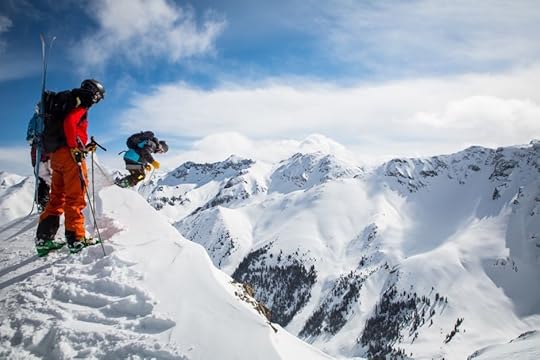
Photo: Zach Dischner
Nowhere in the state embodies the ethos of “lift-accessed backcountry” or “in-bounds big mountain” quite like Silverton. Simply put, this place is for the experts. Their lift (and helicopter!) services terrain advanced enough that the ski area hosts annual boot-packing days prior to opening in order to get those weak layers and heavy slabs ready for the season — a great opportunity to volunteer in exchange for free lift tickets.
Backcountry and avalanche gear is required to ski and ride at Silverton and can be rented onsite. Be sure to bring a worthy backpack and your best chops — this is the steepest and deepest powder in the state — or you might find yourself doing the walk of shame back to the lodge.
In-town micro-resorts
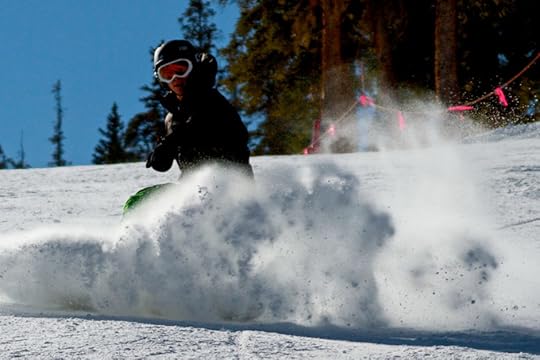
Photo: Zach Dischner
Often overlooked by visitors, in-town ski areas can be found at many a high-altitude destination in Colorado. Ouray, Steamboat Springs, and Gunnison (among others) each have their own unique-to-Colorado experiences without the lines, expensive lift tickets, or drives up a snowy mountain pass. Here’s a few to check out:
Lee’s Ski Hill lies just off 3rd Avenue in Ouray, appropriately known as the “Switzerland of America.” The breathtaking views of the San Juan Mountains are even more dramatic when taken in on two planks heading down the hill’s snow-packed run. A post-ski soak in the nearby Ouray Hot Springs is a big bonus.
Lake City Ski Hill sports seven runs and an entry-level terrain park popular with locals. The hip, flashy vibe of destination ski towns is nowhere to be found in Lake City. Getting here can be a challenge in winter, but the spectacular backdrop of Crystal Peak, with Uncompahgre Peak beyond, is as Colorado as it gets.
Cranor Hill Ski Area, in Gunnison, is a premier spot to welcome young kids to the sport of skiing. Its forgiving terrain is ideal for learning, and Crested Butte and Monarch Mountain are both within driving distance if they level up quickly.
Howelsen Hill Ski Area, in Steamboat Springs, is the most historic of this bunch, taking the title of longest continuously operating ski hill in Colorado. Equally as impressive is the fact that the four-lift operation has sent more professional athletes to international competition than any other in North America — meaning visitors not only make turns themselves, but can sometimes see the world’s best in action.
Loveland Pass
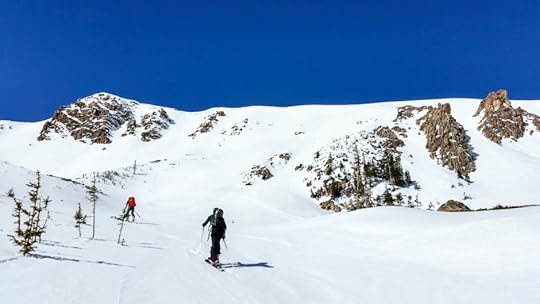
Photo: Colin Jaskiewicz
If you’re looking to test your backcountry skills, Loveland Pass is a great place to start. US-6 traverses the pass and gives access to a wide swath of intermediate and advanced backcountry terrain that doesn’t require much hiking. Park at the base of the pass, hitch a ride to the top, and lap as many times as you can!
To get here, take the Loveland Pass exit off I-70, just east of the Eisenhower Tunnel, following signs for Loveland Ski Area and Arapahoe Basin Ski Area. These resorts stand as two of the state’s long-time stalwarts for great powder and — particularly at Loveland — in-bounds, big-mountain terrain. The backcountry terrain of the pass sits between the two.
A few things to keep in mind before heading out:
Don’t leave home without proper backcountry gear — i.e., a beacon, probe, and shovel (and the skills to use them).
Never ski in the backcountry by yourself. On good days, plenty of experienced skiers and riders familiar with the terrain will be onsite at Loveland Pass making laps themselves. They can offer pointers and even show you around. Odds are, you’ll be hitching up in the back of one of their pickup trucks — don’t be afraid to ask questions!
Always check weather and avalanche conditions. Avalanche safety programs are conducted across the state throughout the winter and give a great primer on how to identify and avoid unsafe conditions.
And then? It’s off to Colorado, and off to the races. 


January 29, 2018

Arizonans don't blink an eye at
1. Haboobs swooping down like a “Wizard of Oz” tornado, and the storm chasers who stalk them.
2. Large, aggressive herds of up to 50 javelina pressing their cute/not cute pig faces up to your sliding-glass door, wholly destroying your garden, and ganging up to maim your pets. Jave-nice day.
3. Lifted golf carts with hydraulics, Mad Max-esque stripped-down dune buggies, and recumbent bicycles coming RIGHT FOR YOU!
4. The Sedona-area McDonald’s with teal arches, and a bright green adobe pot shop next door to a hypermodern office building next to a fancy Art Deco restaurant with a run-down-but-operational taco truck in the back.
5. The fact that those taco trucks serve lengua tortas, big cups of to-go cabeza, and tripe burritos.
6. Orange, pink, purple, red, and lavender sunsets glowing like LSD-inspired tie-dye shirts sold in the parking lot of a Phish concert in Vermont.
7. That odd hybrid creature that results when a pitbull mates with a Chihuahua. Are they pithuahuas? Chi-bulls? No one knows.
8. An extraordinarily poisonous scorpion and a venomous viper sharing the only inch of shade cast by a jumping cactus with 2” barbed spines. Meh.
9. The entire Milky Way and its assorted meteor showers.
10. Urban cowboys on horseback at drive-through liquor store windows.
11. Drive-through liquor stores.
12. Snow on 150-year-old saguaro cactuses.
13. Tucson spelled as “Tuscon” in the New York Times — and every other esteemed publication in the known world.
14. The annual migratory tarantula parades.
15. Historic shootout reenactments.
16. Glimmering asphalt mirages on the highway horizon.
17. Drowning a burrito in habañero hot sauce.
18. Biannual rainbow wildflower quilting.
19. The ghosts that haunt abandon mine shafts and pretty much fund the hoteliers and tour guides profiting off the undead.
20. The loopiest of tourists who visit year ’round: “kiva divers,” sweat lodge zombies ingesting quasi-legal peyote on the Rez, vortex-loving cult members, Californians dressed as cowboys, and international hippies selling Uhaul-sized rock collections at the Tucson gem show.
21. The “No Guns Allowed” signs at bars and banks.
22. Yet another mattress store right across the street from yet another antique/dead people’s junk store.
23. Millipedes and/or black widows in our shoes.
24. Another sunny 76° mid-December afternoon. 
More like this: How to piss off an Arizonan
Camping near Mexico City
Because Mexico City is a metropolis of 20 million people, we tend not to associate it with camping. As hard as it may be to believe, there are many nearby places to immerse yourself in nature and leave behind the craziness of the city. Here are 5 of the most beautiful and exciting spots in and around Mexico City where you can go camping and enjoy nature’s peace and quiet.
1. Parque Nacional El Chico
Une publication partagée par Instagramers Hidalgo (@igershidalgo) le 20 Oct. 2017 à 7 :49 PDT
This beautiful national park is located two hours from Mexico City, in the state of Hidalgo. It’s cold all year long in Parque Nacional El Chico, so don’t forget to bring some warm layers, as well as a good tent and sleeping bag.
The park has over 2,000 hectares where you can find four camping areas with kitchens and hot showers. The highlight of El Chico is its crags, ideal for rappelling, rock climbing, and mountaineering.
2. Las Estacas
Une publication partagée par Kethelen Keisa (@kethelenkeisa) le 9 Janv. 2018 à 2 :30 PST
Las Estacas is one of the most beautiful natural parks near the city. It has a natural river with a delicate current that allows you to swim or raft safely. The site also has several pools, restaurants, toilets, showers, security lockers, a temazcal (prehispanic steam bath), a spa, and activities such as zip-lining, kayaking, fishing, snorkeling, and diving.
Bring your tent, food, and beverages.
Las Estacas is located in Morelos, around two hours from Mexico City. Avoid visiting in summer, as it gets pretty crowded and rains at night.
3. Campamento Xopilco
Une publication partagée par Chris Lejarazu (@chrislejarazu) le 25 Janv. 2018 à 3 :58 PST
Campamento Xopilco is located nearby the Tepoztlán — less than two hours from Mexico City. The camping site is surrounded by mountains, so you can hike and enjoy beautiful starry nights away from the light pollution of CDMX.
Its proximity to Tepoztlán makes it ideal to wander around the town by day — check out the Tepozteco pyramid and the herbal medicine clinic to learn more about the area’s history and traditions.
Xopilco has tents for rent, food, and is equipped with toilets, hammocks, and water to take baths in designated area with some privacy. The area gets very chilly at night, so we recommend visiting during the hot months (April and May); avoid summer vacations as it rains during this season.
4. San Nicolás Totolapan
Une publication partagée par J. Alberto MM (@j.alberto_mm) le 20 Nov. 2017 à 5 :59 PST
This place is a 1,900-hectare communal park located within the city limits, close to Ajusco Volcano. It is a local favorite for mountain biking, hiking, and fishing. It also has a zip line and climbing walls.
For camping, you need to bring your tent and supplies, but you don’t have to worry about food, as it has a restaurant that serves regional dishes. Once again, this area gets cold, so pack some blankets and warm clothes.
5. Malikualli
Humiliate yourself at Mardi Gras
Heading to New Orleans next month? Here are some of the things you need to avoid unless you want to humiliate yourself at Mardi Gras.
1. Bring glass to the parade route.
You can drink on the street to your heart’s content during the Carnival season (and really all year), but leave the glass at home. You’re drunk, it’s dangerous, and it will get you thrown off the parade route if a cop gives you a warning and you don’t get rid of that glass beer bottle immediately.
2. Pile your stuff on top of the streetcar tracks.
Most parades take place on the Uptown Route, which runs along St. Charles Avenue. The street will close and the streetcars will stop running along the neutral ground about two hours before the parade starts, but before that it’s business as usual. Don’t be the idiot that sets up for a day-long tailgate only to have to frantically move his tent ten minutes later when the streetcar driver is plowing through at full speed.
3. Leave your car parked on the parade route.
Park your car with caution during Mardi Gras parades. Look for signs (and if you find a really great parking spot — really look for signs) warning you about tow-away zones. The parade before the parade is the fleet of tow trucks hauling off dozens of illegally parked cars.
4. Buy Mardi Gras beads.
There is nothing you can do in New Orleans that will elicit eye rolls as quickly as shelling out $20 for a pair of beads that people literally throw to you for free all day and night for the next two weeks.
5. Expose yourself for Mardi Gras beads.
Really want to humiliate yourself? Stand in the middle of a crowded street and whip out your boobs (or worse) for the cheapest pair of beads some bachelor party could find. Even worse, do it for locals who are actively tormenting and making fun of you by standing on a balcony dangling a 10 cent piece of plastic at crowds of idiot tourists below. Want to get arrested? Do it anywhere other than Bourbon Street.
6. Get wasted on the first night.
Carnival is a weeks-long season culminating with two weeks of parades leading up to the big day. If you show up Wednesday night for Nyx and get blackout drunk, or start vomiting at 11 AM on Thoth Sunday, hours before Bacchus has even begun lining up, you’re missing the point entirely. Mardi Gras is a marathon, not a sprint. Learn to day-drink before you even book your flight.
7. Urinate in public.
There are port-o-potties everywhere. The city places hundreds up and down parade routes in the days leading up to parades, and bars, churches, businesses, and enterprising homeowners have (cleaner) pay bathrooms. Do not pee in someone’s yard.
8. Fight with kids for throws.
Contrary to popular opinion, Mardi Gras is largely a family affair. People bring their babies and their grandmas and everyone in between, and if there is a child in your midst they are getting 90% of the throws. Do not, I repeat, DO NOT, fight with a child or anyone for a throw… The crowd will turn on you and chances are pretty good a cop will throw you off the route.
9. Forget your manners.
There is a complicated and controversial set of written and unwritten rules when it comes to attending Mardi Gras parades, particularly those held on the Uptown Route. Generations of families come to the same parades and stand in the same spots. They will arrive early (sometimes days early) and stake out their place with ladders and ropes and tents, none of which are technically allowed on the route. Do not push through them or move their stuff. Do not eat the king cake or drink the beer they have left unattended. Do not waltz in to “their corner” like you own the place. If you cannot find an unguarded spot, accept it and watch from the back (the krewe members have good arms) or be nice and make friends and chances are you will be invited to share in their space and their spoils.
More like this: 7 food spots you have to try during Mardi Gras
cape town running out of water
Cape Town could be forced to turn off its water taps on April 12th, according to city officials. With more than 4 million residents in the metro area, the second largest city in South Africa would be the first major city in the world run out of water.
This potentially catastrophic problem has been in the works for two years, when the worst drought in a century began to affect the city’s water supply. The rainfall-fed reservoirs that supply the city were depleted to less than 10% their capacity in June last year, and are currently at one third their normal levels.
As the city government prepared for the worst, the ominously named “Day Zero” (the day the city will be forced to turn off the taps) was moved up ten days from April 22nd to April 12th, less than three months away. Cape Town gets the majority of its tap water from winter rains, which typically begin between April and June.
Despite repeated warnings from their government, most Cape Town residents did not cut their water consumption down to the 87 liters (22.9 gallons) per day that was initially recommended.
Mayor Patricia De Lille expressed her disappointment in a statement: “It is quite unbelievable that a majority of people do not seem to care and are sending all of us headlong towards Day Zero. We can no longer ask people to stop wasting water. We must force them.”
West Cape Premier Helen Zille released a statement on January 26th that said the “disaster above all disasters” could still be averted if Cape Town residents limited their consumption to under 50 liters a day.
“No city in the world has had to deal with such a situation as the taps running dry”, the provincial governor added. A 50-liter (13.2-gallon) cap on water consumption per person per day will begin on February 1st.
This has huge implications for the economy of Cape Town, which is one of the most popular tourist destinations in the country.
A statement from the local government and tourism organization said the city is “vulnerable to the effects of climate change,” but called the drought a “1 in 1000-year occurrence.” The statement assures visitors that the drought is not as severe in popular areas outside the city, but “tourists need to treat this scarce resource with the utmost respect.”
The statement adds that essential daily needs, such as hygiene and toilets, will still be provided to visitors should “Day Zero” arrive. Guidelines ask that showers should be no longer than 2 minutes. Other facilities, such as tourist destinations, restaurants, and major events will not be closed in the event of Day Zero.
While Cape Town is hurtling towards the unwanted title of “1st global city to run out of water”, South Africa is only the 30th driest nation in the world, meaning that there could be many more cities that will be facing this problem in the near future.
Follow Matador on
Vimeo
Follow Matador on
YouTube
More like this: How climate change is transforming the places we care about
Save money in Edinburgh
The dollar might be a little stronger against the pound than it used to be, but that doesn’t mean visiting Scotland’s capital will come cheap. Like all major cities, prices in Edinburgh are hefty, and if you don’t know what to watch for, you might find yourself overpaying for a ghost tour and wondering: where are all the ghosts? It can be tough to get value for your dollar in Edinburgh, unless you know where to look. It might have taken me nearly six months of living there to figure it out, but here are a few ways to enjoy Scotland’s capital that won’t have you digging through your coat pockets for extra pounds.
1. Avoid the tourist traps.
When you think of Edinburgh, its iconic castle immediately springs to mind. A fortress built into one of Edinburgh’s highest hills, it dominates the skyline and is pretty much impossible to miss; but missing it might actually be the best option. The castle is always crowded with tourists paying hefty entrance charges, and once you’re up there, you realize that the best vantage point is actually from below, where you can get a view of the castle itself. Everyone I know who went to the castle said it wasn’t worth the price of admission.
Other popular tourist traps, like Edinburgh Dungeons and a variety of evening ghost tours, are similarly underwhelming. You’re better off taking one of the free walking tours of the Old Town or exploring the city yourself. My favorite feature of Edinburgh is all the narrow, hidden alleyways and secret gardens. None of which charge admission, and they won’t be filled with tourists snapping pictures.
2. Don’t buy a bus pass.
Depending on how long you’re planning to stay in Edinburgh, you might think it’s a good idea to buy a monthly or yearly bus pass. Many students do this, only to find that they hardly ever use the bus. For the most part, Edinburgh is a walkable city. From Holyrood Palace to George Street across the bridge — which is pretty much one end of the city to the other — is only around 40 minutes’ walk. If you’re regularly commuting from the city’s outer reaches, or it’s a particularly cold, windy day, you might find a bus useful, but I knew very few people who actually used, or needed, a bus pass. Besides, with all its steep hills Edinburgh is basically a giant Stairmaster, and walking is a great excuse to skip leg day.
3. Take advantage of cheap airport transport.
It only took me until my sixth flight to realize I probably shouldn’t be paying a cab £25 each way to bring me to the airport. Unless your flight is at 6 AM and you just don’t feel like walking to the bus stop, the Airlink bus is the perfect option. Leaving from Waverley Bridge at the heart of Edinburgh, the bus brings you to (and from) the airport in 35 minutes and only costs around £10 round trip.They also run every 10-15 minutes, so catching one is pretty easy.
4. Drink at student bars.
Like any major city, a good night out in Edinburgh doesn’t come cheap. While pubs are generally affordable, clubs can really add to the night’s price tag. No matter where you’re trying to spend your night, it’s always a good idea to frequent student nights at clubs, and pubs with student discounts. Most clubs have discounted nights where they promote free cover and cheaper drinks. Mondays are WhyNot Nightclub’s most popular night because they offer a variety of £1 shots and a reduced cover charge. If you’re a student (or even just look like a student — most won’t ask for your ID card) many pubs in Old Town, like the Brass Monkey, have discounted rates, and drink prices that are fairly reasonable to begin with.
5. Stay in a hostel.
Usually I’m not a big advocate of hostels, but Edinburgh’s hostels are safe, affordable, and well-integrated into the city’s Old Town. There are several along Cowgate, situated right in the middle of Old Town’s action and even doubling as pubs themselves. The common area of Safestay is more like a pub, with pool tables, cheap drinks, and a trivia night. Just down the road, The Three Sisters pub is one of the liveliest in Old Town, and there is a conveniently-located hostel just upstairs.
6. Check out the free museums.
If you’re looking for some activities that won’t break the bank, take advantage of Edinburgh’s many free museums. The National Museum of Scotland, Writer’s Museum, and Scottish National Gallery are just a few ways you could pass an afternoon without spending a cent. If the sun is shining, check out the Royal Botanical Gardens across the bridge in New Town, or join the hundreds of students lounging in Princes Street Gardens, trying to soak up the sun before the clouds inevitably return.
7. Spend time in the parks.
You might be tempted to complain about the cold in Edinburgh, but you’ll notice the gloomy weather doesn’t stop people from waking up at sunrise for a morning run up Arthur’s Seat, the city’s iconic peak. You can spend an entire day hiking one of its many trails and enjoying the view from the top.
If you’re in a more competitive mood, head to Bruntsfield Links for some pitch-and-putt golf. For no more than £7 per person, you pick up a set of clubs and balls at The Golf Tavern and play a round on the oldest short-hole golf course in the world. Since the “course” also doubles as a park, you might accidentally shank your ball into a group of loitering teenagers — but hey, that’s half the fun!
More like this: A quick neighbourhood guide to Edinburgh
Learned to drink in Alaska
If you grew up in the state, undoubtedly you’ve been through many of these rites of passage.
Here are 10 signs you learned to drink in Alaska.
1. You’re a beer snob.
All the time you’ve spent at the brewery has your palate fine-tuned. With options ranging from chai-spiced beer to ales brewed with spruce tips, if you learned to drink up here, you can tell an amber from a red, have an opinion about IPAs, and won’t touch any of the watery stuff.
2. You have a thing for berry wine.
When you turned 21, you learned that the fresh berries you grew up eating are even more delicious when fermented into wine. With varieties like gooseberry and black currant, Alaska’s berry wines will satiate you whether you like your wine dry or on the sweet side.
3. There’s at least one homebrewer in your group of friends.
Alaskans tend towards eclectic hobbies, possess a strong a DIY ethic, and have plenty of time on their hands. This combination is a natural fit for brewing, so you have at least one friend who’s dabbled in making their own booze. Whether they’re a brewmaster or a total novice, you’ll drink whatever they bring because hey, free alcohol!
4. You have drunk in at least 3 of the following places…
At the beach, in front of a bonfire, on a boat, at an outdoor festival, in a lighthouse-turned-bar, while fishing, at a State fair, at a hockey game, at a First Friday event, on a camping trip.
5. Beers and bonfires go hand in hand.
No bonfire is complete without marshmallows and a pack of beer. This truth is so sacred that it holds true whether the affair is hosted in our backyards or on our beaches — open container laws be damned.
6. Fancy cocktails aren’t really your thing.
Most of the bars keep their drinks simple, and so do you. You like your liquor straight or with a simple mixer, and consider cocktails to be an expensive treat. After all, at Alaskan prices, fancy drinks will hardly get you any bang for your buck.
7. “Work hard, play hard” is your mantra.
Long hours of hard labor warrant some celebration. You might work nearly every day in the summer, but that doesn’t stop you from letting off some steam between shifts. If you’ve worked a seasonal job in Alaska, you’ve spent a few nights partying into the wee hours of the morning, only to dust off and head straight into work.
8. You have to watch yourself at the bar.
You like to let loose as much as the next person, but in public, your drunken shenanigans can never go completely unchecked. A night at the bar can be like a reunion where you run into old classmates, teachers, co-workers, and family friends. Let your guard down and you run the risk of humiliating yourself, and then having to re-live it several times over as the story runs through the rumor mill.
9. Your alcohol consumption ticks upward in wintertime.
Winter is a struggle that many people cope with by increasing their time at the local watering hole. As you start to lose daylight and recreational opportunities dwindle, the bar often becomes the hangout spot of choice. You know that alcohol doesn’t really heat you up, but that doesn’t mean you won’t keep trying.
10. You get reverse sticker shock when you leave the state.
When you drink outside of Alaska, you can’t believe the prices. $2 wells — must be a typo, right? You might take a quick second to rethink all your alcohol-related financial decisions or just accept that you’ve landed in boozy paradise, and take advantage while you can.
More like this: You know you’re from Alaska when…
January 28, 2018
Japan's traditional facet
Despite the growing technology and economic changes in Japan, the country has maintained much of its ancient culture, traditions, beliefs, and architecture. When I was in Japan, my favorite things to photograph were those small details — in people, places, and things — that portray the old Japan in all of its glory.
Here are some pictures that will transport you to a distant past, far from the skyscrapers of Tokyo and its neon lights.
1
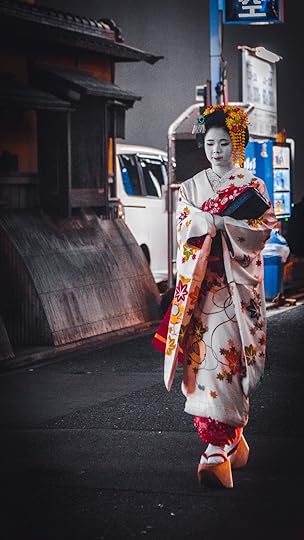
Geisha
Every evening, tourists flock to the area of Gion in Kyoto to see a glimpse of a geisha on her way to work. Geishas are traditional Japanese entertainers who act as hostesses for dinner parties and have been a part of Japanese history and culture for almost 400 years.
2
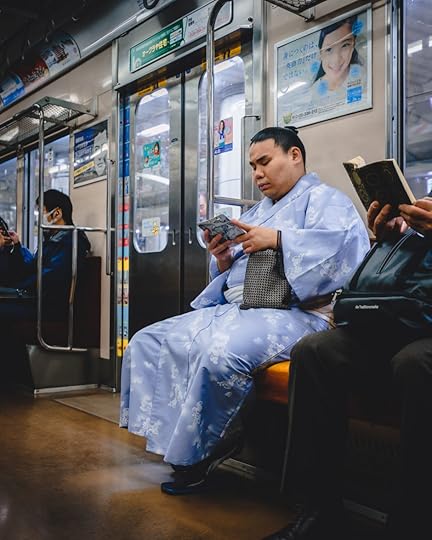
Sumo
While sat on an underground train in Tokyo, I woke up from a nap to see this rikishi (wrestler) sitting opposite to me. Sumo is a sport with roots spanning over many centuries throughout Japan, and if you’re lucky to be in Japan during a Sumo tournament, it’s something not to be missed.
3
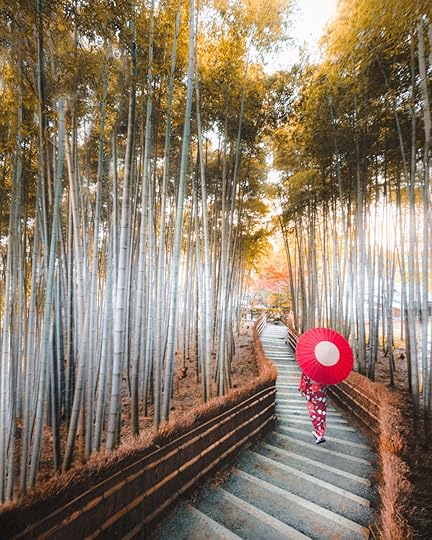
Bamboo forest
Arashiyama, a beautiful village on the outskirts of Kyoto, has been a popular spot throughout Japanese history. The bamboo forest is the highlight, and you can see hundreds of Japanese people renting out kimonos and traditional clothing for the day to take their new profile picture amongst the forest.
Intermission
Infographics
Mapped: The most distinctive causes of death in each state
Henry Miller
Jan 17, 2018
Budget + Backpacker
The 11+ ultimate destinations to visit in Asia this summer
Katie Scott Aiton
Apr 26, 2017
Sponsored
24 stunning images of Colorado’s national parks
Jacqueline Kehoe
Jan 3, 2018
4
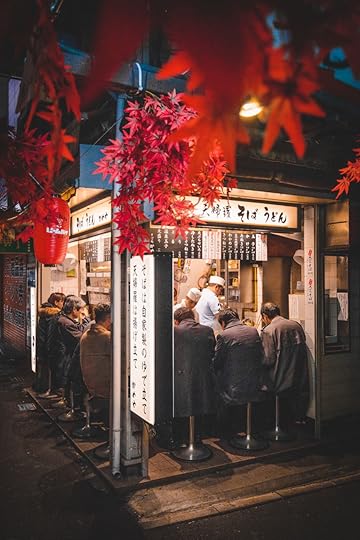
Memory Lane
You can still see the old Japan in the modern capital city, especially with a trip down Memory Lane. The traditional architecture, small eateries, and bars are as they were when the area first became popular in the 1940s.
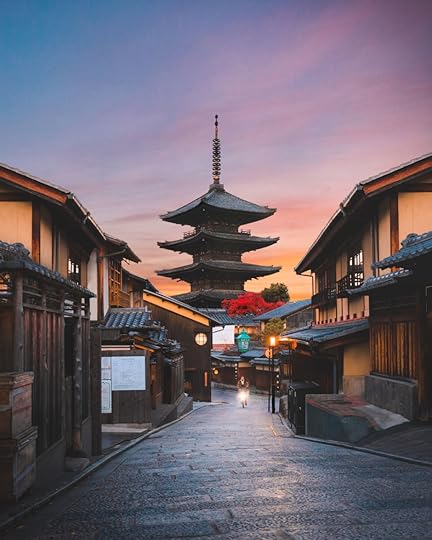
5
Kiyomizu-dera
A great sunrise spot in Kyoto, the Kiyomizu-dera temple has over 1,200 years of history and is a fascinating place to spend the morning while the rest of the city sleeps.
6
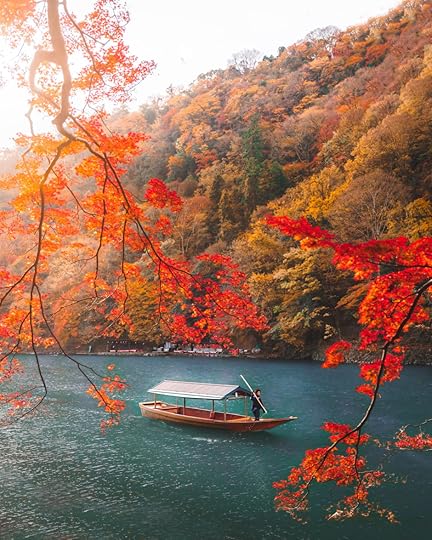
Arashiyama boat
Arashiyama is probably the most beautiful place to see the spring and autumn colors in Japan. On a sunny day, take a traditional runner rickshaw or a relaxing boat ride down the river and enjoy the views.
7
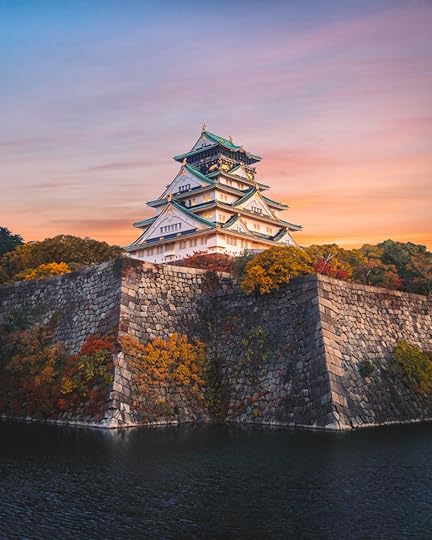
Osaka Castle
Japan is known for its intricate castles, and Osaka Castle is one of my favorite ones. Dating back to 1583, this was the largest castle at the time. Nowadays, it’s a great place to see the cherry blossoms from above.
8
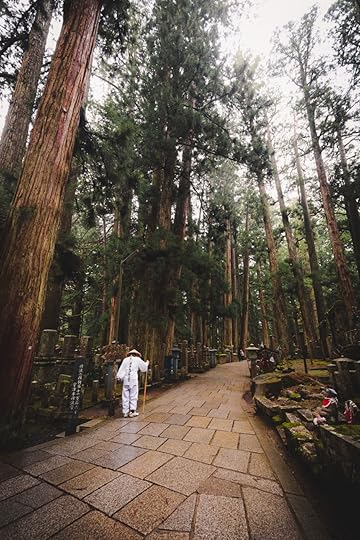
Koyasan
Mount Koya, a popular pilgrimage site in Japan and the center of an important sector of Buddhism, is a popular place to travel to from Kyoto and stay in one of the temple lodgings. The cemetery at Koyasan is the largest cemetery in the country, making for a peaceful walk to the temple on the other side.
9
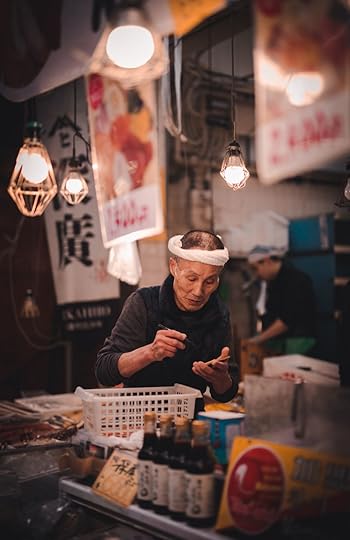
Fish market
Kuromon Ichiba market is one of the most popular places to get fresh seafood in Osaka and has been around for over 150 years. If you decide to visit, I can’t recommend the grilled prawns enough!
More like this: What NOT to do in Japan

January 27, 2018
river seine floods paris
Paris is looking at the worst flooding in a century after weeks of heavy rain. The rain has lifted the River Seine by nearly 13 feet in the course of a week, and the city’s Instagrammers are there to capture it.
A post shared by Dash (@_.dashik._) on Jan 25, 2018 at 9:00am PST
The rising waters have forced the evacuation of at least 365 people, shut down the city zoo after the escape of 52 baboons, and is currently threatening the Louvre.
A post shared by Zoi Life (@zoi_life_) on Jan 25, 2018 at 3:40pm PST
The last time the Seine was this high was in 2016, when the river rose to 20 feet, or 14 feet above normal. The 2016 floods caused the deaths of two people and shut down several iconic monuments across the city, including the Louvre.
A post shared by Leah Walker | Leah Travels (@leahtravels) on Jan 26, 2018 at 9:47am PST
The museum, home to the Mona Lisa, was forced to move 35,000 pieces out of danger in 2016. While museum operators said that no water has gotten in yet, the museum has closed its Islamic art wing for the weekend.
A post shared by Margo Out (@margoout) on Jan 26, 2018 at 7:07am PST
The river broke over its banks on Tuesday. Since then, the flooding has caused roads, bridges, tunnels, and the RER C train line to shut down. The city’s Metro service is still up and running, however.
A post shared by Naomi W (@naomi_whywhy) on Jan 26, 2018 at 6:28am PST
While tourists are having to forego romantic boating trips on the famous river, houseboat owners are concerned that their homes could be pushed over the banks.
A post shared by Epicure Square (@epicuresquare) on Jan 24, 2018 at 11:41pm PST
City Hall has raised the flood threat level to “orange,” the second highest on the scale, and asked residents to keep valuable belongings out of basements and avoid traveling near the river banks.
A post shared by Nicolas Daoust @senlisien (@senlisien) on Jan 26, 2018 at 1:05am PST
Parisian locals are well known to use the Zouave statue at the Alma Bridge to measure the severity of the flooding. The river is currently at the Zouave’s thigh, or about where it was in 2016. During the worst flood of the 20th century in 1910, the river reached the statue’s shoulders, or 22 feet above normal levels.
A post shared by Météo-Contact (@meteocontact) on Jan 26, 2018 at 1:43am PST
More like this: 10 perfect Instagram shots of Paris

Matador Network's Blog

- Matador Network's profile
- 6 followers

