
Matador Network's Blog, page 1414
January 31, 2018
Guide to Shakespeare's England
If you associate anywhere in England with William Shakespeare, it’s likely Stratford-Upon-Avon, hometown of that most famous of playwrights. But travel to England’s Heartland and you’ll find out there’s more to the story of the Bard (and the land that inspired him) than any one place. Welcome to Shakespeare’s England, a region of South Warwickshire that specializes in this unique slice of English history and culture — and that for the most part flies gloriously under the radar.
Even better: It’s all a quick drive south of Birmingham, gateway to the Heartland. You can fly direct into Birmingham Airport from the US via Primera Air and be fully immersed in Shakespeare’s England within a couple hours of wheels down. Here’s what to look out for once you arrive.
Stratford-upon-Avon
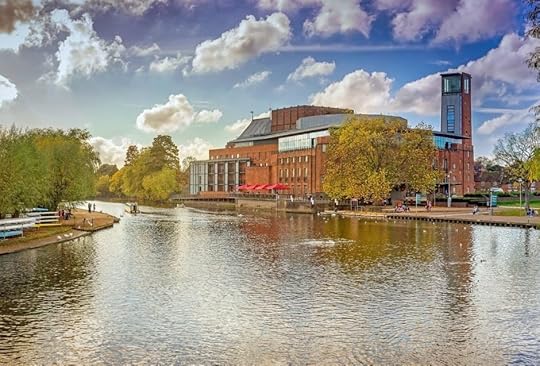
Royal Shakespeare Theatre. Photo: Steve Oprey
Located in the heart of England, Stratford-upon-Avon is a pretty town you probably never would’ve heard of, save for the fact that it’s the birthplace of William Shakespeare. On any tour of Shakespeare’s England, this is the obvious first stop.
Start by visiting the house where the “Sweet Swan of Avon” was born and grew up, a half-timbered home from the 1500s that’s been immaculately restored. This is where he was first inspired, created some of his first works, and lived with his wife at the beginning of their marriage. If that alone doesn’t get your creativity flowing, continue on to the famed Royal Shakespeare Theatre, home to the Royal Shakespeare Company, one of the world’s best-known theater ensembles. As well as taking in a show (it’ll be one of the Bard’s works, obviously), try to hop on a theater tour and take advantage of the photo op from the top of the tower.
You’ll need food at some point, and that should mean classic British dishes with a view. The Rooftop Restaurant, on the third floor of the Royal Shakespeare Theatre, has both those things. Grab a spot overlooking the River Avon and order a platter of fine British cheeses — not complete without the homemade chutney and cheese biscuits — or go pinkies-up with a traditional English afternoon tea (black tea with a dash of milk, accompanied by scones served with clotted cream and jam). Otherwise, nosh on a pre-show traditional English Roast from Moon’s and finish the night in the “secret courtyard” of The One Elm.
Pro tip: Time your trip right, and you can hit Stratford-upon-Avon’s famous River Festival (June 30 – July 1, 2018). You’ll join 70,000+ others in reveling in the best of English food, music, entertainment, and — of course — boats. To top it off, the event is totally free.
Warwick
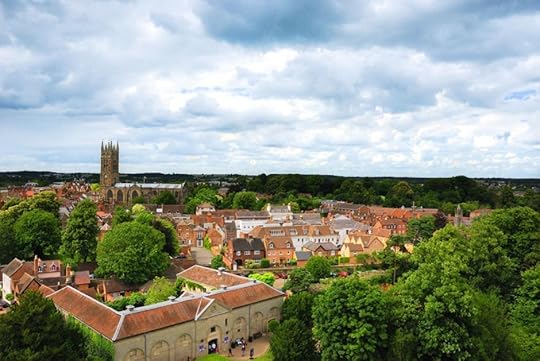
Photo: David Alfonso Pérez
This area isn’t just about history and literature — it’s about getting a taste of authentic England, too. You’ll find it in Warwick, a historic market town full of cozy pubs, independent boutiques, and traditional shops. Most notably, it’s also the home of Warwick Castle, a medieval fortress that’s withstood the test of time for over 1,100 years (dating back to 914 AD, if you want to get precise). If you visit during the summer, make sure to attend one of the local jousting tournaments (yep, you heard right).
After touring and shopping in Warwick (and watching grown men fall off horses, of course), break for food at The Globe, a Grade II-listed inn that offers — among other things — beautifully cooked Sunday roasts and a decent selection of local ales. To see where the locals hang out, try Cafe Catalan, a casual bar that’s all about freshly made tapas, live music, and a friendly atmosphere.
Kenilworth
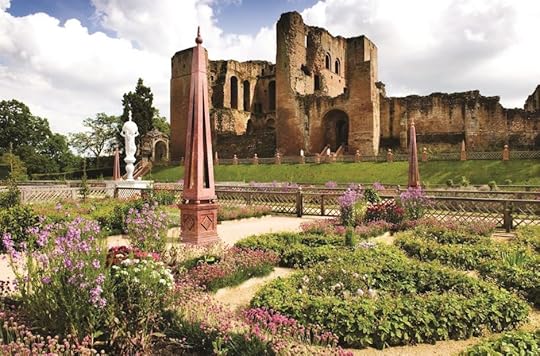
Photo: VisitEngland / English Heritage
Don’t tap out on your castle quota yet — Kenilworth Castle has been described as “the finest surviving example of a semi-royal palace of the later middle ages.” It’s in ruins now, but that doesn’t make it any less worth your time. What’s not in ruins? The castle’s Elizabethan Garden, recreated in all its past splendor. The juxtaposition between the two (that is, their respective ruin and flawless upkeep) makes each more beautiful.
Beyond the castle, there’s absolutely no shortage of things to do in Kenilworth. If you’re prioritizing history, check out Stoneleigh Abbey, a Grade I-listed building that belonged to Jane Austen’s maternal relatives for over 400 years. The building is incredibly well-preserved, and the interiors are in pretty much the same condition as during Austen’s time. You can visit at your own pace or go with a guide — in costume — who’ll add to the visit with readings from original letters and other written works by the author.
And, of course, there’s always time for a culinary experience — The Cross is a Michelin-starred restaurant right in the heart of Kenilworth (it’s best to reserve in advance). For something more spur-of-the-moment, visit on a Thursday for the weekly outdoor market and all of its incredible fare — olives, cheese, fresh herbs, homemade bread…you’ll find everything you need for a picnic fit for royalty.
Royal Leamington Spa
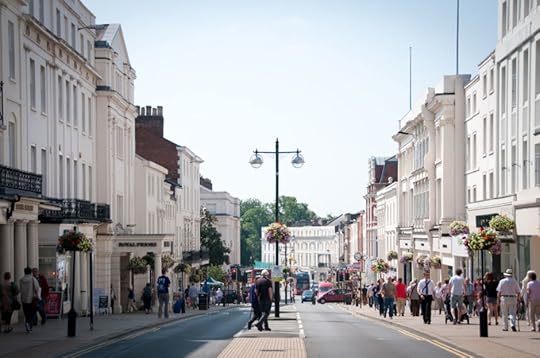
Photo: Shakespeare’s England
Fifteen minutes out of Kenilworth and you’re already in Royal Leamington Spa. You can probably guess that it’s a spa town, but it’s also known for its Regency architecture and super walkability.
Here, it’s time to hit your shopping groove — an easy afternoon can be spent strolling the town’s wide boulevards, most of which are dotted with independent boutiques and quality shops. If you’re more of a window-shopper, know that Leamington is so pretty that the locals fondly refer to their town as “the best bits of London, all in a ten-minute walk.” (This is likely part of the reason why the town has been voted Britain’s “happiest place.”)
Surrounding market towns and villages
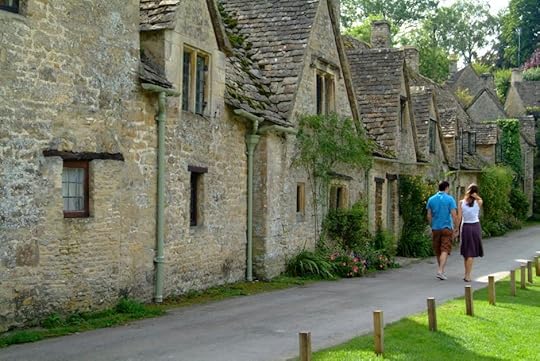
Photo: British Tourist Authority
Beyond the larger towns in the region, Shakespeare’s England expands deeper into the heart of the countryside. And sometimes, the further under the radar you go, the bigger your reward. Here’s a brief rundown:
Alcester – A charming market town just 20 minutes from Stratford-upon-Avon. One of the highlights here is Ragley Hall, a stately home perfect for a day trip — spend the morning exploring its parks and gardens, then head back to the center for a pint and a perfectly baked steak pie.
Shipston-on-Stour – This idyllic little town is filled with stone cottages and independent shops. Here, the pace of life is slower and more relaxed — if that’s your thing, grab a room at one of the traditional B&Bs, explore the village’s arts trail, and get your urban fix away from where you hang your head.
Henley-in-Arden – The town’s High Street is a mile long and contains over 150 buildings of great historic interest. It’s pretty much all timber-framed buildings, eclectic shops, and elegant stone cottages. Grab some sweets from Henley Chocolates or an ice cream from the Henley Ice Cream Parlour — which first staked its claim to the title of best ice cream in the UK back in 1937 — and head over toward the Guild Hall, which opens its doors during the summer months.
Coventry – Coventry — recently awarded UK City of Culture 2021 — is a cosmopolitan city and a flourishing multicultural destination just 30 minutes from Birmingham. Given its proximity to the Birmingham Airport, Coventry makes a great final stop to your Shakespeare’s England tour. Book your tickets for a show at the Belgrade Theatre, visit the cathedral in the city center — built on the ruins of cathedrals destroyed in years past — and meander through the Herbert Art Gallery, with exhibits on everything from modern art to nature. Take in Coventry’s creative quarter, Fargo Village, stopping for eats at Utterly Vegan and a pint at the award-winning Twisted Barrel Ale Brewery & Tap House. End the evening at the Golden Cross, one of the oldest pubs in Coventry — they’ve been serving the drink longer than pretty much anywhere else on the island. See? Far more than just literary history in Shakespeare’s England.


January 30, 2018
The super blue blood moon eclipse
On January 31st, Earth will be treated to a full moon total lunar eclipse for the first time in over 150 years. This event certainly has not generated the hype that last summer’s solar eclipse caused. It’s also happening in the middle of the night — a far less convenient time for most. But tonight’s event is sure to be worth viewing, especially if you happen to be on an island in the Pacific. No special eclipse sunglasses are necessary this time. Here’s the breakdown on what, when, and where.
What is going on?
Tonight’s event is what’s called a Total Lunar Eclipse. The moon will pass directly behind Earth, into what’s known as the Umbra. The sun, moon, and Earth will be perfectly aligned for a total eclipse. It’s called a Blue Moon because it falls on the second full moon of the month.
Where can you watch it?
The best spot to view the “Super Blue Blood Moon Eclipse” is in the middle of the Pacific Ocean. Unless you’re currently on a cross-world sea voyage or an island in Oceania, tough luck there. That said, certain parts of the world will have better vantage points than others.
Great spots to be:
Oceania, eastern and central Asia, and Indonesia
New Zealand and Western Australia
Alaska, Hawaii, and much of Canada’s Northwest Territories
Still worth watching:
The rest of North and Central America. Generally, the further east you are on the North American continent, the less viewing time you’ll have.
Parts of Central and Southeast Asia
When is this happening?
Those in the Western Hemisphere should be prepared to wake up incredibly early (or pull an all-nighter). Here is the break down in Pacific Standard Time:
3:48: Partial eclipse begins
4:51: Total eclipse begins
5:30: Mid-eclipse
6:08: Total eclipse ends
7:12: Partial eclipse ends
Taking photos tonight? Use #travelstoke on Instagram! 
More like this: Mapped: The next 10 total solar eclipses around the world
Chile creates 5 new national parks
Yesterday (Monday, Jan 29th, 2018) will go down in history as one of the great days for conservation, for travelers, for wildlife, and for Chile.
Chilean President Michele Bachelet signed into law a long-awaited act that creates over 10 million acres of new national parkland (an area larger than Switzerland), and a “Route of Parks” — an interconnected road system that links a total of 17 parks for thousands of kilometers from Cape Horn up through Patagonia.
The signing was a culmination of decades of conservation efforts led by Kris Tompkins and her husband, the late Doug Tompkins. In the early 90’s, Kris, former CEO of Patagonia, Inc. and Doug, founder of The North Face, transitioned from the business world to conservation, purchasing vast tracts of lands across Chile and Argentina.
Initially, their model for conservation was met with resistance. Purchasing land as private individuals, rewilding overgrazed/eroded areas, and building infrastructure with the eventual goal of giving lands back to the country as national parks was an unprecedented concept in Chile. But over the years, as the Tompkins’ first projects such as Pumalín Park were inaugurated, they built up momentum, leading to a pledge signed by Kris Tompkins and Michelle Bachelet in 2017 to create multiple new parks and expand others into future national parks, in the largest donation of land in history.
In 2011, I had the opportunity to interview Kris and Doug in what was then the “future” Patagonia Park. You can watch the trailer below or view the full documentary Trawen.
At the time, the area was threatened by a large hydroelectric project that would’ve dammed the biggest rivers in Patagonia, and massively impacted pristine wilderness and national parks. In what would become the largest environmental movement in Chile’s history, grassroots coalitions pushed back against the dams, eventually leading the Chilean government to cancel the project.
Fast forward to today. The rivers of Patagonia are flowing free, and Chile has become a world leader in conservation, as well as in tourism as a primary economic engine.
With that said, now is the time to plan a visit. The two key destinations for basing your travels are Patagonia National Park and Pumalín Park, both of which are open now and ready to visit. Although it takes some effort getting down there, having seen some this area firsthand, I can say with all honesty that it’s the most spectacular terrain — the biggest rivers, the most awe-inspiring fjordlands and mountains — I’ve ever seen.
More on conservation in Patagonia Trawen: travel, transformation, and protecting Patagonia
Pay-what-you-want retreat in NC
No deposit. No credit card number. No stressing about “incidentals.” Sound to good to be true? Then it might be time to make a trip to North Carolina. Mountain Light Sanctuary, just over 30 miles from Asheville, runs on a pay-what-you-can mantra that welcomes everyone, from traveling hippies to those seeking a unique lodging experience or just a few days away from the digital grind.
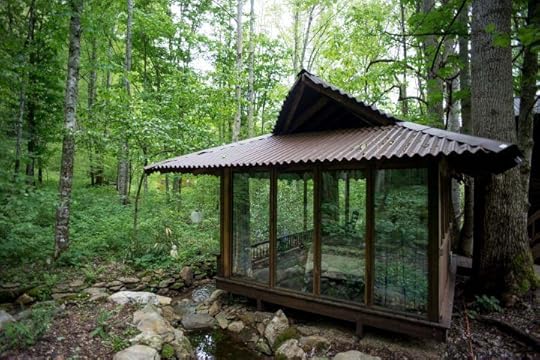
Photo: Mountain Light Sanctuary
There’s no formal payment process. In fact, whipping out a credit card will likely draw awkward stares — guests simply leave what they feel is appropriate underneath the gnome on their way out. According to the sanctuary’s website, there are suggested rates depending on where a guest stays on the property, but ultimately the decision lies with the guests themselves.
Mountain Light Sanctuary also appeals to the growing trend of wellness travel. Unlike so many hostels around the world, the focus here isn’t on partying. There’s no bar-hopping bus or cheap pitchers of sugar-coated booze in the lobby. What travelers find instead is peace, quiet, and tranquility — all draped over plenty of spaces for meditation, yoga, and personal reflection. 18 separate “crash pads” dot the seven-acre property. Some are more remote than others, but all offer a higher level of comfort than traditional camping.
Follow Matador on
Vimeo
Follow Matador on
YouTube
More like this: Camping is my medicine: A love letter to the outdoors

Plan a backcountry ski trip
In just about any ski town the world over, you can grab a seat at the bar in a locals’ hangout and likely encounter long, eloquent, and often exaggerated tales of life-changing backcountry ski trips. The storyteller, perhaps a rugged local with chunks of icicle still clinging to the lower tentacles of his disheveled beard, seems so cunning, so brave and accomplished, that it’s near impossible not to desire a story of conquest to bring home to your local pub.
When I first moved to Durango, Colorado in 2002, I couldn’t even get through a trip to the dining hall on the Fort Lewis College campus without encountering a story confirming that my backcountry chops needed serious honing. Wide open bowls, glorious off-piste tree cruisers, and that narrow escape from flying off an 85-foot cliff into a boulder field — everyone was doing it. The stories were as endless as the claims of secret powder stashes on the back side of Purgatory.
At the time, I’d thought I was a good snowboarder, increasingly proficient in everything from moguls to steep cruisers to park booters — but moving from Denver into the mountains put me in the company of skiers and riders on a whole new level. I was determined to up my game.
Nearly sixteen years later, I’m still learning. Still growing. Still seeking that story that I can brag about for the rest of my days.
I realize how ignorant I was back then. Backcountry touring isn’t all about steep lines and tall tales. It’s about thorough trip planning and constant progression. It’s about having proper gear, being able to read an avalanche forecast, and not being too macho to pull the plug and head back to the trailhead when conditions look sketchy.
The more experience I gain, the more I appreciate the whole process. Routing a backcountry tour is actually fun when everyone is on the same page. Planning for the trip is the perfect opportunity to get everyone together the night before, sip a hot toddy or two, and get organized.
For now, this backcountry ski planning guide serves as my “epic story.” Here we’ll take a look at necessary gear and planning techniques for backcountry touring.
How to plan a backcountry ski trip:
1. Gear list
2. Preparing for the trip
3. At home
4. In the field
5. Trip recap
6. Bringing it all together
1. Gear list
Splitboard or skis, of course.
Loose-heel bindings. For the splitboarders, I recommend the Tesla T1 Arcs splitboard bindings from Spark R&D. They are super lightweight and transition very well with a simple snap-lock piece instead of the traditional pin. This makes switching into snowboard mode in icy, high altitude conditions that much easier.
Skins
Winter-specific backpack
Trekking poles or ski poles, even for the snowboarders! Preferably collapsible trekking poles that fit into your pack.
Beacon, shovel, and probe. Absolutely never enter the backcountry without this lifesaving gear, and double check to make sure everyone in your group has this gear and knows how to use it. If not, they’re staying at the trailhead. No exceptions.
Ski gear — helmet, waterproof gloves, outer layer (shell, ski pants), inner layer (preferably no cotton), boots
AIARE field book. The American Institute for Avalanche Research and Education (AIARE) sells trip planning guidebooks that walk users through the process of planning their tour. The books also come with info on assessing snowpack and other risks of backcountry travel.
2. Preparing for the trip
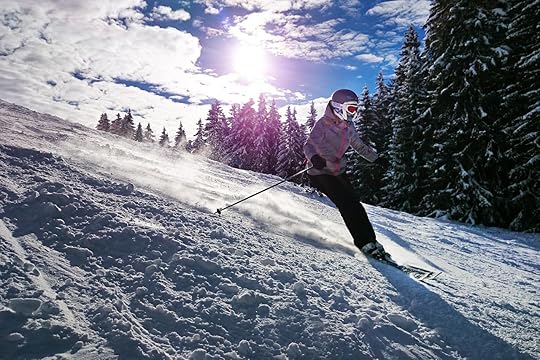
Photo: Rolf Vandewal
A successful backcountry tour requires much more planning than a typical day at the ski hill. It’s important to know the terrain and any risks you may encounter. Avalanches can be deadly — if the group plans to hit terrain steeper than 30 degrees, be sure to check the avalanche forecast and avoid hazardous areas.
The more experienced you are in trip planning, the easier it becomes to avoid avalanche terrain altogether.
3. At home
A safe and successful backcountry tour starts at home. Before leaving the house, familiarize yourself with the terrain in your zone of choice. Topographic maps and Google are great places to start. Identify where the group plans to head, and look at avalanche and weather forecasts to figure out the best time to leave, when you need to be off the summit, any weather hazards that could come into play.
Have a plan A and plan B route solidified before heading out. Depending on weather and snow conditions, it may or may not be safe to access certain areas of the mountain. Also, be malleable! You may encounter unfriendly weather or terrain that didn’t appear in the forecast or maps.
Study the weather in the area. Look for patterns in snowfall, wind, and avalanche hazards.
Plan your point of attack. Know where to park, where to enter the backcountry, and the route you plan to take to your desired drop-in point. Also, have regrouping points planned along the way to stop and assess conditions.
Have a backup route and an emergency exit noted. Often, this exit will be the same way you came up — is it safe for traversing down as well?
Know the ability and backcountry knowledge of each person in the group. How much experience does each have? Are they able to operate their beacon, shovel, and probe in case of an emergency? The skill level of the least experienced member is going to determine where the group can go.
Websites to check out:
Avalanche.org — Connects visitors to all US-based avalanche reports.
AIARE — The American Institute for Avalanche Research and Education. I cannot recommend signing up for the AIARE Level 1 course highly enough.

Photo: Hans
4. In the field
Upon arrival to the trailhead, allow ample prep time. You’re the one reading this guide — therefore you’re in the perfect place to take charge. Start by making sure everyone has their beacon on with plenty of battery life (at least 80%) for the trip. Each person should have food, water, and an extra top layer in case it gets cold or windy.
The next step is to double check that everyone is on board with the trip plan. Now is the time to voice concerns and offer ideas or that bit of insider knowledge picked up from late-night forum reading. Then it’s time to strap those skins on and hit the trail!
Stuff to keep in mind during the skin up:
If an individual in the group is not comfortable with a decision in the field, that decision becomes the unanimous voice.
Make decisions as a group. Each person has equal say. When discussing whether to proceed further, turn back, or move to plan B at the regrouping point, one person’s “no” vote is the entire group’s “no” vote. There is no leaving someone behind or heading back to the car alone.
When dropping in, proceed one at a time. The other members of the group should be watching and ready to react in case of an avalanche or accident.
5. Trip recap
Adequate backcountry prep work includes stocking cold beers for the parking lot celebration of the successful trip. This is the time to reflect. I like to take notes, even if only mental, about conditions and any surprise encountered. As everyone shares laughs and stories of rollers dropped and powder slashed, pick out information that could prove useful for next time.
Did anyone hear a “whumph” along the skinning route? Any other signs of an unstable snowpack that should be noted for future trips this time of year? Who took the best line down and were there any points of avalanche concern along the way?
6. Bringing it all together
Backcountry touring is a cyclical experience. Knowledge gained from one trip can help plan the next one. I highly encourage new backcountry travelers to head out with more experienced groups at first. Be open and honest about your experience and comfort level — backcountry skiing and snowboarding works best when everyone has a voice. With proper planning and communication, those pub-worthy stories will come — and you’ll be around to tell them.
More like this: Ski Nevada's backcountry desert
Save money on trip to New Orleans
The fun never stops and the drinks never stop flowing in the Crescent City, and all of that non-stop partying can add up quick. But worry not: if you know the right tricks, you can save hundreds of dollars on your trip — or use those savings to keep the fun going a little longer.
1. Drinking on the streets is legal — bring a roadie when you’re going out.
Drinks in New Orleans are not especially expensive, but even $2 beers can add up when you’re drinking them all day. It is perfectly legal to drink on the streets in New Orleans and the Go-Cup is a way of life (just no glass please). Keep a stash in your hotel and take your drink with you on your way to the bar, and don’t toss your half-drunk beverage on the way out the bar door. Most bars have a stack of cups at the corner of the bar and right next to the front door so you can ditch your glass but not your drink.
2. Take advantage of the city’s free festivals.
Louisiana has more festivals than days of the year, and on most weekends you’ll have more than one festival to choose from. While Jazz Fest and Voodoo may set you back a month’s paycheck, many festivals have free admission and offer a chance to sample food and drink from dozens of local restaurants at pretty fair prices. French Quarter Fest is the crown jewel of free festivals, but Satchmo Summerfest, Poboy Fest and an ever-growing list of food-specific festivals (Fried Chicken, Oyster, Creole Tomato, Beignet) are all worth your time.
3. Watch for travel specials sponsored by New Orleans Online.
The New Orleans Tourism Marketing Corporation is the official tourism site for the city and is great resource for visiting the city. But of particular interest are the accommodation specials they organize, particularly during slower times in the city. Watch for summer rates to lure you to the city during times of torrential downpours and oppressive heat (you’ll survive and you’ll save a lot of money) or Papa Noel rates during the holiday season.
4. Consider staying outside of the city.
If you have access to a car, staying outside the city can save you an extraordinary amount of money on hotels. Metairie is a very short drive from Downtown New Orleans but offers serious savings, and staying in Slidell, just north of New Orleans across Lake Pontchartrain, can save you hundreds over the course of a few days. While you’re out there, take a swamp tour or visit the famous Abita Brewery in nearby Abita Springs.
5. Use public transportation.
If you didn’t come with a car, don’t rent one. Parking rates downtown can be astronomical and public transportation is widely available. While buses offer more coverage, don’t miss a ride on the streetcar, which is an experience unto itself. Purchase a Jazzy Pass from your driver when you board and ride for $3 all day, and download WDSU’s Transit Tracker app to track your ride.
6. Spend the day in City Park.
New Orleans City Park is massive and full of free and low-cost activities that can easily fill a day. NOMA offers student discounts, and its sculpture garden is free. Admissions to the Botanical Gardens and City Putt, with two Louisiana-themed mini golf courses, is less than $10. And for the kids, admission to Storyland is just $4. Stop at Morning Call and share a plate of beignets for $2.20, and you can easily spend a day here for $20.
More like this: 19 budget-friendly things to do in New Orleans
Traveling with kids in 2018
You may be a veteranREAL ID Act for travel within, to, and from the United States
On January 22, the next stage of the REAL ID Act came into effect for US residents. This means that anyone traveling within the United States or, in some cases, to or from the United States, can most likely no longer use state ID or driver’s licenses to board an aircraft. The Homeland Security website says “Starting January 22, 2018, passengers who have driver’s licenses issued by a state that is not yet compliant with REAL ID and that has not received an extension will need to show an alternative form of acceptable identification for domestic air travel.” This means that you will need a passport or other acceptable form of ID in order to board an aircraft. If your home state has been granted an extension, you have until October 1, 2020 to either update your driver’s license to REAL ID standards or get yourself a passport.
Be aware that if you are boarding a plane with your children, if they are under eighteen, they do not need their own identification AS LONG AS your identification (or your partner’s) is acceptable. This means your kids will not be allowed to board a plane if your ID is not up-to-date.
Global prices will rise, but so will budget airlines
Global airfares and hotel prices are predicted to rise by more than 3% in 2018. Rising costs of fossil fuels coupled with segmented individual pricing, as travelers can pick a variety of seat and transport options, mean that prices overall are driving upwards. Hotel pricing, similarly, is rising to compete with AirBnB taking away slices of their market, and as hotels are more likely to provide high-tech services to clients.
However, budget airlines are popping up all over the place, offering some extremely cheap options for travelers going to specific destinations — like WOW Air, which encourages layovers (and “stayovers”, allowing travelers to extend layovers for several days if they want to) in Iceland to help promote the Icelandic tourist economy. This means that you can still find cheap ticket options despite the confusing array of fees, charges, and taxes.
Self-driving cars becoming more popular
In 2016, Uber launched a fleet of self-driving cars in Pittsburgh, PA — I’ve seen them, they are very interesting-looking — and are looking to expand their self-driving fleet by 24,000 cars over the next year. Their U.S.-based competitor Lyft is also looking to put self-driving cars on the road over the next few years. What could this mean for your travel with kids?
Well, it means crossing the street with your kids will be much safer than it would be if every car had a human behind the wheel. Cars have been trained to be sensitive to unpredictable behavior, and even to recognize kids hiding between two parked cars. The more self-driving cars on the road, the safer your child pedestrian will be.
However, it is worth noting that there hasn’t been a lot of thought given to the safety of children riding in autonomous cars. It is illegal in many countries for children under three to travel in any kind of motorized vehicle without the appropriate safety devices. Children over three have a lot more leeway under certain circumstances (such as over short distances). Safety seats can range from mandatory five-point harness rear-facing infant seats to small armless “boosters.” Since self-driving cars in Uber’s fleet are just replacing cars with drivers, which are also notoriously ill-equipped with appropriate child safety devices, I’m not holding out a lot of hope for an awareness of this issue.
Increasing awareness of child safety on “family friendly” vacations
The UK newspaper The Telegraph has vowed that 2018 will bring more awareness of family travel danger as they demand that the travel industry provide statistics to a central database so families booking holidays are better informed. Most parents assume that when they book a “family friendly” vacation or contact a resort with a kid’s club, certain basic safety precautions will be in place: like fences or barriers around pools. Currently, there is no information about what the causes of accidents or deaths for children on vacations might be, so there is no way for parents to make informed decisions about possible destinations or methods of traveling. Keep checking back in with Telegraph Travel for more information about this special goal, though, and hopefully, an available database of information will be presented by the end of the year.
Dreamliners make very long haul travel more accessible
On March 26, Qantas will launch the longest nonstop flight in the world: from London’s Heathrow to Perth, Australia. The flight will last 17 hours and will cover over 9,000 miles. With Boeing’s fancy new Dreamliners making very long haul travel more likely, we have to look at what those trips would actually look like for those of us likely flying coach. Dreamliners have seats configured to fit 9 passengers across, in a 3-3-3 distribution, which means you won’t be quite so tightly packed in as you might in a long-haul Airbus (which is usually 3-4-3). The pressure in Dreamliners is higher, meaning more air in the cabin and higher humidity, so less dehydration.
As anyone who’s tried to adjust a toddler to a time change knows, your body usually takes one day per time zone to fully adjust. Changes to the in-flight experience can make this a lot easier for everyone. Qantas has also been working on cabin lighting, temperature, and food service options to make jet lag adjustment easier on the human circadian rhythms. Hopefully, these changes will mean more sleep for everyone in the very near future.
More like this: I thought I knew what travel was until I traveled with my kids
island in scotland for sale
“Owning my own private island” is such a wild fantasy that it is usually reserved for Hollywood rags-to-riches movies that end with Eddie Murphy and Dan Aykroyd sipping champagne on a beach. But the world is crazy, and you can now buy a tiny island off the coast of Scotland for the same price as a minuscule two-bedroom home in Queens.
Linga is a 63.75-acre isle in the Vaila Sound in the Shetland Islands, which are 70 miles north of the northernmost tip of Scotland. The grassy little island is home to two cottage ruins, a loch, and views of mainland Shetland’s rocky coastline. The last inhabitants of Linga left in 1934, but a quick boat ride will get you to the coastal village of Walls (pop. 978) for when you need to get some socializing in.
And all of this can be yours for about $350,000 USD.
Follow Matador on
Vimeo
Follow Matador on
YouTube
There are a few things to bear in mind, however. For one, this is the Shetlands, not the Bahamas, so expect a lot of rain and wind (although the thermostat is typically resting in a comfortable 39-50 degrees Fahrenheit). Also, there is no power or plumbing, and despite their sturdy foundations, the absence of a roof really devalues the livability of the island’s cottages. But hey, summer projects are good for us.
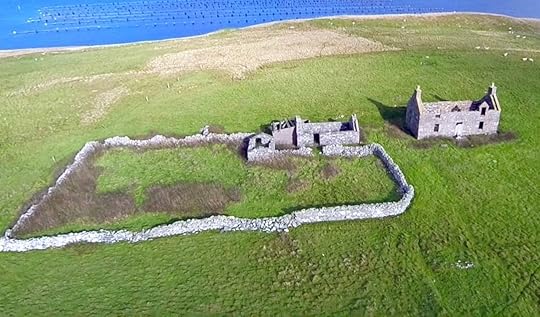
Photo: Youtube Screenshot
Another challenge is that Scotland’s strict zoning and development laws will prevent you from building too much on the islands, but you will be permitted to construct a third cottage, agricultural buildings, solar panels, a windmill, and a new pier (crucial for island living).
Considering that the average home prices in New York City and Los Angeles regularly top half a million dollars, maybe rebuilding your life on a deserted, barren island in the North Atlantic Ocean isn’t the craziest investment.
More like this: 5 Scottish estates YOU can check out

Learned to drink in New Mexico
A guaranteed blackout in a can.
2. And more importantly, you’ve survived it.
You’re sure you had a great time, you just don’t remember it. It better have been great to make this hangover worth it.
3. You’re a bonafide margarita connoisseur.
New Mexican bartenders shake up some damn fine margaritas, and like a Pokemon master, you’ve tried them all!
4. You are also all about tequila.
SilverCoin! Orale!
5. Even though it’s touristy, you’d totally do the Margarita Trail in Santa Fe.
Crush that challenge like the crushed ice on the brim!
6. You have high standards when it comes to beer.
Your first beer was probably from a local brewery, and NM brewers make crazy good beer, especially pale ales and IPAs, so you are serious about your hops.
7. You’ve definitely gotten drunk at some random campsite in the mountains.
Or out on the prairie. Or in your friend’s mom’s Earthship in Taos.
8. You’re used to heading home by 1 am.
What, everything closes early here!
9. If you live in the north, your tolerance is way high.
Drinking at altitude FTW. Suck it, Denver.
10. Your hangover cure definitely has chile in it.
Burritos, posole, green chile stew, whatever works to stop the pounding in your head.
11. You know all the best late night spots to get greasy burritos and tacos.
Gotta soak up those margs.
12. Or, if you live in a town that shuts down at 9 o’clock, you are super good at making homemade nachos and laying on the floor eating tortillas til the room stops spinning.
13. You have multiple cab company numbers in your phone.
Those late night checkpoints and DWI stats are no joke, so you learned early on to never drive drink and drive. (Or you did but you knew you shouldn’t.)
14. It’s not a night on the town without a local band playing or a stop at a karaoke bar.
SING US A SONG, YOU’RE THE PIANO MAN.
15. You love a good, backcountry dive bar.
16. Your idea of bar food is chips and salsa, chips and queso, and quesadillas.
17. Your idea of fancy booze is anything from Gruet.
18. You’ve had green chile wine.
It was… interesting.
19. Always shaken, never stirred.
Like I said, we love us some margs.
More like this: 19 dead giveaways you're from New Mexico
What makes Philadelphians different
1. At breakfast, native Philadelphians request double orders of scrapple, extra crispy, to complement cheesy scrambled “aegz,” smothered in catsup, and buttered rye toast.
Transplants don’t know what scrapple is exactly but don’t even consider ordering it because it has the word “crap” in it.
2. Native Philadelphians love their “Iggles”, win or lose (despite how they may act when they’re losing.)
Transplants are indifferent to the city’s football team until the Eagles start winning and head to the Superbowl LII!
3. When native Philadelphians are thirsty, they go to Wawa to get Wawa Iced Tea.
Transplants buy Snapple at vending machines and 7-11.
4. Native Philadelphians remember when The Vet hosted, not only the city’s football games, but also “Eagles Court”.
Transplants remain unaware of this sordid sore spot in Philadelphia sports history as they sit pretty in lovely Lincoln Financial Field, cheering at the games.
5. Native Philadelphians know how to do the Mummer’s Strut.
Transplants are like, “What’s a Mummer?”
6. Native Philadelphians know that gravy is that marvelous, tomatoey deliciousness you put on top of spaghetti when you have meatballs.
Transplants think of gravy as the stuff you put on turkey and mashed potatoes at Thanksgiving. Native Philadelphians do regard the brown stuff as a good alternative to cheese wiz on top of fries every now and again.
7. Transplants can plot a perfect walking tour from Edgar Allen Poe’s house to Betsy Ross’ to Ben Franklin’s, with side trips to the Liberty Bell and Declaration House built in.
Native Philadelphians, however, can expertly weave their too-big cars through all the tiny one-way streets to each of the best cheesesteak spots in the city.
8. Transplants vie for tables spread with delicate, ‘gramable brunches at downtown hotspots Café Lift, Fork, and Talula’s Garden.
Native Philadelphians race their church-going neighbors to get seated at booths they can load with heaping, hearty platters and bottomless coffee at their local mainstays, like the Melrose, Penrose, and Mayfair Diners.
9. Transplants sit in the park nibbling ice cream treats from Franklin Fountain to beat the sticky summer heat.
Native Philadelphians gather on the corner outside Pop’s Homemade Water Ice, grinning against oh-so-sweet, real-fruit, slushy induced brain freeze.
10. Even though Philadelphia is the sixth largest city in the nation, natives Philadelphians love to liken their city to a small town and fondly describe it as a place comprised of many unique neighborhoods.
Transplants like to cite the fact Philadelphia is a steadily growing metropolis with Center City ranking second only to Midtown Manhattan for urban density.
11. Many native Philadelphians drink “wudder” straight from the tap.
Transplants prefer having Crystal Springs water delivered to their homes.
12. Native Philadelphians know how to pop fire plugs and have no shame about splashing around in the city’s many huge fountains when it’s hot out.
Transplants go to the swim club.
13. Native Philadelphians love to scorn New Jersey any chance they get, but come summer they all shoot over a bridge and “down the shore” to their Brigantine and Wildwood beach houses, every weekend from Memorial Day to Labor Day.
Transplants read all the reviews they can find on every southern New Jersey seaside resort, from Atlantic City to Stone Harbor, before booking an Airbnb for a week at the beach.
More like this: 7 things Philadelphians love to hate
Matador Network's Blog

- Matador Network's profile
- 6 followers

