
Matador Network's Blog, page 1412
February 2, 2018
American habits lost in Argentina
Here are 15 American habits I kicked to the curb when I moved to Argentina.
1. Being offended if someone calls you overweight.
They are genuinely concerned about your health and will tell you if you’re on the verge of becoming an unhealthy weight.
2. Thinking therapy was something to be embarrassed about.
Argentina has the highest number of therapists per capita. Everyone is going to or has gone to therapy at some point in their life and no one is afraid to talk about it, literally.
3. Taking part in fast fashion.
Clothes are very expensive in Argentina mainly due to importation laws, so buying all the new trends no matter how long you plan on keeping them throughout the seasons is just not something they have the luxury of doing whether they want to or not. They make conscious decisions with every item of clothing they purchase.
4. Calling myself “American.”
“I’m American, too,” they’ll reply with a scoff. In Spanish it’s best to say soy estadounidense and although there is no real English equivalent of this (I’m United Statian?). It’s easiest to say that and avoid the argument entirely.
5. Showing up on time.
If I have dinner plans at 9pm, I’d show up at 9:30 and am not surprised if some people still trickle in around 10pm. Running late to work or to an interview? Not a big deal.
6. Being offended by personal question during an interview.
Anything goes in an interview in Argentina from “how old are you?” to “who do you live with?” to “are you planning to get pregnant?” I’ve even heard of some employers visiting a candidate’s home to see how they live.
7. Thinking “meeting the family” was something serious.
In America, you may just wait until you’re engaged to ever meet the parents. Meanwhile, in Argentina, most people live with their family until well into their late 20s. Plus, family functions are very common. So whether you are actually dating someone or have just made some new friends, chances are you will be invited over to a family barbecue any given Sunday.
8. Being stressed about work.
I embraced the no pasa nada attitude (a rough translation: it’s going to be okay). A tough workload? No pasa nada, we’ll finish tomorrow. A new problem arises? No pasa nada, the answer will come. With this attitude, problems definitely took longer to solve which can mean loss of money for business but at the end of the day, I learned not to stress so much about work and take things day by day.
9. Waiting to cross the street.
Cars don’t stop for you and crosswalks mean nothing so it’s best to cross when you can and pray for the best. It becomes a skill, really.
10. Eating dinner by 7pm.
Try entering a restaurant for the last meal of the day at 6pm and they’ll know you’re a foreigner. A family dinner starts around 8 to 9pm although seeing a family with young children dining out at 12am is not uncommon either. Dinner with friends in the city starts at 9 to 10pm.
11. Thinking a car lane was just for one car.
Swerving in and out of lanes is second nature to them but almost gave me a heart attack the first time I was in a car in the big city of Buenos Aires. They share lanes like slices of pizza.
12. Expecting dinner to be over after you’ve finished your food.
Sobre mesa is the term used to describe the 30 minutes to two hours Argentines spend chatting, drinking wine, and finishing up after a meal. It’s uncommon to quickly eat dinner and leave the table, even if it’s just you and someone close. You can expect friend and family events to last all evening.
13. Drinking Starbucks every day.
No one frequents Starbucks like Americans. Argentines prefer an espresso shot after dinner para bajar la comida (help the food go down) or a small cafe con leche (coffee with milk) in the morning. Otherwise, you’ll see them drinking mate, a local tea-like drink drunk from a gourd and straw.
14. Buying everything I need in one store.
You have your favorite butcher for meats, verduleria for fruits and vegetables, pharmacy for medication and skin care products, bakery for mid-day tea and cake, ice cream parlor for weekends (see habit #15). Then you have your local print shop, stationery store, even down to a health food shop for nuts and seeds. Be sure to always plan ahead to save yourself an entire day of running around grabbing everything.
15. Thinking all ice cream is created equal.
I remember the first time I asked to buy store bought ice cream. It was heresy! There is a hierarchy of the best ice cream in town. Some may say it’s Freddo; others may have their own neighborhood favorite. But no matter what, it always involves calling the ice cream parlor for delivery and choosing a handful of different flavors to suit everyone’s sweet tooth. 

More like this: How to become an Argentine in 20 easy steps


Types of Eagles fans
Arguably the most hardcore fan in all of sports. They live and die with each play and know the nuances of the game. They’re not afraid to get confrontational and talk trash. When the Eagles win, the city of Philadelphia wins.
2. The cursed fan

This is the fan who thinks the team is cursed. Think Robert Deniro in Silver Linings Playbook. Don’t mess with the juju! A Super Bowl win would bring this fan more joy than anything on earth.
3. The bandwagon fan

Photo: Ken Brynan
This is the fan who can name Carson Wentz and Nick Foles but struggles to come up with anyone else on the current roster. They were nowhere to be found in 2016.
4. The statistical fan

This fan can tell you about the 1991 draft class and spews out more stats than ESPN. Hasn’t missed a game in years. They can tell you everyone on the roster including guys on the practice squad.
5. The Cowboys hater

Photo: daveynin
Cowboys fans are the bane of most Eagles fans’ existence, but this fan takes it to the next level. They’ll argue online for hours and, in person, they get confrontational. This is basically everyone in Philly. Wear a jersey to the Linc and you might get punched in the face.
6. The overly-insane fan
Drunk by 10 AM at the tailgate and louder than his whole group combined, this fan is looking to raise hell for the entirety or game day.
7. The lifelong fan
The Eagles are engrained to this fan’s soul. Dedicated, observant, and always loyal; this is a true fan from their first day to their last.
8. The Dilly Dilly Philly Philly fan

This fan took the commercial too far — says it 50 times a day. It was cool but this fan killed it. To the pit of misery with you!
More like this: How to speak proper Philadelphian
February 1, 2018
Visit Kulen Falls
Kulen Falls, in the Phnom Kulen National Park, is a popular place for both locals and tourists to cool off on a hot day. The national park is located in the Phnom Kulen mountain range in the Siem Reap Province of northern Cambodia. It’s not a mountain range as you’re probably thinking, like the Rocky Mountains, but rather a mid-height plateau that runs for about 40km.
The range, which translates to “Mountain of Lychees,” has important historical significance. It’s considered a holy mountain for both Hindus and Buddhists who visit in pilgrimage. It’s not only religiously significant but is nationally significant as well. Phnom Kulen is the birthplace of the ancient Khmer Empire, the predecessor state of modern Cambodia. This powerful Hindu-Buddhist empire lasted 629 years and was responsible for the famous monuments in Angkor — very near the national park — amongst other things, as it was an empire of immense power, wealth, art, and culture. Angkor, at its peak in the 11th-13th centuries, was the largest pre-industrial city in the world.
Phnom Kulen is a favorite spot for outdoor activities and leisure. There are two main waterfalls in the park, the first is ~5 meters tall, while the second is ~20m tall. They’re at their fullest during rainy season — typically May to November. But, the waterfalls aren’t the only thing to see in the park.
There’s a massive reclining Buddha statue at the top of the mountain. It’s carved from sandstone (like the mountain), and, at 8 meters, is one of the largest in Cambodia. The River of a Thousand Lingas features carvings in the riverbed itself, dating back to the Khmer Empire, and are fully exposed in the dry season. To see it, you’ll need to make a 1.5km trek from the parking site.
How to get there
Phnom Kulen National Park is located 48km to the north of Siem Reap. It’s about a 2-hour drive from Siem Reap, and the best way to get there is by car or van, and if you’re adventurous, by motorcycle.
What to consider
This is a sacred place for Cambodians, respect it as such.
You can rent bathing suits, but we recommend just packing your own.
The road UP the mountain is open until noon, and the road DOWN is open after noon (it’s a one-way road).
There are food and beverage vendors in the park.
Entrance to the park is $20/person.
It’s not a great venue for people who have knee problems or the elderly as there’s quite a bit of up and down required.
Consider renting a car and a driver for the entire day, it’s worth the cost.
More like this: Magic spot: Waterpark hostel in Cambodia

How I almost moved to Bangladesh
I figured three days in Dhaka would be enough. After all, the capital of Bangladesh isn’t especially known for tourism or its sights. Bangladesh itself was supposedly the least developed of the South Asian giants. With neither the juggernaut destination status of India nor the exotic intrigue of Myanmar, Bangladesh is often passed up by international travelers: backpackers and weekend jet-setters alike.
Still, I felt it was a necessary and informative destination during my travels. I had recently taken a sabbatical to explore South Asia, my homeland. Though I have spent the majority of my life in the States, I identify equally as both Desi as American.
Desi is a cultural term that denotes relation to the Indian subcontinent: anything or anyone who identifies with India, Pakistan, Bangladesh, Nepal among other countries in the region. It’s a non-nationalistic identity term built on the shared cultural and linguistic heritage home to 1/6th of the world’s population.
Relatively contented with what I’d learned about my birthplace, India, over my last 6 trips, I felt pleasantly obliged to learn from and connect with my desi neighbors. I seized an opportunity at work to lead some project research in Nepal leveraging my language skills. In February, I jumped through bureaucratic hoops to enter Pakistan, especially elusive for anyone with Indian ancestry. Now April, it was time to venture to the east to the Bengali heartland.
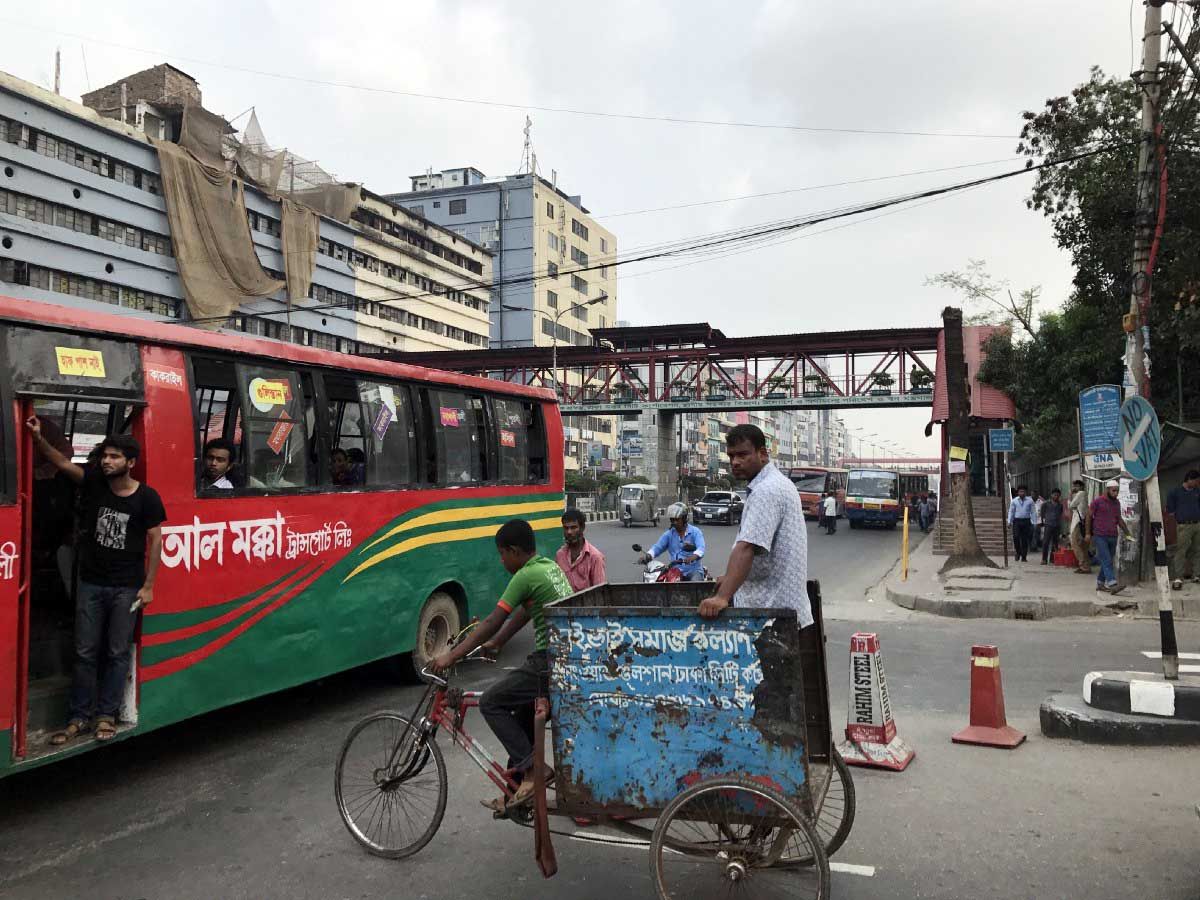
Banani, Dhaka — April 15, 2017
The Dhaka of my imagination was synonymous with characteristics that make a city difficult to love: congested traffic and unresolved poverty. That a city might offer something, even excel, despite certain major drawbacks can be hard to grasp. But it’s a benefit of doubt we routinely offer up to many Western cities. Chicago’s astronomical homicide rate, for example, doesn’t deter tourists from its skyscrapers. (Arguably, violent crime represents a far greater risk than spending an extra twenty minutes in an air-conditioned Uber.)
Still, I too fell prey to this type of thinking, rationalizing that 3 or 4 days would be enough to understand this urban behemoth. I’d zip in for a long weekend and get a quick feel of Bangladesh’s capital. I’d probably get sick of it within a few days.
I couldn’t have been more wrong.
***
A chance encounter months earlier had introduced me to a Bengali American, who was gracious enough to host me. I flew in on a Thursday night, exhausted after weeks of trekking in Nepal, fully expecting to be asleep by 10 pm, the Himalayan bedtime. The nighttime vibrancy of Dhaka kept me up far later. I was invited to a live music show where I was thrilled to meet an incredibly diverse group ranging from entrepreneurs to political scientists. I hadn’t encountered such a dynamic yet down-to-earth group before, if ever. I had to drag myself away from conversation to get some sleep before Bangladesh’s largest festival — Pohela Boishakh, or Bengali New Year.
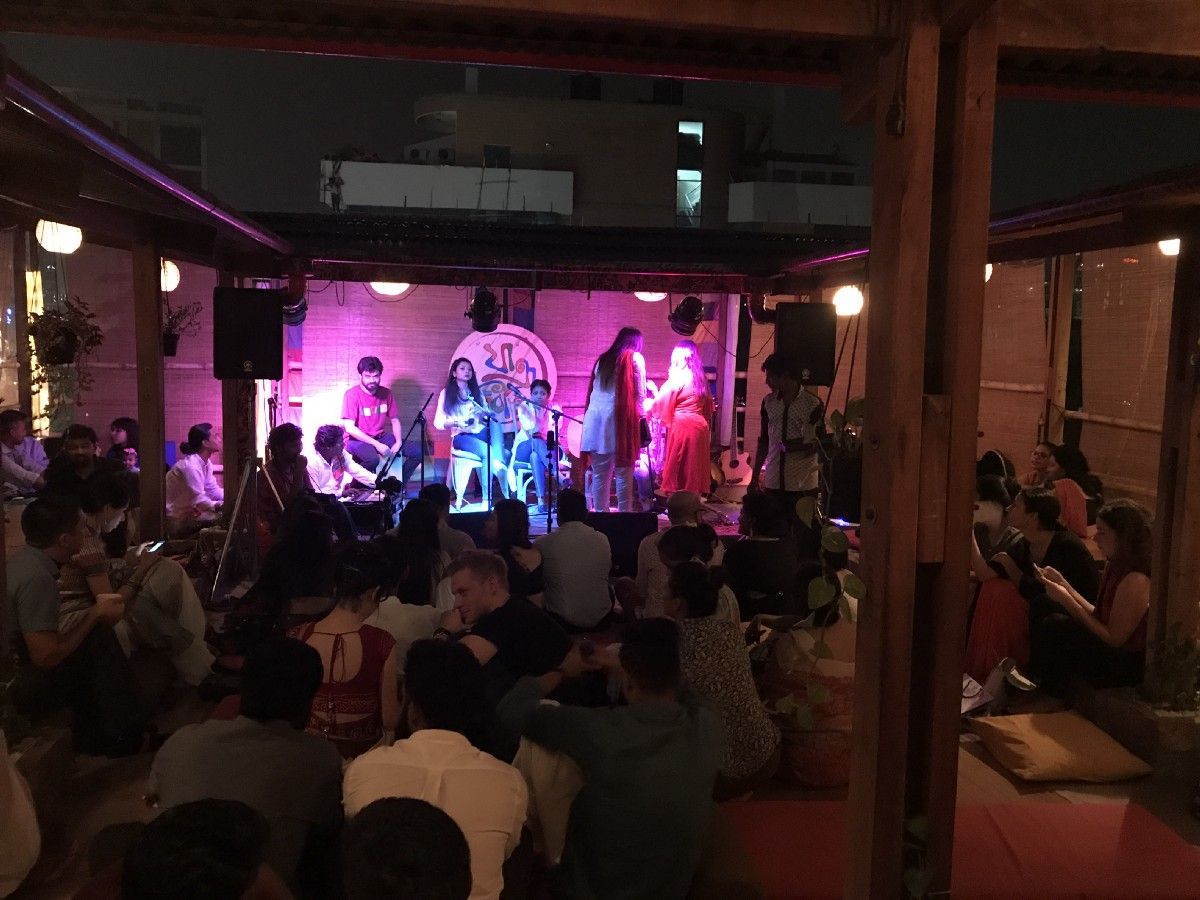
The aforementioned party complete with live music
It also dawned on me that weekend of the 14–16th of April is sacred across so many cultures. Here I was celebrating Pohela Boishakh with Bangladeshi Muslims, which also coincided with the Sikh New Year in India. My friends in my former home in Phnom Penh were celebrating the Buddhist Cambodian New Year, and I saw the preparations that Nepali Hindus were making for their New Year. Not to mention that Christians and Jews around the world were marking their own Easter and Passover Holidays. I’m sure many anthropologists and travelers before me had the same realization — but it was news to me.
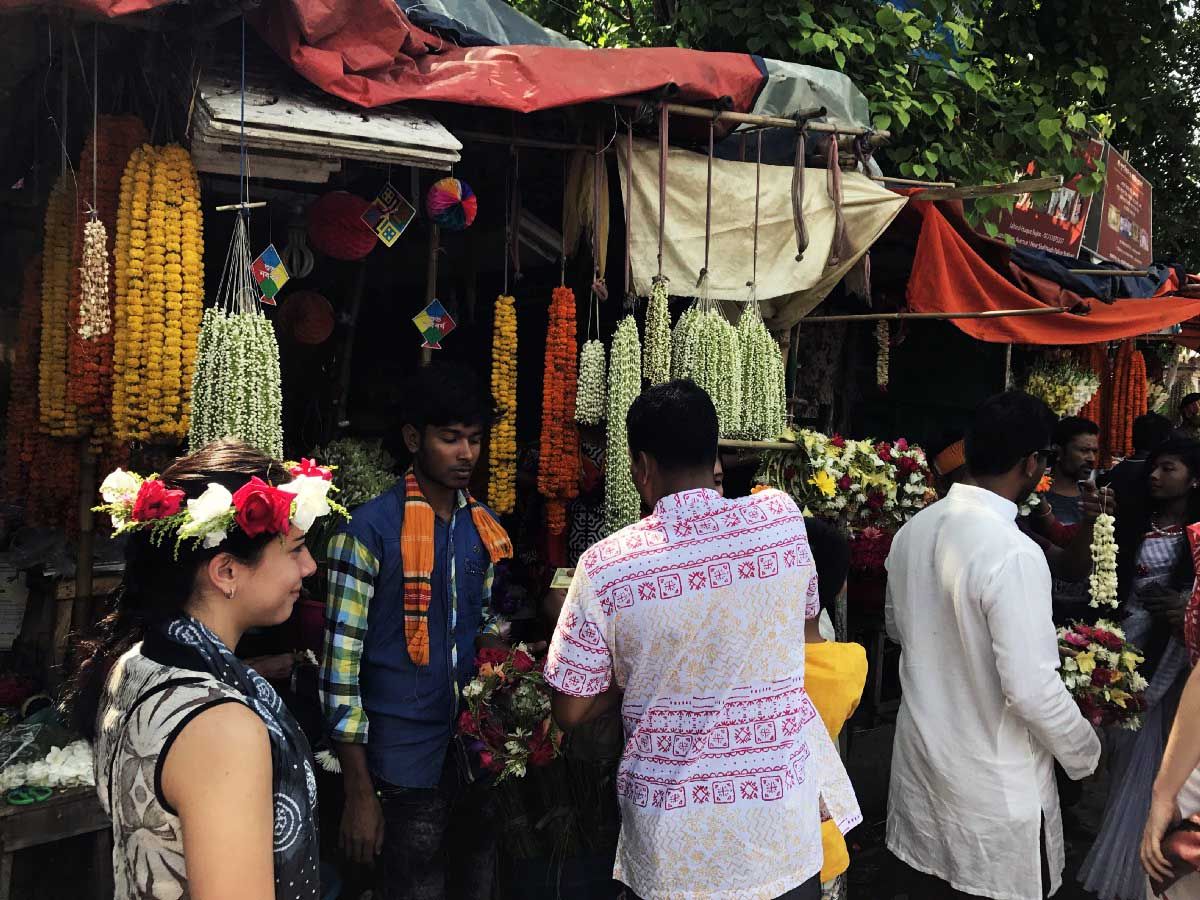
Flower vendors on Bengali New Year
There was something beautiful about so many major cultures and religions celebrating the same day of a new year, of liberation, of harvest, of spring, of rebirth that speaks to a greater shared humanity than any of the differences we can choose to magnify.

Manual ferris wheel — Can’t touch this.
I would prefer to take credit for such masterful planning, some sort of expert traveler organizing to arrive exactly the eve of Bangladesh’s premier holiday. But the more mundane truth is that it was fortuitous happenstance, an artifact of my scheduling — the sort of unexpected surprise that international travel occasionally bestows. But here I was, at in the heart of Dhaka during Bengali New Year.
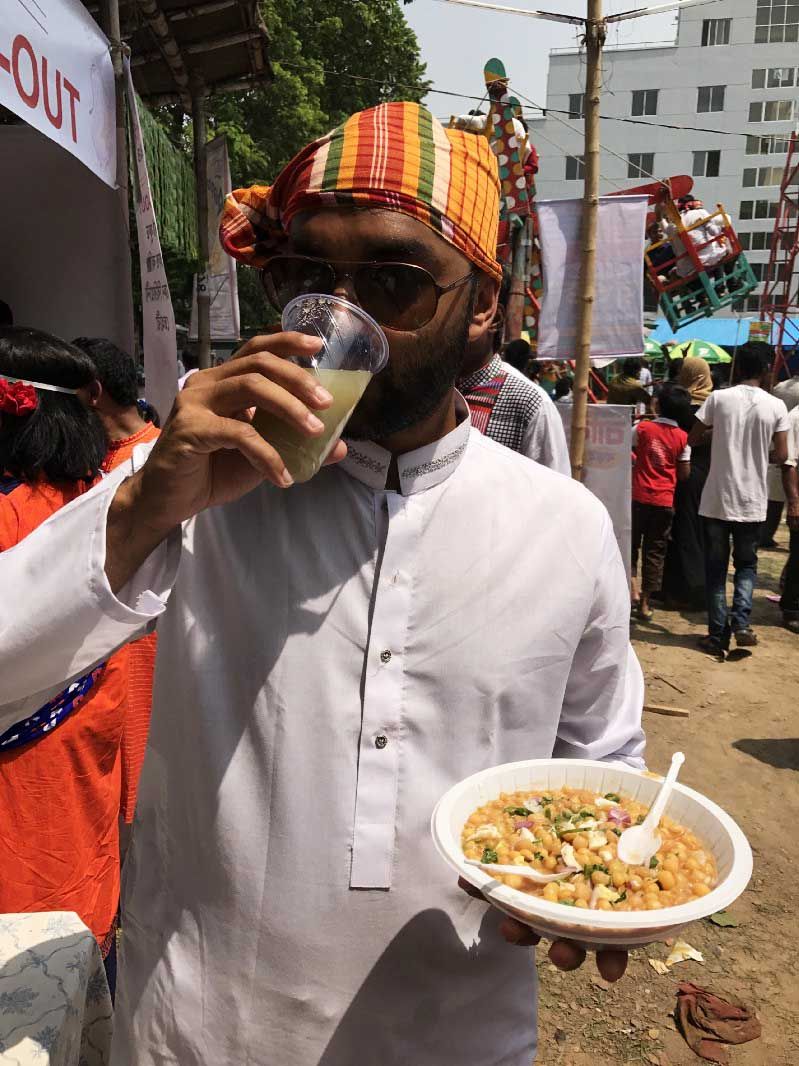
Rocking my gamcha as I sip raw mango juice — Dhaka
The streets were teeming with excitement. The roads were adorned with hand-drawn art, almost too beautiful to step on. Throngs of families dressed to the nines, in colorful Punjabis (Bengali for Kurta), saris, flower garlands, and gamchas. Throngs of women and men, Muslims, Hindus, Christians celebrating a cultural holiday with equal fervor — I realized I hadn’t experienced anything like this before. Paraders carried floats representing figures from Bengali traditional art — icons always excised in Islamic countries observing a more orthodox prohibition on graven images. There was something unique about the Dhaka spirit: a religious tolerance and an inclusion of women in public spaces less prevalent in some of its sister cities.

Banani, Dhaka — the site of my new residence
A pluralisic society
It was a theme I observed time and time again. 12% of Bangladesh’s citizens are Hindu, to the 86% majority of Muslims. Hindu temples and observances are a common sight throughout the country. (The remaining 2% are Buddhist and Christian.) It’s a similar majority/minority ratio seen in India, except that the 87% in India are Hindu. Protecting the rights of religious minorities has a doubly positive impact.
A pluralistic society fashions a bulwark against the religious fanaticism that can crop up in nation-states defined by a singular religious identity. All this lends itself to a remarkably progressive and liberal country. Bangladesh is a proud Muslim-majority nation, but Islam doesn’t pervade every conversation. Women appear to have broader options in their public appearance: saris, kurtas, western wear. A few women opt for the hijab; I heard this was a trend only recently imported from the Gulf.
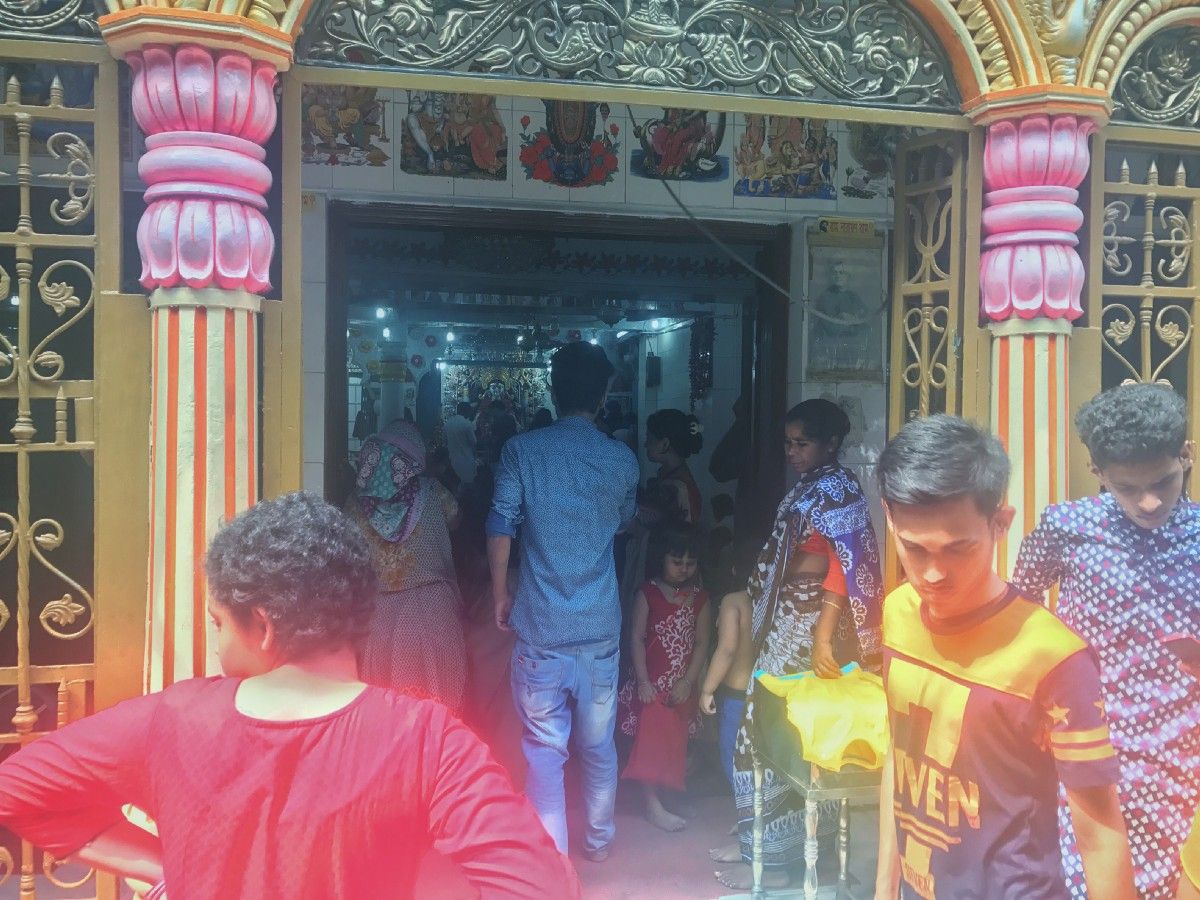
Hindu Temple, Old City, Dhaka
Perhaps this religious diversity might explain the security and stability I felt throughout my time, appearing more elusive many other places. Bangladesh does have a number of natural advantages. It’s a state of almost entirely a unitary ethno-linguistic group of Bengalis which mutes the ethnic tension more prevalent elsewhere. (Classism and the protection of indigenous rights are still problematic in Bangladesh, however.)
Bangladesh’s flat marshy terrain provides no cover for any insurgencies to mount. And the government, currently led by Prime Minister Sheikh Hasina, has been extremely effective at limiting private ownership of firearms. There was a terrible attack in July of 2016, whose horror I don’t mean to downplay — but deaths by terrorism are among the lowest in the region, and its homicide rate is almost half of the United States. The government rapidly ramped up security especially in high-risk areas and has been very successful at preventing any further incidents. Most notable is how effective yet unobtrusive the security is; no heavily militarized police forces patrolling the streets here.
With all this, it should be no surprise that Bangladesh is home to one of the fastest growing economies in the world, with a 7% annual GDP growth rate. Dhaka’s is even more impressive at 12%. There is a palpable excitement as economic opportunities are increasing across the ranks. New construction abounds, with mid-rise buildings around every corner. There is a burgeoning middle class whose purchasing power is being felt throughout.
Dhaka is currently building its first metro line, to be operational by 2020, which should help alleviate some of its traffic woes. It’s not hard to feel you’re witnessing the development of one of the 21st century’s most dynamic cosmopolitan capitals.
I was amazed but mostly ashamed by how much I had to learn about the 250 million people of the Bengal region, no further from my hometown of Hyderabad, India than Seattle is from San Francisco. This was yet another example of the myopia induced by nationalism — and shamefully, perhaps the superiority complex some Indians hold over their regional counterparts. As if a marginally higher GDP per capita justifies ignorance on the cultures, languages, and ways of near neighbors.
At first glance, it would be hard to differentiate Dhaka from Delhi or Bangalore (with the exception that auto-rickshaws are green east of the border.) The cityscapes, the traffic, the way people walk, or mix rice with curry with their hands — it was all the same. Visiting Dhaka felt like meeting a cousin I didn’t know I had.
The food

Chicken and potato curry with Rice, bhorta is the ball on the left.
I would be remiss if I failed to mention Bangladesh’s greatest seduction — its cuisine. A devotee of desi cuisine, diving into Dhaka dining was an unrivaled gustatory experience. It would require an entirely separate article (or book) to do Bengali culinary tradition even a modicum of justice — so for brevity’s sake I’ll mention just two highlights. Any description of Dhaka food must start with the bhorta — a style of food preparation involving freshly mashed ingredients ranging from vegetables like potatoes or lentils to seafood like dried fish or shrimp — served as a condiment to rice. Indians might be familiar with the eggplant (baigan) version of this dish, but it’s beyond me as to why we sample just one flavor of this broad style of cooking.
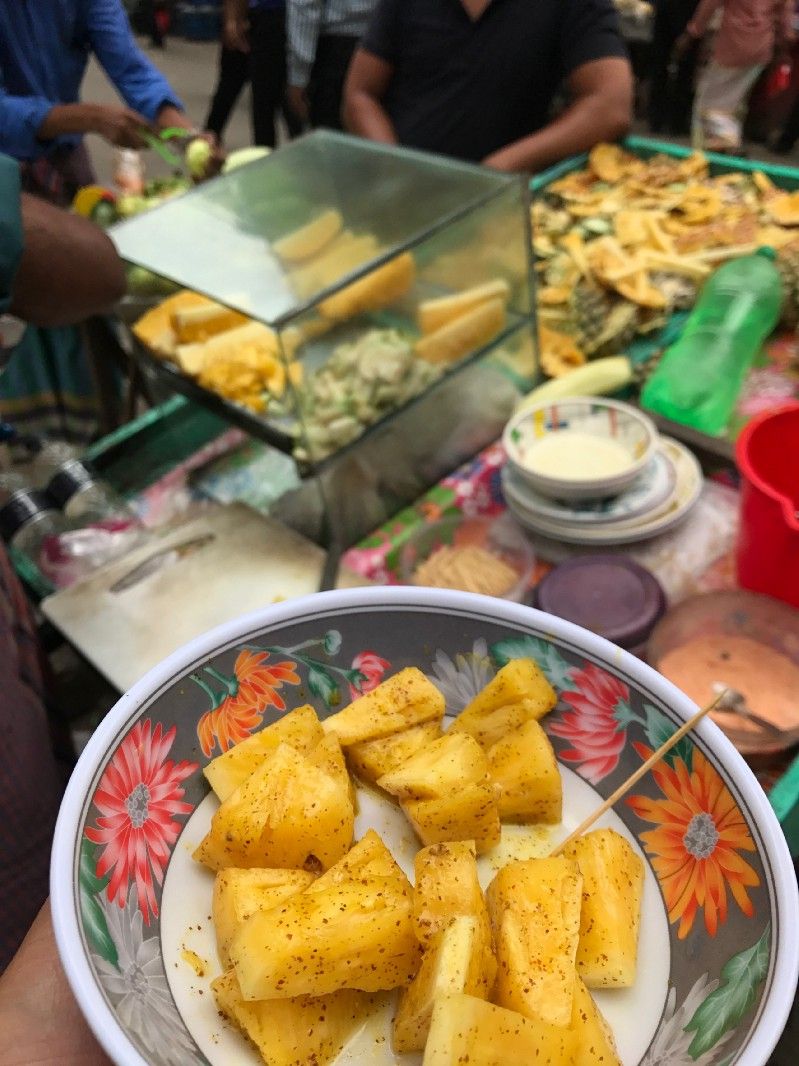
Pineapple with Kashondi — I was hooked on Day 1.
Next up is the entire flavor of mustard (shorshebat) that for reasons unknown is relegated to a background spice in other desi cuisines. The sharp pungent taste sits in strong contrast to other flavors in a dish and adds a unique element that was unfamiliar to me. One of the best uses of this, surprisingly enough, was in the kashondi mix to dress fresh cut pineapples sold by street vendors. I can already anticipate the skepticism — I’m certain there are no words to express the synchronicity pineapple can have with mustard until one tries for oneself.
***
With all this, it perhaps no surprise that I settled into a quick life in Dhaka. Unlike other destinations, this cultural overlap made it feel less like I was ‘touring’ Dhaka than living in it. Thanks to my initial introductions, I made a few close friends I was seeing regularly. Board game nights over home-cooked dal bhat torkari instead of running around searching for guidebook recommendations transformed my perspective of Bangladesh.

One of many game nights.
I met an excellent teacher and through my daily lessons I was making significant progress towards conversational Bangla. With the help of a flashcard app, and its high similarity with Hindi, I had acquired a decent grasp of the Bangla script on my flight from Kathmandu.
I even found a regular barber where we discussed Bollywood actors over a hot shave. I was so intoxicated with the city, I even started looking into jobs — setting up a few informational interviews with a tech startup in town.
Before I knew it, those 3 days in Dhaka had turned into 3 weeks. But competing priorities got the best of me — I had to other horizons to explore.
I had to further investigate the diversity of the Islamic world — so often lost in the monolithic media narrative — as preparation to study international affairs. Bangladesh was one piece in that story, albeit a key one. I grimaced as I booked my onward flight — and said my goodbyes knowing I would return soon.
This article originally appeared on Medium and is republished here with permission.
More like this: 18 facts about India that will surprise you

In a long distance relationship
Unless your relationship was already unstable before moving abroad, let it play out. Remember that the first 6 months are the worst. It becomes more tolerable as you adjust to the distance. Sometimes I even enjoy the space and freedom my LDR allows me to experience. I get the whole bed to myself and I never have to argue about what’s for dinner. The pros will never outweigh the cons, but try to be a glass-half-full kind of person.
Don’t let your relationship hold you back from living abroad.
If your partner won’t allow you to achieve your international goals, you might want to reconsider dating them. Of course, they will be super bummed to see you leave for so long, but if they aren’t willing to deal with that for the sake of your happiness, they’re probably not worth it. Explain why you want to chase this opportunity so they don’t think you’re just leaving them behind.
Trust is KEY. Discuss your boundaries before you leave. Stick to them while you’re gone.
Will you be in an open relationship? Can you be intimate with other people while you’re gone? Will you be monogamous? Will you talk every day? Every week? Twice a day? Will you visit one another? Ask questions. Lots of them. If you leave assuming that this is a break from your relationship and do something regrettable, it will get messy. Wounds are difficult to mend when you live thousands of miles apart. Live honestly and trust that your partner will too.
You will probably meet another charming traveler/foreigner/local. Don’t rush to end your long-term relationship over a fleeting crush.
Just avoid cheating altogether. When I lived in South Korea and Japan, almost all of my peers in LDRs cheated on their partners. Sometimes more than once… This was unsettling to watch. You are likely to meet attractive, charismatic people when you live abroad. Stay platonic if you want to make your monogamous relationship work.
Communicate often. Facetime and Skype are necessary.
Schedule Skype dates for a specific day and time if you have to. Even when you’re busy enjoying your life in a foreign country, don’t forget about your partner back home. This will be your primary method of face-to-face communication. Even if you only do it once a week, seeing your partner’s face makes all the difference. Oh, and send selfies. I hate doing this because it feels awkward and artificial, but they are greatly appreciated. If you’re comfortable with sending a sexy photo/text every once in a while, they’ll do wonders for maintaining intimacy.
Consider the time difference.
Before you send that text, check what time it is where they live. If it’s 4am, do not send the text. This goes for any form of communication that may wake them up or disturb them at work or school.
Send gifts, postcards, and thoughtful messages to your partner. These gestures are sincerely appreciated.
There are few instances that I felt happier than when I got mail from people back home, especially my boyfriend. My favorite gift was always American candy that isn’t available in other countries. Hint hint.
Every visit won’t be ideal and that’s okay.
Just because you’re overseas doesn’t mean that you won’t fight. You’ve adjusted to spending more time independently. Now your partner is sleeping in your twin bed, taking up too much space, and stealing all the blankets. They’ve flown all the way across the world to spend time with you. So cut them some slack if they arrive jetlagged and lethargic. Trying to load each day with activities generally sucks for both partners. Just enjoy being together.
Don’t forget why you love them.
All that time apart may blur your memory. You may feel distant from them physically and emotionally. This was a tough one for me as I was so preoccupied with work that I had trouble balancing my LDR. My anxiety was through the roof, but nobody helped me through it as much as my boyfriend. That selflessness is something I’ll never forget. The little, periodic reminders of our devotion to one another kept me sane and grounded for our year and a half apart. Stay by your partner’s side even if they’re 5,000 miles away. Eventually, you’ll be back together and it’ll all be totally worth it.
More like this: How to use technology for a healthy long-distance relationship
free places in Palestine and Israel
Move over, Airbnb. Travelers headed to Palestine and Israel now have the option of staying in a free apartment. Get in touch to reserve your time, pick up the key, and crash for free. It’s a good mantra that rivals even the pay-what-you-can concept gaining popularity in the United States. Not much comes with the apartment other than a bed, but hey — who needs luxury accommodations when you’ve got more money for eating and sightseeing!
Viral video creator Nas Daily bought apartments in both locations and is offering them up to visitors free of charge, in what he appears to hope will encourage tourists to visit both Israel and Palestine, instead of one or the other. Nas breaks it down in this video. Check it out.
Follow Matador on
Vimeo
Follow Matador on
YouTube
More like this Traveling through the Palestine you don’t see in the news

Eloping across USA
Getting married is a journey in itself. Sometimes the path from deciding to get married to the actual marriage part is long and fraught with price tags. Millennials are eloping more and more these days, and with good reason: the average wedding costs 30k these days. If you don’t want to deal with bills, budgets, or who makes the cut for the guest list, go ahead and cut them all. Elope instead! These wildly romantic images of elopements all across America — starting west and moving east — just might get you thinking about running away from it all … together.
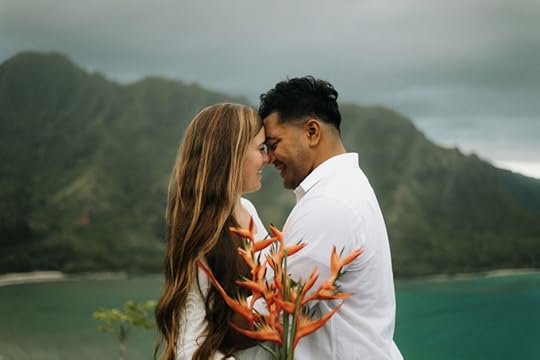
1
Hawaii
Obviously.
Photo: Riboldi Ventures
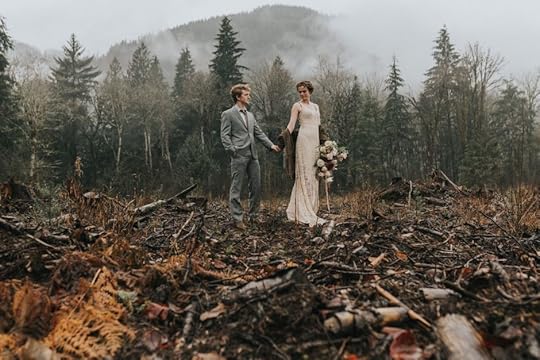
2
Moody Washington
Washington State is ripe with mountains and coastline. If woodsy and wild is your game, this could be the place to say "I do."
Photo: Delilah Summer Rayne

3
Misty Oregon
Back on the mainland, Oregon's got that coastline we all know and love. With such massive beaches, there's no trouble finding a private spot. If the fog rolls in, all the better.
Photo:
Myrtle and Moss Photography
Intermission
Culture Guides
13 memories you have if you grew up in Michigan
Cathy Brown
Jan 31, 2018
Budget + Backpacker
6 ways to save money on your trip to New Orleans
Karlin Riles
Jan 30, 2018
Couples Trips
The honeymooners’ guide to Hawaii: Everything you need to know for a romantic trip
Jocelyn Idriss
Nov 28, 2017

4
Wed among giants
Not too far from Oregon lies another grand option: Sequoia National Park. Stand among these trees and simultaneously feel teeny tiny while having the biggest moment of your life.
Photo:
Helena and Laurent
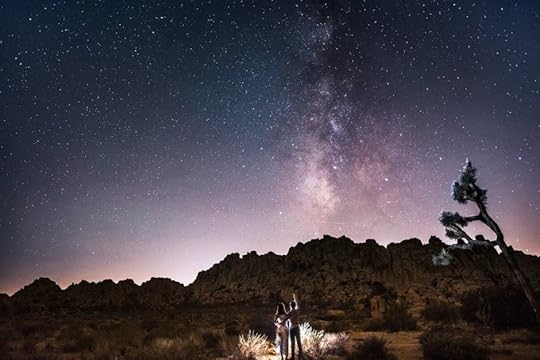
5
Or under the stars
Like the ones that come out in Joshua Tree.
Photo:
Victoria Johannson Photography
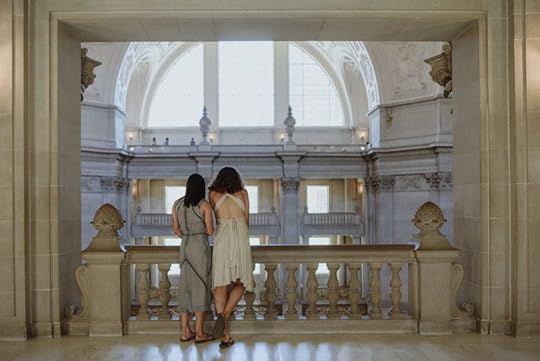
6
City Hall
Sure, you could go to just any city hall. But why not go to the one in San Fransisco? It's kind of a pilgrimage site for elopers.
Photo:
Helena and Laurent
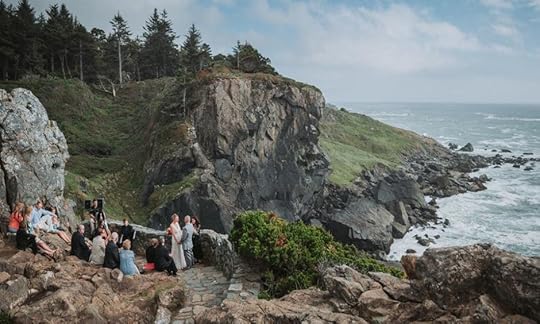
7
The aptly named Wedding Rock
Found outside Trinidad, California. And yes, it's still an elopement with a small crowd. You do need some witnesses, after all.
Photo: James and Melissa Photography
8
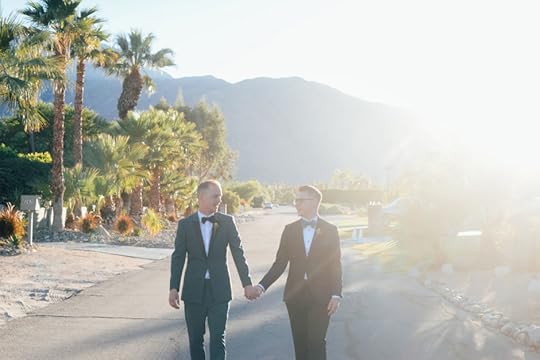
Nostalgic Palm Springs
If you aren't about Cali Beaches, move inland. Arid Palm Springs has that heyday California feel about it from bygone times.
Photo: Laura McCormick
9
That arizona heat
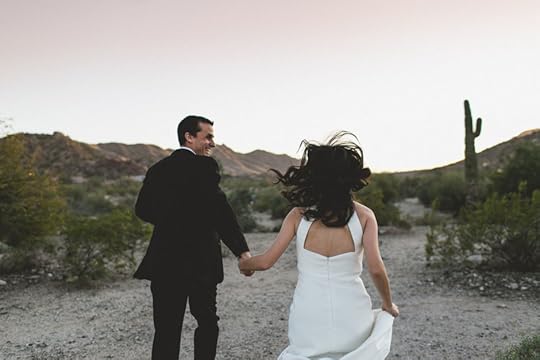
If you've got boho style, desert, stone ruins, and cacti are waiting for you and your vows. This image is taken in Scorpion Gulch, outside of Phoenix, Arizona.
Photo: Jennifer Van Son
Intermission
Infographics
Mapped: The most distinctive causes of death in each state
Henry Miller
Jan 17, 2018
Sponsored
12 short road trip routes that take in the best of America
Jacqueline Kehoe
Jan 8, 2018
Sponsored
Norway: The ultimate adventure for couples
Matador Media House
Oct 24, 2016
10
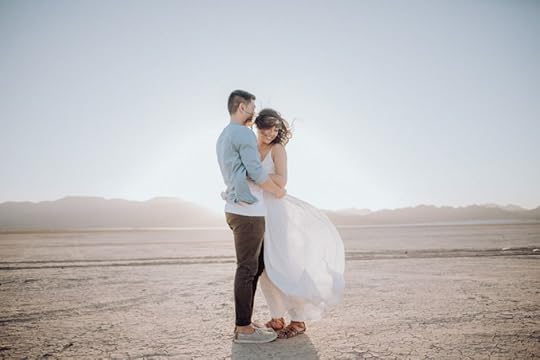
Las Vegas. Of course.
The epitome of eloping. Except, you don't have to do the Strip. Head out into the desert instead.
Photo: Candida and Max Jan.
11
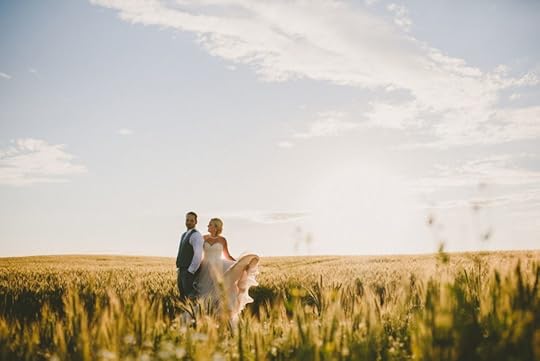
Roaming the fields of Idaho
Like Palouse. Be there in the soft end of day light - you won't regret it.
Photo:
ShutterKey Photography
12
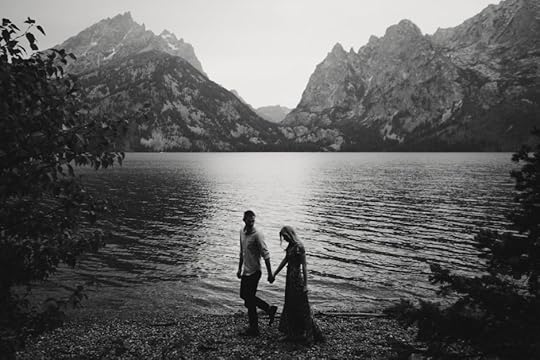
Grand love
Begin a new chapter under the magnificent Grand Tetons, WY.
Photo:
Rosey Red Photography
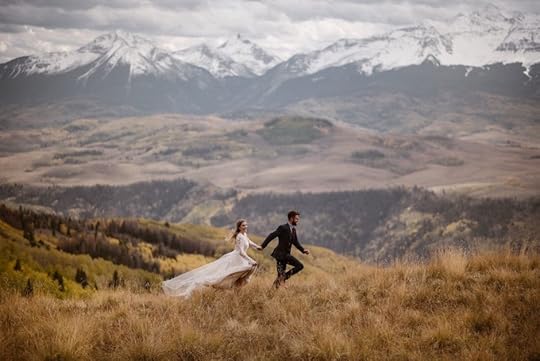
13
Run Away to the Mountains
Like these ones, in Colorado.
Photo: Maddie Mae Photo
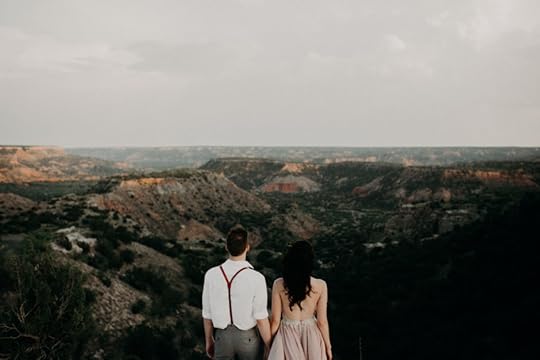
14
Wide open Texas
Stand on the edge of Palo Duro Canyon and shout your vows into the wind.
Photo: Ritter Collective
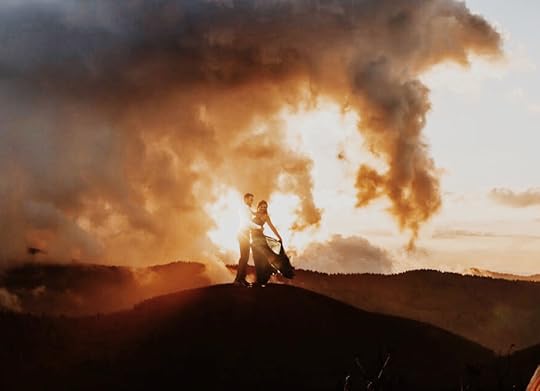
15
The Appalachian mountains on fire
Just outside of Nashville, TN, in this case.
Photo:
Katherine Ilona Photo
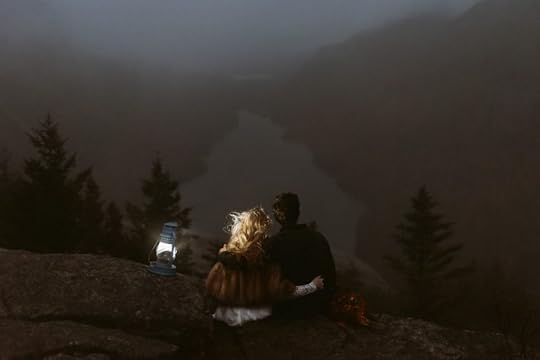
16
Dusk over New York State
Peer into the trees and watch the stars come out in Keene, New York.
Photo:
Mountainaire Gatherings
17
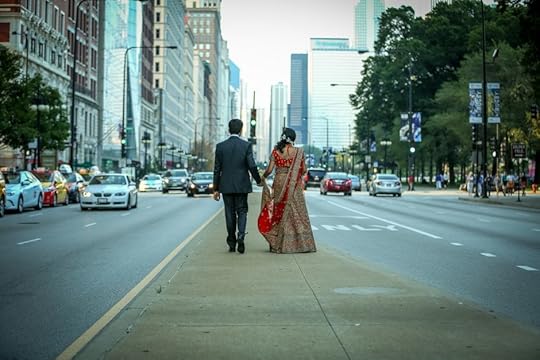
Engulfed by the Big Apple
Run away to the big city.
Photo:
Kathryn Cooper Photography

18
US Virgin Islands
Because this list begins and ends in paradise.
Photo:
Kathryn Cooper Photography
More like this: Here’s why British Columbia is the most romantic place to elope (and how to pull it off)

map of the most innovative nations
The United States is no longer among the top ten most innovative nations, according to Bloomberg’s 2018 Innovation Index. This is the first time the US has been knocked out of the group of nations leading the world in innovation since Bloomberg’s rankings began six years ago.
The ranking system looks at seven equally-weighted national measurements, including patent activity and R&D investments, in order to find out how the world’s most innovative countries stand against each other.
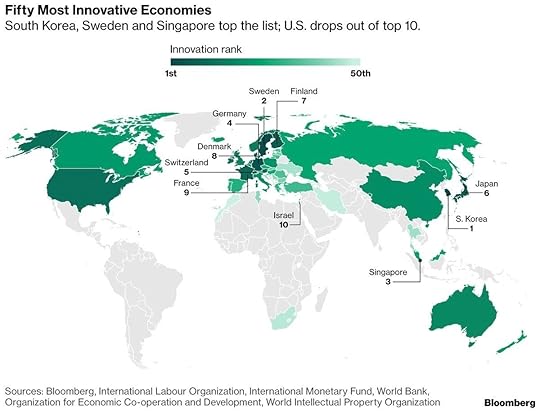
Photo: Bloomberg
While the US productivity score went up in 2017, declines in the “value-added manufacturing” and science and engineering graduates in the labor force dragged the birthplace of the internet out of the top ten.
Meanwhile, the much smaller nations of Sweden, Singapore, and South Korea led the pack. South Korea has been ranked #1 five years in a row, an accomplishment that Bloomberg attributes to its suppliers of smartphones and other digital equipment. For more details and a list of the top 50 most innovative nations, I strongly recommend you check out Bloomberg’s breakdown.
Only one nation moved into the top ten this year: France, a fact that is difficult to separate from French President Emmanuel Macron’s promise to award million-dollar grants to US climate scientists if they move to France. That offer was made in the wake of the Trump Administration’s controversial decision to exit the Paris Climate Agreement last year. In a cheeky slight against the President of the US, the grants were named “Make Our Planet Great Again” grants.
More like this: When we talk about innovation, don’t think about Silicon Valley. Think about these places instead

Save money on your trip to Rome
Rome is certainly not as expensive as London or Paris. But as a capital, it is less affordable than other cities in Italy (except for Milan). If you do as the Romans do, you will be able to keep your travel cost as low as possible. The following tips will help you save time and money, and some of them will even bring you an authentic experience of the local life.
1. Cheap eats
It is super easy to find good food such as pizzas, pasta, panini, and snacks anywhere in Rome on a budget. Some of the cheapest (but best) pizzerias in town are La Boccaccia, Pizzeria da Simone, and Bonci, where you can get a piece of pizza for as little as 3 euros. For a fancier pizza place where you can sit down, go for Dar Poeta or L’Antica Pizzeria da Michele. To dine there would cost no more than 15 euros per person (including drinks). Similarly, inexpensive but delicious pasta dishes are served at Trattoria Da Enzo, Virginiae, and Est-Artigiani del Gusto.
Good places for panini and small bites like supplì (fried rice balls) are Supplizio, Supplì, Trapizzino, and Mordi & Vai. If you dine at a restaurant, skip desserts and have a gelato instead for only 2-3 euros per person. Some famous gelaterias are Fiordiluna, Gelateria La Romana, Frigidarium, and Old Bridge Gelateria.
My final tip for you is to avoid touristy restaurants, where waiters are eager to draw your attention, because they tend to charge a high “table” fee (a substitute for a service fee), and the food is often not worth trying.
2. Have a coffee like a local.
Do you know that it is cheaper to have a coffee at the bar than having it at a table? It is true that locals tend to stand up while having their coffee because they would not be charged a “sitting” fee. Do not be afraid to check out famous coffee places such as Sant’Eustachio Il Caffè and Antico Caffè Greco. As long as you do not sit down, it is not expensive to experience the coffee culture here.
3. Free museum Sundays
A lot of people have said to me that Rome is an outdoor museum because they saw history and art in every corner of the city. Apart from the historic outdoor sights such as the Colosseum, the Roman Forum, and the Trevi Fountain, you should not miss the amazing art and archaeology museums in the capital. On the first Sunday of each month, state museums offer free entries for everyone. Some of the most important ones are Colosseum and Roman Forum/Palatine, Museo Nazionale Romano (Palazzo Massimo, Palazzo Altemps, Crypta Balbi, Terme di Diocleziano), The Borghese Gallery (booking required), Galleria Nazionale d’Arte Antica-Palazzo Barberini, and Galleria Nazionale Arte Moderna.
Click here for a full list of museums.
4. Take advantage of the free attractions.
Luckily, you can see most of the must-see attractions in Rome for free. The most popular ones are the exterior of the Colosseum, Piazza Venezia, Trevi Fountain, the Spanish Steps, and the Pantheon. It may sound obvious to visit these sights during your first time in Rome. But do you know there has been a suggestion that the Pantheon should start selling entry tickets? So visit the interior of this magnificent monument while it is still free! And who knows what kind of entry tickets they are going to introduce next!?
Apart from those popular places, enrich your visit with some off-the-beaten-path locations and best-kept secrets such as the historic library Biblioteca Angelica, the public park Villa Doria Pamphili, the Aventine Keyhole, the Protestant Cemetery, and the Pyramid of Cestius. All are free of charge to see.
5. Panoramic views at no cost
You do not have to spend a fortune on dining at a high-end restaurant or ordering expensive drinks from a fancy rooftop bar to get a beautiful view of Rome. Once in Rome, do not miss the panoramic views from the following locations: Giardino degli Aranci, the Gianicolo Hill, and the terrace of the shopping center Rinascente Roma Tritone.
6. Travel during the “saldi” periods
Saldi means sales. To shopaholics, the best time of the year in Rome would be January and July, when the sale season is at its peak. The sales during those months are crazy, sometimes up to 70%.
Compared to the month of July, January will definitely be a better time to visit Rome because you will get very good deals on accommodations… unless you are afraid of the cold. But I must say, the heat in July is not pleasant either!
7. Use MyTaxi’s promo codes.
Of course, you can save money by using the public transportation at a cost of no more than 1.50 euros per bus/metro ticket. But if you live in Rome like me, you will know that public transit is only for people who have plenty, plenty, and plenty time. The public transportation system is not reliable. Also, there is often a strike every two weeks, on a Friday.
When you have only 2 or 3 days but want to see as much as possible, just walk or take a taxi, when necessary, to save time. In the latter case, it is most likely that you will be ripped off for being a foreigner (unless you order your taxi from a reputable hotel or a restaurant).
A way to save money is to download the app MyTaxi and order a taxi using it. They tend to offer promotion codes for first-time users and referrers (I saved 35 euros for using this app in Rome), but only if you pay via the app. If you do get ripped off by your taxi driver who does not use a taximeter, report the incident immediately via the app (this way is quicker and easier than arguing with an Italian driver), and you may get a compensation in the form of a promotion code.
Finally, use the train or buses instead of taxis to get to and from the airports.
More like this: This is the best video of Rome you’ll ever see
NEPA slang
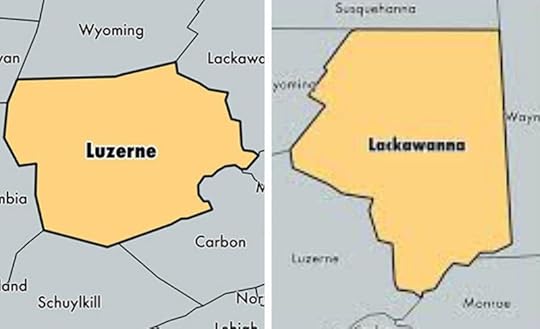
You live in Lackawanna or Luzerne coun-y?
2. Couple two-tree
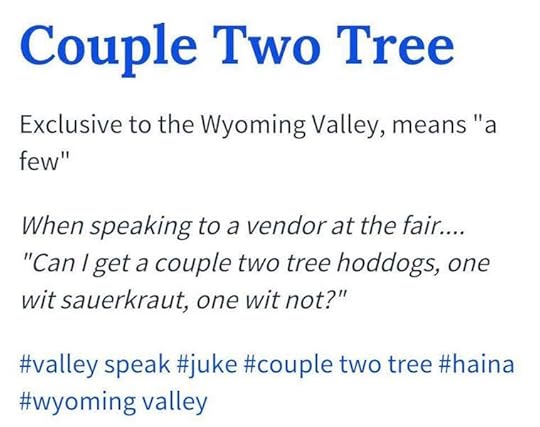
Can I get a couple two-tree slices of bread?
3. Tamayda

I’ll have a BLT with extra tamayda.
4. Youse

Youse guys going to the baseball game tonight?
5. Prolly

I’ll prolly go there after I’m done running errands.
6. Sammich
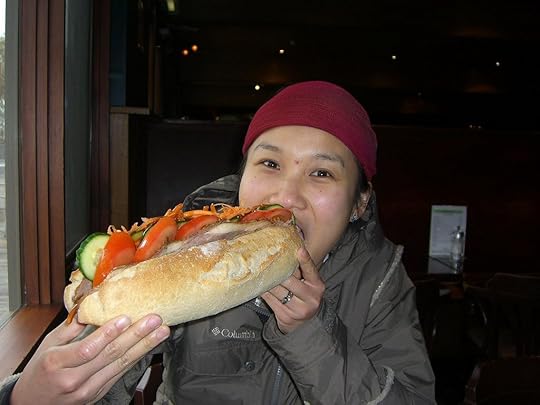
Photo: Alpha
if I don’t get my sammich in a second I’m going to flip.
7. Spelt

I got out of the speeding ticket cuz the cop spelt my name wrong.
8. Hawdogs

Photo: Clicker
I need to get my fix of Abe’s hawdogs.
9. Heyna or no?

Philadelphia is going all the way this year! Heyna or no?
10. Nannycoke

I grew up just outside Wilkes-Barre in Nannycoke.
More like this: 7 things Philadelphians love to hate
Matador Network's Blog

- Matador Network's profile
- 6 followers

