
Horton Deakins's Blog, page 24
November 9, 2011
Road trip in northern Japan
Here's some photos of the countryside, old temples, houses, and a mill with a water wheel, all sights I saw on a road trip I took — one I have absolutely no memory of.
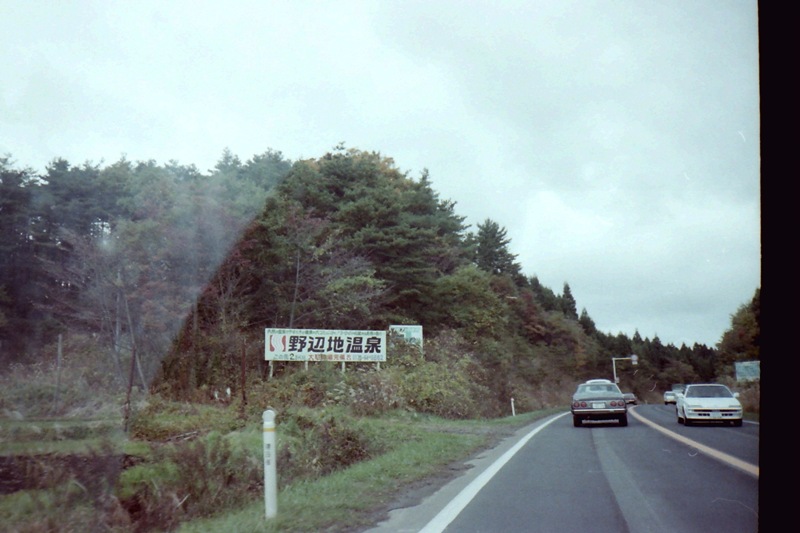
Drive on the left
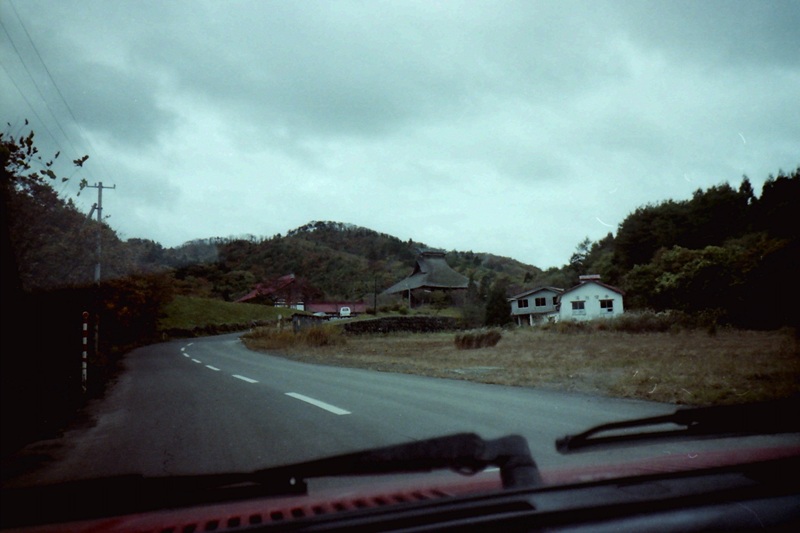
Assorted structures
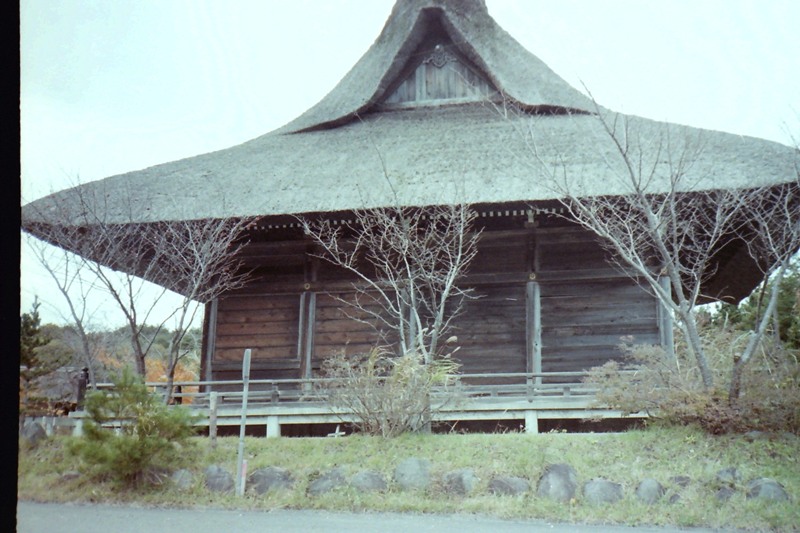
Temple
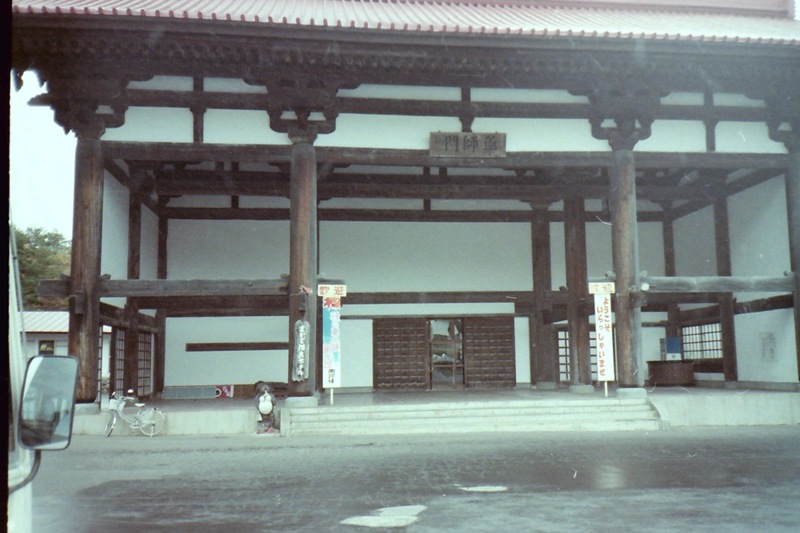
The sign on the right says, "Welcome!"
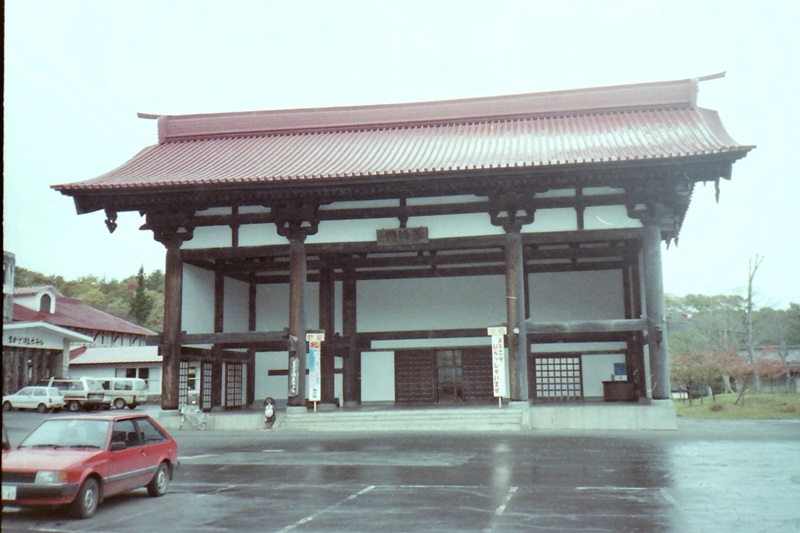
Temple from farther back
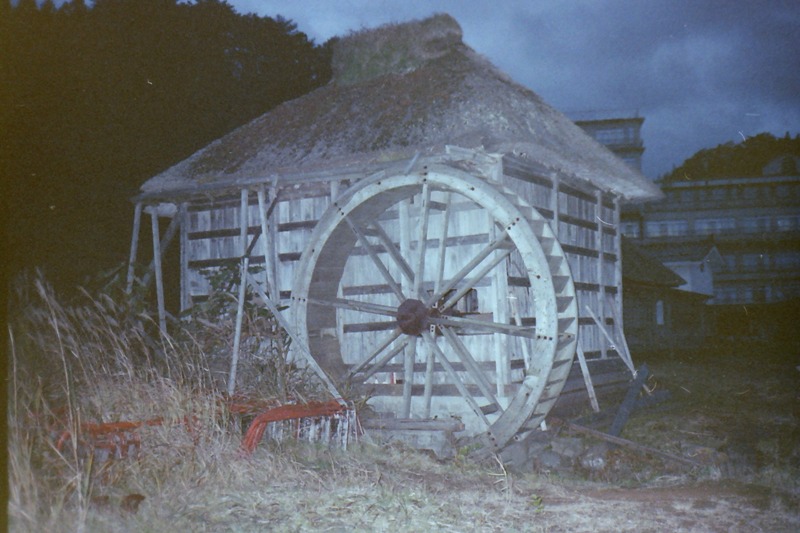
Mill with water wheel
No idea what was powered by this overshot water wheel. Likely it was machinery, as they probably didn't have access to wheat in this area during the era this wheel was used, and nobody grinds rice — except for me, when I ground some in a coffee mill last week. It cooks really fast when it's ground, but it doesn't taste so good. The coffee grinder reduces it to the consistency of cornmeal or Malt-O-Meal, and although it cooks about as fast as couscous, the texture just doesn't feel right in the mouth. It was just an experiment, anyway. I was hoping the grinder would make a finer flour, but no such luck.


November 8, 2011
Photoshopping before computers
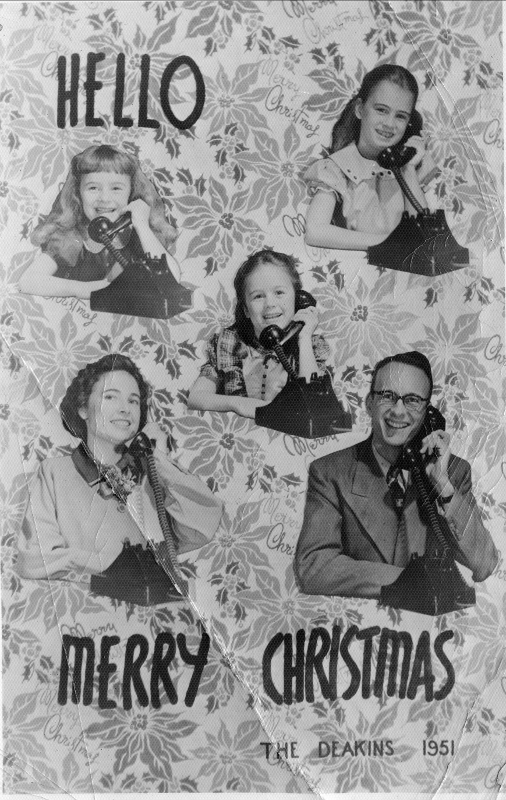
Christmas Card, 1951
What did people do to manipulate images before computers? Above is an example of what my father did. He made the family Christmas Cards with a camera, a darkroom and developing chemicals, and a little creativity.
So, how did he do it? Those of you who have never known a world without computers and special software to perform such tasks would likely be scratching your heads if someone were to take away your electronic toys and tell you to produce something like this. Most of you have never had to take mechanical drawing (drafting) in school, and some of you have never even taken photos with film, much less had to develop them yourself.
I'll try to explain the process to you, but remember all this happened in 1951, long before many of you were born. First, he took photos of each family member separately (I am conspicuously missing, for good reason!), including a photo of himself, using a timer to release the shutter (a shutter is an internal part of the camera that shields the photosensitive film from all light until time to capture an image). Then he developed each photo in his darkroom, printed the photos on photo paper (actually another photograpic process–no "printing" machine or inks involved), dried the paper, and then he cut out, using scissors, each image and pasted them onto the card. After that (or perhaps just prior to that), he used a pen to ink the Christmas greeting. With the ink and paste dry, he set up his lighting, carefully avoiding glare, placed his camera on a tripod, and took a photo of the completed card. Then he developed this final photo and printed as many cards as he planned to send out, with one extra card to keep–the one you see here.
Easy, right? Well, I'll tell you this: he impressed a lot more people with his trick photography than you will likely ever impress with your photoshopping–or he would have, had he access to the Internet. But in that case, of course, he would have had a computer.
Would you have ever guessed that Dad worked for the phone company?
November 6, 2011
Strongest earthquake in Oklahoma recorded history
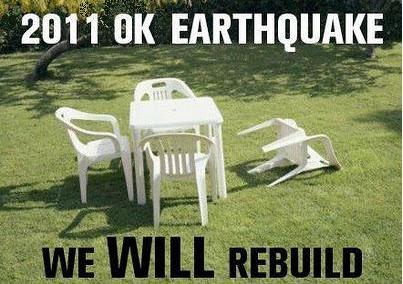
Oh, the humanity!
You just can't imagine it until you've been through it–fifty-six on the scale … no, wait … where did I put my decimal places … ah, yes, here they are.
Correction: five point six.
November 4, 2011
Sapporo mou sukoshi dewa kaerimasho
After seeing just a few more sights in Sapporo and sampling their food and drink (and how readily some establishments would take advantage of us gaijin), we took the train from Hokkaido back through the undersea tunnel to Honshu and home to Misawa. That tunnel passed through no less than six major fault lines–maybe they said seven. Anyway, some guy in the military was passing around his bottle and I don't remember much of the trip home. It was dark.
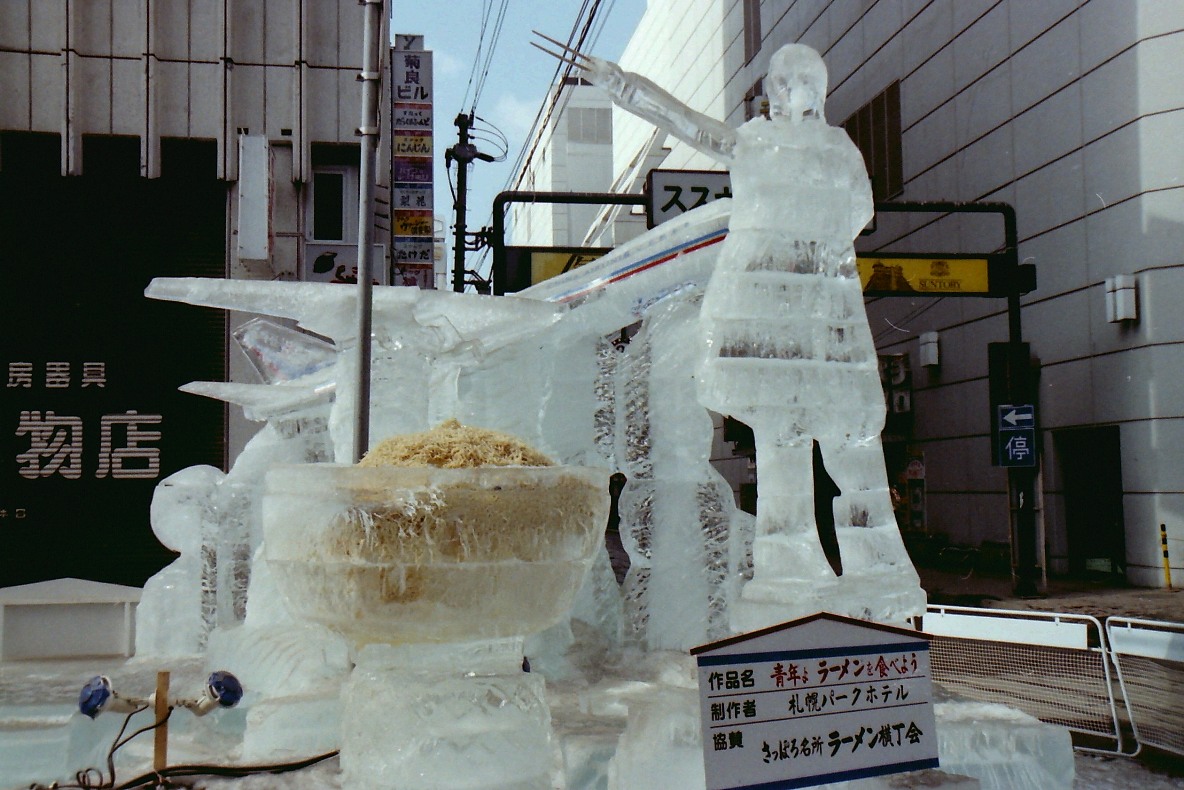
Noodles galore
In Oklahoma, we have a different definition of "noodling." The ice man with the chopsticks (ohashi) is life-sized, so that's a whole-lotta ramen!
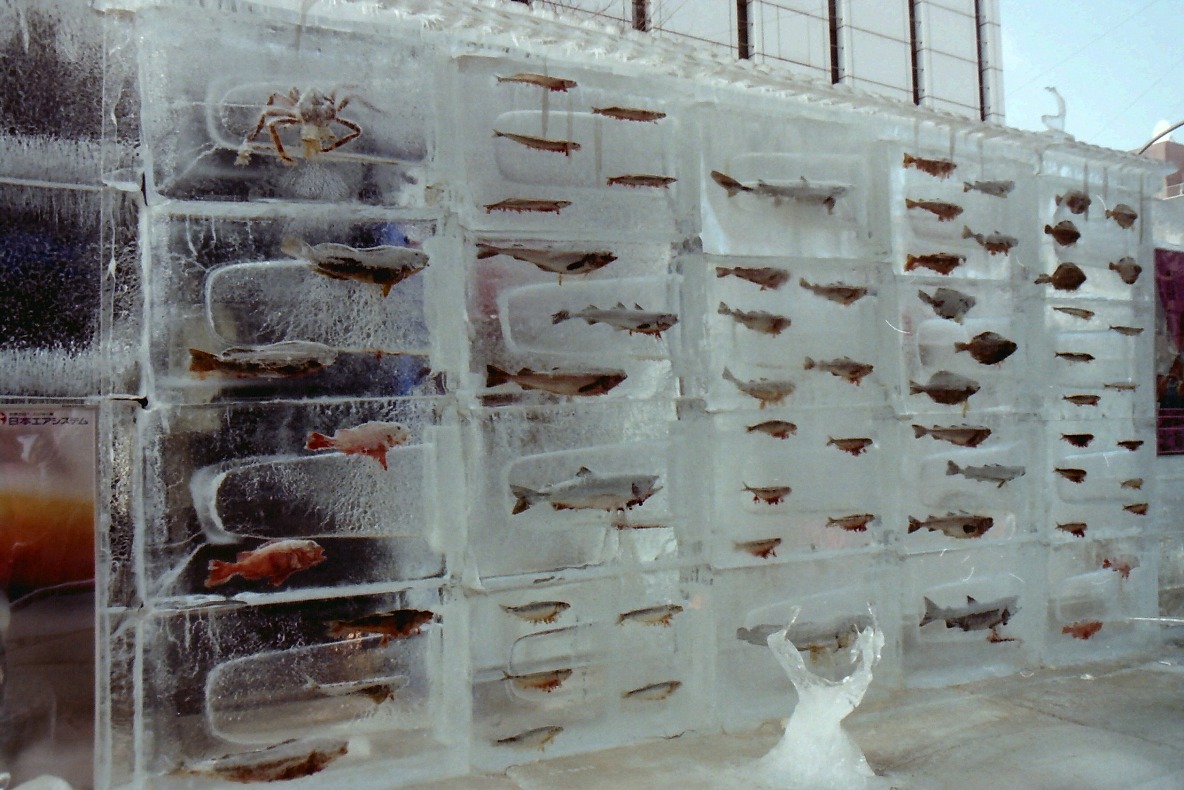
Sashimi, anyone?
Here's the one I've been saving. Looks like the Snow Queen's version of a diver's fish identification card, doesn't it? Pretty amazing that they got all those species of fish, but at the same time it was pretty gross, since the weather was warming and you could see blood dripping out of several of the fish.
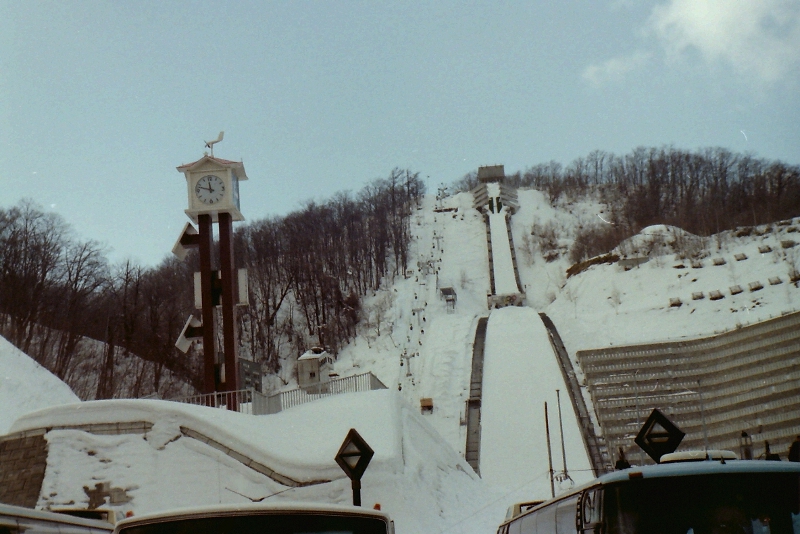
Olympic ski jump
They didn't let us get out of the bus for this one, but I got a couple of decent shots just the same. This is the ski jump from the 1972 Winter Olympics–seventeen years prior.
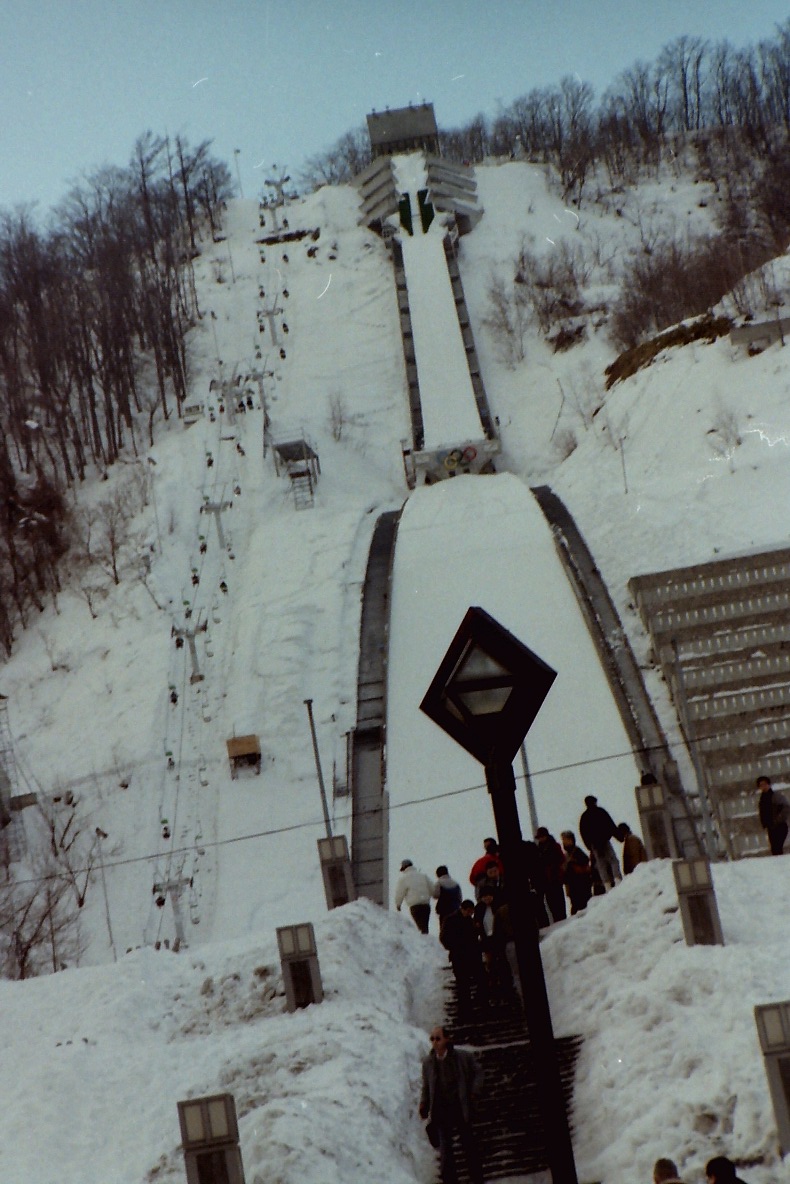
1972 Olympic ski jump
Here's a closer view of the ski jump. Still a tourist destination after all those years.
I don't know what's next in my Japan photo negatives album. When I get something scanned in, we'll experience it together. Dewa mata, ne.
November 1, 2011
(I'm) Back in Sapporo again
We're winding down to the end of the 40th Sapporo Yuki Matsuri. I'll be showing you only a couple of ice sculptures in this posting, but we'll also take a look at some of the other scenes Sapporo has to offer.
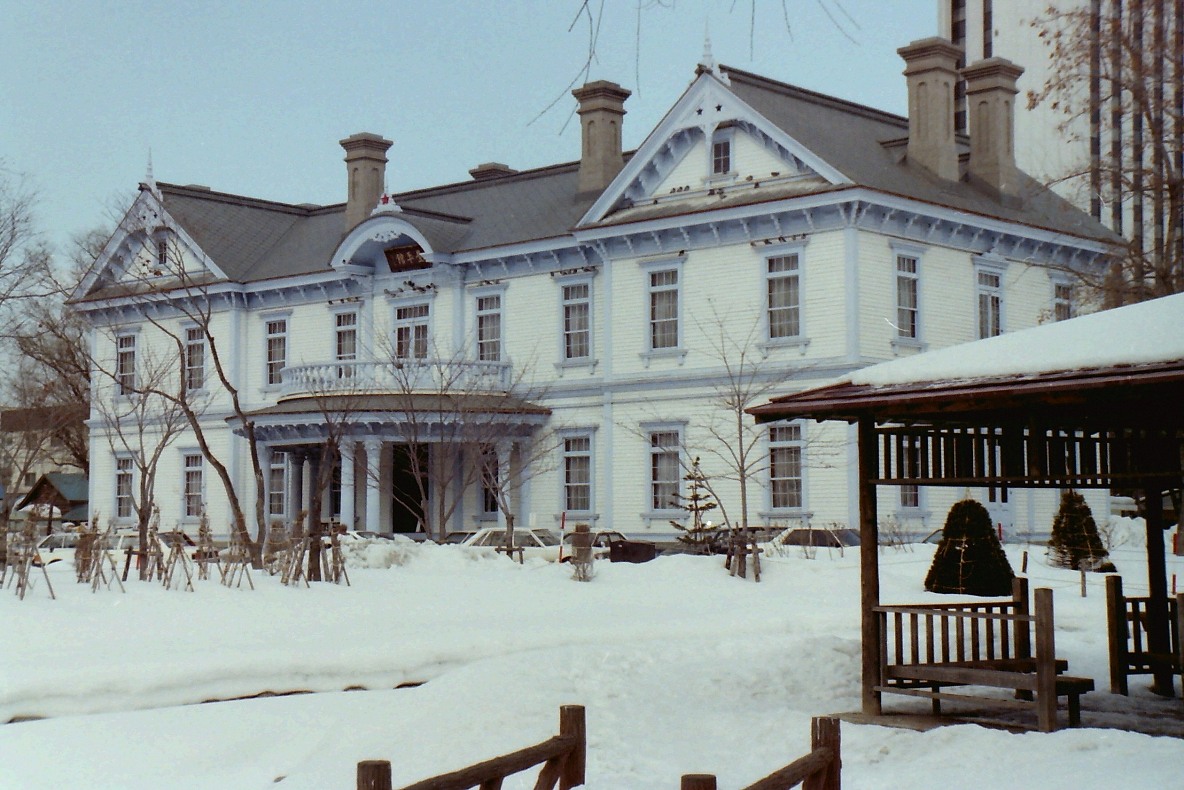
Could it be America? No! It's Japan.
Check out this very victorian-looking structure. It could be anywhere east of the Mississippi, but it's way, way east of there, in Sapporo, Japan!
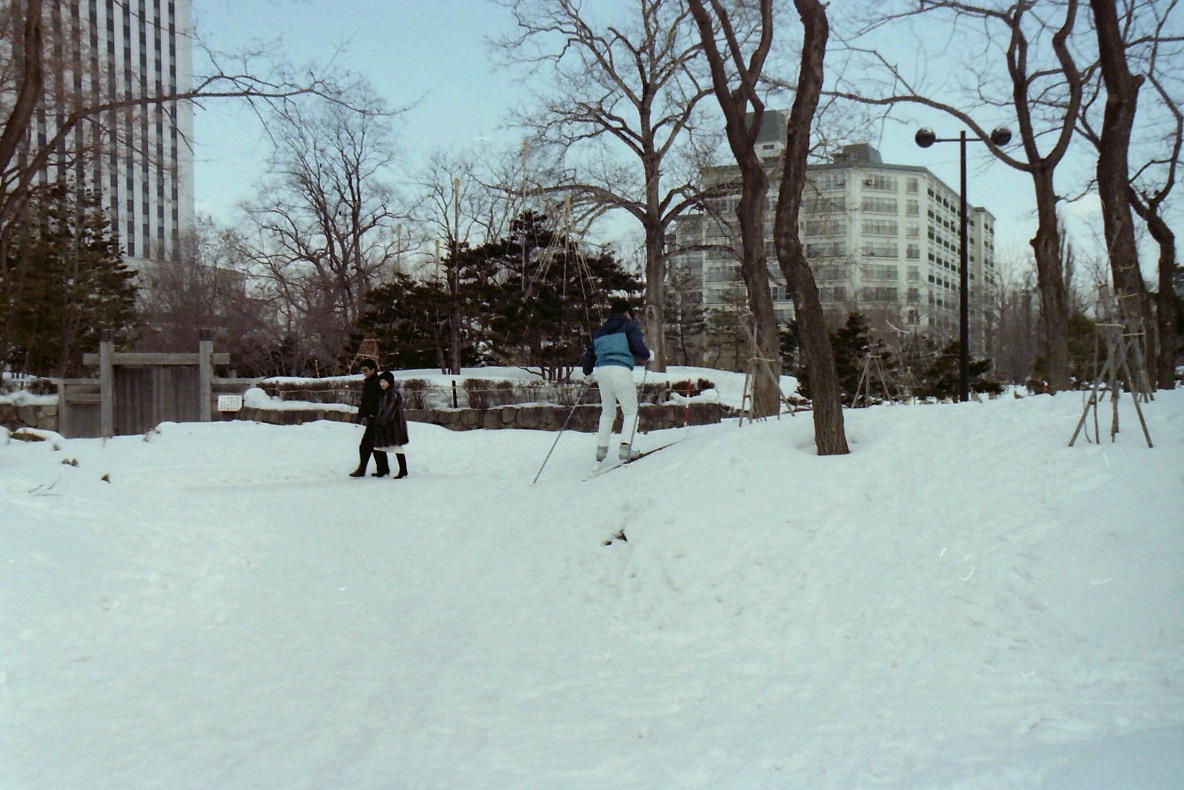
Ski when and where you want.
Bring your skis, and have at it!
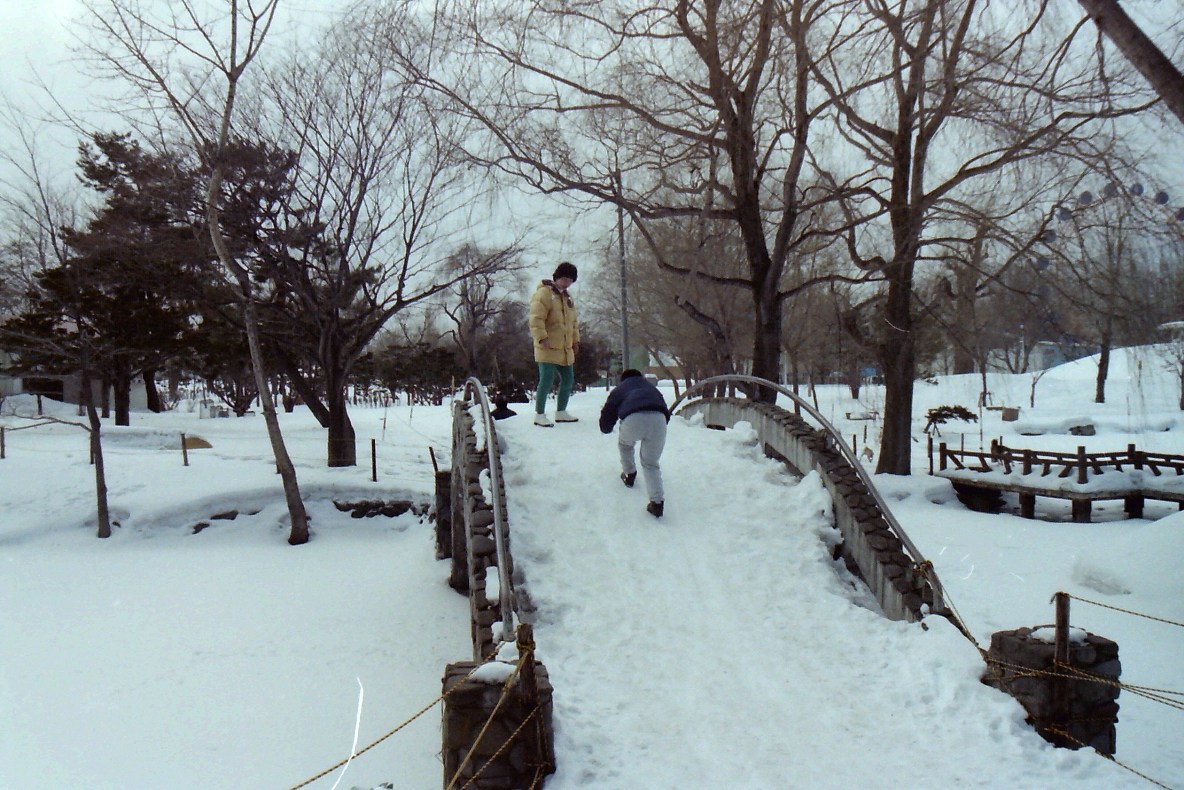
Wouldn't it be easier to just go around the bridge?
I suppose it was a challenge well met.
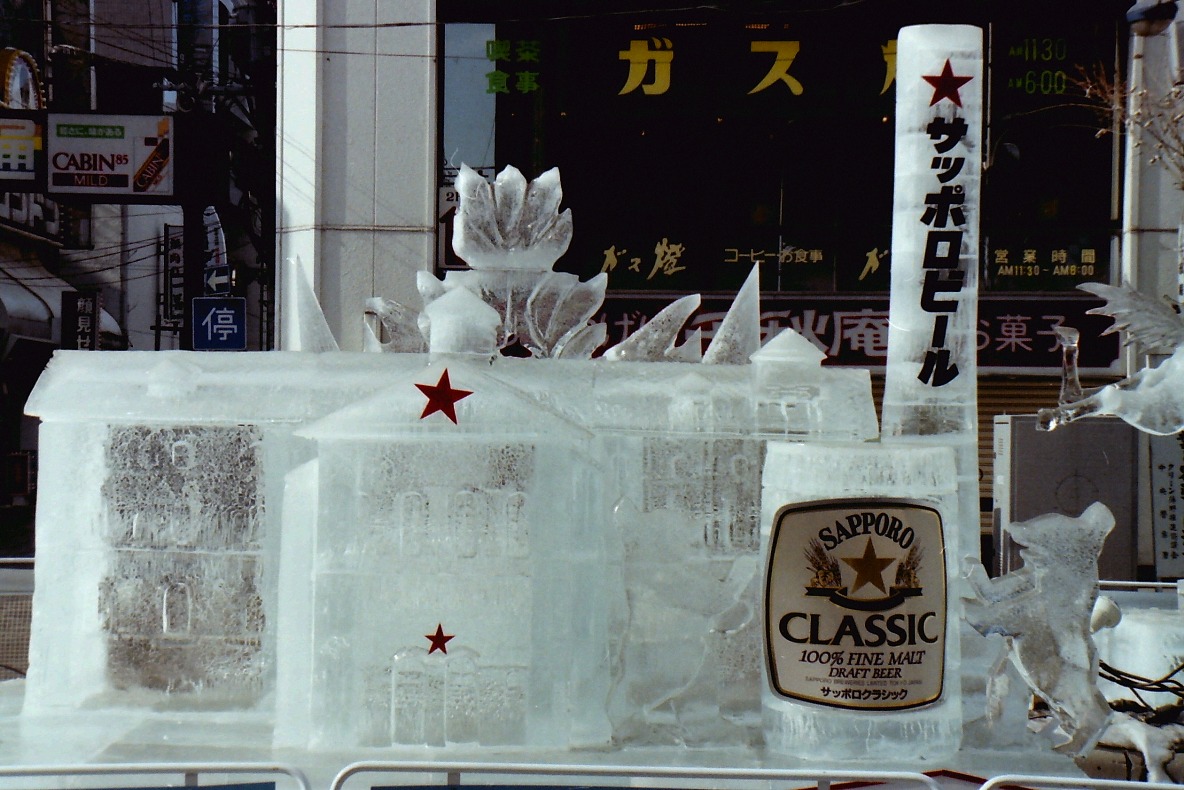
Sapporo Brewery ice sculpture
Kinda hard to do those labels with only ice to work with, I guess.
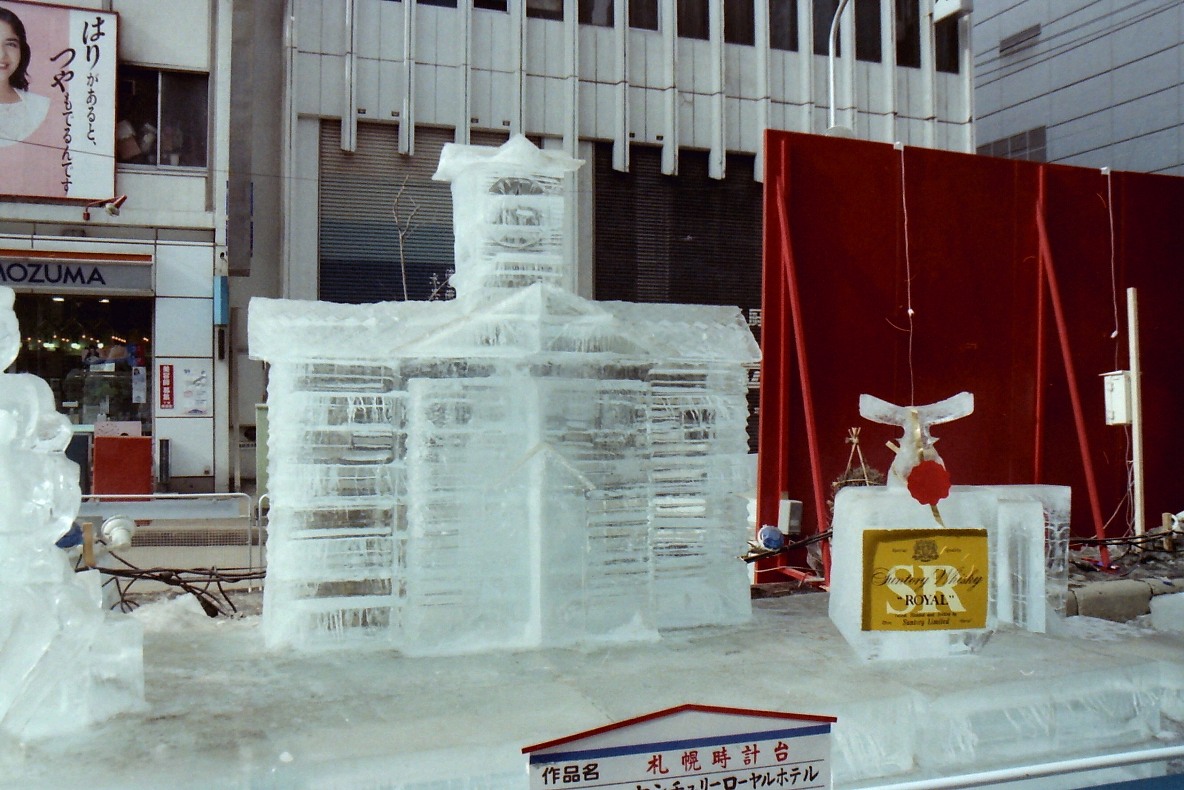
Getting thirsty yet?
I guess this is supposed to look like the place where they distill Suntory Whiskey.
I'm saving the best ice sculpture for last (next time, that is), along with a photo of the ski jump that was used in the 1972 Winter Olympics.
October 30, 2011
Grateful to have escaped disaster
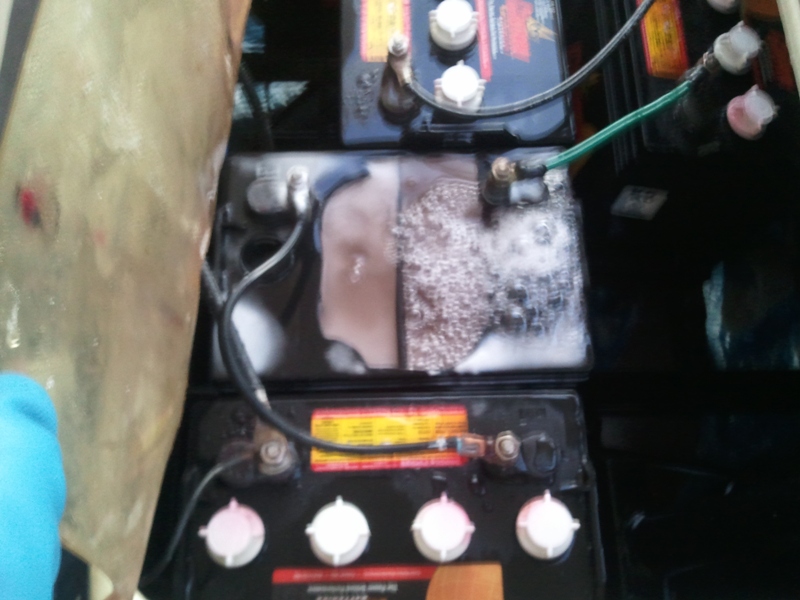
Battery after explosion
We are very, very fortunate, indeed. Our house could easily have been burned to the ground, quite possibly with our dog inside, locked in a kennel.
The battery in the center of the above photo formerly looked exactly like the one below it. It was one of six batteries in a golf car that my father-in-law gave us before he died. Why does this battery look different? Because hydrogen built up pressure in the battery while it was being charged, and it caused the battery to explode. It was under charge for several years, quite a number of months since it was last serviced. We've never actually had it out on a course. Had there been a spark, the hydrogen would have ignited and the golf car would have been history. This electric vehicle was packed into a tight space in our garage, and it was surrounded with boxes and other tinder-like items. Nearby was a cabinet with campstove fuel, propane bottles, turpentine, and other flammable substances. Cans of paint were even closer.
Why I didn't recall my father's advice until after the explosion, I'll never know. When I was young, battery charging was just one of the many chores that had to be done, and Dad admonished me to always loosen the caps on a battery's cells when it was undergoing more than a trickle charge. He knew well that a charging battery gives off hydrogen, and an exploding battery is simply not much fun. I spent five hours today trying to neutralize the battery's sulphuric acid with baking soda, even having to make a trip to the store to get more of the sodium bicarbonate. I used nearly ten pounds of the stuff, and the golf car is still sitting out on the driveway with the battery bubbling. The picture is slightly out of focus, but you can see the bubbles in the acid as the soda does its thing. I sure could have used some NaOH (Acid + Base => Salt + Water).
Alas for poor Johnny,
We'll not see Johnny more.
For he has poured his H2O
Into his H2SO4
October 28, 2011
The old home place
Just one photo today, mes amis. A cousin just sent me this colorized version of an old tintype photo of my great grandfather, David, along with his third wife (not my great grandmother), his hired hand holding the mules, and the house he built from bricks he made himself. My grandfather helped with that process, as I'm sure some of his brothers must have, also.
I already had a black and white version of this photo, but it was quite the treat to receive this colorized version. The location is on Looney's Creek in the Sequatchie Valley, Tennessee. David was one of nine brothers, and he was one of maybe two of them who served with the Union Army during the civil war. The rest were Confederate soldiers, which I'm sure made for interesting family get-togethers. I believe one of them even rode with Bedford Forrest, for whom Forrest Gump was named.
This photo was taken sometime between 1901, when he married his third wife, Mary, and 1911, the year he died. My grandfather's first wife also died that very same year, so that was obviously a difficult time for him. He married my grandmother in the fall of the following year, and less than ten years later they moved, along with their three children, to Oklahoma.
[image error]
The old Tennessee farm
October 26, 2011
A few more king-sized icicles
It's going to take a few more days to show you the rest of my trip to the Sapporo Snow Festival, so let's get started. Here are today's installments. The first is a close-up of a sculpture that was in the background of the last slide from my most recent posting.
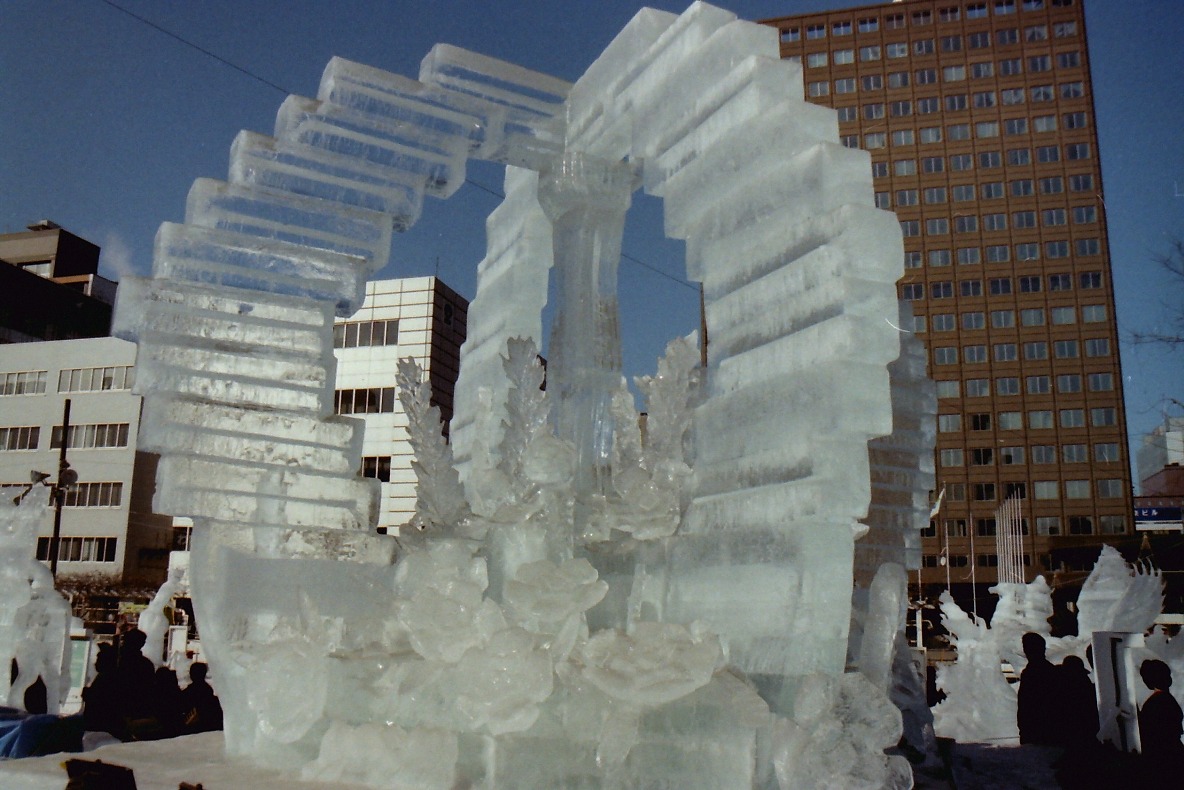
Ice sculpture
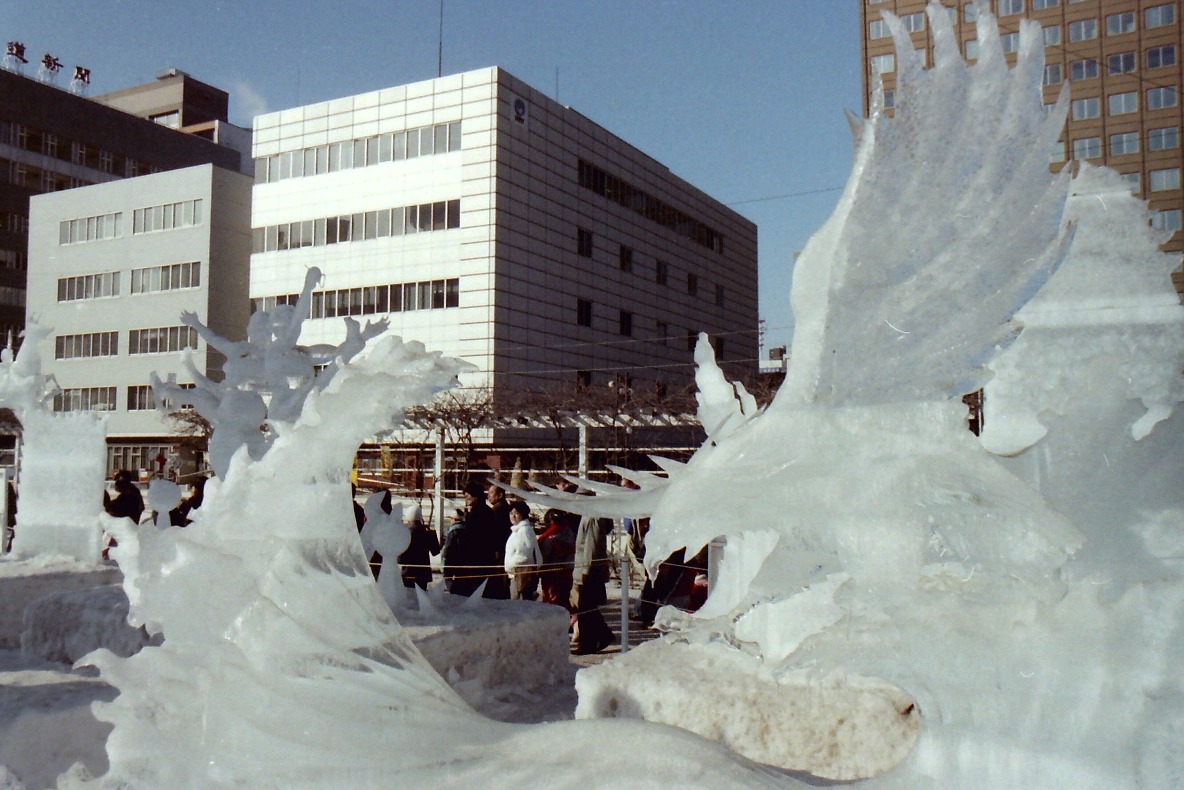
Ice sculpture
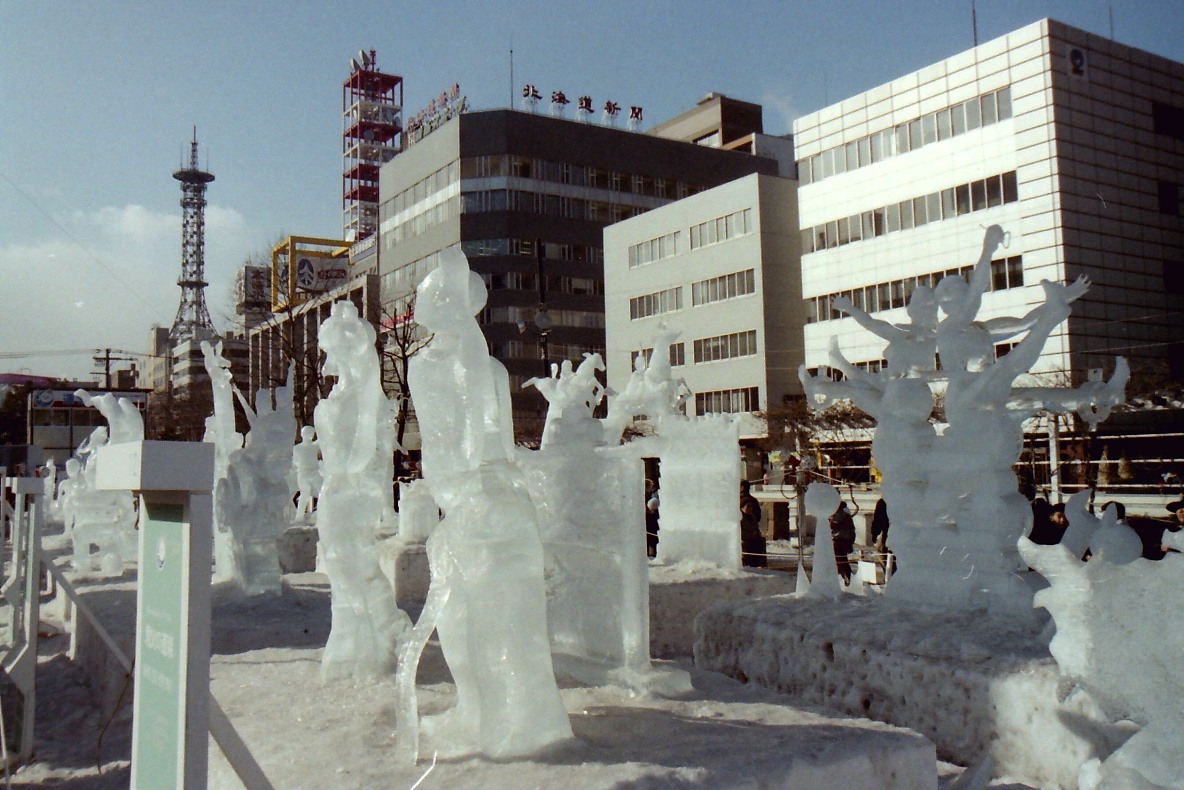
Ice sculpture
[image error]
Not-so-icy sculpture
This one wasn't created from snow, but I thought it photo-worthy nonetheless. Looks like something one might see somewhere in Scandinavia, doesn't it? OK, so I haven't been to Scandinavia, and I've only seen such things on VuMaster slides, but I do have many X chromosome DNA markers in common with some people from Finland. So there. I have a voice. Or my ancestors did. Or something.
[image error]
Peaceful bridge
I'll conclude today's offerings with this peaceful-looking stone bridge. I find this, and most of the other non-sculpture photos quite fascinating, since I have no memory whatsoever of seeing these scenes, much less of taking these photos. But I did. I might have been sleepwalking, but I definitely did. Or, maybe it had something to do with a refill of my mizu wari or my chu hai. If you don't know what those are, I am leaving their definitions as an exercise to the blog browser.
October 23, 2011
Vampires? Try Chinese hopping zombies.
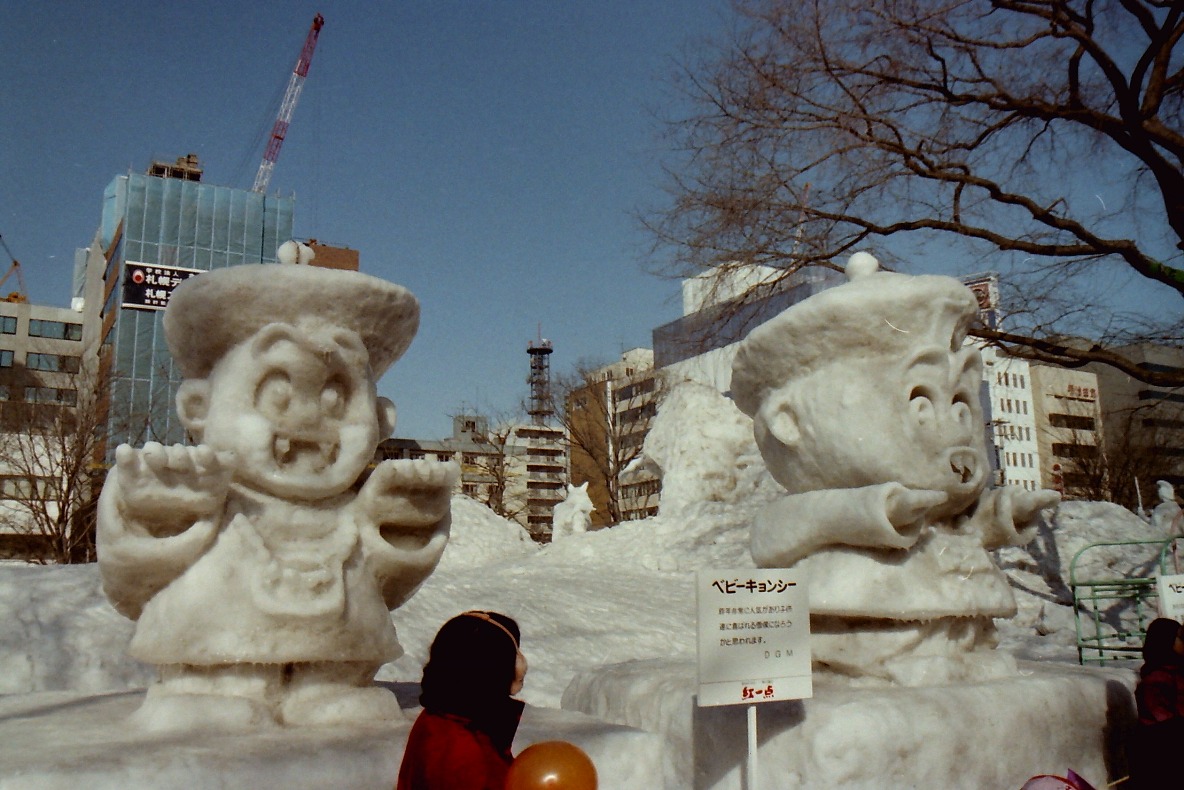
Baby kyonshii
The sign says, "Baby kyonshii," but you'd be hard put to find it spelled with two i's in any Internet search. Actually, on the sign it's more like "BEBII KYONSHII."
A kyonshi, or jiang shi, in Chinese, is a zombie that seeks to rob people of their qi (ki, in Japanese), or their life essence/soul. They are stiff, so they hold their arms out and usually hop toward their victims. They can be temporarily sedated, however, by tacking a piece of paper with a spell on it to their foreheads. Kyonshi have been the subjects of quite a number of movies, having enjoyed a following not unlike the vampire fans in America. In fact, kyonshi movies have adopted vampire characteristics to keep up with the current fads.
I saw one of the kyonshi movies while I was in Japan, but at the time I did not know what they were called. But there it is, written right on the sign!
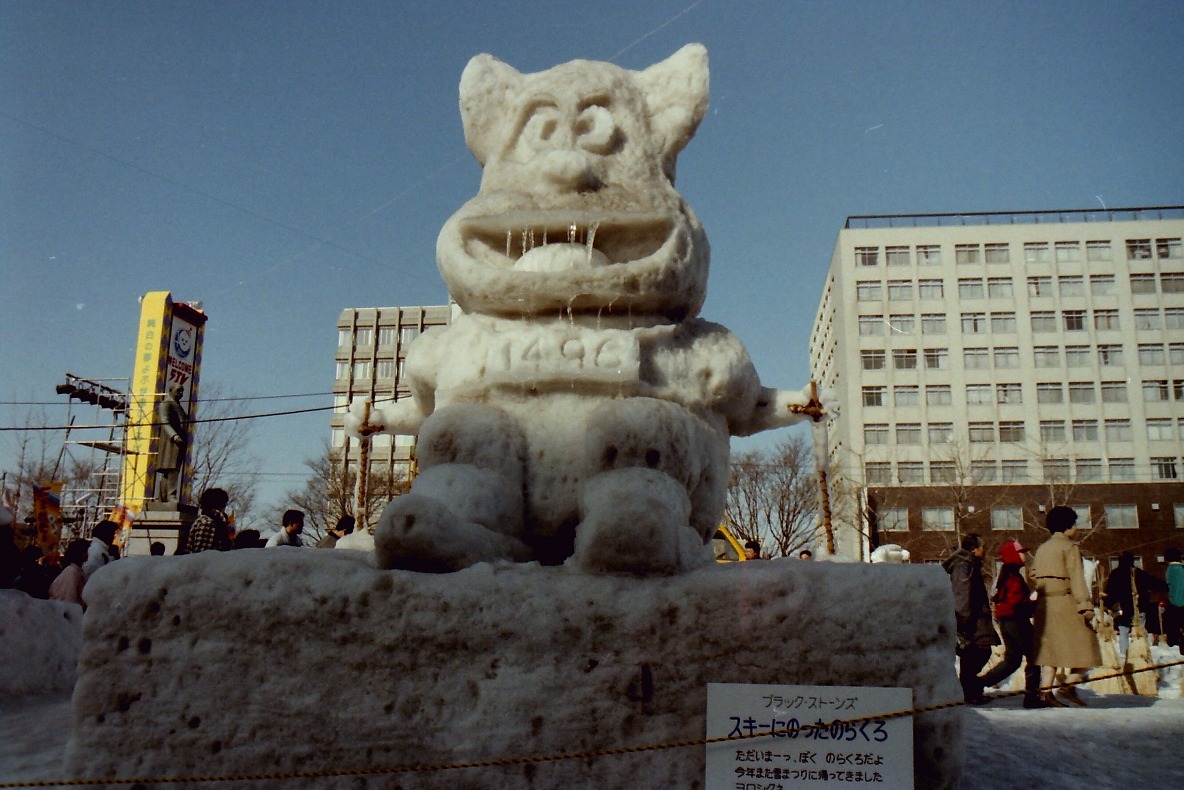
Black Stones (?)
I don't understand the name, but this snow sculpture is labeled "black stones." It is likely some cartoon character. The sign also says something about skiing, and if you look closely, you can tell the creature is wearing skis and is holding ski poles.
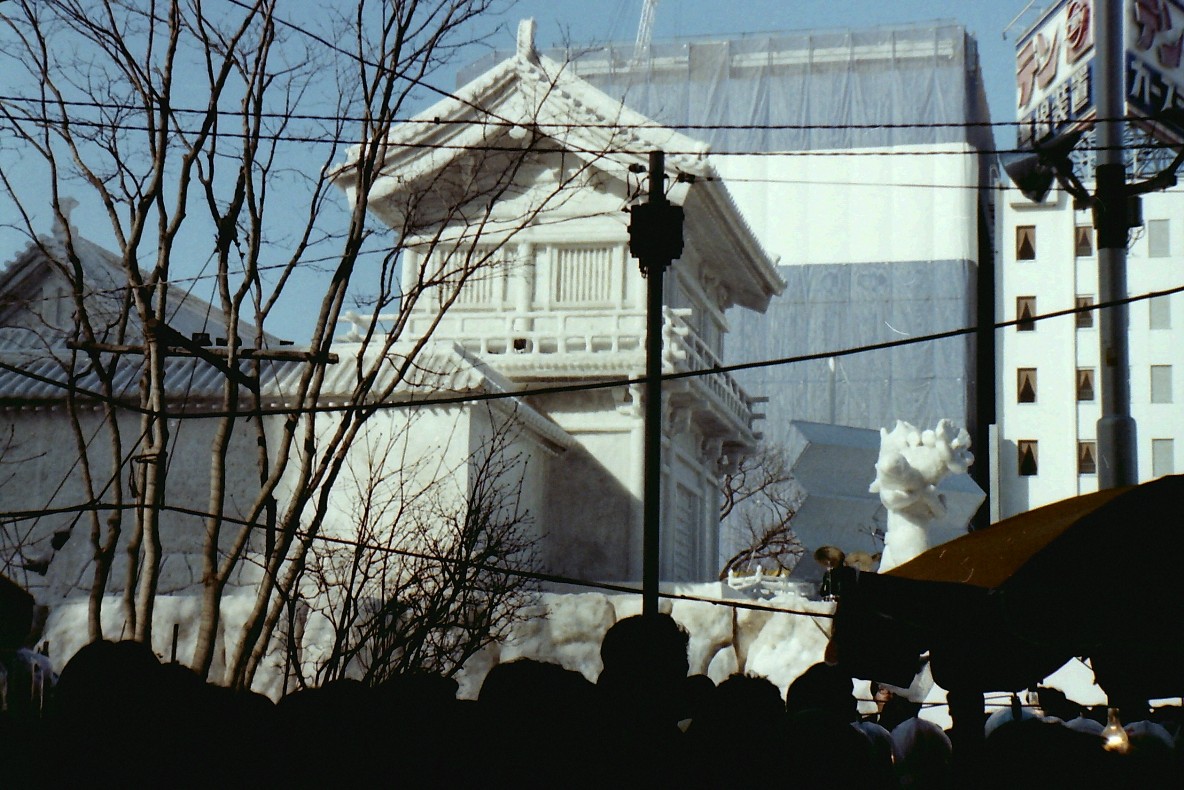
But will it pass the building codes?
This structure looks like concrete, but it's all snow and ice.
[image error]
Repeat at a better angle
We've seen this one before, but at this angle you can get a better 3-D perspective and see more contrast. Yes, this is the one with the creepy clown, but you get to see him (it?) face-on in this view.
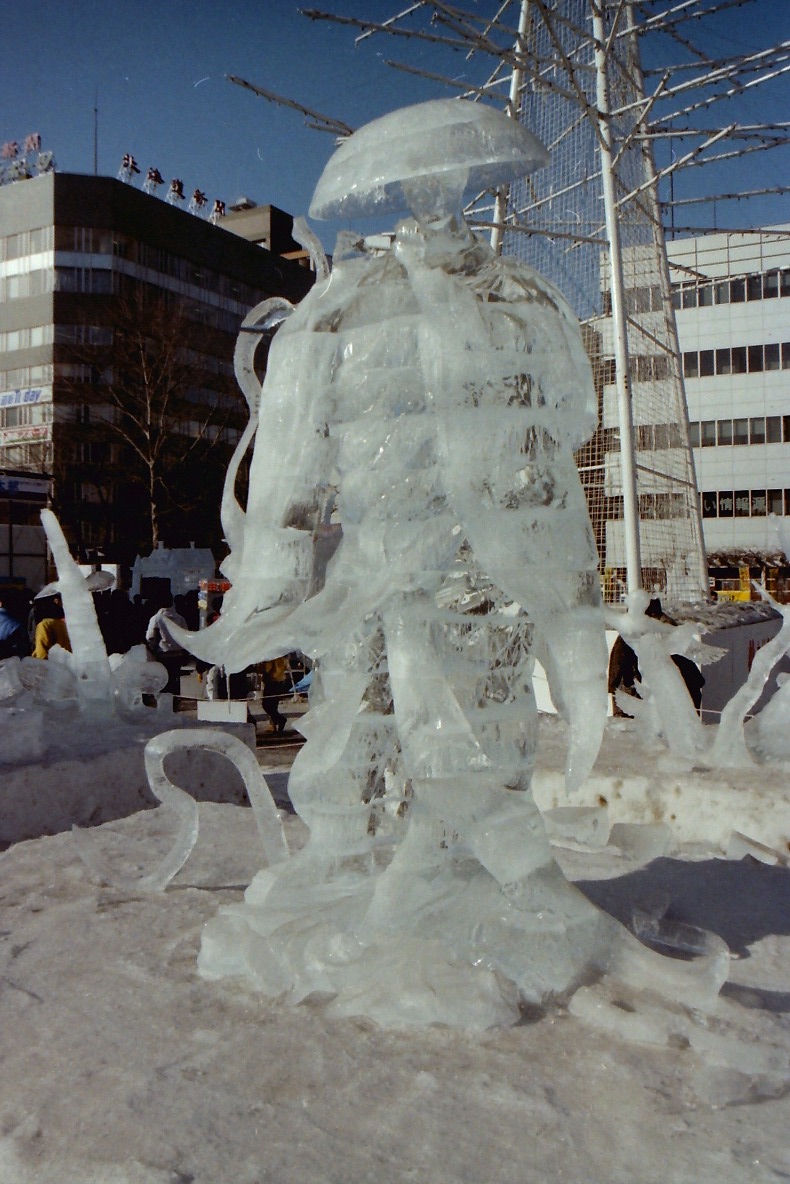
18th-century ice man
Amazing that this ice man hadn't totally melted yet. Looks like he might be holding a flute.
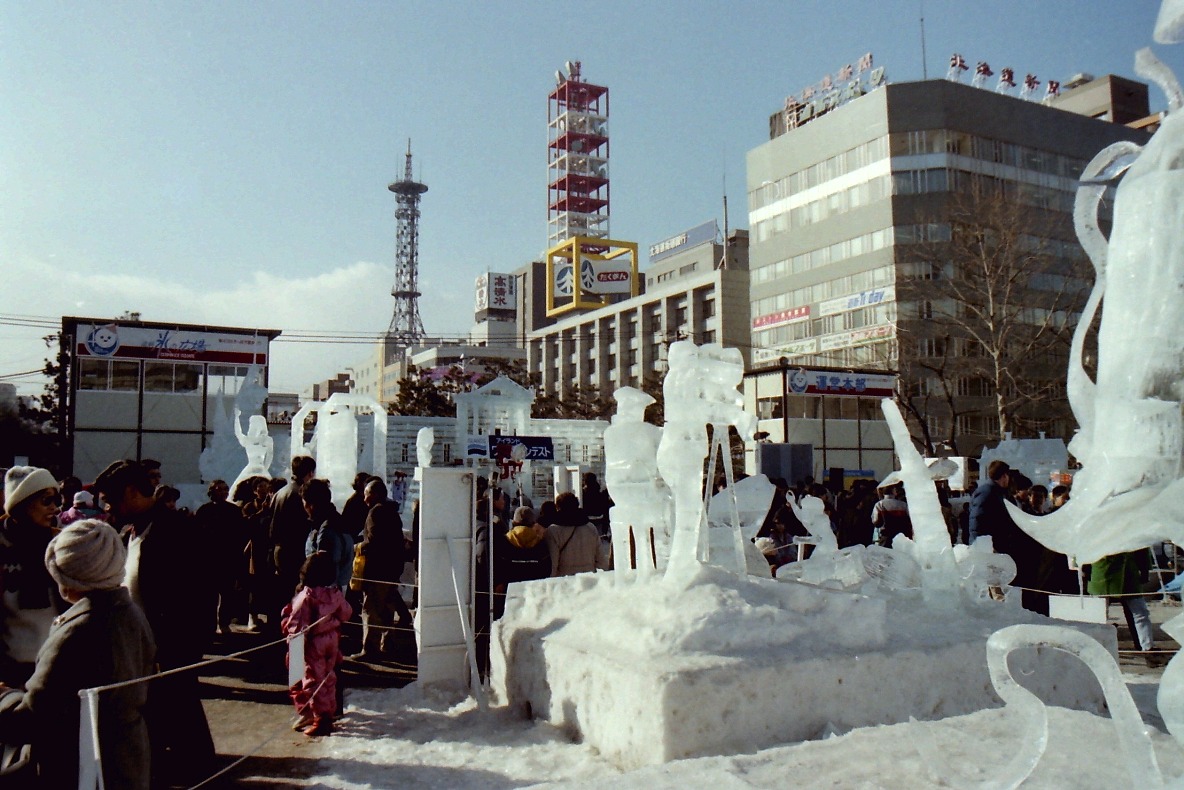
Hollywood on ice
Check out the director and the movie cameraman.
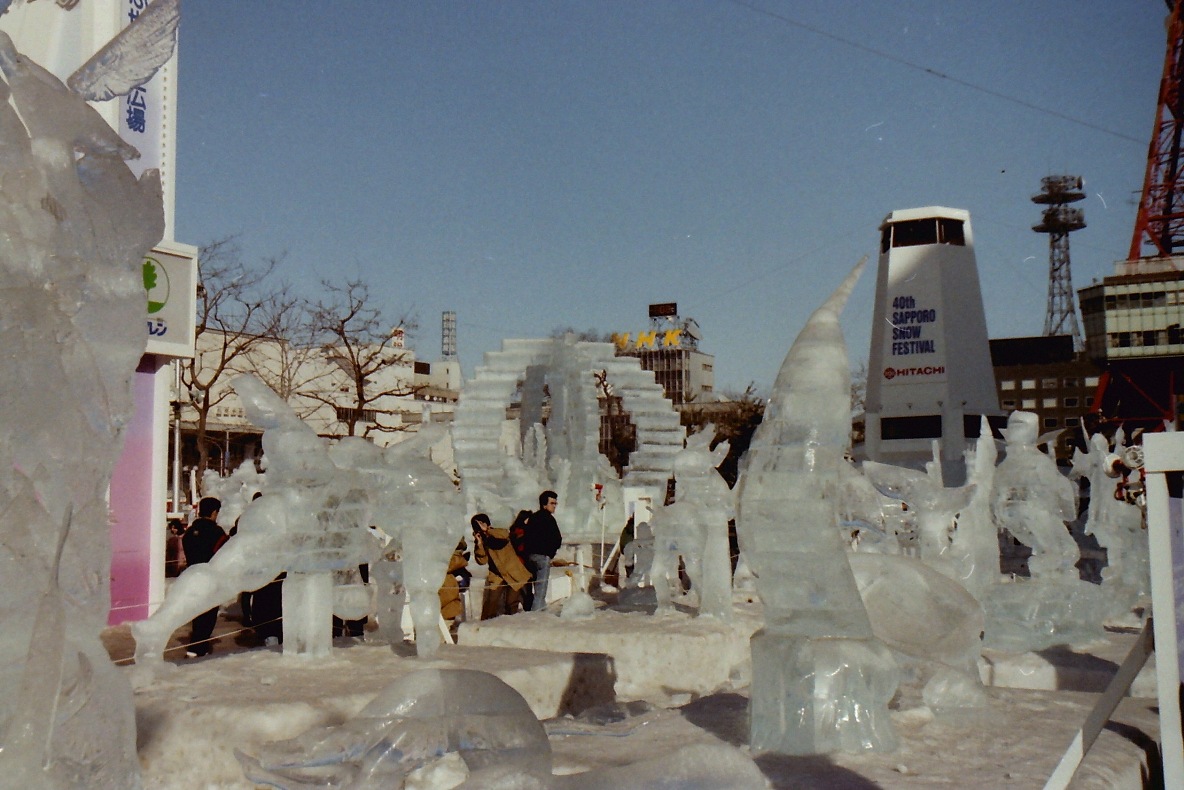
The fortieth festival
The sign behind this group of sculptures confirms my earlier suspicions that this was the 40th Sapporo Snow Festival, or Yuki Matsuri.
October 21, 2011
Sukoshi atsui desho ka?
It was an unusually warm winter in Sapporo, and you can see from these photos that the ice sculptures were melting fast.
This time I'm not going to comment on the sculptures, so enjoy!
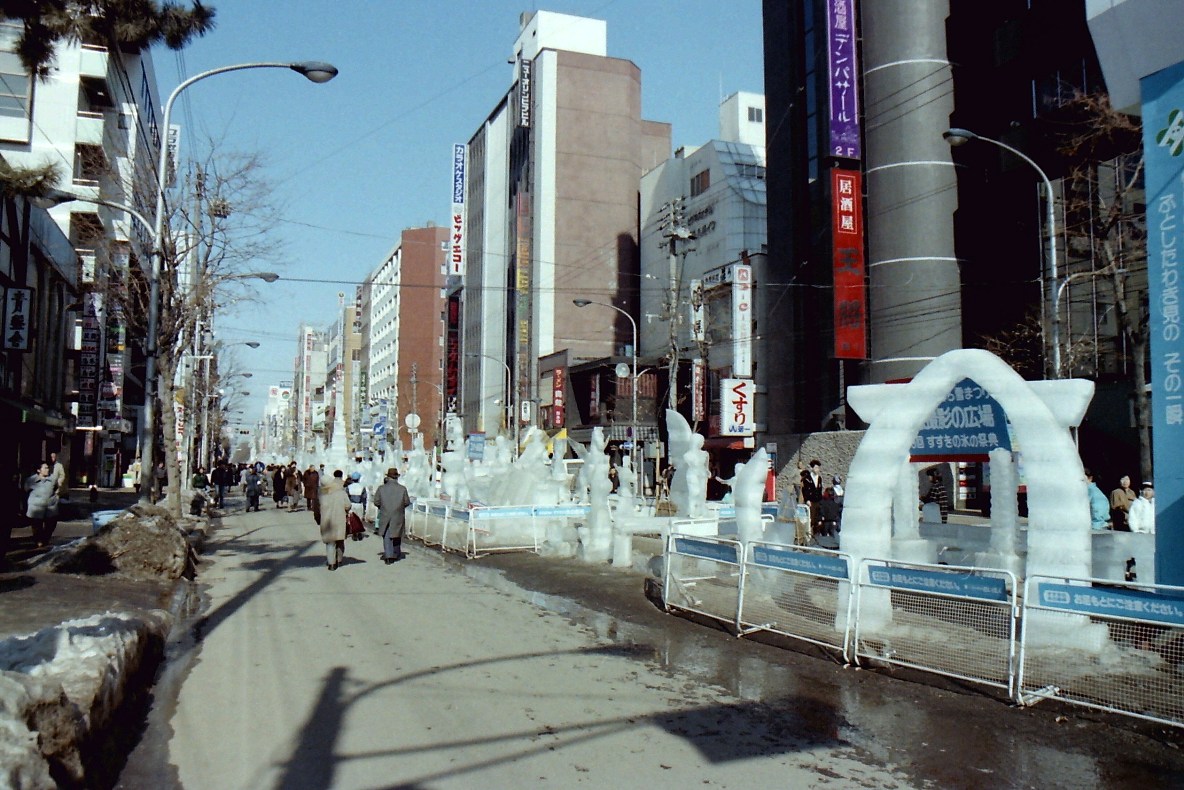
Sapporo ice sculptures
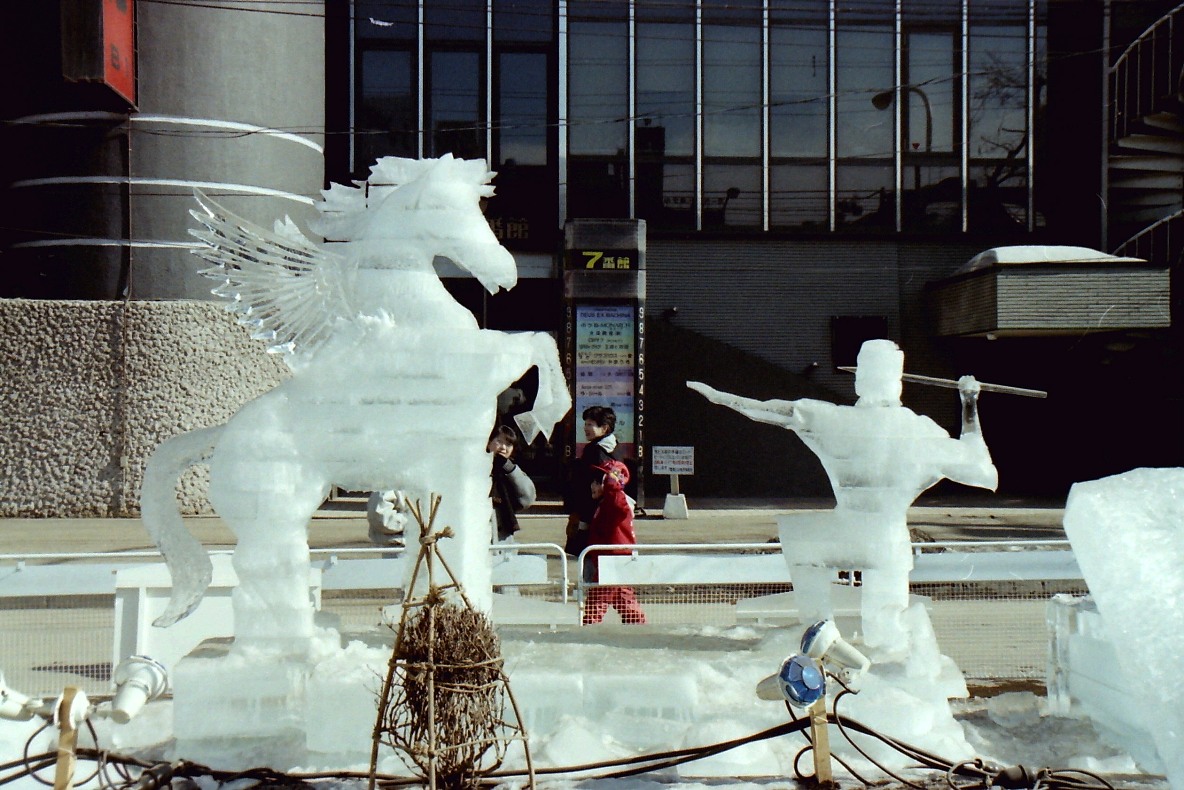
Sapporo ice sculpture
[image error]
Sapporo ice sculpture
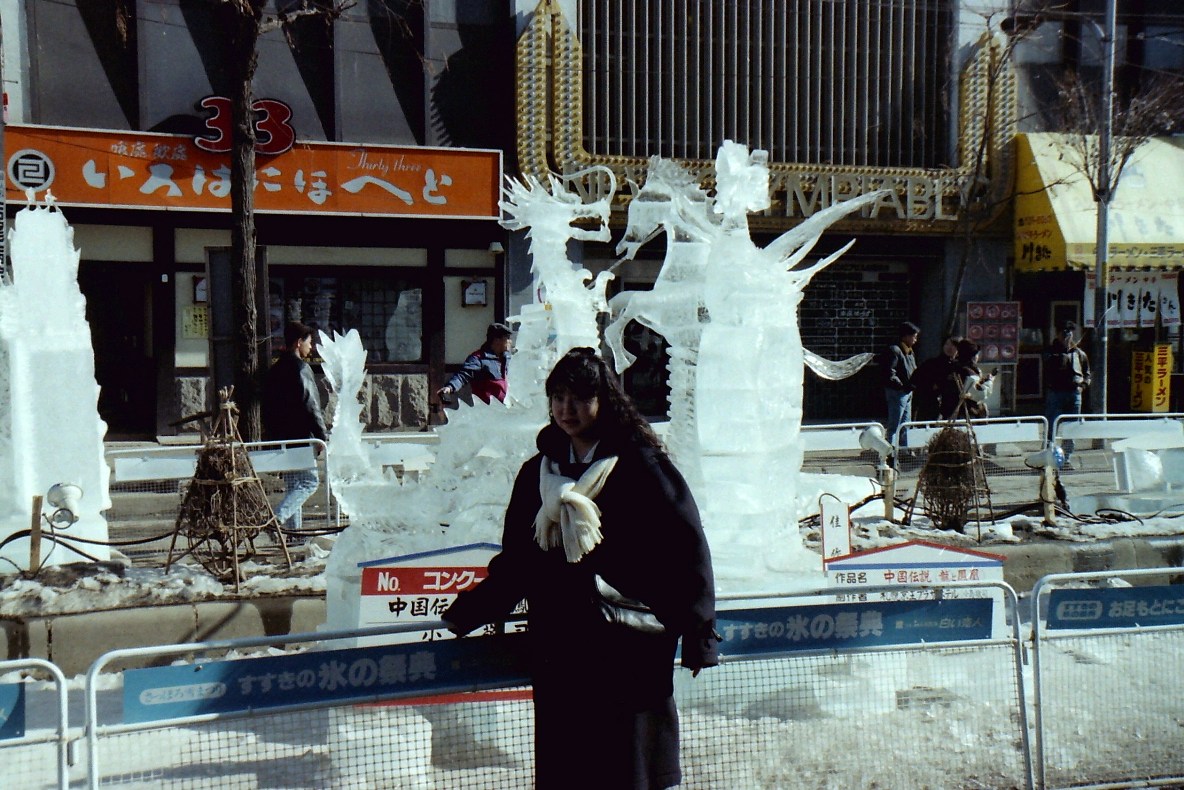
Sapporo ice sculpture
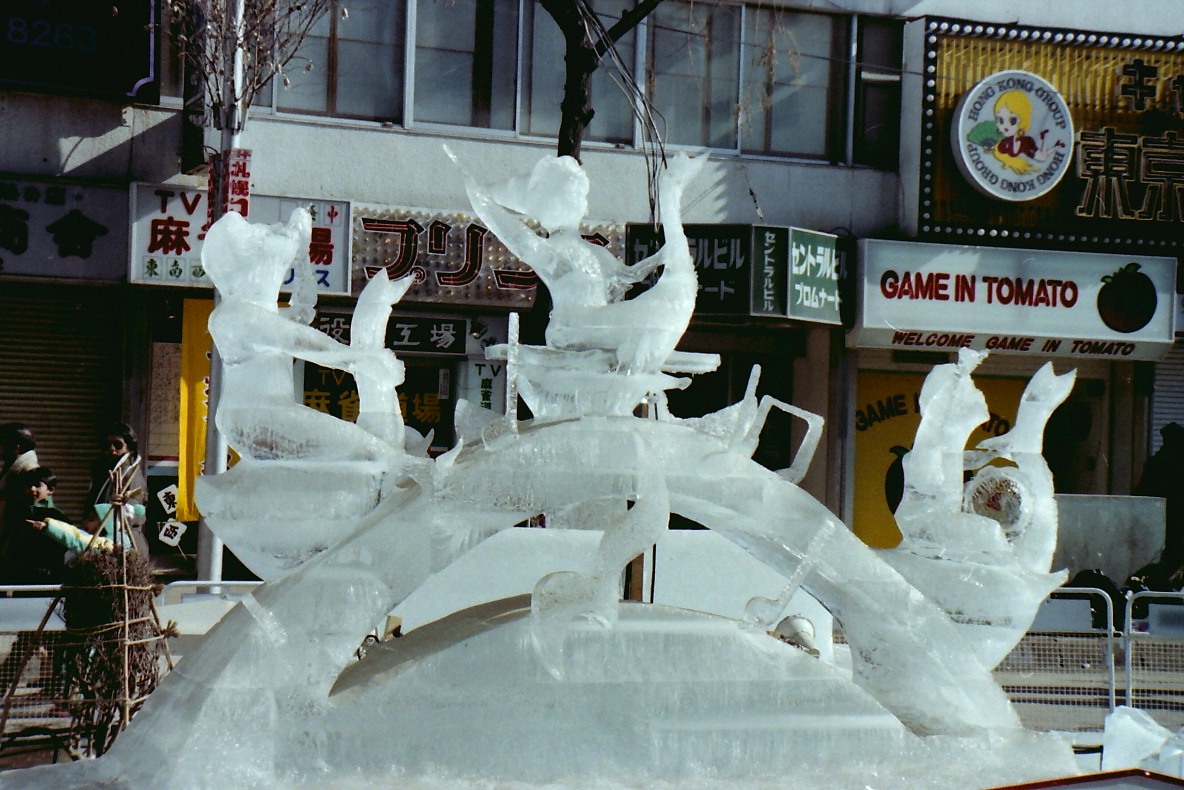
Sapporo ice sculpture
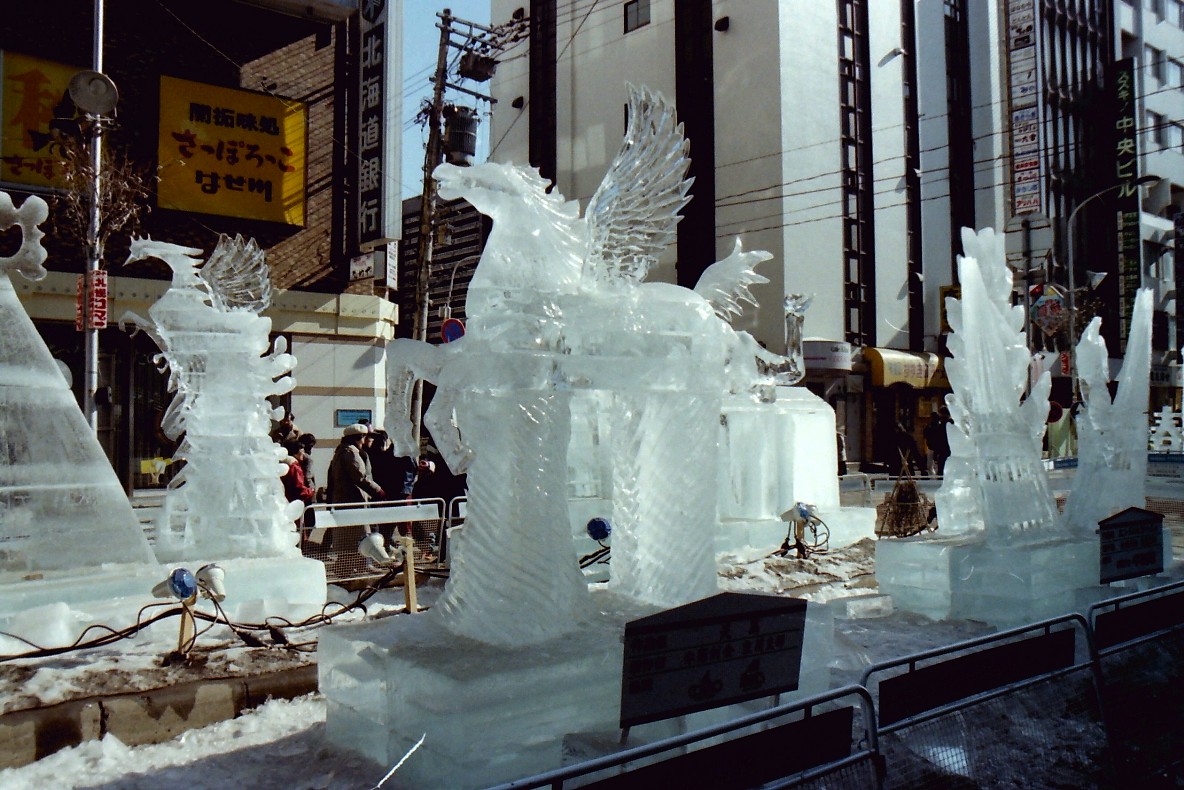
Sapporo ice sculpture
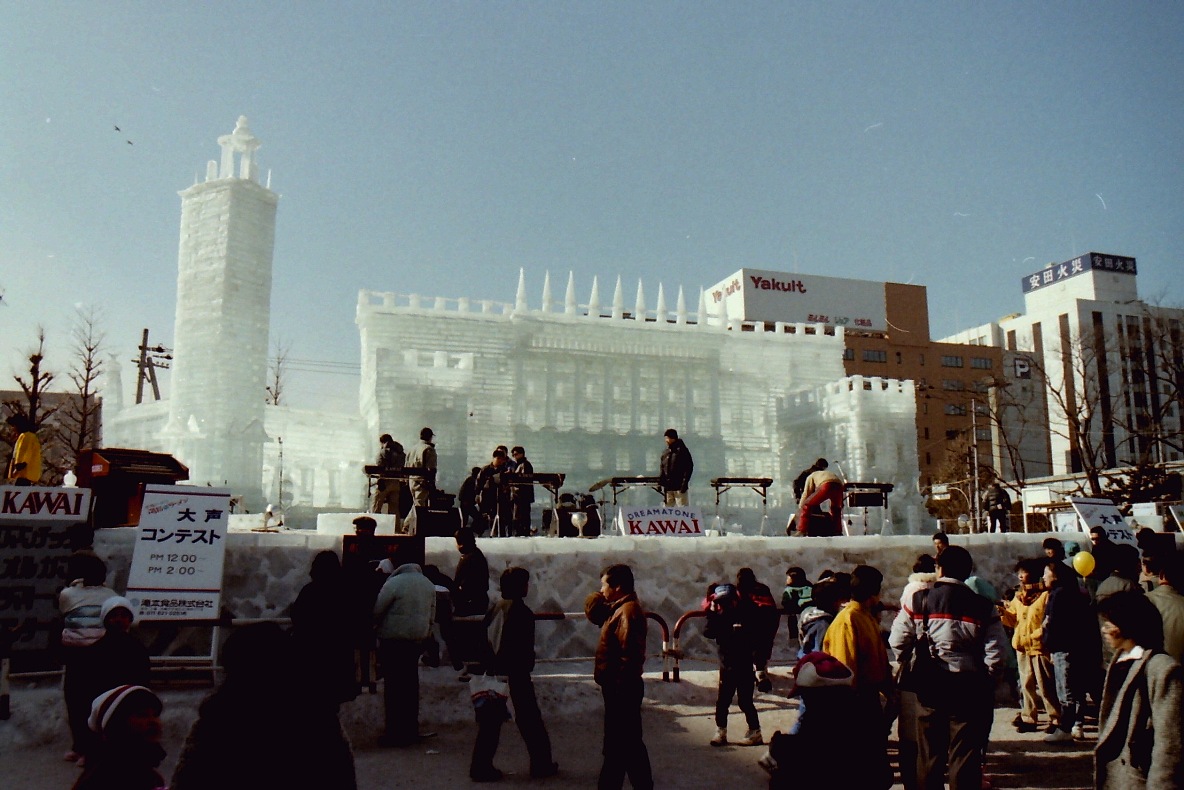
Kawai stage



![[image error]](http://hortondeakins.com/survivors/wp-content/uploads/2011/10/the-Home-Place.jpg)
![[image error]](http://hortondeakins.com/survivors/wp-content/uploads/2011/10/PICT00133.jpg)
![[image error]](http://hortondeakins.com/survivors/wp-content/uploads/2011/10/PICT00142.jpg)
![[image error]](http://hortondeakins.com/survivors/wp-content/uploads/2011/10/PICT00054.jpg)
![[image error]](http://hortondeakins.com/survivors/wp-content/uploads/2011/10/PICT00204.jpg)