
Rosanne Dingli's Blog, page 4
April 11, 2012
Aspects of the human condition
It is possible to watch oneself develop as a writer. One can see oneself mature. Even without a mirror, one can take a step back and see a kind of stream in one's writing that becomes predominant. A stream that seems to take over: perhaps it's the aspect of life that fascinates, that preoccupies that author most.
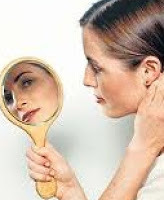 That author is me: I take myself as the case in point and find some recurring themes in my writing - now that three of my novels are published, and a fourth is being written, it is certainly detectable. There are several aspects of the human condition I find fascinating, and they take over as I write.
Even without my knowing, they infiltrate my stories, and predominate. The careful reader will have noticed this some time ago, possibly even before I noticed that I am drawn to the way men of a certain age engage in affairs of the heart. Even before I understood my own fascination with the way locations affect people, perhaps, readers were twigging the fact that I am bowled over by some locations.
The things people 'know' and 'believe' do intrigue me. Belief and knowledge, especially when they dominate a life, move and inspire me. How can fully-grown adults allow a branch of knowledge, or a particular belief, take over their whole lives? It happens, and it's in my fiction ... several times over.
The aspects of human affection and love fascinate not only authors, but a great number of readers - which makes romance a very popular genre. And while I do not write strictly within the romance genre, the love and affection of my characters tends to colour my stories. I have also noticed that I am intrigued, struck and rather interested in avuncular male characters who imbibe the story with experience and wisdom. It took me a while to notice this, especially when I was still rather fond of writing short fiction.
 Courtesy health.msnNothing tells you more about an author than reading two or three of their novels. Sometimes, it's better than a biography. Aspects of love and hate, of irritation, of joy and disappointment - of the whole gamut of human emotions and relations pop up ... but some of these keep recurring, and one can relate to that author's preoccupations.
So am I preoccupied by ageing? By aspects of knowledge and belief? By relationships? By the way life's troubles and stresses get in the way of love? By the way a particular place on the globe colours a traveller's whole life? I must be, because I write a lot about these tendencies. I give my protagonists problems of the kinds I would not like myself, and am slightly scared of, but have often wondered about. This is telling.
I have found out that it is possible to discover more about an author than they might be willing to reveal about themselves.
If you are a reader - have you ever wondered about your favourite authors' preoccupations, and whether they surface in their fiction?
If you are an author, how conscious are you of your concerns and obsessions filtering through into your stories ... which, after all, are supposed to be fictions?


 That author is me: I take myself as the case in point and find some recurring themes in my writing - now that three of my novels are published, and a fourth is being written, it is certainly detectable. There are several aspects of the human condition I find fascinating, and they take over as I write.
Even without my knowing, they infiltrate my stories, and predominate. The careful reader will have noticed this some time ago, possibly even before I noticed that I am drawn to the way men of a certain age engage in affairs of the heart. Even before I understood my own fascination with the way locations affect people, perhaps, readers were twigging the fact that I am bowled over by some locations.
The things people 'know' and 'believe' do intrigue me. Belief and knowledge, especially when they dominate a life, move and inspire me. How can fully-grown adults allow a branch of knowledge, or a particular belief, take over their whole lives? It happens, and it's in my fiction ... several times over.
The aspects of human affection and love fascinate not only authors, but a great number of readers - which makes romance a very popular genre. And while I do not write strictly within the romance genre, the love and affection of my characters tends to colour my stories. I have also noticed that I am intrigued, struck and rather interested in avuncular male characters who imbibe the story with experience and wisdom. It took me a while to notice this, especially when I was still rather fond of writing short fiction.
 Courtesy health.msnNothing tells you more about an author than reading two or three of their novels. Sometimes, it's better than a biography. Aspects of love and hate, of irritation, of joy and disappointment - of the whole gamut of human emotions and relations pop up ... but some of these keep recurring, and one can relate to that author's preoccupations.
So am I preoccupied by ageing? By aspects of knowledge and belief? By relationships? By the way life's troubles and stresses get in the way of love? By the way a particular place on the globe colours a traveller's whole life? I must be, because I write a lot about these tendencies. I give my protagonists problems of the kinds I would not like myself, and am slightly scared of, but have often wondered about. This is telling.
I have found out that it is possible to discover more about an author than they might be willing to reveal about themselves.
If you are a reader - have you ever wondered about your favourite authors' preoccupations, and whether they surface in their fiction?
If you are an author, how conscious are you of your concerns and obsessions filtering through into your stories ... which, after all, are supposed to be fictions?


April 8, 2012
The wisdom of others
Where would we be without the wisdom of others? They might not think they are wise, but they lend us their experience. Listening to those who talk about fiction gives me insights into novels I haven't even read, gives me introductions to authors I had not heard of until then. Listening to other parents gives me a view on teenagers I did not see before. Hearing and reading about friends' adventures in the kitchen makes me write shopping lists that are a bit different from the staple "Carrots, cranberries, cabbage."
 Courtesy http://theelectricpanda.wordpress.com... of us think we are wise. When we are posed questions, or asked for advice, though, we bring our age and experience into play. Wisdom is not merely stuff found in books. Wisdom can be found in family anecdotes - of digging a "hidden" pair of sandals out of a sandpit, or mopping refused spaghetti off the front of a brand new t-shirt.
Wisdom can be found in commonplace opinions about books or movies, which can give a new slant to the terms "jealousy", "gluttony" or "joy". Ask someone you know, and whose opinions you think you have a handle on, what they think joy is, and you might have material for a new novel.
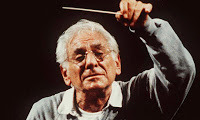 Leonard BernsteinAn off-the-cuff comment about a chance meeting, or a single word about a shared experience such as a concert, can give a creative person the whole basis for their next work. "Did you see how the only thing moving at a certain moment was the conductor's baton?" And the creative person goes home, stays up half the night, and produces a canvas of a hand, complete with cuff and baton, that is a sure masterpiece.
I am in the middle of writing my next novel. It would be practically impossible to do it without drawing on the depth of experience, the advice, the anecdotes, the opinions and the wisdom I have observed in people around me, strangers I meet, and acquaintances I make online.
One might think it would be impossible to produce anything at all without the input of a number of people: all works are the product of a team of some sort. Inspiration is nothing short of the wisdom we gain from others.


 Courtesy http://theelectricpanda.wordpress.com... of us think we are wise. When we are posed questions, or asked for advice, though, we bring our age and experience into play. Wisdom is not merely stuff found in books. Wisdom can be found in family anecdotes - of digging a "hidden" pair of sandals out of a sandpit, or mopping refused spaghetti off the front of a brand new t-shirt.
Wisdom can be found in commonplace opinions about books or movies, which can give a new slant to the terms "jealousy", "gluttony" or "joy". Ask someone you know, and whose opinions you think you have a handle on, what they think joy is, and you might have material for a new novel.
 Leonard BernsteinAn off-the-cuff comment about a chance meeting, or a single word about a shared experience such as a concert, can give a creative person the whole basis for their next work. "Did you see how the only thing moving at a certain moment was the conductor's baton?" And the creative person goes home, stays up half the night, and produces a canvas of a hand, complete with cuff and baton, that is a sure masterpiece.
I am in the middle of writing my next novel. It would be practically impossible to do it without drawing on the depth of experience, the advice, the anecdotes, the opinions and the wisdom I have observed in people around me, strangers I meet, and acquaintances I make online.
One might think it would be impossible to produce anything at all without the input of a number of people: all works are the product of a team of some sort. Inspiration is nothing short of the wisdom we gain from others.
March 21, 2012
Holding a new book
We all like new books. There's nothing like holding a nice crisp edition in the hand. Everyone loves the feel and smell of a real book, and it's true - nothing beats the experience.
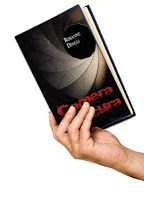 In the hand! Camera ObscuraFor authors, this is doubly true. Ripping open the packaging the postman brings, to reveal your latest release, is something not everyone can do. Authors are special people and books are special objects. Riffling the 300-odd pages of a new book, knowing all those words were hard-won and took immeasurable time to put together, is not something everyone can feel.
Ebooks too are special - we are living the dream. Authors and readers now arre at the pointy end of innovation in the book world. I doubt there was ever a time when more reading was done. Authors and publishers everywhere are staggered by the speed of innovation and change.
BeWrite Books have come up with a sophisticated cover for Camera Obscura. It is sleek: the lens shutter image seems to capture its focus, photography. The life of a photojournalist turned upside-down by the explosive entry into his life of a mysterious woman is explored through his actions in a unique adventure.
Stay with me as I ride the roller-coaster of this novel's first year. Perhaps you might catch a glimpse of what it means to be an author in the grip of the market's fickle movements. What it means to read the impressions of readers as they trickle in. What it means to have to return to the draft-pad... because surely, this is a cycle, and it's got to happen all over again.
Have a look at Camera Obscura, and let me know your initial impression, whether you are another author relating to all this, or a reader wondering what all the fuss is about.
http://www.amazon.com/Camera-Obscura-...
 In the hand! Camera ObscuraFor authors, this is doubly true. Ripping open the packaging the postman brings, to reveal your latest release, is something not everyone can do. Authors are special people and books are special objects. Riffling the 300-odd pages of a new book, knowing all those words were hard-won and took immeasurable time to put together, is not something everyone can feel.
Ebooks too are special - we are living the dream. Authors and readers now arre at the pointy end of innovation in the book world. I doubt there was ever a time when more reading was done. Authors and publishers everywhere are staggered by the speed of innovation and change.
BeWrite Books have come up with a sophisticated cover for Camera Obscura. It is sleek: the lens shutter image seems to capture its focus, photography. The life of a photojournalist turned upside-down by the explosive entry into his life of a mysterious woman is explored through his actions in a unique adventure.
Stay with me as I ride the roller-coaster of this novel's first year. Perhaps you might catch a glimpse of what it means to be an author in the grip of the market's fickle movements. What it means to read the impressions of readers as they trickle in. What it means to have to return to the draft-pad... because surely, this is a cycle, and it's got to happen all over again.
Have a look at Camera Obscura, and let me know your initial impression, whether you are another author relating to all this, or a reader wondering what all the fuss is about.
http://www.amazon.com/Camera-Obscura-...
February 26, 2012
Excitement and fear
The various stages a book undergoes between inception of an idea and final publication are packed with incidents and accidents that can fill any author with doubt, loathing and fear. Writing, researching, rewriting and editing all require decisions, creativity, and incredibly hard work. Sometimes, authors can simply stop in their tracks, numbed by the process. Although it is not strictly speaking writer's block, this stage has been called that by many. It is enough to drive one quite insane.
Then there's the stage when a finished novel is being prepared for release. It is possibly when an author feels most doubt. The manuscript could have undergone another edit or two. Or a rewrite... or something! Is it really ready to go? Will readers like it? There are distinct stages in the creation of a novel that can soothe, disturb or agitate. Will this ever end?
[image error] Questions of that nature abound - but soothing things happen to even the keel of the most hesitant author. Working with a publisher whose digital awareness and marketing aplomb are terrific certainly helps. While I am struggling with doubt and trepidation, BeWrite Books and its editors and designer are working behind the scenes in a capable kind of calmness that's so realistic ... and yet so frightening.
They, of course, have created dozens of titles. I have not come anywhere near one dozen, so my nervousness is understandable. Camera Obscura is slated for release on March 30 or thereabouts, and I have no doubt BeWrite Books will once more come up with the goods - their third time for me.
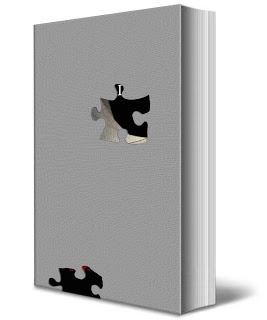 Design by Tony SzmukImagine my delight when I find they are unveiling the cover in stages, using puzzle pieces that so aptly denote the contents - it is a puzzle indeed. It's a thriller with a strong romantic overtone, which might seem a bit unusual, seeing the protagonist is a male Australian photojournalist.
This kind of gradual revelation is soothing to an author, who takes a novel from inception to launch with a number of foreboding questions. There are many slip-ups, reversals, decisions and knotty problems. Always, there is that feeling of indecision - a sense of insecurity. One teeters on edges and rocks on one's creative heels - locked on the itchy horns of some dilemma which might be halved if shared.
Only other writers understand this stage. Luckily, I have the privilege of knowing a number of writers whose advice, support and help - not to mention their understanding at a time like this - is gold. Gold.
Bear with me as I weather this time. As I cross this bridge, as I reach for metaphors to signify this terrible time in an author's life, when everything seems futile and a complete waste of time.
Comment if you are an author who also experiences times of frustration and inertia, especially on the threshold of a launch.
Comment if you are a curious reader, who wonders what the fuss is all about.


Then there's the stage when a finished novel is being prepared for release. It is possibly when an author feels most doubt. The manuscript could have undergone another edit or two. Or a rewrite... or something! Is it really ready to go? Will readers like it? There are distinct stages in the creation of a novel that can soothe, disturb or agitate. Will this ever end?
[image error] Questions of that nature abound - but soothing things happen to even the keel of the most hesitant author. Working with a publisher whose digital awareness and marketing aplomb are terrific certainly helps. While I am struggling with doubt and trepidation, BeWrite Books and its editors and designer are working behind the scenes in a capable kind of calmness that's so realistic ... and yet so frightening.
They, of course, have created dozens of titles. I have not come anywhere near one dozen, so my nervousness is understandable. Camera Obscura is slated for release on March 30 or thereabouts, and I have no doubt BeWrite Books will once more come up with the goods - their third time for me.
 Design by Tony SzmukImagine my delight when I find they are unveiling the cover in stages, using puzzle pieces that so aptly denote the contents - it is a puzzle indeed. It's a thriller with a strong romantic overtone, which might seem a bit unusual, seeing the protagonist is a male Australian photojournalist.
This kind of gradual revelation is soothing to an author, who takes a novel from inception to launch with a number of foreboding questions. There are many slip-ups, reversals, decisions and knotty problems. Always, there is that feeling of indecision - a sense of insecurity. One teeters on edges and rocks on one's creative heels - locked on the itchy horns of some dilemma which might be halved if shared.
Only other writers understand this stage. Luckily, I have the privilege of knowing a number of writers whose advice, support and help - not to mention their understanding at a time like this - is gold. Gold.
Bear with me as I weather this time. As I cross this bridge, as I reach for metaphors to signify this terrible time in an author's life, when everything seems futile and a complete waste of time.
Comment if you are an author who also experiences times of frustration and inertia, especially on the threshold of a launch.
Comment if you are a curious reader, who wonders what the fuss is all about.
February 20, 2012
Visualizing my characters
It's inevitable - authors are forced at some point to describe their characters to readers who ask.
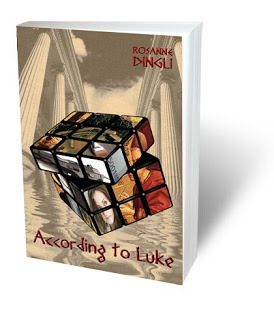
'So what does Jana in According to Luke look like?'
'A handsome priest - handsome like who?'
'Oh - a ruthless businesswoman - striking? Beautiful? Well-groomed?'
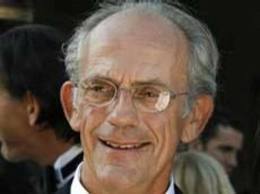 Christopher LloydAll those questions and many more were asked at one book signing. I did the best I could - and tried to hark back to when I started writing According to Luke. How did I see these characters? I found it impossible to think of Bryn Awbrey, the shambling Welsh professor, without visualizing who might play him in a movie. I could not get past Christopher Lloyd. This movie star is Bryn Awbrey all over - he would play the professor perfectly.
I can see him in his chaotic study, where every redundant scrap of paper from the university library seemed to find its final resting place. Boxes of academic journals, files and folders, cabinets bursting with sheaves and sheaves of paper, and bookcases bulging with thousands of books. He sits there, thinking, and his grey head nods and shifts - he is asked questions and he reaches for books. He knows where everything is, you see, and would be dismayed if anyone were to 'tidy up'.
I can see Christopher Lloyd as Bryn Awbrey catching a train from Venice to Ravenna, in the company of anxious Jana Hayes. He puts his large hand on hers, and says something so perceptive and so perspicacious about her private life that she is startled: startled to find she has always wanted this. She has missed not having a father, an uncle, or an understanding Grandad who could look into her eyes, understand, and console.
Bryn is eccentric and easily roused, especially if it's a puzzle or a mystery you have come to him with: his grey hair moves with his agitation, and he shakes his large hands and widens his soft brown eyes. Then his whole face breaks into a huge grin. What does he do next? He pours you a cup of tea from an enormous yellow teapot, into an unmatched yellow cup, and cuts you a large wedge of panettone, the Italian cake foreigners only eat at Christmas. How could you not feel comforted by his hospitality, untidy though it is?
 I do know that many authors feel the same affection I have for Bryn Awbrey for some of their characters. An author spends almost a year with a bunch of characters, nursing them from creation to whatever end is in store for them at the end of the novel. During that time, characters can take life, have reality breathed into them, materialize and morph into a tangible personality. Describing that to a reader is not always possible.
I think I manage though, when I answer the question about what Bryn Awbrey looks like, when I say 'Christopher Lloyd!'
Tell me about your favourite book characters, and how you visualize them. Do you assign a movie star to represent them in your head as you read?
If you are an author, tell me how you go about describing characters to readers who ask.
If you have read According to Luke, tell me whether you see Bryn Awbrey in quite the same way.


'So what does Jana in According to Luke look like?'
'A handsome priest - handsome like who?'
'Oh - a ruthless businesswoman - striking? Beautiful? Well-groomed?'
 Christopher LloydAll those questions and many more were asked at one book signing. I did the best I could - and tried to hark back to when I started writing According to Luke. How did I see these characters? I found it impossible to think of Bryn Awbrey, the shambling Welsh professor, without visualizing who might play him in a movie. I could not get past Christopher Lloyd. This movie star is Bryn Awbrey all over - he would play the professor perfectly.
I can see him in his chaotic study, where every redundant scrap of paper from the university library seemed to find its final resting place. Boxes of academic journals, files and folders, cabinets bursting with sheaves and sheaves of paper, and bookcases bulging with thousands of books. He sits there, thinking, and his grey head nods and shifts - he is asked questions and he reaches for books. He knows where everything is, you see, and would be dismayed if anyone were to 'tidy up'.
I can see Christopher Lloyd as Bryn Awbrey catching a train from Venice to Ravenna, in the company of anxious Jana Hayes. He puts his large hand on hers, and says something so perceptive and so perspicacious about her private life that she is startled: startled to find she has always wanted this. She has missed not having a father, an uncle, or an understanding Grandad who could look into her eyes, understand, and console.
Bryn is eccentric and easily roused, especially if it's a puzzle or a mystery you have come to him with: his grey hair moves with his agitation, and he shakes his large hands and widens his soft brown eyes. Then his whole face breaks into a huge grin. What does he do next? He pours you a cup of tea from an enormous yellow teapot, into an unmatched yellow cup, and cuts you a large wedge of panettone, the Italian cake foreigners only eat at Christmas. How could you not feel comforted by his hospitality, untidy though it is?
I do know that many authors feel the same affection I have for Bryn Awbrey for some of their characters. An author spends almost a year with a bunch of characters, nursing them from creation to whatever end is in store for them at the end of the novel. During that time, characters can take life, have reality breathed into them, materialize and morph into a tangible personality. Describing that to a reader is not always possible.I think I manage though, when I answer the question about what Bryn Awbrey looks like, when I say 'Christopher Lloyd!'
Tell me about your favourite book characters, and how you visualize them. Do you assign a movie star to represent them in your head as you read?
If you are an author, tell me how you go about describing characters to readers who ask.
If you have read According to Luke, tell me whether you see Bryn Awbrey in quite the same way.
February 8, 2012
Vices
 Vices merit their very own blog post. Let's face it - we all have them in barrow loads. We might not want to name them, but they are there. Not so much skeletons in cupboards as character aspects we prefer to ignore.
Naming our vices is like inviting a hex - will they become permanent or completely take over if we make a list of all the traits we ignore? Let's see:
Gluttony Greed Sloth Wrath Envy Pride Lust
Listed in this way, they seem to belong to anyone but us - or seem rather good aspects to imbibe in a fictional character or two. Yes, we do this all the time as authors. And readers seek delicious vices in fictional characters, as a matter of course. How boring would novels be without vices? They are a prerequisite for entertainment. No drama, no vices - no enjoyment.
 Image via WikipediaAt the very least, some iniquity or wickedness must exist in a story even if only to be vanquished, battled or changed in some way. I have yet to encounter a novel in which some sort of vice was absent.
Yet authors themselves battle with their own little sets of vices, and do not find them entertaining. Not a jot. The WRATH aroused by a mediocre review, that dares to damn with faint praise. The ENVY that arises when some unknown author gets to the 100 top list on Amazon with a 35,000 word "novel". The SLOTH that overtakes us when we just could not be bothered to boot up the computer and write the page that would contribute to the week's quota. The GLUTTONY that accompanies each meal time, as if to confirm that we are just eaters and drinkers rather than writers and thinkers. The GREED that makes us write with that dollar sign in our heads, rather than a delightful muse who beckons us to literary excellence. The LUST with which we decorate our characters, guiltily adding it, and hoping it will attract a readership. And the irrepressible PRIDE that completely takes over when we are so rightly lauded for our work.
Well, that took some writing! I would have preferred going into the small sins of eating at the keyboard, or allowing the odd passage escape unchecked, or tapping out a nasty comment on someone's bothersome blog. We must admit to the tiny ones too.
Really? Must we admit to any of this? If we are human we have vices - it is not possible to live on earth without wickedness, sin, or even a tiny peccadillo; but surely admitting to any of this is similar to admitting we all need to brush our teeth or clothe ourselves, or eat and drink. Having vices is obvious, mundane and not special in any way.
Unless we turn our cons into pros - as we have done for others. Vice is rather glamorous when seen in hindsight. The classic authors all had foibles we now smile at, but which must have been awful for their families to put up with. Although we all have a weak spot or two, we must take pity in those around us, and not subject them to biscuit crumbs in bed, unexplained absences, reading into the wee small hours, or long faces when there are no book sales.
What are your vices? Wait - no, don't tell me! Just say which wickednesses you prefer to read about in fiction.
If you are an author, confess: coffee in the keyboard? Pent-up frustration making you a bore at the dinner table? Go on, there must be something!


January 24, 2012
Virtues
One needs skills to be an author. Everyone knows more or less what they are. Few deny that without some skills, success is limited.
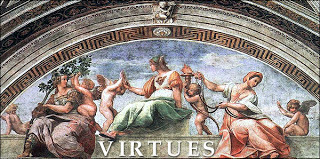 There is no denying one also needs virtues. In today's world, youngsters are not instructed directly about virtue. They have no real idea what the concept entails. Which means they have no idea how useful virtues can be.
A sport coach or two might put virtues in their training terminology, and Sunday School might give them a mention, but writing manuals? Literary consultants? I don't think so. Let's define a few, and see how far we get. We are told there are seven identifiable virtues: abstract concepts that can be hard to grasp or apply to the crackpot world of publishing or the stretchy occupation of authoring books. It's worth an attempt to those who are disciplined enough to have written a few books to define what they feel are the character traits or habits that help rather than hinder their career. They must understand that they have a few qualities with merit without which they would not have been able to put together that last book.
patience kindness love humility diligence
Here they are!
I have tinkered with the four cardinal virtues, the three theological virtues and the seven heavenly virtues to come up with five of my own, which I think as an author, I cannot afford to ignore. They all seem to be self-explanatory, and all who read this might be able to see how they are applicable to authors and the life they lead, the habits they form and the principles to which they would like to adhere. Image from twostep.comI am patient to a fault: that one's the easiest virtue I find to follow, but diligence and love? Hm - some work needed there. I certainly do not always love what I do, and do not always work as hard at it as I'd like to be able to.
What about other writers? What about you - do you find your list shorter or longer than mine? Are you good at waiting? Do you feel a pang of envy or humility every time a colleague publishes something fantastic that sells the instant it's out?
Perhaps all authors should make a list they think they should adopt, and without which they might feel at a disadvantage compared to those who have chalked up some sort of success. Or written about a topic they have longed to treat. Or changed genres to one they really always wanted to work in.
Ha! Perhaps this is what all writers should be doing instead of finding more means of exposure on the social media!
Tell me which virtue you feel has recently contributed to some of your success.


 There is no denying one also needs virtues. In today's world, youngsters are not instructed directly about virtue. They have no real idea what the concept entails. Which means they have no idea how useful virtues can be.
A sport coach or two might put virtues in their training terminology, and Sunday School might give them a mention, but writing manuals? Literary consultants? I don't think so. Let's define a few, and see how far we get. We are told there are seven identifiable virtues: abstract concepts that can be hard to grasp or apply to the crackpot world of publishing or the stretchy occupation of authoring books. It's worth an attempt to those who are disciplined enough to have written a few books to define what they feel are the character traits or habits that help rather than hinder their career. They must understand that they have a few qualities with merit without which they would not have been able to put together that last book.
patience kindness love humility diligence
Here they are!
I have tinkered with the four cardinal virtues, the three theological virtues and the seven heavenly virtues to come up with five of my own, which I think as an author, I cannot afford to ignore. They all seem to be self-explanatory, and all who read this might be able to see how they are applicable to authors and the life they lead, the habits they form and the principles to which they would like to adhere.
 Image from twostep.comI am patient to a fault: that one's the easiest virtue I find to follow, but diligence and love? Hm - some work needed there. I certainly do not always love what I do, and do not always work as hard at it as I'd like to be able to.
 What about other writers? What about you - do you find your list shorter or longer than mine? Are you good at waiting? Do you feel a pang of envy or humility every time a colleague publishes something fantastic that sells the instant it's out?
Perhaps all authors should make a list they think they should adopt, and without which they might feel at a disadvantage compared to those who have chalked up some sort of success. Or written about a topic they have longed to treat. Or changed genres to one they really always wanted to work in.
Ha! Perhaps this is what all writers should be doing instead of finding more means of exposure on the social media!
Tell me which virtue you feel has recently contributed to some of your success.
January 11, 2012
Will they come if you build it?
Anyone who has ever written a whole book will tell you it's tantamount to erecting a baseball or football stadium. Planning, summoning the courage, gathering resources, funding, finding time, seeking like-minded individuals for support, all the figuring out of markets, and then ... publicity and promotions.
And that's where the similarity ends! People flock to stadiums because it's where sport enthusiasts, athletes and participants must meet. I have yet to hear of a sports stadium that never hosted a match, perhaps some sort of stellar event, weekly games, or even a few humble training sessions. I do not think there's such a thing as a stadium that got ignored. It was built, and they came.
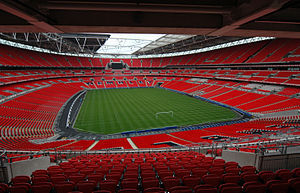 Image via WikipediaBooks are different, and so are writing careers. One can build all one likes, but one can never rely on there being an audience. It's a spooky fact that no one might come. The books can very well remain unread, unrecognized, unnoticed. There is no career with books that are unread.
A lot of advice about publicity and promotions for authors is very strange. It all seems to start with Step Two. There are behests to "Send people to your landing page", or "Direct people to your books on Amazon", or "Your blog should invite people to read: have a call to action". All these things require people to address. It's not possible to send people anywhere, or get them to do anything, without having their attention first. Many have asked me about this. And I have asked myself a number of times: where does one find that initial knot of people willing to try a new author out; willing to take an action; willing to read a blog; willing to try out a first chapter?
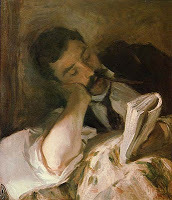 Unlike a huge stadium, a book has a mountain of competing books among which it is completely hidden. Buried. Overwhelmed. Placing a book on Amazon, starting a blog, setting up a website or ordering a box of paperbacks are all great steps, but they take place in pitch darkness. No 'people' can see them. There are only a few people to tell, but they are not nearly enough to fill your 'stadium'. You might have built it, metaphorically speaking, but who will come? How can they come if they don't know about it? How do you tell the crowd out there? Putting a new book on an unknown blog is like never having done a thing.
They say that all one needs is a thousand true and loyal fans. That makes it easy, because each will tell seven friends, and your books will become popular through word of mouth. Until one tries, one has no idea how difficult it is to gather a thousand readers. If you are reading this and nodding, agreeing that even two dozen sales was a phenomenal result, after a superhuman effort you don't think you could summon again, you are not alone. All the world's new authors are nodding with you.
It is monumentally hard, for most new writers, to gather any interest at all for their work. The hardest thing ever attempted, they start to understand, is to get anyone to read anything you have written. There are many, many books on Amazon that have no ranking - which means no one has ever bought a single copy from the Amazon site. The author might hold a roaring sale at every writers' club meeting or shop signing, or university workshop, but Amazon registered no sales. There are millions, literally millions, of Amazon titles with a ranking over 2,000,000. This means very infrequent sales.
Why does this happen? Where are the people? Why is having a title on an online shop not enough? It's not enough, because new books by new authors are virtually invisible. Someone must tell people they exist. But who can the author tell? How does one address a market? Where are the readers of your book? They are strangers, almost impossible to reach.
It doesn't matter how fancy your blog is - if no one sees it, it matters little what's on it, or whether you promote your books or not. All those clever instructions you keep reading require an audience you cannot understand how to obtain in the first place.
Here are a few suggestions to create that knot of people who might become your first readers.I hope you find a thousand!
- Join an online discussion group concerned with your genre
- Join a number of interactive social media sites
- Comment regularly on a set number of relevant blogs: don't be random
- Seek authors who successfully formed a fan base, and observe what they do
- Be prepared to offer advice and interesting commentary
- Seek out avid readers in your genre
- Start small, but start
These activities will befriend you with a number of like-minded authors, readers, and curious people. If you have enough to offer and you are interesting enough, acquaintances might very well grow into friendships, which you must nurture. Generate a list of email addresses you can use (with permission), and formulate a method of keeping in touch infrequently, with interesting observations or news. Those who do not like this kind of contact will soon let you know. The list will evolve into a fan base.
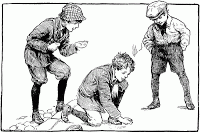
You might start with five, which might grow to fifty-five in about a year. Remember we dreamed about a thousand? Yes - it takes years, and there's no time to start like the present. It's a new year, the industry is becoming more and more amazing. Go out there and instead of building a stadium, start a game of marbles in the dust, and see who will come out to play.
Are you creating a fan base? A knot of loyal readers? Tell me what you do.
Are you a loyal reader? What do you like about the activities and work of new authors you find?


And that's where the similarity ends! People flock to stadiums because it's where sport enthusiasts, athletes and participants must meet. I have yet to hear of a sports stadium that never hosted a match, perhaps some sort of stellar event, weekly games, or even a few humble training sessions. I do not think there's such a thing as a stadium that got ignored. It was built, and they came.
 Image via WikipediaBooks are different, and so are writing careers. One can build all one likes, but one can never rely on there being an audience. It's a spooky fact that no one might come. The books can very well remain unread, unrecognized, unnoticed. There is no career with books that are unread.
A lot of advice about publicity and promotions for authors is very strange. It all seems to start with Step Two. There are behests to "Send people to your landing page", or "Direct people to your books on Amazon", or "Your blog should invite people to read: have a call to action". All these things require people to address. It's not possible to send people anywhere, or get them to do anything, without having their attention first. Many have asked me about this. And I have asked myself a number of times: where does one find that initial knot of people willing to try a new author out; willing to take an action; willing to read a blog; willing to try out a first chapter?
 Unlike a huge stadium, a book has a mountain of competing books among which it is completely hidden. Buried. Overwhelmed. Placing a book on Amazon, starting a blog, setting up a website or ordering a box of paperbacks are all great steps, but they take place in pitch darkness. No 'people' can see them. There are only a few people to tell, but they are not nearly enough to fill your 'stadium'. You might have built it, metaphorically speaking, but who will come? How can they come if they don't know about it? How do you tell the crowd out there? Putting a new book on an unknown blog is like never having done a thing.
They say that all one needs is a thousand true and loyal fans. That makes it easy, because each will tell seven friends, and your books will become popular through word of mouth. Until one tries, one has no idea how difficult it is to gather a thousand readers. If you are reading this and nodding, agreeing that even two dozen sales was a phenomenal result, after a superhuman effort you don't think you could summon again, you are not alone. All the world's new authors are nodding with you.
It is monumentally hard, for most new writers, to gather any interest at all for their work. The hardest thing ever attempted, they start to understand, is to get anyone to read anything you have written. There are many, many books on Amazon that have no ranking - which means no one has ever bought a single copy from the Amazon site. The author might hold a roaring sale at every writers' club meeting or shop signing, or university workshop, but Amazon registered no sales. There are millions, literally millions, of Amazon titles with a ranking over 2,000,000. This means very infrequent sales.
Why does this happen? Where are the people? Why is having a title on an online shop not enough? It's not enough, because new books by new authors are virtually invisible. Someone must tell people they exist. But who can the author tell? How does one address a market? Where are the readers of your book? They are strangers, almost impossible to reach.
It doesn't matter how fancy your blog is - if no one sees it, it matters little what's on it, or whether you promote your books or not. All those clever instructions you keep reading require an audience you cannot understand how to obtain in the first place.
Here are a few suggestions to create that knot of people who might become your first readers.I hope you find a thousand!
- Join an online discussion group concerned with your genre
- Join a number of interactive social media sites
- Comment regularly on a set number of relevant blogs: don't be random
- Seek authors who successfully formed a fan base, and observe what they do
- Be prepared to offer advice and interesting commentary
- Seek out avid readers in your genre
- Start small, but start
These activities will befriend you with a number of like-minded authors, readers, and curious people. If you have enough to offer and you are interesting enough, acquaintances might very well grow into friendships, which you must nurture. Generate a list of email addresses you can use (with permission), and formulate a method of keeping in touch infrequently, with interesting observations or news. Those who do not like this kind of contact will soon let you know. The list will evolve into a fan base.

You might start with five, which might grow to fifty-five in about a year. Remember we dreamed about a thousand? Yes - it takes years, and there's no time to start like the present. It's a new year, the industry is becoming more and more amazing. Go out there and instead of building a stadium, start a game of marbles in the dust, and see who will come out to play.
Are you creating a fan base? A knot of loyal readers? Tell me what you do.
Are you a loyal reader? What do you like about the activities and work of new authors you find?
December 31, 2011
That's all there is: there isn't any more
 Image via Wikipedia This year, 2011, proved to be a most extraordinary one for me as an author.
I am sure that those of you who have followed its progress, in one way or another, as reader or author, have realized the changes that have taken place in the industry, this year, right under our noses. What is significant to note is that some of the shift was instigated, supported and promoted by a different set of people, for a change.
Rather than the powerful conglomerates affecting change, it has been the individual author, but much more importantly, the individual reader, to direct the way the publishing world has flowed. Authors on their own cannot - and will never be able to - cause or manoeuvre a paradigm shift the like of which we have witnessed since October 2010. Readers have flocked to the works of independent authors and small publishers like never before. Now, to determine which came first is a chicken / egg dilemma people are deciding for themselves. But something happened to book pricing this year. Something happened to the way readers read. Something happened to WHAT is being read, and something big enough happened to change bottom lines.
More able writers than I have addressed the shift and there are some very good blogs to be read that sum up 2011 in a masterful way.
Here, I am going to put down a few sentences on how my career has shifted, in just twelve or so months. My second novel was launched by BeWrite Books in March. In April and May, I started to independently publish my back list of short story collections, with the latest, Encore, coming out a few weeks ago. This has swelled my available titles to ten. But that's not all. In the middle of the year, BeWrite Books accepted my third novel, Camera Obscura, which will be launched in 2012. And I also released a number of short stories for quick reads at affordable prices.
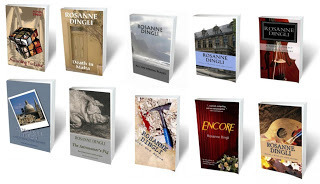 What this has meant to sales of my titles must be seen to be believed. Royalties cheques from BeWrite have never been this good. Sales on Kindle and Createspace for my indie titles are also amazing. They cannot compare with some of the newsworthy hits and their authors who have made the headlines, but for me, they are nothing short of astounding. Not a day goes by without some sales happening somewhere on Earth. This - until this year - was the stuff of dreams for small-name authors, unagented and without the backing machine of a large corporation.
I end 2011 with much hope, and with wishes of the same for the many authors I have met along the way. Many have helped me to make decisions, and to formulated plans of attack, and without them I would still be floundering. Without naming them individually, they include colleagues on LinkedIn discussion groups, who have argued, advised, tried, tested and reviewed until they were blue in the face. Colleagues on ANZauthors, which comprises authors from the Antipodes with a wealth of experience, from which I benefit every day without fail. Colleagues on the much-maligned Kindle threads, whose humour and good nature showed me how to - and how not to - go about discussing my fiction. Individual bloggers who have interviewed and hosted me and my titles on their sites, introducing me to a host of new fans. Editors who have published me previously, in journals, anthologies and as publishers - they have participated and helped. The marvelous team at BeWrite Books, without whose innovation and far-sightedness, According to Luke and Death in Malta would never have seen the light of day.
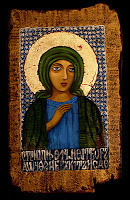 I must also mention family, friends and those on my emailing list, who receive my missives and act upon them. They include old colleagues from places where I have taught, authors I have met along the way, academics I have worked with, struggling poets, childhood friends and supportive family members. The friends I have made through my children's schools and hobbies, their teachers... so many came to my signings, launches and bought my books. I do mention Robyn Varpins by name - she is the artist who painted a large number of icons and reverential works for my launch. Without her input, the launch would not have been half the wild success we enjoyed.
I doubt there will be another year like 2011. It's been impossibly hard work. I have written the equivalent of two novels in blogs, posts and comments, but it's been more than worth it. Although I do not measure success by numbers of book sales, it does count that I have never sold so many books before, in just twelve months. It is the stuff authors dream of. But it's over now - in the words of Ludwig Bemelmans, there isn't any more. We are all going to have to devise new ways to keep up with the changes, and new writing to supply the canny readers to whom we owe so much.
Thank you one and all - a last comment, perhaps decribing your year, would be most welcome.


December 19, 2011
Plus ça change ...
 Image via WikipediaAlthough things seem to change very rapidly in the publishing arena, little has altered in the reader's world, except the sheer volume of choice.
Examining the statistics seems amazing to those who know little about the machinations of book publishing. Who on earth is going to read all those millions of books? If one were to count the readers in any single country, one would not find enough to consume the enormous numbers of books being created by the day.
One would have to eliminate those too young to read or purchase books. Or those with financial restrictions that do not allow them to buy a cheap children's book. One must eliminate the illiterate. And remove those who simply do not read or buy books. A proportion of the population borrows from the libraries that are still standing. Some have not touched a book since school. Many chuck books out with childhood, like so many highchairs, strollers, nappies and bottles.
Reading is not for everyone. Although literacy levels continue to rise, they have little to do with whether that literacy applies to book purchasing - people read other material. They do not have to read books - there is enough material around that needs deciphering. The amount of reading one has to do in an interactive game, for example, is tantamount to a small novel.
I stood in Big W yesterday - a department store that carries everything, from hammers and nails to chocolate and dinner sets and toasters, shoes and fishing rods. I waited by an enormous dump bin crammed with cheap paperbacks and looked at the book section, crammed mainly with celebrity cookbooks, sporting biographies and bestselling novels by household name authors. The store buzzed with shoppers, but the book department was almost deserted. Already shrunk to a quarter of its previous size, and occupying floor space equivalent to a large lounge room, it was the only quiet spot in the store.
Interesting. I watched browsers (all female), who gravitated without fail to the colourful children's section.
 The digital entertainment section buzzed. Dozens walked away with appliances as I watched. I lost count of the eReaders taken off the shelves, and an assistant promptly came to replenish the shelf with Kindles.
I realized that the sales predictions of the industry would apply mainly to online bookstores. Few were making their book purchases as I looked. In the entire shopping complex, two of the bookstores were no more, and the one left was pushed into a corner, and contained only three shoppers when I came up in the lift.
Different from other years? Marginally. I knew what was going on online - I have watched it all year, for a number of years now. Just because readers have shifted where they buy books does not mean they do it any differently. Even the fact that a large number of bought books remain unread stays the same.
The hardworking author might do well to examine what is happening. I leave the conclusion to them - whether they see the changes in quantity of available books - competition - as heartening or depressing depends on their ability to bring their books to the notice of readers, and the ability of their words to retain their attention.
Reading is alive and well - that is not the issue. It's the over supply that makes authors wonder where all this might go in the next five years or so.
What are YOUR predictions?


