Anndy Lian's Blog, page 89
February 21, 2023
What do Ordinal Inscriptions Mean for the Future of Bitcoin?
Anndy Lian | Inter-Governmental Blockchain Adviser | Book Author | Investor | Board Member | Singapore
What do Ordinal Inscriptions Mean for the Future of Bitcoin?
A great deal of buzz has been generated by a novel type of non-fungible tokens known as Ordinal inscriptions. What sets these NFTs apart is that all of their data is etched onto the Bitcoin blockchain, diverging from Ethereum NFTs which are reliant on off-chain metadata that can be altered. Here’s a closer look at Ordinal inscriptions and their potential impact on the future of Bitcoin.
Ordinal inscriptions are a type of NFT that can be created on the Bitcoin blockchain, which allows for all of the data to be directly inscribed on the chain. This is in contrast to Ethereum NFTs, which rely on off-chain metadata. Due to this distinction, Ordinals are considered a potential solution to the challenges that are associated with Ethereum NFTs.
Ordinal inscriptions serve as a means of organizing data on the Bitcoin blockchain. The Bitcoin blockchain functions as a decentralized ledger of all Bitcoin transactions, and Ordinal inscriptions provide a unique identifier for each transaction.While these identifiers are useful for tracking and verifying transactions, there are concerns about the potential for issues, such as “transaction malleability,” to arise as a result of Ordinal inscriptions. Some experts have raised concerns in this regard.
The term transaction malleability refers to the ability of a third party to modify a transaction ID without altering the transaction itself. This can result in confusion and make it more challenging to track and verify transactions.
The concern with Ordinal inscriptions is that if they are not used correctly, they may lead to an environment in which transaction malleability is more prevalent. This could have the effect of making it harder to rely on Bitcoin as a secure and dependable method of payment and transfer.
Fortunately, many experts in the crypto community are aware of the potential risks associated with Ordinal inscriptions and are taking steps to mitigate them. One of the most significant efforts in this regard is the implementation of Segregated Witness (SegWit).
SegWit is a software upgrade that allows for more efficient use of the Bitcoin blockchain by separating signature data from transaction data. This helps to decrease the size of transactions and reduces their susceptibility to malleability.
Beyond SegWit, ongoing efforts are being made to develop other solutions to address the potential risks associated with Ordinal inscriptions. The Lightning Network is one such solution, as it is a layer of two solutions that enables faster and less expensive Bitcoin transactions by conducting them off-chain.
Should you be concerned? If you are a casual Bitcoin user, you likely do not need to be overly concerned about Ordinal inscriptions. The potential risks associated with them primarily affect those involved in more complex Bitcoin transactions, such as multi-signature wallets or smart contracts.Despite the potential benefits of Ordinal inscriptions, there has been a lot of debate over whether they are a “good use” of block space. As more Ordinals are being inscribed, the cost of Bitcoin transactions has risen. Ordinals introduce additional, non-financial data on the Bitcoin blockchain, which can bog down on-chain confirmation times. This includes images, audio clips, and even games. Those not in favour of Ordinals see this as an impediment to the ability of Bitcoin to scale and reach full global adoption.
Inscribing non-fungible characteristics to satoshis, the individual increments of Bitcoin, may challenge its use in place of conventional currency. Ordinals challenge the fungibility of satoshis on the Bitcoin network, as all satoshis should be equal, or they begin to lose a significant trait of money. But Ordinals can alter the value of these units of money, much like rare collectible coins. This debate over whether these individual units must be deemed equal is unfolding before our eyes and needs to be understood.
Bitcoin is money, and that’s the largest and most important use case, impacting the most people in the world. In the end, I believe that Ordinals will remain niche. While Ordinals may be viewed as exciting, they are unlikely to become the go-to choice for many people who use Bitcoin’s block space.
Ultimately, the markets decide. One of the biggest yet baseless claims is that Bitcoin doesn’t evolve or change. While there may be some truth to this, any changes to the protocol should be slow and methodological. Ultimately, the markets will decide whether Ordinal inscriptions are a viable solution for the challenges associated with Ethereum NFTs.
One key factor to remember about Bitcoin, and any other digital asset, is that its success depends on market demand. If the market values the features offered by Ordinal inscriptions, then they are likely to be adopted and integrated into the Bitcoin network. However, if the market does not value them, then they will remain a niche offering.
While Ordinal inscriptions may pose some potential risks to the Bitcoin network, the crypto community is actively working to address these issues. As long as you take appropriate precautions to protect your Bitcoin holdings, there’s no need to be overly concerned about this discussion in the short term. In fact, these discussions help to strengthen and test the resilience of the Bitcoin network. I see lots of positivity in this.
Source: https://intpolicydigest.org/what-do-ordinal-inscriptions-mean-for-the-future-of-bitcoin/

The post What do Ordinal Inscriptions Mean for the Future of Bitcoin? appeared first on Anndy Lian | Inter-Governmental Blockchain Adviser | Book Author | Investor | Board Member | Singapore by Anndy Lian.


February 20, 2023
Apa itu Wash Trading dan Cara Hindari Agar Tak Jadi Korban Harga Semu
Anndy Lian | Inter-Governmental Blockchain Adviser | Book Author | Investor | Board Member | Singapore
Apa itu Wash Trading dan Cara Hindari Agar Tak Jadi Korban Harga Semu
Pembentukan harga baik di pasar cryptocurrency, saham, maupun non-fungible token (NFT) terjadi karena adanya permintaan dan penawaran. Namun, ketika penawaran beli dan jual muncul dari pihak yang sama dengan tujuan untuk menyesatkan pasar, itulah namanya wash trading.
Sejauh ini, di pasar saham, praktik manipulasi harga dan volume perdagangan dilarang. Akan tetapi, di ranah cryptocurrency, masih belum ada aturan yang mewadahi kondisi ini. Makanya, pelaku crypto atau pemula dapat terjebak dalam harga semu bila terjadi proses trading yang dibuat-buat ini.
Artikel ini akan membahas tentang wash trading, bagaimana cara kerjanya dalam pasar crypto serta bagaimana menghindari jadi korbannya.
Ingin mendapatkan tips menarik terkait trading cryptocurrency terbaru? Bergabunglah dengan Komunitas Trading BeInCrypto di Telegram: baca ulasan dan tips trading crypto, tanyakan dan dapatkan jawaban atas semua pertanyaan kamu dari trader PRO. Gabung sekarang!
Daftar isiApa Itu Wash Trading?Cara Kerja Wash Trading1. Niat2. HasilWash Trading di Pasar CryptocurrencyContoh Wash TradingPerbedaan Wash Trading vs. Market MakingWash Trading NFTApakah Wash Trading Ilegal?Bagaimana Cara Mendeteksi Wash Trading?Cara Menghindari Jadi Korban Wash TradingKesimpulanPertanyaan yang sering ditanyakanApa Itu Wash Trading?Wash trading adalah penjualan aset oleh seorang trader, yang kemudian hampir bersamaan dengan pembelian kembali aset itu oleh trader yang sama untuk membuat persepsi harga dan likuiditas. Praktik ini bisa menjadi sebuah bentuk manipulasi pasar, baik di pasar saham, cryptocurrency maupun NFT. Sebab, seorang investor bisa membeli sebuah aset dan dengan segera menjualnya agar mempengaruhi harga pasar atau likuiditas dari aset tersebut.
Ada sejumlah motivasi bagi seorang trader atau pihak yang berkolusi untuk melakukan wash trading. Tujuan utamanya mungkin untuk mendorong pembelian agar harga meningkat. Atau sebaliknya, trader itu justru menjual agar harga aset turun.
Motivasi lainnya mungkin melibatkan trader yang berupaya untuk membuat kerugian modal dalam upaya mencari pengembalian pajak. Caranya, adalah dengan menjual aset dalam dan membelinya kembali di harga yang lebih rendah.
Meskipun praktik ini bisa melibatkan beberapa trader, sejumlah perusahaan berbeda dan akun yang berbeda, motivasinya sama. Maksud dari wash trading adalah untuk menyesatkan, membuat persepsi dari harga dan volume dari sebuah aset keuangan atau yang menjadi obyek perdagangan.
Cara Kerja Wash TradingPada dasarnya, wash trading adalah investor membeli dan menjual sebuah aset pada saat yang sama. Namun, dalam praktik manipulasi pasar tingkat tinggi, yang terlibat adalah maksud dan tujuan sang investor tersebut.
Makanya, ada dua kondisi yang menentukan terjadinya wash trading:
1. NiatKondisi pertama adalah niat atau intensi. Wash trader pasti memiliki strategi khusus untuk membeli dan menjual aset yang sama sebelumnya. Sekali lagi, wash trading dilakukan sebagai upaya untuk menyesatkan alias manipulasi pasar. Akibatnya, banyak akun terlibat untuk mencoba melakukan misrepresentasi.
Trader perorangan, atau perusahaan, akan melakukan transaksi pada aset yang sama. Namun, mereka akan menggunakan akun yang berbeda untuk menghasilkan perubahan harga atau peningkatan volume perdagangan. Satu akun akan menjual aset ke akun yang lain tetapi sebenarnya akun-akun tersebut adalah satu pihak yang sama.
2. HasilHasil dari transaksi tersebut harus berupa wash trade, yaitu investor telah membeli dan menjual aset yang sama pada waktu yang sama, dengan menggunakan rekening yang memiliki kepemilikan yang sama atau bersama.
Salah satu cara untuk menentukan apakah wash trading sedang terjadi adalah dengan memeriksa posisi keuangan investor. Jika trading tidak mengubah keseluruhan posisi investor, atau memaparkan mereka pada segala jenis risiko pasar, maka itu dapat menjadi sebuah “pencucian”.Wash Trading di Pasar CryptocurrencyMeski awalnya terjadi di pasar saham, dalam beberapa tahun terakhir, wash trading juga terlihat di pasar cryptocurrency. Ada upaya yang jelas dari banyak proyek kripto untuk memberikan kesan popularitas dan volume perdagangan yang tinggi.
Praktik ini tidak terbatas pada koin berkapitalisasi rendah dan telah memengaruhi bahkan mata uang kripto paling populer seperti Bitcoin. Ada beberapa alasan mengapa wash trading ada di ruang crypto:
Mata uang utama seperti Bitcoin tidak memiliki metode yang diterima secara universal untuk perhitungan volume perdagangan harian. Akibatnya, cryptocurrency exchange sering menghasilkan angka yang berbeda untuk volume perdagangan historis.Banyak crypto exchange tidak memiliki legitimasi, yang terbukti dengan runtuhnya sejumlah nama besar dalam beberapa tahun terakhir.Ada juga volatilitas ekstrem di ruang cryptocurrency yang mendorong pembelian dan penjualan cepat.Contoh Wash TradingMisalnya, investor mayoritas dalam proyek token crypto XYZ mungkin membeli lebih banyak token XYZ dari proyek itu menggunakan banyak alamat. Setelah mereka memperoleh XYZ tambahan, mereka akan mentransfer jumlah XYZ yang sama ke bursa. Pada saat itu, mereka akan mengubah XYZ menjadi Ether (ETH) dan menggunakan ETH tersebut untuk membeli lebih banyak XYZ. Perilaku ini akan berlanjut selama beberapa waktu, menggunakan banyak alamat sebagai upaya untuk menyamarkan maksud mereka.
Investor luar akan melihat peningkatan minat dan volume di XYZ, kemudian memutuskan untuk membeli token tersebut dalam jangka panjang. Minat tambahan dari investor luar dengan maksud jangka panjang ini meningkatkan harga XYZ. Kemudian, orang dalam tersebut akan menjual sejumlah aset crypto XYZ mereka untuk mendapatkan keuntungan.
Intinya, investor besar XYZ menggunakan wash trading untuk menyesatkan orang lain tentang minat spekulatif dalam proyek tersebut. Sehingga, mereka pada akhirnya dapat membuang kepemilikan mereka untuk mendapatkan keuntungan. Praktik ini mirip seperti pump and dump yang juga terkenal di dunia trading crypto.
Perbedaan Wash Trading vs. Market MakingDi permukaan, wash trading dan market making mungkin tampak seperti hal yang sama. Akan tetapi, kedua hal ini berbeda dari segi intensi.
Market making adalah membeli dan menjual aset dalam jumlah yang sama pada waktu yang sama, tetapi mungkin di lokasi yang berbeda. Misalnya, market maker Bitcoin akan menyediakan bagi trader untuk membeli di satu bursa seharga $49.300. Kemudian, ketika seorang investor memutuskan untuk membeli 0,01 Bitcoin dari market maker, si market maker akan akan berbalik dan dengan cepat membeli 0,01 Bitcoin seharga $49.200 di bursa lain. Nah, market maker akan mendapat untung dari selisih dan perbedaan harga untuk Bitcoin.
Perbedaan utama antara market making dan wash trading adalah niat. Market maker menyediakan aset untuk dibeli dan dijual oleh investor lain. Oleh karena itu, ada investor lain yang terlibat dalam transaksi market making. Market maker membiarkan aset crypto mereka tersedia untuk dibeli orang lain (yang tidak mereka kenal).
Wash trading, di sisi lain, adalah ketika satu-satunya “pihak” dalam transaksi adalah akun dengan kepemilikan bersama yang berupaya melakukan manipulasi pasar. Trader dengan intensi ini akan menggunakan akun bersama untuk menjadi “beberapa pihak” dalam perdagangan. Dengan cara ini, wash trader secara efektif berdagang dengan diri mereka sendiri — dan tidak dengan orang lain. Akibatnya, tidak ada manfaat langsung selain menyesatkan orang lain tentang harga atau volume aset keuangan.
Wash Trading NFTDalam pasar non-fungible token (NFT), wash trading sangat mungkin terjadi. Sebab, dengan sifatnya yang unik, sang kreator NFT tentu ingin hasil karyanya melejit. Makanya, kreator ingin harga NFT miliknya naik tinggi sehingga mendapat profit ketika menjualnya. Dengan praktik wash trading, kreator NFT tidak hanya dapat menaikkan harga tetapi juga meningkatkan volume perdagangan.
Akibatnya, orang lain yang melihat aktivitas terkait aset NFT tersebut dapat mempertimbangkan untuk membelinya di harga tinggi. Nah, ketika NFT terjual ke orang lain, sang kreator bisa menikmati selisih harganya.
Menurut laporan Dune, nyaris 60% perdagangan non-fungible token (NFT) tahun 2022 terjadi dengan melibatkan praktik wash trading. Pada banyak kasus, para pengguna membuat banyak akun di marketplace NFT terkait lalu memanfaatkannya untuk melancarkan aktivitas beli dan jual kolektibel yang sama.
Dengan menunjukkan eksistensi NFT atau koleksi tersebut, scammer kemudian bisa menjualnya ke pihak ketiga. Kemudian, mereka bisa memanen profit yang jauh lebih tinggi daripada jumlah yang terpakai untuk biaya transaksi untuk memanipulasi harga.
Apakah Wash Trading Ilegal?Menurut aturan Bursa Komoditas AS, wash trading adalah ilegal. Sebab, ini merupakan upaya untuk memanipulasi pasar dan harga saham. Di AS, Komisi Perdagangan Komoditas Berjangka (CFTC) juga mendorong regulasi terkait wash trading. Ini termasuk pedoman yang melarang broker untuk meraih keuntungan dari hasil aktivitas tersebut.
Akan tetapi, di dunia crypto belum ada regulasi terkait praktik ini. Di AS, Komisi Sekuritas dan Bursa (SEC) mulai memantau pasar cryptocurrency. Namun, NFT tidak termasuk dalam sekuritas, karena sifatnya yang non-fungible dan di luar kewenangan dari SEC.
Oleh karena itu, dengan belum adanya regulasi terkait ini di ranah cryptocurrency, masih ada risiko wash trading untuk ast kripto. Akibatnya, ini berujung pada manipulasi harga dan volume dari cryptocurrency.
Bagaimana Cara Mendeteksi Wash Trading?Menurut Anndy Lian dari Forkast, ada beberapa logika bagi calon pembeli untuk menganalisis bagaimana sebuah NFT jadi obyek wash trading.
Sebuah NFT diperdagangkan oleh satu alamat lebih dari beberapa kali dalam sehari. Sementara koleksi lainnya dari kreator yang sama tidak bergerak.Alamat-alamat yang melakukan trading NFT tersebut menggunakan cara cepat dengan frekuensi tinggi.Koleksi NFT tiba-tiba mengalami peningkatan frekuensi perdagangan tanpa adanya marketing atau promosi.Rata-rata harga historis dalam transaksi sebuah NFT jauh lebih tinggi di marketplace A vs B.Harga penjualan dari sebuah NFT jauh lebih tinggi daripada NFT yang tersedia dalam koleksi sama.Alamat wallet yang sama mendanai semua pembelian dan penjualan NFT tersebut.Volume trading yang sangat tinggi secara konstanMeskipun demikian, asumsi-asumsi itu tidak semuanya sempurna. Yang terpenting adalah bagaimana bisa melacak beberapa wallet yang sebenarnya saling berkaitan atau dari pihak yang sama.
Cara Menghindari Jadi Korban Wash TradingWash trading lebih umum terjadi di pasar yang lebih kecil dan baru daripada di pasar yang lebih besar dan lebih mapan. Ini karena pasar yang lebih kecil lebih mudah jadi obyek manipulasi.
Whale (investor crypto besar) dapat dengan mudah menggerakkan harga cryptocurrency yang punya market cap kecil. Sebab, ukuran modal mereka mungkin setara dengan nilai seluruh market cap crypto itu sendiri.
Selain itu, koin yang baru meluncur ke pasar tidak akan memiliki riwayat harga atau volume apa pun. Oleh karena itu, pengembang atau orang dalam lainnya mungkin terlibat dalam praktik manipulasi harga untuk menyesatkan trader tentang nilai sebenarnya dari koin tersebut.
Begitu pula dengan NFT, yang seringnya tidak memiliki volume atau minat dalam perdagangannya. Oleh karena itu, pemilik NFT dapat dengan mudah terlibat dalam wash trading untuk memikat pembeli yang tidak curiga agar membeli NFT dengan harga tinggi.
Maka, cara terbaik menghindari jadi korban wash trading adalah:
Hindari penerbitan proyek baru, crypto dengan market cap kecil, dan proyek NFT baru. Sebab, proyek-proyek baru belum mendapatkan volume cukup untuk perdagangan. Makanya para investor awal menggunakan teknik wash trading untuk mendongkrak harga dan volume.Pilih cryptocurrency yang lebih mapan dengan volume lebih besar. Semakin besar pasar, semakin besar juga dana dan pemain yang terlibat untuk memanipulasi pasar. Sehingga risiko wash trading pun semakin kecil.Cari aset crypto dengan rekam jejak perdagangan yang mapan. Dengan begitu, kamu dapat membandingkan volume transaksi sekarang dengan riwayat crypto tersebut. Perbandingan ini akan menunjukkan apakah jumlah volume yang ekstrim telah memasuki pasar, yang mungkin menyesatkan pelaku pasar.Setiap pedagang atau investor yang baik akan memiliki rencana dan strategi untuk perdagangan mereka. Memiliki proses dan metode berulang untuk masuk ke dalam perdagangan dan posisi — plus proses untuk keluar dari perdagangan — dapat membawa konsistensi dalam perdagangan. Dalam rencana perdagangan, pastikan juga untuk mempertimbangkan usia dan ukuran kapitalisasi pasar mata uang kripto.KesimpulanSecara umum, wash trading adalah aktivitas yang ilegal yang melibatkan pembelian dan penjualan saham oleh pihak yang sama di pasar saham. Namun, di pasar cryptocurrency belum ada regulasi yang melarang praktik ini. Apalagi, dalam trading NFT tidak ada aturannya, karena NFT dianggap sebagai aset properti yang unik.
Untuk menghindari terjebak dalam pusaran harga tinggi akibat wash trading, baik di pasar crypto maupun NFT, investor perlu lebih teliti. Pilih aset yang sudah mapan dan hindari proyek baru dengan volume masih rendah. Selalu terapkan DYOR (Do Your Own Research) sebelum memutuskan untuk membeli aset.
Source: https://id.beincrypto.com/belajar/wash-trading-crypto-nft/
The post Apa itu Wash Trading dan Cara Hindari Agar Tak Jadi Korban Harga Semu appeared first on Anndy Lian | Inter-Governmental Blockchain Adviser | Book Author | Investor | Board Member | Singapore by Anndy Lian.
What Is Web4 And Where Are The Opportunities?
Anndy Lian | Inter-Governmental Blockchain Adviser | Book Author | Investor | Board Member | Singapore
What Is Web4 And Where Are The Opportunities?
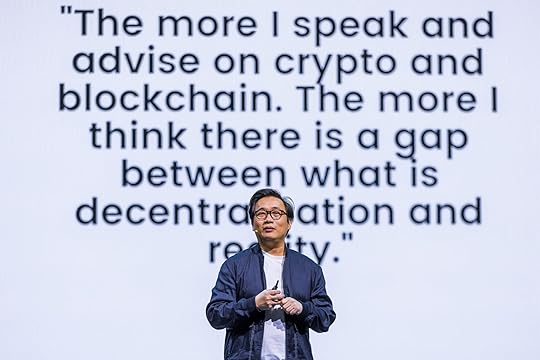
Ideal decentralization refers to a system or network in which no single entity has control or the ability to make decisions for the entire system. Instead, power and decision-making are distributed among multiple participants, making it more difficult for any one person or group to manipulate or control the system. This ideal state could be Web4.
Web4 is not a widely used term and it’s not a consensus definition, so it may refer to different things depending on the context. However, some people use the term “Web4” to refer to the next generation of the World Wide Web, which would be even more decentralized and more focused on artificial intelligence, semantic web, and the internet of things, among other things. It would be characterized by more dynamic, autonomous, and interconnected systems that can learn from data, communicate with each other and adapt to changing environments. This would allow for more dynamic and adaptable systems that can learn from data and improve over time.
However, it’s important to note that Web4 is not an official term and it’s not a widely accepted concept in the industry, so the extent to which it would be more decentralized than the current web (Web3) or previous versions of the web would depend on how it is defined.
New DecentralizationThe idea behind Web4 is to create a more decentralized and autonomous web that allows for more direct interactions between users and devices without the need for intermediaries. This could include the use of decentralized technologies, such as blockchain, peer-to-peer networks, and distributed systems, to enable new forms of online interactions and services that are not controlled by centralized entities. Additionally, Web4 could also have a greater focus on AI and machine learning, which would allow for more dynamic and adaptable systems that can learn from data and improve over time.
Web4 is seen as the next evolution of the World Wide Web, building upon the decentralized technologies of Web3. In Web4, the user experience is streamlined and frictionless, with the underlying technical details abstracted away. This means that users won’t need to worry about the specific blockchain being used, the intricacies of ZK-Rollups, or setting the right gas limit for transactions. The gas wars and transaction fees of the current web3 will be a thing of the past.
Moreover, Web4 has the potential to create a circular crypto-economy that transcends physical and digital boundaries, making the need for fiat on and off ramps obsolete. This would be a significant disruption in the current financial system.
There are other interpretations of what Web4 could be, such as the “symbiotic web,” which refers to a symbiotic relationship between humans and machines, possibly even utilizing direct brain-machine interfaces.
Overall, the transition from Web1 to Web2, and now from Web3 to Web4, is similar in that it is a gradual process that opens new doors and invites more people to participate. While Web3 is still in its early stages and considered experimental, Web4 is expected to be more accessible and user-friendly, making it more widely adopted by the general public.
Where Are The Opportunities?Web 4.0 offers a wealth of possibilities for companies and individuals. The symbiotic web will enable the creation of more personalized experiences, allowing businesses to better understand their customers and provide tailored content.
AI-powered automation will improve efficiency, speed up time to market and lower costs, giving businesses a competitive edge and better customer service.
The combination of hardware, software and data will enable the development of new products and services, such as connected devices that interact with users and gather data for personalization.
Web 4.0 also opens up new revenue streams, like targeted advertising or subscription services, using data collected.
Additionally, VR and AR applications will allow for new ways for businesses to engage with customers, for example, creating an AR application that allows customers to interact with products in a 3D space.
In Summary, What Do We See In Web4?1) Industry 4.0 full automation
2) Decentralized sustainable metaverse + AR + VR
3) AI making steps into the decentralized realm
4) Real decentralized app and economies
5) Real power back to the users
Web5 And JackIn 2022, Jack Dorsey, the former CEO of Twitter, emerged as a leading figure in the development of Web5. He shared his vision for the next generation of the internet at the Consensus crypto and blockchain conference. Dorsey’s team at TBD, the Bitcoin-focused division of his fintech company Block (formerly known as Square), supports him in this endeavour.
According to Dorsey, Web5 is a solution to the issues he has with Web3, particularly his belief that it will never fully achieve decentralization.
“You don’t own ‘Web3.’ The [venture capitalists] and their [limited partners] do,” Dorsey said in a tweet, referring to the billions being poured into Web3. “It will never escape their incentives. It’s ultimately a centralized entity with a different label.”
“Know what you’re getting into,” he warned.
Ending Note:
Yes, it’s important to note that true decentralization is a core principle of a decentralized economy. This means that there is no central authority or intermediary controlling or managing the network or its transactions. Instead, power and control is distributed among the network’s participants, and decisions are made through consensus mechanisms such as voting or proof of work. Decentralization ensures that the network is resistant to censorship, fraud, and other malicious activities and that the network’s users have full control over their own assets.
Perhaps, Web4 is a chance for us to redefine decentralization, reform and improve decentralization, and revalue the true meaning behind decentralisation.
Source: https://www.benzinga.com/23/02/30946353/what-is-web4-and-where-are-the-opportunities

The post What Is Web4 And Where Are The Opportunities? appeared first on Anndy Lian | Inter-Governmental Blockchain Adviser | Book Author | Investor | Board Member | Singapore by Anndy Lian.
India eyes global crypto regulations in G20: Are we ready for uniformity?
Anndy Lian | Inter-Governmental Blockchain Adviser | Book Author | Investor | Board Member | Singapore
India eyes global crypto regulations in G20: Are we ready for uniformity?

India holds the G20 presidency this year and is a member of the G20 and the Financial Action Task Force (FATF). At the G20 and FATF meetings, India has been actively engaged in discussions on the issue of cryptocurrencies and their potential risks, particularly concerning money laundering and terrorist financing. I think that cryptocurrency regulation is likely to be one of the many things that will be talked about this year while the G20 is in charge.
In recent years, India has taken a cautious approach to cryptocurrencies and expressed concerns about their potential for illegal activities. In India, although trading in cryptocurrency assets is not prohibited, the introduction of a severe tax rate last year has significantly reduced such activity.
Additionally, offsetting losses from one cryptocurrency asset with gains from another has been prohibited. The Indian government has also discussed the possibility of implementing stricter regulations for cryptocurrencies, although it has not yet taken any concrete steps in this direction.
At the G20 and FATF meetings, India emphasized the need for international cooperation in addressing the risks posed by cryptocurrencies, including sharing information and best practices among countries. India has also supported the FATF’s efforts to develop global standards for regulating cryptocurrencies and has expressed its commitment to working with other countries to ensure the effective implementation of these standards.
What is the purpose of the proposed uniform regulations for cryptocurrency in India?
The purpose of the proposed uniform regulations for cryptocurrency in India is to provide a clear and consistent framework for using and managing cryptocurrencies. It is aimed to addressing the various risks associated with cryptocurrencies, such as financial stability, consumer protection, and illicit activities, while also promoting the development of the cryptocurrency industry in India.
The proposed laws are aimed at ensuring that the use of cryptocurrencies is in line with the overall goals of the Indian economy and that the risks associated with cryptocurrencies are effectively mitigated. The Indian government wants to make the cryptocurrency market fair for everyone and encourage people to use cryptocurrencies in a responsible and open way.
In addition to mitigating the risks posed by cryptocurrencies, it would also promote the growth and innovation of the cryptocurrency industry in India. By having clear and stable rules, the Indian government hopes to encourage investment, encourage innovation, and support the growth of the industry, which will help the Indian economy as a whole.
What are the key features of the proposed regulations?
The key features of the proposal may include provisions related to the licensing and registration of cryptocurrency exchanges, the reporting of suspicious transactions, and the implementation of anti-money laundering and countering the financing of terrorism (AML/CFT) measures. The rules may also include rules to protect consumers and keep their information private, as well as requirements to keep records and report to regulatory authorities.
It may outline the responsibilities of various stakeholders in the cryptocurrency ecosystem, such as exchanges, wallet providers, and users. They may set standards for their operation and conduct. They may also specify the types of cryptocurrencies that can be traded or held by individuals or businesses and establish rules for their safe storage and transfer.
The regulations may also address issues related to taxation and the treatment of cryptocurrency-related transactions for tax purposes. They may specify the tax implications of holding, buying, and selling cryptocurrencies and the tax treatment of income generated from cryptocurrency-related activities.
How will the introduction of these regulations impact the cryptocurrency industry in India?
Currently, the status of cryptocurrency regulations in India is somewhat uncertain. While the Indian government has expressed concerns about the potential risks posed by cryptocurrencies, it has not yet taken any concrete steps to regulate the industry. The Reserve Bank of India (RBI) has issued several warnings about using cryptocurrencies but has not yet implemented any specific regulations.
The introduction of these regulations may have a significant impact on the cryptocurrency industry in India. The regulations may create a more favorable environment for the industry’s growth by providing a clear and consistent framework for using cryptocurrencies. However, the regulations may impose additional costs and compliance requirements on cryptocurrency exchanges, which may impact their profitability. Additionally, the regulations may affect consumer behaviour as they may increase consumer confidence in the safety and security of cryptocurrencies.
In recent years, there has been growing interest in cryptocurrencies in India, and many cryptocurrency exchanges have emerged to meet this demand. But without clear and consistent rules, the use and management of cryptocurrencies in India are mostly uncontrolled.
How will it affect the wider Indian economy?
The proposed regulations for cryptocurrency in India may have a broader impact on the Indian economy. If the regulations effectively reduce the risks associated with cryptocurrencies, they may increase investor confidence and boost the industry’s growth. This, in turn, may positively impact employment and economic development.
But if the rules are too strict or hard to follow, they could slow down the growth of the industry and make it less likely to help the economy.
Are we ready for uniform crypto regulations?
This is a key question. Are we ready?
By introducing uniform regulations, the Indian government hopes to ensure that cryptocurrencies are used safely and securely while also protecting investors’ interests. From my point of view, the need for uniformity in the regulation of cryptocurrencies among G20 countries is a matter of debate. On the one hand, uniform regulations can help ensure a level playing field for businesses and prevent regulatory arbitrage, where companies flock to more lenient laws. This can also help to reduce the potential for cross-border risks to the financial system.
On the other hand, each country has unique economic, political, and cultural contexts and may have different needs and priorities regarding regulating cryptocurrencies. For example, some countries may put more emphasis on protecting consumers, while others may put more emphasis on fighting money laundering and terrorism financing.
Ultimately, the ideal approach to regulating cryptocurrencies is likely to be a balance between these two perspectives, where countries adopt a standard set of principles while still retaining the flexibility to tailor regulations to their specific circumstances. This approach can help make sure that cryptocurrencies are regulated in a way that encourages innovation, protects consumers, and reduces potential risks to the financial system while still respecting the sovereignty of each country.
I think it is too early to have uniform regulations across G20 countries on cryptocurrency. They did not perfect it in traditional finance; it will be a lot harder for cryptocurrency. Regulations should be localized if they want to move fast to catch up with the speed of changes in the cryptocurrency space.
The proposal for uniform regulation of cryptocurrencies among G20 countries could potentially delay regulation in individual countries, including India. Being an intergovernmental advisor on blockchain and cryptocurrency matters, I would propose that the Indian government do the same, rather than have uniform regulations across the entire country; they should be LocalizedThis approach can have several advantages, such as allowing for a more flexible and agile regulatory framework that can respond quickly to market changes and industry needs. LoLocalizedegulations can also take into account the specific needs and circumstances of different regions and jurisdictions and allow for the development of regulations tailored to the local context and priorities. This can be especially important in a country as diverse and complex as India, where there may be significant regional variations in the needs and challenges faced by the cryptocurrency industry.
To conclude
Indeed, the recent events in the crypto market have highlighted the need for some form of regulation in the crypto market. These events have demonstrated the potential risks associated with cryptocurrencies, including the volatility of prices, the lack of investor protection, and the potential for illegal activities.
The Indian Presidency provides an opportunity for India to showcase its leadership and to promote its views and interests on these and other issues of global significance. The timeline for introducing the regulations has not been officially announced yet. It is expected that the regulations will be presented in the near future following the G20 conference this month.
I hope something concrete and reasonable on cryptocurrency will come out of this meeting. Fingers-crossed.

The post India eyes global crypto regulations in G20: Are we ready for uniformity? appeared first on Anndy Lian | Inter-Governmental Blockchain Adviser | Book Author | Investor | Board Member | Singapore by Anndy Lian.
India Leads G20 Talks On Crypto Regulation & SOP
Anndy Lian | Inter-Governmental Blockchain Adviser | Book Author | Investor | Board Member | Singapore
India Leads G20 Talks On Crypto Regulation & SOP

India’s Finance Minister, Nirmala Sitharaman, has stated that the Indian government is engaging in “detailed discussions” with other G20 members regarding the development of a standard operating procedure (SOP) for regulating cryptocurrencies. The current unregulated environment for cryptocurrencies in the country and across the globe, has prompted India to seek a collaborative effort, on the sideline of the G20 Summit, to develop a comprehensive framework. Sitharaman stressed the need for a globally coordinated approach to regulating cryptocurrencies during a recent meeting with the International Monetary Fund Managing Director Kristalina Georgieva.
The Group of Twenty (G20) comprises 19 countries and the European Union, representing around 85% of the global GDP, over 75% of the global trade, and about two-thirds of the world population. Sitharaman has affirmed that the government is working together with other G20 members to develop a “coherent, comprehensive approach” that will regulate cryptocurrency mining and transactions.
In India, the cryptocurrency trade currently attracts a 30% tax and a 1% tax deducted at source (TDS). While the country has still not prepared a regulatory framework for cryptocurrencies, the government introduced new crypto tax penalties, including jail time for nonpayment of crypto TDS. Meanwhile, India’s central bank, the Reserve Bank of India (RBI), has continued to recommend a complete ban on crypto assets, including bitcoin and ether. RBI Governor Shaktikanta Das has warned that cryptocurrencies pose a risk to the country’s financial system and will cause the next financial crisis if they are not banned. The government’s stance on cryptocurrencies has been challenged by the Indian crypto industry, which has been advocating for regulatory clarity and a favorable operating environment.
Sitharaman’s call for a coordinated approach to regulating cryptocurrencies is a significant development that highlights the need for international collaboration to develop comprehensive regulatory frameworks for digital assets. The outcome of the discussions within the G20 will be closely watched by industry stakeholders and governments around the world as they could provide a model for regulating cryptocurrencies in other countries.
Uniform Regulations For Cryptocurrencies May not Work
In my humble opinion, I do not have any objections in forming regulatory frameworks to protect users. The idea of having uniform regulations throughout G20 countries is the issue I have. There are several reasons why uniform regulations for cryptocurrencies may not work.
Firstly, the global cryptocurrency market is highly fragmented, with different countries and regions having different regulatory frameworks and approaches to cryptocurrencies. Therefore, imposing a uniform set of regulations across all these jurisdictions may not be practical or feasible.
Secondly, cryptocurrencies themselves are highly diverse and complex, with different types of cryptocurrencies serving different purposes and having different features. For example, some cryptocurrencies are designed to be used as a medium of exchange, while others are intended to be used as a store of value. Furthermore, cryptocurrencies can be structured in different ways, such as security tokens or utility tokens, and can be traded on different types of platforms. Therefore, any attempt to impose uniform regulations may not take into account the nuances and specificities of different types of cryptocurrencies.
Thirdly, there may be differences in the priorities and interests of different countries and regions when it comes to regulating cryptocurrencies. For example, some countries may prioritize consumer protection, while others may prioritize financial stability. Therefore, it may be difficult to reach a consensus on uniform regulations that satisfy the interests and concerns of all countries and regions.
Finally, even if uniform regulations are agreed upon, enforcing them may be a challenge. Cryptocurrencies are highly decentralized, and transactions can be carried out anonymously and without the involvement of traditional financial institutions. Therefore, enforcing regulations may require sophisticated technology and a high degree of international cooperation and coordination.
Regulated By A Patchwork of Different Regulations Across Different Countries
It’s true that traditional finance, or “tradfi,” has not achieved uniform regulation globally, and this may be an indication that achieving uniform regulations for the cryptocurrency industry may also be difficult.
“Traditional finance is regulated by a patchwork of different rules and regulations across different countries and regions, and achieving global harmonization has been a long-standing goal of regulators and industry participants. However, despite years of effort, there are still significant differences in the regulatory frameworks across jurisdictions, and achieving uniformity is a complex and ongoing process.
Given the challenges of achieving uniform regulation in traditional finance, it’s possible that the cryptocurrency industry may also face similar difficulties in achieving global harmonization. However, it’s important to note that the cryptocurrency industry is still in its early stages, and there is still a significant amount of uncertainty and ambiguity around the regulatory frameworks that will ultimately be put in place.
Ultimately, the goal of achieving uniform regulations in any industry is to promote transparency, consistency, and stability. While it may be difficult to achieve this goal, it is an important one to strive for, as it can help build trust and confidence in the industry, promote innovation, and protect consumers.”

The post India Leads G20 Talks On Crypto Regulation & SOP appeared first on Anndy Lian | Inter-Governmental Blockchain Adviser | Book Author | Investor | Board Member | Singapore by Anndy Lian.
February 17, 2023
Crypto Regulation in the G20: An Assessment of Policy Responses by Anndy Lian
Anndy Lian | Inter-Governmental Blockchain Adviser | Book Author | Investor | Board Member | Singapore
Crypto Regulation in the G20: An Assessment of Policy Responses by Anndy Lian
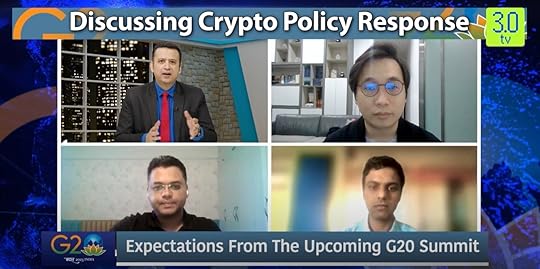
The global crypto community will be keenly awaiting the outcome of the upcoming G20 summit in Bengaluru, where discussions on the future of virtual or digital assets are expected to take place.
At the G20 summit, various countries and their regulatory bodies will come together to discuss the need for a collaborative approach towards building a regulatory framework for digital assets. The summit is likely to cover various aspects of the crypto market, such as security, taxation, and investor protection, among others. The outcome of these discussions will be of great importance for the global crypto community as it may set the tone for how different countries will regulate digital assets in the future.
The phrase “fate of the virtual assets” in the statement refers to the regulatory status and legal recognition of digital assets like cryptocurrencies, which remain a gray area in many countries. The lack of clear regulations has led to various challenges for investors and businesses operating in the crypto market. Therefore, the discussions at the G20 summit will be critical in shaping the future of the industry, and the global crypto community will be keenly following the developments.
Anndy Lian added: “The ideal approach to regulating cryptocurrencies should balance standard principles with the flexibility to tailor regulations to individual country circumstances. The proposal for uniform crypto regulation among G20 countries may delay regulation in individual countries like India. Instead, a localized approach can provide advantages such as a more flexible and agile regulatory framework, the ability to respond quickly to market changes and industry needs, and regulations tailored to the local context and priorities. This approach can be especially important in a diverse country like India with significant regional variations in industry needs and challenges.”
In conclusion, while the Union Budget may have offered very little for crypto investors in India, the upcoming G20 summit in Bengaluru is a significant event that could set the tone for the future of the crypto industry. The global crypto community will be paying close attention to the discussions and decisions made at the summit, as they will have far-reaching implications for the industry.
The post Crypto Regulation in the G20: An Assessment of Policy Responses by Anndy Lian appeared first on Anndy Lian | Inter-Governmental Blockchain Adviser | Book Author | Investor | Board Member | Singapore by Anndy Lian.
India to Push for Local and Global Crypto Regulations
Anndy Lian | Inter-Governmental Blockchain Adviser | Book Author | Investor | Board Member | Singapore
India to Push for Local and Global Crypto Regulations
India, which holds the G20 presidency, has been participating in discussions about the potential risks of unregulated cryptocurrencies. Because of long-held concerns over money laundering and terrorism financing, regulations are expected to be a key feature during discussions.
India has been cautious about crypto due to concerns over abuse. While crypto trading is not prohibited, last year it introduced a high tax rate, which has significantly reduced such activity. Additionally, offsetting losses from one crypto asset with gains from another is now prohibited. New Delhi has also discussed the possibility of stricter regulations but has not taken any concrete steps or landed on exactly what those regulations might be.
India has emphasized the need for international cooperation in addressing the risks of crypto, including sharing information and best practices among countries. India supports efforts to develop global standards for regulating crypto and is committed to working with other countries to ensure the effective implementation of these standards.
Its proposed uniform regulations aim to establish a clear and consistent framework for managing and using crypto. These regulations address various risks, including financial stability, consumer protection, and illicit activities. The overall objective is to promote the responsible and transparent use of crypto while supporting the country’s nascent crypto industry.
The proposed regulations are designed to align the use of crypto with the broader goals of the Indian economy while mitigating risks. New Delhi is seeking a level playing field for all participants in the market and the responsible use of this relatively new technology.
In addition to mitigating the risks, the proposed regulations support innovation and growth in the industry. By providing a clear and stable regulatory environment, India hopes to attract investment, encourage innovation, and promote industry growth, thus contributing to the overall development of the economy.
India’s proposed regulations are expected to contain several key features. Firstly, they may include provisions related to licensing and registration of crypto exchanges and ensuring their compliance. Additionally, the regulations may mandate reporting of suspicious transactions and implementation of anti-money laundering measures and countering the financing of bad actors.
Consumer protection and data privacy provisions may also be included in the proposed regulations and requirements for maintaining records and reporting to the government. The regulations are also likely to outline the responsibilities of various stakeholders in the crypto ecosystem, such as exchanges, wallet providers, and users, setting standards for their operation and conduct.
Moreover, the proposed regulations may specify the types of cryptocurrencies that can be traded or held by individuals or businesses and establish rules for their safe storage and transfer. They may also address issues related to taxation, including the tax implications of holding, buying, and selling crypto and the tax treatment of income generated from crypto-related activities.
Currently, the status of crypto regulations in India is somewhat unclear. While New Delhi has expressed concerns about the potential risks posed by crypto, it has not yet taken any concrete steps to regulate the industry. The central bank has issued several warnings about using crypto but has not yet implemented any specific regulations.
In recent years, there has been growing interest in crypto in India, and many exchanges have emerged to meet this demand. However, without clear and consistent regulations, the use and management of crypto remain largely unregulated.
Crypto regulations may have significant economic implications beyond the industry itself. If the regulations successfully address the risks associated with crypto, they may increase investor confidence and attract more investment into the industry. This could lead to the creation of more job opportunities and promote economic development in the country. On the other hand, if the regulations are overly restrictive, they may hinder the growth of the industry. This could also discourage innovation and investment in related fields, such as blockchain technology, which could limit the growth potential of these industries.
Moreover, if the regulations establish clear guidelines for taxation and provide a framework for the reporting of crypto-related transactions, they could contribute to the growth of government revenue. This could be especially important in light of the economic impact of the pandemic, which has put a strain on government finances.
The proposed regulations for crypto have the potential to impact the wider economy in various ways, depending on their effectiveness and how they are implemented. While they may contribute to increased investor confidence and economic growth, it is important to strike a balance between regulation and innovation to ensure the sustainable development of the crypto industry and the wider economy.
By introducing uniform regulations, the government hopes to ensure that cryptocurrencies are used safely and securely while also protecting investors’ interests. The need for uniformity in the regulation of crypto among G20 countries is a matter of debate. On the one hand, uniform regulations can help ensure a level playing field for businesses and prevent regulatory arbitrage. This can also help to reduce the potential for cross-border risks to the financial system. On the other hand, each country has unique economic, political, and cultural contexts and may have different needs and priorities regarding regulating crypto. For example, some countries may place a higher premium on consumer protection, while others may focus more on anti-money laundering and terrorism financing.
Ultimately, the ideal approach to regulating cryptocurrencies is likely to be a balance between these two perspectives, where countries adopt a standard set of principles while still retaining the flexibility to tailor regulations to their specific circumstances. This approach can help ensure that cryptocurrencies are regulated in a way that promotes innovation, protects consumers, and reduces potential risks to the financial system while respecting individual countries’ sovereignty.
The proposal for the uniform regulation of crypto among G20 countries could potentially delay regulation in individual countries, including India. Being an intergovernmental advisor on blockchain and cryptocurrency matters, I would propose that the Indian government do the same rather than uniform regulations across the entire country, it should be localised. This approach can have several advantages, such as allowing for a more flexible and agile regulatory framework that can respond quickly to market changes and industry needs.
Localised regulations can also take into account the specific needs and circumstances of different regions and jurisdictions and allow for the development of regulations tailored to the local context and priorities. This can be especially important in a country as diverse and complex as India, where there may be significant regional variations in the needs and challenges faced by the industry.
Recent events in the market have highlighted the need for some form of regulation in the industry, given the potential risks associated with cryptocurrencies such as price volatility, lack of investor protection, and potential for illegal activities. The proposed uniform regulations in India aim to provide a clear and consistent framework for using and managing cryptocurrencies, while also promoting the growth and innovation of the industry. While the impact of these regulations on the wider Indian economy remains to be seen, their successful implementation could increase investor confidence and boost economic development.
The timeline for introducing these regulations has not been officially announced yet, but it is expected to be presented sooner rather than later. Hopefully, concrete and reasonable regulations will emerge from this meeting, but only time will tell.
Source: https://intpolicydigest.org/india-to-push-for-local-and-global-crypto-regulations/

The post India to Push for Local and Global Crypto Regulations appeared first on Anndy Lian | Inter-Governmental Blockchain Adviser | Book Author | Investor | Board Member | Singapore by Anndy Lian.
February 15, 2023
India calls for uniform crypto regulations as Asian markets grow amid boom and bust cycle
Anndy Lian | Inter-Governmental Blockchain Adviser | Book Author | Investor | Board Member | Singapore
India calls for uniform crypto regulations as Asian markets grow amid boom and bust cycle
 ‘One country alone cannot do everything’ if regulation is required, says India’s financial minister as she leads the push for uniform rules in the groupNew Delhi’s call is likely to resonate with Southeast Asia, a popular destination for crypto investors, after a string of high-profile collapses last year, observers say
Indian businessman Saurabh Tiwari’s interest in cryptocurrency grew after he made a significant profit on a bunch of different tokens within a few months of buying them in 2020. But the boom soon turned to bust following a series of events such as Russia’s invasion of Ukraine and the collapse of crypto exchange FTX last year.
“I am now down 60-70 per cent (on these investments). It does not make sense for me to get out,” says 29-year-old Pune-based Tiwari, who also lamented that India lacked a crypto market regulator to protect investors like him.
India, president of the Group of 20 (G20) this year, is leading the push for crypto regulation and is proposing uniform regulations across the group’s members. The move is likely to strike a chord especially after a string of crypto exchange failures, bankruptcies and fraud allegations last year spooked global investors.
“If it requires regulation, then one country alone cannot do anything,” India’s Finance Minister Nirmala Sitharaman told reporters in New Delhi this week.
“We are talking with all nations, if we can make some standard operating procedure which is followed by everyone making a regulatory framework, and if it can be effective,” she said ahead of a G20 meeting of finance ministers and central bank governors in the country later this month.
The proposal to jointly regulate crypto markets is likely to be watched closely in Southeast Asia, a popular destination for crypto investors and entrepreneurs.
Singapore and Hong Kong have well-regulated crypto markets, but most of the governments in the region are just beginning to understand the power of cryptocurrencies that could open up new financing opportunities.
Asian investors have also been shaken by crypto’s boom and bust cycles, following last year’s Terra-Luna’s US$40 billion implosion, the collapse of Three Arrows Capital and the bankruptcy of FTX that wiped out around 25 per cent of the crypto market capitalisation.
This year’s G20 chair India is set to meet global finance ministers and central bank governors later this month. Photo: APSoutheast Asia, with nearly 700 million residents, has one of the world’s fastest-growing populations, with some 480 million of them being active internet users. The region is expected to have the world’s fourth-largest economy by 2030 and has emerged as a fertile ground for hundreds of crypto and blockchain start-ups.
There are more than 600 crypto or blockchain companies currently headquartered out of Southeast Asia, according to a report by global investment platform White Star Capital.
Consumers in countries like Vietnam and India have been among the fastest worldwide to adapt to cryptocurrencies, but authorities in many places have not yet found a path to govern the ecosystem effectively.
Rajagopal Menon, vice-president of India’s biggest cryptocurrency exchange WazirX, said the Indian government had probably realised that the only way to “mitigate the bad effects of crypto” was to have a global consensus on a regulatory framework that exists for traditional banking.
A tough terrainCrypto assets have been around for more than a decade, but it is only now that efforts to regulate them have gathered pace as they have evolved from niche products to mainstream speculative and payment instruments.
Evolving regulation around them is tricky because countries will have to train regulators in new technology skills and keep tabs on thousands of market participants who may not be subject to typical disclosure or reporting requirements.
Crypto assets refer to a wide range of digital products that are privately issued and can be stored or traded using primarily digital wallets and exchanges.
The assets are merely codes that are stored and accessed electronically and may or may not be backed by physical or financial collaterals or pegged to the value of fiat currencies.
In markets with crypto regulations, certain entities are typically authorised to carry out specific activities. Many functions in mainstream financial activities such as lending and deposits are now replicated in the crypto world, leading to more calls to harmonise the system.
Some countries such as Japan and Singapore have amended or introduced new legislation to cover crypto assets and their service providers, while others such as India are at a drafting stage.
The lack of uniform regulations across different nations leave space for traders and companies to flock to jurisdictions with more lenient or no regulations, and exploit arbitrage opportunities that creates cross border risks to the financial system, analysts say.
“Unregulated guys can do anything they want. Having uniform regulations will help regulated entities like ours to compete well with the unregulated players,” said Bo Bai, executive chairman and co-founder of Singapore-based MetaComp, an accredited payment services provider including for digital tokens. “I think it will be very helpful to establish a harmonious set of rules for all the crypto service providers.”
He said consumers from unregulated markets had flocked to the company in recent months despite having to undergo an extensive screening process, as they were realising the value of safety in the wake of the recent global contagion.
The logo of FTX is seen at the entrance of the FTX Arena in Miami, Florida. Photo: ReutersIndustry executives say last year’s collapse of FTX revealed systemic flaws that need to be plugged and that harmonising regulations would help.
“Some of those failures were issues of poor design and poor governance with no oversight. It’s not a failure of the underlying technology. FTX is a brilliant case of those governance failures,” said Esme Hodson, chief compliance officer of SC Ventures, a business unit of Standard Chartered Bank which invests in disruptive financial technology.
“The financial system requires innovation but that should not come at the cost of stability and exploiting any kind of customer vulnerability,” Hodson added.
New Delhi could take a leaf from regulated markets like Singapore and Dubai and strive to find a middle ground among nations especially in the region to restore confidence among crypto investors, analysts say.
“India has the technical know-how in IT and has been trying to introduce a regulation on cryptos,” said Raj Kapoor, founder of India Blockchain Alliance. “Investments in crypto are quite strong in Asia, including in South Korea, Japan, Vietnam and even Pakistan.”
Other industry executives say uniform regulations would help aspects such as reducing arbitrage, but could end up delaying implementation of laws locally because of the time it will take to reach a common point.
“Ultimately, the ideal approach to regulating cryptocurrencies is likely to be a balance between these two perspectives, where countries adopt a common set of principles while still retaining the flexibility to tailor regulations to their specific circumstances,” said Anndy Lian, a partner at Singapore-based Passion Venture Capital and author of the book NFT: From Zero to Hero.

The post India calls for uniform crypto regulations as Asian markets grow amid boom and bust cycle appeared first on Anndy Lian | Inter-Governmental Blockchain Adviser | Book Author | Investor | Board Member | Singapore by Anndy Lian.
February 14, 2023
What is Web4 and where are the opportunities?
Anndy Lian | Inter-Governmental Blockchain Adviser | Book Author | Investor | Board Member | Singapore
What is Web4 and where are the opportunities?

Ideal decentralization refers to a system or network in which no single entity has control or the ability to make decisions for the entire system. Instead, power and decision-making are distributed among multiple participants, making it more difficult for any one person or group to manipulate or control the system. This ideal state could be Web4.
Web4 is not a widely used term and it’s not a consensus definition, so it may refer to different things depending on the context. However, some people use the term “Web4” to refer to the next generation of the World Wide Web, which would be even more decentralized and more focused on artificial intelligence, semantic web, and the internet of things, among other things. It would be characterized by more dynamic, autonomous, and interconnected systems that can learn from data, communicate with each other and adapt to changing environments. This would allow for more dynamic and adaptable systems that can learn from data and improve over time.
It’s important to note that Web4 is not an official term and it’s not a widely accepted concept in the industry, so the extent to which it would be more decentralized than the current web (Web3) or previous versions of the web would depend on how it is defined.
New decentralization
The idea behind Web4 is to create a more decentralized and autonomous web that allows for more direct interactions between users and devices without the need for intermediaries. This could include the use of decentralized technologies, such as blockchain, peer-to-peer networks, and distributed systems, to enable new forms of online interactions and services that are not controlled by centralized entities. Additionally, Web4 could also have a greater focus on AI and machine learning, which would allow for more dynamic and adaptable systems that can learn from data and improve over time.
Some of the advantages of a more decentralized web include:
Greater security and privacy, as users have more control over their data and online interactions
More open and transparent systems, as there is no central point of control or failure
Greater resilience and robustness, as the network can continue to function even if parts of it fail
More innovation and competition, as there are fewer barriers to entry for new players
Web4 is seen as the next evolution of the World Wide Web, building upon the decentralized technologies of Web3. In Web4, the user experience is streamlined and frictionless, with the underlying technical details abstracted away. This means that users won’t need to worry about the specific blockchain being used, the intricacies of ZK-Rollups, or setting the right gas limit for transactions. The gas wars and transaction fees of the current web3 will be a thing of the past.
Moreover, Web4 has the potential to create a circular crypto-economy that transcends physical and digital boundaries, making the need for fiat on and off ramps obsolete. This would be a significant disruption in the current financial system.
There are other interpretations of what Web4 could be, such as the “symbiotic web,” which refers to a symbiotic relationship between humans and machines, possibly even utilizing direct brain-machine interfaces.
Overall, the transition from Web1 to Web2, and now from Web3 to Web4, is similar in that it is a gradual process that opens new doors and invites more people to participate. While Web3 is still in its early stages and considered experimental, Web4 is expected to be more accessible and user-friendly, making it more widely adopted by the general public.
Where are the opportunities?
Web 4.0 offers a wealth of possibilities for companies and individuals. The symbiotic web will enable the creation of more personalized experiences, allowing businesses to better understand their customers and provide tailored content.
AI-powered automation will improve efficiency, speed up time to market and lower costs, giving businesses a competitive edge and better customer service.
The combination of hardware, software and data will enable the development of new products and services, such as connected devices that interact with users and gather data for personalization.
Web 4.0 also opens up new revenue streams, like targeted advertising or subscription services, using data collected.
Additionally, VR and AR applications will allow for new ways for businesses to engage with customers, for example, creating an AR application that allows customers to interact with products in a 3D space.
In summary, what do we see in Web4?
1) Industry 4.0 full automation
2) Decentralized sustainable metaverse + AR + VR
3) AI making steps into the decentralized realm
4) Real decentralized app and economies
5) Real power back to the users
Web5 and Jack
In 2022, Jack Dorsey, the former CEO of Twitter, emerged as a leading figure in the development of Web5. He shared his vision for the next generation of the internet at the Consensus crypto and blockchain conference. Dorsey’s team at TBD, the Bitcoin-focused division of his fintech company Block (formerly known as Square), supports him in this endeavour.
According to Dorsey, Web5 is a solution to the issues he has with Web3, particularly his belief that it will never fully achieve decentralization.
“You don’t own ‘Web3.’ The [venture capitalists] and their [limited partners] do,” Dorsey said in a tweet, referring to the billions being poured into Web3. “It will never escape their incentives. It’s ultimately a centralized entity with a different label.”
“Know what you’re getting into,” he warned.
Ending note:
Yes, it’s important to note that true decentralization is a core principle of a decentralized economy. This means that there is no central authority or intermediary controlling or managing the network or its transactions. Instead, power and control is distributed among the network’s participants, and decisions are made through consensus mechanisms such as voting or proof of work. Decentralization ensures that the network is resistant to censorship, fraud, and other malicious activities and that the network’s users have full control over their own assets.
Perhaps, Web4 is a chance for us to redefine decentralization, reform and improve decentralization, and revalue the true meaning behind decentralisation.
Source: https://www.binance.com/en/feed/post/217984
The post What is Web4 and where are the opportunities? appeared first on Anndy Lian | Inter-Governmental Blockchain Adviser | Book Author | Investor | Board Member | Singapore by Anndy Lian.
February 13, 2023
TMRW Conference Completed Its Spectacular Debut in Dubai
Anndy Lian | Inter-Governmental Blockchain Adviser | Book Author | Investor | Board Member | Singapore
TMRW Conference Completed Its Spectacular Debut in Dubai
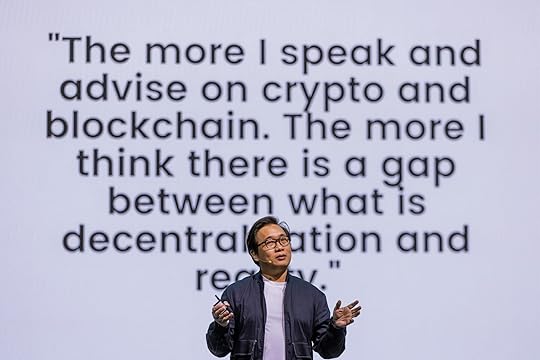
The Biggest Global Tech Experts Graced the Stages of the Groundbreaking Event
Dubai, United Arab Emirates–(Newsfile Corp. – February 13, 2023) – TMRW conference powered by 2142, the largest emerging tech event, just delivered its groundbreaking debut edition in Dubai. More than 2,000 visitors and 10,000 online viewers from all over the world, were enjoying the conference’s outstanding program alongside networking events, VIP dinner and parties, from February 8th till 10th 2023 at Dubai Festival City. TMRW Dubai welcomed 80 internationally acclaimed tech masterminds such as Craig Sellars, Dr. Marwan Al Zarouni, Dr. Michael Gebert, Christopher Gleich, Davinci Jeremie, Dr. Christina Yan Zang, Christopher Quet, Khalifa Aljaziri Alshehhi, Abdulla Ziad Galadari, Dusan Zica, Stephanie Bretonniere, Caner Sevinc, Anndy Lian, Jenny Zheng and many more.
They were all presenting their keynotes, participating in panel discussions, interactive workshops and fireside chats, bringing the latest trends from the disruptive technologies such as blockchain development, NFT utilization, future of the Metaverse and Web3, artificial intelligence (AI) and many more. As always, TMRW brought mind blowing stage production while the opening ceremony was a trailblazing spectacle with the astronaut on stage, immersed in smoke, pyrotechnics and special effects.
The second Belgrade edition of the TMRW conference is announced, scheduled for May 12 – 14 2023. “I want to thank everyone who supported us at our Dubai debut; our amazing speakers, partners, media and audience. Our goal has always been to connect our visitors with the greatest global minds, to inspire the move forward and to bring the future closer. We are working hard to bring the highest quality programming alongside the incredible productions while providing the networking opportunities to everyone involved. And we’re happy to be able to do it around the world. We are proud to announce our second Belgrade edition from May 12th till 14th, which will be our biggest event so far, and I would like to invite everyone to join us!” said Mladjen Merdovic, Founder and CEO of TMRW conference.
Dr. Marwan Alzarouni, Strategic Advisor at Digital Dubai, welcomed the audience on the first day and emphasized Dubai’s role in being the hub of tech while Khalifa Al Jaziri Alshehhi, advisor of the Ministry of Economy, demonstrated the first Ministry having presence in the Metaverse.
They were followed by Michael Gebert, Chairman of the European Blockchain Association who was speaking about the future of blockchain and Christian Gleich, CEO of one Big Wave who talked about the future of Metaverse. Panel of the day gathered the Web3 Lady leaders Loretta Joseph, Ritu Marya, Aleksa Mil, Jenny Zheng and Anita Kalergis “KryptoGranny” to discuss the potential in Web3.
The day one ended with the exclusive launch of the VVerse project. Christopher Quet, CEO and co-founder of Vverse Technologies, said: “We wanted to bring real world use inside the Metaverse. We believe that Metaverse should be a land of opportunities bringing on abundance rather than scarcity. You can onboard and edit your own dimension with our builder and through our library of more than 100,000 assets. You can create events, concerts, you name it, you can do it.“
Day two continued to bring great topics and speakers. Loretta Joseph, Director at AP Capital, spoke about the different regulatory frameworks for digital and virtual assets: “I don’t think there’s ever been a more important time to be talking about regulation. Regulation is coming. We all need to work with the policy makers to ensure that we have sensible regulation, and to harness the opportunities of technology and innovation“, she said.
Dr. Mark Van Rijmenam, The Digital Speaker, talked about generative AI and the convergence with the Metaverse. “We have this technology, which is super powerful to create text, voice, audio, virtual worlds, assets, anything on the fly just with your voice. That will create Metaverse and bring it faster than through coding.”
Anndy Lian, Best Selling Book Author – NFT: From Zero to Hero talked about Web4 as a new way to decentralize. “The Metaverse ecosystem and Web3 needs to be more decentralized. Web4 would be a totally different era, with machines and with full automation. If we want to really create a more sustainable, decentralized environment, we’ve got to make the change. And again, a Web4 could be the possible angle.”
Dusan Zica, CEO & CTO of the NFT Comic Book 2142, brought the philosophical approach to building the world in his keynote From NFT Comic Book to video game: “The idea is to make comic books and video games presenting our view that technology should be in line with spirituality and humanity, and it should be observed strictly as a tool and not the driving force. Humanity’s humanity should be the driving force. Otherwise the technology can get instrumentalized instead of becoming decentralized,” he concluded.
Last day of the conference brought great global masterminds to the stage. Sharad Agarwal, Chief Metaverse Officer at cyber-gear.io, presented the topic Business and Metaverse: “I talked about how the Internet changed over the years. Metaverse as a technology is something new, and over the next 5 to 7 years, we will see its mass adoption. Metaverse will be used in different industries. Brands should start dabbling with the Metaverse, and get customers to experience it,” he added.
Jonscott Turco, Founder & CEO at COre3.io, spoke about reinventing business, exploring opportunities and challenges of the Metaverse and future technology. “In the heart of every successful business is the belief that something greater exists than simply the bottom line. It’s a belief in the power of people and connection and today, more than ever, the power of technology to bring us closer together and amplify community and collective intelligence towards purposeful outcomes.”
Davinci Jeremie, talked about the differences of using NFTs for just artwork and for utility purposes. “ In return, you get access to someone or access to a concert; that’s an example of utility. I believe that it can also be useful in the community sense, where you bring a community of people together, sharing a common goal, ” he explained.
Stephanie Bretonniere, CEO, POWR3 & WE IMPACT.WORLD explained how important it is to connect people. “Sustainability has to bring impact that will elaborate those technologies to convert every single individual into a changemaker.”
Source: https://finance.yahoo.com/news/tmrw-conference-completed-spectacular-debut-114700809.html

The post TMRW Conference Completed Its Spectacular Debut in Dubai appeared first on Anndy Lian | Inter-Governmental Blockchain Adviser | Book Author | Investor | Board Member | Singapore by Anndy Lian.