Anndy Lian's Blog, page 91
January 30, 2023
What Is Web4? Is It Centralized or Decentralized?
Anndy Lian | Inter-Governmental Blockchain Adviser | Book Author | Investor | Board Member | Singapore
What Is Web4? Is It Centralized or Decentralized?

Web4 is a term that is used to refer to the next generation of the internet. It is also known as the “more” decentralized web. Web4 aims to create a more decentralized and distributed internet that is controlled by its users rather than centralized organizations or corporations.
Web4 is characterized by its decentralized nature, which aims to distribute power and control among users, rather than concentrating it in a small group of companies or organizations. This is achieved through the use of technologies such as blockchain and peer-to-peer networks.
Web4 aims to provide increased security and privacy for users, censorship resistance, interoperability, new business models and economic opportunities, increased scalability, and improved accessibility.
Web4 is also associated with the growing field of AI, which has the potential to complement the decentralized nature of Web4 in various ways such as decentralized AI, Federated Learning, Privacy-Preserving AI, Blockchain-based AI, and AI-driven scalability.
Why Is Web3 Less Decentralized?
It is worth noting that Web3 is still in its early stages of development, and it is not yet fully decentralized. There are still challenges and limitations that need to be overcome before Web3 can truly be considered a decentralized version of the internet.
Some of the reasons why Web3 is not fully decentralized include:
Centralized infrastructure: While blockchain networks are decentralized, the infrastructure that supports them, such as servers, data centers, and internet service providers, are still centralized.Limited scalability: Blockchain networks currently face scalability issues, which limits the number of transactions that can be processed on the network.Limited user adoption: The majority of internet users are still not using decentralized applications, which means that the network is not yet fully decentralized.Limited Interoperability: Current Web3 platforms and applications are not yet fully interoperable, which limits their ability to communicate with each other and with the existing web.Limited privacy and security: Some of the current Web3 applications and platforms do not yet provide the same level of security and privacy as centralized platforms.Why Is Web4 More Decentralized?
Web4 is more decentralized because it aims to distribute power and control among users, rather than concentrating it on a small group of companies or organizations. This is achieved through the use of technologies such as blockchain and peer-to-peer networks.
Blockchain technology, which is a decentralized and distributed digital ledger, can be used to create decentralized platforms and applications that are controlled by their users rather than centralized organizations.
This allows for more transparency and security in the handling of data, and can also enable new business models such as decentralized marketplaces.
Peer-to-peer networks, which allow for direct connections between users rather than relying on centralized servers, can also contribute to the decentralization of the internet.
This can enable new forms of content sharing, collaboration, and communication that are not controlled by a centralized organization.
Additionally, Web4 aims to provide increased security and privacy for users, censorship resistance, interoperability, new business models and economic opportunities, increased scalability, and improved accessibility, which all contribute to a more decentralized web.
Web4 Is More Decentralized Than WEB3 in Several Ways:Decentralized infrastructure: Web4 aims to use decentralized technologies such as blockchain, peer-to-peer networks, and other decentralized infrastructures to create a more distributed and resilient internet. This allows for more control and ownership of data by the users and less dependence on centralized servers and organizations.Decentralized applications: Web4 also aims to create decentralized applications (dApps) that run on decentralized infrastructure, which eliminates the need for intermediaries and centralized organizations to control and manage the applications.Decentralized governance: Web4 is more focused on decentralized governance models where the users have more control over the decision-making process of the network, rather than relying on centralized organizations to govern the network.Decentralized economy: Web4 aims to create a decentralized economy where the users can own and control their data, and participate in decentralized marketplaces and other economic activities.Interoperability: Web4 aims to create a more interoperable internet, where different systems and applications can easily communicate with each other without the need for centralized intermediaries.
Web3 refers to the development of decentralized applications (dApps) that run on blockchain networks, which allows for more control and ownership of data by the users.
However, Web4 builds upon the foundation of Web3 and aims to create a more decentralized and distributed internet that is controlled by its users, and not just limited to decentralized applications.
Source: https://hackernoon.com/what-is-web4-is-it-centralized-or-decentralized

The post What Is Web4? Is It Centralized or Decentralized? appeared first on Anndy Lian | Inter-Governmental Blockchain Adviser | Book Author | Investor | Board Member | Singapore by Anndy Lian.


Experts Discuss The Future Of Blockchain
Anndy Lian | Inter-Governmental Blockchain Adviser | Book Author | Investor | Board Member | Singapore
Experts Discuss The Future Of Blockchain
 Businesses using blockchain must operate within existing financial rules to avoid running into issues with their regulators.
Blockchain and cryptocurrency are some of the digital transformation technologies to watch out for this year.
In a Webinar organized by Kenya National Innovation Agency (Kenia) under the theme Redecentralise, Revalue and Reform Blockchain Businesses In 2023, Dr Tonny Omwansa, CEO, Kenia and Anndy Lian Inter-Governmental Blockchain Advisor and Book Author discussed key issues revolving around the usage of blockchain and cryptocurrencies.
On matters of regulation, Lian asked businesses not to push governments too hard noting that it takes between 2-3 years for a proper legal framework to be put in place.
Lian said it would be much easier for businesses to push blockchain and cryptocurrency usage approval through researchers, lobbyists and think tanks.
“Regulators work very closely with think tanks. Talk to your leaders, researchers and lobbyists and they will help you get to your regulators,” he said.
Dr Omwansa noted that regulators take a long time to approve some of the laws touching on the two technologies because it is their duty to protect their citizens.
Overall, the use of blockchain in digital transformation can lead to increased security, transparency, and efficiency in various industries. It was agreed that companies can improve their relationship with the government if they use blockchain in some of their processes such as record keeping.
When using these technologies, businesses were advised to operate within existing financial rules to avoid running into issues with their regulators.
While blockchain and cryptocurrencies are being touted for decentralization, Lian said it would be best if businesses to avoid going to extremes to cut off the government.
Source: https://cioafrica.co/experts-discuss-the-future-of-blockchain/

The post Experts Discuss The Future Of Blockchain appeared first on Anndy Lian | Inter-Governmental Blockchain Adviser | Book Author | Investor | Board Member | Singapore by Anndy Lian.
January 28, 2023
Web4 – The Next Wave of Decentralization
Anndy Lian | Inter-Governmental Blockchain Adviser | Book Author | Investor | Board Member | Singapore
Web4 – The Next Wave of Decentralization
Decentralized cryptocurrency refers to a digital currency that operates independently of a central bank or authority. Transactions are recorded on a public digital ledger (such as a blockchain) and are verified by a network of users rather than a single centralized institution. This decentralized structure allows for increased transparency, security, and autonomy in financial transactions.
Decentralization and web3
Very often, when we talk about decentralization, the term web3 comes into the picture. Web3, also known as the decentralized web or “Web3.0,” is a vision for the future of the internet in which power and control are distributed among users rather than concentrated in a small group of companies or organizations.
The key element of web3 is decentralization, and it aims to allow users to control their own data and identity, as well as giving them more control over the apps and services they use. It is also thought to have the potential to create new business models and economic opportunities.
The key technology behind web3 is blockchain, which is a decentralized, distributed ledger that allows for secure, transparent, and tamper-proof record-keeping. This technology is used to create decentralized applications (dApps) that can run on a blockchain network rather than on a centralized server. This allows for increased security, transparency, and autonomy in online interactions.
Web3 is also associated with the growing field of cryptocurrency and blockchain-based financial services, which allows for decentralized, peer-to-peer transactions without the need for intermediaries like banks.
While this is doable in theory, we may not be ready for such a bold move. Scott Tripp, a member of Redecentralise.com commented, “there is a need to look at what we mean by decentralization. Is there a need to get rid of the governments and banks to be considered decentralized? I do not think so. We need to take proper steps to get to where we want decentralization to be.”
Jenny Zheng, a Web3 advocate, wrote an article on Hackernoon, “Is Web3 Really Web3?” which got me to think harder. In her article, she said, “Even companies that are built on decentralized protocols may have some centralized elements, such as a team of employees or a board of directors that make decisions on behalf of the company. Is this the right way to run a web3 decentralized entity?”. My next immediate thought was, what is next?
Jack Dorsey, co-founder and former CEO of Twitter, Inc, mentioned in one of his speeches that web3 is not decentralized, and I agree with his comments completely.
Web4 could be next
Web4, also known as the decentralized web refers to a vision for the future of the internet in which power and control is distributed among users, rather than concentrated in a small group of companies or organizations.
In this vision, instead of relying on centralized servers and data storage, web4 would utilize decentralized technologies such as blockchain and peer-to-peer networks to build a more open, transparent, and secure internet. This would enable features such as greater data privacy, censorship resistance, and ownership of digital assets.
The key element of web4 is decentralization, it aims to allow users to control their own data and identity, as well as giving them more control over the apps and services they use. It is also thought to have the potential to create new business models and economic opportunities.
Web4 is also associated with the growing field of AI, which has the potential to complement the decentralized nature of web4 in various ways, such as decentralized AI, Federated Learning, Privacy-Preserving AI, Blockchain-based AI, and AI-driven scalability.
Web4 and artificial intelligence
Here are a few examples of how they could potentially interact:
Decentralized AI: Web4 aims to decentralize power and control on the internet, and this could be applied to AI as well. Decentralized AI systems would allow for more distributed decision-making and reduce the potential for a single entity to have too much control over AI systems.Federated Learning: Web4 aims to make it easier for different technologies and platforms to work together seamlessly. Federated learning is a technique where multiple devices, such as smartphones, work together to train a shared AI model, it could be a good fit for Web4.Privacy-Preserving AI: Web4 aims to provide increased security and privacy for users. Privacy-preserving AI is a type of AI that aims to protect users’ data privacy while still allowing for useful AI models to be trained.Blockchain-based AI: Web4 is associated with the growing field of cryptocurrency and blockchain-based financial services, which allows for decentralized, peer-to-peer transactions without the need for intermediaries like banks. Blockchain-based AI could enable secure and transparent sharing of data between different parties and organizations, which could enhance the development of AI models.AI-driven scalability: Web4 aims to handle more data and users by using blockchain technology and sharding concept, which would allow for more efficient and faster processing of transactions. AI techniques such as deep learning can also be used to optimize the scalability of the network.These concepts are really new and may not be accepted by the community at large. But I do believe that web4 will take its shape very soon.
“I believe in decentralization. Web4 could be the next big movement.” – Anndy Lian
Source: https://www.securities.io/we4-the-next-wave-of-decentralization/

The post Web4 – The Next Wave of Decentralization appeared first on Anndy Lian | Inter-Governmental Blockchain Adviser | Book Author | Investor | Board Member | Singapore by Anndy Lian.
January 25, 2023
What Are Crypto Venture Capitalists (VCs) Investing in This Bearish Market?
Anndy Lian | Inter-Governmental Blockchain Adviser | Book Author | Investor | Board Member | Singapore
What Are Crypto Venture Capitalists (VCs) Investing in This Bearish Market?
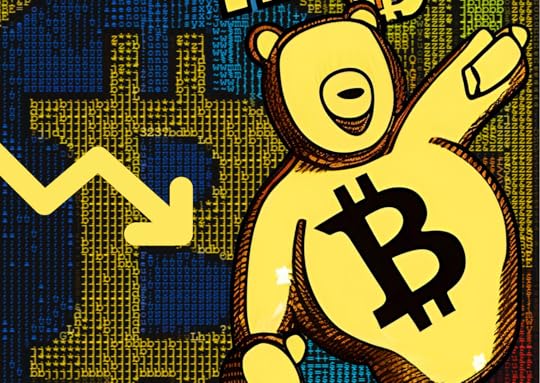
(Image credits: A Golden Bear Market by Anndy Lian)
The value of a cryptocurrency can be influenced by various factors, including news about the cryptocurrency and its underlying technology, government regulations, and overall market conditions.
The market can also be influenced by investor sentiment, which can be affected by a wide range of events.
There are many different types of investments in the cryptocurrency space, and the popular specific investments can vary over time. In general, some of the most popular types of cryptocurrency investments include:
Bitcoin:Â Bitcoin is a decentralized cryptocurrency that was the first of its kind. It is often considered a store of value and is widely recognized and accepted as a form of payment.
Ethereum:Â Ethereum is a decentralized platform that runs smart contracts, which are applications that execute automatically when certain conditions are met. It is also used as a platform for building decentralized applications (dApps).
Decentralized finance (DeFi) tokens:Â DeFi refers to financial applications built on the blockchain and decentralized, meaning that they are not controlled by a single entity. DeFi tokens are often used to access or participate in these applications.
Security tokens:Â Security tokens are digital assets representing ownership in an asset, such as a company or real estate. They are subject to federal securities laws and are often issued through initial coin offerings (ICOs).
Stablecoins:Â Stablecoins are cryptocurrencies that are pegged to a stable asset, such as the US dollar, to reduce price volatility.
There are many different investment theses for cryptocurrencies. Some people believe that cryptocurrencies have the potential to replace traditional fiat currencies. In contrast, others think they will be used primarily as a store of value or a means of exchange.
Still, others believe that the underlying blockchain technology has the potential to revolutionize a wide range of industries, from supply chain management to identity verification.
These Are Some Specific Investment Theses for Cryptocurrencies:The use of cryptocurrency as a means of exchange:Â Some people believe that cryptocurrencies will eventually be used as a primary means of exchange, replacing traditional fiat currencies.
The store of value thesis:Â Some people believe that cryptocurrencies will eventually be used as a store of value, similar to gold.
The blockchain revolution thesis:Â Some people believe that the underlying blockchain technology has the potential to revolutionize a wide range of industries and that investing in cryptocurrencies is a way to get in on the ground floor of this technological revolution.
The “greater fool” theory:Â Some people believe that the price of a cryptocurrency will continue to go up as long as someone is willing to buy it at a higher price, even if there is no intrinsic value to the cryptocurrency. This is sometimes referred to as the “greater fool” theory of investing.
Venture capitalists (VCs) are investors who provide capital to early-stage companies in exchange for equity ownership. In the cryptocurrency space and especially after witnessing the fall of FTX, many VCs have started to be interested in investing in companies that are working on infrastructure and applications for the blockchain, rather than investing directly in cryptocurrencies themselves.
Some Specific Areas of Interest for VCs in the Cryptocurrency Space.Blockchain infrastructure:Â VCs have invested in companies working on building out the infrastructure for the blockchain, such as companies that are developing new consensus algorithms or building out decentralized storage solutions.
New blockchains get good support too. Shardeum is the world’s first EVM (Ethereum Virtual Machine)-based sharded blockchain mainnet.
With dynamic state sharding technology, the blockchain can linearly scale and increase TPS (transaction per second) with every node added to the network.
The network can maintain low gas fees indefinitely. It was co-founded by Nischal Shetty, a co-founder of WazirX, India’s largest crypto exchange by trading volume.
They have raised $18.2 million in a seed funding round from more than 50 investors, including Jane Street and The Spartan Group joined this seed round along with Wemade and others.
Web3 solutions:Â Web3, also known as Web 3.0, is the next iteration of the World Wide Web, and it is built on blockchain technology. It is designed to be more decentralized, secure, and open than the current Web.
VCs are looking for projects that align with the core principles of Web3 and have the potential to drive its adoption and growth. This is another rising trend.
The Venom Foundation, a Layer-1 blockchain licensed and regulated by the Abu Dhabi Global Market (ADGM), and Iceberg Capital, an ADGM-regulated investment manager, have announced a partnership to launch the Venom Ventures Fund (VVF), a $1 billion venture fund.
The fund aims to invest in innovative protocols and Web3 dApps, focusing on long-term trends such as payments, asset management, DeFi, banking services, and GameFi.
The VVF will be blockchain-agnostic, meaning it will not be limited to any specific blockchain and will invest in projects based on their potential regardless of the underlying blockchain. The fund aims to become the leading supporter of next-generation digital technologies and entrepreneurs.
I noted that the VCs in my network are also looking at blockchain applications.
VCs have also invested in companies that are using the blockchain to build new applications, such as supply chain management platforms, decentralized finance (DeFi) platforms, and decentralized identity solutions.
Interoperability and cross-chain solutions, for example, aim to enable different blockchain networks to communicate and interact with each other and are also one of the top investment choices.
When I showed this article to some of my friends before publishing, they asked me why didn’t VCs consider investing in crypto exchanges.
The truth is that most of the VCs who understand how the crypto market works would know that exchanges are facing tremendous stress from the regulators. Having a license does not necessarily mean good, honestly. There are new travel rules that will tighten how crypto moves.
The new rules may even force DEXs to new unknown territories where the realization of profits can be deemed a nuisance for many investors. The older existing exchanges usually have very high operating costs, overspending habits on marketing, sponsorships, and staffing.
Moreover, the valuation is way too high for a good entry point, in my humble opinion.
Therefore, I believe investing in blockchain infrastructure and applications will support the development and growth of the cryptocurrency ecosystem and potentially generate more sustainable returns for its investors in this bear run.
It is also important to note that VC investment in the cryptocurrency space is just one aspect of the broader cryptocurrency ecosystem.
There are many other types of investors, such as hedge funds, family offices, and individual investors, who may have different investment theses and strategies.
Having said this, there are still many opportunities in this volatile market. I commented in the South China Morning Post yesterday, âGold may be a safe havenâ, but there were many other [crypto] opportunities elsewhere for investors âto profit from price fluctuations.â
Take a recent market movement, for example. A fellow investor in Singapore reacted quickly to short bitcoin after the US report of 6.5% CPI inflation. He made money. During the same week, he noted that the resistance level had hit its low and would bounce upward soon.
He injected another $10m to long it. Bitcoin went over $21,000. He made money again. And when he heard rumors that PBOC might start to print more money as a stimulus, he sold his crypto holdings into Chinese A-shares as he saw a higher upside in the longer run.
As a licensed fund manager and a VC myself for over a decade, this is my humble note to all.
“Believe in the underlying technology, aim for community growth and ride on the right waves for the best crypto returns.”- Anndy Lian.
Not financial advice, of course.
Source: https://hackernoon.com/what-are-crypto-venture-capitalists-vcs-investing-in-this-bearish-market

The post What Are Crypto Venture Capitalists (VCs) Investing in This Bearish Market? appeared first on Anndy Lian | Inter-Governmental Blockchain Adviser | Book Author | Investor | Board Member | Singapore by Anndy Lian.
January 23, 2023
Crypto Flashbacks & Flash Forward: 10 Events in 2022 + 10 Trends in 2023
Anndy Lian | Inter-Governmental Blockchain Adviser | Book Author | Investor | Board Member | Singapore
Crypto Flashbacks & Flash Forward: 10 Events in 2022 + 10 Trends in 2023
 It was an eventful 2022 for the crypto worldBut what’s in store for in 2023?
The cryptocurrency market has certainly seen its fair share of excitement over the years. Cryptocurrencies, such as Bitcoin, have garnered a lot of attention due to their potential to disrupt traditional financial systems and their ability to provide a decentralized and secure way to transfer value.
There have been many developments in the cryptocurrency space over the years, including the launch of new cryptocurrencies, the emergence of decentralized finance (DeFi) platforms, and the increasing mainstream adoption of cryptocurrency.By now, you would agree with me that the cryptocurrency market is highly volatile and unpredictable, and it’s not uncommon for prices to fluctuate significantly. Apart from that, many unfortunate events happened.
10 Crypto Events That Happened in 20221. The LUNA Empire Collapsed84 million dollars leveraged a 40 billion financial empire, UST collapsed. The collapse started when UST de-pegging and the market’s extreme panic caused massive withdrawal. The collapse of one of the world’s largest public chains, Terra, fell with it, and it took only two days.
Keep ReadingSouth Africa Mandates Risk Warnings in Crypto AdsUnderstanding Liquidity and Market LiquidityThe beginning of the historical decline of cryptocurrency started right at that moment. “If LUNA fails, it will be the failure of cryptocurrency.” This was the kind of headline we saw in the mainstream media during that period. The downfall process is familiar to many financial folks, similar to the Asian Financial Crisis in 1997 and Lehman Brothers in 2007.
2. Top Hedge Fund, Three Arrows Capital Goes BankruptThis is still an ongoing TV series. Right after LUNA’s collapse, all eyes are on Three Arrows Capital (3AC). 3AC has borrowed from almost every major lender, from BlockFi, Genesis to Celsius. The fall of 3AC can be traced to the collapse in May of UST. They told Wall Street Journal that it has invested $200m in LUNA.
Three Arrows’ liquidators have recovered some assets belonging to creditors, including US$35 million and several different cryptocurrency tokens, liquidator Russell Crumpler said in court.
3. Crypto Lehman Brothers Moment: FTX Insolvency Hits MarketsA disaster with no survivors is how I described this incident. SBF and FTX have reached almost every corner of the industry in just three years, and their demise almost uprooted the whole industry.
It all began when SBF intervened to save some other cryptocurrency exchanges from impending doom due to rising interest rates, completely unaware that his own cryptocurrency exchange would suffer the same fate not long after. These transactions, which also implicated SBF’s trading company Alameda Research, caused the exchange to incur several losses.
Binance boss CZ called out SBF, users started withdrawing from FTX, and the rest was history. At that point in time, the market found a liquidity gap of up to $8 billion in FTX. FTX filed for insolvency restructuring, and the plot flipped swiftly without allowing anyone a chance to breathe.The collapse of FTX has had an atomic bomb chain reaction, fusing a series of insolvency and FUD events. The former crypto giant was like a domino, and the entire crypto world was shrouded in panic. The failure of the cryptocurrency exchange FTX in November resulted in the lending arm of Genesis being compelled to halt redemptions. Since then, Genesis has been striving to raise money or negotiate a deal with creditors. BlockFi Files for Chapter 11 Protection, highlighting the need for crypto controls. Many other companies were affected.
4. Ethereum Successfully Completed Merger of Mainnet and Beacon Chain, End of Mining EraFollowing an eight-year wait, at 14:43 on September 15, when the mainnet and beacon chains successfully merged, Ethereum signalled the end of Ethereum Proof of Work (PoW) and the full switch to Proof of Stake (PoS).
“The Merge” is a crucial turning point for the Ethereum ecosystem. Ethereum’s vision continues, and there are more milestones to be achieved as per their plans published on November 5.
5. Cryptocurrency Donation in UkraineAt the end of February, the Russian-Ukrainian war started. This event was not directly related to cryptocurrency but more of an uncertainty to the global macro environment. However, after Ukraine announced the introduction of cryptocurrency donations and released its donation address, things changed.
Since the beginning of the Russian invasion, the Ukrainian government and an NGO supporting the military have received more than 120,000 crypto donations totalling $63.8 million. This contains a CryptoPunk NFT valued over $200,000 and a $5.8 million gift from Polkadot creator Gavin Wood. Many questioned how this was executed, the airdrop plan and the NFT sale. But to me, I witnessed by far one of the most significant cryptocurrency use cases for donations.
6. The Hardest Crypto Sanction in History: Tornado CashTornado Cash, an Ethereum mixing platform, has been placed on the SDN List by The Office of Foreign Assets Control of the US Department of the Treasury. The Treasury Department says Tornado Cash has been used to launder more than $7 billion since its inception in 2019.
This is the first time in history that a protocol was sanctioned. Tornado Cash suffered devastating damage, developers were arrested, codes were removed from GitHub and the website domain name was blocked.
7. Create a new paradigm of GameFi: STEPN Move-to-Earn Big HitMove-to-earn is still a relatively new concept, but it is similar to the play-to-earn (P2E) model because it adopts elements of GameFi. They also solved some of the shortcomings of GameFi. STEPN is the pioneer in this.
The announcement of the release of Binance’s IEO on March 1 was an absolute turning point for STEPN. In a market that could not find a glimpse of light, STEPN’s GMT opened at Binance with 17x earnings and then rose all the way from $0.1 to $4. It is no exaggeration to say that STEPN led the wave of Web3 in 2022.
8. NFT Summer â Selling like HotcakesYuga Labs had a brilliant year. In March, the owners of the Bored Ape Yacht Club (BAYC) received an airdrop of ApeCoins Token for every NFT they held. The airdrop received by one BAYC was initially worth about $140,000. Some ‘creative’ members took the BAYC out of the borrowing or splitting pool, received the airdrop and returned it, and earned $1.1 million in one day.
Many NFT-related events popped out during the summer. This has also started a series of celebrity endorsements to large brands entering the Web3 space. These are great summer moments; we all remember them.
9. Curve WarsCurve has a very critical mechanism. The liquidity provider (LP) can obtain the veCRV accordingly by locking the CRV. The veCRV are used to vote in governance, boost governance rewards, earn trading fees and receive airdrops. The longer CRV is locked, the more voting power holders have and vice versa.
To win the war, many projects increased APY and organized new wars, allowing users who participated at that time to obtain benefits. More and more protocols are building off of Curve, and an entire ecosystem is emerging, engaged in the so-called Curve Wars.
10. Hacking incidents occurred numerous times throughout the year.a)Â Optimism confirms 20 million OP stolen; hackers have sold 1 million. Due to communication and technical mistakes in cooperating with cryptocurrency market maker Wintermute, the 20 million OP sent by the Optimism Foundation to Wintermute was sent directly to the wrong Layer1 address. Then the 20 million OP was controlled by hackers.
b) The official bridge of BNB Chain was hacked. This is one of the largest on-chain attacks in the history of crypto, with losses of $718 million. The recovery was rapid, BNB’s price was stable thanks to the swift actions by CZ.
c) Ronin hack incident of Axie Infinity. This is one of the most outrageous theft incidents this year. Ronin, the self-developed sidechain of GameFi leader Axie Infinity, was attacked. 173,600 ETH and 25.5 million USDC were stolen, worth 625 million US dollars. It is also one of the most severe attacks this year. It is outrageous that the officials found out that it was stolen six days before the official announcement, but it has not been announced.
d) Bitkeep was compromised. The multi-chain wallet BitKeep has security vulnerabilities. Hackers hijacked some APK package downloads, and packages that were implanted by hackers were installed, resulting in the theft of many user funds. A total of 8 million dollars of losses were promised to be paid in full.
e) Cross-chain bridges are risky. Vitalik has warned us about the safety of cross-chain bridges and cautioned additional risks when used. Ronin Bridge by Axie ($624 million); Wormhole by Solana ($326 million); Harmony Bridge ($100 million); Nomad ($190 million).
It is difficult to predict specific trends in the cryptocurrency market with certainty, as the market is highly volatile and subject to various external factors. However, here are some potential trends that could shape the future of the cryptocurrency market.
10 Future Crypto Trends For 20231. The macro economy will be stabilized, and the Federal Reserve will slow down the progress of interest rate hikes. Crypto will be more stable too.
2. Cryptocurrency will continue to be watched by the regulators and will move to a more compliant stage. Crypto companies must continue to have positive government relations.
3. NFT liquidity tools will stabilize the NFT market and create a better Web3 infrastructure for users and investors. Soul Bound Token (SBT) use cases will also increase and become another market driver.
4. Decentralized Exchanges (DEXs) usage will experience exponential growth in 2023.
5. Decentralized Social (DeSoc) will change the way value flows with the help of AAA-level blockchain games.
6. Metaverse will have its own DeFi structure and framework, allowing exchanges, for example, to be operated on it with fewer restrictions and in the good name of innovation.
7. Investment and hype of ZK series public chains could be the new hotspot. We could possibly see in the first half of the year, e.g. Starknet, Zk-sync, Scroll, Polygon ZKEVM ZK L2.
8. Artificial intelligence (AI) sparked new growth in Web3. The popularity of ChatGPT surprised us in Q4 2022, and it will continue in 2023. I see them being applied to the application level. We would also see Web3/ blockchain solving productivity issues with AI to achieve a qualitative leap.
9. Security issues will receive greater attention, and large-scale applications of on-chain data monitoring will be deployed. On-chain data can not only provide support for Web3 security governance but also conduct in-depth analysis of on-chain activities, revealing key information such as Web3 user behaviour, emerging trends, and investment opportunities.
10. The rise of CeFi + DeFi reshapes the crypto market. Forward-looking financial institutions will continue to pay attention and devote themselves to combining CeFi and DeFi. They will also combine institutional-level risk management capabilities with code-enforced transparency to explore more business models that can support the real business world. Rapid growth and relatively mature DeFi services will be developed and more likely to be favoured by major institutions.
The cryptocurrency space is constantly evolving, and it is likely that we will see the development of new technologies and applications that could change the way we think about and use cryptocurrency.
In my honest opinion, the future of cryptocurrency is uncertain, but it is possible that we will see it become more widely adopted and integrated into mainstream financial systems over time.
Overall, the future of cryptocurrencies is uncertain, and it is difficult to predict precisely how they will evolve. I am sure it will continue to gain attention and adoption, but it is important for investors to carefully consider the risks and potential benefits before making any investment decisions. Letâs work harder for Crypto 2023!

The post Crypto Flashbacks & Flash Forward: 10 Events in 2022 + 10 Trends in 2023 appeared first on Anndy Lian | Inter-Governmental Blockchain Adviser | Book Author | Investor | Board Member | Singapore by Anndy Lian.
Recapping 10 major crypto events from 2022 + 10 future trends for 2023
Anndy Lian | Inter-Governmental Blockchain Adviser | Book Author | Investor | Board Member | Singapore
Recapping 10 major crypto events from 2022 + 10 future trends for 2023
The crypto market has certainly seen its fair share of excitement over the years â cryptocurrencies have garnered a lot of attention due to their potential to disrupt traditional financial systems and their ability to provide a decentralized and secure way to transfer value.
There have been many developments in the cryptocurrency space over the years, including the launch of new cryptocurrencies, the emergence of decentralized finance (DeFi) platforms, and the increasing mainstream adoption of cryptocurrency.
By now, you would agree that the cryptocurrency market is highly volatile and unpredictable, and prices are not uncommon to fluctuate significantly. Apart from that, many unfortunate events happened in 2022.
Recap of 10 major crypto events that happened in 2022:1. The LUNA Empire Collapses$84 million leveraged a $40 billion financial empire when UST collapsed. The collapse started when UST de-pegging and the marketâs extreme panic caused massive withdrawal. The collapse of one of the worldâs largest public chains, Terra, fell with it, and it took only two daysThe beginning of the historical decline of cryptocurrency start right then.
âIf LUNA fails, it will be the failure of cryptocurrency.â This was the headline we saw in the mainstream media during that period. The downfall process is familiar to many financial folks, similar to the Asian Financial Crisis in 1997 and Lehman Brothers in 2007.
2. Top Hedge Fund, Three Arrows Capital, Goes BankruptThis is still an ongoing series. Right after LUNAâs collapse, all eyes were on Three Arrows Capital (3AC). 3AC has borrowed from almost every major lender, from BlockFi, and Genesis to Celsius. The fall of 3AC can be traced to the collapse in May of UST.
They have told Wall Street Journal that it has invested $200m in LUNA. Three Arrowsâ liquidators have recovered some assets belonging to creditors, including $35 million and several different cryptocurrency tokens, liquidator Russell Crumpler said in court.
3. Crypto Lehman Brothers Moment: FTX Insolvency Hits MarketsA disaster with no survivors is how I described this incident. SBF and FTX have reached almost every corner of the industry in three years, and their demise almost uprooted the whole industry. It all began when SBF intervened to save some other cryptocurrency exchanges from impending doom due to rising interest rates.
He was completely unaware that his cryptocurrency exchange would suffer the same fate not long after. These transactions, which also implicated SBFâs trading company Alameda Research, caused the exchange to incur several losses.
Binance boss CZ called out SBF, users started withdrawing from the FTX, and the rest were history. At that point in time, the market found a liquidity gap of up to $8 billion in FTX. FTX filed for insolvency restructuring, and the plot flipped swiftly without allowing anyone a chance to breathe.
The collapse of FTX had an atomic bomb chain reaction, fusing a series of insolvency and FUD events. The former crypto giant was like a domino, and the entire crypto world was shrouded in panic. The failure of the cryptocurrency exchange FTX in November resulted in the lending arm of Genesis being compelled to halt redemptions. Since then, Genesis has been striving to raise money or negotiate a deal with creditors. BlockFi Files for Chapter 11 Protection, highlighting the need for crypto controls. Many other companies were affected.
4. Ethereum Successfully Completes Merger of Mainnet and Beacon Chain, End of Mining EraFollowing an eight-year wait, at 14:43 on September 15, when the mainnet and beacon chains successfully merged, Ethereum signaled the end of Ethereum Proof of Work (PoW) and the full switch to Proof of Stake (PoS).âThe Mergeâ is a crucial turning point for the Ethereum ecosystem. Ethereumâs vision continues, and there are more milestones to be achieved per their plans published on November 5.
5. Cryptocurrency Donation in UkraineAt the end of February, the Russian-Ukrainian war started. This event was not directly related to cryptocurrency but more uncertainty to the global macro environment. However, things changed after Ukraine introduced cryptocurrency donations and released its donation address. Since the beginning of the Russian invasion, the Ukrainian government and an NGO supporting the military have received more than 120,000 crypto donations totaling $63.8 million.
This also contains a CryptoPunk NFT valued at over $200,000 and a $5.8 million gift from Polkadot creator Gavin Wood. Many questioned how this was executed, the airdrop plan, and the NFT sale. But I witnessed one of the most significant cryptocurrency use cases for donations.
6. The Hardest Crypto Sanction in History: Tornado CashTornado Cash, an Ethereum mixing platform, has been placed on the SDN List by The Office of Foreign Assets Control of the US Department of the Treasury. The Treasury Department says Tornado Cash has been used to launder more than $7 billion since its inception in 2019.
This is the first time in history that a protocol was sanctioned. Tornado Cash suffered devastating damage, developers were arrested, codes were removed from GitHub, and the website domain name was blocked.
7. Create a new paradigm of GameFi: STEPN Move-to-Earn BigMove-to-earn is still a relatively new concept, but it is similar to the play-to-earn (P2E) model because it adopts elements of GameFi. They also solve some of the shortcomings of GameFi. STEPN is the pioneer in this.
The announcement of the release of Binanceâs IEO on March 1 was an absolute turning point for STEPN. In a market that could not find a glimpse of light, STEPNâs GMT opened at Binance with 17x earnings and then rose from $0.1- to $4. It is no exaggeration to say that STEPN led the wave of Web3 in 2022.
8. NFT Summer- Selling like HotcakesYuga Labs had a brilliant year. In March, the owners of the Bored Ape Yacht Club (BAYC) received an airdrop of ApeCoins tokens for every NFT they held. The airdrop received by one BAYC was initially worth about $140,000. Some âcreativeâ members took the BAYC out of the borrowing or splitting pool, received the airdrop and returned it, and earned $1.1 million in one day.
Many NFT-related events popped out during the summer. This has also started a series of celebrity endorsements to large brands entering the web3 space. These are great summer moments; we all remember them.
9. Curve WarsCurve has a very critical mechanism â the liquidity provider (LP) can obtain the veCRV accordingly by locking the CRV. The veCRV are used to vote in governance, boost governance rewards, earn trading fees and receive airdrops. The longer CRV is locked, the more voting power holders have, and vice versa.
Many projects increased APY and organized new wars to win the war, allowing users who participated at that time to obtain good benefits. More and more protocols are building off of Curve, and an entire ecosystem is emerging, engaged in the so-called Curve Wars.
10. Hacking incidents occurred numerous times throughout the year.Optimism confirms 20 million OP stolen; hackers have sold 1 million. Due to communication and technical mistakes in cooperating with cryptocurrency market maker Wintermute, the 20 million OP sent by the Optimism Foundation to Wintermute was sent directly to the wrong Layer1 address. Then the 20 million OP was controlled by hackers.The official bridge of BNB Chain was hacked. This is one of the largest on-chain attacks in the history of crypto, with losses of $718 million. The recovery was rapid, and BNBâs price was stable thanks to the swift actions by CZ.Ronin hack incident of Axie Infinity. This is one of the most outrageous theft incidents this year. Ronin, the self-developed sidechain of GameFi leader Axie Infinity, was attacked. 173,600 ETH and 25.5 million USDC were stolen, worth 625 million US dollars. It is also one of the most severe attacks this year. It is outrageous that the officials discovered it was stolen six days before the official announcement, but it has not been announced.Bitkeep was compromised. The multi-chain wallet BitKeep has security vulnerabilities. Hackers hijacked some APK package downloads, and hackers installed packages, resulting in the theft of many user funds. A total of 8 million dollars of losses were promised to be paid in full.Cross-chain bridges are risky. Ethereum co-founder Vitalik Buterin warned us about the safety of cross-chain bridges and cautioned additional risks when used. Ronin Bridge by Axie ($624 million); Wormhole by Solana ($326 million); Harmony Bridge ($100 million); Nomad ($190 million).It is difficult to predict specific trends in the cryptocurrency market with certainty, as the market is highly volatile and subject to various external factors. However, here are some potential trends that could shape the future of the cryptocurrency market.
Here are 10 future trends and predictions for 2023:The macro economy will be stabilized, and the Federal Reserve will slow down the progress of interest rate hikes. Crypto will be more stable too.Cryptocurrency will continue to be watched by the regulators and move to a more compliant stage. Crypto companies must continue to have good government relations.NFT liquidity tools will stabilize the NFT market and create a better Web3 infrastructure for users and investors. Soul Bound Token (SBT) use cases will also increase and become another market driver;Decentralized Exchanges (DEXs) usage will experience exponential growth in 2023.Decentralized Social (DeSoc) will change the way value flows with the help of AAA-level blockchain games.Metaverse will have its DeFi structure and framework, allowing exchanges, for example, to be operated on it with fewer restrictions and in the good name of innovation.Investment and hype of ZK series public chains could be the new hotspot. We could see in the first half of the year, e.g., Starknet, Zk-sync, Scroll, Polygon ZKEVM ZK L2.Artificial intelligence (AI) sparked new growth in Web3. The popularity of ChatGPT surprised us in Q4 2022, and it will continue in 2023. I see them being applied to the application level. We would also see Web3/ blockchain solving productivity issues with AI to achieve a qualitative leap.Security issues will receive greater attention, and large-scale applications of on-chain data monitoring will be deployed. On-chain data can not only provide support for Web3 security governance but also conduct an in-depth analysis of on-chain activities, revealing key information such as Web3 user behavior, emerging trends, and investment opportunities;The rise of CeFi + DeFi reshapes the crypto market. Forward-looking financial institutions will continue to pay attention and devote themselves to combining CeFi and DeFi.They will also combine institutional-level risk management capabilities with code-enforced transparency to explore more business models that can support the real business world. Rapid growth and relatively mature DeFi services will be developed and more likely to be favored by major institutions.The cryptocurrency space is constantly evolving, and we will likely see the development of new technologies and applications that could change how we think about and use cryptocurrency.
âOverall, the future of cryptocurrencies is uncertain, and it is difficult to predict precisely how they will evolve. I am sure it will continue to gain attention and adoption, but it is important for investors to carefully consider the risks and potential benefits before making any investment decisions. Letâs work harder for Crypto 2023!â â Anndy Lian
Source: https://cryptoslate.com/recapping-10-major-crypto-events-from-2022-10-future-trends-for-2023/

The post Recapping 10 major crypto events from 2022 + 10 future trends for 2023 appeared first on Anndy Lian | Inter-Governmental Blockchain Adviser | Book Author | Investor | Board Member | Singapore by Anndy Lian.
January 19, 2023
Lunar New Year Chinese visitors to Singapore, Hong Kong help revive gold post-Covid
Anndy Lian | Inter-Governmental Blockchain Adviser | Book Author | Investor | Board Member | Singapore
Lunar New Year Chinese visitors to Singapore, Hong Kong help revive gold post-Covid
 âWe have seen an increase in visitors ⦠certain Chinese customers, who have not been buying from us for a long time, have resumedâ, one trader saidGifts of gold at Lunar New Year are thought to bring luck to both giver and receiver. China is the biggest consumer and producer of the precious metal
Chinaâs reopening ahead of the Lunar New Year holiday has brought back the lustre of gold in two of Asiaâs most important financial hubs â Hong Kong and Singapore.
A steady stream of Chinese visitors since borders reopened on January 8 has stoked up premiums on gold â a mark-up paid to secure speedy deliveries and cover overhead costs â by around 300 per cent to US$3 an ounce from a year ago, dealers say.
Spot gold prices â what the customer on the street actually pays â are hovering around an eight-month peak of US$1,900 an ounce in global markets.
âItâs early days yet, but we have definitely seen an increase in visitors over the past week. Certain Chinese customers, who have not been buying from us for a long time, have resumed,â said Padraig J Seif, Founding Partner of the Hong Kong based-Precious Metals Asia.
Traditionally, gold buying peaks in the run up to Lunar New Year, which this year falls on January 22. Visitors from the mainland like to shop in Hong Kong and Singapore because of the high quality of precious metal products such as jewellery and coins.
âGold holds a special place for Chinese people, it symbolises wealth and prosperity, making it a popular choice for Lunar New Year gifting,â said Hong Kong-based Chow Tai Fook Jewellery Group in a statement, adding that it had seen an increase in gold purchases recently and was expecting a âsurge in demand for bridal jewellery as 2023 is considered to be an auspicious year for couples looking at tying the knotâ.
Buying momentum likely to increase
Around 64,000 mainland Chinese visitors have streamed into Hong Kong since borders reopened. That flow is expected to increase as a quota of 50,000 travellers per day across four land border checkpoints will be raised to 65,000 a day for four days from Wednesday.
City authorities have also announced that they would increase the number of daily rail tickets from Wednesday.
The momentum in gold sales is expected to last even after the holiday season because of around two years of pent up demand, as many Chinese people are still reluctant to travel because of Covid-19 but are expected to gradually start taking trips.
The holiday season also arrived earlier this year, as it often falls in February. Beijingâs abrupt U-turn on zero-Covid in late December surprised many people and did not give them enough time to firm up travel plans before Lunar New Year.
Gold has long been considered a way to store and lock in value, and demand for it spiked in Asian markets in the initial months of the pandemic in 2020 because of a climate of uncertainty. But the bullion trade in Asian hubs crashed soon after China imposed travel restrictions.
âLot of people stopped buying because they were experiencing financial difficulties,â said Seif, whose sales revenue in the first two weeks of January has already surpassed that of the entire month a year ago.
Itâs not just retail buyers of jewellery, either â long term investors are also turning back to gold. The US Federal Reserve is expected to this year soften its aggressive rate increases, which could make returns on the precious metal higher than on interest-bearing bonds.
Investors have also gravitated towards the precious metal because of its safe haven appeal due to geopolitical tensions such as the Russia-Ukraine war and the looming prospect of a global recession.
Investment bank Goldman Sachs expects gold to trend even higher than it is now later this year, at around US$1,950 an ounce.
Demand in China, the worldâs largest gold consumer and also the biggest producer of the precious metal, is expected to have an important bearing on prices.
Like Hong Kong, Singaporeâs gold trade is also benefiting from China scrapping travel restrictions with the city state bracing for overall visitor arrivals to rise to 12-14 million, around double the year before.
âChinese gold demand is expected to drive the global market this year,â said Spencer Campbell, the Singapore-based director of SE Asia Consulting Pte Ltd.
âWith the easing of restrictions in China, retail demand for gold is expected to increase in Singapore and Hong Kong as more people shop for gifts and jewellery to celebrate the Lunar New Year.â
Demand has picked up across Asia since late last year, he added.
Indian consumers â in second place after their Chinese counterparts â bought a record amount of the metal in the fourth quarter of last year.
Some Asian investors have switched to precious metals from cryptocurrencies after one of the largest global exchanges, FTX, went bankrupt in November following a surge in customer withdrawals.
Bitcoin, one of the most actively-traded currencies that soared to an all-time high of US$69,000 in November 2021, is now trading at around US$21,000.
However, one Singapore-based fund manager appeared unimpressed by goldâs charms and said savvy investors can take advantage of cryptocurrency volatility, with traders buying at low prices and selling when they rise.
âGold may be a safe havenâ but there were many other opportunities elsewhere for investors âto profit from price fluctuationsâ, said Anndy Lian, a partner at the Singapore-based Passion Venture Capital and author of the book NFT: From Zero to Hero.
Bullion dealers have said the increased purchasing of gold following Chinaâs reopening is likely to last until the end of the first quarter. Chinese appetite for gold could well continue at the same brisk pace throughout the year if the economy revives and incomes bounce back, they noted.

The post Lunar New Year Chinese visitors to Singapore, Hong Kong help revive gold post-Covid appeared first on Anndy Lian | Inter-Governmental Blockchain Adviser | Book Author | Investor | Board Member | Singapore by Anndy Lian.
January 15, 2023
Bitcoin Spikes Above $21,000: Is The Move Sustainable Or Just Speculative Mania?
Anndy Lian | Inter-Governmental Blockchain Adviser | Book Author | Investor | Board Member | Singapore
Bitcoin Spikes Above $21,000: Is The Move Sustainable Or Just Speculative Mania?
 ZINGER KEY POINTSMajor cryptocurrencies see gains, market capitalization surpasses $1 trillion.Bitcoin has crossed $20,000, having experienced 11 consecutive days of upward movement.
The largest cryptocurrency by market capitalization, Bitcoin has spiked above the psychologically important barrier of the $21,000 mark. Saturday’s move brought cheer to the subdued markets, which have been rattled by the collapse of several high-profile companies, including cryptocurrency exchange FTX.
The rally in prices of major cryptocurrencies like Polygon and Solana and memecoins like Dogecoin and Shiba Inu, is fuelled by optimism that digital currencies may have bottomed.
This is the first time since Nov. 8, 2022, that Bitcoin has crossed $20,000, having experienced 11 consecutive days of upward movement.
Other notable cryptocurrencies such as Ethereum and Cardano also saw substantial gains, pushing the total market capitalization of the cryptocurrency market over the $1 trillion mark for the first time since November.
The current spike in Bitcoin’s value comes after the Labor Department issued data showing that top-line inflation rose by 6.5% in December, down from 7.1% in November.
On Thursday, Federal Reserve policymakers expressed relief that the inflation rate continued to decrease in December.
Bear Market Not Over
Anndy Lian, Chief Digital Advisor, of Mongolian Productivity Organization tells Benzinga says investors should take a cautionary stance and not become too bullish on the digital currency.
âThis does not mean that the bear market is over. Firstly, the lack of Bitcoin trading volume around the region of $18,000 and RSI shows that bitcoin is over-bought, showing that the rally could be short-lived. Secondly, the massive layoffs by the crypto companies and the SEC’s new charges on Genesis and Gemini for the Unregistered Offer and Sale of Crypto Asset Securities looks like it would take a longer time to see a real sustainable bull run,â he says.
He added that Bitcoin and other cryptocurrencies tend to respond more quickly to macroeconomic changes and shifts than stocks do and that we may be currently witnessing such a shift.
“I do see more investors putting more capital over the week. Overall, this is still a positive sign for the market,” he adds.
Mainstream Adoption Will Lead To More Stability
According to Scott Tripp, a member of redecentralise.com, a not-for-profit organization, the increasing mainstream acceptance and institutional adoption of Bitcoin will lead to more stability in its price over time, the current rally is driven by speculative mania and may not be sustainable in the long run.
Bitcoin May Shoot Up Further Over 2024
Raj A Kapoor, the founder of India Blockchain Alliance, predicts that 2024 could be the year when Bitcoin experiences a significant price increase due to the halving event.
According to Kapoor, this event could be responsible for the current positive sentiment and upward trend in Bitcoin’s value.
âI also feel that large investors or Bitcoin Whales have resumed their Bitcoin holdings. The large Bitcoin whales are keeping between 1,000 and 10,000 BTC in their wallets, according to data from Santimen clearly indicating that investors have been stocking up on Bitcoin, which may be a hint of a recovery in the price of Bitcoin,â Kapoor adds.
Photo: courtesy of Shutterstock.

The post Bitcoin Spikes Above $21,000: Is The Move Sustainable Or Just Speculative Mania? appeared first on Anndy Lian | Inter-Governmental Blockchain Adviser | Book Author | Investor | Board Member | Singapore by Anndy Lian.
January 9, 2023
Crypto Industry Key Topics to be Explored at Blockchain Fest Singapore
Anndy Lian | Inter-Governmental Blockchain Adviser | Book Author | Investor | Board Member | Singapore
Crypto Industry Key Topics to be Explored at Blockchain Fest Singapore
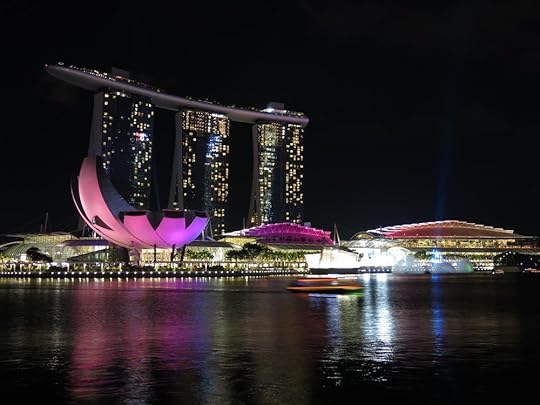
On 16-17 February 2023, thousands of professionals in the Blockchain, Exchanges, Cryptocurrencies, NFTs, DeFi, Mining, Gaming, Online Payments, Investment, and FinTech Industries will gather at the Marina Bay Sands Convention Center for the Blockchain Fest Singapore 2023.
The two-day event will feature a range of interactive sessions and panel discussions on a variety of topics, including Blockchain and Cryptocurrency Laws and Regulations 2023, featuring Surya Sarella, CEO of Blocksol Media, Jonathan C. Dunsmoor, founder and principal of Dunsmoor Law, and Anndy Lian, best-selling book author of âNFT : From Zero to Heroâ. Another highlight of the event will be a discussion on âHow Blockchain and Cybersecurity Work TogetherâÂ
There will be a freeside chat session on the topic. One of the standout topics for the event is âTrue Digital Ownerships with DeFi & NFTsâ, featuring Jonas Thuerig, Head of F10 Asia at F10 Global, and Krinza Momin, Developer Relations Engineer at Ankr.
We also have keynote sessions on âThe Opportunities in the Current Market for Established Exchangesâ, featuring Toya Zhang, CMO of Bit.com. Other topics to be covered include âWeb3 Startup Strategiesâ by Tobias Bauer, Principal at Blockchain Founders Fund.
Blockchain Fest Singapore 2023 is a must-attend event for professionals looking to stay up-to-date on the latest developments in the industry and connect with like-minded individuals. Another highly anticipated keynote is âTokenomics : Guaranteeing the Sustainability of Web3â, with Eloisa Marchesoni, Tokenomics Expert and VC Partner. âInsurance as an Enabler to the Crypto Industryâ will also be a keynote topic, with Joel Pridmore, Managing Director of the Frontier Global Underwriting, leading the discussion. In addition, El Lee, Digital Treasures Centers, will be presenting on the topic of âNext Crypto Spring Starts with Web3 Payment !â.Â
We will kick off the second day with a presentation from Dr. Patrick Chin, CMO of Mintable, on âThe Phenomenon of NFTâ, followed by a talk on âCentral Bank Digital Currencies (CBDCs) and Stablecoins : Co-existence or Overlap ?â with Dr. Oriol Caudevilla, FinTech and Blockchain Advisor and host of Digital Tomorrow podcast.
Next, donât miss the panel discussion on âGameFi 2.0| The Next Big Thing in Crypto ?â featuring Rico Pang of Sanctum Global Ventures, Felix Sim from Salad Ventures, Elston Sam of Ethlas, and Jisheng Tan from Playermoon.
Following the panel, we will have a special session on âWomen in Cryptoâ. In the afternoon, we will have a discussion on âNavigating Crypto as a Venture Fundâ with Arthur Tan of Metapac Group, Karnika E. Yashwant of Key Difference Media and forward Protocol, and Darius Askaripour, of Varys Capital. We will wrap up the day with a panel discussion from Ryan Liew of Copia Corporation Limited on âWhat will the future of NFTs look like for people and companies ?â.Â
Blockchain Fest offers a great deal of networking opportunities and is one of the most important aspects of the event. This is an opportunity for you to meet and network with a number of experienced individuals at the conference.
In addition to bringing together the worldâs best investors, industry insiders, and startups, Blockchain Fest also creates unique business and networking opportunities. So, donât miss out on this event!
Source: https://micky.com.au/crypto-industry-key-topics-to-be-explored-at-blockchain-fest-singapore/

The post Crypto Industry Key Topics to be Explored at Blockchain Fest Singapore appeared first on Anndy Lian | Inter-Governmental Blockchain Adviser | Book Author | Investor | Board Member | Singapore by Anndy Lian.
TMRW Dubai: Ready for the new world – beyond financial freedom?
Anndy Lian | Inter-Governmental Blockchain Adviser | Book Author | Investor | Board Member | Singapore
TMRW Dubai: Ready for the new world – beyond financial freedom?

Digital assets are here to stay, and their future is brighter than ever. But the world of crypto, NFT, and Metaverse is updating very rapidly, and there is a constant need to satisfy the passionate curiosity that crypto enthusiasts are known for. Although located and connected in the virtual and digital world, it is very important to bring the community together in person.
In 2022, the TMRW conference was one of the first that was held offline after the pandemic. Following the major debut success in Belgrade (Serbia), with 21,000 in-person and online participants from 100 countries, more than 50 speakers, and 250 crypto-related companies, the TMRW conference is ready to conquer the Middle east!
According to the organizers, from February 8-10, the world’s greatest crypto and NFT minds will gather at Dubai Festival City to consider all aspects of blockchain and cryptocurrencies and find out more about the future of digital currency.
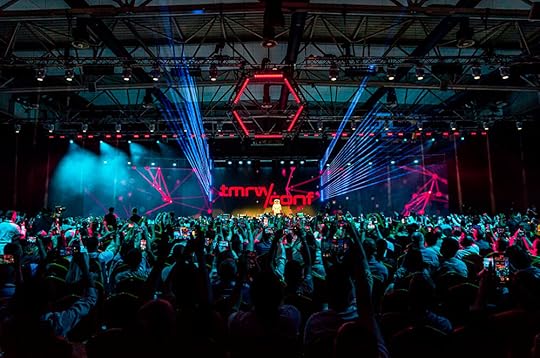
“The TMRW Dubai is a three-day experience where attendees will be exposed to the most innovative crypto, NFT, and Metaverse projects and get the chance to network with their mastermind creators. Imagine a place where 6,000 people who work in and around the crypto world come together for three days to learn from 80 keynotes and world-renowned experts about the latest trends and technologies through presentations, workshops, and panels. And now imagine how precious it is to network with all these people!” – said Zoran Tadić, program director of the TMRW conference.
When it comes to TMRW speakers, some big names have already been announced, but the list will be updated in the upcoming period. According to organizers, speakers are pioneers in the industry, and also the most well-known international names, including Craig Sellars, Founder of Tether, Joel Dietz, CEO of MetaMetaverse, Nikita Sachdev, CEO & Founder of Luna PR, Mark van Rijmenam, better known as The Digital Speaker, Sharad Agarwal, Chief Metaverse Officer of Cyber Gear, Anndy Lian, an all-rounded business strategist and serial blockchain entrepreneur from Asia, Loretta Joseph, global regulatory advisor at AP Capital, and Dr. Michael Gebert, chairman of the European Blockchain Association also known as an expert in building new business models with a critical and provocative view for a realistic roadmap to develop the new digital now. More speakers will be announced in the following days.
When asked what the topics of the conference will be, Tadić explained in detail: “TMRW Dubai will cover the latest in crypto, for example, the impacts of European Crypto-Assets regulation (MiCA) on the global economy. We will also touch on the energy crisis: is PoS exactly what the world needs? NFT in 2023 should be about utility and not (only) collectibility. We will discuss whether the NFT royalties are indeed a thing of the past and mention the benefits for NFT holders. What is the connection between cancel culture and NFTs, are there controversies on the horizon? We will bluntly speak about healthcare in Metaverse and why the future us needs it. Also, our speakers will demonstrate everything you need to know about next-gen civilization. In one sentence, TMRW Dubai will bring experts in various domains, who will educate attendees on the crypto technology’s potential and impact on our lives and the world as we know it.”
Aside from the planned day program which will present the latest world trends in this sphere, the conference will also create an environment for attendees to connect, make business partnerships, discover fresh ideas, and build their networks with potential collaborators and investors through exclusive parties, VIP dinners, and interactive workshops.
Two types of ultra-early bird tickets are currently on sale. Regular tickets for in-person attendees, and virtual – for those who can’t make it to Dubai in February. For more info visit tmrwconf.net.
Website: https://tmrwconf.net/dubai-conference-2023-crypto-nft-metaverse/
Instagram: https://www.instagram.com/tmrwconf/?hl=en
Telegram: https://t.me/tmrwconference
Twitter: https://twitter.com/tmrwconf
YouTube: https://www.youtube.com/channel/UCXQ_qjF1Dd9ozdOMMwxfjqw/featured
TikTok: https://www.tiktok.com/@tmrwconf
Linkedin: https://www.linkedin.com/company/78431580/admin/
Facebook: https://www.facebook.com/tmrwconf/

The post TMRW Dubai: Ready for the new world – beyond financial freedom? appeared first on Anndy Lian | Inter-Governmental Blockchain Adviser | Book Author | Investor | Board Member | Singapore by Anndy Lian.