Alicia McKay's Blog, page 8
August 9, 2022
Why Change Makes Things Worse Before It Makes Things Better

I recently received a request from Angela, a Wednesday Wisdom reader, to talk about the immediate impact of organisational change on productivity. She wrote:


August 8, 2022
Nail Your Next 8 Weeks: How to keep strategy alive
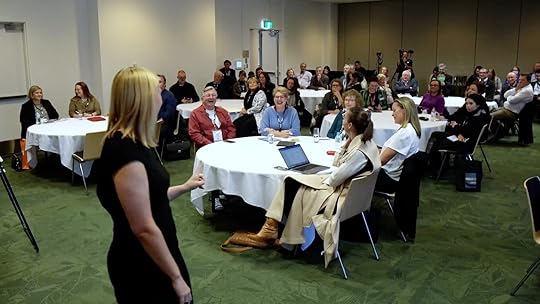
In this article:
How to run a great strategic check-in
Free template for a 2-day strategy session
Strategies are great, and 3-5 year plans are important, but they can be too abstract to take priority over the urgent and unexpected things that pop up on the daily.
Strategic progress is the most important job of any leader. It's why we have leaders. You're the ones who can see the big picture and connect the outcomes you want to the work people do everyday.
Keeping those big dreams alive and making them real doesn't come easy, but it is the single most important function of your job and the time you spend together as a group.

August 6, 2022
Find Your Why Journey Update #2
I recently sent out a Wednesday Wisdom about a traumatic time I've experienced in my personal life and business.

August 4, 2022
Stop Being Nice: 7 reasons why your niceness is dangerous

I have a confession to make: I'm suspicious of nice people.
I've always felt ashamed of it, but niceness triggers something in me. My bullshit radar starts pinging and I feel... alone. Less connected to the nice person, rather than validated.
It's a sensitive radar. It might go off in conversation, where someone asks a polite question that feels forced. Or I'll get a text from someone, with too many exclamation marks or friendly emojis, and a weird sense of emptiness sets in.
It's plagued me for years, and I've always thought it was just me. A sign, perhaps, of how inherently not nice I must be. And is there anything worse than a woman who isn't very nice? We're supposed to be kind, polite, nurturing and graceful, after all. To take whatever attention we're given and respond with a demure smile.
I feel it with false flattery too - which is why the classic sucking up tactic doesn't work for my kids when they want something. It gets me off side, rather than softened up. I skim past the conversational foreplay in phone calls, feel annoyed at the hollow pleasantries at the beginning of an email, and tune out of conversations that feel fake.
What's my bloody problem, eh?
Why I Find Niceness So Suspicious
Surprise, surprise, its childhood trauma. That old chestnut, consistently popping up to disrupt my 30s. Classic. There's a pathologised version: adverse childhood experiences make you prone to distrust and negative emotional processing. That version doesn't feel so great.
But there's an empowering translation, too: going through struggle hones your bullsh*t radar in helpful ways. When you've had to be highly attuned to other people's emotional states for your own safety, you develop a spidey sense for when things aren't right - you can smell inauthenticity a mile away. When you learn to trust that instinct, it can be a very useful mechanism for working out who to rely on, and to what extent.
My intolerance for inauthenticity and frustration with fakery has underpinned a successful career getting to the heart of organisational dysfunction and steered many a strategy back on course. But it's not always popular - especially with people who want to be nice.
The issue of niceness in the workplace has come up with a lot of the people in my programs recently, as we've been tackling issues around boundaries, respect, communication and performance. On Not An MBA, we learn the skills for strategic leadership, so that we can bust out of operational overwhelm and direct our energy and perspective more usefully. This all sounds good on the surface, until people realise they're going to have to let people down, eject themselves from projects and value their bandwidth differently - all of which can be terrifying to the compulsively nice among us.
Based on the conversations I've been having with others, and after digging deeper into some of my own instincts, I've drawn a controversial conclusion: niceness can be a serious problem, especially at work.
7 Problems with Niceness
Here's seven reasons why being nice is a problem, to help you reconsider your polite programming (or to potentially feel better about your personal lack of niceties.)

Stop Being Nice: 8 reasons why your niceness is dangerous
I have a confession to make: I'm suspicious of nice people.
I've always felt ashamed of it, but niceness triggers something in me. My bullshit radar starts pinging and I feel... alone. Less connected to the nice person, rather than validated.
It's a sensitive radar. It might go off in conversation, where someone asks a polite question that feels forced. Or I'll get a text from someone, with too many exclamation marks or friendly emojis, and a weird sense of emptiness sets in.
It's plagued me for years, and I've always thought it was just me. A sign, perhaps, of how inherently not nice I must be. And is there anything worse than a woman who isn't very nice? We're supposed to be kind, polite, nurturing and graceful, after all. To take whatever attention we're given and respond with a demure smile.
I feel it with false flattery too - which is why the classic sucking up tactic doesn't work for my kids when they want something. It gets me off side, rather than softened up. I skim past the conversational foreplay in phone calls, feel annoyed at the hollow pleasantries at the beginning of an email, and tune out of conversations that feel fake.
What's my bloody problem, eh?
Why I Find Niceness So Suspicious
Surprise, surprise, its childhood trauma. That old chestnut, consistently popping up to disrupt my 30s. Classic. There's a pathologised version: adverse childhood experiences make you prone to distrust and negative emotional processing. That version doesn't feel so great.
But there's an empowering translation, too: going through struggle hones your bullsh*t radar in helpful ways. When you've had to be highly attuned to other people's emotional states for your own safety, you develop a spidey sense for when things aren't right - you can smell inauthenticity a mile away. When you learn to trust that instinct, it can be a very useful mechanism for working out who to rely on, and to what extent.
My intolerance for inauthenticity and frustration with fakery has underpinned a successful career getting to the heart of organisational dysfunction and steered many a strategy back on course. But it's not always popular - especially with people who want to be nice.
The issue of niceness in the workplace has come up with a lot of the people in my programs recently, as we've been tackling issues around boundaries, respect, communication and performance. On Not An MBA, we learn the skills for strategic leadership, so that we can bust out of operational overwhelm and direct our energy and perspective more usefully. This all sounds good on the surface, until people realise they're going to have to let people down, eject themselves from projects and value their bandwidth differently - all of which can be terrifying to the compulsively nice among us.
Based on the conversations I've been having with others, and after digging deeper into some of my own instincts, I've drawn a controversial conclusion: niceness can be a serious problem, especially at work.
7 Problems with Niceness
Here's 10 reasons why being nice is a problem, to help you reconsider your polite programming (or to potentially feel better about your personal lack of niceties.)
August 1, 2022

July 31, 2022
Why Your Team Needs A Meeting Policy - and What To Include
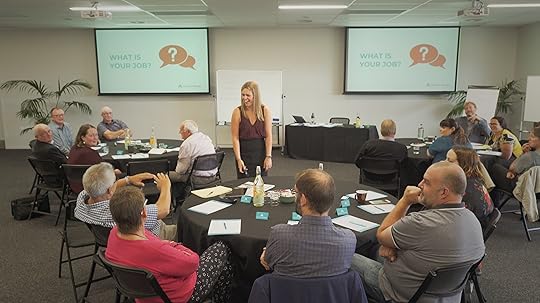
Take charge of your conversations
I'm a big fan of individuals taking charge of the meetings they're in. In fact, I'd love to banish boring and frustrating workshops. I care so much about it that I launched Meetings that Matter in 2020 and we've had over 1,000 people learn to do better since.

July 30, 2022
Find Your Why Journey Update #1
I recently sent out a Wednesday Wisdom about a traumatic time I've experienced in my personal life and business.

July 28, 2022
Tell, Don't Sell: How to get what you want at work

I had a great conversation with an IT leader in Australia this week. She was doing good work, but she was feeling increasingly frustrated by people in her team. She couldn't work out why she never seemed to be able to get her requests over the line.

July 17, 2022
Get Your Meetings Under Control: 6 questions to help you banish back-to-backs
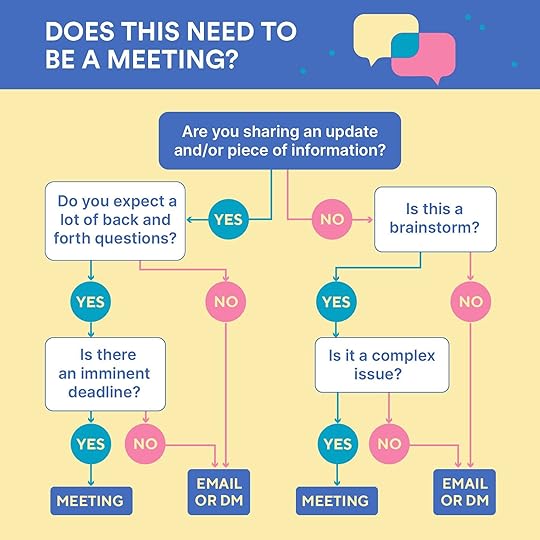
Everyone is having too many meetings. In many teams, people click from one conversation to another, becoming paradoxically more bored and overwhelmed as the day progresses, with little space to consider meaningful ways to contribute or take action.