
Jean Collen's Blog, page 24
December 10, 2013
WEBSTER BOOTH – TIME LINE – 1940 – 1949
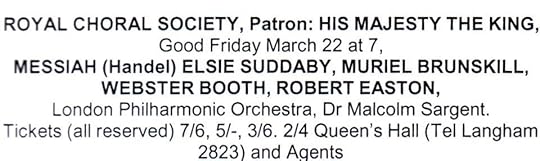
22 March 1940 in Queen’s Hall, London
Good Friday Messiah. Royal Choral Society with Elsie Suddaby, Muriel Brunskill, Webster Booth, Robert Easton. Conducted by Dr Malcolm Sargent.
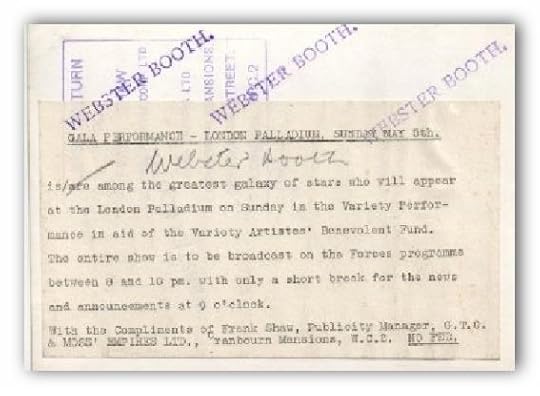
Gala Variety Performance
5 May 1940 in The London Palladium
Because of the war this show replaced the traditional Royal Command Performance.The concert was in aid of the Variety Artistes’ Benevolent Fund.
Messiah
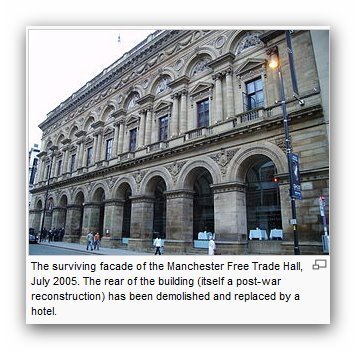
22 December 1940 in Hallé Concert Society, Manchester
Webster Booth was tenor soloist at this concert, conducted by Malcolm Sargent. Later that night a big bombing raid destroyed the Free Trade Hall.
Dream of Gerontius (Elgar)
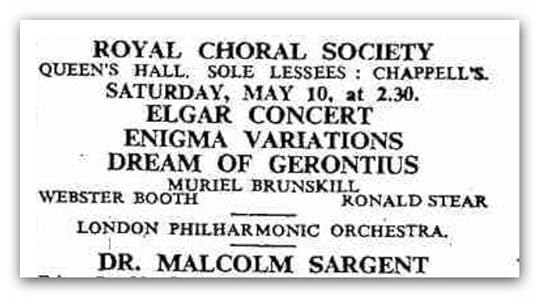
10 May 1941 in Queen’s Hall, London
Webster Booth, Muriel Brunskill and Ronald Stear were soloists in an afternoon performance with the London Philharmonic Orchestra and the Royal Choral Society, conducted by Malcolm Sargent. That night a single incendiary bomb gutted the Queen’s Hall.
Paddy Prior, second wife of Webster Booth (tenor) 1902-1984 entertaining troops during World War 2. — in London, United Kingdom.

Paddy Prior, Webster Booth’s second wife who divorced him in 1938, entertains troops as a member of ENSA during the war.
Death of Sarah Booth, Webster’s mother
November 1942 in Birmingham, United Kingdom
Webster and Anne had sung at Golders Green Hippodrome in “Clap Your Hands and Smile” with Charlie Kunz and others from 1 November 1943. Webster’s mother died (aged 80) during that week.

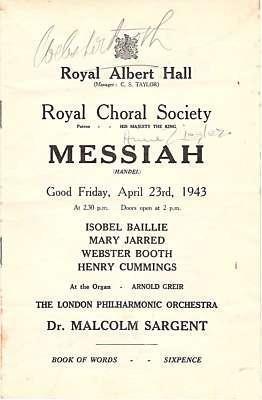
Good Friday Messiah
23 April 1943 in Royal Albert Hall
Webster Booth sang in another Good Friday Messiah at the Albert Hall with soloists Isobel Baillie, Mary Jarred and Henry Cummings, conducted by Malcolm Sargent. In 1940 he and Anne Ziegler began touring in Variety as duettists and it is clear that he did not do as much serious singing because of this.
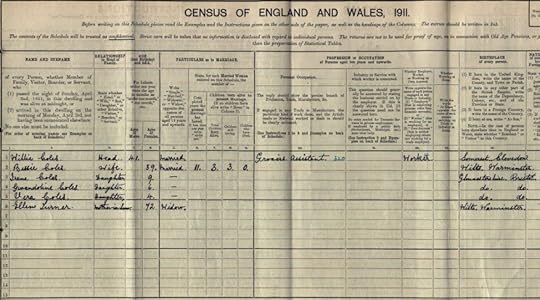
Edwin Booth remarries.
1947 in Birmingham, United Kingdom
In 1947 Edwin Booth married Irene Constance Louise Coles, who was born in Bristol in 1902, a few months younger than Webster. After Edwin Booth’s death, Irene continued to attend Webster and Anne’s concerts in Birmingham. The census form shows the Coles family in 1911 when Irene was 9 years old.
Funeral of Tommy Handley
January 1949 in Golders Green Crematorium
Members of Savage Club formed choir which included Webster Booth, Parry Jones, Walter Midgley, Dennis Noble, Frederic Gregory, George James & Edward Dykes. They sang “The Long Day Closes” by Arthur Sullivan.
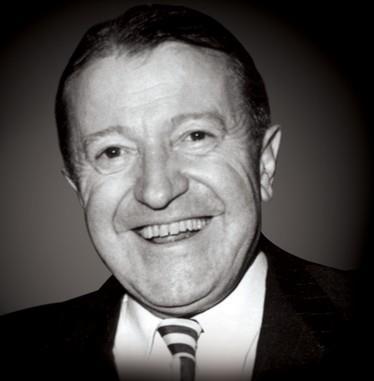
Funeral of Tommy Handley at Golders Green Crematorium January 1949. Webster Booth was singing in choir with other Savage Club singers. — with Trefor Jones at Golders Green Crematorium.



WEBSTER BOOTH TIMELINE – 1902 -1939.
Powered by uk.groups.yahoo.com
21 January 1902 Birth.

Leslie Webster Booth was the youngest of six children born to Edwin Booth and his wife Sarah (neé Webster) at 157 Soho Road, Handsworth, Staffordshire. Above – 157 Soho Road today.
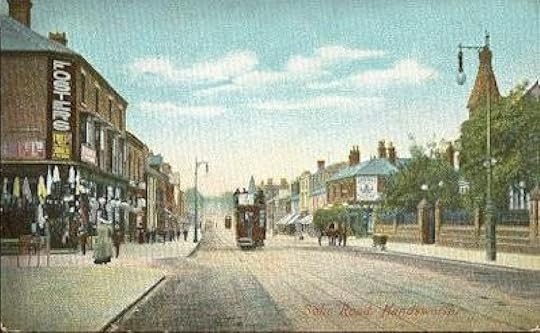
Soho Road in the early 1900s.
Accepted as a chorister at Lincoln Cathedral
1911 in Lincoln Cathedral Official Page
Webster Booth spent four years as a chorister at Lincoln until his voice broke in 1915.

His voice breaks so he returns home.
1915 in Birmingham, United Kingdom
His parents send him to do a commercial course at Aston Commercial School. The headmaster there is Edgar Keey. Later he married Edgar Keey’s daughter, Winifred.
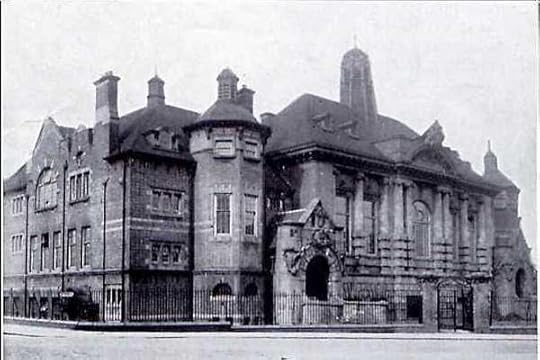
Leaves School
1918 in Birmingham, United Kingdom
After Webster left school he began working in an accounting office in Birmingham. At the same time he took singing lessons with Dr Richard Wassall, choirmaster at St Martin’s, Birmingham and singing teacher at the Midland Institute.
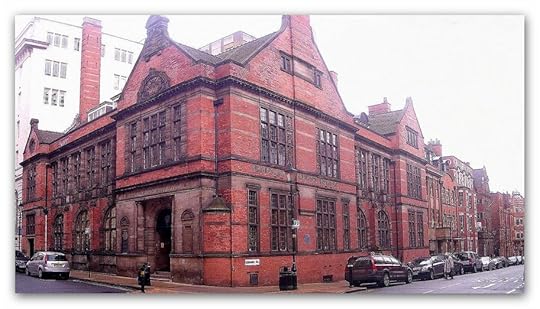
First professional engagement
9 September 1923 in Theatre Royal Brighton
Webster Booth was accepted into the chorus of D’Oyly Carte Opera and made his stage debut as a yeoman in “Yeomen of the Guard”. He remained with the company for four and a half years, singing in the chorus, playing small parts and understudying the leading tenor roles. He was known in the company as Leslie Booth. He did not use the name Webster Booth until he left the company in 1927.
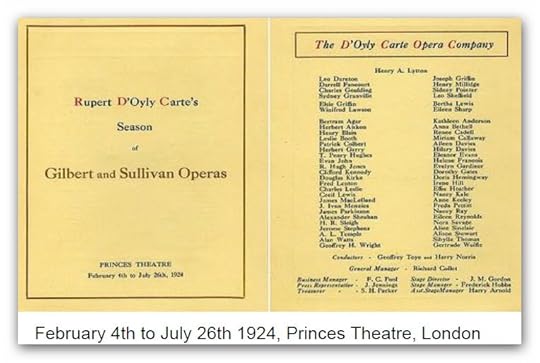
Marriage
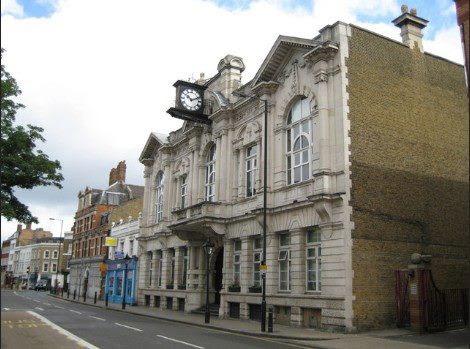
June 1924 in Fulham Registry Office, Fulham, London
Webster Booth married his first wife, Winifred Dorothy Keey in the second quarter of 1924 at Fulham Registry Office.
Birth of Keith Leslie Booth
12 June 1925 in Birmingham, United Kingdom
Birth of his son, Keith Leslie Booth. Mother: Winifred Dorothy Booth (nee Keey)
D’Oyly Carte Opera tour of Canada
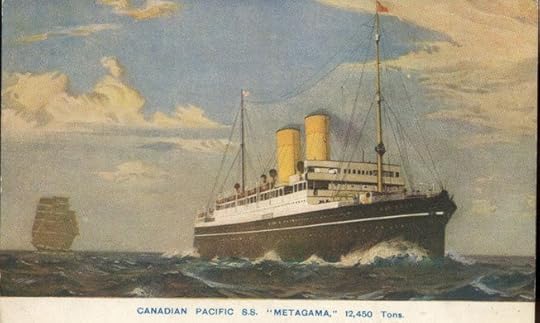
24 December 1926 in SS Metagama, Liverpool
Webster Booth went to Canada as a member of the chorus of D’Oyly Carte for the tour of Canada aboard the SS Metagama. The tour opened in Montreal on 4 January 1927.
Singing in Lyons’ Cafés and Restaurants
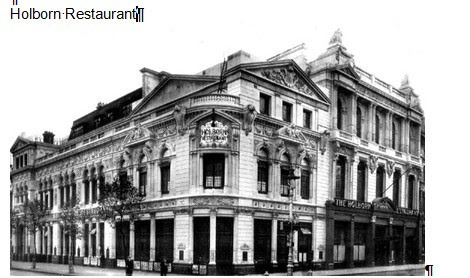
May 1928 in Popular & Strand Lyons’ Cafés, Holborn Restaurant
Webster Booth, still known as Leslie Webster Booth, was eking out a living singing in various Lyons’ cafés and at Masonic dinners, as well as performing in panto and singing with the Opieros. The photo shows the Holborn Restaurant, a popular venue for staff dinners.
Recording contract with HMV
1929 in His Master’s Voice Records
Webster Booth made his first recording with HMV in 1929. He continued recording with the company until his contract was cancelled in 1951. The first recording was A Brown Bird Singing and I Love the Moon.
“The Three Musketeers” (Friml)
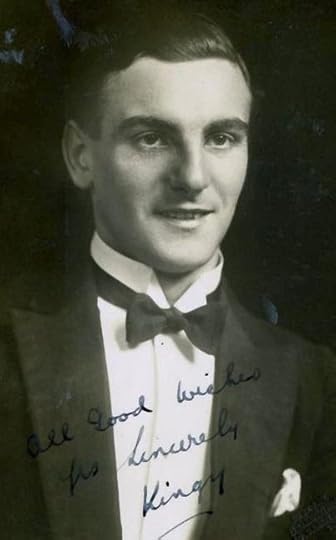
28 March 1930 in Theatre Royal, Drury Lane
Webster Booth made his debut as the Duke of Buckingham in “The Three Musketeers”. Denis King played D’Artagnan. Others in the cast included Adrienne Brune and Lillian Davies.
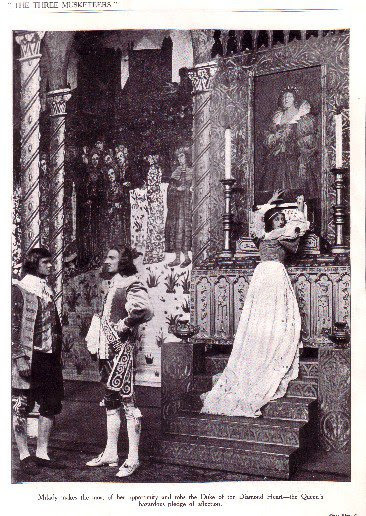
Divorce from Winifred Booth (nee Keey)
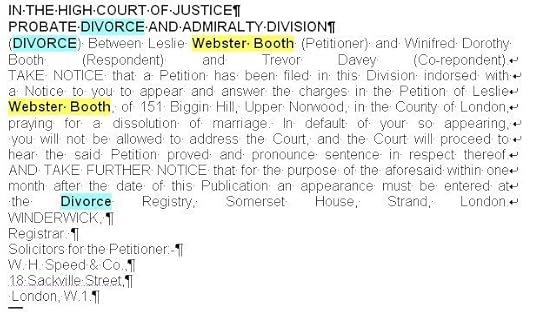
October 1931 in London, United Kingdom
Winifred Booth deserted Webster and his young son in 1927. Webster tried to find her for many years but she had vanished. In October 1931, he sued for divorce, naming Trevor Davey as co-respondent.
Marriage to Dorothy Annie Alice Prior
10 October 1932 in Fulham Registry Office, Fulham, London
Webster Booth married his second wife, Dorothy Annie Alice Prior (stage name: Paddy Prior). Paddy was a soubrette, dancer and light comedienne.
Piccadilly Revels
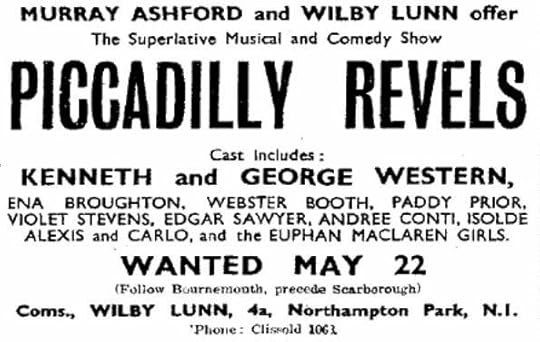
May 1933 in Scarborough, North Yorkshire
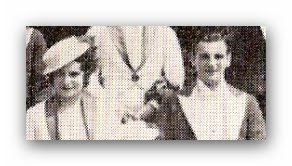
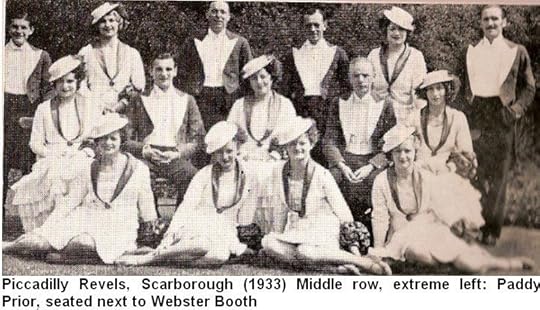
Webster Booth, Paddy Prior, Violet Stevens, George & Kenneth Western and Edgar Sawyer starred in Murray Evans and Wilby Lunn’s summer show. Paddy Prior is seated to the left of Webster Booth in the middle row.
Piccadilly Revels, 1933 with Webster Booth (tenor) 1902-1984, and second wife, Paddy Prior. — in Scarborough, United Kingdom.
·
The Faust Fantasy
December 1934 in Bushy Heath
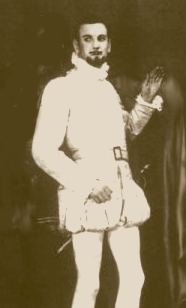
Webster Booth was chosen to play the part of Faust in this film. During the filming he met Anne Ziegler played the part of Marguerite. Unfortunately their meeting spelt the end of his marriage to Paddy Prior before it had really begun.
A Kingdom for a Cow (Kurt Weill)
28 June 1935 in Savoy Theatre
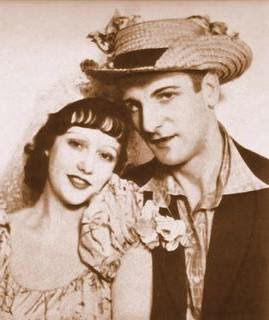
Webster Booth starred as Juan, with Jacqueline Francell as Juanita. The show included George Gee, Bobby Comber and Hay Petrie. Muir Matheson conducted the orchestra. The show received good notices but was not a success with the public. It closed after three weeks.
The Robber Symphony (film)
17 April 1936
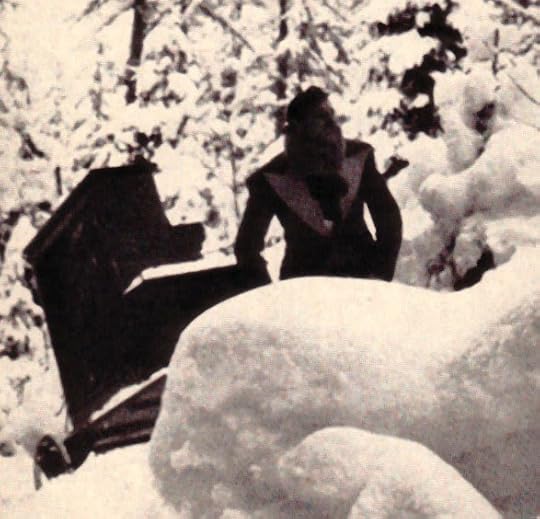
Webster Booth sang several songs in this film. The film was directed by Friedrich Feher, who also wrote the script and the music. His wife was the heroine of the film.
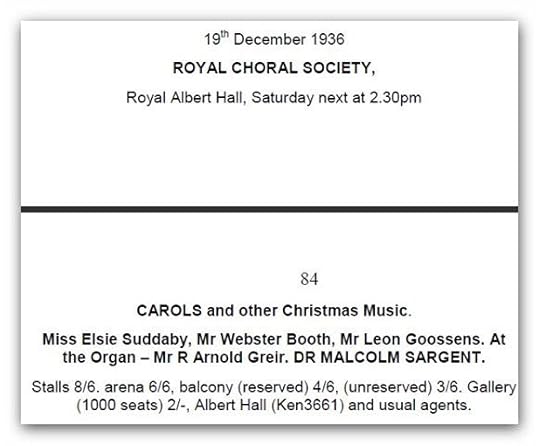
Carols and other Christmas music (1936) — at Royal Albert Hall
Hiawatha’s Wedding Feast
7 June 1937 in Royal Albert Hall
Webster Booth’s first appearance in Hiawatha’s Wedding Feast. Conducted by Malcolm Sargent. He sang the role of the Monk on 7 & 10 June, and Chihiabos on 18 June.

7 June 1937
Souvenir programme for the dramatised version of “Hiawatha” held at the Royal Albert Hall in June 7-19, 1937.
[image error]
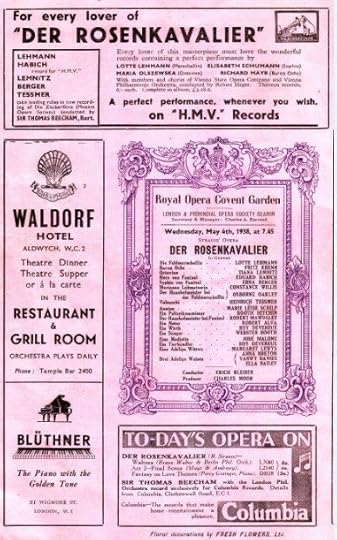
Der Rosenkavalier, The Magic Flute
May 1938 in Royal Opera House, Covent Garden
Webster Booth sang the role of Octavian in “Der Rosenkavalier” and took a small role in “Magic Flute”.
Third Marriage
5 November 1938 in Paddington Registry office, Paddington, London
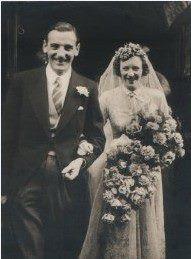
Webster Booth’s divorce from Paddy Prior came through in October. He married Anne Ziegler (Irené Frances Eastwood) the following month – first at the Paddington Registry Office, followed by a blessing of the marriage at St Ethelburga’s Church in Bishopsgate.
Messiah
17 December 1938 in Queen’s Hall, London
Webster Booth, Joan Hammond, Muriel Brunskill, Norman Walker with London Philharmonic Orchestra, Royal Opera Choir, conducted by Sir Thomas Beecham.

2 April 1939 in The London Palladium
Members of the Concert Artistes’ Association gave their annual concert in aid of their Benevolent Fund. Webster Booth & other artistes performed. The receipts totalled £427 – a record for these affairs!
Joins staff of variety department of the BBC
3 September 1939 in BBC Bristol
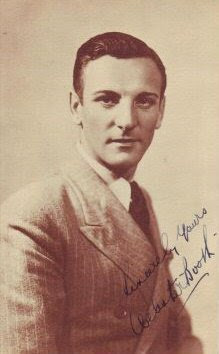
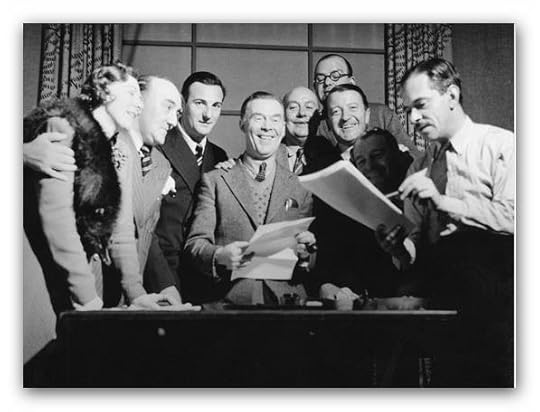
Webster Booth had been appointed to the staff of the BBC Variety department at the outbreak of war. Others included Tommy Handley, Sam Costa, Charles Shadwell, Betty Huntley-Wright and Leonard Henry.
Subscribe to booth-ziegler
Powered by uk.groups.yahoo.com
21 January 1902 Birth.
Leslie Webster Booth was the youngest of six children born to Edwin Booth and his wife Sarah (neé Webster) at 157 Soho Road, Handsworth, Staffordshire. Above – 157 Soho Road today.
Soho Road in the early 1900s.
Accepted as a chorister at Lincoln Cathedral
1911 in Lincoln Cathedral Official Page
Webster Booth spent four years as a chorister at Lincoln until his voice broke in 1915.
His voice breaks so he returns home.
1915 in Birmingham, United Kingdom
His parents send him to do a commercial course at Aston Commercial School. The headmaster there is Edgar Keey. Later he married Edgar Keey’s daughter, Winifred.
Leaves School
1918 in Birmingham, United Kingdom
After Webster left school he began working in an accounting office in Birmingham. At the same time he took singing lessons with Dr Richard Wassall, choirmaster at St Martin’s, Birmingham and singing teacher at the Midland Institute.
First professional engagement
9 September 1923 in Theatre Royal Brighton
Webster Booth was accepted into the chorus of D’Oyly Carte Opera and made his stage debut as a yeoman in “Yeomen of the Guard”. He remained with the company for four and a half years, singing in the chorus, playing small parts and understudying the leading tenor roles. He was known in the company as Leslie Booth. He did not use the name Webster Booth until he left the company in 1927.
Marriage
June 1924 in Fulham Registry Office, Fulham, London
Webster Booth married his first wife, Winifred Dorothy Keey in the second quarter of 1924 at Fulham Registry Office.
Birth of Keith Leslie Booth
12 June 1925 in Birmingham, United Kingdom
Birth of his son, Keith Leslie Booth. Mother: Winifred Dorothy Booth (nee Keey)
D’Oyly Carte Opera tour of Canada
24 December 1926 in SS Metagama, Liverpool
Webster Booth went to Canada as a member of the chorus of D’Oyly Carte for the tour of Canada aboard the SS Metagama. The tour opened in Montreal on 4 January 1927.
Singing in Lyons’ Cafés and Restaurants
May 1928 in Popular & Strand Lyons’ Cafés, Holborn Restaurant
Webster Booth, still known as Leslie Webster Booth, was eking out a living singing in various Lyons’ cafés and at Masonic dinners, as well as performing in panto and singing with the Opieros. The photo shows the Holborn Restaurant, a popular venue for staff dinners.
Recording contract with HMV
1929 in His Master’s Voice Records
Webster Booth made his first recording with HMV in 1929. He continued recording with the company until his contract was cancelled in 1951. The first recording was A Brown Bird Singing and I Love the Moon.
“The Three Musketeers” (Friml)
28 March 1930 in Theatre Royal, Drury Lane
Webster Booth made his debut as the Duke of Buckingham in “The Three Musketeers”. Denis King played D’Artagnan. Others in the cast included Adrienne Brune and Lillian Davies.
Divorce from Winifred Booth (nee Keey)
October 1931 in London, United Kingdom
Winifred Booth deserted Webster and his young son in 1927. Webster tried to find her for many years but she had vanished. In October 1931, he sued for divorce, naming Trevor Davey as co-respondent.
Marriage to Dorothy Annie Alice Prior
10 October 1932 in Fulham Registry Office, Fulham, London
Webster Booth married his second wife, Dorothy Annie Alice Prior (stage name: Paddy Prior). Paddy was a soubrette, dancer and light comedienne.
Piccadilly Revels
May 1933 in Scarborough, North Yorkshire
Webster Booth, Paddy Prior, Violet Stevens, George & Kenneth Western and Edgar Sawyer starred in Murray Evans and Wilby Lunn’s summer show. Paddy Prior is seated to the left of Webster Booth in the middle row.
Piccadilly Revels, 1933 with Webster Booth (tenor) 1902-1984, and second wife, Paddy Prior. — in Scarborough, United Kingdom.
·
The Faust Fantasy
December 1934 in Bushy Heath
Webster Booth was chosen to play the part of Faust in this film. During the filming he met Anne Ziegler played the part of Marguerite. Unfortunately their meeting spelt the end of his marriage to Paddy Prior before it had really begun.
A Kingdom for a Cow (Kurt Weill)
28 June 1935 in Savoy Theatre
Webster Booth starred as Juan, with Jacqueline Francell as Juanita. The show included George Gee, Bobby Comber and Hay Petrie. Muir Matheson conducted the orchestra. The show received good notices but was not a success with the public. It closed after three weeks.
The Robber Symphony (film)
17 April 1936
Webster Booth sang several songs in this film. The film was directed by Friedrich Feher, who also wrote the script and the music. His wife was the heroine of the film.
Carols and other Christmas music (1936) — at Royal Albert Hall
Hiawatha’s Wedding Feast
7 June 1937 in Royal Albert Hall
Webster Booth’s first appearance in Hiawatha’s Wedding Feast. Conducted by Malcolm Sargent. He sang the role of the Monk on 7 & 10 June, and Chihiabos on 18 June.
7 June 1937
Souvenir programme for the dramatised version of “Hiawatha” held at the Royal Albert Hall in June 7-19, 1937.
[image error]
Der Rosenkavalier, The Magic Flute
May 1938 in Royal Opera House, Covent Garden
Webster Booth sang the role of Octavian in “Der Rosenkavalier” and took a small role in “Magic Flute”.
Third Marriage
5 November 1938 in Paddington Registry office, Paddington, London
Webster Booth’s divorce from Paddy Prior came through in October. He married Anne Ziegler (Irené Frances Eastwood) the following month – first at the Paddington Registry Office, followed by a blessing of the marriage at St Ethelburga’s Church in Bishopsgate.
Messiah
17 December 1938 in Queen’s Hall, London
Webster Booth, Joan Hammond, Muriel Brunskill, Norman Walker with London Philharmonic Orchestra, Royal Opera Choir, conducted by Sir Thomas Beecham.
2 April 1939 in The London Palladium
Members of the Concert Artistes’ Association gave their annual concert in aid of their Benevolent Fund. Webster Booth & other artistes performed. The receipts totalled £427 – a record for these affairs!
Joins staff of variety department of the BBC
3 September 1939 in BBC Bristol
Webster Booth had been appointed to the staff of the BBC Variety department at the outbreak of war. Others included Tommy Handley, Sam Costa, Charles Shadwell, Betty Huntley-Wright and Leonard Henry.


December 6, 2013
Recollections of Paddy O’Byrne who died on 3 December 2013
On 4 December 2013 I heard the sad news that Paddy O’Byrne had died the previous night, shortly before his eighty-fourth birthday. People on social media and on radio remembered the man and his broadcasting skills with great affection, just as I do myself.
The Voice of South Africa competition
I first heard of Paddy during the Voice of South Africa competition organised by the SABC in 1961. My parents and I sat in the lounge at 21 Juno Street, Kensington, in front of our large valve radio with the green cat’s eye tuner, listening to the weekly competition with interest. Paddy won that competition, with Michael Todd second, and Dr Tony Venniker in third place. Paddy was Irish, Michael Todd English, and Dr Tony Venniker was South African!
Paddy’s father was a high court judge in Eire and Paddy himself had studied law and was working for an insurance company in the city, but when he won the competition he began his broadcasting career on the English service. Michael Todd became a newsreader with the SABC, while Dr Tony continued practising medicine but made frequent broadcasts in an excellent series called Medical File with fellow medics, Professors Harry Seftel and Peter Cleaton-Jones. Sadly, Dr Tony died of advanced prostate cancer in 1989, and Michael Todd also died many years ago.
Paddy O’Byrne was a fine broadcaster. He had a beautiful speaking voice, a beguiling personality and had a wide musical knowledge. He and his wife, Vicky, who had a charming singing voice, had appeared in a pantomime with the Hungarian/South African singer, Eve Boswell, before coming to South Africa.
Gilbert and Sullivan series presented by Webster Booth – 1962
The first connection between Paddy and Webster Booth began in 1962. Webster was presenting a Gilbert and Sullivan series of programmes when the copyright on Gilbert’s words was lifted. Unfortunately he was taken very ill during that year and spent some time in the fever hospital in Braamfontein with a mysterious virus which gave him myocarditis and threatened his life. He was away from the singing studio and unable to record the Gilbert and Sullivan programmes for some time. It fell to Paddy O’Byrne to read Webster’s scripts for several of these programmes, and he made a very good job of this assignment.
Sunday at Home – 1963
In 1963 Paddy presented a series on the English Service called Sunday at Home. He visited the homes of different celebrities to interview them. On one particular Sunday, Anne and Webster entertained a young Paddy in their home at 121 Buckingham Avenue, Craighall Park. It was a charming, informal interview and I liked it so much that I ordered a tape of it from SABC Enterprises some years later.
To the UK and back to South Africa
I went to the UK in 1966 for several years, and some time later Paddy and his family went to live in Croydon in the UK. During that time Paddy worked at the BBC as a broadcaster on Radio 2. The family returned to South Africa in 1980 when Paddy launched a new radio station, Channel 702, which initially had a licence to broadcast from the South African “homeland” of Bophuthatswana.
Shortly after the launch, Paddy returned to the SABC, succeeding Peter Broomfield and Ken Marshall in a weekday morning programme called Top of the Morning with Paddy O’Byrne. On this programme he chatted to listeners about a variety of topics which interested him, played a wide selection of music and the occasional request from listeners, and also interviewed guests. I particularly remember him interviewing John Robbie, the Irish rugby player, who is a long-established talk show host on what is now called Talk Radio 702, broadcasting from studios in Sandton.
By this time I had been married for ten years and had two children. Anne and Webster returned to the UK in 1978 and, for a time, established a third career on stage and radio. Webster was not in the best of health and his voice was a shadow of what it had once been, so it was very sad that he had to get up on the stage and sing in public. The only news I had of them in 1983 was a comment from Paddy on his programme to say that he had heard that neither of them was very well and “needed looking after”. I wrote to Paddy asking for further news as I was worried that I had not heard from them for so long. No doubt he thought I was some loony fan for he did not reply to my letter! Later that year I had a letter from Anne telling me that Webster was very ill and was now in a nursing home in North Wales and unlikely to return home. He died on 21 June 1984.
I Bless the Day (De Jongh)and Brian Morris
Paddy O’Byrne continued his regular morning programme on the English Service and I listened to it regularly. One day, he had a request from Brian Morris, a former student of Anne and Webster’s. When I was Webster’s studio accompanist I had often played for Brian at his lessons. He had a very good baritone voice, reminiscent of Peter Dawson’s.
Brian asked for Webster’s recording of I Bless the Day by De Jongh. The SABC in Johannesburg had got rid of its collection of 78rpm records years before, so there were few of Anne and Webster’s recordings in the SABC library at that time. I had the recording Brian had requested on a Canadian Rococo LP, and also I Leave My Heart in an English Garden by Harry Parr-Davies, which was on the flipside of the original 78rpm. I wrote to Paddy, offering to lend him my precious recordings so that he could play the song Brian had requested. This time he did get in touch with me. His daughter, Jane, who lived near us, collected the records and Paddy duly played Brian’s request and some other recordings from my LPs over several days.
I was rather worried when Paddy didn’t return my records so eventually I phoned his home. Paddy was out, but I spoke to his wife, Vicky. She was charming and realised that I was concerned about my records and said she would make sure that he returned them very soon. Paddy called at our home unexpectedly one Saturday morning to return my records and was fascinated by the photographs of Anne and Webster which adorned my music room. I had a duplicate copy of the LP The Golden Age of Anne Ziegler and Webster Booth and gave it to him so that he could play a wider selection if listeners requested one of Anne and Webster’s recordings. Because of Brian Morris’s request for I Bless the Day Paddy and his wife, Vicky, became personal friends of Brian and his wife, Denise. Someone contacted me on my blog a few years ago to tell me the sad news that Brian had died.
Paddy was writing articles about music and broadcasting, so after our initial meeting he often phoned me if he needed to verify information about Anne and Webster. He was always charming and friendly, and I enjoyed our chats together.
He continued as a broadcaster with the SABC, and in 1995 he did a combined afternoon programme with Vuyo Mbuli. I think this was the first time Vuyo had done any broadcasting. Sadly he died suddenly a few years ago, still only in his forties. By that time he was a top TV presenter and very popular with the South African public. Their musical taste differed widely, so it was often a case of hearing Thomas Hampson one minute, and Michael Jackson the next!
After Paddy retired from the SABC he joined the community radio station of 1485 Radio Today and was as popular with listeners as ever. Return to Ireland He and his family returned to their native Ireland towards the end of the last century. His beloved wife, Vicky, died some time ago, and in June this year Paddy came to South Africa to attend a Requiem Mass for her at the Catholic Church in Rosebank where they had worshipped while living here. He and Peter Lotis were guests on Clare Marshall’s programme Morning Star on 1485 Radio Today, which broadcasts from a beautiful plant nursery in Jan Smuts Avenue. It was good to hear his voice once again, although I could hear that he was not very well.
My sincere condolences to his family and friends. He will be sadly missed, but very fondly remembered by everyone who knew him and enjoyed listening to him on the radio.
Subscribe to booth-ziegler
Powered by uk.groups.yahoo.com


August 20, 2013
Scarlet Fever in Glasgow and Immigration to South Africa
I started school in Bishopbriggs when I was four and was quite happy there for a month or two. Then I caught scarlet fever. My secure world changed in an instant. I can remember the doctor visiting, the ambulance arriving, the ambulance men wrapping me in a rough grey blanket and taking me from the warmth and comfort of my home, parents and grandparents to the isolation of the fever hospital, Ruchill, where I remained for six weeks. Perhaps I was delirious but I can’t remember my mother telling me how long I would be there or that they would not be allowed to visit me. I have found photographs of Ruchill on the Internet. It was a fine building when I was there, with well-tended grounds. Now it is abandoned and in a state of advanced decay like so many other buildings in Scotland which are no longer in use.

A ward in a fever hospital, reminiscent of our ward at Ruchill, Glasgow in the late 1940s.
I was placed in an old-fashioned ward with about thirty other children, all of whom must have been in the throes of scarlet fever also. The nurses wore starched white uniforms and little starched caps. The senior nurses had long white head-dresses, covering the nape of their necks. I was in tears, longing for my mother. A young nurse came to my high bed and tried to console me.
‘I want to go home. When can I go home? I want my mummy.’
‘You have to stay in hospital so we can make you better,’ the young nurse replied brightly.
I must have gone on like this for hours, for eventually she said, perhaps in despair, ‘If you’re a good wee girl and go to sleep maybe you’ll go home in the morning.’
I must have settled down then, but I soon found out that she had made a false promise. I was devastated to find out that I wasn’t going to go home tomorrow, nor the next day, nor even the following week.
As we were all infectious nobody except the hospital staff was allowed in the ward, but there was a sort of viewing area, where parents could look through a window to wave at their offspring. My parents didn’t come. They told me later that they thought a visit under such circumstances would upset me. In due course I received toys from them, but these had to be left behind in the toy room of the hospital so that I would not carry the germs back to the outside world.
Every morning each child received a cup of hot strong tea. This tea was handed round by the children who were feeling better and would soon be returning home. Generally the ward was a cheerful place once we got over our home sickness. I dare say some of the other children were very ill. Some may even have died, but I don’t remember anything like that happening. I do remember snatches of the songs we used to sing lustily, something like ‘I caught the scarlet fever, they put me in my bed, they wrapped me up in blankets and took me off to Ruchill…’ Only today, Morag in Canada sent me the words to that song that has lingered in my memory for such a long time. It goes something like this:
When I had scarlet fever it nearly drove me mad,
They wrapped me up in blankets and put me in the cab,
When I got to Ruchill I was really glad, they only took my temperature,
and said I wasn’t bad.
I go home on Friday morning,
I go home at half past nine,
Say goodbye to the dear old doctor,
Tell him I can stay no longer,
Goodbye doctor, goodbye nurse,
Goodbye all you sulky patients,
Ho ho ho, home I go,
Friday morning home I go!!!
What a pity I don’t remember the tune! We seemed to remain in bed for a long time. No thoughts of deep vein thrombosis in those days! The first day I was allowed out of bed left me feeling weak and light-headed. I could barely stand. Once I regained my strength I was allowed to go to the toy room and play with some of the other children. I made some protest at having to leave my newly-acquired toys there when it was time to go home.

Ruchill Hospital, now derelict and abandoned – quite unlike the pristine building I remember.
Eventually the day for leaving hospital arrived. I remember going home in the ambulance with a few other children. It was a sunny day. The grounds of the hospital were large and well cultivated. I felt strange and sad at home with my parents, hardly able to tell my mother that I needed to go to the bathroom because I felt so shy. I missed all the cheerful friends I had made in the big ward, the sing-songs and the camaraderie. My mother was horrified to discover that there were nits in my thick brown hair, possibly introduced by the nurse who combed each child’s hair with a communal comb and brush.
I arrived home just in time to face the hard winter of 1947 and the rigorous food-rationing which continued after the war. I distinctly remember sausages composed of far more bread than meat, and tastier rabbit stews. My grandparents lived with us in Bishopbriggs, but at the beginning of 1948, my grandfather died suddenly on the bus on his way home from a football match. After his death my grandmother decided to go to live with a close friend in Dunoon on the Cowal Peninsula of Argyle .
After my grandmother moved to Dunoon, my parents decided it was time to leave the UK for warmer climes where food was not in short supply and I could regain my strength after my illness. My father was offered a contract with ISCOR (Iron and Steel Corporation) in Vanderbijlpark, on the Highveld of Transvaal, South Africa. The town centred on ISCOR and was dubbed “the planned industrial city” in the booklet they sent to my parents to help persuade them to settle there.
We went to Southampton and boarded the Arundel Castle to South Africa. The ship had been used for military purposes during the war and was still fitted out as a troop ship, and still under the supervision of the British government rather than the Union Castle Line. It was only handed back to the Union Castle after a refit in 1949. Women and children slept in cramped 4-berth cabins, while the men slept in the troop’s communal quarters. I may have been mistaken, but I’m sure I remember hammocks in the men’s quarters. My mother and I shared a cabin with another mother and daughter. The little girl was called Priscilla and was about the same age as me. Priscilla and her parents were headed for a country to the north of South Africa – possibly Southern or Northern Rhodesia. It was so hot in the tropics that at night many passengers slept up on deck in deck chairs rather than in the stuffy cabins below deck.

Arundel Castle on which we sailed to Cape Town in 1948

On board the Arundel Castle (1948)
We berthed in Cape Town and faced the long train journey of two days and a night to Johannesburg. How we reached Vanderbijlpark I do not remember. Perhaps ISCOR sent a bus to collect all the immigrants from the station. At the time they were employing skilled engineering staff from the UK when the country was still under the rule of the United Party, with General Smuts as the prime minister.
But shortly after we arrived an election was held and Smuts’ United Party government was unexpectedly defeated, to be replaced by the Nationalist Party with Doctor D.F. Malan as prime minister. The Nats were a predominantly Afrikaans party with no love for the British. Nearly fifty years after the Anglo-Boer war of 1898-1902 many Afrikaners still harboured bitter resentment against the British. The Afrikaners particularly deplored Britain’s “scorched earth” policy where Boer (farmer) women and children had been taken to concentration camps and had their farms burnt to the ground. These people had lived in isolation on large farms and were susceptible to all the infectious illnesses of the time. They were herded together in these camps, and many died as they had no resistance to these infections. A significant number of Afrikaners had not wished to take part in World War 2 on the side of the Allies, but had far stronger leanings towards Hitler.
The Nat Government of 1948 opposed the idea of British workers immigrating to South Africa, fearing that they would vote for the predominantly United Party rather than the Nationalist Party, and soon put the UP back in power once again. With this change of policy ISCOR began employing workers from Germany rather than from Britain. Most of the British and German employees at ISCOR had been soldiers in opposing armies only a few years earlier, so one might have thought that they would not get along together. I don’t think this was the case. On the whole they got on very well on an individual level. It was only when the German émigrés were in a large group of fellow-countrymen that their wounded national pride rose to the surface and they often sang the Horst Wessel song, the anthem of the Nazi party from 1930 to 1945.
Most of our friends in Vanderbijl were fellow British immigrants. My father had gone to introduce himself to our neighbour in Hallwach Street. The gent had grown a long beard to mark the hundred and tenth anniversary of the Great Trek, and was cock-a-hoop that the Nationalist Party had come to power. He told my father grimly, “Ek praat geen Engels nie,” (I don’t speak English) pouring cold water on my father’s friendly greeting.

Me and my little friend and his father.

Mary and me.
Although I had been at school in Scotland, I was not allowed to go to a government school until I turned six in 1949. My parents enrolled me in Grade 1 at the Holy Rosary Convent in Vanderbijlpark. I have dim memories of this small school, but I do remember the maroon uniform I wore and the very strict nun who marched round our classroom with a ruler in her hand while we recited our tables over and over again. The child who stumbled on an answer was rapped briskly over the knuckles with this ruler. We soon learnt our tables by this austere method and I still remember them to this day, thanks to that formidable nun. Apparently the Holy Rosary sisters lived in a double-storey house in Faraday Boulevard but moved on to Vereeniging in the fifties. They were replaced by Irish Dominican sisters who built the present convent in Vanderbijl.
Living in Vanderbijlpark was rather like living in a mining community with everyone housed according to their importance in the company. The obsolete verse in ‘All things bright and beautiful’ certainly applied to Vanderbijlpark in the early fifties and probably beyond: ‘The rich man in his palace, the poor man at his gate, God made them high and lowly and ordered their estate.’
The blue collar workers lived in the town proper in streets like Hallwach Street, Parsons Street, Curie and Faraday Boulevards. The big yins lived to the south of the town near to the Vaal River, ‘down the river’ or Nobhill, soon to be nicknamed Snobhill by those in the town. Most of the black workers lived in hostels or small houses in the black equivalent of Welwyn Garden City, Bophelong, Apparently Bophelong means ‘clean place’.
The following year my grandmother was taken ill, so my mother and I returned to Scotland, this time on board the Winchester Castle.

Return to Southampton on board the Winchester Castle
We lived in furnished rooms in Dunoon to be near to my granny, where I attended yet another school, the Dunoon Grammar School. My grandmother taught me to knit, Scottish style with one knitting needle under my arm, and I remember picking out God Save the King by ear on the piano after hearing that King George VI was very ill. When my father returned some months later, we moved to Blairbeth Road, Burnside, Rutherglen, south of Glasgow and I was sent to Burnside Junior School. It was here that I began my first piano lessons with a Miss Wright and where I had my first taste of ice cream – Walls Ice cream – quite delicious. I read Enid Blyton’s Sunny Stories when it came out every week, and played with an older girl called Joan Dickson, one of the neighbour’s children. Her family had a heavy log cabin in their back garden with a heavy thick wooden door. I have a very distinct memory of my so-called friend banging my fingers in this door as she slammed it shut. My nails were black and blue for weeks afterwards.
Perhaps my father had to complete his three year contract with ISCOR for we returned to Vanderbijlpark in 1951, this time on board the Llanstephan Castle.

Returning to South Africa on board the Llanstephan Castle (1951)
This ship did not stop at Madeira as the others had done, but took an intermediate route, stopping at Las Palmas in Teneriffe, St Helena and Ascension Island. We settled at 21 Parsons Street and I was sent to yet another school, a parallel medium school called the Hendrik Vanderbijl Primary School not far from our house. I was put into Mrs McFadjean’s Standard One class and faced yet another group of unknown class mates.

Hendrik Vanderbijl Primary School in the 1940s.


August 10, 2013
ON WINGS OF SONG – WEBSTER BOOTH AS SOLOIST – EPISODE 9
ON WINGS OF SONG – WEBSTER BOOTH AS SOLOIST – EPISODE 9.
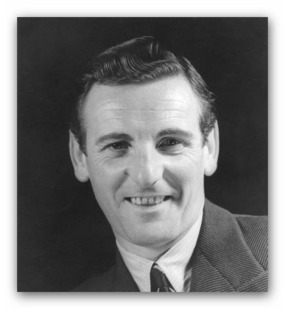
This is Episode 9 of this series of podcasts. In addition to recordings by Webster Booth, you will hear the voices of Kathleen Ferrier, John McCormack, Dennis Noble and the Celebrity Quartet with the voices of Isobel Baillie, Muriel Brunskill, Heddle Nash and Norman Allin.


August 7, 2013
FACEBOOK MANNERS
I wrote the bulk of this note some years ago on Facebook. I think it applies just as much today as it did two years ago. I will add a few more observations about Facebook here. Comments are welcome and if I have offended you by this post, feel free to unfriend me on Facebook!
I have made about 150 friends on Facebook. Some I actually know; others I have not met before, but we seem to have the same interests, and there is a certain amount of communication between us, even if it amounts to nothing more than liking each other’s posts, wishing each other a happy birthday and passing the occasional comment on something that might interest us.
I have always expressed my sympathy to Facebook friends who are going through some kind of disaster in their lives, such as bereavement, loss of a job, or a relationship breaking down. Recently we had some bad luck of our own when my son-in-law lost his job because of his company being placed under provisional liquidation. He and 7000 other workers were left without a penny – no payment for the time they had worked in July, no retrenchment money, and still no sign of the eight years of pension money.
To compound the problem is the fact that there is a huge number of unemployed in South Africa and the strict Black Empowerment policy which means that white males are at the bottom of the list as far as finding new employment is concerned. My husband and I have managed to help them financially at the end of July, but we are both semi-retired, so I’m not sure how long we will be able to go on doing this. Some of my Facebook friends were kind and supportive. One kind friend even offered to send some money, which we would never dream of accepting, but we did appreciate her kind offer!
It is very true that you find out who your friends are when you have a setback like that. I’m afraid I unfriended one of our relatives who blithely continued posting junk on her wall without as much as a “sorry”!
Other “friends” ignore me - perhaps for reasons of their own - but why did they befriend me in the first place? Just to add to my name to the hundreds of other Facebook friends on their list? Surely they have the strength to click the “like” button if I wish them happy birthday, or even make a very occasional comment so that I know they are still there? In this category I include some “friends” I have known personally for years. Do they look at my posts with a superior sneer and conclude that I am silly for posting them on Facebook?
March 2011 was a bad month for birthday greetings and March 2013 has not been any better. Very few of the March birthday boys and girls liked or thanked me for wishing them happy birthday. How rude is that? They obviously don’t think my well-meant birthday greetings are worth the bother of a collective “thank you” or even a “like”. The occasional “like” or “thank you” would not go amiss. At least I would not have the feeling that I’m communicating with the ether.
I share recordings, news and blog posts about my former teachers and life-long friends, Webster Booth and Anne Ziegler. I also have pages for them on Facebook and I run the Booth-Ziegler Yahoo Group (with only 34 members!) Anne and Webster meant a great deal to me and my intention was to keep their names alive, but this is a losing battle. I realise that their recordings are not to everyone’s taste as one of my Facebook friends told me recently – at least he was honest! Other friends who knew them very well – two are even related to them – ignore these posts. Just as I could always sense whether an audience was enjoying my stage performance or thinking it pretty awful, I have the same sense on Facebook, apart from a few obvious exceptions – I would have given up a long time ago without them! My one consolation is that my recordings of Webster and Anne’s solo and duet recordings on YouTube are warmly received, often by people who had never heard of them before.
On the plus side, I have made some interesting new friends, followed some fascinating pages, and rediscovered some old friends who do keep in touch with me on Facebook. I hope you are in this last category!
Jean Campbell Collen – original post written in 2011/updated 7 August 2013.


August 1, 2013
KENSINGTON SPRING FAIR – GUEST POST BY ILKA (I Love Kensington Association)

Kensington Spring Fair 2013
Kensington is the oldest suburb in Johannesburg, and it is steeped in history and tradition, so it goes without saying that one of our longest traditions, the Kensington Spring Fair, is about to happen!
The Annual Kensington Spring Fair will take place on Sunday 1 September from 9 a.m. to 4 p.m. in Rhodes Park near the lake. There is an entry fee of R1-00 per person. Please bring along your dogs, but remember to keep them on a leash!

Kensington Spring Fair
Volunteers from ILKA (I Love Kensington Association) and the community organise the fair, and all funds raised are donated to charities within Kensington and surrounding areas. 23 Years of fun in the sun, entertainment, and lots of interesting items on sale have culminated in a wonderful event which attracts nearly 5,000 visitors each year.
Entertainment will be provided by a variety of artists.
Food stalls cater to tastes ranging from boerewors rolls, mini doughnuts, and Chip and Dip, to Indian and Chinese cuisine, guaranteeing that there will be something for everyone’s taste.
This is a superb day out for the whole family with stalls featuring arts and crafts, esoteric, bric-a-brac, and farmers’ stalls, and deli stalls. Local churches, schools and community organisations are also represented at the fair in various ways.

Kensington Spring Fair
Applications for stalls can be obtained from our Facebook page (Kensington Spring Fair), the Rhodes Park Library, or email springfair@kensington.org.za. Closing date for application is 19 August 2012.
More helpers are needed to work as Marshalls on the morning of the Spring Fair in order to help vendors find their allocated stalls. We need as many volunteers as possible, including high school children interested in doing some Community Service hours. Please contact us on chair@kensington.org.za to volunteer your services. Community Service certificates will be handed out on the day.

Kensington Spring Fair 2012
Photographs: Yvonne Day


June 8, 2013
PODCAST PLAYLISTS – A PERSONAL MEMOIR OF ANNE ZIEGLER AND WEBSTER BOOTH
Uploaded 18 May 2013

Anne Ziegler and Webster Booth (1940)
A PERSONAL MEMOIR OF ANNE ZIEGLER & WEBSTER BOOTH: Episode 1
http://booth-ziegler.podomatic.com/entry/2013-05-18T12_57_12-07_00
PLAYLIST A PERSONAL MEMOIR OF ANNE ZIEGLER AND WEBSTER BOOTH – EPISODE 1
If You Were the Only Girl in the World THE BING BOYS ARE HERE (Ayer). Anne Ziegler and Webster Booth, Orchestra conducted by Clifford Greenwood, October 1939, HMV B8982
Take a pair of sparkling eyes THE GONDOLIERS (Gilbert & Sullivan) Webster Booth, Hallé Orchestra, conducted by Leslie Heward, 23 September 1941. HMV C3261
White Roses BY APPOINTMENT (Kennedy Russell) Maggie Teyte EMI “L’Exquise” Maggie Teyte (HLM 792 (8))
From the Sunny Spanish Shore THE GONDOLIERS (Gilbert & Sullivan) Webster Booth, George Baker, Essie Ackland, conducted by Malcolm Sargent. EMI SHB 74
A Brown Bird Singing (Haydn Wood) Webster Booth, with New Mayfair Orchestra conducted by Ray Noble with nightingale song. September 1929. HMV B3319
We’ll Gather Lilacs PERCHANCE TO DREAM (Ivor Novello) Webster Booth & Anne Ziegler, conducted by Jack Byfield, 4 June 1946. HMV B9489
PLAYLIST: A PERSONAL MEMOIR OF ANNE ZIEGLER & WEBSTER BOOTH: Episode 2

Webster Booth and Anne Ziegler (1946)
http://booth-ziegler.podomatic.com/entry/2013-05-24T13_12_29-07_00
Waltz Medley – Because I love you, All alone by the telephone, Always (Irving Berlin), Webster Booth, New Mayfair Orchestra, conducted by Ray Noble 22 December 1930. Bb2 1098-2
Waiatai Poi, New Zealand song, Peter Dawson, with male chorus including Webster Booth and George Baker.
THE THREE MUSKETEERS (Friml) orchestral medley
The Thingummy Bob, Arthur Askey
One Alone THE DESERT SONG (Sigmund Romberg) Webster Booth, with orhestra conducted by Debroy Somers, December 1941 HMV B9255
LIDO LADY selection (Richard Rodgers) Savoy Hotel Orpheans, conducted by Carroll Gibbons (1927) Part 1: Lido Lady; Here In My Arms; Try Again Tomorrow.
Piano duet by Carroll Gibbons and possibly Frank Herbin
Recorded at Hayes, Middlesex on Friday 14th January 1927
Originally recorded for HMV in 1927, this 12″ 78rpm disc has been remastered by this user.
You, Just you WILD VIOLETS (Robert Stolz) Anne Ziegler and Webster Booth, recorded in May 1940
[image error]
Webster Booth and Anne Ziegler in the film “Demobbed” (1944)
Playlist: A Personal Memoir of Anne Ziegler and Webster Booth – Episode 3
GEMS FROM MERRIE ENGLAND (Edward German), HMV Light Opera Company, HMV C2106
Gems from GOODNIGHT VIENNA (Posford) with Webster Booth and Olive Groves, Recorded 1932. Decca K644.
Waltz Song, MERRIE ENGLAND (German) Anne Ziegler (test recording for HMV) 1935
The Train That’s Taking You Home (Will Fyffe)
Jacqueline Francell and Réda Caire singing a song from “Balalaika” with music by Robert Stolz.
Romance (Sung in Italian) THE ROBBER SYMPHONY Feher, Webster Booth, January 1936. HMV B8405
Gems from PORGY AND BESS (Gershwin)Webster Booth and Anne Ziegler, Orchestra conducted by Carroll Gibbons.
Playlist: A Personal Memoir of Anne Ziegler and Webster Booth – Episode 4
A Paradise for Two THE MAID OF THE MOUNTAINS (Tate) Webster Booth and Anne Ziegler, orchestra conducted by Clifford Greenwood. Recorded in October 1939. HMV B8982
HEARTS DESIRE Vocal Gems, Webster Booth, orchestra and chorus, recorded1935, HMV B8385
THEATRELAND AT CORONATION TIME (1937) with Webster Booth, Garda Hall, Stuart Robertson and Sam Costa. HMV C2903, December 1937
The Way You Look Tonight SWING TIME (Kern) Webster Booth, November 1936, HMV B8498
Tales from the Vienna Woods (Strauss), Anne Ziegler with Charles Forwood (live performance)
Throw Open Wide Your Window, Dear (Hans May) Webster Booth and Anne Ziegler, orchestra conducted by Eric Robinson, 1949, HMV B9786.


PODCAST PLAYLISTS – ON WINGS OF SONG – WEBSTER BOOTH AS SOLOIST
Listen to the podcasts at: http://booth-ziegler.podomatic.com/entry/2013-06-01T05_16_43-07_00
ON WINGS OF SONG – WEBSTER BOOTH AS SOLOIST – EPISODE 1 – PLAYLIST

Cover of The Golden Age of Webster Booth
Theme music: On Wings of Song (Mendelssohn) accompanied by Gerald Moore, Recorded on 12 February 1943. HMV B9315
This one, Or That One RIGOLETTO (Verdi) Webster Booth with orchestra, conducted by Lawrance Collingwood. Recorded 1939. HMV B8829
Ev’ry Valley MESSIAH (Handel) Webster Booth with the London Philharmonic Orchestra conducted by Warwick Braithwaite. Recorded on 28 February 1939. HMV C3087.
O, had I Jubal’s Lyre JOSHUA (Handel) Gwen Catley, with City of Birmingham Orchestra, conducted by Leslie Heward. Recorded on 22 December 1940. HMV HMV B9138
The Lord is a Man of War ISRAEL IN EGYPT (Handel) Harold Williams, Malcolm McEachern. Recorded October 1933. Columbia DX585
Why does the God of Israel Sleep? SAMSON (Handel) Webster Booth with orchestra conducted by Warwick Braithwaite. Recorded December 1949. HMV C3939
Quartet Fairest Daughter of the Graces RIGOLETTO (Verdi). Webster Booth, Noel Edie, Arnold Matters, Edith Coates, London Philharmonic Orchestra conducted by Warwick Braithwaite. Recorded at Abbey Road, London on 3 March 1939. HMV C3086

Webster Booth on LP cover
ON WINGS OF SONG – WEBSTER BOOTH AS SOLOIST – EPISODE 2 – PLAYLIST
All Hail, Thy Dwelling, Pure and Holy, FAUST (Gounod) Webster Booth with the Hallé Orchestra, conducted by Warwick Braithwaite.Recorded 29 August 1942. C3309
Then Leave Her, FAUST (Gounod) with Webster Booth, Norman Walker and Joan Cross, with Sadlers Wells opera chorus, the London Philharmonic Orchestra, conducted by Lawrance Collingwood. Recorded 3 March 1939 HMV C3086
Off to Philadelphia in the Morning (Walter Battison Hayes) Norman Walker, accompanied by Gerald Moore. Recorded at Abbey Road studios, 17 March 1952.
Phil, the Fluter’s Ball (Percy French). Webster Booth accompanied by Gerald Moore, December 1940. HMV B9123
Your Tiny Hand is Frozen, LA BOHEME (Puccini) Webster Booth, with the Liverpool Philharmonic Orchestra, conducted by Warwick Braithwaite. Recorded on 12 September 1938. HMV C3030
In a Coupé, LA BOHEME (Puccini) Webster Booth & Dennis Noble, with the Hallé Orchestra, conducted by Warwick Braithwaite. Recorded on 29 August 1942. HMV C3309
Will She be Waiting Up? (Sterndale Bennett) Dennis Noble, Recorded on 19 September 1929. Columbia DB 158.

ON WINGS OF SONG – WEBSTER BOOTH AS SOLOIST – EPISODE 3 – PLAYLIST
Thine Be Her Burden DON GIOVANNI (Mozart) Webster Booth with the Liverpool Philharmonic Orchestra, conducted by Malcolm Sargent, recorded on 21 October 1943, HMV C3372
Give Me Thy Hand DON GIOVANNI (Mozart) Dennis Noble, Gwen Catley, with the Hallé orchestra, conducted by Warwick Braithwaite, recorded on 7 March 1943 at the Houldsworth Hall, Manchester, HMV B9338
The Lord’s Prayer (Malotte) with Gerald Moore at the piano.
Sound the Trumpet (Purcell), Kathleen Ferrier and Isobel Baillie
For England (Alan Murray) Oscar Natzka, Parlophone R2734
Where e’er you walk SEMELE (Handel) Webster Booth, with the Hallé Orchestra, conducted by Warwick Braithwaite on 28 August 1942, HMV C3305


April 26, 2013
MORNING STAR on Radio Today 1485 and other PODCASTS
Since writing this post I have added several more podcasts and they may all be heard at the same place. The series: A Personal Memoir of Anne Ziegler and Webster Booth tells of their lives and careers and my association with them from 1960 to 2003, the year of Anne’s death.

Webster Booth and Jean Collen. Photo taken in the early 1960s.
I am also doing a separate series about the more serious work of Webster Booth. These podcasts ar called On Wings of Song – Webster Booth as Soloist. Both series of podcasts may be heard at the following link, where there is one featured podcast, with links to the other podcasts to the right of the page:
I have also created a new blog called ZIEGLER-BOOTH RADIO where my own podcasts, the Morning Star podcast originally broadcast on Radio Today on 28 April 2013, and some of my YOU TUBE videos are embedded. My Soundcloud recordings are also included there.
Please let me know what you think of everything if you listen to them.

Anne Ziegler and Webster Booth in 1940
I have added a podcast at the following link: A Personal Memoir of Anne Ziegler and Webster Booth – Episode 1
This is the first in a series of podcasts about the lives and careers of Anne Ziegler and Webster Booth and my association with them.
The link to the Morning Star podcast on Radio Today 1485 on 28 April 2013 is: Morning Star presented by Clare Marshall with guest, Jean Collen
On Thursday 25 April 2013 I went to the beautiful studios of Radio Today 1485

Radio Today 1485 studios, Jan Smuts Avenue, Parktown North, Johannesburg. Photo: Gaynor Paynter.
The beautiful studios are situated in the middle of a plant nursery in Jan Smuts Avenue, Parktown North, Johannesburg. Clare Marshall, who presents the lovely programme Morning Star on Sunday morning had read my book, Sweethearts of Song: A Personal Memoir of Anne Ziegler and Webster Booth asked me into the studios to talk to her about my close relationship with Anne and Webster. I began studying singing with them when I left school at the end of 1960 in their studios on the eighth floor of Polliack’s Corner, Johannesburg.

School of Singing and Stagecraft, Eighth Floor, 69 Pritchard Street, Johannesburg – the building with balconies to the right.
Later I acted as Webster’s studio accompanist when Anne had other engagements. I remained friends with them until their deaths. Webster died in June 1984 and Anne died in October 2003.
I retired as Musical Director at St Andrew’s Church, Kensington at the end of 2005 after thirteen years, and stopped teaching classical singing and piano at the end of 2007, so I thought that talking to Clare on air might be rather daunting, but she was quite charming and soon put me at my ease. What I imagined might be an ordeal proved to be a really enjoyable experience. Clare’s Morning Star programme is on at 8.30 am (South African time) on Sunday mornings. I have listened to it for many years and can recommend it to anyone who enjoys hearing a variety of beautiful music presented by someone with a pristine radio voice.
One of the songs which will be featured on the programme on Sunday morning: http://youtu.be/if-EZpO-e9s

Anne and Webster
The programme was aired yesterday (28 April 2013) on Radio Today Johannesburg 1485 – RADIO THAT DELIVERS One of the songs played was:
THE MERRY WIDOW WALTZ: Franz Léhar
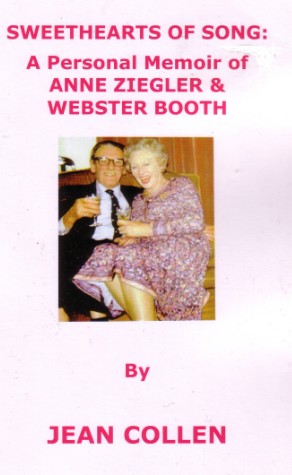
Sweethearts of Song: A Personal Memoir of Anne Ziegler and Webster Booth, is available online at my book store on Lulu.

I have had some copies of this book printed locally in wire binding and it is available to South African readers only at the very reasonable price of R140 (including postage). If you would like a copy of this book, please contact me at: duettists@gmail.com and I’ll give you further details about it.
Jeannie C 29 April 2013.
Subscribe to booth-ziegler
Powered by uk.groups.yahoo.com




![[image error]](http://jeancollen.files.wordpress.com/2013/03/4a79_83f9.jpg)