P.J. Thorndyke's Blog, page 2
April 30, 2025
‘Mound Dwellers’ is Out Today!
While my zombie Viking novel – Mound Dwellers – hit Godless earlier this month, today is the day it goes wide and you can grab it in eBook or paperback format from just about everywhere.

Mound Dwellers is a thrilling horror novel about a skiing holiday in the Norwegian mountains going wrong as a horde of undead Vikings rise form their burial mounds and stalk the living. You can grab it from Amazon, Godless or even my brand new online store! Check out the blurb;
“The sagas are full of references to the undead. Stories of the deceased coming out of their barrows to stalk the countryside. The Vikings called them ‘draugr’ or ‘haugbúi’ … Mound dwellers.”
An empty hotel and an abandoned ski resort in the mountains of Norway. Four young adults with their hearts set on an illicit weekend of skiing and drinking in the isolated wilderness. What could possibly go wrong?
But an ancient evil has awoken under the mountains. As darkness falls, nightmarish things emerge from their thousand-year-old tombs to stalk the living. A skiing vacation soon turns into a grisly nightmare as David, Virginia, Jens and Silje are pursued by a horde of bloodthirsty Viking zombies …


April 22, 2025
The Blind Dead Tetralogy
My newest horror novel – Mound Dwellers – is an action-packed zombie novel that takes its inspiration from a certain brand of European horror movie common in the ’70s and ’80s. Although it has a contemporary setting, I drew a lot of influence from movies made in the wake of George A. Romero’s Dawn of the Dead (1978) like the Italian movies Zombie Flesh Eaters (1979) and Hell of the Living Dead (1980). One series of Spanish horror movies was a particular inspiration, namely the Blind Dead Tetralogy which, unusually for its time, returned to the occult origins of the zombie genre, rather than opt for Romero’s Cold War-era science.
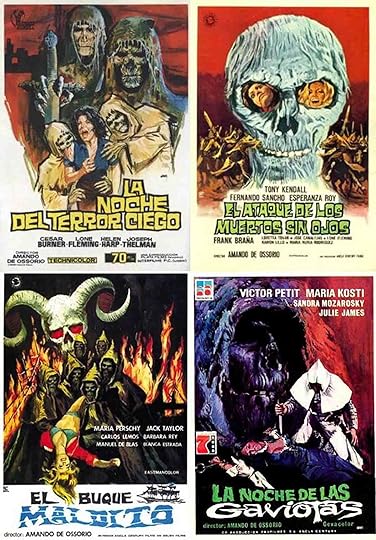
Incidentally, I covered the Blind Dead movies in my non-fiction book Satan in the Celluloid: 100 Satanic and Occult Horror Movies of the 1970s. The brainchild of Spanish filmmaker Amando de Ossorio, the series began with 1972’s La noche del terror ciego (Tombs of the Blind Dead) which has a sect of Templar knights who, in an exaggeration of the real-life accusations of heresy leveled against them, content themselves with sacrificing virgins and drinking their blood at some Spanish castle in the 12th century. Horribly executed and cursed for eternity, the Templars rise from their tombs in the modern day and terrorize the living.
The Templars are, without a doubt, the best part of the whole movie. Perfectly creepy and shrouded in moldering rags, they are blind and seek out their victims by sound, in one case, by the beating of a victim’s heart. Shot mostly in slow motion, they are somewhat reminiscent of the Nazgûl from The Lord of the Rings, especially when they mount their horses (which mysteriously have also been brought back from the dead).
The success of the first film prompted de Ossorio to make a follow-up which is more of a remake as it changes some of the lore surrounding the Templars. El ataque de los muertos sin ojos (Return of the Evil Dead) is a solid followup that borrows liberally from Romero’s first zombie movie, Night of the Living Dead (1968). Unfortunately, the third entry in the series – 1974’s El buque maldito (The Ghost Galleon) – is a little underwhelming, despite switching the setting to a 16th century galleon. De Ossorio returned to form in the final entry – 1975’s La noche de las gaviotas (Night of the Seagulls) – by far the most polished and interesting of the series, being something of a folk horror as a young doctor and his wife encounter a coastal cult who sacrifice victims to the undead Templars in order to keep them pacified.
Considering that de Ossorio made his Blind Dead movies before Romero’s oft-imitated Dawn of the Dead, the series is an impressive low-budget slice of zombie fun. Despite being a little slow in places as well as inconsistent in its lore (each movie seems to deal with a different group of Templars with slightly different backstories), The Blind Dead Tetralogy drips with atmosphere and presents an original take on zombies making the movies cult classics.
Personally, I loved the idea of zombies from a specific historical period coming back after hundreds of years to terrorize the living and, rather than go for any sci-fi explanations like viruses or radiation, I wanted my zombies to have an occult reason for existing. While Mound Dwellers isn’t supposed to be in any way connected to the Blind Dead movies, I like to think that it is a spiritual companion.
Mound Dwellers is available from Godless.com here and will be hitting Amazon and other stores on April 30th!

April 15, 2025
Book Recs for April!
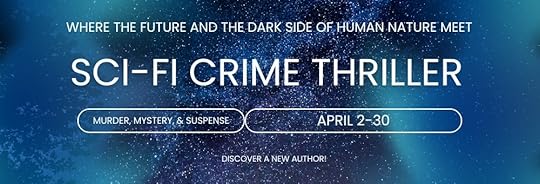
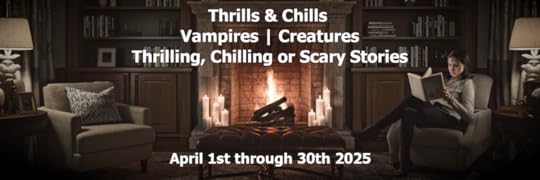
Here’s a couple of group promos for books in the horror and sci-fi genres you might find interesting. My novel Curse of the Blood Fiends is in both, but there are a ton of other great reads within, so check them out!
March 27, 2025
Ski Resort Horror Movies!
Winter seems to be over and the snows are disappearing where I live, so it feels a little redundant to drop a snowy horror prospect on you, but never mind. I’ve been working on my next horror novel and I always wanted to do one set at a ski resort. There’ve been plenty of horror movies set at ski resorts (scroll down for a few of those) but how about a Viking zombie novel set at an abandoned resort in Norway?
Allow me to introduce my next horror novel; Mound Dwellers!

“The Viking sagas are full of references to the undead. Stories of the deceased coming out of their barrows to stalk the countryside. They called them ‘draugr’ or ‘haugbúi’. Mound dwellers.” – A quote from the novel.
Mound Dwellers will be published in a month or so, but I’ll be in touch closer to the date with more info.
Now, while writing this novel, I immersed myself in the world of ski resort horror movies. There’s quite a few, some good, some terrible. Below are seven examples I found notable.
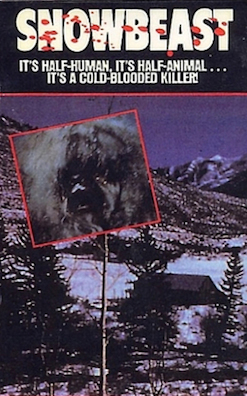
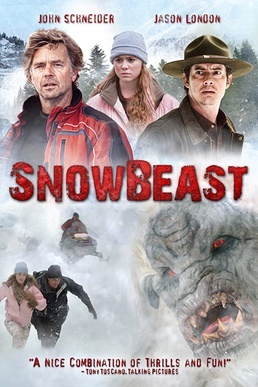
Snowbeast (1977) + Snow Beast (2011)
Originally a TV movie starring Bo Svenson and Yvette Mimieux, Snowbeast was part of the wave of animal rampage movies of the late-seventies that tried to ride on the coattails of Jaws (1975). A Colorado ski resort comes under attack by a Yeti-like creature and it’s up to a reluctant ex-skiing champion (Svenson) and a plucky reporter (Mimieux) to get to the bottom of it. The monster is, of course, terrible but, like Jaws, we only get fleeting glimpses of it until the rather disappointing climax which shows far too much.
The 2011 remake leaves the ski resort in the background and instead focuses on an animal research team (led by Dukes of Hazzard‘s John Schneider) under attack by the titular monster in a snowbound cabin in the Canadian wilderness. As a bit of direct-to-DVD schlock, the remake hardly has greater pretensions than the original, but is a fun trip nonetheless.
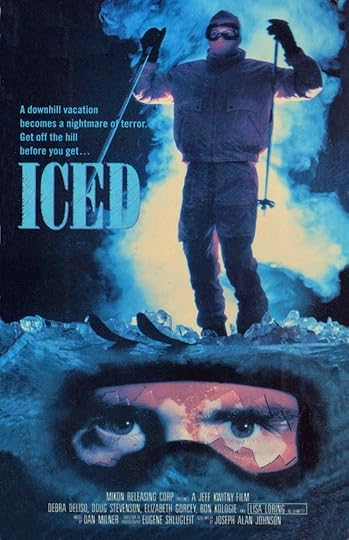
Iced (1988)
A ski slasher! It had to happen. By the late-eighties, the slasher genre had stagnated, with Michael, Jason and Freddie on life support and just about every other scenario (and holiday on the calendar) done and redone. In fact, it’s strange there weren’t a few more slashers set at ski resorts. Iced is fairly decent as far as this low-budget end of the genre goes. A group of friends receive a mysterious invitation to a brand new luxury ski resort and soon start being terrorized by a masked killer.
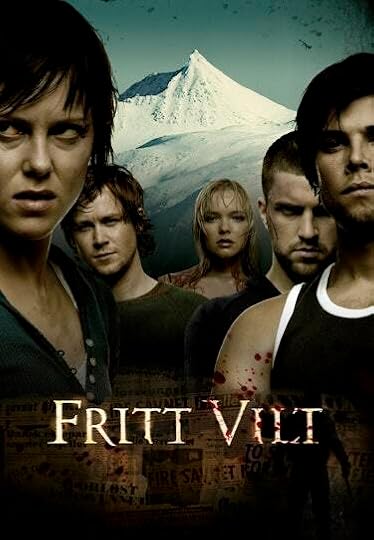
Fritt Vilt/Cold Prey (2006)
As with my novel Mound Dwellers, this one takes place in the snowy peaks of Norway. Literally meaning ‘Open Season’, Fritt Vilt concerns a group of snowboarding buddies who head to a secluded glacier for a bit of backcountry boarding. When one of them breaks his leg, they seek refuge in a nearby abandoned hotel only to find that they are not alone and the hotel has a dark past. Forget the cheesy low-budget likes of Iced, this one’s a solid and brutal slasher for a new generation.
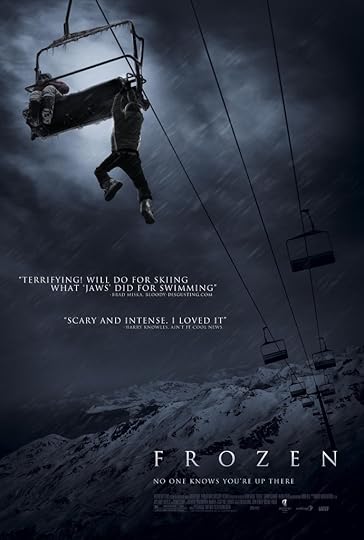
Frozen (2010)
No, not the one with Elsa belting out ‘Let It Go’, this Frozen is more of a survival thriller than a horror and a damned good one at that. Due to a misunderstanding with the operator, three friends get stranded on a chair lift. The slopes won’t reopen for a couple of days and, with the temperatures plummeting, the trio are forced to make some life or death decisions.
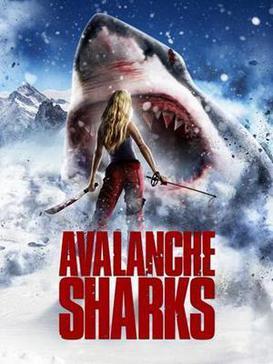
Avalanche Sharks (2014)
Yep. Snow sharks. Incredibly, this isn’t the first ‘snow shark’ movie (that dubious honor belongs to 2011’s direct-to-video effort Snow Shark: Ancient Snow Beast), but Avalanche Sharks is apparently the superior of the two. We have the success of Syfy channel’s Sharknado (2013) to thank for the cottage industry of ludicrously campy shark TV movies like this one in which a bikini contest is spoiled by an avalanche of sharks. How? Something to do with Native American supernatural shark spirits trapped under the ice. But that’s overthinking it way too much.
December 9, 2024
A Quick Guide to Internet Horror!
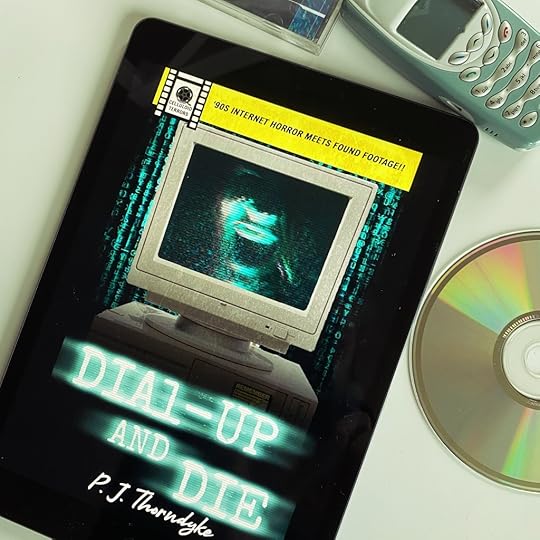
My newest book, Dial-Up and Die, is going strong and in honor of its release, I thought I’d give you a breakdown of the relatively new genre it sits in. I say ‘relatively’ because somehow it’s been a quarter of a century since the millennium which roughly coincided with the popularization of the internet. Sure, the net has been around in some form or another since the 1970s, but it wasn’t until the late-90s that regular folks started getting it in their homes. In a few short years, we were all connected and, while the tremendous benefits in communication were clear, there was a lot of unease about this new technology and what it might unleash.
Horror has always been a genre that has kept its finger on the pulse of cultural concerns and social change and the internet boom provided fodder for horror stories almost as soon as people started surfing websites and sending emails. The anonymity of the internet and the lack of control over who is seeing your online actions opened up a world of online stalkers, creepy chain letters and eerie urban legends. The somewhat lawless nature of the internet also led to several ‘shock sites’ such as Rotten.com which posted disturbing images of dead celebrities and other things that felt almost illegal to look at. You never knew what dark corner you might turn in those early days of the internet.
As today, it was hard to tell what was real and what was fake and the line between reality and fiction became increasingly blurred. ‘Internet horror’ (for want of a better word) is a sub genre of horror fiction in which the internet is either used as a way of telling the story, or features as the subject. The term ‘cyberhorror’ has also been used for stories in which the online world is a source of fear.
And it started way back in the ’90s. An early website called Fright.com posted several horror stories including one in 1997 called the E-Leech which purported to be an online journal of a hacker who learns of an alien entity which has infected the computers of the Jet Propulsion Lab and is intent on replicating itself. An interesting example of early internet horror, the E-Leech is now only viewable via the Wayback Machine (here’s a link to a snapshot from 2000 if you’re interested). While the E-Leech was clearly a work of fiction, a movie from 1999 utilized the internet for its marketing in a way that had never been done before and convinced many that it was the real deal.
The Blair Witch Project, a faux documentary shot by three film students who allegedly vanished in the woods of Maryland while researching local folklore concerning a witch, was a massive hit thanks in no small part to its marketing. Its interactive website built on the movie’s mythology, featuring fake police reports, interviews and photos while the actors were listed as ‘missing, presumed dead’ on IMDB for the first year of the movie’s release. Many people thought The Blair Witch Project was real which added to its terrifying reputation.
 The original Blair Witch Project website from 1999 expanded on the movie’s mythology and convinced many that it was the real deal.
By the early 2000s, the internet had become a digital campfire of urban legends which became known as ‘creepypastas’. It was an amateur movement of short stories and images that began to circulate on forums like 4chan.org and Reddit, purporting to be real tales of terror with a focus on the gruesome and the supernatural. As their etymological root (‘copy-paste’) suggests, creepypastas are passed on, but morph and mutate with every telling. One of the earliest examples was an online journal by ‘Ted the Caver‘ which allegedly chronicles the exploration of a series of caves which seem to house a supernatural entity. In his final post, Ted writes that he is bringing a gun with him on his next foray into the caves and the blog has not been updated since 2001. Other famous creepypastas include Jeff the Killer about a disfigured boy-turned-serial killer and Russian Sleep Experiment which tells of a Soviet-era experiment gone horribly wrong.
Many creepypastas were technology-based including the large sub genre of ‘haunted video games’ like Ben Drowned which concerns an N64 video game cartridge possessed by the spirit of a dead child. Stories like Candle Cove and Funnymouth utilized the language of the internet itself to tell their creepy tales, presenting them as chat room sessions and were all the more effective for it. Perhaps the most infamous figure to emerge from the creepypasta phenomenon was Slender Man; a tall, pale and faceless figure of menace featured in several viral images, stories and video clips. Although an entirely fictional creation by one Victor Surge (real name Eric Knudsen) who contributed a Photoshopped image in a contest on the forum, Something Awful, Slender Man generated genuine fear, most tragically in the case of two Wisconsin girls who, in 2014, stabbed their friend nineteen times in order to appease him; a case which brought creepypastas into the media spotlight and led to much debate about what kids were exposed to online.
The effectiveness of the Slender Man urban legend can be attributed to the way it transcends media. As well as images and short stories, he has appeared in games and videos, most famously in the 2009 webseries Marble Hornets. Platforms like YouTube have allowed creators to upload long-running series of low-budget horror usually in the found footage format akin to the The Blair Witch Project. Creepypastas that began as short stories have been elaborated on in lengthy series like The Backrooms (2022) which hints at an unnerving extradimensional space of empty rooms that play on the liminal space aesthetic. Petscop (2017) takes the ‘haunted video game’ trope to the next level in the form of a playthrough of a lost PlayStation game, and is initially indistinguishable from the hordes of similar ‘Let’s Play’ videos on YouTube.
 One of the original ‘Slender Man’ images (look closely) created by Victor Surge for a Photoshop contest in 2009.
Even the former social media giant, Twitter, was utilized for telling stories. In 2017, the creepy Dear David story unfolded, post by post, as writer and illustrator Adam Ellis chronicled the haunting of his apartment by the ghost of a dead child. As well as text, the story included video, audio and images and can be read as one long story, showcasing the internet’s dexterity in delivering horror in new ways.
Although the internet revolutionized our world and proved a new and hospitable ground for horror fiction, older mediums have thankfully remained popular and movies and books have continued to terrify, taking inspiration from internet horror. Early examples of horror movies that capitalized on the fears of the internet include Pulse (2001); a Japanese horror movie in which ghosts invade the world of the living via the internet and FearDotCom (2002); a cop thriller about a series of deaths linked to a disturbing website. The social media boom of the 2010s opened up a whole new world of fears connected to hacking, stalking, cyber bullying and identity theft and movies dutifully delivered on our fears, giving us a new form of visual storytelling called ‘screenlife’. An offshoot of the found footage genre, movies like The Den (2013), Unfriended (2014) and Host (2020) all take place on the screen of a computer, tablet or phone, utilizing webcams, video calls and instant messaging to tell their stories in real time.
Books have long used the ‘found footage’ concept of horror with the epistolary novel usually taking the form of letters, diary entries and newspaper articles. Bram Stoker’s Dracula is an early example of this, but in the post-internet age, several novels and short stories have used the language of the internet to terrify, purporting to be collections of chat room conversations, texts and emails, reminiscent of creepypastas like Ted the Caver and Candle Cove. An early one was 2004’s The Sluts by Dennis Cooper which was told as online postings and emails in the gay escort scene. Then there is Eric LaRocca’s 2021 novella Things Have Gotten Worse Since We Last Spoke which details a disturbing online relationship between two women. But cyberhorror doesn’t always have to be epistolary. Books like Adam Cesare’s Influencer, Jason Arnopp’s The Last Days of Jack Sparks and Todd Keisling’s Scanlines are all written in the more traditional sense, but deal with threats posed by social media and online urban legends.
For a ‘relatively’ new genre, internet horror has certainly changed in the past twenty-five years; a testament to the fast-changing nature of the internet itself. When the first creepypastas began to appear online, nobody had ever heard of social media and now it’s nearly impossible to write a cyberhorror story without social media being a part of it. The internet has changed and so too have our fears and concerns surrounding it. Cyberhorror has a lot to offer, both in the various mediums of the internet and in the social reactions to the ever-changing cyber world. Perhaps because it is so tied to technology, we can be confident that internet horror will continue to evolve as the technology itself evolves, creating new mediums, new points of discussion and new fears.
 Unfriended (2014) updates the ghost story by using the internet and themes of cyber bullying to tell its story in real time, showing events entirely on a computer screen.
 If cyberhorror seems like your bag, then you could do worse than dip your toe in the genre with my own humble contribution; Dial-Up and Die: Internet Horror Meets Found Footage!. Set in 1999, it is an epistolary novel told through emails, chat room conversations, online journals and newspaper reports relating to the mysterious deaths of a group of teenagers. It’s available from Godless.com as well as most other platforms.
December 5, 2024
Great Book Deals in Mystery/Thriller/Suspense!
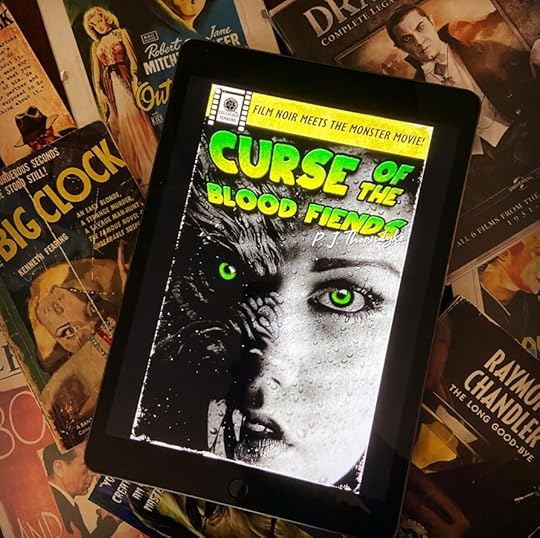
Curse of the Blood Fiends; my noirish horror novel inspired by Universal Monsters, is currently only $1.99/£1.99 as part of the Mystery/Thriller/Suspense group promo! Check it out here and see what other bargains are to be had this December. There’s a real mix of everything from cozy mystery to outright horror!
November 20, 2024
It’s Publication Day for ‘Dial-Up and Die’!
I’m ecstatic to tell you that my newest horror novel – Dial-Up and Die – is now available in all good stores in print and for Kindle! This was quite a personal novel for me as I was a teenager in the late-’90s and remember those early days of the internet well. It was like a whole new world had opened up for us and the possibilities seemed endless. I hope you get as much of a nostalgic kick out of it as I did writing it!
You can grab Dial-Up and Die here!

In the summer of 1999, four Maryland high school students died in mysterious circumstances. All of them were obsessed with the internet but when investigators looked into their alternate lives in cyberspace, they found something terrifying.
Some judged it a suicide pact. Others, the work of a serial killer. But there is increasing evidence that the online activities of the victims attracted the attention of something more sinister, something that dwells within the internet itself …
For the first time ever, this book collects and presents all of the evidence in narrative order, including a recently surfaced online journal long withheld by the authorities. Read the harrowing accounts of the victims themselves through chatroom conversations and emails along with newspaper reports from the time as they paint a terrifying picture of America’s youth on the cusp of the millennium and a new technological age.
November 14, 2024
A Quick Guide to Hippiesploitation Horror
‘Hippiesploitation’ refers to a slew of movies (not all horror) made in the late-’60s and early ’70s which capitalized on the ‘counterculture’ that was sweeping America at the time. The post-war generation of baby boomers had hit their twenties and had grown up to reject the American Dream, protesting agasint materialism, conformity, nuclear armament, racial inequality and the Vietnam war, while embracing a ‘back to the earth’ mentality accompanied by heavy doses of free sex and drugs.
As well as plenty of documentaries which chronicled the ‘hippie’ scene in San Francisco’s Haight-Ashbury district during 1967’s Summer of Love, the movie industry was keen to exploit audiences’ fascination and titilation with the hedonistic and sexually liberated hippies. Movies like The Trip (1967), The Love-Ins (1967) and Psych-Out (1968) focused on the sex, drugs and psychedelia, while the low-budget indie movie, Easy Rider (1969) revolutionized Hollywood and made the big studios rethink their business plan. Other hippie-based movies, such as Riot on Sunset Strip (1967) and The Young Runaways (1968), explored the seedy and dangerous side of America’s youth gone wild and acted more like PSAs that warned against drugs and falling in with the wrong crowd. In fact, much of the hippie lifestyle evoked horror as much as amusement in middle America and the tone was about to take a drastically dark turn.
In August of 1969, a group of desert-dwelling dropouts and followers of cult leader Charles Manson broke into a Los Angeles home and brutally murdered five people including actress Sharon Tate who was 8 months pregnant. More murders were committed the following night, striking terror across the city until the group were finally rounded up and arrested. Together with the disastrous Altamont concert that year in which several people were killed against a bleak backdrop of bad drugs and overzealous biker security guards, the Manson murders brought the 1960s to a gloomy and frightening close.
 Bhaskar Roy Chowdhury plays the Manson-esque guru in 1971’s I Drink Your Blood.
 Whether or not Manson’s followers were actually hippies (and they themselves rejected the term) is irrelevant. The public saw them as such and suddenly attitudes towards longhaired peaceniks changed. Hippies were no longer seen as an untidy nuisance. Now, they might break into your house and kill you. The movie industry was quick to capitalize on this new fear. The Other Side of Madness (1971) was rushed into production while the Manson trial was still unfolding and intercut documentary footage with dramatized scenes of the murders. Other horror movies presented thinly disguised portrayals of Manson and his followers. I Drink your Blood (1971), The Night God Screamed, The Love-Thrill Murders and The Cult all came out in 1971 and portrayed small town America and its straight denizens under attack from longhaired freaks led by charismatic gurus who preached biblical doom.
Hippiesploitation also toyed with the supernatural. Even the old stock movie monsters were given a counterculture makeover in movies like Deathmaster (1972) which has Count Yorga himself (Robert Quarry) play a vampire cult leader who recruits a band of Topanga Canyon dropouts as his bloodsucking horde. The same year, British horror studio Hammer tried to revamp (ha!) their Christopher Lee-starring Dracula franchise with Dracula A.D. 1972 in which the undead count is resurrected at the tail end of swinging London by a bunch of hip young things to a psychedelic soundtrack. In the promisingly titled Werewolves on Wheels (1971), a biker gang is cursed by a cult of desert dwelling satanic monks and gradually turn into werewolves.
 A biker gang earns the wrath of an evil cult in Werewolves on Wheels (1971).
While there may be a world of difference between the hippie scene and the biker scene, the average square saw both camps as dirty, undisciplined longhairs who might invade their community and cause havoc. Ever since Easy Rider, movies often presented characters who had a foot in both camps. While their politics may differ, both hippies and bikers voluntarily live outside society. The Manson Family, after all, were in cahoots with a Venice Beach biker gang called the Straight Satans. A boom in biker gang movies began after Roger Corman’s The Wild Angels in 1966, featuring boozed-up, leather-clad thugs terrorizing small communities and pursuing innocent people like ravening wolves.
As the ’60s approached their end, there with ever-increasing counterculture leanings in the biker genre. The aforementioned Werewolves on Wheels had a gang member called Tarot who is teased by his fellow bikers for his mystical bullshit and the leader of the titular gang in 1969’s Satan’s Sadists (which was shot in the vicinity of Spahn Ranch while members of the Manson family were still living there) defends hippies as his comrades (albeit overly forgiving ones) in his fight against ‘the man’.
 Russ Tamblyn as biker gang leader ‘Anchor’ bridges the gap between bikers and hippies in Satan’s Sadists (1969).
As the 1970s wore on, the hippie dream faded and the movie industry lost interest, turning their attention to other avenues of horror. But movies set in the American wilderness about cannibalistic hillbillies and mutants who prey on unsuspecting travelers like The Texas Chainsaw Massacre (1974) and The Hills Have Eyes (1977), demonstrated the continued unease felt about communes of people with different belief systems living beyond the borders of society. Folk horror experienced a surge in the ’70s, and it’s not hard to see it as a reaction to the return-to-nature hippie ideals and experimentations with cults and mysticism of the previous decade.
So, if hippiesploitation horror seems like it’s your bag, then give my novel Death Trip a read! It’s a 1968-set post-apocalyptic tale of hippies and bikers trying to survive in zombie-haunted Southern California. Available from Godless or other vendors (including Amazon) here.

November 11, 2024
Post-Apocalyptic Book Deals!
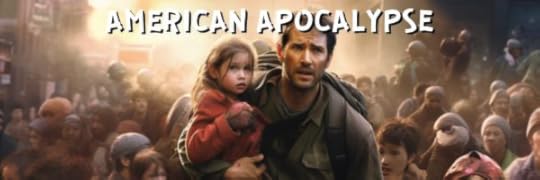
It’s hot deals heads up time! My 1960s-set horror novel, Death Trip, is currently part of the American Apocalypse book promo which features tons of awesome books set against an apocalyptic American wasteland. Death Trip is only $0.99/£0.99 for the rest of November as part of this deal so, if you haven’t grabbed this 1960s installment of the Celluloid Terrors series yet, then now’s your chance! Check out all the deals here!
November 8, 2024
Dial-Up and Die now Available to Pre-order!
The next Celluloid Terrors novel is available to pre-order from Amazon! Dial-Up and Die: ’90s Internet Horror meets Found Footage is an epistolary novel set in 1999 and told through the emails and chatroom sessions (and other media) of a group of high school students. It will land on Amazon and other platforms November 20, but you can grab it a few days early from Godless.com!
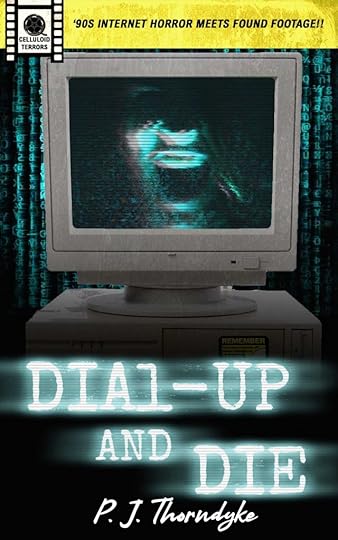
In the summer of 1999, four Maryland high school students died in mysterious circumstances. All of them were obsessed with the internet but when investigators looked into their alternate lives in cyberspace, they found something terrifying.
Some judged it a suicide pact. Others, the work of a serial killer. But there is increasing evidence that the online activities of the victims attracted the attention of something more sinister, something that dwells within the internet itself …
For the first time ever, this book collects and presents all of the evidence in narrative order, including a recently surfaced online journal long withheld by the authorities. Read the harrowing accounts of the victims themselves through chatroom conversations and emails along with newspaper reports from the time as they paint a terrifying picture of America’s youth on the cusp of the millennium and a new technological age.