Rachel Dacus's Blog, page 25
July 15, 2017
Blogging as an Author
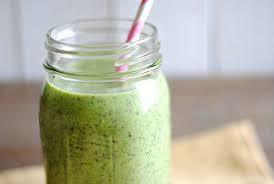
Should be easy, right? After all, many of us set a word count quota for the day's writing, somewhere in the thousands of words. Surely we can spare 200 or so for a short blog. But deciding what to write about is what always stops me from blogging. Who am I as a writer? Do you really want to hear about the Green Veggie Smoothie I just made with my food processor, throwing in fresh pineapple, cucumbers, apples, spinach, lettuce, grapes, cucumber, and orange, and how it tastes like the smell of watering my garden early in the morning, before the sun is high, with hummingbirds duking it out overhead to get to the feeder above me?
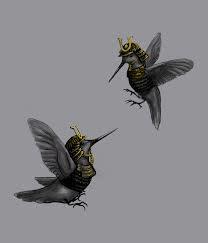
Or smells like sunlight coming through the leaves. After all, I'm a poet. I need to exercise these metaphor muscles the way gardens need water and fertilizer.
 But you didn't come here to this title about blogging in order to hear that -- did you? That's the dilemma of the literary blogger. We have a tendency to get personal, to get specific, and to ignore the title topic until almost the end of the blog.
Plus, they say you have to add lots of visuals to your blogs if you want anyone reading them. We just can't read any more without illustrations. Here's my smoothie.
So now, to the question of how to blog as an author. Now that I have your attention with personal stuff and visuals. Here's an excellent article on the three things you must do in an author blog.
My writing process is pretty much like going to work every day. I reserve two hours from the moment I open my eyes (with coffee -- here's another visual) and before I get started working at the mundane job, for creative writing. I'm disciplined about it, but I count everything as writing, even reading about how to write (though not reading about how to market books -- that's death to the creative flow, though very necessary in other zones of the day.)
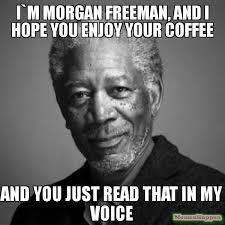 My writing process is sort of effortless once I'm in the zone of those two hours. I know you hated hearing that, but it's true. Assigning a regular time is like waving huge bars of chocolate in front of my Muse. She can't resist.
So there you have it. One article of how-to, a fair amount of personal with a dash of wit (I hope), and a lot of pictures. Author blogging. It was fun!
Visit http://RachelDacus.net for more information and writing by Rachel Dacus.
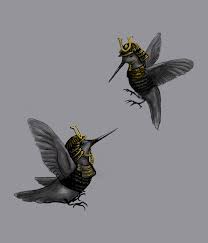
Or smells like sunlight coming through the leaves. After all, I'm a poet. I need to exercise these metaphor muscles the way gardens need water and fertilizer.
 But you didn't come here to this title about blogging in order to hear that -- did you? That's the dilemma of the literary blogger. We have a tendency to get personal, to get specific, and to ignore the title topic until almost the end of the blog.
Plus, they say you have to add lots of visuals to your blogs if you want anyone reading them. We just can't read any more without illustrations. Here's my smoothie.
So now, to the question of how to blog as an author. Now that I have your attention with personal stuff and visuals. Here's an excellent article on the three things you must do in an author blog.
My writing process is pretty much like going to work every day. I reserve two hours from the moment I open my eyes (with coffee -- here's another visual) and before I get started working at the mundane job, for creative writing. I'm disciplined about it, but I count everything as writing, even reading about how to write (though not reading about how to market books -- that's death to the creative flow, though very necessary in other zones of the day.)
 My writing process is sort of effortless once I'm in the zone of those two hours. I know you hated hearing that, but it's true. Assigning a regular time is like waving huge bars of chocolate in front of my Muse. She can't resist.
 So there you have it. One article of how-to, a fair amount of personal with a dash of wit (I hope), and a lot of pictures. Author blogging. It was fun!
Visit http://RachelDacus.net for more information and writing by Rachel Dacus.


July 13, 2017
Stealing from Jane Austen
 Virginia Woolf observed about Austen, “Of all great writers she is the most difficult to catch in the act of greatness.” I'm an Austenite (having an upstairs and a downstairs complete set of her work qualifies, I think). I'm writing a book whose characters are based on the Dashwood sisters from Sense and Sensibility. I'm not the first writer to steal from the extraordinary Jane, and I won't be the last. The fabulous film Clueless did it best, in my opinion.
But having absorbed a wonderful book by John Mullan called What Matters in Jane Austen , I'm newly empowered to study her tips and tricks and to profit from her behind-the-scenes example. We can study Austen as if in a writing course of the kind Master Class offers. Imagine Jane's Master Class! I'd put Aaron Sorkin's right behind hers for fabulous ideas, but that's another essay.
So how to steal the good techniques from Austen. Let's break it down.
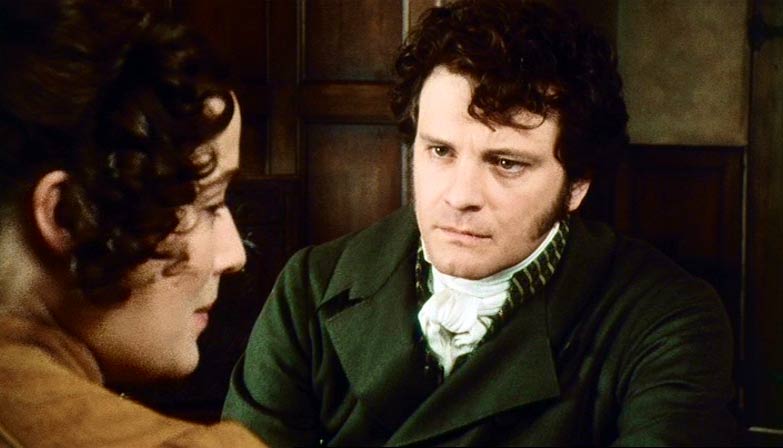 Character sketches. Write down Austen's concise character descriptions and keep them in files. Novelists in her time could drop in whole character sketches at the outset of a book, covering personality, backstory, and relationships with other characters in a summary fashion. We don't do it that way anyway; we interweave these tidbits into action-based narrative. But keep Austen's wonderful character sketches handy and let them inspire your character introductions and expansion of backstory.
 Setting & Weather. For a terrific time-travel visit to the settings of Jane's novels, read Kathleen A. Flynn's The Jane Austen Project: A Novel. Her attention to the details of Austen's world, via the challenges two time-travellers face, is exquisitely vivid. How to pull on a glove, when to offer your hand to a gentleman (or not), how to speak to a servant, what is the proper time for paying a short neighbor call -- all this boggles the mind and is a terrific example of the function of setting in a novel.
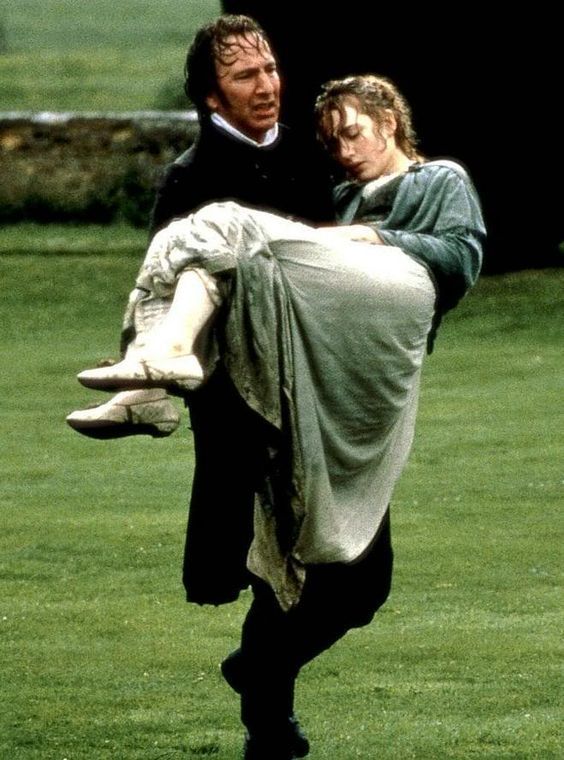
And a NYT article by Kathleen Flynn on Elizabeth Bennet's mad skills if she had to be a debut novelist of today. Flynn remarks, "The assets a young lady of 1815 might deploy are strikingly like those of a debut novelist: beauty, money, connections and wit. And bringing up the rear as always, the tricky question of merit."
Language & Diction. And another article by Flynn examines Austen's word choices and how they contribute to her perennial popularity. One thing that impressed me was that her books contain a higher percentage of words referring to women and family relationships than other writers of her time. Her books are women's fiction before such a term was invented. She used words like "very" and "much" that support her irony and witty observations on characters and events. Where qualifiers like that can be misused, standing in with the not-right word for the right one, Jane uses them to intensify her sardonic effects and observations. Make a list of your most used words and see how they bear on your style and connect with your audience.
More Stealing From Jane to come. For now, go ahead and steal. I don't think Jane will mind.Visit http://RachelDacus.net for more information and writing by Rachel Dacus.
July 7, 2017
How to Be An Author And Preserve Your Writing Time
 It's the best of times -- having a book or two or more out in the world, for people to read. It's the worst of times -- feeling the constant pressure to get books into readers' hands and Be An Author, publicly.
I'm feeling the best and worst times right now, as I prepare to have two new books launched in 2018. What to do today? That's the first thing I think of, not the new novel or poem I'm working on. And since I've pledged to write two hours first thing in the morning, the question now is, do I blog or tweet or Facebook about a book already out -- or do I close the curtains and the doors, pretend I'm a mushroom hidden under the forest floor, and plunge into the solitary delight of creation.
The truth is, the creative process can get lost in the marketing part of Being An Author. And that's a shame. Writing should be the core thing.
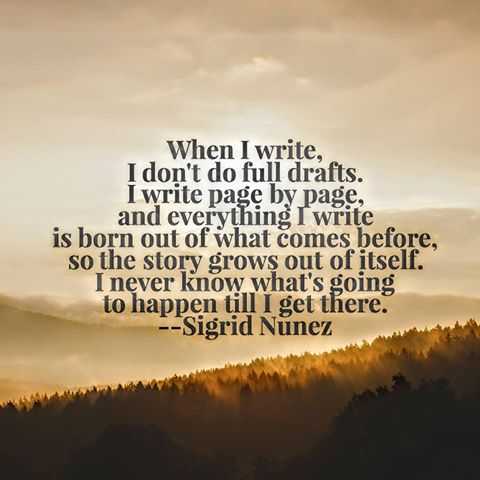
I need to not know what comes next in my writing, so I don't outline. I just set aside two hours first thing every morning to find inspiration. I can paint my nails, watch the leaves stir in the trees, tend my roses, but I have to be thinking creatively and feeling the creative wind blowing. For me, this is the magic spell. Make the time, and things come. Your time might be midnight or dinner hour or noon, but see if a schedule works for you.
Visit http://RachelDacus.net for more information and writing by Rachel Dacus.
July 4, 2017
FANFARE! FIREWORKS!! TWO BOOK PUBLICATIONS!!!
 Happy Fourth! But this post isn't about our national celebration of Independence -- unless I can conflate America's with my own independence as a writer. There. Done that. I'm celebrating today and in general because 2018 will see TWO OF MY BOOKS PUBLISHED! Both my fourth book of poetry and my novel The Renaissance Club (forthcoming from Fiery Seas Publishing, 2018) will appear next year on Amazon and other places you can buy books, in formats for bookshelves and ereaders.
 In rocketry, they call it lighting the candle -- when they fire up the missile for launch. I feel my launch as a writer will truly be 2018, with my fourth poetry collection and first novel on the launch pad and ready to light both candles. Maybe it's the fault of my stars to have two come out in one year -- or maybe it's because I've been busy writing these two books for seven years. Interestingly, both books have taken that long.
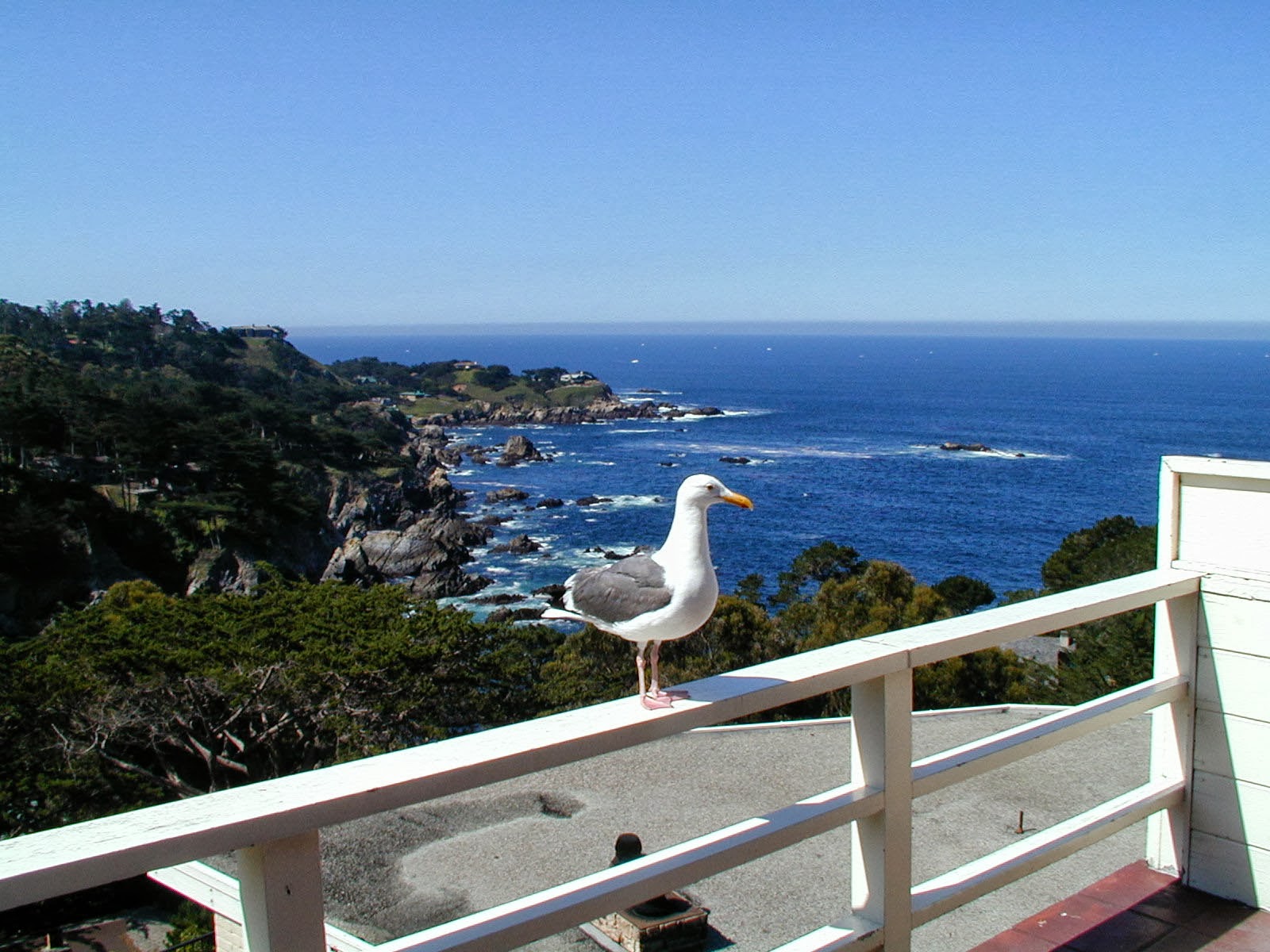
But with further drumrolls or sky rockets, I'm extremely pleased to announce that FutureCycle Press will publish my poetry collection Arabesque in August 2018. Thanks to Editor in Chief Diane Kistner and the editorial team for selecting my manuscript. I don't yet have a cover, but here's a poem from the book -- for all who are celebrating the holiday and summer at the beach -- with thanks to Editor Richard Peabody and Gargoyle for first publishing this:
A View of Life from the Beach
On a stretch of powdered shells where the surf flops and the horizon sways,I wrestle my towel and nap, counting each wave’s smack and long dreaming myself more awake to each sand grain’s crystal splendor.
After a race into the seaand a tussle with a towel,I plan a long slide into the deep water. Gusts of evening halfway-arc my life’s bridge. I am old but the sea
sighs softly all night in my pillow,like the sounds of lovers who keep reaching for each other and the tides of years roll meover onto my back. I otter on each wave’s foamy tipand again slip beneath.
Every morning, half-drowned,I open a mango under a local palmand read the news like a seaweed tangle, then pop the pods as a child does, merely for the pleasurable whoosh as they release salt water.
Visit http://RachelDacus.net for more information and writing by Rachel Dacus.
June 12, 2017
Time-Travel Romance, Italy & Love -- How to Find the Best Novels
 If you're picky about history, but love a time-traveling heroine going back in time, if you love love stories and romance, but don't like the formulaic romances the major publishers put out, you might find it hard to locate books you like. I do. My must-haves for a time-travel love story include: good historical research, a well-defined sense of place, believable characters, and love that goes deeper than just a steamy attraction.
 That's a lot to ask! The gatekeepers of publishing use very narrow formulas, So I delved into backwaters of Amazon categories: time-travel romance, historical fantasy, science fiction romance, historical time-travel, and other secret pockets, where I've even found the likes of Alice Hofmann and Mark Twain. Because sometimes a good story is just unclassifiable. I've made a list of my finds, which I hope to keep adding to. I'd welcome your suggestions!
RACHEL'S LIST OF TIME-TRAVEL NOVELS INVOLVING LOVE
In My Lady’s Shadow (Lady of Asolo) , by Siobhan Daiko We can't change the past, but the past can change us. (That's one of my favorite statements in a time-travel novel!) Fern’s vacation in Italy turns into a nightmare when she's snatched back in time and lives the life of Cecilia, lady in waiting to Queen Caterina Cornaro. Luca, a local architect, comes to Fern's aid when Cecilia embarks on a passionate affair with the artist Zorzo. Echoes of the past manifest themselves increasingly in the present until past and present collide.
The Rose Garden, Susanna KearsleyWhen Eva's film star sister Katrina dies, she leaves California and returns to Cornwall, where they spent their childhood summers, to scatter Katrina's ashes and in doing so return her to the place where she belongs. But Eva must also confront the ghosts from her own past, as well as those from a time long before her own.
Echo In Time, Lindsey Fairleigh
Kind of a conventional romance formula, but such an unusual setting, and a twist for the heroine. Alexandra Larson isn't quite human, but she doesn't know that. Lex simply considers herself an ambitious archaeology grad student with a knack for deciphering ancient languages. When she's recruited to work on her dream excavation, Lex's translating skills uncover the location of the secret entrance to an undiscovered underground temple in Egypt. She is beyond thrilled with what she's found...as is the enigmatic and alluring excavation director, Marcus Bahur.
Doomsday Book , Connie Wills I have to include this one, though not technically a love story because I just love this one. A history student in 2048 is transported to an English village in the 14th century. The student arrives mistakenly on the eve of the onset of the Black Plague. Her dealings with a family of "contemps" in 1348 and with her historian cohorts lead to complications as the book unfolds into a surprisingly dark, deep conclusion.
For a preview chapter of my "time-travel historical romance love story novel" The Renaissance Club , visit here.
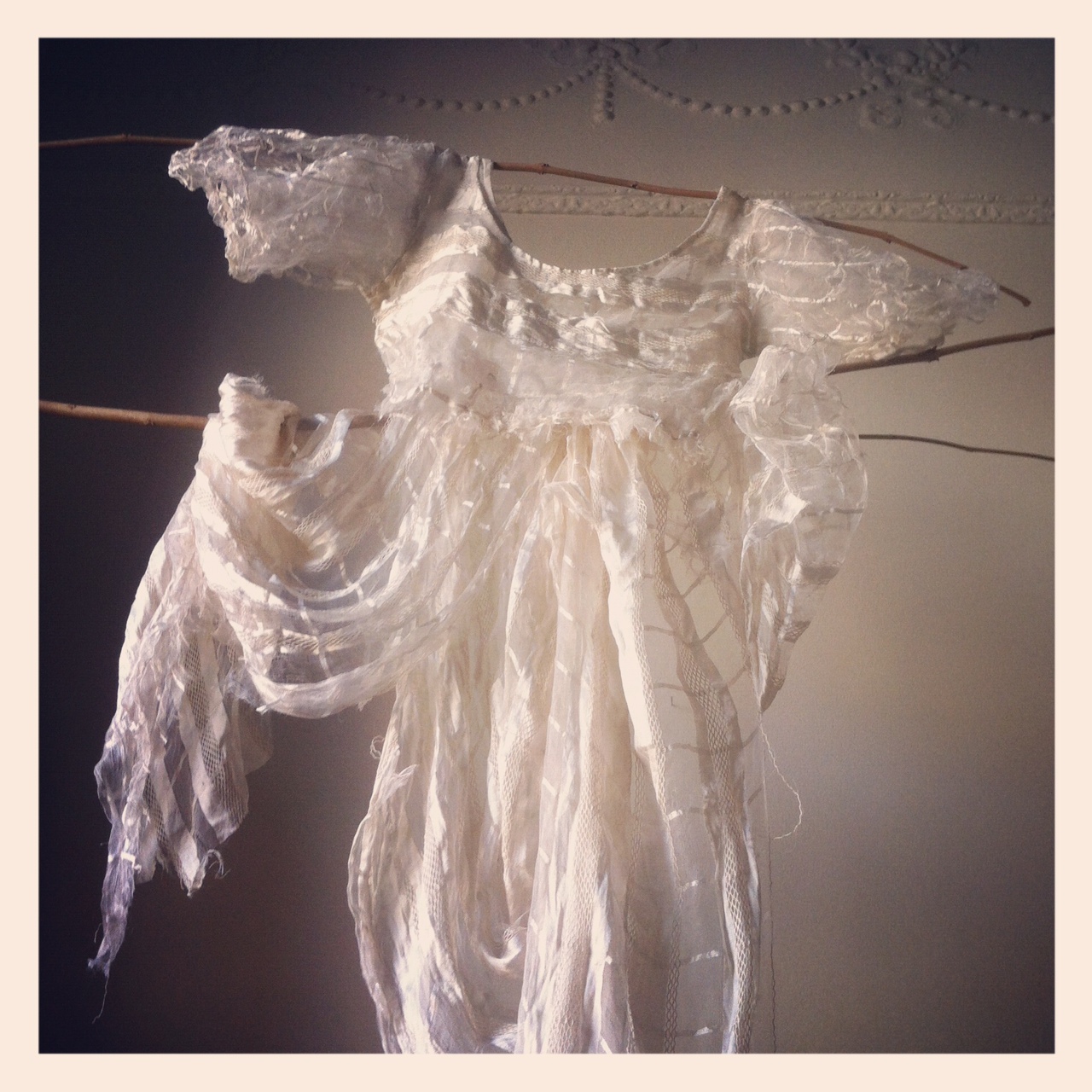
Tick-tick-tick! (Falling through time can tatter your clothes, according to many novels.)
 Visit http://RachelDacus.net for more information and writing by Rachel Dacus.
June 8, 2017
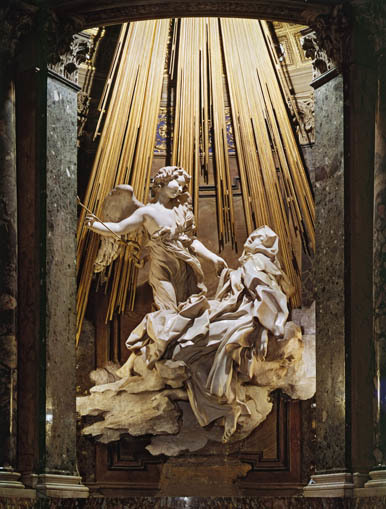
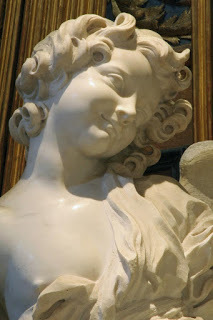
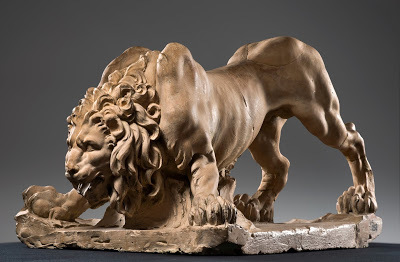
Why Italy and Bernini? 5 Reasons You Should Go to Italy
What's so great about Italy, and why did I spend many years of my life writing about it, culiminating in my novel The Renaissance Club, which features Italian sculptor Gianlorenzo Bernini?
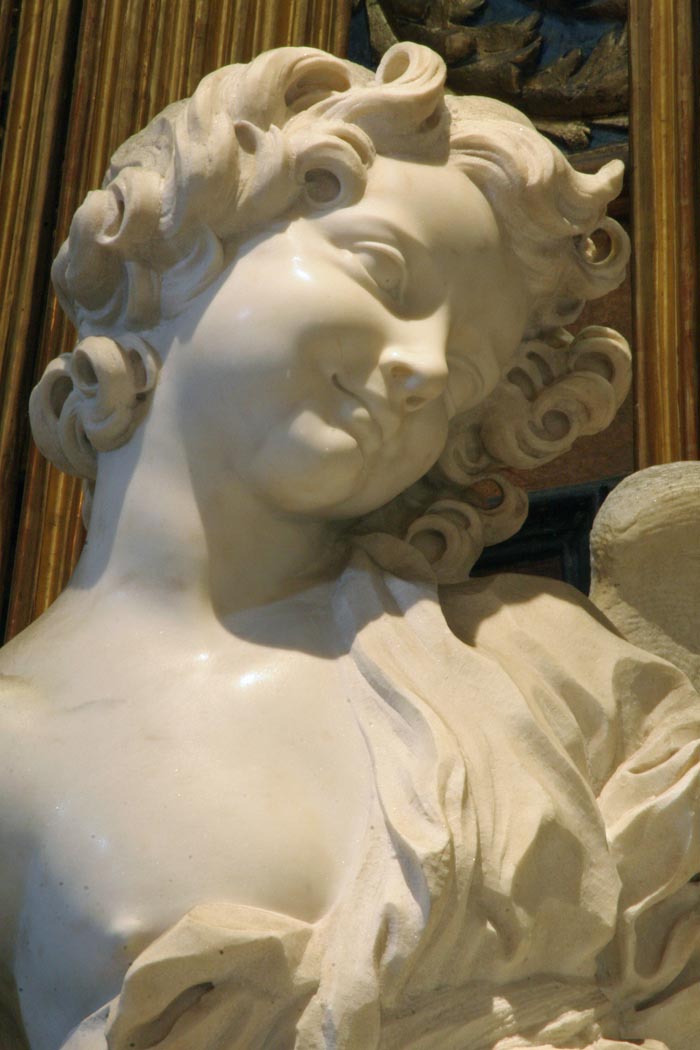
Good questions. What I keep coming up with is that Italy is Bernini, and Bernini, Italy. I mean the place is full of gorgeous, sumptuous, emotionally moving art. It's a place so full of art you start to take it for granted that you'll turn a corner and see some gorgeous sculptural fountain or fantastically beautiful church.
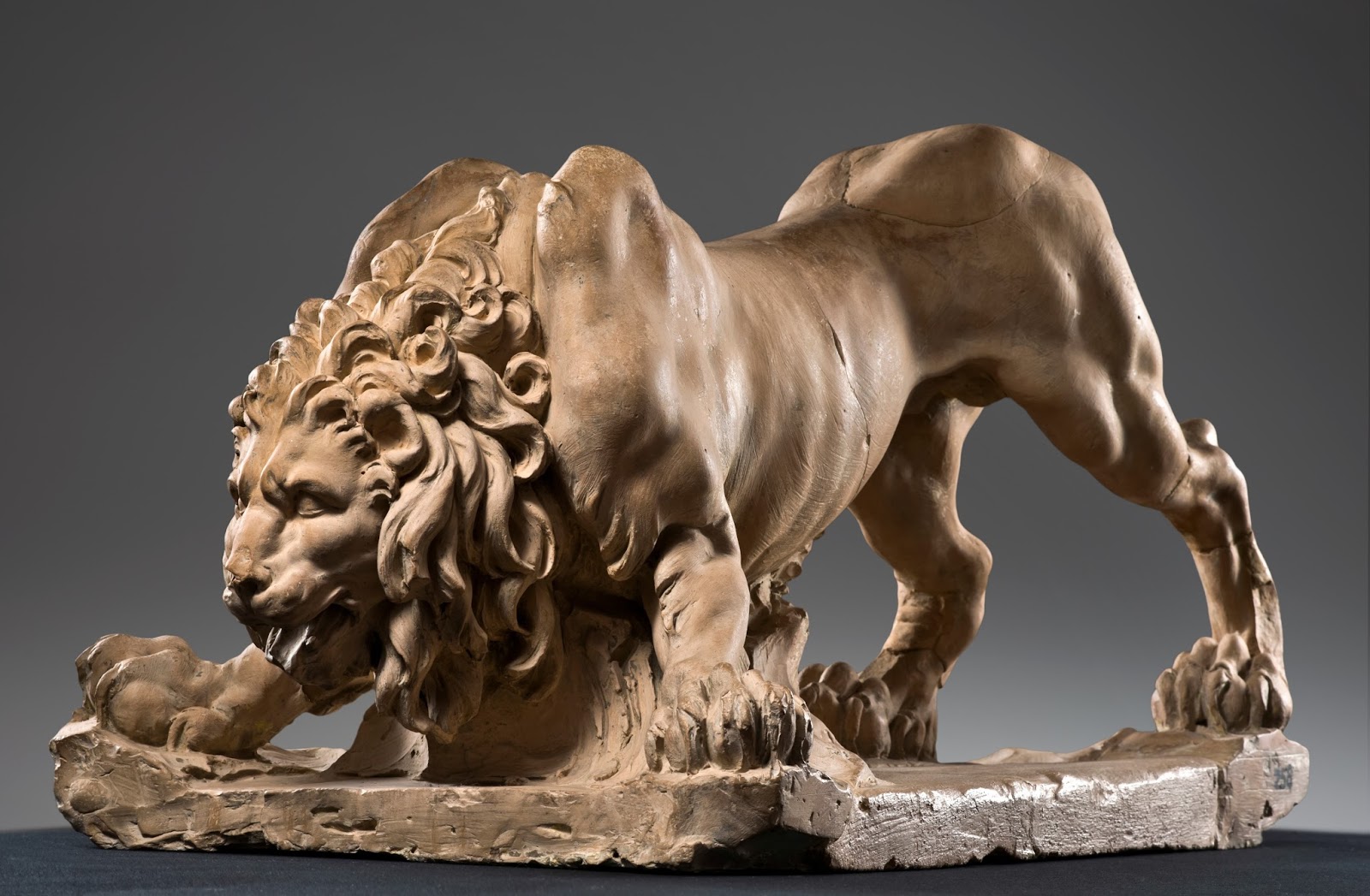
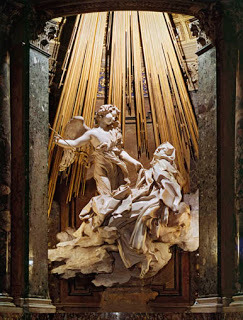
And Italian Renaissance and Baroque art packs a wallop that can stop you in your tracks. Below are some of the reasons to visit Italy -- five fantastic, life-size Bernini sculptures. You can only get a small idea seeing a photo, because these life-size, or even bigger, statues are like people who walk into the room, naked physically and emotionally.
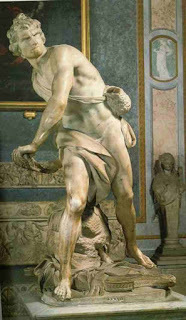 This one, for example, is life size, and not much elevated above the viewer's plane. It's in the Villa Borghese in Rome.
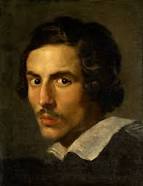
A really startling thing about this one, is it is like meeting Bernini--he used his own face for the David. Probably the expression he often wore while chiseling on marble!
This contr-apposto pose, with the body twisting on itself, is something Bernini pushed to the limits. His figures move like actors on a stage. It was something really new, probably shocking, and certainly moves us looking at them.
This is one of the dynamic statues that made me want to write a novel about Bernini! To read a free preview chapter, head over to my website:
Rachel Dacus, Author
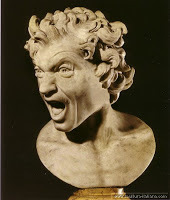
And here's Bernini again, wearing a somewhat different expression in this bust of A Damned Soul.
The sculptures are very much in motion, with lots of curving planes and lines. Italy is so full of these curvilinear forms, in buildings, fountains, sculptures everywhere, and choice of subjects of art, that you begin to feel like you're in a boat, riding somewhere, bouncing up and down, side to side, on the waves.
When I came home to my Northern California suburb, I really missed the waves, the romance, and of course Bernini. His massive scultpures don't travel. Bernini everywhere in Rome,gave me such depth of feeling and passion as I've rarely seen in art. Ecstasy and torment---rarely anything blandly inbetween. So of course, I had to write a time-travel novel about him! I'd like to time travel and really meet this amazing genius.
For 10 unforgettable reasons to visit Italy, click Lifehack's list here. Really Venice and Bernini are enough reasons.
Visit http://RachelDacus.net for more information and writing by Rachel Dacus.
Good questions. What I keep coming up with is that Italy is Bernini, and Bernini, Italy. I mean the place is full of gorgeous, sumptuous, emotionally moving art. It's a place so full of art you start to take it for granted that you'll turn a corner and see some gorgeous sculptural fountain or fantastically beautiful church.
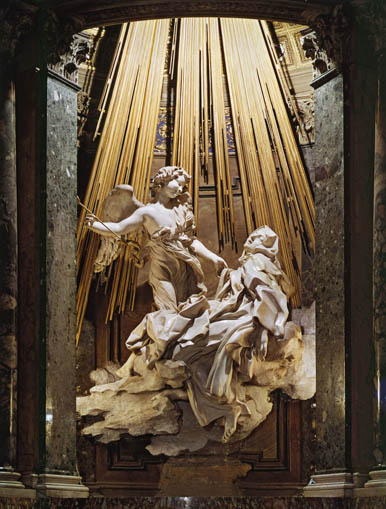
And Italian Renaissance and Baroque art packs a wallop that can stop you in your tracks. Below are some of the reasons to visit Italy -- five fantastic, life-size Bernini sculptures. You can only get a small idea seeing a photo, because these life-size, or even bigger, statues are like people who walk into the room, naked physically and emotionally.
 This one, for example, is life size, and not much elevated above the viewer's plane. It's in the Villa Borghese in Rome.
A really startling thing about this one, is it is like meeting Bernini--he used his own face for the David. Probably the expression he often wore while chiseling on marble!
This contr-apposto pose, with the body twisting on itself, is something Bernini pushed to the limits. His figures move like actors on a stage. It was something really new, probably shocking, and certainly moves us looking at them.
This is one of the dynamic statues that made me want to write a novel about Bernini! To read a free preview chapter, head over to my website:
Rachel Dacus, Author

And here's Bernini again, wearing a somewhat different expression in this bust of A Damned Soul.
The sculptures are very much in motion, with lots of curving planes and lines. Italy is so full of these curvilinear forms, in buildings, fountains, sculptures everywhere, and choice of subjects of art, that you begin to feel like you're in a boat, riding somewhere, bouncing up and down, side to side, on the waves.
When I came home to my Northern California suburb, I really missed the waves, the romance, and of course Bernini. His massive scultpures don't travel. Bernini everywhere in Rome,gave me such depth of feeling and passion as I've rarely seen in art. Ecstasy and torment---rarely anything blandly inbetween. So of course, I had to write a time-travel novel about him! I'd like to time travel and really meet this amazing genius.
For 10 unforgettable reasons to visit Italy, click Lifehack's list here. Really Venice and Bernini are enough reasons.
Visit http://RachelDacus.net for more information and writing by Rachel Dacus.
Why I'm Obsessed with Italy and Bernini
Why did I spend years of my life in my imagined Italy, writing The Renaissance Club, which features Italian sculptor Gianlorenzo Bernini? Good question. I've asked myself a lot, and what I keep coming up with is an answer that refers back to itself. Because Bernini is Italy, and Italy is so very Bernini.
By Italy is Bernini, I mean it's full of gorgeous, sumptuous, emotional art--the art that packs a wallop and stops you in your tracks when you come up on it. You can only get a small idea seeing a photo, because these life-size, or even bigger, statues are like people who walk into the room, naked physically and emotionally.
This one, for example, is life size, and not much elevated above the viewer's plane. It's in the Villa Borghese in Rome.
A really startling thing about this one, is it is like meeting Bernini--he used his own face for the David. Probably the expression he often wore while chiseling on marble!
This contr-apposto pose, with the body twisting on itself, is something Bernini pushed to the limits. His figures move like actors on a stage. It was something really new, probably shocking, and certainly moves us looking at them.
And here's Bernini again, wearing a somewhat different expression in this bust of A Damned Soul.
The sculptures are very much in motion, with lots of curving planes and lines. Italy is so full of these curvilinear forms, in buildings, fountains, sculptures everywhere, and choice of subjects of art, that you begin to feel like you're in a boat, riding somewhere, bouncing up and down, side to side, on the waves.
When I came home to my Northern California suburb, I really missed the waves. And as it seemed in Rome, Bernini everywhere, looking out of his sculptured faces, giving us his depth of feeling and passion. Ecstasy and torment---rarely anything blandly inbetween.
Visit http://RachelDacus.net for more information and writing by Rachel Dacus.
By Italy is Bernini, I mean it's full of gorgeous, sumptuous, emotional art--the art that packs a wallop and stops you in your tracks when you come up on it. You can only get a small idea seeing a photo, because these life-size, or even bigger, statues are like people who walk into the room, naked physically and emotionally.
This one, for example, is life size, and not much elevated above the viewer's plane. It's in the Villa Borghese in Rome.A really startling thing about this one, is it is like meeting Bernini--he used his own face for the David. Probably the expression he often wore while chiseling on marble!
This contr-apposto pose, with the body twisting on itself, is something Bernini pushed to the limits. His figures move like actors on a stage. It was something really new, probably shocking, and certainly moves us looking at them.
And here's Bernini again, wearing a somewhat different expression in this bust of A Damned Soul.
The sculptures are very much in motion, with lots of curving planes and lines. Italy is so full of these curvilinear forms, in buildings, fountains, sculptures everywhere, and choice of subjects of art, that you begin to feel like you're in a boat, riding somewhere, bouncing up and down, side to side, on the waves.
When I came home to my Northern California suburb, I really missed the waves. And as it seemed in Rome, Bernini everywhere, looking out of his sculptured faces, giving us his depth of feeling and passion. Ecstasy and torment---rarely anything blandly inbetween.
Visit http://RachelDacus.net for more information and writing by Rachel Dacus.
May 25, 2017
Squeezing Into a Box - Selecting Your Category in Publishing

CATEGORIES! I know it's all about discoverability. I know that Amazon ranking depends on choosing the right category and tags for your book. I know, I know ... and I hate fitting into boxes.
I finally figured out where my book fits on Amazon, and I can't say I'm happy. But I'm going to be in:
Kindle eBooks : Romance: Fantasy: "love stories historical fantasy"
 When I was going after agents, I was all, like "Upmarket commercial or women's fiction with a magical realism twist." This was advised by my editor, who has served as a literary agent for one of New York's top firms. I figured she should know.
 The Renaissance Club, (forthcoming in January 2018 from Fiery Seas Publishing) will be categorized under Fiction in different ways on different platforms. I'm with other fantasy authors, mainly, some romance, though all the romance publishers said my love story didn't fit the formula! Another fox I couldn't squeeze into.
I went back to the drawing board, only to find the drawing board looks like Einstein's chalk board on one of his more frustrated days.
So what is the difference between these ever-evolving categories on bookstore shelves and Amazon's categories. Arthur Krystal in The New Yorker ignited a public debate with his article in 2012
http://levgrossman.com/2010/05/so-d-y...
Lev Grossman, author of the best-selling Magician's Trilogy, jumped into the discussion.What's wrong with genre? It seems we're all heading into one or another.
On Amazon you have to drill down from Books --> Literature --> Literary Fiction --> Women's Fiction or Fantasy. The road seriously branches here, but I've been going on the assumption that because there are more books in this category than in Fantasy, it might be a fruitful avenue to pursue. But my novel appears too literary for this category. So back to the fork in the road. Under Fantasy (with less than half the titles as Women's Fiction), you have no more sub-genres to choose from. Which leads me to conclude that a) my story doesn't fit well into this category, whose emphasis is on other worlds, and b) magical realism is not a sub-genre on Amazon, nor in most bookstores, so back to just plain Commercial or Mainstream Fiction as a category. Try standing out in that Amazon crowd.
Which boxes can you squeeze into as an author? And do you also find it frustrating, after the freedom of writing an entire novel, to have to perform this exercise? My sympathies!
Visit http://RachelDacus.net for more information and writing by Rachel Dacus.
May 18, 2017
Going Indie?
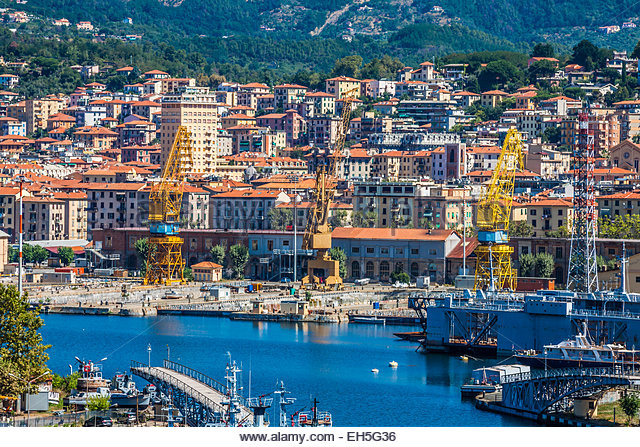 This is La Spezia -- one of the locations in my work-in-progress novel, The Romantics, the story of two half-sisters, their dispute over an inherited cottage in Italy, inhabited by the ghost of the poet Shelley.
This is where I wish I was living, even imaginatively. But I'm stuck dealing with the hassles of publishing my last novel, The Renaissance Club. This is the fate of the Indie author -- the self-published or micro-press published novelist. Nothing is easy, and everything takes up the precious time we need for the slow, slow, but deliciously slow creative process.
So I'm turning to one of my favorite gurus on the subject of publishing to help you navigate, if you're trying ot decide whether to be an India author. Here's Jane Friedman on a new twist in self-publishing: getting an agent AFTER you self-publish. And if you're still trying to decide if you have the right stuff to be a self-publisher, here's Jane on how to make the decision. She's so practical, and that really helps with a highly emotional decision!
As for me, I'm an Indie at heart. I like conceiving of book covers (even if I 'm not an artist), and I like the whole idea of marketing my stuff. I love playing on social media and establishing myself as an author this way. Blogging is what I do to relax, ditto Twitter and Facebook.
I'll see how things go, but I may publish The Romantics on my own. There are so many good reasons to go Indie -- a big one being the luxurious feeling of control. I really miss it. But the cure, of course, is writing something new.
Visit http://RachelDacus.net for more information and writing by Rachel Dacus.
May 14, 2017
Poems for Mothers
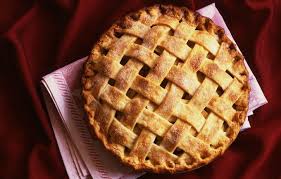 In honor of Mother's Day, which often coincides with or cozies up to my birthday, here are two poems I wrote for my mother. She wasn't the problematic parent, so she got fewer poems than my father, the riddle of whom I keep trying to figure out in verse. But poems for her and for the mothers intrigue me this year, in which I lost a stepmother. So maybe more to come.
Apple Pie Order
The hands that cut the apple
are white-fleshed as the silence
between us in the kitchen. Her sob
of breath. Cotton cloths, simple tasks.
Her hands skin and delve
a pale core from each green globe,
slice smiles and drop
them in the dough's lap.
My mother's hands soothe my forehead,
tug and tuck corners, tails, hairs
and sheets. Shove me forward, hold me back.
From their towel-wrapped rigor,
I know cradle and slap. Above
their industry I feel the tears.
For fear of seeing fear
in her, I watch the hands
Make a small, safe corner
for sweet flesh to be sectioned,
layered, sugared, snugged
under thin-rolled crust.
She always knows what comes next.
Her short, round fingers make do,
patch holes, keep going,
though nicked, scraped and scalded.
Ten trudging dough-faced soldiers,
rosebuds furled in flour-scented might.
From Femme au Chapeau (David Robert Books, 2007)
WILD THINGS
-- For my mother
In the cathedral mountains she climbeda boulder-strewn peak and founda coyote slain mid-bound,entombed in snow.At her feet lay an empty bone-shell in the high pass where wind honesrock to hosannas of silence.Resurrected in a pet hound, that wild child raced through her days, howled joyful in her mind. Wild things come to us and we are drawn to the untamed, to remember our long journey.
She housed generations of dogs,made pilgrimages to the mountainswhere they galloped through high plainsand life wheeled around her, voices of sky and earth echoing long after she came down. Pairing feral with civilized, she shared food and den,watching them as they watched her,learning how frail yet enduring the bond that tames us.
from Earth Lessons (Bellowing Ark Press, 1998)
Visit http://RachelDacus.net for more information and writing by Rachel Dacus.