Rachel Dacus's Blog, page 23
September 21, 2017
The Writing Path
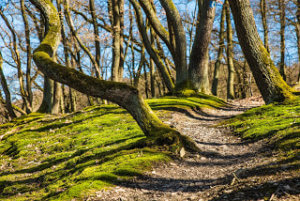 I’ve decided to launch from my Rocket Kid Writing blog into a newly titled blog, which will be integrated with my new website (stay tuned!) as The Writing Path.
It’s not an easy path, involves some hard pulling at times, some days of feeling lost in the woods, but for me, it’s a compelling path of self-discovery. I have to keep going forward. And though it often feels solitary, I’m surrounded by writer friends, whether we connect in person over a cup of tea or coffee, or on Facebook, Twitter, or through the marvelous nonprofit organization for writers of women’s fiction, The Women’s Fiction Writers Association.
Two great things I did for my writer self last year: draft a (nearly) complete novel during National Novel Writing Month, and join the WFWA, where I’ve met and learned from many wonderful novelists.
 So I plan to blog more about my adventures in the literary woods, the unique path I’ve carved, because we travel this writing path in different ways, and any tips and help I can bring to you on your writing path.
For readers, I hope this image and the feeling of a path resonates too. Reading is as great an adventure of self-discovery as writing. I only started writing because I couldn’t find the books I wanted to read, and I realized I needed to create them.
Happy Autumn and writing and reading!
The post The Writing Path appeared first on Rachel Dacus.


September 15, 2017
The Best 5 Writing Podcasts (out of 1,000s)
 One obvious way to find good writing podcasts is to go to the major magazines and papers. They all have writing and reading related podcasts.
 But I want to hear from people like me, novelists in the trenches of a first or second book, writers suffering through querying, plotting, character development, point-of-view decisions. Authors working to publicize their indie books or books out from smaller book publishers. I want to know how they're doing it, how they keep on doing it, and what new ideas are out there for me.
I love to listen to podcasts at the end of my work day, or after dinner and after whatever nightime writing I can manage. So I made a list of some down-to-earth writing podcasts to share with you (and to remember for myself):
Writing Excuses
This roundtable between writers gives me the feeling of hanging out with a fiction writing group. Funny, insightful, sometimes silly or snarky, I don't so much learn here as gain a sense of camaraderie and community.
Story Grid
Definitely for tips & tricks. As a pantser who winds up with nearly an entire novel written by the seat of my pants, who then desperately tries to develop an overview of the story arcs and pacing, I found the Story Grid spreadsheet intriguing. Shawn Coyne and Tim Grahl are good presenters with useful ideas.
Self-Publishing Podcast
I'm not an Indie author, but I always find the Indie-publishing network has great ideas, especially for marketing a book that's out. Specially interesting is the podcast on using Amazon ads. Mainly, these guys are funny.
The Creative Penn
Mystery writer Joanna Penn has the widest range of writing and publishing topics, is often funny and engaging in bringing you writerly info, and has some great guests. She also podcasts every week. I'm addicted to this one, if only to feel the collegial sense of writers struggling together in this crazy endeavor to write and get our words out there.
How Do You Write
Rachel Herron hosts novelists talking about how they do what they do. I can't seem to get enough of hearing authors talk about their process, how their latest books were conceived and arrived in publication. Good guests.

Visit http://RachelDacus.net for more information and writing by Rachel Dacus.
September 9, 2017
Blue Heron Speaks – Featured Poet
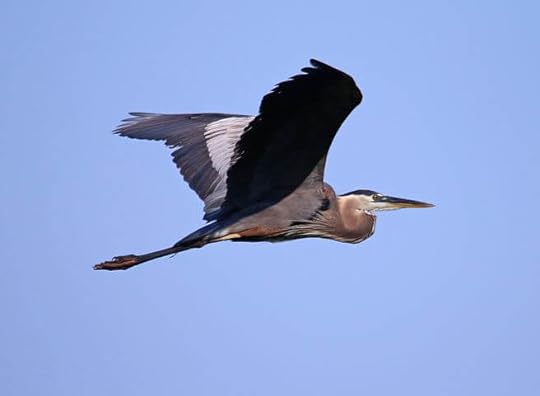

I’m thrilled and honored to be the Featured Poet in the September Issue of Blue Heron Speaks. This wonderful online poetry journal has a goal of presenting “messages of inspiration, support, and nourishment for the soul.”And they really do offer heart-centered poems that speak to seekers after beauty and peace. My three poems include the title poem from my forthcoming collection, Arabesque. An excerpt from the poem treats the word “arabesque” in its other meaning, a calligraphic figure:
In Ugarit they baked their dictionaries,
clay tablets incised with punctures and points,
arched and tented words. The idea of reading
marks may have come from the leaves’
dancing shadows. This morning the tree’s
shadows script moving letters on my wall.
Likeness is our essential speech.
Shapes echo others. The eye is a leaf
and its own tear. A preying mantis
profiles a priest. Clouds coil,
and we are all walking texts
waiting to be read.
Another poem in this trio, “At the Inn of the Sea”, anticipates the way the world is becoming, if you look beyond the headlines and surface appearances:
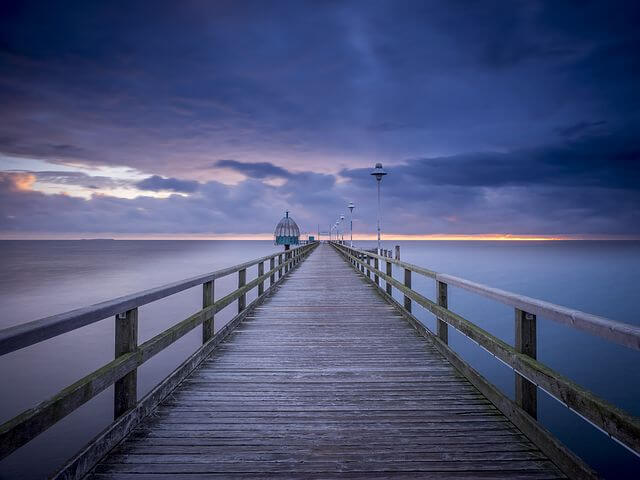 Here at the summer inn,
the physical world bursts
out wild every day. As if evil
is just an aberrant weed
in a vast undersea forest
that can consume every quirk and blip.
I stand silent before a hydrangea’s
blue symmetry, its sphere of birth
implying an epoch to begin fresh,
a world as heavenly as it always
meant to be, and mine becoming
a more celestial body.
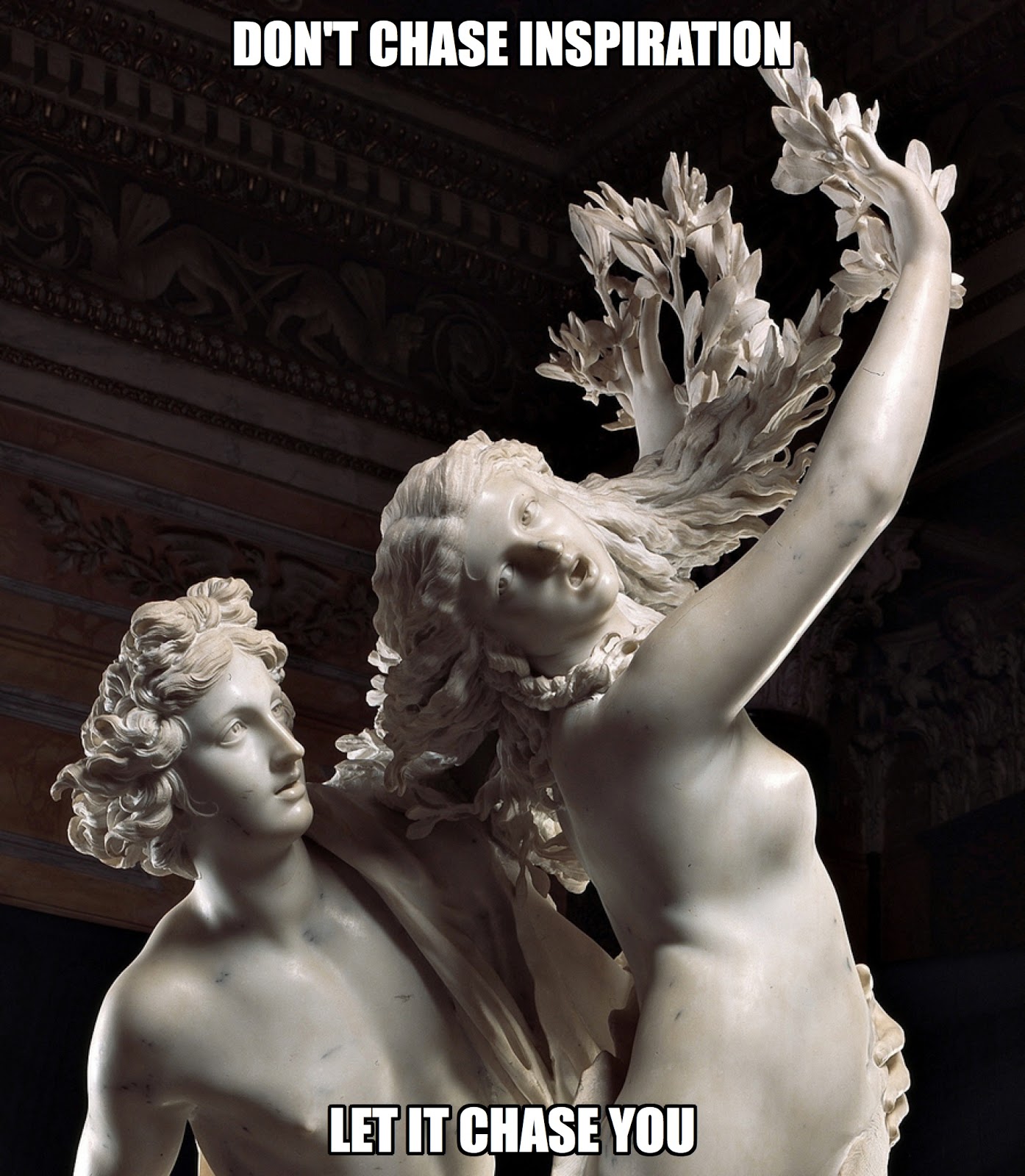
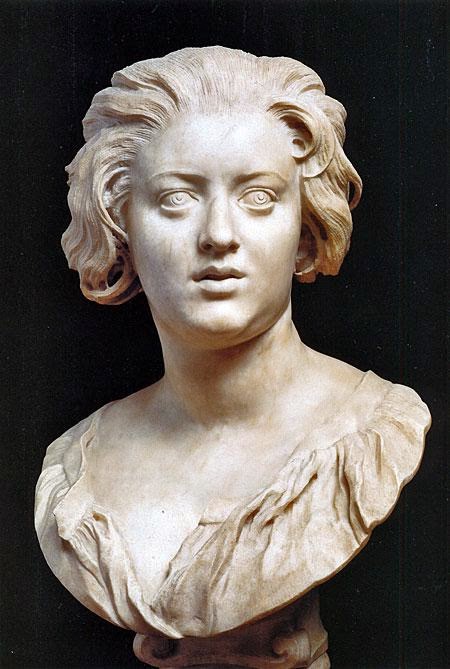
My novel, The Renaissance Club, is a love story about a contemporary time traveler going back to 17th century Italy to meet her artist hero, sculptor Gianlorenzo Bernini. It will be published by Fiery Seas Publishing in January 2018.
Visit http://RachelDacus.net for more information and writing by Rachel Dacus.
The post Blue Heron Speaks – Featured Poet appeared first on Rachel Dacus.
Blue Heron Speaks - Featured Poet
 I'm thrilled and honored to be the Featured Poet in the September Issue of Blue Heron Speaks. This wonderful online poetry journal has a goal of presenting "messages of inspiration, support, and nourishment for the soul."And they really do offer heart-centered poems that speak to seekers after beauty and peace. My three poems include the title poem from my forthcoming collection, Arabesque. An excerpt from the poem treats the word "arabesque" in its other meaning, a calligraphic figure:
In Ugarit they baked their dictionaries,
clay tablets incised with punctures and points,
arched and tented words. The idea of reading
marks may have come from the leaves’
dancing shadows. This morning the tree’s
shadows script moving letters on my wall.
Likeness is our essential speech.
Shapes echo others. The eye is a leaf
and its own tear. A preying mantis
profiles a priest. Clouds coil,
and we are all walking texts
waiting to be read.
Another poem in this trio, "At the Inn of the Sea", anticipates the way the world is becoming, if you look beyond the headlines and surface appearances:
 Here at the summer inn,
the physical world bursts
out wild every day. As if evil
is just an aberrant weed
in a vast undersea forest
that can consume every quirk and blip.
I stand silent before a hydrangea’s
blue symmetry, its sphere of birth
implying an epoch to begin fresh,
a world as heavenly as it always
meant to be, and mine becoming
a more celestial body.
My novel, The Renaissance Club, is a love story about a contemporary time traveler going back to 17th century Italy to meet her artist hero, sculptor Gianlorenzo Bernini. It will be published by Fiery Seas Publishing in January 2018. Visit http://RachelDacus.net for more information and writing by Rachel Dacus.
September 4, 2017
Writing on a Holiday – Dodging Parties to Get to the Writing Desk

By Writing Holiday, I of course mean Writing ON a Holiday. Holidays are better known as Writer’s Retreats, for all writers truly addicted to their art seize on the first amount of free time to face the blank page. Or the written page that desperately needs revising.
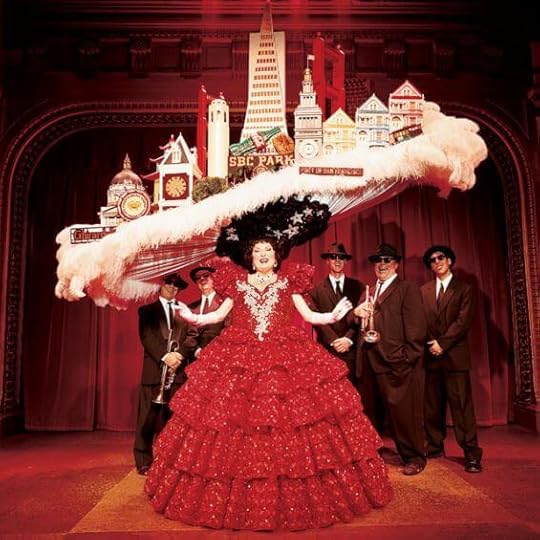
Novel writing occurs over an extended period of a year or more. Long form story writing requires you to visit your work as often as possible — that’s my main writing tip to novelists! Novelists are like that Beach Blanket Babylon lady who carries the whole city of San Francisco on her hat. We carry our long, complicated stories around in our brains months and even years.
Writing fiction is a complex business, even in short forms, like short story or novella. You juggle many layers: character, event, setting, backstory, and tone, in every sentence. You devour books and articles on writing tips, fiction craft,
And then once you’re done you become an encyclopedia on book publishing, publishing companies, book marketing, book clubs, and social media.
So happy Labor Day — or whatever holiday is coming up! Use it well as a writer, and enjoy your literary laboring. I’m sure you’ll find an hour or so, even if you have to get through a holiday party to get back to your writing desk.
Visit http://RachelDacus.net for more information and writing by Rachel Dacus.
The post Writing on a Holiday – Dodging Parties to Get to the Writing Desk appeared first on Rachel Dacus.
Writing on a Holiday - Dodging Parties to Get to the Writing Desk
 By Writing Holiday, I of course mean Writing ON a Holiday. Holidays are better known as Writer's Retreats, for all writers truly addicted to their art seize on the first amount of free time to face the blank page. Or the written page that desperately needs revising.
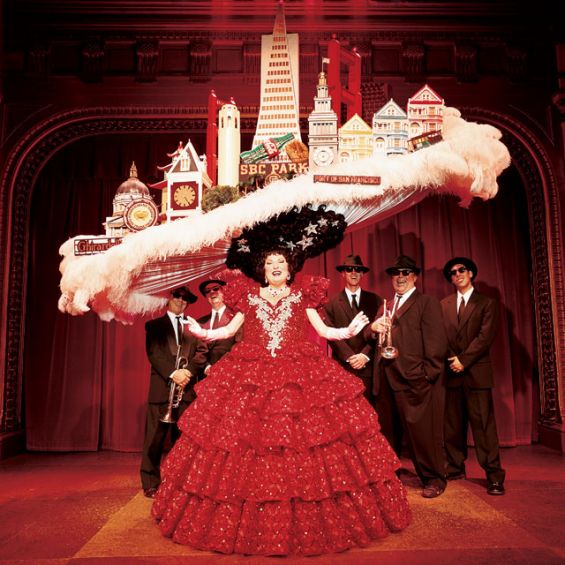
 Novel writing occurs over an extended period of a year or more. Long form story writing requires you to visit your work as often as possible -- that's my main writing tip to novelists! Novelists are like that Beach Blanket Babylon lady who carries the whole city of San Francisco on her hat. We carry our long, complicated stories around in our brains months and even years.
Writing fiction is a complex business, even in short forms, like short story or novella. You juggle many layers: character, event, setting, backstory, and tone, in every sentence. You devour books and articles on writing tips, fiction craft,
And then once you're done you become an encyclopedia on book publishing, publishing companies, book marketing, book clubs, and social media.
So happy Labor Day -- or whatever holiday is coming up! Use it well as a writer, and enjoy your literary laboring. I'm sure you'll find an hour or so, even if you have to get through a holiday party to get back to your writing desk.

Visit http://RachelDacus.net for more information and writing by Rachel Dacus.
Writing Holiday - Happy Labor Day!
By Writing Holiday, I of course mean Writing ON a Holiday. Holidays are better known as Writer's Retreats, for all writers truly addicted to their art seize on the first amount of free time to face the blank page. Or the written page that desperately needs revising. Novelists must get back to the page as soon as possible. We're like that Beach Blanket Babylon lady who carried the entirety of San Francisco on her hat. We carry a long, complicated story around in our brains, for days, weeks, months, and even years. We find relief from the weight by moving the story writing forward to an eventual conclusion.
Fiction is a complex business, even in short forms, like short story or novella. You juggle many layers: character, event, setting, backstory, and tone, in every sentence. You devour books and articles on writing tips, craft, publishing, and publishing companies. Because it's that hard, that you never stop being a student of writing books.

So happy Labor Day! And enjoy your literary laboring. I'm sure you'll find an hour or so, even if you have to get through the holiday picnic to arrive at it.
Visit http://RachelDacus.net for more information and writing by Rachel Dacus.
August 29, 2017
Have to Write a Book Blurb? Writing Tips to Make It Easier
 Becoming a novelist is a major amount of fun, but also some hard work and unexpected challenges. Among the hardest things in writing fiction is to sum up your book -- persuasively! -- in a few sentences. I know some terrific novelists who tear out their hair at this point.
 But such short summaries are needed for a book's back cover, Amazon page, author website, and publisher site. They're used everywhere in social media to sell a book, and are probably as important in doing that as cover art. Here's an article that gives some good writing advice:
The Fussy Librarian - Beth Bacon on Book Blurb Writing
 Some more writing tips blurbs:
Look at samples - Go to Amazon and click on the bestsellers in your genre. ... Use a formula: Most fiction book blurbs start with a situation (a), introduce a problem (b) and promise a twist (c).And here's another article from Kindlepreneur that defines the difference between a back cover blurb and a book description, as used on Amazon and other online bookstores:
How to Create a Back Book Cover Blurb that Sells
And here's the blurb I wrote (with my publisher, editors, and advisers) for my novel, The Renaissance Club:
<!-- /* Font Definitions */ @font-face {font-family:Arial; panose-1:2 11 6 4 2 2 2 2 2 4; mso-font-charset:0; mso-generic-font-family:auto; mso-font-pitch:variable; mso-font-signature:-536859905 -1073711037 9 0 511 0;} @font-face {font-family:Times; panose-1:2 0 5 0 0 0 0 0 0 0; mso-font-charset:0; mso-generic-font-family:auto; mso-font-pitch:variable; mso-font-signature:3 0 0 0 1 0;} @font-face {font-family:"MS 明朝"; mso-font-charset:78; mso-generic-font-family:auto; mso-font-pitch:variable; mso-font-signature:-536870145 1791491579 18 0 131231 0;} @font-face {font-family:"Cambria Math"; panose-1:2 4 5 3 5 4 6 3 2 4; mso-font-charset:0; mso-generic-font-family:auto; mso-font-pitch:variable; mso-font-signature:-536870145 1107305727 0 0 415 0;} @font-face {font-family:Palatino; panose-1:2 0 5 0 0 0 0 0 0 0; mso-font-charset:0; mso-generic-font-family:auto; mso-font-pitch:variable; mso-font-signature:-1610611969 2013274202 341835776 0 403 0;} /* Style Definitions */ p.MsoNormal, li.MsoNormal, div.MsoNormal {mso-style-unhide:no; mso-style-qformat:yes; mso-style-parent:""; margin:0in; margin-bottom:.0001pt; mso-pagination:widow-orphan; font-size:12.0pt; font-family:Palatino; mso-fareast-font-family:"MS 明朝"; mso-fareast-theme-font:minor-fareast; mso-bidi-font-family:"Times New Roman"; mso-bidi-theme-font:minor-bidi;} p {mso-style-priority:99; mso-margin-top-alt:auto; margin-right:0in; mso-margin-bottom-alt:auto; margin-left:0in; mso-pagination:widow-orphan; font-size:10.0pt; font-family:Times; mso-fareast-font-family:"MS 明朝"; mso-fareast-theme-font:minor-fareast; mso-bidi-font-family:"Times New Roman";} .MsoChpDefault {mso-style-type:export-only; mso-default-props:yes; font-family:Cambria; mso-ascii-font-family:Cambria; mso-ascii-theme-font:minor-latin; mso-fareast-font-family:"MS 明朝"; mso-fareast-theme-font:minor-fareast; mso-hansi-font-family:Cambria; mso-hansi-theme-font:minor-latin; mso-bidi-font-family:"Times New Roman"; mso-bidi-theme-font:minor-bidi;} @page WordSection1 {size:8.5in 11.0in; margin:1.0in 1.25in 1.0in 1.25in; mso-header-margin:.5in; mso-footer-margin:.5in; mso-paper-source:0;} div.WordSection1 {page:WordSection1;} </style></div>--><span style="font-size: large;"><b><span style="font-family: "georgia" , "times new roman" , serif;"><b>Would you give up everything, even the time in which you live, to be with your soul mate?</b></span></b></span><span style="font-size: large;"><span style="font-family: "georgia" , "times new roman" , serif;"></span></span><span style="font-size: large;"><span style="font-family: "georgia" , "times new roman" , serif;"> </span></span><span style="font-size: large;"><span style="font-family: "georgia" , "times new roman" , serif;">May Gold, a young college adjunct, often dreams about the subject of her master’s thesis—sculptor Gianlorenzo Bernini. In her fantasies she’s in his arms, the wildly adored partner of the man who invented the Baroque. In reality, May has just landed in Rome with her teaching colleagues and boyfriend who is paying her way. Feeling like a precocious failure, she yearns to unleash her passion and creative spirit. When the floor under the gilded dome of St. Peter’s basilica rocks under her feet, she gets her chance. Walking through the veil that appears, she finds herself in the year 1624, staring straight into Bernini’s eyes. Their immediate and powerful attraction grows throughout May’s tour of Italy, every time they share a brief hour. By the time she reaches Venice, all the doorways to her happiness seem blocked—all except the shimmering doorway to Bernini’s world. She must decide if her adventure in time will ruin her life or lead to a magical new one.</span></span><span style="font-size: large;"><span style="font-family: "georgia" , "times new roman" , serif;"></span></span><span style="font-size: large;"> </span><span style="font-size: large;"><span style="font-family: "georgia" , "times new roman" , serif;"></span></span><br /><div style="margin: 0in 0in 0.0001pt;"><br /></div><span style="font-size: large;"> </span><span style="font-size: large;"> </span><i><span style="font-size: large;">The Renaissance Club is forthcoming from from <a href="https://www.fieryseaspublishing.com/&... Seas Publishing</a> in 2018. </span></i><br /><br /><div class="separator" style="clear: both; text-align: center;"><a href="https://3.bp.blogspot.com/-c64HcW-QyV..." imageanchor="1" style="margin-left: 1em; margin-right: 1em;"><img border="0" data-original-height="669" data-original-width="451" height="320" src="https://3.bp.blogspot.com/-c64HcW-QyV..." width="215" /> </a></div><br />#amwriting #writingadvice #bookblurbs #nomore-hairtearing-out<div class="blogger-post-footer">Visit http://RachelDacus.net for more information and writing by Rachel Dacus. </div>
Have to Write a Book Blurb? Some Tips to Make It Easier
Becoming a novelist is a major amount of fun, but also some hard work and unexpected challenges. Among the hardest thing is to sum the book up -- persuasively! -- in other words, to wonderfully summarize an entire novel in a few sentences. I know of terrific novelists who tear out their hair out trying to write these pithy, appealing blurbs. But such synopses are needed for book covers, Amazon pages, and author and publisher websites. They are often the one thing, along with cover art, that sells a book. If you, too, are tearing your hair out over writing your book blurb, here's a link to a pithy, appealing article about how to outline, write, and put sizzle into it:
The Fussy Librarian - Beth Bacon on Book Blurb Writing
Some more writing tips blurbs:Look at samples - Go to Amazon and click on the bestsellers in your genre. ... Use a formula: Most fiction book blurbs start with a situation (a), introduce a problem (b) and promise a twist (c).And here's another article from Kindlepreneur. It defines the difference between a back cover blurb and a book description, as used on Amazon and other online bookstores:
How to Create a Back Book Cover Blurb that Sells
Finally, here's my blurb for The Renaissance Club:
Would you give up everything, even the time in which you live, to be with your soul mate? May Gold, a young college adjunct, often dreams about the subject of her master’s thesis—sculptor Gianlorenzo Bernini. In her fantasies she’s in his arms, the wildly adored partner of the man who invented the Baroque. In reality, May has just landed in Rome with her teaching colleagues and boyfriend who is paying her way. Feeling like a precocious failure, she yearns to unleash her passion and creative spirit. When the floor under the gilded dome of St. Peter’s basilica rocks under her feet, she gets her chance. Walking through the veil that appears, she finds herself in the year 1624, staring straight into Bernini’s eyes. Their immediate and powerful attraction grows throughout May’s tour of Italy, every time they share a brief hour. By the time she reaches Venice, all the doorways to her happiness seem blocked—all except the shimmering doorway to Bernini’s world. She must decide if her adventure in time will ruin her life or lead to a magical new one.
The Renaissance Club is forthcoming from from Fiery Seas Publishing in 2018.
Visit http://RachelDacus.net for more information and writing by Rachel Dacus.
August 21, 2017
What Makes a Great First Page in a Novel?
 Someone in one of my writing groups asked what makes a great first page. It's an excellent question, and no two answers will be alike, despite what the bestseller lists and books on writing "the breakout novel" tell us.
Character always draws me into a book. I don't read many thrillers or fast-paced stories. Someone reported the advice that a first line of a novel should make you nervous. I think that works well for readers who love suspenseful stories. I'm not so reeled in by suspense, but a great character in the book's opening -- even an unappealing person -- will catch me.
A Man Called Ove did this, with the most unique character I've ever read about. I kept reading just to see who was going to punch him in the face. Here are three book openings whose characters, sketched nimbly in first paragraphs, hooked me. And the books proved just as good as their openings!
<!-- /* Font Definitions */ @font-face {font-family:"MS 明朝"; panose-1:0 0 0 0 0 0 0 0 0 0; mso-font-charset:128; mso-generic-font-family:roman; mso-font-format:other; mso-font-pitch:fixed; mso-font-signature:1 134676480 16 0 131072 0;} @font-face {font-family:"MS 明朝"; panose-1:0 0 0 0 0 0 0 0 0 0; mso-font-charset:128; mso-generic-font-family:roman; mso-font-format:other; mso-font-pitch:fixed; mso-font-signature:1 134676480 16 0 131072 0;} @font-face {font-family:Palatino; panose-1:2 0 5 0 0 0 0 0 0 0; mso-font-charset:0; mso-generic-font-family:auto; mso-font-pitch:variable; mso-font-signature:-1610611969 2013274202 341835776 0 403 0;} /* Style Definitions */ p.MsoNormal, li.MsoNormal, div.MsoNormal {mso-style-unhide:no; mso-style-qformat:yes; mso-style-parent:""; margin:0in; margin-bottom:.0001pt; mso-pagination:widow-orphan; font-size:12.0pt; font-family:Palatino; mso-fareast-font-family:"MS 明朝"; mso-fareast-theme-font:minor-fareast; mso-bidi-font-family:"Times New Roman"; mso-bidi-theme-font:minor-bidi;} .MsoChpDefault {mso-style-type:export-only; mso-default-props:yes; font-family:Cambria; mso-ascii-font-family:Cambria; mso-ascii-theme-font:minor-latin; mso-fareast-font-family:"MS 明朝"; mso-fareast-theme-font:minor-fareast; mso-hansi-font-family:Cambria; mso-hansi-theme-font:minor-latin; mso-bidi-font-family:"Times New Roman"; mso-bidi-theme-font:minor-bidi;} @page WordSection1 {size:8.5in 11.0in; margin:1.0in 1.1in 1.0in 1.1in; mso-header-margin:.5in; mso-footer-margin:.5in; mso-paper-source:0;} div.WordSection1 {page:WordSection1;} -- </style> <br /><div class="MsoNormal"><span style="font-size: large;"><i style="mso-bidi-font-style: normal;">A Man Called Ove, </i>by Frederik Backman</span></div><div class="MsoNormal"><span style="font-size: large;"><br /></span></div><div class="MsoNormal"><span style="font-size: large;">Ove is fifty-nine.</span></div><div class="MsoNormal"><span style="font-size: large; mso-tab-count: 1;"> </span><span style="font-size: large;">He drives a Saab. He’s the kind of man who points at people he doesn’t like the look of, as if they were burglars and his forefinger a policemn’s flashlight. He stands at the counter of a shop where owners of Japanese cars come to purchase white cables. Ove eyes the sales assistant for a long time before shaking a medium-sized white box at him.</span></div><div class="MsoNormal"><span style="font-size: large; mso-tab-count: 1;"> </span><span style="font-size: large;">“So this is one of those O-Pads, is it?” he demands.</span></div><div class="MsoNormal"><span style="font-size: large; mso-tab-count: 1;"> </span><span style="font-size: large;">The assistant, a young man with a single-digit body mass index, looks ill at ease. He visibly struggles to control his urge to snatch the box out of Ove’s hands.</span></div><div class="MsoNormal"><span style="font-size: large;"><br /></span></div><div class="MsoNormal"><span style="font-size: large;">> What is it about an unlovable chaaracter that can be so fascinating? It took me many pages to develop any sympathy for or liking of the curmudgeon Ove, and yet I kept turning pages. The humor, the complete meanness of the man, the way we’re inside his head and yet see others reacting to him as if they’re allergic to his laconic vitriol. <i style="mso-bidi-font-style: normal;">Laconic vitriol</i> … now there’s a character description you don’t see every day. Unique. </span></div><div class="MsoNormal"><span style="font-size: large;"><br /></span></div><div class="MsoNormal"><span style="font-size: large;"><i style="mso-bidi-font-style: normal;">The Time Traveler’s Boyfriend, </i>by Annabelle Costa</span></div><div class="MsoNormal"><span style="font-size: large;"><br /></span></div><div class="MsoNormal"><span style="font-size: large; mso-tab-count: 1;"> </span><span style="font-size: large;">Tick tock … tick tock … tick tock …</span></div><div class="MsoNormal"><span style="font-size: large; mso-tab-count: 1;"> </span><span style="font-size: large;">Do you hear that ticking noise? I swear to God it’s like I’m going crazy, but I hear something ticking. And no, it’s not my biological clock. Yes, my biological clock is ticking (I know, Mom), but it’s not <i style="mso-bidi-font-style: normal;">audibly </i>ticking. Like, I don’t walk down the street and hear it. Nobody says, “Hey, what’s that noise? Is that your <i style="mso-bidi-font-style: normal;">ovaries</i>?”</span></div><div class="MsoNormal"><span style="font-size: large;"><br /></span></div><div class="MsoNormal"><span style="font-size: large;">> The reason this character comes alive is a combination of the title and the ticking described with such a distinctive voice that we know before we get her age that she’s mid-thirties and something very weird is happening. If her ovaries were just ticking <i style="mso-bidi-font-style: normal;">Hello? When are we getting pregnant?</i> I wouldn’t have kept reading, but I know someone’s going down a time tunnel, and as time travel interests me, I’m hooked. Such books don’t usually begin in the manner of chicklit, so I’m fascinated enough to keep going and see how the author will make this combination work.</span></div><div class="MsoNormal"><span style="font-size: large;"><br /></span></div><div class="MsoNormal"><span style="font-size: large;"><i style="mso-bidi-font-style: normal;">Longbourn, </i><span style="mso-spacerun: yes;"> </span>by Jo Baker</span></div><div class="MsoNormal"><span style="font-size: large;"><br /></span></div><div class="MsoNormal"><span style="font-size: large;"><i style="mso-bidi-font-style: normal;">The butler … Mrs. Hill and the two housemaids …</i></span></div><div class="MsoNormal"><span style="font-size: large; mso-tab-count: 1;"> </span><span style="font-size: large;">There could be no wearing of clothes without their laundering, just as surely as there could be no going witghout clothes, not in Hertfordshire anyway, and not in September. Washday could not be avoided, but the weekly purification of the household’s linen was nonetheless a dismal prospect for Sarah.</span></div><div class="MsoNormal"><span style="font-size: large; mso-tab-count: 1;"> </span><span style="font-size: large;">The air was sharp at four thirty in the morning, when she started work. The iron pump-handle was cold, and even with her mitts on, her chilblains flared as she heaved the water up from the underground dark and into her waiting pail. A long day to be got through, and this was just the very start of it.</span></div><div class="MsoNormal"><span style="font-size: large;"><br /></span></div><div class="MsoNormal"><span style="font-size: large;">> Who couldn’t want to know how anyone could get through such a day? And what the heck are chilblains? Even if the title and epigraph didn’t tip you off that this is the <i style="mso-bidi-font-style: normal;">Upstairs, Downstairs</i> (well, mostly downstairs) of the Bennet family in <i style="mso-bidi-font-style: normal;">Pride and Prejudice</i>, and it didn’t tip me, you’d want to read on to find out if poor Sarah survives even one day of this labor. </span></div><div class="MsoNormal"><br /></div><div class="blogger-post-footer">Visit http://RachelDacus.net for more information and writing by Rachel Dacus. </div>