Michael Patrick Hicks's Blog, page 3
October 22, 2025
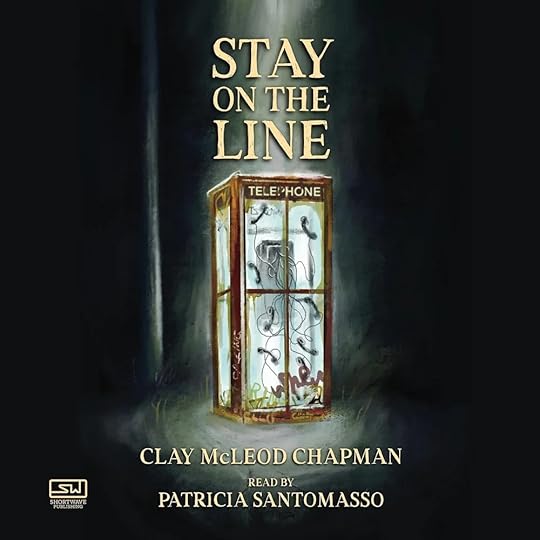
Stay on the Line by Clay McLeod Chapman (Audiobook)
Whichever ad wizards came up with the long-enduring ad slogan of “Reach out and touch someone” for AT&T back in the 1970s probably didn’t expect their campaign encouraging Americans to rack up their phone bills with long distance call charges to provide a touchstone for telephonic grief horror so many decades later. Of course, one doesn’t have to look hard to find a certain insidiousness in those words, to twist an otherwise cozy, cutesy corporate phrase into a threatening promise.
When Hurricane Aubrey hits the Chesapeake, bartender Jenny loses her fisherman love, Callum, to the elements. The loss unmoors her and their daughter, leaving them stranded and emotionally adrift. Their small town of only a few hundred is hit hard, but one of the things left standing is a long-defunct payphone outside Jenny’s dockside watering hole. It hasn’t been operational in decades, the booth now covered in graffiti and used as a make-out spot for local teens. It’s even where Jenny and Callum conceive their daughter, Shelby. Reach out and touch someone, indeed!
In the wake of Aubrey’s violent tantrum, the booth has attracted a new crowd. People who have lost loved ones in the storm now line up in the bar’s parking lot for a chance to step inside that phone booth, waiting for their turn to use the old, dead landline to speak one last time to their dearly departed.
Clay McLeod Chapman doesn’t exactly reinvent the wheel with Stay on the Line, turning to the familiar ‘phone-calls from the dead’ trope that has largely replaced the Ouija board in the 21st Century, but he does a great job firmly grounding the story within the emotional core of grieving widow Jenny. There can still be room for worn tropes as long as they are propped up by strong, compelling characters that give us a reason to care, and Chapman succeeds in that. It helps, too, that Stay on the Line is supremely focused and the author keeps it short, knowing, perhaps, that it’s a tired premise but that his characters are young, strong, and emotionally potent. In print, Stay on the Line was only about 80 pages with illustrations, and this audiobook runs a brisk 61 minutes.
Chapman uses much of the first half of this novelette to establish the family and their dynamic. Callum is the fun parent and has turned the ancient phone booth into a fantastical story point in the bedtime stories he tells Shelby. He’s also had to convince Shelby that the phone booth was, in fact, an actual, real-life, functioning telephone that people used to make calls. She doesn’t believe him. I couldn’t help but grin at this, having had a similar conversation with both of my sons over the old-fashioned toy rotary phone they once played with. It didn’t look anything at all like the iPhones my wife and I use, didn’t take pictures or videos, and had this big dial on it. It couldn’t possibly be a phone; daddy was just pulling their leg. I think my wife talked them around eventually, and then they saw similar rotary phones in a movie from the 80s and realized we were actually serious.Thankfully, they haven’t gotten any phone calls from deceased relatives on their toy (yet).
Stay on the Line digs deeper into the supernatural in its second half, when Jenny can no longer resist her curiosity about the phone booth and whether or not it will reconnect her with her lost love. Chapman covers the usual ground one would expect from the premise, but he does offer up some neat sequences of creeping dread, and one flat-out horrific scene in which the phone booth becomes a tomb of aquatic horrors. The audio production helps to amplify the creep factor with some well-done sound effects mixed in by audio editor Eric West. Sean Patrick Hopkins’s voice work as Jenny’s other half takes on spooky, staticky, ethereal overtones that really help sell the otherworldly nature of Jenny and Callum’s conversations.
The bulk of the production, though, belongs to Patricia Santomasso, who positively inhabits the role of Jenny, bringing nuance and heartfelt emotion through the grief of her loss, the elation of being reconnected with Callum, and the wariness and fear over the concerns that follow. On a personal note, I’ve worked with Santomasso and Hopkins both in separate audiobook productions of my own work and was absolutely delighted at how those projects turned out. As such, I was expecting them to bring their talents to the fore here and wasn’t the least bit surprised to find their work to be excellent. I did my best to avoid any bias in my judgements here, but I’ll let you listen to them and decide for yourself. Let me just say, there is a reason they’re both award winning narrators with hundreds upon hundreds of titles under their belt.
Stay on the Line is an emotionally resonant horror and Santomasso brings it all to compelling life. Her narration is as richly heartfelt as Chapman’s earnest prose. If you’ve read the print edition previously, you’ll want to experience the story again as an audiobook. If you haven’t, you may want to reach out and… well, maybe not touch someone, but at least grab yourself a copy.


Review: Cathedral of the Drowned (The Lunar Gothic Trilogy Volume 2) by Nathan Ballingrud

Picking up immediately where Crypt of the Moon Spider left off, Cathedral of the Drowned follows Dr. Cull’s return to Red Hook where he joins up with local mobster Goodnight Maggie, seeking protection from the Moon Spider and her murderous cultists, the Alabaster Scholars. Maggie has problems of her own, as she begins to feel the squeeze of the Sicilian’s growing power, which has left two of her men dead. At night, she’s haunted by the ghost of Charlie, an enforcer she had sent to the moon to work for Cull, and who instead became a lab rat in the bad doctor’s various experiments revolving around the human brain and moonsilk. A section of Charlie’s brain has been removed and sent to Io, one of Jupiter’s many moons, where frightening discoveries await.
Oh yeah, all this is set in the 1920s, too.
If it sounds like there’s a lot going on, well… there is. Somehow Ballingrud makes it all digestible and easy to follow, keeping all of the very high weirdness remarkably grounded. Cathedral of the Drowned, however, is not a proper starting point for the uninitiated, with Crypt of the Moon Spider, the first entry in Ballingrud’s Lunar Gothic Trilogy, being a must-read prior to starting this one. Woe to the poor reader who picks up this book expecting a complete and self-contained story! The looks of confusion upon their faces are sure to be hilarious, though, as they try to figure out what they surely must have been drugged with prior to descending into this dream-occluded nightmare.
For those who might need some selling on The Lunar Gothic Trilogy, which upon Cathedral‘s release in October will be two-thirds completed, Ballingrud forgoes any modern scientific realism in favor of crafting a pulpy retrofuturistic horror story that owes far more to Edgar Rice Burroughs than Neil deGrasse Tyson. Where Burroughs had John Carter of Mars, Ballingrud has his Spider Woman of the Moon. The first book in his trilogy dove into the spider-webbed forests and Dr. Cull’s sanitarium on Earth’s moon. Here, Charlie’s dissected brain pilots a satellite to Io, the Jungle Moon of Jupiter, where a massive Cathedral ship from Earth has crashed and its crew of dead priests roam under the control of a titanic centipede god known as The Bishop.
All-in-all, it’s a throwback to classic pulp adventures from the early 1900s up through the black-and-white sci-fi flicks of the 50s. Ballingrud plays it all straight, too. He doesn’t try to explain anything away, like the hows and whys of regular, routine space travel for the common man and woman of the 1920s. It all just is. Readers are trusted to accept it without any fussy hand-holding. And unlike the retrofuturistic 1950s-inspired Fallout series of video games and TV show, there’s no tongue-in-cheek whimsy or self-referential silliness. Both this and the previous Crypt of the Moon Spider are hard-edged, cut-your-throat serious works of alt-history that pays terrific, and terrifying, homage to the stories and creators of yesteryear. While it shares some superficial similarities to Ballingrud’s other fantastical, alt-history sci-fier, The Strange, he also brings in plenty of horror, both body and cosmic, not to mention the plain old savage kinds, too. In some ways, these two Lunar Gothic stories feels like a marvelous blend of both The Strange and Wounds: Six Stories from the Border of Hell. Certain passages here can’t help but remind one of “The Atlas of Hell” or his diabolical surgeons from “The Maw.” Ballingrud’s revisionism of the 1920s feels both real and ethereal, as degrees of the familiar coexist alongside nightmarish otherness. The more one buys into this world, the more they’ll be greatly rewarded.
Cathedral of the Drowned is also very much the middle child of this trilogy. It’s the essential middle part in Ballingrud’s narrative and readers are expected to already be familiar with this crazy world and what’s come before. They’re also expected to understand that this entry is, by its very nature, an incomplete story. Cathedral is a fine entry on its own, and a great follow-up to Crypt, but it also exists within the context of an as-yet-unfinished three-book cycle and how good or worthwhile it is depends on how well the third book lands. While Cathedral ends with a bang, it’s not THE ending to this story. There’s another book coming in 2026, and Cathedral does the necessary work to position these characters and align the stars for whatever weirdness comes next. If the first two books are any indication, we can expect the grand finale to be absolutely bonkers.
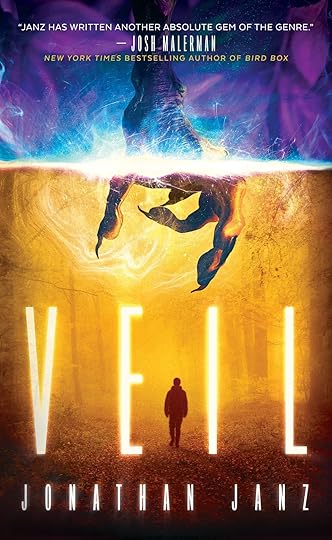
Review: Veil by Jonathan Janz
Let me get this out of the way up front: I am, unabashedly, a Jonathan Janz hipster. I’ve been reading and reviewing his stuff for damn near a decade now, going back to his days as a new small-press horror author with Samhain Publishing, onto Sinister Grin Press, Flame Tress Press, and Cemetery Dance. I can count the number of his books I haven’t (yet) read on one hand, and they consist only of Marla — published as a limited edition by Earthling Publications with a print run of only 500 copies, plus 15 lettered, traycased hardcovers — and Tales From the Shadow Side, another limited release published by Thunderstorm Books, first as a hardcover limited to only 60 copies, and then as a limited, exclusive paperback edition. I have hardcover copies of both books, and of the stories collected in Tales From the Shadow Side I’ve read most of them elsewhere. I will get around to Marla one of these days, I promise.
Make no bones about it, I am a loud and proud Jonathan Janz fan. I tell you all of this so that you’ll know where I’m coming from when I tell you that Veil is immediately noticeable as a step-up in an already strong career of a gifted horror author. Children of the Dark still holds top-spot as my favorite of Janz’s works, but Veil is an immediate top-five contender at the very least.
I don’t know if it’s a culmination of Janz’s experiences as a writer, teacher, father, and husband, or possibly a boost in editorial and developmental support from his new team at Blackstone Publishing, but Veil has a definite next-level feel to it. There’s a pathos and empathy to it that, while certainly not absent from Janz’s previous works, feels more honed, not to mention a stronger sense of authorial confidence. Janz knew what he wanted this story to be, and if it wasn’t easy to write he certainly makes it look that way in the end.
Movie critic Roger Ebert once said, “It’s not what a movie is about, it’s how it is about it,” meaning that the execution of a story can be more important than the plot itself. It’s a sentiment I believe applies to books, as well. Janz’s execution in Veil is assured, presenting a story of an apocalyptic alien invasion through first-person narration of an everyman archetype. It’s easy to slip into John’s shoes and feel the chaos, the unknowing, the uncertainty of it all. At times it’s scarily familiar, echoing recent concerns from the covid pandemic, like grocery stores becoming hotbeds of both political and societal unrest, as nationwide lockdowns are instituted in an effort to keep people safe from an unseen killer while humanity engages in dick-waving contests to see who can be the bigger threat and/or the bigger moron, often at the same time.
Furthermore, Janz’s approach to the alien invasion itself is high-concept horror done right. Rather than going the route of the tried and true invading space force wreaking havoc with massive ships and laser beams, Janz finds a far more interesting way to truly personalize the effects these marauders have on society. The aliens themselves are an unseen threat, ripping holes in our dimension to abduct people seemingly at random. It starts off small and then escalates, pushing humanity to a breaking point, and is frighteningly effective the whole way through. They way John’s fellow Americans respond to this latest threat is not only spot-on accurate and realistic, but actually lived through, because we all saw these reactions first-hand as plenty of our fellow countrymen let their masks slip, metaphorically or otherwise. There’s plenty of large-scale disasters, like a chaotic evacuation from the city by panicked motorists on a highway turned abduction site, and plenty of room for more personal ones, such as John and his daughter coming under threat from a neighbor turned tyrant, like some homeowners association’s president from hell. But when John joins forces with a small band of survivors, the plan they come up with to be able to see the aliens is not only intriguing but flat-out dangerous. It’s also the one element I wish were mined a bit more deeply, particularly in terms of side-effects and unintended consequences, which never feel quite as significant or hair-raising as they potentially could be.
Veil functions well as a standalone, but by book’s end I found myself hungry for a sequel. Janz has opened up a unique world here that offers terrific series potential with plenty of room for growth, not to mention long-term repercussions from certain choices made. Maybe it’s just my love for films like Aliens and Jonathan Maberry’s Joe Ledger books, but I couldn’t help but wonder what a military horror book would look like in the world of Veil with Janz’s imagination and knack for crafting frenetic, action-packed set pieces leading the charge. We get a taste it on the civilian front, and I certainly wouldn’t mind getting more. Veil is great on its own, but the potential for more is even greater.
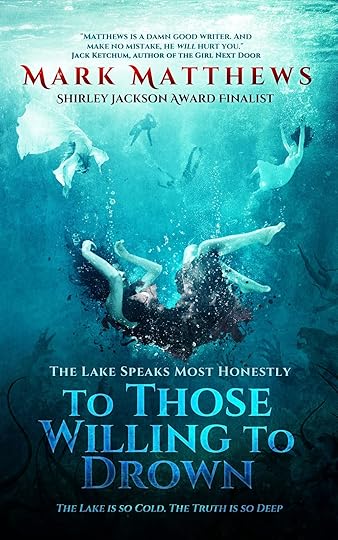
Review: To Those Willing To Drown by Mark Matthews
Mark Matthews is a son of a bitch. I say this endearingly, of course, in much the same way our dearly departed Jack Ketchum promised readers that Matthews will hurt them. It’s not a condemnation as much as it is an expectation.
To Those Willing To Drown is a grief-laden elegy to Torch Lake, one of many northern lower-Michigan vacation hotspots, whose folkloric roots run deep, back to the beliefs of the indigenous peoples that once populated the region long before it became home to summer camps and multi-million dollar lakeside getaways and resorts. The lake, like so many other northern areas of the lower peninsula, are a summer destination for families handed down between generations. Maybe it’s just a fact of growing up surrounded by the Great Lakes, but the water calls to us, beckoning us near, to Traverse City, Mackinaw, Petoskey, Charlevoix, and, of course, Torch Lake. Once you’ve been there, you can’t help but go back. These lakes are in our blood, in our souls, and they demand from us.
Matthews is a native Michigander. He gets it. As a fellow Michigander, I get it, too, and To Those Willing To Drown speaks of this most eloquently. Heartbreakingly so.
Sharon worked one summer as a Torch Lake camp counselor, where she met, befriended, and eventually fell in love with Kai. She rescued a drowning boy and made a promise, but by then it was too late. As with Kai, the lake was in her and it drew her back repeatedly, until it and Kai became home. They married and had a daughter, and together they learned that life is pain. The lake demanded its due. Their daughter, Jewel, died and a promise was kept.
Sharon wasn’t the only one to make a promise to the specters of Torch Lake. Lamia, a Civil War surgeon well-versed in the art of amputation, betrays his promise – and his family – and is cursed. He cannot step foot in the lake, and he cannot die. He must inject the ashes of the recently deceased into his body, forced to feed the souls of the dead that now haunt his human vessel.
Their stories intersect eventually, of course, as Sharon and Lamia are woefully drawn together across time by older, more primordial forces. Along the way, Matthews dives headlong into the folklore of the region, as shared through late-night camp stories around the fire and the customs and practices of those who believe and who know the secrets of the lake’s dead.
Matthews may be best known for his works of addiction horror, like Mlik-Blood and a trio of celebrated anthologies, among others, and he brings similar themes and topics to this book, as well. Lamia has an almost vampiric hunger for the ashes of the deceased, moving through society across the centuries under the guise of a pastor to enthrall and seduce grieving families into allowing him access to feed his grisly addiction. An omnipresent grief blankets each of the characters here, driving their decisions and pushing them toward their destinies. A thick pall of sadness permeates the story nearly from its opening chapters and only grows thicker as things progress, to the point that I had to set the book aside on several occasions and force myself away from the darkness.
It’s no fluke that Matthews garnered praise from Jack Ketchum himself, and at times it feels like he must have read the late author’s The Girl Next Door and took it as both a mission statement and a lesson on how to inflict upon readers the maximum amount of emotional turmoil. If John F.D. Taff, who has appeared in all three of Matthews’ addiction horror anthologies, is horror’s King of Pain, then surely Matthews himself is its prince.
To Those Willing To Drown is an unremittingly bleak and challenging read, with its focus on child death, bodily dismemberments, and drug addiction, but one that is never less than satisfying and wholly engaging. Matthews pushes both his characters and his readers to their absolute limits, and then shoves them over the edge, into Torch Lake’s deepest depths.
September 30, 2025
September Morn
Welcome back to another installment of my monthly newsletter! There’s September just about behind us, which puts us that much closer to Halloween and Thanksgiving. Thankfully not much of real significance happened this month. I mean, I guess some bigoted, right-wing, white supremacist, windbag nutjob who advocated for gun violence got himself taken out by another right-wing nutjob in a targeted act of gun violence. Not exactly a big loss for humanity all in all. I’m sure he’ll be just as forgotten as Rush Limbaugh and Saddam Hussein soon enough, despite the efforts of other right-wing nutjobs holding political office trying to score points with their base by doing even more fascism than usual. On the bright side, following Trump’s usual narcissism to make the funeral all about himself, complete with fireworks, film critic Eric D. Snider noted on Bluesky:
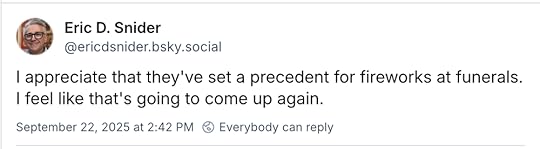
Here’s to hoping, Eric!
September also brought about the Rapture, or at least speculation from the whacky corners of social media that the Rapture was finally going to be upon us. Unfortunately, the rapture was a no-show and took another L for the 2,025 consecutive year. I know, I know, it’s all very surprising. It’s almost like religion is nothing but absolute bullshit or something.
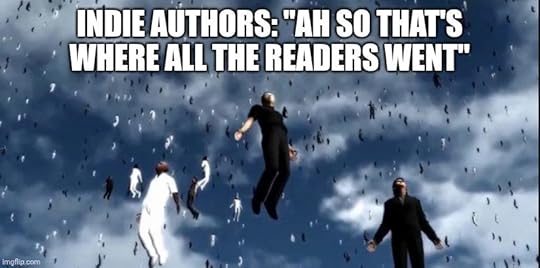
Hat-tip to Evan Peck at the Indie Reads message board for this one!
Over the last few months, I’ve kind of worried that my interest in reading was declining and found myself slowing down quite a lot. I found it hard to focus and, worse, hard to care about whatever I was in the midst of reading. Some of this boils down to the Reviewer’s Dilemma — when you’ve spent years and years and years reading at a high volume, it gets harder and harder to find those real nuggets of originality and stuff that breaks the mold versus all the generic, run of the mill garbage that publisher’s push out for mainstream audiences who might only read a couple books a year. Readers of our reviews can sometimes find it fit to claim that we’re overly harsh or meanspirited in our critiques, and sometimes that’s true, but it really does all stem from a place of love for books and stories. So much so that we read far more than is typically common.
The state of reading in America is an absolute travesty with, according to various polls, the average American reading somewhere between 1 to 12 books annually. Given the state of our political dysfunction, I’d guess this sounds about right, yeah? You can tell America as a whole isn’t big on the whole reading thing given that we’ve elected as president the most intellectually incurious man to ever hold office and who seems to be functionally illiterate. Big shocker, right?
Add on to that, the fact that more than half of all Americans are reading below a sixth-grade level, and 1 in 5 are reading below a third-grade level.
After working my way through a few advance reader copies that were basically slop the authors got lucky with in finding a publisher, it’s hard not to see the audience a lot of these writers and publishers are catering to. Unoriginal, derivative, heartless, soulless, trend-chasing works with plots and story beats that have been done a thousand times previously, and have all been done better elsewhere, have taken up too much of my time recently. The saddest part is, it was clear I wasn’t the target reader simply because I actually read, and read a lot. These books felt like they were all aiming for that adult reader at the third-grade level who might make this their one book of the whole fucking year. What one reader called a work of sparkling originality was, in my too well-read eyes, just more derivative bullshit aping better works by better authors.
And that’s not even getting into some so-called publisher’s delusions about forcing AI written stories on us (pro-tip: do not, under any circumstances, buy that fucking shit, ever). We’ve already got human writers writing at, or arguably worse than, AI level. It’s just so much lowest-common denominator word vomit that forcing myself to read this dreck was killing my passion for reading. There was just way too much samey-samey garbage.
This feeling of same-old, same-old was my biggest complaint about The End Of The World As We Know It, a new anthology set in the world of Stephen King’s The Stand. It’s a huge book, and unnecessarily so. The first section of the book is arguably the biggest slog to get through simply because so many of it’s stories are set during the initial stages of the spread of Captain Trips, which makes for a lot of repetition in terms of plot, character sketches, and story concepts. Too many of the stories just all blurred together, with only a few that were even the least bit memorable. Things got a bit more interesting when it moved beyond the US borders, and even beyond the ending of King’s original novel. I think editors Brian Keene and Christopher Golden, both authors whose works I’ve appreciated greatly over the years, got a little too carried away trying to make an anthology as big as King’s original novel, rather than making an anthology that was as good as King’s original novel. Theirs is an anthology that would have been made better with more judicious editing and more ruthless cuts to carve out the fat and restrict the number of authors involved. I think it would have been a stronger ode to King’s magnum opus if it were at least half as long and with a much stronger focus on quality over quantity. Unlike The Stand itself, I don’t see myself revisiting this add-on tome in full ever again, but may go back to a handful of stories here and there.
Between forcing myself to read through the whole of The End of the World As We Know It and life and work shit, September was a slow month for me reading-wise. I only have a few reviews to share and found myself falling way behind on ARCs. There were a few DNFs along the way because the writing wasn’t to my tastes, or the book was too much of a slog to push through, or it was far too evident that the author was cribbing from various other books and stitching together popular ideas from various sources to give us their own not at all unique spin.
Surprisingly, given all I said above, my favorite book of the month ended up being the fourteenth or fifteenth installment in Nicholas Sansbury Smith’s long-running Hell Divers series. Granted, I do like Nick’s stuff quite a lot and he made a smart decision with making Into the Storms a prequel set 300 years prior to the 12 core novels (there’s one other prequel, Rhino, which I also enjoyed, and at least one book set in-between books one and two, but they feel very much a part of the series they grew out of), which went a long way to bringing some much needed freshness to this corner of his many storytelling universes.
I did not do a formal review of TEOTWAWKI simply because by the time I finished the book, I was finished with it in total and just did not feel like trying to muster up some long-form thoughts about it given everything else I had to read for review. So, consider this a newsletter exclusive review of The End of the World As We Know It!
SEPTEMBER REVIEWS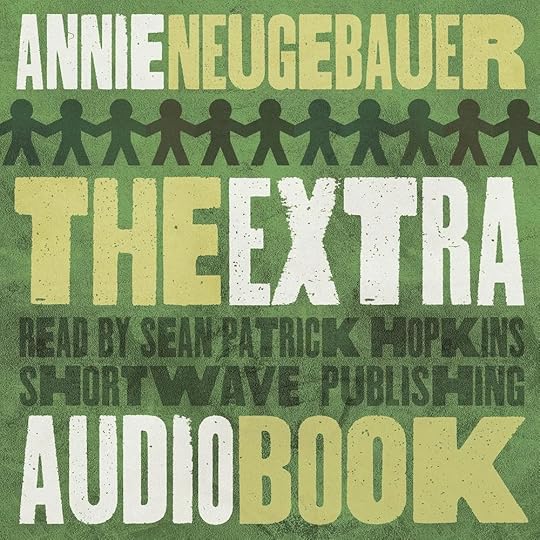
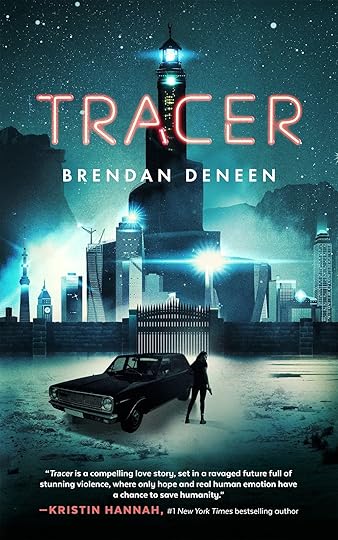
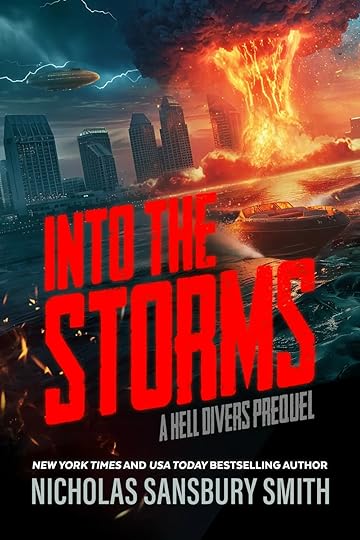
As always, these reviews can be found on FanFiAddict.com, along with loads of other reviews from other great reviewers. Give ‘em a click and show some support!
The Extra by Annie Neugebauer (audiobook)
Into the Storms: A Hell Divers Prequel by Nicholas Sansbury Smith
Currently reading: The October Film Haunt by Michael Wehunt
Currently playing: Baldur’s Gate 3 (PS5). An absolutely perfect RPG. No notes.
Currently listening: Dungeon Crawler Carl by Matt Dinniman, narrated by Jeff Hays. This fucking thing is hilarious.
That’s it for now, gang; see you on Halloween! In the meantime, feel free to drop me a line and ask some questions if you got any — maybe they’ll make it into next month’s newsletter!
August 29, 2025
The August Rundown
I was originally going to spout off with yet another political rant here, as has apparently become my custom these last few months, and rail against the useless quislings who got upset over me referring to Trump as President* Rapey McPedophile last time around, but I promised myself I wouldn’t. So I deleted all that shit. What’s the point? We all know this country’s in the toilet and sinking deeper into the shit with each passing day/week/month/year under our current fascist regime, and we all know it’s because 77 million American’s failed the one incredibly easy test they had to ace back in November before deciding that lying, bigotry, racism, hatred, rape, pedophilia, treason, insurrection, and endless streams of grifting from a professional, greedy, power-hungry con man were preferable to having a mixed-race woman as president and so now we have had the military occupation of two American cities with the promise of more to come because so many of our friends and neighbors wanted to know what it was like to live with the gestapo. So instead of ranting again about all that, here’s a picture of a rainbow I took from the front porch of my house during a lull in the rain on Tuesday night.
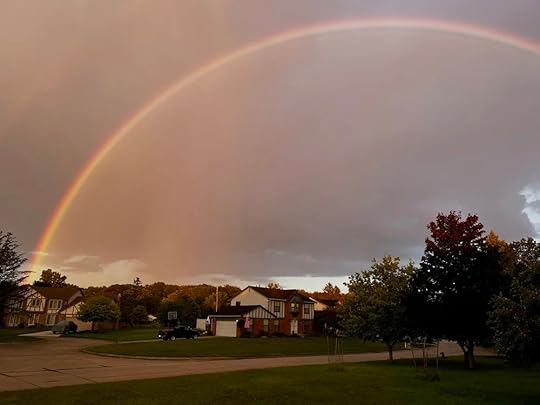
My wife and I stood outside our front door, only partially shielded from the smattering of big fat raindrops coming down, and took pictures of what you see above with our iPhones. The rain had come down pretty hard and had mostly stopped only a short while prior. The workday had been shit, the drive home through a storm had sucked, the news crossing my BlueSky feed, the only social media feed I have these days, was all bad. But then the rain cleared up and my youngest darted outside to see the rainbow overhead, and my wife and I followed. It was a nice reminder that not everything is shit and not everything is sinking into a hellish realm of depravity, even if it often feels like it, and even if everyone on social media insists it in fact is. It’s not. Not always. At least not here, for me, at that time. Life was, actually, pretty OK all in all, and it’s nice to have that kind of reminder.
And also, fuck AI.
Instead of a big political rant, what I actually wanted to talk about this time around is, wonder of all wonders, BOOKS. Not mine. Fuck that. I’m talking about BIG books. Doorstoppers. Big ol’ chunky bastards like the ones Stephen King used to write.
This year kind of feels like the year of big books. Maybe this is kind of silly, since I can only think of two books off-hand that really qualify — Joe Hill’s forthcoming (and excellent!) King Sorrow, and The End of the World As We Know It, the recently released anthology set in the world of King’s The Stand. King Sorrow is almost 900 pages, and Chris Golden and Brian Keene’s antho clocks in at 800. Stephen Graham Jones’s The Buffalo Hunter Hunter came in at around 450 pages, but has a hell of a lot of depth and richness to it. There’s a few advance copies of upcoming titles on my desk that I’ll be getting to soon, including another Hell Divers prequel, Into the Storms, from Nicholas Sansbury Smith that’s almost 500 pages. Peter Clines’s God’s Junk Drawer is another one, and that’s nearly 600 pages. So, not small books at all, those ones.
I like a nice thick read, provided the story justifies the page count or presents characters compelling enough that I want to spend that much time with them. If it’s a good book, it doesn’t matter how many pages it is, really. But if it’s good, then the more pages the merrier. If it’s bad, no amount of pages are gonna save it either way. Film critic Roger Ebert once said something along the lines of ‘no good movie is too long, and no bad movie is short enough.’ I’d say it’s a pretty fair maxim and applies to books, too.
King Sorrow didn’t feel anything at all like 900 pages. That sucker had wings and flew fast, and I was more than happy to be lost in that book for the week-plus I spent living in it. The Buffalo Hunter Hunter felt longer than 450 pages, but that’s only because of how much history and texture Jones wove into that story.
I’m about 500 pages or so into TEOTWAWKI. It’s been a bit of a slow-go because I just haven’t had much time to really sit down and plow through these short stories in quick order. And a handful of them are on the longer side of a short story, which means I’ve only been able to tackle one or two of these stories each night this past week. I’m hoping to spend a bit more time with it over the weekend and see if I can’t knock out a good chunk of it along the way.
This year (and no doubt the next few coming at us) seems like the absolutely perfect time to get lost in a good, strong book of epic proportions. I want an excess of pages, but more importantly I want an excess of good story, good world building, characters I can relate to or rally against, for a good long while. Something to take me out of this world and transport me elsewhere for an extended period, away from all this real-life madness and chaos, and into a world that makes a modicum of sense that can only exist in a fictional realm. I want to escape, not just for an afternoon getaway through a short story or novella, but for days, maybe even weeks on end, with a story that will consume me and infect me, populated with people I’ll not only grow close to but will continue to think about and fondly remember well after I turn that last page.
NEW REVIEWS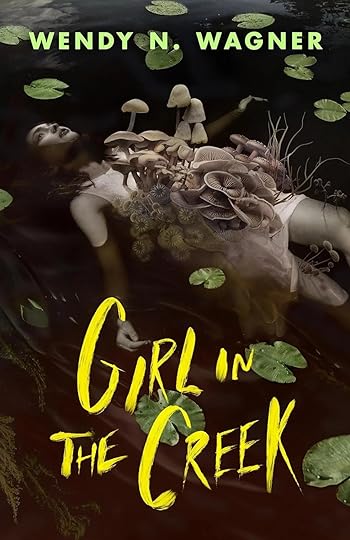
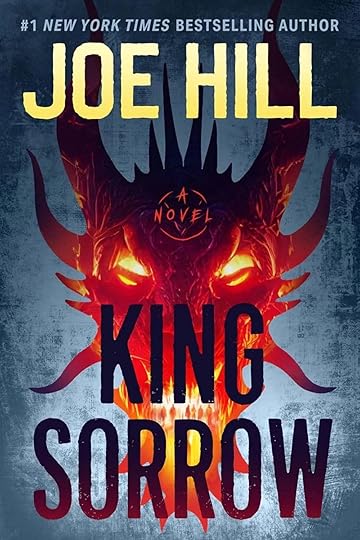
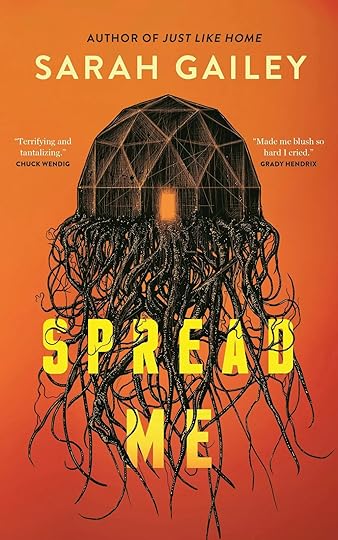
Speaking of King Sorrow, Hill’s latest was among a small batch of books I reviewed over at FanFiAddict this month. I also gave Wendy N. Wagner’s Girl in the Creek and Sarah Gailey’s Spread Me the ol’ read and review treatment, so check those out too.
Girl in the Creek by Wendy N. Wagner
Currently reading: The End of the World As We Know It, edited by Brian Keene and Christopher Golden.
Currently playing: Fortnite (PS5). My youngest insisted I try this game, so I did. It’s actually kind of fun, but not my usual kind of go-to for gaming. However, once I found out it was two-player, my son and I have been playing together every night for this past week and it’s made for a great bit of bonding. He now rushes to greet me at the door when I get home from work to ask if we can play Fortnite before I even have a chance to kick my shoes off. And since he just asked me again, I’m off to go do that now.
Currently watching: Peacemaker (Season 2).
That’s it for August, gang! Happy Labor Day and I’ll check back in September. In the meantime, feel free to drop me a line and ask some questions if you got any — maybe they’ll make it into next month’s newsletter!
July 30, 2025
What You Might Have Missed In July
Well, that’s just about a wrap on July! Here in America, we began the month by celebrating our freedoms and independence from tyranny just days after President Rapey McPedophile opened a concentration camp in Florida, popularly known as Alligator Alcatraz. There’s even merch you can buy, which I’m sure will be impacted by his reckless and inane tariffs to tax American consumers even harder, but let’s not lose sight of the simple fact that this is, indeed, nothing less than a concentration camp and yet one more brick in the road to fascism.
Oh yeah, where’s those Epstein files at? Hmmm. Kinda strange on he promised to release them during the campaign and now, months later, he thinks they’re old news and no big deal. Oh well, them’s the breaks, I suppose. Guess we’re just supposed to enjoy losing jobs, medical coverage, and paying higher taxes while the rich get even more breaks. Elect a clown, the joke’s on you.

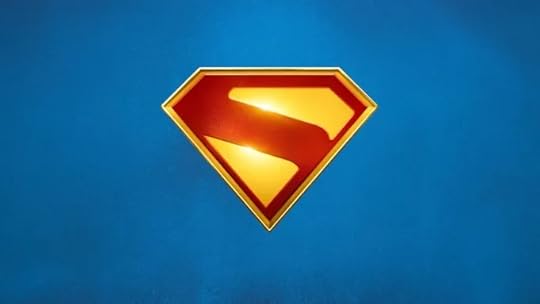
Over on the other end of the political spectrum in true This vs. That culture war fashion was the new Superman movie, which I’m in the minority of thinking was inane rubbish. Supershit, indeed.
!!!!SPOILER ALERT!!!! Skip on down to the next section if you prefer. Yes, seriously.OK, let’s proceed.
Superman 2025 is one of those movies that you can tell is fictional not because it’s a comic book movie featuring a heroic alien clad in form-fitting pajamas, wears his underwear on the outside of his clothes, and who can blast laser beams out of his eyes but because it’s a movie that features American journalists working hard to uncover dirt on a corrupt billionaire and expose his criminal attempts to overthrow a government and bring him down once and for all. Yeah, right, as if that would ever happen.
Beyond its kindergarten-level political naiveté, it’s a wildly underwhelming and uninspiring take on Superman, giving viewers what must be, quite literally, the weakest depiction of the character in recent memory. While I appreciated him not being overpowered and nigh invulnerable, Gunn goes a bit too far in the opposite direction with Superman being such a weak and ineffective defender of humanity that he requires a shitty little yappy dog to save his ass during every single challenge he faces. Our introduction to the titular hero comes with the man crashing into the Arctic, near death’s door, bones broken and bloodied. He doesn’t fare much better in subsequent confrontations with anybody. Superman spends damn near the entirety of his own movie getting his ass kicked from one end of the globe to the other, until the smarmy little dog can save him. It’s pathetic. Why does Lex Luthor even need an army of armored goons to tackle this Superman when he could probably just kick him in the shin and have the Man of Steel crumple like tinfoil? I can’t imagine anybody leaving this movie believing a man can fly, let alone finding any of inspiration in this latest incarnation of Superman. I suspect that purse dog sales will skyrocket, though.
Ma and Pa Kent are embarrassing, soft-headed country bumpkin caricatures that easily make them the worst on-screen depiction of the Kent’s thus far. If Gunn’s Superman wasn’t so earnest and the movie so sickly-sweet saccharine, one might wonder if Clark became a smart, whizbang journalist just to spite their dull, dimwitted golly gee shucks bumbling. Thankfully they don’t get much screen time here, which is a blessing considering how much other silliness gets crammed into every other frame.
Mr. Terrific is a standout, though, and one of the more compelling side characters Gunn jams in here. Unfortunately, aside from Rachel Brosnahan’s turn as Lois Lane, and Nate Fillion’s Guy Gardner (complete with the horrendous, comics-accurate, god awful bowl cut hairstyle) that’s about where the positives end. I have nothing else kind to say about this picture. It’s not quite as bad as the cinematic trash fire known as Batman & Robin (and dear fucking god, given the tone and silliness of Gunn’s Superman, I am now desperately worried about how they’re going to treat Batman in this latest incarnation of the DC Cinematic Universe and bring back Schumacher’s worst instincts about what a comic book movie should be and how flippant and garish it need be), or more recently The Flash or Black Adam, but it’s nowhere near as good as the Dick Donner/Christopher Reeves flicks it tries, and badly fails, to imitate. I thought about leaving the theater multiple times, but stuck it out, hoping it might somehow redeem itself. It never did. I didn’t bother waiting for the post-credits stinger, though, having already had more than my fill of Gunn’s nonsense, and was left wishing I’d have waited for the HBO Max premiere and saved myself the $11.
Truth, Justice, and The American Way — in 2025? I feel like Will McAvoy in The Newsroom just thinking about it.
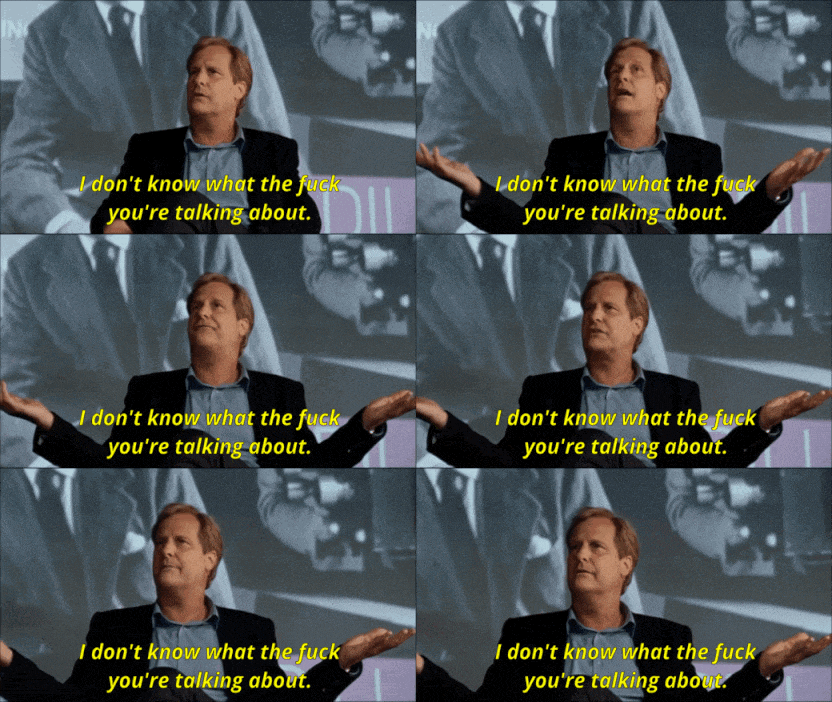
Congratulations to Marvel, though, for not having to worry about the DC Cinematic Universe as a serious rival for nearly a whole decade, even at their lowest points. I expect they’ll be enjoying another decade of zero competition by way of DCU 2.0. Maybe DCU 3.0 will finally get things right.
Again, though, I am among the amazingly small segment of the population who didn’t care for Gunn’s latest — and I thought I had gone in with sufficiently low expectations! Having seen so much effusive praise for this flick over the last few weeks, I really do wonder what exactly I’m missing here and whether or not if I’ll find more appreciation for it on a rewatch. Time will tell, I suppose.
Either way, hopefully Supergirl will be better. Maybe somebody will blast that insufferable, stupid, little dog into the middle of a giant red sun for me.
END SPOILERS.
In case you missed the news earlier this month or over on BlueSky, all of my books are currently heavily discounted as part of a promotion on Smashwords for their Annual Summer/Winter Sale! This is a chance to get all my books, along with books from many other great authors, at a discount so you can get right to reading. The bulk of my works are 75% off their usual retail price, with short stories available for the low, low price of absolutely nothing at all. And you’ll be able to download the ebook file to save to your computer and keep forever, without the hassle of some corporate oligarchy deciding you no longer own the books you buy.
But July 31 is the last day! So, if you haven’t already, go check out the sale and grab some books!
SERIOULY, IT ENDS TOMORROW! JULY 31. THAT’S IT. IT’S OVER.
You will find the promo here:
https://www.smashwords.com/profile/vi...
Please be sure to share this promo with friends and family. You can even forward this email to the avid readers in your life! Just be sure to let them this offer expires very, very soon!
Thank you for your help and support and, as always, Happy reading!
 NEW REVIEWS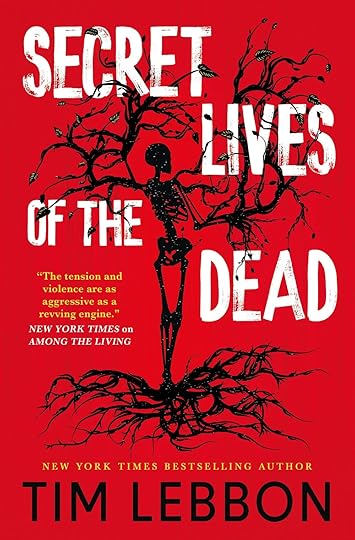
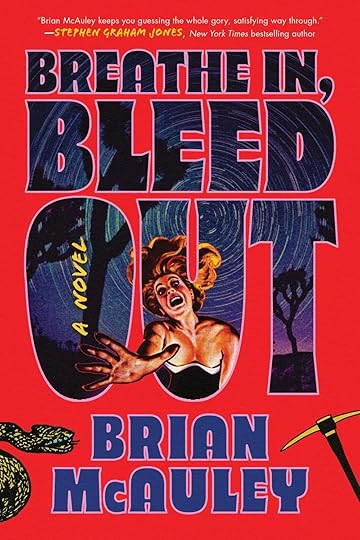
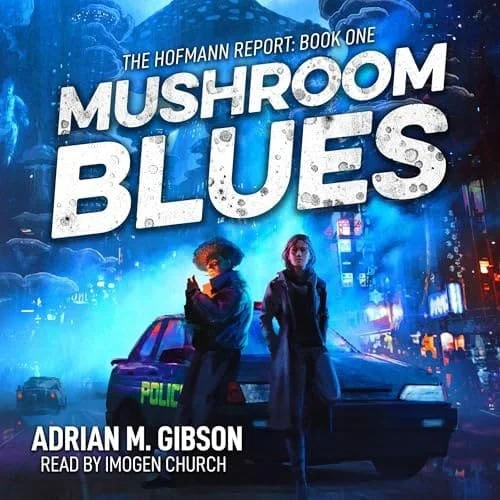
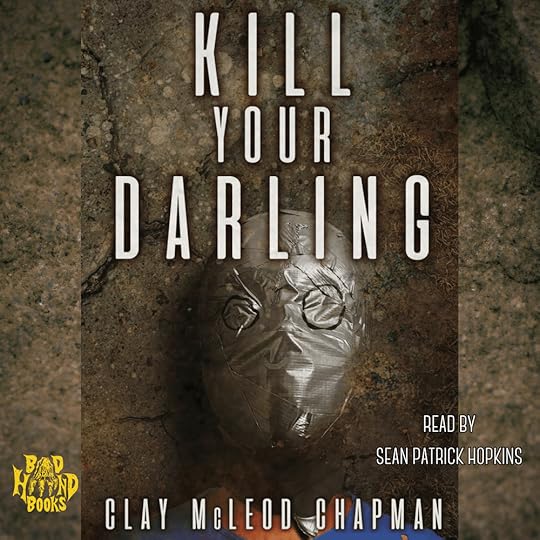
July was another productive month on the reviewing front for me over at FanFiAddict. You can go check out my thoughts on the following and, if ya ken it, go grab a copy of the books for yourself!
Secret Lives of the Dead by Tim Lebbon
Breathe In, Bleed Out by Brian McAuley
Mushroom Blues by Adrian Gibson
Kill Your Darling by Clay McLeod Chapman
Currently reading: King Sorrow by Joe Hill. Goddamn, this one’s a doorstopper! Due out in October, King Sorrow clocks in at around 900 pages, give or take. I just started reading it yesterday, thanks to the publisher having supplied me with an advance copy, and I’m having real difficulty putting it down. I just want to keep reading it! In a nice bit of serendipity, I also received my ticket to attend one of Joe’s tour stops in the fall, so I have that to look forward to.
Currently playing: Death Stranding 2 (PS5)
Currently listening to: Packing for Mars audiobook by Mary Roach, narrated by Sandra Burr.
July 11, 2025
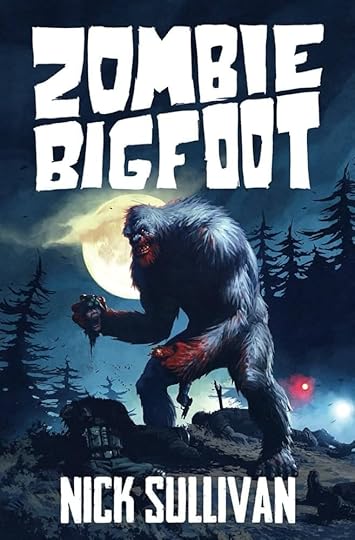
Zombie Bigfoot by Nick Sullivan
[Note: This review was originally published at FanFiAddict on April 2, 2025.]
Certain names immediately spring to mind when you think of classic literature. William Shakespeare, Charles Dickens, Mark Twain, Leo Tolstoy, Ernest Hemingway. Add to this canon Nick Sullivan, with his estimable literary debut, Zombie Bigfoot.
OK, maybe — just maybe — Zombie Bigfoot isn’t quite on par with Romeo & Juliet or Crime & Punishment, or any other half-dozen works forming the concrete backbone of any self-respecting English Lit program, but it sure is a hell of a lot of fun. Besides that, Sullivan’s creature feature is clearly inspired by a number of other foundational artworks, like Jurassic Park, Planet of the Apes, and at least a few King Kong flicks, with or without the honorific, and that gives Sullivan an edge over the so-called greats in my book.
As the title indicates, the premise here is pretty straightforward and Sullivan delightfully delivers exactly what’s promised. Russ Cloud is a reality-TV survivalist star in search of a ratings boost. He’s joined by Dr. Sarah Bishop on an expedition in search of Bigfoot, a high-tech, backwoods trek funded by Musk-like (and Musk-lite) billionaire, Cameron Carson. Bishop has a personal stake in finding Bigfoot, as her disgraced, and now deceased, father claims to have made contact with one during a previous hiking incident that left him injured and on the brink of death. Was it all an elaborate hoax he concocted, or a truth that was derided as lunacy? She believes her father and aims to earn him the posthumous legacy he deserves.
Simply hiking through the woods to find Bigfoot isn’t quite good enough for Sullivan, though. It’s a story that’s been done to death elsewhere, and Sullivan smartly ups the ante by bringing in another horror staple and mashing them up together to create a new breed of monster. It’s not just Bigfoot and people crowding these here woods — there’s zombies, too, and when one of them latches onto a violent, mean-spirited alpha Bigfoot, woo boy, it’s off to the races toot sweet!
I’m usually not a fan of anthropomorphizing animals, or making animals central point-of-view narrative figures, but I guess if you’re going to do it Bigfoot is a fairly reasonable species to get away with it. In fact, I was surprised at how much I actually enjoyed Sullivan’s Bigfoot POV chapters, mostly from the lead BF, Brighteyes, who has a particular fascination and affectation for humans. We also get a few segments as seen through the eyes of zombified Bigfoot to help drive home the distinguishing characteristics between what might reasonably be viewed, respectively, as the missing link and an altogether broken link.
Sullivan puts a lot of work into humanizing his Bigfoot characters, and it pays off pretty damn well. The human characters are of mostly familiar stock but are at least entertaining in their interactions and enjoy the gift of gab. I think Sullivan knows we’re really here for the zombie monsters, though, and he smartly focuses on the action, which is gnarly, gory, over the top, and almost non-stop chompy-chomp save for the momentary, and necessary, pauses to allow would-be victims to catch their breath for a moment and deliver some exposition to flesh things out. I also appreciated Sullivan’s take on billionaire Carson, an eccentric who has begun to use “his vast wealth to fund several high-profile stunts that had all ended in epic failures.” It’s a pretty clear, and highly welcome!, jab at Musk, but with Zombie Bigfoot having debuted in 2016 we can only be grateful that Carson is off fucking about in the woods with zombie Bigfoot instead of dismantling the government, disrupting Social Security, and destroying cancer research with a gaggle of teenage coders. Then again, there is a just-released sequel to consider, so… we shall see.
The most welcome aspect of Zombie Bigfoot, though, is its offering of escapist entertainment in a time when it’s sorely, desperately needed. It likely won’t be the subject of any aspiring doctoral lit students’ thesis, but I’d rather it be a fun, gory spectacle anyway, one that can help take my mind and attention away from the massive burning trash fire that is America circa 2025. Sullivan delivers that in spades, along with a promise of more to come. Zombie Bigfoot is a joyous B-movie-inspired creature feature, perfect for fans of Hunter Shea and Chris Sorensen, and you can bet your ass I’ll be reading the follow-up next. Now, onward to Zombie Billionaire! I can’t wait to see what’s in store for us there!
July 9, 2025
Rhino: The Rise of a Warrior: A Hell Divers Novel by Nicholas Sansbury Smith
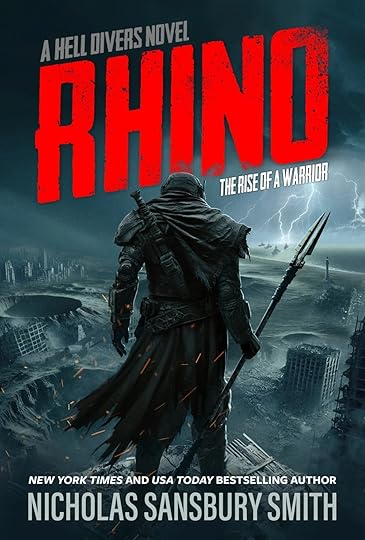
[Note: This review originally appeared at FanFiAddict on March 7, 2025.]
Nicholas Sansbury Smith trades the apocalyptic skies for the stormy seas in this Hell Divers prequel novel, Rhino: The Rise of a Warrior. The titular character became a fan-favorite following his debut in Captives, the fifth entry of the Hell Divers series, as a grizzled warrior in the cannibal army of the Cazadores.
Here, Smith winds the clock back a good thirty years, taking us back quite literally to the very beginning of Rhino’s story as an infant who only barely survived his birth in a run-down underground fallout shelter. As Nick Baker grows and becomes a part of the community, he wants nothing more than to become a Ranger, one of the men tasked with not only protecting their bunker but journeying into the Texas wastelands to determine if humanity can return to the surface. The radiation levels from the Third World War two hundred years prior have left most of the world uninhabitable, and what life is out there has been radically mutated. When a small team of Rangers respond to a distress call from a fallen airship, Nick sneaks out with them and into a trap laid by violent warmongers known as the Cazadores, who have been raiding the fallen cities for slaves and supplies. The bunker comes under attack and Nick, along with many others, are captured and forced into a life of bondage, and worse.
Captured, imprisoned, and forced to fight in gladiatorial games for the amusement of the Cazador king, Nick has only one goal — to free his love, Sofia, and escape from their hellish new lives.
As the decades pass, the once-frail and scrawny Nick grows into a muscle-bound leader, earning the respect of the other Cazador warriors, including the king’s lieutenant, the violent madman el Pulpo, as war is waged across the seas and wastelands of a destroyed world.
Smith is known for his impressive, post-apocalyptic world-building, a trait that has carried across the swath of his bibliography since his self-published debut in 2013 with The Biomass Revolution. With the Hell Divers series, the Earth is little more than an irradiated, large-scale disaster zone and what little of humanity is left has taken to the skies aboard massive airships…and their fleet is perpetually shrinking. As the series expanded, so did the discoveries made by the Hell Divers, such as those of the underground bunkers where Nick Baker was raised, as well as the secrets lost to history in the wake of World War III. The land is populated by mutant plants and animals, along with horrific flying creatures known as Sirens, who are sharp in tooth and fang, and hungry for human flesh.
While the Sirens are certainly brutal, they pale in comparison to the Cazadores, the epitome of the human monster. Selfish, thuggish, cannibalistic, they are a warrior tribe constantly in battle against not only themselves but everyone whose paths they cross. We’re constantly reminded of the good-hearted boy Rhino once was, but as his story evolves across the pages it becomes harder to reconcile. Smith does a fantastic job capturing Nick Baker’s evolution into the fearsome Rhino, a man who practically lives dual identities at cross-purposes in service to the Cazadores. Each life he takes is a stepping stone to his eventual freedom and his plans to free Sofia, but it constantly comes at a cost.
The question becomes, of course, how do we root for such a group of psychotic warlords and murderers? The answer is simple — by making the other survivors they find themselves entangled with even worse! There’s little room for empathy in this corner of the Hell Divers world, where the metaphorical bleeding heart becomes a direct path to the literal en route to a violent death. The sun may shine down upon the Cazador Empire, but there’s little brightness or warmth to be found.
It’s dystopian pulp hewn close to perfection, and at its absolute worst, Smith still manages to find moments of humanity even in the most dehumanizing situations possible. We root for Rhino because we understand the abject horrors of the various no-win scenarios he is thrust into, and because Smith has taken the time to show us the real Nick Baker, rather than man he presents himself to be in order to survive. He may live among the Cazadores, but he is not a Cazador. What would you do to survive, how far would you go for the ones you love, especially in an apocalyptic hellscape such as this? In the world of the Hell Divers, the logical conclusion is anything and everything, even as an overriding sense of morality and humanity puts natural limits in place. Survivors are forced to do awful, terrible things in order to live, but the good ones do so in service to the ideal of a greater good.
The catch-phrase of the Hell Divers series as a whole is, “We dive so humanity survives!” In Rhino, Nick Baker kills in order to live, and lives as a slave in order to be free. It’s an interesting series of blood-soaked contradictions, but that’s life at the end of the world.
July 7, 2025
Phengaris by Anna Orridge
[Note: This review was originally published at FanFiAddict on February 21, 2025.]
In the final moments of Phengaris, a character reflects on what has just occurred and finds things to be “so very far from satisfying.” Unfortunately, I had similar thoughts on Phengaris itself.
Reading Anna Orridge’s novella hot on the heels of Todd Keisling’s The Sundowner’s Dance, I couldn’t help but compare the two given the surprising overlap in their subjects. Both deal with life and grief in suburbia and unnatural insectile infestations, with an undercurrent of cosmic horror running beneath it all. Sadly, Phengaris disappoints in almost all the same areas where The Sundowner’s Dance proved so successful.
My biggest hurdle with Phengaris were the characters and their motivations. So much of the latter came across as simply being too oblique, particularly with Aurora, the seldom-seen antagonist who effectively bookends the narrative. Both her and Mark, our central teenage protagonist, do things for little reason beyond the plot requiring them to do so, and they lack any kind of interiority to compel them forward.
I kinda-sorta understand Mark’s motivations for working at uncovering the hidden secrets of Thurstrop Wood. He’s an ornery, standoffish teenager who, like so many other teens the world over, feels like society is beset against him. As a closeted gay man, this is certainly true, and there exists a massive disconnect between Mark and his mother, who is dying of cancer. They mysteries of Thurstrop Wood compel him simply because they are, indeed, mysterious, and digging into them gets him out of the house and gives him something to do.
Aurora, though. Aurora occupies so little narrative space in Phengaris that she never feels like anything other than a second thought. We don’t get to know her at all, or why she does what she does. It seems that part of her plan is to create an army of worker bugs, but to what end? What purpose do they serve? If Orridge has any answers, she’s keeping them to herself.
Too much of what drives the plot of Phengaris is murky and opaque, leaving readers to suss out the hows and whys of it all, with characters acting the way they do for little more reason than just because. While Mark is not quite the cipher Aurora is, he’s not exactly the kind of character that’s easy to get attached to, either. One one hand, Orridge captures the aura of the surly teenager well, but on the other hand I never felt invested in his plight or concerned for his safety. Further, I was never quite convinced that he was anything more than just a character going through the motions in an ill-defined situation. There’s no sense of life to him beyond what’s on the page and he comes across as much too hollow and superficial.
Phenagris feels equally empty as a result. It’s flat, dull, and lifeless. There’s no sense of urgency, even as we’re given the specter of a looming death in Mark’s mother, until the plot suddenly requires a measure of urgency because we’ve hit the climax. Phengaris exists as a solid and intriguing idea, but it never feels fully fleshed out, and I couldn’t help but wonder, by book’s end, if I had missed something. By the time we get a sense of the stakes at play in Thurstrop Wood, it’s too little too late, and we haven’t been given enough reason to care about Mark or Aurora’s success or failure.
To her credit, Orridge does craft a few memorable scenes with some truly creepy and surreal imagery, not to mention a vivid, squirm inducing scene of body horror. They don’t quite make up for all that Phengaris lacks, but they do at least help keep it from being a total wash.