
Leo X. Robertson's Blog, page 25
June 21, 2014


June 13, 2014
Some thoughts on writing for the day
Allow yourself to love the work of others. The mechanics of a good story are such that even great storytellers themselves will get caught up in someone else’s writing.
A shitter writer than you got published, for sure. Take of that what you will.
That’s all for now! :-) x x
June 9, 2014
Louis CK's advice on becoming a comedian
i started when i was 17. i got a good head start, skill-building wise, but I sometimes think I missed out on a lot of “Life” that I could be drawing from now. Try to go to college and get some knowlege. If you don’t do that, make a deliberate attempt to read a lot and educate yourself, so that you don’t just becauase a siv for American pop culture. If you spend all your time on stage talking about the cover of People magazine, you won’t go far, you won’t last, and you’ll be bored before you get good.
Take advantage of the head start you’re giving yourself by stopping as often as possible to live your life, explore America and grow as a person. When you go to some shit town to do a one-nighter, get there early and walk around before the show. Watch people. Observe and remember.
Go on stage as often as possible. Any stage anywhere. Don’t listen to anyone about anything. Just keep getting up there and try to be funny, honest and original.
Know that it’s not going to be easy. Know that it’s going to take a long time to be good or great. Don’t focus on the career climbing. Focus on the getting funnier. The second you are bitching about what another comic is getting you are going in the completely wrong direction. No one is getting your gig or your money.
Keep in mind that you are in for a looooong haul of ups and downs and nothing and something. It takes at least 15 years, usually more, to make a great comic. most flame out before they get there.
And yes, be polite and courteous to every single person you deal with. Not because that will make you a better comedian, but because you’re supposed to do that.
As far as how to get funny or write jokes, no one can teach you that. Just make sure you know what you’re trying to do and that you’re doing it in a way no one else is doing.
If anyone tells you they can teach you how to do comedy, they are lying.
I agree that you should fill yourself with the history of standup. Watch Richard Pryor Live in Concert, Bill Cosby himself, and listen to all of their albums as well as any other comedy cd you can get your hands on.
Good luck
LCK
June 6, 2014
May 30, 2014
May 23, 2014
Findesferas Giveaway!
(And by the way, the ebook is still totally FREE! I've many writing projects lined up so this one's my gift to you guys, and will hopefully help me find a new audience!)
FREE EPUB
FREE MOBI
FREE PDF
May 22, 2014
Findesferas Giveaway!
Goodreads Book Giveaway
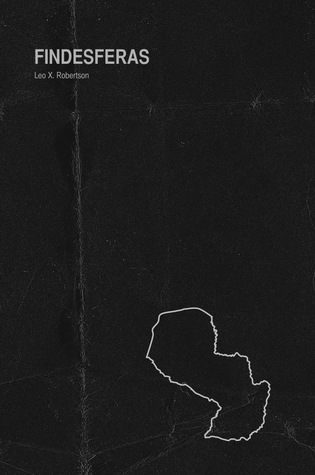
Findesferas
by Leo X. Robertson
Giveaway ends June 27, 2014.
See the giveaway details at Goodreads.
Enter to win
OR! If you prefer, download your FREE ebook version below! I’ve many a writing project coming up, so this is my gift to you so I can expand my audience :-)
May 11, 2014
Harlan Ellison - Pay The Writer. Great rant!
Harlan Ellison - Pay The Writer. Great rant!
May 2, 2014
Research, research, research
I’m currently doing a veritable bucketload of research for the novel I’m just about to finish, and thought I’d share the sources I use and how research ties into writing and vice versa.
Starters? Wikipedia! Everyone does it. Does everyone admit it? At the universities I went to, a few professors said that if they start researching something new, Wikipedia is their starting point to get general knowledge and pointers of where else to look. Wikipedia’s sources at the bottom are an excellent place to go next, just make sure you move on :p
Non-fiction books obvs, but what about novels in a similar topic? Hmm… I’m undecided. On one hand you can ride the coattails of someone else’s hard graft, on the other hand you may be discouraged from exploring different aspects of the same topic because of how easy it is to do a copycat story- probably do this one last, just to make sure you’re being original enough.
Scientific papers: I think this one’s real important for science fiction writers- after all, isn’t one of your aims to engage a reader of unknown background, and speculate about where science is heading next using a strong factual basis? I start with this one before writing the story, because without it, I don’t know what the story is.
Asking people things duh: whatever you’re writing about, unless it’s “write what you know”, someone else knows more about it than you, and is probably quite willing to help you out! Start asking questions and if nothing interesting comes of it, it’ll be an interesting conversation starter.
Google maps: you’re writing about an actual location that you may or may not have been to- go have a look at it! And if your characters have to make a trip somewhere, how long would it take? What mode of transport would they use? So easy to answer these questions :-)
Then miscellaneous reviews, magazine articles and anything useful you find online.
Writing and researching for me goes back and forth. New fictional locations provide new opportunities to learn about different subjects just as research provides different directions a story could take. Eventually the different avenues of research offer diminishing returns and you stop finding places for new facts in your story- I’ve found that the cut-off point is pretty intuitive.
Hope this was useful and feel free to share your own research tips!
May 1, 2014
Bookworm
Great radio series I discovered recently, with an enormous online archive of at least one of your favourite authors (or future favourite authors!) having insightful conversations about their books.
Every one I’ve listened to has been hugely thought-provking/ great for pretending I have really intellectual friends round for dinner ;)
Here’s how they describe it.
"A must for the serious reader, Bookworm showcases writers of fiction and poetry - the established, new or emerging - all interviewed with insight and precision by the show’s host and guiding spirit, Michael Silverblatt.”


