
Allan Hudson's Blog, page 60
November 21, 2014
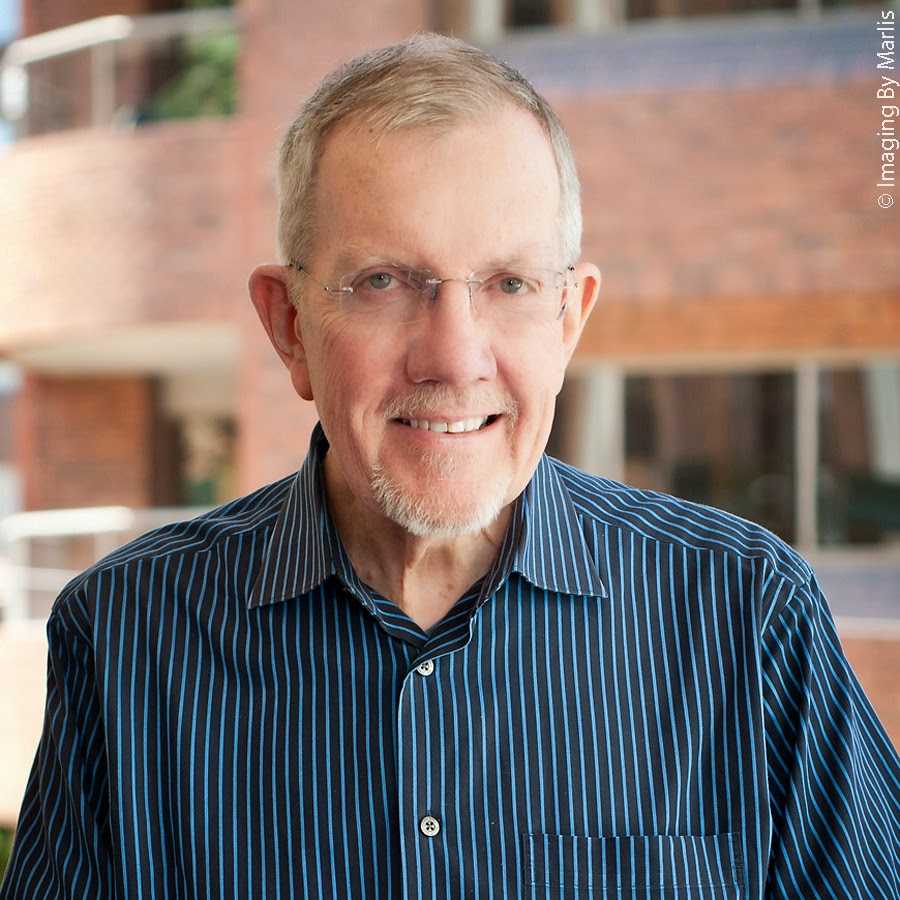
Guest author Paul Hollis. An excerpt from The Hollow Man Series.

Paul Hollis grew up during a time when the notion of a shrinking world was still in its infancy. People lived in rural communities or in city neighborhoods, rarely venturing far beyond the bordered rim of their lives. But as a kid, Paul tumbled off the edge of the yard reaching for greener grass. Having lived in twelve states and eventually working in all fifty, he fell in love early with seeing the world on someone else’s money. Since then, he has lived abroad nine years while working in forty-eight countries, spanning five continents. These experiences helped inspire the novels in The Hollow Man series. From traveling through Europe as a young man, to flying nearly three million miles which took him nowhere near home, to teaching companies worldwide about coming global implications, as a world tourist Paul Hollis brings his own unique viewpoint to his mesmerizing thrillers.
Paul has a dual BA in English literature and psychology from the University of Illinois. In addition to having worked for IBM and others in worldwide physical and video security, he is an active member of International Thriller Writers and the St. Louis Writers Guild, as well as an international conference speaker.
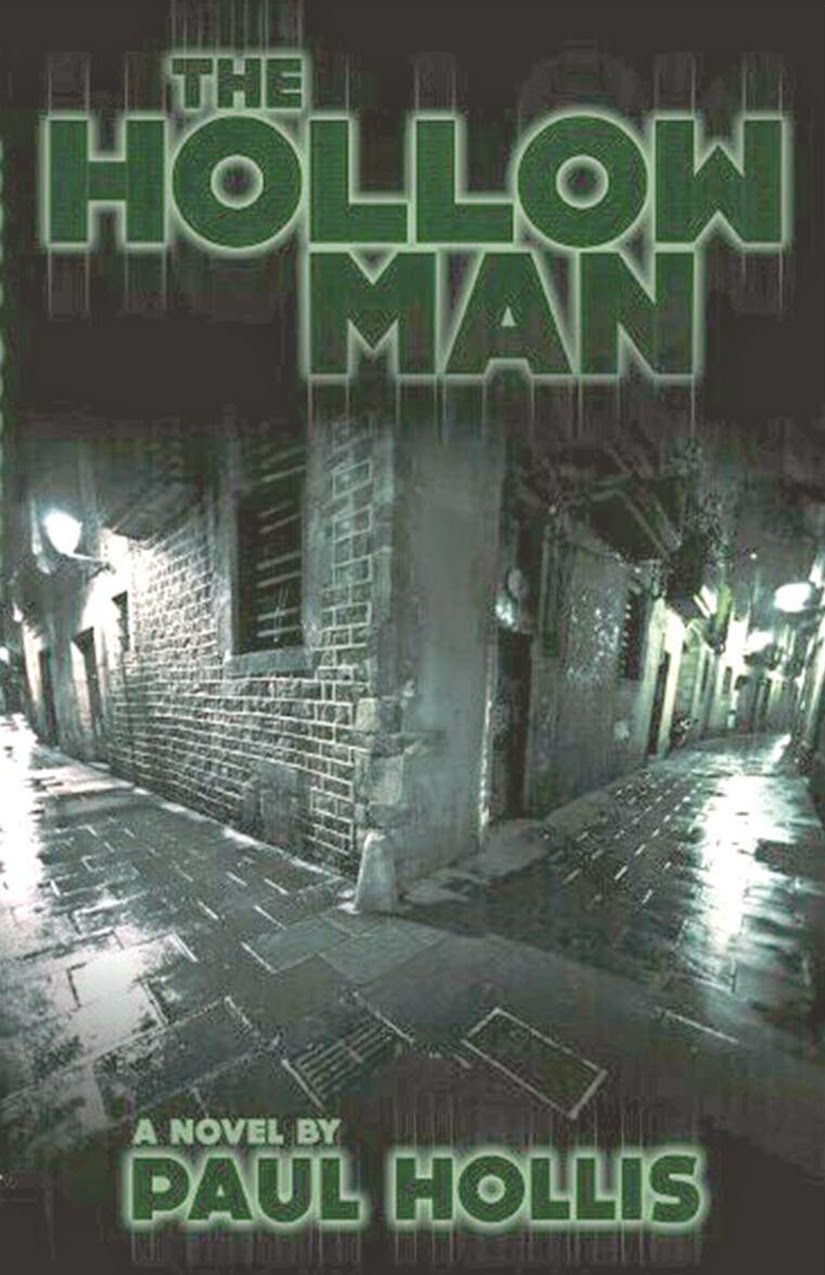 Excerpt from The Hollow man Series. Copyright belongs to the author. Used by permission.
It was a dream. I am fairly certain of that now. A shadowy sixteenth century cathedral emerged from the mist, and I found myself waiting for a funeral procession to begin. Except for the large rat that brushed past my leg, I was alone in the darkness, though it felt like someone was watching me. The tower bell was tolling sharply, and each numbing stroke sucked a little more confidence from my bones, right through the muscle, and it settled like sweat on my skin. I wanted to push the melting courage back inside to strengthen my spine, but I couldn’t move. I was getting weaker by the second and my body would no longer support the weight of my own thoughts.
The heavy timber doors of the church swung wide, and in the winter moonlight I saw a robed priest appear at the opening. With his head bowed over scriptures for the dead, he mumbled soothing passages as he baby-stepped down three stone stairs to the ground. Six pallbearers followed with their burden, solemnly gliding along the gravel path to the waiting coach and restless horses. Their sandals made no sound on the hard surface even though they passed so close that I could smell death on the air around them. Gaunt, hollow eyes reflected heavy hearts but the men persevered to the coach where they lowered the plain casket to the earth.
The coffin was a small mahogany enclosure made for a half-grown child. The top was covered with pale red lace that stood out against the anemic landscape. A sudden stale breeze caught the cloth and blew it into the night. A thin pallid girl of perhaps twelve sat up in the box and began clapping in time to the tolling bell. She slowly turned, pointing in my direction and I saw blood running down the side of her face from a bullet wound near the scalp. The child beckoned me toward her.
“I can help you,” she said, not quite looking at me with colorless, blind eyes.
“I’ve already told you before that you can’t. No one can help me now,” I said.
“Yes,” she emphasized.
“How?”
“Come closer.” She absently wiped at the blood, but it only smeared her ashen face.
“Can you stop the bell from ringing?” The sound scraped across my raw nerves.
“You’re a strange policeman,” she smiled. “Why do you still search for him?”
“You know why. He slaughtered half the British Embassy, including you and I need to find him.”
“Be careful of Chaban,” she said. “He is a creature of evil and he’s brought you here to witness his power over you.”
She stared past me into the dark night. I turned in the direction she was looking to see if someone was standing beside me, but there was no one in the blackness that swallowed us.
“Where is he?” I asked.
She suddenly frowned.
“He’s been watching the watcher for a long time now. Look behind you, not in front.”
With vacant eyes still fixed on the dead unknown, her watery figure faded to a thin wisp and blew through me leaving cold fear in its wake. My soul parted like the Red Sea and when it closed again, there was another scar. It was always the same. I needed more but she was gone.
 The sound of the bell shook the emptiness twice more before the gray-black dissolved into total oblivion and I started to wake. The telephone was ringing; it hadn’t been a church bell at all. My head was heavy and my body was barely functioning. Unsteadily, I reached for the pillow that covered the handset.
 “Si?”
“Status?” the voice asked in English.
“Unchanged.”
“Suspend surveillance on Chaban. I need you to go to morning Mass.”
“It’s Wednesday,” I said.
“It’s Madrid. People go to church every day in Spain.”
“Who’s the mark?”
“Luis Carrero Blanco.”
“The prime minister?” I stumbled on the words.
“I’m short-handed, kid,” the voice admitted. “You’re right there. You’ll do.”
I had followed dozens over the past year but none so high ranking.
“Mass is at nine o’clock,” he said. “A dossier is in the news box next to Museo del Prado.”
A thread of moonlight filtered through the window and reflected on the clock face. Still two hours until dawn. I rubbed crust from tired eyes with both hands. It had been a long time since I’d had a full night’s sleep. Every time I closed my eyes, the little girl was there waiting for me. I desperately needed to hibernate for the rest of the winter, but for now I’d have to settle for a strong cup of coffee. December had already been a long month, and it wasn’t over yet.
For the last six months, Blanco had been the prime minister of Spain, hand-picked by Generalissimo Francisco Franco himself. He had fought with the Nationalist forces in the Spanish Civil War and had quickly become one of the leader’s closest collaborators. After the Nationalist victory and installation of Franco as supreme commander of Spain, Blanco’s power had grown with El Caudillo’s favor. Last June when he had been appointed prime minister, Blanco had also been named top deputy to Franco. Now that the dictator’s health was failing, it was only a matter of time before Blanco assumed control of the country.
 At 8:50 a.m. on December 19, 1973, I was standing across the street from San Francisco de Borja Church on Calle de Serrano, waiting for the traffic signal to change. With its large buildings and attached park, the grounds covered a city block in the heart of Madrid. The church was at its center, standing majestically in a nondescript, middle-class neighborhood. Separated by a wide passage on the right, the monastery and office complex occupied a five-story, U-shaped structure with an inner balcony overlooking a courtyard. To the left lay an unattended tract of land with a dozen barren trees irregularly clumped amid several rough patches that I believe someone once called a lawn but it was now decayed and brown from neglect. The park had become a casualty of the dry Spanish winter and big-city pollution.
 The inside of the church was not unlike a thousand other Catholic churches across Europe. The altar boasted an elaborate backdrop ornately fashioned from gold and other precious metals brought back from the New World. The nave floors and pews were made of beautiful padouk wood from Southeast Africa. But the dossier noted San Francisco de Borja’s most prized possessions were its collection of sacred relics. In the treasury lay the full body of a mummified saint in holy dress and an assortment of fingers and tongues from martyrs who had stuck out an appendage a bit too far in mixed company.
Somewhere there also had to be the proverbial strip of wood salvaged from the table at the Last Supper. Every church had one, a chunk of blackened cedar or cypress nailed to a wall where every tourist might stand in awe of its place in history. If all the pieces could have been somehow reassembled, the dinner table would have been massive. I imagined Christ yelling down a hundred-meter table to Peter or John, “I said pass the potatoes, not the tomatoes! Oh, never mind!”
I was brought back to reality and no doubt from the brink of eternal damnation for my thoughts by the short, ball-shaped figure of Luis Carrero Blanco walking along the prayer alcoves lining the side of the main hall. He wore an expensive cream-colored business suit and had a flamboyant stride but what impressed me most were his bushy eyebrows which preceded him by two paces. Accompanied by his full-time bodyguard, Police Inspector Juan Fernandez, Blanco genuflected and crossed himself before settling into the second row.
Seeing a single bodyguard with a top-ranking official was not all that uncommon these days in Europe but this pair seemed more like old friends. They sat shoulder to shoulder and spoke quietly, exchanging soft smiles. The two men had been together for many years, and perhaps a little complacency had set in. After all, the last head of state assassinated in Western Europe was back in 1934. Those were wild times. Today, the world was much more civilized, and Franco was certainly in control of his own country. With harsh restrictions on personal liberties, any disruption under existing martial law would have been unthinkable.
I turned toward a hand on my shoulder.
“Sir, I see you are English,” said an unshaven man standing over me. His speech was heavily accented but understandable. The man wore a light brown, wool overcoat that would have flopped open had he not held it together with fists in his pockets. Heavy boots and a pair of loose-fitting broadcloth pants made me think he may have been a farm worker. The hair around his cap was a shiny black, though flecks of gray dotted his beard stubble, and I guessed his age was close to fifty. He was uncomfortable, apologetic standing next to the pew.
“No sir, you’re mistaken,” I said.
“Ah, yes, American. My first thought,” he confirmed to himself.
I wondered why Americans were so easily identified wherever we went. I prided myself in disappearing within the thin cultural fabric of a country no matter where I found myself but obviously, I was still being schooled on exactly how to blend into the surroundings. These lessons were important for a humble government tourist like me. Be invisible or be dead. There was no in-between when one was finding people who did not want to be found, watching people who did not want to be watched, and learning from those who did not want to teach.
“Mass is beginning.” I tapped a finger to my lips.
 Pushing me down the pew with his body, the Spaniard slid in beside me and crossed himself. We sat in silence, pretending to listen to the liturgy. I heard a heavy rattle in his breath above the priest’s Latin. He was a man who needed a cigarette. For some reason, that bothered me but his five-day stubble really irritated me, mostly because it took me forever to grow facial hair. Even then, my cheek would still be as barren as the top of an old pirate’s head and feel as smooth as a French prostitute’s thigh.
 “I’m a poor student. I don’t have any money,” I whispered.
“I know what you are.” My eyes snapped in his direction but the Spaniard was intent on the sermon as the priest professed something in the name of our Lord, Jesus Christ. Finally, he said, “Tell America that España will soon be free again.”
“What are you talking about?”
“You know as well as me, young one. Do not make us send you home in a box.” He smiled. “We are no threat unless we’re threatened.” He crossed himself and rose to leave.
“Do you mean because Franco’s ill and he’ll die soon?”
“I thought you were smarter,” he sighed. The man stared down at me for a long time before turning away.
It wasn’t far from the truth when I said I had no idea what he was saying. Since arriving in Spain the week before, my entire focus was on tracking the man who recently held an embassy for ransom and I was so close I could smell his aftershave. But early this morning I was jerked off course and ended up in church sitting next to a misinformed lunatic. I needed time to figure out why I was now babysitting a prime minister.
Thank you Paul for sharing an excerpt from your story. I'm hooked and looking forward to reading this novel. You can discover more about Paul Hollis at the following links.
Website: http://thehollowmanseries.com/
Facebook: https://www.facebook.com/TheHollowManSeries
Twitter: https://twitter.com/HollowManSeries
And here's where you can see the Book Trailer
https://www.youtube.com/watch?v=s8PIxPlaAPw
Next week Brian Brennan of Calgary Alberta will be featured in the 4Q Interview. A very interesting man.


November 13, 2014
The continuing Detective Jo Naylor saga - The Rooming House
 Detective Josephine (Jo) Naylor is a figment of my imagination. You would've met her first in The Shattered Figurine (available in SHORTS Vol.1) The next episode was Near Death (soon to be published in SHORTS Vol.2) The third installment - The Edge of Danger - is posted on this blog July, 02, 2014 (you can view it from the archives) Following is episode 4. The Rooming House
 Detective Jo Naylor surveys the decrepit two-storey structure she faces, her left hand lightly caressing her throat where a garrote had tightened around her neck no more than nine hours earlier. Her esophagus still hurts when she swallows. Jonathan Dunsmore had tried to take her life last night. She now stands outside his last known address. Her right hand reaches around behind her back, under her jacket, and undoes the security strap on her waist holster. Her Glock is free to draw. She is not sure she wants to know what is inside the gloomy rooming house. Trying to digest the info her partner, Adam Thorne, had given her earlier connecting her father and the man that had attempted to kill her, she becomes hypnotized by a loose shutter on the second floor that hangs from one screw. For a few moments she is lost in concentration.
Thorne covers her back when he sees she is deep in thought. They had both agreed it was unlikely Dunsmore would be in his room, but he is taking no chances and studies his surroundings. A brisk November breeze sallies south on Blueberry Street, bringing a chill. The sun is not yet over the buildings, so they are poised in the long shadows. He closes the top button on his sport coat as he turns to inspect the used car lot across the road on the corner of Main, less than half a block away. The owner, a rotund, back-slapping man, is showing a young man a red car. From the body lines Adam can see, he thinks it’s something Japanese.
 Thorne’s attention shifts to one of the two houses across the road when two kids bustle through the front door, school bags slung on their backs, lunch bags swinging as they rush off the front porch. Both boys – one several years older – are laughing and chatting non-stop as they hasten toward Main. They pay no attention to the two people on the opposite sidewalk. Other than the dull grey cop car they came in, Thorne and Naylor don’t look like police officers.
 Turning to face the boarding house, Thorne gazes at the homes to his left that continue to the top of the dead-end street. A postman is walking away from him six or seven houses away on the same side of the street. He can see several more children on either side of the street heading toward Main, probably to catch a school bus. The houses are all old but well kept, lots of shrubs with bare branches. The odd car is parked here and there, but there’s no traffic. The only blight on the street is the rooming house he and his partner are about to enter.
He gazes at Jo, waiting for her to come out of her reverie. He can’t imagine what she must be feeling. He recalls the day they arrested her father, the day she found out he had killed the three young girls whose deaths they were investigating. It had taken her many months to get over it all – the newspapers, the trial, her father’s final incarceration in the prison where he had been warden for over 25 years. And now the father of one of the victims had tried to kill her. He shakes his head in disbelief and decides he’ll give her another ten minutes and then they’d go in.
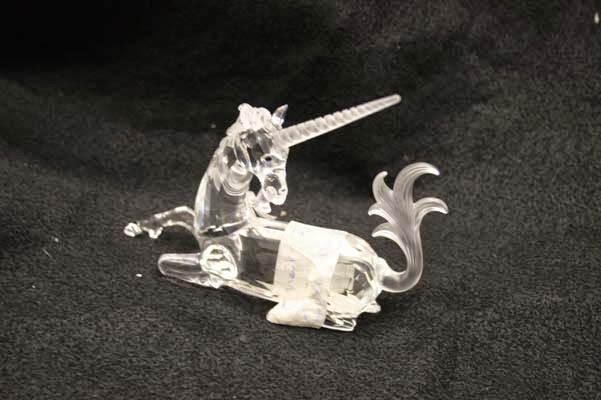 Naylor is reliving the terrible memories; they flash through her mind like fireworks – the young girls, the broken figurine she’d found, the day she’d walked into her father’s house for the last time, his attempted suicide, the day they took him to prison, the intense publicity that followed and the healing that was taking forever. Returning to work had been difficult; but in the end work became her saviour, taking her mind off the dreadful past. Until now. Now she is the daughter someone wants to kill. The realization makes her weak, makes her shoulders sag. A gentle hand on her back pulls her back to reality.
 “What do you think, Jo? You don’t have to do this, you know. It wouldn’t be a big deal if we pass this on to Burger and Fries!”
Naylor looks back at her partner with a grin. Burger and Fries are Ted Burgess and Cornelius Friesen, two other detectives on the force. Each man tips the scales at close to 200 and it’s not all muscle. Both men share a fondness for burgers and jokingly call each other Wimpy 1 and Wimpy 2. The rest of the force calls them Burger and Fries. The mention of the two oversized cops offers Jo relief from her dire memories and causes her to laugh. The two share a hearty chuckle until Thorne says, “Let’s get on it, Jo. We’ll go have a look and see if we can put a stop to this menace.”
Naylor nods at her partner, thankful for his understanding.
“You’re right; and thanks, Adam.”
He gives her a nod, offering his serious smile.
“Hey, we’re partners!”
Thorne takes the lead even though he is the junior officer. The concrete pads forming the walkway to the front porch are cracked and uneven, so Thorne treads carefully as he approaches the front porch. The steps are the only thing that’s new, and the wood is still white while the rest of the narrow porch is weathered. There is a doorbell on the left, screwed into the doorframe. The center of the push button is missing, but the tiny yellow light inside is still intact, guarding the entrance. On the left are a black 1 and 5 affixed to the siding, level with the doorbell, designating the civic number. A piece of white plastic the size of a postcard encased in a thin aluminum frame is affixed under the numbers. Thorne has to bend down to read it.
Rooms to Let
555-223-0009
Joseph Spangler
Mgr.
The name is printed in indelible black marker. Black smudges around it attest to the recent change in manager. Thorne pushes on the worn button, points at the plaque and says, “That’s a good omen, another Joe. Let’s see how co-operative he’s going to be.”
“Maybe we should go by the book on this one and get a warrant.”
Thorne looks at Naylor, eyebrows raised.
 “That never stopped you before, and besides I think any judge would agree that this is hot pursuit. We know he committed a crime; he could be here.”
 They are interrupted by the door opening. The heated air that greets the detectives reeks of old furniture and marijuana. A short, stocky man peers out at them with scrunched eyes. Long greyish wisps of hair haphazardly cover a pale dome. White stubble covers his lower face, which has more wrinkles than a Shar Pei. His dark-blue housecoat is well worn and tightly belted around the waist. Neck, calves and feet are bare. His temperament is foul.
“Whadda ya want? There’s no rooms available.”
He eyes the two strangers, noting their well-tailored attire, and says to Thorne, “This ain’t no rent-by-the-hour pad, Jack.”
Thorne ignores the man for a moment, turns to grin at Naylor, who is on his left and slightly behind him.
“This is going to be easy.”
Naylor is staring the man down and adds, “And enjoyable.”
Thorne reaches into his right inside pocket and retrieves his ID and badge. Flipping it open directly under the man’s nose, he says, “You Spangler?”
The manager quickly recognizes the brass gleam of a policeman’s badge even without his glasses.
“Aw, shit!”
He tries to close the door, but Thorne steps in and pushes the man gently back. Again Thorne turns and speaks to Naylor. “Do you smell marijuana, Detective Naylor?”
 She is watching the nervous twitch in the man’s left eyes when she replies. “I believe I do, Detective Thorne. I bet if we looked around, we might find out why.”
 Spangler backs toward an open door to his right, reaches into the room and pulls the door shut.
“You guys need a warrant for that. I ain’t stupid, you know.”
Josephine Naylor might have been slight, but she was cast in steel. The glare from her eyes could freeze the hardest of criminals. She steps closer to the manager, taller than him by a good six inches, and says, “If you’re in possession of marijuana, Mr. Spangler, I could take you to jail. I could arrest you right now. There’s an itch in my skull that suggests you might’ve been in trouble with the law before. Maybe we should dig around a bit. What do you think?”
Spangler is sufficiently cowed to drop his boldness. He is on probation until the end of the year, two months away, for his third DUI conviction. He drops his gaze but remains mute. Thorne plays the good cop and explains they really just want to know about Dunsmore. How long has he been here? When did Spangler last see him? What’s he like? Any trouble with him? Jo is taking notes as the men speak. Spangler, relieved that he is not their target, can’t stop talking.
“…I haven’t seen the jerk in two days. He owes three weeks rent, and he promised me he would have it by tomorrow. Seeing as you’re here looking for him, I ain’t likely to see that now, am I?”
Naylor answers him: “I wouldn’t count on it, Mr. Spangler. The man is wanted for attempted murder, and I suggest that if you do see him, you lock your doors and call us ASAP.”
This shakes Spangler up. He wrings his hands in a nervous manner and remains quiet. Thorne says, “How about you let us take a look in his room?”
“I don’t know about that. I think I should call the owner first.”
Naylor looks Spangler in the eye as she says, “Sure, why don’t you do that, and we’ll check your room while we’re waiting.”
Spangler sticks his chin out defiantly and says, “Hang on a minute and I’ll get you the key.”
“Good idea.”
Spangler opens the door to his room, enters and shuts the door firmly behind him. While he is retrieving the key, the detectives look around. There is a stairway directly in front of them on the left side of the hallway, which extends back into the kitchen. A living room can be seen through an open archway on the right. The moldings around the doors and windows are dark stained wood marred with nicks and scratches.
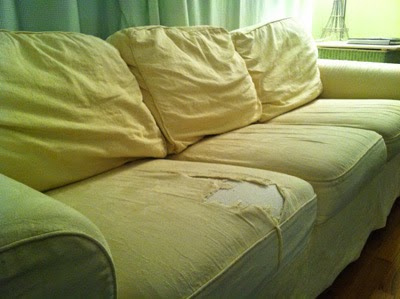 An old couch with yellowed fabric sits against the far wall under a narrow window. A matching chair sits beside it. In the middle of the room is an ornate French provincial coffee table that looks as out of place as a meat tray at a vegan convention. Several magazines lay on top, alongside a glass ashtray full of butts. Dust covers almost everything. The floors are hardwood and dull, in need of polish.
Spangler opens his door and extends an arm, holding a shiny brass key attached to a silver ring with a white paper fob, like the one used at a car repair shop when they tag your keys. It has a large 2 marked on it.
“Here, fill yur boots.”
Naylor takes the key and says, “What about the other tenants?”
“No one here but me. Both old John in # 1 and Reggie in #3 work at the meat packing plant in the Industrial Park and they leave here at 6 a.m. If Dunsmore ain’t comin’ back, when can I get rid of his junk?”
“Don’t touch anything, Mr. Spangler; don’t even go in the room until we say you can. Depending on what we find, the room might be off limits for a while. We’ll let you know.”
Spangler grimaces and shakes his head.
“Well, keep the key then. I have another.”
He shuts his door again, muttering something about lowlifes.
The detectives draw their weapons even though Spangler confirmed Dunsmore was gone. Naylor leads the way up the stairs. Off the landing at the top, there are four doors, two facing them, one on the right and one on the left. The left door is open and the detectives can see a toilet with the seat up. A light blue towel lay on the floor by a white vanity. The door facing them, to the right, has a crude 2 scrawled on it in black marker. Thorne steps around his partner and says sotto voce, “Let me go first, Jo.”
“Being chivalrous are we?”
“Yep, that’s me.”
Thorne takes the key and, before he slides it into the keyhole in the knob, he places his ear to the door to listen. Naylor is holding her weapon with both hands, pointed at the door. Thorne knocks on the door with a knuckle and waits for a moment. When there is no response, he turns the key until there is an audible click, then turns the knob. Shoving the door open quickly, he steps into the room with his weapon at eye level. The door swings into the wall with a slight bang.
The scene before them is shocking. Naylor drops her hands to her side and gasps.
The wall facing them is covered with blown-up photos of her. The image in each one is the same, taken from the front page of the local paper when her father was on trial a year ago. Naylor had been leaving the courthouse when the photographer caught her image with a zoom lens. The look on her face is one of sorrow. The headline that day had read, “Randolph Naylor Convicted of Murder!” The same headline hovers above each print in bold black letters. The shocking part of what Thorne and Naylor see is the large hunting knife stuck in the wall, in the center photo, in the middle of Detective Josephine Naylor’s face.
[image error] Next week you will get to meet Paul Hollis of St. Louis, Missouri and he will be sharing an excerpt from his popular Hollow Man series.

November 7, 2014
Chris Eboch of New Mexico offers tips on Building Vivid Scenes
 Chris lives in New Mexico, US. The following is taken from her website.
My home office window looks out at a small mountain. I often see birds and lizards in the yard, and I've even seen a fox passing through. Watching the scenery gives me a break from writing, so I feel recharged.
Besides writing and reading, I love the outdoors. New Mexico has lots of sunshine and warm weather, which lets me hike year-round in the mountains, deserts and canyons. I also enjoy rock climbing, which requires a challenging combination of strength, balance and technique. I often take evening walks on the golf course with my husband. New Mexico has some of the best sunsets ever!
Chris Eboch on How to Write Vivid Scenes
In honor of National Novel Writing Month, I’m sharing tips adapted from my book Advanced Plotting .
 In fiction writing, a scene is a single incident or event. Some writers may start by writing scene summaries, either to develop an outline or for an early draft to sketch out the plot. However, a summary of the event is not a scene and is rarely suitable for a final draft. Scenes are written out in detail, shown, not told, so we see, hear, and feel the action. They often have dialog, thoughts, feelings, and sensory description, as well as action. A scene ends when that sequence of events is over. A story or novel is, almost always, built of multiple linked scenes. Usually the next scene jumps to a new time or place, and it may change the viewpoint character.
 Think in terms of a play: The curtain rises on people in a specific situation. The action unfolds as characters move and speak. The curtain falls, usually at a dramatic moment. Repeat as necessary until you’ve told the whole story.
Easy in theory, but how do you write a scene?
Place a character — usually your main character — in the scene. Give that character a problem. Add other characters to the scene as needed to create drama. Start when the action starts — don’t warm up on the reader’s time. What does your main character think, say, and do? What do the other characters do or say? How does your main character react? What happens next? Repeat the sequence of actions and reactions, escalating tension. Built to a dramatic climax. End the scene, ideally with conflict remaining. Give the reader some sense of what might happen next — the character’s next goal or challenge — to drive the plot forward toward the next scene. Don’t ramble on after the dramatic ending, and don’t end in the middle of nothing happening.
 Scene endings may or may not coincide with chapter endings. Some authors like to use cliffhanger chapter endings in the middle of a scene and then finish the scene at the start of the next chapter. (For more on cliffhangers, see my essay in
Advanced Plotting
or click on the "cliffhangers" label in my writing blog.) If you have a scene break within a chapter, use written transitions (later that night, a few days later, when he had finished, etc.) or an extra blank line to indicate a time passing.
Scene endings may or may not coincide with chapter endings. Some authors like to use cliffhanger chapter endings in the middle of a scene and then finish the scene at the start of the next chapter. (For more on cliffhangers, see my essay in
Advanced Plotting
or click on the "cliffhangers" label in my writing blog.) If you have a scene break within a chapter, use written transitions (later that night, a few days later, when he had finished, etc.) or an extra blank line to indicate a time passing. Connecting Scenes
Each scene is a mini-story, with its own climax. Each scene should lead to the next and drive the story forward, so all scenes connect and ultimately drive toward the final story climax.
 A work of fiction has one big story question — essentially, will this main character achieve his or her goal? For example, in my romantic suspense novel
Rattled
written as Kris Bock), the big story question is, “Will Erin find the treasure before the bad guys do?” There may also be secondary questions, such as, “Will Erin find love with the sexy helicopter pilot?” but one main question drives the plot.
A work of fiction has one big story question — essentially, will this main character achieve his or her goal? For example, in my romantic suspense novel
Rattled
written as Kris Bock), the big story question is, “Will Erin find the treasure before the bad guys do?” There may also be secondary questions, such as, “Will Erin find love with the sexy helicopter pilot?” but one main question drives the plot. Throughout the work of fiction, the main character works toward that story goal during a series of scenes, each of which has a shorter-term scene goal. For example, in Erin’s attempt to find the treasure, she and her best friend Camie must get out to the desert without the bad guys following; they must find a petroglyph map; and they must locate the cave.
You should be able to express each scene goal as a clear, specific question, such as, “Will Erin and Camie get out of town without being followed?” If you can’t figure out your main character’s goal in a scene, you may have an unnecessary scene or a character who is behaving in an unnatural way.
Yes, No, Maybe
 Scene questions can be answered in four ways: Yes, No, Yes but…, and No and furthermore….
 If the answer is “Yes,” then the character has achieved his or her scene goal and you have a happy character. That’s fine if we already know that the character has more challenges ahead, but you should still end the chapter with the character looking toward the next goal, to maintain tension and reader interest. Truly happy scene endings usually don’t have much conflict, so save that for the last scene.
If the answer to the scene question is “No,” then the character has to try something else to achieve that goal. That provides conflict, but it’s essentially the same conflict you already had. Too many examples of the character trying and failing to achieve the same goal, with no change, will get dull.
An answer of “Yes, but…” provides a twist to increase tension. Maybe a character can get what she wants, but with strings attached. This forces the character to choose between two things important to her or to make a moral choice, a great source of conflict. Or maybe she achieves her goal but it turns out to make things worse or add new complications. For example, in Rattled , the bad guys show up in the desert while Erin and Camie are looking for the lost treasure cave. The scene question becomes, “Will Erin escape?” This is answered with, “Yes, but they’ve captured Camie,” which leads to a new set of problems.
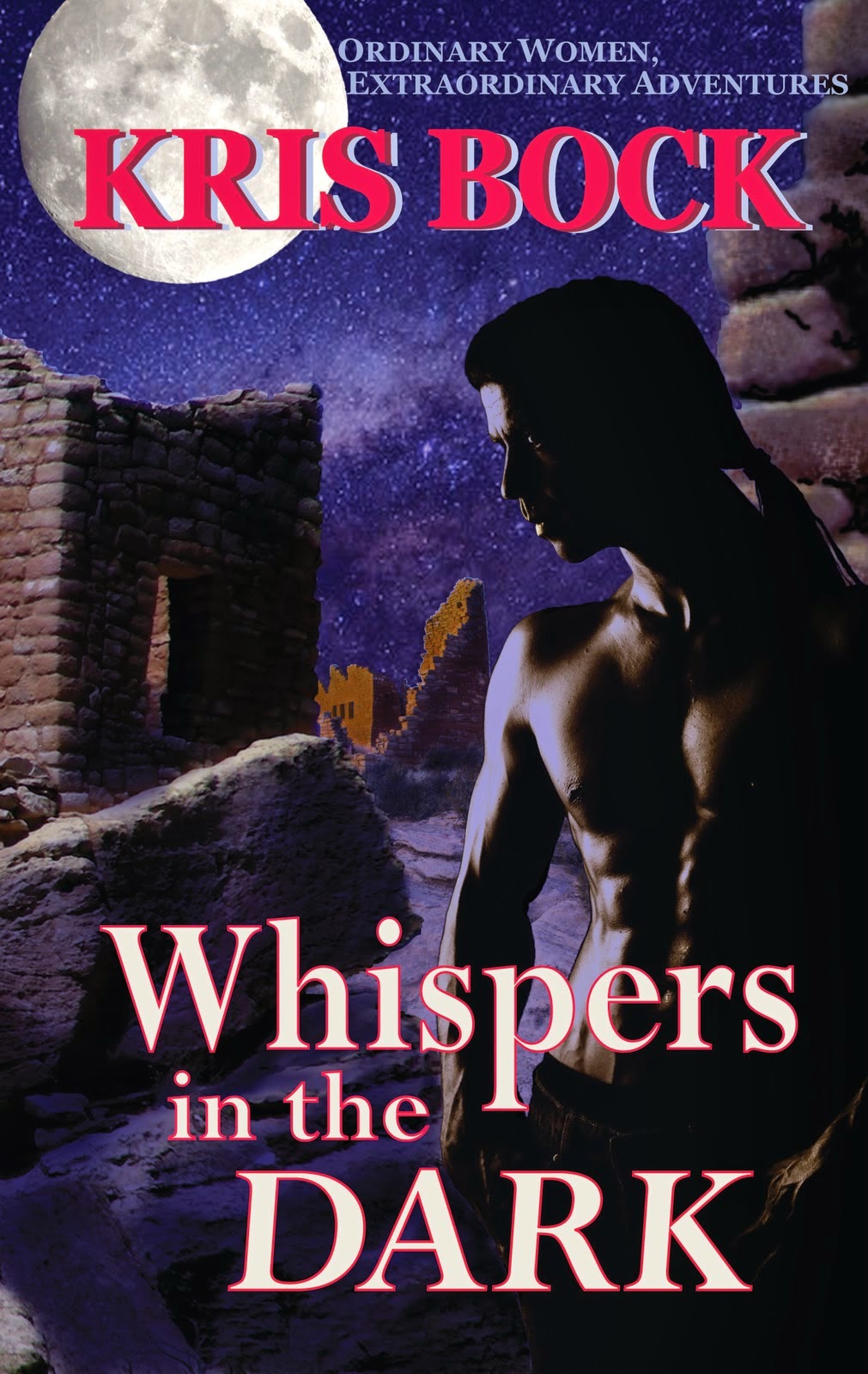 “No, and furthermore…” is another strong option because it adds additional hurdles — time is running out or your character has a new obstacle. It makes the situation worse, which creates even greater conflict. In my romantic suspense
Whispers in the Dark
, one scene question is, “Will Kylie be able to notify the police in time to stop the criminals from escaping?” When this is answered with, “No, and furthermore they come back and capture her,” the stakes are increased dramatically.
“No, and furthermore…” is another strong option because it adds additional hurdles — time is running out or your character has a new obstacle. It makes the situation worse, which creates even greater conflict. In my romantic suspense
Whispers in the Dark
, one scene question is, “Will Kylie be able to notify the police in time to stop the criminals from escaping?” When this is answered with, “No, and furthermore they come back and capture her,” the stakes are increased dramatically. One way or another, the scene should end with a clear answer to the original question. Ideally that answer makes things worse. The next scene should open with a new specific scene goal (or occasionally the same one repeated) and occasionally a review of the main story goal.
Get the complete essay on How to Write Vivid Scenes, plus more tips on plotting, in Advanced Plotting, $9.99 in paperback, $4.99 ebook, on Amazon, B&N or Smashwords.
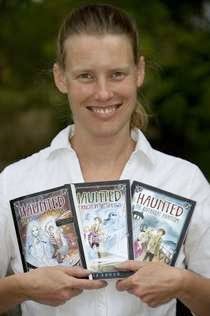
Chris Eboch’s novels for ages nine and up include The Genie’s Gift , a middle eastern fantasy, The Eyes of Pharaoh , a mystery in ancient Egypt; and The Well of Sacrifice , a Mayan adventure; and the Haunted series. Learn more at www.chriseboch.com or her Amazon page, or check out her writing tips at her Write Like a Pro! blog. Chris also writes for adults as Kris Bock.
Kris Bock’s novels of suspense and romance bring outdoor adventures to Southwestern landscapes. Whispers in the Dark involves archaeology and intrigue among ancient Southwest ruins. What We Found is a mystery with romantic elements about a young woman who finds a murder victim in the woods. Rattled follows the hunt for a long-lost treasure in the New Mexico desert. In Counterfeits , stolen Rembrandt paintings bring danger to a small New Mexico art camp. Read excerpts at www.krisbock.com or visit her Amazon page.
Counterfeits:
Amazon
Barnes & Noble
Smashwords
Itunes/Apple
Kobo
Rattled:Amazon
B&N
Smashwords
iTunes
Thank you Chris for being a part of The Scribbler and sharing your writing tips.
Next week you will be able to read a new chapter in the ongoing Detective Jo Naylor series. Someone tried to kill her one dark night, the marks are still on her throat. If you've been following her and her partner Adam Thorne, you'll want to join them at The Rooming House.
Reader Question: Who is your favorite author and why?
October 31, 2014
4Q Interview with Matthew Williston - VJ, DJ, Escape Artist...
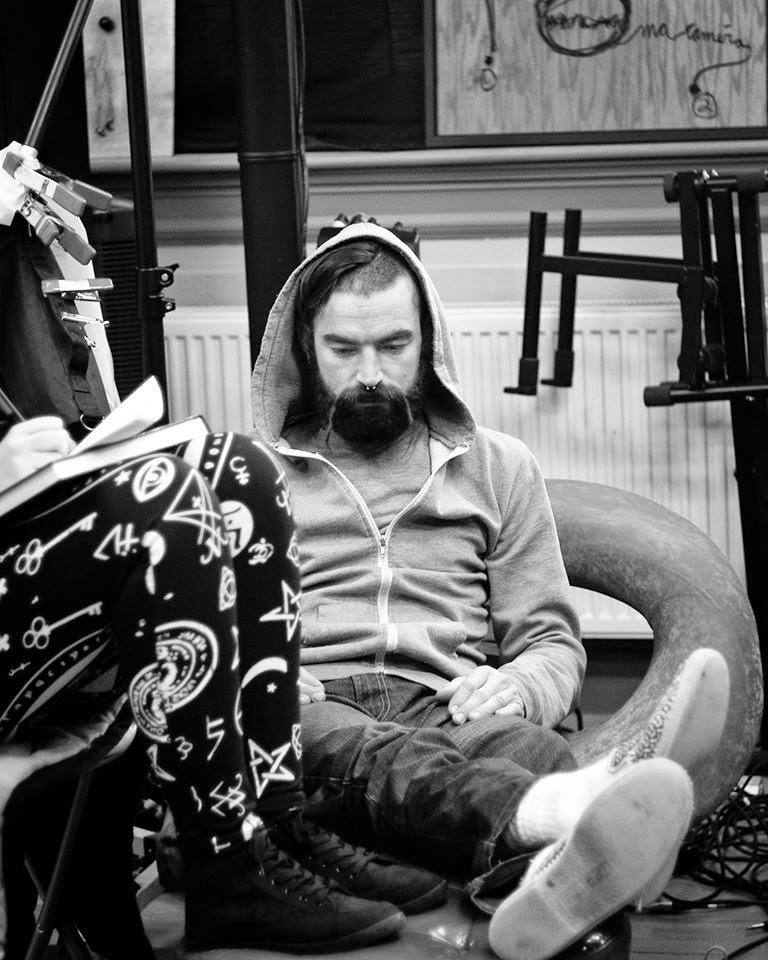 Matthew Williston is a man of many skills, actor, director, VJ, DJ, experimental projectionist& sound technician, co-founder of L’Art Ici SVP.(a public art company in Moncton) Also co-founder of **Gay Poutine** (an alternative LGBTQ night in Moncton) He has spent many years developing those skills while living in Montreal for the better of 13 years as well as western Canada. He currently resides in Moncton, NB where he is presently building the cabin of his dreams in the country. He works under the pseudonym of M K W. He’s gregarious, witty, generous and an all-round nice guy. (B&W photo by Robert T Wilson Thank you Robert)
 4Q:Tell us how you became involved in the music business as a DJ, VJ and projectionist.
MW: I’ve always been drawn to and appreciated music .The reason I got my first job was because my folks would not by me a boom box. They may have been worried that the sounds of rock’n’roll would corrupt their little boy…They were right.I started mixing records at the age of 14/15 .We were putting on “all night dance parties” in Moncton by the time I was 16. Electronic music was deep inside me at this point, as was the love of movement and dance.Moving to Montreal was where my schooling really started, I was fortunate enough to meet and have the pleasure of working with 4 guys who had big dreams for projections in the world. 2 of these guys are still running an internationally renowned company called Moment Factory. The 2 others also have an innovative businesses in the Multi media world as well.(NOMAD NATION,BAILLET,CARDELL & FILS)Having already been carrying a video camera in my backpack for a few years before this, I was a sponge and engaged in what could be done with a camera and some video editing software. Hired on mostly as a VJ (video Jockey) I was mixing images with world class talent in internationally renowned clubs and venues.
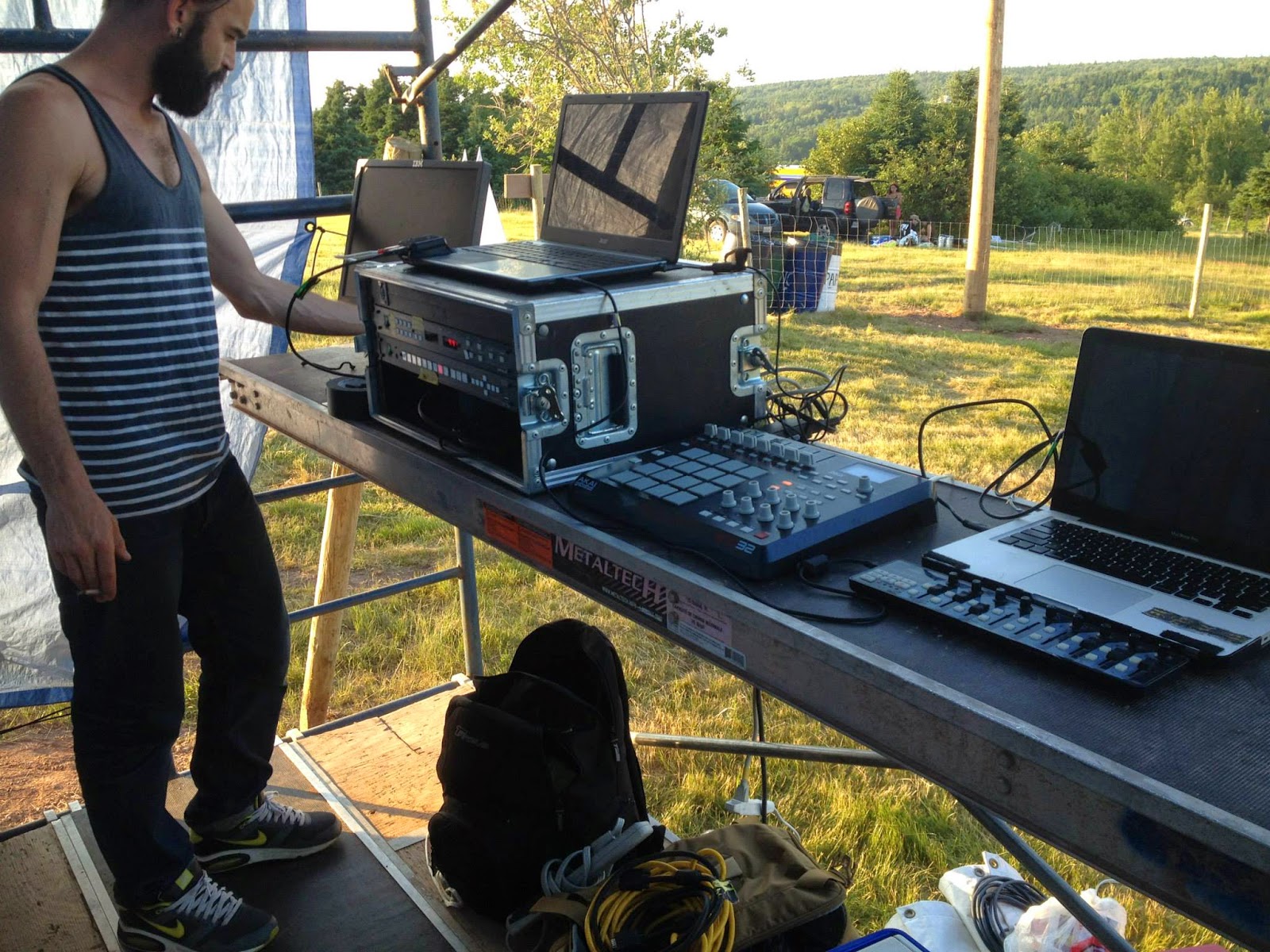 I continue to push my visual installation experiments and my DJ style in the Atlantic Canada. The east coast festival circuit in the summer is a blast, with such a great community of people coming out to support, engage and experience in a creative coming together of minds.
 4Q:As a co-founder of the art movement in the city, tell us about the development and goals of L’Art Ici.
 MW:My partner Lisa J Griffin and I started this initiative at the end of last year. We have since put up two murals on St. George St. Curated 12 bins to be painted downtown with DMCI(downtown Centreville Moncton Inc) We were involved with Gallery days with the City of Moncton in which we built a structure and had in painted live in front of city hall.
 We have some really exciting things lined up for next spring and summer. Our main goal is to bring out color and character in our great hub city. We want to be inspired and to inspire creation and vibrancy in our daily lives. Bringing a community together is also important to us.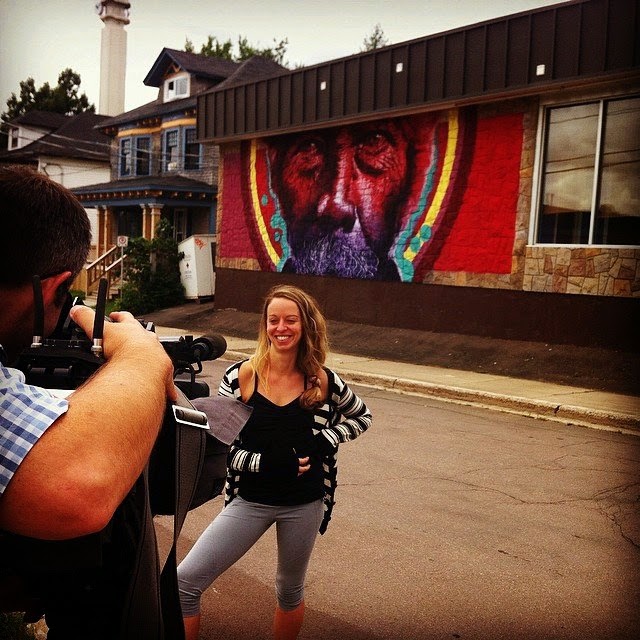
You can keep up with us at our facebook page for now as our website is under onstruction.www.facebook.com/l’articisvp.
4Q:Please share a childhood anecdote or memory.
 MW: I was in Florida with my parents, probably around 6 years old. I like most kids, loved animals. Also like most kids I wanted to pet them and cuddle them. Even if it was a pelican. Well to my surprise pelicans weren’t friendly. This monstrous beast tried to swallow me whole. There’s not much in life that I’m scared of, but pelicans still freak me out a bit.
 4Q:What’s Gay Poutine all about?
MW:It came from a lack. A lack of contemporary gay and dance culture, A lack of visibility of the LGBTQ community in Moncton. My partner in Poutine, Danderson, and I had been talking about this lack and our interest in filling that void. When he was travelling in Europe last year he hit me up … “GAY POUTINE” he said. I said, “I love it”. Upon his arrival we started putting the forum for these events together. Local café/bar owner Marky was supportive in our endeavors and offered us to do our first **Gay Poutine** at LAUNDRO on St. George St. We have had Poutine served at all our events, usually served up by Harry and Taco from Harry’s Pizza, another strong Allie in the LGBTQ community.
 The community has been very supportive, both the straight and LGBTQ, We were invited to join in the gay pride parade this year, which I feel still has a big place in creating acceptance and assimilation in Moncton NB.
Every event is mixed with gay, lesbian, straight, trans-gender, and others…We are inviting and accepting to all. We hope that this movement will spark the imagination and drive of other freedom fighters in the city. We hope to see more LGBTQ events pop up in our ever growing cultural landscape.
Thanks for sharing your thoughts on the 4Q Interview Matt. If any readers want to connect with this artist or are looking for someone to spin the righttunes at any event, you can reach Matt at matt.k.williston@gmail.com
 Next week be sure to drop by and meet Chris Eboch of the USA. She writes Children's Stories, Historical Fiction and Mystery/Thrillers. Read an excerpt from one of her delightful stories.
October 24, 2014
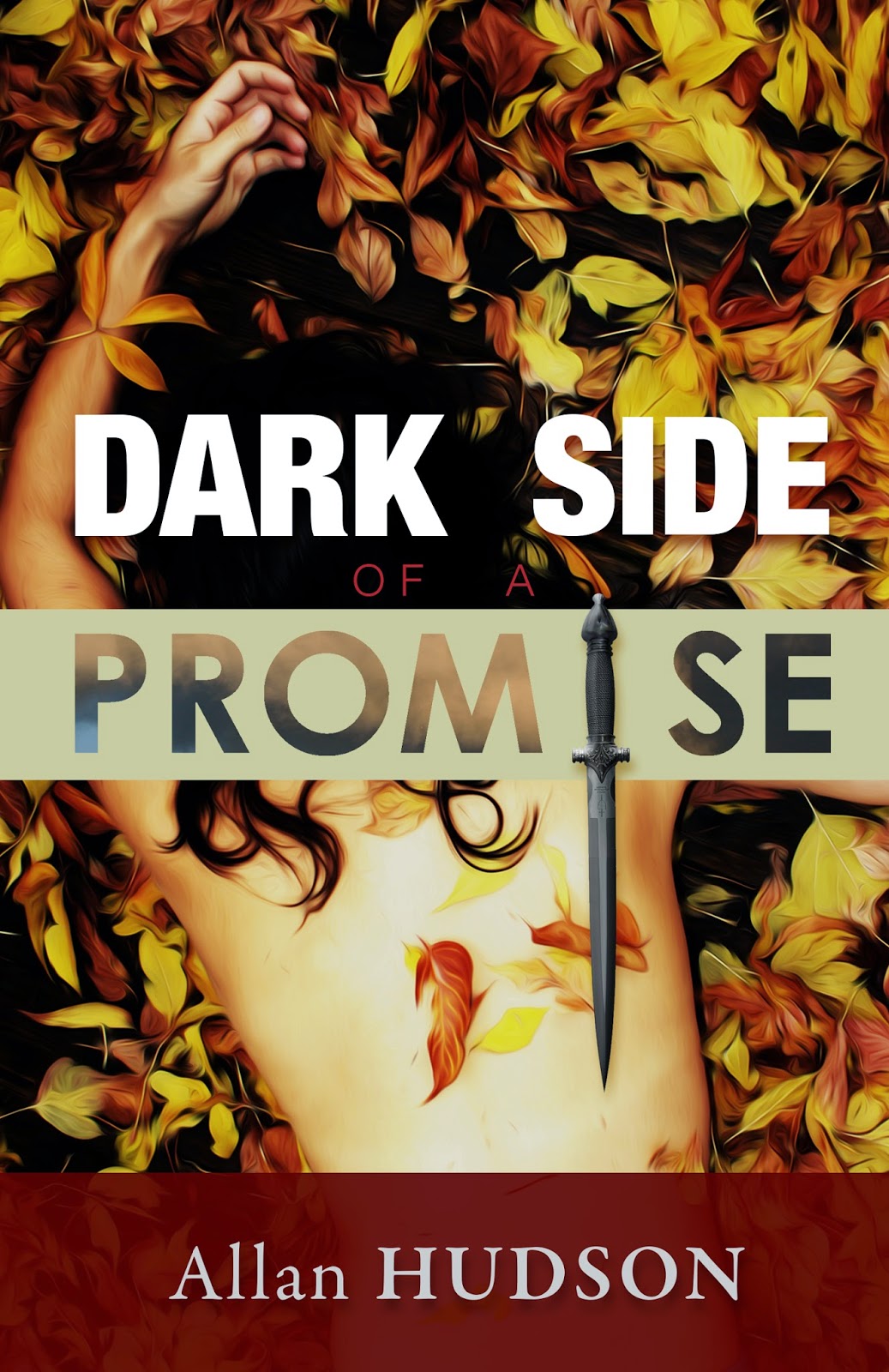
An Excerpt from Dark Side of a Promise by Allan Hudson
After a major confrontation with the villainous men he is pursuing in Bangladesh, the police are now involved. Drake Alexander must explain his actions to the Officer-in-Charge, Inspector Bitan Chowdhury.
 Drake leans against the wall of Inspector Chowdhury’s office and crosses his arms. He had been sitting in the same chair Mireille had occupied the day before, telling Chowdhury of the events of the last three years. He had been speaking for over an hour when he had gotten up to stretch half way through, his muscles taut from the day’s action and frustration. He had paced about the office as he related the rest of his story before leaning back against the wall.
 The Inspector had interrupted occasionally for clarification on some points of Drake’s narrative but mostly sat unmoving, wrapped up in the details. Drake began by telling Chowdhury of finding Amber and Sakeema, who they were, the condition their bodies were found in. In those very first sentences, Bitan learnt a great deal about the stranger in his office. When Drake had been itemizing the girls’ terrible wounds, he had choked up. Chowdhury, who had been listening while writing his own notes, had looked up at Drake when he had gone quiet. The man was looking him directly in the eyes, not downcast, not covert, and not ashamed. Chowdhury could tell the effort it was taking Drake not to blink. The inspector stared back only for a second, dropping his gaze out of respect. He continued to write when Drake speaks again, stops writing and drops his pencil. The notes can wait, he believes, and listens intently.
“So you see, Inspector, every trail we follow has always led us back to Central America, but it goes cold when you set foot on the isthmus. He could be in the Honduras, Belize, Panama, Guatemala, we don’t know. All we know is that he’s involved in something here in Dhaka. Men, we can safely assume work for him, are chasing one of the slain girls cousin’s, who by the freakiest chance heard someone speak Rizzato’s name.”
“Why didn’t you contact someone in our departments when you arrived”? He asks, his English precise, his accent euphonic.
“Well, as I told you earlier, law enforcement agencies have not been effective in finding Rizzato. It has always been an international screw-up, with arguments over jurisdiction. The girls were in Venezuela, so agents there are involved. The girls were foreigners, one American, one Saudi Arabian living in the U.S.A. on a student visa, so those countries are involved. Bartolommeo Rizzato is a wanted man in several countries, so when his name popped up, they all got involved. Now your people will be involved. Do I need to go on, Inspector? Can’t you see the bureaucratic mess? We had originally planned to do this on our own. But Rae is right, it’s important for us to stay on the right side of the law. I think we need to work together. I have good people with me and we can find him. Let us bring him in.”
Chowdhury gives this idea some thought. He muses that Alexander is probably correct for he knows how red tape can slow down the process when multiple forces are involved. Goodness knows there are too few detectives now for all the investigations to be done.
The Inspector has seen a lot over the years, insensitivity, depravation, cruelty, lies, amongst many things. But his sense of honesty, of a man’s personal honour has not curdled over the years. He looks up at Drake, who is leaning against the wall. His arms are crossed but his chin rests heavily on his chest, eyes closed, features sedate. Chowdhury wonders if it is fatigue or the peace that comes from a complete confession, a sharing of your burden that makes the man so calm.
 He studies Alexander for a moment. The man reminds him of a steed, a quarter-horse in its prime. Perhaps it would be wise to allow this man his “private investigation.” Chowdhury believes this man, believes in the depth of his furor and believes in Rae. He sifts through the documentation he’s received on Drake. Honourable discharge, commendations, mostly for his leadership abilities and acts of bravery. Absolutely no criminal record, an abstract so clean it defies possibility. His only black mark was the string of speeding tickets he has accumulated over the last ten years. The man must always be in a hurry.
 Chowdhury interrupts Drake’s reverie.
“Mr. Alexander, sit for a moment.”
Drake hesitates; he wants to get this interview over with, to keep searching for Rizzato, not to get comfortable.
“Please, what I want to tell you won’t take long. It will better explain why I feel we should cooperate.” He unsteeples his hands and waves Drake to a more comfortable chair in the corner, to the right of his desk.
Drake is encouraged by the word cooperate and sits in the chair, which is obviously the Inspector’s thinking spot: pipes, tobacco, ashtray, reading glasses, a magnifying glass, all are within easy reach. Like the rest of the office, everything is neatly arranged and spotless.
Chowdhury leans back in his chair; the rocker strains from lack of lubricant and gave a shrill dissent. He points to a large photo hanging over the wooden filing cabinets that claim most of the wall to Drake’s right. Drake has to lean forward to see it clearer. There are four men in yellow and green cricket uniforms, obviously celebrating some victory. The man on the far left – one arm around his fellow player, the other arm lifting a magnum of champagne, bubbles fizzing over the neck – is Chowdhury. The other three are similarly gleeful, which is evident in their ear-to-ear smiles and victorious hand gestures.

“The man on my immediate left is Taj Al-Khuri, who was Rae’s husband. We were great game mates and quite possibly the closest I’ve ever came to having what you might consider a “best friend.” Taj was a man I greatly admired but could never emulate. He wasn’t much for rules, as I suspect you aren’t either. But he was always a man of the law; he walked the line many times but never, not even once, stepped over. He couldn’t be bought, couldn’t be coerced and couldn’t be stopped once his mind was made up. Had he been a... toady I think the British call it, he would have certainly outranked even me, at an earlier age, he was really quite clever and a damn good detective.”
The Inspector twists in his chair, his imagination sending his words off on a tangent, “I still can’t get over the senseless way he died, how some businessman got the best of him, Taj was so much smarter than that...” He only ponders the idea for a few seconds, “Alas, he is dead and we will never know those last moments of his fruitful life, but we do know he married a sensational woman who is just like him. They were a wonderful team, always in love, always together. Poor, poor Mireille. It took her a long time to get over the ordeal.”
He pushes himself away from the desk, rolling on whispering wheels, and rises from his creaking chair. He grabs the chair back and rocks it each way twice, the spring creaking a bit. “I must oil that soon,” he reminds himself. He reaches for Drake’s sidearm, which is resting on the corner of his desk. He picks it up along with the half empty cartridge and gives it back to Drake.
“Now, what I want to say to you, Mr. Alexander is this: Taj and I had a bond, a bond of trust, both officially and personally. I doubt very much that I shall ever attain a comrade such as him again; if I do it will most likely be his widow. But I am not an easy man to get close to. However, I’m not made of stone either. It is because of these two that I will entrust you to do your ‘private investigating.’ I had a chat with Rae earlier today, as you know. I am also acquainted with Uday Saad, albeit not well enough to have been aware of his daughter’s plight. The people you are associated with, I hold in high regard. Therefore, you are free to carry on”.
Drake is relieved to be able to leave; he wants to get to the hospital to check on Dakin.
“Thank you Inspector and I...”
“But,” said the Inspector, interrupting Drake. He walks over to the cabinets the picture hangs above and waves Drake over. When Drake joins him, he points to the man on the far right of the picture and says, “Tomorrow this man will join you, and he will be like flypaper. Are you familiar with flypaper, Mr. Alexander? Extremely sticky stuff, flypaper.”
Chowdhury grins at his metaphor and doesn’t wait for an answer.
“His name is Gurupada Bannerji, some people call him Pada. I am assigning this case to him. He or Rae will liaise with me, keeping me informed as to your progress. Is that clear?”
The scrunched eyebrows and heavy frown on Chowdhury’s face indicate his seriousness; this is not a negotiable issue. Drake nevertheless makes an attempt to dissuade the inspector, “I don’t think we need a babysitter, Inspector. Rae knows her way around. My men and I are familiar with each other and I’m not comfortable with adding an unknown to our efforts. You’ve seen what we are up against. I’m not sure a desk jockey is a good idea.”

Chowdhury grunts and goes back to his desk, “I can assure you, Mr. Alexander that Mr. Bannerji is no desk jockey. He is one of the top three shooters on the police force, both with a pistol and a sniper rifle. He is a practitioner of Haidong Gumdo. He is an all-rounder in cricket, being an exceptional batsman and bowler. He can be brutal if necessary. And he is single, which means he will be able to assist you twenty-four hours a day. I can guarantee that if push comes to shove, Mr. Alexander, Bannerji will be a valuable asset. I also need to remind you that you are short one man at present, with your comrade – who would be in some trouble for carrying side arms without a permit were it not for Rae and me – is in hospital.”
Chowdhury sits in his corner chair and reaches for his pipe. He speaks as he fills it and tamps the tobacco, “I’m going to insist on this Drake, or your investigation will come to a quick end. I also expect that you will stick to the investigating and leave the arresting to us. Of course, I anticipate you will need to defend yourself in certain situations, but I don’t wish for you to provoke anyone. Don’t endanger my people or yours.”
He hesitates before lighting the pipe, then looks up at Drake, who is still standing beside the filing cabinets.
“I don’t think there is anything else to discuss, Mr. Alexander. I have your cell number and Bannerji will be in touch with you in the morning. May I tell him you are an early riser?”
Drake realizes Chowdhury has the advantage and that submitting to his proposal will make searching for Rizzato much easier.
“Fine Inspector, I agree to your conditions and look forward to meeting Mr. Bannerji. I’m available anytime he or you need me. Thanks for your cooperation. If you could arrange for someone to drive me to the hospital, I would appreciate it.”
“Go wait at the entrance and one of my men will escort you. Oh, and I trust you will see to the rental that was destroyed, as well as the other vehicles. I’m certain the rental company won’t be pleased and I’d rather they didn’t have to bother us over this matter.”.
He places a match to the packed bowl of his pipe, sucking in the flame. Thin plumes of aromatic smoke move gently about the room. Drake recognizes Borkum Riff, the same brand his father had smoked, the one with the whiskey flavour. A calm comes over him, a reassurance of something familiar.
“I take full responsibility for the vehicles. I’ll personally see that the rental people are compensated. Is there anything else Inspector? If not, I’ll bid you a good evening.”
Their eyes lock for a moment. There is mutual respect there.
“Good night then, Mr. Alexander. Go cautiously.” Dark Side of a Promise is a story you don't want to miss. Available at amazon.com or .ca. Ebook version or hard copy. Also available from this website.
October 18, 2014
Guest Author Elizabeth Housden writes about Creating Characters.
 Elizabeth is a professional actress and director. Her first performance was at the age of three and she has worked in the theatre for many years, performing everything from Shakespeare to pantomime, turning to directing some years ago.Having taught drama for some 15 years at Bedales School in Hampshire, Elizabeth still runs the theatre company that she founded in 2001, ‘The Misrule Theatre Company’. In addition to writing all the original material for Misrule she has also been writing novels for both children and adults for the last 20 years.
 Elizabeth is currently working on a series of books for older children called ‘The Barbary Trilogy’, the first one, ‘The Hollow Crown’, to appear on this website soon.
Married to Michael, who works in the City, she has four children, two sons and two daughters, with 6 grandchildren between them. She and Michael live in London and Hampshire.
You can read more about Elizabeth at www.housdenpublishing.co.uk. CREATING CHARACTERS
I've often wondered how on earth it is so many deeply talented writers manage to write such glorious stuff if they hadn't first been trained for the stage. But few have been. I admire them hugely.
Why, you ask?
Well now, theatre - the greatest and most clever confidence trick of all time. Everything is illusion - the sets are not Aladdin's cave or a castle in Denmark, neither are they a bar in New York or a blasted heath, they are drawings, digital images, bits of painted cloth, lumps of polystyrene decorated to deceive. The people who speak to you from those sets are not really old tramps or murderous kings or angry young displaced princes hell bent on revenge, they are actors pretending to be them. Everyone who works in theatre knows it, the audience knows it, the people who own the theatres know it, and yet people flock in in droves, paying out good money to sit and watch things unreal performed by real people who are not what they seem and the ones they like best are those that con them better than others. That's what a great actor is, simply a first class con artist.
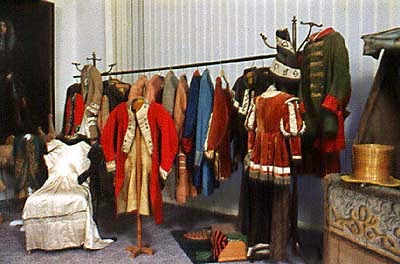 How do we achieve this? There are many tricks and dodges, ways to walk and talk and sit and die. There are costumes and props, make-up and lights. To help us, too there are great theatre practitioners all round the globe who have given their lives over to helping professional con artists trick people ever more convincingly. One of the greatest, Konstantin Stanislavski said, "I go to the theatre to see the actors perform the subtext. I can read the text at home." Thus it is, as actors we must get into the character, see behind what he says that makes him the real person, observe what others in the play say to him or about him and work out what he is like. Then we play it, knowing what he REALLY is. Simple. Well, no not really. It is a hugely time consuming, totally absorbing, frustrating, fascinating journey. The rehearsal process which we all go through is enlightening, infuriating, exhausting and we love it. Through it we learn about ourselves as well as those we play. We never stop learning. We learn about our fellow actors and we are privileged to be allowed to get to know other humans in such an intimate and personal way. We are the most fortunate of people.
 So, how does this relate to my admiration of writers who have not been put through this rigorous process? I have acted off and on, all my life, and still do so, interspersed with my roles as wife and mother and all that goes with that. I spent my required years at drama school and loved them, hated them, cried, laughed and screamed at my inadequacies. As I got older and the parts became fewer and further between, which is normal for most women, I started to write, firstly plays, the format of which was so familiar to me and then, later, gradually, slowly I began to write novels. Now I can't stop.
To begin with, I thought how lucky I was that now I could create my own characters. I was not confined to those of the playwright but could branch out on my own. But suddenly I knew I needed a back story, not just the one behind the whole novel, but each character had to have one. Why did he or she talk the way they do? What makes them angry, sad, happy, laugh? Why are they jealous? Of whom? Why are they not jealous if they should be? The task was huge but had to be undertaken or these imaginary people would not be real. I wouldn't have conned anyone, not even myself. I suddenly knew my job, as I had all my life before as an actor. It was a wonderful and terrifying moment. And if a writer hadn't been trained and worked as a professional actor, as I have, God knows how they'd start. I am in awe.
I am often asked what I think of my characters - no, more specifically I am asked always about the two or sometimes three main characters in the book, generally the "lead" man and girl and the villain! What makes him villainous? A fellow writer acquaintance of mine said once, if someone really upset him badly, he would put him in a novel and kill him very slowly and painfully. I know exactly what he means! It is rare for me to kill someone in a novel, but I might slip in the odd characteristic here and there of people who have irritated or infuriated me! Do I like the male lead? You bet I do! Given the opportunity to create someone completely wonderful, why wouldn't you?! The lead male in my latest novel, I have published four so far and this new one is the fifth, is to die for. He makes me go weak at the knees. But this book is also a first - my first historical novel. It is called The Gentlemen Go By.
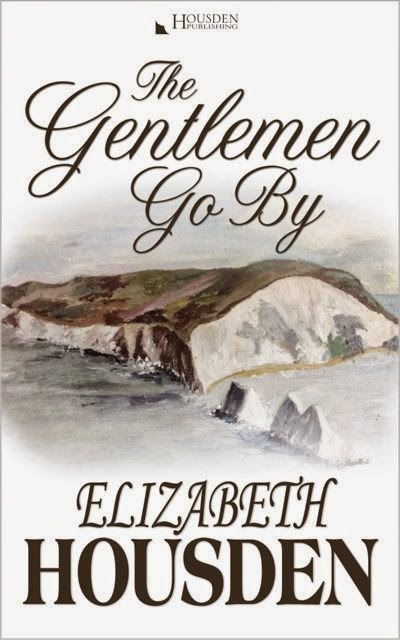
I have loved the disciplines that history demand and impose upon you. I have had to remember how long it took for news to be taken from one part of the land to another. I have had think about fashion in clothes, fashion in morals, food, drink, transport as well as what was actually happening in the world then, both politically and socially and also physically - famous storms, erupting volcanos, tidal waves. Were there any? What impact would they have on the lives of those imaginary people who inhabit the pages? Imagination hemmed in by necessary disciplines is powerfully enlivening. This new story of mine is set in the years 1788/9 - to save anyone looking that up, 1789 was the date of the French Revolution. It was the time of Les Mis. But the setting was a very different place.
This tale is derived from a real character and in a place that I know well and that in many ways has changed less than in other parts of the British Isles. Right at the bottom of Great Britain just a few miles south of the city of Southampton, in the middle of the northern stretches of the English Channel is a tiny, diamond-shaped island. It is called the Isle of Wight. Here it was I grew up. For some reason, and I'm not sure why, British people measure the size of bits of the world in relation to the Isle of Wight. Example: How big is Barbados? About the same size as the Isle of Wight. Example : How many people are there in China? Well, if you stood the whole population of China next to one another without a space between them, you would fit them all onto the Isle of Wight. Example: How big is London? Oh, huge - four times the size of the Isle of Wight. The examples are endless. The real man on whom this tale is based was nothing like the man in my story - at least I doubt it. But he was a smuggler.
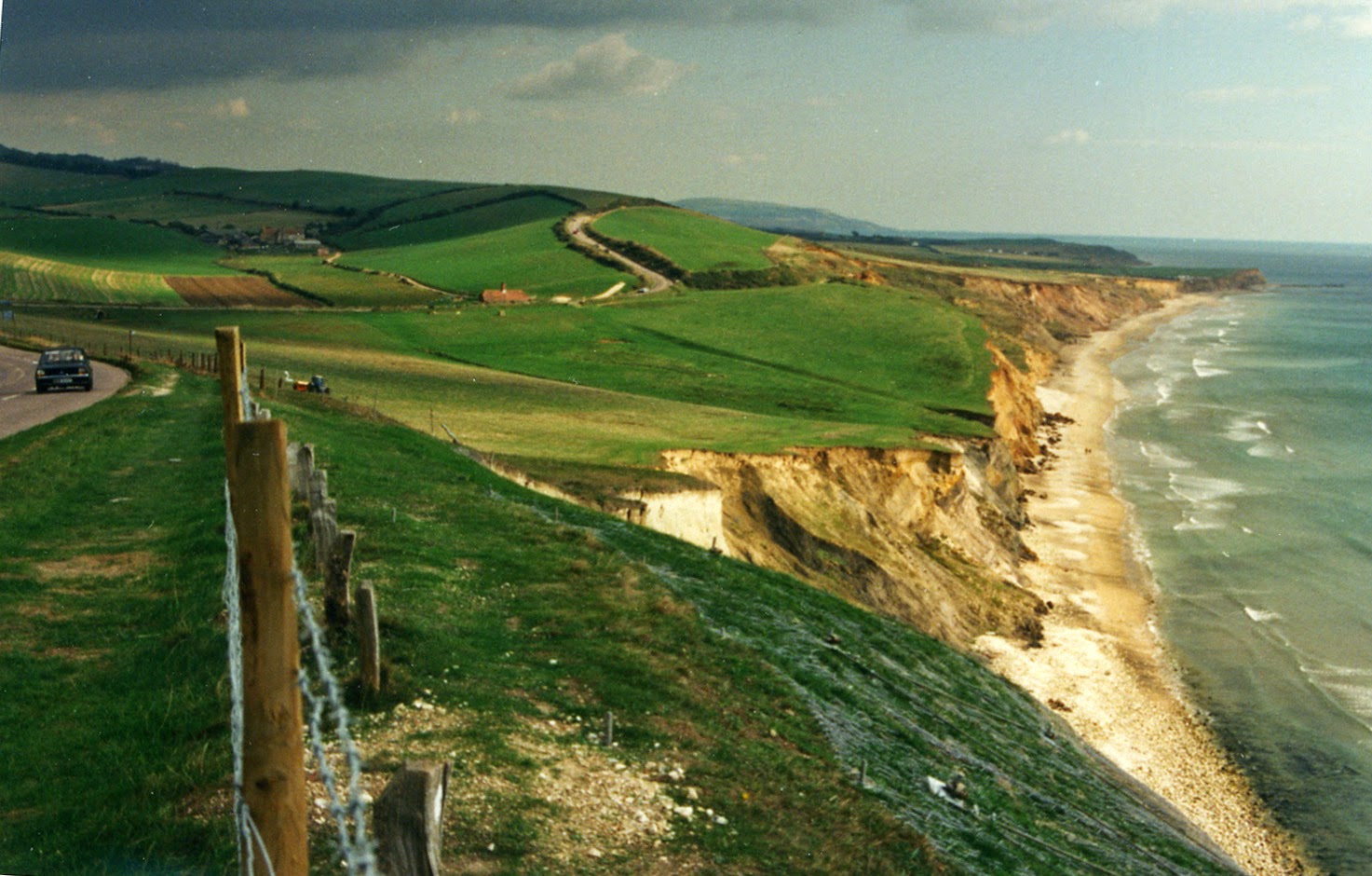
This real, eighteenth century fellow, then, was an Islander and a man of the people. He was a crook, really, and involved much of the populace where he lived on the Island (the islanders always call the Isle of Wight, 'The Island', by the way - it is the only Island they care about, you see). They helped him smuggle, hide the contraband, distribute it and share in the profits. But it is there the similarity ends, however. The hero of my story was a French aristocrat, dashing, handsome, sexually magnetic, and the girl he falls in love with utterly worthy of him and matches his courage, imagination, commitment and sense of humour in every way. I know nothing of that aspect of the real man, but that doesn't matter for this is my story, they are my hero and heroine and I can do with them what I will, given the restraints of human nature and physique and the era in which they lived. As I do when researching a part, getting to grips with the clues in the text, every time I write a book, I use those same rules and apply them to my imagined people.
I spend long hours just thinking about them, inventing scenes that never appear in the book and are not meant to be used either, but simply so I get to know them better, to make them real. I have to know what they look like, how they dress, what they eat and drink, what makes them laugh and cry, what turns them on. Why do they like this person or that, how they have been hurt, what they were like as children, or if they are children, what they hide from adults, and how they say it. I have done much work with young people and I have been lucky enough to be the confidante of many so I know how they talk to one another when adults are not there, how they think, what makes them laugh or angry and so positive in the face of desperate uncertainty and questioning in the midst of cast iron reality.
I suppose in the end, people will ask, so then, what about the character you know most, namely myself? Am I in these books? In many ways yes, how could I not be. Every actor brings his or her own experiences of life and uses them within the restraints put upon them by the character he or she plays. So, I suppose it is with me, but none of the girls in my novels is actually me and neither are they any of my friends although some believe, quite wrongly they are. For example, if I write about a character who has a phobia of something, say, then she would probably be afraid of heights or spiders. I know what it is like to be afraid of heights and spiders because I am. I can write about it with conviction. I couldn't really write about a phobia of say, balloons or clowns or snakes (and I love snakes, actually) because I don't really understand those. But these women are not myself. I only draw upon one or two things I feel or hate or enjoy to make them real to my audience. I lend bits of myself to my creations, that is all.
Will you like the Marquis Jacques St Aubin if you read the Gentlemen Go By? I would like to think so. Not just because I like him and we like our friends to like other friends but because he appeals to you - he is real and you can visualise him, his crooked smile, his eyes that hold too much knowledge, maybe knowledge he shouldn't have, the frisson of danger about him, the way he raises a glass of brandy to his lips and smiles at you just before he drinks it.
Oh yes, he is to,die for...
And he's mine. Please drop by The Scribbler next week for an excerpt from my novel, Dark Side of a Promise. Drake Alexander has tracked his man to Bangladesh. After his first encounter with the villainous men that work for him, the police are now involved. Drake explains his actions to the Officer in Charge, Inspector Bitan Chowdhury
October 10, 2014
My favorite short story - The Ship Breakers
 This story received Honorable Mention in the Kyle Douglas Memorial Short Story contest sponsored by New Brunswick Writers Federation. Ship Breaking is done mainly by hand and is gruesome hard work. It was first published in SHORTS Vol.1 which is available at amazon.ca I hope you enjoy my story.
The Ship Breakers.
The Neptune Giant is a VLCC, a very large crude carrier. When it was completed in 1979, it ranked among the largest oil tankers in the world. From bow to stern, 75 Cadillacs could park bumper to bumper. The crews used bicycles to travel the elongated deck. With a beam of nearly two hundred feet, five bungalows could be placed lengthwise side by side across the deck; her keel is six stories underwater. The raw steel is covered with over fifteen hundred gallons of paint. She’d been given a lifespan of thirty years; instead, she had sailed every ocean of the world, berthed at every continent, rode many storm’s fierce waves and trolled the endless seas for thirty-five years. Today is her final voyage.
 Her last port of call, two weeks ago, was Saint John, New Brunswick, with two million barrels of Venezuelan crude. Now, the tanker cruises the Bay of Bengal at fourteen knots. At that speed she requires five miles to come to a dead stop. The ship breaking yards of Chittagong, Bangladesh, are only four miles away. The captain brings the ship to starboard, aiming the aging tanker directly at the muddy beach. The tide is high, which is necessary to allow the gargantuan machine to ground itself like an aged sea lion, as near to the shore as possible, where it will die.
 The engine that powers the ship is eighty-nine feet long and forty-four feet wide with twelve massive cylinders – one of the largest engines in the world. It weighs two thousand metric tons costing more than the rest of the transport. Its thirst for fuel demands over fifteen hundred gallons of crude every hour. Its last chore will be to power the vessel onto the tidal mud banks, where humans who are dwarfed by its immensity will eventually take it apart, by hand, piece by piece. The work is extremely dangerous with an exceptionally high mortality rate and yet there is no shortage of men.
Of the approximately 45,000 ocean-going vessels in the world, about seven hundred per year are taken out of service for dismantling. Many go to Alang, India, the world’s largest shipbreaking yard. Or to Gadani, Pakistan, the third largest after Chittagong. Where the ships go, the jobs go. As difficult as the work may be, ship breaking is part of the momentum powering the economy of a young Bangladesh. The owners of this particular ship-breaking yard paid three million dollars for the Neptune Giant.
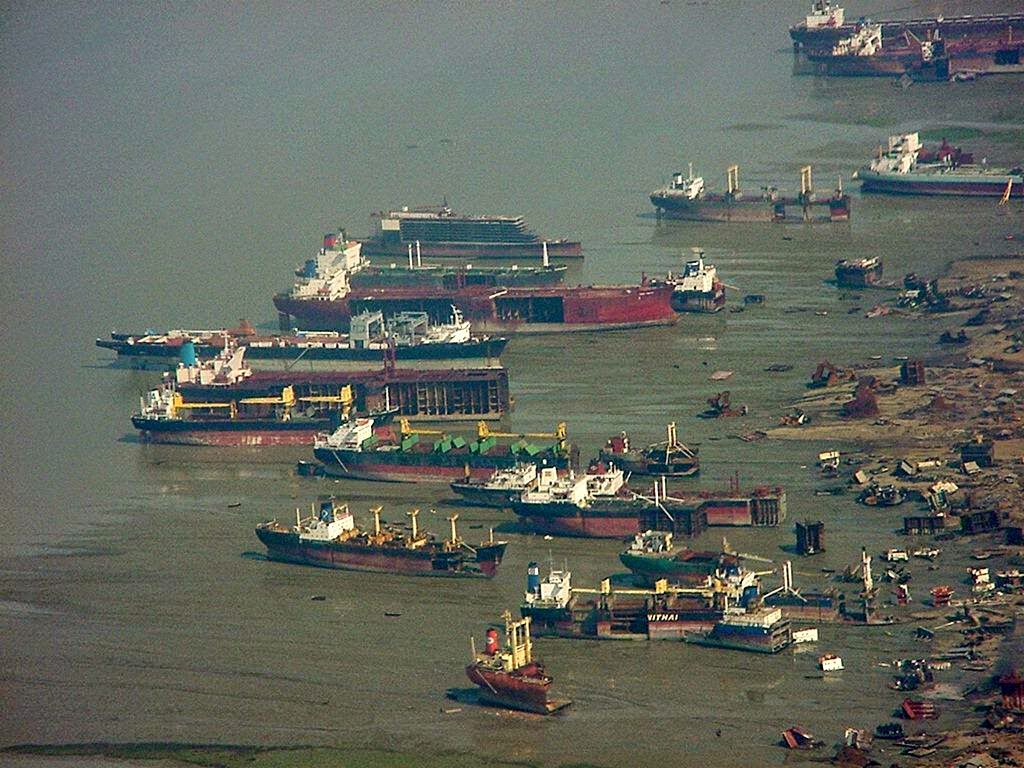 With torches, sledgehammers, steel wedges, brute force and painstaking drudgery, it will take six months to dismantle; one man will die and two men will be injured by a thousand pound slab of steel cut from the behemoth’s hide. It will net the owner millions more than he paid when he sells the scrap metal and he will provide no compensation for men that can’t work. They toil fourteen hours a day, with two half hour breaks and an hour for lunch, six and a half days a week. The men will eat their supper when their work shift ends. At least one quarter are illiterate; one quarter are children. The average wage is $1.25 per day.
 *
Azhar Uddin is gently woken by his father. It’s 4:30 a.m.
“Come my little man, you must join your brother at the table. You must leave for work soon. Come now.”
Hafiz Uddin turns from his son, supporting himself with his only arm grasped upon a homemade crutch; the other arm is buried beneath the muddy beaches where he once toiled, severed by falling steel at the same crippling yards where he will soon send his two sons. He wobbles even with his lopsided support; the left knee and lower leg, the same side as the missing arm, were wrecked in the accident also. Unable to find meaningful work with only a single hand, one strong leg and a defeated spirit, he remains dependent upon his male children: Nur is fourteen; Azhar will be thirteen next week. Because they are exceptional workers, they earn two hundred and sixty takas a day, just over three dollars.
Rising slowly, he sits up on the side of the bed, Azhar rubs his shoulder. The dull ache in his muscle reminds him of the steel pipes he helped carry all day. Long straight bangs of the fiercest black hang over his narrow forehead. His brown boyish skin is smooth and untroubled, not yet marked by the lines of struggle. A slight dimple on the end of his nose balances the squareness of his jaw. The man’s work he does has not taken the childish shine from his eyes. Blinking the sleepy fog from his brow he rises to find his work clothes neatly folded at the foot of his bed. His father washed and hung them to dry before he retired for the night, as he would’ve done for Azhar’s older brother, Nur, also. There are no women in the house.
 Azhar slips on his red and blue striped shirt, the collar and cuffs worn thin bearing unravelled threads. Wrapping a green and yellow lungiaround his slim hips, he ties a double pretzel knot to keep it secure. He often wishes for trousers to protect his legs, but they would be too hot for work, and he knows there is no money for such luxuries. Every spare taka is sent to his mother, Naju, in Dhaka. He ponders a moment, thinking of her and his sisters. Rayhana is eleven and works with his mother; and Tasleema is six. He hasn’t seen them for over four months. It is for Tasleema that they all work and save whatever is possible so that she can go to school. As he thinks of her glowing eyes and the tiny face he remembers her promise,
 “When we are together again, Azhar, I will teach you to read.”
The thought causes him to bend down to retrieve the tattered comic book from under his bed. In the dim light of the bare bulb from the kitchen, he scans the torn cover. The masked man with the flowing cape, he knows, is called Batman. One of his first jobs when he was only ten was to retrieve any usable items from the grounded ships that could be sold to the recyclers: rolls of unused toilet paper, cleaning supplies, pots and pans, furniture, bedding, tools, discarded books, coastal maps, light bulbs, cans of paint, rope, wire. The comic book had been in a waste basket; it was torn and thick with many readings. Azhar had seen other comics before but he wondered where this one came from and how far it had travelled when he found it. His boss Mojnu told him to keep it, otherwise it was being tossed out. He was always impressed by the colored pages, the photos of cars, tall buildings, fancy clothes, fight scenes, smiles and scowls – and he longs to know what the squiggly words mean. More than anything, he wants to read.

Tossing the book under the bed once more, he tugs the frugal sheets into place neatly, as his father expects, before joining his brother at the table. Their home is corrugated metal divided into two rooms with few possessions, its shape a replica of the many shanties lining the dirt street where he lives. Theirs is different because their father keeps it clean. The walls are painted a bright blue inside and out; their roof doesn’t leak when it rains.
The smell of oatmeal greets him as it drifts from the boiling pot his father is bent over, stirring, on the Bondhu Chula, a cook stove. Oatmeal for breakfast is not common in their home or their neighbours for that matter. Most breakfasts are rice, sometimes with red or green chillies. Or paratha, a pan fried unleavened flat bread. Yesterday Old Angus Macdonald, the burly Scotsman that visits them sometimes, dropped off a bag of rolled oats. They have no idea where he lives or where he comes from. They only know him from the story their father has told them.
The man was almost seventy when he commanded the Atlantic Pride, one of Canada’s largest ferries, to the yards in Chittagong when it was retired four years ago. He stepped onto shore after he grounded the ship and he never left. When the torches cut a section of aged steel from the nose of that very ship, a huge chunk crashed to the ground beside Hafiz, pinning his arm to the sand and breaking his leg. Had the piece fallen several inches more to the left, Hafiz would`ve died. Maybe that was why the elderly man stopped by once in a while with his bag of oats or some other staples and a few taka notes. He never stayed long, spoke very little Bengali. Always laughing, always a mystery.
Nur sits in front of a dish of flatbread, resting on a makeshift table which is a piece of discarded plywood his father has sanded, painted and polished. It’s the same teal that decorates the home, the same teal Hafiz got for free. Nur looks up with his usual wide grin,
“Good morning little brother. Will you be having paratha or paratha for your meals today?”
Hafiz has his back to his boys, cooking their breakfast. He doesn’t turn around when he scolds his oldest son. “Be thankful you have food, Nur. There are neighbours who may not have any today, or tomorrow. Don’t make fun. And Azhar, wash up, do your morning duties, and hurry. This is almost done.”
Both boys answer in unison, “Yes, Baba.”
 The man that owns the property their home sits on is the same individual who owns the breaking yard the boys work at. Not totally without empathy, he provides running water and outhouses. Perhaps it is benevolence that has him supply these accommodations; it’s also his desire that his employees should be healthy so they don’t miss work. Hence the covered latrines and cold, life-giving Adams’ ale. Azhar goes to the sideboard, where water heated by his father steams from an old porcelain basin that is storied with nicks and scratches. He washes the sleep from his face, tames the cowlicks on his head, before taking the bowl outdoors to discard the soapy residue. Setting it on the doorstep, he rushes to the outhouse to complete his morning ritual. Returning to the kitchen, he finds Nur bent over a smoking bowl of hot porridge with the grandest of smiles.
 “Azhar, we have brown sugar this morning. Our Baba is good to us”
Hafiz sits at the opposite end of the table, his own porridge barren of anything sweet. There is only enough for the boys, he feels. The used plastic bag that sits on the table holds about three tablespoons of crumbly dark crystals. Azhar sits at his seat, an upended orange crate padded with a cushion his mother made.
“Eat up boys. Divide that between you.”
As Nur digs into the bag, Azhar watches his father stir his breakfast to cool it, knowing such a treat is rare.
“What about you Baba?”
Nur halts his sprinkling to look at his father.
“No, no, I don’t want any. Take it. And hurry, Ismail will be along soon with the truck to take you to work.”
Suddenly the kettle’s steam whistle erupts. Hafiz sits closest to the cook stove and twists about with his single arm to lift the heated pot to fill the three mugs for tea. When his father turns his back, Azhar hastily reaches into the bag pulling out almost half of what is left. He stretches to sprinkle the sugar about his father’s bowl. Nur grins and tosses in what is left on his spoon. The boys are giggling as Hafiz turns around with the first of the mugs.
 He stops in mid swing when he sees what they have done. He guesses it to be Azhar, so much like his mother. He holds his youngest son’s gaze for a moment before looking at Nur. Mistaking the look on their father’s face, thinking him upset, the boys grow quiet. Hafiz briefly studies his sons, soon off to do men’s work, still childlike in their hearts. He yearns for them to run free, not to need their strong backs to survive. He is overcome with this simple gesture of love; a glistening tear zigzags down his haggard cheek.
 “Thank you, my sons. You are fine men.”
With everyone shy, the meal passes in solitude. The boys hastily finish so they can get ready for work.
Please feel free to leave a comment. Thanks for visiting.
Next week the Scribbler welcomes Elizabeth Housden of the United Kingdom as she talks about Creating Characters and her novel The Gentlemen Go By. She is a published author and former actress.

October 2, 2014
Canadian Diamonds are not Blood Diamonds
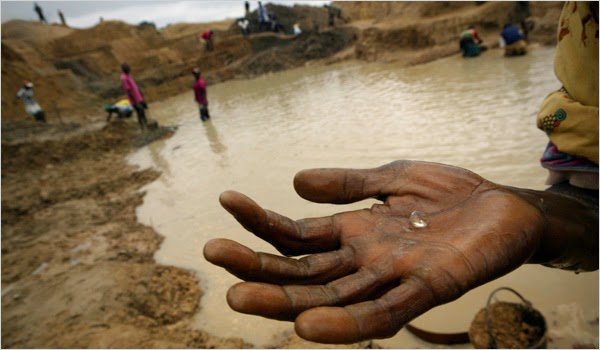 Why would a diamond be called a blood diamond? Here’s what Wikipedia says; Blood diamonds (also called a conflict diamonds, converted diamonds, hot diamonds, or war diamonds) is a term used for a diamond mined in a war zone and sold to finance an insurgency, an invading army's war efforts, or a warlord's activity. The term is used to highlight the negative consequences of the diamond trade in certain areas, or to label an individual diamond as having come from such an area.
 "Diamonds are a girl’s best friend" Marilyn Monroe famously sang in the 1953 classic Gentlemen Prefer Blondes. But are they friends to Canadians too? Diamonds are not everybody’s friend. Check the video at the end of the blog. made available by the diamond buyers guide.
 In February 2011, a Canadian diamond named the Ekati Spirit sold at auction for a record $6 million. The cherry-sized, 78-carat rock’s exceptional clarity, carats and colour surpassed that of the previous record holder which sold for $1.2 million just a few years ago. It wasn't disclosed whether the Spirit's buyer was male or female, but somewhere in the world a girl has a new best friend.

Early in 2011, DeBeers got the green light to open a new mine located roughly 300 kilometres northeast of Yellowknife on the shore of Kennady Lake. Estimates say that the $600 million Gahcho Kue project could start production in 2014. Yet since the kimberlite (ancient underground magma) that holds the diamonds is actually located under the lake, the plan is to lower the water level in some spots and completely drain the lake in others. This overhaul of the natural landscape is fueling concerns that the diamond business is not as clean-cut as the stones they produce.
Advantages
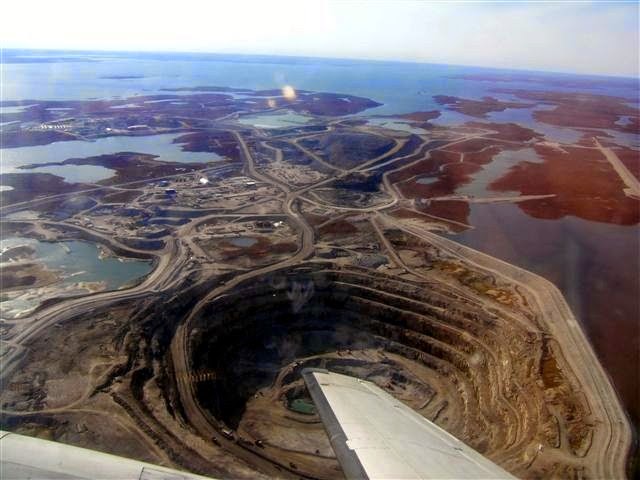 Canada’s diamond industry was launched from a standstill in the late 1990s after the discovery of one of the gems at Point Lake, NWT. Since then, the industry has surged and Canada now produces 15 percent of the world’s diamond supply and is the third largest producer of diamonds after Botswana and Russia.Between 1998 and 2002, 13.8 million carats worth $2.8 billion have been mined in Canada. "This is roughly a 1.5-kilogram bag of ice each day for five years, with each bag worth 1.5 million," reports Statistics Canada.
Diamond mining has also led to a marked increase in Northern jobs. And these positions are more than just stints, but long-term posts. Nearly a third of these jobs are held by aboriginals and average salaries hover around $63,000. The mining has come to account for almost half of the North West Territory's GDP, according to Deb Archibald, director of minerals, oil and gas at the NWT industry ministry.
Disadvantages
However, both open-pit and underground mines present significant environmental impacts. Issues such as destruction or loss of habitat, water contamination, excessive waste (rock, soil etc…) and the possibility of heavy metals or toxins leeching into the water table are ever-present factors. In the case of the new Gahcho Rue mine, the displacement of the caribou habitat and migration paths are of great concern.
In response to these threats, First Nations groups set up an independent watchdog organization to protect against environmental damages at the Ekati mine. In 2004, they reported an increase in chemicals in the surrounding lakes and a total habitat loss of 19.7 square kilometres, an area double the size of Yellowknife. And the mine was also in the migratory path of the largest caribou herd in Canada.
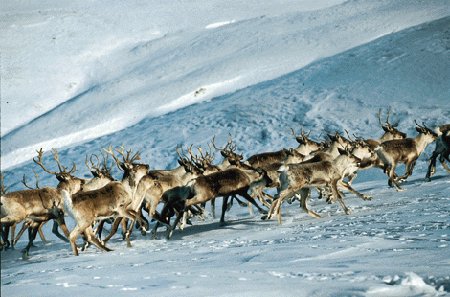
The open-pit Victor Mine in the James Bay Lowlands of Northern Ontario produces some 600,000 carats of diamonds every year. It also produces 2.5 million tonnes of processed waste rock every year and pumps 40 Olympic sized pools of salt-water into the Attawapiskat River every day.
A great deal of emphasis is placed on the Canadian diamond industry as a welcome alternative to the blood or conflict diamonds mined in Africa. Canada was one of the main supporters of the Kimberly process, a certification initiative created in 2000 to help deter the trade of conflict diamonds.
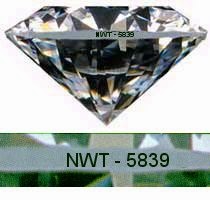 All diamonds mined and cut in the Northwest Territories of Canada are laser inscribed with a unique identification number so that retailers can assure they are conflict-free stones. Taking another oppositional cue from Africa and the disastrous impacts their mining programs had on the surrounding ecosystems, all Canadian diamond mines are overseen by the Canada Mining Regulations for the Northwest Territories. This program ensures the preservation of surrounding land and aquatic habitats.
The following 1 minute video is from the African Diamond Council. It warns about blood diamonds and is NOT for the faint hearted. Due to a time conflict, the 4Q Interview with Kitty LaRoar will only be available next week. You really need to meet this gal and listen to her music. She has a wonderful voice and sings the old classics beautifully. Here's a sample.
September 27, 2014
Guest Author Sarah Butland - An excerpt from Blood Day
 Sarah Butland was born in Ontario, the year was 1982. She moved to New Brunswick for over 15 years and now resides at home in Nova Scotia, Canada. Butland has been married to her high school sweetheart and has a superstar son named William, and a cat named Russ who all make her house a home. Blood Day
 I've always been told we all bleed red, take breaths, and die if poisoned so I often wondered why I wasn't dead yet.
A pot of live bouganvilleas was set in the center of my white marble coffee table in the middle of the stark-white room. The contrast between the white and the deep red of the flowers was exactly what I had envisioned since I was a little girl. I just didn't realize I'd actually see it in my very own house.
When I was a young girl I had discovered my love for contrasts and couldn't ever conform to what society expected. Each foster family I had visited or lived with, as they'd say, labeled me with no originality. I was either a challenge, a handful, difficult, or trouble because I refused to be typical. Something inside always convinced me I wasn't, so I tried my best to be different.
It wasn't that I didn't want to get along with at least some of my foster families, it just didn't happen. Most of the families I was moved into reminded me of “Leave it to Beaver” when I was more the “Family Guy” type.
Years of rejection for being myself only strengthened my resolve and character. I guess I'm thankful for that, but often wonder where I'd be without all of those complications. Each scar on my left arm was representative of a new family – upright or corrupt; the ones on my right leg, friendships which could have been had I been someone else. I stopped before I had to move on to my left leg with the decision that friendships no longer mattered. That was when I was 24.
 I reached out and broke a single flower from its group and methodically touched each of its stems thorns with the tip of my index finger. Staring with concentrated effort as each pricked my finger, broke through my skin but drew no blood. Still, on my 28th birthday my fluid wouldn't drain and I had to wonder why I was told my birthday was so special.
 With memory sharp and detailed I recalled the legend told to me of what I was and who I would be. Each birthday I tested the myth and each year I was more confused and distraught than the last. I tried to end my life on many occasions knowing what I may have been missing out on and with each failed attempt I anticipated more the future. If my life was so important to continue to live there must be something waiting for me to do and yet I had no idea what it was.
“Veronica, you are to cherish each teardrop, every drop of spilled blood and your memory most of all. We both wish we could stay but it's our destiny to leave you and we cannot disagree with what the universe has told.”
They were the only words I ever really listened to. They were the only words said so distinctly, with such concern and concentration from my birth parents. The moment I could write I wrote them and the first I could type I saved them to my computer but neither action was necessary. They were committed to memory like nothing else. Of course, I learned in school and was at the top of most classes to the complete confusion of everyone involved. They never could decide if I was cheating, intelligent but rebellious or what. I liked the “or what” the most.
 In high school I was the one who got along with everyone but befriended no one; the quiet one who did as she was told except for when it came to gym class. Never one to dress or undress with others I always forgot my change of clothes, energy and took on my “attitude” that was rarely seen at school. Failing gym class became my thing, even more so than surpassing everyone's expectations in art. My paintings, pastels and photographs often had everyone talking even more about me and my disturbing behavior but had the student body, even teachers, envious of my vision for beauty.
 It wasn't surprising to anyone that I became a full-time interior designer and writer in my free time. Buying, re-decorating, renovating and reselling old houses was my main income and it never failed to impress me that buyers would see past my own personality and buy the house for what they could make of it. Real estate agents constantly suggested I put everything away, leave the house empty or stage it with their own suggestions so I never listed with them. I rarely followed tradition even though my parents implied that I should.
It puzzled me for all my 28 years, minus a few months because my parents waited till then to tell me. Strange how most kids don't remember their early years even when those are the most important years of their life. Learning to walk, talk and eat are key essentials to being human but so is who to trust, love and respect but the latter are things forgotten. Sometimes, often really, I wondered if I was human but then my heart would break, I'd feel the need for success no matter who I stepped on to do it and craved chocolate just like the books told me a human female would. Nothing else, besides my memory and lack of bleeding screamed unearthly.
No one sat me down to explain that I was supposed to bleed regularly every month so it never crossed my mind that it was weird that I never did. My feminine parts grew as did everyone else's and I thought this natural.
Another year of guessing, searching and reshuffling furniture but at least this year I'd be spending most of it in the home of my dreams. This particular house would not be sold again as I immediately felt connected with it. Even when the walls were egg-shell, the couches a boring beige and the lighting too bright and all wrong. The lights were the first things to go, most of them being taken out completely while others were changed to cast only a shadow on the few items in the room.
“Ma'am? Ma'am?” I turned to find a mover about to tap me on the shoulder and I stepped back to ask him what he wanted.
“We're done here. Fastest job our men have ever had, really. Lightest, too. Are you sure we're not forgetting something?”
“You may be but nothing that I left behind. Everything is here and as it should be. The rest I can take care of. Let me get my money clip. Please wait on the step and I'll be right out.”
“That's not necessary, ma'am. We were already paid and...”
“Do as I say and I'll reward you handsomely.” Those words were rarely said and never failed to have the listener respond accordingly. They were the easiest words I could get off my tongue as I knew I'd be alone soon after.
As I made my way upstairs to the guest room I looked over all of the others. It wasn't a large house but some would say it was too big for one person. Instead I thought it the perfect size and paid 10% more than the asking price once I saw it. This ensured I was able to move in the same day, eager to finally be settled, to have a place of my very own. Even with the few pieces of furniture, for example the guest bedroom was made up of only a futon, a wardrobe and a shelf filled with vases of deep red bouganvilleas, the house gave me no impression of being too much for me.
I reached into the middle flower pot and retrieved an old coin left to me by my parents. There were a handful of these that I dragged from place to place and still really didn't understand the value of them. I just liked seeing the eyes of the people receiving them light up in surprise. I held it carefully in my hand as I envisioned the workers and slowly counted to four as I made my way down the spiral staircase. When I opened the door and saw the four men standing on the porch I opened my clenched fist.
 The men stared down at the four coins now resting in my hand and each were nervous to take one. I was as grateful as I was nervous about their comments continuing about my long sleeves in the sweltering heat. Although I mainly dressed completely from neck and wrist to ankle, the temperature never seemed to bother me. I often thought I was cold-blooded but that could only be true if I confirmed I even had blood to be cold.
 The men cautiously took what I was offering and disappeared into their trucks and down the road. Standing for a minute to take in my neighbourhood of trees, fields and flowers, I concluded it was soon time to plant my garden. Of course I'd hire some help for the mandatory lawn maintenance but the weeding, planting and digging would be my pleasure. That afternoon I planned to visit the local nursery, which, by road, was twenty minutes away. Pure seclusion was what I thrived on, what I always craved so something I often rewarded myself with.
Turning, I closed the front door and made my way to the family room where I knew there would never be a family. At least not of the traditional sense. Catching my reflection in the full length mirror I caught my breath, startled at what I saw. Thank you Sarah for sharing an excerpt of your story. Read the rest of Blood Day which is available at amazon.com. You can discover more about Sarah at www.sarahbutland.com I am so excited to announce that next week on the 4Q Interview you will get to meet one of greatest new voices in jazz, Kitty LaRoar form London, England.

September 19, 2014
Meet JJ Cale, a musician's musician.
 His real name is John Weldon Cale. You won’t find too much information about JJ on the Internet, a very private man. He shunned the glitz and glamor of fame. If JJ Cale is such an obscure musician, how do people discover his music? My guess is it spreads by “word of mouth”. I tell someone, they tell someone, etc. JJ Cale is one of the finest, smoothest guitar players to ever pick up an axe. He is one of the originators that created the “Tulsa sound”. Here’s a quote I read somewhere, In 2013
Neil Young
remarked that of all the musicians he had ever heard, J.J. Cale and
Jimi Hendrix
were the two best electric guitar players.
[
His real name is John Weldon Cale. You won’t find too much information about JJ on the Internet, a very private man. He shunned the glitz and glamor of fame. If JJ Cale is such an obscure musician, how do people discover his music? My guess is it spreads by “word of mouth”. I tell someone, they tell someone, etc. JJ Cale is one of the finest, smoothest guitar players to ever pick up an axe. He is one of the originators that created the “Tulsa sound”. Here’s a quote I read somewhere, In 2013
Neil Young
remarked that of all the musicians he had ever heard, J.J. Cale and
Jimi Hendrix
were the two best electric guitar players.
[
Here’s the first sample of his music. I have many favorites but Magnolia from the Naturally album is the finest love song ever written. It is a special song for my wife Gloria and I.
I can distinctly remember the first time I heard him singing 36 years ago. It started like this;
 My son Adam was only two then. He was playing in a small park with several other children around the neighborhood where his mother and I were playing tennis. The two asphalt courts were enclosed by firm wire strung on tall metal posts. The fence was composed of two inch diamond shaped openings, the kind that was big enough to stick the toe of a pointed shoe through. There was an opening about three feet wide on each side at center court. The playground was on the opposite side from where we were playing Adam had something exciting to tell us and instead of going around the court, he did like any kid with something hot on his mind would do.
 He entered the court from the opposite side from us where another couple about our age was playing. He hugged the fence trying to avoid the running man but the running man didn’t see the little boy. When he moved back to return a lobby from his girlfriend, the man knocked the little boy to the ground. Turmoil ensued. Everyone was concerned about the lad who by now was sitting on the tarmac rubbing his head, cuddled by a concerned mother. The man was overcome with apprehension for Adam even though he was not at fault. He was kind enough to follow up with us over the next several days regarding Adam’s wellbeing.
Adam suffered a minor concussion and had to wear a hockey helmet to playschool for two weeks to protect his head. I can remember him leaving the house in the morning, tiny body, big helmet and shiny brown eyes filled with mischief and glee. The incident lead to a brief friendship with the couple. It’s been so long ago that I can’t remember their names. One evening, the man and his wife invited us out for a drive in his bosses’ new car, a 1978 Thunderbird which had a tiny back seat and an eight track player. (For those too young to know what an eight track is, well, you’ll have to look it up) The music that was playing was JJ Cale’s first album, Naturally, recorded in 1972. I have been in love with his music since.
This is one of my favorite JJ Cale tunes, Right Down Here from the Really disc. 1972.
Here's another one I really like. The River Runs Deep
And another.
By 1978, JJ Cale had recorded three other albums as well. Troubadour – 1976. Okie – 1974. Really – 1973. I went out in the next few weeks and bought them all. Over the years I owned every album, I bought every eight track when they were popular. When cassettes took over, I bought each one again. When CDs became popular I’m proud to say I own every CD JJ has recorded.
His songs were covered by dozens of well-known musicians, most notably Eric Clapton. In fact it was Clapton that first brought attention to Mr. Cale by recording JJ’s song, After Midnight which was recorded in 1970 on Eric Clapton’s debut album as a solo artist. But the song that made Clapton famous was another of Cale’s rockers, Cocaine. Covered on Clapton’s Slowhandalbum in 1977. Other artists that have covered JJ’s music are, Santana (Sensitive Kind), Waylon Jennings (Clyde), Lynyrd Skynyrd (Call me The Breeze), John Mayer, Neil Young, Johnny Cash, Captain Beefheart, The Allman Brothers, Jerry Garcia, The Band, Chet Atkins, Freddie King, Beck, Band of Horses, Jose Feliciano, George Thorogood & The Destroyers, Clarence Gatemouth Brown, Tom Petty & The Heartbreakers, Bobby "Blue" Bland, Lee Fields, Deep Purple, Widespread Panic, John Mayall.
Best cover ever
 Trying to fit Cale into one genre of music would be akin to trying to hammer a peg into a board with only five shapes and none of them are ten sided. He’s laid back, bluesy, jazzy, rock, rockabilly, country, and forever soulful. He was a man that just wanted to write music. He only had one hit that made it to number 22 on the American top forty in 1972, Crazy Mamafrom the Naturally album. There are twenty-one albums altogether. The last solo album was Roll On recorded in 2009. He and Eric Clapton recorded a duet album called Road to Escondido in 2006 which won a Grammy Award for best blues album.
 He was married to Christine Lakeland, a musician featured on most of his albums. He was born in Oklahoma City on December 5th, 1938. He died in Los Angeles on July 26th, 2013. A tribute album has just been released by Eric Clapton and friends titled Call me the Breeze.
You won’t be sorry if you buy any of his albums. I can’t imagine not having JJ’s music around.
You can learn more about him here;
Official site: www.jjcale.com
Wikipedia: http://en.wikipedia.org/wiki/JJ_Cale
FaceBook: https://www.facebook.com/pages/JJ-Cale/41196666601
MySpace: https://myspace.com/jjcale
Biography.com: http://www.biography.com/people/jj-cale-21300337#synopsis
A sample of his awesome guitar work.**** Guitar Man
Please join me next week when I will be posting an excerpt from guest author Sarah Butland's short story, Blood Day.




![[image error]](https://3.bp.blogspot.com/-ORDo3nUHi-k/VGSLP2TIIVI/AAAAAAAACjs/aGoPx1xI3Ts/s1600/Large-Bowie-Knife.jpg)