Allan Hudson's Blog, page 55
September 27, 2015
Wall of War by Allan Hudson
So Excited!
I have just completed the third draft of my work-in-progress (WIP) Wall of War and it is almost ready for a select group of Beta Readers. Then off to the editor. Cover reveal soon. Book launch sometime in 2016.
 I started this novel in August 2012. The story begins in 1953 with an amateur rock climber making a startling discovery while free climbing in the Peruvian Andes. The first 14 pages are an epilogue.
The story continues in 2004 with a cast of daring and brave characters searching for the young priest that discovers the gold dagger and strange papers written in a strange language telling of lost Incan gold....
Drake Alexander will need every resource to outthink Spanish raiders who are bent on stealing Peru's riches once more.
 The Scribbler has been host to the first three parts of the opening section. You can link to the three previous installments as follows. Beginning Part 2 Part 3
It continues:
By the time Father Graft reaches his car, it is past midnight. The last span he climbed was in the shadows of dusk, hand holds and foot holds difficult to see. And yet he scrambled up the face with the dexterity of a wild goat. He had discovered a narrow valley on the opposite side of the mountain with an easier walking route to the top on a previous visit and the red ribbon blazes he left behind are easy to follow even in the dark. He is thankful he replaced the batteries only this morning not realizing how much of a workout his small light would get.
He unlocks the vehicle, changes clothes, jumps in and starts away. His actions are mechanical; his mind contributes nothing to the actions of his limbs, it being totally absorbed by the hugeness of the day. He keeps going over in his head of what he will write. He’ll get all the details down on paper. When he feels they are complete he will request a private visit with the archbishop to present both the dagger and the story behind it. When it is made public, it will shock and bewilder the populace.
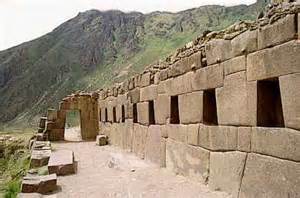 He arrives in Ollantaytambo shortly after two pm, the small town asleep. He parks his car at the rear of the church thinking to enter in the side door beyond the bell tower. It is always unlocked. He wants to kneel before the altar, he needs to converse with his Saviour. He has great difficulty in comprehending his unique position, of containing the bizarre news that he understands will reshape his world. Each step he takes from here cannot be done on his own, he will need a guide.
He devotes the next fifteen minutes at the altar rail that separates the nave from the chancel, speaking with the lightest of whispers to the man on the cross above him, his head bowed. He finishes by saying reverently,
“I am but an empty vessel. I ask that you fill me with your desire, to use me to your divine purpose. I will follow whatever road you have prepared. Amen.”
One of his knees creaks as he rises, the snap echoing in the emptiness of the building. The only light is a bluish pall that enters through the side windows, the moon glow soft and reassuring. He straightens up to look around, gazing at the empty pews, the dark front doors he can barely see. Turning back to the worship area, his eyes rest on a door to the left of the sanctuary, hardly discernible in the low light. Behind it is a group of rooms, one of which have paper and pen, the Monsignor’s office. He is dog tired but he wants to get as much details down as he can, while they are still fresh in his mind. By tomorrow the particulars he will recall can be tarnished with twenty four hours past reality, the mind changes things with memory; it will become what he wants it to be.
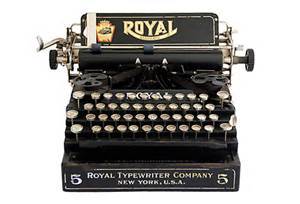 He hurries through the door, flicking the light switch for the hallway. Two doors down on the right is the head priest’s work area, where the church’s administration is done. Inside against the wall next to the door is a small desk. On it sits an old Royal typewriter, an unwieldy little beast that he has to compose letters for the Monseigneur sometimes as one of his duties. He shakes his head at the thought of banging out his tale on that little monster, some keys don’t work properly and the carriage is always catching. Wishing his handwriting was more legible; he sighs and sits at the desk anyway. A short lamp rests to the right and he snaps it on.
Seven pages later he can hardly keep his eyes open. He has described the opening where he first entered, he told the reader of what he discovered, he wrote about the enormous size transcribing the dimensions from his note book and the last two pages are about the historical implications, the wealth of the find, how it could benefit the church, Peru and its people, all speculation of course. He pulls the page from the carriage, thinking to do one more giving directions to the monument. He lays the sheet on the desk with the others, removes a blank page from the top drawer and places it in the wheel. After five or six minutes the words blur, he isn’t making any sense, he’s forgetting things. He knows he has to break for a minute. Pushing his chair back several inches he rests his head on the desk thinking he will close them for just five minutes. It is 4:21am.
Close to 7am, Aduviri Conde, a fourteen year old acolyte of the church, is shaking him awake. As he tugs at the sleeping man’s shoulder he says in Spanish,
“Father Graft, Father Graft, wake up. Don’t you remember that you are saying the morning mass in Urubamba today, Father Rodriquez is still sick? Hurry, you are going to be late”
Suetonius sits up all groggy and disoriented rubbing his weary eyes and says,
“What are you talking about Aduviri; I thought I was to assist Father Cortez at the late mass today.”
“That has all changed, Father Cortez is too busy and you are the only one available, I told you this before you left to go climbing yesterday. I should’ve known you would forget, the rock is all you think about on your days off. I was starting to panic when I didn’t find you in your bedroom, then I saw the light in Monsignor’s office. What are you doing here?”
That question jolts Suetonius fully awake as he focuses on the sheets on the table. Aduviri scoops them up and says,
“What are you writing and why is it so strange?”
“Never mind Aduviri, it’s just something I’m preparing, you know how the mountain moves me.”
He deftly plucks the papers from the boy’s hand placing them back on the desk and adds,
“Go grab me a heel of bread from the kitchen and some cheese, and some water; I’ll eat on the way. I’ll get cleaned up and meet you in the dressing room to help me pack my robe.”
The boy is intrigued by Father Graft’s brusque manner; he is usually so calm and polite. He quickly forgets the sheets with the funny words and says,
“Right away, Father. May I go with you today; I could serve as your altar boy?”
“No, not today Aduviri, they have plenty of available altar boys.”
Unknowingly, he has just saved the young man’s life.
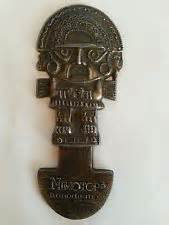 After the lad leaves, he gathers up the pages, grabs the rag with the dagger that is on the floor between his feet, and rushes to the dressing room where the priests don their robes. He has to hide his treasure until he can return to finish the last page. He looks up at the access to the attic. It is a small door in the middle of the ceiling; it is here he will hide the dagger and papers. He pulls a chair over so he can reach the ceiling. He struggles with the flat piece that covers the opening; it is unused and glued with many coats of paint. Using the palm of his callused hand he rams the wood with a heaving effort and it pops into the attic.
Getting down from the chair he quickly unfolds the rag to expose the knife. He rolls the paper in a circle wrapping the dagger up with words. He places the bluish rag around it all, gets up on the chair again and shoves the package under the insulation he can feel. Stretching on his toes, he gropes for the cover. He hears the boy returning, humming a hymn. He flips the wood back pulling it down with the handle. Where the paint has broken, it fits back together as neatly as Inca stone; no one will be the wiser. Stepping down from the chair he wipes off the bits of insulation that fell. He slides the chair back in place just as Aduviri opens the door.
The boy thrusts out a brown bag with Suetonius` breakfast and says, ``Here``!
``Thank you, young man. Don’t be so abrupt. I know you enjoy the drive and are disappointed but not today my friend. Next time okay?”He gives the boy a phony punch to the chin, tapping a smile into place. Aduviri points to a well-used black leather case.
“I understand Father Graft. I have already packed your tunic and robes.”
Suetonius takes a quick glance at the ceiling as he follows the boy out of the room. Making a quick stop at the washroom to freshen up before he heads out to his car, he is thinking of the last page. He must remember to be clear on the instructions he tells himself. If he is not around to lead someone there, it will be very hard to find.
He is on the last straight stretch before the road winds through a pass to the small community of Urubamba. He is so tired he can hardly stay awake. He wants nothing more than to pull over and sleep for several hours but he is already behind schedule. The monotony of the roadway coupled with the soft rocking of his old car from poor shocks soon lulls him into a haze. He closes his eyes, only for a second he thinks, but they never open again. Father Suetonius Graft falls asleep at the wheel of his auto. When his body can no longer support itself, he slumps towards the steering wheel. Coming towards him is an older one ton truck piloted by a local farmer. Just as the two vehicles near each other, the weight of the priest’s inert body pulls the wheel to the left. His car collides with the heavy bumper of the old Ford.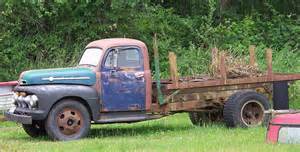
The farmer escapes with a broken leg and a mild concussion but the priest is killed instantly, his body mangled within the twisted wreckage. His Deliverer has called him home, his mission complete. The secret of the golden wall will remain hidden for another fifty one years.
Thank you for taking the time to visit the Scribbler. I would appreciate any comments regarding the opening of my novel. Please feel free to leave a note behind in the comments box below or in the "Talk to the Author" section.

Next week the Series of New Brunswick Authors will wrap up with a 4Q Interview of Elizabeth Copeland of Miramichi. Elizabeth is a very busy lady involved in Theater as well as writing and the Scribbler is fortunate to have her visit. Don't miss it!
I have just completed the third draft of my work-in-progress (WIP) Wall of War and it is almost ready for a select group of Beta Readers. Then off to the editor. Cover reveal soon. Book launch sometime in 2016.
 I started this novel in August 2012. The story begins in 1953 with an amateur rock climber making a startling discovery while free climbing in the Peruvian Andes. The first 14 pages are an epilogue.
 The story continues in 2004 with a cast of daring and brave characters searching for the young priest that discovers the gold dagger and strange papers written in a strange language telling of lost Incan gold....
Drake Alexander will need every resource to outthink Spanish raiders who are bent on stealing Peru's riches once more.
 The Scribbler has been host to the first three parts of the opening section. You can link to the three previous installments as follows. Beginning Part 2 Part 3
It continues:
By the time Father Graft reaches his car, it is past midnight. The last span he climbed was in the shadows of dusk, hand holds and foot holds difficult to see. And yet he scrambled up the face with the dexterity of a wild goat. He had discovered a narrow valley on the opposite side of the mountain with an easier walking route to the top on a previous visit and the red ribbon blazes he left behind are easy to follow even in the dark. He is thankful he replaced the batteries only this morning not realizing how much of a workout his small light would get.
He unlocks the vehicle, changes clothes, jumps in and starts away. His actions are mechanical; his mind contributes nothing to the actions of his limbs, it being totally absorbed by the hugeness of the day. He keeps going over in his head of what he will write. He’ll get all the details down on paper. When he feels they are complete he will request a private visit with the archbishop to present both the dagger and the story behind it. When it is made public, it will shock and bewilder the populace.
 He arrives in Ollantaytambo shortly after two pm, the small town asleep. He parks his car at the rear of the church thinking to enter in the side door beyond the bell tower. It is always unlocked. He wants to kneel before the altar, he needs to converse with his Saviour. He has great difficulty in comprehending his unique position, of containing the bizarre news that he understands will reshape his world. Each step he takes from here cannot be done on his own, he will need a guide.
 He devotes the next fifteen minutes at the altar rail that separates the nave from the chancel, speaking with the lightest of whispers to the man on the cross above him, his head bowed. He finishes by saying reverently,
“I am but an empty vessel. I ask that you fill me with your desire, to use me to your divine purpose. I will follow whatever road you have prepared. Amen.”
One of his knees creaks as he rises, the snap echoing in the emptiness of the building. The only light is a bluish pall that enters through the side windows, the moon glow soft and reassuring. He straightens up to look around, gazing at the empty pews, the dark front doors he can barely see. Turning back to the worship area, his eyes rest on a door to the left of the sanctuary, hardly discernible in the low light. Behind it is a group of rooms, one of which have paper and pen, the Monsignor’s office. He is dog tired but he wants to get as much details down as he can, while they are still fresh in his mind. By tomorrow the particulars he will recall can be tarnished with twenty four hours past reality, the mind changes things with memory; it will become what he wants it to be.
 He hurries through the door, flicking the light switch for the hallway. Two doors down on the right is the head priest’s work area, where the church’s administration is done. Inside against the wall next to the door is a small desk. On it sits an old Royal typewriter, an unwieldy little beast that he has to compose letters for the Monseigneur sometimes as one of his duties. He shakes his head at the thought of banging out his tale on that little monster, some keys don’t work properly and the carriage is always catching. Wishing his handwriting was more legible; he sighs and sits at the desk anyway. A short lamp rests to the right and he snaps it on.
 Seven pages later he can hardly keep his eyes open. He has described the opening where he first entered, he told the reader of what he discovered, he wrote about the enormous size transcribing the dimensions from his note book and the last two pages are about the historical implications, the wealth of the find, how it could benefit the church, Peru and its people, all speculation of course. He pulls the page from the carriage, thinking to do one more giving directions to the monument. He lays the sheet on the desk with the others, removes a blank page from the top drawer and places it in the wheel. After five or six minutes the words blur, he isn’t making any sense, he’s forgetting things. He knows he has to break for a minute. Pushing his chair back several inches he rests his head on the desk thinking he will close them for just five minutes. It is 4:21am.
Close to 7am, Aduviri Conde, a fourteen year old acolyte of the church, is shaking him awake. As he tugs at the sleeping man’s shoulder he says in Spanish,
“Father Graft, Father Graft, wake up. Don’t you remember that you are saying the morning mass in Urubamba today, Father Rodriquez is still sick? Hurry, you are going to be late”
Suetonius sits up all groggy and disoriented rubbing his weary eyes and says,
“What are you talking about Aduviri; I thought I was to assist Father Cortez at the late mass today.”
“That has all changed, Father Cortez is too busy and you are the only one available, I told you this before you left to go climbing yesterday. I should’ve known you would forget, the rock is all you think about on your days off. I was starting to panic when I didn’t find you in your bedroom, then I saw the light in Monsignor’s office. What are you doing here?”
That question jolts Suetonius fully awake as he focuses on the sheets on the table. Aduviri scoops them up and says,
“What are you writing and why is it so strange?”
“Never mind Aduviri, it’s just something I’m preparing, you know how the mountain moves me.”
He deftly plucks the papers from the boy’s hand placing them back on the desk and adds,
“Go grab me a heel of bread from the kitchen and some cheese, and some water; I’ll eat on the way. I’ll get cleaned up and meet you in the dressing room to help me pack my robe.”
The boy is intrigued by Father Graft’s brusque manner; he is usually so calm and polite. He quickly forgets the sheets with the funny words and says,
“Right away, Father. May I go with you today; I could serve as your altar boy?”
“No, not today Aduviri, they have plenty of available altar boys.”
Unknowingly, he has just saved the young man’s life.
 After the lad leaves, he gathers up the pages, grabs the rag with the dagger that is on the floor between his feet, and rushes to the dressing room where the priests don their robes. He has to hide his treasure until he can return to finish the last page. He looks up at the access to the attic. It is a small door in the middle of the ceiling; it is here he will hide the dagger and papers. He pulls a chair over so he can reach the ceiling. He struggles with the flat piece that covers the opening; it is unused and glued with many coats of paint. Using the palm of his callused hand he rams the wood with a heaving effort and it pops into the attic.
 Getting down from the chair he quickly unfolds the rag to expose the knife. He rolls the paper in a circle wrapping the dagger up with words. He places the bluish rag around it all, gets up on the chair again and shoves the package under the insulation he can feel. Stretching on his toes, he gropes for the cover. He hears the boy returning, humming a hymn. He flips the wood back pulling it down with the handle. Where the paint has broken, it fits back together as neatly as Inca stone; no one will be the wiser. Stepping down from the chair he wipes off the bits of insulation that fell. He slides the chair back in place just as Aduviri opens the door.
The boy thrusts out a brown bag with Suetonius` breakfast and says, ``Here``!
``Thank you, young man. Don’t be so abrupt. I know you enjoy the drive and are disappointed but not today my friend. Next time okay?”He gives the boy a phony punch to the chin, tapping a smile into place. Aduviri points to a well-used black leather case.
“I understand Father Graft. I have already packed your tunic and robes.”
Suetonius takes a quick glance at the ceiling as he follows the boy out of the room. Making a quick stop at the washroom to freshen up before he heads out to his car, he is thinking of the last page. He must remember to be clear on the instructions he tells himself. If he is not around to lead someone there, it will be very hard to find.
He is on the last straight stretch before the road winds through a pass to the small community of Urubamba. He is so tired he can hardly stay awake. He wants nothing more than to pull over and sleep for several hours but he is already behind schedule. The monotony of the roadway coupled with the soft rocking of his old car from poor shocks soon lulls him into a haze. He closes his eyes, only for a second he thinks, but they never open again. Father Suetonius Graft falls asleep at the wheel of his auto. When his body can no longer support itself, he slumps towards the steering wheel. Coming towards him is an older one ton truck piloted by a local farmer. Just as the two vehicles near each other, the weight of the priest’s inert body pulls the wheel to the left. His car collides with the heavy bumper of the old Ford.

The farmer escapes with a broken leg and a mild concussion but the priest is killed instantly, his body mangled within the twisted wreckage. His Deliverer has called him home, his mission complete. The secret of the golden wall will remain hidden for another fifty one years.
Thank you for taking the time to visit the Scribbler. I would appreciate any comments regarding the opening of my novel. Please feel free to leave a note behind in the comments box below or in the "Talk to the Author" section.

Next week the Series of New Brunswick Authors will wrap up with a 4Q Interview of Elizabeth Copeland of Miramichi. Elizabeth is a very busy lady involved in Theater as well as writing and the Scribbler is fortunate to have her visit. Don't miss it!


September 18, 2015
Guest Author Lidia Branch of Moncton, NB
The series of NB Authors is winding down with three more installments. Today you will meet Lidia Branch.
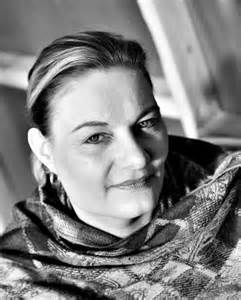 Originally from The Netherlands,
Lidia Branch is now a Canadian citizen living in Moncton, New Brunswick with her husband Brian and two children, Jonah and Maika. A former birth doula and midwife assistant, Lidia now enjoys writing, being a writing coach for children and mother/manager of her daughter, Maika, who has become a successful author at the age of eleven. Lidia loves journaling about her life and hopes to one day turn those journals and stories into future fiction and non-fiction books.
An excerpt from Baby Jonah.
Chapter 5: Tubes and Wires
After the initial shock of seeing our son’s face for the first time, and the disappointment of not being allowed to hold him, I somehow still was in good hopes that he was going to be OK. I was still expecting to find my baby in a little crib nicely tucked in under a blue striped blanket. By now he is probably sucking his knuckles ready to latch on for some milk, I thought as I was getting ready to freshen up. I had been waiting for this moment forever. The first shower after seven hours of labor and giving birth was the best shower I had in my entire life. I was just standing there, relaxing my sore tired body under the warm flow of hot water. It felt so good to wash away all the body fluids from giving birth. It took me a few minutes to process the miracle that just occurred. What an experience, what a rush! Yes it was true what they say, it was no fun to have those contractions but you know what? I would do it again in a heartbeat. The reward of holding my baby was going to be worth all the pain. I was sure of it. It is unbelievable that a child can grow in your belly, inside of your body. It starts with two cells you cannot even see, created by love, and turns into a little human being! A baby with arms, legs, fingers, and a beating heart. And when he grows up he will look like me or Brian or a bit of both. He will walk and talk and have his own personality.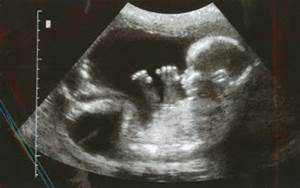
Life grew inside of me. Every time I think about this it gives me goosebumps.
While in the shower, Nobody bugged me. It was just me and my thoughts and the calming sound and warmth of the water. Although I felt tired – it was in the middle of the night after all – I was excited at the same time and couldn’t wait to go over to the NICU to hold him. And then it started to sink in. I am a mother. I did it! So tired and happy at the same time. The only worry I had was my son’s face.
As usual Brian helped me to dry and get dressed. As I opened the door back to the delivery room my nurse appeared around the blue curtain with a wheelchair to bring me to the NICU. The wheelchair had an inviting clean white and pink flannel on it which the nurse used to turn me into a human cocoon. For once in my life I felt I really accomplished something and allowed myself to be pampered for a change.
Brian pushed me through the long corridor. The hallway was nicely decorated with beautiful framed photographs of happy moms and dads with the cutest babies. Black babies, babies with Christmas hats on, twins... the hallway seemed endless. We halted in front of a door with a big hexagon sign saying: STOP! Parents and grand parents only. Another one proclaimed: Please be quiet, babies sleeping! The nurse pressed a buzzer and a voice on the other side said: “Yes?”
Our nurse replied: “I have the mom and dad of baby boy Branch with me.” Another heavy door on the side opened widely and we all entered the hallway. The bright white walls were plastered with baby photos, hundreds of them. But we didn’t waste any time taking a closer look. At the end of the hallway was a small cozy family room to the right and a scrub room to the left. In the centre of this room stood a big metal sink. The nurse started to explain how to scrub our hands and prepare to go inside of the unit. “See there are two giant buttons here, one for the soap and one or the water. You press them with your knee. While we washed our hands following her instructions she went on, saying: “Here are some masks and over there you can grab one of our “pretty” yellow lab coats. Brian put one on and the nurse helped him to attach it to the back. I had to laugh, “Bri babe, you look like a doctor.” The nurse draped one over me as well when I sat back in the chair.
As soon as we opened the door to the unit we noticed the hot dry air and the medical scent that filled our noses, no doubt a mix of disinfectant, clean laundry and new diapers. It was a strange place with dimmed lights, beeping machines and incubators with tiny babies sleeping in some of them. We just entered a very strange place. On the floor we saw white painted footsteps we were supposed to follow. We saw the nurse’s station on the left and heard some mumbling and papers rustling. The sound died down as we passed the counter. Nurses who were working behind the counter looked up and greeted the three of us with a friendly nod. Our nurse walked ahead and directed us to a high, strange-looking table with a bright overhead light shining on it. There was no crib, and no cute blue striped blankets either. Slowly I lifted myself out of the wheelchair, leaning with one hand on Brian’s shoulder. Our little baby boy was laying in the centre of the table. It seemed as if there were little tubes and wires going in and coming out of every little hole of his tiny body, which in return were attached to all kinds of large beeping and flashing machines.
As forewarned, he had the three electrodes attached to his tiny chest. The electrodes were connected to a machine. He was lying on a white pad with a light blue border and had a rolled up terry washcloth under his neck to support his little head. There were two other larger rolled up white towels next to him to support his little body.
One of the ICU nurses approached us and put her hand on my shoulder. She had a smile on her face and whispered: “Congratulations you two, isn’t he cute?” I looked at Brian and couldn’t help starting sobbing as I thought, Cute? What does she mean? A full-term baby, now that is cute, this isn’t. “Does he have a name?” the nurse asked us.
“Sorry, what?”
“Does he have a name yet?” she repeated.
“Oh uh yes... His name... is Jonah,” I answered while wiping my tears with the sleeve of my lab coat. The nurse offered to explain what all the machines were for. We appreciated that and listened as the nurse began to point at the different machines. “Your baby is laying on something we call a baby warmer, or warming table. On this side we have the most important machine: The ventilator, without that your Jonah would not be able to breathe. Oh you... did know he was intubated right?” We shook our heads. I was so shocked to hear this that I had to put my hand on my chest in an unconscious attempt to make the pounding stop. Thank you Lidia for sharing this very touching excerpt. Learn more about her book and Baby Jonah here
Next week the NB Authors Series will include myself and the continuation of the beginning of my latest novel - The Wall of War. To date, I have shared the first three episodes of the opening text. Watch for the closing segment of the epilogue.
 Originally from The Netherlands,
 Lidia Branch is now a Canadian citizen living in Moncton, New Brunswick with her husband Brian and two children, Jonah and Maika. A former birth doula and midwife assistant, Lidia now enjoys writing, being a writing coach for children and mother/manager of her daughter, Maika, who has become a successful author at the age of eleven. Lidia loves journaling about her life and hopes to one day turn those journals and stories into future fiction and non-fiction books.
An excerpt from Baby Jonah.
Chapter 5: Tubes and Wires
After the initial shock of seeing our son’s face for the first time, and the disappointment of not being allowed to hold him, I somehow still was in good hopes that he was going to be OK. I was still expecting to find my baby in a little crib nicely tucked in under a blue striped blanket. By now he is probably sucking his knuckles ready to latch on for some milk, I thought as I was getting ready to freshen up. I had been waiting for this moment forever. The first shower after seven hours of labor and giving birth was the best shower I had in my entire life. I was just standing there, relaxing my sore tired body under the warm flow of hot water. It felt so good to wash away all the body fluids from giving birth. It took me a few minutes to process the miracle that just occurred. What an experience, what a rush! Yes it was true what they say, it was no fun to have those contractions but you know what? I would do it again in a heartbeat. The reward of holding my baby was going to be worth all the pain. I was sure of it. It is unbelievable that a child can grow in your belly, inside of your body. It starts with two cells you cannot even see, created by love, and turns into a little human being! A baby with arms, legs, fingers, and a beating heart. And when he grows up he will look like me or Brian or a bit of both. He will walk and talk and have his own personality.

Life grew inside of me. Every time I think about this it gives me goosebumps.
While in the shower, Nobody bugged me. It was just me and my thoughts and the calming sound and warmth of the water. Although I felt tired – it was in the middle of the night after all – I was excited at the same time and couldn’t wait to go over to the NICU to hold him. And then it started to sink in. I am a mother. I did it! So tired and happy at the same time. The only worry I had was my son’s face.
As usual Brian helped me to dry and get dressed. As I opened the door back to the delivery room my nurse appeared around the blue curtain with a wheelchair to bring me to the NICU. The wheelchair had an inviting clean white and pink flannel on it which the nurse used to turn me into a human cocoon. For once in my life I felt I really accomplished something and allowed myself to be pampered for a change.
Brian pushed me through the long corridor. The hallway was nicely decorated with beautiful framed photographs of happy moms and dads with the cutest babies. Black babies, babies with Christmas hats on, twins... the hallway seemed endless. We halted in front of a door with a big hexagon sign saying: STOP! Parents and grand parents only. Another one proclaimed: Please be quiet, babies sleeping! The nurse pressed a buzzer and a voice on the other side said: “Yes?”

Our nurse replied: “I have the mom and dad of baby boy Branch with me.” Another heavy door on the side opened widely and we all entered the hallway. The bright white walls were plastered with baby photos, hundreds of them. But we didn’t waste any time taking a closer look. At the end of the hallway was a small cozy family room to the right and a scrub room to the left. In the centre of this room stood a big metal sink. The nurse started to explain how to scrub our hands and prepare to go inside of the unit. “See there are two giant buttons here, one for the soap and one or the water. You press them with your knee. While we washed our hands following her instructions she went on, saying: “Here are some masks and over there you can grab one of our “pretty” yellow lab coats. Brian put one on and the nurse helped him to attach it to the back. I had to laugh, “Bri babe, you look like a doctor.” The nurse draped one over me as well when I sat back in the chair.
As soon as we opened the door to the unit we noticed the hot dry air and the medical scent that filled our noses, no doubt a mix of disinfectant, clean laundry and new diapers. It was a strange place with dimmed lights, beeping machines and incubators with tiny babies sleeping in some of them. We just entered a very strange place. On the floor we saw white painted footsteps we were supposed to follow. We saw the nurse’s station on the left and heard some mumbling and papers rustling. The sound died down as we passed the counter. Nurses who were working behind the counter looked up and greeted the three of us with a friendly nod. Our nurse walked ahead and directed us to a high, strange-looking table with a bright overhead light shining on it. There was no crib, and no cute blue striped blankets either. Slowly I lifted myself out of the wheelchair, leaning with one hand on Brian’s shoulder. Our little baby boy was laying in the centre of the table. It seemed as if there were little tubes and wires going in and coming out of every little hole of his tiny body, which in return were attached to all kinds of large beeping and flashing machines.
As forewarned, he had the three electrodes attached to his tiny chest. The electrodes were connected to a machine. He was lying on a white pad with a light blue border and had a rolled up terry washcloth under his neck to support his little head. There were two other larger rolled up white towels next to him to support his little body.
One of the ICU nurses approached us and put her hand on my shoulder. She had a smile on her face and whispered: “Congratulations you two, isn’t he cute?” I looked at Brian and couldn’t help starting sobbing as I thought, Cute? What does she mean? A full-term baby, now that is cute, this isn’t. “Does he have a name?” the nurse asked us.
“Sorry, what?”
“Does he have a name yet?” she repeated.
“Oh uh yes... His name... is Jonah,” I answered while wiping my tears with the sleeve of my lab coat. The nurse offered to explain what all the machines were for. We appreciated that and listened as the nurse began to point at the different machines. “Your baby is laying on something we call a baby warmer, or warming table. On this side we have the most important machine: The ventilator, without that your Jonah would not be able to breathe. Oh you... did know he was intubated right?” We shook our heads. I was so shocked to hear this that I had to put my hand on my chest in an unconscious attempt to make the pounding stop. Thank you Lidia for sharing this very touching excerpt. Learn more about her book and Baby Jonah here
Next week the NB Authors Series will include myself and the continuation of the beginning of my latest novel - The Wall of War. To date, I have shared the first three episodes of the opening text. Watch for the closing segment of the epilogue.

September 13, 2015
Guest Author Zev Bagel (Warren Redman) of Shediac, NB
The series of New Brunswick Authors continues until Oct. 2. This week we have a special treat with an excerpt from Zev Bagel's latest novel, Benny Waxman & The Whistling Kettle. Good news! Zev's novel has been short listed for the Atlantic Book Awards.
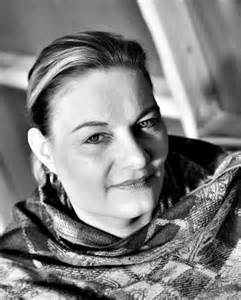
 As a fiction writer, Zev Bagel is about five years old. As Warren Redman, he has been a youth worker, counsellor, life-coach and leadership trainer. He has also published 17 books of non-fiction, including Recipes for Inner Peace, Emotional Fitness Coaching and a Canadian Award Winner – The 9 Steps to Emotional Fitness. Now, Zev Bagel has completed or has in progress six novels, and has just been offered his first contract by a publisher for one of them: Bernie Waxman & the Whistling Kettle. In addition, he has been published in journals and newspapers as well as two anthologies from the Breach House Gang, including short stories, poems and excerpts from his novels.
He lives in Shediac, NB and is president of the Writers’ Federation of New Brunswick.
Bernie Waxman & the Whistling Kettle
Excerpt (Chapter One)
a novel
by Zev Bagel
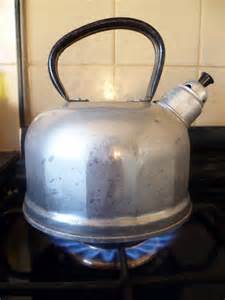
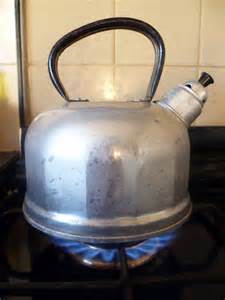
My grandfather invented the whistling kettle. Some say it was Sholom Borgelman, who ran a sheet metal plant in Whitechapel; but it was my grandfather, who lived at 52 Linthorpe Road, Stamford Hill. My father used to take me there on occasional Sundays. We’d sit in his cold, draughty kitchen. My grandfather always wore the same light brown dressing-gown stained with blobs of past meals and covered with ash from the perpetual cigarette that bobbed up and down from his lips as he spoke.
“Now who is this?” he’d ask as we entered, lifting his chin high and drawing out the ‘who’ until it rose into the air like the whistle from the steam kettle that he’d invented. He meant me. He addressed my father, but he looked at me out of the corner of his eye. My toes curled inside my socks until I felt the wool scratch the soles of my feet. My face burned. My voice squeaked inside my chest and barely made it out of my mouth. My father’s hand propelled me forward so that I stood with my knees touching the rough cloth of his dressing-gown, my feet rubbing against the gaping flaps of his slippers in which his toenails lurked.
“I’m Bernie.”
He’d stare at me, his eyebrows raised, the matching toothbrush bristles of his moustache quivering.
“Bernard,” I’d add, by way of greater clarity. But it was never enough.
“Bernie? Bernard? Bernie who? Bernard whoom?” The shoulders lifted almost up to his cheeks, the elbows clamped to his sides, the palms of his hands outstretched in utter incomprehension.
“I’m Bernie Waxman.”
“Which Bernie Waxman would that be?” Now his face came within inches of mine. Droplets of sweat shimmered among the stubble on his face; nicotine-stained teeth gripped the cigarette. By now my chest was heaving.
“I’m your grandson.”

“But I have so many grandsons.” The ‘so’ was another drawn-out steam whistle hovering around the room wraith-like until it insinuated itself into my shivering body. The shivering was partly the damp, chilly atmosphere of Grandpa’s kitchen, partly the agony of the interrogation into my identity.
I couldn’t think of any other grandsons. Were there others I didn’t know about? And how could there be another one called Bernie Waxman? All I knew was that this happened every time, stopping only when he rasped out a laugh that sputtered smoke and spittle into my face.
Once my grandfather had tired of tormenting me with his questions, he regaled my father and any of my uncles who happened to be visiting with long rants that were either beyond my capacity to understand, or were overshadowed by my shame at not being able to identify myself.
But I do remember the rants about Sholom Borgelman.
“That momzer Borgelman,” he’d shout. “He stole my idea, and then he applied for the patent, and can you believe what he did? He fired me. Do you think I’d still be living in Stamford Hill if that momzer hadn’t stolen my idea? Every household had one. I’d be a millionaire. Like my brothers; my good-for-nothing lucky momzer brothers.”
That was usually the cue for Grandma Waxman to tear into the kitchen and screech like a demented parrot.
“Meyer, Meyer, stop swearing in front of the boy. Bernie, go upstairs and find your Uncle Gerald. He has a new accordion. Go and play with him.”
Uncle Gerald wasn’t really an uncle. For a start, he was twelve and still wore short trousers. Also, he was my father’s half-brother, so he was only half an uncle. And he was disgusting.
 It was 1946. I’d hardly seen Grandpa and Grandma Waxman, or the half-an-uncle Gerald in the previous six years, which was my entire life. Now I was getting far more than I wanted. Blasts of information hurtled around the room, especially when the rest of my uncles, the real ones, were crammed into the kitchen in Linthorpe Road. The brief forays into the whistling kettle held my attention; but as well as my grandfather’s perorations, the stories, dramas and intrigues that bounced about like ping-pong balls at a country fair must have clung to me as though I wore sticky tape on the outside of my brain.
The scene is Meyer Waxman’s kitchen.
Nicotine-coloured paint flakes off the walls. The wooden boards skirting the floor match the dark green picture rail that crawls around the room. One print hangs from it, a lopsided view of a distant field. Other than that, a few picture hooks still dangle like small black crows perching on a branch. The ceiling is high. A flex hangs from its central rose, one light bulb suspended from it, its yellow lampshade splaying out the beam onto the lower halves of the walls. From the lampshade a strip of sticky flypaper holds onto the corpses of flies, while live ones circle to try their luck.
Four of Meyer’s sons and one grandson (that’s me) are present. There is a sporadic incursion by his wife, (who is not my real grandma). The sons are Sammy (my father), Archie, Larry and Charlie. Harry, who’s the eldest, is missing. Archie is in a wheelchair, and his wife Harriet sits just behind him on a wooden chair.
Meyer Tell me Sammy, why didn’t you bring the boy’s mother, your lovely wife?
Sammy It’s Hannah, Dad. She’s very busy. We have a lot to do at the shop to get ready for next week. We’re opening Saturday. I can’t stay long; I must get back soon.
Meyer Get back? Get back? You just got here. How often do you get together with your brothers? You’re getting like your uncles. Money, money, money. Don’t forget family, son. Don’t forget the most important thing a man can have.
Archie Now don’t go starting on that, Dad; you’re going to set me off.
Meyer Ach, anything sets you off Archie. But let me tell you, if I’d had my chance I’d have had all my boys with me. All my family. You think it was easy? You think I had choices?
Archie Of course you had choices.
Larry Okay, okay, Archie; don’t let him rile you up. I want to know more about your shop, Sammy. Last I was there it was quite a wreck. It must be coming along well.
They kick the ball around like this a lot. Grandma puts her head, encased in a scarf that transforms her into a grotesque rabbit, around the door. The voice is not of a rabbit. It is the squawking of the loudest cockatoo at London Zoo, mixed with the deep-throated grunt of the wild boar. Come to think of it, she looks more like a wild boar than a rabbit.
“Bernie,” she coos, “Go up and see Gerald. He’s waiting for you.”
I climb the stairs to the next torture chamber.
Thank you Zev for sharing your work on the Scribbler. We wish you the best of luck at the Atlantic Book Awards with this intriguing story. You can find out more about Zev by visiting his web page here
Please drop by next week and meet guest author Lydia Branch of Moncton NB.
 As a fiction writer, Zev Bagel is about five years old. As Warren Redman, he has been a youth worker, counsellor, life-coach and leadership trainer. He has also published 17 books of non-fiction, including Recipes for Inner Peace, Emotional Fitness Coaching and a Canadian Award Winner – The 9 Steps to Emotional Fitness. Now, Zev Bagel has completed or has in progress six novels, and has just been offered his first contract by a publisher for one of them: Bernie Waxman & the Whistling Kettle. In addition, he has been published in journals and newspapers as well as two anthologies from the Breach House Gang, including short stories, poems and excerpts from his novels.
 He lives in Shediac, NB and is president of the Writers’ Federation of New Brunswick.
Bernie Waxman & the Whistling Kettle
Excerpt (Chapter One)
a novel
by Zev Bagel
My grandfather invented the whistling kettle. Some say it was Sholom Borgelman, who ran a sheet metal plant in Whitechapel; but it was my grandfather, who lived at 52 Linthorpe Road, Stamford Hill. My father used to take me there on occasional Sundays. We’d sit in his cold, draughty kitchen. My grandfather always wore the same light brown dressing-gown stained with blobs of past meals and covered with ash from the perpetual cigarette that bobbed up and down from his lips as he spoke.
“Now who is this?” he’d ask as we entered, lifting his chin high and drawing out the ‘who’ until it rose into the air like the whistle from the steam kettle that he’d invented. He meant me. He addressed my father, but he looked at me out of the corner of his eye. My toes curled inside my socks until I felt the wool scratch the soles of my feet. My face burned. My voice squeaked inside my chest and barely made it out of my mouth. My father’s hand propelled me forward so that I stood with my knees touching the rough cloth of his dressing-gown, my feet rubbing against the gaping flaps of his slippers in which his toenails lurked.
“I’m Bernie.”
He’d stare at me, his eyebrows raised, the matching toothbrush bristles of his moustache quivering.
“Bernard,” I’d add, by way of greater clarity. But it was never enough.
“Bernie? Bernard? Bernie who? Bernard whoom?” The shoulders lifted almost up to his cheeks, the elbows clamped to his sides, the palms of his hands outstretched in utter incomprehension.
“I’m Bernie Waxman.”
“Which Bernie Waxman would that be?” Now his face came within inches of mine. Droplets of sweat shimmered among the stubble on his face; nicotine-stained teeth gripped the cigarette. By now my chest was heaving.
“I’m your grandson.”

“But I have so many grandsons.” The ‘so’ was another drawn-out steam whistle hovering around the room wraith-like until it insinuated itself into my shivering body. The shivering was partly the damp, chilly atmosphere of Grandpa’s kitchen, partly the agony of the interrogation into my identity.
I couldn’t think of any other grandsons. Were there others I didn’t know about? And how could there be another one called Bernie Waxman? All I knew was that this happened every time, stopping only when he rasped out a laugh that sputtered smoke and spittle into my face.
Once my grandfather had tired of tormenting me with his questions, he regaled my father and any of my uncles who happened to be visiting with long rants that were either beyond my capacity to understand, or were overshadowed by my shame at not being able to identify myself.
But I do remember the rants about Sholom Borgelman.
“That momzer Borgelman,” he’d shout. “He stole my idea, and then he applied for the patent, and can you believe what he did? He fired me. Do you think I’d still be living in Stamford Hill if that momzer hadn’t stolen my idea? Every household had one. I’d be a millionaire. Like my brothers; my good-for-nothing lucky momzer brothers.”
That was usually the cue for Grandma Waxman to tear into the kitchen and screech like a demented parrot.
“Meyer, Meyer, stop swearing in front of the boy. Bernie, go upstairs and find your Uncle Gerald. He has a new accordion. Go and play with him.”
Uncle Gerald wasn’t really an uncle. For a start, he was twelve and still wore short trousers. Also, he was my father’s half-brother, so he was only half an uncle. And he was disgusting.
 It was 1946. I’d hardly seen Grandpa and Grandma Waxman, or the half-an-uncle Gerald in the previous six years, which was my entire life. Now I was getting far more than I wanted. Blasts of information hurtled around the room, especially when the rest of my uncles, the real ones, were crammed into the kitchen in Linthorpe Road. The brief forays into the whistling kettle held my attention; but as well as my grandfather’s perorations, the stories, dramas and intrigues that bounced about like ping-pong balls at a country fair must have clung to me as though I wore sticky tape on the outside of my brain.
 The scene is Meyer Waxman’s kitchen.
Nicotine-coloured paint flakes off the walls. The wooden boards skirting the floor match the dark green picture rail that crawls around the room. One print hangs from it, a lopsided view of a distant field. Other than that, a few picture hooks still dangle like small black crows perching on a branch. The ceiling is high. A flex hangs from its central rose, one light bulb suspended from it, its yellow lampshade splaying out the beam onto the lower halves of the walls. From the lampshade a strip of sticky flypaper holds onto the corpses of flies, while live ones circle to try their luck.
Four of Meyer’s sons and one grandson (that’s me) are present. There is a sporadic incursion by his wife, (who is not my real grandma). The sons are Sammy (my father), Archie, Larry and Charlie. Harry, who’s the eldest, is missing. Archie is in a wheelchair, and his wife Harriet sits just behind him on a wooden chair.
Meyer Tell me Sammy, why didn’t you bring the boy’s mother, your lovely wife?
Sammy It’s Hannah, Dad. She’s very busy. We have a lot to do at the shop to get ready for next week. We’re opening Saturday. I can’t stay long; I must get back soon.
Meyer Get back? Get back? You just got here. How often do you get together with your brothers? You’re getting like your uncles. Money, money, money. Don’t forget family, son. Don’t forget the most important thing a man can have.
Archie Now don’t go starting on that, Dad; you’re going to set me off.
Meyer Ach, anything sets you off Archie. But let me tell you, if I’d had my chance I’d have had all my boys with me. All my family. You think it was easy? You think I had choices?
Archie Of course you had choices.
Larry Okay, okay, Archie; don’t let him rile you up. I want to know more about your shop, Sammy. Last I was there it was quite a wreck. It must be coming along well.
They kick the ball around like this a lot. Grandma puts her head, encased in a scarf that transforms her into a grotesque rabbit, around the door. The voice is not of a rabbit. It is the squawking of the loudest cockatoo at London Zoo, mixed with the deep-throated grunt of the wild boar. Come to think of it, she looks more like a wild boar than a rabbit.
“Bernie,” she coos, “Go up and see Gerald. He’s waiting for you.”
I climb the stairs to the next torture chamber.
Thank you Zev for sharing your work on the Scribbler. We wish you the best of luck at the Atlantic Book Awards with this intriguing story. You can find out more about Zev by visiting his web page here
Please drop by next week and meet guest author Lydia Branch of Moncton NB.

September 4, 2015
Guest Author Joseph Koot of Dorchester Cape, NB
September continues with the hosting of New Brunswick authors.
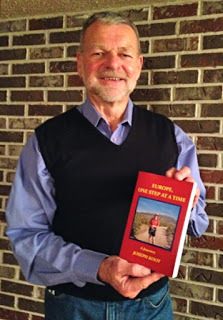 Joseph Koot was born on a Gouda cheese farm in the Netherlands as the youngest of a dozen children. When he was five years old, the family immigrated to rural Southwestern Ontario.He and his wife Joanne live in Dorchester Cape, New Brunswick where they raised five children. He was employed as a nurse manager at Dorchester Penitentiary and, following retirement, started his writing career.Joseph has self-published two books. “Looking for Bill, Finding Myself” is his childhood memoir. “Europe, One Step at a Time” recounts his hike of 6,000 kilometres from Portugal to Estonia after retirement.His stories draw the reader into the path of Joseph’s life, as a youngster on the farm and as an adult on an endless trail.
Story and Excerpts for the South Branch Scribbler
My retirement opened up to me the world of writing. While I worked as nurse manager in the prison system, we raised five children in the rural area of Dorchester Cape, New Brunswick, overlooking the Bay of Fundy. When I retired, I was free to pursue other interests while Joanne continued her work as a teacher.
My childhood had been eventful enough to become a narrative, and out of a six-year struggle at my computer came “Looking for Bill, Finding Myself.” This childhood memoir is the story of my birth in the Netherlands as the youngest of a dozen children. It recounts our immigration by ship as well as farm life in Canada. I describe details of our family life, the complex relationship with my brother Bill and his death under a tractor when we were alone in a back field of our farm.
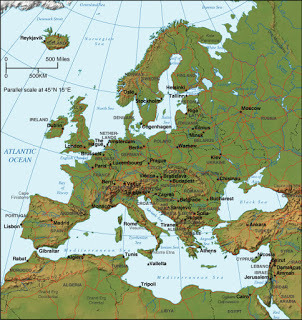 During the period following retirement, I took six trips to Europe in fulfilment of a dream. I had imagined hiking its entire length and started in southwest Portugal. Daily challenges and delights took me the 6,000 kilometres to Estonia and the Baltic Coast. This journey is the subject of my second book “Europe, One Step at a Time.” Woven into this tale are my need to deal with anxieties such as crossing high bridges, misgivings about my Catholic faith as portrayed in Europe’s churches and facing the setbacks of childhood through this journey.
The writing and walking have helped me resolve old issues. My youthful distractions at the kitchen table turned into the discipline of reaching goals. Awkwardness in schoolyard sports was replaced with the athletic success of my trek across Europe. Mediocre marks in English composition were left behind as I wrote and self-published the two books.
I have developed a motivational speech that includes pictures of my childhood, photos of my hike and an account of my life’s challenges. It has been well received as people are fascinated with the tale of my walk across Europe. I can be reached at koot.joseph@gmail.com to give this presentation to groups and to help people deal with their own doubts.
Now I am tackling a book about my life’s struggles with the Catholic faith. So the writing continues while I enjoy the peace of retirement.
This is an excerpt from “Looking for Bill, Finding Myself,” which reflects my fear of heights on our Ontario farm:
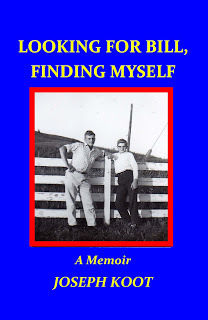
Bill and I gave Dad a task that was anything but pleasant. It came out of our using the hay lifting mechanism in the barn as a plaything. Bill had taken his cue from the boasting of the Johnson sons. As previous occupants of the farm, they had lifted each other into the mow in their younger days. Or so they said. One of them clung to the rope attached to the lifting apparatus while others pulled the cable to take the person a breath-taking 40 feet up to the barn roof. There the mechanism’s clutch engaged, and its rollers brought the person across to one end of the barn to let go and fall into the pile of hay. This made sense to Bill: “I’m stronger and you’re lighter. You hang on to the rope, and I’ll pull the cable.”
About 12 feet off the ground during the practice run, I lost my hold, my nerve or both. I fell to the barn floor with right hand outstretched and pain shooting through my fingers and up my arm. Here was a lesson that I could not be assured of Bill’s loyalty: he wasn’t looking out for my best interests. Dr. Thomson diagnosed a sprained wrist, and I was to keep it tightly bandaged.
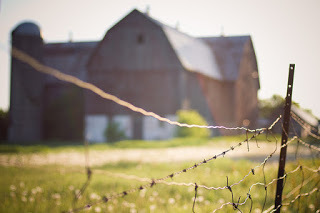 When I had released my grip on the rope to come crashing to the ground, Bill had continued pulling the cable. The letting go on my part and the yanking on his part had sent the steel gadget up toward the barn roof. We assumed another tug of the cable, sending this apparatus upward, would cause the clutch to engage when it reached the horizontal track far overhead. Then the mechanism would roll toward the end of the mow where we could somehow reach it from the top of the pile of hay and find a way to pull it back down. This assumption was wrong. Without the added weight of a load of hay, it reached the centre of the barn roof – 40 feet up and well out of reach – and refused to budge.
Reluctantly, we told Dad. He decided the only way to get the mechanism back down involved a climb up toward it. We watched in silent terror as our father climbed the ladder to the haymow with a garden rake in his right hand. Then he made his way up to the next rafter and on to the highest beam in the barn. His deliberate steps took him to the halfway point on that timber with nothing as support should he lose his balance.
Standing perfectly still on this one-foot-wide girder and with the outstretched arms of an acrobat, Dad reached to grab the offending mechanism with the teeth of the rake. My breath stuck in my throat; I dared not flinch. With his outstretched arm and the rake handle forming one continuous limb, Dad was barely able to reach the device and to give it a gentle pull. It responded and moved a few inches in his direction. With a second smooth pull, the apparatus rolled along its track above the mow. The problem was solved, and Dad cautiously climbed back down. This man, with his feet always firmly on the ground, surprised us that day. We couldn’t have anticipated this daredevil performance. Bill and I swore never to put our father in such danger again.
This is an excerpt from “Europe, One Step at a Time,” which confirms my fear of heights as I cross the Netherlands:
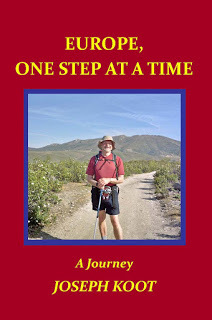
Having used a ferry to cross the Lek, I’ve bent the rule of always walking the distance. Now in Gorinchem I have a choice of a long four-lane bridge up in the air over the river or a friendly little ferry to the other side. I catch the ferry, but my host’s words, “Take the ferry: that’s a lot easier,” haunt me. Since my start in southwest Portugal, I have not chosen the easy route. Why start now? By its very nature, my hike has been tough, and there would be no end to the process of making this journey easier. Avoiding an unending, terrifying bridge would be the first step to the crumbling of this venture. I need to stay committed to the toughness of the process: I need to take the ferry back and walk that bridge.
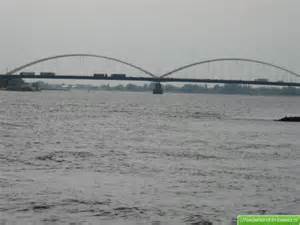 Stepping off the ferry a second time and now back on the north shore, I make my way through two kilometres of streets toward the highway traffic starting its ascent onto the bridge above me only to find I cannot enter the pedestrian walkway from that point. This is the four-lane expressway entrance, and a high fence stops me from even considering this approach. Instead, I have to return to a point near the ferry crossing and take a bicycle path around to the bridge as a pedestrian. Before arriving at a scary bridge, I have told myself out loud, “Cross that bridge when you come to it,” but this time it’s as though I’ll never reach it.
Finally, two hours after starting out this morning, I come face to face with my fear of high bridges as I start across. Through an expansion joint in the walkway, I glimpse the ground far below and wonder if my next step will land or whether I’ll be hurtling through the air. The next step holds, and I try to ignore my wobbly knees as I repeat aloud the chorus of “You’ve Got to Walk that Lonesome Valley.” On the way across, I meet other pedestrians and children on bicycles, and I think, “Crossing in a car is safe, but don’t those others know they’re exposed to danger?” A young cyclist turns to look at his friend behind him, and I want to scream, but I keep trudging.
Eventually the water far below becomes land far below that begins to slope toward me as I’m being deposited back onto level ground. I have mixed feelings: “I made it!” and “When will I have to endure this torture again?” I turn off the highway onto a narrow road, leaving traffic fumes for country air, and I’m rewarded with a delicious cup of coffee on the patio of a farm café. I’ve survived once again.
Where to Buy My Books
My two books, “Looking for Bill, Finding Myself” and “Europe, One Step at a Time” are distributed by Tidewater Books. This is the independent bookstore in Sackville, New Brunswick owned by Ellen Pickle. She can be reached at tidebook@nb.aibn.com and has been helpful in sending my books across Canada and overseas. Thank you Joseph for sharing on the Scribbler. Happy writing during your retirement years. Hey there readers, don't forget to drop by next week when the Scribbler features guest author Warren Redman, aka Zev Bagel. Zev is President of the Writer's Federation of New Brunswick. He is a published author and will be sharing an excerpt from his latest novel - Bernie Waxman & the Whistling Kettle

 Joseph Koot was born on a Gouda cheese farm in the Netherlands as the youngest of a dozen children. When he was five years old, the family immigrated to rural Southwestern Ontario.He and his wife Joanne live in Dorchester Cape, New Brunswick where they raised five children. He was employed as a nurse manager at Dorchester Penitentiary and, following retirement, started his writing career.Joseph has self-published two books. “Looking for Bill, Finding Myself” is his childhood memoir. “Europe, One Step at a Time” recounts his hike of 6,000 kilometres from Portugal to Estonia after retirement.His stories draw the reader into the path of Joseph’s life, as a youngster on the farm and as an adult on an endless trail.
Story and Excerpts for the South Branch Scribbler
My retirement opened up to me the world of writing. While I worked as nurse manager in the prison system, we raised five children in the rural area of Dorchester Cape, New Brunswick, overlooking the Bay of Fundy. When I retired, I was free to pursue other interests while Joanne continued her work as a teacher.
My childhood had been eventful enough to become a narrative, and out of a six-year struggle at my computer came “Looking for Bill, Finding Myself.” This childhood memoir is the story of my birth in the Netherlands as the youngest of a dozen children. It recounts our immigration by ship as well as farm life in Canada. I describe details of our family life, the complex relationship with my brother Bill and his death under a tractor when we were alone in a back field of our farm.
 During the period following retirement, I took six trips to Europe in fulfilment of a dream. I had imagined hiking its entire length and started in southwest Portugal. Daily challenges and delights took me the 6,000 kilometres to Estonia and the Baltic Coast. This journey is the subject of my second book “Europe, One Step at a Time.” Woven into this tale are my need to deal with anxieties such as crossing high bridges, misgivings about my Catholic faith as portrayed in Europe’s churches and facing the setbacks of childhood through this journey.
 The writing and walking have helped me resolve old issues. My youthful distractions at the kitchen table turned into the discipline of reaching goals. Awkwardness in schoolyard sports was replaced with the athletic success of my trek across Europe. Mediocre marks in English composition were left behind as I wrote and self-published the two books.
I have developed a motivational speech that includes pictures of my childhood, photos of my hike and an account of my life’s challenges. It has been well received as people are fascinated with the tale of my walk across Europe. I can be reached at koot.joseph@gmail.com to give this presentation to groups and to help people deal with their own doubts.
Now I am tackling a book about my life’s struggles with the Catholic faith. So the writing continues while I enjoy the peace of retirement.
This is an excerpt from “Looking for Bill, Finding Myself,” which reflects my fear of heights on our Ontario farm:

Bill and I gave Dad a task that was anything but pleasant. It came out of our using the hay lifting mechanism in the barn as a plaything. Bill had taken his cue from the boasting of the Johnson sons. As previous occupants of the farm, they had lifted each other into the mow in their younger days. Or so they said. One of them clung to the rope attached to the lifting apparatus while others pulled the cable to take the person a breath-taking 40 feet up to the barn roof. There the mechanism’s clutch engaged, and its rollers brought the person across to one end of the barn to let go and fall into the pile of hay. This made sense to Bill: “I’m stronger and you’re lighter. You hang on to the rope, and I’ll pull the cable.”
About 12 feet off the ground during the practice run, I lost my hold, my nerve or both. I fell to the barn floor with right hand outstretched and pain shooting through my fingers and up my arm. Here was a lesson that I could not be assured of Bill’s loyalty: he wasn’t looking out for my best interests. Dr. Thomson diagnosed a sprained wrist, and I was to keep it tightly bandaged.
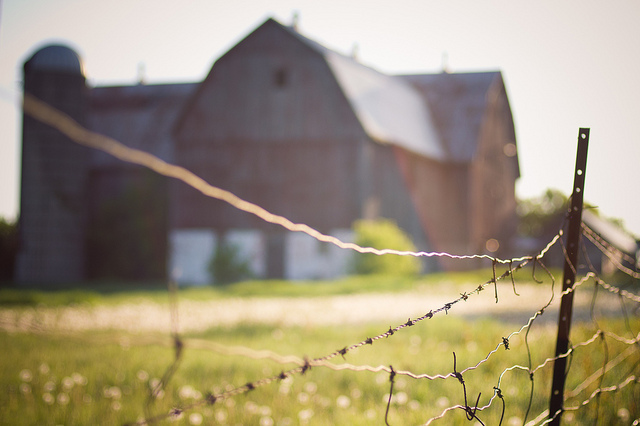 When I had released my grip on the rope to come crashing to the ground, Bill had continued pulling the cable. The letting go on my part and the yanking on his part had sent the steel gadget up toward the barn roof. We assumed another tug of the cable, sending this apparatus upward, would cause the clutch to engage when it reached the horizontal track far overhead. Then the mechanism would roll toward the end of the mow where we could somehow reach it from the top of the pile of hay and find a way to pull it back down. This assumption was wrong. Without the added weight of a load of hay, it reached the centre of the barn roof – 40 feet up and well out of reach – and refused to budge.
 Reluctantly, we told Dad. He decided the only way to get the mechanism back down involved a climb up toward it. We watched in silent terror as our father climbed the ladder to the haymow with a garden rake in his right hand. Then he made his way up to the next rafter and on to the highest beam in the barn. His deliberate steps took him to the halfway point on that timber with nothing as support should he lose his balance.
Standing perfectly still on this one-foot-wide girder and with the outstretched arms of an acrobat, Dad reached to grab the offending mechanism with the teeth of the rake. My breath stuck in my throat; I dared not flinch. With his outstretched arm and the rake handle forming one continuous limb, Dad was barely able to reach the device and to give it a gentle pull. It responded and moved a few inches in his direction. With a second smooth pull, the apparatus rolled along its track above the mow. The problem was solved, and Dad cautiously climbed back down. This man, with his feet always firmly on the ground, surprised us that day. We couldn’t have anticipated this daredevil performance. Bill and I swore never to put our father in such danger again.
This is an excerpt from “Europe, One Step at a Time,” which confirms my fear of heights as I cross the Netherlands:

Having used a ferry to cross the Lek, I’ve bent the rule of always walking the distance. Now in Gorinchem I have a choice of a long four-lane bridge up in the air over the river or a friendly little ferry to the other side. I catch the ferry, but my host’s words, “Take the ferry: that’s a lot easier,” haunt me. Since my start in southwest Portugal, I have not chosen the easy route. Why start now? By its very nature, my hike has been tough, and there would be no end to the process of making this journey easier. Avoiding an unending, terrifying bridge would be the first step to the crumbling of this venture. I need to stay committed to the toughness of the process: I need to take the ferry back and walk that bridge.
 Stepping off the ferry a second time and now back on the north shore, I make my way through two kilometres of streets toward the highway traffic starting its ascent onto the bridge above me only to find I cannot enter the pedestrian walkway from that point. This is the four-lane expressway entrance, and a high fence stops me from even considering this approach. Instead, I have to return to a point near the ferry crossing and take a bicycle path around to the bridge as a pedestrian. Before arriving at a scary bridge, I have told myself out loud, “Cross that bridge when you come to it,” but this time it’s as though I’ll never reach it.
 Finally, two hours after starting out this morning, I come face to face with my fear of high bridges as I start across. Through an expansion joint in the walkway, I glimpse the ground far below and wonder if my next step will land or whether I’ll be hurtling through the air. The next step holds, and I try to ignore my wobbly knees as I repeat aloud the chorus of “You’ve Got to Walk that Lonesome Valley.” On the way across, I meet other pedestrians and children on bicycles, and I think, “Crossing in a car is safe, but don’t those others know they’re exposed to danger?” A young cyclist turns to look at his friend behind him, and I want to scream, but I keep trudging.
Eventually the water far below becomes land far below that begins to slope toward me as I’m being deposited back onto level ground. I have mixed feelings: “I made it!” and “When will I have to endure this torture again?” I turn off the highway onto a narrow road, leaving traffic fumes for country air, and I’m rewarded with a delicious cup of coffee on the patio of a farm café. I’ve survived once again.
Where to Buy My Books
My two books, “Looking for Bill, Finding Myself” and “Europe, One Step at a Time” are distributed by Tidewater Books. This is the independent bookstore in Sackville, New Brunswick owned by Ellen Pickle. She can be reached at tidebook@nb.aibn.com and has been helpful in sending my books across Canada and overseas. Thank you Joseph for sharing on the Scribbler. Happy writing during your retirement years. Hey there readers, don't forget to drop by next week when the Scribbler features guest author Warren Redman, aka Zev Bagel. Zev is President of the Writer's Federation of New Brunswick. He is a published author and will be sharing an excerpt from his latest novel - Bernie Waxman & the Whistling Kettle

August 29, 2015
4Q Interview with Gwen Martin of Yoho, New Brunswick
The Scribbler presents Part Five of the New Brunswick authors series with a 4Q Interview.
 4Q is fortunate to have Gwen Martin as our featured artist this month as we celebrate New Brunswick Authors. Gwen is much more than a writer. At present she is also the Executive Director of the Writers’ Federation of New Brunswick. She lives in Yoho, New Brunswick (I didn’t know where it was either until I met Gwen). A lively and very positive lady, Gwen is a charm to be around. Watch for her link below.
4Q: Please tell us how your work as the Executive Director for WFNB came about and what you are up to.
GM: My relationship with WFNB has changed over the years. I’ve been a member since the mid-1980s. For several months in 2009–10, I served as a funding consultant, which involved writing three grant applications and getting to know the Federation’s inner workings. In June 2014 I became a WFNB director. When the then-executive director suddenly left in October 2014, the other directors asked me to become interim ED. What with one thing and another, I agreed to stay on until May 2016, by which time we will have hired and mentored a new ED.
The answer to “what are you up to?” spans three timeframes. The daily work involves answering numerous member emails, encouraging members to renew, fielding organizational requests, book-keeping non-stop, updating the website with member bios and news – and, of course, producing our newsletter, InkSpot.
 The medium-range work includes organizing workshops and readings for the autumn, writing grant applications for 2015–16, planning ahead for the 2015–16 writing competition and mentorship program, fundraising (also nonstop)… and trying to boost membership through our regional rep program. We also are about to launch a new section of our website called TeensWrite…a place where we publish short stories by young New Brunswick writers. I’m really excited about that program.
 We have several long-term goals. Top of that list is our decision to launch the New Brunswick Book Awards, which will happen in 2016. We already have a committee dedicated to planning and fundraising for that long-awaited event.
4Q: What do you enjoy about writing and what have you recently accomplished as an author?
GM: The most profound thing about writing is that it can help you to receive ideas, analogies, images and linkages between real or imagined people and events. I believe that, on the deepest level, almost everything that ever happened or will happen is already out there in some non-tangible form.
Thus, when we enter the writing zone (or the zone of whatever is your passion … be it music, carpentry, car repair, pottery, painting, farming), we are simply tapping into that dimension and channeling the patterns or connections that already exist. By reflecting those patterns through our stories or art or plumbing or carpentry, we create beauty or a sense of meaning or both. It is all magic.
 This sounds bizarre, but in concrete terms, I know it happens. The best stories are ones that embody a narrative arc with utterly believable people and events. We are transported beyond ourselves, because the story is universal. Ironically, the things that move us the most are the things that cause us to leave ourselves behind as we unconsciously feel a sense of belonging to a larger pattern. That’s why good ol’ Uncle Shakespeare has lasted for hundreds of years. He could do ‘universal’ like no one before or since, except maybe John Steinbeck.
 I have accomplished nothing recently as an author (unless you count grant proposals!), because the ED position takes 60 hours a week.
4Q: Please share a childhood memory or anecdote.
 GM: The story that comes immediately to mind is the time I decided, at age 11, to handle a canoe myself in a high wind. One summer we visited a cabin on a wide, strong river that flowed eastward for a quarter-mile before cascading over a dam. On this particular day, Dad told me not to go canoeing, because the wind was too strong. I headed out anyway. The wind caught the canoe bow and immediately torqued the boat broadside so I could not control its direction. At the same time, the river current carried me inexorably toward the dam. As I struggled to control the canoe, I saw Dad at the end of the dock, watching. He kept watching as I drifted downstream. I had to slowly inch my way forward in the canoe so I could paddle from the mid-section and gain some directional control. Finally, after what felt like hours, I reached land far along the shore, just before the dam. As I gingerly hauled the canoe back over cobbles and sunken logs, I saw Dad in the distance, still standing rigid on the dock. Only when I got within earshot did he turn and leave. He never said a word about it, and neither did I.
 4Q: You will be leaving the position of ED next year. What will Gwen Martin be doing to fill her days in the future?
GM: Writing, hiking, playing my piano, and spending time with my nearest and dearest who have been sorely neglected since I became ED.

Thank you Gwen for sharing your thoughts.
You can discover more about Gwen here: http://wfnb.ca/member_profile/gwen-martin/
The continuing presentation of NB authors continues into September. Watch next week when Joseph Koot of Dorchester Cape is featured on the Scribbler.

August 23, 2015
Guest Author Lockie Young.
Part four of an eight part series on authors from New Brunswick, Canada.
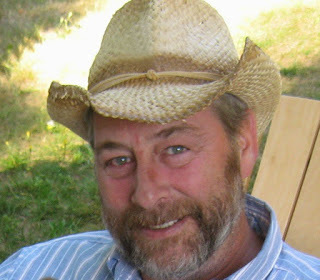 So pleased to have Lockard (Lockie) Young of Albert County, NB as a featured guest. I know you will enjoy this amusing tale that he is sharing with us this week. Lockie has appeared on the Scribbler many times. He is a published author and a terrific story teller. His links are below.
Are You Sure by Lockie Young
My day got really bad right after I said “you’re pretty sure?” Well, maybe if I start at the beginning.
It had been a really crappy week at work. I was convinced that bitch from accounting was trying to screw me over, again. For the second pay period in a row she ‘forgot’ to add my tips onto my paycheck. That meant that once again, come Monday morning, I was going to have to submit for a second check to be cut just for my special deposit. That’s what I called the extra money I made in tips, which I usually moved into my savings account. I’m two special deposits behind now, and I was counting on that extra cash for my haircut.
Doing a slow burn I watched as the paper envelope was being gobbled by the slot in the ATM. I withdrew twenty bucks that I couldn’t spare and that should have stayed the hell in there. It was impossible however, to leave it there, because tomorrow was haircut day. If I didn’t get a haircut at least once every four weeks, I would take on the look of an Einstein impersonator with steel wool locks.
 I’m the type of person who thrives on order. I take pride in my appearance, and the fact that I have never been late for an appointment, but that is only because I plan everything. Like a game of chess in my head, I calculate for errors, for bad weather, for rush hour traffic. I try to make a plan for every scenario, but some things you just can’t plan for.
Saturday morning arrived after a very dull Friday evening de-stressing in front of the TV. The first day of the weekend poked its sunny head through my curtains, and I smiled at my great good fortune. It was a beautiful bright day after all. Perhaps I would walk to the barbershop today. I threw my legs over the edge of the bed, and planted my feet firmly to greet the new day. My right foot landed into something cold, soft, and slowly squishing between almost every toe. The unmistakeable odor of Toby, the family fertilizer factory on four legs greeted my day and encouraged my gorge to rise. I half ran half slid into the bathroom and dry heaved over the cold porcelain of the toilet. Nice I thought as I raised my head from the bowl and saw the brown swoosh style smear on the floor. Let’s just say my gorge rose several times more while getting myself and the entire hallway cleaned all the way back to the bedroom.
 When the coffee maker overflowed hot grounds all over the cupboard, and then that mess pooled on the kitchen floor, I didn’t lose it like I thought I would. Even after the toast caught fire and I threw the toaster into the kitchen sink, I didn’t pick it back up and heave it through the glass patio door like I wanted to. No sir. Maybe there were forces at work to discourage me today, I reasoned, as I chuckled to myself.
“A pox on you, Karma!” I shouted to the air, with fist raised in mock defiance of the forces that be.
I’m thinking that’s when I really got the bad MoJo going.
I left the house, and didn’t even pick up the garbage can that I hit on the way out of the driveway. Garbage day was four days from now. Why was the garbage can down by the street?
I pondered this question on the drive to the barbershop. The walk was cancelled, courtesy of Toby, and no accidents happened on the way to the shop. I did have to pick up the pace a little bit though. The oddest thing; there wasn’t a free parking space within two blocks of the barber shop. I finally found a spot only to discover the meter didn’t work but when I was getting back into the driver’s seat the car in the space ahead of me pulled away. I nudged ahead quickly and threw the gear shifter into park. I knew my luck was changing for the day, as I ran the rest of the way to my ten o’clock.
I was slightly out of breath when I skidded into the doorway at exactly nine fifty nine a.m. My record was still intact. I looked around and asked the skinny kid with the coke bottle glasses, “Where’s Walter?”
The young lad looked up from his comic book. “Uncle Walt had to go to a funeral. His best friend died, and so he asked me to take a few of his clients. You want a cut?”
This, this was not good. This skinny runt would need a box to stand on to reach the back of my neck.
 “Well, you see, Walt always does my hair. Are you even allowed to cut hair? I mean legally?” I asked him, and almost laughed out loud at the size of the poor guys eyes behind those glasses. How could he even see to cut friggin hair?
“Oh sure, I’m licensed and everything, see?” He pointed to a square of heavy paper propped up beside a tall glass jar containing blue fluid and several combs. I squinted at the document and stammered, “The date on that diploma was last month.”
“Highest marks in the cut exam.” He motioned to the chair as he held the green striped apron open. I looked at this stranger in the mirror with wide eyes and a half scared look on his face and wearing my clothes, and I almost left. I scrunched down in the barber’s chair, wondering if he was still going to be able to see the top of my head. He grabbed a spray can from the counter.
“A little lubrication,” He said as he sprayed the electric clippers. I swear he winked at me.
“Look just a little trim, okay.” I smiled nervously to geek boy’s reflection in the mirror.
“Whatever you say, you’re the boss.” He said, as he fired up the clippers. As soon as the razor hit the hair on the back of my head, it dug in like a snow blower digging into a four foot drift. The motor started to make a funny noise as the first of the pain registered. Junior yanked the shears away and a very large clump of hair the same color as mine slowly swirled to the floor.
“Oh my god, that must have been hairspray and not oil. I’m pretty sure I can fix that.” He said looking at the back of my head, with his own tilted at a strange angle.
A stranger using my voice said, “You’re pretty sure?”
I don’t remember much after that. I think my arraignment is next week.
The End
Thanks again Lockie for entertaining us again with your witty stories. You can discover more about Mr. Young and his novels by visiting the links below.
The Legend Returns:http://morningrainpublishing.com/project/the-legend-returns-by-l-f-young/ Ryan's Legend: http://morningrainpublishing.com/project/ryans-legend/ Website: http://poems-and-other-ramblings.webnode.com/Blog: http://lockardyoung.wordpress.com/ Watch next week when the Scribbler presents a 4Q Interview with Gwen Martin of Yoho, New Brunswick. Gwen is an accomplished author as well as the Executive Director of the Writer's Federation of New Brunswick. A very charming and talented lady. Don't miss it.
 So pleased to have Lockard (Lockie) Young of Albert County, NB as a featured guest. I know you will enjoy this amusing tale that he is sharing with us this week. Lockie has appeared on the Scribbler many times. He is a published author and a terrific story teller. His links are below.
Are You Sure by Lockie Young
My day got really bad right after I said “you’re pretty sure?” Well, maybe if I start at the beginning.
It had been a really crappy week at work. I was convinced that bitch from accounting was trying to screw me over, again. For the second pay period in a row she ‘forgot’ to add my tips onto my paycheck. That meant that once again, come Monday morning, I was going to have to submit for a second check to be cut just for my special deposit. That’s what I called the extra money I made in tips, which I usually moved into my savings account. I’m two special deposits behind now, and I was counting on that extra cash for my haircut.
Doing a slow burn I watched as the paper envelope was being gobbled by the slot in the ATM. I withdrew twenty bucks that I couldn’t spare and that should have stayed the hell in there. It was impossible however, to leave it there, because tomorrow was haircut day. If I didn’t get a haircut at least once every four weeks, I would take on the look of an Einstein impersonator with steel wool locks.
 I’m the type of person who thrives on order. I take pride in my appearance, and the fact that I have never been late for an appointment, but that is only because I plan everything. Like a game of chess in my head, I calculate for errors, for bad weather, for rush hour traffic. I try to make a plan for every scenario, but some things you just can’t plan for.
 Saturday morning arrived after a very dull Friday evening de-stressing in front of the TV. The first day of the weekend poked its sunny head through my curtains, and I smiled at my great good fortune. It was a beautiful bright day after all. Perhaps I would walk to the barbershop today. I threw my legs over the edge of the bed, and planted my feet firmly to greet the new day. My right foot landed into something cold, soft, and slowly squishing between almost every toe. The unmistakeable odor of Toby, the family fertilizer factory on four legs greeted my day and encouraged my gorge to rise. I half ran half slid into the bathroom and dry heaved over the cold porcelain of the toilet. Nice I thought as I raised my head from the bowl and saw the brown swoosh style smear on the floor. Let’s just say my gorge rose several times more while getting myself and the entire hallway cleaned all the way back to the bedroom.
 When the coffee maker overflowed hot grounds all over the cupboard, and then that mess pooled on the kitchen floor, I didn’t lose it like I thought I would. Even after the toast caught fire and I threw the toaster into the kitchen sink, I didn’t pick it back up and heave it through the glass patio door like I wanted to. No sir. Maybe there were forces at work to discourage me today, I reasoned, as I chuckled to myself.
 “A pox on you, Karma!” I shouted to the air, with fist raised in mock defiance of the forces that be.
I’m thinking that’s when I really got the bad MoJo going.
I left the house, and didn’t even pick up the garbage can that I hit on the way out of the driveway. Garbage day was four days from now. Why was the garbage can down by the street?
I pondered this question on the drive to the barbershop. The walk was cancelled, courtesy of Toby, and no accidents happened on the way to the shop. I did have to pick up the pace a little bit though. The oddest thing; there wasn’t a free parking space within two blocks of the barber shop. I finally found a spot only to discover the meter didn’t work but when I was getting back into the driver’s seat the car in the space ahead of me pulled away. I nudged ahead quickly and threw the gear shifter into park. I knew my luck was changing for the day, as I ran the rest of the way to my ten o’clock.
I was slightly out of breath when I skidded into the doorway at exactly nine fifty nine a.m. My record was still intact. I looked around and asked the skinny kid with the coke bottle glasses, “Where’s Walter?”
The young lad looked up from his comic book. “Uncle Walt had to go to a funeral. His best friend died, and so he asked me to take a few of his clients. You want a cut?”
This, this was not good. This skinny runt would need a box to stand on to reach the back of my neck.
 “Well, you see, Walt always does my hair. Are you even allowed to cut hair? I mean legally?” I asked him, and almost laughed out loud at the size of the poor guys eyes behind those glasses. How could he even see to cut friggin hair?
 “Oh sure, I’m licensed and everything, see?” He pointed to a square of heavy paper propped up beside a tall glass jar containing blue fluid and several combs. I squinted at the document and stammered, “The date on that diploma was last month.”
“Highest marks in the cut exam.” He motioned to the chair as he held the green striped apron open. I looked at this stranger in the mirror with wide eyes and a half scared look on his face and wearing my clothes, and I almost left. I scrunched down in the barber’s chair, wondering if he was still going to be able to see the top of my head. He grabbed a spray can from the counter.
“A little lubrication,” He said as he sprayed the electric clippers. I swear he winked at me.
“Look just a little trim, okay.” I smiled nervously to geek boy’s reflection in the mirror.
“Whatever you say, you’re the boss.” He said, as he fired up the clippers. As soon as the razor hit the hair on the back of my head, it dug in like a snow blower digging into a four foot drift. The motor started to make a funny noise as the first of the pain registered. Junior yanked the shears away and a very large clump of hair the same color as mine slowly swirled to the floor.
“Oh my god, that must have been hairspray and not oil. I’m pretty sure I can fix that.” He said looking at the back of my head, with his own tilted at a strange angle.
A stranger using my voice said, “You’re pretty sure?”
I don’t remember much after that. I think my arraignment is next week.
The End
Thanks again Lockie for entertaining us again with your witty stories. You can discover more about Mr. Young and his novels by visiting the links below.
The Legend Returns:http://morningrainpublishing.com/project/the-legend-returns-by-l-f-young/ Ryan's Legend: http://morningrainpublishing.com/project/ryans-legend/ Website: http://poems-and-other-ramblings.webnode.com/Blog: http://lockardyoung.wordpress.com/
 Watch next week when the Scribbler presents a 4Q Interview with Gwen Martin of Yoho, New Brunswick. Gwen is an accomplished author as well as the Executive Director of the Writer's Federation of New Brunswick. A very charming and talented lady. Don't miss it.

August 17, 2015
Guest Author Pierre Arsenault of Moncton, New Brunswick
Welcome to part three of the New Brunswick authors series for August and September.
 As well as writing, Pierre Arsenault is also a freelance cartoonist. He resides in Moncton, NB. He is the author of two collections of short stories. The first - Dark Tales for a Dark Night was co-authored with Angella Jacob. His second is titled - Sleepless Nights.


Pierre is sharing one of his short stories this week. You never know what will greet you when you journey out in the middle of the night.
Garnett’s GiftBy Pierre C ArseneaultAll rights reserved
www.mysteriousink.ca
www.pcatoons.com
Garnett sat alone in an empty room. Its only content being a low-backed soft stool which he now sat on and a weird oval table. The flat topped table had a mushroom like shape and stem-like leg in its center. The entire room looked like it was made of strange hard off-white plastic and yet it had some give to it when Garnett pushed his fingers into it. He had awakened in this room with no idea of how he had gotten here. Groggy at first, it took a while before he noticed there were no exits. No doors. The walls were seamless as was the stool and table. He couldn’t tell where they begun and the floor ended. It was as if the entire room was made of a seamless plastic. With no visible vents, he wondered how he was still breathing. Where was he? He remembered getting out of bed as quietly as possible, trying not to wake his wife. The dogs were barking and the cows were agitated. Something was wrong. Perhaps coyote but with their four dogs roaming the farm, they had never had any predators come close before. In the same blue chequered pyjama bottoms and white t-shirt he wore now, he had wandered out onto the porch in his slippers with his large halogen flashlight. Last year’s Christmas gift from the kids came in handy at times but he appreciated it a lot at that very moment. He remembers seeing some of the cows all huddled together against the fence. They were restless, milling about, pushing and shoving to get as close to the fence as possible. He couldn’t see the rest of the herd but he knew some were in the barn. He could hear them. The rest were most likely towards the opposite side of the enclosure. The hairs had stood up on the back of his neck and his arms. He could hear the dogs barking but couldn’t see them. He remembered calling the dogs but they never came. He remembered his sight becoming blurred and his head beginning to spin. The last thing he recalled was removing his glasses and struggling to focus as he saw the fast approaching ground as he passed out. Then darkness.
 He awoke sitting in the strange chair, but still groggy, he fell out of it and quickly found himself on the cold floor. Dazed, he lay on the floor for a long time. Although in this room, time felt irrelevant. No window to see if it was day or night. Complete stillness at first. Until he regained his senses that was and then his mind began to take over. What is this place? Why was he here? His mind settled on the only logical thing he could think of. Aliens. He had seen that television show where they explored what they claimed was proof that aliens had visited Earth long ago. Although being a logical man, he never took it seriously but he always thought the theories were fascinating. But he wasn’t ready to meet one. This he thought as he got up and sat in the chair, leaning on the table with his head resting on his arms. This fact was still running through his mind as he heard a soft, subtle sound coming from before him. It was the first sound he had heard that was not of his creation in the hours he had been in this blank space. Confusion struck him until he saw a bulge forming in the floor across the table from where he sat. The bulge rose almost as tall as he before a seam appeared in it. When the bulge began opening, he could see a pale pink flesh-like bulge emerging from it. What he soon realized was the hairless head of the creature that was emerging before him. It took a moment before he realized he was no longer breathing as he had held his breath the entire time the man-like creature had emerged. It wasn’t green as he half expected but a pale pink. It wore no clothes and had a soft glow about it. Its slim face had very large oval eyes with large pitch-black pupils and silver irises. It looked to have a slim, long mouth and what looked like nostrils even though it had no nose. It had a thin body with thin neck, arms and legs. The bulge in the floor receded leaving this new creature sitting in its own seamless chair.
Was he dreaming he wondered? Had he watched too much Ancient Aliens that it now affected his sleep? Only for some reason he knew this was no dream. He could now feel a sudden presence in his mind. The alien being tilted his head slightly and seemed to smile softly as it gazed at Garnett.
[What is your name, man from the water star?]
He heard the alien speak but yet his mouth had not moved. He heard it but was it really with his ears? It felt more like he heard him with his mind.
 Somehow he felt compelled to answer. “Garnett. Garnett McGraw. I’m not dreaming am I?”
[No-No you are not,] replied the alien using only his mind to communicate.
The voice had a soft and soothing feeling to it that he couldn’t understand.
“Why am I here? What do you want from me?” asked Garnett. He felt anger within him but yet he couldn’t raise his voice even when he tried.
[Your kind are dangerous, Garnett. Did you know that?]
“My kind?” asked Garnett, knowing full well what the strange being meant.
[Your kind fights each other for resources you should all be sharing. You all inhabit the same water based star,] said the alien. [Yet, you fight for things that belong to none of you.]
“Yes. Yes, I suppose some of us do,” replied Garnett.
[Some,] replied the alien. [You kill each other because you like different things.]
“I don’t understand what you want?” replied Garnett.
[My kind wants to destroy your kind,] replied the alien as his head tilted even more as it watched its prisoner with curiosity. As if he waited for a reaction.
“Why?” asked Garnett.
[My kind believes your kind to be a danger to all the others in what you would call the solar system.]
Garnett was a simple farmer but was no fool. He held degrees in veterinary medicine and always had a fascination for politics until he had come to the conclusion that they were all corrupt. At least that was what he now believed after watching his fellow farmers struggle to stay in business. Not having to call in expensive vets to look after his dairy and beef cows saved his farm a lot of money and helped him stay in business. He was smart in many ways and knew the alien was right.
“You plan to invade us?”
[No need,] replied the alien creature as he straightened his head and squinted a little. [We can destroy your world from far away.]
“How?” asked Garnett.
[Your star cannot sustain life without water. We would simply take it all away.]
Garnett sat still for a moment looking down at his hands as they rung at each other. He fiddled with his wedding ring like he often did when deep in thought.
“Have you done this before?” Garnett asked while still looking down at the table. Something told him they had and they were not bluffing.
[Yes,] replied the alien as his eyes grew even wider. [Yes, we have had to destroy three stars before. But not before trying to save them.]
“I don’t understand,” replied Garnett. “Save them how?”
[We visit stars. We try and help the ones who live there. Teach them peace.]
“But yet you destroyed three?” asked Garnett.
[Yes. We had to. They had begun to venture out in the solar system with weapons of war.]
Garnett stood up and walked away from the table, staring at a blank wall as he spoke.
“You destroyed them before they could destroy you.”
[Yes. They would have attacked all other stars with life, fearing what they don’t understand.]
“And now it’s our turn?” asked Garnett. “You’re going to destroy us too?”
[Your kind is on the verge of venturing out from your star. We can’t let you do that. You are too dangerous.]
Garnett turned to face the alien. “But if you destroy our world. Without trying to negotiate peace first, doesn’t that make you even worse than us?”
[As I said before, we have tried. We have sent ambassadors of peace to your star. They were all killed by your kind.]
Garnett slowly made his way to the table and sat down again.
“That’s a lie,” he said even though somehow he knew it wasn’t. “There would be evidence of such a thing happening and there isn’t.”
[Actually there is much evidence but your kind refuses to see it. Your kind always grows fearful, always killing what your kind cannot comprehend. We left you alone for thousands of your years, no longer interfering in your affairs only to watch you become worse with time.]
“It's human nature,” replied Garnett. “Maybe you should kill us all,” he said as he looked down at the table again while fiddling with his wedding ring again. “Just don’t kill my Emma. My Sadie and my Danny.”
 The creature knew this man-creature spoke of his family. They always did. These water-star creatures who call themselves humans always begged to save the ones they loved. Not for the others of his star that they did not know. Not at first anyway. The creature saw nothing different or special in this one who called himself Garnett.
[The star will be destroyed and all who are on it,] replied the alien.
“Then bring me back before you do so I can say goodbye,” said Garnett as a tear ran down his face. He wiped it away as if ashamed to show weakness before this God-awful being.
[We cannot bring you back just yet,] said the alien creature.
Garnett bowed down his head as a feeling of helplessness washed over him as he broke down. He sobbed as the creature watched in curiosity. Garnett looked up before he spoke. His voice filled with so much emotion that it cracked.
“You can’t destroy us now. Danny just got accepted to veterinary college and Sadie is starting high school.”
[Your kind is destined for destruction,] replied the alien. [Our task is to prevent you from destroying others in what you call the solar system.]
“Bring me back then,” replied Garnett. “I want to be destroyed with the rest of my kind.”
[Why?] asked the alien. [Why would you desire your own destruction?] The alien tilted his head to the side and had that squint of what Garnett could only guess was curiosity.
“I don’t belong here,” said a frustrated Garnett. For the first time he felt the ability to raise his voice in anger. “I want to die with my family.”
The alien said nothing as he watched the human lower his head and shed more tears. He waited a moment as Garnett composed himself somewhat.
[What if you could save your family? What if you could save your star?]
“How?” asked Garnett as tears flowed steadily.
The alien turned its attention away from Garnett for the first time and looked towards the blank wall to his right. Garnett looked at the blank wall with curiosity before realizing that the alien was most likely conversing with another one of his kind outside of this off-white plastic prison.
Before Garnett, a slit appeared in the table. From it, slowly emerging was what looked to Garnett like a small off-white shot glass filled to the brim with a dark blue powder. Once it was on the table, the slit vanished as if it had never been.
 [Some of my kind believes that some of yours have begun a sort of revolution. That your kind could possibly know peace someday.]
“Is that why you brought me here?” asked Garnett. “What am I supposed to do?”
[We brought you here to offer you a chance to save your star. My kind wants to wait another year before deciding whether or not to destroy your star.]
“A year?” asked Garnett.
[One of our years.] The alien looked down at the glass on the table as if thinking for the first time since they had begun the conversation. [I believe that would be more than three hundred of your star years.]
Garnett wiped his tear-stained face with the sleeve of his t-shirt but said nothing.
[You need only drink the blue fluid to save your star.]
Garnett looked at the blue powder in the plastic glass. “What is it?”
[It is your sacrifice,] replied the alien in a soft tone. [Your demise will prove your kind can be unselfish. It is required so those on your star can live.]
Garnett reached for the glass but paused just before he touched it. “You’re telling me if I eat this powder shit that you won’t destroy earth?”
[If you make that sacrifice then we will spare your star from destruction, yes.]
“But this will kill me?”
[Yes!]
“How do I know you will not destroy us anyway?” Garnett picked up the glass and watched as the powder turned into a liquid before his very eyes. The cup was filled to the brim, yet when he tilted it slightly the liquid remained flush to the brim, not spilling an ounce.
[Your choice is to die along with them or for them,] replied the alien. [There are no other choices.]
Garnett took a deep breath and hoisted the glass as if making a toast at a wedding. “My gift to mankind then. To my Sadie, Danny and Emma.”
Tears flowed as he placed the cup to his lips and drank the dark blue liquid in one gulp. He set the cup down and opened his mouth to speak but found he couldn’t. The whites of his eyes were the first to turn a dark blue while the rest of him followed. He looked at his hands as they turned a dark shade of blue. The creature reached across the table and placed a long pale pink finger in Garnett’s head as if his flesh was now semi liquid. Garnett felt his body become heavy. He no longer drew breath as he felt he had no need to.
The alien closed his eyes for the first time and Garnett saw in his mind now. He saw an older grey haired man walking amongst cows leading a young calf into a barn. The old man was his son Danny. He saw an older woman; her hair died an unnatural shade of brown, trying to mask the ever increasing wrinkles she bore as she stood before a classroom full of young impressionable children. The children watched in awe as she explained today’s lessons in grammar. Sadie, his daughter would become a teacher after all. He saw an old woman sitting in a rocker, knitting as she listened to the television. His wife Emma would outlive him and her second husband as well and become a grandmother to four beautiful children. He saw the milk cartons from his very own dairy cows with his picture on them asking if anyone has seen this man.
Garnett McGraw.
Missing since May 19th 2014.
Reward offered for information that will help find this man.
The last thing he saw in his mind was his young son pick up the dimly lit flashlight from the ground where he had dropped it when they took him.
The End
Thank you Pierre for that clever story.
Watch next week as we continue with New Brunswick authors and Lockie Young returns to the Scribbler with one of his entertaining short stories.
 As well as writing, Pierre Arsenault is also a freelance cartoonist. He resides in Moncton, NB. He is the author of two collections of short stories. The first - Dark Tales for a Dark Night was co-authored with Angella Jacob. His second is titled - Sleepless Nights.

Pierre is sharing one of his short stories this week. You never know what will greet you when you journey out in the middle of the night.
Garnett’s GiftBy Pierre C ArseneaultAll rights reserved
www.mysteriousink.ca
www.pcatoons.com
Garnett sat alone in an empty room. Its only content being a low-backed soft stool which he now sat on and a weird oval table. The flat topped table had a mushroom like shape and stem-like leg in its center. The entire room looked like it was made of strange hard off-white plastic and yet it had some give to it when Garnett pushed his fingers into it. He had awakened in this room with no idea of how he had gotten here. Groggy at first, it took a while before he noticed there were no exits. No doors. The walls were seamless as was the stool and table. He couldn’t tell where they begun and the floor ended. It was as if the entire room was made of a seamless plastic. With no visible vents, he wondered how he was still breathing. Where was he? He remembered getting out of bed as quietly as possible, trying not to wake his wife. The dogs were barking and the cows were agitated. Something was wrong. Perhaps coyote but with their four dogs roaming the farm, they had never had any predators come close before. In the same blue chequered pyjama bottoms and white t-shirt he wore now, he had wandered out onto the porch in his slippers with his large halogen flashlight. Last year’s Christmas gift from the kids came in handy at times but he appreciated it a lot at that very moment. He remembers seeing some of the cows all huddled together against the fence. They were restless, milling about, pushing and shoving to get as close to the fence as possible. He couldn’t see the rest of the herd but he knew some were in the barn. He could hear them. The rest were most likely towards the opposite side of the enclosure. The hairs had stood up on the back of his neck and his arms. He could hear the dogs barking but couldn’t see them. He remembered calling the dogs but they never came. He remembered his sight becoming blurred and his head beginning to spin. The last thing he recalled was removing his glasses and struggling to focus as he saw the fast approaching ground as he passed out. Then darkness.
 He awoke sitting in the strange chair, but still groggy, he fell out of it and quickly found himself on the cold floor. Dazed, he lay on the floor for a long time. Although in this room, time felt irrelevant. No window to see if it was day or night. Complete stillness at first. Until he regained his senses that was and then his mind began to take over. What is this place? Why was he here? His mind settled on the only logical thing he could think of. Aliens. He had seen that television show where they explored what they claimed was proof that aliens had visited Earth long ago. Although being a logical man, he never took it seriously but he always thought the theories were fascinating. But he wasn’t ready to meet one. This he thought as he got up and sat in the chair, leaning on the table with his head resting on his arms. This fact was still running through his mind as he heard a soft, subtle sound coming from before him. It was the first sound he had heard that was not of his creation in the hours he had been in this blank space. Confusion struck him until he saw a bulge forming in the floor across the table from where he sat. The bulge rose almost as tall as he before a seam appeared in it. When the bulge began opening, he could see a pale pink flesh-like bulge emerging from it. What he soon realized was the hairless head of the creature that was emerging before him. It took a moment before he realized he was no longer breathing as he had held his breath the entire time the man-like creature had emerged. It wasn’t green as he half expected but a pale pink. It wore no clothes and had a soft glow about it. Its slim face had very large oval eyes with large pitch-black pupils and silver irises. It looked to have a slim, long mouth and what looked like nostrils even though it had no nose. It had a thin body with thin neck, arms and legs. The bulge in the floor receded leaving this new creature sitting in its own seamless chair.
 Was he dreaming he wondered? Had he watched too much Ancient Aliens that it now affected his sleep? Only for some reason he knew this was no dream. He could now feel a sudden presence in his mind. The alien being tilted his head slightly and seemed to smile softly as it gazed at Garnett.
[What is your name, man from the water star?]
He heard the alien speak but yet his mouth had not moved. He heard it but was it really with his ears? It felt more like he heard him with his mind.
 Somehow he felt compelled to answer. “Garnett. Garnett McGraw. I’m not dreaming am I?”
 [No-No you are not,] replied the alien using only his mind to communicate.
The voice had a soft and soothing feeling to it that he couldn’t understand.
“Why am I here? What do you want from me?” asked Garnett. He felt anger within him but yet he couldn’t raise his voice even when he tried.
[Your kind are dangerous, Garnett. Did you know that?]
“My kind?” asked Garnett, knowing full well what the strange being meant.
[Your kind fights each other for resources you should all be sharing. You all inhabit the same water based star,] said the alien. [Yet, you fight for things that belong to none of you.]
“Yes. Yes, I suppose some of us do,” replied Garnett.
[Some,] replied the alien. [You kill each other because you like different things.]
“I don’t understand what you want?” replied Garnett.
[My kind wants to destroy your kind,] replied the alien as his head tilted even more as it watched its prisoner with curiosity. As if he waited for a reaction.
“Why?” asked Garnett.
[My kind believes your kind to be a danger to all the others in what you would call the solar system.]
Garnett was a simple farmer but was no fool. He held degrees
 in veterinary medicine and always had a fascination for politics until he had come to the conclusion that they were all corrupt. At least that was what he now believed after watching his fellow farmers struggle to stay in business. Not having to call in expensive vets to look after his dairy and beef cows saved his farm a lot of money and helped him stay in business. He was smart in many ways and knew the alien was right.
 “You plan to invade us?”
[No need,] replied the alien creature as he straightened his head and squinted a little. [We can destroy your world from far away.]
“How?” asked Garnett.
[Your star cannot sustain life without water. We would simply take it all away.]
Garnett sat still for a moment looking down at his hands as they rung at each other. He fiddled with his wedding ring like he often did when deep in thought.
“Have you done this before?” Garnett asked while still looking down at the table. Something told him they had and they were not bluffing.
[Yes,] replied the alien as his eyes grew even wider. [Yes, we have had to destroy three stars before. But not before trying to save them.]
“I don’t understand,” replied Garnett. “Save them how?”
[We visit stars. We try and help the ones who live there. Teach them peace.]
“But yet you destroyed three?” asked Garnett.
[Yes. We had to. They had begun to venture out in the solar system with weapons of war.]
Garnett stood up and walked away from the table, staring at a blank wall as he spoke.
“You destroyed them before they could destroy you.”
[Yes. They would have attacked all other stars with life, fearing what they don’t understand.]
“And now it’s our turn?” asked Garnett. “You’re going to destroy us too?”
[Your kind is on the verge of venturing out from your star. We can’t let you do that. You are too dangerous.]
Garnett turned to face the alien. “But if you destroy our world. Without trying to negotiate peace first, doesn’t that make you even worse than us?”
[As I said before, we have tried. We have sent ambassadors of peace to your star. They were all killed by your kind.]
Garnett slowly made his way to the table and sat down again.
“That’s a lie,” he said even though somehow he knew it wasn’t. “There would be evidence of such a thing happening and there isn’t.”
[Actually there is much evidence but your kind refuses to see it. Your kind always grows fearful, always killing what your kind cannot comprehend. We left you alone for thousands of your years, no longer interfering in your affairs only to watch you become worse with time.]
“It's human nature,” replied Garnett. “Maybe you should kill us all,” he said as he looked down at the table again while fiddling with his wedding ring again. “Just don’t kill my Emma. My Sadie and my Danny.”
 The creature knew this man-creature spoke of his family. They always did. These water-star creatures who call themselves humans always begged to save the ones they loved. Not for the others of his star that they did not know. Not at first anyway. The creature saw nothing different or special in this one who called himself Garnett.
 [The star will be destroyed and all who are on it,] replied the alien.
“Then bring me back before you do so I can say goodbye,” said Garnett as a tear ran down his face. He wiped it away as if ashamed to show weakness before this God-awful being.
[We cannot bring you back just yet,] said the alien creature.
Garnett bowed down his head as a feeling of helplessness washed over him as he broke down. He sobbed as the creature watched in curiosity. Garnett looked up before he spoke. His voice filled with so much emotion that it cracked.
“You can’t destroy us now. Danny just got accepted to veterinary college and Sadie is starting high school.”
[Your kind is destined for destruction,] replied the alien. [Our task is to prevent you from destroying others in what you call the solar system.]
“Bring me back then,” replied Garnett. “I want to be destroyed with the rest of my kind.”
[Why?] asked the alien. [Why would you desire your own destruction?] The alien tilted his head to the side and had that squint of what Garnett could only guess was curiosity.
“I don’t belong here,” said a frustrated Garnett. For the first time he felt the ability to raise his voice in anger. “I want to die with my family.”
The alien said nothing as he watched the human lower his head and shed more tears. He waited a moment as Garnett composed himself somewhat.
[What if you could save your family? What if you could save your star?]
“How?” asked Garnett as tears flowed steadily.
The alien turned its attention away from Garnett for the first time and looked towards the blank wall to his right. Garnett looked at the blank wall with curiosity before realizing that the alien was most likely conversing with another one of his kind outside of this off-white plastic prison.
Before Garnett, a slit appeared in the table. From it, slowly emerging was what looked to Garnett like a small off-white shot glass filled to the brim with a dark blue powder. Once it was on the table, the slit vanished as if it had never been.
 [Some of my kind believes that some of yours have begun a sort of revolution. That your kind could possibly know peace someday.]
 “Is that why you brought me here?” asked Garnett. “What am I supposed to do?”
[We brought you here to offer you a chance to save your star. My kind wants to wait another year before deciding whether or not to destroy your star.]
“A year?” asked Garnett.
[One of our years.] The alien looked down at the glass on the table as if thinking for the first time since they had begun the conversation. [I believe that would be more than three hundred of your star years.]
Garnett wiped his tear-stained face with the sleeve of his t-shirt but said nothing.
[You need only drink the blue fluid to save your star.]
Garnett looked at the blue powder in the plastic glass. “What is it?”
[It is your sacrifice,] replied the alien in a soft tone. [Your demise will prove your kind can be unselfish. It is required so those on your star can live.]
Garnett reached for the glass but paused just before he touched it. “You’re telling me if I eat this powder shit that you won’t destroy earth?”
[If you make that sacrifice then we will spare your star from destruction, yes.]
“But this will kill me?”
[Yes!]
“How do I know you will not destroy us anyway?” Garnett picked up the glass and watched as the powder turned into a liquid before his very eyes. The cup was filled to the brim, yet when he tilted it slightly the liquid remained flush to the brim, not spilling an ounce.
[Your choice is to die along with them or for them,] replied the alien. [There are no other choices.]
Garnett took a deep breath and hoisted the glass as if making a toast at a wedding. “My gift to mankind then. To my Sadie, Danny and Emma.”
Tears flowed as he placed the cup to his lips and drank the dark blue liquid in one gulp. He set the cup down and opened his mouth to speak but found he couldn’t. The whites of his eyes were the first to turn a dark blue while the rest of him followed. He looked at his hands as they turned a dark shade of blue. The creature reached across the table and placed a long pale pink finger in Garnett’s head as if his flesh was now semi liquid. Garnett felt his body become heavy. He no longer drew breath as he felt he had no need to.
The alien closed his eyes for the first time and Garnett saw in his mind now. He saw an older grey haired man walking amongst cows leading a young calf into a barn. The old man was his son Danny. He saw an older woman; her hair died an unnatural shade of brown, trying to mask the ever increasing wrinkles she bore as she stood before a classroom full of young impressionable children. The children watched in awe as she explained today’s lessons in grammar. Sadie, his daughter would become a teacher after all. He saw an old woman sitting in a rocker, knitting as she listened to the television. His wife Emma would outlive him and her second husband as well and become a grandmother to four beautiful children. He saw the milk cartons from his very own dairy cows with his picture on them asking if anyone has seen this man.
Garnett McGraw.
Missing since May 19th 2014.
Reward offered for information that will help find this man.
The last thing he saw in his mind was his young son pick up the dimly lit flashlight from the ground where he had dropped it when they took him.

The End
Thank you Pierre for that clever story.
Watch next week as we continue with New Brunswick authors and Lockie Young returns to the Scribbler with one of his entertaining short stories.

August 9, 2015
Guest author Chuck Bowie of Fredericton, New Brunswick.
The South Branch Scribbler presents it's second guest in the New Brunswick authors series for August and September.
 Chuck Bowie graduated from the University of New Brunswick in Canada with a Bachelor Degree in Science. He lives on the East Coast of Canada, an hour North and East of Maine. Growing up as an air force brat, his writing is influenced by the study of human nature and how people behave, habits he picked up as his family moved nineteen times in his first twenty one years. Chuck loves food, wine, music and travel and all play a role in his work. His writing will often draw upon elements of these experiences to round out his characters and plotlines. Chuck is involved in the world of music, supporting local musicians, occasionally playing with them and always celebrating their successes. Because he enjoys venting as much as the next fellow, Chuck will at times share his thoughts with a brief essay, some of which can be found on his website. http://chuckbowie.caHe is working through the fourth novel in the suspense-thriller series: Donovan: Thief For Hire. His newest is entitled Steal It All, and follows Three Wrongsand AMACAT. He is now writing the fourth, as-yet untitled.Chuck is married, with two adult musician sons. He and his wife Lois live in Fredericton, New Brunswick.Email: chuck.bowie33@gmail.com Following is an excerpt from Amacat: Chapter One Prince Edward Island
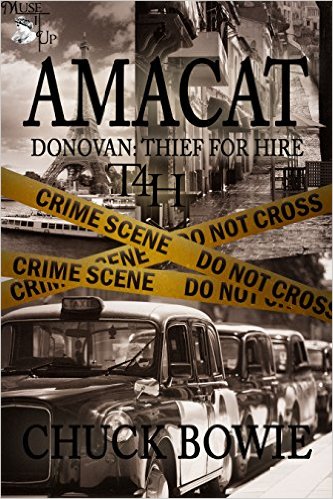 A single track of sunshine elbowed its way through the crack in the curtains, creating a warming sundial effect on the pickled hardwood cottage floor. Peggyand John Whiteway awoke to their perfect Prince Edward Island morning. Johntried to offer up a ‘Good morning darling,’ but the ensuing crackle of his voicemade him pause and change the greeting to an accusation: ‘You got me drunk lastnight!’ He couldn’t muster the requisite indignity so the words became just…words. Instead, he peeked inside the coverlet and silently thanked his wife foragreeing to his ‘no pajamas’ rule while on vacation.The shower was splendid. He loved a long, lingering shower—he was averaging two a day this week in an effort to keep the beach salt off. And theowners of the property, bless ‘em, had dropped off another wicker basket with acarafe of coffee, fresh croissants, and a map to a different island destination. They had done so every morning so far; he had casually mentioned it to a neighboringcottager and thus knew it was a perk the folks next door didn’t receive, whichmade the treat even sweeter. It was the best vacation John had ever had. There’s something special about the simple pleasures.“Honey, don’t knock the simple pleasures,” he called out over the spray of steaming water.In the background the cell phone was jacked up on the docking station. It was The Hold Steady, playing Barely Breathing. Her son Aaron had loaded up Peggy’s phone with songs before they left. A bit of a downer song, although he loved it, just not first thing in the morning.“Hey!” he yelled. “Turn that crap off.”In reply, she entered the bathroom and flushed the toilet, leaving without saying a word. He stepped to the far end of the shower to escape the rush of cold water, smiling as the song continued to amplify through the wall.
 John ate the last almond paste croissant while Peggy showered. Afterward they tidied up the place. The cottage was located north of Charlottetown, in what he called the artsy-beachy area. It was their second straight summer at Brackley Beach, the second of many, he hoped. The loft was fairly tidy so it took but a moment to pick up the pair of wine bottles and the pillows he and Peggy had reclined upon in front of the enormous floor-to-ceiling windows the evening before. On the main floor the dishes were already in the sink—”I promise I’ll do them when we get back, Pegs.”—so they had merely to get set up for the day. He’d loaded the back pack; found that errant pair of sunglasses, argued good-naturedly about the need for four bottles of water and the relative merits of Vans runners versus sandals, and off they went to explore the beach. The giant red dunes in the nearby national park were their destination this morning.They turned off the main highway about a mile before the national park gates. Peggy couldn’t pass the Owl’s Retreat art gallery without stopping, so she tugged at John’s shirt the moment she spied the shop sign. John parked the Prius and headed straight for the smaller door to the left of the main entrance. It led to the little café on the side of the gallery and he grabbed his third coffee of the morning. While Peggy wandered off to the koi ponds and garden at the back of the gallery, John stood in front of the framed heron that had caught their eye earlier in the week. He debated whether the pleasure they would derive from looking at it long after their vacation would be worth the bother of lugging it onto the plane back to Minnesota. Peggy sauntered back and asked him if he wanted to buy it.Then, as couples will, they discussed whether the convenience of buying it now (and worrying about it possibly getting stolen from their trunk later in the day) outweighed the bother of stopping by the gallery at the end of the day. It was, as Pegs noted, a good five minutes out of their way, since they were coming back from a different direction that evening. Ten minutes, actually, if you counted both ways, which she obviously did.John could tell she didn’t really care what the decision was, but if he didn’t make a decision soon, the banter would degenerate into bickering, and he didn’t want to go there. So he pretended to care and told her he really wanted to buy it now. He was pleased when she said “Up to you, babes.” Problem solved. A bubble-wrapped minute later and the trundled parcel was safe in the trunk, sitting beside the back pack with the water, extra T-shirt sneakers, a couple of murder mysteries, towels, and a wrap for Peggy’s hips in case they ate at a fancier restaurant for lunch. Pegs was becoming a bit self-conscious about the extra couple of pounds she had put on this past year. John couldn’t see it but Pegs assured him they were right there, the bastards. She brought the wrap even on the hottest days. Just in case.Inside the park they pulled over on the water side of the road, closest to the dunes that were the star of this recreation area. The weather was unfolding perfectly so they expected to meet people on the dunes or at least on the beach. Initially, however, they were alone.“Score!” said Pegs.
 John was glad they had worn sandals. The couple had mounted the thirty-foot rise of loose red dunes only to find a higher, more impressive set. They dropped into the swale between the two sandy ridges, and then rose back up to view the water through the lens of an amazing island morning. As a kid in the lackadaisical sixties he had been given a jar of liquid mercury no child today would be allowed near. The sensation of sinking his bare toes into the night-chilled sand that morning felt just like when he had stuck his bare finger into that cold, dense liquid.The sun had risen well past the top of the dunes on their left but still cast long shadows across the leeward side of the empty beach. A minute earlier the night chilled sand from the shaded part felt like a cool liquid. Now the sun-warmed sand felt like a different material altogether.The beach stretched on and on in both directions. They could see a few families far off in the distance, but otherwise they were alone with two miles of beautiful red-sandy playground. He pointed to the families in the distance.“Sorry, Baby-cakes; no nude sunbathing this morning.”“Yeah, like that was going to happen.”Once again John smiled as she patted him on the shoulder. It was a great day.“Okay. Enough with the climbing. Let’s go down there and make sand castles and solve mysteries. Did you bring a good book?”He took her hand and led her down the water side of the dunes, red sugar-sand feeling like a cool silk on his ankles where the sun hadn’t yet got to it, and they strode onto the best beach in Canada.John stopped at the base of the dunes to study the marram grass that had been planted to reduce the erosion. Peggy took the backpack and went on ahead to pick a spot on the sand between the ever-shortening morning shadows and the water. He took the lens cap off his Nikon and bent down to take a few photos; this grass would be a beautiful border for his garden back in St. Paul. Surely the garden shops back home had a non-marine version of this.
 He thought of that quote: ‘God gave us memory that we may have roses in December.’ “Or marine grass from Canada in Minnesota,” he muttered.
Something made him look up, to where Peggy was standing. She had headed down to the water’s edge having dropped the backpack a few feet behind her. Something had caught her attention. A peevish thought entered his head, disturbing his unclouded mood: If we sit that close to the water this early in the day, it might be a little too breezy. Why doesn’t she just come back halfway up the beach? It would be warmer, offer softer sand and the dunes would keep us out of the breeze.As if in reply, Pegs screamed. It began as a wail, but she obviously felt only her best effort would do under these circumstances and her voice went up a few decibels and a few notes. A half a mile downwind the little boy and girl turned their heads in one motion and stared up the beach, at his wife. John began to run. * * * *“Dammit, this is why I came to Canada, to get away from this shit.”John refused the invitation to sit and paced the great room of his cottage, eyes glued to the floor.“If I wanted murders and, and…mayhem, I’d have stayed home!”His eyes finally rose up to meet the RCMP officer in charge of Queens County, Prince Edward Island.“Because believe me when I tell ya, we got m-murders back home. I don’t need ‘em following me on vacation!”John’s voice was rising, uneven and his face was blotchy and red.“Shut up, honey.” Peggy had gotten control and was now unexpectedly calm.“There’s not a lot we can do about…”John stopped to glare, looking but not seeing. He raised the palm of a soft hand as if to halt any interruptions.“…Because I expect to dig my god-damned toes in the sand and not dig up bodies with ‘em. Especially bodies that I recognize! What the hell is this? Detroit?No, it’s supposed to be this gentle storybook place…”
 At this point John ran out of steam. Peggy leaned forward without getting up and patted John on the back of his bare calf. After standing patiently for several minutes, acknowledging his witness’ need to vent away a little of his shock and, yes, fear, Inspector Ian MacIsaac stepped forward and took control of the discussion. He glanced at his notepad and began.“Mister and Missus Whiteway, is it? I’m going to tell you my understanding of what transpired, and you can stop me if I make any errors in what took place, when it happened or your observations during the course of your morning. Now, I would ask you to jump in if anything, anything at all is different from your impression of what happened. John, I really appreciate your cooperation in this matter and I am truly, truly sorry for this, ah, interruption of your holiday.”The Inspector took a deep breath. “Shall we begin?”He pointed to a nearby teak chair into which John reluctantly sunk, and the Inspector followed suit by dropping his bulk into the mate of John’s chair. He started to speak but something out of the corner of his eye caught his attention. He looked over to John’s wife.Peggy had raised a tentative finger as if she was pointing crookedly at the teak and wicker fan above them. She began, faltered then started again in a hesitant voice, all the while smoothing her shorts with the flat of her hands.“I…I was wondering if we saw who, who we saw. Was it…?”Inspector MacIsaac gave her a look as if to ask why it really mattered who the body had been before being murdered. But he merely offered that when the red beach sand was pushed away from the rest of the victim’s face and naked body, it did indeed look like the Hollywood actress Nadia Kriss, but that he couldn’t possibly confirm or speculate who in fact the woman was. He then leaned forward, rested an elbow on one knee and from his notes proceeded to tell the story of how Mister and Missus Whiteway from St. Paul, Minnesota walked straight into the shit on what up until that moment had been a perfect Prince Edward Island vacation day.
 Thank you Chuck for sharing the beginning of what will be a marvelous tale. Buy Amacat here . Next week in the series of New Brunswick Authors, you can meet Pierre Robichaud of Moncton, New Brunswick.

August 4, 2015
Guest Author Afiena Kamminga of Sackvile, NB
 Today is the first of an eight part series devoted to authors from New Brunswick, Canada. Lots of talent and wonderful stories.
Afiena Kamminga was born and raised in the Netherlands. She came to Canada in 1975 and moved from Ontario to New Brunswick a few years later. She studied Law (Amsterdam), Journalism (London, ON) and Anthropology (Fredericton, NB). Afiena and her husband moved out of town to live on a small farm east of Nackawic raising Scottish Highland Cattle and Welsh Cob horses before retiring to the town of Sackville, NB, where she now spends much of her time writing novels. She is presently working on a sequel to her historical novel, The Sun Road (2014).
 Afiena is currently working on another work of fiction titled The Storks are Back,a historical novel for readers age 8-13 set in Denmark in WW II during the nazi occupation; please find posted below a few sample pages from this novel
 _________________________________________________________________________
Sample pages from The Storks are Back
Chapter EIGHTEEN
Mother passed out sandwiches made with Jesper’s favorite Esrom cheese. She told them to savour every bite and save half of their sandwich supply for later.
“This is to be our dinner as well. We’ll have to conserve food if we don’t want to run out in the next few days.”
They had been traveling for nearly a day, leaving Boegested’s railway station early yesterday morning and waiting out the night in the ferry harbour of Korsoer hoping for passage to the island of Fyn, next stop in the journey to Jutland.
Last time they journeyed this far to visit Uncle Holger and Aunt Magda, it had taken six hours by train and sea ferry, one of the longest journeys a person could take within the kingdom of Denmark, under normal circumstances.
 This time it looked as if they would be traveling much longer. Ferry services were no longer on schedule. Many of the ferry vessels were commandeered to transport German civilians fleeing across the Baltic Sea from the Russian armies advancing on the eastern front. Jesper and his family waited among other Danish travelers at the dock, hoping the next ferry would be taking on regular passengers across the sea strait named Store Belt, to the next island.
 A ship had just docked, and she would, the rumour went, take on Danish travelers after unloading her cargo of refugees.
They waited while the ferry crew put the water hoses to the ship, caked with filth from her overcrowded load of refugees, many of them seasick. Jesper, with Snap in the rucksack on his back, walked to the railhead for a closer look at the refugees now being loaded into freight trains. Nearly all of them were women, children and old men. Many could only walk with others supporting them and some needed to be carried. They were a dirty, ragged bunch of exhausted looking people, half of them wearing blood-soaked bandages. Jesper felt uneasy looking at their eyes in the worn faces, eyes staring ahead without seeming to see anything. The stench from the ship was overwhelming no matter how well and how long the ferry crew scrubbed and washed down the decks.
In a hurry Jesper returned to his mother and sister just when the gangway came down at last. He grabbed his tote bag and joined the surge of people determined to board this ferry if it was the last thing they did in life. Right away, Jesper was separated from the others. The throng of people with packs and suitcases lifted him up and literally carried him aboard. Jesper tried not to panic. There was no way to get back on his feet if he were to stumble and fall -- a boy his size wouldn’t be noticed in the stampede and he would be trampled.
Someone grabbed him around the waist, lifted him up and place him astride a huge suitcase. A tall burly man had come to his rescue. Jesper rode on the suitcase up the gangway and the first set of stairs, all the way to the end of the upper deck before the man lowered him down on this feet. Jesper shook the huge hand offered to him, thanking his rescuer profusely.
”Alright son,” the man grinned. “Scrawny little lad like you ought to eat more fish. Herring for breakfast and eel for dinner; that’s what got me up to good size. Try it.”
He turned and went back down the stairs, towering over anyone who came up; most people stepped asie to let this man pass. Jesper grimaced to himself; he wasn’t likely ever to grow as large as this man who had been his guardian angel. Then again, he could try -- there would be lots of fresh fish to eat in their new home not far from the North Sea.
No matter how hard and how long he searched the ship for his mother and sister, Jesper caught no sight of them during the strait crossing. He went from the upper to the lower deck and back up again, squeezing between the densely packed people; at last, shortly before docking, he found them hunkered down beneath one of the life boats. His mother, close to crying, embraced him.
“Inger went out twice to look for you. We worried ourselves sick thinking you must be left behind on the dock. What happened?”
Jesper told them about the big man who rescued him.
“Uhm, where we’re going, could we eat fish every day you think?
Inger threw him a look.
“Eat whatever you like,” she said. “Just don’t expect to tuck into my marinated herring for breakfast.”
The troublesome ferry ride turned out to be merely the first hurdle to face on this journey. There followed three more days of hazardous traveling before they arrived in their new home. The railways in Fyn and Jutland were busy transporting newly arrived German refugees in freight trains, which crowded most other trains off the railways. Few passenger trains made it through and those trains who did get assigned a space on the rails accepted regular passengers only piecemeal, one short stretch of railway after another. Any train permitted to leave filled up in record time with Danish civilians as well as German soldiers loaded with backpacks, spades, helmets and rifles. Jesper and his mother and sister squeezed on board of one train after another with long delays between each leg of the journey. If they were lucky enough to find vacant seats, they needed to clear away shards of broken glass before daring to sit down; the soldiers squeezing by others in the aisles, kept punching out train windows with their heavy gear.
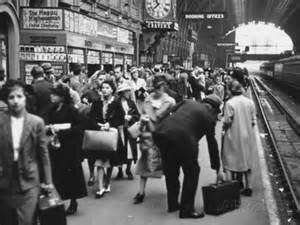 Finally they boarded a train which, supposedly, would bring them all the way to their destination -- if it managed to keep to schedule. The train crawled away from the platform and speeded up briefly, only to come to an abrupt halt in a stretch of wide-open farmland. Frightened passengers scanned the clear blue sky for Allied war planes about to strafe the train; a collective sigh of relief rippled through the train when a message traveled down the line explaining the hold up. The railway ahead has been blown up by saboteurs.
 Inger snorted, “Blown up by freedom fighters, they mean.”
Mother pointed to some distant farms, red-roofed beacons sheltered from wind by belts of tall trees.
“Come on, let’s get moving,” she urged. “We’ll need a place for the night and we want to be ahead of the crowd.”
Thank you Afiena for sharing an excerpt from your latest work.You can discover more about Afiena by visiting her WFNB membership page. Click here
Join the Scribbler on Friday and read one of Pierre Robichaud's short stories. Pierre is from Moncton, New Brunswick.
August 1, 2015
4Q Interview with Author Mohana Rakajamur of Qatar
 Mohanalakshmi Rajakumar has been a guest author previously on the South Branch Scribbler. Her award winning books have focused on various aspects of life in the Arabian Gulf nation of Qatar. From Dunes to Dior is a collection of essays related to her experiences as a female South Asian American living in the Arabian Gulf and named as Indie Book of the Day in 2013. Love Comes Later is a literary romance set in Qatar and London and was the winner of the Best Indie Book Award for Romance in 2013, short listed for the New Talent award by the Festival of Romance and Best Novel Finalist in eFestival of Words, 2013. She currently lives with her family in Qatar, where she teaches writing and literature courses at American universities.
With the release of her newest novel The Migrant Report, we have the good fortune of posing 4 questions to Mohana. Check out the excerpt below.
4Q: Please tell us about your latest work, The Migrant Report.
MR: For years I have been reading and watching crime without quite knowing why. This is the same person who is afraid if you whisper “vampire” in my ear after sunset. I realized that crime investigations are a look into society and what motivates, ails, and separates us. There are tons of plot lines there – especially if you look into the underbellies or fringes of society. That’s the main focus of my first crime novel: the labor camps of the Arabian Gulf.

4Q: How did your writing career get started and how has it developed since?
MR: I’ve been writing for twelve years, since I took a creative writing class in graduate school as an elective. Then with the eBook revolution, about 2009, I was able to take 8 projects that couldn’t get agents to commit to them and make them into books. Now those are coming out as paperbacks and I keep getting new ideas for stories all the time.
4Q: Please share a childhood memory or anecdote.
MR: I wrote a 250 page medieval romance novel for my middle school theater teacher because I thought it would be fun. That’s the kind of kid I was.
 4Q: What’s next for Mohanalakshmi Rajakumar?
 MR: More books! I have a long overdue sequel for Love Comes Later and of course the second book in the Crimes in Arabia series to get cracking on… After she joined the e-book revolution, Mohana dreams in plotlines. Learn more about her work on her website at www.mohadoha.com or follow her latest on Twitter: @moha_doha.
An Excerpt from The Migrant Report;
Chapter ThreeBy Mohanalakshmi RajakumarManu knelt, bowing his head to his mother’s feet for what might be the last time, the bluish-green veins on the back of her hand trembling under his lips as if the pulse of life inside her were buoyed by his. If this were a Bollywood movie, he forced himself to think of the scene in less personal terms, the music would be slow and reedy, the camera panning out to a doe-eyed girl, crying about the devoted son. He clutched the fine bones of her hand until his mother turned in her sleep, the slope of her nose pressing into the pillow, her restless limbs tossing on the woven mat on the dirt floor.
 Her sari rode up to reveal her calves, the ant bites scattered like the moon’s craters across her muscles. This wasn’t a Bollywood movie. He was no hero who could strengthen his mother’s aging body. The veins around her ankles were the twisted roots of an ailing tree. His sister, Meena, wrung a stained handkerchief and dabbed the frail forehead. The driver of the microbus beeped, this time long, the high-pitched bleat of a wounded animal.
 “I’ll send something as soon as I can,” Manu said. The sight of his mother’s feverish petite frame filled his vision, dominating the small cement structure that was home to five of his siblings and their mother. Turning so his younger siblings would not see the tears slipping out the corner of his eye, he made for the low-ceilinged entrance. The youngest ones, Raju and Ram, the unlikely fruit of his mother’s dwindling years, clutched at each of his knees and whimpered. They were six years old. Outside, the horn sounded again, causing their cow to give a low bleating answer. Their family, like most in their village, had fresh milk, and a garden fertilized by homemade manure. His siblings could grow up the way he had, on a plentiful vegetable garden, playing in the long grass, and doing household chores, living from their eldest sister’s wage, a replacement for their deceased father’s business. His mother’s long illness had drained their resources. The shadow of the Maoists lingered, the tendrils of fear reaching all men of Manu’s age.
“Soon.” Meena repeated the word, her lips pressed tight. She nodded as if this were a guaranteed date. “We used Didi’s salary for the medicine.” Meena had been a child when her older sister had gone off to work. She was still too young to manage a household, but there was no one else. She followed him to the front wheel of the microbus with his bag. He didn’t have much to take for his job as an office worker, but that was good, because more would not have fit in the passenger area. “Say hello to Didi for us.” Meena handed off the bag and attempted a half-smile.“I’ll tell her first thing.” He ducked into the cab’s once-cream interior. The driver hacked a cough, opening his door to spit. “Bus station?” “How long?” Manu asked, though he knew the answer. “How many stops?” His mother would have chided him for his incessant questions. “Two hours,” the man grunted, picking his teeth with a splintered toothpick.
 The tears flowed unchecked. Manu turned to the side, the hot breeze little comfort as the microbus bumped the unpaved road from his village to the bigger one next door. To the bus station that would take him to Kathmandu. To the airplane that would take him to his new life. A life that would allow him to revive his mother from subsisting on the meager vegetables of their garden.He dozed off, despite their halting progress over uneven dirt roads. “Make room,” the driver said. The microbus slowed to a stop. A man in a button-down shirt, hair slicked with oil, eyes wide with promise, boarded the auto. Manu slid behind the driver, putting his feet on either side of the bag. “Great day for a journey!” His companion bounced on the seat like one of the twins. Manu offered a smile that didn’t raise the corners of his lips. The auto began again. The driver coaxed the vehicle ever faster, which was more difficult to do now with the added weight.“I am Hitesh.” “Manu.” Hitesh shared a continuous stream of thoughts. This was the furthest he had ever gone from his village. How, he contemplated, did airplanes manage to stay in the sky? He wondered if he could learn to cook quickly enough to avoid starving.These preoccupations had occurred to Manu as well in the months preparing for his new job as an office worker in the Gulf state, but he had an ace card that Hitesh lacked. Manu’s eldest sister, Sanjana, had been working abroad for years. Her salary had kept the family afloat, at least until their father had been killed.Manu could have joined the army or started a shop with the leftovers of his father’s trading connections and risked the Maoists’ wrath. These had been Manu’s choices once the Maoists had gotten hold of his businessman father trading in a village west of Butwal. As he had contemplated the options, Nepal’s civil war ripped away any sense of security.“You know my family, they pay everything for me to have this job.” Hitesh bounced on the seat with the jolts from the potholes. May as well have been with excitement, Manu thought wryly. “I have to borrow money to get my ticket, and to pay for finding the job, and even this bus ride.” Hitesh ticked these off on his fingers. His calculations were staggering.“How will you pay this?” Manu asked, despite himself, drawn into the conversation. Hitesh shrugged. “The man from the agency say they will take it from my salary, until debt is finished.”
 Manu looked out the window. He hoped his relief didn’t show. Sanjana had been saving money for him for several years. Well, for him to go to university in the capital, to study, become educated, like their father would have wanted. The money had gone to pay for all these fees that Hitesh was outlining, using up most of their savings. There were worse things than not attending university, Manu thought. Like being in debt to a company you didn’t know.
Thank you Mohana for being a guest on The Scribbler.
Please visit again next week when The Scribbler will be featuring authors from New Brunswick, Canada. There will be two guests each week. one on Fridays and the other on Tuesdays. Two 4Q Interviews. Lots of talent in our tiny province.