Allan Hudson's Blog, page 56
July 24, 2015
Guest Author Tina Frisco of California.
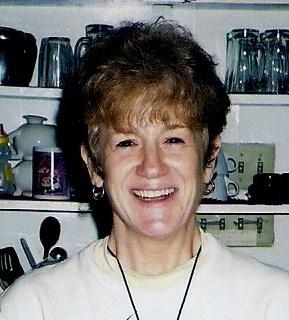 The Scribbler is happy to have Tina Frisco as a guest this week. She lives in California and is a very generous participant, not only in sharing her thoughts about her own writing as well as advice on being an author. She is also a fine promoter of other authors as well. Her links are below.
Thanks so much, Allan, for inviting me to be a guest on the South Branch Scribbler. I appreciate your support and am honored to be among so many talented authors.
I’ve been many things in my life: a singer-songwriter; RN; activist; shaman apprentice. Like many authors, I began writing at an early age. My sister and I composed little ditties that we sang to our parents. I received my first guitar at age 14 and began performing publicly in high school. As an RN I’ve worked in the areas of med-surg, hemodialysis, psychiatry, geriatrics, clinics, and with the California State Dept. of Health Services. I did stints with Amnesty International and Friends of the Earth, which ushered me into activism for those less fortunate. I began working with a medicine woman in the early 1980s and maintain a solid spiritual practice. I love walking in nature. I do so every day. Nature inspires me and nourishes my spirit. I also enjoy reading, playing my guitar, singing, listening to music, dancing, arts and crafts, camping, and working crossword puzzles.
 I’m most inspired to write by my desire to help make the world a better place. My novel,
Plateau: Beyond the Trees, Beyond 2012
, is mystery and adventure fiction for young adults to adults. I wrote it after watching one too many "doomsday" documentaries regarding the supposed end of the Mayan calendar on 21 December 2012. I was determined to put forth a message of hope into the world. The underlying message is that if we keep our hearts open and act from love instead of reacting from fear – if we practice gratitude and compassion within every moment and with every breath – we’ll raise our vibratory rate and help elevate the human species to a higher consciousness, facilitating personal and global peace.
I’m most inspired to write by my desire to help make the world a better place. My novel,
Plateau: Beyond the Trees, Beyond 2012
, is mystery and adventure fiction for young adults to adults. I wrote it after watching one too many "doomsday" documentaries regarding the supposed end of the Mayan calendar on 21 December 2012. I was determined to put forth a message of hope into the world. The underlying message is that if we keep our hearts open and act from love instead of reacting from fear – if we practice gratitude and compassion within every moment and with every breath – we’ll raise our vibratory rate and help elevate the human species to a higher consciousness, facilitating personal and global peace. Brief synopsis of Plateau : While honoring the wisdom of her elders, a 15-year-old tribal female learns to face her fear, trust blindly, and overcome adversity. Her will is relentlessly tested as she discovers her strengths and destiny. She ultimately comes face-to-face with herself in a battle that would shrink the will of the most intrepid warrior, unaware that realizing her destiny will irrevocably impact all beings on earth and beyond. Her people inject humor and wisdom throughout this tale of mystery and adventure.
 My children's book,
Gabby and the Quads
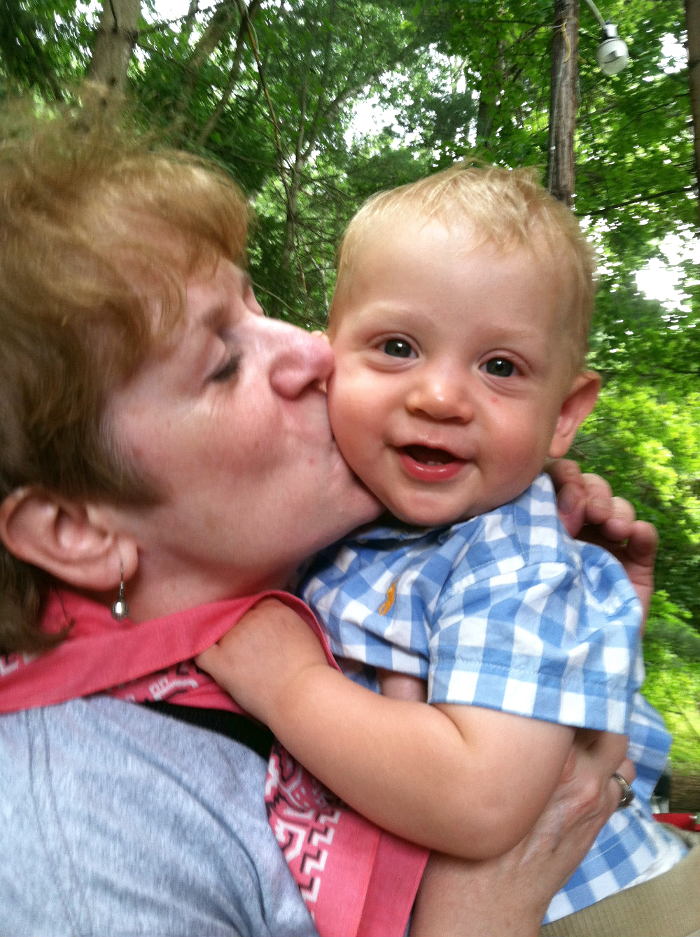
,was inspired by my niece having quadruplets. A child’s moral compass develops early in life, and I wanted to write a book that was ethically as well as traditionally educational. For example, Gabby’s family includes two pit bulls. So I explain that pit bulls are gentle by nature and become mean only when mistreated. The story is loosely based on my niece and her family, and I include photos of them at the end of the book so kids can see the real Gabby and quadruplets.
My children's book,
Gabby and the Quads
,was inspired by my niece having quadruplets. A child’s moral compass develops early in life, and I wanted to write a book that was ethically as well as traditionally educational. For example, Gabby’s family includes two pit bulls. So I explain that pit bulls are gentle by nature and become mean only when mistreated. The story is loosely based on my niece and her family, and I include photos of them at the end of the book so kids can see the real Gabby and quadruplets. Brief synopsis of Gabby and the Quads : Gabby is an only child who is about to become big sister to quadruplets! How will she handle this? Her parents decide on a unique approach to introduce her to and help her accept this awesome experience.
I’ve always been a storyteller. As a child, I would delight in making up stories to entertain my friends. And I was especially pleased if I could scare their socks off! When my oldest nephew was little, he would nestle close to me on the couch and say, “Tell me another story, Aunt Tina.” I’ve always loved reading. I attended parochial schools, and the nuns were expert in fostering this in their students.

The biggest challenge for me as an independent author has been marketing and promotion. It’s endless! And as I’m sure you know, even traditionally published authors are now expected to market their own books, with little help from the publisher. Another challenge is earmarking specific time periods for writing. Promotional work, due to its ongoing nature, can consume all of your time if you let it. I’ve heard many authors say, “I have to get back to my writing!” Writer’s block can also be stifling, but I’ve been fortunate not to have encountered it very often.
Oh, I’ve had days when I’ve wanted to quit. Haven’t we all? I’m reminded of that fabulous scene from the movie Julia where Lillian Hellman - played by Jane Fonda - has a cigarette hanging from her mouth while madly typing, and then becomes so frustrated that she throws the typewriter out the window!
 But I think the way out of writer’s block is the way in. Just write ~ anything. Let your thoughts flow without interruption or an expectation of perfection. Rewriting is a key to good writing, so giving oneself something to edit is never a waste of time.
 I think the most important attributes to remaining sane as a writer are tenacity; optimism; learning from constructive criticism and disregarding what doesn’t apply; taking copious notes from the world around you; and taking breaks. A walk in nature always resuscitates and refuels me.
So my advice to new and aspiring writers is: Listen to your inner voice! Your intuition is your best guide. Don’t be disheartened if you encounter writer’s block. Just put down your pen for a period of time. Take a walk. Listen to music. Visit with friends. You’ll be pleasantly surprised when you return to your writing. Sometimes we have to take a step back in order to gain momentum to move forward. And whatever you do, don’t listen to critics unless their criticism is constructive. If it is, learn from it. If it isn’t, turn a deaf ear and continue writing. Above all, follow your passion. It will lead you to your heart’s desire.
 Authors need to support each other. I’ve met many wonderful authors who have become friends. We share each other’s work on our blogs and social network pages. I’ve also met a few authors who ask for promotional support but give little if any in return. I don’t harbor ill feelings toward them; I don’t like to internalize negativity. I’m content in knowing that what goes around comes around. We can’t give anything away; it’s always returned threefold.
 I love connecting with other authors, so please don’t hesitate. I wish everyone health, happiness, and many blessings...
Links: Website FB Author Page FB Book Page Twitter LinkedIn Goodreads Google+ About Me Ask David AUTHORSdB Radio Interview
Purchase: Amazon Amazon UK FriesenPress Barnes & Noble Chapters Indigo Smashwords EBook Universe Spangaloo iTunes Google Books
Thank you Tina for sharing information about your work as well as the keen advice to other authors.
Stop by the Scribbler next week for the 4Q Interview with Mohana Rajakumar of Qatar. A splendid author and interesting lady.



July 21, 2015
Mr. Warrakoo. Part 2.
 Why change your name?
 Last posting you read Part 1 of Thomas Klemann's odd request. Here's the rest.
Mr. Warrakoo. Part 2. By Allan Hudson
“How did the Klemanns find you from so far away?”
 “My uncle, my adopted mother’s brother, Lucas Dorsett, is a prospector. He’s been involved in mining most of his life, having moved to Australia after he graduated from University of New Brunswick. His wife is Maori, his children mulattoes. He is both shunned and praised by his peers. I’ve often been told of how his letters to my mother were filled with drama of the prejudices he encountered. His continuous plea was for people to help either with funds or adoptions. It sparked a deep need from a woman that was barren, unable to have children, as my mother was." Thomas pauses for a moment and a reflection causes him to smile while he continues his narrative. "My father relished telling everyone of how she badgered him until he provided the funds for her trip to Australia only so that he could get rid of her constant supplications. Two months and four days after she left, the Atlantic Tide docked in Saint John with herself, her mother that had sailed with her, me and two girls that she and her husband would shortly adopt. Unfortunately the girls died in 1927 from tuberculosis. My mother and father were crushed. It was a difficult time for them and me, one I try and forget.”
 Thomas stands and points to a tray sitting on a walnut side board. It holds a pitcher of water and several glasses.
“Might I help myself to a drink of water Mr. Beers?”
With a wave of his hand, he says,
“Of course, forgive me for not offering you one earlier. I’ve been engrossed in your story.”
The Registrar uses a white handkerchief from his suit pocket to polish his half rim glasses. His frown and rutted brow suggests he is deep in thought.
 Leaving the cloth on the desk, and ignoring the wall clock he tugs on the gold fob to remove a pocket watch from his vest. The engraved cover snaps open to reveal that they have been talking for over a half hour. He has another appointment in thirty minutes, plenty of time he gathers. He watches Thomas return the glass to the side board.
”I can see you are a gentleman Mr. Klemann. You have taken advantage of the opportunities your adopted parents have provided for you. Is life here so bad, you wish to leave it all behind?”
Thomas looks up, his smile brightening a tinge.
“The Klemanns have been more than perfect parents. Their kindness and love has always been my guide, the yardstick I use to measure my own actions. Materially, I want for nothing. I will always be thankful for their unselfishness. Alas, they are gone now.”
“Have you no other family here in Canada?”
“None.”
“Do you have family in Australia? Is that why you want to change your name?”
Thomas returns to the sofa, sitting on the edge as if he will not be staying much longer. He considers carefully the question.
“I don’t know about my mother’s family, I’ve been away so long. It’s possible of course. I only know that her surname was Warrakoo. She named me Tamati. The white workers at the mission named me Thomas. I want to draw closer to my past, discover my beginnings and I feel that my real name will be more welcome and perhaps darken my skin some.”
The older man smiles at the metaphor, understanding. More seriously he says,
 “What will you do? The effects of the Depression are still being dealt with worldwide. There are rumblings in Europe, much uncertainty in the world. The Japanese are venturing closer and closer to your waters.”
 “That is all true Mr. Beers; however, my brethren are still being threatened with abandonment, with removal from their mothers and families. I believe that this must stop. I cannot live with a clear conscience if I neglect the call of my ancestors. The Klemanns were frugal and sensible with their income. I have ample funds to establish myself in Perth where I feel my presence will be more beneficial. My homeland beckons.”
The Registrar is nodding in agreement trying to understand the emotion within the young man’s statement. It’s in the eyes, the jutted chin and clenched fists; determination. He senses the man wants to say more.
“I realize how difficult this is for you and am impressed with your enthusiasm. There is no reason that your application cannot be approved…Mr. Warrakoo.”
Tamati is about to respond, glee evident in his broad smile. The Registrar holds up a hand suggesting he’s not done.
“It’s not my business of course but you haven’t mentioned your father.”
Tamati’s shoulders slouch, the glee is shoved off to the side; he sits back more on the sofa, picks up his hat to hold it in his lap. His stares at the grey felt as he ponders the question. He does consider the subject none of the Registrar’s business but the man has been kindly toward him. He’s never spoken aloud these thoughts. His words are shaded with sorrow.
“Until the Klemanns died, I always thought of my father as a white ghost. He was just a word. All I was ever told was that he had nothing to do with us when my mother became pregnant, even throwing her off his land that was far from her home. My feelings have been that I would never know him but I would always hate him.”
Tamati sticks out his chin, feelings of self-pity dissolve.
 “My mother, Beatrice Klemann, left me a letter that had been held in safekeeping along with their will at the law offices of Van Geest & Wilson. It was old man Van Geest himself that gave it to me. The main body is only of interest to me but the last paragraph told me who my father was.”
 The Registrar leans ahead with elbows upon his desk, his hands knotted. He catches the phrasing of the last sentence, the sudden silence. He asks,
“Was?”
Tamati nods, “Yes. I made inquiries by post, receiving a reply only last week. He died over ten years ago, killed by a Maori man upon finding him in bed with his wife, actually he killed them both.”
“Humph” grunted the Registrar, vocalizing his thought of how suitable, perhaps not the woman though, who he tries not to judge.
“Then you are right Tamati Warrakoo, you will never know him.”
The Registrar stands and moves from behind his desk. Tamati rises as well. The men stand face to face several feet away. While extending his hand Registrar General Beers says,
“Perhaps when you get home, you might want to visit your father’s grave. Maybe then the hating can stop.”
Tamati’s grip is firm, thankful. Starring in the older man’s eyes, his own beginning to moisten, he says,
“All my years I’ve scorned the very thought of him Mr. Beers.”
Tamati releases his grasp and dons his hat. The Registrar doesn’t know how to respond and remains mute. He does however notice the young man’s brow unwrinkle, the eyes relax and a faint smile appear.
“I’ve done that for too long sir. I intend to forgive him.” Thank you for visiting my blog and reading my story. I would appreciate any comments you might like to make in the box below. Please visit the Scribbler on Friday and meet Tina Frisco of California, USA. She will provide a guest blog and talk about her writing.
July 16, 2015
Mr. Warrakoo. A Short Story by Allan Hudson. Part 1.
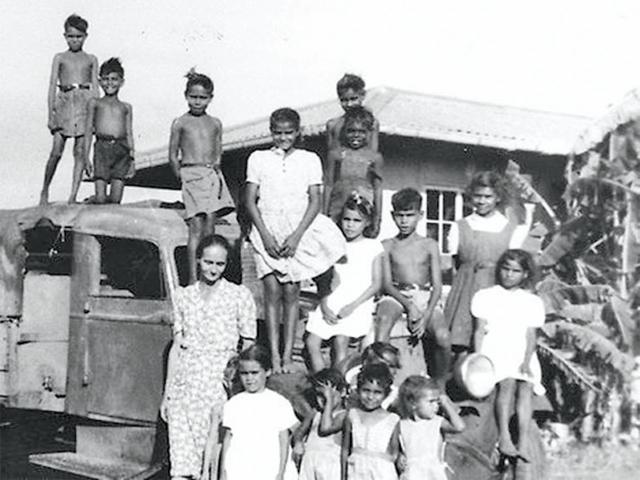 Australia's Stolen Generations occurred between 1909 and 1969. Aboriginal children were removed from their homes by the Federal and State Governments.
 Perhaps one of them grew up in Eastern Canada.
Mr. Warrakoo. By Allan Hudson Part one .
Department of Vital Statistics. Fredericton, New Brunswick. 1934
“You want to change your name to Tamati Warrakoo?”
The question is spoken by Registrar General Terrence Beers in such a low voice that Thomas Klemann doesn’t even hear the man speak. Sitting on a faded leather sofa he is keener on studying the four boxed frames of fish flys neatly posed upon the wall behind the official’s desk. Each holding ten perfectly feathered, counterfeit insects with barbed tails that will never see duty. Thomas is admiring the craftsmanship, his manner nonchalant while the Registrar peruses a time wrinkled document. Office smells entertain his senses, the old leather, ink, dozens of aging books, darkly stained wood and worn carpet; if he closes his eyes, he could imagine it to be his father’s. The Swiss wall clock with heavy weights and glossy chains by the door keeps rhythm with its inevitable tics.
Lifting his eyes over the half-moon glasses at the tip of his pudgy nose, the middle aged bureaucrat, studies the young man before him. Over a wide forehead, hair as glossy and black as a preacher’s coat is slicked into a pompadour, the sides neatly trimmed. The nose is wide and longish with a foreign flare, the eyes dark and confident. A stubborn chin and a lopsided smile are Caucasian. His skin is the color of golden taffy, all in all a handsome lad. The charcoal double breasted suit is the latest fashion. The white shirt is crisp, the burgundy tie and pocket square are obviously silk. He holds a dove gray fedora in his lap. The Registrar General,
 although he wouldn’t admit it, is leery of anyone not white. He can’t help but wonder what is going on in this man’s head.
Thomas Klemann is a half caste. His mother was a Maori maiden, she never told him who his father was; only that he was white and did not want them. He was born of the Noongar in southwestern Australia 28 years ago. Living in Canada since he was nine, he graduated from the law faculty of Dalhousie University, second in his class, three years ago. His adopted parents have been dead for six months.
His musings over the fine detail of the fishing flys are interrupted by the Registrar.
“I knew of your father from my university days. Of course, he was well known for his benevolence, his work for the poor. I read of the tragedy that took both your parents and I must offer my sincerest condolences.”
Thomas looks down at his feet, the pain of losing his adopted parents still very real. It’s not a subject he cares to discuss.
“Thank you, Mr. Beers.”
Wanting to change the subject, looking towards the Registrar, he asks,
“Is there a problem with my request? I was to understand that a name change was quite simple.”
“Normally young man, I wouldn’t be involved in most instances of name changes but I must say, your request and statement have certainly piqued my curiosity and as you know, every detail to a name change must be considered and the most importantly, why.”
Registrar General Beers drops the file he was reading on his desk and leans back into his chair that whines from the movement. A half grin softens his usual stiff demeanor. Sunlight from one of the windows highlights the wisps of grey hair that attempts to mask his shiny head. Thomas sits up straighter, parks the fedora on his knee and nods his understanding. He waits for the man to continue.
“All your documents, immigration papers, adoption forms, birth certificate, passport, criminal check, certificates are all quite in order. There is no reason that you cannot assume your new identity. I have the memoranda from the Citizenship Department in Ottawa that you will be relinquishing your Canadian passport upon arrival in Perth at the end of September which is less than two months away. I’m curious to know why our lovely province will be losing such an exemplary citizen and from what I read, a promising lawyer?”
Thomas grows serious, a frown crosses his face, the eyes glisten and his manner is polite.
 “Can you imagine being forcefully removed from your home when you were a child, Mr. Beers?”
 The Registrar reacts with raised brows, the grin vanishes, surprised by the gravity of the question. Unsure of how to respond, he stumbles.
“Why...why, I…no…I guess not.”
Thomas sets the hat on the couch beside him to sit forward.
“I can Mr. Beers because I was torn from my mother’s embrace when I was seven. I can remember it vividly. Would you like to hear about it?”
Reaching for his pipe from the glass ashtray at edge of his desk and beginning to add tobacco from a tattered leather pouch, the Registrar is fully attentive.
“Yes…yes I would.”
“I was born in Mogumber, Southwestern Australia. Our village was settled along the Moore River. The land is flat, no hills for miles and especially fertile. My mother was a domestic to one of the white land owners. I haven’t seen her for 21 years and I can still remember her smile. More acutely, I can still remember her grief when the Aboriginal Protection Officers came for me one day. We lived with my grandfather then…”
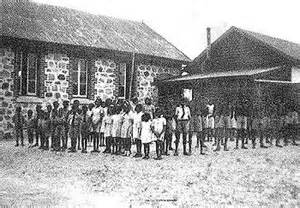 Thomas hesitates for a moment. The reflection stirs a loneliness he has been consumed with since the Klemanns died in the house fire. No siblings, no cousins, a handful of close friends the only thing pulling him through. He yearns for family. His narrative is tinted with longing as he relates his abduction and placement in the Southwest District Native Settlement.
 “…it was basically, and still is, an internment camp Mr. Beers. Oh, I admit, we were well fed but the staff was strict and punishment frequent. By the strange sounds I would hear some nights I think many were taken advantage of. I was rescued from an uncertain and desperate future by the Klemanns.”
Both remain silent for a moment. Mottles of smoke from the Registrar’s pipe swim about overhead. The clock persists with its monotonous regularity. Thomas is sitting forward, his elbows on his knees, hands clasped. He stares at the floor. Lost in imaginings of what his life might have been like had the Klemanns not claimed him, of how fortunate his life has been?
The Registrar is shocked by what he hears. Coddled and encouraged by doting parents and four older siblings all his young years, he has difficulty in absorbing the idea of forced confinement of children, the wholesale disruption of families whose only sin is mixed blood. Behind his liberal views, he is a tiny bit racist. He’s not usually kind to native people when he encounters them in public; he is uncomfortable around Old Joe, the shoeshine man, he avoids restaurants owned by Asians. He feels guilty. Right at this moment he feels shame in being white. His chair squeaks as he sits forward to set his pipe down. Seeking some succor, he asks,
“How did the Klemanns find you from so far away?”
 To be continued.............. Thank you for visiting the Scribbler. I hope you'll return on Tuesday the 21st to read Part 2. Please leave a comment if you like.
 July 10, 2015
Guest Author Susan Toy
 Susan Toy is an author and publisher that lives in Bequia, a tiny island in the Caribbean. This is her third visit to The Scribbler. She is a tremendous supporter of her fellow writers as well as an exceptional story teller. Her award winning short story - 50 Ways To Lose Your Liver - was originally published in The White Wall Review #33. You can read more about Susan and her novel -
Island in the Clouds
- at www.susantoy.com
Susan Toy is an author and publisher that lives in Bequia, a tiny island in the Caribbean. This is her third visit to The Scribbler. She is a tremendous supporter of her fellow writers as well as an exceptional story teller. Her award winning short story - 50 Ways To Lose Your Liver - was originally published in The White Wall Review #33. You can read more about Susan and her novel -
Island in the Clouds
- at www.susantoy.com 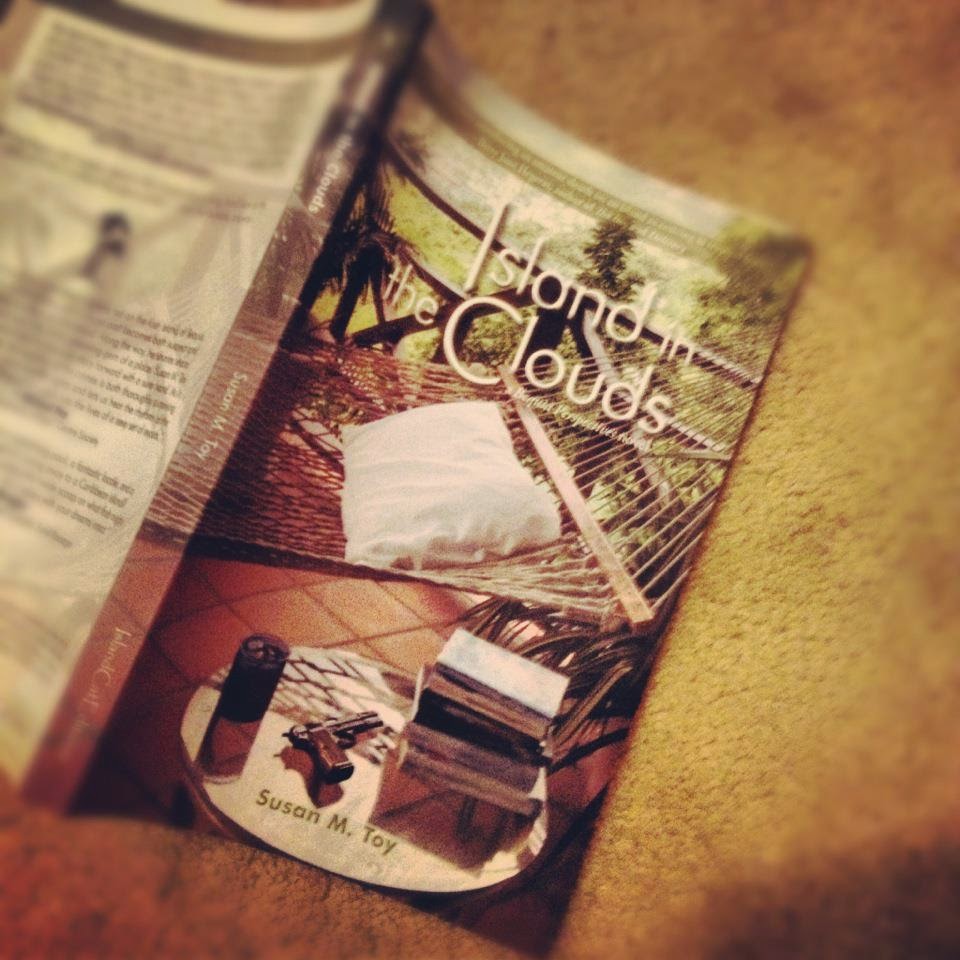
Another Day In Paradise
Generally, Bert had been a lucky guy. He’d had a good life: steady, well-paid job, beautiful wife, big house. No kids by choice, they’d been the original DINKS of the eighties. On top of that, he was lucky to have retired early, at fifty-five. At his leave party, co-workers harmonized, “We could never afford to live in the Caribbean.While you’re lounging on the beach all day, clipping coupons, we’ll still be hard at work in this office. You lucky stiff!”
And starting life over again in a tropical paradise might have been the perfect ending—if Sheila had shared his dream. After a slow six months, she’d packed up and shipped off, saying, “I can’t exist like this any more, with nothing
to do. We’re only retired from paid work, not waiting to die. I have to get out of here and start living again. You don’t see how pathetic you’ve become. For God’s
sake, do something with yourself!”

Things might have been better, had she stayed. But then some would say he was lucky to lose her, she’d become such a nag. Now that he’s a bachelor again, Bert does spend many days lazing around on those sandy, sun-kissed beaches, but, for the most part, he’s bored out of his
mind, refusing to admit his luck may have finally run out—in fact, too stubborn to face the truth of what he’s become, or even to desert the dream altogether,
returning to his old life.
This day was no different than the string preceding it. He was anticipating the upcoming tourist season, and all the paste-white bodies that would eventually join him on these empty beaches, filling restaurants and bars, and the old acquaintances who would alleviate his boredom—at least for a few months’ time.But those visitors would only offer the same talk about the same rehashed subjects, just like the previous season.
Sheila had been right. Bert needed to do something. He couldn’t go on like this, latching onto anyone who happened to glance his way, hoping to strike up a conversation, finding momentary companionship. He’d spent most of the morning at Lower Bay, prone on a towel. A book by Grisham hadn’t maintained his interest; it lay to one side, abandoned.
I think I’ve already read this, he mused. It sure sounds the same. Had he said that out loud? Now he wasn’t even sure if he was talking to himself. Worse would be if he began answering.
There were still two months before the hordes arrived. It wasn’t even Canadian Thanksgiving yet, his favorite holiday as a boy, growing up in Bishop Lane. He could still smell the pumpkin cookies his mother usually made - his favourite. “Albert!” she’d holler, mad because he’d steal a handful then run outside to gulp them down before playing in the crisp fall wind, a hint that winter and snow were just around the corner. There was wind in the Caribbean—usually too much or never enough—but you couldn’t call it crisp. At least there was never snow. Bert hated winter, but missed the fall weather: Sweaters, football, the smell of burning leaves. That was a whole lifetime away. Sitting up, he dusted sticky sand from his hot arms and scanned the beach,still the only soul there. A boat tacked into the bay, its mainsail flapping like a long, striped skirt billowing in the wind. Only two other boats were moored there.

Business had been slow since the previous Easter. Too slow. Bert was lucky it wasn’t necessary to have to eke out a living from tourism. His retirement package had been more than enough to provide a comfortable life. No need to supplement.
Squinting up at the brilliant sky, Bert then glanced back down towards the horizon and gazed at the endless sea. The sun was above the yardarm. Time for a drink.
He wasn’t an alcoholic… at least, not yet. He’d been lucky in managing to avoid the habitual gatherings of several other retired ex-pats at a local seedy rum shop—the “office,” they called it—knowing that, if he gave in, finally accepting
their repeated invitations, he’d soon be on a slippery downward slope. But he might begin considering the possibility if no other prospects came along.
It had been impossible to make friends among the local people. Bert was just another white foreigner, but to them, the worst kind—one who never left the island to go elsewhere, who managed to live on a fixed income, and was not considered to be on vacation—so didn’t throw any money their way. He’d become a man in-between; never completely accepted in his new home, he would forever remain a stranger to both locals and ex-pats. But he was also now a
stranger to his old life, and would have a hard time fitting into Canada again—if he ever considered going back.
Standing up, Bert stretched his arms overhead, then swung them around like a windmill. The breeze was beginning to pick up and it blew sand into his face, as well as scattering dry leaves around his feet. He turned his back and a
large almond tree leaf hit him, fastening itself exactly to the spot where the hair thinned on top of his head. He reached back and peeled it off, releasing it to the wind.
Someone laughed.
 Bert turned around. A young village girl was striding towards him,carrying a towel that partially hid a small baby, wrapped up as though it were a precious gift.
 “You funny,” she giggled, passing in front.
"Wait, don’t go,” Bert said, anxious for any company. “May I look at the baby?” The grinning child appeared too simple-minded to be capable of caring for such a small infant.
“Yes, please.” She stopped and uncovered a boy’s silent face; large brown eyes stared at Bert.
“Is this your brother? What’s his name?”
“No, he mine. He name Shakil. We goes for a sea bath.”
Bert frowned surprise. A claim of maternity from someone so young? Not unusual in the Caribbean, but Bert had his doubts about this particular girl. He said, “Do you think that’s a good idea? Your baby seems too little to go into the sea.”
“We’s alright. I a good swimmer. I takes care of he.”
Bert wasn’t as confident. “Maybe I should swim with you, just to make sure.” He had never liked children, but that didn’t mean he could allow these two to enter the water, unsupervised. "Okay.” She sat the baby down on the sand, still wrapped in its towel, and began stripping off shirt and shorts, revealing a hand-me-down bathing suit with an unravelling hole just above the waistline. Kneeling, she opened the towel, plucked out the naked boy, then stood up.
“We’s ready.”

She ran to the water’s edge before Bert had a chance to think, but, in a few paces, he was next to them, ankle-deep.
The young mother stepped forward and squeezed the baby so tight against her chest that his eyes popped out as he stared over her shoulder at Bert. Both children squealed excitement while they were being bounced in the surf.
Bert’s concern was now bordering on panic. “I really think you should give him to me.”
The waves were increasing in size. Where the girl stood the depth was only a few feet, but, even that close to shore, the current was strong. A wave slapped the children; strands of the girl’s long, beaded braids stuck to her face as well as to the baby’s head, so the two looked as though they were already surrounded by seaweed. Bert moved closer, the better to grab them, if need be.
From behind, further up on the beach, a voice shouted, “Ula! Ula! What you does?” The girl and Bert both turned to look. A big woman was breaking through the bush that lined the road. She ran towards them, but stopped short at the
water’s edge. “You comes here! You brings dat baby!”
“He mine!” Ula cried, turning to take another step out from the shore, just as a large wave smacked her in the face, drenching the baby as well. He began howling.
Bert reached out and gripped Ula’s arm before she could escape. She dropped Shakil, then opened her mouth wide and began a panicked screaming. Ducking down, Bert fished the baby out from under the water’s surface, bobbing
back up a split-second later. Holding Shakil above chest level, he pushed through the water onto the shore, the baby coughing and spluttering in his arms. He handed the shivering child to the woman who stood with tree-trunk legs rooted in the sand, her wide arms holding open the towel. She immediately wrapped Shakil back up like a package.
Ula slowly walked out of the sea.
“What you thinks, girl! You crazy? My grand-baby too small for dat! You no deserves he. I gonna gives you licks,” the woman said, holding up a meaty, flat hand. Ula grinned, open-mouthed. Bert said, “The baby is okay, isn’t he?”
Attempting to defuse the situation, he reached over to pull the towel away from Shakil’s face. The boy had stopped choking and was now settled into a steady cry. The woman’s hand lowered to tightly re-secure the towel. Then she turned away, not allowing Bert to touch her grandson.
Over one shoulder, she spat out, “Dis no your business.” She marched towards the road, shouting, “Come, girl! Dat’s what gets you in trouble already, talking to a strange man.”
In the meantime, Ula had dressed. She took off at a run, following her mother. Then she stopped and turned, walking the few steps back to face Bert again. Flashing a big gap-toothed smile, she stretched out a small hand and said,
“T’anks, Mister.” They shook. “You’re welcome. Lucky I was here to help you. But what were you…”
She turned immediately, running again to catch up, ignoring Bert’s further plea of, “Wait!” He watched them disappear, his jaw set in anger. He ruminated for a moment, more furious with himself than with either the mother or daughter.
Turning around, he stared at the endless, boring sea. It really was time for that drink—a good strong one.
 Then he would phone Sheila, conceding that maybe she had been right
 after all. He picked up his towel, book and clothes, and walked down the beach to the bar.
Thank you Susan for joining us once more here on The Scribbler.
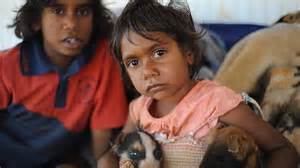
Please visit next week and read my latest short story - Mr. Warrakoo. In Australia during the first part of the 20th century, half caste children were forcibly removed from their homes. A whole generation that was referred to as the Lost Children. Imagine if one of them came to Canada.
July 3, 2015
4Q Interview with artist Ralph Gruenewald.
 The South Branch Scribbler is very pleased to have Ralph Gruenewald as our featured guest for this month’s 4Q Interview. Not yet world famous, Ralph is an exceptional artist whose paintings are coveted by collectors of fine art. Originally from Montreal, Quebec, Ralph and his family reside in Moncton, New Brunswick. Both he and his wife are involved in retail management, his son Karl is also a gifted artist and his daughter Bianca is a performer with the Moncton Miracles of the Canadian Basketball League.
Ralph has a keen eye for detail. His talented use of colors and perspective makes his paintings unique and pleasurable to view.
4Q: When you were growing up, how did art become important in your life, something you wanted to create?
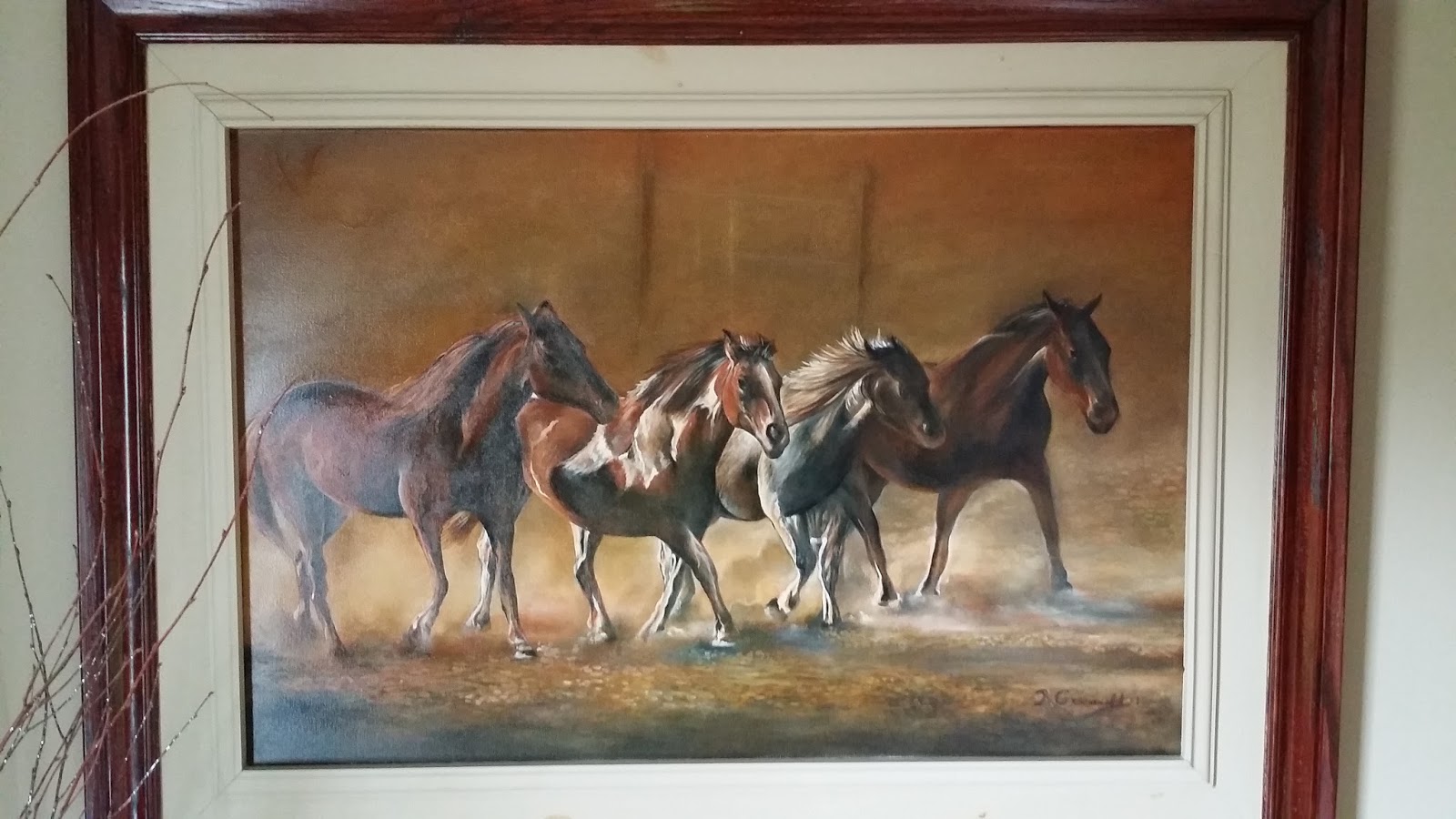 RG: I always doodled and drew since I can remember, but only as a teen did I start to paint with oils. I enjoyed the way you could work the colours endlessly because the oil would not dry sometimes for days unlike acrylics or watercolours.I didn't do well in art classes in school, because stubborn German that I am, I had great distain for techniques other than my own and only realism, never abstract or any other form interested me. My son, on the other hand, just completed his bachelor's degree in fine arts, and was open to learning all techniques and mediums and as a result has far surpassed me in terms of ability and skills.But I plug along and when I see a subject that interests me I usually take many photos of it and work from those to create a painting that I enjoy.
 4Q: Moncton High School is an historic building in the city and just recently closed. You have recently been commissioned to create a sketch of the grand structure. How did this come about?
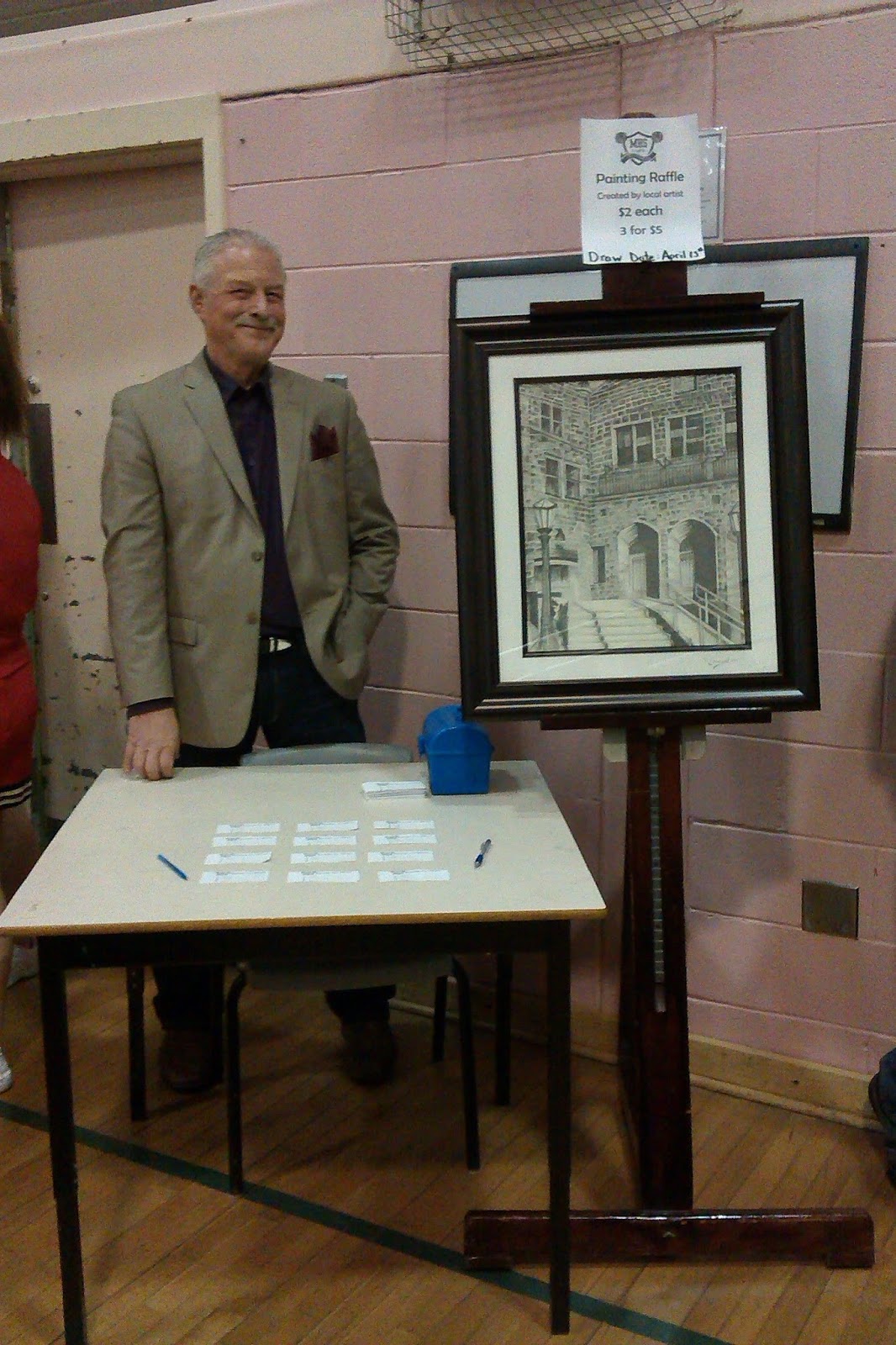 RG: My daughter was captain of the Moncton High Cheerleading squad and they needed to raise money for travel and expenses, so I volunteered to paint a picture of Moncton high for them to raffle off and raise money, so I did. The following year I did it again, but this time did it in a graphite drawing. It turned out very nicely and during the raffle the principal of the school Mr. Belong asked if I would do a larger version to display at the new Moncton High, which I accepted. After much deliberation I came up with the idea of outsourcing the job to my son, Karl because I thought it would be more meaningful to have a work like this done by an alumni of the school, and with his training and technical ability, he produced a work greater than I could ever have!The drawing, nicely framed now hangs in the entrance to the offices in the new Moncton High. Upon my delivering the drawing to the school, Mr. Belong was so pleased, he asked me if I could do three more drawings of the old building to decorate the new offices and I accepted the commission, but to date neither I or my son Karl have had a chance to start them.
 4Q: Please share a childhood memory or anecdote.
 RG: As a teen growing up in the seventies, immersed in psychedelic music and other mind altering sources I came up with the theory that if I produced a work of art so terrifying that if a person stared at it long enough their mind would so want to escape the image that they would project themselves into another dimension just to escape it! Needless to say, I tried but it didn't work and all I got were some awful paintings that were so bad that I don't remember whatever became of them.
 4Q: As well as the above mentioned commission, I understand that you have been busy with other commissions as well these past few months. What is in the future for Ralph Gruenewald and his art?
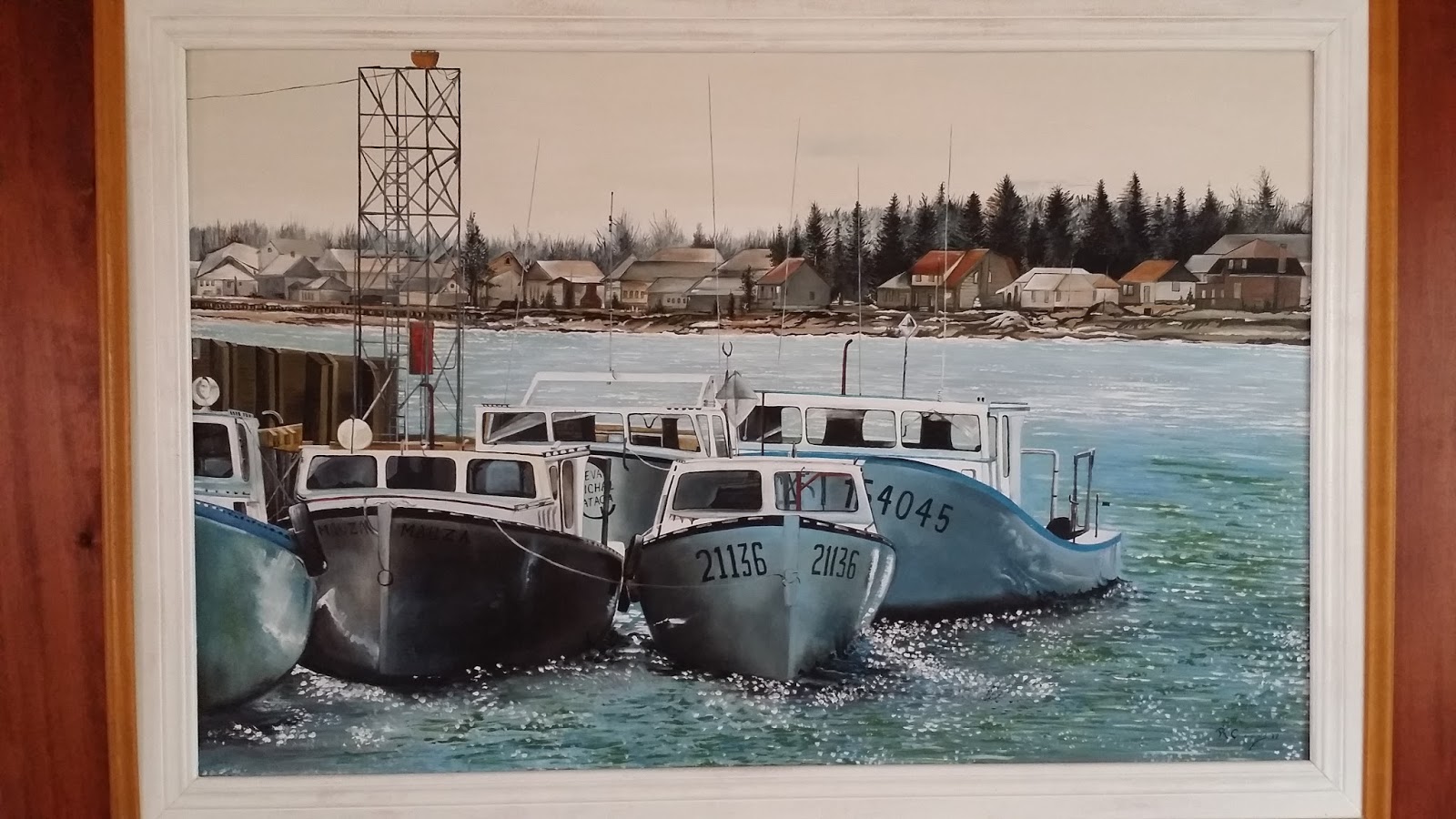 RG: I painted a lot of fishing boats at various wharves around New Brunswick for many years from photos that I had collected. Many of them are now in private collections in New Brunswick, Ontario and Quebec. I have done many animal paintings over the years, and now I'm thinking of a new subject to take on, as soon as I have all my commissions done, I'll be starting a series of works focused on something like old barns or abandoned structures that I find interesting. I will work from photos that I will take this summer on my travels.
 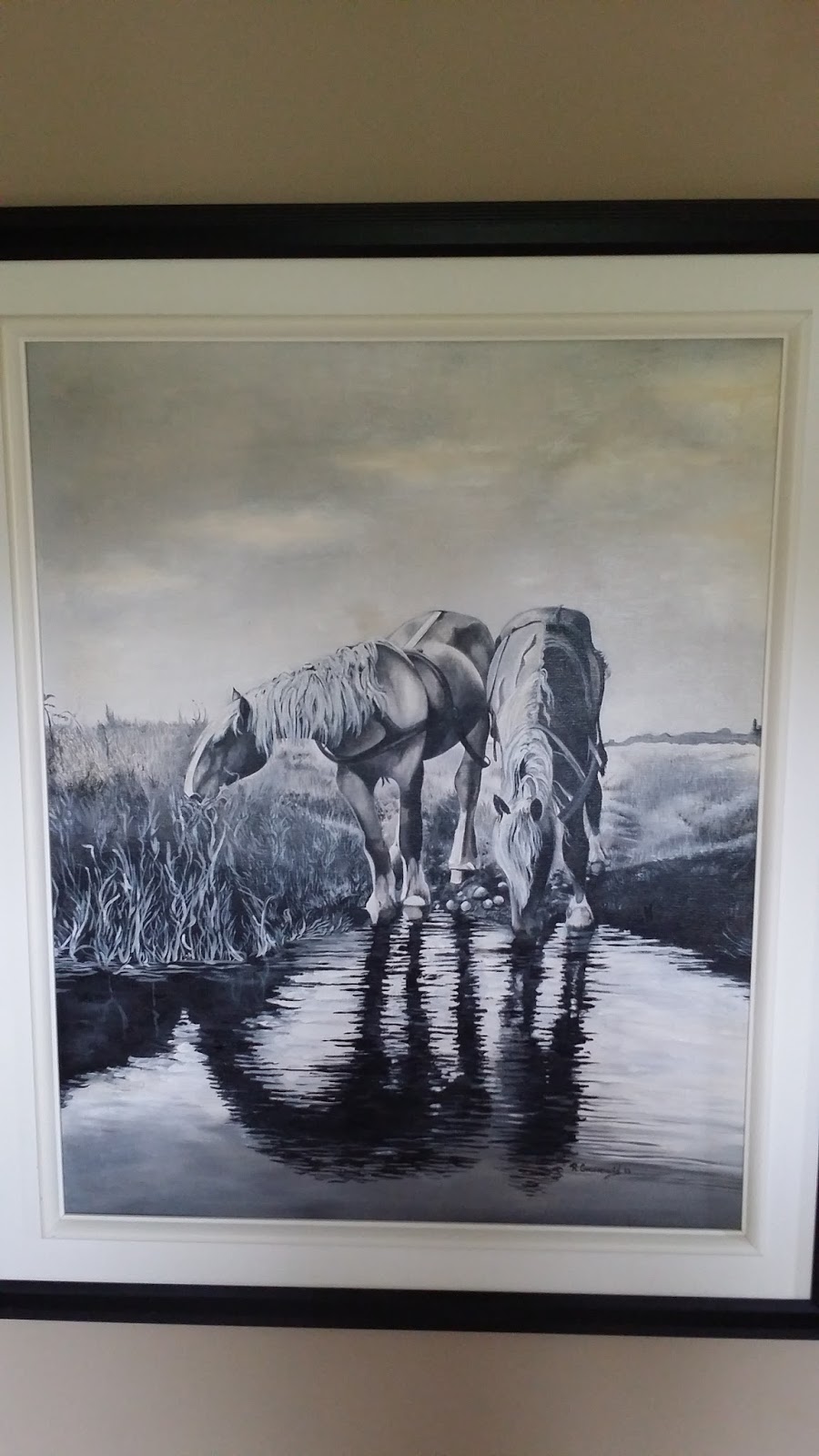 Lastly, thank you Allan for giving me the opportunity to share this with your readers I hope you enjoy the pictures that are included. Ralph
 Thank you so much for sharing your thoughts on The Scribbler. If you have any questions or projects for Ralph, you can reach him at rsgruenewald@hotmail.com Next week on the Scribbler, I am happy to have author Susan Toy of Bequia return with a short story, Another Day in Paradise. Susan is a terrific author and I know you will enjoy her work.
June 25, 2015
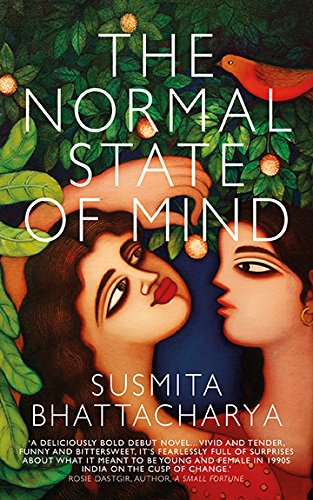
Guest Author Susmita Bhattacharya. An Excerpt from The Normal State of Mind.
A week late and a day early! So much happening that my regular post was missed last Friday BUT here it is.
 I am so pleased to have Susmita back on the Scribbler. She was featured on the 4Q portion of the Scribbler last month and you can find her links, a short bio and catch the interview here .
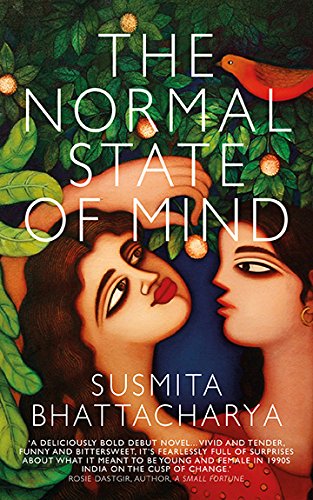
Following is an excerpt from her exciting new novel, The Normal State of Mind.
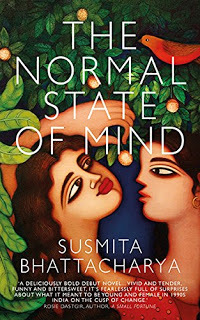
Two women from Diamond Harbour district of twenty-four Parganas have committed suicide after their ‘marriage’ is shunned by families.
Moushumi stared at the television news reporter. He was standing among a crowd of villagers, shouting out the report over their chanting. The camera then zoomed on the faces of the two women’s mothers. They were wailing and beating their breasts, claiming their daughters were innocent. They had been victims of black magic. There was an inset, a rather dated photograph of the deceased, then probably in their teens, with ribbons in their hair and toothy grins.
The lovers, both from farming communities, had grown up together in their tiny village near Falta. They had secretly married each other, when their parents started looking for prospective bridegrooms, by exchanging garlands and promises in a Shiva temple. When one of the women’s fathers went ahead with wedding preparations, the two came out and confronted their parents. They were then beaten by the families. A tantric was summoned to drive away the spirits that had possessed them to take such action. An ojha was performed and one of the women was forcefully married off to an old man. Her lover immolated herself at the time of the wedding. Hearing this tragedy, the other woman escaped from her husband’s home and drowned herself in the river. She left a note for her family saying that if the two had been allowed to live together, they’d all be happy and alive.
 The reporter looked straight at the camera as he finished his report. Moushumi looked away. She realised she had been so caught up with listening to the news, she hadn’t noticed her father had been watching as well. ‘Sensationalism,’ he exclaimed from behind her. ‘They will report anything in the media nowadays to get attention.’
Moushumi looked up. ‘But Baba, surely must be something genuine to report this, or why would they? They were very brave to face the world.’ She watched him for his reaction.
He sniffed and reached for his cup of tea.
‘Ma, did you hear about this?’ Her mother was juggling a spatula and a spoon while stirring the dal and frying the fish. She wiped the sweat that ran down her neck and strained to hear above the splutter of the fish sizzling in the pan.
‘Utter rot,’ her father mumbled and opened the newspaper again. ‘What is the world coming to? Chee chee. Desperate village bumpkins. How can the TV news report such filth, I fail to recognise.’
 Moushumi flinched, ashamed. She was indulging in something her father found filthy. ‘It’s quite normal in the Western society. It is becoming accepted there.’
Her father glared at her but said nothing. He turned to the sports page and cursed about Mohun Bagan losing again. He was clearly not interested in continuing on the topic. ‘What were you saying, Mou?’ her mother asked, joining them in the sitting room. The air was smoky with all the deep frying.
The smell of the fish had seeped stubbornly into the mattress on the divan and the cushions and the curtains. But it was a comforting smell, not the artificial rose and lily room freshener that Moushumi had to adjust to on Saturdays in Jasmine’s flat.
Her father left the room and Moushumi decided that she could still try out her mother. ‘Two women committed suicide because their marriage was not accepted in society.’
‘Oh,’ her mother said. ‘Hindu women?’
‘Perhaps.’
‘Did they marry Muslims or what?’
‘No, Ma. They married each other. The two women married each other.’
Her mother stopped tidying the cushions and stared at her.
‘Two women? Why on earth?’
‘They said they loved each other.’
‘But how will they have children? Who will look after them?’
Moushumi felt better. At least she was curious and asking questions. At least her first reaction was not that they were filthy. ‘Does that matter? They loved each other.’
‘What fools,’ her mother replied. ‘They’ve ruined their families’ reputations. I hope they haven’t left behind any unmarried sisters, or that will be the end of the road for them.’
‘You think so?’ Her mother busied herself with putting right the newspaper.
‘Stupid naive girls, did something under the influence of filmy romance, I suppose.’
Moushumi felt betrayed. Her mother was not on her side.
How could she ever tell them if the time came? Wiping her hands on the end of her sari, her mother said,
‘Anyway, I don’t have time for all this nonsense. I still have to finish cooking lunch. How would you like your fish? Mustard sauce or tomato?’
***
‘Silly girls,’ said Jasmine, grimacing at the newspaper-cutting Moushumi thrust into her hand. ‘No brains, these villager types.’
The news of the two women had found a little space in the local newspaper. Moushumi had cut it out and kept it in her handbag. She wasn’t sure whether this was to remind her that this sort of thing was not accepted, or to reassure her that this was not her fate, yet. She had hoped that Jasmine would take up their case, get angry, and promise her that such things didn’t happen in big cities. Instead, Jasmine had just laughed about the whole situation. ‘You too, Jazz? Don’t you believe in their love? Wouldn’t you have backed them up?’
 ‘For what, Mou? Be sensible. You are living in a fantasy world.’ Jasmine switched on the television. The theme song of The Bold and the Beautiful filled the room. She tucked the sheet under her chin and watched idly.
‘But it is accepted in the West,’ argued Moushumi.
‘Then go and live in the West. Find yourself a lover there and make a home for yourselves. Don’t keep harping on about it and spoil my mood.’
‘But we are lovers, Jasmine.’ Moushumi shot back. ‘Like those two girls. We do the same thing, and yet you reject their bravery in wanting to live together?’
Jasmine increased the volume of the television. The air-conditioning started to whir noisily, adding to Moushumi’s distress. She wanted to shut everything off and shake Jasmine hard. Make her listen to her. Answer her questions.
‘We can’t live together, surely you know that? Or go public,’ Jasmine said finally, during a commercial break.
Moushumi nodded. She was not stupid to have such hopes.
‘Then why the entire headache?’ Jasmine asked her. ‘You will eventually have to get a man to marry you and then we could continue meeting.’
‘But, I don’t want it like that,’ Moushumi said. ‘I want to have a truthful relationship.’
‘A truthful relationship? Which world are you in, madam? Just enjoy yourself and stop complaining. You’re lucky with what you’re getting.’
There was truth in every word of what Jasmine had said.
How could they have an open relationship? What name would they give it? Moushumi thought of those two village girls. Did this kind of love mean being confined in a bedroom, once a week, having sex?
She realised she was lucky that Jasmine had another flat for them to hide in, to indulge themselves in.
What about the rest of them? Where did they go? What did they do?
‘It’s useless, Jasmine. This whole thing is a waste of time.’
Moushumi slid under the sheets and held Jasmine’s hand.
‘Why do I bother to come?’
Jasmine turned around and stared at Moushumi for a long time. Her gaze softened, and when the commercial break ended, she didn’t turn back to the television. ‘I’m so glad you do come, darling. So don’t spoil things with miserable realities. Okay, let’s get out of this place. You’ll have to tell your parents a very big lie, mind.’
Moushumi nodded. At that moment, she didn’t care very much. She would do anything for Jasmine. She clung to her, trembling, waiting for Jasmine to touch her. Soothe her nerves. They kissed quietly, and Jasmine stroked her hair, murmuring into her ear. Moushumi calmed down.
At last they were going to venture out of this flat. They were going to do something fun.
Thank you Susmita for sharing an excerpt from your novel. The book can be purchased here .
Please visit us next Friday when the 4Q Interview features Moncton artist Ralph Gruenewald. An interesting and very talent man.
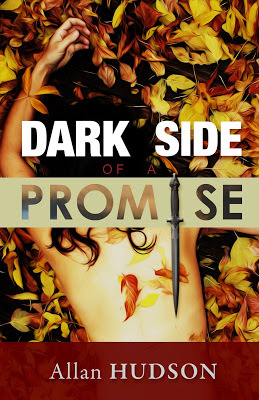
Looking for an awesome summertime story? Look no farther. Get your copy of this thriller The Dark Side of a Promise here .
 I am so pleased to have Susmita back on the Scribbler. She was featured on the 4Q portion of the Scribbler last month and you can find her links, a short bio and catch the interview here .
Following is an excerpt from her exciting new novel, The Normal State of Mind.
Two women from Diamond Harbour district of twenty-four Parganas have committed suicide after their ‘marriage’ is shunned by families.
Moushumi stared at the television news reporter. He was standing among a crowd of villagers, shouting out the report over their chanting. The camera then zoomed on the faces of the two women’s mothers. They were wailing and beating their breasts, claiming their daughters were innocent. They had been victims of black magic. There was an inset, a rather dated photograph of the deceased, then probably in their teens, with ribbons in their hair and toothy grins.
The lovers, both from farming communities, had grown up together in their tiny village near Falta. They had secretly married each other, when their parents started looking for prospective bridegrooms, by exchanging garlands and promises in a Shiva temple. When one of the women’s fathers went ahead with wedding preparations, the two came out and confronted their parents. They were then beaten by the families. A tantric was summoned to drive away the spirits that had possessed them to take such action. An ojha was performed and one of the women was forcefully married off to an old man. Her lover immolated herself at the time of the wedding. Hearing this tragedy, the other woman escaped from her husband’s home and drowned herself in the river. She left a note for her family saying that if the two had been allowed to live together, they’d all be happy and alive.
 The reporter looked straight at the camera as he finished his report. Moushumi looked away. She realised she had been so caught up with listening to the news, she hadn’t noticed her father had been watching as well. ‘Sensationalism,’ he exclaimed from behind her. ‘They will report anything in the media nowadays to get attention.’
 Moushumi looked up. ‘But Baba, surely must be something genuine to report this, or why would they? They were very brave to face the world.’ She watched him for his reaction.
He sniffed and reached for his cup of tea.
‘Ma, did you hear about this?’ Her mother was juggling a spatula and a spoon while stirring the dal and frying the fish. She wiped the sweat that ran down her neck and strained to hear above the splutter of the fish sizzling in the pan.
‘Utter rot,’ her father mumbled and opened the newspaper again. ‘What is the world coming to? Chee chee. Desperate village bumpkins. How can the TV news report such filth, I fail to recognise.’
 Moushumi flinched, ashamed. She was indulging in something her father found filthy. ‘It’s quite normal in the Western society. It is becoming accepted there.’
 Her father glared at her but said nothing. He turned to the sports page and cursed about Mohun Bagan losing again. He was clearly not interested in continuing on the topic. ‘What were you saying, Mou?’ her mother asked, joining them in the sitting room. The air was smoky with all the deep frying.
The smell of the fish had seeped stubbornly into the mattress on the divan and the cushions and the curtains. But it was a comforting smell, not the artificial rose and lily room freshener that Moushumi had to adjust to on Saturdays in Jasmine’s flat.
Her father left the room and Moushumi decided that she could still try out her mother. ‘Two women committed suicide because their marriage was not accepted in society.’
‘Oh,’ her mother said. ‘Hindu women?’
‘Perhaps.’
‘Did they marry Muslims or what?’
‘No, Ma. They married each other. The two women married each other.’
Her mother stopped tidying the cushions and stared at her.
‘Two women? Why on earth?’
‘They said they loved each other.’
‘But how will they have children? Who will look after them?’
Moushumi felt better. At least she was curious and asking questions. At least her first reaction was not that they were filthy. ‘Does that matter? They loved each other.’
‘What fools,’ her mother replied. ‘They’ve ruined their families’ reputations. I hope they haven’t left behind any unmarried sisters, or that will be the end of the road for them.’
‘You think so?’ Her mother busied herself with putting right the newspaper.
‘Stupid naive girls, did something under the influence of filmy romance, I suppose.’
Moushumi felt betrayed. Her mother was not on her side.
How could she ever tell them if the time came? Wiping her hands on the end of her sari, her mother said,
‘Anyway, I don’t have time for all this nonsense. I still have to finish cooking lunch. How would you like your fish? Mustard sauce or tomato?’
***
‘Silly girls,’ said Jasmine, grimacing at the newspaper-cutting Moushumi thrust into her hand. ‘No brains, these villager types.’
The news of the two women had found a little space in the local newspaper. Moushumi had cut it out and kept it in her handbag. She wasn’t sure whether this was to remind her that this sort of thing was not accepted, or to reassure her that this was not her fate, yet. She had hoped that Jasmine would take up their case, get angry, and promise her that such things didn’t happen in big cities. Instead, Jasmine had just laughed about the whole situation. ‘You too, Jazz? Don’t you believe in their love? Wouldn’t you have backed them up?’
 ‘For what, Mou? Be sensible. You are living in a fantasy world.’ Jasmine switched on the television. The theme song of The Bold and the Beautiful filled the room. She tucked the sheet under her chin and watched idly.
 ‘But it is accepted in the West,’ argued Moushumi.
‘Then go and live in the West. Find yourself a lover there and make a home for yourselves. Don’t keep harping on about it and spoil my mood.’
‘But we are lovers, Jasmine.’ Moushumi shot back. ‘Like those two girls. We do the same thing, and yet you reject their bravery in wanting to live together?’
Jasmine increased the volume of the television. The air-conditioning started to whir noisily, adding to Moushumi’s distress. She wanted to shut everything off and shake Jasmine hard. Make her listen to her. Answer her questions.
‘We can’t live together, surely you know that? Or go public,’ Jasmine said finally, during a commercial break.
Moushumi nodded. She was not stupid to have such hopes.
‘Then why the entire headache?’ Jasmine asked her. ‘You will eventually have to get a man to marry you and then we could continue meeting.’
‘But, I don’t want it like that,’ Moushumi said. ‘I want to have a truthful relationship.’
‘A truthful relationship? Which world are you in, madam? Just enjoy yourself and stop complaining. You’re lucky with what you’re getting.’
There was truth in every word of what Jasmine had said.
How could they have an open relationship? What name would they give it? Moushumi thought of those two village girls. Did this kind of love mean being confined in a bedroom, once a week, having sex?
She realised she was lucky that Jasmine had another flat for them to hide in, to indulge themselves in.
What about the rest of them? Where did they go? What did they do?
‘It’s useless, Jasmine. This whole thing is a waste of time.’
Moushumi slid under the sheets and held Jasmine’s hand.
‘Why do I bother to come?’
Jasmine turned around and stared at Moushumi for a long time. Her gaze softened, and when the commercial break ended, she didn’t turn back to the television. ‘I’m so glad you do come, darling. So don’t spoil things with miserable realities. Okay, let’s get out of this place. You’ll have to tell your parents a very big lie, mind.’
Moushumi nodded. At that moment, she didn’t care very much. She would do anything for Jasmine. She clung to her, trembling, waiting for Jasmine to touch her. Soothe her nerves. They kissed quietly, and Jasmine stroked her hair, murmuring into her ear. Moushumi calmed down.
At last they were going to venture out of this flat. They were going to do something fun.
Thank you Susmita for sharing an excerpt from your novel. The book can be purchased here .
Please visit us next Friday when the 4Q Interview features Moncton artist Ralph Gruenewald. An interesting and very talent man.
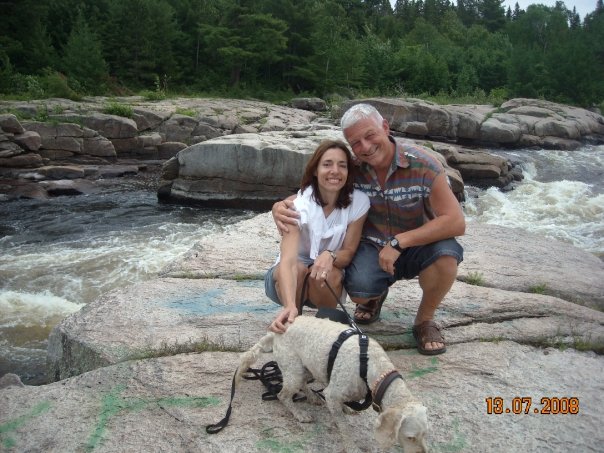
Looking for an awesome summertime story? Look no farther. Get your copy of this thriller The Dark Side of a Promise here .
June 12, 2015
Wall of War Excerpt by Allan Hudson
Wall of War.
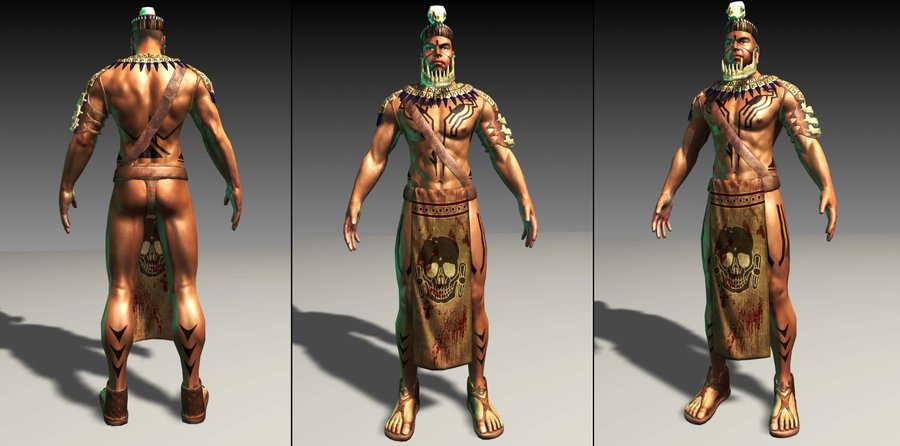
You've been following Father Suetonius Graft - an amateur rock climber - when in 1953 he discovers an unusual cave with an unbelievable monument inside the dark gloomy cavern. It's made of pure gold and has ancient warriors carved in the face. The opening section of this thrilling novel has been revealed on this blog. The beginning can be found here
 Part 2 is available here
 Part 3 of Father Graft's adventure follows. What is the proof he has found and what will he do with it?
From another pocket he pulls out a wide elastic band that is twined around a hard leather roll. He uncurls the band to expose a leather loop the same size as his flashlight. He had molded wet leather to it before cutting and installing snaps. It is attached to the heavy stretchy loop. Snapping the flashlight into the leather holder he pulls the whole apparatus over his short hair. He positions the light as firmly as possible before reaching up behind the upper lip of the rock that separates the two rooms. The outcrop above him disallows him the height for a running jump. As he surveys the opening he visualises himself thrusting his body out from the knees to leap from a squatted position. He lowers himself once again even with the lip of the crack, hunkering down as low as possible to study the roof under the rock above his head. It looks to taper upward opening into the room. The gargantuan sliver of rock that obstructs the passage is quite thick. There looks to be enough headroom. He waddles like a duck until his toes are just over the crevice. As he allows himself to fall forward into the hollow, he will use the edge pushing with his powerful thighs. He crosses himself and leaps.
 There is plenty of empty space on the other side of the rock and he lands a foot past the lip going into a roll to protect his bones. He is on his back when he comes to rest. His motion roils the dust that has lain undisturbed for hundreds of years; motes swirl about like ancient feathers. He rises while wiping the granules from his body. He tips his head to shine the light in the corner where he spied the tiny gleam. He searches the floor until he sees an odd shape roughly where he thought the object might lay. When he bends to pick it up, he can see why the light has been reflected. The item is at rest with the widest part raised off the floor as it balances on a piece of broken wood. The underside of what looks like some type of tool has no dust or patina on it so the glossy metal still shines. Scooping the implement from the ground he uses his handkerchief to wipe it off. Like the wall, the object is made of gold.
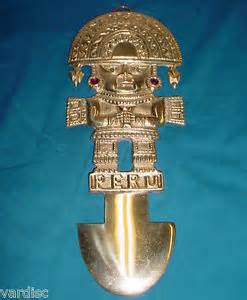
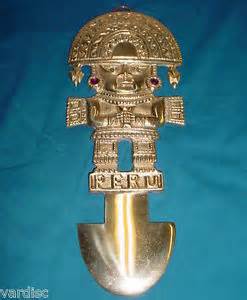
 He turns it in his hand. It is about twelve inches long. One end is a half circle about three inches wide, the circumference still sharp. The other end is modeled, depicting a squat and ugly figure, guessing it might be a likeness of one of the Incan gods he read about. The two ends are joined by a narrower flat shaft. He recognizes the utensil from his studies of the Incas. It is a Tumi, a ceremonial dagger. He realizes that this site has been visited by someone of great importance. He will never know the hows and whys of it being here but it is all the proof he needs to verify his
 discovery. He pulls a short leather cord from another pocket tying the knife to his belt. He tugs at it as it hangs from his back testing the knots he made. Satisfied that it will stay the climb he turns to leave. When he comes back to the gap in the floor he sees how impetuous his earlier movements have been. He won’t be able to jump back, the overhang is too low.
 The wall to the right is raw stone. He turns around to tread lightly towards the stairway to inspect it closer for a possible way out. Stepping cautiously on the edge of the first split in the stairway, he shines his light into the ascending opening to discover that at the bend rock and dirt have filled the cavity. A huge boulder is choked against the wall and pinned behind it is another skeleton, naked of the flesh that identified it in life. The skull and one shoulder is all that is visible, the balance of the body entombed in the dirt. Out of habit, Father Graft mumbles a short prayer of petition for the man’s soul, and for the souls of others whom have perished in this hole. For the next nine days he plans on saying a novena.
He crosses himself once more returning to his task. The barrels are useless. He scours the chamber with the ray of his light until it meets the wall with the bent spears resting against another crude work bench cluttered with articles he doesn’t recognize but hint of aggression, wooden handles with weighted ends, stone and metal, fibred ropes with stone weights tied to their ends. The clubs he recognizes. Everything has a thick layer of dust weighted by time’s passage, centuries.
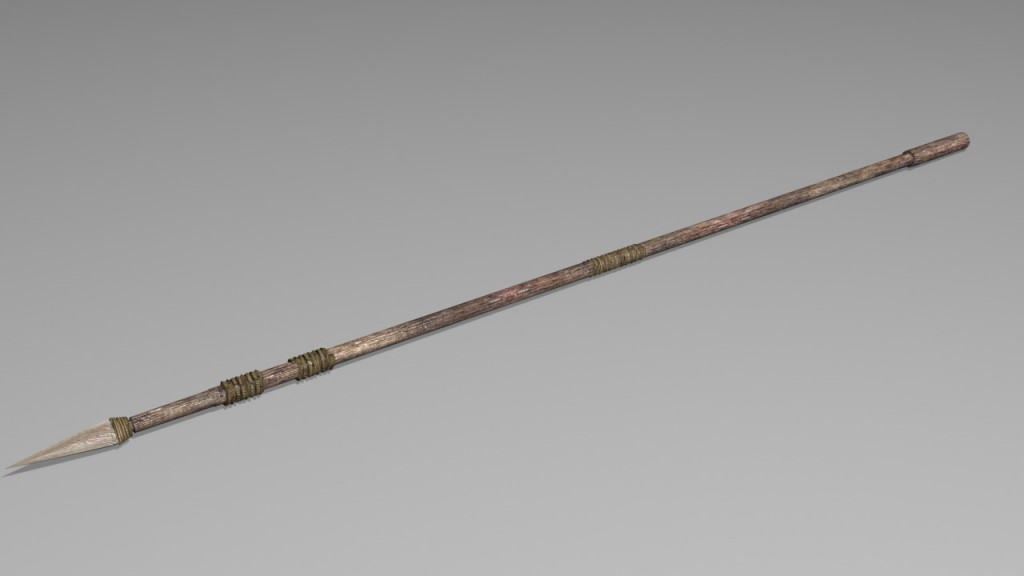 On the floor is a bundle of long spears of dull metal, probably bronze he guesses. One end has a heavy hasp; the other extends to a point just above where it is shaped like a small axe. He reaches down to pull one free from the pile. It breaks away with a cloud of smut, the particles causing him to cough. A satisfied grin crosses his face when he estimates it to be long enough to bridge the gap. He loosens a dozen more that don’t seem bent too bad to toss them on the floor near the gap. The action raises a cloud of dust but he doesn’t stop. Grabbing the three leaning against the bench he hastily clears the rubble from an area across from the opening. He straightens the spears in a row, sixteen wide, the farthest about one step apart from its opposite. Glancing at the hole with his light by moving his head, he estimates it to be about 36 to 40 inches wide. He’s not sure how to keep them together.
 He walks back to the pile of relics searching for an answer. When his light follows the side of the ledge where he grabbed the spears, he spies shorter cylindrical pieces of what must be broken spears. An idea hits him. Digging the rods from the dust, he finds there are five pieces all about thirty to forty inches long, one still has a nicked tip on it. Dropping them by the longer ones he picks up the one he figures to be closest to thirty inches. He uses the flexibility in each shaft to weave the shorter piece along the ends of the spears, one over and one under, one over and one under, then a second one as close as possible but in opposite rhythm, one over, one under until he has a firm edge. The opposite ends are all out control and will need the longest piece to weave with. Using two rods on each end and one in the middle he fashions himself a crude but secure plank. It isn’t much but it is all he can find.
He manages to get the temporary span across the opening. Closing his eyes he mutters a prayer. He trusts that God has not brought him this far to let him down. With confidence he crawls over the emptiness. In the center the shafts are springy but strong and he is soon across. He stands straight in the hallway and leaves.
 Watch for Part 4 next month and the end of Father Graft's involvement in the
Wall of War
.
Watch for Part 4 next month and the end of Father Graft's involvement in the
Wall of War
.Next week on the Scribbler, we are welcoming back Susmita Bhattacharya as Guest Author and you can read an excerpt from her tantalizing new novel, The Normal State of Mind. Susmita was featured on the 4Q Interview last month and you can catch the interview here
June 5, 2015
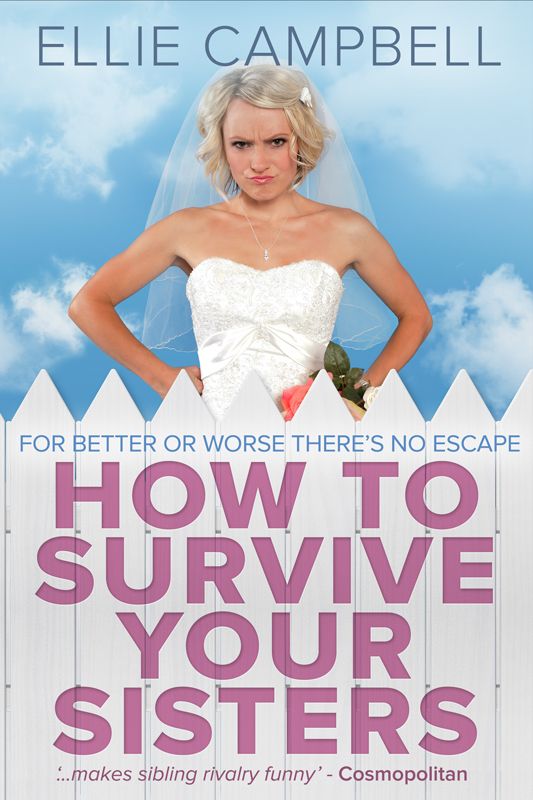
Guest Author Ellie Campbell - The sister writing team of Pam & Lorraine.
 Ellie Campbell is the pseudonym for sisters, Pam Burks and Lorraine Campbell who collaborate across the mighty Atlantic, finding writing together the perfect excuse for endless phone conversations. They are equally passionate about travel, animals and the great outdoors. Although Pam lives near London, UK, with husband, three children and a dog, while Lorraine is on a Colorado ranch near wonderful and wild Boulder with husband, five horses, five cats, one dog and four chickens - they both believe in enjoying life to the fullest.
Today you can read an excerpt from "How to Survive Your Sisters". You can learn more about these talented authors by visiting their website chicklitsisters
CHAPTER 1
Natalie MacLeod walked into the maternity ward of St Joseph’s with purple daisies in her hand and profound dismay in her heart. Wincing visibly at the groans and screams audible through too-thin walls and averting her eyes from half-snatched glimpses of drip bags, plastic piping and other disgusting hospital apparatus, she pushed open the doors to the semi-private room and hesitated, examining the tableau before her.
In many ways it echoed several she’d passed along the way; the same Perspex cot beside the bed, the same medical paraphernalia and the same crowd of eager visitors, except in one important respect. This patient, with wet patches across her chest and a tired smile plastered onto her face, was her sister.
What on earth was Milly thinking? Didn’t she have enough on her plate with two rambunctious boys and one insufferable teenage daughter? Hazel, their youngest sister, had said – swearing Natalie to secrecy – that Ivor’s condom had sprung a leak, but in this day and age everyone knew there was absolutely no need for mistakes. Tubes could be tied. Ivor could have the snip. Men were ridiculously squeamish about these things of course, but if she and Jeremy were ever in that particular waterlogged barge…
 She shuddered. Nope, it would never happen. Couldn’t happen. She, Natalie, would never allow it. After all, there was such a thing as a morning after pill.
 And now here was Milly, who’d never quite lost the baby weight from Rory, sprawled out on the hospital bed like a… like a… well, Natalie sucked in her well-toned gut automatically, she didn’t want to be uncharitable – or, worse, cliché – but it was hard not to get an image of scores of exhausted do-gooders trying to push a hapless orca towards a receding sea.
She ran a manicured hand quickly through her blonde bob, pasting a magnanimous smile on her face as she waited by the swinging door for her family to notice her.
“Natalie,” Milly’s face was unbecomingly flushed, a lock of damp hair stuck to her forehead but her happiness radiated the room. “Come and meet your new nephew.” She cooed over the bundle in her arms. “Isn’t he a darling? Isn’t he just perfect?”
From their chairs by the bed, Peggy and Callum rose to greet their third-born.
“Natalie,” her mother swept upon her, all dressed up for the occasion in her best winter coat and a hideous printed dress, shapeless if it weren’t for a bulging sash that tugged it too high in the front like a distorted stage curtain that exposed large bony knees.
 “How lovely to see you, dear,” she beamed cheerily. “I was just telling your father that I don’t know why I bothered to put myself through the agonies of childbirth. I swear it takes an earthquake to dislodge you or Avril from London these days. Of course I know Hazel’s gallivanting all over the globe and Avril’s fantastically busy with her illustrious career, but I’d think you, at least, could drag yourself away from that sexy man of yours to visit us once in a blue moon. Honestly, I’ve four daughters and, except for darling Milly, I might as well have spared myself the bother of labor and all those nappy changes.”
 Natalie’s eyes narrowed, her teeth gritting, as Callum clumsily patted her shoulder. Her father smelt of peppermints and pipe tobacco but, thankfully, no hidden undercurrents she could distinguish and the fingers searching the pocket of his ancient tweed sports jacket were tremor-free.
“Och, don’t mind your mother, she’s just teasing,” he rasped. “Come and sit by me. Tell us everything you’ve been up to, eh?”
“Well, as it happens, I do have an important…”
“Wow, he’s gorgeous! You look fab, Milly! Well done, sweetie!” In a tumult of Opium perfume and Nicole Farhi, Avril had hijacked the limelight, rushing over to envelope Milly in her arms, praising her new nephew before she’d even given his sleeping face a glance.
 “Hi Mum, Dad, Nats,” she made the rounds of hugs and air kisses with all the insincerity and polish of someone who’d made a very prosperous vocation of working the room, coming to rest on the chair Peggy had vacated, only her circling Chloe-clad toe betraying the urgent tick-tock of precious wasted time. “Sorry I’m so late but I got a call - Julia Roberts of all people. I brought Moët…” She flourished a gold-topped bottle, then caught her mother’s scowl, “…but maybe we should save it for later. I can only stay a minute. All hell’s breaking loose back at the office. I’m over the moon for you, Mills. He’s a cutie! Too bad Hazel’s not here.”
 “Too bad?” Stung by the familiar mix of chagrin and disappointment that her family inevitably inspired, Natalie lashed back. “If she had any consideration at all, she’d have come home for this. She knew when Milly was due. Is it too much to expect that she’d make a bit of an effort for her family for once?”
As always Avril was hot in Hazel’s defense.
“Don’t be such a witch, Nasty.” Her fingers fidgeted, clearly itching for a cigarette, her mobile or a quick clutch at her younger sister’s neck. “You know full well Hazel had planned this trip and bought her ticket months before Milly found out she was expecting. Besides, look who’s talking - you couldn’t even be bothered to show up at Hazel’s leaving do. Too busy with Jeremy and his moronic city crowd, I imagine. In any case,” unable to resist she took a peek at her mobile, checking for texts, before realizing hospital policy had forced her to switch off, “it’s not as if it’s Milly’s first, is it?”
Into the impending war a little voice squeaked in.
“Doesn’t anyone want to see the baby?” Milly suggested meekly. “He’s just woken.”
There was a moment’s guilty silence. Then a flurry around the bed.
 Avril gently stroked the baby’s left hand, visibly relaxing her usually tense, over-worked gym-toned body. “He’s just precious, Mills. I can definitely see Ivor in him. And such soft skin. So have you decided on a name yet?” It had taken Milly and Ivor a week to agree on Rory’s name.
 “Ben,” Milly adjusted his little white hat. “After Ivor’s grandfather, Benjamin. Look he’s staring right at you, Natalie.”
Natalie peered down. “Can they see at this age?”
“He’s not a kitten, Nee Nee.” Callum laughed, what was left of his white hair apparently standing to attention.
“Hush now,” Peggy bent down and picked him up, brown eyes glistening in her wrinkled face. “Here, Callum, you hold him and we’ll call that nice nurse in to take a photo of us all.”
“No, no.” Her husband backed away, rubbing a hand over his rarely-shaven chin where a small piece of toilet paper showed he’d nicked himself that morning. “I might drop him.”
“Phooey! Four children and three grandchildren and you’ve never dropped one of them yet.”
“Sure you never dropped Natalie, Dad?” Milly teased. “Might explain a few things.”
“Funny – not, dear sister.” Natalie screwed up her face. “Where’s Ivor by the way? I thought at least at a time like this he’d be glued to your side.”
“He was,” Milly sounded instantly defensive. “For hours and hours. All through labor. Poor man’s hardly had any sleep in the last few days. He’s only just left to get Erin, Fergus and Rory off to school and I told him to take a nap before he comes back. He’s been a saint, really.”
Natalie looked unconvinced, as Peggy gushed forth.
“Hazel might be the most adventurous and Avril the most successful but I do think Milly’s the bravest. Hours of labor with hardly a peep.” Behind her back, Milly made a face, comically suggesting otherwise, as Peggy continued in her piercing voice that could penetrate the morgue three floors below. “Turned out little Ben here had the cord wrapped around his neck. And then there was that awful business with the placenta. I told Milly she should ask the hospital to save it for her. Lots of aboriginal cultures believe in eating it. Full of iron.”
Natalie recoiled. “That is totally revolting.”
“Not just aborigines, Mum,” Avril chipped in, noticing Natalie look faintly green. “I think there’s a few of the Birkenstock Brigade partial to a little nosh. Or you could always bury it in your garden, have a little ceremony. That’s quite a trend too.”
 “Anyway,” Natalie’s voice cut through the unpleasant conversation. “Now we’re all here, I have some news too.” She waited till all eyes were on her and then dropped the bomb. “Jeremy and I have picked a date for the wedding.”
 “Oh but that’s wonderful, wonderful!” Peggy’s eyes flooded with tears as she rushed to hug her third daughter.
“About bloody time,” Callum grinned, rubbing his unlit pipe between smoke-stained fingers.
“Gosh, Nats, that’s brilliant. When is it?” Milly smiled happily.
“Early July. We’ve booked the church in Little Hooking. Isn’t it superb?” Basking in her family’s excitement, Natalie’s face looked as pink and pretty as any bride’s.
Avril rose to her feet, towering over everyone in the room, even without her four-inch heels. “Superb.” It was sardonic, her face shuttered, eyes cold. “Well done, Natalie,” she whispered in her sister’s ear. “You couldn’t wait to steal Milly’s thunder for your own little portion of glory, could you?” She swiveled to face the others. “Well, sorry to walk out on all the excitement but I really do have to go.”
And out she swooshed, sucking with her all Natalie’s joy.
Caught off balance, Natalie wavered between guilt and anger.
“I’m sorry, Milly. I never meant… I just thought with us all being together. Anyway,” she took refuge in leaning over Ben, trying to conceal the hurt of Avril’s words from sparkling in her eyes. “Avril’s right, he is a beautiful baby.” She could feel her throat slightly choked. Why was it no one could wound you like a sister? “Utterly perfect, thank God - even if he was a mistake.” The words slipped out before she realized her mouth had formed them.
“A mistake!” Milly clutched her child to her breast, outrage widening the blue eyes that were so similar to Natalie’s and the infant in her arms. “Why on earth would you say that? Ivor and I wanted this child more than anything else in the world. We were trying for an absolute age.”
This time there was no ambivalence about Natalie’s feelings. Rage rushed through her as she realized that, once again, she’d been had.
Damn! With every ounce of her heart, and for the thousandth time in her life, she wanted, longed, yearned to kill that bloody Hazel.
Thank you Pam and Lorraine for sharing an excerpt from your novel. Read more about Ellie Campbell at www.chicklitsisters.com where you will discover more links to their novels and social media.
Please drop by next week for a thrilling excerpt from my latest Novel-In-Progress. The Wall of War. I've almost completed the second draft and then it's off to beta readers.
May 29, 2015
4Q Interview with Author Susmita Bhattacharya.
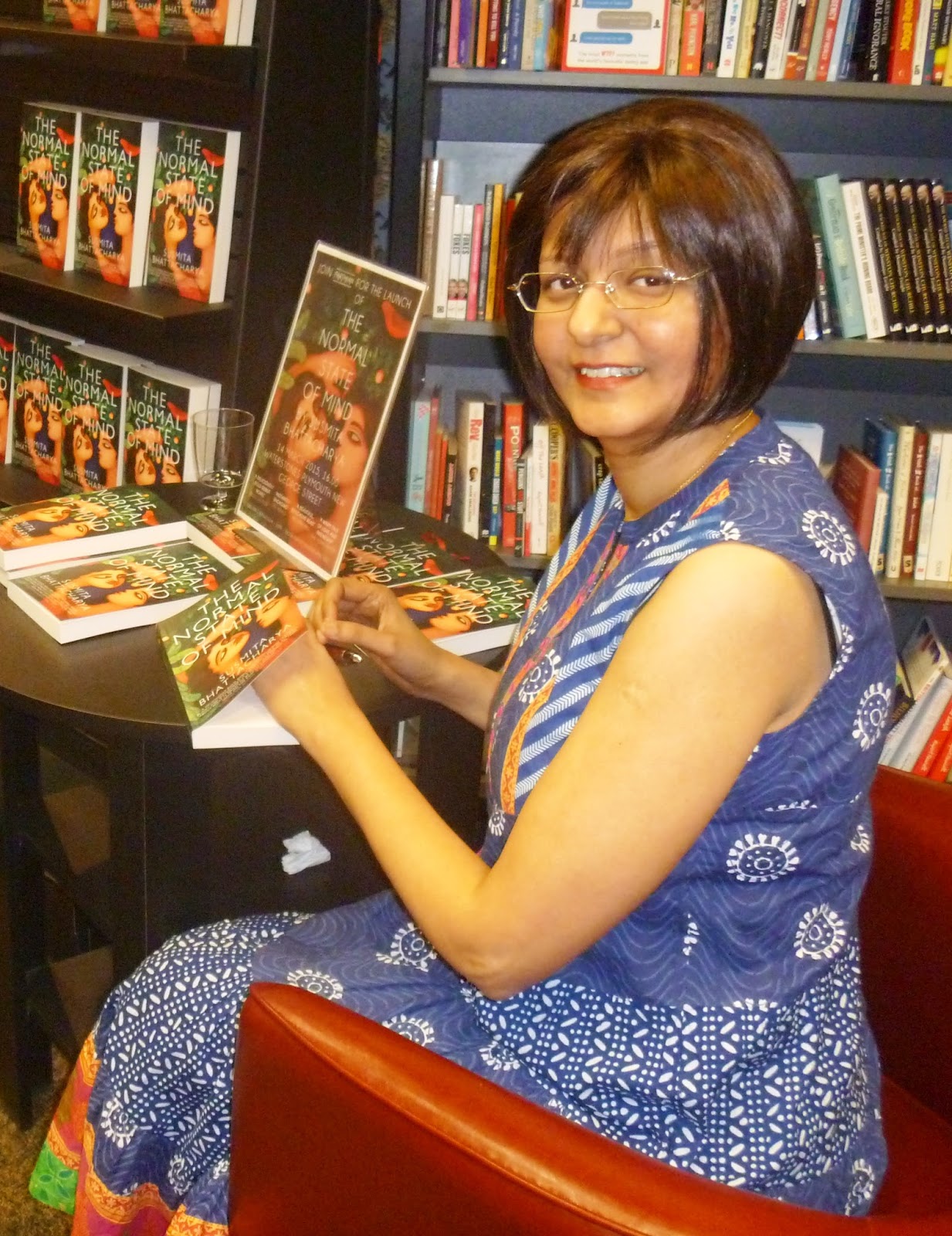 The Scribbler is pleased to have Susmita Bhattacharya of Plymouth, England on the 4Q Interview this month. It is Susmita’s second visit. As one of our Guest Authors she previously shared her enjoyable short story, The Mango Season. Susmita is an accomplished author who has just released her debut novel, The Normal State of Mind. You can discover more about by following the links below.
4Q: We are anxious to hear about your new novel. Please tell us what to expect when we read The Normal State of Mind.
SB: The Normal State of Mind is a story about love, friendship and finding one’s voice. It is a story about two women, Dipali and Moushumi and their friendship. It is a story of how their friendship helps them deal with personal issues and the Indian traditions that dictate how they should present themselves in society, for one is a widow, and the other is a lesbian.
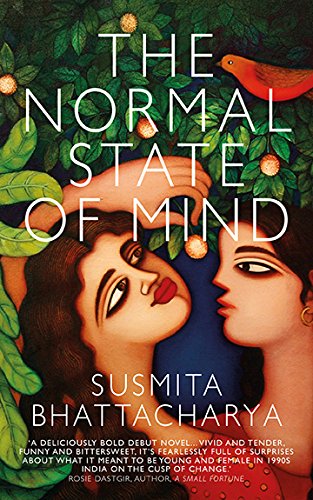 The novel is set in 1990s India, and I hope to show aspects of urban India and Indian society that have not been seen in Indian fiction. I hope this book will bring about a debate or discussion about women empowerment and the LGBT presence in India.
 One of my favourite quotes is by Vijayalakshmi Pandit, the first woman politician to hold a cabinet post and diplomat, whose brother happened to be the first prime minister of India. She mentioned in a piece in the Ananda Bazaar Patrika (1938): ‘People tell me the modern woman is aggressive. I wonder if this is true. But if it is, she has good reason for it, and her aggression is only the natural outcome of generations of suppression. The first taste of liberty is intoxicating, and for the first time in human history, a woman is experiencing the delights of this intoxication...’
This stands true even in today. She wrote this in 1938, we are in 2015 now, and still, the modern woman is fighting... fighting for her rights, fighting for her equal place in society. I realised that be it lesbian or a widow, as Dipali, mentions in the book, women are still identified in relation to a man, or to the lack of one.
It is a story simply told and I hope it will connect with readers around the globe. When I was researching for the book, I talked to people from different cultures and social backgrounds, and realized that there are some issues that affect people no matter where they come from. The struggle with coming out and acceptance is something common for most gay and lesbian people I talked to. But this is a story set in metropolitan cities of Mumbai and Calcutta, this is not a general reflection of Indian women in any way.
And yes, there is a lot about Indian food in the book!
4Q: You have many short stories and poems published in the UK and internationally. How did the idea for your novel begin and when did you decide to write this story.
 SB: The novel started as a dissertation for my Masters in Creative Writing in 2005. I was comfortable with writing short stories, but I wanted to push the boundaries and attempt writing a novel. It was difficult to put a finger on what I should write about. I thought of many complicated plots, historical themes etc but wasn’t confident to write, or rather see it to its end. But the mantra ‘writing what one knows about’ struck a chord as I realised that my experience as a single, working woman in Mumbai and having friendships with like minded women, and men was the best place to start. My experience as an assistant to a well-known fashion photographer also helped me shape the book. Though I have been inspired by some of my experiences to write the book, this book isn’t about me or anyone I know. But I had fun revisiting some old haunts to refresh my memory and reconnecting with old friends.
 The book took eight years to write, as in between, I had two children, moved houses and relocated from Cardiff to Plymouth. It then took two years for the book to be accepted by a publisher, and finally it is here in 2015.
4Q: Please share a childhood memory or anecdote.
 SB: I was born and bred in Mumbai. In the book, I have written about the bomb blasts that ripped through the city in 1993. I was in Art College then, and my friend and I were returning home on a public bus. We had made a plan to have lunch at my place. As I was preparing lunch, we heard a bang, and the crows in the trees shrieked and flew up into the sky. We shrugged it off, thinking someone had started off a firecracker. But it happened again, this time closer to home. The house shook, the window panes rattled, and the smell of gunpowder came through. We weren’t sure what was happening. This was before the days of social media and mobile phones, so news didn’t get around so quickly. Also, the telephone lines went dead, so we couldn’t contact anyone. My parents were at work and my sister in school. Then a family friend came rushing in and told us that bombs were going off in various parts of Mumbai, and two had gone off just couple of hundred yards away from my house. And the scary part was, when we were on that bus, it had stopped at the traffic lights just outside the building that had been bombed fifteen minutes before it had gone off.
  My dad returned from work and he rushed to the school where my mum and sister were to escort them home. He had to walk past the bombed sites and told us how the street was covered in shattered glass and debris. He got them home safely. But in the meantime, I was worried sick as we didn’t know when and where the next bomb would go off, and was relieved only after they all got back safely. My friend too had to wait until her father managed to find a way to come to our house and fetch her. Unfortunately, there were many others who did not get back home that day. This day will remain etched in my brain forever.
 4Q: Spending several years travelling to many parts of the world with your husband must have been an exciting adventure. Can you share some of your experiences?
SB: I spent time on seven oil tankers over a period of three years. Those years seem surreal to me now. Was I really on board oil tankers, experiencing all sorts of adventures? I think spending time away from the human civilization, seeing nothing but the blue sea and sky for days helped me look inwards and make friends with myself. It also made me appreciate nature as well as understand how human interference can harm nature’s way.
 One of the first things that come to mind is how I came across events/ moments without planning for them. For instance, I once looked out of my bedroom porthole when we had anchored out at sea, and just below me was a dolphin that was helping her little one to swim. She held the baby over her snout and pushed it above the water to breathe. Maybe they were just playing. I felt very honoured to be given that opportunity to watch.
 Another time, our ship had anchored at Augusta, Sicily. My husband and I stepped out to see the town, and I was intrigued to see the whole town covered in ash. Looking up, I saw Mt Etna belching out smoke. For three days, we stayed anchored in the bay, and I watched a live volcano with lava streaming down the mountainside, once again from my cabin windows. We’ve been tossed about on stormy waters, sailed on glass-like calm seas, kept watch to keep pirates at bay and done the Titanic pose to boredom!
 But again, being out at sea without much communication (on that particular ship we didn’t have email contact), we completely missed out on the day 9/11 happened to the rest of the world. On that day, we were treated to best ever display of dolphins and whales that came close to our ship, and it seemed they were performing for us. Hundreds of dolphins leaped and danced against the evening sun, whales spouted showers and swam along the ship, swishing their tails and diving. Flying fish glinted above the water. It was a fully orchestrated show. We didn’t know what was happening elsewhere in the world. That night, the Chief Officer got some news on the radio, but reception wasn’t clear, so though we gauged something had happened, we didn’t know what exactly. We called home and that was when we realized what had happened. But it was only a week after 9/11, when we reached Gibraltar, did we first set eyes on the television replays and newspapers.
  On a more cheerful note, there was another very pleasant experience when sailing down the St Lawrence River, Canada. There was a man on the shore who would find out which ship passed by his house and he’d raise the flag of the crew as a hello. (Not sure if he is still there, this was about 12 years ago). As we made our way down the river, my husband told me to go up to the deck and watch the shore. So I did. Suddenly, I saw the Indian flag rise up and the national anthem being played, in the wilderness on the shores of the river in Canada. I’d been away from home for so long, it was as if this man had hugged me personally and welcomed me to his home. It was a wonderful feeling.
 Thank you Susmita for being our guest this week. Susmita’s novel can be purchased here. Her website is susmita-bhattacharya.blogspot.co.uk/
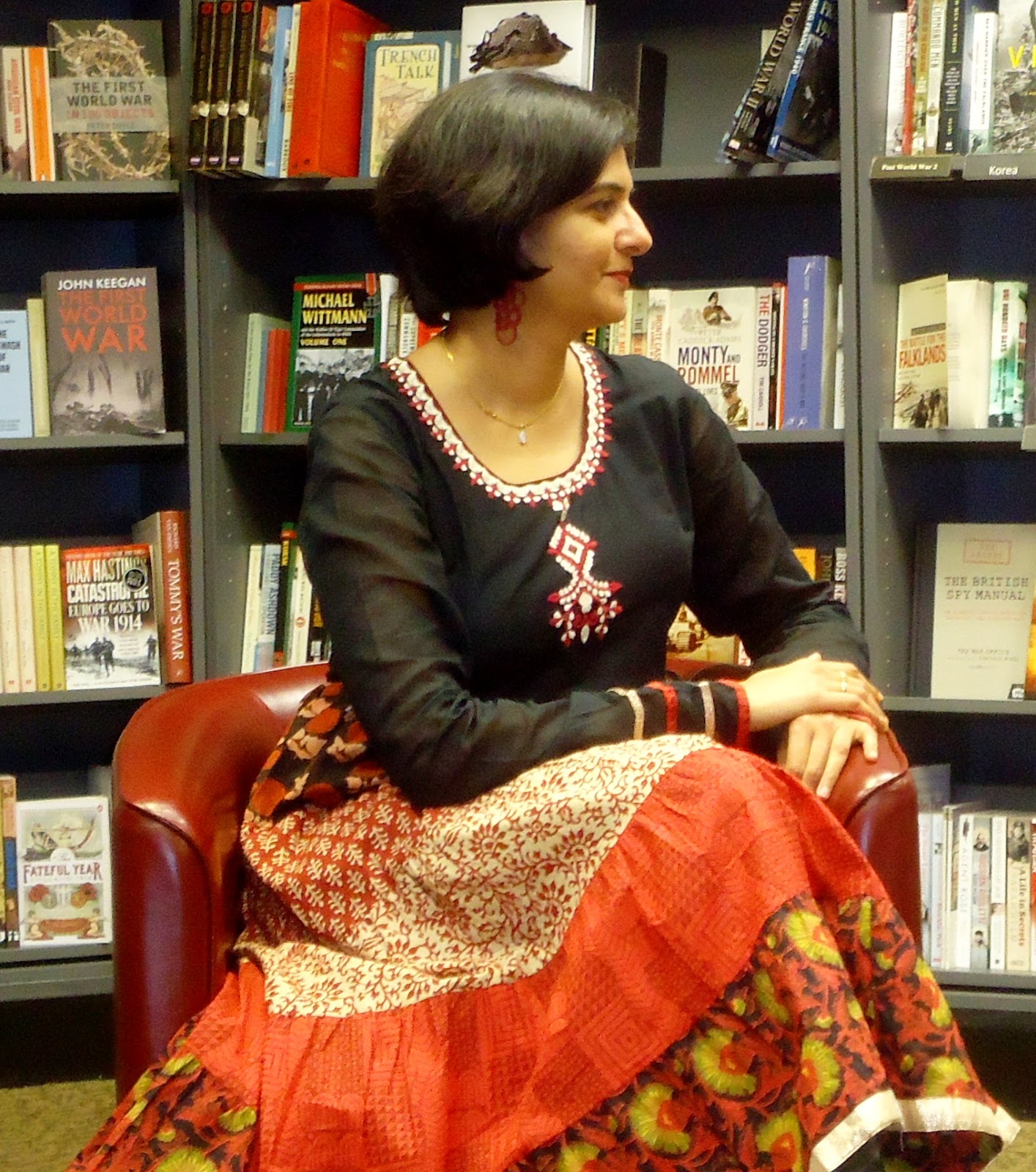
Next week on the Scribbler you will meet a writing team of sisters, Lorraine Campbell and Pam Burks that pen under the name of Ellie Campbell. Read an excerpt from one of their novels.

4Q Interview with Author Susmita Bhattacharya of Cardiff, Wales.
The Scribbler is pleased to have Susmita Bhattacharya of Plymouth, England on the 4Q Interview this month. It is Susmita’s second visit. As one of our Guest Authors she previously shared her enjoyable short story, The Mango Season. Susmita is an accomplished author who has just released her debut novel, The Normal State of Mind. You can discover more about by following the links below.4Q: We are anxious to hear about your new novel. Please tell us what to expect when we read The Normal State of Mind.
SB: The Normal State of Mind is a story about love, friendship and finding one’s voice. It is a story about two women, Dipali and Moushumi and their friendship. It is a story of how their friendship helps them deal with personal issues and the Indian traditions that dictate how they should present themselves in society, for one is a widow, and the other is a lesbian.
The novel is set in 1990s India, and I hope to show aspects of urban India and Indian society that have not been seen in Indian fiction. I hope this book will bring about a debate or discussion about women empowerment and the LGBT presence in India. One of my favourite quotes is by Vijayalakshmi Pandit, the first woman politician to hold a cabinet post and diplomat, whose brother happened to be the first prime minister of India. She mentioned in a piece in the Ananda Bazaar Patrika (1938): ‘People tell me the modern woman is aggressive. I wonder if this is true. But if it is, she has good reason for it, and her aggression is only the natural outcome of generations of suppression. The first taste of liberty is intoxicating, and for the first time in human history, a woman is experiencing the delights of this intoxication...’
This stands true even in today. She wrote this in 1938, we are in 2015 now, and still, the modern woman is fighting... fighting for her rights, fighting for her equal place in society. I realised that be it lesbian or a widow, as Dipali, mentions in the book, women are still identified in relation to a man, or to the lack of one.
It is a story simply told and I hope it will connect with readers around the globe. When I was researching for the book, I talked to people from different cultures and social backgrounds, and realized that there are some issues that affect people no matter where they come from. The struggle with coming out and acceptance is something common for most gay and lesbian people I talked to. But this is a story set in metropolitan cities of Mumbai and Calcutta, this is not a general reflection of Indian women in any way.
And yes, there is a lot about Indian food in the book!
4Q: You have many short stories and poems published in the UK and internationally. How did the idea for your novel begin and when did you decide to write this story.
SB: The novel started as a dissertation for my Masters in Creative Writing in 2005. I was comfortable with writing short stories, but I wanted to push the boundaries and attempt writing a novel. It was difficult to put a finger on what I should write about. I thought of many complicated plots, historical themes etc but wasn’t confident to write, or rather see it to its end. But the mantra ‘writing what one knows about’ struck a chord as I realised that my experience as a single, working woman in Mumbai and having friendships with like minded women, and men was the best place to start. My experience as an assistant to a well-known fashion photographer also helped me shape the book. Though I have been inspired by some of my experiences to write the book, this book isn’t about me or anyone I know. But I had fun revisiting some old haunts to refresh my memory and reconnecting with old friends. The book took eight years to write, as in between, I had two children, moved houses and relocated from Cardiff to Plymouth. It then took two years for the book to be accepted by a publisher, and finally it is here in 2015.
4Q: Please share a childhood memory or anecdote.
SB: I was born and bred in Mumbai. In the book, I have written about the bomb blasts that ripped through the city in 1993. I was in Art College then, and my friend and I were returning home on a public bus. We had made a plan to have lunch at my place. As I was preparing lunch, we heard a bang, and the crows in the trees shrieked and flew up into the sky. We shrugged it off, thinking someone had started off a firecracker. But it happened again, this time closer to home. The house shook, the window panes rattled, and the smell of gunpowder came through. We weren’t sure what was happening. This was before the days of social media and mobile phones, so news didn’t get around so quickly. Also, the telephone lines went dead, so we couldn’t contact anyone. My parents were at work and my sister in school. Then a family friend came rushing in and told us that bombs were going off in various parts of Mumbai, and two had gone off just couple of hundred yards away from my house. And the scary part was, when we were on that bus, it had stopped at the traffic lights just outside the building that had been bombed fifteen minutes before it had gone off.
My dad returned from work and he rushed to the school where my mum and sister were to escort them home. He had to walk past the bombed sites and told us how the street was covered in shattered glass and debris. He got them home safely. But in the meantime, I was worried sick as we didn’t know when and where the next bomb would go off, and was relieved only after they all got back safely. My friend too had to wait until her father managed to find a way to come to our house and fetch her. Unfortunately, there were many others who did not get back home that day. This day will remain etched in my brain forever. 4Q: Spending several years travelling to many parts of the world with your husband must have been an exciting adventure. Can you share some of your experiences?
SB: I spent time on seven oil tankers over a period of three years. Those years seem surreal to me now. Was I really on board oil tankers, experiencing all sorts of adventures? I think spending time away from the human civilization, seeing nothing but the blue sea and sky for days helped me look inwards and make friends with myself. It also made me appreciate nature as well as understand how human interference can harm nature’s way.
One of the first things that come to mind is how I came across events/ moments without planning for them. For instance, I once looked out of my bedroom porthole when we had anchored out at sea, and just below me was a dolphin that was helping her little one to swim. She held the baby over her snout and pushed it above the water to breathe. Maybe they were just playing. I felt very honoured to be given that opportunity to watch. Another time, our ship had anchored at Augusta, Sicily. My husband and I stepped out to see the town, and I was intrigued to see the whole town covered in ash. Looking up, I saw Mt Etna belching out smoke. For three days, we stayed anchored in the bay, and I watched a live volcano with lava streaming down the mountainside, once again from my cabin windows. We’ve been tossed about on stormy waters, sailed on glass-like calm seas, kept watch to keep pirates at bay and done the Titanic pose to boredom!
But again, being out at sea without much communication (on that particular ship we didn’t have email contact), we completely missed out on the day 9/11 happened to the rest of the world. On that day, we were treated to best ever display of dolphins and whales that came close to our ship, and it seemed they were performing for us. Hundreds of dolphins leaped and danced against the evening sun, whales spouted showers and swam along the ship, swishing their tails and diving. Flying fish glinted above the water. It was a fully orchestrated show. We didn’t know what was happening elsewhere in the world. That night, the Chief Officer got some news on the radio, but reception wasn’t clear, so though we gauged something had happened, we didn’t know what exactly. We called home and that was when we realized what had happened. But it was only a week after 9/11, when we reached Gibraltar, did we first set eyes on the television replays and newspapers.
On a more cheerful note, there was another very pleasant experience when sailing down the St Lawrence River, Canada. There was a man on the shore who would find out which ship passed by his house and he’d raise the flag of the crew as a hello. (Not sure if he is still there, this was about 12 years ago). As we made our way down the river, my husband told me to go up to the deck and watch the shore. So I did. Suddenly, I saw the Indian flag rise up and the national anthem being played, in the wilderness on the shores of the river in Canada. I’d been away from home for so long, it was as if this man had hugged me personally and welcomed me to his home. It was a wonderful feeling. Thank you Susmita for being our guest this week. Susmita’s novel can be purchased here. Her website is susmita-bhattacharya.blogspot.co.uk/
Next week on the Scribbler you will meet a writing team of sisters, Lorraine Campbell and Pam Burks that pen under the name of Ellie Campbell. Read an excerpt from one of their novels.