
Lucy V. Hay's Blog, page 15
January 30, 2018
My Top Stationery On The Road
Lulu Allison is the author of Twice the Speed of Dark, published in November by Unbound. It is her first novel. She is currently working on a second novel.
You can find out more here or by following Lulu on Twitter – @LRAllison77

Favourite Notebooks
Like many of you, I am sure, I get a great deal of pleasure from new notebooks. There is a sense of optimism about a new book, all those clean pages waiting for ideas, for words, for plans, for sketches. Unsullied with attempts and failures, unmarked by scratching out and spelling mistakes and never-completed lists.
There have been many false dawns and possible contenders, but after years of research I narrowed it down to two favourites – the Seawhite’s of Brighton A6 hardbound sketchbook for drawing and a Muji soft-cover A6 that fits in any back pocket for writing and book notes.
But when I look back, I realise that the stationary I really care about is the stationary that has been on the road, the stationary that has been anything but stationary. The books that have become ragged and grimy, sometimes with pages, or pressed flowers, or postcards falling out. The ones with yellowed selotape that no longer works, nestled in the crease of the pages like the wing of a dead crane fly.
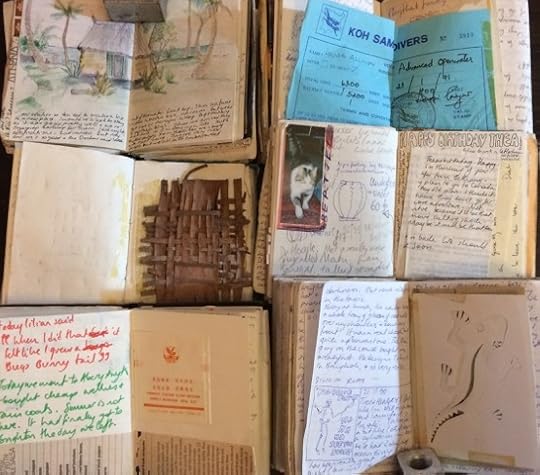
These tattered and battered books live in a box under my bed, picked up all over the place, filled up even more all over the place. They were travel journal, shopping list, handy language notes and useful phrases storage, journals of family life and sketch books. Before I somewhat belatedly discovered the wish to write actual books, they were where I described scenes, transcribed quotes from books I was reading or noted down snippets of conversations over-heard on buses.


Bits and Pieces
I wrote translations and useful phrases when I lived in Amsterdam, lists of places to visit in New Zealand, revision notes for my scuba instructors exam in California. There are photos and bus tickets, drawings, maps, messages and letters from loved ones. Time filled in transit sketching other passengers (see Seasick Men!) There are pictures by my young daughters and hair-tearing frustrations with my teenage daughters. There are the phone numbers and addresses of people I met fleetingly in a back-packers hostel and of people who remained life-long friends.
The examples above are from a time before I discovered that all I wanted to do was write books.
New start, new books
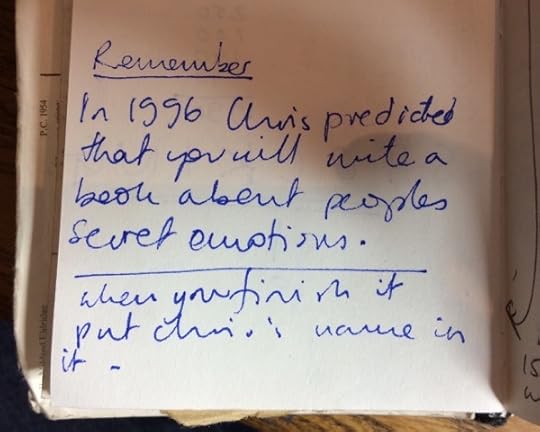
When I was in Sydney in 1990, I stayed at a backpacker’s called The Pink House, where I met a guy called Chris. Chris predicted that I would write a book about people’s secret emotions. It turns out, much as I scoffed at the time, that Chris was right. Twice the Speed of Dark was published in November – a book about the private ravages of grief. On the next page from the one in the photograph I wrote ‘apparently he thinks I will write strongly and vividly about people’s secret emotions’. I hope that I have indeed done that!
I did not put his name in it as unfortunately I had forgotten this prediction – it seemed so unlikely and so outlandish at the time. I was someone too impatient to make a piece of art that took longer than an afternoon and though I loved books, never considered writing one until, unexpectedly, I started writing one twenty three years later. I would have put his name in it had I remembered. Clean pages don’t reward with these sorts of discoveries, do they?
I still keep a constant notebook, thinner and lighter, some of its duties overtaken by my phone. I still can’t leave the house without paper and pen. Most of my images now remain in the digital realm. No phone numbers are transcribed into the backs, no hand-drawn calendars. I use my phone and its camera as a visual diary. As a result I have some beautiful images (and a few digital sketches.) But I regret that they are not tied to a time and place like those in my old notebooks. It’s not the same. The heft of a book, the physical order of it ties it to the narrative of the times, the narrative of the path that we took together. Digital is great but is seems so… stationary.
Post Script
I am hoping that using the magical powers of social media, I may be able to track down Chris from 1990. He was living at the Pink House in Sydney, though I think he was from Brisbane. He was slim and dark haired, about 5’ 8 or so, as I remember. If you get the chance to share this, that would be great! Long shots can happen!


January 29, 2018
BEST OF THREE: Jane Holland, author
I cut my teeth on action heroes before the age of ten, in love with H. Rider Haggard’s African adventure stories and Zane Grey’s hauntingly atmospheric Westerns. Yet for some reason I didn’t graduate to being a thriller reader as an adult. I tried a few modern thrillers, but got bored. All those clipped military types striding about the jungle, dodging bullets? No thanks.
Until, that is, about four years ago, when I spotted yet another Lee Child thriller in a bookshop and thought, that guy’s books are everywhere! I’d better read one, find out why he’s so popular. To add impetus, I was working on my first ever psychological thriller at the time, which later became a Kindle #1 bestseller itself, Girl Number One.
1) Killing Floor
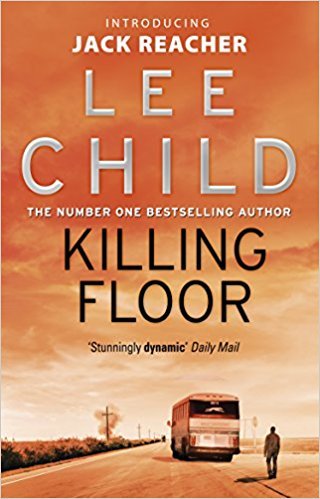 I read the opening of Lee Child’s first Jack Reacher novel, Killing Floor, and was hooked. On the face of it, nothing hugely dramatic happens. Yes, the main protagonist, Jack Reacher, is arrested in the first line. An impressive opening gambit. But he doesn’t resist arrest – in fact, his nonchalance suggests the experience is far from alien – and the next few chapters follow a series of interview scenes as he protests his innocence and coincidentally teaches the local police their job. (This last will become a staple of Reacher’s interactions with the law.)
So why was I hooked? Why did I finish that book at a sprint, and then read all the other Jack Reacher novels, more or less in the correct order, and become the sort of rabid Lee Child fan who pre-orders new titles months in advance?
In one word, voice.
Child’s debut thriller is often gruesome, something I usually dislike. Yet the story is told in the first person, in Jack Reacher’s laconic and well-informed drawl, and somehow that renders even the gruesome fascinating. (Child drops the first person in most later books, to broaden the narrative scope, but that drawl continues even in the third person.) It’s also got this tongue-in-cheek Western vibe, set in the sinisterly-named Margrave, a ‘no-account little town’ in the middle of nowhere. Jack Reacher is the lone wolf who comes out of the wasteland, disrupts the community with a rotten core, and returns to the wilderness afterwards. With a toothbrush in his pocket.
There’s a twist too. A horrible, heart-rending twist. And by the time Jack Reacher has survived that final blow, you’re on his side completely. Team Reacher. Forever.
2) The Affair
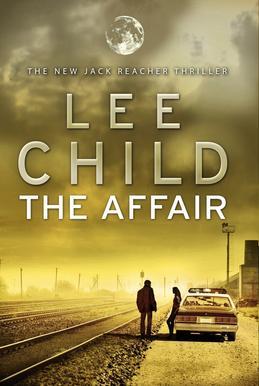 The Affair is one of several ‘flashback’ novels in the Jack Reacher franchise. This one is set shortly before Reacher leaves the army, and suggests why he did that. It’s an intriguing Deep South story, rather old-fashioned in tone, with Reacher playing a classic Private Eye role, sent undercover to investigate a brutal murder in Mississippi. It’s a complex plot, its slow reveals coming between ‘interviews’ with the dead woman’s friends and family. The core of the story, however, surrounds the blossoming of Reacher’s relationship with the female county sheriff, Elizabeth Deveraux.
The two are clearly soul-mates, Deveraux languid where Reacher is laconic. Here, again, is the classic Western drifter’s relationship with the local beauty. Except Deveraux is no damsel in distress or whore with a heart of gold; she’s law enforcement, riding about with a shotgun in the patrol car. Add to that Child’s evocative descriptions of the dusty Mississippi railroad town and its landscape, and you’ve got the sense of America’s enormity that pervades Reacher’s consciousness as he wanders this big country, essentially – if not always literally – on foot.
3) A Wanted Man
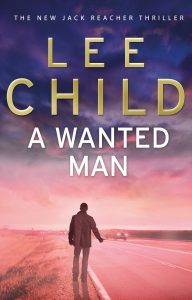 Despite coming out of an army background though, and having a predilection for ‘spectacular’ women, Reacher’s best moments are alone. And in A Wanted Man, my third pick of Lee Child’s novels, that’s where we find him in the opening pages. Alone on a dark highway, with a busted nose, thumb out, hoping for a lift …
In this book, Child makes much of Reacher’s outlandish appearance – not just battered, but somehow unnaturally huge – in a way he reprises in many of these books, including his latest, The Midnight Line. Reacher is a kind of superman, not only bigger than everyone else, but stronger, faster, harder. Just all round better.
In A Wanted Man, to my delight, he interprets the coded blinks of a woman in the back seat of a car, seen reversed in the rear view mirror, and manages to communicate with her without the other occupants of the car becoming aware. That level of invention speaks volumes for Child’s ingenuity and playfulness as he builds the legend that is Jack Reacher.
The interplay here between Reacher and the two main female characters is also beautifully conceived, and feels very real. That edge of reality is vital in making us believe, for there are always moments in these books where the suspension of disbelief is very much required. And I suspend it willingly, confident in Lee Child’s skill as a storyteller, even though the last few chapters of A Wanted Man go beyond the ending of any other thriller I’ve ever read. It’s a glorious WTF conclusion that made my jaw drop and inspired me to up the drama of my own books. Because there’s a little bit of Jack Reacher in all of us …
BIO: Jane Holland is a Gregory Award–winning poet and novelist who also writes commercial fiction under the pseudonyms Victoria Lamb, Elizabeth Moss, Beth Good and Hannah Coates. Her debut thriller, Girl Number One, hit #1 in the UK Kindle Store in December 2015. Jane lives with her husband and young family near the North Cornwall/Devon border. A homeschooler, her hobbies include photography and growing her own vegetables. Follow her on Twitter, HERE and LIKE her FB page.
Forget Her Name
Rachel’s dead and she’s never coming back. Or is she?
As she prepares for her wedding to Dominic, Catherine has never been happier or more excited about her future. But when she receives an anonymous package—a familiar snow globe with a very grisly addition—that happiness is abruptly threatened by secrets from her past.
Her older sister, Rachel, died on a skiing holiday as a child. But Rachel was no angel: she was vicious and highly disturbed, and she made Catherine’s life a misery. Catherine has spent years trying to forget her dead sister’s cruel tricks. Now someone has sent her Rachel’s snow globe—the first in a series of ominous messages…
While Catherine struggles to focus on her new life with Dominic, someone out there seems intent on tormenting her. But who? And why now? The only alternative is what she fears most: is Rachel still alive?
Buy Forget Her Name (UK) and (US).
January 26, 2018
BEST OF 2017: These Books Should Be Movies!
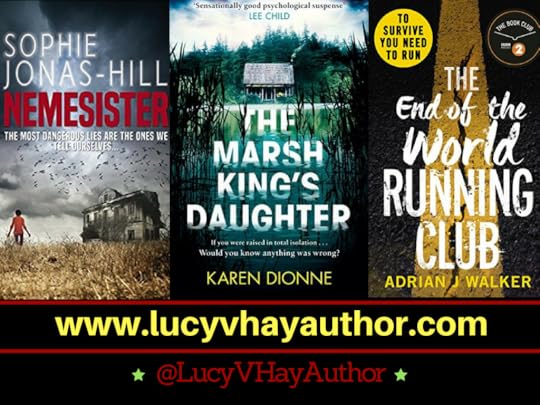
And for my FINAL ‘Best of 2017’ Best of 3!
Following on from the great dystopian (and highly cinematic) read, The Feed – I thought I would take a look at 3 of my favourite reads that I reckon should DEFINITELY be movies or TV shows, since I love the moving image almost as much as reading. Here goes:
1) Nemesister by Sophie Jonas-Hill
As a script editor myself, I LOVE a good ‘contained thriller’ as far as movies go, so I can totally see this one playing out in my mind: a young girl turns up at a deserted shack in the middle of nowhere. There’s a guy there, who’s acting kind of shady. But then, so is she. What is going on? Should she trust him, or him/her? Should WE trust the narrator? This is one slippery read and even if you *think* you have a handle on it, trust me, YOU WON’T! Read my full review on Goodreads, HERE.
2) The Marsh King’s Daughter by Karen Dionne
I was lucky enough to get my hands on an ARC of this highly anticipated thriller and I was not disappointed. This is ROOM meets THE REVENANT: Helena is forced to track down her highly dangerous, escaped convict father The Marsh King, called such because he abducted her mother and forced her to live in the marshland for nearly two decades. Helena, the protagonist of the book (and daughter of her father’s ‘wife’) is a highly layered, complex female lead: as she is half-Native American, I would have loved to see someone like Frozen River’s Misty Upham play her (she did, in my brain). Sooooo good and you can’t miss it! Read my full review on Goodreads, HERE.
3) The End Of The World Running Club by Adrian Walker
Set in a dystopian Britain after a meteor strike that roasts most of the British Isles, this is only the start of our (anti)hero Ed’s problems. When he’s separated from his family (and the rest of the survivors) up in Scotland, he and a disparate band of others left behind are forced to traverse the whole country to get to safety down in Cornwall. With all vehicles melted, the only way is on foot! I loved this simple plot line, that was brought to life by highly differentiated and unusual characters, not least Ed himself who is the furthest away you can get from a Lone Wolf/Mad Max-type, so usual in these types of thriller. Read my full review on Goodreads, HERE.
See all my favourites from last year
Looking for reading recommendations? Then check these out:
Best of 2017: My Domestic Noir Picks
Best of 2017: My Police Procedural Picks
Best of 2017: My Most Thought-Provoking Reads
Best of 2017: My Memoir Picks
Happy reading!
January 24, 2018
CRIMINALLY GOOD: interview with Keith Kinambuga, author and screenwriter
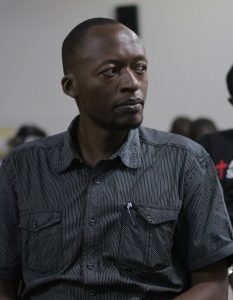 1) So, who are you & what have you written?
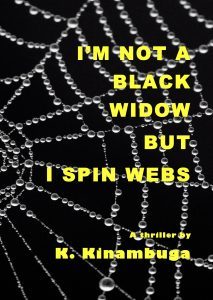
My name is Keith Kinambuga, a Kenyan self-published author and credited screenwriter. My short story titled The Great Defeat earned a Special Mention in South Africa’s All About Writing Courses March/April Writing Challenge 2017. My short crime novel titled I’m Not A Black Widow But I Spin Webs was released on 8th December 2017. It is a story about a Kenyan black ops team assigned to deal with fraud and corruption cases by any means necessary. The female lead must constantly prove herself in a male-dominated world and deal with accusations of being called a terrorist by her politically connected foes.
, I have garnered storylining/writing credits for the Africa Magic Viewers Choice Award (AMVCA) winning Mama Duka & Lies That Bind and storylining credits for Sumu La Penzi & Jane & Abel; all aired on DSTV Africa. I co-wrote of the Usoni sci-fi feature film and also wrote The Ghost Letter short film. The concept and trailer of the feature film attracted international coverage from CNN, Reuters and BBC while the short film was nominated in four categories at the Riverwood Academy Awards 2015 including Best Scriptwriter. I wrote/directed/produced The Enemy Within micro concept film that was shortlisted for screening at the 2016 Alliance Française Smartphone Film Competition. Here I am , plus you can check my website out, HERE.
2) Why do you write crime fiction?
It’s a thrilling way to pass a message to a wide readership. I enjoy doing the research needed to make everything believable.
 3) What informs your crime writing?
A mix of real life cases and avid interest in the crime underworld from drugs to black operations. You’ll catch me at odd hours watching documentaries about major crimes.
4) What’s your usual writing routine?
I wake up, do the usual then stare down a blank page to submission. If I don’t win the battle, I read anything else just to reset my mind but I eventually win the war.
5) Which crime book do you wish YOU’D written, and why?
The Girl on The Train by Paula Hawkins because I was fully immersed in the main character’s dark journey to redemption. I love character-driven crime stories and it was one of the best I have ever read. The simple but descriptive language style used flowed easily and kept me turning pages to the very end.
January 23, 2018
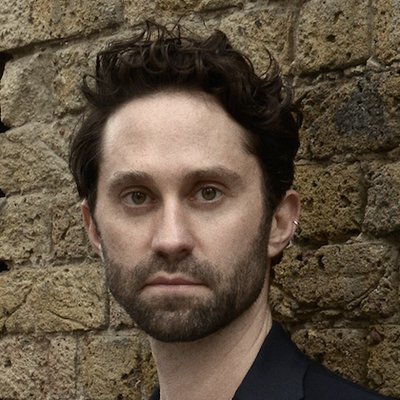
CRIMINALLY GOOD: Interview with Nick Clark Windo
 1) So, who are you and what have you written?
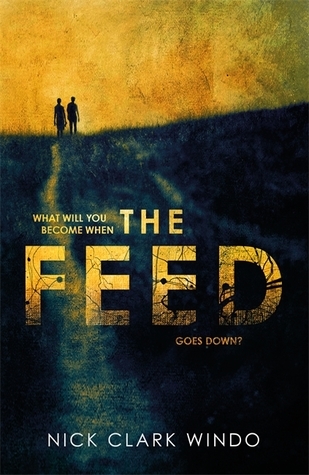
 I’m Nick Clark Windo and I’ve written a novel called The Feed. You can follow me on Twitter @nickhdclark.
2) Why do you write dystopian fiction?
I think any novel is an examination of something that has interested the author, whether that’s an event, a theme, how people behave towards each other… Speculative fiction is no different: it takes an aspect of how we live and explodes it in order to explore how it’s affecting our humanity. Maybe that sounds a bit lofty, but I believe it’s true: in speculative fiction we’re reading about how people behave under certain pressures, and it encourages us (while, hopefully, being entertained) to think ‘What would I do in this situation?’
With The Feed we’re in a world where the people aren’t really in control any more. There’s been a tipping point where the technology they use, which had previously been a mere tool, has actually started to influence them profoundly. It’s a dangerous feedback loop where what we’ve created and previously controlled is now re-creating and, unless we’re careful, controlling us. So the novel is about how the way we’re currently living might – might – be having an impact.
I hope it’s also, as I say, entertaining! I’ve always found it hugely enjoyable to give my imagination a workout in worlds that are different from our own.
 3) What informs your writing?
 I try to read widely and talk to as many people as possible because you never know where a little bit of inspiration will be hiding: a novel, an article, a turn of phrase, or when you can’t reconcile your own opinion on something with someone else’s. I do like that question “What if…?” I think it’s golden and at the heart of all storytelling: reality with a twist to it.
4) What’s your usual writing routine?
I wish I had one! There’s a lot of thinking. Maybe it’s better to call that ‘waiting’, because the thinking’s not always active – I put a lot of faith in ideas and information bubbling away under the surface and slowly coming together with the occasional conscious stir. When things do come together, when a line of dialogue or a piece of plot emerges, that has to be grabbed consciously and conscientiously written down, or it’s gone again. So with The Feed there were many notebooks that filled up over time.
And then it’s about writing. Sitting down and doing it. And that’s lovely: being lost, in another place mentally, while physically writing here. I write by hand and then type it up at the end of the week. There will be moments in the story when a certain event will be a finishing line of sorts and at that stage I can print off and give the chunk an edit by hand before typing it all up again. It’s a beautifully inefficient and meandering process.
5) Which book do you wish YOU’D written, and why?
My next one! While it has similar flavours as The Feed, it’s not dystopian. I’m at that stage of knowing there’s something interesting in there and carefully trying to unearth it and find its shape. There might be more cooking in the Feed world too …
Read my review of The Feed, HERE on Goodreads
January 21, 2018
BOOK VERSUS FILM: John Le Carre’s The Night Manager
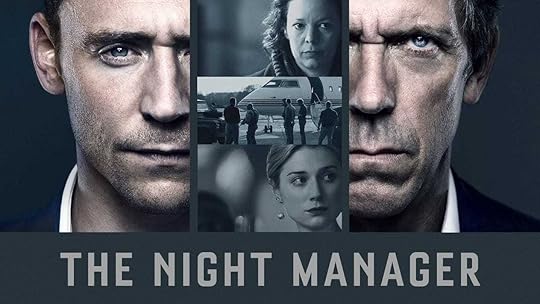
The Night Manager is John Le Carre’s 14th book, published in 1993. The story of ex-soldier-turned-hotelier-turned-spy Jonathan Pine was turned into a massively successful and lavish TV series in 2016, starring a veritable embarrassment of acting riches and exotic locations. But which did it better – the book or the show?
The Book
Jonathan Pine is a haunted man. Haunted by the memories of his time as a soldier involved in covert operations in Northern Ireland, and by a failed marriage, he’s distanced himself from his past by becoming the night manager in a string of high-class hotels.
During his time at one such hotel in Egypt he meets and falls in love with Sophie, the mistress of a local playboy who is involved in a deal with one Richard Onslow Roper. Roper is massively rich, surrounded by aristocratic cronies, and untouchable. He’s also completely untroubled by morals and happy to sell arms – under the guise of agricultural equipment – to the highest bidder. Sophie entrusts Jonathan with a list of what’s on the table – guns, tanks, missiles and chemical weapons – only to be used in the case of her meeting with ‘an accident’; but Jonathan, as an ex-soldier, can’t help but act on the information. He passes it on to a friend at the British Embassy. The deal folds. But Sophie ends up dead. Jonathan, with even more guilt on his hands, leaves Egypt.
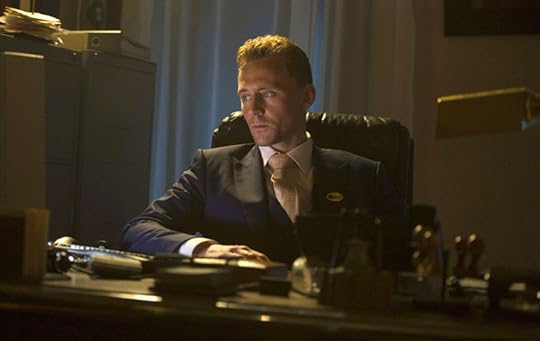
He starts work at an exclusive hotel in Switzerland, where he meets ‘Dicky’ Roper in the flesh. In an attempt to avenge Sophie’s death, he passes information on Roper and his group onto British Intelligence, where it lands on the desk of Leonard Burr, head of a small MI5 task force. Burr, who’s been trying to stop Roper’s arms deals for some time, offers Jonathan the chance to bring him down by going undercover and infiltrating his circle of friends.
Driven by the desire for revenge, Jonathan becomes part of Roper’s inner circle, replacing his right hand man Corky and trying (and failing) to avoid falling for his partner Jed. Soon Jonathan, under a different identity, is living in Roper’s luxury compound in Nassau, flying in his private jet and signing the paperwork on arms deals worth millions of pounds. But will he get his man?
The TV Show
The action’s moved to more recent times – Jonathan’s now in Egypt during the Arab Spring uprising, and saw service in the Iraq, rather than Ireland – but we’re back in the same hotel.
We don’t learn quite so much about Jonathan, played by Tom Hiddleston in what’s basically a six hour James Bond audition; he can still charm the hotel guests, the ladies and more or less everyone around him without giving away much of himself, but we don’t really get the impression that he’s particularly haunted. Just a bit of a loner. But hey, he’s got a nice smile.

The GENIUS move of the TV show, though, is in casting Olivia Colman as Agent Burr (now Angela – she really doesn’t look like a Leonard, especially as she’s heavily pregnant). In the book Burr is a typical Le Carre spy; passionate in his own way, but otherwise a slightly faceless man in grey. Here, Burr is warm and stroppy and takes no shit from anybody whilst being driven by compassion for the victims of Roper and the buyers of his ‘agricultural equipment’.
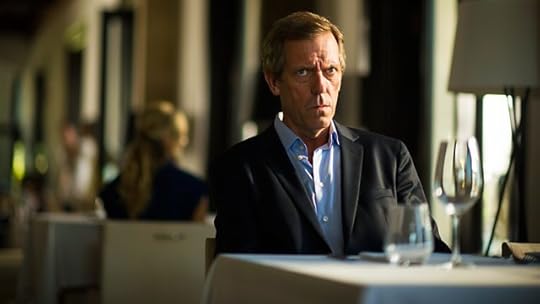
Actually, the entire cast is a genius move. Hugh Laurie’s portrayal of Dicky Roper is by turns convincingly evil and absolutely charming; in the opening scenes of Episode 2 – a family party at an island restaurant – he holds court affectionately over his friends and is genuinely warm and loving towards his son; who wouldn’t want a seat at that table? Tom Hollander as the loyal and increasingly bitter Corky is a show stealer – his meltdown at a later restaurant scene, aware that he’s been replaced by Jonathan, the ‘human hand grenade’ who’ll blow up in Roper’s face, is fascinatingly uncomfortable to watch.
So Which Format Does It Better?
There are several points in which the book and TV show differ, which I’m going to avoid so as not to give away too many spoilers (because if you haven’t watched it or read it, you should), but here’s a few which I think are fairly safe to divulge.
In the book, Jonathan’s cover – his metamorphosis from a charming hotelier into a desperate man on the run – is convincing, although possibly much too long. He doesn’t suddenly change character and turn into a thug; he relies on that charm as usual, mixing with his new West Country neighbours under the name Jack Linden, a few hints that his business isn’t completely legitimate, but he’s a nice fella, talks to the locals, sits in the pub with them.
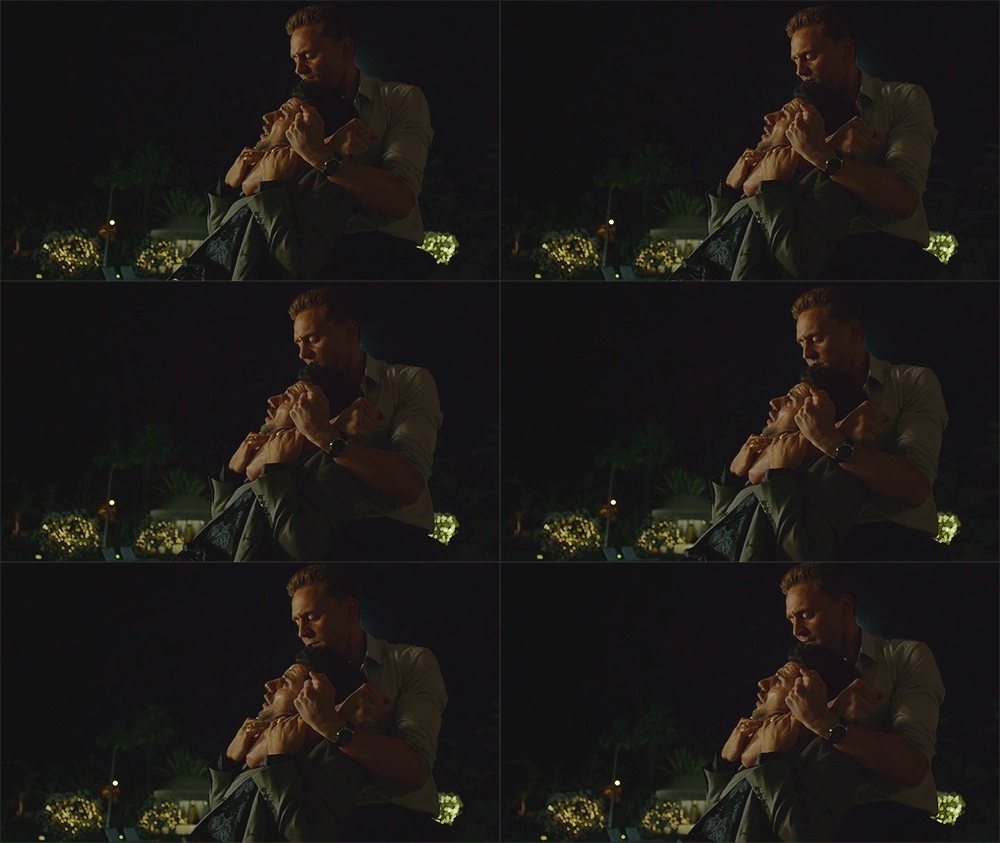
And then BOOM! Jack Linden leaves town, with a suspicious deep cut on his hand, his business partner’s missing, and the boat he’d just sailed into Falmouth is full of drugs. Jonathan, under a false passport, ends up in Canada, where he works as a hotel chef until he gets ANOTHER false passport after an affair with a local woman – someone else he now feels guilty about – then gets a string of jobs on luxury yachts until he works his way to the island restaurant where he meets up with Roper again. PHEW.
It goes on and on – but it works. In the TV show he just turns up in the West Country, becomes an outlandish thug and then somehow ends up on the Mallorcan island where that family meal takes place. This might’ve worked (possibly) with another actor, but not with Tom Hiddleston, who’s just far too NICE for it to be convincing. But it does mean we get a brief shot of him showering naked under a waterfall, so it’s not all bad. BOOK 1 – TV 0
The book spends a lot more time focusing on the politics and powerplay between the different intelligence agencies, and after a while I just kind of lost the plot; there are so many different characters involved, none of them saying what they mean (they’re spies and civil servants for god’s sake!). The TV show kept this struggle between the agencies, but made it far less complicated with fewer players and succeeded where the book didn’t – it kept my interest. But having said that, if you’re a Le Carre fan, that’s what his books are all about. So I think BOOK 1 – TV 1, but committed spy novel readers might disagree.

Where I think the TV show absolutely beats the book hands down is in it’s portrayal of Roper, Corky et al. Bad guys are nearly always more interesting than good ones, and this lot are no exception. In the book, apart from a brief meeting with Roper at the Swiss hotel in the beginning, we don’t see him again until well over 200 pages in. In the TV show, episode 2 starts at his luxurious (and fecking massive) villa in Mallorca and we pretty much stick with him, bar the odd outing back to MI5/6 in London, until the end. And that’s much more exciting to watch (the other thing I’m glad the TV show did was move Roper from Nassau to Mallorca, because Le Carre’s attempts at the local accent in the book were excruciating). BOOK 1 – TV 2
The ending of the book also differs from the TV show – I’m not going into details how! – and while I found the TV ending much more satisfying, the book is possibly more realistic. So that’s a draw. BOOK 2 – TV 3
Verdict
Whenever you compare a movie or TV show with the source it’s bound to be difficult – it’s like comparing apples to oranges – so in the end it’s about personal taste. If you want a gritty, twisty spy thriller, read the book. But if like me you want a marvellous confection of glamorous locations, the odd bit of sexiness and some amazing performances, the TV show is hard to beat.
BIO: is a screenwriter based on the sunny South Coast of the UK. She specialises in thriller and comedy screenplays with feisty, funny, female protagonists, and is a sucker for a happy ending. Recent work includes spy/crime thriller ‘Lost in Berlin’, which was a finalist in New York’s Athena Film Festival/IRIS Screenwriting Lab 2017; sci fi drama ‘Paradise’ and black comedy/drama ‘Dead in Venice’, both of which reached the final rounds of BBC Writersroom initiatives. Visit her website, HERE.
January 20, 2018
BEST OF 3: Paul Bassett Davies, author and screenwriter
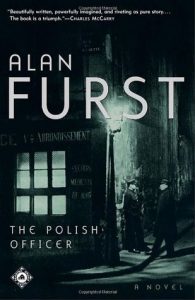 1) The Polish Officer by Alan Furst
Alan Furst is a criminally underrated writer. His books are mainly set in and around the second World War, and he writes about the compromised, overlapping worlds of espionage, resistance fighters, collaborators, diplomats, and spies. To my mind he’s as easily as good as Graham Greene or Le Carré. The Polish Officer is a superbly written thriller about complex characters thrust into conflict. As a bonus it provides a fascinating history of a strange period of the twentieth century, as the great powers used the brutality and betrayals of the Spanish Civil War to limber up for the horrors to come. It’s a wonderfully atmospheric book.
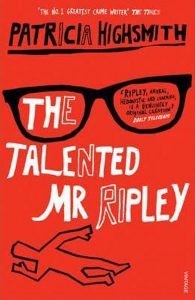 2) The Talented Mr Ripley by Patricia Highsmith
The first excursion for Highsmith’s favourite sociopath, Tom Ripley, and it’s sometimes easy to forget that Highsmith’s work is funny as well as scary. I love her wickedness as a writer, and I wonder how wicked she was as a person. You get the feeling she’d be good fun to have drink with. And another. But wait, this one tastes strange. And there’s something wrong with my eyes. What was she replacing in her handbag as I came back from the bathroom? Everything’s blurry. And I’m dizzy. Uh oh…
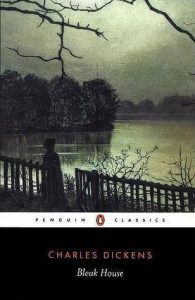 3) Bleak House by Charles Dickens
Wait, Dickens a thriller writer? Well, Dickens was an everything writer, although he didn’t (to my knowledge) attempt dystopian sci-fi. But you could plausibly say that David Copperfield, Oliver Twist and Great Expectations are YA novels. However, for me his greatest masterpiece is Bleak House, in which one of the strands is a thriller, complete with a mysterious crime, a sensational secret (Lady Deadlock’s past), a policeman (the shrewd, lugubrious Inspector Bucket), and a suave, chilling villain (the lawyer Tulkinghorn). The fact that this is just one thread, interwoven expertly with several others, is testament to Dickens’ genius.
BIO: Paul Bassett Davies has written and directed for stage, page, TV, radio, and film. He began in multimedia theatre, and his subsequent one-man shows won awards at the Edinburgh Fringe. He’s written for many of the biggest names in British comedy, and had his own BBC radio sitcom. He’s also written radio dramas, short films, music videos, and award-winning short stories. Among other things he’s also been the vocalist in a punk band, and a cab driver. His first novel, ‘Utter Folly’, topped the Amazon humorous fiction chart in 2012, and his new novel, ‘Dead Writers in Rehab’ has been published recently and is available HERE. Paul also writes a popular blog, The Writer Type, which you can read HERE.
January 18, 2018
BEST OF 3: Rosie Fiore, author
What a delicious post to write! If reading is like eating, then a truly well-written book is like a five-star, gourmet feast. There are literally hundreds of books I could have chosen for this post, but I thought I would restrict myself to delights I have recently read.
1) The Essex Serpent – Sarah Perry
What can I say about this beautiful book? It’s the perfect blend of fine contemporary writing and a magnificent Victorian novel. I went to see Sarah Perry talk about the book some months ago, and was blown away by her depth of knowledge. Anything in the book that seems anachronistic or modern is actually true to the time, and she gives us a fresh, muscular view of the Victorian era. It has a glorious main character in the abrasive, strong Cora, and one of the most evocative expressions of a landscape I have ever read. Shortly before I reached the end of the book, I thought I could see the ending coming and was disappointed… but Perry completely subverted my expectations and the ending was utterly, utterly perfect and satisfying. It also has the most beautiful book jacket I’ve seen in years, so it’ll enhance your decor as well as your life!
2) My Name is Lucy Barton – Elizabeth Strout
I’ve discovered Elizabeth Strout rather late in my life, and I am almost incoherent in my fangirldom. What a writer. She reminds me of the equally magnificent Anne Tyler (A Spool of Blue Thread could easily have made this list!), in her fine, quiet evocations of family life. I have loved Amy & Isabelle, The Burgess Boys and other of Strout’s books, but this slim novel is a masterclass in spare, perfect writing. Almost nothing happens in this book. Lucy Barton, struck down with an unnamed illness, is visited in hospital by her estranged mother. But everything happens. Every page resonates with unspoken meaning. I could spend the rest of life trying to write anything as perfect and quiet as any page of this book, and could never do it. Magnificent.
3) The Oryx and Crake Trilogy – Margaret Atwood
Yes, I know it’s cheating to pick three as my final book, but I’m going to, because in essence they’re one story. Oryx and Crake and The Year of the Flood cover the same ground but from different perspectives, and MadAddam extends the story. The TV adaptation of The Handmaid’s Tale has brought Atwood to more public attention, but she has always been great. She writes, as she says speculative fiction, not science fiction, and this trilogy creates a near-future world which is entirely believable. You’ll get drawn in as Snowman tells the story of Oryx and Crake, and then you’ll see the outcome of the Flood from the perspective of other characters, like Toby and Zeb. Everything in the books, from the all-powerful Corps, to the genetic engineering of other species is compelling and well within the realms of possibility. A special tip: I enjoyed all three as audiobooks, and the audio version of The Year of the Flood includes brilliant versions of the God’s Gardeners hymns that are in the book. It’s one of my favourite audiobooks of all time. If you loved The Handmaid’s Tale, there are such joys to come in Atwood’s other work.
About Rosie:
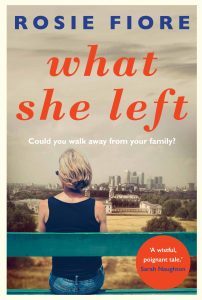 Rosie Fiore was born and grew up in Johannesburg, South Africa. She studied drama at the University of the Witwatersrand and has worked as a writer for theatre, television, magazines, advertising, comedy and the corporate market.
Her first two novels, This Year’s Black and Lame Angel were published by Struik in South Africa. This Year’s Black was longlisted for the South African Sunday Times Literary Award and has subsequently been re-released as an e-book. Babies in Waiting, Wonder Women and Holly at Christmas were published by Quercus. She is the author of After Isabella, also published by Allen & Unwin.
Rosie’s next book, The After Wife (written as Cass Hunter), will be published by Trapeze in 2018, and in translation is seven countries around the world.
Rosie lives in London with her husband and two sons.
January 16, 2018
CRIMINALLY GOOD: interview with author Ellis Shuman
 1) So, who are you & what have you written?
Hello, my name is Ellis Shuman and I’m an American-born Israeli author who happens to write about Bulgaria. I may be the only person in the world who writes in this niche genre. I was born in Sioux City, Iowa, moved to Jerusalem with my family as a teenager, grew up in Israel which is my home, and lived for two years in Bulgaria when my job was relocated there. I have written three books, the latest of which is The Burgas Affair, a crime thriller set in both Bulgaria and Israel. My previous novel, Valley of Thracians, is a suspense thriller set in Bulgaria.
You LIKE my page on Facebook; follow me on Twitter as @ellisshuman and find me on Goodreads, HERE. You can also check out my Amazon page.
2) Why do you write crime fiction?
I write the type of books that I like to read. Action thrillers that keep you turning the pages. I would not call my first novel ‘crime fiction’ but rather an action adventure in Bulgaria in which a few crimes take place. I define my new novel as an international crime thriller. A serious crime has taken place and six civilians have been murdered. There are detectives and criminals, and even terrorists and their accomplices. I think this fits the bill as crime fiction.
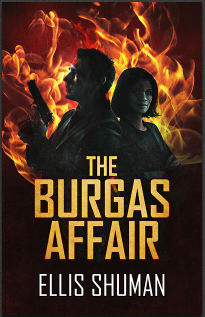 3) What informs your crime writing?
My novel The Burgas Affair is based on a real life terrorist attack. A bomb blew up on a bus outside Burgas Airport in Bulgaria in 2012, killing five Israeli tourists and their Bulgarian bus driver. I followed the case for months as the media reported information that was far from conclusive. With my creative mind I couldn’t help but imagine what might have happened in the aftermath of the bombing. My novel depicts a joint Israeli-Bulgarian investigation in which a headstrong Bulgarian detective teams up with an Israeli data analyst on her first assignment overseas. It should be a routine investigation, but shadows of the past keep interfering.
4) What’s your usual writing routine?
My most difficult challenge as a writer is finding the time to write. I solved this problem by leaving for work an hour earlier each day. Before work starts, I sit in a coffee shop and devote a full hour to writing. The background noise of the coffee machines and the aroma of freshly brewed coffee help fuel my creativity. By the time I start my day job, I have already accomplished quite a bit. In the evenings I’m too tired to write and although I do write on the weekends, I prefer to spend the time with my family.
5) Which crime book do you wish YOU’D written, and why?
I could not put down The Girl with the Dragon Tattoo by Stieg Larsson and I had the same excitement when I read the following two novels in the series. I am not sure what exactly attracted me to the books, but it could very well have been their setting in Sweden. I enjoy reading books that transport me to places I’ve never visited before. I have never been to Sweden, but by reading Larsson’s books, I have a sense of what it’s like to be there. I wish that I could have written the books of the Millennium Trilogy!
January 15, 2018
BEST OF 2017: My Most Thought-Provoking Reads
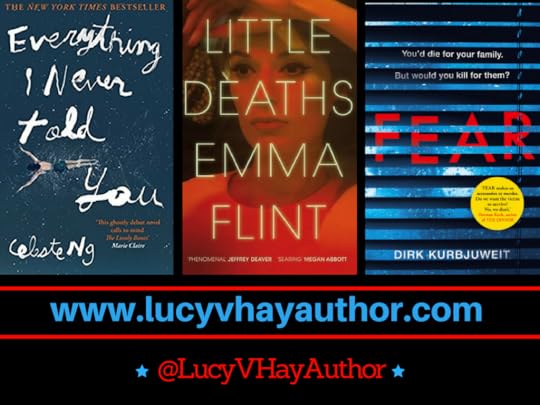
I love a good, literary, thought-provoking read … so these 3 were my top picks for 2017. Check out my 2-line reviews and/or click on the links to see my full reviews on Goodreads for them. Enjoy!
1) Everything I Never Told You by Celeste Ng
This ensemble piece is a heart-breaking, gut-wrenching read; I read this around this time last year, yet still remember it SO clearly – no mean feat when you consider just how many books I’ve read since then! Recommended most highly, but be warned: it’s a tear-jerker that’s destined to give a SUPER DELUXE book hangover. FULL REVIEW.
2) Little Deaths by Emma Flint
Wow, loved this authentic piece about motherhood, misogyny and slut-shaming. It’s another one that’s destined too rip out your insides and turn them inside out, but it feels profound and moving at the same time. Check it out! FULL REVIEW.
3) Fear by Dirk Kubjuweit
A fantastically well-drawn book about how men’s roles as the family protector can be called into question by circumstances beyond their control, Fear is also so much more: a portrayal of masculinity gone awry, plus how children are affected – for good or ill – by their own fathers growing up. WOW! Soon good. FULL REVIEW.
Lucy V. Hay's Blog

- Lucy V. Hay's profile
- 174 followers

