Sarah Cimperman's Blog, page 9
March 2, 2014
Giving Probiotics to Chickens Improves Food Safety

According to the Centers for Disease Control and Prevention, each year at least 2 million people in the United States become infected with bacteria that are resistant to antibiotics. At least 23,000 people die annually as a direct result of these infections and many more die from related complications.
This growing pandemic is a direct result of the misuse and overuse of antibiotics in humans (taking them when they are not necessary) and animals (eating meat and other products from animals treated with antibiotics).
Antibiotics are given to animals to to speed growth and compensate for the filthy conditions of confined animal feeding operations (CAFOs) in which most livestock are raised.
Eighty percent of antibiotics sold in the US are given to livestock and they are not subject to oversight from the federal government. In fact, the Food and Drug Administration has allowed 30 potentially harmful antibiotics to remain on the market for livestock use, including 18 identified as “high risk” by the FDA itself.
Government studies confirm that antibiotic-resistant superbugs are already in CAFO-raised meats on supermarket shelves including 81% of ground turkey, 69% of pork chops, 55% of ground beef, and 39% of chicken.
Giving humans probiotic supplements containing healthy bacteria have been shown to reduce the risk of infection with harmful bacteria, which reduces the need for antibiotics. The same may be true for animals.
Scientists at the Institute for Food and Agricultural Research and Technology studied the effects of probiotics in chickens. Lactobacilli bacteria were added to the food and drinking water given to one group of chickens while the other group of chickens received food and drinking water without probiotics.
All of the chickens were infected with Salmonella bacteria, which were introduced directly into their stomachs. Three weeks later, the chickens were examined and those given probiotics were Salmonella-free while the chickens who were not given probiotics were infected with the Salmonella bacteria.
I hope this catches on because giving the animals we eat probiotics instead of antibiotics doesn't only have the potential to improve their health. It has the potential to make us healthier as well.
Reference:
Pascual M, Hugas M, Badiola JI, Monfort JM, and Garriga M. Lactobacillus salivarius CTC2197 prevents Salmonella enteritidis colonization in chickens. Applied and Environmental Microbiology. 1999 Nov; 65(11):4981-6.


February 22, 2014
DIY Fire Cider Winter Tonic
GLUTEN-FREE | DAIRY-FREE
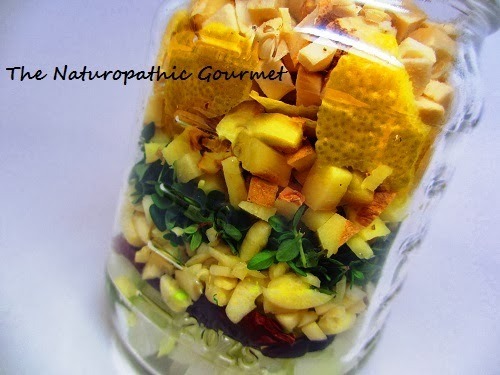
Fire cider* is a spicy vinegar-based tonic used to promote good health during winter months. This folk remedy has a long tradition of varied uses which include
Clearing congestionFighting infectionsImproving digestionSupporting detoxification Curing hangoversIncreasing circulation
Traditional recipes usually include ginger, garlic, onion, chili peppers, and horseradish, steeped in vinegar then strained and mixed with honey. My recipe also includes thyme leaves, lemon zest, and cinnamon for extra flavor and added health benefits.
This elixir can be taken daily as a master tonic or used as acute immune support when symptoms of infection or congestion appear. It can be taken by the teaspoon, like a medicine, or mixed into water, hot tea, or juice. It can also be used in place of vinegar in vinaigrettes, marinades, and soups. Or it can be used as condiment to dress vegetables and meats.
To maximize the transfer of medicinal compounds from the aromatics, which will be strained out eventually, to the vinegar, it's important to create as much surface area as possible by mincing or grating the solid ingredients.
¼ cup minced fresh unpeeled ginger root
¼ cup minced fresh garlic
¼ cup minced onion
¼ cup minced fresh horseradish
¼ cup fresh thyme leaves or 2 tablespoons dried thyme leaves
4 chili peppers (or more)
Zest of 1 organic lemon
1 cinnamon stick
1 cup unpasteurized apple cider vinegar
2 tablespoons raw, local honey
Combine all of the dry ingredients in a pint-sized glass jar and add enough vinegar to fill it almost to the top. All of the ingredients should be fully submerged in the vinegar.
Cover with a plastic lid or a layer of waxed paper and a metal lid.
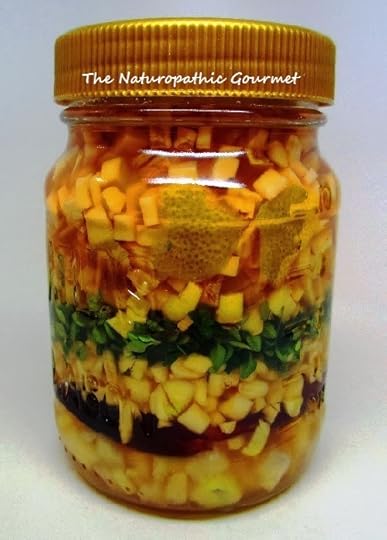
Set the jar aside for a month or more. During the first few days, check frequently to ensure that the solids are submerged. If they aren't, add more vinegar. After that, occasionally shake it up and open the lid to release any gases.
After the mixture has steeped for a month or more (longer is better), pour the mixture through a fine mesh strainer and press out the solids to extract as much liquid as possible.
Transfer it to a clean glass jar and stir in the honey until fully dissolved. Taste for sweetness and adjust if necessary. Store at room temperature or in the fridge.
*Shire City Herbals has trademarked "Fire Cider" to refer to their commercial product even though this term has been used by herbalists for decades and the basic concept has been around even longer as a traditional home remedy. When used as a general description of this age-old elixir, which is the way I use it here, "fire cider" refers to a variety of recipes that share in common vinegar steeped with medicinal aromatics and sweetened with honey.
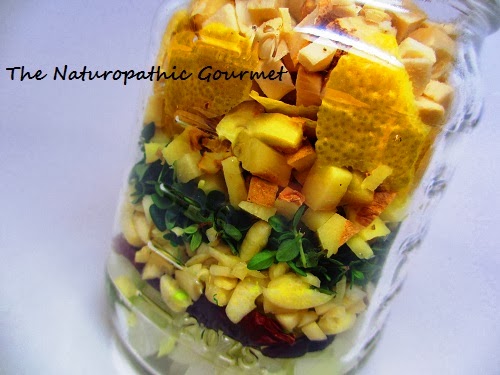
Fire cider* is a spicy vinegar-based tonic used to promote good health during winter months. This folk remedy has a long tradition of varied uses which include
Clearing congestionFighting infectionsImproving digestionSupporting detoxification Curing hangoversIncreasing circulation
Traditional recipes usually include ginger, garlic, onion, chili peppers, and horseradish, steeped in vinegar then strained and mixed with honey. My recipe also includes thyme leaves, lemon zest, and cinnamon for extra flavor and added health benefits.
This elixir can be taken daily as a master tonic or used as acute immune support when symptoms of infection or congestion appear. It can be taken by the teaspoon, like a medicine, or mixed into water, hot tea, or juice. It can also be used in place of vinegar in vinaigrettes, marinades, and soups. Or it can be used as condiment to dress vegetables and meats.
To maximize the transfer of medicinal compounds from the aromatics, which will be strained out eventually, to the vinegar, it's important to create as much surface area as possible by mincing or grating the solid ingredients.
¼ cup minced fresh unpeeled ginger root
¼ cup minced fresh garlic
¼ cup minced onion
¼ cup minced fresh horseradish
¼ cup fresh thyme leaves or 2 tablespoons dried thyme leaves
4 chili peppers (or more)
Zest of 1 organic lemon
1 cinnamon stick
1 cup unpasteurized apple cider vinegar
2 tablespoons raw, local honey
Combine all of the dry ingredients in a pint-sized glass jar and add enough vinegar to fill it almost to the top. All of the ingredients should be fully submerged in the vinegar.
Cover with a plastic lid or a layer of waxed paper and a metal lid.
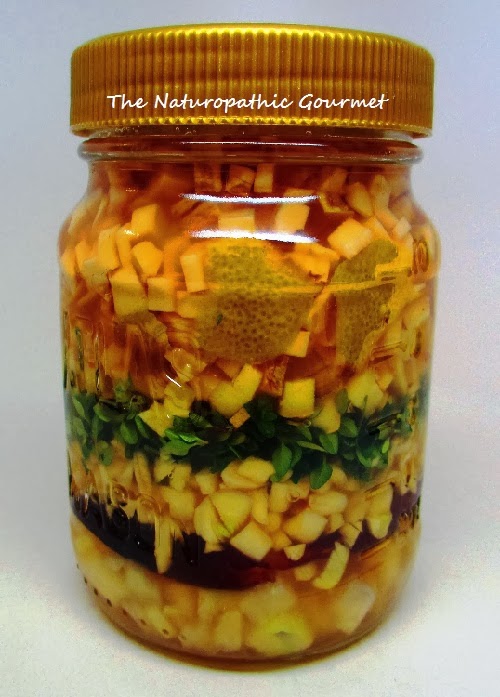
Set the jar aside for a month or more. During the first few days, check frequently to ensure that the solids are submerged. If they aren't, add more vinegar. After that, occasionally shake it up and open the lid to release any gases.
After the mixture has steeped for a month or more (longer is better), pour the mixture through a fine mesh strainer and press out the solids to extract as much liquid as possible.
Transfer it to a clean glass jar and stir in the honey until fully dissolved. Taste for sweetness and adjust if necessary. Store at room temperature or in the fridge.
*Shire City Herbals has trademarked "Fire Cider" to refer to their commercial product even though this term has been used by herbalists for decades and the basic concept has been around even longer as a traditional home remedy. When used as a general description of this age-old elixir, which is the way I use it here, "fire cider" refers to a variety of recipes that share in common vinegar steeped with medicinal aromatics and sweetened with honey.
February 16, 2014
Thriving After Cancer
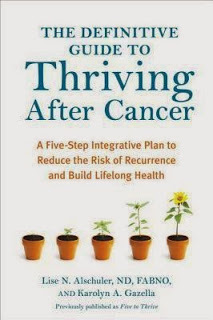 From the authors of The Definitive Guide to Cancer comes The Definitive Guide to Thriving After Cancer. Inside Dr. Lise Alschuler and Karolyn Gazella discuss how five of the body's most important pathways influence genetic expression and determine the state of our health, and how we can support each pathway to reduce the risk of cancer recurrence and achieve optimal health.
They explain how diet, exercise, supplements, stress, sleep, laughter, love, joy, hope, relaxation, hormone balance, and blood sugar metabolism influence the risk of developing cancer and dying from cancer through their effects on inflammation, genetic expression, and immunity.
Read about how yoga can reduce side effects from cancer treatment on page 55. Learn why soy is associated with a decreased risk of cancer recurrence and a decreased risk of dying from cancer, even in women with ER+ cancer, on page 79. Read about the most important antioxidants for cancer prevention on page 122 and which ones can minimize radiation-induced damage from X-rays, CT scans, mammograms, and MRIs on page 155. Learn why anxiety can help us heal on page 140 and why even healthy people get cancer on page 174.
While the information in The Definitive Guide to Thriving After Cancer is rooted in scientific studies, the strategies are easy to understand, the recommendations are easy to follow, and the writing style is inspirational. My favorite passage comes from page 133:
"Embarking upon a lifestyle that supports health and vitality becomes more than a list of things to try to do better. All of a sudden, these diet changes, exercise programs, and dietary supplements become guideposts lighting the way toward complete immersion in the richness of living. It is this profound sense of being alive that we hope to inspire."
Whether you have cancer, have had cancer, or want to prevent cancer, this book will help you thrive.
February 9, 2014
Chocolate Toothpaste Strengthens Teeth
 Tooth enamel can wears thin when we drink too many acidic beverages. This causes the underlying dentin to become exposed and teeth to become sensitive.
A new study found that using toothpaste containing theobromine, a compound found in chocolate, was more effective at repairing tooth enamel than Colgate or Sensodyne. Researchers investigated its effects on strengthening tooth enamel and remineralizing exposed dentin in the form of a toothpaste called Theodent, which also contained calcium and phosphate.
Researchers believe that theobromine rebuilds dental enamel by increasing the growth of hydroxyapatite, a mineral complex made of calcium, phosphate, and hydroxide. Teeth are 96% hydroxyapatite.
In a double-blind, randomized clinical trial, 80 people used one of four toothpastes twice daily for 7 days: Theodent with fluoride, Theodent without fluoride, Sensodyne Nupro 5000, and Colgate. After only one day, both Theodent toothpastes had achieved 90% coverage compared to only 43% with Sensodyne and about 3% with Colgate.
The efficacy of Sensodyne increased with usage but by the end of the study, the percentage of remineralization after using the Theodent toothpastes was significantly higher compared to that achieved using either Sensodyne or Colgate. The presence of fluoride did not make Theodent more effective.
Adding an extract from chocolate to toothpastes is not only an effective way to protect tooth enamel, but it's also likely to decrease tooth sensitivity. And unlike fluoridated toothpastes, theobromine is not harmful if swallowed.
Fluoride has been promoted as a way to protect teeth and prevent cavities, but too much can cause dental fluorosis, a condition characterized by the spotting, staining, and pitting of teeth. Fluoride has also been found to act as a hormone disruptor with adverse effects on the brain, thyroid gland, bones, and blood sugar metabolism.
January 26, 2014
Chemotherapy Care Packages
 Now that cancer is the second leading cause of death in the United States, it's not uncommon to know someone going through chemotherapy.
Chemo targets fast-growing cells like cancer cells, but it also affects normal cells that grow quickly like hair follicles, blood-forming cells in the bone marrow, and cells in the mouth, gastrointestinal tract, and reproductive system. Chemotherapeutic drugs can also affect cells in the lungs, heart, nervous system, kidneys and bladder.
When healthy cells get damaged, side effects occur. People experience chemotherapy differently and some have more side effects than others. While each drug can cause specific symptoms, many kinds of chemotherapy have some side effects in common. These include hair loss, mouth sores, changes in skin and nails, nausea, vomiting, fatigue, anemia, constipation or diarrhea, weight gain, bruising or bleeding, increased risk of infection, and problems with nerves, muscles, kidneys or the bladder.
During chemotherapy, patients need all the support that they can get. If you know someone going through cancer treatment, put together a care package for him or her. Here are some things to include:
Glass Water BottlesChemotherapy makes people thirsty and it's important to drink lots of water, so water bottles should always be nearby. It's convenient to have more than one and glass is best because it's non-toxic and non-reactive. Silicone holders can make them less fragile.
Water FilterFiltered tap water is a better choice than bottled water. Simple BPA-free or stainless steel pitchers fitted with charcoal filters are a good place to start. If you need some help, check out the Environmental Working Group's Water Filter Buying Guide.
Tea Teas that help soothe the digestive tract include chamomile, peppermint, fennel, slippery elm, and ginger. Ginger tea is also warming, has anti-inflammatory properties, and helps fight nausea. It's best made from the fresh root (thinly sliced to expose as much surface area as possible) but tea bags can be substituted.
Travel Eze or Sea Band Wristbands Sea Band and Travel Eze wristbands can also help fight nausea. They have no side effects and they’re inexpensive and widely available.
Lip and Skin SalveA natural salve can help moisturize dry, chapped lips and skin. Use the Skin Deep Cosmetics Database to find the least toxic products or make it yourself.
MouthwashMouthwashes that contain aloe vera can help sooth sore mouths. One option is Tom’s of Maine Wicked Fresh Mouthwash.
Lemon DropsTart citrus flavors can counteract the metallic taste that patients often experience with chemotherapy. Look for lemon throat drops without artificial flavors or sweeteners, like Ricola Lemon Mint Herb Throat Drops.
Hats, Scarves, and Socks During chemotherapy, it's important to be as comfortable as possible. Fuzzy socks are a good gift, especially if they have grips on the soles. Hats and scarves that can be worn around the neck or on the head also make great gifts. Other comfort items include travel pillows and soft shawls or blankets.
TreatsKeep treats on hand during chemotherapy for times when it's important to have something in the stomach and also when appetite returns. Fruit is a good choice and tangerines and oranges can be helpful for nausea. If you're buying packaged treats, look for whole-food bars without additives like Lara Bars and/or good quality dark chocolate. If you're making your own treats, consider Chocolate Almond Squares, Raw Chocolate Truffles, Dark Chocolate Chunk Cookies with Raspberry Swirl, or Dark Chocolate-Dipped Mini Coconut Cakes.
Books and MagazinesReading helps pass time and distract people from discomfort. Light reading like magazines are good options. When people are ready for something more, I highly recommend Dr. Lise Alschuler's book, The Definitive Guide to Thriving After Cancer, and Dr. Servan-Schreiber's book, Anticancer, because they are full of inspiration and information about how diet and lifestyle can help the body heal after treatment and prevent recurrence in the future.
Music and Movies When people going through chemotherapy don't have the energy or inclination to read, it's nice to listen to music or watch movies instead. Good gifts include CDs, DVDs, an iTunes gift card, or a paid subscription to Netflix.
JournalDuring chemotherapy, it's good to have a journal for tracking treatments, medications, and side effects. It can also be a tool for expression and reflection, as well as a drawing pad for the artistically inclined.
Spices and Sea Salt During chemotherapy, making food as flavorful as possible can help compensate for losses in appetite and taste sensitivity. If someone is cooking at home, consider giving a nice sea salt and/or spices with accompanying recipes or ideas about how to use them.
January 19, 2014
Why Statins Aren't the Answer to Heart Disease and What Matters Most
 The American Heart Association's new set of guidelines for the use of cholesterol-lowering drugs to prevent heart disease makes millions of healthy people the targets of statin medications that they don't need, for reasons that are not evident.
There have been lots of statin studies, but not a lot of good studies on statins. Many have been tainted by unreliable and ethically questionable research methods including "selective reporting of outcomes, failure to report adverse events and inclusion of people with cardiovascular disease" in studies meant to exclude such people.
If we look at randomized, placebo-controlled trials, which are the gold standard when it comes to scientific research, statins have zero effect on overall mortality.
The well-respected Cochrane Collaboration (an international, independent, not-for-profit research organization) reviewed 14 randomized, controlled trials involving more than 34,000 adults. Researchers found "little evidence" that statin medications prevent first-time heart attacks or improve quality of life. They concluded that for people at low risk of cardiovascular disease, potential adverse effects "are poorly reported and unclear." In people with a history of heart disease or type two diabetes, they found that taking statin medications lowered their risk of cardiovascular complications by only about 1 percent.
Furthermore, these drugs are not without adverse effects. Up to 20 percent of people who take statins experience muscle pain and weakness. They may also experience nerve problems, memory loss, confusion, dizziness, sexual dysfunction, exercise intolerance, liver damage, irritability, and depression. Statins promote the development of diabetes (a recent study found that taking statins increased the risk of diabetes by 71% in postmenopausal women), they can cause heart failure and birth defects, and they may also increase the risk of developing cancer. Even when there aren't any symptoms, significant injury to cells, muscles, and nerves can occur.
When statins do reduce rates of death from cardiovascular disease, primarily in men with pre-existing heart disease under the age of 50, there is no impact on overall mortality, which means that they die more often from other causes.
In these cases where statins are beneficial, they are protective not because they lower cholesterol but because they reduce inflammation. In fact, lowering cholesterol isn't that helpful and it can even be harmful. Just as many people with low cholesterol die from cardiovascular causes as those with high cholesterol, and in men of all ages and women over the age of 50, low cholesterol levels are associated with an increased risk of death.
Inflammation is the real cause of cardiovascular disease, so the best way to prevent and reverse it is to reduce inflammation. As an added bonus, reducing inflammation reduces the risk of several other leading causes of death including diabetes, Alzheimer's disease, and even cancer.
Here are my top tips for reducing inflammation and preventing and reversing cardiovascular disease:
#1 Stop smoking and avoid exposure to second-hand smoke.
Smoking causes inflammation and it's one of the most common causes of heart disease and lung cancer. Studies show that inhaling second hand smoke is also deadly.
#2 Exercise regularly.
Healthy adults need about 3 hours each week of a combination of aerobic, strengthening, and stretching exercise. Unhealthy adults may need more. If you don't already exercise, or if you need to step up your routine, get permission from your doctor first.
#3 Eat an anti-inflammatory diet.
Avoid foods that increase inflammation like sweets, starches, processed foods, and pro-inflammatory fats. Eat plenty of vegetables, fiber, healthy fats, protein, and anti-inflammatory spices.
#4 Lower your blood sugar.
High levels of blood sugar increase inflammation in the body, so if your fasting blood glucose level is above 87 milliliters per deciliter, it's time to do something about it.
#5 Manage Stress.
High levels of stress hormones like cortisol promote inflammation in the body and they also raise blood sugar. Learn to manage stress effectively and take time to relax and spend time doing things that bring you joy.
#6 Detox once or twice a year.
Detoxification reduces inflammation in the body and helps to prevent cardiovascular disease, diabetes, Alzheimer's disease, and cancer, among other conditions.
If you're not sure where to start, read my new book, The Prediabetes Detox, whether you have prediabetes or not. You'll learn about the harmful effects on inflammation in chapter 1 and the importance of detoxification in chapter 2. Chapter 3 is full of specific recommendations for reducing inflammation through diet. Chapter 4 focuses on supplements, including fish oil which is naturally anti-inflammatory and has numerous heart health benefits. In chapter 5 you'll learn how exercise and stress management reduce inflammation and you'll find specific recommendations for incorporating these important activities into your regular routine. Chapter 6 will help you minimize your exposure to inflammatory toxins inside your home. Chapter 7 will give you guidelines for maintaining optimal health and living a long and joyful life. And chapter 8 is full of recipes featuring anti-inflammatory foods.
January 12, 2014
Stopping Smoking Has Suprising Benefits on Life Expectancy
 There is some very good news for smokers: it's never too late to quit. A recent study showed that quitting smoking at any age, regardless of how long you've been smoking, can have dramatic effects on life expectancy.
 Researchers at the Center for Global Health Research in Toronto studied 113,752 women and 88,496 men between 25 and 79 years of age. They found that compared to people who never smoked, current smokers had a three times higher risk of dying from any cause and their life expectancy was 10 years shorter.
They also found that people who quit smoking between the ages of 25 and 34 gained back all 10 years of life expectancy they would have lost if they had continued to smoke. Those who quit between the ages of 35 and 44 gained back 9 years, those who quit between 45 and 54 gained back 6 years, and people who quit by age 60 gained 4 years back.
No matter how old you are or how long you've smoked, quitting now can help you live longer.
Close to 90% of successful long-term quitters stopped smoking abruptly. The "cold turkey" method has been shown to be twice as effective as nicotine replacement therapy and medications that are taken to reduce cravings. Drugs carry side effects like constipation and insomnia, and nicotine replacement can increase levels of insulin and promote insulin resistance.
If you can’t quit on your own, talk to your naturopathic doctor about alternative therapies like taking botanical medicines to reduce your desire to smoke and help heal your lungs. Acupuncture and hypnosis may also be helpful.
January 5, 2014
Read This Before You Get a Flu Shot
 Cold and flu season is upon us and everyone older than 6 months is being encouraged to get a flu shot even though flu shots are not effective in kids under the age of two and last year the flu shot was only 56% effective overall, only 27% effective in adults 65 years and older, and only 9% effective against the worst flu virus (type A H3N2) in seniors.
Even the CDC admits that:
"It’s possible that no benefit from flu vaccination may be observed""Even during years when the vaccine match is very good, the benefits of vaccination will vary""Flu vaccines do NOT protect against infection and illness caused by other viruses that can also cause flu-like symptoms. There are many other viruses besides flu viruses that can result in flu-like illness that spread during the flu season."
And according to a review of 50 flu shot studies done by the Cochrane Collaboration, an independent and not-for-profit research organization internationally recognized for its evidence-based standards, 100 flu shots would have to be given to avoid a single case of the flu.
Cochrane researchers found "no evidence" that flu shots reduce the transmission of flu viruses from person to person or prevent complications like pneumonia. What they did find was "evidence of widespread manipulation of conclusions."
Before you consider getting a flu shot, weigh the risks and benefits. We know that the benefits are questionable. Here are some of the risks:
Getting a flu shot can make you MORE susceptible to flu viruses including the H1N1 swine fluFlu shots have a long list of side effects and a higher risk of serious side effects compared to other vaccines including severe allergic and autoimmune reactionsIngredients vary by brand but flu shots may contain mercury, antibiotics, MSG, formaldehyde, and animal tissues including egg proteins and pig gelatinPeople who get the live-virus nasal vaccine are contagious with live flu viruses for 3 weeks afterwardWidespread vaccination against influenza causes other flu strains to become more common
The flu is treatable with antiviral medications (approved for ages one year old and up) when started within 48 hours, but even without treatment, most healthy infants, children, and young to middle-aged adults fully recover from the flu without any problems.
Those who have the biggest risk for developing complications are individuals with chronic lung disease, heart problems, or immune system deficiencies. These people should get individualized recommendations about the flu shot from their doctors.
For everyone else, best strategies for preventing the flu include
Eating a healthy diet that includes lots of vegetables and very few sweets, starches, and processed foods (or none at all)Getting plenty of sleepTaking vitamin D if you are deficientExercising regularlyManaging stress effectivelyAddressing underlying health problemsAvoiding hospitals whenever possibleAlso considering taking supplements like probiotics and multivitamins that ensure your body is getting all of the nutrients it needs to maintain a strong immune system. Ask your naturopathic doctor for individualized recommendations.
December 29, 2013
Multivitamins CAN Protect Against Cardiovascular Disease and Cancer
 Three recent studies published in the Annals of Internal Medicine questioned the benefits of multivitamin supplements and last week I debunked the one about brain function.
This week I take a closer look at the other two and explain why their flawed design led to questionable conclusions about cardiovascular and cancer protection.
The study "Oral High-Dose Multivitamins and Minerals After Myocardial Infarction" aimed to assess whether multivitamin supplements reduced the risk of disease and death in adults over the age of 50 after having a heart attack. In this study, researchers measured how long people lived before they had another heart attack, suffered a stroke, were hospitalized for chest pain, required heart surgery (bypass, stent, or angioplasty), or died from any cause.
They found that compared to people taking a placebo, those taking multivitamins had an 11 percent lower risk of suffering any of these events and an 18 percent lower risk of dying from cardiovascular disease. However, the researchers dismissed these benefits because the risk reduction was less than 25 percent and not statistically significant, which simply means that they were less than 95 percent sure that the effects of multivitamins didn't happen by chance. It doesn't mean that there was no benefit at all.
One problem with this study was that there were more people with diabetes taking multivitamins than taking the placebo. Because diabetes is one of the biggest risk factors for developing cardiovascular disease, people taking the multivitamins were more likely to develop cardiovascular disease whether they took the supplements or not.
Other problems with this study include the amount of vitamin D and the form of vitamin E in the multivitamins. They contained only 100 International Units of vitamin D while the optimal intake for adults is 1,000 to 2,000 I.U. Vitamin D is essential for heart health and low levels have been linked to developing and dying from cardiovascular disease.
Vitamin E naturally exists in eight related compounds, four tocotrienols and four tocopherols, each designated alpha, beta, gamma, and delta. The multivitamins included only one of these compounds, alpha tocopherol. Studies show that supplementing alpha tocopherol alone depletes the other compounds including gamma tocopherol, which has been shown to reduce rates of cardiovascular disease and death.
The other multivitamin study "Vitamin and Mineral Supplements in the Primary Prevention of Cardiovascular Disease and Cancer" looked at whether multivitamins reduced the risk of cardiovasular disease and cancer.
Regarding cancer prevention, researchers actually found that men (but not women) taking multivitamins had a statistically significant 7 percent lower risk of developing cancer. The same benefit was not found in women. While more studies should be undertaken to investigate the difference, it isn't correct to conclude that there was no benefit.
Regarding cardiovascular protection, investigators looked at two trials, one involving Centrum Silver (I discussed the problems with this low-potency multivitamin containing harmful chemicals last week) and the other utilizing five individual nutrients (vitamin C, vitamin E, beta-carotene, selenium, and zinc).
In both cases, zinc was supplemented without copper. There was none at all in the five nutrient study and while Centrum Silver does contain copper, for the majority of the trial it was given in the form of cupric oxide which cannot be absorbed by humans. (Since then it has been replaced with cupric sulfate).
Studies show that taking zinc for long periods of time can deplete copper, and that copper deficiency increases the risk of cardiovascular disease, specifically ischemic heart disease and problems with blood pressure control and cholesterol metabolism (along with osteoporosis and poor blood sugar control).
Fortunately, other, more scientifically sound research studies show that multivitamins do protect against developing and dying from cardiovascular disease and cancer. For example:
The Physician's Health Study II, a large-scale, randomized, double-blind, placebo-controlled trial followed nearly 15,000 male physicians 50 years and older, including more than 1,300 men with a history of cancer for 14 years. Researchers found that daily multivitamin supplementation reduced the risk of having a fatal heart attack by 39 percent. Those taking multivitamins also significantly reduced their risk of cancer, with an 8 percent reduction in cancer incidence and 12 percent fewer cancer deaths.The Supplementation in Vitamins and Mineral Antioxidants Study followed almost 13,000 men and women between the ages of 35 and 60 for eight years. Researchers found that multivitamin users were 31 percent less likely to develop cancer.The European Prospective Investigation into Cancer and Nutrition study followed almost 24,000 people for 11 years found that compared to people who didn't take multivitamins, those who did were 48 percent less likely to die from cancer and 42 percent less likely to die from any cause.
In an ideal world, the vitamins and minerals we need would come from food. But in the real world, it’s almost impossible to get all of the nutrients our bodies need from diet alone. There are several reasons and some of them include:
Modern-day lifestyles, prescription medications, and chronic illnesses all increase our needs for nutrients but foods today are significantly less nutritious than the wild ones that were available to our ancestors Industrial-farming methods like growing monocultures and using chemical fertilizers have depleted nutrients in soil, and if the nutrients aren’t available for plants to absorb them, we don't ingest themWe’ve selected and engineered plant species for their appearance and shelf life, not for their nutritional contentWe pick fruits and vegetables before they’re ripe (unripe produce has significantly less nutrients than mature produce) and ship them long distances, which depletes nutrient stores even furtherAir pollution and rising levels of carbon dioxide in the atmosphere reduce the nutritional content of the plants we eatA large portion of the foods we eat have been processed and the manufacturing methods used to make them destroy vitamins
Multivitamins can compensate for what’s missing, so think of them as health insurance. Formulas and quality vary greatly from one brand to another and what's inside is as important as what isn't. Many multivitamins contain cheap, inactive forms of nutrients that are not well-absorbed or they contain contaminants, fillers, binders, and flowing agents that can have adverse effects.
Read about what I look for in multivitamins on page 89 of my new book, The Prediabetes Detox, or get individualized recommendations from your naturopathic doctor.
Unlike other medical practitioners, naturopathic doctors have extensive training in prescribing supplements like vitamins and minerals and they are knowledgeable in potential interactions between natural medicines and prescription medications.
December 22, 2013
Multivitamins ARE Good for Your Brain
 More than half of adults in the United States take multivitamin supplements. A recent study published in the Annals of Internal Medicine questioned their brain benefits, but taking a closer look at this poorly designed research sheds some light on its questionable conclusions.
Published December 17, 2013, the study "Long-Term Multivitamin Supplementation and Cognitive Function in Men" looked at brain function in men taking low-potency multivitamins.
Many of the nutrients in the multivitamin supplement were present in miniscule amounts well below therapeutic daily dosages, like only 60 milligrams of vitamin C (the optimal intake for adults is 1,000 to 9,000 milligrams according to Dr. Russell B. Marz), 20 micrograms of selenium (the optimal intake is 200 to 300 micrograms), and 25 mcg of vitamin B12 (the optimal intake is 100 to 500 micrograms). Even the researchers admitted that the doses of nutrients "may be too low."
Furthermore, the scientists conducting this study included people who took the multivitamins only two-thirds of the time and they relied on the recollection of the participants during a once-a-year telephone interview instead of asking them to return any unused supplements for a more reliable measure of compliance.
It's no wonder that taking inadequate amounts of vitamins on an intermittent basis didn't show big benefits.
Numerous well-designed, randomized, placeo-controled studies have shown that nutrients in multivitamin formulas are essential for the well-being and normal function of the brain. They have been shown to
Improve cognitive test scores Enhance mathematical processingStrengthen memory Maintain healthy neuron (brain cell) functionSlow brain atrophy Protect the brain from oxidative damage linked to cognitive impairment and Alzheimer's disease
In an ideal world, the vitamins and minerals we need would come from food. But in the real world, it’s almost impossible to get all of the nutrients our bodies need from diet alone. Several factors contribute to this discrepancy:
Modern-day lifestyles, prescription medications, and chronic illnesses all increase our needs for nutrients but foods today are significantly less nutritious than the wild ones that were available to our ancestors Industrial-farming methods like growing monocultures and using chemical fertilizers have depleted nutrients in soil, and if the nutrients aren’t available for plants to absorb them, we don't ingest themWe’ve selected and engineered plant species for their appearance and shelf life, not for their nutritional contentWe pick fruits and vegetables before they’re ripe (unripe produce has significantly less nutrients than mature produce) and ship them long distances, which depletes nutrient stores even furtherAir pollution and rising levels of carbon dioxide in the atmosphere reduce the nutritional content of the plants we eatA large portion of the foods we eat have been processed and the manufacturing methods used to make them destroy vitamins
Multivitamins can compensate for what’s missing, so think of them as health insurance. Formulas vary greatly from one brand to another, so it's a good idea to do some research before you buy and select a high-quality, high-potency product. Read about what I look for in multivitamins on page 89 of my new book, The Prediabetes Detox, or get individualized recommendations from your naturopathic doctor.
Unlike other medical practitioners, naturopathic doctors have extensive training in prescribing supplements like vitamins and minerals and they are knowledgeable in potential interactions between natural medicines and prescription medications.
Next week I'll discuss the problems with the other recent study attempting to discredit multivitamins.