Sarah Cimperman's Blog, page 6
January 1, 2015
6 Strategies to Make 2015 Your Healthiest Year Yet
.JPG)
Recently I enjoyed reading Atul Gawande's book, Being Mortal: Medicine and What Matters in the End. It eloquently raises an issue that most physicians shy away from: The fact that we can't cure everyone. Some patients die. Eventually, we all die. So what matters most is how we live. And while a cure isn't always possible, healing always is. Everyone can heal on some level, physically or emotionally or both. Make 2015 your best year yet with these six strategies to help you heal.
#1 Wake up with the sun.
Early morning sunshine stimulates the production of hormones and neurotransmitters that help regulate our sleep, energy, mood, appetite, blood sugar levels, and even the way our bodies store fat. Sunlight also stimulates the production of vitamin D, which benefits the cardiovascular, neurological, and immune systems, and helps regulate blood pressure and calcium levels. Compared to afternoon or evening light, morning light contains more blue light, which has the strongest effect. Experts recommend as little as 20 minutes per day, as early as possible, when the sun’s rays are least intense. Avoid prolonged sun exposure and spending time outside when the UV index is moderate or high.
#2 Be active every day.
Take advantage of your time outside in the early morning to go for a walk or ride your bike. Or incorporate exercise into another part of your day. Some experts say that most of the benefits we get from exercising happen within the first 20 minutes of any workout, so your daily goal should be at least this much. Be sure to incorporate all kinds of exercise -- aerobic, strengthening, and stretching -- and talk to your doctor about individualized guidelines and goals.
#3 Have more sex.
Pleasurable sexual activity, whether alone or with a partner, is good for you. It balances hormones and normalizes neurotransmitters that help regulate our metabolism. Good sex also helps relieve stress, lower high blood pressure, boost immunity, improve sleep, reduce pain, and bolster self-esteem.
#4 Practice relaxation.
A certain amount of stress is unavoidable. In small doses it can be good for us, but prolonged stress, whether mental or physical, real or imagined, causes continual production of stress hormones that trigger inflammation, raise blood pressure, prompt the body to accumulate fat, and increase the risk of developing diabetes and other chronic illnesses. Counter these effects with relaxation techniques like breathing exercises, meditation, self hypnosis, qi gong, tai chi, yoga, or even cooking. Relaxation is a skill and it doesn't come naturally to everyone, but like any other skill, it can be learned and the more you practice, the easier it will become.
#5 Let go of things you can't change.
While you can’t control what happens to you, you can control how you react to what happens to you. Painful emotions like anger, fear, grief, and sadness certainly have their place in our lives, but we must also learn to let them go. Like Toni Morrison said: "Wanna fly, you got to give up the shit that weighs you down."
#6 Detox.
We tune-up our cars, spring clean our homes, and recharge the myriad of electronic devices we've come to rely on, so why not tune-up, clean up, and recharge our bodies? Find an effective detox program in my book, The Prediabetes Detox. It's directed toward people with prediabetes, which affects 1 in 3 adults and almost 1 in 4 adolescents in the United States, but the detox program is a general one that most people could benefit from. (Individuals who should not undergo detoxification include pregnant and lactating women and people with kidney disease, liver disease, cardiac arrhythmia, unexplained abdominal pain, acute inflammation of the gastrointestinal tract, or recent surgery or chemotherapy.)


November 23, 2014
Holiday Eating Survival Guide

The holiday season is the most difficult time of year for my patients to stick to the healthy diet guidelines I've recommended for them. So they're always relieved when I explain that what we eat most of the time is more important than what we eat just once in a while. There are some exceptions, like people with severe food allergies and those who struggle with food addiction, but most of the time I don't discourage an occasional indulgence as long as some basic rules are in place. Follow these ten tips to eat well and stay healthy this holiday season.
#1 Skip the candy.
Candy canes and other holiday candy may be festive but they're made mostly of sugar (or other sweeteners) and chemical additives. So avoid candy and snacking all together. Save your indulgences for bigger and better things, like a starchy side dish or your favorite dessert. Sweets and starches are best eaten at the end of a meal, never on an empty stomach, because protein and fat slow down the absorption of sugar into the body.
#2 Eat your vegetables.
Meals should always contain a sizable portion of vegetables, and holiday meals are no exception. I recommend that half of each meal come from non-starchy vegetables. If you're headed to a party where you are unlikely to encounter any, compensate by having a whole meal of non-starchy vegetables, like a big salad, for lunch that day.
#3 Make it yourself.
If you're doing the entertaining, make as much as you can from scratch. Cooking your own food is almost always healthier than eating packaged foods, prepared dishes, and restaurant meals. It can also be a lot of work, so enlist the help of your family and friends and make it a social occasion as well. If you don't know where to begin, start with this easy Cranberry Raspberry Sauce you can make days in advance.
#4 Bring a healthy dish.
If you're invited to bring a dish to share at a party, make something healthy. Holiday spreads often overflow with rich dishes while plant-based ones are under-represented, so consider bringing a vegetable side dish to add a lighter option and more variety.
#5 Savor small portions.
It's OK to indulge in small amounts of your favorite foods on occasion, as long as you put a limit on it. You always appreciate the first few bites of any dish more than subsequent ones, so favor quality over quantity and savor every mouthful. Serve yourself whatever you want on one small plate (an appetizer or salad plate, not a dinner plate), without any refills. If you're still hungry after that, stick to healthy choices like non-starchy vegetables and protein-rich foods.
#6 Limit sweet and alcoholic beverages.
Limit yourself to one sweet or alcoholic drink, or two spaced at least an hour apart. Also drink plenty of water. You can make it more festive by adding fresh mint leaves, frozen cranberries, or slices of lemon, lime, or clementine to flat or sparkling water.
#7 Do more than just eat.
Holiday meals are usually the focal point of family gatherings, but they don't have to be the only activity. Plan to do other things too, like taking a walk outside or going ice skating or sledding.
#8 Keep exercising.
The busier you are, the more difficult it is to find time to work out, but there will never be a better time to do it because regular exercise helps our bodies manage stress. It also helps improve energy levels, sleep quality, immunity, and blood sugar control, which is essential for maintaining a healthy weight. So stick to your regular exercise routine during the holidays. It should include aerobic exercise, strengthening or resistance exercise, and plenty of stretching at the end, tailored to your abilities and goals.
#9 Manage stress with sleep and relaxation.
Stress can be an underlying factor in weight gain and chronic disease, and stress levels are often high during the holidays. Manage it by getting at least 8 hours of sleep each night and practicing relaxation techniques. Cultivate a skill you can practice anywhere -- like meditation, breathing exercises, or self-hypnosis -- and develop a practice that suits your needs and schedule, whether you use it to fall asleep at night or recharge yourself during an afternoon break.
#10 Remember what's important.
Good food can be the highlight of any holiday, but don't make it the only one. Spending time with loved ones is most important, so don't waste too much time striving for perfection.
November 9, 2014
The 10 Worst Foods for Prediabetes

Prediabetes, the state of metabolic imbalance that precedes diabetes, is a growing epidemic. In the United States alone it affects 1 in 3 adults of all ages, 1 in 2 elderly adults, and almost 1 in 4 adolescents.
The condition is characterized by high levels of blood sugar and/or insulin, the hormone that helps cells in the body absorb sugar from the blood. Sugar in the blood comes from the foods we eat, so eating the right foods is one of the most powerful steps we can take to reverse prediabetes. There are other important steps – like exercising regularly, getting good sleep, managing stress, and undergoing detoxification – but making positive dietary changes is a good place to start.
The most dangerous foods for people with prediabetes contain “fast” or simple carbohydrates that are rapidly digested and quickly absorbed into the blood stream. Unlike “slow” or complex carbohydrates that take hours to fully digest and absorb, fast carbs flood the body with sugar and trigger the release of large amounts of insulin. Here are the top ten worst offenders.
#1 Natural and Artificial Sweeteners
Sweeteners are some of the fastest carbs around. This category includes all foods with added sweeteners, whether natural or artificial. (Artificial sweeteners don’t contain carbohydrates so they don’t raise blood sugar, but studies show that they do raise insulin levels.2) It includes all forms of sugar: white, brown, cane, beet, date, granulated, powdered, and raw. It includes evaporated cane juice, agave, maple syrup, honey, rice syrup, corn syrup, caramel, molasses, and chemical additives like dextrose, maltose, sucrose, glucose, fructose, saccharin, aspartame, and sucralose.
#2 Baked Goods
This category includes foods made with flour, whether or not they contain gluten, whether they’re made with white flour or whole grain flour, and whether they are derived from wheat or alternative grains like spelt, rice, or quinoa. It includes bread, rolls, wraps, bagels, pretzels, crackers, pizza, pies, cakes, cookies, muffins, pastries, and foods made with bread crumbs.
#3 Pasta
This category includes all forms of pasta and noodle-based dishes like spaghetti, fettuccine, ravioli, lasagna, noodle soups, and noodle salads. It also includes foods made with rice paper or wonton wrappers or like wontons, potstickers, and spring and summer rolls.
#4 Breakfast Cereals
This includes hot and cold breakfast cereals, whether you pour them from a box or make them yourself. It includes oatmeal, porridge, granola, and granola bars.
#5 Grains
It’s true that whole grains like brown rice have a slight advantage over processed grains like white rice and flour, thanks to very small amounts of protein, fat, and fiber in the germ and bran layers. But the bottom line is that they’re still mostly starch. The grain category includes all kinds of rice – white, red, brown, black, basmati, jasmine – as well as wheat berries, buckwheat (kasha), oats, rye, barley, amaranth, millet, quinoa, bulgur, spelt, and corn. It includes processed grains like flour and cornstarch, as well as dishes made with whole grains such as risotto, pilaf, paella, popcorn, rice cakes, polenta, grits, corn chips, tortillas, tacos, and tamales.
#6 Bananas
Unlike other fruits, bananas contain a lot of starch. This includes all kinds of bananas: small and large, yellow and red. It also includes plantains in all stages of ripeness: green, yellow, and black.
#7 Starchy Vegetables
This category includes carrots, parsnips, turnips, rutabagas, pumpkins, yams, and winter squashes like acorn, butternut, and delicata. It includes potatoes of all kinds: white, yellow, purple, sweet, baked, fried, hash browns, potato chips, Tater Tots, French fries, sweet-potato fries, and foods thickened with potato starch.
#8 Processed Fruit
This category includes all fruit that is sweetened or changed in any way from its original form: jelly, jam, dried fruit, canned fruit, fruit concentrates, and fruit juice, whether ready-made or fresh squeezed.
#9 Soft Drinks
The soft drinks category includes bottled beverages like soda, fruit punch, flavored water, sports drinks, and energy drinks. It also includes tea and coffee, hot or iced, unless they are brewed, unflavored, and unsweetened.
#10 Milk
Milk contains a lot of lactose, which is a natural simple sugar. (Fermented dairy products like yogurt and cheese are low in lactose because bacteria consume the sugar.) Milk also contains natural growth hormones that raise insulin levels through mechanisms independent of its sugar content. One study showed that drinking milk doubled fasting insulin levels and the incidence of insulin resistance.3 Milk can also contain genetically modified growth hormones like recombinant bovine growth hormone (rBGH) which are given to cows to increase milk production but they also increase the production of insulin-like growth factors that are secreted into milk. They are not destroyed by pasteurization, and inside our bodies, they can act like insulin and promote insulin resistance.
So what’s good to eat?
A healthy diet for people with prediabetes includes plenty of non-starchy and green vegetables, plant or animal protein with every meal, and plenty of non-inflammatory fats like cold-pressed oils, avocado, olives, coconut, raw nuts and seeds, non-toxic fish and seafood, wild game, and eggs and meat from pasture-raised and grass-fed animals.
November 2, 2014
DIY Lavender Salt Scrub
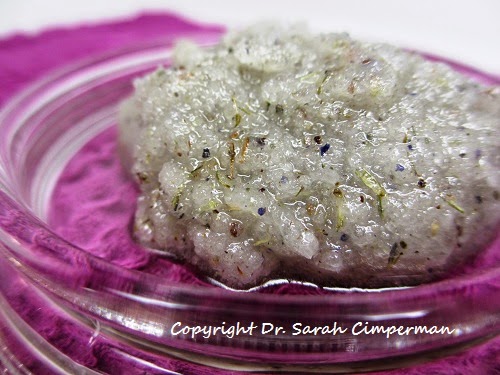
This easy DIY salt scrub will help smooth your rough edges this winter. It also makes a great gift. I used coconut oil to make this salt scrub, but you could substitute almond oil or olive oil.
5 tablespoons finely ground lavender salt
2 tablespoons coconut oil
5 drops lavender essential oil
Stir the salt into the oil until thoroughly combined. The consistency should be soft and spreadable. If needed, add more oil or salt. Stir in the essential oil. Use the scrub now or store it in an airtight glass container (like this one or this one) for future use. Label it with the contents and date. Store it at room temperature.
October 26, 2014
How to Find Your Perfect Water Filter

More than 50 million people in the United States drink polluted water. In fact, US drinking water has been found to contain more than 300 contaminants and more than half of them are not subject to safety guidelines. Forty-nine chemicals that are regulated have been found to exceed safety limits.
For these reasons and more, I always recommend that my patients filter their water. There are lots of water filters to choose from and most fall into one of two categories: activated carbon filters and reverse-osmosis filters.
Activated carbon filters remove chlorine, lead, mercury, copper, pesticides, solvents, radon, parasites, some volatile organic compounds (VOCs), and bad tastes and odors from tap water.
In addition to the above list, reverse-osmosis filters remove, fluoride, cadmium, asbestos, bacteria, arsenic, barium, nitrates, nitrites, and perchlorate. They use thin membranes and claim to filter out 99.97 percent of contaminants 0.3 microns or larger. Ultra-HEPA filters reportedly filter out 99.99 percent.
Reverse-osmosis filter systems use more water than charcoal filters and are more expensive up front, but they are less expensive in the long run.
Follow these 3 steps to find the filter that fits you best.
#1 Learn what's in your water so you know what needs to be filtered out. (Learn more about water quality reports here.)
#2 Find a filter that meets your needs.
#3 Make sure it's certified by NSF.
October 12, 2014
Halloween Healthy Treats

This Halloween, ditch the candy and choose healthier treats. Give trick-or-treaters something to encourage activity or creativity, like finger puppets, yo-yos, small games, coloring books, colored pencils, or Halloween-themed stickers, notepads, or erasers.
If you want to give out edibles, pick sturdy fresh fruit like apples or oranges, boxes of raisins, single servings of raw almonds, individually-wrapped string cheese, or 100% xylitol-sweetened candy.
I've never before advocated eating candy because most sweet foods and drinks promote the formation of cavities (along with other health problems). But xylitol actually has the opposite effect. It's a naturally sweet compound originally extracted from birch trees but also found in the fiber of other plants like berries, mushrooms, corn husks, and oats.
Studies show that the regular consumption of xylitol
Promotes positive changes in mouth bacteriaReduces plaque Stabilizes tooth decay Heals cavities Is as effective as dental sealants in preventing cavitiesDecreases the incidence of ear infections in children
Xylitol is available as a granulated sweetener with a texture similar to sugar. It can be used in cooking if you want to make treats from scratch. (Note that xylitol doesn't caramelize and because it kills fungus, it inactivates yeast.)
Xylitol is also found as an ingredient in gum (peppermint, spearmint, or cinnamon) and mints (peppermint or cinnamon). Studies showing benefits used six or more grams of xylitol each day, sometimes in the form of gum chewed for 5 minutes at least 3 times each day.
Avoid products with any added sweeteners other than xylitol.
October 5, 2014
Naturopathic Medicine Week

The United States Senate declared October 6th through 12th to be Naturopathic Medicine Week as a way to recognize "the value of naturopathic medicine in providing safe, effective, and affordable health care" and the role that naturopathic doctors play in "preventing chronic and debilitating illnesses and conditions."
Why do we need naturopathic doctors?
In the words of the US senators who unanimously passed SR-420:
"Naturopathic physicians can help address the shortage of primary care providers in the United States.""In the United States, more than 75 percent of health care costs are due to preventable chronic illnesses, including high blood pressure, which affects 88 million people, and diabetes, which affects 26 million people.""Nearly two-thirds of adults in the US are overweight or obese and consequently at risk for serious health conditions such as high blood pressure, diabetes, cardiovascular disease, arthritis, and depression.""70 percent of people in the US experience symptoms of stress, and stress can contribute to the development of major illnesses, such as cardiovascular disease, depression, and diabetes." These chronic health conditions "are among the most common, costly, and preventable health conditions.""Naturopathic medicine focuses on patient-centered care, the prevention of chronic illnesses, and early intervention in the treatment of chronic illnesses." "Naturopathic medicine provides noninvasive, holistic treatments that support the inherent self-healing capacity of the human body and encourage self-responsibility in health care."
What's a naturopathic doctor?
Licensed naturopathic doctors are trained as primary care physicians and experts in holistic and integrative medicine. Patients consult with NDs for the prevention, diagnosis, and treatment of all acute and chronic illnesses. Unlike other medical paradigms that focus on symptomatic treatment, naturopathic medicine addresses underlying causes of disease, treats each person as an individual, focuses on comprehensive treatment using the least invasive options, works to proactively prevent illness, and promotes wellness in body and mind.
In the United States, licensed naturopathic doctors attend accredited four-year naturopathic medical schools with admission requirements and coursework comparable to those of conventional medical schools. NDs are educated in the same basic and clinical sciences common to all medical education, from biochemistry and pharmacology to cardiology and oncology. NDs also study natural therapies including botanical (plant-based) medicine, nutrition, homeopathy, hydrotherapy (the therapeutic use of hot and cold water), exercise therapy, psychology, counseling, and stress management. Some pursue additional studies to practice Chinese medicine, acupuncture, and/or natural childbirth.
Naturopathic doctors work with patients in clinics and hospitals (the scope of practice varies by state) but they also act as experts on advisory boards. NDs serve on the White House Commission on Complementary and Alternative Medicine and the Medicare Coverage Advisory Committee. They're also researchers and members of the advisory board for the National Institutes of Health National Center for Complementary and Alternative Medicine.
To learn more about naturopathic medicine and find a licensed naturopathic doctor near you, visit the website of the American Association of Naturopathic Physicians.
September 14, 2014
A Smarter Way to Vaccinate
In the United States we give children more vaccines than any other country in the world. Just three decades ago kids received eight doses of three vaccines and now they receive seventy doses of sixteen different vaccines, and twenty-six are given during the first year of life.
It’s all part of a plan to prevent deadly disease, but our infant mortality rate is still unacceptably high. The United States ranks fifty-first, behind many developing countries and every developed country except Poland (CIA 2014). Research studies confirm that increasing doses of vaccines are associated with increasing incidence of infant death (Miller and Goldman 2011) and countries with the lowest infant mortality rates are also among those who give their kids the fewest immunizations, notably Sweden, Japan, and Iceland, where kids receive only twelve doses (Miller and Goldman 2011).
As parents are becoming increasingly concerned about adverse effects and doctors are becoming increasingly concerned about kids going unvaccinated, it’s time to reevaluate immunization protocols. We can begin by weighing the risks and benefits of vaccines on a case-by-case basis, implementing alternative vaccine schedules, utilizing harm reduction strategies, treating symptoms of sickness promptly, and keeping kids healthy. Offering options other than the current one-size-fits-all approach can increase immunization rates among families who would otherwise choose to not vaccinate at all and reduce the risk of the most serious side effects when children are immunized.
Vaccine Basics
The purpose of vaccines is to trigger the body to produce antibodies against antigens like bacteria and viruses so if we ever encounter them, we will not become infected with a harmful disease. Different vaccines are made with different triggers. Some contain whole live viruses (chickenpox (varicella), rotavirus, measles, mumps, rubella, flu nasal spray) or viruses that have been inactivated (polio, hepatitis A, injected flu shots). Others are made with proteins, sugars, or toxins produced by bacteria (Haemophilus influenza type B (HIB), diphtheria, tetanus, pertussis, pnuemococcus) or they are artificially engineered (hepatitis B, human papillomavirus (HPV)).
Vaccines are used to promote herd immunity against contagious diseases. In theory, when most of the people in a community are immune to certain viruses or bacteria, diseases will eventually disappear or become rare enough that some people can go safely unvaccinated because the chance of catching them is extremely low.
However, immunizations have varying degrees of effectiveness and studies show that outbreaks of infections like measles occur among fully vaccinated children (Christie et al. 1994). And because certain microbes like pertussis, influenza, HIB, and HPV evolve new strains to replace ones that are disappearing, vaccines may reduce the risk of illness but these microbes are unlikely to ever be completely eradicated (Weber et al. 2001).
Vaccine Additives
Vaccines can contain several ingredients in addition to the trigger itself. Human tissues (such as lung cells from aborted fetuses) and animal tissues (such as monkey kidney cells, cow blood, and chicken and guinea pig embryos) are often needed to grow the bacteria and viruses used to make vaccines and sometimes they are found in the final product. They have the potential to trigger autoimmune reactions (Agmon-Levin et al. 2009) and allergies including anaphylactic shock, a life-threatening allergic reaction (Sakaguchi et al. 1996).
In some cases aluminum is added as an adjuvant to vaccines to make them more effective. Aluminum is widely recognized as a neurotoxin and it too has been shown to induce autoimmune reactions (Tomljenovic and Shaw 2012). Aluminum also makes shots more painful and when multiple vaccines are given at once, the total amount administered often exceeds safe levels.
Other additives may include mercury, monosodium glutamate (MSG), gelatin, antibiotics, and formaldehyde. Mercury is used in the form of thimersol, a preservative added to certain vaccines (DTaP and some flu shots), and it too is a recognized neurotoxin. MSG can cause allergic reactions in humans and has been shown to cause nerve damage in animals (Magariños et al. 1988). Gelatin and antibiotics may also cause allergic reactions, and the overuse of antibiotics is contributing to the rise of antibiotic-resistant superbugs and increasing rates of life-threatening infections. Formaldehyde is a known carcinogen.
It’s difficult to estimate the effects that tiny amounts of these chemicals have on children, but we do know that their bodies are most vulnerable to toxins while they’re still developing, and that the most rapid immune and neurological development extends through the first two years of life.
We also know that infants do not have fully developed detoxification systems and their immature bodies may be unable to eliminate harmful ingredients found in vaccines during their first six months. And the smaller the body, the bigger the relative dose, yet eleven-pound two-month-old babies are given the same vaccines as forty-five pound five-year-olds who weigh more than four times as much.
Safety Studies
Vaccine safety studies are designed by vaccine manufacturers to follow groups of children for a period of days or weeks after immunization. In the absence of too many severe acute reactions like seizures or anaphylactic shock, the vaccines are considered safe (although some product inserts warn that they have not been evaluated for the potential to cause cancer or impair fertility).
Short-term safety studies tell us nothing about the long-term safety of vaccines, and no long-term studies have ever been done. This would require unbiased, randomized controlled trials in which one group of kids is immunized, another is not, both groups are followed for a period of years, and researchers compare the incidence of illnesses like autoimmune disease, brain injury, and death between the two groups. Because chronic neurologic and immune system disorders can surface years after immunization, it’s impossible to draw definitive conclusions about the long-term effects of vaccines based on the information currently available.
Individualized Approach
The risks and benefits of vaccines should be evaluated on a case-by-case basis. For some individuals, the benefits may outweigh the risks. Children living with certain chronic illnesses have a higher risk of developing infections like chicken pox, hepatitis A, influenza, and pneumococcal disease, and they have a higher risk of developing complications if they catch these illnesses. Their parents and doctors may decide that reducing the risk of developing these infections is more important than avoiding potential side effects of vaccination.
For other individuals, the risks may outweigh the benefits. These individuals include kids who are allergic to vaccine components (like yeast, eggs, or antibiotics) and those who have had a previous adverse or allergic reaction to a vaccine. It includes children with neurological conditions, developmental disorders, and compromised immunity such as:Symptoms of illness or infection within the past week (a cold, cough, fever, sore throat, ear ache, diaper rash, colic, or changes in stool)Antibiotics, steroids, or other immunosuppressive medications taken within the previous three monthsAutoimmune diseaseTransplant or transfusion of blood or blood products within the previous three monthsImmunodeficiencies including HIV, AIDS, no spleen, low platelet levels, leukemia or other cancer, or recent cancer treatment including chemotherapy and radiationBecause people can be infectious before they start showing symptoms, it’s also a good idea to postpone immunizations for anyone with a household member who has been sick during the past week. Caution should be exercised with individuals who have atopic illnesses including allergies, asthma, hay fever, and eczema, or a family history of autoimmune disease. And girls or women who are pregnant, may become pregnant within three months, have given birth within three months, or are currently breastfeeding should also avoid immunization, especially with live virus vaccines.
Alternative Vaccine Schedules
According to the Vaccine Adverse Event Reporting System, most vaccine-related deaths occur during the first year of life and most side effects occur after the simultaneous administration of multiple vaccines (Braun and Ellenberg 1997).
Parents and doctors who want to reduce these risks by delaying immunization or minimizing the number of vaccines children receive should become familiar with the immunization laws and exemptions in their state (available from the Department of Health). They should also prioritize the ones against the most dangerous diseases for infants including HIB, pneumococcal disease, and pertussis. (Unfortunately, an individual pertussis vaccine isn’t available and currently must be given in the form of DTaP vaccine.)
Some parents choose to delay vaccines for diseases that are usually mild or uncomplicated in babies (rotavirus, chickenpox, hepatitis A); for diseases that are treatable (pneumococcus, tetanus, chickenpox, hepatitis A, HPV); for diseases that are rare in the United States (diphtheria, tetanus, measles, mumps, rubella, polio); or for diseases that are rare in babies (hepatitis A and B, HPV, meningococcal).
Hepatitis B is an exception and babies born to mothers who test positive for this virus should be immunized at birth because perinatal infections become chronic in 90% of infants and a quarter of them eventually develop liver failure or liver cancer during childhood.
Live virus vaccines (MMR, flu, varicella) should not be given to infants because they are not effective before the age of one year. Parents of infants may also choose to postpone aluminum-containing vaccines (DTaP, pneumococcal, hepatitis A, some brands of HIB) because aluminum is excreted primarily through the kidneys but filtration isn’t fully efficient until babies are one year old.
Because a single shot of the MMR vaccine is effective in up to 95% of cases, parents may opt to give just one dose instead of two. Unnecessary MMR, varicella, and hepatitis A vaccines can be avoided by checking for immunity before immunization. Sufficient titers of antibodies in the blood make booster shots unnecessary, whether the antibodies come from being exposed to the virus through a previous vaccine or an actual infection, even if it was mild enough to pass as a cold or go unnoticed. So far we don’t have useful titer tests for bacteria (HIB, pneumococcus, diphtheria, pertussis, meningiococcus) or certain viruses (rotavirus, flu, HPV). Parents may also choose to delay certain immunizations until children start day care or school and their risk of exposure to certain infections (rotavirus, hepatitis A, HIB, pneumococcus) dramatically increases.
10 Strategies for Harm Reduction
Regardless of when vaccines are given, the following steps can be taken to reduce the risk of adverse reactions:
#1 Investigate the vaccines that are available to you. Most are made by more than one manufacturer and their ingredients often vary, so whenever you can, avoid additives like aluminum, antibiotics, MSG, formaldehyde, human or animal tissues, and thimersol, especially during the critical first two years of life. All childhood vaccines are available in at least one thimersol-free form.
#2 Well in advance of an office visit for vaccination, request and read carefully all of the warnings and contraindications from the manufacturer’s package inserts, which often contain information not included on Vaccine Information Sheets.
#3 Give vaccines in single doses rather than multiple doses whenever they are available. Some vaccines only come in combination, like pertussis and the live triple-virus MMR shot.
#4 If a vaccine is being drawn from a multidose vial, make sure that the person administering it shakes the vial first to evenly distribute the contents.
#5 Don’t give more than one aluminum-containing vaccine at a time. Don’t give any aluminum-containing shots to premature babies or children with compromised kidney function.
#6 At the time of immunization, check every package insert to verify that the vaccine to be administered is the right one and make sure that it is administered correctly. The manner and location in which shots are given impact the vaccine’s effectiveness as well as symptoms of pain, swelling, and redness that may follow.
#7 Keep records of each vaccine including the date it was administered, the lot number, and any adverse reactions. Contact your doctor immediately if you observe in your child unusual limpness or pallor, excessive sleepiness, weakness, lack of alertness when awake, a fever above 100.6°F lasting more than 24 hours, persistent high-pitched crying lasting more than three hours, difficulty breathing, convulsions, or seizures. Always report reactions to the Vaccine Adverse Event Reporting System, even if you reported them to your doctor.
#8 Space out vaccines as much as possible to give the immune system time to recover. This is especially important for live-virus vaccines (rotavirus, MMR, varicella, flu) which should be separated by at least 3 to 6 months.
#9 Supplement with probiotics like Lactobacillus and Bifidobacterium for 2 months before immunization and at least 3 months afterward. Studies show that they increase the effectiveness of the MMR vaccine and reduce side effects (Youngster et al. 2011). They may have this effect on other immunizations as well. Probiotics have also been shown to minimize allergic responses and make our bodies more resistant to disease.
#10 Talk to your doctor about supplementing with vitamins A, C, and D. They are necessary for immune function and taking them in supplement form before and after immunization may reduce the risk of adverse effects. Dosages vary by age and weight so inquire about the amounts that are right for your children.
10 Strategies for Infection Prevention
Immunization is only a small part of disease prevention. Parents should take other precautions to prevent infections and keep kids healthy whether they have been vaccinated or not. Bacteria and viruses can only cause complications if they enter the bloodstream so the best medicine is staying healthy and treating infections before they progress. Get started with these ten strategies:
#1 Give babies passive immunity by breastfeeding as long as possible. The World Health Organization recommends exclusive breastfeeding for babies during the first six months of life and continued breastfeeding “up to two years of age or beyond” (WHO 2014).
#2 Minimize exposure to disease-causing microbes by keeping play groups small, avoiding day care and nurseries as long as possible, and preventing children from sharing food, drinks, or personal items such as cups, utensils, and toothbrushes.
#3 Instruct kids to wash their hands thoroughly with soap and hot water before they eat or touch their face but avoid antibacterial products and chemical disinfectants.
#4 Feed kids a healthy diet full of whole vegetables and fruits, healthy fats, and good quality protein.
#5 Help kids cultivate the friendly flora that prevent illness and infection by feeding them cultured and lacto-fermented foods every day. These include yogurt, kefir, cheese, cacao nibs, lacto-fermented pickles, miso soup, tamari, tempeh, vinegar, sauerkraut, and kimchi.
#6 Avoid giving kids processed foods, sweet foods, and sweet drinks including juice.
#7 Keep kids physically active every day for at least one hour and allow them to play outdoors as much as possible.
#8 Make sure that children get at least ten hours of sleep each night.
#9 Keep kids on a regular schedule. This includes the times they wake up, go to bed, and eat meals.
#10 When children do get sick, keep them home from school to prevent any spread of infection and seek treatment for symptoms of cough, fever, or rash that are severe or don't resolve within a few days.
References
Agmon-Levin N, Paz Z, Israeli E, and Shoenfeld Y. “Vaccines and autoimmunity.” Nature Reviews, Rheumatology. 2009 Nov;5(11):648-52.
Braun MM and Ellenberg SS. “Descriptive epidemiology of adverse events after immunization: reports to the Vaccine Adverse Event Reporting System (VAERS), 1991-1994.” Journal of Pediatrics. 1997 Oct;131(4):529-35.
Christie CD, Marx ML, Marchant CD, and Reising SF. “The 1993 epidemic of pertussis in Cincinnati. Resurgence of disease in a highly immunized population of children.” New England Journal of Medicine. 1994 Jul 7;331(1):16-21.
CIA (Central Intelligence Agency). The World Factbook. "Country Comparison: Infant Mortality Rate." https://www.cia.gov/library/publicati.... 2014.
Magariños AM1, Estivariz F, Morado MI, and De Nicola AF. "Regulation of the central nervous system-pituitary-adrenal axis in rats after neonatal treatment with monosodium glutamate." Neuroendocrinology. 1988 Aug;48(2):105-11.
Miller NZ and Goldman GS. “Infant mortality rates regressed against number of vaccine doses routinely given: is there a biochemical or synergistic toxicity?” Human and Experimental Toxicology. 2011 Sep;30(9):1420-8.
Sakaguchi M, Nakayama T, and Inouye S. “Food allergy to gelatin in children with systemic immediate-type reactions, including anaphylaxis, to vaccines.” Journal of Allergy and Clinical Immunology. 1996 Dec;98(6 Pt 1):1058-61.
Tomljenovic L and Shaw CA. “Mechanisms of aluminum adjuvant toxicity and autoimmunity in pediatric populations.” Lupus. 2012 Feb;21(2):223-30.
Weber C, Boursaux-Eude C, Coralie G, Caro V, and Guiso N. "Polymorphism of Bordetella pertussis isolates circulating for the last 10 years in France, where a single effective whole-cell vaccine has been used for more than 30 years." Journal of Clinical Microbiology. 2001 Dec;39(12):4396-403.
Youngster I, Kozer E, Lazarovitch Z, Broide E, and Goldman M. “Probiotics and the immunological response to infant vaccinations: a prospective, placebo controlled pilot study.” Archives of Disease in Childhood. 2011 Apr;96(4):345-9.
WHO (World Health Organization). "Breastfeeding." http://www.who.int/topics/breastfeedi.... 2014.
It’s all part of a plan to prevent deadly disease, but our infant mortality rate is still unacceptably high. The United States ranks fifty-first, behind many developing countries and every developed country except Poland (CIA 2014). Research studies confirm that increasing doses of vaccines are associated with increasing incidence of infant death (Miller and Goldman 2011) and countries with the lowest infant mortality rates are also among those who give their kids the fewest immunizations, notably Sweden, Japan, and Iceland, where kids receive only twelve doses (Miller and Goldman 2011).
As parents are becoming increasingly concerned about adverse effects and doctors are becoming increasingly concerned about kids going unvaccinated, it’s time to reevaluate immunization protocols. We can begin by weighing the risks and benefits of vaccines on a case-by-case basis, implementing alternative vaccine schedules, utilizing harm reduction strategies, treating symptoms of sickness promptly, and keeping kids healthy. Offering options other than the current one-size-fits-all approach can increase immunization rates among families who would otherwise choose to not vaccinate at all and reduce the risk of the most serious side effects when children are immunized.
Vaccine Basics
The purpose of vaccines is to trigger the body to produce antibodies against antigens like bacteria and viruses so if we ever encounter them, we will not become infected with a harmful disease. Different vaccines are made with different triggers. Some contain whole live viruses (chickenpox (varicella), rotavirus, measles, mumps, rubella, flu nasal spray) or viruses that have been inactivated (polio, hepatitis A, injected flu shots). Others are made with proteins, sugars, or toxins produced by bacteria (Haemophilus influenza type B (HIB), diphtheria, tetanus, pertussis, pnuemococcus) or they are artificially engineered (hepatitis B, human papillomavirus (HPV)).
Vaccines are used to promote herd immunity against contagious diseases. In theory, when most of the people in a community are immune to certain viruses or bacteria, diseases will eventually disappear or become rare enough that some people can go safely unvaccinated because the chance of catching them is extremely low.
However, immunizations have varying degrees of effectiveness and studies show that outbreaks of infections like measles occur among fully vaccinated children (Christie et al. 1994). And because certain microbes like pertussis, influenza, HIB, and HPV evolve new strains to replace ones that are disappearing, vaccines may reduce the risk of illness but these microbes are unlikely to ever be completely eradicated (Weber et al. 2001).
Vaccine Additives
Vaccines can contain several ingredients in addition to the trigger itself. Human tissues (such as lung cells from aborted fetuses) and animal tissues (such as monkey kidney cells, cow blood, and chicken and guinea pig embryos) are often needed to grow the bacteria and viruses used to make vaccines and sometimes they are found in the final product. They have the potential to trigger autoimmune reactions (Agmon-Levin et al. 2009) and allergies including anaphylactic shock, a life-threatening allergic reaction (Sakaguchi et al. 1996).
In some cases aluminum is added as an adjuvant to vaccines to make them more effective. Aluminum is widely recognized as a neurotoxin and it too has been shown to induce autoimmune reactions (Tomljenovic and Shaw 2012). Aluminum also makes shots more painful and when multiple vaccines are given at once, the total amount administered often exceeds safe levels.
Other additives may include mercury, monosodium glutamate (MSG), gelatin, antibiotics, and formaldehyde. Mercury is used in the form of thimersol, a preservative added to certain vaccines (DTaP and some flu shots), and it too is a recognized neurotoxin. MSG can cause allergic reactions in humans and has been shown to cause nerve damage in animals (Magariños et al. 1988). Gelatin and antibiotics may also cause allergic reactions, and the overuse of antibiotics is contributing to the rise of antibiotic-resistant superbugs and increasing rates of life-threatening infections. Formaldehyde is a known carcinogen.
It’s difficult to estimate the effects that tiny amounts of these chemicals have on children, but we do know that their bodies are most vulnerable to toxins while they’re still developing, and that the most rapid immune and neurological development extends through the first two years of life.
We also know that infants do not have fully developed detoxification systems and their immature bodies may be unable to eliminate harmful ingredients found in vaccines during their first six months. And the smaller the body, the bigger the relative dose, yet eleven-pound two-month-old babies are given the same vaccines as forty-five pound five-year-olds who weigh more than four times as much.
Safety Studies
Vaccine safety studies are designed by vaccine manufacturers to follow groups of children for a period of days or weeks after immunization. In the absence of too many severe acute reactions like seizures or anaphylactic shock, the vaccines are considered safe (although some product inserts warn that they have not been evaluated for the potential to cause cancer or impair fertility).
Short-term safety studies tell us nothing about the long-term safety of vaccines, and no long-term studies have ever been done. This would require unbiased, randomized controlled trials in which one group of kids is immunized, another is not, both groups are followed for a period of years, and researchers compare the incidence of illnesses like autoimmune disease, brain injury, and death between the two groups. Because chronic neurologic and immune system disorders can surface years after immunization, it’s impossible to draw definitive conclusions about the long-term effects of vaccines based on the information currently available.
Individualized Approach
The risks and benefits of vaccines should be evaluated on a case-by-case basis. For some individuals, the benefits may outweigh the risks. Children living with certain chronic illnesses have a higher risk of developing infections like chicken pox, hepatitis A, influenza, and pneumococcal disease, and they have a higher risk of developing complications if they catch these illnesses. Their parents and doctors may decide that reducing the risk of developing these infections is more important than avoiding potential side effects of vaccination.
For other individuals, the risks may outweigh the benefits. These individuals include kids who are allergic to vaccine components (like yeast, eggs, or antibiotics) and those who have had a previous adverse or allergic reaction to a vaccine. It includes children with neurological conditions, developmental disorders, and compromised immunity such as:Symptoms of illness or infection within the past week (a cold, cough, fever, sore throat, ear ache, diaper rash, colic, or changes in stool)Antibiotics, steroids, or other immunosuppressive medications taken within the previous three monthsAutoimmune diseaseTransplant or transfusion of blood or blood products within the previous three monthsImmunodeficiencies including HIV, AIDS, no spleen, low platelet levels, leukemia or other cancer, or recent cancer treatment including chemotherapy and radiationBecause people can be infectious before they start showing symptoms, it’s also a good idea to postpone immunizations for anyone with a household member who has been sick during the past week. Caution should be exercised with individuals who have atopic illnesses including allergies, asthma, hay fever, and eczema, or a family history of autoimmune disease. And girls or women who are pregnant, may become pregnant within three months, have given birth within three months, or are currently breastfeeding should also avoid immunization, especially with live virus vaccines.
Alternative Vaccine Schedules
According to the Vaccine Adverse Event Reporting System, most vaccine-related deaths occur during the first year of life and most side effects occur after the simultaneous administration of multiple vaccines (Braun and Ellenberg 1997).
Parents and doctors who want to reduce these risks by delaying immunization or minimizing the number of vaccines children receive should become familiar with the immunization laws and exemptions in their state (available from the Department of Health). They should also prioritize the ones against the most dangerous diseases for infants including HIB, pneumococcal disease, and pertussis. (Unfortunately, an individual pertussis vaccine isn’t available and currently must be given in the form of DTaP vaccine.)
Some parents choose to delay vaccines for diseases that are usually mild or uncomplicated in babies (rotavirus, chickenpox, hepatitis A); for diseases that are treatable (pneumococcus, tetanus, chickenpox, hepatitis A, HPV); for diseases that are rare in the United States (diphtheria, tetanus, measles, mumps, rubella, polio); or for diseases that are rare in babies (hepatitis A and B, HPV, meningococcal).
Hepatitis B is an exception and babies born to mothers who test positive for this virus should be immunized at birth because perinatal infections become chronic in 90% of infants and a quarter of them eventually develop liver failure or liver cancer during childhood.
Live virus vaccines (MMR, flu, varicella) should not be given to infants because they are not effective before the age of one year. Parents of infants may also choose to postpone aluminum-containing vaccines (DTaP, pneumococcal, hepatitis A, some brands of HIB) because aluminum is excreted primarily through the kidneys but filtration isn’t fully efficient until babies are one year old.
Because a single shot of the MMR vaccine is effective in up to 95% of cases, parents may opt to give just one dose instead of two. Unnecessary MMR, varicella, and hepatitis A vaccines can be avoided by checking for immunity before immunization. Sufficient titers of antibodies in the blood make booster shots unnecessary, whether the antibodies come from being exposed to the virus through a previous vaccine or an actual infection, even if it was mild enough to pass as a cold or go unnoticed. So far we don’t have useful titer tests for bacteria (HIB, pneumococcus, diphtheria, pertussis, meningiococcus) or certain viruses (rotavirus, flu, HPV). Parents may also choose to delay certain immunizations until children start day care or school and their risk of exposure to certain infections (rotavirus, hepatitis A, HIB, pneumococcus) dramatically increases.
10 Strategies for Harm Reduction
Regardless of when vaccines are given, the following steps can be taken to reduce the risk of adverse reactions:
#1 Investigate the vaccines that are available to you. Most are made by more than one manufacturer and their ingredients often vary, so whenever you can, avoid additives like aluminum, antibiotics, MSG, formaldehyde, human or animal tissues, and thimersol, especially during the critical first two years of life. All childhood vaccines are available in at least one thimersol-free form.
#2 Well in advance of an office visit for vaccination, request and read carefully all of the warnings and contraindications from the manufacturer’s package inserts, which often contain information not included on Vaccine Information Sheets.
#3 Give vaccines in single doses rather than multiple doses whenever they are available. Some vaccines only come in combination, like pertussis and the live triple-virus MMR shot.
#4 If a vaccine is being drawn from a multidose vial, make sure that the person administering it shakes the vial first to evenly distribute the contents.
#5 Don’t give more than one aluminum-containing vaccine at a time. Don’t give any aluminum-containing shots to premature babies or children with compromised kidney function.
#6 At the time of immunization, check every package insert to verify that the vaccine to be administered is the right one and make sure that it is administered correctly. The manner and location in which shots are given impact the vaccine’s effectiveness as well as symptoms of pain, swelling, and redness that may follow.
#7 Keep records of each vaccine including the date it was administered, the lot number, and any adverse reactions. Contact your doctor immediately if you observe in your child unusual limpness or pallor, excessive sleepiness, weakness, lack of alertness when awake, a fever above 100.6°F lasting more than 24 hours, persistent high-pitched crying lasting more than three hours, difficulty breathing, convulsions, or seizures. Always report reactions to the Vaccine Adverse Event Reporting System, even if you reported them to your doctor.
#8 Space out vaccines as much as possible to give the immune system time to recover. This is especially important for live-virus vaccines (rotavirus, MMR, varicella, flu) which should be separated by at least 3 to 6 months.
#9 Supplement with probiotics like Lactobacillus and Bifidobacterium for 2 months before immunization and at least 3 months afterward. Studies show that they increase the effectiveness of the MMR vaccine and reduce side effects (Youngster et al. 2011). They may have this effect on other immunizations as well. Probiotics have also been shown to minimize allergic responses and make our bodies more resistant to disease.
#10 Talk to your doctor about supplementing with vitamins A, C, and D. They are necessary for immune function and taking them in supplement form before and after immunization may reduce the risk of adverse effects. Dosages vary by age and weight so inquire about the amounts that are right for your children.
10 Strategies for Infection Prevention
Immunization is only a small part of disease prevention. Parents should take other precautions to prevent infections and keep kids healthy whether they have been vaccinated or not. Bacteria and viruses can only cause complications if they enter the bloodstream so the best medicine is staying healthy and treating infections before they progress. Get started with these ten strategies:
#1 Give babies passive immunity by breastfeeding as long as possible. The World Health Organization recommends exclusive breastfeeding for babies during the first six months of life and continued breastfeeding “up to two years of age or beyond” (WHO 2014).
#2 Minimize exposure to disease-causing microbes by keeping play groups small, avoiding day care and nurseries as long as possible, and preventing children from sharing food, drinks, or personal items such as cups, utensils, and toothbrushes.
#3 Instruct kids to wash their hands thoroughly with soap and hot water before they eat or touch their face but avoid antibacterial products and chemical disinfectants.
#4 Feed kids a healthy diet full of whole vegetables and fruits, healthy fats, and good quality protein.
#5 Help kids cultivate the friendly flora that prevent illness and infection by feeding them cultured and lacto-fermented foods every day. These include yogurt, kefir, cheese, cacao nibs, lacto-fermented pickles, miso soup, tamari, tempeh, vinegar, sauerkraut, and kimchi.
#6 Avoid giving kids processed foods, sweet foods, and sweet drinks including juice.
#7 Keep kids physically active every day for at least one hour and allow them to play outdoors as much as possible.
#8 Make sure that children get at least ten hours of sleep each night.
#9 Keep kids on a regular schedule. This includes the times they wake up, go to bed, and eat meals.
#10 When children do get sick, keep them home from school to prevent any spread of infection and seek treatment for symptoms of cough, fever, or rash that are severe or don't resolve within a few days.
References
Agmon-Levin N, Paz Z, Israeli E, and Shoenfeld Y. “Vaccines and autoimmunity.” Nature Reviews, Rheumatology. 2009 Nov;5(11):648-52.
Braun MM and Ellenberg SS. “Descriptive epidemiology of adverse events after immunization: reports to the Vaccine Adverse Event Reporting System (VAERS), 1991-1994.” Journal of Pediatrics. 1997 Oct;131(4):529-35.
Christie CD, Marx ML, Marchant CD, and Reising SF. “The 1993 epidemic of pertussis in Cincinnati. Resurgence of disease in a highly immunized population of children.” New England Journal of Medicine. 1994 Jul 7;331(1):16-21.
CIA (Central Intelligence Agency). The World Factbook. "Country Comparison: Infant Mortality Rate." https://www.cia.gov/library/publicati.... 2014.
Magariños AM1, Estivariz F, Morado MI, and De Nicola AF. "Regulation of the central nervous system-pituitary-adrenal axis in rats after neonatal treatment with monosodium glutamate." Neuroendocrinology. 1988 Aug;48(2):105-11.
Miller NZ and Goldman GS. “Infant mortality rates regressed against number of vaccine doses routinely given: is there a biochemical or synergistic toxicity?” Human and Experimental Toxicology. 2011 Sep;30(9):1420-8.
Sakaguchi M, Nakayama T, and Inouye S. “Food allergy to gelatin in children with systemic immediate-type reactions, including anaphylaxis, to vaccines.” Journal of Allergy and Clinical Immunology. 1996 Dec;98(6 Pt 1):1058-61.
Tomljenovic L and Shaw CA. “Mechanisms of aluminum adjuvant toxicity and autoimmunity in pediatric populations.” Lupus. 2012 Feb;21(2):223-30.
Weber C, Boursaux-Eude C, Coralie G, Caro V, and Guiso N. "Polymorphism of Bordetella pertussis isolates circulating for the last 10 years in France, where a single effective whole-cell vaccine has been used for more than 30 years." Journal of Clinical Microbiology. 2001 Dec;39(12):4396-403.
Youngster I, Kozer E, Lazarovitch Z, Broide E, and Goldman M. “Probiotics and the immunological response to infant vaccinations: a prospective, placebo controlled pilot study.” Archives of Disease in Childhood. 2011 Apr;96(4):345-9.
WHO (World Health Organization). "Breastfeeding." http://www.who.int/topics/breastfeedi.... 2014.
September 7, 2014
The Emerging Allergy Epidemic and 3 Ways to Reduce Your Risk

Allergic reactions to foods, drugs, plants, and insects are becoming more common and more severe. Food allergies affect about 8% of kids and adults in the US. Since the 1990s, they've increased two- to three-fold among children. Three out of ten kids with food allergies have reactions to multiple foods and almost four out of ten have had severe reactions. Some say it's an epidemic.
What's causing this explosion?
There are three likely answers:
Pro-Inflammatory Diet The standard American diet is full of foods that increase inflammation in the body like processed and deep-fried foods, starchy and flour-based foods, sweet foods and drinks, and pro-inflammatory fats. Excess inflammation may sensitize the immune system against non-threatening things in our environment like food.
Altered Gut MicrobiomeScientists are still learning about the complex interactions between our bodies and the microbes that inhabit our bodies, but we already know that they help modulate the immune system. Allergies are more common among kids with altered bacterial balance in their gastrointestinal tract, and studies show that moms who take supplements containing healthy bacteria (probiotics) during pregnancy and breastfeeding have babies with significantly lower rates of allergic diseases.
Exposure to Chemicals in the EnvironmentEvery day we are exposed to toxins in air, water, food and our environment, from carpet and upholstery to shower curtains and personal products. According to the Cancer Prevention Coalition, residues of nearly 500 environmental toxins have been identified in human blood and fat tissue, and before babies are even born their bodies are contaminated with more than 350 different chemicals, according to studies done by government, academic, and independent researchers. Chemicals in the environment can promote allergies directly through their toxic effects and also indirectly by triggering inflammation in the body and damaging our gut microbiome.
How can we reduce the risk of developing allergies?
The most effective way to prevent or treat disease is to address the underlying factors, so start with these three strategies.
#1 Eat an anti-inflammatory diet.
Avoid foods that promote inflammation. These include processed foods, sweet foods and drinks, deep fried foods, pro-inflammatory fats, starchy foods like potatoes and white rice, and foods made from flour like cereal, pasta, and baked goods.
#2 Support your gut microbiome.
This article outlines my top ten strategies.
#3 Detox once or twice each year.
The accumulation of toxins in the body may give rise to general malaise or chronic health problems like allergies. Clearing toxins from the body can relieve symptoms, renew wellness and vitality, and prevent chronic disease from developing in the first place. Talk to your naturopathic doctor about how your family can detox safely.
The Emerging Childhood Food Allergy Epidemic and 3 Ways to Reduce Your Risk
Allergic reactions to foods are becoming more common and more severe. They affect about 8% of kids in the US and since the 1990s, food allergies have increased two- to three-fold among children. Three out of ten kids with food allergies have reactions to multiple foods and almost four out of ten have had severe reactions. Some say it's an epidemic.
What's causing this explosion? There are three likely answers:
Pro-Inflammatory Diet The standard American diet is full of foods that increase inflammation in the body, like processed and deep-fried foods, starchy and flour-based foods, sweet food and drinks, and pro-inflammatory fats. Excess inflammation may sensitize the immune system against non-threatening things in our environment like food.
Altered Gut MicrobiomeScientists are still learning about the complex interactions between our bodies and the microbes that inhabit our bodies, but we already know that they help modulate the immune system. Allergies are more common among kids with altered bacterial balance in their gastrointestinal tract, and studies show that moms who take supplements containing healthy bacteria (probiotics) during pregnancy and breastfeeding have babies with significantly lower rates of allergic diseases.
Exposure to Chemicals in the EnvironmentEvery day we are exposed to toxins in air, water, food and our environment, from carpet and upholstery to shower curtains and household products. According to the Cancer Prevention Coalition, residues of nearly 500 environmental toxins have been identified in human blood and fat tissue, and before babies are even born their bodies are contaminated with more than 350 different chemicals, according to studies done by government, academic, and independent researchers. Chemicals in the environment can promote allergies directly through their toxic effects and also indirectly by triggering inflammation in the body and damaging our gut microbiome.
How can we reduce the risk of developing allergies?
The most effective way to prevent or treat disease is to address the underlying factors, so start with these three strategies.
#1 Eat an anti-inflammatory diet.
Avoid foods that promote inflammation. These include processed foods, sweet foods and drinks, deep fried foods, pro-inflammatory fats, starchy foods like potatoes and white rice, and foods made from flour like cereal, pasta, and baked goods.
#2 Support your gut microbiome.
This article outlines my top ten strategies.
#3 Detox once or twice each year.
The accumulation of toxins in the body may give rise to general malaise or chronic health problems like allergies. Clearing toxins from the body can relieve symptoms, renew wellness and vitality, and prevent chronic disease from developing in the first place.
What's causing this explosion? There are three likely answers:
Pro-Inflammatory Diet The standard American diet is full of foods that increase inflammation in the body, like processed and deep-fried foods, starchy and flour-based foods, sweet food and drinks, and pro-inflammatory fats. Excess inflammation may sensitize the immune system against non-threatening things in our environment like food.
Altered Gut MicrobiomeScientists are still learning about the complex interactions between our bodies and the microbes that inhabit our bodies, but we already know that they help modulate the immune system. Allergies are more common among kids with altered bacterial balance in their gastrointestinal tract, and studies show that moms who take supplements containing healthy bacteria (probiotics) during pregnancy and breastfeeding have babies with significantly lower rates of allergic diseases.
Exposure to Chemicals in the EnvironmentEvery day we are exposed to toxins in air, water, food and our environment, from carpet and upholstery to shower curtains and household products. According to the Cancer Prevention Coalition, residues of nearly 500 environmental toxins have been identified in human blood and fat tissue, and before babies are even born their bodies are contaminated with more than 350 different chemicals, according to studies done by government, academic, and independent researchers. Chemicals in the environment can promote allergies directly through their toxic effects and also indirectly by triggering inflammation in the body and damaging our gut microbiome.
How can we reduce the risk of developing allergies?
The most effective way to prevent or treat disease is to address the underlying factors, so start with these three strategies.
#1 Eat an anti-inflammatory diet.
Avoid foods that promote inflammation. These include processed foods, sweet foods and drinks, deep fried foods, pro-inflammatory fats, starchy foods like potatoes and white rice, and foods made from flour like cereal, pasta, and baked goods.
#2 Support your gut microbiome.
This article outlines my top ten strategies.
#3 Detox once or twice each year.
The accumulation of toxins in the body may give rise to general malaise or chronic health problems like allergies. Clearing toxins from the body can relieve symptoms, renew wellness and vitality, and prevent chronic disease from developing in the first place.