Sarah Cimperman's Blog, page 7
August 17, 2014
10 Tips for a Healthy Microbiome

Our bodies contain 10 times more microbial cells than human cells and 100 to 150 times more microbial genes than human genes. The collective community of microorganisms and their genes is called our microbiome and it's more important than most of us realize.
In a previous post I explained that the healthy microbes inhabiting our bodies are critical for our survival. They protect us from disease-causing microbes, help digest food, break down environmental toxins, manufacture essential nutrients like vitamins and short chain fatty acids, modulate the immune system, help regulate inflammation, influence the production of neurotransmitters like serotonin, and play an important role in appetite, satiety, fat accumulation, and energy usage.
When the delicate balance of the microbiome is disrupted, illness often follows. Alterations in intestinal microflora are now recognized as contributing factors to many chronic and degenerative diseases including digestive problems, vaginal infections, immune system dysfunction, mood disorders, and allergic and metabolic diseases.
The health of our microbiome is greatly influenced by our environment. The foods we eat, the medications we take, and the way we live our lives all affect the livelihood of protective and pathogenic microbes inside our bodies. According to Dr. Raphael Kellman, our microbiome can change composition within 24 hours in response to stress, antibiotics, and illness, and it can change within days or weeks in response to diet, supplements, and exercise.
To achieve and maintain a healthy microbiome, it's important to live well and eat well. Start supporting your inner ecosystem with these ten tips.
#1 Eat more fermented foods.
Fermented foods contain the protective bacteria our bodies need and we should be eating them every day. Look for items that have not been pasteurized after fermentation and labels listing "live cultures." Good choices include:
Yogurt and kefirCheese SauerkrautKimchiLacto-fermented pickled vegetablesVinegarTamari and soy sauceTempehMisoCacao nibsVanilla beansCoffee beansGreen, oolong, and black teasWine
#2 Eat foods that contain prebiotics.Prebiotics are compounds found in plant foods that nourish protective bacteria and help them thrive. Prebiotics like inulin, oligosaccharides, and arabinogalactans are found in:OnionsGarlicLeeksArtichokes Jerusalem artichokesBeans AsparagusCarrotsRadishesTomatoesBitter greens like dandelion, chicory, endive, and radicchioBananasGround flax seeds
#3 Avoid processed foods.Refined and over-processed foods can promote the growth of harmful microbes. These include foods made from flour including pasta, cereal, granola bars, and baked goods like bread, crackers, and pastries. They also include foods with added sweeteners, both natural and artificial. In a 2008 study, researchers in North Carolina found that Splenda changed the pH of the gastrointestinal tract and lowered levels of beneficial bacteria in the intestines.
#4 Avoid preservatives and pesticides.Pesticides and chemical preservatives can kill off good and bad bacteria alike. They're found in processed and pre-packaged foods and foods that aren't organic including meat and milk from grain-fed animals.
#5 Avoid GMOs. When we eat genetically modified foods, the modified genes they contain become incorporated into the bacterial cells in our intestines and continue to function, producing genetically modified proteins long after the original food has passed through our digestive tracts and left our bodies. In the United States, genetically modified crops account for about 90% of corn, soy, canola oil, and sugar from sugar beets. Other GM foods include dairy products from cows treated with rBGH, meat from grain-fed animals (unless certified organic), cottonseed oil, Hawaiian papaya, and some varieties of zucchini and yellow squash. Certified organic foods do not contain GMOs.
#6 Avoid unnecessary antibiotics. Like preservatives and pesticides, antibiotics are indiscriminate when it comes to killing bacteria. They wipe out protective species along with the ones causing disease. In the United States, rates of antibiotic prescribing are among the highest in the world and, on average, children receive ten to twenty courses of antibiotics before they turn eighteen, according to Michael Pollan. Each course of antibiotics alters the microbiome and it can take months or even years to correct these imbalances.
#7 Filter your water.
An analysis of almost 20 million records obtained from state water officials found that tap water in the United States contains more than 300 pollutants including several kinds of antibiotics, so even if you aren't actively taking them, you could be ingesting them anyway. Find a filter using the Environmental Working Group's Water Filter Buying Guide.
#8 Avoid unnecessary stomach acid-reducing medications. Stomach acid helps us digest our food and discourages the growth of harmful microbes. When we don't have enough, we are at risk for developing nutritional deficiencies, intestinal infections, and bacterial overgrowth in the stomach and small intestine. In some cases, like the treatment of ulcers, medications that reduce the production of stomach acid are necessary. But in other cases, like the treatment of gastroesophageal reflux disease, they are often unnecessary. GERD is caused by incomplete closure of the valve that separates the stomach from the esophagus. It is not caused by too much stomach acid. In fact, many people with GERD have too little stomach acid, not too much. In these cases, acid-suppressing drugs like proton-pump inhibitors and H2 blockers are not only unnecessary, but they can have harmful effects on our microbiome.
#9 Avoid hand sanitizers and anti-bacterial soaps.Like pesticides, preservatives, and antibiotics, hand sanitizers and anti-bacterial soaps kill good and bad bacteria alike, promoting microbial imbalances. Studies of animals raised in germ-free environments show that a diverse and balanced microbiome is essential for the normal development and function of important body systems. Researchers who compared children living in an urban slum in Bangladesh to kids of the same age from the United States living in upper-middle class suburban communities found that the Bangladeshi children harbored a much greater diversity of microbes, likely due to the "frequent" and "intensive" exposure to unhygienic conditions. Removing household dust is still a good idea, because it's been shown to contain harmful environmental toxins, but we don't need to sterilize our hands, bodies, or everyday environments.
#10 Consider supplementation. Probiotics are a supplement form of the healthy bacteria our bodies need. They don't supply all of the species we depend on for a healthy microbiome but they can supply several. An even stronger form of supplementation is fecal microbiota transplant. FMT delivers a more potent and diverse dose of bacteria, reflective of the thousand different species found inside our intestines, all in the exact right proportions. FMT has already been shown to be the most effective treatment for recurrent and antibiotic-resistant C. diff infection and studies using FMT to treat other diseases are already underway. So far results have been promising for conditions affecting the gastrointestinal tract like irritable bowel syndrome (IBS), Crohn’s disease, and ulcerative colitis, and there is interest in using FMT to treat metabolic diseases like diabetes and obesity, and immune-related illnesses like allergies, autoimmune diseases, and even cancer.


August 3, 2014
Are Fecal Transplants the New Probiotcs?

Despite the marvels of modern medicine, nature is sometimes still the best cure. One good example is fecal microbiota transplant or FMT, which involves the transfer of stool from a healthy person to a sick person. This ancient technique, which dates back to fourth-century China, is making a comeback because it can cure an infection that is too often incurable: Clostridium difficile, also known as C. diff.
This bacterium can be found inside healthy people who never become sick, but most of the time it causes symptoms that range in severity from mild diarrhea and abdominal cramping to bloody stools, dangerous inflammation of the colon, organ failure, and death. When complications develop, even mild cases of C. diff infection can quickly progress to a fatal disease without prompt treatment.
C. diff bacteria produce toxins which attack the lining of the intestines and an unusually aggressive strainof C. diff has emerged since the year 2000. It produces far more toxins than other strains and it's more resistant to medications. Previously, C. diff infection was most common in people taking antibiotics or medications used to reduce the production of stomach acid and in individuals staying in health care facilities like hospitals and nursing homes, where C. diff spores can live for months on contaminated surfaces because they're immune to alcohol-based antiseptics and hand sanitizers. The new strain is turning up in people who don't have these risk factors.
According to theCDC, the incidence of C. diff infection is on the rise. Severe cases are being seen more frequently, patients are having more complications,and relapse is becoming more common. C. diff infection has grown into a global epidemic. Now more than ever, doctors and patients alike are seeking alternative treatments.
Probiotics are a supplement form of the healthy bacteria that naturally protect us from harmful bacteria like C. diff. Sometimes they're used as an adjunctive or alternative treatment for C. diff infection, but they have limitations. Our gut microbiota, the collection of microbes inside our intestines, contains trillions of bacteria that make up at least a thousand different species. Probiotics contain only billions of bacteria composing just a few or, at most, dozens of different species. They’re very sensitive to heat and require cool temperatures to remain viable, so these products can quickly lose potency. And in many cases, quality is questionable. A 2008 studyfound that only 1 of 14 probiotic supplements contained what was listed on the label.
Scientists are still learning about the complex interactions between our bodies and our microbiota, but we already know that they do far more than protect us against disease-causing bacteria. They also help digest food, break down environmental toxins, make essential nutrients like vitamins and short chain fatty acids, modulate the immune system, help regulate inflammation, influence the production of neurotransmitters like serotonin, and play an important role in appetite, satiety, energy usage, and fat accumulation. Some scientists even refer to gut microbiota as a metabolic organ.
Like other organs, when it becomes diseased, a transplant can be curative. Because bacteria make up more thanhalf our stool, FMT from a healthy donor is a much more potent dose of probiotics than a supplement could ever supply. Not only does it deliver a much larger volume of bacteria; it provides a much greater diversity of microbes, all in the exact right proportions.
FMT has already been shown to be the most effective treatment for recurrent and antibiotic-resistant C. diff infection. One study found a 94% cure rate in patients with recurrent C. diffinfections treated with FMT while only 31% of patients treated with antibiotics were cured.
Studies using FMT to treat other diseases are already underway and so far results have been promising for conditions affecting the gastrointestinal tract like irritable bowel syndrome (IBS), Crohn’s disease, and ulcerative colitis. There is also interest in using FMT to treat metabolic diseases like diabetes and obesity, and immune-related illnesses like allergies, autoimmune diseases, and even cancer.
During FMT, stool is collected from a healthy donor who has been screened for infectious diseases like hepatitis, syphilis, and HIV. The stool sample is tested for C. diff and parasites. If all tests are negative, it is mixed with saline, strained, and introduced into one end of the patient's digestive tract or the other, and sometimes both.
Capsules taken by mouth have been utilized but more common methods employ a nasogastric tube, nasoduodenal tube, nasojejunal tube, endoscopy, sigmoidoscopy, colonoscopy, or enema. Because enemas can only treat the lower part of the large intestine, they usually require more treatments than procedures that reach the full length of the colon.
Launched last year, non-profit organization OpenBiome, based at the Massachusetts Institute of Technology, provides filtered, frozen feces from screened donors and connects patients interested in FMT to doctors who perform the treatment.
Because access to clinical FMT procedures is still limited, some people opt to recruit a healthy family member or friend to donate stool, then they prepareand perform the enema themselves. They report that it's easy, inexpensive, and highly effective.
Some experts say that biological mothers are the ideal donors and other biological relatives are the next best choice. Other experts recommend household members, whether they are biologically related or not, because they share the same microbial environment. Yet others recommend donors with the sameblood type, which has also been shown to affect the kinds of microbes that populate the gut.
Ultimately, it’s most important that donors have not taken antibiotics within the past six months (or, ideally, never taken them at all), that they have been maintaining a healthy weight, and that they’re free of gastrointestinal, metabolic, autoimmune, and neurological conditions.
Done properly, FMT doesn't have any serious side effects, but it could be risky for individuals with compromised immunity. This includes people taking immunosuppressive medications, those undergoing cancer treatments, and anyone with advanced HIV or AIDS. Pathogenic fecal bacteria present in small amounts may not cause problems for a healthy donor but they could trigger serious disease in people who can’t mount an adequate immune defense.
For more information about FMT, visit the website of The Fecal Transplant Foundation. You’ll find the latest news updates, a list of providers, information about clinical trials, and answers to frequently asked questions.
July 27, 2014
Vacations are Good For Your Health
.JPG)
The United States is the only industrialized country that doesn’t require employers to give workers paid vacation time. In fact, about a quarter of employees in the US don’t receive any paid vacation at all, according to the Bureau of Labor Statistics.
My husband was astonished by this when he moved here from France, where workers get an average of 37 vacation days each year. In contrast, US workers get an average of 14 days off each year.
Not only do Americans not get a lot of paid vacation time, but they don’t even use what they do get. A survey released earlier this year found that, on average, US workers use only half (51%) of their vacation days and some workers (15%) took no vacation days at all. When they do go on vacation, more than half of US workers (61%) do some work while they're away and some (11%) use the time to interview for other jobs.
Vacations aren’t just fun, they’re good for us.
Taking time off and experiencing new environments can help reduce stress, which has been linked to premature aging and all kinds of chronic disease.
Men who take annual vacations are 32% less likely to die of a heart attack and 21% less likely to die from all causes.
Women who take at least two vacations each year are 8 times less likely to develop heart disease or suffer a heart attack compared to women who take vacations once every 6 years or less frequently, regardless of factors like smoking history, income, and chronic diseases like diabetes and obesity. They are also less likely to become tense, depressed, or tired. And they're more satisfied with their marriage.
Taking vacations can even improve work performance, so employees aren't the only ones who benefit. Their employers do too. Some companies are even experimenting with a new concept: unlimited paid time off. So far, these employers say they are happy with the results and they even claim a financial win.
July 13, 2014
DIY Fermented Foods

"Humans did not invent or create fermentation; it would be more accurate to state that fermentation created us."
-Sandor Ellix Katz, The Art of Fermentation, page 1
Fermented foods like sauerkraut, kimchi, pickles, and yogurt have so many health benefits. They support the healthy microorganisms in our digestive tract that we can't live without and they improve our ability to digest food and absorb nutrients.
If fermenting your own foods is daunting, take some help from these two books.
The Art of Fermentation by Sandor Ellix Katz is an essential and comprehensive guide to fermentation. In this well-researched book, Katz discusses the benefits of fermentation, details the mechanisms behind it, and explains techniques for fermenting almost anything, from fruits, flowers, and beans to meat, fish, and even eggs.
Discover how to make your own ferments, from pickles and tempeh to saké and cider. Learn why fermented foods are safer than canned foods and even raw foods (on pages 19 and 20), and why some disease-causing bacteria like H. pylori may actually be essential to our health (on page 14).
Katz writes, "If our evolutionary imperative is to adapt to shifting conditions, then we must embrace, encourage, and work with microorganisms rather than attempting, however futilely, to eradicate them." I completely agree.
Fermented Foods for Health by Dr. Deirdre Rawlings is another good resource. It's full of recipes and includes meal plans for common health problems like weight gain and digestive, immune, and metabolic disorders.
Fermentation enthusiasts will enjoy recipes like Coconut Milk Keffir (on page 150), Tempeh Burgers (on page 144), and Wild Honey Mead (on page 188).
Personally, I'm looking forward to making my own Fermented Fish Sauce (on page 172), Fermented Chili Sauce (on page 177), Fermented Mediterranean Mackerel (on page 168), and Cleansing Beets with Ginger and Grapefruit (on page 105).
And if you haven't already, read Cooked to follow Michael Pollan's adventures in DIY fermentation.
July 6, 2014
Free Fun Fitness Events in New York City

Exercise should be fun and it shouldn't cost a lot. Check out these FREE fitness events in New York City this summer to get outside and get moving.
Kayaking on the Hudson
Canoeing classes
Salsa Dancing and Swing Dancing
Brazilian Capoeira
Hike and Paddle Excursions
Couch to 5K
Central Park Circuit Training "in the world’s most beautiful outdoor gym"
African Drumming and Dancing
Zumba at Rockaway Beach
Zumba under the Brooklyn Bridge
Outdoor Strength Training
Morning Fitness at Fort Tryon Park
Human Chess
Pilates at Pier 46 in Greenwich Village
Pilates in Riverside Park
Sunset Pilates in Brooklyn
Tai Chi in Riverside Park
Tai Chi in Bryant Park
Yoga in Hudson River Park
Yoga in Bryant Park
Yoga in Washington Square Park
Yoga for Kids
Early Morning Yoga in Brooklyn
Sunset Yoga in Inwood Hill Park
Shape Up NYC free fitness classes in all 5 boros
June 29, 2014
5 Big Benefits of Sauna Therapy

For thousands of years humans have been using heated air for ceremony, relaxation, and healing. This practice is still in widespread use today in the form of saunas.
Studies show that sauna therapy has real health benefits and I recommend it regularly to my patients, sometimes for specific health conditions and other times as part of a comprehensive detox program.
The health benefits of sauna therapy include:
#1 Improved Cardiac Function
People with high blood pressure and heart disease are often told to stay away from saunas, but studies show that these people actually benefit from sauna therapy. Because it dilates blood vessels and increases cardiac output, scientists liken its cardiovascular effects to walking at a moderate pace.
In a study of patients with congestive heart failure who underwent daily sauna therapy for four weeks, researchers found that symptoms improved in 87% of patients. Their hearts were able to pump more blood than before, fewer patients were admitted to the hospital, and improvements were seen in both blood pressure and exercise tolerance.
#2 Stress Management
Stress makes our bodies tense and heat has the opposite effect, helping us to relax. The study of patients with congestive heart failure mentioned above also found that sauna therapy lowered levels of stress hormones epinephrine and norepinephrine.
#3 Pain Relief
For some people, sauna therapy can help treat chronic pain. In a 2005 study, two groups of patients with chronic pain were treated with a multidisciplinary approach that included cognitive behavioral therapy, rehabilitation, and exercise therapy. In addition, one group of patients was treated with infrared sauna therapy every day for four weeks. Both groups were followed for two years after treatment. Compared to patients who did not receive sauna therapy, those who did experienced less pain and better sleep, and they were more likely to have returned to work.
When combined with stretching, sauna therapy has been shown to improve joint function, flexibility, and range of motion. Other studies show that sauna therapy can be effective for treating pain associated with fibromyalgia, rheumatoid arthritis and ankylosing spondylitis.
#4 Better Quality of Life
Sauna therapy has been associated with a better quality of life, especially for folks living with chronic illness. In one study of people with type two diabetes, researchers found that taking a 20-minute far-infrared sauna 3 times per week for 3 months improved fatigue, depression, pain, and overall quality of life.
Another study followed patients with chronic fatigue syndrome who underwent infrared sauna therapy once each day for 35 sessions, then once or twice each week for one year. After 15 to 20 sessions, dramatic improvements were seen in fatigue, low-grade fever, sleep disturbance, and pain, and no one experienced relapse or worsening of symptoms.
Other studies show that sauna therapy is also useful for improving quality of life in patients with fibromyalgia, rheumatoid arthritis, ankylosing spondylitis, and chronic obstructive pulmonary disease.
#5 Detox Support
A study of rescue workers from the 9/11 World Trade Center attack demonstrated that sauna therapy can effectively reduce levels of environmental toxins in the blood. The rescue workers followed the Hubbard protocol, a daily regimen of physical exercise followed by two and a half hours inside a traditional sauna of 140 to 180°F (allowing for short breaks as needed) and supplementation of vitamins and minerals. After sauna therapy, dioxin levels were undetectable, PCB levels had dropped by 65 percent, and all participants reported a reversal of their symptoms.
Infrared Saunas
Infrared saunas are a great alternative to traditional saunas for people who don't have time for extended sessions. While traditional saunas heat the room, infrared saunas heat the body directly using radiant heat and invisible light waves to penetrate tissues. Infrared heat penetrates more deeply than hot air and it can induce sweating at lower temperatures, usually between 90 and 115°F, making them more comfortable than traditional saunas.
Non-Toxic Environment
Make sure the sauna you’re using is made of natural wood and nontoxic materials. There shouldn’t be any parts made of plastic, chemical-treated wood, or other materials that would release toxins into the air. If you're using an infrared sauna, look for one that has passed safety tests for electromagnetic radiation.
After Care
After each sauna, whether infrared or traditional, take a shower or bath and wash your body well to remove any toxins that were secreted from your skin. Rest for at least twenty minutes, then consume plenty of foods rich in electrolytes at your next meal.
June 22, 2014
Healthy Grilling Tips and Charcoal Choices

When it comes to grilling, charcoal briquettes have some advantages. They burn longer and maintain a consistent temperature. But they also take longer to light and may require the addition of lighter fluid. Because they're made with binding agents like sodium nitrate, they release chemicals into the air that permeates your food. And they produce a lot of ash.
Avoid unnecessary exposure to chemicals and air-borne particulate matter by using natural charcoal instead. It's made from real hardwood, it doesn't contain any additives, and it produces little ash. Natural "lump" charcoal is more expensive than briquettes and it does burn faster, but it also lights quicker and burns hotter, so it's ready to use sooner. And it's as close to cooking over wood as you can get.
Natural lump charcoal lends a smokey flavor to foods without the chemical aftertaste, but it's still important to exercise caution. Grilled and smoked meats can contain cancer-causing compounds like heterocyclic amines (HCAs) and polycyclic aromatic hydrocarbons (PAHs).
HCAs are formed when amino acids in meat react with creatine in the presence of high heat (temperatures above 300F, according to the National Cancer Institute) while PAHs are formed when fats and juices from meats drip over an open fire and flame up. These carcinogens are most concentrated in charred meats but can also be found in well-done meats, smoked meats, cigarette smoke, air pollution and unvented fires.
If you liked charred and smoked foods, grill vegetables instead of meats. Plants don't produce the carcinogens that meats do, so you can grill them over an open flame if you wish.
If you do grill meat, follow these 6 tips to reduce the formation of cancer-causing compounds:
1. Cook meats low and slow (not above 300F).
2. Don't char meats.
3. Choose leaner cuts of meat that cook quickly and drip less fat.
4. Prevent juices and fat from dripping onto hot coals by cooking meat near hot coals but not directly over them.
5. Consider grilling meats on a sheet of aluminum foil to shield them from smoke and prevent them from coming into contact with flames.
6. Marinate, rub, and mix meats before you grill them.
Studies show that garlic, onions, virgin olive oil, rosemary, beer, and wine are all effective at decreasing the formation of PAHs and/or HCAs in meats.
Marinate meats for at least 6 hours in a mixture of extra virgin olive oil, red wine, crushed garlic, chopped onions, and fresh rosemary. Rub meats with a mixture of crushed garlic, finely chopped fresh (or dried, ground) rosemary, and extra virgin olive oil, then allow them to sit for a few hours or overnight before grilling.If you're making burgers, mix in some crushed or minced garlic, grated onion, and finely chopped or ground rosemary, then brush them with extra virgin olive just before you grill them.
June 8, 2014
Five Foods I Always Buy

I love shopping for food. Whether I'm at the farmer's market or the grocery store, I thoroughly enjoy perusing what's on offer and picking out what looks best. The items I bring home can vary with the season, my social calendar, and even my mood, but there are some staples I can't live without. Here are five foods that I always buy because they are healthy, versatile, and delicious.
 #1 Leafy Green VegetablesGreen leafy vegetables are good sources of fiber, vitamins, minerals, and antioxidants. I usually eat salad greens in the spring and summer and I tend to eat tougher greens like kale, chard, and broccoli rabe in the fall and winter months. They can be rolled up and thinly cut into ribbons for salads or used like any other vegetable in stir-fries, curries, and soups. I always have frozen spinach in my freezer for days when I'm short on fresh leafy greens. For a simple side dish, after I thaw it I warm it up with a splash of heavy cream and season it with salt and pepper.
 #2 Organic or Pasture-Raised Eggs
Eggs can always make a meal, and they're full of good quality protein and healthy fat. I eat them scrambled with spinach for breakfast, poached atop a salad for lunch, hard-boiled for a snack, and cooked into an omelet or frittata with whatever other veggies I have on hand for dinner. I also use them to make desserts like my Dark Chocolate Mousse Cake and Pots de Crème. My favorite eggs are pasture-raised from the farmer's market but in a pinch I'll buy organic ones rich in omega-3s at the grocery store.
 #3 Organic Berries
Berries are antioxidant and anti-inflammatory powerhouses. They're also a good source of nutrients and fiber and they help our bodies detox. Because berries are on the Dirty Dozen list, I always buy them organic, fresh when they're in season and frozen when they're not. I eat them for dessert and snacks. I add them to salads, mix them into yogurt, or blend them into smoothies. They also make simple and delicious sweet or savory sauces. Their tart fruit flavor pairs especially well with fattier meats like duck and meats with stronger flavors like salmon, pheasant, lamb, and venison. Berry-based sauces can rescue lean meats that turn out dry, like turkey and pork, and they can dress up mild-tasting meats that could use more flavor, like chicken.
 #4 Organic Whole Milk Yogurt
 Fermented foods like yogurt support a healthy balance of the intestinal bacteria that aid digestion, reduce inflammation, regulate the immune system, and prevent invasion by disease-causing microorganisms. Because popular yogurt brands can contain more sugar than a Twinkie, I always buy plain whole milk yogurt and add my own fresh or frozen fruit when I want it sweeter. I also add yogurt to smoothies and use it to garnish spicy dishes like Red Bean Chili with Dark Chocolate and Blackened Wild Salmon. I use it to make clafoutis and creamsicles, savory dishes like Chicken Tikka Malsala and Fish Cakes with Lemon Yogurt Sauce, and dressings like Marinated Cucumber Salad with Yogurt and Mint.
 #5 Raw Nuts
All nuts are full of protein and the raw ones are also full of healthy fat. I add them to salads, stir fry them with leafy greens, and eat them for snacks. I use them to make veggie burgers, home-made granola bars, pesto, Eggplant Walnut Paté, lettuce wraps, and all kinds of healthy treats like Raw Chocoate Truffles. Because the anti-inflammatory fatty acids in nuts are fragile and easily oxidized when exposed to high temperatures (which turns them into harmful, pro-inflammatory fats) I never buy them already roasted. If you prefer a toasted flavor, warm raw nuts over low heat in a dry skillet until they become lightly browned and fragrant, then eat them right away.
May 25, 2014
Photos From Japan
Last week I wrote about my trip to Japan, the Japanese diet, and 3 things that should be part of every diet. This week I'll share a few more photos.










May 18, 2014
4 Things I Learned in Japan
 KIYOMIZU TEMPLE, KYOTO
I have so many memories from my recent trip to Japan. Cherry trees bursting with blossoms. Traditional wooden buildings and hanging lanterns. Peaceful temples and tranquil gardens. The stillness of a bamboo forest. The striking contrast between old and new. Futuristic cities with glittering nightscapes. The blur of the countryside from the window of a bullet train. Warm seats on high-tech toilets. The brilliant design of everyday items like bicycle kickstands. And the diverse sights, textures, and flavors of the foods I ate.
The Japanese diet is one of the healthiest diets in the world. People in Japan enjoy some of the longest life spans and suffer far lower rates of obesity, osteoporosis, heart disease, and some types of cancer. According to the United Nations, Japan has the greatest proportion of centenarians in the world including the oldest man ever on record: Jiroemon Kimura from Kyotango near Kyoto who lived 116 years.
Good health and long life are about more than just diet, but food does play a very important part. We may not be able to replicate the Japanese diet exactly, but we can incorporate some of the same principles into our own cuisine. Here are four ways to get started.
#1 Eat more vegetables.
One thing that really struck me about eating in Japan was the liberal use of vegetables in general and cabbage in particular. Most dishes seemed to served with some form of cabbage, as a side dish, a garnish, or an ingredient in salads, soups, and stir fry. I'm a big fan of cabbage because it's one of the Clean Fifteen least-contaminated vegetables. It's also inexpensive and widely available, and like other cruciferous vegetables, it's a rich source of sulfur-containing compounds such as isothiocyanates and indoles that support the body's natural detox mechanisms.
Various kinds of seaweed were also routinely used as ingredients and garnishes. I especially liked them in salads of all kinds, adding color, texture, and flavor. Like cabbage, seaweed is a good source of vitamins, minerals, antioxidants, and fiber.

#2 Eat more fermented foods.
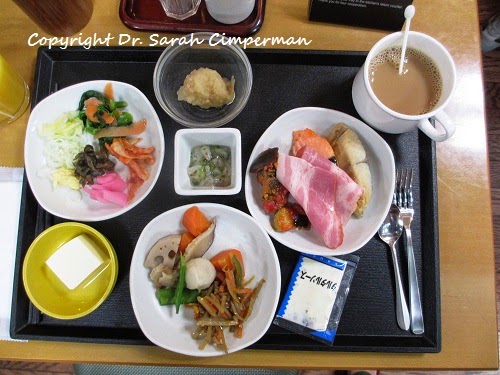
The Japanese diet is also full of fermented foods, from condiments like soy sauce and miso to side dishes of pickled radishes and plums. Fermented foods support a healthy balance of the intestinal bacteria that aid digestion, reduce inflammation, regulate the immune system, and prevent invasion by disease-causing microorganisms.
#3 Eat more omega-3 fats.
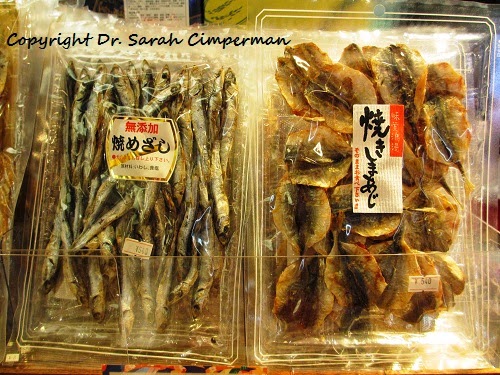
Fish and seafood are healthy sources of the anti-inflammatory omega-3 fatty acids we need for heart and brain health. The average Japanese person eats more than 154 pounds of fish and seafood each year, which amounts to about half a pound per day. They're consumed raw, cooked, and fermented, eaten as a snack or part of breakfast, lunch, or dinner.
 SUSHI ON A STICK AT THE TSUKIJI FISH MARKET
 OMELET WITH COD ROE (EGGS)
 FISH SNACKS
#4 Drink more matcha.
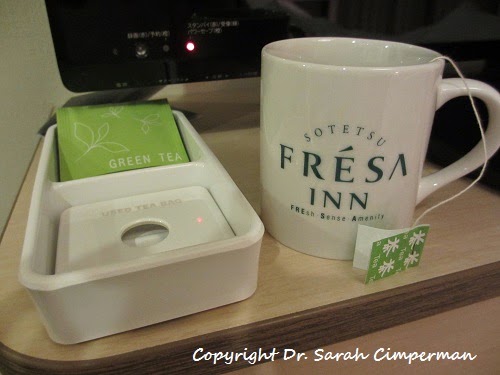
In Japan, green tea is consumed in all forms, not just as a beverage but also as an ingredient in foods. Green tea is served at every restaurant as a routine part of meals and every hotel room, however tiny, comes equipped with green tea bags or packets of matcha (ground green tea leaves) and an electric kettle for boiling water.
Green tea contains powerful antioxidants, including epigallocatechin gallate-3 or EGCG, which has been shown to stimulate detoxification pathways in the liver, increase elimination of chemicals associated with diabetes, protect the brain from heavy metals, increase metabolism, improve cholesterol ratios, and reduce the risk of cancer. While green tea is good, matcha may be even better.