Sarah Cimperman's Blog, page 3
February 23, 2018
Turmeric Tea for Colds and Flu
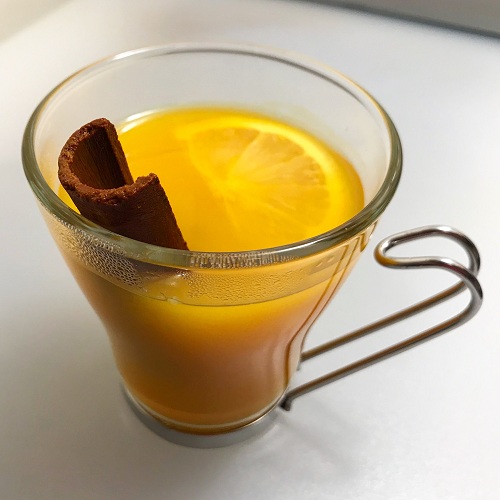
Turmeric has a long history as both a food and a medicine. Traditionally it has been used to treat small pox, arthritis, liver disease, digestive problems, menstrual disorders, and cancer, as well as respiratory conditions and infections.
Read more »


December 12, 2017
The Health Benefits of Shrubs

Shrubs are a refreshing combination of sour and sweet. Also known as drinking vinegars, these beverages date back centuries. They are traditionally made with vinegar, fruit, spices, and sugar. Shrubs likely started as a way to preserve summer harvest but they have medicinal benefits as well.
Read more »
November 15, 2017
Why You Should be Eating Organ Meats and an Easy Paté Recipe
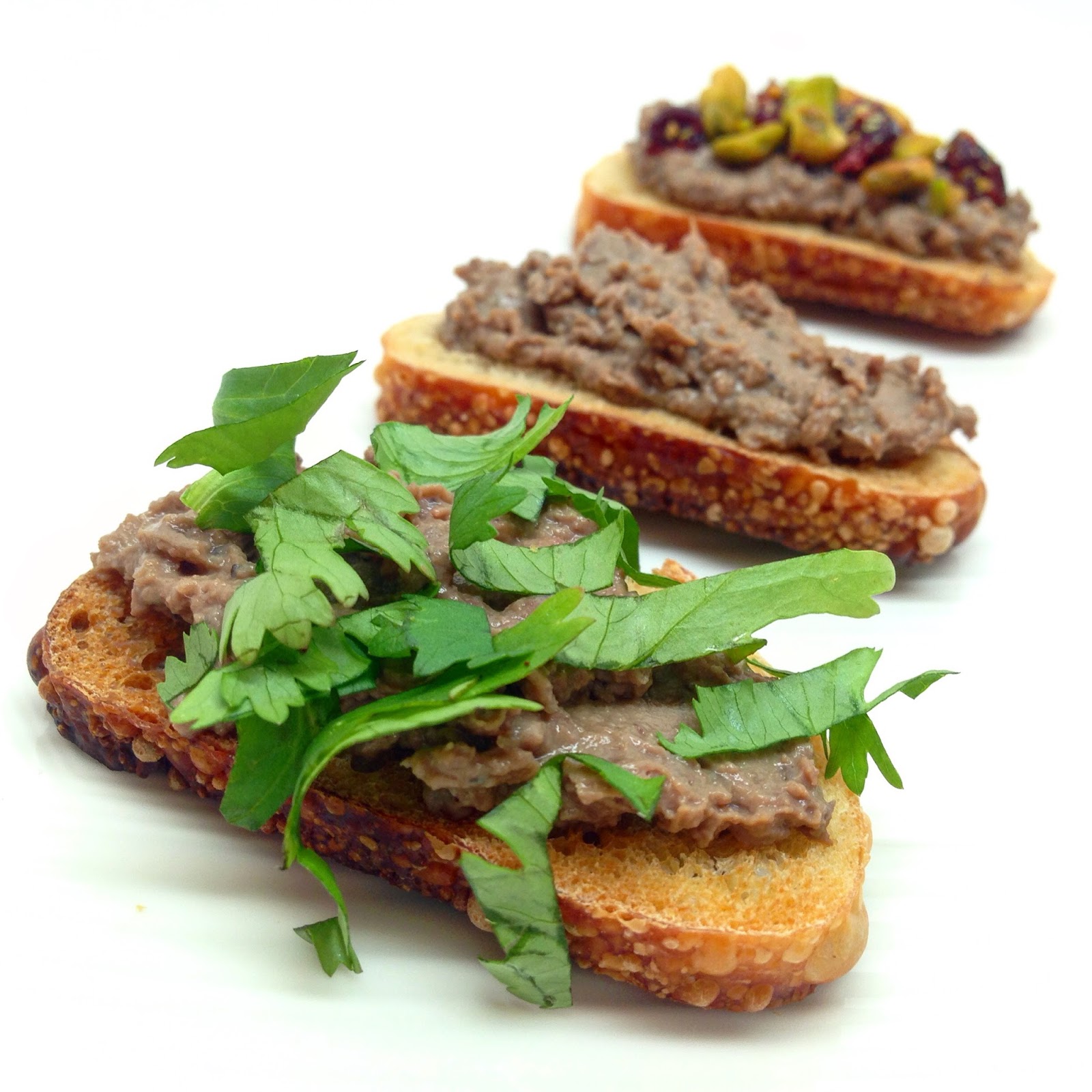 Organ meats were the original multivitamins. Inexpensive and nutritious, they were also a staple in the diet of generations past, before nose-to-tail eating became trendy. Organ meats are a much denser source of nutrients than the muscle meats that account for most of our protein intake in the United States. Both are good sources of essential amino acids, but unlike muscle meats, organ meats are richer in omega-3 fats, vitamin D, and coenzyme Q10, a compound used by every cell in the body to generate energy.
Read more »
January 29, 2017
Placentophagy and a Postpartum Smoothie

Placentophagy is the practice of consuming placenta after childbirth. It's common among mammals and gaining popularity with humans too, especially after celebrity moms have endorsed it as a way to ward off postpartum depression, increase milk production, replenish nutrients, and speed recovery after delivery.
Read more »
Placentophagy and a Postprtum Smoothie
Placentophagy is the practice of consuming placenta after childbirth. It's common among mammals and gaining popularity with humans too, especially after celebrity moms have endorsed it as a way to ward off postpartum depression, increase milk production, replenish nutrients, and speed recovery after delivery.
Read more »
December 4, 2016
Gestational Diabetes: Prevention and Natural Treatment

“You have an entirely different body now,” my midwife said at a routine prenatal visit during my second trimester. While that’s not completely true – I would jump at the chance to trade in the bulging disc in my lumbar spine for a new, healthy one – it is partially accurate. The pregnancy hormones that drive the growth and development of a baby can alter the environment inside the mother’s body in unpredictable and unwanted ways. Among these, the body may change how it makes and utilizes insulin, which creates problems controlling blood sugar levels. Approximately one in ten pregnant women develop gestational diabetes and it’s becoming increasingly common.
Read more »
October 23, 2016
Baby Bump Balm with Manuka Honey

During pregnancy, up to 90 percent of women develop stretch marks. Many products claim to prevent them but few have been proven effective. The pool of research studies in this area is small, but there is some evidence to support the use of natural remedies.
Read more »
September 10, 2016
7 Things To Do Before You Get Pregnant

Pregnancy is a life-changing experience. Like any big event, thoughtful preparation can ease the transition and improve the outcome. Give yourself the best chance for a happy pregnancy and a healthy baby by taking time now to optimize your fertility and do some advanced planning. These seven steps will help you get ready for the exciting changes ahead.
#1 | Get your health in order.
It takes about ninety days for eggs and sperm to mature, so both partners should be in optimum health for at least three months prior to conception. I advise my patients to eliminate sweet foods and beverages as well as processed and flour-based foods, and to make sure that every meal contains fifty percent green or non-starchy vegetables, a portion of protein, and at least one source of healthy fat. It’s also important to exercise regularly, manage stress effectively, get at least eight hours of sleep every night, and stop smoking, which can increase the risk of infertility, complications during pregnancy, premature birth, low birth weight, stillbirth, and infant mortality. Certain medical conditions can affect fertility – including diabetes, overweight and obesity, autoimmune disease, polycystic ovary syndrome (PCOS), endometriosis, sexually transmitted infections, and uterine polyps and fibroids – so now is the time to address any health concerns. Talk to your doctor about how to treat chronic conditions and what effect they may have on pregnancy.
#2 | Practice good oral hygiene.
Now is also the time to schedule an appointment with your dentist. It may seem unrelated, but oral health can have a significant effect on pregnancy and periodontal disease is not uncommon. It affects about ten percent of the population. Studies show that women with periodontal disease can take longer to conceive and the negative effect on fertility has been compared to that of obesity. Periodontal disease has also been linked to miscarriage and premature birth as well as heart disease, type 2 diabetes, respiratory disorders, and kidney disease. Periodontal disease is treatable and preventable with good oral hygiene and regular dental care, so incorporate these healthy habits into your regular routine if you haven’t already.
#3 | Minimize your exposure to hormone-disrupting chemicals.
Toxic chemicals in the environment can disrupt sex hormones. These endocrine disruptors mimic estrogen and can lead to hormone imbalances that may interfere with fertility in both men and women. Endocrine-disrupting chemicals include pesticides, parabens, dioxins, phthalates, brominated flame retardants, and plasticizers like Bisphenol A or BPA. These toxins can be found in non-organic foods, food additives, some species of fish and seafood, drinking water, plastic bottles, food and beverage cans, plastic wrap and plastic storage containers, Styrofoam containers, dental fillings, paint, furniture, mattresses, clothing, and personal products like shampoo, lotion, deodorant, cosmetics, and fragrances. Minimize your exposure by filtering water for drinking and cooking, avoiding foods and beverages in disposable containers, eating organic whenever you can, searching the Environmental Working Group’s Skin Deep Cosmetics Safety Database to find non-toxic personal products, and using the Environmental Defense Fund’s Seafood Selector to choose non-toxic fish and seafood. You can find even more strategies in my book, The Prediabetes Detox.
#4 | Detox.
Babies are born with up to 232 different environmental toxins already inside their bodies including mercury, multiple pesticides, more than a dozen different flame retardants, and air pollutants from fossil fuels, plastic production, and coal-fired power plants. These chemicals have been associated with an increased risk of hormone problems, reproductive and developmental disorders, various kinds of cancer, and diseases of the respiratory, neurological, and immune systems. To reduce the risk of passing toxic chemicals on to your baby, it’s important to detox before you become pregnant because detoxification isn’t safe during pregnancy or breastfeeding. Cleansing products and protocols have become increasingly popular – from herbal teas and laxatives to kale smoothies and spa treatments – but detoxification is a complex physiological process that requires a comprehensive program. Detox can only happen when toxins are mobilized from their storage sites, processed through biochemical pathways in the liver, and excreted through distinct pathways of elimination. You can learn more about how detox really works in my book, The Prediabetes Detox.
#5 | Practice Fertility Awareness.
When you’re planning pregnancy, it’s important to know if and when you ovulate. Fertility Awareness, also known as the Sympto-Thermal Method, can help identify the fertile days of each menstrual cycle and determine if and when ovulation and pregnancy occur. For women who don't get pregnant, it can provide vital information for diagnosing and treating infertility. Fertility Awareness requires daily recording of your waking body temperature and the quality of cervical fluid. It only takes minutes each day but requires a strong commitment to consistent practice. Learn the method by reading a book like The Garden of Fertility by Katie Singer or Taking Charge of Your Fertility by Toni Weschler, then get a good quality basal thermometer and record your findings using an app (like MeFertil, myNFP, or Woman Calendar) or a printable chart from www.gardenoffertility.com.
#6 | Start taking a good quality multi-vitamin-mineral supplement.
In an ideal world, we would get all of the nutrients our bodies need from our diet. But in the real world, this isn’t always possible. Many of the nutrient-dense wild foods our ancestors ate have disappeared from our diet, modern food manufacturing depletes vitamins and minerals, and home-cooked meals are frequently replaced with less nutritious processed, prepared, and packaged foods. To ensure that my patients are getting the necessary nutrients for production of healthy eggs and sperm – including methylated forms of folic acid and B vitamins, vitamins C and E, beta carotene, and minerals like zinc, selenium, and manganese – I advise both men and women to start a high quality multi-vitamin-mineral supplement at least three months before conception. Ask your naturopathic doctor for recommendations or look for products free of additives, made by a reputable manufacturer, tested by an independent lab, and certified by organizations like the United States Pharmacopeia, the National Nutritional Foods Association, Consumer Lab, or National Sanitation Foundation International.
#7 | Check something off your bucket list.
Once you become a parent, your obligations and responsibilities will only grow, so before that happens, take advantage of the relative freedom you have now. Do something you've never done before or travel somewhere you've never been. If your options are limited, you can still savor the small things, like sleeping in on a day off, going to a movie, eating a leisurely meal at a restaurant, enjoying a night out on the town, or going for a spontaneous hike or a walk on the beach. Your life doesn’t have to stop because you start a family, but once you do, it will be a long time before these things are again as easy as they are now.
References
Office of the United States Surgeon General; Office on Smoking and Health. (2004.) The Health Consequences of Smoking: A Report of the Surgeon General. Atlanta, GA: United States Centers for Disease Control and Prevention.
Hart R, Doherty DA, Pennell CE, Newnham IA, and Newnham JP. Periodontal disease: a potential modifiable risk factor limiting conception. Human Reproduction. 2012;27(5):1332-42.
European Society of Human Reproduction and Embryology (ESHRE). (2011, August 1). Gum disease can increase the time it takes to become pregnant. ScienceDaily. Retrieved August 11, 2016 from www.sciencedaily.com/releases/2011/07....
Marques-Pinto A and Carvalho D. Human infertility: are endocrine disruptors to blame? Endocrine Connections. 2013;2(3):R15-29.
EWG (Environmental Working Group). Pollution in Minority Newborns: BPA and Other Cord Blood Pollutants. [Web page]. EWG website. http://www.ewg.org/research/minority-.... Accessed August 10, 2016.
Sears ME and Genuis SJ. Environmental Determinants of Chronic Disease and Medical Approaches: Recognition, Avoidance, Supportive Therapy, and Detoxification. Journal of Environmental and Public Health. 2012;2012:356798.
June 26, 2016
Eating For a Healthy Pregnancy
We should always eat healthy, but it's particularly important during pregnancy. After all, the building blocks needed to create a baby comes from what a pregnant woman eats. These six guidelines are a good place to start.
#1 | Eat when you’re hungry.
Weight gain is a natural part of pregnancy but it's not an excuse to overeat. Women usually need about three hundred extra calories per day during the second and third trimesters of pregnancy, although those carrying multiples need more. Let your appetite be your guide. Eating smaller, more frequent meals can help minimize morning sickness and heartburn. A healthy weight gain is usually between twenty and thirty-five pounds. Women carrying multiples may gain up to forty-five pounds.
#2 | Avoid the Dirty Dozen.
Pesticides can disrupt the balance of sex hormones in the body and increase the risk of developing gestational diabetes. Pregnant women can minimize their exposure to pesticides by eating organic and, when organic food isn’t available, avoiding the most highly contaminated fruits and vegetables.
The Environmental Working Group, a nonprofit organization that researches health and the environment, found that certain non-organic produce items contained significantly higher levels of pesticides than others, and some contained highly toxic organophosphate insecticides. These “Dirty Dozen Plus” fruits and vegetables include
StrawberriesApplesNectarinesPeachesCeleryGrapesCherriesSpinachTomatoes and cherry tomatoesSweet bell peppers and hot peppersCucumbersKaleCollard greens These foods should be avoided if they are not organic. For the full report, see EWG's 2016 Shopper's Guide to Pesticides in Produce.
#3 | Eat a balanced diet.
It's important for pregnant women to eat a wide variety of foods that provide fiber, protein, and healthy fat. Fiber-rich foods include fruits, vegetables, and legumes like beans, lentils, and peas. Whole grains contain some fiber but foods made from refined grains like flour – including pasta, breakfast cereal, bread, and other baked goods – do not. During morning sickness, an empty stomach can make nausea worse and eating bland, easy-to-digest foods like soda crackers can be helpful. In these cases, the benefits may outweigh the risks, but when morning sickness isn’t an issue, eating flour-based foods should be avoided because they increase the risk of gestational diabetes.
Protein can come from eggs, dairy products, poultry, meat, wild game, fish, seafood, beans, and nuts. Healthy fats are found in avocados, olives, cold-pressed oils (extra virgin olive, coconut, flax, walnut), pure coconut milk, raw nuts, raw nut butters, raw seeds, and non-toxic fish and seafood. The best choices for fish and seafood are high in omega-3 fats like DHA and low in toxins. These include wild Alaskan salmon, Atlantic mackerel, herring, sardines, and anchovies.
Fish that contain high levels of environmental toxins should be avoided, like tuna, swordfish, shark, marlin, Spanish and king mackerel, and freshwater fish like lake trout, walleye, and white fish. Use the Environmental Defense Fund's Seafood Selector to find a complete list of the most current seafood safety ratings. Other animal products like eggs, poultry, meat, and dairy products should come from grass-fed or pasture-raised animals that were never exposed to pesticides, antibiotics, or hormones.
#4 | Practice food safety.
Food-borne illness can be especially concerning for pregnant women and the most serious infections are caused by Listeria bacteria. Most of the time, pregnant women with Listeriosis don't have any symptoms, but they can still pass the infection on to their unborn babies, putting them at risk for miscarriage and infant death. Listeria bacteria are commonly found in our environment, primarily in soil, water, and animal feces. They can also live inside refrigerators and even humans. Studies suggest that up to ten percent of people may be unknowingly carrying this bacteria in their intestines.
Foods that have been linked to Listeria infection include raw produce, meat and milk from infected animals, and ready-to-eat foods, but the most common causes are Mexican-style cheese, paté, and turkey deli meat. While it’s a good idea to avoid Mexican-style cheese and processed meats, it doesn’t make sense to avoid all possible sources of contamination because the nutritional benefits of eating fresh fruits and vegetables and unprocessed animal products outweigh the risks that come from random outbreaks.
Instead I counsel women to opt for home-cooked foods over ready-to-eat foods and to practice prevention by following these basic food safety strategies:
Wash hands, knives, cutting boards, and countertops thoroughly with warm, soapy water before handling and preparing food.Wash kitchen towels and cloth grocery bags frequently in hot, soapy water.Rinse raw fruits and vegetables thoroughly before eating.Scrub firm produce like carrots, cucumbers, and melons, even if you don’t eat the outer layer, since cutting into these foods can transfer bacteria from the outside to the inside.Use warm, soapy water to keep your fridge clean.Separate raw meat from other foods in your fridge.Store foods in clean, air-tight containers to prevent leakage.Keep your fridge and freezer cold: a minimum of 40 degrees Fahrenheit inside the fridge and zero degrees inside the freezer.
#5 | Drink plenty of fluids.
Because blood volume and fluid retention increase during pregnancy, it’s especially important for expecting mothers to drink plenty of liquids. Filtered water is always the best beverage, but unsweetened herbal teas and pure coconut water are also good choices. Sweet beverages like fruit juices and drinks with added natural or artificial sweeteners are not good choices because they increase the risk of developing gestational diabetes. Caffeine should be limited to 200 milligrams per day which is equivalent to one or two eight-ounce cups of brewed coffee, one or two shots of espresso, or four cups green tea.
A good general rule for staying hydrated is to drink half your body weight (in pounds) in ounces of fluids, which means that a 150-pound non-pregnant woman should drink 75 ounces of unsweetened liquids per day. During pregnancy, this number should increase by about 30 percent, so a good goal for a 150-pound pregnant woman would be close to 100 ounces of liquids or twelve eight-ounce glasses daily. Pregnant women who have kidney disease may need to limit their consumption of fluids and should ask their health care providers for individualized recommendations.
#6 | Supplement your diet with a prenatal vitamin-mineral supplement.
While eating a healthy diet is essential, a prenatal multiple vitamin-mineral supplement ensures that women are getting everything needed for a healthy pregnancy. This is especially important for vegetarian and vegan women whose diets lack adequate iron, vitamin D, and the omega-3 fatty acid DHA. Women who have low levels of vitamin D may need to take extra vitamin D. Women who are not eating enough non-toxic fish and seafood need to supplement with fish oil or algae oil.
Quality is extremely important when it comes to supplements. Products should contain activated vitamins and bioavailable minerals without any additives. Fish oils should meet the Norwegian Medicinal Standard (NMS) or European Pharmacopoeia Standard (EPS) which set maximum allowances for heavy metals, dioxins, PCBs, and peroxides. For the best supplement recommendations, talk to your naturopathic doctor.
References
Saldana TM, Basso O, Hoppin JA, Baird DD, Knott C, Blair A, Alavanja MC, and Sandler DP. Pesticide exposure and self-reported gestational diabetes mellitus in the Agricultural Health Study. Diabetes Care. 2007;30(3):529-34.
Environmental Working Group. Executive Summary, EWG's 2016 Shopper's Guide to Pesticides in Produce. [Web page]. EWG website. https://www.ewg.org/foodnews/summary.php. Accessed June 9, 2016
Shin D, Lee KW, Song WO. Dietary Patterns during Pregnancy Are Associated with Risk of Gestational Diabetes Mellitus. Nutrients. 2015;7(11): 9369–9382.
U.S. Food and Drug Administration. Bad Bug Book: Foodborne Pathogenic Microorganisms and Natural Toxins Handbook. [Web page]. FDA website. http://www.fda.gov/downloads/Food/Foo.... Accessed June 5, 2016.
Lawley R. Listeria. [Web page]. Food Safety Watch website. http://www.foodsafetywatch.org/factsh... Accessed June 5, 2016.
May 8, 2016
7 Ways to Get Your Skin Ready for Summer

Skin is the body's largest organ and it's our first line of defense against foreign invaders like microbes and environmental toxins. More than any other part of the body, this protective outer layer is exposed to damaging environmental conditions like the winter weather that leaves skin dull and dry. Fortunately, skin is always repairing and renewing itself, and we can support that natural process. With summer just around the corner, it's a good time to give our skin some extra special care. These seven steps will get you started.
Read more »