Sarah Cimperman's Blog, page 10
December 15, 2013
Healthy Holiday Gifts
 This season, give gifts that inspire good health. Here are my top picks for encouraging your loved ones to lead healthier lives, from reducing exposure to toxins and indulging in good-for-you treats to doing more home-cooking and making exercise easy and fun. You'll even find choices to fit any budget.
 Dark Chocolate Gift Pack
Healthy compounds like polyphenols, flavonols, proanthocyanidins, and catechins in dark chocolate have been shown to reduce the risk of cardiovascular disease, heart attack, stroke, and cancer. Some dark chocolate bars can be bitter and dry, but the ones from Green & Black's are creamy and smooth. They're also organic. This gift box contains four bars, two 70% dark and two 85% dark.
 Burma: Rivers of Flavor by Naomi Duguid
This cookbook has something for everyone. Based on simple staple ingredients that include anti-inflammatory herbs and spices, this books contains beautiful photographs, inspiring stories, and healthy recipes. Follow this link to find my other picks for healthy cookbooks.
 Marble Mortar and Pestle
Every home cook should have a mortar and pestle to make quick work of grinding herbs and spices, many of which contain antioxidant and anti-inflammatory compounds. This set is made from gorgeous gray marble and its deep design is especially user friendly. It goes well with the book Healing Spices by Bharat B. Aggarwal.
 Matcha Green Tea
Matcha is especially high in epigallocatechin gallate-3 or EGCG, an antioxidant in green tea shown to stimulate detox pathways in the liver, increase elimination of chemicals associated with diabetes and insulin resistance, help prevent cancer, and protect the brain from heavy metals. Read more about the health benefits of green tea in general and match in particular on page 68 of my new book, The Prediabetes Detox.
 Matcha Tea Set
 This scoop and whisk from Chasen will help prepare the perfect cup of match tea.
 Non-Toxic and Eco-Friendly Jute Yoga Mat
Some yoga mats contain toxic compounds like BPA, phthalates, heavy metals, and formaldehyde. Made from natural jute fiber, this one is toxin-free and eco-friendly.
 Natural Rubber Yoga Mat
 This yoga mat is made from non-toxic natural tree rubber.
 Jump Rope with Removable Weights
This jump rope comes with removable weights, to add some strengthening exercise to aerobic workouts. Its small size makes it easy to pack and take along on travel or trips to the park.
 Reusable Sandwich and Snack Bags Set
 This set of reusable sandwich and snack bags from LunchSkins are made with lightweight cotton and a BPA-free, phthalate-free, food-safe liner.
 Organic Cotton Produce Bags
Made from organic cotton, this set of reusable produce bags are a non-toxic alternative to plastic ones.
 Organic Cotton Lunch Bags
 These stylish lunch bags are made from organic cotton.
 Stainless Steel Better Bottle
 This non-toxic stainless steel water bottle from CamelBak is attractive and lightweight.
 French Press Tea and Coffee Maker
 This glass French press can be used to make coffee or tea. Unlike other models, the inner mechanism can be rotated to stop steeping and prevent beverages from becoming too strong or bitter.
 Bamboo Salad Hands
Every meal should contain a healthy serving of green vegetables and these bamboo salad hands make easy work of tossing and serving up salads. My friend Juliah gave me a set for my birthday 8 years ago and I still use them almost every day.
 Stainless Steel Soup Pot
Pots and pans lined with non-stick coatings can release harmful toxins into food. Stainless steel cookware is a great alternative. Pair this attractive soup pot with a healthy cookbook like Vegetable Soups from Deborah Madison.
 Enameled Cast Iron Skillet Set
Cast iron cookware is another healthy alternative to non-stick pots and pans. Cast iron heats food evenly and it can be used on the stove top or inside the oven. Enameled cast iron skillets can be expensive but they don't have to be. This set of skillets is reasonably priced and so is this enameled cast iron Dutch oven.
 Sunshine Simulator
 This Verilux HappyLite can be used to simulate sunshine during the dark days of winter, support well-being, and prevent or reverse seasonal affective disorder.
 The Prediabetes Detox
This book will inspire resolutions for better health in the New Year. Learn how toxins in the environment increase the risk of developing diabetes, cardiovascular disease, Alzheimer's disease and cancer, and how the safe, effective, at-home cleansing program I've been using in my practice for more than a decade can help remove environmental toxins, reduce the risk of chronic illness, and restore optimal health.


December 8, 2013
Cooking Can Save Your Life
Amidst our busy lives, we do everything possible to spend less time on daily chores like cooking. But really we should be spending more time in the kitchen.
Cooking nourishing meals is one the easiest and most effective ways to keep ourselves and our families in good health. According to a study from the National Institutes of Health, people who cook at home live longer than people who don’t, regardless of their knowledge of nutrition and physical ability to shop for food and prepare meals (Chen et al. 2012).
Researchers found that people who cooked at home at least 5 times per week were almost 50% more likely to be alive 10 years later, but even people who cooked less frequently saw benefits. The more frequently they cooked, the longer they lived.
If you're new to cooking or simply seeking inspiration, consider these cookbooks. They're some of my favorites for winter-time cooking and they also make great gifts.
 All About Braising
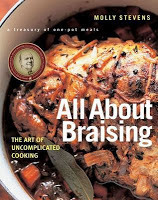
This book is truly a "treasury of one-pot meals." Braising is an excellent way to produce delicious and succulent meals with inexpensive cuts of meat and relatively little effort. This week I made Lamb Shanks with Lentils and Curry on page 410, and served with a big green salad, it's my new favorite cold-weather meal.
 All About Roasting
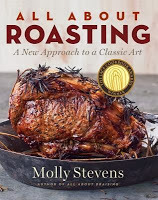
Also written by Molly Stevens, this book explores dry heat cooking and givers readers recipes that are simple, straightforward, and healthy. In addition to traditional roasts like beef, pork, poultry, and lamb, she offers recipes for less common foods like goose and goat, and less commonly roasted foods like fruits, vegetables, and seafood.
 Vegetable Soups
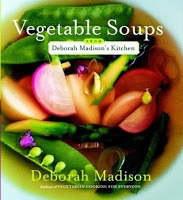
Vegetarians and omnivores alike will appreciate the easy and delicious soup recipes in this cold weather staple from Deborah Madison. I love her recipe for Yellow Pea and Coconut Milk Soup on page 88. Next on my list are Peanut Soup Senegalese Style on page 94 and Lentil Soup with Pounded Walnuts and Cream on page 81.
 Moosewood Restaurant Daily Special
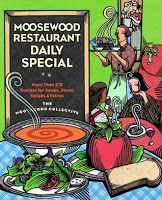
Vegetarians and pescatarians will love these healthy and delicious recipes from the Moosewood Collective. I bought this book when I visited the Moosewood restaurant in upstate New York after falling in love with their house salad dressing (find the recipe on page 324). This cookbook has a lot of good recipes but my favorite is the Caribbean Shrimp and Vegetable Soup on page 165 (I often substitute firm white fish like halibut, arctic char, pollock, sablefish, or cod for the shrimp).
 The Art of Simple Food
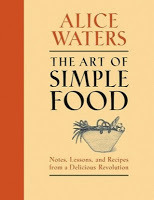
For novice cooks, this book is the perfect place to start. Inside Alice Waters shares simple and straightforward recipes that form the foundation of good home cooking. She teaches readers how to organize a pantry, shop for ingredients, plan menus, make basic sauces, and turn whole food ingredients into healthy and delicious meals using fundamental cooking techniques.
The Art of Simple Food II is a great follow-up that focuses on fruits, vegetables, and herbs you can cultivate in your garden or find at your local farmers’ market.
 Cooked
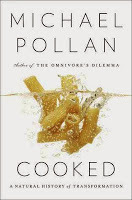
This is a great book for people who want to cook more. Author Michael Pollan, also of The Omnivore's Dilemma, explains that the more you cook your own food, the less likely you are to be obese and suffer associated health problems. In his own effort to do more home cooking, he explores the "previously uncharted territory" of his kitchen and inspires readers to do the same. It isn't a cookbook but he does share a handful of recipes at the end to help readers get started using the same techniques he writes about in the book.
Reference:
Chen, R. C., M. S. Lee, Y. H. Chang, and M. L. Wahlqvist. 2012. “Cooking Frequency May Enhance Survival in Taiwanese Elderly.” Public Health Nutrition 15 (7): 1142–49.
Cooking nourishing meals is one the easiest and most effective ways to keep ourselves and our families in good health. According to a study from the National Institutes of Health, people who cook at home live longer than people who don’t, regardless of their knowledge of nutrition and physical ability to shop for food and prepare meals (Chen et al. 2012).
Researchers found that people who cooked at home at least 5 times per week were almost 50% more likely to be alive 10 years later, but even people who cooked less frequently saw benefits. The more frequently they cooked, the longer they lived.
If you're new to cooking or simply seeking inspiration, consider these cookbooks. They're some of my favorites for winter-time cooking and they also make great gifts.
All About Braising
This book is truly a "treasury of one-pot meals." Braising is an excellent way to produce delicious and succulent meals with inexpensive cuts of meat and relatively little effort. This week I made Lamb Shanks with Lentils and Curry on page 410, and served with a big green salad, it's my new favorite cold-weather meal.
All About Roasting
Also written by Molly Stevens, this book explores dry heat cooking and givers readers recipes that are simple, straightforward, and healthy. In addition to traditional roasts like beef, pork, poultry, and lamb, she offers recipes for less common foods like goose and goat, and less commonly roasted foods like fruits, vegetables, and seafood.
Vegetable Soups
Vegetarians and omnivores alike will appreciate the easy and delicious soup recipes in this cold weather staple from Deborah Madison. I love her recipe for Yellow Pea and Coconut Milk Soup on page 88. Next on my list are Peanut Soup Senegalese Style on page 94 and Lentil Soup with Pounded Walnuts and Cream on page 81.
Moosewood Restaurant Daily Special
Vegetarians and pescatarians will love these healthy and delicious recipes from the Moosewood Collective. I bought this book when I visited the Moosewood restaurant in upstate New York after falling in love with their house salad dressing (find the recipe on page 324). This cookbook has a lot of good recipes but my favorite is the Caribbean Shrimp and Vegetable Soup on page 165 (I often substitute firm white fish like halibut, arctic char, pollock, sablefish, or cod for the shrimp).
The Art of Simple Food
For novice cooks, this book is the perfect place to start. Inside Alice Waters shares simple and straightforward recipes that form the foundation of good home cooking. She teaches readers how to organize a pantry, shop for ingredients, plan menus, make basic sauces, and turn whole food ingredients into healthy and delicious meals using fundamental cooking techniques.
The Art of Simple Food II is a great follow-up that focuses on fruits, vegetables, and herbs you can cultivate in your garden or find at your local farmers’ market.
Cooked
This is a great book for people who want to cook more. Author Michael Pollan, also of The Omnivore's Dilemma, explains that the more you cook your own food, the less likely you are to be obese and suffer associated health problems. In his own effort to do more home cooking, he explores the "previously uncharted territory" of his kitchen and inspires readers to do the same. It isn't a cookbook but he does share a handful of recipes at the end to help readers get started using the same techniques he writes about in the book.
Reference:
Chen, R. C., M. S. Lee, Y. H. Chang, and M. L. Wahlqvist. 2012. “Cooking Frequency May Enhance Survival in Taiwanese Elderly.” Public Health Nutrition 15 (7): 1142–49.
December 1, 2013
Top Ten FREE Apps for a Healthy Lifestyle
Smartphone apps can support healthy lifestyle choices, from picking produce and selecting seafood to analyzing exercise routines and finding non-toxic personal products. Best of all, many of them are FREE. If you're not already using them, check out these top ten apps.
 The Dirty Dozen
When you can't buy organic, the Environmental Working Group helps you find the least toxic produce. This apps lists the Dirty Dozen Plus most contaminated fruits and vegetables and the Clean Fifteen least contaminated ones. You can also view the full list of all 48 foods tested to see how your favorites measure up.Dirty Dozen app for Android
Dirty Dozen app for iPhone
 Seafood Watch
This app from the Monterey Bay Aquarium's Seafood Watch program helps you choose non-toxic and sustainably harvested fish and seafood, whether you're shopping at the market or ordering at a restaurant. This app includes a sushi guide and lets you spread the word about healthy fish and seafood by adding locations where you've found Seafood Watch-approved choices.
Seafood Watch app for Android
Seafood Watch app for iPhone
 Locavore
The Locavore app will pinpoint the farms, farmers’ markets, and CSAs closest to you, wherever you are. It also offers recipes to help you serve up your bounty.
Locavore app for iPhone
Locavore app for Android
 Eat Local
The National Resources Defense Council's Eat Local app also helps you find farmers' markets, lets you know which foods are in season, and offers recipes.
Eat Local app for iPhone
 True Food
Up to 70% of packaged foods on supermarket shelves are made with genetically modified (GM) ingredients and they are not labeled despite warnings from doctors and scientists that these foods may not be safe for people or the planet. The Center for Food Safety’s True Food guide gives easy tips for avoiding GM ingredients in any product and allows users to browse foods by category or search for products by brand name or food type. The app also answers frequently asked questions, keeps users up to date on the latest news and action alerts concerning GM foods, and makes it easy to call or email companies who do not avoid GM ingredients in their products to encourage them to do so.
True Food app for iPhone
True Food app for Android
 Non-GMO Product Shopping Guide
This app also gives users tips for avoiding GM foods and offers a searchable database of foods by product type, brand name, product name, and key word.
Non-GMO Product Shopping Guide app for iPhone
 Locate Special Diet
The Locate Special Diet app allows you to find grocery stores and restaurants that fit your diet, whether you're vegetarian or vegan, following a paleo or gluten-free diet, looking for local and organic food, or restricting yourself to raw. You can search by the kind of meal you're looking for, be it breakfast or salads or sushi, or the kind of cuisine, like Brazilian, Mediterranean, or Vietnamese. Currently the options are restricted to major US cities, but expanded offerings are in the works.
Locate Special Diet app for iPhone
Locate Special Diet app for Android
 Skin Deep
More than 10,000 different ingredients are used to make personal care products and nearly 90% have not been tested for safety. Learn what you’re putting on your skin with this app from the Environmental Working Group. You can find information and online safety assessments for more than 2,500 brands, 9,000 ingredients, and 72,000 personal care products. My favorite feature is the ability to look up products by scanning their bar codes.
Skin Deep app for Android
Skin Deep app for iPhone
 Sunscreen Guide
Researchers from the Environmental Working Group found that only 25% of sunscreen products on the market offer adequate UV protection without serious safety concerns. This apps rates more than 1,400 sunscreens, lotions, lip products, and makeups that advertise sun protection.
EWG Sunscreen Guide app for iPhone
 My Tracks
This app helps you track your exercise by recording your route, speed, distance and even elevation while you walk, run, bike, or hike.
My Tracks app for iPhone
My Tracks app for Android
 The Dirty Dozen
When you can't buy organic, the Environmental Working Group helps you find the least toxic produce. This apps lists the Dirty Dozen Plus most contaminated fruits and vegetables and the Clean Fifteen least contaminated ones. You can also view the full list of all 48 foods tested to see how your favorites measure up.Dirty Dozen app for Android
Dirty Dozen app for iPhone
 Seafood Watch
This app from the Monterey Bay Aquarium's Seafood Watch program helps you choose non-toxic and sustainably harvested fish and seafood, whether you're shopping at the market or ordering at a restaurant. This app includes a sushi guide and lets you spread the word about healthy fish and seafood by adding locations where you've found Seafood Watch-approved choices.
Seafood Watch app for Android
Seafood Watch app for iPhone
 Locavore
The Locavore app will pinpoint the farms, farmers’ markets, and CSAs closest to you, wherever you are. It also offers recipes to help you serve up your bounty.
Locavore app for iPhone
Locavore app for Android
 Eat Local
 The National Resources Defense Council's Eat Local app also helps you find farmers' markets, lets you know which foods are in season, and offers recipes.
Eat Local app for iPhone
 True Food
Up to 70% of packaged foods on supermarket shelves are made with genetically modified (GM) ingredients and they are not labeled despite warnings from doctors and scientists that these foods may not be safe for people or the planet. The Center for Food Safety’s True Food guide gives easy tips for avoiding GM ingredients in any product and allows users to browse foods by category or search for products by brand name or food type. The app also answers frequently asked questions, keeps users up to date on the latest news and action alerts concerning GM foods, and makes it easy to call or email companies who do not avoid GM ingredients in their products to encourage them to do so.
True Food app for iPhone
True Food app for Android
 Non-GMO Product Shopping Guide
This app also gives users tips for avoiding GM foods and offers a searchable database of foods by product type, brand name, product name, and key word.
Non-GMO Product Shopping Guide app for iPhone
 Locate Special Diet
The Locate Special Diet app allows you to find grocery stores and restaurants that fit your diet, whether you're vegetarian or vegan, following a paleo or gluten-free diet, looking for local and organic food, or restricting yourself to raw. You can search by the kind of meal you're looking for, be it breakfast or salads or sushi, or the kind of cuisine, like Brazilian, Mediterranean, or Vietnamese. Currently the options are restricted to major US cities, but expanded offerings are in the works.
Locate Special Diet app for iPhone
Locate Special Diet app for Android
 Skin Deep
More than 10,000 different ingredients are used to make personal care products and nearly 90% have not been tested for safety. Learn what you’re putting on your skin with this app from the Environmental Working Group. You can find information and online safety assessments for more than 2,500 brands, 9,000 ingredients, and 72,000 personal care products. My favorite feature is the ability to look up products by scanning their bar codes.
Skin Deep app for Android
Skin Deep app for iPhone
 Sunscreen Guide
Researchers from the Environmental Working Group found that only 25% of sunscreen products on the market offer adequate UV protection without serious safety concerns. This apps rates more than 1,400 sunscreens, lotions, lip products, and makeups that advertise sun protection.
EWG Sunscreen Guide app for iPhone
 My Tracks
This app helps you track your exercise by recording your route, speed, distance and even elevation while you walk, run, bike, or hike.
My Tracks app for iPhone
My Tracks app for Android
November 24, 2013
Gratitude is Good For You

This Thanksgiving, take time to be grateful. It's not just a nice holiday tradition. It can actually improve your health.
Researchers at the University of California, Davis analyzed the effects of gratitude in a series of studies. In the first, participants were asked to keep a weekly journal and write about five events from the previous week. They were randomly assigned to one of three groups. One group wrote about things they were grateful for. Another group wrote about hassles they experienced. The last group wasn't given any direction on choosing positive or negative events.
The second study was similar to the first, with participants divided into the same three groups, but they were asked to keep a daily journal instead of a weekly journal.
In the third study, people with neuromuscular diseases were randomly assigned to one of two groups. Participants in one group were asked to write about things they were grateful for on a daily basis and those in the control group were not asked to write anything at all.
At the end of the first two studies, researchers determined that people expressing gratitude were 25% happier than those focusing on negative experiences. They also had a more positive outlook on life, exercised more, and reported fewer health problems. Practicing gratitude daily was even more beneficial than practicing it weekly.
At the end of the third study, researchers found that in comparison to the control group, those expressing gratitude were more optimistic, had greater satisfaction with their lives in general, and felt much more connected to others. They also slept better and felt more refreshed upon waking.
Thanksgiving is a good opportunity to practice gratitude, but do it more than once a year. Make an effort to be grateful about something every day, whether you keep a journal or not.
Reference:
Emmons RA and McCullough ME. Counting blessings versus burdens: an experimental investigation of gratitude and subjective well-being in daily life. Journal of Personality and Social Psychology 2003 Feb;84(2):377-89.
November 17, 2013
Yoga For Colds and Flu

This cold and flu season, fight infections with yoga and meditation.
New research from Norway found that practicing yoga and meditation can cause quick changes in immunity. Study participants engaged in activities for 2 hours each morning on 4 consecutive days. One group practiced yoga postures, breathing exercises, and meditation while the other group listened to relaxing music and went on a nature walk. Every person participated in each group twice.
Researchers found that all of the activities altered genetic expression.
Listening to music and going on a nature walk had a positive impact on 38 different genes. Even more impressive, practicing yoga and meditation had a positive impact on 111 genes. As a result, white blood cells called natural killer cells, which defend our bodies against illness and infection, became more active.
Research studies have also associated yoga with lower blood pressure, better blood flow, increased immunity, less back pain, and improvements in strength, flexibility, posture, mood, concentration, learning, memory, and blood sugar control.
Reference:
Qu S, Olafsrud SM, Meza-Zepeda LA, and Saatcioglu F. Rapid gene expression changes in peripheral blood lymphocytes upon practice of a comprehensive yoga program. PLoS One. 2013;8(4):e61910.
November 10, 2013
Environmental Toxins Linked to Prediabetes
Prediabetes is a worldwide epidemic and in the United States alone it affects 79 million people, or 1 in 3 adults and nearly 1 in 4 adolescents.
Characterized by high levels of blood sugar and insulin, prediabetes increases the risk of 5 of the 7 leading causes death in the US including type two diabetes, heart disease, stroke, Alzheimer’s disease, and cancer.
Fortunately, the condition is reversible and personal changes are the best prescription.
A landmark study published in the New England Journal of Medicine found that changes in diet and lifestyle reduced the risk of diabetes almost twice as much as the diabetes drug Glucophage (metformin) and that the benefits were still apparent a decade later.
While diet and exercise changes are essential, there’s another piece to the puzzle. Now that research studies have linked toxic chemicals in the environment to an increased risk of developing diabetes, it’s time to recognize detoxification as an important part of permanently reversing prediabetes.
Toxins are chemicals in the environment that are harmful to our health. Most of the time, we can’t see or smell or taste them, but toxins are very real and we’re exposed to them every day. These chemicals aren’t only in the environment; they’re already inside our bodies. Almost 500 different chemicals have been found in human blood and fat tissue and studies show that the older we get, the more toxins we contain.
Chemicals that increase risk of developing diabetes are called diabetogens. Since 1999 the National Center for Health Statistics, part of the Centers for Disease Control and Prevention, has measured chemicals in the blood and urine of people taking part in the National Health and Nutrition Examination Survey. The most recent report found diabetogens in every single sample.
That’s right: 100 percent of the 2,500 people studied tested positive for toxins that have been shown to increase the risk of diabetes.
These chemicals promote the development of diabetes through several different (and sometimes multiple) mechanisms. They may raise blood sugar levels or interfere with the ability of cells to use glucose in the blood. They may damage cells including those that produce insulin in the pancreas.They may act as endocrine disruptors, mimicking hormones made by our bodies, blocking hormone receptors, raising insulin levels, and promoting insulin resistance. Some can even influence the expression of genes that regulate metabolism, turning them on and off.
Diabetogens include
DioxinsBisphenol A (BPA)PhthalatesParabensPerfluorinated chemicals Brominated flame retardantsVolatile organic compounds (VOCs)PesticidesHeavy metals
Dioxins like PCBs (polychlorinated biphenyls) are produced by a variety of industrial processes and once they’re released into the environment, they contaminate soil and waterways and accumulate in drinking water and food. The greatest source for most people is contaminated fish and seafood and the highest concentrations are found in large predators living at the top of the food chain.
BPA and phthalates are found in plastics. They’re used to make water bottles, baby bottles, pizza boxes, plastic wrap, epoxy linings inside food and beverage cans, and plastic and polystyrene (StyrofoamTM) cups, takeout containers, and egg cartons. These chemicals also have multiple industrial uses. Along with phthalates, parabens are found in personal products like shampoo, deodorant, and lotion. Parabens are the most widely used preservatives in cosmetics and they are also used to make certain food additives and prescription drugs.
Perfluorinated chemicals make materials stain and stick resistant. They leach into our food from nonstick cookware and food packaging like pizza boxes, microwave popcorn bags, and fast food containers. They’re also found in fabric, furnishings, household cleaners, and personal care products.
Brominated flame retardants are added to furniture, electronic equipment, mattresses, and clothing. Because they don’t break down easily, they’ve become persistent and widespread in the environment.
Volatile organic compounds are chemicals used in manufacturing. They escape in the form of gases from building materials, office equipment, furnishings, household cleaners, and fragranced products like air fresheners and scented candles. According to the EPA, VOCs are up to ten times more concentrated in indoor air than in outdoor air.
Every year in the US we apply five billion pounds of pesticides to our crops. They soak into the soil where they’re taken up into plants through their root systems and distributed throughout, so we can’t just wash them off. Agricultural run-off that pollutes waterways causes pesticides to accumulate in drinking water and fish.
Heavy metals enter our diet primarily through drinking water, fish and seafood, and fruits and vegetables sprayed with herbicides or grown in contaminated soil. We can also be exposed to heavy metals from many other sources including antiseptics, dental amalgams, and cigarette smoke.
Whether we realize it or not, we come into contact with these chemicals every day and they can cause problems even in small doses well below acceptable levels set by the Environmental Protection Agency. Most toxins are fat-soluble and stored inside fat cells, although heavy metals can also accumulate in bones and organs (primarily the kidneys, liver, intestines, and brain) where their half-lives are measured in decades.
We’ll never be able to escape environmental toxins completely, but we can take steps to minimize our exposure and remove them from our bodies through detoxification.
A comprehensive detox program should promote the release of toxins from their storage sites and support the liver in changing them into water-soluble compounds that the body can easily excrete. This can be accomplished with a diet low in sweets and starches, regular exercise, stress management, good sleep, sauna therapy, and supplements that deliver the vitamins, minerals, antioxidants, and amino acids needed for detoxification.
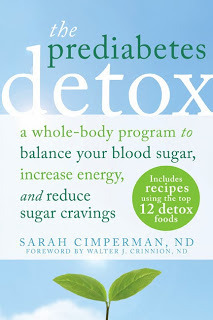
If you’re interested in detox, see your naturopathic doctor for an individualized protocol or read my new book, The Prediabetes Detox: A Whole-Body Program to Balance Your Blood Sugar, Increase Energy, and Reduce Sugar Cravings .
References
Alonso-Magdalena P, Quesada I, and Nadal A. 2011. Endocrine disruptors in the etiology of type 2 diabetes mellitus. Nature Reviews, Endocrinology 7(6):346-53.
CDC (Centers for Disease Control and Prevention). Fourth National Report on Human Exposure to Environmental Chemicals, Updated Tables. [Web page]. CDC website. http://www.cdc.gov/exposurereport/. Accessed September 10, 2013.
EPA (Environmental Protection Agency. 2000-2001 Pesticide Market Estimates: Usage. [Web page]. EPA website. http://www.epa.gov/pesticides/pestsal.... Accessed September 12, 2013.
Hue O, Marcotte J, Berrigan F, Simoneau M, Doré J, Marceau P, et al. 2007. Plasma concentration of organochlorine compounds is associated with age and not obesity. Chemosphere 67(7):1463-7.
Knowler WC, Barrett-Connor E, Fowler SE, et al. 2002. Reduction in the Incidence of Type 2 Diabetes with Lifestyle Intervention or Metformin. New England Journal of Medicine 346(6): 393–403.
Lee DH, Steffes MW, Sjödin A, et al. 2010. Low Dose of Some Persistent Organic Pollutants
Predicts Type 2 Diabetes: A Nested Case-Control Study. Environmental Health Perspectives 118 (9): 1235–42.
Ornish D., Magbanua M.J., Weidner G., Weinberg V., Kemp C., Green C., et al. 2008. Changes in prostate gene expression in men undergoing an intensive nutrition and lifestyle intervention. Proceedings of the National Academy of Sciences of the United States of America 105(24):8369-74.
Ropero AB, Alonso-Magdalena P, García-García E, et al. 2008. Bisphenol-A disruption of the endocrine pancreas and blood glucose homeostasis. International Journal of Andrology 31(2):194-200.
November 3, 2013
Odd Bits

In Odd Bits: How to Cook the Rest of the Animal , Jennifer McLagan encourages us to use the whole animal. She reminds us about all the parts we forget about in favor of the few prime cuts found on supermarket shelves.
With great expertise this award-winning author guides us through all of the different bits: ears, brains, cockcombs, cheeks, necks, livers, hearts, lungs, stomachs, thymus glands (also known as sweetbreads), kidneys, bone marrow, testicles, trotters, and even blood.
McLagan makes these odd bits sound delectable with recipes like Moroccan-Style Braised Heart, Ravioli of Brains and Morels, Spicy Tongue Tacos, Testicles with Caramelized Onions and Double-Smoked Bacon, and Whole Lamb Neck with Lemons, Olives, and Mint.
Adventurous eaters will appreciate the recipes for Heart Tartare, Twice-Cooked Pig's Ear Salad, Pistachio Brain Souffles, Terrine of Pig's Feet, and Chocolate Blood Ice Cream.
Personally, I'm looking forward to making Wild Boar Shanks with Cranberries and Chocolate (page 184), Bone Marrow and Mushroom Custard (page 193), Confit of Gizzards (page 149), and Boudin Noir (page 219).
Boudin Noir is also known as blood sausage and I was first introduced to it by my husband's family on the Caribbean island of Martinique. I was a vegetarian at the time, just starting to incorporate some seafood into my diet, but I wasn't eating meat. I didn't really know what boudin noir was, just that there was no meat inside, and never did I imagine it was made with blood. It's a good thing I didn't know because at the time it would have prevented me from trying it, and it was love at first bite.
I don't get the chance to eat boudin noir very often, but I do whenever I can. It's a popular dish in several cultures and every family has their own recipe. I've tasted it in many different countries but I've never better boudin noir than what we eat in Martinique, where it's made with a hint of cinnamon and it's soft enough to squeeze out of the casing. Now I'm excited to try making my own.
October 27, 2013
Maggots as Medicine

Experts estimate that we spend more than 20 billion dollars each year trying to treat non-healing wounds like pressure ulcers and diabetic foot ulcers. Each year there are more than 1.5 million cases of diabetic foot ulcers alone, and they're responsible for at least 70,000 amputations.
These non-healing wounds, along with the rise of antibiotic resistance and life-threatening infections, has prompted scientists and doctors alike to revisit an age-old therapy: maggots.
Maggot therapy, also referred to as maggot debridement therapy (MDT), larval therapy, or biodebridement, is the application of live, sterilized fly larvae to wounds. The larvae do not feed on live tissue and they do not reproduce. Maggots secrete an enzyme that disinfects the wound, dissolves dead tissue, and promotes healing. They've even been shown to be effective against MRSA (methicillin-resistant Staphylococcus aureus infection) and other resistant germs.
Controlled clinical and laboratory studies show that compared to conventional medical and surgical care, maggot therapy is safer, faster, cheaper, more accurate, and more effective. Patients who use MDT require fewer days of antibiotics and their wounds heal an average of 4 weeks earlier. And it's 100% natural.
Used as a last resort, maggot therapy has reportedly saved 40 to 50 percent of limbs that would otherwise have been amputated. Researchers attribute the limb-saving success to increased oxygen supply, cell regeneration, and tissue remodeling triggered by maggot secretions.
Maggot therapy costs about half as much as conventional therapy, and sometimes much less. A study in the UK found that treating a patient with maggot therapy cost £92 while treating a patient with antibiotics cost £319, making MDT almost three and a half times less expensive than antibiotic therapy.
Maggot therapy was so popular in the 1930s that hospitals kept their own insectaries, where they reared and sterilized their own larvae. As antibiotics became available and surgical techniques improved, MDT lost popularity in the 1940s and virtually disappeared in the 1950s.
Now it's making a comeback. As of 2009, at least 24 laboratories supplied medical-grade maggots to doctors and patients in more than 50 medical centers in North America and more than 850 in the United Kingdom. Maggot therapy is being used in at least than 30 countries around the world.
In the United States, maggots were the first live organisms recognized as medical devices by the Food and Drug Administration in 2004. MDT requires a prescription but it's reimbursable by Medicare and many insurance companies.
References:
Dente KM. 2007. Alternative Treatments for Wounds: Leeches, Maggots, and Bees. Medscape. http://www.medscape.com/viewarticle/5....
Ryan R. Why maggots and leeches are good for your health. Daily Mail. http://www.dailymail.co.uk/health/art....
Sherman RA. 2009. Maggot Therapy Takes Us Back to the Future of Wound Care: New and Improved Maggot Therapy for the 21st Century. Journal of Diabetes Science and Technology 3(2):336-44.
October 20, 2013
Can Daylight Savings be Dangerous?

Our circadian rhythms are dictated by the light and dark cycles in our environment. Every one of our cells has an internal clock that responds to changes in daylight. Special proteins called cryptochromes in our skin cells are sensitive to light’s blue spectrum, so whenever we’re bathed in light, our bodies get the message to wake up.
Light and dark cycles influence levels of key hormones like cortisol and melatonin that help regulate bodily processes including inflammation and immunity, which help determine our resistance to disease.
When the light and dark cycles in our environment suddenly change, even by only an hour, this change can disrupt the way our bodies work. It also slows reaction time and has been linked to an increase in traffic accidents.
Researchers in Michigan analyzed a decade of national traffic statistics and found that during the week before the daylight savings time change, 65 fatal crashes were reported. The week after the time change, 227 were reported. The Insurance Institute for Highway Safety of Arlington, Virginia calculated that using daylight savings time year-round could save approximately 200 deaths each year.
References:
Plainis S, Murray IJ, and Pallikaris IG. Road traffic casualties: understanding the night‐time death toll. Injury Prevention. 2006; 12(2): 125–128.
Sullivan JM and Flannagan MJ. The role of ambient light level in fatal crashes: inferences from daylight saving time transitions. Accident, Analysis and Prevention. 2002;34(4):487-98.
October 6, 2013
Discussing Childhood Vaccines on Fox News
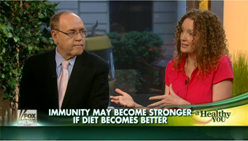
Last weekend I discussed the risks and benefits of childhood immunizations with Dr. Mark Seigel and host Carol Alt in a segment called "To vaccinate or not to vaccinate" on the new Fox News show A Healthy You.
Amidst the excitement, I misquoted an important statistic. I meant to say:
In the United States we give kids 50 doses of 12 different vaccines during childhood and babies receive 26 doses during their first year of life.
Why is this statistic so important?
Because we give kids more vaccines than any other country in the world Because we have the highest rate of infant mortality among 34 industrialized nationsAnd because research studies confirm that increasing doses of vaccines are associated with increasing rates of infant mortality (Miller 2011)
Countries with the lowest rates of infant mortality are also among those who give their kids the fewest immunizations, notably Sweden, Japan, and Iceland, where kids get only 12 shots total.
Instead of vaccinating more, we should be vaccinating more selectively. We should start with shots against the most dangerous diseases for babies, like Haemophilus influenzae type B, pertussis, and pneumococcal infections. Whenever possible we should delay vaccines that have a higher risk of adverse effects when given before the age of two, like hepatitis A, and those that are ineffective in babies, like injected live-virus vaccines. We should also consider delaying vaccines against illnesses that are rare in the United States, or rare in babies, or usually mild in babies, until infants' immune systems are more mature. In many cases, delaying vaccines also reduces the total number of doses required to achieve immunity.
We also need to practice harm reduction. Here are my top eight strategies to reduce the risks associated with childhood immunizations:
#1 Weigh the risks and benefits of each vaccine on a case-by-case basis.
#2 Avoid unnecessary immunizations by checking titers before giving MMR, varicella, and hepatitis A vaccines.
#3 Some vaccines are made by more than one manufacturer, so whenever possible, choose shots with the fewest additives. Ingredients of concern include mercury (in the form of thimerosal), aluminum, monosodium glutamate (MSG), antibiotics, and tissues from animals and humans. Fortunately, all childhood immunizations are available in mercury-free forms.
#4 Give vaccines in single doses rather than multiple doses whenever possible and never give more than one aluminum-containing shot at a time.
#5 Do not give live-virus vaccines to babies less than one year old. When they are administered, live-virus vaccines should be spaced at least 3 months apart with the exception of the MMR and varicella vaccines, which should be spaced at least 6 months apart.
#6 Before and after immunization, consider giving supplements to support a healthy immune response. Probiotics have been shown to increase the effectiveness of vaccines while reducing the risk of adverse events (Youngster 2011). Probiotics also minimize the chance of allergic reactions and make our bodies more resistant to disease.
#7 Keep kids healthy with a whole foods diet, daily exercise, outdoor play, and plenty of sleep.
#8 Never vaccinate kids (or adults) with the following:Previous serious reaction to a vaccine Signs of illness or infection during the past weekAcute symptoms of inflammatory, autoimmune, or atopic diseases including allergies, asthma, and eczemaHistory of surgery, transplant, or transfusion within the previous 3 monthsMedications and treatments that suppress natural immunity like antibiotics, steroids, chemotherapy, and radiationIt's time to recognize that the current standards of care aren't working well enough and if we want to protect babies better, immunization schedules have to change.
Alternative vaccine schedules can minimize the risk of adverse events and increase compliance while keeping cases of dangerous diseases extremely rare. Offering options other than the current one-size-fits-all approach can actually increase immunization rates, especially among families who would otherwise opt out of vaccines altogether.
Talk to your doctor about the best immunization schedule for your child. If he or she isn't open to alternatives, find a "vaccine friendly" doctor on Dr. Sears' list.
References:
Miller NZ and Goldman GS. 2011. Infant mortality rates regressed against number of vaccine doses routinely given: is there a biochemical or synergistic toxicity? Human and Experimental Toxicology 30(9):1420-8.
Youngster I, Kozer E, Lazarovitch Z, et. al. 2011. Probiotics and the immunological response to infant vaccinations: a prospective, placebo controlled pilot study. Archives of Disease in Childhood 96(4):345-9.