Sarah Cimperman's Blog, page 8
May 11, 2014
7 Reasons to Go Biking

Last weekend I participated in New York City's 40-mile Five Boro Bike Tour. We started in lower Manhattan, cycled up through midtown, Central Park, and Harlem, into the Bronx, south along the East River, over the Queensboro Bridge into Queens, through Brooklyn, and over the Verrazano Bridge into Staten Island. It was a great opportunity to see my city from a new perspective and connect with other people who love biking as much as I do.
What do I love about it?
Like other forms of exercise, cycling can reduce the risk of heart disease, stroke, type two diabetes, and cancer.
It can lower high blood pressure and resting heart rate, promote weight loss in people who are overweight, strengthen the immune system, manage stress, improve mood and sleep, and support detoxification.
Regular exercise has also been shown to enhance sexual health. It reduces the risk of impotence in men and in pregnant women it's been associated with easier, less complicated labor and faster recovery after childbirth.
On top of all that, bicycling has other benefits. Here are seven reasons I ride:
#1 It's fun.
Biking sparks my sense of adventure and allows me to explore places I've never been.
#2 It feels good.
I love the wind in my hair and the exhilaration of coasting downhill.
#3 I enjoy the scenery. Unlike exercising inside a gym, cycling in the great outdoors allows me to enjoy my surroundings. It's always interesting, whether I'm riding through the city streets or out of town cruising through wide open spaces.
#4 I get my daily dose of sunshine. Exposure to sunlight increases the natural production of vitamin D as well as serotonin, a neurotransmitter that helps regulate sleep, mood, attention, energy, appetite, and food cravings. (Just be sure to avoid midday sun and intense or excessive sun exposure, even if you use sunscreen. It prevents sunburn but not skin damage and studies show that it doesn’t reduce the risk of skin cancer after all.)
#5 It's low impact.Compared to high impact exercises like running, low impact exercises like biking cause less wear and tear on joints. There's also less chance of injury.
#6 It's a form of pollution-free transport.Biking isn't just good for you, it can get you where you need to go. Using active forms of transport like biking means spending less sedentary time sitting in cars, buses, and trains. Like other forms of transport, safety is important, so always wear a helmet. The New York City Department of Transportation fits and gives away free bicycle helmets at events throughout the city. For more information, visit their website or call 311. (Learn more about bicycle safety here.)
#7 Biking has it all. Some exercises improve cardiovascular fitness and respiratory fitness. Others enhance stamina, muscle strength, balance, or coordination. Biking improves them all.


April 20, 2014
Making Matcha
GLUTEN-FREE | DAIRY-FREE | DETOX-FRIENDLY

Green tea is good for detoxification, and matcha is especially good.
All true teas — white, green, oolong, and black — come from the leaves of the Camellia sinensis plant. They contain powerful antioxidants, including epigallocatechin gallate-3 or EGCG, which has been shown to stimulate detoxification pathways in the liver and increase elimination of chemicals associated with insulin resistance and diabetes. EGCG has also been shown to protect the brain from heavy metals, increase metabolism, improve cholesterol ratios, and reduce the risk of cancer.
White tea comes from young leaves that are steamed immediately after harvest and not fermented at all. It contains the highest concentration of EGCG.
Green tea has undergone minimal fermentation and is also high in EGCG, especially Japanese varieties like matcha, sencha, and gyokuro.
Oolong tea is partially fermented and black tea is fully fermented. The process of fermentation changes some of the antioxidants in tea leaves, transforming them into new compounds (like theaflavins and thearubigins) that have other benefits, like reducing the risk of diabetes.
To maximize the health benefits of tea, drink it unsweetened and avoid adding dairy products like cream, which inactivate beneficial compounds. Choose loose or powdered tea leaves over tea bags and use about one teaspoon for each cup of water.
To prepare matcha:
Making matcha can be a meditative ritual or a daily habit. This tea is not for sipping. It should be consumed soon after it's made, in several swallows until gone.
1. Boil water and pour it into a bowl. Swish the whisk in the water and swirl the water around the bowl. Let it stand for one minute. Discard the water. (Some people dry the bowl but I find it unnecessary.)
2. Place a fine mesh sieve over a bowl (or cup) large enough to easily accommodate one cup of tea. Add a scoop of matcha and pass it through the sieve, breaking up any clumps.
3. Pour a small amount of water over the matcha. Use a bamboo whisk to mix vigorously until the matcha is fully dissolved, moving your wrist, not your arm, in a back-and-forth or zigzag pattern for a frothy matcha or in a circular motion for a non-frothy one.
4. Add more water until you have about 1 cup of tea.
5. Drink the prepared matcha as soon as it's cool enough to do so.

That being the proper way to make matcha, I do take a few short cuts.
To start, I pour a bit of boiling water in the bottom and swirl it around to warm the bowl and cool the water, since water at a full boil can burn the tea leaves. Instead of discarding the water, which is now at the right temperature, I whisk in a scoop of matcha, without using the sieve, since my matcha doesn't clump. When one minute has passed since the water came to a boil, I add the rest of the water.
Swirl. Mix. Fill. Drink.
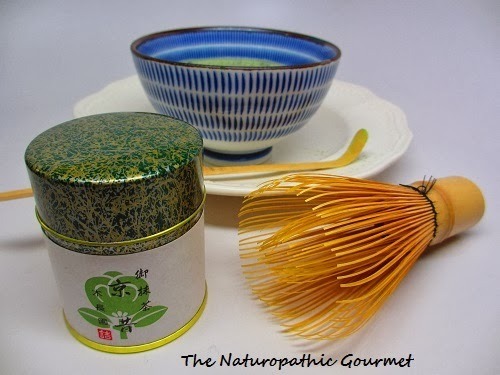

Green tea is good for detoxification, and matcha is especially good.
All true teas — white, green, oolong, and black — come from the leaves of the Camellia sinensis plant. They contain powerful antioxidants, including epigallocatechin gallate-3 or EGCG, which has been shown to stimulate detoxification pathways in the liver and increase elimination of chemicals associated with insulin resistance and diabetes. EGCG has also been shown to protect the brain from heavy metals, increase metabolism, improve cholesterol ratios, and reduce the risk of cancer.
White tea comes from young leaves that are steamed immediately after harvest and not fermented at all. It contains the highest concentration of EGCG.
Green tea has undergone minimal fermentation and is also high in EGCG, especially Japanese varieties like matcha, sencha, and gyokuro.
Oolong tea is partially fermented and black tea is fully fermented. The process of fermentation changes some of the antioxidants in tea leaves, transforming them into new compounds (like theaflavins and thearubigins) that have other benefits, like reducing the risk of diabetes.
To maximize the health benefits of tea, drink it unsweetened and avoid adding dairy products like cream, which inactivate beneficial compounds. Choose loose or powdered tea leaves over tea bags and use about one teaspoon for each cup of water.
To prepare matcha:
Making matcha can be a meditative ritual or a daily habit. This tea is not for sipping. It should be consumed soon after it's made, in several swallows until gone.
1. Boil water and pour it into a bowl. Swish the whisk in the water and swirl the water around the bowl. Let it stand for one minute. Discard the water. (Some people dry the bowl but I find it unnecessary.)
2. Place a fine mesh sieve over a bowl (or cup) large enough to easily accommodate one cup of tea. Add a scoop of matcha and pass it through the sieve, breaking up any clumps.
3. Pour a small amount of water over the matcha. Use a bamboo whisk to mix vigorously until the matcha is fully dissolved, moving your wrist, not your arm, in a back-and-forth or zigzag pattern for a frothy matcha or in a circular motion for a non-frothy one.
4. Add more water until you have about 1 cup of tea.
5. Drink the prepared matcha as soon as it's cool enough to do so.

That being the proper way to make matcha, I do take a few short cuts.
To start, I pour a bit of boiling water in the bottom and swirl it around to warm the bowl and cool the water, since water at a full boil can burn the tea leaves. Instead of discarding the water, which is now at the right temperature, I whisk in a scoop of matcha, without using the sieve, since my matcha doesn't clump. When one minute has passed since the water came to a boil, I add the rest of the water.
Swirl. Mix. Fill. Drink.

April 13, 2014
Detox Facts and Fiction

Environmental toxins are chemicals in the environment that are harmful to our health. They begin to accumulate before we’re even born and the older we get, the more toxins our bodies contain. So far, scientists have detected 232 different chemicals in the cord blood of newborn infants and 493 different chemicals in people of all ages.
As our awareness of environmental toxins and their impact on our health continues to grow, detox products and protocols are becoming increasingly popular, from fasting and raw food diets to footbaths and body wraps. But do these things really work? And what is detox anyway? A basic understanding of detoxification can clear up the misconceptions.
Detox Facts
Detoxification is the removal of toxins from our bodies and it’s something that our bodies do naturally. In fact, your body is doing it right now. Every single second, our cells are generating energy and waste products as a normal part of metabolism, and every single second, our bodies are working to eliminate these waste products. The same mechanisms that help our bodies excrete natural waste products also help us excrete unnatural compounds like environmental toxins.
Sometimes environmental toxins that should be excreted are stored instead. This happens when we’re continuously exposed to high concentrations of harmful chemicals that overwhelm our capacity to eliminate them, which is often the case in our modern industrialized world. And because environmental toxins are fat-soluble, they’re also stored whenever our bodies store fat, which happens when blood sugar and insulin levels are elevated. High blood sugar and insulin levels are usually a result of eating too many sweets, starches, and processed foods, although high levels of stress hormones like cortisol can also contribute.
The body interprets high blood sugar as a sign that we have more glucose in our blood than we need to meet our immediate energy requirements, so the liver turns excess sugar into fat and it’s stored for future use inside fat cells. High levels of blood sugar trigger the release of the hormone insulin which prevents fatty acids and the environmental toxins that tag along from being released. They are only discharged when blood sugar and insulin levels are low and the body needs to burn fat for energy. As fatty acids are released back into the bloodstream, toxins are released at the same time.
Detoxification is a process that involves several organs, hormones, enzymes, and nutrients, and it happens in three steps. Mobilizing stored toxins is the first step. After they travel through the bloodstream to the liver, in the second step chemical reactions transform them into water-soluble compounds that are easier for the body to excrete. These chemical reactions are dependent on co-factors like amino acids, antioxidants, vitamins, and minerals. In the third and final step, water-soluble toxins are eliminated from the body through the intestines, kidneys, and skin.
Detox Fiction
Low blood sugar and insulin levels are necessary for detoxification but most popular “detox” protocols include foods, drinks, and/or supplements that can raise blood sugar and insulin levels. These include juice, whole grains, starchy fruits and vegetables, and natural and artificial sweeteners. As a result, elevations in blood sugar and insulin cause toxins to be stored rather than released, and detoxification doesn’t happen.
Fasting and calorie restriction are also popular methods of detoxification, but they can cause more harm than good. Drastically reducing calorie intake or consuming no calories at all will certainly lower blood sugar and insulin levels, but without adequate amino acids from protein-rich foods and the other necessary nutrients to drive chemical reactions in the liver, the body’s natural detoxification mechanisms are compromised and toxins that have been released from fat cells can build up to harmful levels. Fasting is not necessarily detoxification and it should always be done under the guidance or supervision of a doctor.
Simply eating raw food, adopting a vegan diet, soaking your feet, or nourishing your skin is not detoxification. These things may be good for us (or not) and they may help minimize our exposure to toxins, but they don’t detoxify our bodies. Detoxification can only happen under three conditions:
#1 Our bodies are burning fat for energy because we have eliminated sweet, starchy, and processed foods from our diet and we’re keeping levels of stress hormones low by getting enough sleep and practicing relaxation.
#2 We’re taking in the nutritional co-factors the liver needs to do its job including vitamins, minerals, antioxidants, and amino acids.
#3 We’re supporting the routes of elimination by having daily bowel movements, drinking plenty of water, and sweating through exercise and sauna therapy.
The Bottom Line
Done correctly, detoxification can be used to maintain good health and prevent disease or it can be used to improve poor health and reverse chronic conditions like prediabetes. A truly effective program incorporates a healthy diet, nutritional supplements, regular exercise, stress management, good sleep, and sauna therapy.
If you are interested in detox, see your naturopathic doctor for an individualized protocol or read The Prediabetes Detox: A Whole-Body Program to Balance Your Blood Sugar, Increase Energy, and Reduce Sugar Cravings.
April 6, 2014
Hippocrates’ Shadow
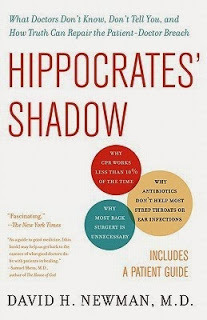
In his book, Hippocrates’ Shadow: Secrets from the House of Medicine , David H. Newman, MD discusses how our health care system has become broken and how we can begin to repair it. He discloses how doctors have failed patients and why the doctor-patient relationship is critical to good care.
Newman also addresses the NNT (number of patients that need to be treated for one patient to benefit) of various medical interventions and concludes that many common and costly screening tools are of no benefit when it comes to saving lives.
He reviews the research and makes a good argument for skipping routine mammograms, PSA (prostate-specific antigen) testing, stress tests, and antibiotic prescriptions. This is an insightful and thought-provoking book for doctors and patients alike.
March 29, 2014
5 Powerful Spring Resolutions

New Year’s Day isn't the only time for resolutions. We should always be striving to improve ourselves. If you aren’t already, start now. Spring is a season of new beginnings and it's the perfect time to tune-up your diet and lifestyle.
Whether you want to feel better, look better, or set a better example and inspire loved ones to make much-needed changes themselves, these five resolutions will help you kick-start a commitment to revitalize your physical, mental, and emotional health.
#1 Eat More Green Vegetables
Vegetables are good sources of fiber, vitamins, minerals, and antioxidants, and the green varieties are also particularly rich in chlorophyll, a compound that helps our bodies detoxify. Research studies show that toxic chemicals in our environment begin to accumulate inside our bodies before we’re even born and the older we get, the more toxins we contain. Up to 232 different chemicals have been detected in cord blood from newborns and 493 have been found in people of all ages. Detox is the removal of these toxins and it's like spring-cleaning for the body.
The chlorophyll in green vegetables reduces the absorption of environmental toxins and facilitates their removal from the body, so even outside of a detox program, it’s something we can do every day to minimize our toxic burden. So make green vegetables half of each meal.
When shopping for produce, if you can’t eat organic, do these two things:
Avoid the Dirty Dozen fruits and vegetables most contaminated with pesticides including celery, cucumbers, and leafy greens like spinach, kale, and collard greens. Buy these organic or don't buy them at all. Chose from the Clean Fifteen least contaminated fruits and vegetables including asparagus, cabbage, and frozen peas. Find the full lists here and learn more about detox in my new book, The Prediabetes Detox, whether you have prediabetes or not.
#2 Cook More
Cooking nourishing meals is one the easiest and most effective things we can do to keep ourselves and our families healthy. According to a study from the National Institutes of Health, people who cook at home live longer than people who don’t, regardless of their knowledge of nutrition and physical ability to shop for food and prepare meals.
Researchers found that people who cooked at home at least five times per week were 47 percent more likely to be alive ten years later, but even people who cooked less frequently saw benefits. The more frequently they cooked, the longer they lived.
Think of cooking dinner as a time to relax and wind down from your day. If you live alone, turn on some music and use this time to nurture yourself. Invite your friends and neighbors to cook with you or share the food you make. If you live with your family, take the opportunity to connect with them and get everyone involved, especially kids.
Children are always more likely to eat foods they prepare themselves, so teach them early on to make simple and healthy dishes like salads. They can wash lettuce leaves, tear them up with clean hands or cut them up with scissors, make their own vinaigrette by shaking up a few ingredients in a glass jar with a tight-fitting lid, and toss everything together. Cooking healthy meals is an important life skill, and the sooner you start, the healthier you’ll be.
#3 Move More
It’s not necessary to have a formal workout every day, but it is important to be active. Exercise reduces inflammation, releases feel-good compounds called endorphins, helps manage stress, and fights premature aging. It lowers high blood pressure and reduces the risk of cardiovascular disease, strengthens bones and muscles, and improves mitochondrial function and energy production. It also improves digestion, sleep, mood, concentration, coordination, balance, and flexibility.
Exercise is an important part of reversing prediabetes, a condition that affects 1 in 3 US adults and almost 1 in 4 adolescents. Regular physical activity lowers blood sugar, makes cells more sensitive to insulin, and boosts levels of serotonin, a neurotransmitter that helps regulate sleep, mood, attention, energy, appetite, and food cravings. Studies show that exercise can improve fitness in people with high blood sugar by as much as 40 percent in as little as three to five months.
Exercise also aids detoxification by burning fat, mobilizing toxins, increasing air exchange, enhancing lymphatic circulation, and making you sweat.
The best forms of exercise are the ones you’ll do regularly, so find activities that you enjoy. Exercising at a gym is a great option, especially when the weather is bad or you find classes that inspire and motivate you to work out, but gyms aren’t really necessary and not having a membership isn’t an excuse to not exercise.
On your own, you can walk, run, bike, use resistance bands, jump rope, jump on a trampoline (rebounding), do push-ups, pull-ups, stomach crunches, and squats. You can exercise recreationally by gardening or salsa dancing, play a partnered sport like tennis or squash, or play a team sport like crew, basketball, volleyball, softball, or soccer.
If you have joint problems, choose activities with little or no impact, like swimming, aqua exercise (inside a pool), bicycling, or using an elliptical machine.
If you aren’t already physically active, get permission from your doctor first. Then consider meeting at least once with a personal trainer who can put together a routine appropriate for your fitness level, familiarize you with any equipment, and make sure you’re doing exercises correctly. Personal training sessions are also a good way to get motivated and stay focused, especially if you need a structured program to make it happen.
Be sure to incorporate aerobic as well as strengthening exercise. Each one has unique benefits, and our bodies need them both. Don’t forget to warm up, cool down, and spend plenty of time stretching afterward.
#4 Make Sleep a Priority
Sleep is essential for rejuvenating and revitalizing our bodies physically, mentally, and emotionally. Studies show that sleep can improve memory, learning, creativity, and athletic performance. It can enhance our ability to cope with stress, make us more resistant to infections like the common cold, and lower levels of inflammatory markers like C-reactive protein. Because sleep boosts serotonin, it also helps fight food cravings and may improve your mood as well.
Lack of sleep is associated with high blood sugar levels, insulin resistance, and an increased risk for cardiovascular disease, hormone imbalances, Alzheimer's disease, and diabetes. Short sleep cycles cause levels of leptin, a hormone that suppresses appetite, to go down, and levels of ghrelin, a hormone that makes you hungry, to go up.
In one study of healthy men without preexisting blood sugar imbalances, being deprived of just two hours sleep caused them to crave sugar and eat more of it. Research studies show that when we sleep seven hours or less each night, our bodies also store more fat.
Sleep experts recommend getting a minimum of nine hours each night in the winter, when nights are naturally longer, and eight hours in the summer, when nights are naturally shorter. If you need to make more time for sleeping, choose an earlier bedtime over a later wake time to maximize deep sleep, most of which happens earlier in the night.
If you can, wake up at the same time each morning and go to bed at the same time each night, even on your days off. Keeping a regular schedule and being consistent supports a healthy circadian rhythm which promotes good sleep and overall well-being.
#5 Play Outside
Take advantage of longer days and warmer weather to play outside. Incorporate exercise and go for a hike, a bike ride, or a swim. Or take a leisurely stroll on the beach. Have a picnic in the park. Lay in the grass and read a book, or meditate, or take a nap.
Spending time doing things you love is an important part of maintaining good physical, mental, and emotional health. So is spending time outside, and green environments may be especially beneficial. Being surrounded by a forest environment has been shown to reduce stress, lower blood sugar, improve concentration, diminish pain, strengthen immunity and have anti-cancer effects.
Japanese companies include forest therapy in employee health care benefits and wellness programs with free check-ups are even available inside Japanese forests. Researchers believe that the health benefits are related to compounds in forest air called phytoncides, the essential oils released by trees and plants to defend themselves against insects, animals, and decomposition.
Aim to get at least 10 to 20 minutes of natural sunlight every day, preferably first thing in the morning. Exposure to early morning sunlight improves sleep patterns, helps regulate blood sugar and fat metabolism, normalizes stress hormones, and increases the natural production of serotonin.
Avoid midday sun and intense or excessive sun exposure, even if you use sunscreen. It prevents sunburn but not skin damage and studies show that it doesn’t protect against skin cancer after all.
March 23, 2014
Measles Prevention
 While measles is a leading cause of death among children worldwide, it's rarely fatal in communities with accessible health care and good public hygiene.
A vaccine exists but parents and doctors alike have questioned whether the risks outweigh the benefits. Fortunately, there are other steps parents can take to help prevent kids from catching the measles, whether they have been immunized or not. I'll share with you my top five tips.
The Disease
Measles infection is caused by a virus and it's very contagious. The symptoms can be easily mistaken for those of other upper respiratory infections (cough, fever, runny nose, red eyes) but what sets this disease apart is a full body rash that even appears inside the mouth. Koplik spots inside the cheek are a distinguishing factor of the measles.
Most cases of measles are mild and well-nourished individuals usually recover with lifelong immunity and no permanent damage.
The Vaccine
The measles vaccine is available, but only as part of the MMR shot. MMR immunization has been questioned for its
Long list of adverse reactions and possible severe reactionsIngredients like live viruses, the antibiotic neomycin, fetal cow blood, and traces of chicken embryoLack of safety research
The Cochrane Collaboration, an independent and not-for-profit research organization internationally recognized for its evidence-based standards, found that “The design and reporting of safety outcomes in MMR vaccine studies, both pre- and post-marketing, are largely inadequate.”
In 95 percent of children, one dose of the vaccine gives immunity for about 12 years.
People who get the vaccine can also get the measles and outbreaks happen even in 100% vaccinated populations.
Disease Prevention
Studies show that measles deaths among children are due to malnutrition, not lack of immunization, and in children who do catch the measles, those who are deficient in vitamin A are much more likely to experience complications such as diarrhea, pneumonia, brain inflammation, and death.
To ensure that your kids are getting everything they need to prevent infections like the measles, take these five steps:
#1 Make sure that kids eat plenty of vitamin-A-rich orange vegetables and organic leafy greens like carrots, pumpkin, squash, yams, spinach, chard, kale, collards, dandelion, and beet greens. At each meal they should also have some kind of healthy fat and a good source of protein. Avoid giving kids sweet foods, sweet drinks (including juice), and processed foods.
#2 Keep kids physically active every day for at least an hour and allow them to play outdoors as much as possible.
#3 Make sure they get at least 10 hours of sleep each night.
#4 Instruct children to wash their hands thoroughly with soap and hot water before they eat or touch their face. Avoid antibacterial products and chemical disinfectants.
#5 Ask your doctor to test your child's level of vitamin A. If it's low, supplement according to your doctor's recommendations.
Disease Management
If you see what may be Koplik spots, visit your doctor right away to get tested for the measles.
If the test is positive, see your naturopathic doctor for supportive care. Ask about vitamin A therapy which can decrease the risk of developing eye damage and blindness, even in well-nourished kids, and reduce the risk of death by 50 percent.
Keep sick children home from school to prevent any spread of infection. Also keep them well-hydrated, especially if they have diarrhea. Dehydration can be a serious complication and may require treatment with intravenous fluids.
March 21, 2014
Greatest American Healers
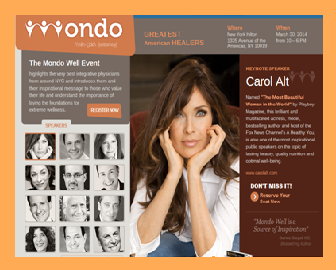
I’ll speaking about prediabetes and detoxification at the upcoming Mondo Well event, “Greatest American Healers,” on March 30th at the New York Hilton in midtown Manhattan.
This event "highlights the very best integrative physicians from around New York City and introduces them and their inspirational message to those who value their life and understand the importance of laying the foundations for extreme wellness."
I’m giving away a pair of tickets to this event ($200 value).
Follow these two simple steps for your chance to win two free tickets:
#1 Visit me on Facebook and like me if you haven't already.
#2 Post a comment that starts with "My tip for staying healthy is" and finish the sentence.
It's that simple.
This offer is valid Friday, March 21st through Monday, March 24th at noon EST.
You will receive one entry for each day you leave a comment. If you comment on multiple days, you will receive multiple entries (up to four).
On Monday, March 24th at noon EST I will put all entries into a bag and pick a winner at random. I will announce the winner on my Facebook page and reply to that person's comment directly. Two tickets will be mailed out as soon as the winner supplies a mailing address (which can be submitted securely through my website).
I hope to see you on March 30th!

March 16, 2014
6 Tips for Preventing the Deadliest Diseases Among Men
 Last week, in celebration of International Women's Day, I wrote about Preventing the Deadliest Diseases Among Women. This week I'm going to focus on men.
By far, the leading causes of death among men in the United States are heart disease (24.9%) and cancer (24.4%), followed by unintentional injuries (6.2%) and chronic lower respiratory diseases (5.3%).
The two conditions that kill the most men - heart disease and cancer - have two underlying factors in common: inflammation and environmental toxicity. Excessive inflammatory activity and exposure to harmful chemicals in the environment promote heart disease as well as cancer.
Men can reduce their risk of dying from heart disease or cancer by adopting diet and lifestyle habits that reduce inflammation and minimize exposure to environmental toxins. These six tips will get you started.
#1 Spice up your life.
Season your food with herbs and spices that fight inflammation and promote detoxification like cinnamon, ginger, cayenne, garlic, onions, cumin, turmeric, black pepper, parsley, cilantro, and citrus zest.
#2 Eat an anti-inflammatory diet.
Avoid foods that increase inflammation like sweets, starches, processed foods, and pro-inflammatory fats. Instead eat foods that are rich in anti-inflammatory fats like avocado, olives, coconut, raw nuts and seeds, non-toxic fish and seafood, pasture-raised eggs, grass-fed meats, and cold-pressed oils. Green vegetables enhance the body's ability to eliminate environmental toxins, so make them half of every meal, and be sure to include a concentrated source of protein because our bodies can't detox without it.
#3 Exercise regularly.
Exercise has anti-inflammatory effects on the body and helps us eliminate toxins. Healthy adults need about 3 hours each week of a combination of aerobic, strengthening, and stretching exercise. Unhealthy adults may need more. If you don't exercise already, or if you want to step up your routine, get permission from your doctor first.
#4 Manage Stress.
High levels of stress hormones like cortisol promote inflammation and compromise the body's ability to detoxify. If you're feeling stressed, learn techniques to manage it more effectively like relaxation exercises, breathing exercises, yoga, meditation, or self-hypnosis.
#5 Stop smoking and avoid exposure to second-hand smoke.
Smoking causes inflammation and pollutes the body with toxins. And it's one of the most common causes of heart disease and lung cancer. Studies show that inhaling second hand smoke is also deadly and that quitting smoking has bigger benefits than we once thought.
#6 Detox once or twice a year.
Babies are born with up to 232 chemicals already inside their bodies and studies have found almost 500 different chemicals in people of all ages. Detoxification removes environmental toxins. It also reduces inflammation and helps prevent cardiovascular disease, diabetes, Alzheimer's disease, and cancer, among other conditions. If you're not sure where to start, read my new book, The Prediabetes Detox, whether you have prediabetes or not.
March 8, 2014
6 Tips for Preventing the Deadliest Diseases Among Women

In celebration of International Women's Day today, I'm sharing my top tips to help women prevent the leading causes of death and live longer, happier, healthier lives.
In the United States, women die most often from heart disease, cancer, and stroke. In fact, they die more often from these diseases than from ALL other causes combined. Worldwide, the leading causes of death among women are heart disease, stroke, and respiratory infections.
What do heart disease, stroke, cancer, and infections all have in common?
Inflammation.
Inside blood vessels, inflammation stimulates the formation of plaque. As atherosclerosis progresses, blood vessels become thicker and more rigid, which reduces blood flow and compromises the expansion and contraction of vessels that regulate blood pressure. Inflammation also makes cells sticky, causing blood clots to form, which can stop circulation completely. When blood can't flow to the heart, a heart attack happens. When blood flow is blocked in the brain, a stroke occurs.
Inflammation disarms natural killer cells, the part of our immune system designed to detect and destroy microbes and mutations. When natural killer cells are less active, bacteria and viruses are more likely to cause infections and abnormal cells are more likely to grow into dangerous tumors.
Inflammatory mediators stimulate cell division to replace damaged cells and inhibit cell death until tissues have time to regenerate. They also trigger the production of new blood vessels to increase circulation to affected areas, remove waste products, and deliver nutrients necessary for tissue growth and repair. In normal cells, this promotes tissue healing, but in abnormal cells, it promotes tumor growth and the spread of cancer cells to other parts of the body.
What Can Women Do?
We can choose health. Chronic illnesses are in part preventable and there are things we can do every day to reduce our risk. Here are my top tips to help women minimize inflammation, reverse disease, and prevent early death:
#1 Stop smoking and avoid exposure to second-hand smoke.
Smoking causes inflammation and it's one of the most common causes of heart disease and lung cancer. Studies show that inhaling second hand smoke is also deadly and that quitting smoking has bigger benefits than we once thought.
#2 Exercise regularly.
Healthy adults need about 3 hours each week of a combination of aerobic, strengthening, and stretching exercise. Unhealthy adults may need more. If you don't exercise already, or if you want to step up your routine, get permission from your doctor first.
#3 Eat an anti-inflammatory diet.
Avoid foods that increase inflammation like sweets, starches, processed foods, and pro-inflammatory fats. Eat plenty of vegetables, fiber, healthy fats, protein, and anti-inflammatory spices.
#4 Lower your blood sugar.
High levels of blood sugar increase inflammation in the body, so if your fasting blood glucose level is above 87 milliliters per deciliter, it's time to do something about it.
#5 Manage Stress.
High levels of stress hormones like cortisol promote inflammation in the body. Learn to manage stress effectively and take time to relax and spend time doing things that bring you joy.
#6 Detox once or twice a year.
Detoxification reduces inflammation in the body and helps prevent cardiovascular disease, diabetes, Alzheimer's disease, and cancer, among other conditions.
If you're not sure where to start, read my new book, The Prediabetes Detox, whether you have prediabetes or not. You'll learn about the harmful effects on inflammation in chapter 1 and the importance of detoxification in chapter 2. Chapter 3 is full of specific recommendations for reducing inflammation through diet. Chapter 4 focuses on supplements, including fish oil which is naturally anti-inflammatory and has numerous heart health benefits. In chapter 5 you'll learn how exercise and stress management reduce inflammation and you'll find specific recommendations for incorporating these important activities into your regular routine. Chapter 6 will help you minimize your exposure to inflammatory toxins inside your home. Chapter 7 will give you guidelines for maintaining optimal health and living a long and joyful life. And chapter 8 is full of recipes featuring anti-inflammatory foods. It's a good place to start.
Preventing the Deadliest Diseases Among Women
In celebration of International Women's Day today, I'm sharing my top tips to help women prevent the leading causes of death and live longer, happier, healthier lives.
In the United States, women die most often from heart disease, cancer, and stroke. In fact, they die more often from these diseases than from ALL other causes combined. Worldwide, the leading causes of death among women are heart disease, stroke, and respiratory infections.
What do heart disease, stroke, cancer, and infections all have in common?
Inflammation.
Inside blood vessels, inflammation stimulates the formation of plaque. As atherosclerosis progresses, blood vessels become thicker and more rigid, which reduces blood flow and compromises the expansion and contraction of vessels that regulate blood pressure. Inflammation also makes cells sticky, causing blood clots to form, which can stop circulation completely. When blood can't flow to the heart, a heart attack happens. When blood flow is blocked in the brain, a stroke occurs.
Inflammation disarms natural killer cells, the part of our immune system designed to detect and destroy microbes and mutations. When natural killer cells are less active, bacteria and viruses are more likely to cause infections and abnormal cells are more likely to grow into dangerous tumors.
Inflammatory mediators stimulate cell division to replace damaged cells and inhibit cell death until tissues have time to regenerate. They also trigger the production of new blood vessels to increase circulation to affected areas, remove waste products, and deliver nutrients necessary for tissue growth and repair. In normal cells, this promotes tissue healing, but in abnormal cells, it promotes tumor growth and the spread of cancer cells to other parts of the body.
What Can Women Do?
We can choose health. Chronic illnesses are in part preventable and there are things we can do every day to reduce our risk. Here are my top tips to help women minimize inflammation, reverse disease, and prevent early death:
#1 Stop smoking and avoid exposure to second-hand smoke.
Smoking causes inflammation and it's one of the most common causes of heart disease and lung cancer. Studies show that inhaling second hand smoke is also deadly and that quitting smoking has bigger benefits than we once thought.
#2 Exercise regularly.
Healthy adults need about 3 hours each week of a combination of aerobic, strengthening, and stretching exercise. Unhealthy adults may need more. If you don't exercise already, or if you want to step up your routine, get permission from your doctor first.
#3 Eat an anti-inflammatory diet.
Avoid foods that increase inflammation like sweets, starches, processed foods, and pro-inflammatory fats. Eat plenty of vegetables, fiber, healthy fats, protein, and anti-inflammatory spices.
#4 Lower your blood sugar.
High levels of blood sugar increase inflammation in the body, so if your fasting blood glucose level is above 87 milliliters per deciliter, it's time to do something about it.
#5 Manage Stress.
High levels of stress hormones like cortisol promote inflammation in the body. Learn to manage stress effectively and take time to relax and spend time doing things that bring you joy.
#6 Detox once or twice a year.
Detoxification reduces inflammation in the body and helps prevent cardiovascular disease, diabetes, Alzheimer's disease, and cancer, among other conditions.
If you're not sure where to start, read my new book, The Prediabetes Detox, whether you have prediabetes or not. You'll learn about the harmful effects on inflammation in chapter 1 and the importance of detoxification in chapter 2. Chapter 3 is full of specific recommendations for reducing inflammation through diet. Chapter 4 focuses on supplements, including fish oil which is naturally anti-inflammatory and has numerous heart health benefits. In chapter 5 you'll learn how exercise and stress management reduce inflammation and you'll find specific recommendations for incorporating these important activities into your regular routine. Chapter 6 will help you minimize your exposure to inflammatory toxins inside your home. Chapter 7 will give you guidelines for maintaining optimal health and living a long and joyful life. And chapter 8 is full of recipes featuring anti-inflammatory foods. It's a good place to start.