Nick Ortner's Blog, page 3
April 3, 2025
The Overthinker Archetype: Understanding Your Mental Patterns & How to Transform Them
“I’ll deal with it later… I don’t have time for this right now.”

Ever found yourself changing the subject when a conversation gets too emotional? Or perhaps you’ve buried yourself in work when life feels overwhelming, promising yourself you’ll address those feelings “someday”?
Welcome to the world of the Avoider – where staying busy, maintaining an easygoing exterior, and postponing emotional processing has become your most reliable coping strategy.
If you find yourself distracting, deflecting, or pushing difficult emotions aside, you’re not alone. The good news? Understanding that avoidance isn’t a personal failing—but rather your nervous system’s well-intentioned attempt to protect you from emotional overwhelm—is the first step toward transformation.
Note: The Avoider is one of our 8 Tapping Archetypes. While this guide focuses on avoidance patterns, you might recognize yourself in multiple archetypes – we all contain multitudes! Take our quiz here to find your primary type, and explore all the archetypes below to discover which combination best reflects your unique emotional landscape:
The OverthinkerThe Pressure CookerThe Heavy HeartThe Self-DoubterThe High AchieverThe PerfectionistThe Sensitive EmpathHow Avoidance Patterns WorkLet’s take a moment to see if any of these feel familiar (and maybe even bring a nod of recognition):
Changing the subject when conversations become too emotionalSaying “I’m fine” even when you’re notGetting busy with work when personal issues ariseScrolling through social media when uncomfortable feelings surfacePutting off difficult conversations or decisionsFeeling disconnected from your emotions or bodyBeing told you’re “emotionally unavailable” or “hard to read”Feeling exhausted without understanding whyWhat’s happening in these moments is that your nervous system is in protection mode—creating distance between you and potentially painful emotions. Think of it as your brain installing an automatic detour sign that redirects you away from emotional discomfort.
The Neuroscience Behind AvoidanceSo what’s actually happening in your brain when you avoid emotions? It’s fascinating (and maybe a bit relieving) to know there’s real neuroscience behind these patterns.
Picture this: your amazing brain has a threat-detection system that doesn’t distinguish between physical dangers and emotional ones. When it perceives emotional discomfort as potentially overwhelming, it activates your stress response and creates an escape route through distraction, numbness, or postponement.
This process involves your limbic system (particularly the amygdala) sending warning signals: “Emotional pain ahead! Redirect!” Your prefrontal cortex—the rational part of your brain that would normally help you process emotions—gets bypassed in favor of quick relief through avoidance.
The tricky part is that the more you practice avoidance, the more your brain reinforces this neural pathway. Your brain thinks: “Great job avoiding that uncomfortable emotion! Let’s remember this strategy for next time.” It becomes an automatic response—like taking your usual shortcut home without even thinking about it.
The Origins of Avoidance PatternsEver wondered where your avoidance tendencies came from? These patterns didn’t just appear overnight—they’re more like protective mechanisms your brain developed to keep you emotionally safe.
Childhood and Early ExperiencesThink back for a moment. Perhaps you grew up in a world where:
Emotional expression was discouraged or even criticizedYou needed to “be strong” or “tough it out” during difficult timesYou witnessed others struggling to handle emotions in healthy waysYour feelings were dismissed or minimizedYou had to be “the responsible one” who didn’t have time for emotionsFor many Avoiders, these patterns began as brilliant adaptive strategies. Your wonderful brain noticed what kept you emotionally safe and thought, “Let’s do more of that, please!”
Your Brain’s Protection PlanHere’s a perspective shift that might bring some relief: your avoidance isn’t a character flaw—it’s actually your brain’s way of trying to protect you. All that busy-ness and deflection is attempting to keep you safe from:
The vulnerability of feeling overwhelmed by emotionsThe discomfort of sitting with difficult feelingsThe uncertainty of not knowing how to process emotionsThe fear of losing control if emotions are fully experiencedThink of it like an overprotective friend who means well but sometimes goes overboard. Your avoidance isn’t broken functioning—it’s protective functioning that’s working overtime without enough balance. Recognizing this intention can be the first step toward showing yourself some well-deserved compassion.
How Avoidance Sneaks Into Your Daily LifeWhile your brain believes it’s being super helpful with all this protection, avoidance can sometimes feel like that friend who keeps “helping” by rearranging your furniture without asking. Let’s look at how it might be showing up in and impacting your daily life:
Mental and Emotional ImpactFeeling disconnected from yourself or your own needsExperiencing “emotional amnesia” where you can’t identify what you’re feelingMental exhaustion from maintaining the “I’m fine” facadeUnexpected emotional outbursts when the dam finally breaksVague feelings of emptiness or numbnessConfusion about what you actually want or needPhysical ImpactUnexplained fatigue or low energyTension in the body, especially shoulders, jaw, or stomachSleep disturbances or feeling “tired but wired”Stress-related health issues that seem to come “out of nowhere”Digestive problems connected to unexpressed emotionsShallow breathing or feeling disconnected from your bodyRelationship ImpactOthers saying they don’t know “the real you”Difficulty with emotional intimacy or vulnerabilityBeing described as “distant” or “hard to read”Struggling to express needs or wants in relationshipsFinding it easier to support others than to receive supportRelationships that stay at a comfortable but surface levelIf you’re nodding along to several of these, take a deep breath—you’re in good company. These experiences are shared by many people who’ve developed avoidance as a primary coping strategy.
How Tapping Transforms Avoidance PatternsNow for the really good news: your brain is incredibly adaptable and can absolutely learn new ways of responding. You’re not stuck with avoidance forever! This is where Tapping (also known as Emotional Freedom Techniques or EFT) comes in as your new secret weapon.
Why Tapping Works Like Magic for AvoidersTapping is uniquely suited to help transform avoidance patterns for several fascinating reasons:
It creates a safe container for emotions – When you tap while acknowledging avoided feelings, you’re telling your nervous system: “We can feel this in small, manageable doses.” Instead of being overwhelmed by the emotions you’ve been avoiding, Tapping allows you to process them with a built-in safety mechanism.It works with both your mind AND body – Avoidance often creates a disconnect between what you think (“I’m fine”) and what your body feels (tension, fatigue, stress). Tapping bridges this gap by addressing both the mental patterns of avoidance AND the physical sensations where emotions are stored.
It’s gentle but effective – Unlike approaches that force you to confront everything at once, Tapping allows you to release emotional blocks layer by layer, at your own pace. This is perfect for Avoiders who need a gradual reintroduction to emotional processing.
It rewires your nervous system’s response – Each time you tap, you’re literally helping your brain build new neural pathways that make emotion-processing feel safer. Over time, your brain learns that emotions won’t overwhelm you, and avoidance becomes less necessary.
It reduces the physical stress response – Research has shown that Tapping significantly reduces cortisol (that stress hormone that keeps your avoidance patterns in place). As cortisol decreases, you can access emotions without triggering the fight-flight-freeze response that leads to avoidance.
Tapping Applications for Avoiders
When you’re caught in avoidance patterns, Tapping can help in multiple areas of your life. Here are some of the most effective ways to apply Tapping for an Avoider’s tendencies:
1. For Emotional Recognition and ProcessingMany Avoiders struggle with simply identifying and naming their emotions—a phenomenon sometimes called alexithymia or “emotional blindness.” When you’ve spent years disconnecting from feelings, it can be genuinely difficult to recognize what you’re actually experiencing. Tapping can help by:
Creating a safe space to explore and name emotions without overwhelmGently reconnecting you with body sensations that signal emotionsBuilding emotional vocabulary and awarenessReducing the fear response that triggers emotional shutdownA simple Tapping practice can be as basic as: “Even though I’m not sure what I’m feeling right now, I accept myself and how I’m responding.” This opens the door to emotional awareness without judgment.
2. For Relationship VulnerabilityAvoidance often shows up most prominently in close relationships, where deeper emotional connection is both desired and feared. Tapping can support healthier relationship patterns by:
Reducing anxiety around emotional intimacyBuilding confidence in expressing needs and feelingsProcessing fears of rejection or abandonment that drive avoidanceCreating space for authentic connectionWhen you’re preparing for an important conversation or feeling disconnected in a relationship, Tapping can help you stay present with both yourself and the other person, rather than emotionally checking out.
3. For Workplace EffectivenessWhile Avoiders often excel professionally (work is a great place to focus energy away from emotions!), certain workplace challenges can trigger avoidance patterns. Tapping can help by:
Supporting you through difficult feedback conversationsProcessing feelings about workplace dynamics that you might typically ignoreAddressing perfectionism that might stem from avoiding feelings of inadequacyBuilding confidence in expressing opinions and boundaries at workMany Avoiders find that a quick Tapping session before or after challenging work situations helps maintain both professional effectiveness and emotional balance.
4. For Physical Well-beingThe body keeps score of avoided emotions, often manifesting as physical symptoms. Tapping can support your physical health by:
Releasing stored emotional tension from the bodyAddressing stress-related physical symptomsReconnecting you with bodily sensations and needsImproving sleep quality by processing emotions before bedtimeTapping directly on physical sensations (like “this tension in my shoulders”) often reveals the emotions hidden beneath and allows for deeper healing.
5. For Decision-Making ClarityWhen emotions are avoided, decision-making can become either overly analytical or frustratingly unclear. Tapping supports better decisions by:
Clearing emotional static that clouds judgmentConnecting you with intuitive guidance you might normally ignoreProcessing fears that lead to decision avoidance or impulsivityBuilding trust in your own internal wisdomMany Avoiders report that Tapping helps them finally make decisions they’ve been postponing, often with a surprising sense of clarity and confidence.
With consistent practice, Tapping becomes a versatile tool that you can apply to virtually any situation where avoidance emerges. The beauty of this approach is that it adapts to your specific needs and can be used both preventatively and responsively when avoidance patterns appear.
Your Brilliant Path ForwardLet’s take a moment to acknowledge something important: your avoidance patterns developed for good reasons—they were your brain’s way of trying to keep you emotionally safe in a world that sometimes felt overwhelming. Your tendency to avoid isn’t a flaw; it’s been your protector.
As you continue this journey, try approaching yourself with the same compassion you’d offer a good friend. This kindness creates the perfect environment for genuine transformation to unfold.
With consistent Tapping (even just a few minutes daily), you can gradually retrain your wonderful brain to:
Experience emotions as valuable information rather than threats to be avoidedProcess feelings in the moment instead of postponing them indefinitelyConnect more deeply with yourself and others without fear of being overwhelmedTrust that you can handle whatever emotions ariseFeel more energized as you release the exhaustion of constant avoidanceYour capacity for emotional regulation is a genuine superpower when it’s working for you rather than against you.
The goal isn’t to force yourself to feel everything all at once—it’s to develop a healthy relationship with your emotional landscape, engaging with feelings by choice rather than avoiding them by habit.
Just imagine for a moment: waking up feeling energized rather than exhausted, having relationships where you feel truly known and understood, making decisions with confidence, and experiencing the rich emotional texture of life without fear.
These experiences aren’t just possible—with consistent Tapping, they can become your new normal.
Your Next Steps to Emotional FreedomReady to give your avoidance patterns some much-deserved transformation? These Tapping sessions in The Tapping Solution App are specifically designed for Avoiders and can be your perfect next step:
Understand and Release Emotions – Your go-to for those moments when you notice you’re disconnecting from feelingsAll of My Feelings Are Welcome Here Quick Tap – Perfect for building emotional awareness and safety
Release Stress – This session will help you release stress from your body and mind, so you are no longer holding onto it
Explore Other Archetypes
While avoidance might be your primary pattern, you may also identify with aspects of other archetypes! Each offers unique insights and Tapping approaches that could support your journey:
The AvoiderThe Pressure CookerThe Heavy HeartThe Self-DoubterThe High AchieverThe PerfectionistThe Sensitive EmpathBrowse through these other guides to discover additional perspectives and techniques that might complement your Tapping practice and deepen your self-understanding.
And if you haven’t taken our Tapping Archetypes Quiz yet, you can do so here!
Until next time… Keep Tapping!
Nick Ortner
The post The Overthinker Archetype: Understanding Your Mental Patterns & How to Transform Them appeared first on The Tapping Solution.
Related posts: Words of Wisdom and Comfort from Louise Hay
 Tapping for Self-Worth: Transform Your Self-Esteem in Minutes a Day Using EFT
 The Perfectionist Archetype: Understanding Your High Standards & How to Transform the Pressure


Proven by Science, Trusted by Millions: Why The Tapping Solution App Works (and Why You Should Be Using It)
For years, Tapping has been helping people around the world reduce stress, anxiety, and emotional overwhelm. But if you’ve ever wondered, “Does this actually work?”, here’s the answer: Yes. And science backs it up.
A peer-reviewed study has confirmed that Tapping with The Tapping Solution App delivers real, measurable results. And since this study was published, millions more people have tapped their way to better emotional and physical well-being – proving that this isn’t just a theory.
It’s real. It’s effective. And it’s changing lives.
Breaking down the study and its findingsThis study, led by renowned researchers Dr. Dawson Church and Dr. Peta Stapleton, analyzed data from 270,461 Tapping Solution App users between October 2018 and October of 2019. A total number of 380,034 sessions were played over the course of the study.
Here’s what they found:
Significant reductions in stress and anxiety: After a guided session with The Tapping Solution app, users reported an average 29% reduction in anxiety and an average 31% reduction in stressApp-based Tapping works: No need for expensive sessions or waiting for appointments. You can take your wellbeing into your own hands with guided sessions via a free app (that’s available anytime and anywhere you need it)Immediate benefits: Users felt relief in real time, right away – showing just a few minutes of guided Tapping can provide major results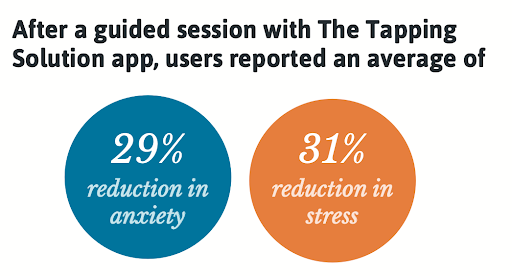 This is a big deal – and here’s why
If you’ve ever searched for ways to manage stress, anxiety, or emotional overwhelm, you know the options can feel overwhelming.
Traditional methods work for many, but they often require time, financial commitment, and access to a professional – things not everyone has.
But what if relief was available instantly – at your fingertips?
That’s what this study proves.
Tapping isn’t just an alternative wellness technique. It’s a scientifically validated method for rewiring stress and anxiety at the nervous system level. And most importantly, it works even when done on your own, while being guided through an app you can carry with you wherever you go.
Why this matters for youIf you’ve ever doubted Tapping, here’s your proof.If you’ve been waiting for scientific validation, here it is.If you’ve been struggling with stress and anxiety, this is your sign to start Tapping – right now.This study was published in 2020, and since then, the impact of app-based Tapping using The Tapping Solution App has only grown.
With 27+ million successful sessions tracked in The Tapping Solution App, the data continues to prove that Tapping isn’t just a wellness trend – it’s a breakthrough in emotional healing.
And it’s time for you to give it a try.
Try it for yourselfWant to experience these same results?
You don’t need to wait for more studies. You don’t need to wonder if it works. The evidence is in. You just need to try it for yourself.
The Tapping Solution App gives you access to science-backed, guided Tapping sessions for stress, anxiety, sleep, and more. Download the app now and experience the benefits in real time.
 Download The Tapping Solution App and Start Tapping Now!
You don’t have to stay stuck in stress, anxiety, or overwhelm. Tapping is ready to help your brain make calm the default – not the exception.
Until next time… Keep Tapping!
Nick Ortner
P.S. Still not convinced? Read a few of these real-life stories from real users who have felt the benefits for themselves:

“I cannot express enough how much this has helped me. My mindset has totally transformed since I’ve been doing this. Some days I just do a two minute quick tap, others I do longer one, but every single day I begin my day with some kind of Tapping session. My entire life feels so much better since I’ve been doing this every morning.”
-Sharon
“Tapping has made an enormous difference in my life. It has allowed me to access levels of healing that I never thought possible. It has been transformational for me, and I am so grateful that I found it when I did.”
-Jason
“100 days of Tapping – what a difference it has made in my life. I feel like a different person and so much has changed. Thank you for creating this incredible app! My life is better since starting this journey.”
-Leslie
“The app was absolutely essential to my mental health as I went through the loss of a relationship in July and worked through all the emotions that came up from the past that I had never dealt with. It helped me regain my sense of self-worth and kept me calm during health scares. One of the best investments I’ve ever made. I signed up last February, I think.”
-Linda
“Your app has saved my life – no joke. It has saved me numerous hospital trips for panic attacks. I calm down before the session is even over. I’m so thankful for you guys.”
-Linds
The post Proven by Science, Trusted by Millions: Why The Tapping Solution App Works (and Why You Should Be Using It) appeared first on The Tapping Solution.
Related posts:A Real-Life Tapping Journey: Lianne’s Pathway from Pain to PositivityTapping for Trauma: A Comprehensive Guide to EFT Techniques for Healing Trauma and PTSD Self-Esteem vs Self-Confidence: Understanding the Key Differences and How to Cultivate Both
February 27, 2025
How to Build Self-Confidence: 7 Proven Strategies That Actually Work
Picture walking into a room full of people, feeling completely at ease. Imagine pursuing your dreams without that nagging voice of self-doubt. Think about making decisions firmly and clearly, knowing you trust your own judgment. This is what genuine self-confidence looks like, and it’s a skill you can develop.
Self-confidence – that deep sense of trust in your own abilities, qualities, and judgment – forms the foundation for everything from career success to fulfilling relationships. While some seem to exude natural confidence, the truth is that self-confidence is like a muscle: the more you work it, the stronger it becomes.
In this article, we’ll explore what self-confidence really means and share practical, evidence-based techniques for building lasting self-confidence that becomes part of who you are.
What is self-confidence? Understanding the foundationBefore diving into how to build self-confidence, let’s define it first: what does self-confidence mean?
Self-confidence is more than just feeling good about yourself – it’s a realistic and secure belief in yourself, your abilities, and your judgment. When you are self-confident, you are willing to stretch yourself, take action, and put yourself out there, because you believe that you are capable, and that you will be okay no matter what happens.
Self-confidence often relates to your ability to perform specific tasks or handle certain situations. You might be highly confident in some areas of life while feeling less confident in others.
What does self-confidence mean in practice? It means:
Trusting your abilities and decisionsAccepting yourself while acknowledging areas for growthTaking action despite fears or doubtsBeing willing to try new things or take risksBouncing back from setbacksSpeaking up for yourself and your beliefsSetting healthy boundariesWith that definition of self-confidence in mind, let’s talk about how to improve self-confidence.
7 proven strategies for building self-confidenceWondering how to build self-confidence? These 7 proven, practical strategies are effective for developing self-confidence and creating profound shifts in your life.
1. Start with Small WinsBuilding self-confidence begins with proving to yourself that you’re capable. Start by:
Setting small, achievable goalsBreaking larger tasks into manageable stepsCelebrating your progress, no matter how smallDocumenting your successes2. Practice Self-CompassionHow you talk to yourself matters. Developing self-confidence requires treating yourself with the same kindness you’d show a good friend or a small child. We don’t thrive under criticism, we thrive under love, support, and understanding.
Notice negative self-talkChallenge harsh self-criticismAcknowledge that everyone makes mistakesFocus on growth and learning rather than perfection3. Master Your Body LanguageYour physical presence affects how you feel about yourself. We might not always feel confident, but we can practice embodying confidence in the way we hold ourselves and move through the world:
Stand tall with shoulders back, hold your head high, and walk with purpose and convictionRelax tense muscles and shake out any stress you’re holding in your bodyMake eye contact when appropriatePractice power poses before important events to embody confidence4. Expand Your Comfort ZoneGaining self-confidence means gradually pushing your boundaries and trying new things. This allows your brain to collect evidence that you are actually safe and okay when you get out of your comfort zone. Over time, this reinforces a new, positive cycle and helps you build new neural patterns that help you feel more and more confident.
Try one new thing each weekFace smaller fears first, and work your way upLearn from each experience and track your progress along the wayCelebrate your courage for showing up and doing hard things5. Develop Your SkillsCompetence breeds confidence. So do what you can to develop your skillset so you can feel more competent in areas that are less familiar to you:
Identify areas for improvementTake classes or workshopsRead books in your fieldPractice new skills regularly6. Use Positive Affirmations EffectivelyWhen combined with action, affirmations can help reshape your self-image and help you gain self-confidence. Affirmations are a great way to build a stronger, more empowered inner narrative and reshape your beliefs about yourself, so you can feel more self-assured as you learn, grow, and try new things:
Make affirmations specific to you and realistic (these 10 powerful affirmations to boost self-worth and 10 affirmations for self-compassionate personal growth can be a great place to get ideas!)State them in the present tenseConnect them to your actionsRepeat them consistently, so they become embedded into your new inner narrative7. Practice EFT TappingEFT Tapping has been shown to significantly boost confidence and self-esteem. This mind-body approach helps you to release limiting beliefs, increase self-acceptance and self-compassion, reduce anxiety around things that make you uncomfortable, and build emotional resilience so that you can bounce back from setbacks easier.
It’s a powerful nervous system regulation tool that can allow you to feel more balanced and centered, so you can take action from a calm, confident place and incorporate new habits and behaviors into your life.
If you’d like to start incorporating Tapping for self-worth and self-confidence into your routine to transform your sense of self and create profound shifts in your life, give it a try:
Learn the basics of Tapping hereDownload The Tapping Solution AppExplore a vast library of guided meditation in The Tapping Solution app to target your Tapping work on topics that resonate most with you and your goalsPractice consistently to promote long-lasting shifts in how you feel and experience life
Get Started For Free
Try the Tapping Solution App and lower stress in under 10 minutes
Instantly reduce anxiety and stressFall asleep faster and sleep betterBoost productivity, stay motivatedRelieve chronic or occasional painRelease anger, find peace



.app-cta {
color:white;
line-height:1.2;
background: linear-gradient(to right, #014157, #326c7b);
margin-bottom:20px;
}
.app-cta .badges {
width:100%;
}
.app-cta .parent {
display: flex;
}
.app-cta-left, .app-cta-right {
display:inline-block;
vertical-align:top;
box-sizing:border-box;
}
.app-cta-left {
padding:20px;
width:55%;
flex: 1;
}
.dl-buttons {
margin-bottom:20px;
}
.dl-buttons a img {
border-radius:5px;
margin:1%;
}
.app-cta-heading {
font-size:32px;
font-weight:bold;
margin-bottom:10px;
}
.app-cta-subheading {
font-size:20px;
margin-bottom:10px;
}
.app-cta-left ul {
list-style:none !important;
margin:10px 0 20px 0 !important;
text-align:left;
}
.app-cta-left li {
background:url('https://www.thetappingsolution.com/bl...') no-repeat 0px 7px;
padding:6px 10px 10px 25px;
font-size:16px;
margin:0 !important
}
.app-cta-right {
width:45%;
flex: 1; /* This makes the image div take the remaining space */
display: flex;
justify-content: center;
align-items: center;
overflow: hidden;
}
.app-cta-right img {
height: 100%;
width: auto;
}
.mobile-cards {
display:none;
}
@media (min-width: 760px) and (max-width: 1000px), (max-width: 649px) {
.app-cta-heading {
font-size:24px;
}
.app-cta-subheading {
font-size:20px;
}
.app-cta-left li {
font-size:16px;
}
.app-cta-right, .app-cta-left {
width:100%;
}
.mobile-cards {
display:block
}
.desktop-cards {
display:none;
}
.app-cta .parent {
display:block;
text-align:center;
}
.app-cta li {
text-align:left;
}
.dl-buttons a img {
height:50px;
}
.ul-parent {
display: flex;
justify-content: center;
align-items: center;
}
.ul-parent ul{
width: fit-content;
}
}
Get Started For Free
Try the Tapping Solution App and lower stress in under 10 minutes
Instantly reduce anxiety and stressFall asleep faster and sleep betterBoost productivity, stay motivatedRelieve chronic or occasional painRelease anger, find peace

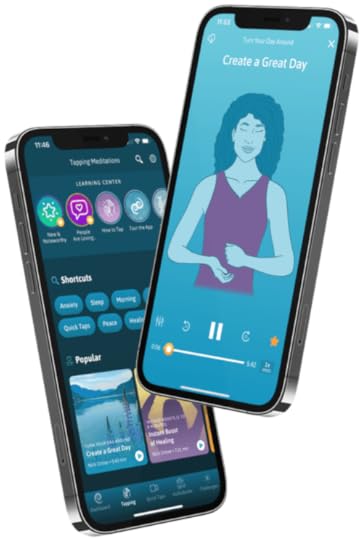
.app-cta2 {
color:black;
line-height:1.2;
background:#fffcf5 url('https://www.thetappingsolution.com/bl...') 0% 115% repeat-x;
margin-bottom:20px;
}
.app-cta2 .badges {
width: 370px;
max-width: none !important;
}
.app-cta2 .parent {
display: flex;
}
.app-cta2 .app-cta-left,.app-cta2 .app-cta-right {
display:inline-block;
vertical-align:top;
box-sizing:border-box;
}
.app-cta2 .app-cta-left {
padding:20px;
width:55%;
flex: 1;
}
.app-cta2 .dl-buttons {
margin-bottom:20px;
}
.app-cta2 .dl-buttons a img {
border-radius:5px;
margin:1%;
}
.app-cta2 .app-cta-heading {
font-size:32px;
font-weight:bold;
margin-bottom:10px;
}
.app-cta2 .app-cta-subheading {
font-size:20px;
margin-bottom:10px;
}
.app-cta2 .app-cta-left ul {
list-style:none !important;
margin:10px 0 20px 0 !important;
text-align:left;
}
.app-cta2 .app-cta-left li {
background:url('https://www.thetappingsolution.com/bl...') no-repeat 0px 7px;
padding:6px 10px 10px 25px;
font-size:16px;
margin:0 !important
}
.app-cta2 .app-cta-right {
width:45%;
flex: 1; /* This makes the image div take the remaining space */
display: flex;
justify-content: center;
align-items: center;
overflow: hidden;
}
.app-cta2 .app-cta-right img {
height: 90%;
width: auto;
}
.app-cta2 .mobile-cards {
display:none;
}
@media (min-width: 760px) and (max-width: 1000px), (max-width: 649px) {
.app-cta2 .app-cta-heading {
font-size:24px;
}
.app-cta2 .app-cta-subheading {
font-size:20px;
}
.app-cta2 .app-cta-left li {
font-size:16px;
}
.app-cta2 .app-cta-right,.app-cta2 .app-cta-left {
width:100%;
}
/*
.mobile-cards {
display:block
}
*/
.app-cta2 .desktop-cards {
display:none;
}
.app-cta2 .parent {
display:block;
text-align:center;
}
.app-cta2 li {
text-align:left;
}
.app-cta2 .dl-buttons a img {
height:50px;
}
.app-cta2 .ul-parent {
display: flex;
justify-content: center;
align-items: center;
}
.app-cta2 .ul-parent ul{
width: fit-content;
}
}
@media only screen and (max-width:550px) {
.app-cta2 .badges {
max-width:100% !important
}
}
Developing self-confidence is an ongoing journey, not a destination.
As you implement these strategies, remember to be patient with yourself, celebrate progress, learn from setbacks, and keep practicing consistently. You may have ups and downs – and that’s okay! After all, we’re all human, and we’re all imperfect.
But the more you can learn to accept yourself as you are and believe in your capabilities to handle whatever comes your way, the more free and empowered you’ll feel to create the life of your dreams. That’s the true self-confidence definition: feeling free to be yourself, and to learn and grow along the way as you journey through life and go after what you want.
Ready to take your self-confidence to the next level? Try combining these strategies for even stronger results. And be sure to try the Tapping technique to really integrate self-confidence into your being on a deeper level than ever before.
Remember, true self-confidence comes from taking consistent action while maintaining self-compassion for yourself.
So start small, and be patient with yourself. Start with one strategy today, and build from there. You’ve got this!
Until next time… Keep Tapping!
Nick Ortner
P.S. What strategy will you try first? Share your thoughts in the comments below!
The post How to Build Self-Confidence: 7 Proven Strategies That Actually Work appeared first on The Tapping Solution.
Related posts: Wayne Dyer Woke Me Up This Morning
 Improve Your Sleep with Tapping
 Breathe In, Breathe Out: A Simple Exercise to Shift Your Day!
20 Powerful Self-Confidence Quotes to Transform Your Life
Feeling like you need a boost of self-confidence? You’re not alone. Sometimes we all need a reminder of our inner strength and worth. That’s why I’ve gathered this carefully curated collection of the most inspiring self-confidence quotes – words that have the power to shift your perspective and remind you of your inherent capabilities.
From timeless wisdom to modern insights, these quotes about self confidence can help you reconnect with your inner power and build unshakeable self-belief.
Whether you’re preparing for a big presentation, working through self-doubt, or simply wanting to boost your confidence, these quotes offer wisdom and inspiration for your journey.
20 life-changing self-confidence quotes“You yourself, as much as anybody in the entire universe, deserve your love and affection.” – Buddha“Trust yourself. You know more than you think you do.” – Benjamin Spock“Whether you think you can or think you can’t, you’re right.” – Henry Ford“I no longer choose to believe in old limitations and lack. I now choose to begin to see myself as the Universe sees me – perfect, whole, and complete.” – Louise Hay“Confidence is not ‘they will like me.’ Confidence is ‘I’ll be fine if they don’t.'” – Christina Grimmie“With realization of one’s own potential and self-confidence in one’s ability, one can build a better world.” – Dalai Lama“Nobody can make you feel inferior without your consent.” – Eleanor Roosevelt“Because one believes in oneself, one doesn’t try to convince others. Because one is content with oneself, one doesn’t need others’ approval.” – Lao Tzu“If you keep living with confidence, the rest of your life will unfold exactly as it is meant to. It won’t always be comfortable. Some will recognize your brave; others won’t. Some will understand and like you; others won’t. But the way others respond to your confidence is not your business. Your business is to stay loyal to you.” – Glennon Doyle“If we all did the things we are capable of doing, we would literally astound ourselves.” – Thomas Edison“Your success will be determined by your own confidence and fortitude.” – Michelle Obama“Be who you are and say what you feel, because those who mind don’t matter and those who matter don’t mind.” – Bernard M. Baruch“When you have confidence, you can have a lot of fun. And when you have fun, you can do amazing things.” – Joe Namath“Confidence comes not from always being right but from not fearing to be wrong.” – Peter T. McIntyre“To be yourself in a world that is constantly trying to make you something else is the greatest accomplishment.” – Ralph Waldo Emerson“Taking risks to create the life you want is an act of trust. It means believing in your ability to create a new reality while you are in the process of creating it.” – Gina Greenlee“Action is a great restorer and builder of confidence.” – Norman Vincent Peale“Life is not easy for any of us. But what of that? We must have perseverance and above all confidence in ourselves.” – Marie Curie“Our deepest fear is not that we are inadequate. Our deepest fear is that we are powerful beyond measure.” – Marianne Williamson“When you know you are of worth – not asking it but knowing it – you walk into a room with a particular power.” – Maya AngelouHow to make these messages truly sink in: the power of EFT TappingReading inspirational quotes about self-confidence is wonderful, but want to know how to really make these messages of self-worth sink in and create lasting change in your life?
That’s where EFT Tapping comes in.
Tapping is a proven, science-backed technique for rewiring your nervous system, regulating emotional responses, and creating meaningful, measurable change in your life. And it’s incredibly helpful for helping to boost confidence and self-worth.
Self-doubt isn’t a personality trait—it’s a pattern your brain has learned over time, likely in an effort to keep you safe. Tapping interrupts this cycle, rewires confidence into your nervous system, and helps you trust and believe in yourself again.
This makes Tapping an excellent tool to use in conjunction with self-confidence quotes and affirmations.
Want to experience the confidence-boosting power of the Tapping technique for yourself?
Download The Tapping Solution App today to try one of our guided meditations on confidence:
Looking for more support on your confidence journey? Check out these related articles:
How the company you keep shapes your success and confidence7 things highly successful (and confident) people do differentlyHow gratitude can transform your self-imageRemember, true confidence comes from within. Use these quotes as daily reminders of your inherent worth and capability, and let Tapping help you integrate these powerful messages into your being.
You are powerful, wise, and capable – and I believe in you!
Until next time… Keep Tapping!
Nick Ortner
The post 20 Powerful Self-Confidence Quotes to Transform Your Life appeared first on The Tapping Solution.
Related posts: What’s Possible for 2012? What if…
 Multiple Sclerosis Fatigue Can Be Helped by Tapping – A Look at the ResearchEmbracing the Slow Dance of Life: Wisdom from David L. Weatherford and Wayne Dyer
How to Fall Asleep Fast: 5 Proven Methods That Work in Minutes
Tossing and turning in bed, watching the minutes tick by, desperately wishing you could just drift off to sleep… Sound familiar? Whether you’re dealing with racing thoughts, anxiety, or just can’t seem to wind down, learning how to fall asleep fast can be life-changing.
In this guide, we’ll explore 5 scientifically-proven techniques to help you fall asleep quickly and naturally – including one revolutionary method that can calm your nervous system and prepare you for rest in just minutes.
Why can’t I fall asleep easily?Before diving into how to fall asleep fast, it’s helpful to understand what might be keeping you awake in the first place.
First, your sleep environment and bedtime habits can play a crucial role. Factors like temperature, noise, light exposure, screen time, irregular sleep schedules, and late-day caffeine intake can all interfere with sleep.
But if you’ve already optimized your environment and habits and are still struggling to fall asleep quickly, then you may need to look more within to find what’s keeping you awake:
Fight-or-Flight Mode: When your nervous system is activated by stress or anxiety, it sends signals to your body to stay alert and awakeRacing Thoughts: An overactive mind can keep cycling through worries, plans, or reflections, making it hard to settle into sleepPhysical Tension: Stress and anxiety often create muscle tension and physical discomfort that interfere with the body’s ability to relax and drift offEmotional Overwhelm: Unprocessed emotions from the day can leave you feeling too stirred up to restDisrupted Sleep-Wake Cycle: Your body’s natural rhythm might be thrown off by stress, making it harder to recognize sleep cuesHeightened Alertness: Anxiety about sleep itself can create a state of hypervigilance that makes relaxation difficultThe good news? The techniques we’re about to explore can help calm your nervous system, quiet your mind, release tension, and create the internal conditions your body needs for deep, restful sleep.
5 quick ways to fall asleep fast (that actually work)If you want to know how to fall asleep and stay asleep, here are some of the best ways to fall asleep instantly:
1. EFT Tapping: The Revolutionary Sleep SolutionEFT (Emotional Freedom Techniques) Tapping stands out as one of the fastest methods to fall asleep quickly.
Tapping isn’t just another sleep hack – it’s a proven, neuroscience-backed method to calm your nervous system, rewire your stress response, and retrain your brain for deep, restorative sleep.
This technique interrupts the brain’s automatic stress loops and sends safety signals directly to the nervous system, allowing your body to shift out of ‘fight-or-flight’ mode and into the calm, relaxed state required for sleep.
Unlike traditional relaxation techniques that focus on managing symptoms, Tapping targets the root cause of sleeplessness: an overstimulated nervous system.
Research shows that Tapping helps:
Calm your nervous system rapidlyReduce stress hormones like cortisolQuiet racing thoughtsRelease physical tensionPrepare your mind and body for deep, restful sleepYou can learn more about Tapping for sleep here.
This isn’t just about feeling better temporarily—it’s about rewiring your brain so stress no longer runs the show and sleep becomes easy and natural.
Our “Quiet My Racing Mind” Tapping session (try it here!) has helped nearly 1 million users cut nighttime overthinking in half, making it easier to drift off naturally – and quickly.
This isn’t just a feel-good method. It’s a proven, science-backed system that’s changing the game with sleep.
Don’t just take our word for it – experience Tapping for sleep yourself tonight!
Follow along with our short (only 2 minutes!) “Fall Asleep Faster Tonight” Tapping meditation and feel the difference right away:
2. Breathing TechniquesSpecific breathing patterns can also quickly shift your nervous system from “fight or flight” to “rest and digest” mode. Here are three simple yet powerful breathing techniques to help you fall asleep naturally, and fast:
Deep Belly Breathing
Place one hand on your chest and the other on your bellyBreathe in slowly through your nose, feeling your belly expandExhale slowly through your mouth, feeling your belly fallContinue for 5-10 breaths4-7-8 Breathing
Inhale through your nose for 4 countsHold your breath for 7 countsExhale through your mouth for 8 countsRepeat 4 timesBox Breathing
Inhale for 4 countsHold for 4 countsExhale for 4 countsHold for 4 countsRepeat the “box” patternWant to be guided through these techniques to fall asleep quickly? Try them in The Tapping Solution App!
Get Started For Free
Try the Tapping Solution App and lower stress in under 10 minutes
Instantly reduce anxiety and stressFall asleep faster and sleep betterBoost productivity, stay motivatedRelieve chronic or occasional painRelease anger, find peace
.app-cta {
color:white;
line-height:1.2;
background: linear-gradient(to right, #014157, #326c7b);
margin-bottom:20px;
}
.app-cta .badges {
width:100%;
}
.app-cta .parent {
display: flex;
}
.app-cta-left, .app-cta-right {
display:inline-block;
vertical-align:top;
box-sizing:border-box;
}
.app-cta-left {
padding:20px;
width:55%;
flex: 1;
}
.dl-buttons {
margin-bottom:20px;
}
.dl-buttons a img {
border-radius:5px;
margin:1%;
}
.app-cta-heading {
font-size:32px;
font-weight:bold;
margin-bottom:10px;
}
.app-cta-subheading {
font-size:20px;
margin-bottom:10px;
}
.app-cta-left ul {
list-style:none !important;
margin:10px 0 20px 0 !important;
text-align:left;
}
.app-cta-left li {
background:url('https://www.thetappingsolution.com/bl...') no-repeat 0px 7px;
padding:6px 10px 10px 25px;
font-size:16px;
margin:0 !important
}
.app-cta-right {
width:45%;
flex: 1; /* This makes the image div take the remaining space */
display: flex;
justify-content: center;
align-items: center;
overflow: hidden;
}
.app-cta-right img {
height: 100%;
width: auto;
}
.mobile-cards {
display:none;
}
@media (min-width: 760px) and (max-width: 1000px), (max-width: 649px) {
.app-cta-heading {
font-size:24px;
}
.app-cta-subheading {
font-size:20px;
}
.app-cta-left li {
font-size:16px;
}
.app-cta-right, .app-cta-left {
width:100%;
}
.mobile-cards {
display:block
}
.desktop-cards {
display:none;
}
.app-cta .parent {
display:block;
text-align:center;
}
.app-cta li {
text-align:left;
}
.dl-buttons a img {
height:50px;
}
.ul-parent {
display: flex;
justify-content: center;
align-items: center;
}
.ul-parent ul{
width: fit-content;
}
}
Get Started For Free
Try the Tapping Solution App and lower stress in under 10 minutes
Instantly reduce anxiety and stressFall asleep faster and sleep betterBoost productivity, stay motivatedRelieve chronic or occasional painRelease anger, find peace
.app-cta2 {
color:black;
line-height:1.2;
background:#fffcf5 url('https://www.thetappingsolution.com/bl...') 0% 115% repeat-x;
margin-bottom:20px;
}
.app-cta2 .badges {
width: 370px;
max-width: none !important;
}
.app-cta2 .parent {
display: flex;
}
.app-cta2 .app-cta-left,.app-cta2 .app-cta-right {
display:inline-block;
vertical-align:top;
box-sizing:border-box;
}
.app-cta2 .app-cta-left {
padding:20px;
width:55%;
flex: 1;
}
.app-cta2 .dl-buttons {
margin-bottom:20px;
}
.app-cta2 .dl-buttons a img {
border-radius:5px;
margin:1%;
}
.app-cta2 .app-cta-heading {
font-size:32px;
font-weight:bold;
margin-bottom:10px;
}
.app-cta2 .app-cta-subheading {
font-size:20px;
margin-bottom:10px;
}
.app-cta2 .app-cta-left ul {
list-style:none !important;
margin:10px 0 20px 0 !important;
text-align:left;
}
.app-cta2 .app-cta-left li {
background:url('https://www.thetappingsolution.com/bl...') no-repeat 0px 7px;
padding:6px 10px 10px 25px;
font-size:16px;
margin:0 !important
}
.app-cta2 .app-cta-right {
width:45%;
flex: 1; /* This makes the image div take the remaining space */
display: flex;
justify-content: center;
align-items: center;
overflow: hidden;
}
.app-cta2 .app-cta-right img {
height: 90%;
width: auto;
}
.app-cta2 .mobile-cards {
display:none;
}
@media (min-width: 760px) and (max-width: 1000px), (max-width: 649px) {
.app-cta2 .app-cta-heading {
font-size:24px;
}
.app-cta2 .app-cta-subheading {
font-size:20px;
}
.app-cta2 .app-cta-left li {
font-size:16px;
}
.app-cta2 .app-cta-right,.app-cta2 .app-cta-left {
width:100%;
}
/*
.mobile-cards {
display:block
}
*/
.app-cta2 .desktop-cards {
display:none;
}
.app-cta2 .parent {
display:block;
text-align:center;
}
.app-cta2 li {
text-align:left;
}
.app-cta2 .dl-buttons a img {
height:50px;
}
.app-cta2 .ul-parent {
display: flex;
justify-content: center;
align-items: center;
}
.app-cta2 .ul-parent ul{
width: fit-content;
}
}
@media only screen and (max-width:550px) {
.app-cta2 .badges {
max-width:100% !important
}
}
Your mind plays a major role in your ability to fall asleep. If your thoughts are filled with stress, worry, or overanalysis, your brain stays in a heightened state of alertness.
Guided imagery, also known as visualization, helps quiet racing thoughts by giving your mind a calming, structured focus – allowing your body to relax and transition into sleep more easily.
Visualization works by activating the parasympathetic nervous system, which signals to your body that it’s safe to unwind. Instead of being caught in a mental loop of stress or to-do lists, your brain is guided into a state of calm and safety, making it easier to drift off naturally.
Here’s how to try guided imagery as an easy way to fall asleep:
Close your eyes and take a deep breath to settle in.Picture yourself in a calm, peaceful place. You might choose a space you feel particularly comfortable in, or a place in nature that feels soothing to you (like a beach, the forest, a favorite park, etc.).Engage all your senses. The more vividly you imagine the scene, the more your brain and body respond as if you’re truly there.What do you see?What sounds do you hear?What can you feel?What scents are present?Let yourself fully immerse in this peaceful scene, allowing tension to melt away as your nervous system shifts into relaxation mode.Try our Guided Imagery meditations in The Tapping Solution App to be led through this process.
 4. Binaural Beats
Binaural beats use specific audio frequencies to promote brain wave patterns related to rest, relaxation, and deep sleep.
How It Works:
Helps synchronize brainwaves to match sleep states.Induces theta and delta brainwaves – the same frequencies linked to deep sleep.Enhances relaxation so you can drift off easier and fasterFind various binaural beat soundtracks for sleep and relaxation on YouTube – or explore our Sleep Support music tracks in The Tapping Solution App. Be sure to listen through headphones for maximum benefit!
 5. Progressive Muscle Relaxation
This proven method to fall asleep helps release physical tension that might be keeping you awake:
Here’s how to do it:
Start at your toesTense each muscle group for 5 secondsRelease and relax for 10 secondsWork your way up your body, one muscle group at a timeNotice the feeling of relaxation spreading through your whole body as you goThe fast track to better sleep: try The Tapping Solution AppWant expert guidance in using these techniques and more? The Tapping Solution App combines several of these methods, offering expertly-guided sessions that incorproate Tapping, visualization, affirmations, and relaxation techniques for maximum effectiveness.
Explore sessions like:
Fall Asleep Faster TonightDeep Sleep Patterning with Binaural BeatsQuiet My Racing MindSleeping Under the Starts Guided ImageryTapping + Deep Belly BreathingSleep ProgrammingDownload The Tapping Solution App today, and learn more about making the most of our sleep content here.
The bottom line on how to fall asleep fastLearning how to fall asleep quickly is a skill that improves with practice. Start with one technique that resonates with you (we recommend Tapping!), and try it out. Feel free to experiment with different techniques or sessions to find what works for you. And most importantly, be patient with yourself as you develop your personal fast-track to dreamland.
Sweet dreams are within reach – and you’re well on your way with these methods.
Until next time… Keep Tapping!
Nick Ortner
P.S. What keeps you up at night? Share your experiences in the comments below, and let us know which techniques work best for you!
The post How to Fall Asleep Fast: 5 Proven Methods That Work in Minutes appeared first on The Tapping Solution.
Related posts: How Does Tapping Work? All About EFT Tapping10 Mantras to Power You Up for a Great DayEFT Tapping to Lower Cortisol: Your Complete Guide to Reducing Stress with Tapping
How to Rewire Your Brain: A Science-Backed Guide to Creating True, Lasting Change in Your Life
– “Ugh, why did I say that?”
– “I shouldn’t have skipped my workout today.”
– “I can’t stop worrying about…”
Sound familiar? Whether it’s negative thoughts that won’t quit, habits you can’t seem to break, anxiety that runs on autopilot, or old emotional patterns that keep showing up, it can feel impossible to create the changes in our lives that we are longing for. It can feel like your brain is stuck on a loop you didn’t choose and can’t control.
But here’s the game-changing truth: you can literally rewire your brain to think, feel, and act differently. Thanks to neuroplasticity – your brain’s natural ability to create new neural pathways – lasting transformation is possible. And it’s not about forcing positive thinking or struggling against yourself. It’s about working with your brain’s natural capacity for change.
In this guide, you’ll discover science-backed techniques to break free from old patterns and create new ones that serve you better… and make way for the life you’ve been dreaming of.
Understanding brain rewiring: the science of neuroplasticityBefore diving into specific techniques for how to rewire your brain, it’s important to understand how this all works.
Your brain is truly an incredible thing. Right now, as you read these words, billions of neurons are firing in specific patterns – patterns that determine how you think, feel, and respond to everything in your life. Some of these patterns serve you well. Others… not so much.
Think of your brain like a vast forest. Over the years, certain paths through this forest have become well-worn trails. These are your habitual thoughts, emotional responses, and behaviors.
Every time you worry about the future, replay that embarrassing moment, or react to stress in a particular way – those neural pathways become stronger – like a trail becoming wider and more established with repeated, frequent use.
Here’s the challenge: once these neural pathways are established, your brain tends to default to them automatically – even when they’re no longer helpful. It’s like your brain’s GPS is stuck routing you down the same old road, even though there might be better ways to reach your destination.
Now for the exciting part. Thanks to neuroplasticity, you can actually create new paths. You can build highways of calm where anxiety trails once dominated. You can forge routes of confidence where self-doubt used to lead the way.
This isn’t just positive thinking or wishful theory. Scientists can actually observe these changes using brain imaging technology. When you consistently practice new ways of thinking and responding, your brain physically changes. New neural connections form. Old ones that aren’t used begin to fade. This is why we say you can literally rewire your brain.
The good news? Your brain starts forming these new connections immediately when you try something new, and it reinforces them the more you repeatedly and consistently practice new ways of being, thinking, and responding. That’s how they become your brain’s new, preferred routes.
This means you’re not stuck with old thought patterns or behaviors – you can literally rewire your brain for more positive outcomes. And that can lead to the transformation you’ve been seeking all along.
6 proven ways to rewire your brainHere are the most effective techniques for rewiring your brain, backed by neuroscience:
1. Novel experiencesTrying new things forces your brain to create new neural pathways. It’s like going off trail and forging your way through the brush, so that a new path can begin to form.
A great way to start rewiring your brain for new patterns is to do things differently than you are used to, to change up your routine, or to go out of your comfort zone to experience something novel.
You might try:
Learning new skills Changing daily routines (even walking or driving a different route than usual can make a difference)Engaging in novel activitiesChallenging yourself regularly2. Cognitive restructuringOur thoughts play a huge role in how our brain is patterned. The more we think a certain thought, the more it becomes a habit for us to think that way. But the good news is, we can change our habits!
Cognitive restructuring involves becoming aware of our thought patterns, and then actively challenging and changing those thoughts that no longer serve us well. Unhelpful thoughts that we can challenge and repattern might sound like “I’m not good enough” or “I can’t ever be successful” or “I’m always messing up at work.”
To get started with cognitive restructuring:
Start to notice your thoughts and become aware of your “habits of thought” Identify specific negative thought patterns that don’t serve you and get in your wayGently question the validity of those thoughts, and explore what else might be possibleCreate alternative, more balanced thoughts that are supportive and helpful to you and your goalsReinforce new thinking patterns by consistently practicing the new thoughts and repeating them to yourself as often as possibleIf we want to create changes in our lives, we need to start thinking differently – in a way that supports our goals and supports the outcomes we want.
3. EFT TappingEFT (Emotional Freedom Techniques) Tapping is one of the most powerful tools for rewiring your brain’s responses.
This scientifically-validated technique combines elements of cognitive restructuring with physical stimulation of acupressure points to literally rewire your brain’s stress response.
Research shows that Tapping can create measurable changes in brain activity. This process can help to:
Calm the amygdala (your brain’s stress center)Break old stress and anxiety patternsCreate new neural pathways associated with calm and safetyBuild new, more positive emotional responses and thought patterns
(Check out our infographic on how Tapping rewires the brain for more information)
As your brain calms down and your nervous system regulates, it opens you up to being able to make new, more empowered choices – not from a state of stress and fear but from a state of balance and clarity.
Just one hour of Tapping has been shown to reduce cortisol (the stress hormone) by 43%, making it one of the fastest ways to start rewiring your brain’s stress response.
It works quickly, and can be extremely effective for creating changes in all areas of your life (including sleep, physical health, confidence, focus, performance, and more).
You can learn more about how Tapping rewires the brain in this video (plus, have a hands-on experience to feel it for yourself!)
4. VisualizationMental rehearsal activates many of the same neural pathways as actually performing an action in real life. So visualizing the changes you want to experience can be an extremely helpful way to start rewiring your brain.
Regular visualization can:
Strengthen desired neural pathways and outcomesEnhance performanceBuild confidenceSupport behavioral change (which can in turn support neuroplasticity)Get the in practice of imagining the changes you desire regularly. Activate all your senses when you visualize, to really bring your entire brain and being into the visualization. What will it look like, sound like, feel like when that change has been made?
5. Physical exerciseExercise promotes the production of BDNF (Brain-Derived Neurotrophic Factor), sometimes called “miracle grow” for the brain. Think of exercise as fertilizer for new neural pathways. Each time you move your body, you’re creating optimal conditions for brain change
This protein supports:
Formation of new neural connectionsEnhanced learning and memoryImproved mood and cognitive functionIncreased stress resilienceThe more you move your body, the more you support your brain to rewire itself. Plus, it helps to improve mood, mental clarity, and energy, setting you up for more successful habit formation.
So find ways to incorporate natural, enjoyable movement into your daily life – from walking to dancing to exercise classes to hiking.
After all, when there is movement in your body, there is movement in your life!
6. Sleep optimizationQuality sleep is crucial for brain rewiring. Sleep isn’t just rest – it’s when your brain consolidates new neural connections. Think of it as the construction crew that builds permanent structures from your day’s blueprints
During sleep, your brain:
Consolidates new neural pathwaysClears out toxinsProcesses emotional experiencesStrengthens new learningOn top of that, the time before sleep can be extremely powerful to help your brain rewire itself. When we are in that state of being between wakefulness and sleep, our brain is more receptive to new suggestions and new ways of thinking or being. This can be a great time to meditate, do Tapping, set intentions, repeat positive affirmations, or practice techniques like cognitive restructuring or visualiziation.
You can learn more about how sleep programming can enhance your brain rewiring process here.
How long does it take to rewire your brain?While your brain begins forming new neural connections immediately when you try something new, research suggests it takes about three weeks to a couple month for new habits to become automatic.
The exact timing depends on the complexity of the new pattern, how established the old pattern was, your consistency in practicing new behaviors, and the techniques you use to support the rewiring process.
And even though it can take weeks or months for new habits to really take root, you can often feel initial shifts much sooner.
Pay attention to these early signs of change:
Catching yourself before old patterns fully activateRecovering more quickly from stressNoticing new, more helpful thoughts arisingFeeling more in control of your responsesOver time, you may notice more consistent, established changes that show your brain rewiring efforts are working – and holding in the long-run. These changes can include decreased emotional reactivity, new responses to old triggers, improved stress resilience, more positive thought patterns, increased self-compassion, and enhanced focus and clarity.
The key to getting to this place is persistence and using evidence-based methods like those listed above that support lasting change.
Practical tips for successful brain rewiringTo maximize your brain rewiring efforts:
Start Small: Focus on one change at a time to avoid overwhelming your systemBe Consistent: Practice your chosen techniques daily – regularity is key!Track Progress: Keep a journal of shifts you notice (which can help reinforce the changes – the more you focus on the positive changes, the more you’ll help your brain establish the new connections!)Combine Methods: Use multiple techniques that work for you, for even stronger resultsStay Patient: Remember that lasting change takes time – especially if the old patterns have been there for a while!Just like a trail needs regular use to remain clear, new neural pathways require consistent activation. The key is finding sustainable ways to practice new patterns daily.
The most common brain rewiring mistake (and how to avoid it)The biggest mistake people make? Trying to force change through willpower alone.
Remember: Rewiring your brain isn’t about fighting against old patterns or forcing yourself to change – it’s about creating new, more supportive patterns through consistent practice and repitition.
Think of it like learning to play an instrument. You wouldn’t expect to master the piano by forcing yourself to play perfectly and criticizing yourself when you don’t. Instead, you practice regularly, celebrate small improvements, and trust the slow, but transformative process of building new neural pathways.
Self-compassion is key!
Getting started with brain rewiringReady to start rewiring your brain for better outcomes?
Download The Tapping Solution App today to access guided sessions specifically designed to help you rewire your brain’s default responses and build new, more positive patterns.
Remember, your brain has an amazing capacity to change, and it is rewiring itself every day – so why not direct that change intentionally?
Start with just one technique from this guide and notice what shifts. Layer in other techniques slowly, as you make progress. With consistent practice and the right techniques, you can create lasting positive changes in how you think, feel, and respond to life’s challenges.
Your brain’s ability to change is one of your greatest superpowers. Time to put it to work for you.
Until next time… Keep Tapping!
Nick Ortner
P.S. Have you tried any of these brain rewiring techniques? Share your experience in the comments below!
The post How to Rewire Your Brain: A Science-Backed Guide to Creating True, Lasting Change in Your Life appeared first on The Tapping Solution.
Related posts: Removing the“taboo” to Feel Anger
 A jar with rocks, pebbles, and sand – what would you do?
 Rethinking Overwhelm
How to Deal with Anxiety: 5 Science-Backed Techniques for Finding Relief
Anxiety can hijack your mind, disrupt your sleep, and make even simple tasks feel overwhelming. Whether you’re experiencing daily overwhelm, severe anxiety, or panic attacks, having effective strategies to manage anxiety is crucial. If you want to know how to deal with anxiety, this guide explores five powerful, research-proven techniques that can help you regain balance and find calm – both in moments of intense anxiety and over the long term.
Understanding your anxiety responseWhen anxiety strikes, your body activates its stress response system (fight or flight), flooding your system with hormones like cortisol and adrenaline.
This leads to anxiety symptoms such as:
Racing thoughts and persistent worryRapid heartbeat or palpitationsShallow, quick breathingMuscle tensionSleep difficultiesDigestive issuesRestlessnessDifficulty concentratingWhile these experiences can be intense, they’re manageable with the right tools. Let’s explore five proven ways to deal with anxiety that can help you build coping skills that really work.
5 proven ways to deal with anxietyWant to know how to deal with anxiety? The methods below are healthy ways to manage anxiety that are easy to do, work well, and can help you remain more balanced and at ease in the long run.
1. Meditation and mindfulnessMeditation is one of the most studied natural treatments for anxiety. There are a variety of different meditation styles that offer positive ways to deal with anxiety.
These include:
Mindfulness meditationLoving-kindness meditationBody scan meditationWalking meditationGuided visualizationMantra meditationPresent moment awareness and grounding exercisesTapping meditation (see #2 below!Meditation techniques that incorporate elements of mindfulness and present moment awareness can be particularly helpful, because they help you ground into the present moment (and shift your focus away from anxious thoughts or sensations).
If you’re just starting out, you will likely benefit from doing guided meditations, where you’ll be guided through the process and don’t have to guess your way through it.
2. EFT Tapping: a science-backed approach for rapid anxiety reliefEFT (Emotional Freedom Techniques) Tapping is one of the most effective ways to deal with anxiety, offering both immediate relief and long-term benefits.
This mind-body approach combines ancient Chinese acupressure points with modern psychology to calm your nervous system and reduce anxiety quickly.
When your body is caught in a stress loop, logic alone won’t fix it. Tapping sends calming signals directly to your nervous system, breaking the fight-or-flight response and helping your mind and body return to balance. If your nervous system is dysregulated, your thoughts and emotions follow. Tapping helps you regulate both so you can feel better – and quickly!

The technique has been shown to:
Send calming signals to your brain’s stress centerReduce cortisol (stress hormone) levelsHelp release physical tension and discomfortInterrupt anxious thought patternsAfter 1.6 million plays of a “Releasing Anxiety” Tapping meditation in The Tapping Solution App, users report an average 41% reduction in anxiety – in just 9 minutes!
Go here to learn more and get started with Tapping for anxiety relief.
Or, try these short guided Tapping meditations for anxiety to experience the benefits yourself right now.
3. Breathwork: instant anxiety management through controlled breathingYour breath directly influences your nervous system. When anxiety strikes, specific breathing techniques can help activate your body’s natural relaxation response.
There are a variety of different breathwork techniques that can help, like diaphragmatic breathing, box breathing, alternate nostril breathing, and more.
Here’s a simple one called “4-7-8 breathing” that you can try right now:
Inhale slowly through your nose for 4 countsHold for 7 countsExhale slowly through your mouth for 8 countsRepeat 5-10 timesThis method helps:
Slow racing thoughtsReduce physical tensionLower heart rateIncrease oxygen flowRestore mental clarityYou can even combine breathing techniques like this with Tapping (see item #2 right above this!) for even greater effect.
Try the “Tapping + 4-7-8 Breathing” session in The Tapping Solution App and see for yourself how effective these two techniques to deal with anxiety can truly be!
 4. Physical movement: transform anxious energy into action
Exercise is one of the most well-researched natural treatments for anxiety.
Movement helps to:
Release endorphins (natural mood boosters)Reduce muscle tensionImprove sleep qualityIncrease stress resilienceChannel nervous energy productivelyEven 10 minutes of gentle movement can shift your mental state.
Here are some options to try – either when you’re feeling anxious or as a daily practice to help soothe anxiety in the long run:
WalkingStretchingDancingYogaSwimming5. Professional supportFor chronic or severe anxiety that interferes with your daily life, professional support can be transformative.
Consider:
Working with a therapist (who may introduce you to CBT or other evidence-based strategies to cope with anxiety)Joining anxiety support groups Getting medication evaluation and supportCombining treatment approachesWorking with an EFT Tapping practitioner for targeted supportHow to deal with anxiety: creating your personal anxiety management planStart by learning one new coping tool for anxiety at a time, and practice the skills and techniques regularly – before you need them. This way, when anxiety does strike, those tools and methods to deal with anxiety will be at your fingertips, and you’ll already be in the habit of the practice.
Experiment with different options, and find what works for you by tracking your symptoms and experiences as you go.
Often, the most effective approach to dealing with anxiety often combines multiple techniques. Start with one technique that resonates with you, master it, then gradually incorporate others as needed.
You may find that a daily Tapping practice helps you create more balance and ease overall, and that breathing is a good “rescue” technique to cope with more severe, anxious moments. Or you might find that you enjoy physical movement as a preventative measure, and that Tapping for meditation is helpful for you in the moment when anxious thoughts take over.
The key is being open to trying new things and being willing to experiment to find what works best and resonates most with you. And remember to be patient with yourself – managing anxiety is a skill that improves with practice!
Would you like to get started right now? Download The Tapping Solution App for guided anxiety relief sessions that can help you find calm in a matter of just minutes. Or, try our “Tapping Solution for Anxiety Relief” 6-module program today to dive all in on Tapping for anxiety.
Get Started For Free
Try the Tapping Solution App and lower stress in under 10 minutes
Instantly reduce anxiety and stressFall asleep faster and sleep betterBoost productivity, stay motivatedRelieve chronic or occasional painRelease anger, find peace
.app-cta {
color:white;
line-height:1.2;
background: linear-gradient(to right, #014157, #326c7b);
margin-bottom:20px;
}
.app-cta .badges {
width:100%;
}
.app-cta .parent {
display: flex;
}
.app-cta-left, .app-cta-right {
display:inline-block;
vertical-align:top;
box-sizing:border-box;
}
.app-cta-left {
padding:20px;
width:55%;
flex: 1;
}
.dl-buttons {
margin-bottom:20px;
}
.dl-buttons a img {
border-radius:5px;
margin:1%;
}
.app-cta-heading {
font-size:32px;
font-weight:bold;
margin-bottom:10px;
}
.app-cta-subheading {
font-size:20px;
margin-bottom:10px;
}
.app-cta-left ul {
list-style:none !important;
margin:10px 0 20px 0 !important;
text-align:left;
}
.app-cta-left li {
background:url('https://www.thetappingsolution.com/bl...') no-repeat 0px 7px;
padding:6px 10px 10px 25px;
font-size:16px;
margin:0 !important
}
.app-cta-right {
width:45%;
flex: 1; /* This makes the image div take the remaining space */
display: flex;
justify-content: center;
align-items: center;
overflow: hidden;
}
.app-cta-right img {
height: 100%;
width: auto;
}
.mobile-cards {
display:none;
}
@media (min-width: 760px) and (max-width: 1000px), (max-width: 649px) {
.app-cta-heading {
font-size:24px;
}
.app-cta-subheading {
font-size:20px;
}
.app-cta-left li {
font-size:16px;
}
.app-cta-right, .app-cta-left {
width:100%;
}
.mobile-cards {
display:block
}
.desktop-cards {
display:none;
}
.app-cta .parent {
display:block;
text-align:center;
}
.app-cta li {
text-align:left;
}
.dl-buttons a img {
height:50px;
}
.ul-parent {
display: flex;
justify-content: center;
align-items: center;
}
.ul-parent ul{
width: fit-content;
}
}
Get Started For Free
Try the Tapping Solution App and lower stress in under 10 minutes
Instantly reduce anxiety and stressFall asleep faster and sleep betterBoost productivity, stay motivatedRelieve chronic or occasional painRelease anger, find peace
.app-cta2 {
color:black;
line-height:1.2;
background:#fffcf5 url('https://www.thetappingsolution.com/bl...') 0% 115% repeat-x;
margin-bottom:20px;
}
.app-cta2 .badges {
width: 370px;
max-width: none !important;
}
.app-cta2 .parent {
display: flex;
}
.app-cta2 .app-cta-left,.app-cta2 .app-cta-right {
display:inline-block;
vertical-align:top;
box-sizing:border-box;
}
.app-cta2 .app-cta-left {
padding:20px;
width:55%;
flex: 1;
}
.app-cta2 .dl-buttons {
margin-bottom:20px;
}
.app-cta2 .dl-buttons a img {
border-radius:5px;
margin:1%;
}
.app-cta2 .app-cta-heading {
font-size:32px;
font-weight:bold;
margin-bottom:10px;
}
.app-cta2 .app-cta-subheading {
font-size:20px;
margin-bottom:10px;
}
.app-cta2 .app-cta-left ul {
list-style:none !important;
margin:10px 0 20px 0 !important;
text-align:left;
}
.app-cta2 .app-cta-left li {
background:url('https://www.thetappingsolution.com/bl...') no-repeat 0px 7px;
padding:6px 10px 10px 25px;
font-size:16px;
margin:0 !important
}
.app-cta2 .app-cta-right {
width:45%;
flex: 1; /* This makes the image div take the remaining space */
display: flex;
justify-content: center;
align-items: center;
overflow: hidden;
}
.app-cta2 .app-cta-right img {
height: 90%;
width: auto;
}
.app-cta2 .mobile-cards {
display:none;
}
@media (min-width: 760px) and (max-width: 1000px), (max-width: 649px) {
.app-cta2 .app-cta-heading {
font-size:24px;
}
.app-cta2 .app-cta-subheading {
font-size:20px;
}
.app-cta2 .app-cta-left li {
font-size:16px;
}
.app-cta2 .app-cta-right,.app-cta2 .app-cta-left {
width:100%;
}
/*
.mobile-cards {
display:block
}
*/
.app-cta2 .desktop-cards {
display:none;
}
.app-cta2 .parent {
display:block;
text-align:center;
}
.app-cta2 li {
text-align:left;
}
.app-cta2 .dl-buttons a img {
height:50px;
}
.app-cta2 .ul-parent {
display: flex;
justify-content: center;
align-items: center;
}
.app-cta2 .ul-parent ul{
width: fit-content;
}
}
@media only screen and (max-width:550px) {
.app-cta2 .badges {
max-width:100% !important
}
}
Until next time… Keep Tapping!
Nick Ortner
The post How to Deal with Anxiety: 5 Science-Backed Techniques for Finding Relief appeared first on The Tapping Solution.
Related posts: Let’s Talk Mom and Dad: Address Childhood Trauma
 This kid was SO disappointed!Hope for PTSD: Research Shows Tapping Can Help (Often in 10 Sessions or Less!)
Low Self-Confidence: 7 Key Signs and How to Overcome It
Do you find yourself constantly questioning your worth, apologizing for taking up space, or feeling like you’re not enough? Low self-confidence affects millions of people, creating an invisible barrier between you and the life you deserve. But here’s the truth: your low self-confidence isn’t a permanent part of who you are – it’s a pattern that can be understood and transformed.
In this guide, we’ll explore why low self-confidence develops, how it impacts your life, and the practical, science-backed strategies that can help you build authentic confidence from the inside out.
7 key signs of low self-confidenceConstant Self-Doubt: You second-guess every decision and struggle to trust your own judgment, often seeking excessive validation from others.Avoidance Behaviors: You regularly pass up opportunities, stay quiet in meetings, or avoid social situations due to fear of judgment or failure.Perfectionism: You hold yourself to impossibly high standards and feel like nothing you do is ever quite good enough.Difficulty Setting Boundaries: You struggle to say no, often putting others’ needs before your own to maintain approval.Negative Self-Talk: Your inner dialogue is consistently critical, focusing on flaws and mistakes rather than strengths and achievements.Physical Manifestations: Your body language reflects your inner state – hunched shoulders, avoiding eye contact, or speaking in a quiet, hesitant voice. You may also experience physical discomfort or symptoms like headaches, stomachaches, pain, or muscle tension.Comparison Mindset: You constantly measure yourself against others, always feeling like you come up short.The hidden impact of lack of self-confidenceLow self-confidence doesn’t just affect how you feel – it can create ripple effects throughout your entire life. This pattern of self-doubt can often lead to:
Career Limitations: You might stay in unfulfilling jobs, avoid asking for raises, or pass up promotions because you don’t believe in your capabilities. Your income and professional growth can suffer as a result.Relationship Struggles: Low self-confidence can lead to accepting poor treatment, struggling with intimacy, or having difficulty expressing your needs. This often results in unfulfilling relationships, emotional isolation, or social anxiety.Health Consequences: The stress of constant self-doubt can manifest physically through headaches, digestive issues, muscle tension, sleep problems, or other signs of too much stress. Your mental health may also suffer through increased anxiety and depression.Missed Opportunities: Perhaps most significantly, low self-confidence often means saying “no” to life’s endless possibilities. Dreams remain unexplored, talents stay hidden, and your full potential goes unrealized.Why do I have no self-confidence? Understanding the rootsLow self-confidence rarely appears out of nowhere. Instead, it often develops throughout our life due to various factors. The roots of lack of self-confidence can include:
Early life experiencesCritical or demanding parents/caregiversComparison with siblings or peersTraumatic experiencesLack of positive reinforcementBullying or social rejection Societal pressuresUnrealistic standards in mediaSocial media comparison culturePressure to achieve or performCultural or gender expectationsEconomic stress Personal patternsPerfectionism leading to constant self-criticismAvoiding challenges to prevent failureFocusing on weaknesses while dismissing strengthsInternalizing others’ criticismSetting unrealistic standardsWhat many people don’t realize is that low self-confidence often starts as a protective mechanism. Your brain, trying to keep you safe from potential hurt, rejection, or failure, creates a pattern of holding back and playing small.
Think of it like a shield – if you never put yourself out there, never take risks, and never fully show up, you can’t get hurt, right? But this protective pattern comes at a huge cost: it keeps you from experiencing life fully and reaching your true potential.
Throughout your life as you gather different experiences, your brain creates neural pathways that reinforce low self-confidence through repeated thoughts and experiences. Each time you avoid a situation due to self-doubt, your brain registers this as “staying safe” and the pattern gets stronger.
The good news? These pathways can be rewired.
With the right tools and consistent practice, you can create new pathways of self-trust and confidence.
Practical steps to rebuild your confidence using the power of neuroplasticityRecent research in neuroscience reveals that confidence isn’t just a feeling – it’s a skill that can be developed through specific practices. Here’s how to rebuild your self-confidence issues using science-backed methods:
1. Regulate your nervous systemWhen you feel like you have no self-confidence, your body is likely stuck in a stress response where fear and anxiety take over and lead the show. Your first step is to help your body feel safe.
Tools like EFT Tapping help calm your nervous system, bringing you out of that stress response and into a state of calm. This creates the safety needed to try new things, speak up, take action, and build confidence over time.
2. Create new neural pathways by taking actionYour brain is incredibly adaptable, constantly creating and strengthening neural pathways based on your experiences. The exciting news? You can actively shape these pathways through intentional action.
One of the most powerful discoveries in confidence research is that action comes before feeling. You don’t have to wait until you feel confident to take action. In fact, taking action is what creates the neural pathways that lead to greater confidence.
Each time you take a small step (even before you feel ready), your brain takes note that you survived and are capable. This evidence creates a positive cycle: the more actions you take, the more proof your brain has that you can handle challenges. The more proof you have, the more confident you feel. And the more confident you feel, the more likely you are to take future actions.
This is why starting with tiny steps is so powerful. Each small win builds momentum and reinforces your new confidence pathways, making the next step feel more manageable.
Over time, this positive cycle transforms not just your actions, but your entire self-image.
3. Harness the power of self-compassionResearch shows that self-compassion is more effective than traditional self-esteem building for creating lasting confidence. When you can be gentle with yourself through mistakes and setbacks, you create the emotional safety needed to keep growing.
Practice catching your inner critic and instead speaking to yourself with encouragement, understanding, and love. This compassionate inner dialogue supports your nervous system regulation while strengthening those new neural pathways of confidence.
EFT Tapping: A practical, effective tool for lasting changeWhile understanding and action steps are important, having the right tools can accelerate your progress when you’re lacking self-confidence.
That’s where EFT Tapping for confidence comes in. This mind-body approach helps release old patterns and create new neural pathways supporting confidence.
You can learn all about Tapping and how it works here.
Tapping is particularly effective for:
Calming anxiety about new situationsReleasing past hurts that damaged confidenceLetting go of limiting beliefs about yourself, your worth, and your abilitiesBuilding new, empowering beliefsCreating emotional safety to freely try, learn, and growThe “You Are Enough” session in The Tapping Solution App has helped over 600,000 users boost their confidence and increase their self-worth with Tapping.
Go here to find a Tapping script for self-worth, to try this technique for yourself now!
Get Started For Free
Try the Tapping Solution App and lower stress in under 10 minutes
Instantly reduce anxiety and stressFall asleep faster and sleep betterBoost productivity, stay motivatedRelieve chronic or occasional painRelease anger, find peace
.app-cta {
color:white;
line-height:1.2;
background: linear-gradient(to right, #014157, #326c7b);
margin-bottom:20px;
}
.app-cta .badges {
width:100%;
}
.app-cta .parent {
display: flex;
}
.app-cta-left, .app-cta-right {
display:inline-block;
vertical-align:top;
box-sizing:border-box;
}
.app-cta-left {
padding:20px;
width:55%;
flex: 1;
}
.dl-buttons {
margin-bottom:20px;
}
.dl-buttons a img {
border-radius:5px;
margin:1%;
}
.app-cta-heading {
font-size:32px;
font-weight:bold;
margin-bottom:10px;
}
.app-cta-subheading {
font-size:20px;
margin-bottom:10px;
}
.app-cta-left ul {
list-style:none !important;
margin:10px 0 20px 0 !important;
text-align:left;
}
.app-cta-left li {
background:url('https://www.thetappingsolution.com/bl...') no-repeat 0px 7px;
padding:6px 10px 10px 25px;
font-size:16px;
margin:0 !important
}
.app-cta-right {
width:45%;
flex: 1; /* This makes the image div take the remaining space */
display: flex;
justify-content: center;
align-items: center;
overflow: hidden;
}
.app-cta-right img {
height: 100%;
width: auto;
}
.mobile-cards {
display:none;
}
@media (min-width: 760px) and (max-width: 1000px), (max-width: 649px) {
.app-cta-heading {
font-size:24px;
}
.app-cta-subheading {
font-size:20px;
}
.app-cta-left li {
font-size:16px;
}
.app-cta-right, .app-cta-left {
width:100%;
}
.mobile-cards {
display:block
}
.desktop-cards {
display:none;
}
.app-cta .parent {
display:block;
text-align:center;
}
.app-cta li {
text-align:left;
}
.dl-buttons a img {
height:50px;
}
.ul-parent {
display: flex;
justify-content: center;
align-items: center;
}
.ul-parent ul{
width: fit-content;
}
}
Get Started For Free
Try the Tapping Solution App and lower stress in under 10 minutes
Instantly reduce anxiety and stressFall asleep faster and sleep betterBoost productivity, stay motivatedRelieve chronic or occasional painRelease anger, find peace
.app-cta2 {
color:black;
line-height:1.2;
background:#fffcf5 url('https://www.thetappingsolution.com/bl...') 0% 115% repeat-x;
margin-bottom:20px;
}
.app-cta2 .badges {
width: 370px;
max-width: none !important;
}
.app-cta2 .parent {
display: flex;
}
.app-cta2 .app-cta-left,.app-cta2 .app-cta-right {
display:inline-block;
vertical-align:top;
box-sizing:border-box;
}
.app-cta2 .app-cta-left {
padding:20px;
width:55%;
flex: 1;
}
.app-cta2 .dl-buttons {
margin-bottom:20px;
}
.app-cta2 .dl-buttons a img {
border-radius:5px;
margin:1%;
}
.app-cta2 .app-cta-heading {
font-size:32px;
font-weight:bold;
margin-bottom:10px;
}
.app-cta2 .app-cta-subheading {
font-size:20px;
margin-bottom:10px;
}
.app-cta2 .app-cta-left ul {
list-style:none !important;
margin:10px 0 20px 0 !important;
text-align:left;
}
.app-cta2 .app-cta-left li {
background:url('https://www.thetappingsolution.com/bl...') no-repeat 0px 7px;
padding:6px 10px 10px 25px;
font-size:16px;
margin:0 !important
}
.app-cta2 .app-cta-right {
width:45%;
flex: 1; /* This makes the image div take the remaining space */
display: flex;
justify-content: center;
align-items: center;
overflow: hidden;
}
.app-cta2 .app-cta-right img {
height: 90%;
width: auto;
}
.app-cta2 .mobile-cards {
display:none;
}
@media (min-width: 760px) and (max-width: 1000px), (max-width: 649px) {
.app-cta2 .app-cta-heading {
font-size:24px;
}
.app-cta2 .app-cta-subheading {
font-size:20px;
}
.app-cta2 .app-cta-left li {
font-size:16px;
}
.app-cta2 .app-cta-right,.app-cta2 .app-cta-left {
width:100%;
}
/*
.mobile-cards {
display:block
}
*/
.app-cta2 .desktop-cards {
display:none;
}
.app-cta2 .parent {
display:block;
text-align:center;
}
.app-cta2 li {
text-align:left;
}
.app-cta2 .dl-buttons a img {
height:50px;
}
.app-cta2 .ul-parent {
display: flex;
justify-content: center;
align-items: center;
}
.app-cta2 .ul-parent ul{
width: fit-content;
}
}
@media only screen and (max-width:550px) {
.app-cta2 .badges {
max-width:100% !important
}
}
Ready to begin your journey from low self-confidence to authentic self-assurance? Here are your first steps:
Download The Tapping Solution App for guided confidence-building sessionsChoose one small area to start building confidence inPractice daily self-compassion as you get out of your comfort zone, try new things, and learn and grow along the way. These 10 affirmations to boost self-worth are a great place to start!Remember, building confidence is a journey, not a destination. Be patient with yourself as you grow!
Here are some powerful sessions in The Tapping Solution App to support your confidence-building journey:
Until next time… Keep Tapping!
Nick Ortner
The post Low Self-Confidence: 7 Key Signs and How to Overcome It appeared first on The Tapping Solution.
Related posts: Research Study Spotlight: Tapping Away Cognitive Impairment from Cancer
 Why It’s Important to Be Brave and Take Risks
 Get the Inside Scoop: Celebrities Who Love to Tap
Meditation Techniques: A Beginner’s Guide to The 8 Best Practices for Inner Peace
The art of meditation holds transformative power – from calming racing thoughts to unlocking deep inner wisdom. Yet traditional meditation techniques often feel inaccessible to modern minds accustomed to constant stimulation. While sitting in silence works for some, many of us need a more active approach to rewire our brain’s stress response and create lasting change.
The solution isn’t forcing yourself to sit in silence for hours. Instead, discovering the right meditation technique for you can make all the difference between frustration and breakthrough. This guide reveals simple yet powerful meditation methods perfect for beginners – with special focus on techniques that create real, lasting change.
Why learn meditation techniques?Before diving into specific methods, let’s understand what’s really happening in your brain and body when you meditate
Meditation:
Calms your nervous system’s stress responseReleases deep-seated emotional patterns Creates new neural pathways for resiliencePromotes deeper sleep and better restIncreases focus, concentration, and mental claritySupports overall emotional and physical wellbeingConnects you deeper with yourself, so you can create lasting changes in your lifeResearch shows that the right meditation technique can create positive changes in your brain and body in minutes. The key is finding an approach that works with your nervous system instead of against it.
8 best meditation techniques for beginnersHere are some of the most effective meditation techniques to get you started – whether you have 2 minutes or 20:
1. Breath awareness meditationPerfect for: Absolute beginners
Time needed: 2-5 minutes
Difficulty level: Easy
This simple, effective meditation technique asks you to simply focus on your natural breathing pattern and pay mindful attention to it. It’s one of the most basic meditation methods and a perfect starting point for beginners.
How to do it:
Sit comfortably with your back uprightClose your eyes or maintain a soft gazeNotice your natural breath without trying to change it. Pay attention to the sensations you notice as you breathe, and anything else you can observe about your natural breathing patterns.When your mind wanders, gently return focus to your breath, getting curious again about what you can noticeStart with 2 minutes and gradually increase duration2. Body scan meditationPerfect for: Physical tension and stress relief
Time needed: 5 minutes
Difficulty level: Easy
This calming meditation technique helps you develop body awareness and release physical tension so you can move into a more relaxed state of being.
How to do it:
Lie down in a comfortable position (or stay seated if that is more comfortable for you)Close your eyesMoving from toes to head or head to toes (your choice), focus your attention on each part of your body Move slowly, scanning your awareness over each small section (ex: toes, then feet, then ankles, then shins, etc.)Notice any sensations that are present in each area, without judging them or trying to change them3. EFT Tapping MeditationPerfect for: Beginners longing to create real, measurable changes in their lives
Time needed: 2-10+ minutes
Difficulty level: Easy
While traditional meditation asks you to sit still with racing thoughts, EFT Tapping offers something fundamentally different: a scientifically-validated technique that combines elements of ancient Chinese acupressure with modern neuroscience for profound transformation.
This technique involves tapping gently on specific points on your body, a process which has been shown to:
Send calming signals to your brain’s stress centerInterrupt old emotional patterns and creates new onesReduce anxiety and stress Regulate your nervous system for lasting resilienceRetrain your brain to respond differently to stressCreate shifts you can feel immediately in body and mindTapping doesn’t just offer temporary relief from stress – it retrains your brain for a different future. It’s one of the most effective, science-backed meditation tools out there.
The data speaks for itself: When it comes to anxiety, 1.6 million sessions in The Tapping Solution App prove a 41% reduction in just 9 minutes!
Learn the basics of this powerful meditation technique here.
Want guided support? The Tapping Solution App offers expert-led sessions that combine the power of meditation with this unique nervous system regulation technique, making transformation easier than ever.
Get Started For Free
Try the Tapping Solution App and lower stress in under 10 minutes
Instantly reduce anxiety and stressFall asleep faster and sleep betterBoost productivity, stay motivatedRelieve chronic or occasional painRelease anger, find peace
.app-cta {
color:white;
line-height:1.2;
background: linear-gradient(to right, #014157, #326c7b);
margin-bottom:20px;
}
.app-cta .badges {
width:100%;
}
.app-cta .parent {
display: flex;
}
.app-cta-left, .app-cta-right {
display:inline-block;
vertical-align:top;
box-sizing:border-box;
}
.app-cta-left {
padding:20px;
width:55%;
flex: 1;
}
.dl-buttons {
margin-bottom:20px;
}
.dl-buttons a img {
border-radius:5px;
margin:1%;
}
.app-cta-heading {
font-size:32px;
font-weight:bold;
margin-bottom:10px;
}
.app-cta-subheading {
font-size:20px;
margin-bottom:10px;
}
.app-cta-left ul {
list-style:none !important;
margin:10px 0 20px 0 !important;
text-align:left;
}
.app-cta-left li {
background:url('https://www.thetappingsolution.com/bl...') no-repeat 0px 7px;
padding:6px 10px 10px 25px;
font-size:16px;
margin:0 !important
}
.app-cta-right {
width:45%;
flex: 1; /* This makes the image div take the remaining space */
display: flex;
justify-content: center;
align-items: center;
overflow: hidden;
}
.app-cta-right img {
height: 100%;
width: auto;
}
.mobile-cards {
display:none;
}
@media (min-width: 760px) and (max-width: 1000px), (max-width: 649px) {
.app-cta-heading {
font-size:24px;
}
.app-cta-subheading {
font-size:20px;
}
.app-cta-left li {
font-size:16px;
}
.app-cta-right, .app-cta-left {
width:100%;
}
.mobile-cards {
display:block
}
.desktop-cards {
display:none;
}
.app-cta .parent {
display:block;
text-align:center;
}
.app-cta li {
text-align:left;
}
.dl-buttons a img {
height:50px;
}
.ul-parent {
display: flex;
justify-content: center;
align-items: center;
}
.ul-parent ul{
width: fit-content;
}
}
Get Started For Free
Try the Tapping Solution App and lower stress in under 10 minutes
Instantly reduce anxiety and stressFall asleep faster and sleep betterBoost productivity, stay motivatedRelieve chronic or occasional painRelease anger, find peace
.app-cta2 {
color:black;
line-height:1.2;
background:#fffcf5 url('https://www.thetappingsolution.com/bl...') 0% 115% repeat-x;
margin-bottom:20px;
}
.app-cta2 .badges {
width: 370px;
max-width: none !important;
}
.app-cta2 .parent {
display: flex;
}
.app-cta2 .app-cta-left,.app-cta2 .app-cta-right {
display:inline-block;
vertical-align:top;
box-sizing:border-box;
}
.app-cta2 .app-cta-left {
padding:20px;
width:55%;
flex: 1;
}
.app-cta2 .dl-buttons {
margin-bottom:20px;
}
.app-cta2 .dl-buttons a img {
border-radius:5px;
margin:1%;
}
.app-cta2 .app-cta-heading {
font-size:32px;
font-weight:bold;
margin-bottom:10px;
}
.app-cta2 .app-cta-subheading {
font-size:20px;
margin-bottom:10px;
}
.app-cta2 .app-cta-left ul {
list-style:none !important;
margin:10px 0 20px 0 !important;
text-align:left;
}
.app-cta2 .app-cta-left li {
background:url('https://www.thetappingsolution.com/bl...') no-repeat 0px 7px;
padding:6px 10px 10px 25px;
font-size:16px;
margin:0 !important
}
.app-cta2 .app-cta-right {
width:45%;
flex: 1; /* This makes the image div take the remaining space */
display: flex;
justify-content: center;
align-items: center;
overflow: hidden;
}
.app-cta2 .app-cta-right img {
height: 90%;
width: auto;
}
.app-cta2 .mobile-cards {
display:none;
}
@media (min-width: 760px) and (max-width: 1000px), (max-width: 649px) {
.app-cta2 .app-cta-heading {
font-size:24px;
}
.app-cta2 .app-cta-subheading {
font-size:20px;
}
.app-cta2 .app-cta-left li {
font-size:16px;
}
.app-cta2 .app-cta-right,.app-cta2 .app-cta-left {
width:100%;
}
/*
.mobile-cards {
display:block
}
*/
.app-cta2 .desktop-cards {
display:none;
}
.app-cta2 .parent {
display:block;
text-align:center;
}
.app-cta2 li {
text-align:left;
}
.app-cta2 .dl-buttons a img {
height:50px;
}
.app-cta2 .ul-parent {
display: flex;
justify-content: center;
align-items: center;
}
.app-cta2 .ul-parent ul{
width: fit-content;
}
}
@media only screen and (max-width:550px) {
.app-cta2 .badges {
max-width:100% !important
}
}
Perfect for: Active people who like to move
Time needed: 10-20 minutes
Difficulty level: Easy
This simple meditation method combines physical movement with mindfulness, making it perfect for those who prefer not to sit still. It’s simple and straightforward – as you move, pay attention to the motion of your body, the physical sensations that are present, etc. The goal is to focus your attention on the process of moving and walking as much as possible.
How to do it:
Choose a quiet path or spaceWalk at a natural, comfortable pace (slower is often easiest!)Focus on the sensations of walking – like what it feels like when your feet touch the ground, the way your arms might brush your side as they swing, the air moving across your face, etc.When your mind wanders, return focus to the sensations and experience of walkingNote: If traditional seated meditation feels too stationary and challenging, try alternating between walking meditation and Tapping for a complete mind-body reset that engages you both physically and mentally.
5. Guided visualizationPerfect for: Stress relief, relaxation, and even pain relief
Time needed: 5-15 minutes
Difficulty level: Easy-Medium
This beginner meditation technique uses imagery to promote relaxation and peace. Instead of trying to clear your mind, you engage your imagination in specific ways that help create a sense of calm and groundedness.
How to do it:
Find a comfortable positionClose your eyesFollow along with a guided imagery visualization meditation (such as a script or an audio meditation). This might include imagine yourself in a peaceful place like a garden, or visualization a peaceful scene like the beach or a starry sky. Engage all your senses in the visualization, imagining what it would look like, feel like, sound like, smell like, etc.Note: Many users find combining visualization with Tapping creates even deeper transformation.
6. Mantra meditationPerfect for: Focusing a busy mind
Time needed: 5-15 minutes
Difficulty level: Easy-Medium
This powerful meditation technique uses a repeated word or phrase to anchor your attention. Having something specific to focus on can make it easier to maintain concentration compared to trying to clear your mind completely.
How to do it:
Choose a simple word or phrase that feels meaningful to youSit comfortablyRepeat your mantra silently or softlyLet the mantra be your focus point to anchor your attentionGently return to the mantra whenever you notice your mind has wandered7. Loving-kindness meditationPerfect for: Emotional wellbeing and relational stress
Time needed: 10-15 minutes
Difficulty level: Medium
This heart-centered, calming meditation method helps cultivate compassion for yourself and others. It’s particularly powerful for those dealing with difficult relationships or seeking to develop greater self-acceptance.
How to do it:
Start with sending kind wishes to yourself (such as “may you be safe, may you feel loved, may you be well”)Expand to include loved ones in your good wishesExpand to include other people (acquaintances, neighbors, people around you whom you may not know well) in your well wishesExtend to even difficult people in your life who you have had challenges withFinally, include all beings everywhere, sending those same loving and kind message to everyone8. Mindful observationPerfect for: Developing present moment awareness
Time needed: 5-10 minutes
Difficulty level: Easy-Medium
This meditation method trains your mind to stay in the present moment by focusing intently on your current surroundings. Mindfulness meditation is excellent for developing concentration and quieting the mind, and can be done almost anywhere.
How to do it:
Look around you, and begin to take in your current surroundingsNotice every detail you can about the present moment you are in – what colors, patterns, and textures do you see?Use all of your senses to observe – what do you see, hear, feel, smell, and even taste?Notice when your mind wanders, and when it does gently return your focus to the experience of the present moment and your current surroundingsFinding the right meditation technique for youThe most effective meditation technique is the one you’ll actually practice. Consider:
Your schedule and available timePhysical comfort and limitationsPersonal preferences and goalsCurrent stress levelsPrevious meditation experienceWhile each meditation method offers unique benefits, the most effective approach often combines methods that work with your nervous system rather than against it.
This is why so many people find success starting with Tapping; Tapping quickly and effectively calms both the brain and body, making other meditation practices easier over time.
Tip: Sometimes, combining different meditation techniques (like Tapping and mindfulness) can lead to the best outcomes! Many people find it helpful to do a few rounds of Tapping before they settle in for a seated, traditional meditation technique – or even while they practice other techniques. Feel free to experiment!
Tips for success with these types of meditation techniquesTo get the most out of these various meditation techniques for beginners:
Start Small: Begin with just 2-5 minutes. You want your practice to feel doable! You can always increase as you become more comfortable and build your skills. If traditional meditation feels overwhelming, begin with Tapping to regulate your nervous system firstBe Consistent: A daily 5-minute practice is better than an occasional hour.Stay Comfortable: Find positions that work for your body. Don’t be afraid to adjust your posture or the process to make it work for you!Be Patient: Progress takes time – so be sure to celebrate small wins along the wayChoose Wisely: Pick techniques that resonate most with you. Keep experimenting until you find something that suits you!Keep It Simple: Don’t overcomplicate your practiceBe Gentle: No judgment when your mind wanders or when you have a hard time sitting still – it’s all normal!The bottom line is this: there’s no “right” way to meditate. The key is finding what works for you and practicing regularly!
Ready to start your meditation journey?Remember, meditation doesn’t have to mean sitting in silence for hours. Modern neuroscience shows us that basic meditation methods like Tapping can create deeper transformation than traditional approaches alone.
So why not try a method proven to create measurable results in minutes?
Download The Tapping Solution App today to experience expert-guided sessions that combine the best of meditation with the power of nervous system regulation. With over 27 million sessions proving its effectiveness, you’ve got nothing to lose and everything to gain.
Until next time… Keep Tapping!
Nick Ortner
P.S. Which meditation technique resonates most with you? Share your experience with different meditation styles and techniques in the comments below!
The post Meditation Techniques: A Beginner’s Guide to The 8 Best Practices for Inner Peace appeared first on The Tapping Solution.
Related posts: Some Inspiration for You
 Research: Tapping Ranks as One of the Most Effective Treatments for PTSD in Young People
 10 Reminders That All Is Well
Self-Confidence Affirmations: 30 Powerful Phrases to Transform Your Life
Are you looking to boost your self-confidence and build unshakeable self-esteem? Self-confidence affirmations can be powerful tools for personal transformation, helping you reprogram negative self-talk into empowering beliefs about yourself.
In this comprehensive guide, we’ll explore dozens of powerful affirmations for self-confidence that you can start using today. Whether you’re preparing for a big presentation, working on healing a strong inner critic, or simply want to feel more confident and at ease in your daily life, these positive affirmations for self-confidence can help you create lasting change from the inside out.
How to use self-confidence affirmations effectivelyBefore diving into our list of affirmations, let’s talk about how to make them best work for you:
Choose affirmations that resonate with you personally (and leave the rest!)Repeat them regularly, ideally dailySay them aloud, or in your mind, with feeling and intentionIncorporate them into one of your daily routines, such as when you’re getting ready for the day or unwinding from the dayBe patient and consistent with your practice – building new beliefs about yourself and your abilities takes times Bonus tip: For even deeper transformation, try combining these affirmations with EFT Tapping for confidence. The combination of positive statements with the power of Tapping can help new, more empowering beliefs take root more quickly and effectively.
Below you’ll find 30 positive affirmations for self confidence that you can start using today:
“I am capable and strong.”“I trust myself and my abilities.”“I am worthy of love, respect, and happiness.”“My confidence grows stronger every day.”“I deeply and completely love and accept myself.”“I express myself openly and authentically.”“I am enough exactly as I am.”“I deserve all the good things life has to offer.”“Infinite opportunities are available to me.”“I trust my inner wisdom and intuition.”“I choose to step out of my comfort zone and try new things.”“I face challenges with courage and determination.”“I am flexible and resilient.”“I love and value myself.”“I am proud of who I am and who I am becoming.”“I can take this one step at a time.”“My opinion matters and my voice deserves to be heard.”“I learn from every setback.”“I have the power to create positive changes in my life.”“I am clever and resourceful.”“I choose to be courageous, even when I’m afraid.”“I handle new challenges with ease and confidence.”“I am surrounded by endless opportunities.”“I release the pressure to be perfect.”“I give myself credit for the progress I’ve made.”“Challenges reveal my hidden strengths.”“I have all the resources I need within me.”“I recognize my innate worth.”“It’s okay to make mistakes and learn.”“I trust in my ability to overcome any obstacle.”Having a particularly hard day? Try these 10 Affirmations for a Difficult Day for some extra powerful, extreme self-confidence affirmations.
Guided video: self-confidence affirmations with TappingThis guided practice includes powerful self-confidence affirmations combined with a powerful technique called EFT Tapping to help the intentions set root and truly sink into mind and body.
It’s just 90 seconds long, but it packs a punch!
Get Started For Free
Try the Tapping Solution App and lower stress in under 10 minutes
Instantly reduce anxiety and stressFall asleep faster and sleep betterBoost productivity, stay motivatedRelieve chronic or occasional painRelease anger, find peace
.app-cta {
color:white;
line-height:1.2;
background: linear-gradient(to right, #014157, #326c7b);
margin-bottom:20px;
}
.app-cta .badges {
width:100%;
}
.app-cta .parent {
display: flex;
}
.app-cta-left, .app-cta-right {
display:inline-block;
vertical-align:top;
box-sizing:border-box;
}
.app-cta-left {
padding:20px;
width:55%;
flex: 1;
}
.dl-buttons {
margin-bottom:20px;
}
.dl-buttons a img {
border-radius:5px;
margin:1%;
}
.app-cta-heading {
font-size:32px;
font-weight:bold;
margin-bottom:10px;
}
.app-cta-subheading {
font-size:20px;
margin-bottom:10px;
}
.app-cta-left ul {
list-style:none !important;
margin:10px 0 20px 0 !important;
text-align:left;
}
.app-cta-left li {
background:url('https://www.thetappingsolution.com/bl...') no-repeat 0px 7px;
padding:6px 10px 10px 25px;
font-size:16px;
margin:0 !important
}
.app-cta-right {
width:45%;
flex: 1; /* This makes the image div take the remaining space */
display: flex;
justify-content: center;
align-items: center;
overflow: hidden;
}
.app-cta-right img {
height: 100%;
width: auto;
}
.mobile-cards {
display:none;
}
@media (min-width: 760px) and (max-width: 1000px), (max-width: 649px) {
.app-cta-heading {
font-size:24px;
}
.app-cta-subheading {
font-size:20px;
}
.app-cta-left li {
font-size:16px;
}
.app-cta-right, .app-cta-left {
width:100%;
}
.mobile-cards {
display:block
}
.desktop-cards {
display:none;
}
.app-cta .parent {
display:block;
text-align:center;
}
.app-cta li {
text-align:left;
}
.dl-buttons a img {
height:50px;
}
.ul-parent {
display: flex;
justify-content: center;
align-items: center;
}
.ul-parent ul{
width: fit-content;
}
}
Get Started For Free
Try the Tapping Solution App and lower stress in under 10 minutes
Instantly reduce anxiety and stressFall asleep faster and sleep betterBoost productivity, stay motivatedRelieve chronic or occasional painRelease anger, find peace
.app-cta2 {
color:black;
line-height:1.2;
background:#fffcf5 url('https://www.thetappingsolution.com/bl...') 0% 115% repeat-x;
margin-bottom:20px;
}
.app-cta2 .badges {
width: 370px;
max-width: none !important;
}
.app-cta2 .parent {
display: flex;
}
.app-cta2 .app-cta-left,.app-cta2 .app-cta-right {
display:inline-block;
vertical-align:top;
box-sizing:border-box;
}
.app-cta2 .app-cta-left {
padding:20px;
width:55%;
flex: 1;
}
.app-cta2 .dl-buttons {
margin-bottom:20px;
}
.app-cta2 .dl-buttons a img {
border-radius:5px;
margin:1%;
}
.app-cta2 .app-cta-heading {
font-size:32px;
font-weight:bold;
margin-bottom:10px;
}
.app-cta2 .app-cta-subheading {
font-size:20px;
margin-bottom:10px;
}
.app-cta2 .app-cta-left ul {
list-style:none !important;
margin:10px 0 20px 0 !important;
text-align:left;
}
.app-cta2 .app-cta-left li {
background:url('https://www.thetappingsolution.com/bl...') no-repeat 0px 7px;
padding:6px 10px 10px 25px;
font-size:16px;
margin:0 !important
}
.app-cta2 .app-cta-right {
width:45%;
flex: 1; /* This makes the image div take the remaining space */
display: flex;
justify-content: center;
align-items: center;
overflow: hidden;
}
.app-cta2 .app-cta-right img {
height: 90%;
width: auto;
}
.app-cta2 .mobile-cards {
display:none;
}
@media (min-width: 760px) and (max-width: 1000px), (max-width: 649px) {
.app-cta2 .app-cta-heading {
font-size:24px;
}
.app-cta2 .app-cta-subheading {
font-size:20px;
}
.app-cta2 .app-cta-left li {
font-size:16px;
}
.app-cta2 .app-cta-right,.app-cta2 .app-cta-left {
width:100%;
}
/*
.mobile-cards {
display:block
}
*/
.app-cta2 .desktop-cards {
display:none;
}
.app-cta2 .parent {
display:block;
text-align:center;
}
.app-cta2 li {
text-align:left;
}
.app-cta2 .dl-buttons a img {
height:50px;
}
.app-cta2 .ul-parent {
display: flex;
justify-content: center;
align-items: center;
}
.app-cta2 .ul-parent ul{
width: fit-content;
}
}
@media only screen and (max-width:550px) {
.app-cta2 .badges {
max-width:100% !important
}
}
Creating a daily practice with self-confidence affirmations can accelerate your personal growth.
Here’s a simple 5-minute morning routine to try:
Find a quiet moment early in your day, such as right when you get out of bed, when you’re getting ready for the day, or when you’re sitting with your morning coffee Take three deep breaths to center yourselfChoose 3-5 affirmations that resonate most strongly with you todayRepeat each one 3 times in your mind or out loud (bonus points if you do this while looking at yourself in the mirror!)Take a moment to visualize yourself embodying the intentions and qualities of your affirmations as you move about the rest of your dayWant to make this process even more fun? Try using the Daily Guidance 52-Card Deck in The Tapping Solution App.
Each day, you can pick a card in the app to reveal a powerful affirmation (and related EFT Tapping sequence) to help you boost confidence and set positive intentions for your day.

Want more guidance on creating powerful daily affirmations? Check out these 10 affirmations for self-compassionate personal growth.
Need extra support?On particularly challenging days, you might need additional tools to boost your confidence.
The Tapping Solution App offers guided affirmation practices combined with EFT Tapping – a potent combination for building genuine, lasting self-confidence from the inside out!
You can learn more about Tapping for self-confidence and self-worth here.
Download The Tapping Solution App today to give this transformative technique a try.
Here are just a few of the sessions awaiting you in the app:
Remember, building self-confidence is a journey, not a destination. Be patient with yourself as you develop this new practice. You’ve got this!
Until next time… Keep Tapping!
Nick Ortner
P.S. Want to supercharge your confidence even more? Check out these additional affirmations for boosting self-worth.
The post Self-Confidence Affirmations: 30 Powerful Phrases to Transform Your Life appeared first on The Tapping Solution.
Related posts: Tapping Research: EFT Found to Be Effective Intervention for Young Adults with Suicidal IdeationPrescriptions for Health & HappinessColor Cue Challenge: Reminding Yourself to Breathe, Relax, and Take Care of Yourself