Michaela Haas's Blog, page 3
November 10, 2015
Living with a Joyful Spirit and a Wise Heart
An interview with internationally renowned Buddhist teacher Jack Kornfield, PhD, author of A Path with Heart and The Wise Heart
What an extraordinary lineup! This November 15, renowned Buddhist teachers Jack Kornfield and Trudy Goodman will host a unique event for Insight LA in Santa Monica, "Living with a Joyful Spirit and a Wise Heart." A special group of influential meditation will participate via video: living legend Ram Dass, author of the seminal book Be Here Now; Jon Kabat-Zinn, the creator of the Mindfulness-Based Stress Reduction program and bestselling author of Full Catastrophe Living; Tara Brach, bestselling author of True Refuge and Radical Acceptance; Joseph Goldstein, co-founder of the Insight Meditation Society, and Congressman Tim Ryan as well as Golden Globe winning actress Sandra Oh. The event will also be streamed live.
Michaela Haas: What makes this event special and why should we participate?
Jack Kornfield: The movement of mindfulness has spread wildly. More than 5,000 scientific studies show its benefits for healing, emotional resiliency, academic attention and more, and it's been incorporated into business, law, sports - even the Seattle Sea Hawks had a mindfulness coach when they won the Super Bowl. What is remarkable about this event is that this group is the founding generation of the movement to spread mindfulness and compassion training across the West. We were all together in the late 1960s and 70s, studying in places like India, Thailand, and Burma. All of us have matured and integrated our practices in ways that make it relevant and alive in Western culture. This is one of the few times that we ever have a chance to get together - with some joining us on the big screen - and have a heartfelt conversation about our life`s work and what it means.
It`s also a birthday celebration, because both Trudy and you are turning 70. Congratulations!
We`ll spend 30 seconds on Happy Birthday, and then on the questions to these teachers: What are the deepest understandings you want to communicate to others? What do you want to leave as your legacy? What matters most in your teaching now? We are all close friends, we share a deep affection and understanding. Our attention is as much on loving kindness and compassion as it is on mindfulness; you could call it loving awareness. This possibility transforms everything when we really understand what is possible for all of us.
Yes, millions of people, myself included, have benefited from these teachings. What do you remember about the early days?
We were all well-educated, Joseph Goldstein and I had Ivy League education, but we really had no understanding of the heart - how to deal with our suffering, our confusion, our anger and the trauma of our family life? How do you direct yourself with a sense of integrity and vision? So we needed to learn the other half of our education, which wasn't the intellectual part, but the dimensions of wisdom and love. And we did, and it changed us.
I became a monk in 1969, met my teacher in Thailand when I was in the Peace Corps. Joseph went to India before me and met his teacher there. In India he also met Ram Dass. When we came back from Asia, people were curious, What have you learned? Our teaching all grew spontaneously. Centers developed from there.
Tell us a little bit about how you developed your relationships with some of the featured teachers.
We all feel like family, a very loving, respectful and creative family. Everybody has great gifts that they bring. Sharon Salzberg is like the mother of loving kindness and really brings the practice forth in her teachings and writings. Tara Brach's teachings have become so tender, she really inspires people with that tenderness. Joseph Goldstein is the carrier of exquisite clarity, and Ram Dass changed an entire generation with Be Here Now. Ram Dass has become the most loving person on the earth I know. He is in a wheelchair after his stroke, speaks somewhat haltingly, and he just loves people. In India we call it the gaze of mercy, when the guru looks at you with so much love and doesn't judge you in any way. It changes you to be seen that way.
And Jon Kabat-Zinn started in the basement of his medical school and said to the other doctors, "Send me all the chronically ill people you cannot help anymore." Then he turned to me and said privately, "because we have the big medicine, which is mindfulness of what is true. We can teach them how to actually be with their bodies and their emotions and their hopes in the most compassionate, healing, wise way, and that changes everything."
Jon's and Trudy's fathers were both celebrated medical researchers in Paris at the Pasteur Institute when Jon was 15 and Trudy was 14. They fell in love. Their first love in Paris! And they are still very close today. Jon, Trudy and I had all studied with Korean master Dae Seung Sahn in Cambridge. They, Ram Dass, Dan Goleman and others came to the first mindfulness retreat Joseph Goldstein and I taught in 1974 in Massachusetts before we had our center in Barre. So we all started the American chapter of our Dharma future together.
From the early hippie days, what are the most remarkable changes you have witnessed?
Mindfulness has now become really wedded to compassion and loving kindness. For us in the West especially, where there is so much self-judgment, ambition and confusion. To have compassion and loving kindness be the basis for wise attention changes everything. So that's a big change. When we studied Buddhism in Asia, the teachings were much more monastic and patriarchal. Now we have many more female teachers, and we've integrated the teachings into everyday lay life. How do you fix your dinner, build a loving relationship, and how do you treat your colleagues with kindness? This is where it`s at.
You have been teaching meditation worldwide since 1974 and are one of the key teachers to introduce Buddhist mindfulness practice to the West. When I visited the US Army's resilience training in Philadelphia for my book Bouncing Forward, I was surprised to see the sergeants meditate every day. Where do you see the benefits and risks of practicing mindfulness meditation in the Army?
I`ve been a formal advisor to some of the programs that teach mindfulness to the Marines and in the military. Some people say, you`re teaching people to be better snipers, and this is not ethical. My response is this: if you actually meet these 18 year old men and women who are sent to these battle areas in far parts of the world, with heavy weapons in their hands, to an unfamiliar culture, not understanding the language and not even knowing who the enemy is, because anybody could wear a suicide vest, and you want these young people NOT to have mindfulness? They need this more than anyone. They can regulate themselves and minimize their reactivity, which means minimizing harm to themselves and to others. And as the research is showing, by having this kind of training they come back with less trauma, because they have ways to integrate their emotions and pain. Millions of vets return with trauma and clearly there are not enough resources to help them. I just hope it goes up the chain of command!
And if we could add loving kindness, it would be even better!
Then it could reach the Defense Department and spread over to Congress and the rest of DC. Tim Ryan gave his book The Mindful Nation to all 435 members of Congress. Whether they read it and practice is a whole other question...let us all hope so.
Read the full interview on my website www.michaelahaas.com
Disclaimer: I have no affiliation with Insight LA, other than enjoying their programs and occasionally teaching there.
What an extraordinary lineup! This November 15, renowned Buddhist teachers Jack Kornfield and Trudy Goodman will host a unique event for Insight LA in Santa Monica, "Living with a Joyful Spirit and a Wise Heart." A special group of influential meditation will participate via video: living legend Ram Dass, author of the seminal book Be Here Now; Jon Kabat-Zinn, the creator of the Mindfulness-Based Stress Reduction program and bestselling author of Full Catastrophe Living; Tara Brach, bestselling author of True Refuge and Radical Acceptance; Joseph Goldstein, co-founder of the Insight Meditation Society, and Congressman Tim Ryan as well as Golden Globe winning actress Sandra Oh. The event will also be streamed live.
Michaela Haas: What makes this event special and why should we participate?
Jack Kornfield: The movement of mindfulness has spread wildly. More than 5,000 scientific studies show its benefits for healing, emotional resiliency, academic attention and more, and it's been incorporated into business, law, sports - even the Seattle Sea Hawks had a mindfulness coach when they won the Super Bowl. What is remarkable about this event is that this group is the founding generation of the movement to spread mindfulness and compassion training across the West. We were all together in the late 1960s and 70s, studying in places like India, Thailand, and Burma. All of us have matured and integrated our practices in ways that make it relevant and alive in Western culture. This is one of the few times that we ever have a chance to get together - with some joining us on the big screen - and have a heartfelt conversation about our life`s work and what it means.
It`s also a birthday celebration, because both Trudy and you are turning 70. Congratulations!
We`ll spend 30 seconds on Happy Birthday, and then on the questions to these teachers: What are the deepest understandings you want to communicate to others? What do you want to leave as your legacy? What matters most in your teaching now? We are all close friends, we share a deep affection and understanding. Our attention is as much on loving kindness and compassion as it is on mindfulness; you could call it loving awareness. This possibility transforms everything when we really understand what is possible for all of us.
Yes, millions of people, myself included, have benefited from these teachings. What do you remember about the early days?
We were all well-educated, Joseph Goldstein and I had Ivy League education, but we really had no understanding of the heart - how to deal with our suffering, our confusion, our anger and the trauma of our family life? How do you direct yourself with a sense of integrity and vision? So we needed to learn the other half of our education, which wasn't the intellectual part, but the dimensions of wisdom and love. And we did, and it changed us.
I became a monk in 1969, met my teacher in Thailand when I was in the Peace Corps. Joseph went to India before me and met his teacher there. In India he also met Ram Dass. When we came back from Asia, people were curious, What have you learned? Our teaching all grew spontaneously. Centers developed from there.
Tell us a little bit about how you developed your relationships with some of the featured teachers.
We all feel like family, a very loving, respectful and creative family. Everybody has great gifts that they bring. Sharon Salzberg is like the mother of loving kindness and really brings the practice forth in her teachings and writings. Tara Brach's teachings have become so tender, she really inspires people with that tenderness. Joseph Goldstein is the carrier of exquisite clarity, and Ram Dass changed an entire generation with Be Here Now. Ram Dass has become the most loving person on the earth I know. He is in a wheelchair after his stroke, speaks somewhat haltingly, and he just loves people. In India we call it the gaze of mercy, when the guru looks at you with so much love and doesn't judge you in any way. It changes you to be seen that way.
And Jon Kabat-Zinn started in the basement of his medical school and said to the other doctors, "Send me all the chronically ill people you cannot help anymore." Then he turned to me and said privately, "because we have the big medicine, which is mindfulness of what is true. We can teach them how to actually be with their bodies and their emotions and their hopes in the most compassionate, healing, wise way, and that changes everything."
Jon's and Trudy's fathers were both celebrated medical researchers in Paris at the Pasteur Institute when Jon was 15 and Trudy was 14. They fell in love. Their first love in Paris! And they are still very close today. Jon, Trudy and I had all studied with Korean master Dae Seung Sahn in Cambridge. They, Ram Dass, Dan Goleman and others came to the first mindfulness retreat Joseph Goldstein and I taught in 1974 in Massachusetts before we had our center in Barre. So we all started the American chapter of our Dharma future together.
From the early hippie days, what are the most remarkable changes you have witnessed?
Mindfulness has now become really wedded to compassion and loving kindness. For us in the West especially, where there is so much self-judgment, ambition and confusion. To have compassion and loving kindness be the basis for wise attention changes everything. So that's a big change. When we studied Buddhism in Asia, the teachings were much more monastic and patriarchal. Now we have many more female teachers, and we've integrated the teachings into everyday lay life. How do you fix your dinner, build a loving relationship, and how do you treat your colleagues with kindness? This is where it`s at.
You have been teaching meditation worldwide since 1974 and are one of the key teachers to introduce Buddhist mindfulness practice to the West. When I visited the US Army's resilience training in Philadelphia for my book Bouncing Forward, I was surprised to see the sergeants meditate every day. Where do you see the benefits and risks of practicing mindfulness meditation in the Army?
I`ve been a formal advisor to some of the programs that teach mindfulness to the Marines and in the military. Some people say, you`re teaching people to be better snipers, and this is not ethical. My response is this: if you actually meet these 18 year old men and women who are sent to these battle areas in far parts of the world, with heavy weapons in their hands, to an unfamiliar culture, not understanding the language and not even knowing who the enemy is, because anybody could wear a suicide vest, and you want these young people NOT to have mindfulness? They need this more than anyone. They can regulate themselves and minimize their reactivity, which means minimizing harm to themselves and to others. And as the research is showing, by having this kind of training they come back with less trauma, because they have ways to integrate their emotions and pain. Millions of vets return with trauma and clearly there are not enough resources to help them. I just hope it goes up the chain of command!
And if we could add loving kindness, it would be even better!
Then it could reach the Defense Department and spread over to Congress and the rest of DC. Tim Ryan gave his book The Mindful Nation to all 435 members of Congress. Whether they read it and practice is a whole other question...let us all hope so.
Read the full interview on my website www.michaelahaas.com
Trudy Goodman and Jack Kornfield share the significance of this special day in this interview clip with Terrence McNally.
Disclaimer: I have no affiliation with Insight LA, other than enjoying their programs and occasionally teaching there.


Living with a Joyful Spirit and a Wise Heart
For us in the West especially, where there is so much self-judgment, ambition and confusion. To have compassion and loving kindness be the basis for wise attention changes everything.
November 3, 2015
Nobody Can Do it Alone: From Homeless to PhD with Urban Fitness 911
Interview with Veronica Everett-Boyce, founder of Urban Fitness 911
Veronica Everett-Boyce founded Urban Fitness 911 three years ago in Los Angeles, CA. Urban Fitness 911 addresses the disparity of health and fitness for youth and adults by providing them with wellness, fitness, nutrition, mentoring, and tutoring. Urban Fitness 911 has three initiatives: High School Urban Fitness, Common Ground and the Toni Kohn House.
Michaela Haas: Why did you start Urban Fitness 911?
Veronica Everett-Boyce: I started Urban Fitness 911 because I believe no matter what your situation, every person deserves a chance to have success. I would know because I grew up on welfare, could not read until I was in the 10th grade, was not raised by mom, and my father killed himself. Now, I'm in a PhD program. If I can do it, so can they.
What's the link between physical and emotional fitness?
I don't think you can have one without the other. I think that when you take care of your body, you take care of your mind, and vice versa. What is the point of being successful if you do not have good health? I think they feed into each other. It is not thinking about it as separate entities, but as a whole. Everything is important: mind, body, and soul.
For my book Bouncing Forward: Transforming Bad Breaks into Breakthroughs, I interviewed Dr. Maya Angelou about overcoming childhood traumas and violence, and she said, "Nobody ever does it alone." Every child or teenager needs at least one person in their life who believes in them unconditionally. Do you share that experience?
Absolutely. I totally believe in the "it takes a village" concept, in that it takes consistency, structure, courage, support, and love to begin the process of mending a wounded heart.
I believe that we give up on kids too early and easily. Child development psychologist Ann Masten at the University of Minnesota told me, "It really bothers me that when people hear about the evidence on trauma, child abuse, and in utero exposure to alcohol, they assume, 'Oh, I must be totally damaged.' People pick up this idea, but there are many opportunities for reprogramming in the course of life." When I did the research for Bouncing Forward, I learned that many troubled kids opened up to opportunities later in life, such as continuing education. Is this what you are trying to offer with Urban Fitness 911?
I agree with that, but I also believe that kids can open up to opportunities before that as well if they are given the attention, love and support that they need. I am going after the kids who are headed toward falling through the cracks. I am going after kids that are homeless, abused, have poor academic performance, are lost in the system due to foster care and have not been shown the roadmap to success.
Who are the girls you invite to live at the Toni Kohn house? Tell us a little about them.
They are seven, amazing fighters who are smart, passionate, and interested in giving back to their communities. Also, these girls have had major challenges to overcome. They are scholars that have come from homelessness, abuse, foster care, instability, and adversity who are working every day to change their story.
How can people help? What do the girls need the most?
In addition to your time and donations, what the girls really need is exposure to people and opportunities that they may never otherwise have had the chance to experience.
Listen to the girls speak for themselves:
Veronica Everett-Boyce founded Urban Fitness 911 three years ago in Los Angeles, CA. Urban Fitness 911 addresses the disparity of health and fitness for youth and adults by providing them with wellness, fitness, nutrition, mentoring, and tutoring. Urban Fitness 911 has three initiatives: High School Urban Fitness, Common Ground and the Toni Kohn House.
Michaela Haas: Why did you start Urban Fitness 911?
Veronica Everett-Boyce: I started Urban Fitness 911 because I believe no matter what your situation, every person deserves a chance to have success. I would know because I grew up on welfare, could not read until I was in the 10th grade, was not raised by mom, and my father killed himself. Now, I'm in a PhD program. If I can do it, so can they.
What's the link between physical and emotional fitness?
I don't think you can have one without the other. I think that when you take care of your body, you take care of your mind, and vice versa. What is the point of being successful if you do not have good health? I think they feed into each other. It is not thinking about it as separate entities, but as a whole. Everything is important: mind, body, and soul.
For my book Bouncing Forward: Transforming Bad Breaks into Breakthroughs, I interviewed Dr. Maya Angelou about overcoming childhood traumas and violence, and she said, "Nobody ever does it alone." Every child or teenager needs at least one person in their life who believes in them unconditionally. Do you share that experience?
Absolutely. I totally believe in the "it takes a village" concept, in that it takes consistency, structure, courage, support, and love to begin the process of mending a wounded heart.
I believe that we give up on kids too early and easily. Child development psychologist Ann Masten at the University of Minnesota told me, "It really bothers me that when people hear about the evidence on trauma, child abuse, and in utero exposure to alcohol, they assume, 'Oh, I must be totally damaged.' People pick up this idea, but there are many opportunities for reprogramming in the course of life." When I did the research for Bouncing Forward, I learned that many troubled kids opened up to opportunities later in life, such as continuing education. Is this what you are trying to offer with Urban Fitness 911?
I agree with that, but I also believe that kids can open up to opportunities before that as well if they are given the attention, love and support that they need. I am going after the kids who are headed toward falling through the cracks. I am going after kids that are homeless, abused, have poor academic performance, are lost in the system due to foster care and have not been shown the roadmap to success.
Who are the girls you invite to live at the Toni Kohn house? Tell us a little about them.
They are seven, amazing fighters who are smart, passionate, and interested in giving back to their communities. Also, these girls have had major challenges to overcome. They are scholars that have come from homelessness, abuse, foster care, instability, and adversity who are working every day to change their story.
How can people help? What do the girls need the most?
In addition to your time and donations, what the girls really need is exposure to people and opportunities that they may never otherwise have had the chance to experience.
Listen to the girls speak for themselves:
October 19, 2015
We Are All Dandelions
This month is Mental Health Awareness Month. To me, it's a month where we celebrate our differences and uniqueness. For my book
Bouncing Forward: Transforming Bad Breaks into Breakthroughs
, I got to meet Temple Grandin. Today she is celebrated as one of the world's pioneers in autism advocacy, a bestselling author and a successful business woman who runs America's top animal behavior consulting company, but when she was three years old a doctor diagnosed her as "brain-damaged" and recommended that her parents relinquish her to a mental institution. "If they had locked me up, I wouldn't be sitting here today," Temple says. "I probably wouldn't be alive. The worst you can do to a child with autism is to leave her to herself. My mother was lucky to find a good neurologist who referred me to speech therapy school."
Temple was extremely fortunate that her mother's intuition was decades ahead of her time.
Temple's life story highlights a number of the factors that are crucial for building resilience: a loving relative who believed in her, a highly developed gift for empathy, and a stunning resourcefulness in a world that ostracized her.
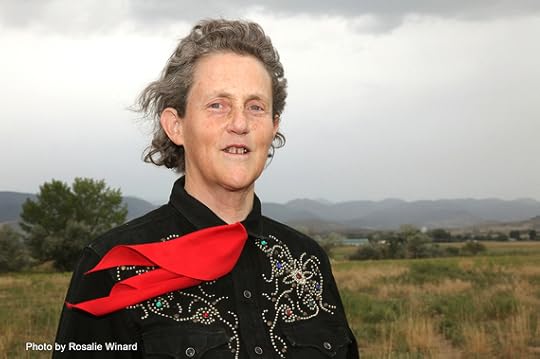
Dr. Temple Grandin Photo: Rosalie Winard
The perception of autism and other changes in brain function has shifted dramatically since Temple was a child. Temple has been a pioneer in exploring the advantages that accompany overstimulation of certain brain regions. Aren't we often too quick in condemning people who process the world differently?
One of Temple's greatest worries is that people like her are excluded from the places that matter: colleges, universities, work places. "Where is the next Einstein? Were he alive today, he would drive a FedEx truck, because he could not pass his graduation. Einstein did not speak until he was older and he was kicked out of school, but he still managed to get a Nobel Prize!"
Temple may be an outlier in that only 10 percent of persons with autism are savants (meaning they possess outstanding mental capabilities), but psychologists have come to admit that they severely underestimated the general intelligence of people on the spectrum. [1] These abilities don't just characterize an outstanding savant such as Temple, but many others as well who are too easily labeled as "crazy." If by crazy we mean people who perceive the world profoundly differently than "neurotypicals," we need more crazies in the world! "Don't get me wrong," Temple cautions. "I'm not saying that autism is a great thing and all people with autism should just sit down and celebrate our strengths. Instead, I'm suggesting that if we can recognize, realistically and on a case-by-case basis, what an individual's strengths are, we can better determine the future of the individual."
Thorkil Sonne, a Danish father of a boy with autism, was so encouraged by his son's ability to play speed chess that he started a company exclusively designed to hire consultants with autism. Specialisterne, Danish for "the specialists," banks on the fact that people on the autism spectrum have specialized skills such as photographic memory, sensory hypersensitivity, and the ability to detect patterns. "That's great for quality control or the IT industry. It's hard to find people who pay this much attention to detail," Thorkil told me. According to the Royal Society of London, about one-third of people with autism have exceptional cognitive skills, but more than two-thirds of them do not attend college and do not find jobs. [1]
Thorkil calls his approach the "dandelion model." "We call dandelions weed when they pop up in our lawn, but the spring greens can make a tasty salad if we nourish them." Similarly, the apparent shortcomings of people with autism (for instance, their attention to detail, and their directness) can become sought-after strengths.
"It is up to us to decide," Thorkil told me, "if we view dandelions as a weed or as a nutritious herb with many values." Software giant SAP just hired 60 people with autism, and Thorkil's ambitious vision is to create 100,000 jobs for people on the spectrum in the next 10 years.
Ultimately, Thorkil's aim goes beyond creating jobs: He wants to convince the "neurotypicals" that people are more than their disabilities. "I wish people were more curious rather than keeping their distance. Be curious -- find out what their world is like! When you spend time with people with autism, you learn to see the world from a vulnerable perspective. We are all dandelions."
Reference:
[1] Michelle Dawson et al., "The Level and Nature of Autistic Intelligence," Psychological Science 18 (2007): 647- 662.
Temple was extremely fortunate that her mother's intuition was decades ahead of her time.
Temple's life story highlights a number of the factors that are crucial for building resilience: a loving relative who believed in her, a highly developed gift for empathy, and a stunning resourcefulness in a world that ostracized her.
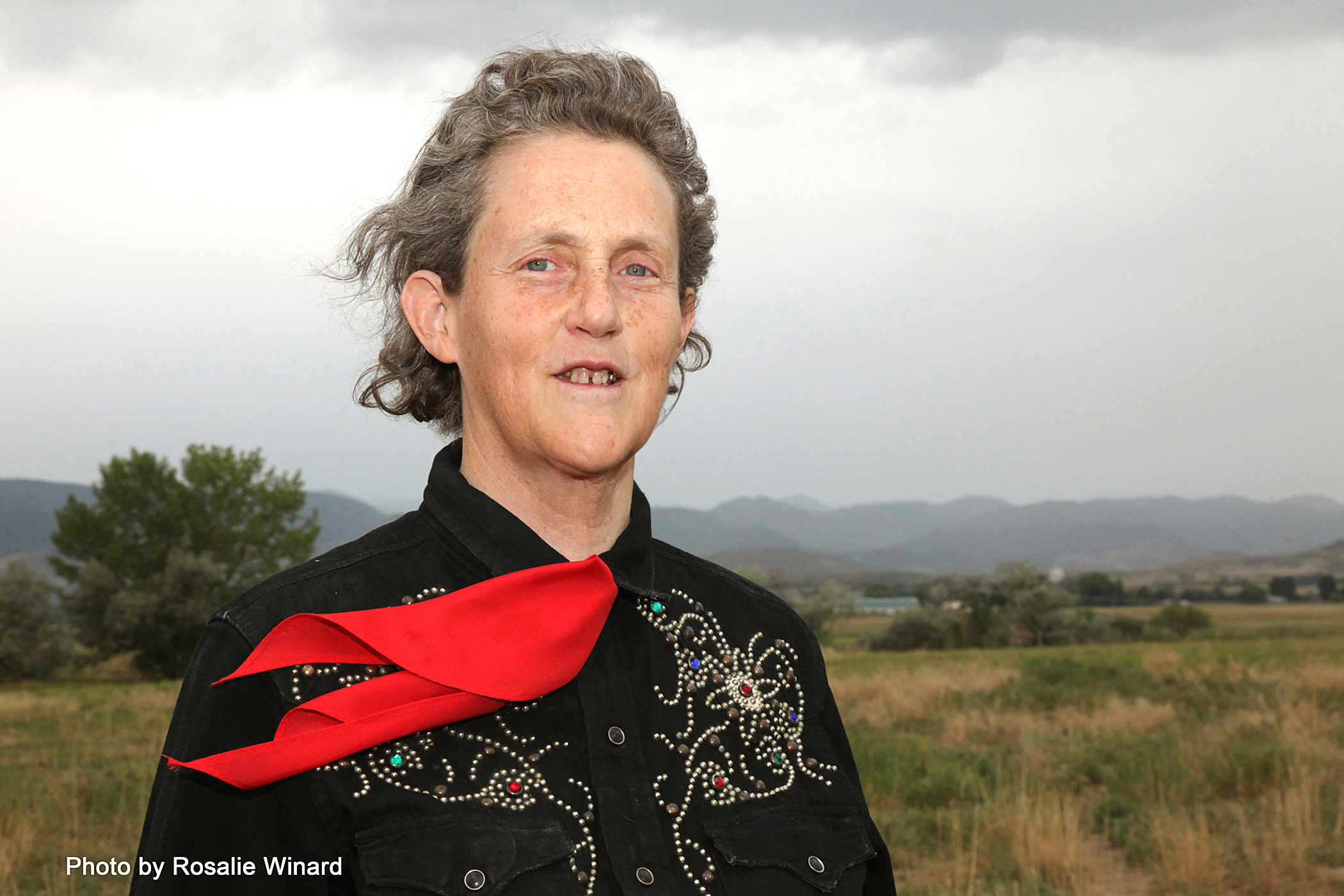
Dr. Temple Grandin Photo: Rosalie Winard
The perception of autism and other changes in brain function has shifted dramatically since Temple was a child. Temple has been a pioneer in exploring the advantages that accompany overstimulation of certain brain regions. Aren't we often too quick in condemning people who process the world differently?
One of Temple's greatest worries is that people like her are excluded from the places that matter: colleges, universities, work places. "Where is the next Einstein? Were he alive today, he would drive a FedEx truck, because he could not pass his graduation. Einstein did not speak until he was older and he was kicked out of school, but he still managed to get a Nobel Prize!"
Temple may be an outlier in that only 10 percent of persons with autism are savants (meaning they possess outstanding mental capabilities), but psychologists have come to admit that they severely underestimated the general intelligence of people on the spectrum. [1] These abilities don't just characterize an outstanding savant such as Temple, but many others as well who are too easily labeled as "crazy." If by crazy we mean people who perceive the world profoundly differently than "neurotypicals," we need more crazies in the world! "Don't get me wrong," Temple cautions. "I'm not saying that autism is a great thing and all people with autism should just sit down and celebrate our strengths. Instead, I'm suggesting that if we can recognize, realistically and on a case-by-case basis, what an individual's strengths are, we can better determine the future of the individual."
Thorkil Sonne, a Danish father of a boy with autism, was so encouraged by his son's ability to play speed chess that he started a company exclusively designed to hire consultants with autism. Specialisterne, Danish for "the specialists," banks on the fact that people on the autism spectrum have specialized skills such as photographic memory, sensory hypersensitivity, and the ability to detect patterns. "That's great for quality control or the IT industry. It's hard to find people who pay this much attention to detail," Thorkil told me. According to the Royal Society of London, about one-third of people with autism have exceptional cognitive skills, but more than two-thirds of them do not attend college and do not find jobs. [1]
Thorkil calls his approach the "dandelion model." "We call dandelions weed when they pop up in our lawn, but the spring greens can make a tasty salad if we nourish them." Similarly, the apparent shortcomings of people with autism (for instance, their attention to detail, and their directness) can become sought-after strengths.
"It is up to us to decide," Thorkil told me, "if we view dandelions as a weed or as a nutritious herb with many values." Software giant SAP just hired 60 people with autism, and Thorkil's ambitious vision is to create 100,000 jobs for people on the spectrum in the next 10 years.
Ultimately, Thorkil's aim goes beyond creating jobs: He wants to convince the "neurotypicals" that people are more than their disabilities. "I wish people were more curious rather than keeping their distance. Be curious -- find out what their world is like! When you spend time with people with autism, you learn to see the world from a vulnerable perspective. We are all dandelions."
Reference:
[1] Michelle Dawson et al., "The Level and Nature of Autistic Intelligence," Psychological Science 18 (2007): 647- 662.
October 13, 2015
'A Revolutionary Step Forward': Talking About the Chaos of Mental Illness
An Interview with Sheila Hamilton, author of the moving new memoir All the Things We Never Knew (Seal Press, October 2015)
Even as an award-winning reporter, Sheila Hamilton missed the signs when her husband David's mental illness unfolded. By the time she had pieced together the puzzle, it was too late. Her once brilliant, intense, and passionate partner was dead within six weeks of a diagnosis of bipolar disorder, leaving his wife and 9-year-old daughter without so much as a note to explain his actions, a plan to help them recover from their profound grief, or a solution for the hundreds of thousands of dollars in debt that they would inherit from him.
Michaela Haas: Nearly every fifth American has a mental illness. Since it's so common���why aren't we talking more about it? What can we do to eradicate the stigma?
Sheila Hamilton: Brain illness is where breast cancer was twenty years ago. We tend to forget there was a time when nobody mentioned a diagnosis of breast cancer. Now, there are walks with millions of people proudly wearing pink ribbons. People should understand the brain is just another organ in our body. It gets sick. It can get better. If more people shared their stories of illness and eventual recovery, it would have a profound effect on those who are suffering in silence. If every person in America who was living well with mental illness came out of the shadows, it would be a revolutionary step forward.
In hindsight, when did you first realize that your first husband was not just moody, but bipolar?
Your view is always clearer in the rear view mirror, isn't it? In hindsight, it was probably the night David stood by the window, counting the number of cars that were passing our house. He'd become so sensitive to light, sound, and so quick to rage. His agitation was so apparent that night. He was pacing back and forth with a yellow pad as if he was a scientist conducting an important experiment. His strong denial that nothing was wrong with him convinced me that I was over-reacting.
What do you want people to know about living with someone who is struggling with mental illness?
I want people to understand how an illness progresses and how the early signs of mental illness are intermittent and subtle. Many people missed David's illness. His previous wife missed it. His doctors missed it. Even the intake nurses at the emergency room believed David when he said he wasn't a threat to himself or others. High-functioning people with bipolar disorder can be extremely persuasive, charming and prone to lying. I wish I'd known all the characteristics of the illness, and I might have been able to help.
Your husband caused you great hurt and grief, not only with his erratic outbursts and violence, but also by frequently cheating on you before he committed suicide. How did you arrive at forgiveness?
When I finally viewed David's actions through the lens of his illness, I was much more capable of understanding why he acted out. One of David's mistresses wrote me recently after reading the book and apologized for being complicit in his behavior. She said David talked about what a terrible person he believed himself to be. Shame is such a common reaction in people with a mental illness���they may feel out of sync with others, broken or damaged. That loop of negative feedback combined with a lack of impulse control allowed David to act on his feelings of failure. His shame prevented him from ever compassionately acknowledging himself or his struggle. I have forgiven him for his lack of insight and the way in which he wounded Sophie and me. I forgave him for his suicide because I saw the depth of his emotional and physical pain. It never abated.
Whether we're dealing with mental illness or various kinds of trauma, I find that the most important component of resilience is the support of others. Nobody can do it alone. I love that you end your book with the quote: "Look to the living, love them, and hold on." But one of the difficulties in helping your husband was that he was "unreachable" for all the people who tried to help him, including his family, friends, and doctors. How can we be there for someone despite them pushing everyone away?
That's an excellent question. I'm convinced that the only way we reach people is by teaching them emotional literacy early in their lives. David's family didn't talk about mental health. They viewed mental illness as a moral weakness and a personal failing.
I'd like to see emotional literacy taught from pre-school to grad school. I'd like educational systems to realize our greatest failing may be in allowing young people to be ashamed of who they are. We can teach the skills of mindfulness and acceptance. We can fill a person's emotional toolbox so that they never perceive themselves to be as alone in the world as David.
I`ve researched the science of posttraumatic growth for my book Bouncing Forward. Would you say you experienced posttraumatic growth after losing your husband? If so, in what way?
In the months and years after David died I needed to rely on others, face my vulnerabilities and ask for help. It was a humbling and heart expanding experience. We are so much more alive when we share the breadth of our human experience with others. Saying, "me too," carries enormous power.
I was broken by David's death. But I've healed those places by allowing myself to love again, fully and unconditionally. It's a powerful thing to have endured an unimaginable tragedy. We never got "closure." But, we moved forward. And forward is a thing of grace.
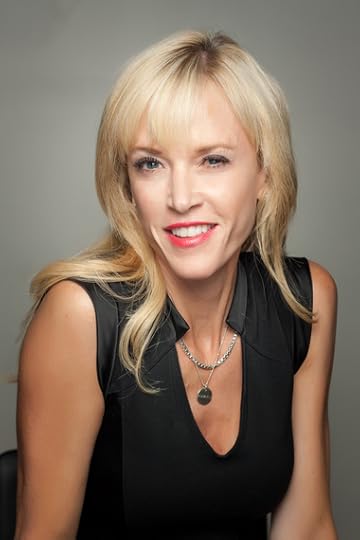
Sheila Hamilton is a five-time Emmy Award-winning journalist and the author of the new memoir All the Things We Never Knew: Chasing the Chaos of Mental Illness (Seal Press, October 2015).
_____________________
If you -- or someone you know -- need help, please call 1-800-273-8255 for the National Suicide Prevention Lifeline. If you are outside of the U.S., please visit the International Association for Suicide Prevention for a database of international resources.
Even as an award-winning reporter, Sheila Hamilton missed the signs when her husband David's mental illness unfolded. By the time she had pieced together the puzzle, it was too late. Her once brilliant, intense, and passionate partner was dead within six weeks of a diagnosis of bipolar disorder, leaving his wife and 9-year-old daughter without so much as a note to explain his actions, a plan to help them recover from their profound grief, or a solution for the hundreds of thousands of dollars in debt that they would inherit from him.
Michaela Haas: Nearly every fifth American has a mental illness. Since it's so common���why aren't we talking more about it? What can we do to eradicate the stigma?
Sheila Hamilton: Brain illness is where breast cancer was twenty years ago. We tend to forget there was a time when nobody mentioned a diagnosis of breast cancer. Now, there are walks with millions of people proudly wearing pink ribbons. People should understand the brain is just another organ in our body. It gets sick. It can get better. If more people shared their stories of illness and eventual recovery, it would have a profound effect on those who are suffering in silence. If every person in America who was living well with mental illness came out of the shadows, it would be a revolutionary step forward.
In hindsight, when did you first realize that your first husband was not just moody, but bipolar?
Your view is always clearer in the rear view mirror, isn't it? In hindsight, it was probably the night David stood by the window, counting the number of cars that were passing our house. He'd become so sensitive to light, sound, and so quick to rage. His agitation was so apparent that night. He was pacing back and forth with a yellow pad as if he was a scientist conducting an important experiment. His strong denial that nothing was wrong with him convinced me that I was over-reacting.
What do you want people to know about living with someone who is struggling with mental illness?
I want people to understand how an illness progresses and how the early signs of mental illness are intermittent and subtle. Many people missed David's illness. His previous wife missed it. His doctors missed it. Even the intake nurses at the emergency room believed David when he said he wasn't a threat to himself or others. High-functioning people with bipolar disorder can be extremely persuasive, charming and prone to lying. I wish I'd known all the characteristics of the illness, and I might have been able to help.
Your husband caused you great hurt and grief, not only with his erratic outbursts and violence, but also by frequently cheating on you before he committed suicide. How did you arrive at forgiveness?
When I finally viewed David's actions through the lens of his illness, I was much more capable of understanding why he acted out. One of David's mistresses wrote me recently after reading the book and apologized for being complicit in his behavior. She said David talked about what a terrible person he believed himself to be. Shame is such a common reaction in people with a mental illness���they may feel out of sync with others, broken or damaged. That loop of negative feedback combined with a lack of impulse control allowed David to act on his feelings of failure. His shame prevented him from ever compassionately acknowledging himself or his struggle. I have forgiven him for his lack of insight and the way in which he wounded Sophie and me. I forgave him for his suicide because I saw the depth of his emotional and physical pain. It never abated.
Whether we're dealing with mental illness or various kinds of trauma, I find that the most important component of resilience is the support of others. Nobody can do it alone. I love that you end your book with the quote: "Look to the living, love them, and hold on." But one of the difficulties in helping your husband was that he was "unreachable" for all the people who tried to help him, including his family, friends, and doctors. How can we be there for someone despite them pushing everyone away?
That's an excellent question. I'm convinced that the only way we reach people is by teaching them emotional literacy early in their lives. David's family didn't talk about mental health. They viewed mental illness as a moral weakness and a personal failing.
I'd like to see emotional literacy taught from pre-school to grad school. I'd like educational systems to realize our greatest failing may be in allowing young people to be ashamed of who they are. We can teach the skills of mindfulness and acceptance. We can fill a person's emotional toolbox so that they never perceive themselves to be as alone in the world as David.
I`ve researched the science of posttraumatic growth for my book Bouncing Forward. Would you say you experienced posttraumatic growth after losing your husband? If so, in what way?
In the months and years after David died I needed to rely on others, face my vulnerabilities and ask for help. It was a humbling and heart expanding experience. We are so much more alive when we share the breadth of our human experience with others. Saying, "me too," carries enormous power.
I was broken by David's death. But I've healed those places by allowing myself to love again, fully and unconditionally. It's a powerful thing to have endured an unimaginable tragedy. We never got "closure." But, we moved forward. And forward is a thing of grace.
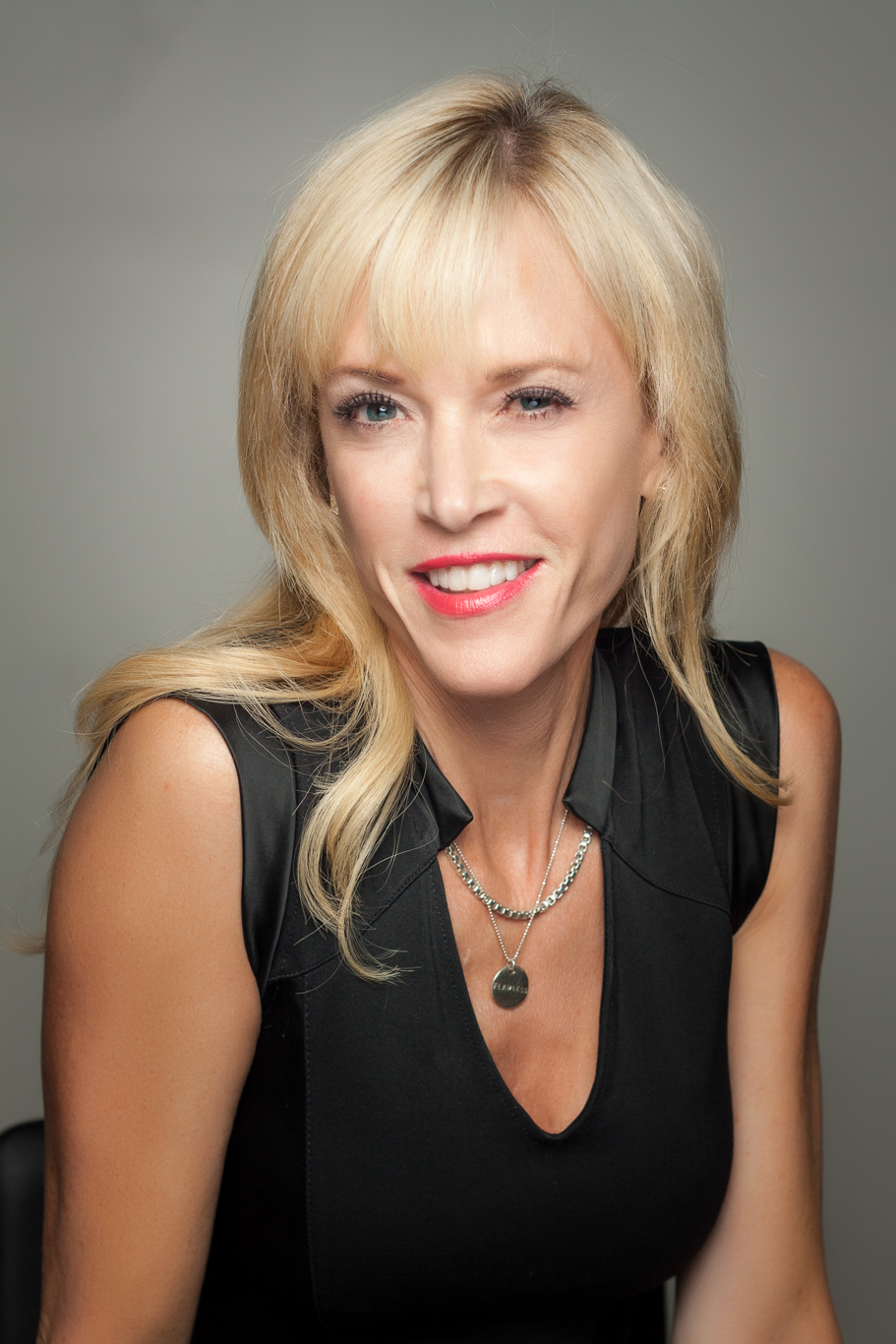
Sheila Hamilton is a five-time Emmy Award-winning journalist and the author of the new memoir All the Things We Never Knew: Chasing the Chaos of Mental Illness (Seal Press, October 2015).
_____________________
If you -- or someone you know -- need help, please call 1-800-273-8255 for the National Suicide Prevention Lifeline. If you are outside of the U.S., please visit the International Association for Suicide Prevention for a database of international resources.
October 8, 2015
How to Live With Chronic Illness and Turn Straw Into Gold
A deeply personal interview with author Toni Bernhard, author of the award-winning How to Be Sick, How to Wake Up, and, most recently, How to Live Well with Chronic Pain and Illness: A Mindful Guide.
Michaela Haas: You quote Marie Curie, "Nothing in life is to be feared. It is only to be understood." How does this apply to chronic illness?
Toni Bernhard: It's understandable that people get scared when their health falters. First of all, it triggers their fear about life's uncertainty. I refer to uncertainty throughout the book as one of life's stark realities: we simply don't control a lot of what happens to us; life is uncertain and unpredictable.
Because this can generate fear, we'd do well to come to terms with this fact of life. When faced with something that we don't control (for example, the onset of chronic illness), instead of being afraid, as Marie Curie points out, we can work on understanding it. In this case, I'd say we can work on understanding that illness is an inevitable part of the life experience. We're in bodies and they get sick and injured and old. Once we understand that at a deep level, we can begin to accept it and that's the first step in appreciating the life we do have, even if it's limited by illness (or any other number of factors--where we live, where we work, our relationships).
Could you tell us a little about your own journey with chronic illness?
In 2001, my husband and I took a much-anticipated trip to Paris. Our plan was to immerse ourselves in Parisian life for three weeks. Instead, on the second day there, I got sick and spent those three weeks in bed. Everyone thought it was an acute virus, but it compromised my immune system in some way, and I never recovered. It has left me mostly housebound, often bedbound. I had no choice but to give up my career as a law professor. After several years of despair, I began to write from my bed--and a new world opened to me.
What's your biggest challenge, and how do you work with it?
My biggest challenge is accepting without bitterness that I can't be active with my family and friends. A few weeks ago, my husband, our two children, their spouses, our two grandchildren, and two of our best friends gathered in Reno for its annual Rib Fest. They spent three days together, visiting, eating (of course!), and having a great time together. Reno is only two hours from where I live, but I couldn't go because this illness keeps me from traveling.
I work with this challenge, first, by recognizing how emotionally painful it is for me to have to miss out on so much. Then I cultivate self-compassion, often talking silently to myself, using soothing words such as "It's so hard to be at home when I want so badly to be with everyone."
Finally, I work on cultivating joy for them. All of us wish I could be there too, but no amount of wishing will change how my life is, so I work on feeling happy about the fun they're having.
Sometimes I have to "fake it 'til I make it." I picture the good time they're having until, slowly but surely, I feel genuine happiness for them. That happiness may be tinged with sadness at times, but that's okay. We can be happy and sad at the same time.
You write that our culture bombards us with arguments that if we just eat the right food and do the right exercises, we will never fall ill. You then mounted a militant battle against your chronic illness, only to give yourself mental suffering on top of the physical suffering. How can we avoid these pitfalls and find a more helpful attitude?
We need to be on guard against distorted messages about the nature of the human experience. These messages can easily become a source of self-blame when we're not able to live up to the cultural ideal. Mindfulness is helpful here--being aware of our present moment experience. For me, the most valuable aspect of mindfulness is becoming aware of what's going on in my mind. Am I believing these cultural messages simply because I've been hearing them for dozens of years? If so, it's time to start questioning their validity.
Neuroscientists are finding that the mind is flexible and malleable, meaning that there's no reason to fear that our mental habits are set in stone. We can learn to question our conditioning, our beliefs, and our assumptions about life...and we can change! This questioning leads to a more realistic view of the human condition. One of those realities is that not everyone will enjoy good health throughout his or her life. Coming to terms with this brings with it a measure of peace and well-being. The alternative--fighting a militant battle against this reality--only adds mental suffering to our physical suffering.
Rather than hit our heads against the wall in denial of what life is like, we can take our difficulties--whether they be illness, or conflict in a relationship, or problems on the job--as our starting point and, from there, see what we can do to make our lives as joyful as possible.
Why do you refer to positive thinking as "the tyranny of positive thinking?"
When people are told to always think positively, it sets them up for negative self-judgment when they don't feel upbeat 100 percent of the time. Everyone should feel free to be down once in a while. Even the Dalai Lama admitted that he still gets angry at times!
Unfortunately, positive thinking is often pushed on people as a cure for all life's problems. The effect of this on the chronically ill is that it leaves them feeling as if they're to blame for their illness or pain because they just don't have a positive enough attitude. To set the record straight: Positive thinking is not a cure for chronic pain and illness.
In my book Bouncing Forward I explore the new science of posttraumatic growth and I spoke with several people who took a severe crisis as a turning point in their lives to find more meaning, but this is not easy. How do we turn "straw into gold", as you call your Psychology Today blog?
In my experience, the way to turn straw into gold is to take our life as it is today as our starting point. We have the life we've been given, with its problems and its challenges. The only way to live a life of purpose and to find a measure of peace and joy is to work within our limitations to do the best we can to alleviate suffering in ourselves and others.
I had a very similar aha-moment you did, when you describe that you realized you couldn't force your body to get better, but you could heal your mind. What is your advice for moving from responding with aversion to our illness to responding with acceptance?
The first step is to stop being averse to your aversion! When you try to push away how you're feeling, it tends to only strengthen the emotion. It's amazing how, when you acknowledge how you're feeling, even if it's a painful emotion, it loses its tight-fisted grip on you. And so, I recommend acknowledging with compassion for yourself that you wish you weren't sick or in pain, and then taking a realistic look at what you can and what you can't do about it. Once you accept your life as it is, something magical happens: you suddenly see new possibilities--things you can do despite your limitations--and a whole new life can open up for you.
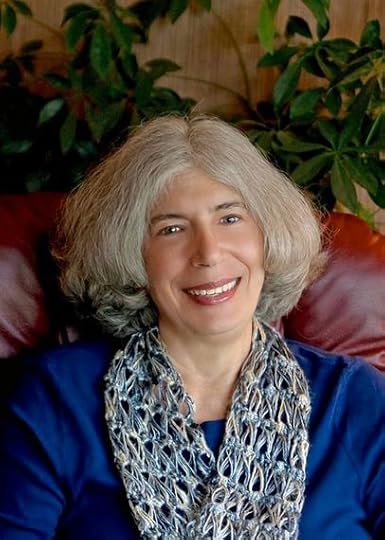
Before becoming ill, Toni Bernhard was a law professor at the University of California, Davis.
Read the full interview on www.michaelahaas.com
Michaela Haas: You quote Marie Curie, "Nothing in life is to be feared. It is only to be understood." How does this apply to chronic illness?
Toni Bernhard: It's understandable that people get scared when their health falters. First of all, it triggers their fear about life's uncertainty. I refer to uncertainty throughout the book as one of life's stark realities: we simply don't control a lot of what happens to us; life is uncertain and unpredictable.
Because this can generate fear, we'd do well to come to terms with this fact of life. When faced with something that we don't control (for example, the onset of chronic illness), instead of being afraid, as Marie Curie points out, we can work on understanding it. In this case, I'd say we can work on understanding that illness is an inevitable part of the life experience. We're in bodies and they get sick and injured and old. Once we understand that at a deep level, we can begin to accept it and that's the first step in appreciating the life we do have, even if it's limited by illness (or any other number of factors--where we live, where we work, our relationships).
Could you tell us a little about your own journey with chronic illness?
In 2001, my husband and I took a much-anticipated trip to Paris. Our plan was to immerse ourselves in Parisian life for three weeks. Instead, on the second day there, I got sick and spent those three weeks in bed. Everyone thought it was an acute virus, but it compromised my immune system in some way, and I never recovered. It has left me mostly housebound, often bedbound. I had no choice but to give up my career as a law professor. After several years of despair, I began to write from my bed--and a new world opened to me.
What's your biggest challenge, and how do you work with it?
My biggest challenge is accepting without bitterness that I can't be active with my family and friends. A few weeks ago, my husband, our two children, their spouses, our two grandchildren, and two of our best friends gathered in Reno for its annual Rib Fest. They spent three days together, visiting, eating (of course!), and having a great time together. Reno is only two hours from where I live, but I couldn't go because this illness keeps me from traveling.
I work with this challenge, first, by recognizing how emotionally painful it is for me to have to miss out on so much. Then I cultivate self-compassion, often talking silently to myself, using soothing words such as "It's so hard to be at home when I want so badly to be with everyone."
Finally, I work on cultivating joy for them. All of us wish I could be there too, but no amount of wishing will change how my life is, so I work on feeling happy about the fun they're having.
Sometimes I have to "fake it 'til I make it." I picture the good time they're having until, slowly but surely, I feel genuine happiness for them. That happiness may be tinged with sadness at times, but that's okay. We can be happy and sad at the same time.
You write that our culture bombards us with arguments that if we just eat the right food and do the right exercises, we will never fall ill. You then mounted a militant battle against your chronic illness, only to give yourself mental suffering on top of the physical suffering. How can we avoid these pitfalls and find a more helpful attitude?
We need to be on guard against distorted messages about the nature of the human experience. These messages can easily become a source of self-blame when we're not able to live up to the cultural ideal. Mindfulness is helpful here--being aware of our present moment experience. For me, the most valuable aspect of mindfulness is becoming aware of what's going on in my mind. Am I believing these cultural messages simply because I've been hearing them for dozens of years? If so, it's time to start questioning their validity.
Neuroscientists are finding that the mind is flexible and malleable, meaning that there's no reason to fear that our mental habits are set in stone. We can learn to question our conditioning, our beliefs, and our assumptions about life...and we can change! This questioning leads to a more realistic view of the human condition. One of those realities is that not everyone will enjoy good health throughout his or her life. Coming to terms with this brings with it a measure of peace and well-being. The alternative--fighting a militant battle against this reality--only adds mental suffering to our physical suffering.
Rather than hit our heads against the wall in denial of what life is like, we can take our difficulties--whether they be illness, or conflict in a relationship, or problems on the job--as our starting point and, from there, see what we can do to make our lives as joyful as possible.
Why do you refer to positive thinking as "the tyranny of positive thinking?"
When people are told to always think positively, it sets them up for negative self-judgment when they don't feel upbeat 100 percent of the time. Everyone should feel free to be down once in a while. Even the Dalai Lama admitted that he still gets angry at times!
Unfortunately, positive thinking is often pushed on people as a cure for all life's problems. The effect of this on the chronically ill is that it leaves them feeling as if they're to blame for their illness or pain because they just don't have a positive enough attitude. To set the record straight: Positive thinking is not a cure for chronic pain and illness.
In my book Bouncing Forward I explore the new science of posttraumatic growth and I spoke with several people who took a severe crisis as a turning point in their lives to find more meaning, but this is not easy. How do we turn "straw into gold", as you call your Psychology Today blog?
In my experience, the way to turn straw into gold is to take our life as it is today as our starting point. We have the life we've been given, with its problems and its challenges. The only way to live a life of purpose and to find a measure of peace and joy is to work within our limitations to do the best we can to alleviate suffering in ourselves and others.
I had a very similar aha-moment you did, when you describe that you realized you couldn't force your body to get better, but you could heal your mind. What is your advice for moving from responding with aversion to our illness to responding with acceptance?
The first step is to stop being averse to your aversion! When you try to push away how you're feeling, it tends to only strengthen the emotion. It's amazing how, when you acknowledge how you're feeling, even if it's a painful emotion, it loses its tight-fisted grip on you. And so, I recommend acknowledging with compassion for yourself that you wish you weren't sick or in pain, and then taking a realistic look at what you can and what you can't do about it. Once you accept your life as it is, something magical happens: you suddenly see new possibilities--things you can do despite your limitations--and a whole new life can open up for you.
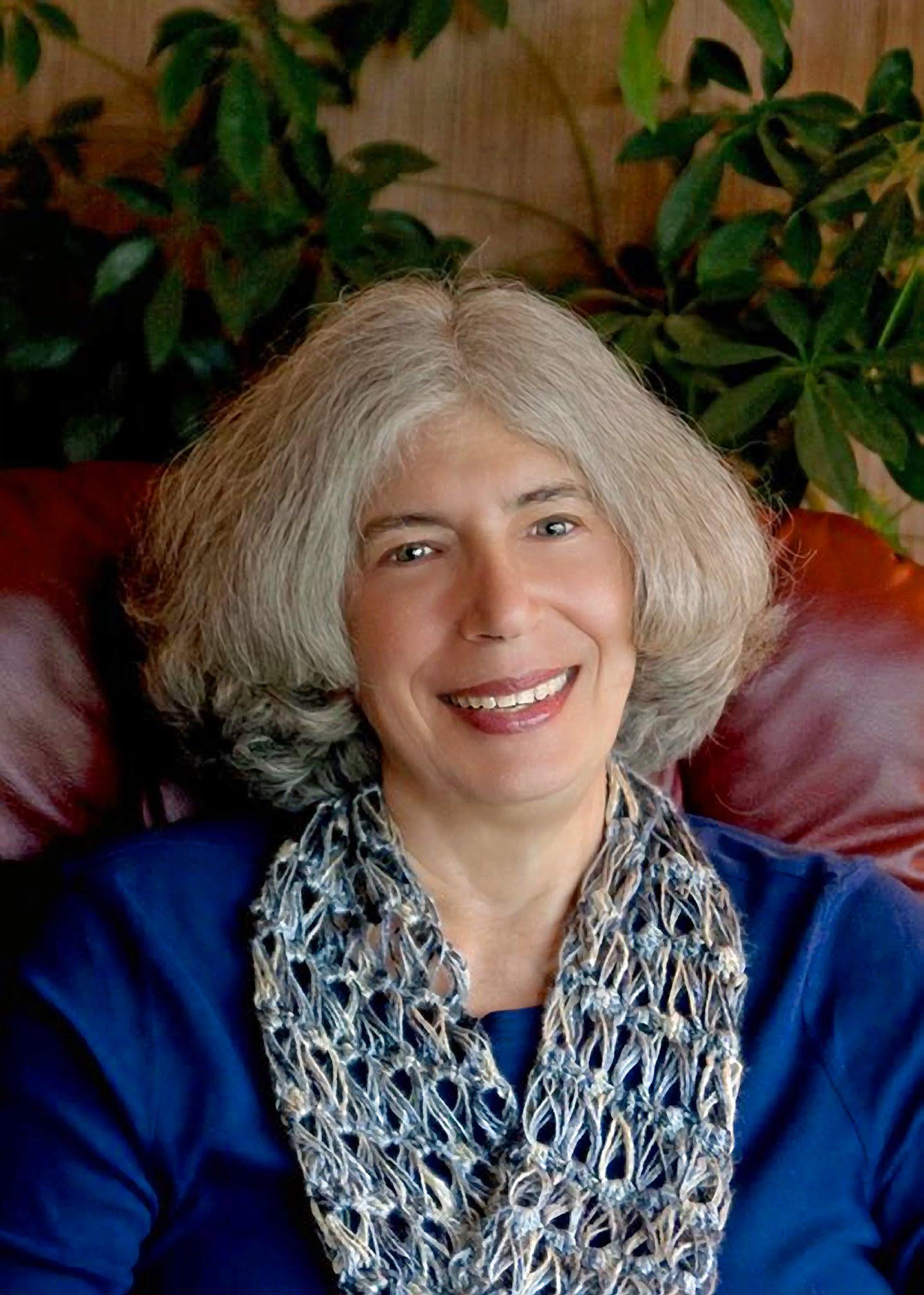
Before becoming ill, Toni Bernhard was a law professor at the University of California, Davis.
Read the full interview on www.michaelahaas.com
September 17, 2015
How Richard Gere and Bernie Glassman Offer Solutions for the Homeless
One winter day I got stuck with Richard Gere in Kathmandu, Nepal. He was traveling with friends of mine, and a snowstorm grounded their plane to Bhutan. We spent a delightful day in Kathmandu, exploring the local art shops. While he gracefully accepted the wishes of enthusiastic fans to give autographs, he talked about his hope that maybe Bhutan would be the one place on earth where he could travel incognito. Television was still a novelty in the tiny Himalayan kingdom, so he hoped the Bhutanese would not yet know him. When I met him again after the trip, I learned that he had had no such luck: Bhutan had videos, and just about every Bhutanese had seen Pretty Woman.
Fifteen years later, though, Richard Gere did indeed stumble upon the secret how to be invisible, even in the midst of New York. In his new film Time Out of Mind (out this month), he plays an elderly alcoholic who ends up on the streets. Gere wanted to shoot the film documentary-style, and he was worried his A-list status would attract too much attention.
No need to worry. Disappearing in plain sight is easy: instead of crossing the Himalayas, all Gere had to do was not to shave for a few days, don a dirty cloak, and ask people for spare change. Nobody recognized him, because nobody looked him in the face. "I could see how quickly we can all descend into territory when we're totally cut loose from all of our connections to people," Gere, a long-term supporter of the homeless, realized.
Nobody recognized one of the best-known actors of our times, though he did not wear makeup or an elaborate costume. By simply blending in with the homeless, he became instantly invisible. "It wasn't that folks didn't notice me; they could see someone asking for change from two blocks away," Richard Gere told Rolling Stone. "It was that they saw the embodiment of failure -- and failure is something that people fear will suck them in."
This experience is universal: We prefer to shut out the forlorn and forsaken. We do not want to acknowledge suffering. We don't want to look it in the eye. And by doing so, we make the issue so much worse.
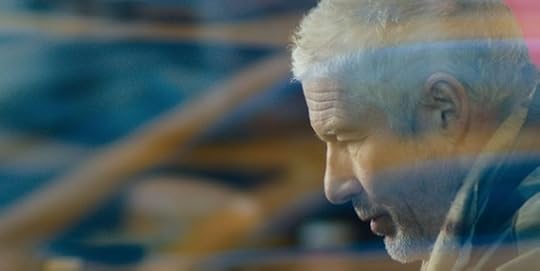 Richard Gere in Time Out of Mind
Every country has a homeless problem, but I cannot think of another developed country that scorns its homeless people more willfully, thus exacerbating their physical, emotional and mental health issues, sometimes beyond repair. Even the most heartless person would have to recognize that ignoring the issues means multiplying the human and financial cost not only for the individual, but for all of us.
It seems to me that there really is no place for suffering in our society outside of the designated zones we have specifically marked for it: hospitals, hospices, homeless shelters. How we, as a society, deal with suffering tells us at least as much about ourselves as the myriad ways we promote to achieve success.
Is it coincidence that America has the world's highest documented incarceration rate? Or that in 2014 the city Fort Lauderdale passed a law that bans feeding the homeless in public? We live in a world where you can shoot a young unarmed black man and walk free, but face jail time for handing a plate of vegetables to a vagrant.
We go out of our way so that we do not have to stare suffering in the face. We lock people up, make them go away. Out of sight, out of heart.
For my book Bouncing Forward , I've met a remarkable man who does exactly the opposite of what most of us do: Roshi Bernie Glassman, a Jewish-born New Yorker and the founding teacher of the Zen Peacemaker Order, is not afraid to witness suffering, but goes toward it, accepting it, working towards healing it.
For the past 24 years, Bernie has regularly taken people to the streets. They plunge into the unknown, and let the streets with their unwritten rules become their teacher. Bernie softly hums Leonard Cohen's lyrics about the crack that lets in the light. "That pretty much sums it up," he says, "that's what it's all about: taking off the armor, becoming vulnerable." The experience is much more intense than people realize. The retreatants sleep under bridges, beg for their food, and donate their participation fee to the homeless. "I did it because I wanted to connect with the homeless," Bernie says. "When you're homeless and begging, people completely ignore you; you simply don't exist. Once you have been ignored like that, you can no longer do the same to other people; it becomes impossible to look away."
You might have tasted Ben & Jerry's Chocolate Fudge Brownie ice cream. But you might not know that buying a pint supports a bakery with a unique hiring policy. The brownies in the ice cream are made at Greyston Bakery in Yonkers, New York -- the bakery Bernie founded after deciding that what the homeless needed most were jobs. Greyston hires anybody who walks through the door willing to work. Education? Felonies? Age? Who cares? No resume required. "I don't care about their background. All I care about is, how is your work now?" says Bernie. The company motto, written in bright purple letters on the wall reads, "We don't hire people to bake brownies, we bake brownies to hire people." Bernie delivers his delicious indulgences -- including a cheesecake named the best in New York -- to gourmet restaurants, Whole Foods, and even to the White House. "For me, what was so fantastic is that the best cheesecake in New York, which means the best in the country, is made by people that our country considered garbage -- that threw away those people, didn't consider they could do anything. I just love that."
When Greyston started, Yonkers had the country's highest per-capita homeless population. According to Bernie, the homeless rate has since been more than halved, while it continues to rise in most other cities.
We need to find ways of weaving our suffering into the tapestry of our lives, individually and as a community. We need to bravely explore a new relationship with pain and sorrow and ask where it fits in. We need to make room for it to fit in. Because it is already here.
Shutting it out just means shutting ourselves in. Connecting with the homeless is the only way to bring them home.
Fifteen years later, though, Richard Gere did indeed stumble upon the secret how to be invisible, even in the midst of New York. In his new film Time Out of Mind (out this month), he plays an elderly alcoholic who ends up on the streets. Gere wanted to shoot the film documentary-style, and he was worried his A-list status would attract too much attention.
No need to worry. Disappearing in plain sight is easy: instead of crossing the Himalayas, all Gere had to do was not to shave for a few days, don a dirty cloak, and ask people for spare change. Nobody recognized him, because nobody looked him in the face. "I could see how quickly we can all descend into territory when we're totally cut loose from all of our connections to people," Gere, a long-term supporter of the homeless, realized.
Nobody recognized one of the best-known actors of our times, though he did not wear makeup or an elaborate costume. By simply blending in with the homeless, he became instantly invisible. "It wasn't that folks didn't notice me; they could see someone asking for change from two blocks away," Richard Gere told Rolling Stone. "It was that they saw the embodiment of failure -- and failure is something that people fear will suck them in."
This experience is universal: We prefer to shut out the forlorn and forsaken. We do not want to acknowledge suffering. We don't want to look it in the eye. And by doing so, we make the issue so much worse.
 Richard Gere in Time Out of Mind
Every country has a homeless problem, but I cannot think of another developed country that scorns its homeless people more willfully, thus exacerbating their physical, emotional and mental health issues, sometimes beyond repair. Even the most heartless person would have to recognize that ignoring the issues means multiplying the human and financial cost not only for the individual, but for all of us.
It seems to me that there really is no place for suffering in our society outside of the designated zones we have specifically marked for it: hospitals, hospices, homeless shelters. How we, as a society, deal with suffering tells us at least as much about ourselves as the myriad ways we promote to achieve success.
Is it coincidence that America has the world's highest documented incarceration rate? Or that in 2014 the city Fort Lauderdale passed a law that bans feeding the homeless in public? We live in a world where you can shoot a young unarmed black man and walk free, but face jail time for handing a plate of vegetables to a vagrant.
We go out of our way so that we do not have to stare suffering in the face. We lock people up, make them go away. Out of sight, out of heart.
For my book Bouncing Forward , I've met a remarkable man who does exactly the opposite of what most of us do: Roshi Bernie Glassman, a Jewish-born New Yorker and the founding teacher of the Zen Peacemaker Order, is not afraid to witness suffering, but goes toward it, accepting it, working towards healing it.
For the past 24 years, Bernie has regularly taken people to the streets. They plunge into the unknown, and let the streets with their unwritten rules become their teacher. Bernie softly hums Leonard Cohen's lyrics about the crack that lets in the light. "That pretty much sums it up," he says, "that's what it's all about: taking off the armor, becoming vulnerable." The experience is much more intense than people realize. The retreatants sleep under bridges, beg for their food, and donate their participation fee to the homeless. "I did it because I wanted to connect with the homeless," Bernie says. "When you're homeless and begging, people completely ignore you; you simply don't exist. Once you have been ignored like that, you can no longer do the same to other people; it becomes impossible to look away."
You might have tasted Ben & Jerry's Chocolate Fudge Brownie ice cream. But you might not know that buying a pint supports a bakery with a unique hiring policy. The brownies in the ice cream are made at Greyston Bakery in Yonkers, New York -- the bakery Bernie founded after deciding that what the homeless needed most were jobs. Greyston hires anybody who walks through the door willing to work. Education? Felonies? Age? Who cares? No resume required. "I don't care about their background. All I care about is, how is your work now?" says Bernie. The company motto, written in bright purple letters on the wall reads, "We don't hire people to bake brownies, we bake brownies to hire people." Bernie delivers his delicious indulgences -- including a cheesecake named the best in New York -- to gourmet restaurants, Whole Foods, and even to the White House. "For me, what was so fantastic is that the best cheesecake in New York, which means the best in the country, is made by people that our country considered garbage -- that threw away those people, didn't consider they could do anything. I just love that."
When Greyston started, Yonkers had the country's highest per-capita homeless population. According to Bernie, the homeless rate has since been more than halved, while it continues to rise in most other cities.
We need to find ways of weaving our suffering into the tapestry of our lives, individually and as a community. We need to bravely explore a new relationship with pain and sorrow and ask where it fits in. We need to make room for it to fit in. Because it is already here.
Shutting it out just means shutting ourselves in. Connecting with the homeless is the only way to bring them home.
August 9, 2015
How to Bounce Forward After Trauma
Image by Pol Sifter/Flickr/CC
What do Malala Yousafzai's book I am Malala, Laura Hillenbrand's Unbroken, and Cheryl Strayed's Wild have in common? Yes, they have all been on the New York Times bestseller list forever, they have all been written by fabulous female writers, and are favorite books of mine and probably yours, but they are also all inspiring testimonies of posttraumatic growth.
Posttraumatic what?
Most people have heard of posttraumatic stress. Yet, beyond the medical community, few are aware of the evidence of posttraumatic growth. It may seem paradoxical to even put the words "trauma" and "growth" next to each other in one sentence. And yet, survivors and experts begin to focus increasingly on the possibility that we could use even the most harrowing experiences for a greater good in our own life and to impact the world.
It was the unstoppable grief over the death of her mother that propelled Cheryl Strayed to embark unprepared on a brutal 1,100-mile hike that eventually led her back to herself. It was when Olympic runner Louis Zamperini and his friends were hopelessly lost at sea that he vowed to remain "unbroken," determined "that no matter what happened to their bodies, their minds would stay under their control." It was the day when she got shot that inspired teenager Malala Yousafzai to renew her vow to fight for education: "The terrorists thought they would change my aims and stop my ambitions, but nothing changed in my life except this: weakness, fear and hopelessness died. Strength, power and courage were born."
When I first started the research for my new book Bouncing Forward: Transforming Bad Breaks into Breakthroughs , I thought these stories of posttraumatic growth were incredibly rare and reserved for exceptional heroes and sheroes. Now I know that they are everywhere.
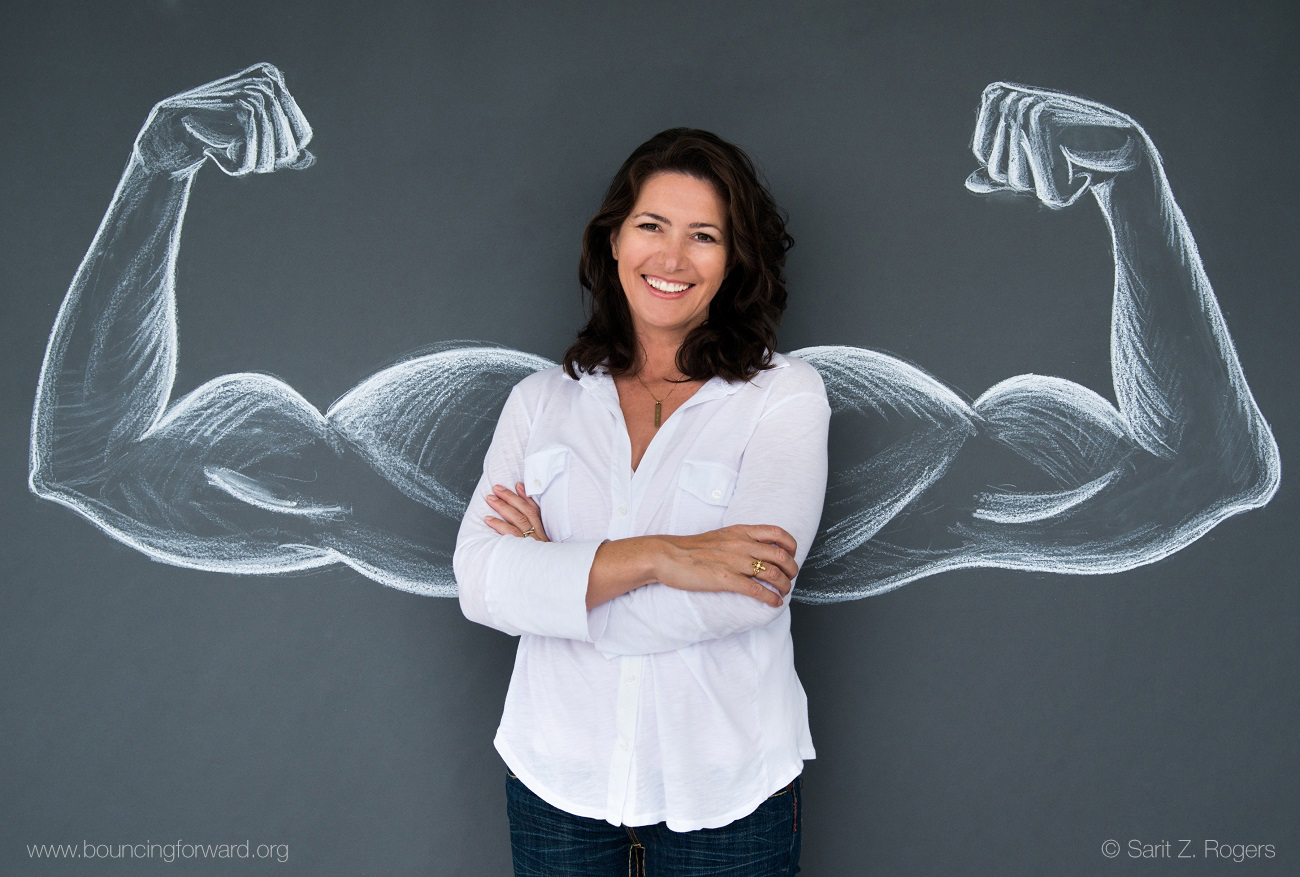
"We are stronger than we think"
Though Cheryl, Louis, and Malala surely exceed in courage, compassion, and wisdom, they are not made of a different fabric than you and me. According to psychologist Richard Tedeschi, posttraumatic growth's leading researcher, as many as ninety percent of survivors report at least one aspect of posttraumatic growth, such as a renewed appreciation for life or a deeper connection to their heart's purpose. This does not happen immediately or easily, and rarely by itself. We need to actively work towards positive change, and we need the right tools and support in order to transform a bad break into a breakthrough.
I have met amazing role models, from grieving mothers who channeled their pain into impactful activism against violence, to world class surfer Jesse Billauer who discovered that helping others was the best way to help himself after a surfing accident left him paralyzed.
Richard Tedeschi and Lawrence Calhoun at the University of North Carolina at Charlotte coined the term "posttraumatic growth." When I visited them on campus, I learned that they didn't invent a fancy theory and then try to prove it with studies; it was the other way around. They were consulting with trauma survivors, initially bereaved parents, then people who had lost the loves of their lives or were severely injured, cancer survivors, veterans, and prisoners. Again and again, people shared a perplexing insight: While they were not happy about what had happened to them, they felt they had learned valuable lessons from the experience and these lessons eventually changed their lives for the better. Of course they would prefer to have their loved ones back or their health restored, but they felt that rather than just survive, they thrived. They became better parents, better partners, and more compassionate friends; they discovered a new purpose in life.
Almost 90 percent of us ��� almost everyone ��� experiences at least one of more traumatic events in a lifetime, and there is no shame in getting pummeled by a devastating event. "What is revealed here is the dual nature of trauma: first, its destructive ability to rob victims of their capacity to live and enjoy life. The paradox of trauma is that it has both the power to destroy and the power to transform and resurrect," writes trauma therapist Peter Levine in An Unspoken Voice. "Whether trauma will be a cruel and punishing Gorgon, or a vehicle for soaring to the heights of transformation and mastery, depends upon how we approach it. Trauma is a fact of life. It does not, however, have to be a life sentence."
We obviously don't need suffering to find our calling, but it happens to be where we often discover it. Richard Tedeschi and Lawrence Calhoun have found that their clients report growth in five main areas: personal strength, deeper relationships with others, new perspectives on life, appreciation of life, and spirituality. "In brief, people's sense of themselves, their relationships with others and their philosophy of life changes," Tedeschi says. "Perhaps one of the most common growth experiences triggered by a major stressor is an increased appreciation of life."
Contrary to popular opinion, experiencing growth after trauma is far more common than PTSD. It is vital to look closely: While most people will suffer from posttraumatic stress in the aftermath of trauma, few will develop full-blown PTSD, and even of those, most will heal with therapy and time. "But it is important to make clear that not everybody experiences growth, and we are not implying that traumatic events are a good thing," Richard Tedeschi stresses. "They are not. In the wake of trauma, people become more aware of the futility in life and that unsettles some while it focuses others. This is the paradox of growth: people become more vulnerable, yet stronger."
It is crucial to distinguish between the event and the outcome. There is nothing positive about trauma itself; we wouldn't choose it, then or now. There is nothing beneficial about losing your mother or being shot in Pakistan. Nevertheless, we might be able to reap something beneficial out of the sorrow.
The good only comes from what we decide to do with it ��� from our struggle that unveils what needs to change in us and in our society, from honing our ability to make meaning out of events that seem senseless, from not trying to rebuild an exact replica of what was lost, but to engineer a stronger, sturdier foundation for our life.
A crisis is not a cul-de-sac, but rather a watershed moment. What we do next matters: advance or retreat, take a turn south or north, run or hide, crawl or fly. We can avert our eyes or dig deeper, try harder or grow softer, close down or break open.
From Buddha to Batman, from indigenous healers to the blockbuster magicians of Hollywood, the hero's emergence through trial and resurrection is among the oldest stories in history. "It is by going down into the abyss that we recover the treasures of life," renowned mythologist Joseph Campbell said. "Where you stumble, there lies your treasure."
Here's a caveat: Posttraumatic growth does not necessarily mean people are feeling better.
"For a lot of people, a lot of distress remains," cautions Tedeschi. "Even when people are able to say they got something of value, this doesn't mean it makes everything all better, or that they no longer look at the event as traumatic. Posttraumatic growth isn't the opposite of posttraumatic stress. Posttraumatic stress is a catalyst for the emotional growth."
The journey from victim to victor is never easy-breezy. Louis's, Cheryl's and Malala's stories let us in on how hard this path was for them: Louis sank into alcoholism and severe PTSD, Cheryl used drugs and sex as escape routes from the grief, and Malala had to face a brutal recovery to repair the damage the bullet had done to her brain, but eventually they turned their lives around, through hard work, compassion, the support of loved ones, and a lot of soul-searching. And they have inspired millions of readers to do the same.
The fundamental question is not whether we encounter suffering -- because we all do. "It is how we work with suffering so that it leads to awakening the heart and going beyond the habitual views and actions that perpetuate suffering," Buddhist teacher Pema Chodron says. "How do we actually use suffering so that it transforms our being and that of those with who we come in contact? How can we stop running from pain and reacting against it in ways that destroy us as well as others?"
As civil rights icon Maya Angelou told me when I got to speak to her about her childhood traumas months before her death, "Nothing will work unless you do."
Let's get to work.
December 22, 2014
Trouble in Paradise
An interview with Venerable Pannavati about her Christian-Buddhist path, why there are not more Blacks in Buddhism, and her push for girls, women, and "Untouchables."
Ven. Dr. Pannavati, a former Christian pastor, is co-founder of Embracing-Simplicity Hermitage in Hendersonville, NC. A black, female Buddhist monk ordained in the Theravada and Mahayana traditions with Vajrayana empowerments and transmission from Roshi Bernie Glassman of Zen Peacemakers, she is both contemplative and empowered for compassionate service. She just returned from South India where she established the first nunnery for "Untouchables," and she told me about the urgent need for support for girls and women.
Michaela Haas: I regret that I didn't include any women of color in Dakini Power. One obvious reason is that there are so few, but there are some! Do you have an explanation why are there so few African-American women in the Buddhist communities?
Ven. Pannavati: I do. First of all, most communities (sanghas) aren't that inviting to African-Americans. It's not deliberate, just conditioning. This is a reflection of our broader society. Western meditation was really a sort of white, elite pastime. We people of color weren't there in the beginning. I remember when I first started going to centers -- one in particular. I came by myself at first. They were happy. I was a novelty. We call it being a "token." I began to bring friends. By our fourth or fifth visit, they gave me a cassette, saying, "You know, y'all don't have to come all this way. We made a tape so you can listen in the comfort of your own home!" True story! We were quiet, clean, on time -- just black. And, of course I don't need to tell you about the problems we are having with communities all across the country. Trouble in paradise. How can it be different? The people that show up in here come from out there. They are looking for something but their mindset is not transformed. We don't want to admit some things are just plain wrong or face the fact that without justice, there will be no peace.
White sangha members are always asking me how to get more blacks in. I ask them, "How many blacks do you invite to your home?" On the other hand, blacks are tired of being marginalized and they can be quick to let you know! The Buddha gave trainings on non-conflict, though. We should study those suttas and practice the inward cultivation he prescribed. Then, attachment to erroneous views and habitual patterns of both superiority and inferiority will fall away.
Do you have a lot of black students?
No. Our sangha is all white. I live in a de facto segregated, southern town where only two percent of the population is black. So, it's really a reflection of our community, also of mistrust. I was once told by a black resident, "Anybody who has this many white friends can't be trusted."
When I first started receiving speaking invitations I was only invited to speak to the people of color (POC) groups. I would say, "Call me back when you're ready to have me speak to your whole sangha. I'm not a black Dharma teacher. I am a Dharma teacher." We have all of these POC sanghas, because they don't feel emotionally safe. And the whites feel emotionally and physically safer being separate, so how is anything going to change? We have to stay together until we overcome our conditioning through practice. That's the work. It's going to take time. That's why Buddha said friendship in the Dharma is the whole of spiritual life.
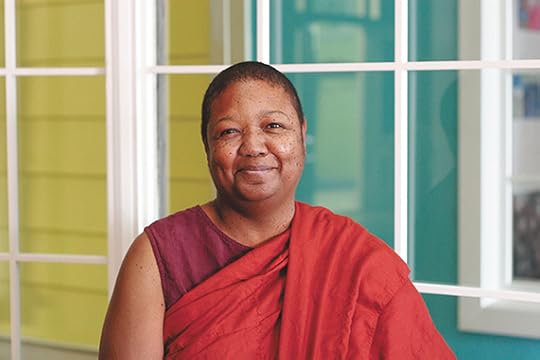
You are one of the heroes of engaged Buddhism in America.
Really? Okay, it's like this: When everything is good, we can sit on our cushions. When there are things to take care of, we should get up and do it. Even Buddha said it is hard for a person to make progress when he is hungry. Western Buddhists need to learn to reach before they teach. Easterners for the most part already get this. It's not a mental exercise for them.
You are currently looking for resources to build a school and provide water and toilets in India. How did you get involved in that?
A man from India emailed me and asked if I would come and help. I asked, "How did you find me?" And he said, "Well, I googled 'black nun' and you were the only one who came up. You've been through the civil rights movement, and Dalits ("Untouchables") need people who really understand what systemic oppression does to the psyche of people." So, I did a Bearing Witness retreat in Tamil Nadu with Roshi Bernie and a couple of the Peacemakers. We didn't know that much about the degradation of the Untouchables as a class of people and the atrocities committed against them. They are considered non-human, 240 million people! Just google "Dalit atrocities" for a quick education. This particular Dalit group asked me to offer the Buddhist precepts and to teach the villagers Dharma. They specifically wanted a bhikkhuni, because they used to be a matriarchal society. But when I got there, I realized, these people don't even have water. Let's start with water first and then we'll do some teachings. We've completed one huge well and planted a surrounding forest with a garden of fruit trees, vegetables and medicinal herbs for the village widows. It will serve 3,000 people. We are nearing completion on a 2nd well in an adjacent village, and have begun installing outdoor toilets because right now, they defecate in the street, field or go behind a bush. Many of their women and girls are raped when they go out at night to relieve themselves. It's a shame. Upper caste members do not generally pay Dalits in rupees for menial work performed. Rather, they give them leftovers or a hand of rice. So, who can afford a toilet?
Few people in the West realize how crucial that is.
Yes. It is a huge safety issue. Malnutrition and senseless death due to poor sanitation is a problem, so we have a counselor teaching the villagers about sanitation now that water and toilets are arriving! Once the villagers saw the first toilets going in, they became excited and we got requests immediately from over 100 villagers asking for toilets. We can do it for only $40 a toilet! We hope to install them in March when we return to begin phase I of the school project. I need to raise $100,000 dollars for the first phase. We've saved a lot by buying a brick-making machine. We're having villagers trained to make and lay the bricks over the next two months and there is plenty of the right soil in the village to make them. That's an enormous project saving. The equipment and trained bricklayers can create revenue for the village and help pay salaries for teachers. Each trip, 12-15 people go with me to touch and be touched by these beautiful people. If people visit my website and click on Missions, they can see what we're doing and donate there or sign up to go with me in March for two weeks. We're almost at the end of the year, but we need to really make a push for support. Sulak Sivaraksa, co-founder of the International Network of Engaged Buddhists said, "Buddhism is not concerned just with private destiny, but with the lives and consciousness of all beings. Any attempt to understand Buddhism apart from its social dimension is fundamentally a mistake. Until Western Buddhists understand this, their embrace of Buddhism will not help very much in the effort to bring about meaningful social change ... or in their struggle to transform their ego." I agree. One of our 'witnesses,' a business owner from Charlotte, in shock upon seeing the conditions, said: "It's unbelievable... you can't make this s*** up." We all need to help.
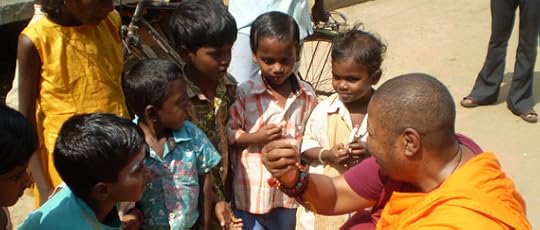
Ven. Dr. Pannavati, a former Christian pastor, is co-founder of Embracing-Simplicity Hermitage in Hendersonville, NC. A black, female Buddhist monk ordained in the Theravada and Mahayana traditions with Vajrayana empowerments and transmission from Roshi Bernie Glassman of Zen Peacemakers, she is both contemplative and empowered for compassionate service. She just returned from South India where she established the first nunnery for "Untouchables," and she told me about the urgent need for support for girls and women.
Michaela Haas: I regret that I didn't include any women of color in Dakini Power. One obvious reason is that there are so few, but there are some! Do you have an explanation why are there so few African-American women in the Buddhist communities?
Ven. Pannavati: I do. First of all, most communities (sanghas) aren't that inviting to African-Americans. It's not deliberate, just conditioning. This is a reflection of our broader society. Western meditation was really a sort of white, elite pastime. We people of color weren't there in the beginning. I remember when I first started going to centers -- one in particular. I came by myself at first. They were happy. I was a novelty. We call it being a "token." I began to bring friends. By our fourth or fifth visit, they gave me a cassette, saying, "You know, y'all don't have to come all this way. We made a tape so you can listen in the comfort of your own home!" True story! We were quiet, clean, on time -- just black. And, of course I don't need to tell you about the problems we are having with communities all across the country. Trouble in paradise. How can it be different? The people that show up in here come from out there. They are looking for something but their mindset is not transformed. We don't want to admit some things are just plain wrong or face the fact that without justice, there will be no peace.
White sangha members are always asking me how to get more blacks in. I ask them, "How many blacks do you invite to your home?" On the other hand, blacks are tired of being marginalized and they can be quick to let you know! The Buddha gave trainings on non-conflict, though. We should study those suttas and practice the inward cultivation he prescribed. Then, attachment to erroneous views and habitual patterns of both superiority and inferiority will fall away.
Do you have a lot of black students?
No. Our sangha is all white. I live in a de facto segregated, southern town where only two percent of the population is black. So, it's really a reflection of our community, also of mistrust. I was once told by a black resident, "Anybody who has this many white friends can't be trusted."
When I first started receiving speaking invitations I was only invited to speak to the people of color (POC) groups. I would say, "Call me back when you're ready to have me speak to your whole sangha. I'm not a black Dharma teacher. I am a Dharma teacher." We have all of these POC sanghas, because they don't feel emotionally safe. And the whites feel emotionally and physically safer being separate, so how is anything going to change? We have to stay together until we overcome our conditioning through practice. That's the work. It's going to take time. That's why Buddha said friendship in the Dharma is the whole of spiritual life.
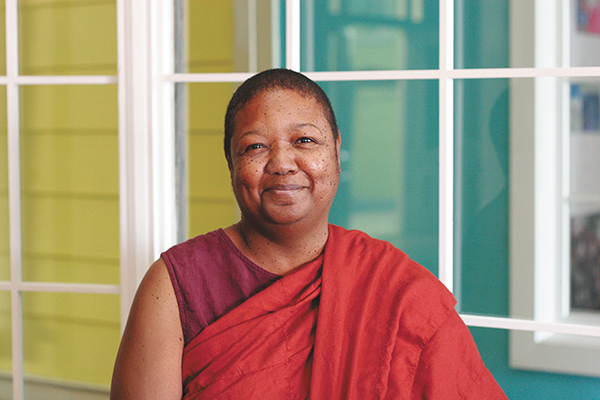
You are one of the heroes of engaged Buddhism in America.
Really? Okay, it's like this: When everything is good, we can sit on our cushions. When there are things to take care of, we should get up and do it. Even Buddha said it is hard for a person to make progress when he is hungry. Western Buddhists need to learn to reach before they teach. Easterners for the most part already get this. It's not a mental exercise for them.
You are currently looking for resources to build a school and provide water and toilets in India. How did you get involved in that?
A man from India emailed me and asked if I would come and help. I asked, "How did you find me?" And he said, "Well, I googled 'black nun' and you were the only one who came up. You've been through the civil rights movement, and Dalits ("Untouchables") need people who really understand what systemic oppression does to the psyche of people." So, I did a Bearing Witness retreat in Tamil Nadu with Roshi Bernie and a couple of the Peacemakers. We didn't know that much about the degradation of the Untouchables as a class of people and the atrocities committed against them. They are considered non-human, 240 million people! Just google "Dalit atrocities" for a quick education. This particular Dalit group asked me to offer the Buddhist precepts and to teach the villagers Dharma. They specifically wanted a bhikkhuni, because they used to be a matriarchal society. But when I got there, I realized, these people don't even have water. Let's start with water first and then we'll do some teachings. We've completed one huge well and planted a surrounding forest with a garden of fruit trees, vegetables and medicinal herbs for the village widows. It will serve 3,000 people. We are nearing completion on a 2nd well in an adjacent village, and have begun installing outdoor toilets because right now, they defecate in the street, field or go behind a bush. Many of their women and girls are raped when they go out at night to relieve themselves. It's a shame. Upper caste members do not generally pay Dalits in rupees for menial work performed. Rather, they give them leftovers or a hand of rice. So, who can afford a toilet?
Few people in the West realize how crucial that is.
Yes. It is a huge safety issue. Malnutrition and senseless death due to poor sanitation is a problem, so we have a counselor teaching the villagers about sanitation now that water and toilets are arriving! Once the villagers saw the first toilets going in, they became excited and we got requests immediately from over 100 villagers asking for toilets. We can do it for only $40 a toilet! We hope to install them in March when we return to begin phase I of the school project. I need to raise $100,000 dollars for the first phase. We've saved a lot by buying a brick-making machine. We're having villagers trained to make and lay the bricks over the next two months and there is plenty of the right soil in the village to make them. That's an enormous project saving. The equipment and trained bricklayers can create revenue for the village and help pay salaries for teachers. Each trip, 12-15 people go with me to touch and be touched by these beautiful people. If people visit my website and click on Missions, they can see what we're doing and donate there or sign up to go with me in March for two weeks. We're almost at the end of the year, but we need to really make a push for support. Sulak Sivaraksa, co-founder of the International Network of Engaged Buddhists said, "Buddhism is not concerned just with private destiny, but with the lives and consciousness of all beings. Any attempt to understand Buddhism apart from its social dimension is fundamentally a mistake. Until Western Buddhists understand this, their embrace of Buddhism will not help very much in the effort to bring about meaningful social change ... or in their struggle to transform their ego." I agree. One of our 'witnesses,' a business owner from Charlotte, in shock upon seeing the conditions, said: "It's unbelievable... you can't make this s*** up." We all need to help.
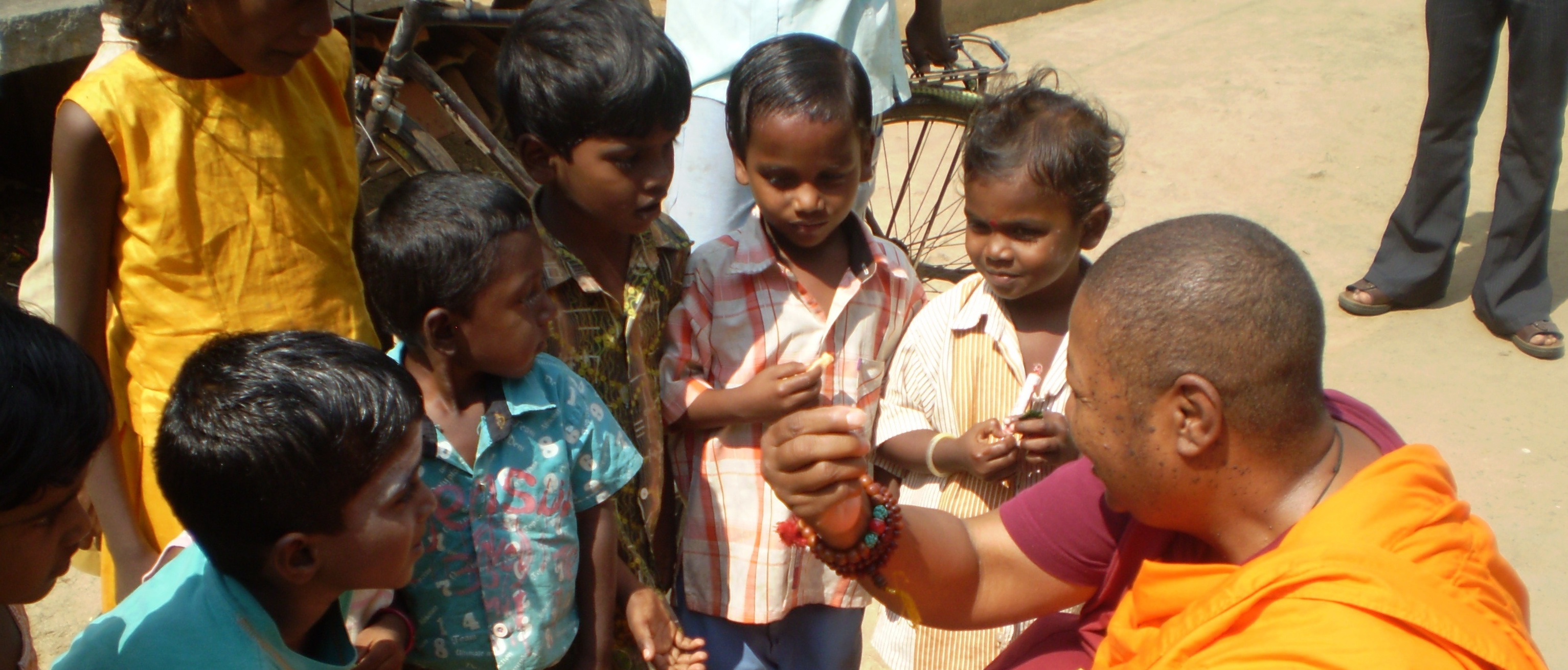
April 10, 2014
Where Literacy Founders in Cambodia, Young Teachers Are Turning Things Around
What if only one in 100 women where you lived knew how to read? That is the situation among Phnong-speaking people in the remote area of Mondulkiri, Cambodia. But an innovative program is making education spread like wildfire!
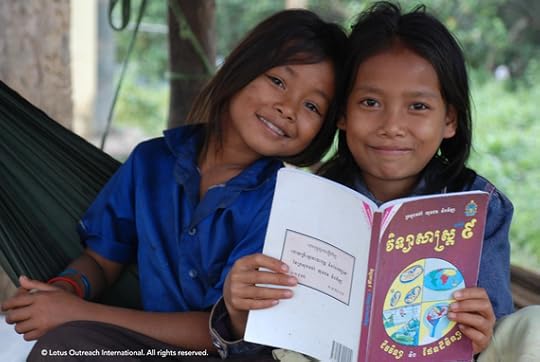
@Lotus Outreach
Lotus Outreach International, a 501(c)(3) nonprofit dedicated to enhancing education and economic opportunity for marginalized communities in Cambodia, has launched the Phnong Education Initiative (PEI). PEI provides access to primary education to indigenous people in their native language of Phnong in one of the farthest reaches of Cambodia's forested countryside.
Mondulkiri province is the home of this indigenous minority which survives principally on subsistence agriculture and gathering from the local wilderness. Here, literacy rates founder at 5.3 percent overall, and a year 2000 study placed female literacy at less than 1 percent.
With few educated locals, most teachers in this area speak Khmer, the official language of Cambodia. PEI corrects this by training Phnong students to teach as soon as following grade nine, so that the number of literate Phnong can multiply as quickly as possible.
The cost for a year of teacher training for a young primary teacher is just $220 per year, and the cost of a year of primary education for a girl is only $250 per year. Visit: www.lotusoutreach.org/education#pei for more information on this program and check out this short video:

@Lotus Outreach
Lotus Outreach International, a 501(c)(3) nonprofit dedicated to enhancing education and economic opportunity for marginalized communities in Cambodia, has launched the Phnong Education Initiative (PEI). PEI provides access to primary education to indigenous people in their native language of Phnong in one of the farthest reaches of Cambodia's forested countryside.
Mondulkiri province is the home of this indigenous minority which survives principally on subsistence agriculture and gathering from the local wilderness. Here, literacy rates founder at 5.3 percent overall, and a year 2000 study placed female literacy at less than 1 percent.
With few educated locals, most teachers in this area speak Khmer, the official language of Cambodia. PEI corrects this by training Phnong students to teach as soon as following grade nine, so that the number of literate Phnong can multiply as quickly as possible.
The cost for a year of teacher training for a young primary teacher is just $220 per year, and the cost of a year of primary education for a girl is only $250 per year. Visit: www.lotusoutreach.org/education#pei for more information on this program and check out this short video: